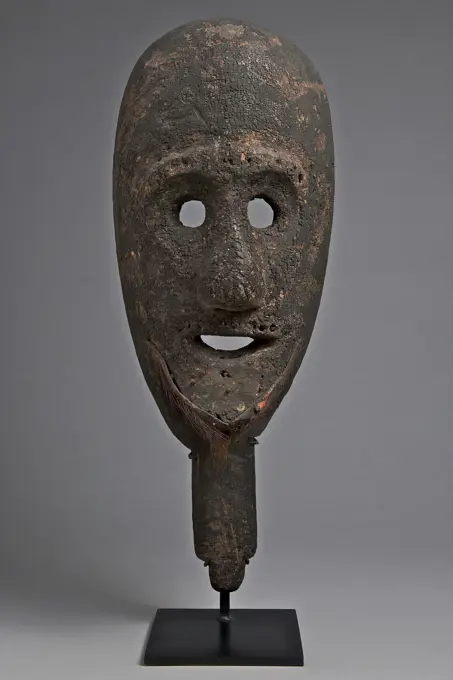
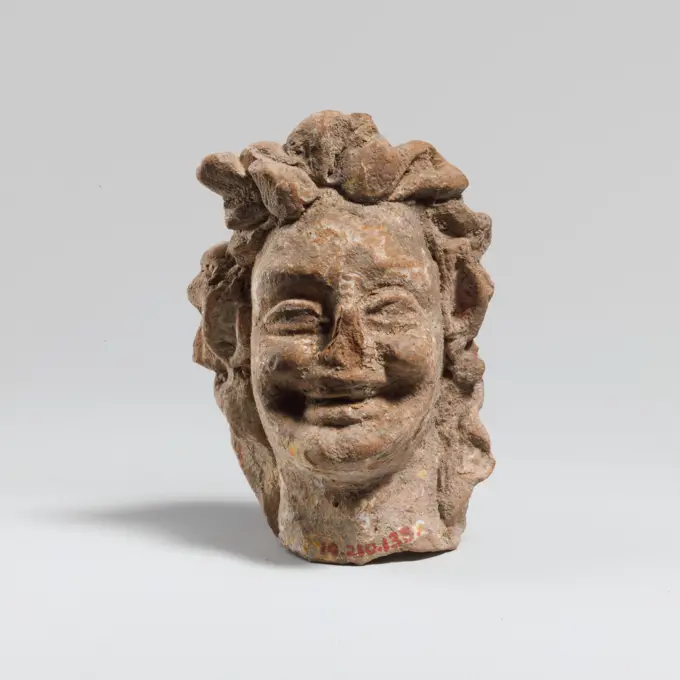
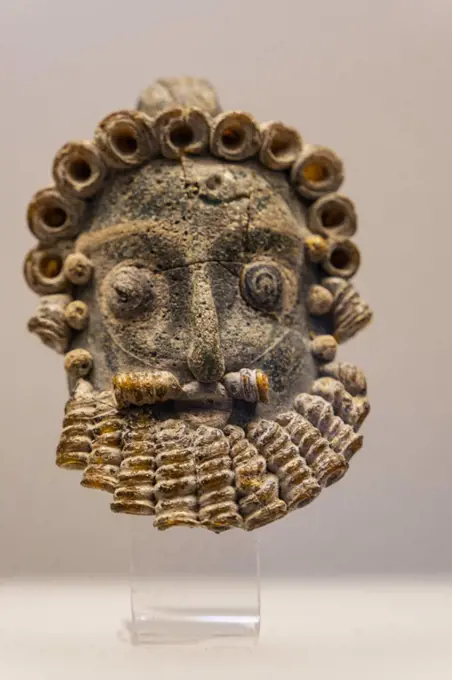
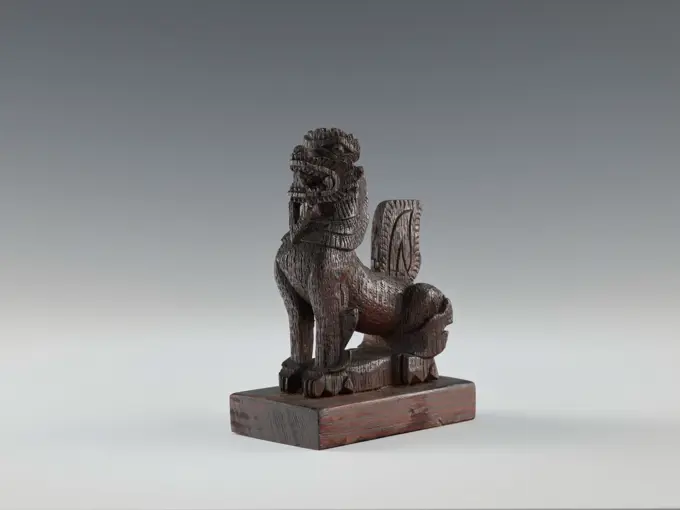
Ancient Pottery Artifacts

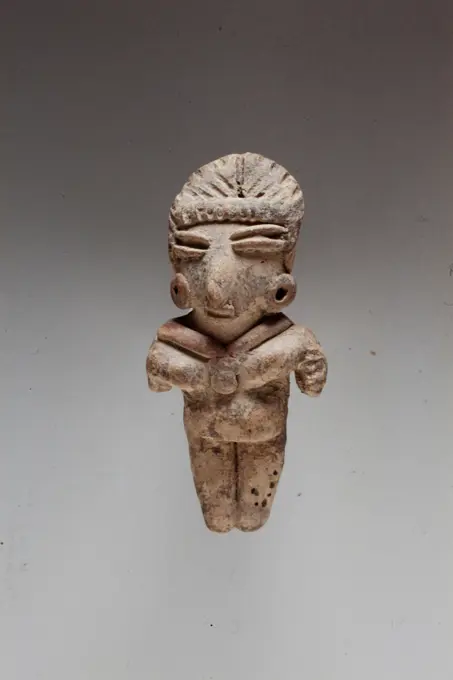
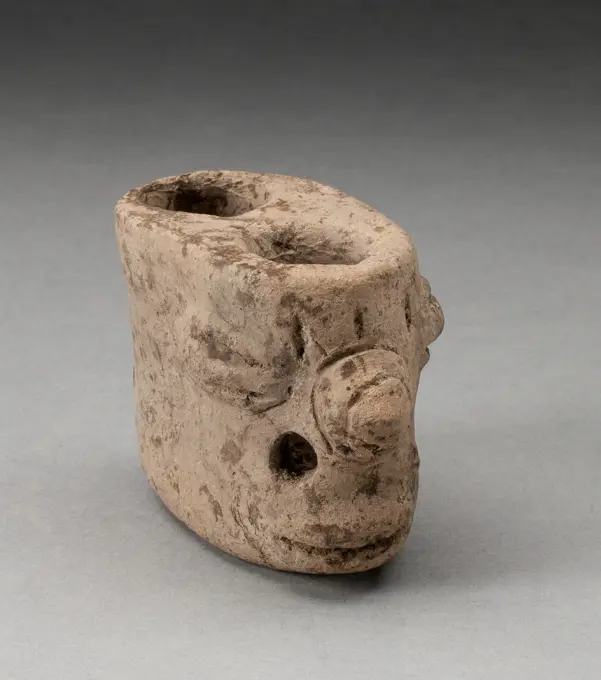
Historical ceramic bottles and figurines from ancient cultures, featuring intricate designs and textures, showcasing craftsmanship across centuries.
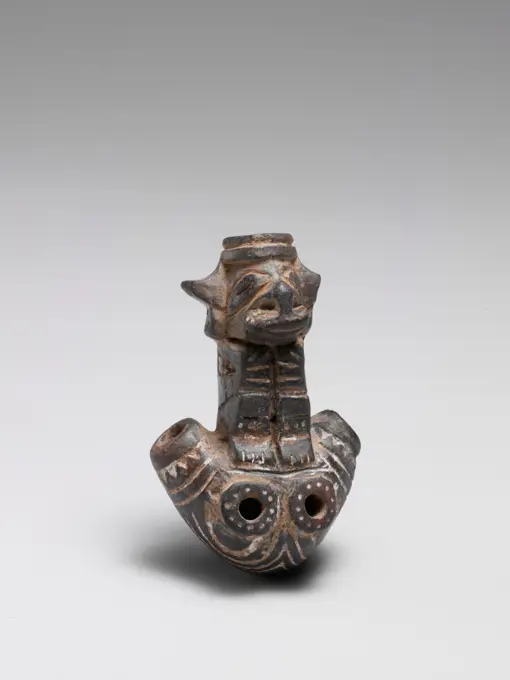
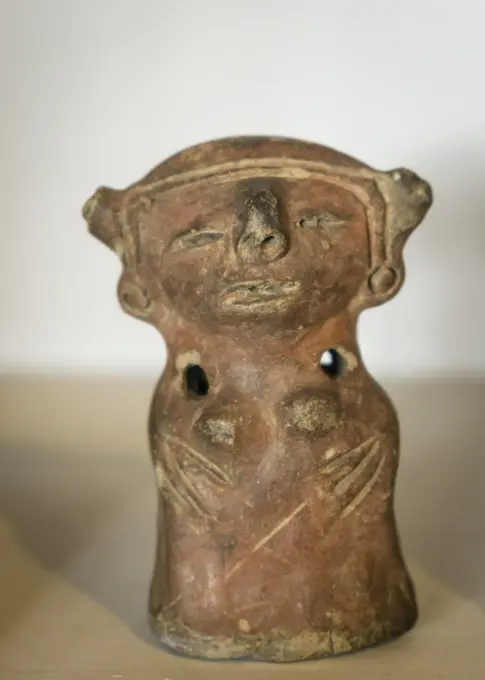
Ocarina 1300-1500 Tairona People; La Aguja Style. Ocarina. Tairona People; La Aguja Style. 1300-1500. Ceramic. Pre-Columbian. Sierra Nevada de Santa Marta, Colombia. Aerophone-Whistle Flute-vessel flute
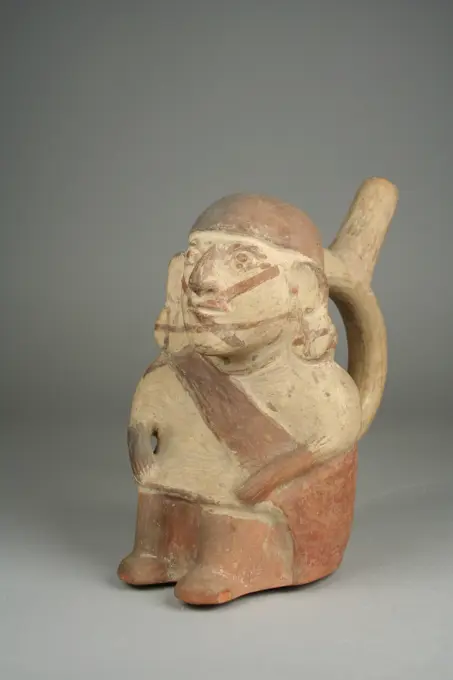
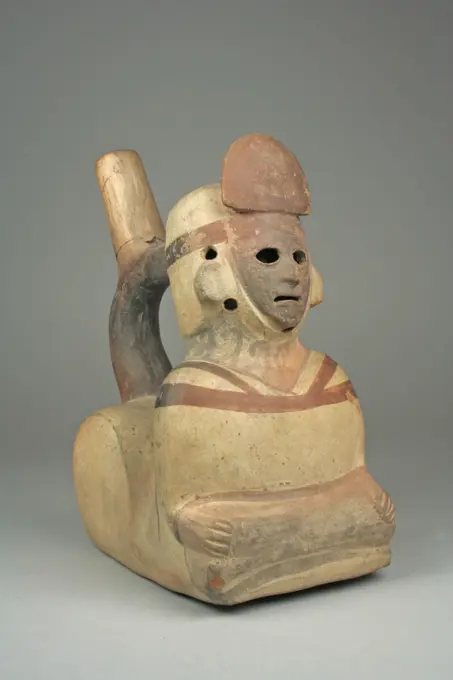
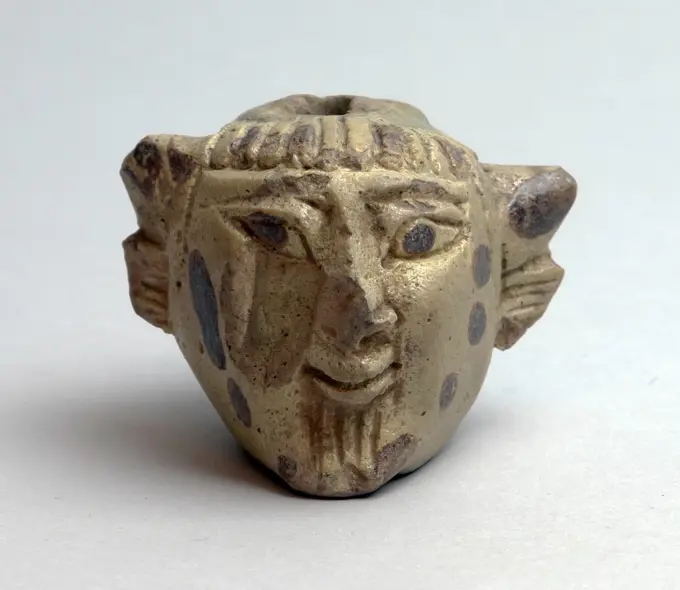
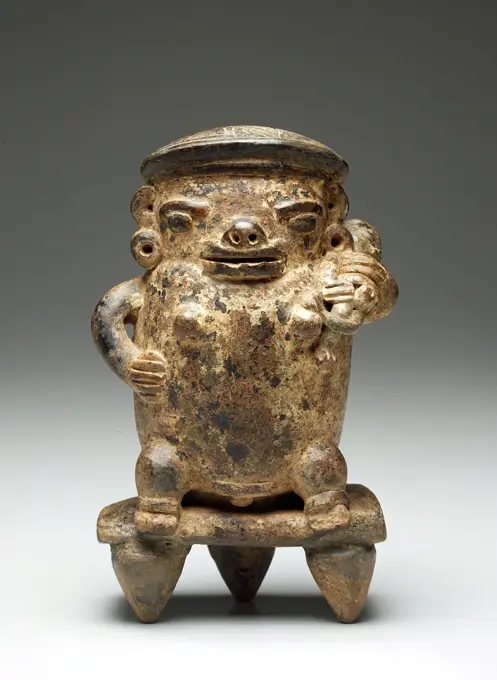
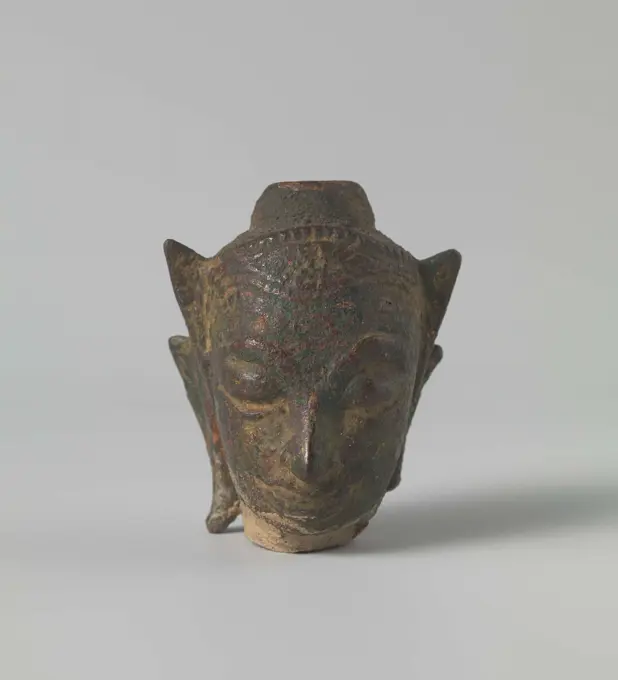
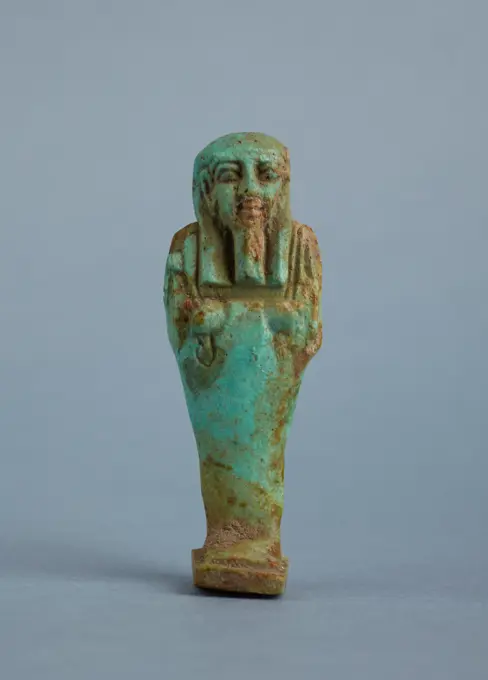
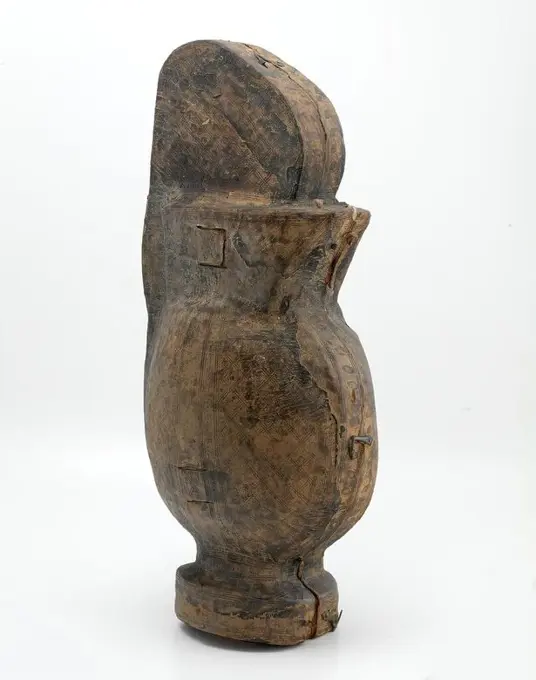
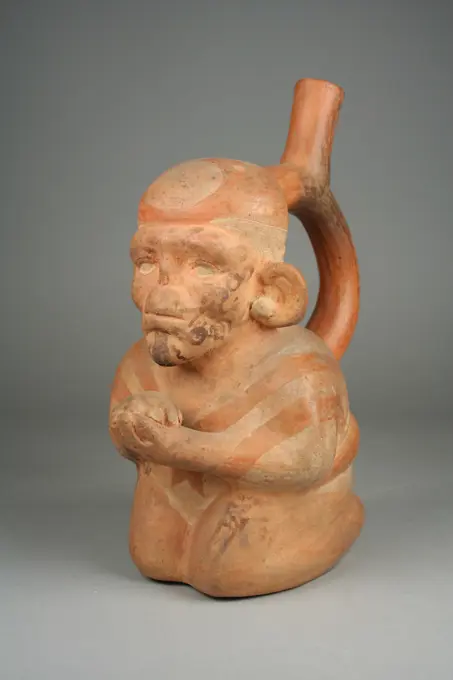
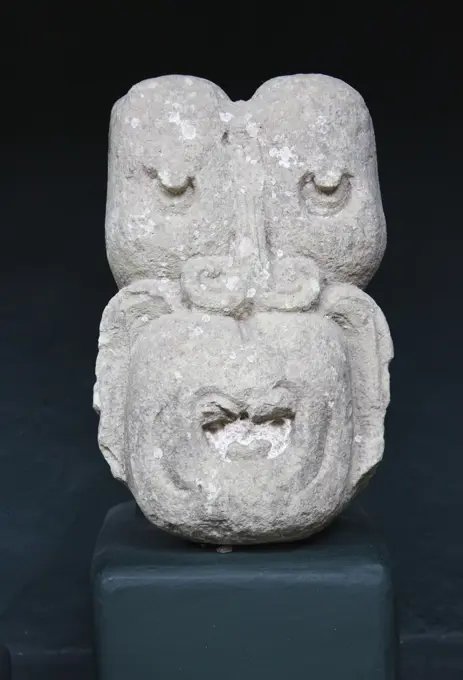
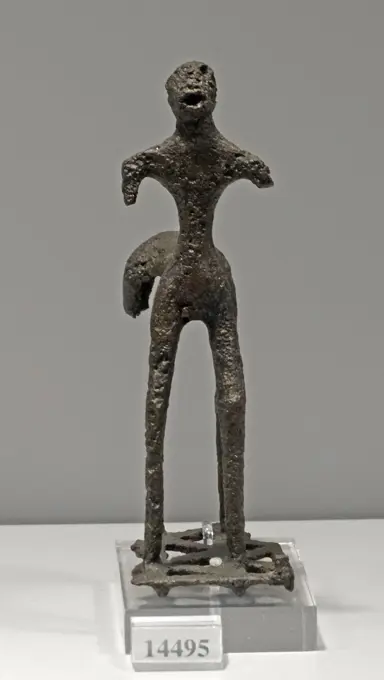
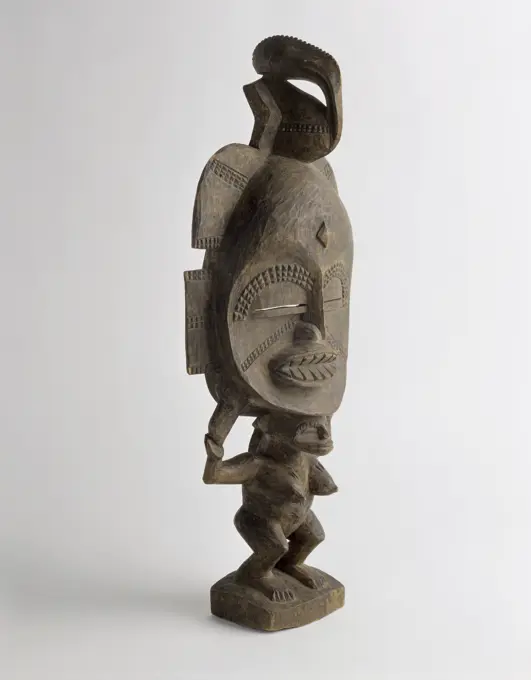
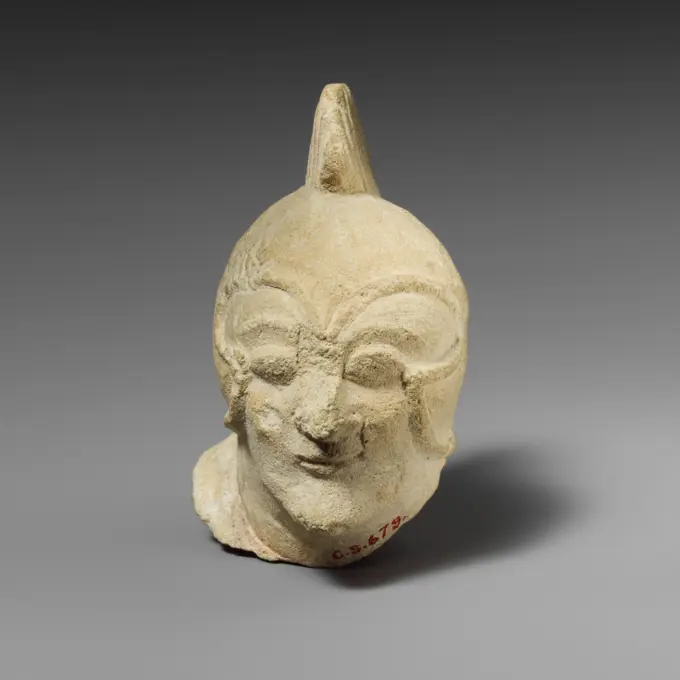
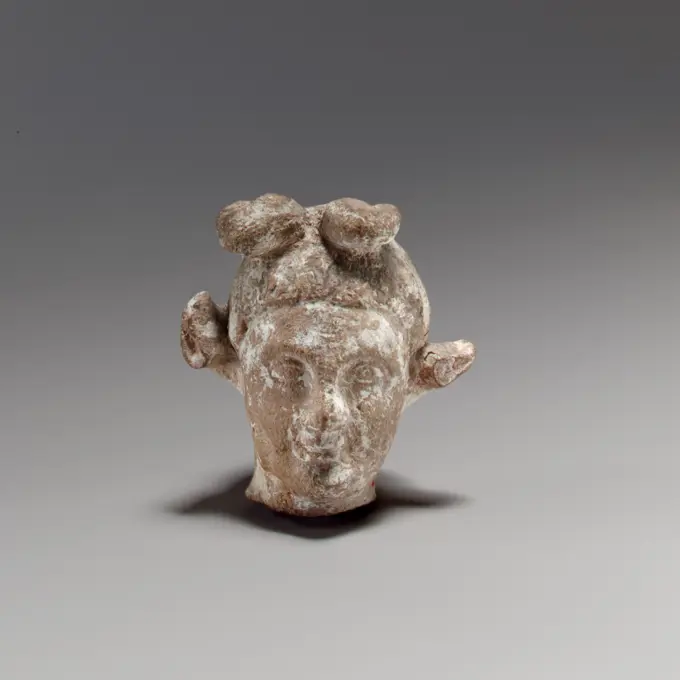
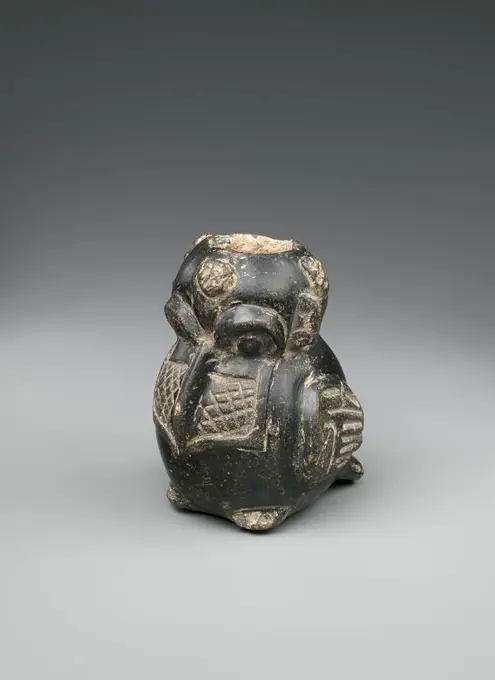
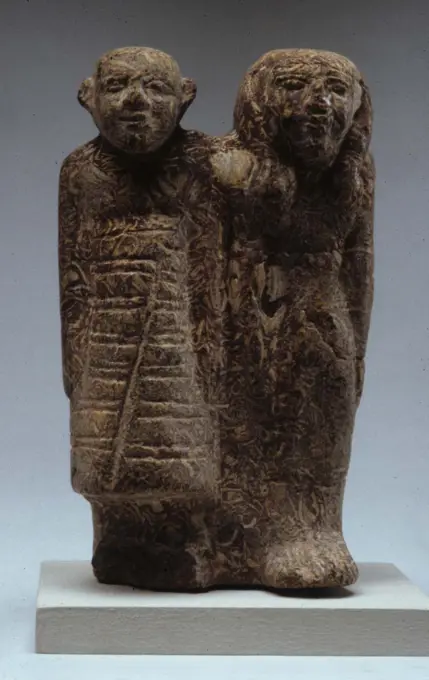
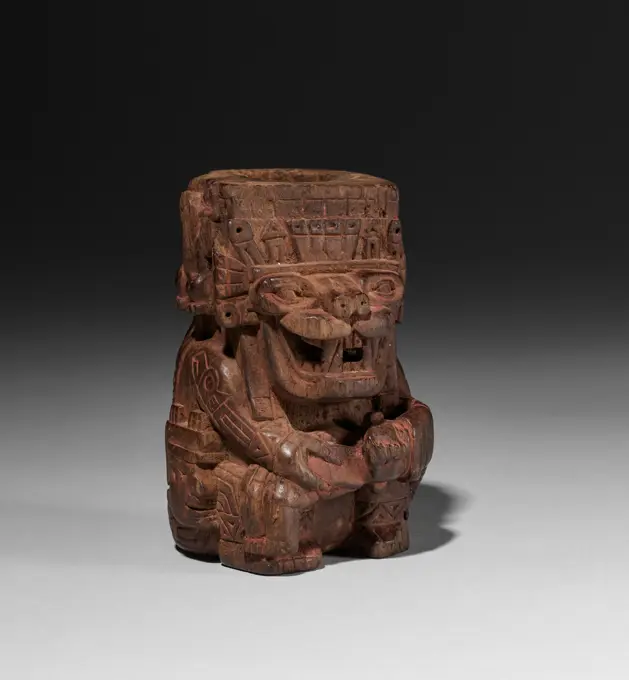
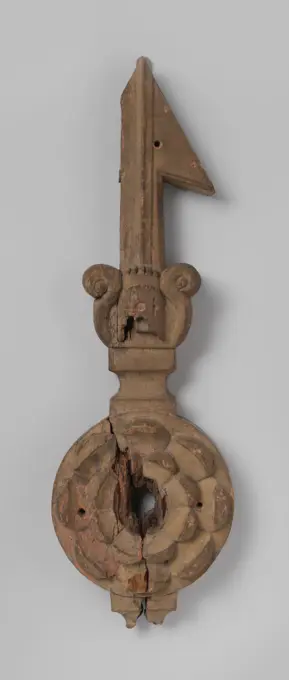
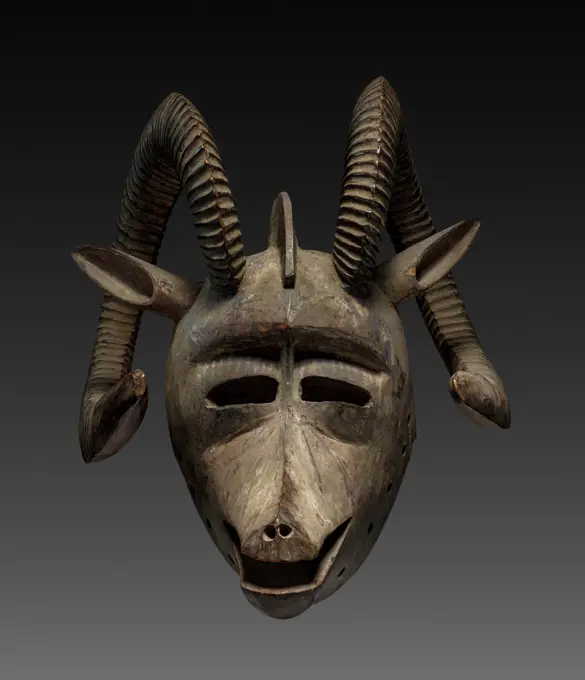
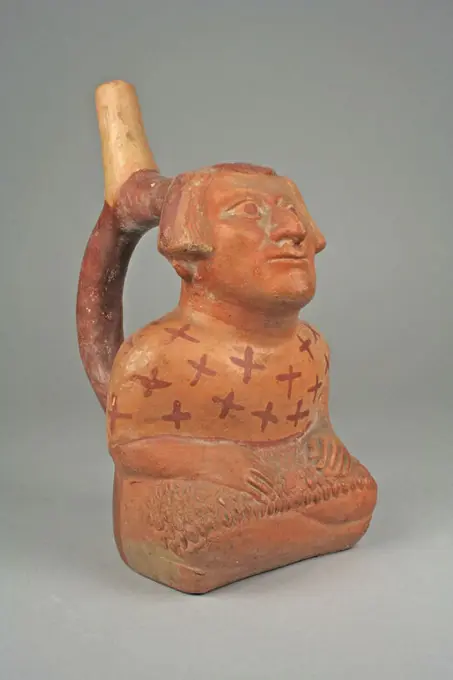
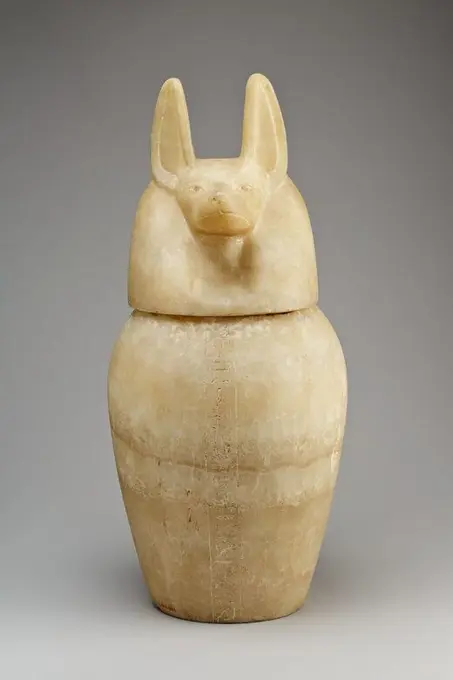
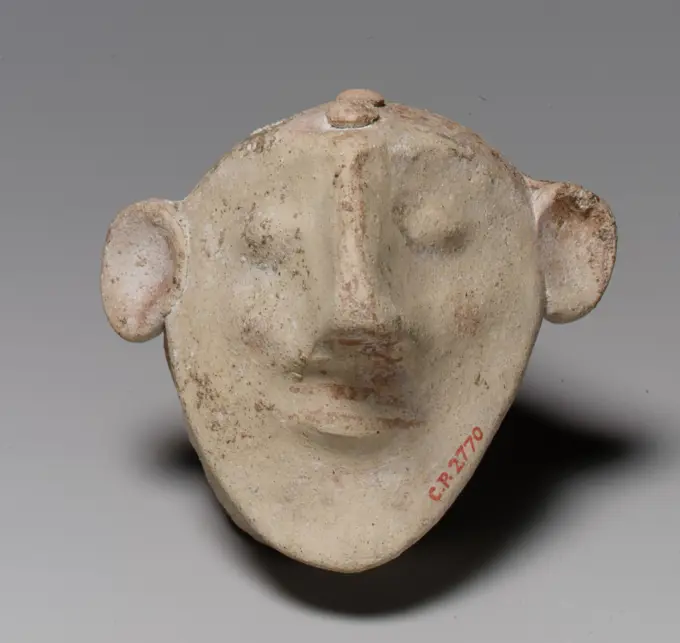
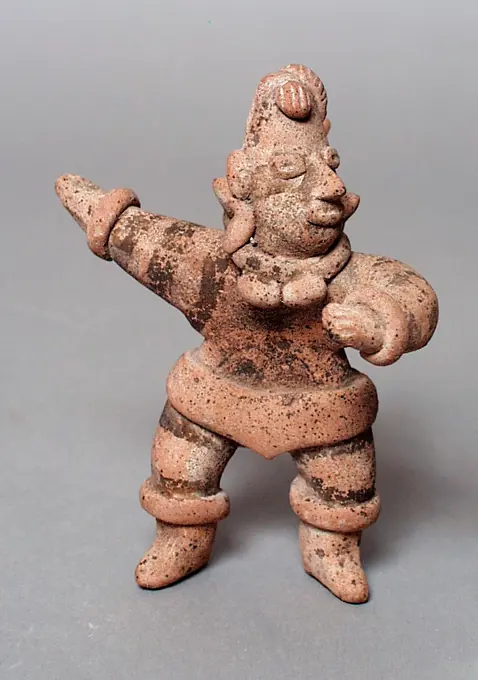
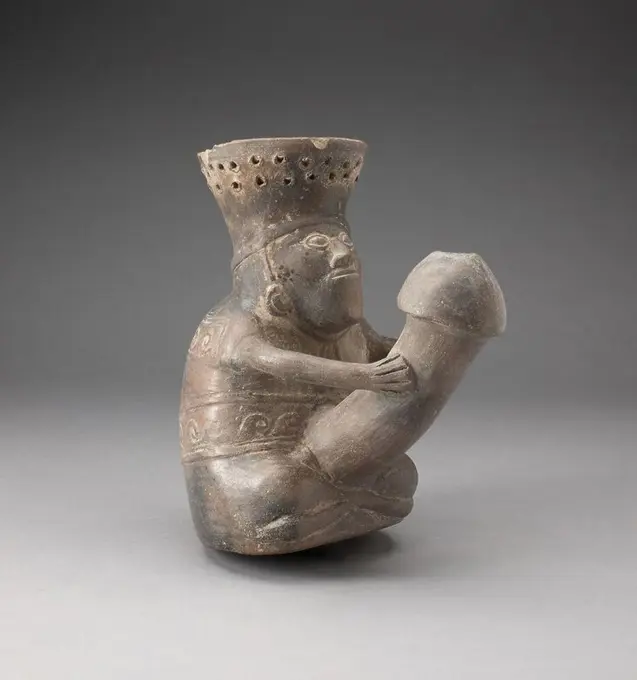
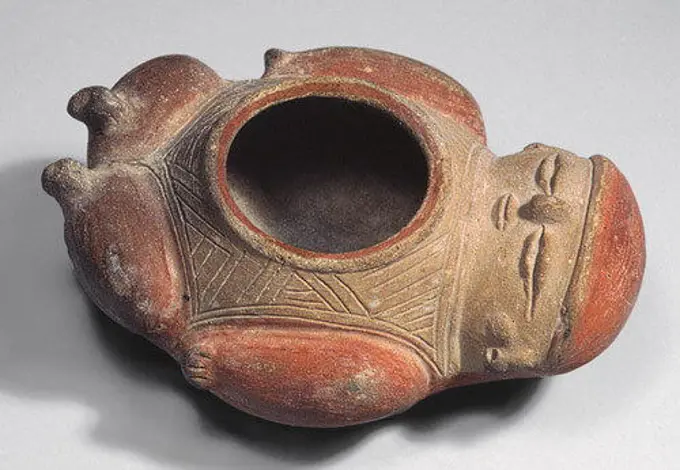
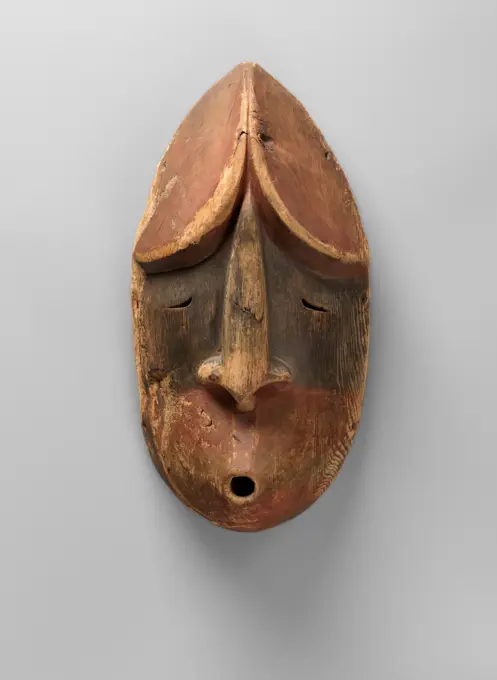
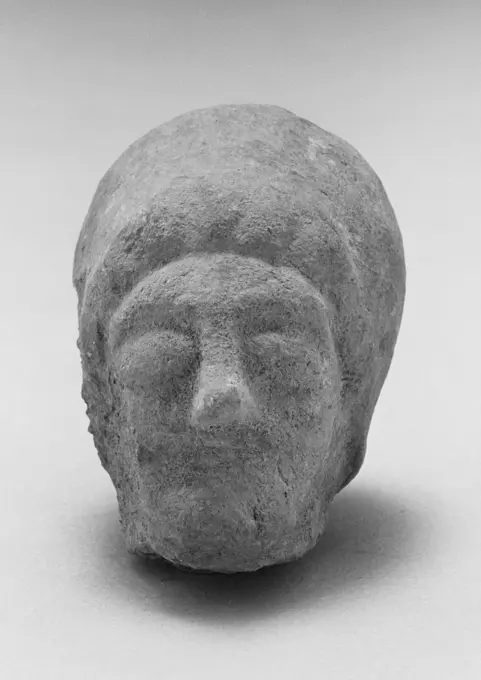
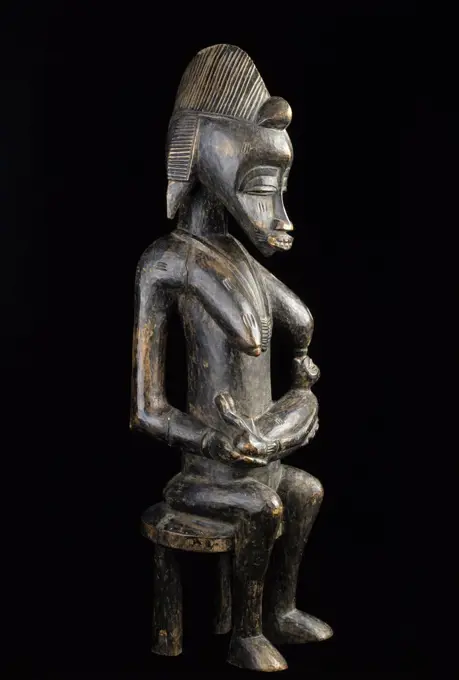
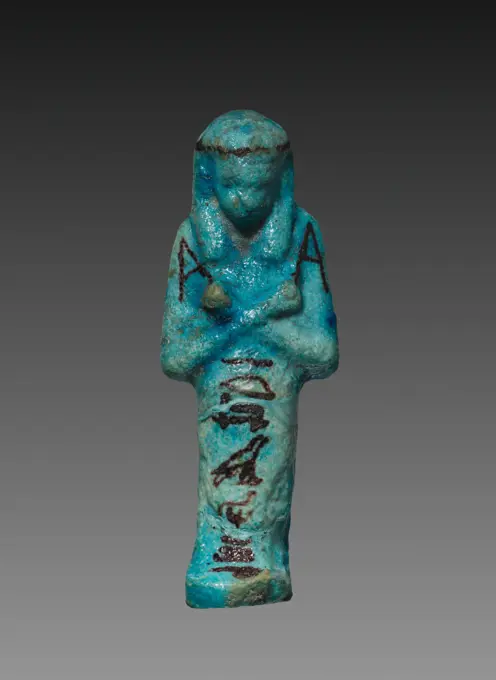
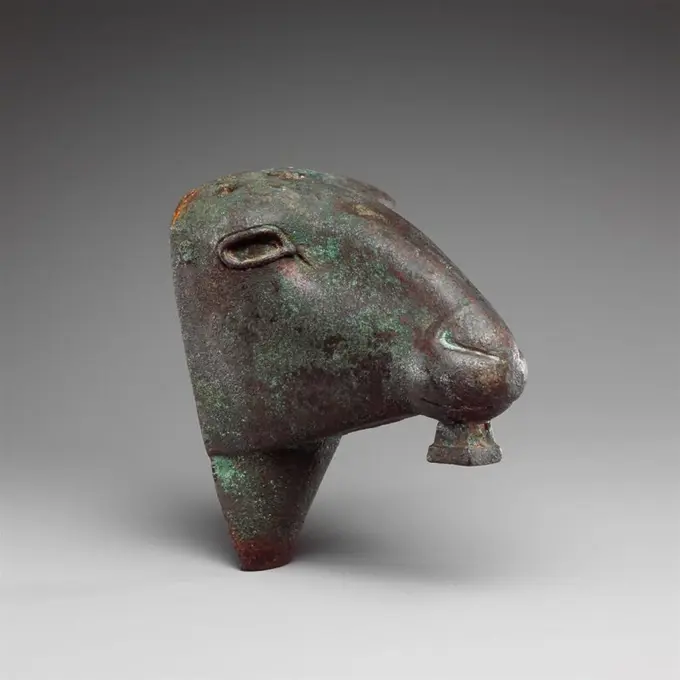
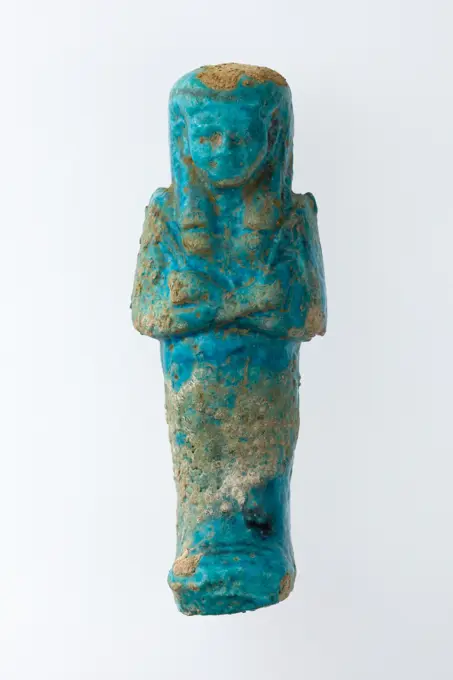
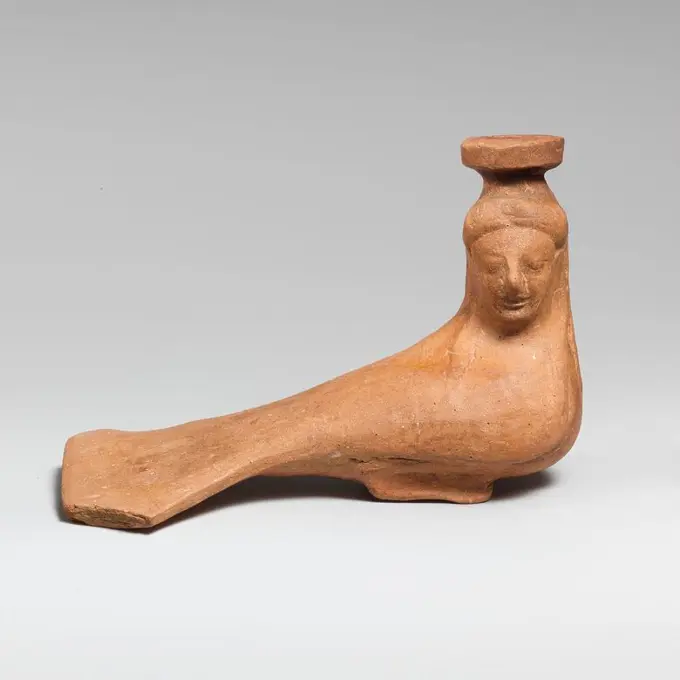
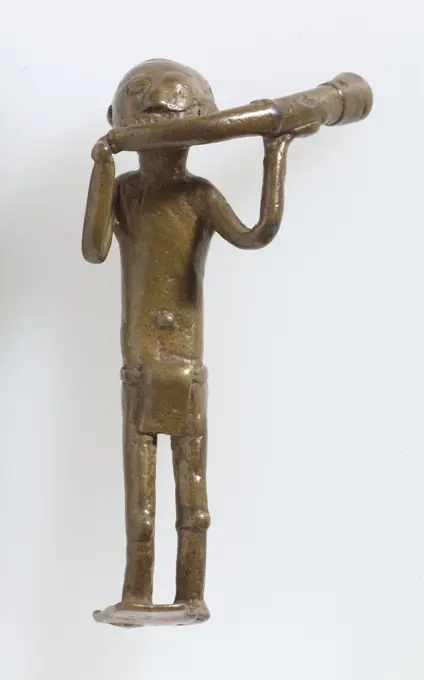
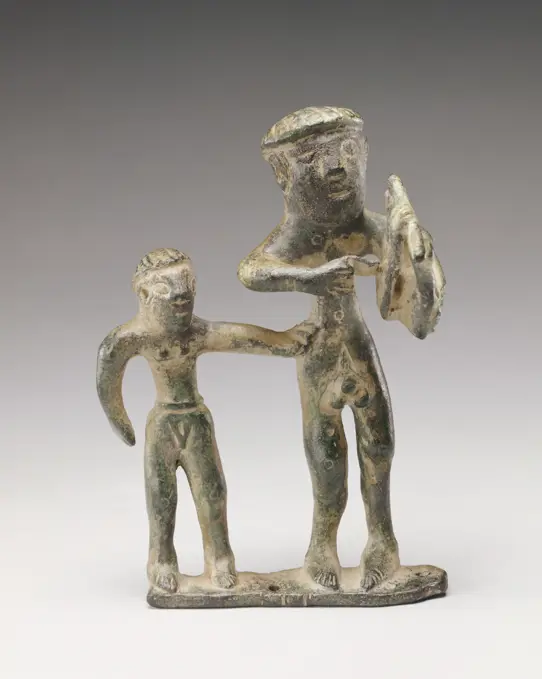
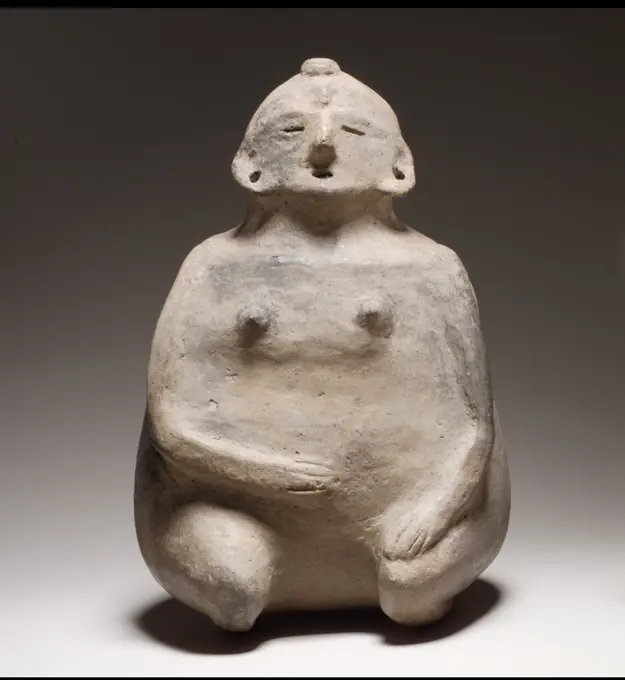
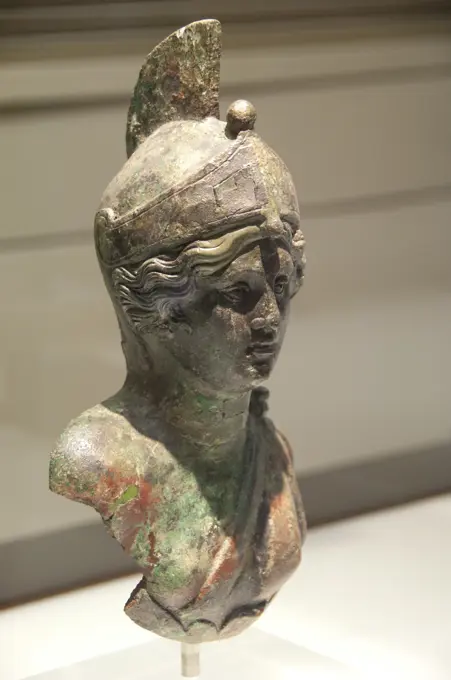
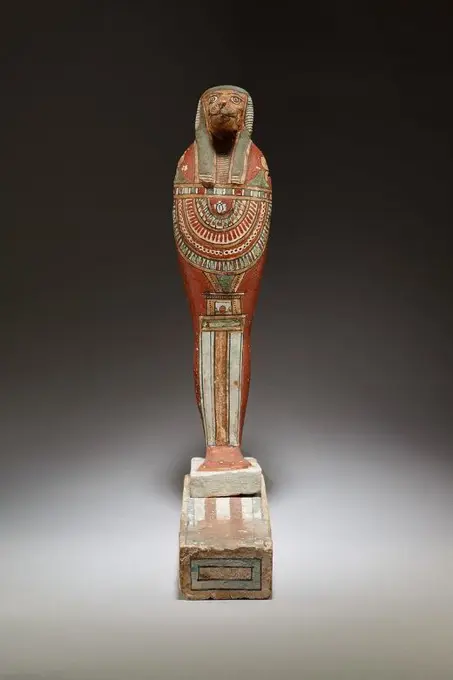
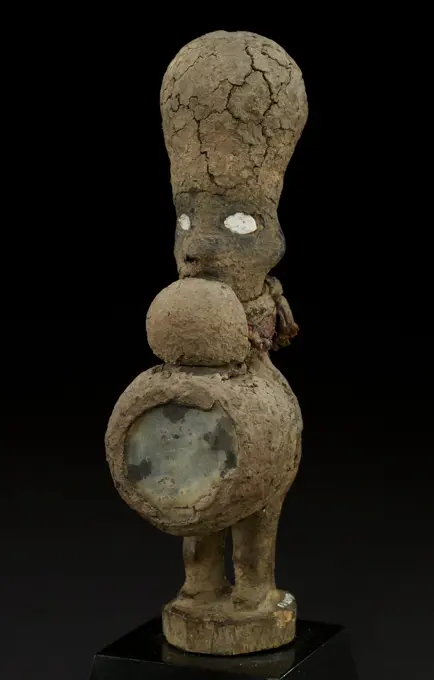
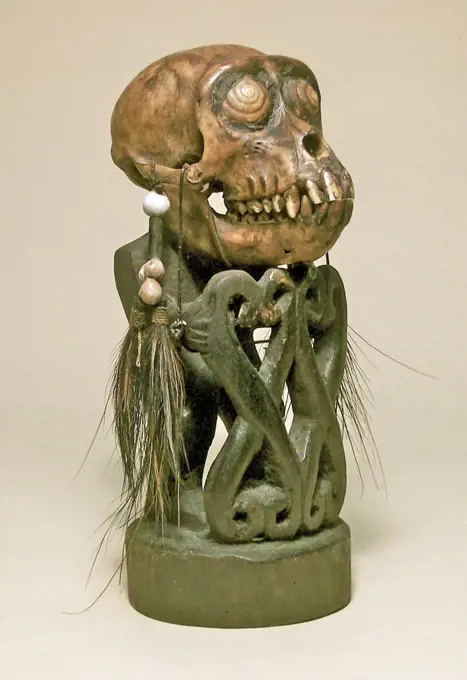
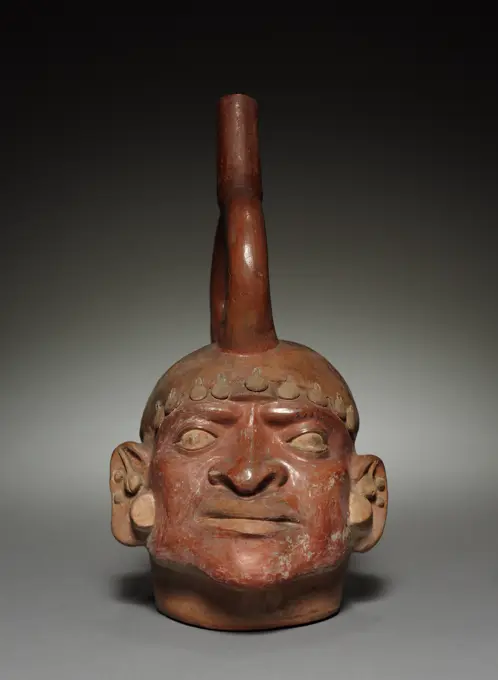
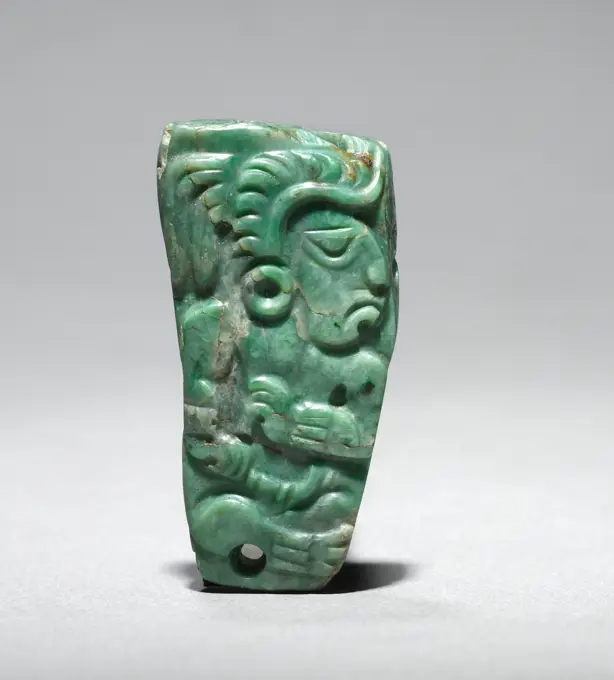
Stirrup Spout Bottle 1st century B.C.-A.D. 7th century Moche. Stirrup Spout Bottle 313307Figurine of a Woman with Her Baby ca. 1961-1917 B.C. Middle Kingdom. Figurine of a Woman with Her Baby 555718Stirrup Spout Bottle with Seated Figure Moche 6th-7th centuryWhistling Stirrup Spout Bottle with Figure 5th-7th century Moche. Whistling Stirrup Spout Bottle with Figure 309338Portrait Head Bottle 4th-7th century Moche. Portrait Head Bottle 309489IdolOcarina 1300-1500 Tairona People; La Aguja Style. Ocarina. Tairona People; La Aguja Style. 1300-1500. Ceramic. Pre-Columbian. Sierra Nevada de Santa Marta, Colombia. Aerophone-Whistle Flute-vessel fluteFaience aryballos (perfume vase) in the form of a head of Acheloös 6th century B.C. East Greek Faience aryballos (perfume vase) in the form of a head of Acheloös.. Faience aryballos (perfume vase) in the form of a head of Acheloös. East Greek. 6th century B.C.. Faience. Archaic. Miscellaneous-FaienceStirrup Spout Bottle with Wrinkled Face. Culture: Moche. Dimensions: Overall: 8 5/8 x 4 5/8 in. (21.91 x 11.76 cm)Other: 4 5/8 in. (11.76 cm). Date: 3rd-5th century. Museum: Metropolitan Museum of Art, New York, USA.Jar, Fat Figure. Culture: Moche. Dimensions: H x W: 15 3/8 x 10 3/16 in. (39.1 x 25.9 cm). Date: 3rd-6th century. Museum: Metropolitan Museum of Art, New York, USA.Head from a Figure 7th-8th century Maya. Head from a Figure 310475Figure, c. 300-799 CE, 6 1/2 x 3 1/2 in. (16.51 x 8.89 cm), Clay, pigments, Costa Rica, 4th-8th centuryStanding female figure, 250 BCE - 300 CE, 3 x 1 3/8 in. (7.6 x 3.49 cm), Earthenware, Mexico, 3rd century BCE - 4th century CEMale Figure, 1900s. Central Africa, Democratic Republic of the Congo, Yaka, early 20th century. Wood; overall: 61 cm (24 in.).Giraffe Head, c. 1540-1296 BC. Egypt, New Kingdom, Dynasty 18. Ivory; overall: 3.2 cm (1 1/4 in.).Double-Chambered Vessel 100 CE-700 CE México. Ceramic . TeotihuacanFragment of a Buddha image. Cup of Buddha with crown; seriously damaged.UshabtiAnonymous / 'Case for the jug with Narcissus and Eco'. XVI century. Leather, Wood, Metal, Cloth. Museum: Museo del Prado, Madrid, España.Stirrup Spout Bottle with Kneeling Leper 3rd-5th century Moche. Stirrup Spout Bottle with Kneeling Leper 308545MUÑECA ARTICULADA DE MARFIL O HUESO PROCEDE DE ONTUR- ALBACETE. Location: MUSEO ARQUEOLOGICO NACIONAL-COLECCION. MADRID. SPAIN.Carved face, Copan Ruins, Maya Site of Copan, UNESCO World Heritage site, HondurasStatuette of an Orant Figure 400 CE-600 CE Egypt. Earthenware, pigment . Ancient EgyptianBronze centaur figurine, Arcadian Greek, 720 BCStanding Female Ancestor Figure with Kpelie Mask African Art Senufu Culture Collection of The Museum of Contemporary Art, Jacksonville, Florida Amulet of the God Pataikos 664-332 B.C. Late Period. Amulet of the God Pataikos 548397Limestone head of a beardless male with a helmet of Greek type mid-6th century B.C. Cypriot Warrior with crested helmet.. Limestone head of a beardless male with a helmet of Greek type 242244Terracotta head of a youth with a goat headdress 4th-3rd century B.C. () Cypriot Head of a deity with horns.. Terracotta head of a youth with a goat headdress. Cypriot. 4th-3rd century B.C. (). Terracotta; mold-made and handmade. Cypro-Classical II-Early Hellenistic. TerracottasBird Jar. Culture: Olmec. Dimensions: H. 3 1/2 in. (8.9 cm). Date: 12th-9th century B.C..This small vessel is in the form of a bird, probably a sea bird, its long beak resting on its chest. Its wings, bearing incised geometric designs, are folded on the sides of its body. On its chest is a trapezoidal, bib-like ornament decorated with incised cross-hatching. The bird is anthropomorphized with round, staring eyes under prominent eyebrows and ears projecting from the sides of the head. On the front and sides of the forehead are appliqued circular incised elements. The surface is burnished except for the decorated areas which are roughened. Museum: Metropolitan Museum of Art, New York, USA.Shabti of Siptah ca. 1194-1188 B.C. New Kingdom, Ramesside. Shabti of Siptah 559268Family group ca. 1802-1640 B.C. Middle Kingdom. Family group. ca. 1802-1640 B.C.. Red Breccia. Middle Kingdom. From Egypt, Memphite Region, Lisht North, cemetery south of pyramid south of House A1:4, Pit 898, MMA excavations, 1920-21. Dynasty 12-13Container in the form of a Sacrificer, 770-890 (radiocarbon date, 95% probability). Peru, Middle Horizon, Wari Culture. Wood and red pigment (cinnabar); overall: 10.8 x 7 x 7.5 cm (4 1/4 x 2 3/4 x 2 15/16 in.). This container assumes the shape of a magnificent, feline-headed, supernatural sacrificer who draws a knife across the throat of the human it holds in its lap. Severed human heads hang from the feline's belt and dangle by the trachea at the back of its headdress. Sacrifice had a place in Wari religious practice, probably as an unusual and exceptionally precious offering made to entice the benevolence of cosmic forces. Indeed, colonial-period Andean people believed that death was a prerequisite for the renewal of the world.Wijzer from the timepiece in the Stadstoren in Middelburg, Anonymous, 1600 - 1699 Wijzer from the timepiece in the Stadstoren in Middelburg. Partly old, partly of a later date. Northern Netherlands (possibly)Netherlands (possibly) wood (plant material) Wijzer from the timepiece in the Stadstoren in Middelburg. Partly old, partly of a later date. Northern Netherlands (possibly)Netherlands (possibly) wood (plant material)Urn Figure Head Fragment, c. 200-500. Mexico, Oaxaca, Zapotec. Earthenware; overall: 17.2 x 22.5 x 13.7 cm (6 3/4 x 8 7/8 x 5 3/8 in.).Ram Mask (Bolo), possibly early 1900s. Africa, West Africa, Burkina Faso, Bobo-style blacksmith-carver. Wood and paint; overall: 45 x 36 x 36 cm (17 11/16 x 14 3/16 x 14 3/16 in.). Bolo masks are primarily danced for entertainment during communal occasions like funerals, male initiations, and harvest celebrations. Comprising both animal and human features, the mask--always worn by a male dancer--refers to the cultural significance of the ram, an animal associated with male aggression across sub-Saharan Africa.Bottle, Seated Figure. Culture: Moche. Dimensions: H. 8 1/4 x W. 4 1/2 in. (21 x 11.4 cm). Date: 5th-7th century. Museum: Metropolitan Museum of Art, New York, USA.Canopic jar with a jackal-headed lid. Dimensions: Jar with Lid: H. 49 cm (19 5/16 in.); Diam. 22.8 cm (9 in.); Jar: H. 28.3 cm (11 1/8 in.); D. 23.6 cm (9 5/16 in.); Diam. at base 14 cm (5 1/2 in.); Diam. at mouth 14 cm (5 1/2 in.); Circ. 70 cm (27 9/16 in.); Lid: H. 22.3 cm (8 3/4 in.); W. 17.4 cm (6 7/8 in.); D. 19.7 cm (3/4 in.); Diam. of foot 12.4 cm (4 7/8 in.). Dynasty: Dynasty 26. Date: 664-525 B.C..Canopic jars were made to contain the embalmed viscera removed from the body in the process of mummification. The organs were placed under the protection of the Four Sons of Horus, whose heads form the lids of the jars: Hapy (baboon-headed), Imsety (human-headed), Duamutef (jackal-headed), and Kebehsenuef (falcon-headed). In turn these gods were under the protection of the goddesses Nephthys, Isis, Neith, and Selket, respectively, as the inscriptions on the jars state.This jar was under the protection of Duamutef and Neith and would probably have contained the stomach. Museum: MetrBottleStopperMark: 51-52 by Harold Stevenson, Oil on linen, 1986, (born 1929), USA, Florida, West Palm Beach, Chisholm GalleryAnthropomorphic mask ca. 600-480 B.C. Cypriot The mask is handmade. It has an ovoid face, bulging eyes, a horizontal groove for the mouth, a prominent nose, and roughly modeled ears.. Anthropomorphic mask. Cypriot. ca. 600-480 B.C.. Terracotta; hand-made. Cypro-Archaic II. TerracottasPeru, Inca civilization, silver statuette of manFace Jug c 1860 Edgefield county. Stoneware and alkaline glaze . Artist unknownGroup of Small FiguresMask (Topeng,Sugriwa)Cup in the Form of a Figure Holding Enlarged Penis. Chimú; North coast, Peru. Date: 1100-1470. Dimensions: H. 20.6 (8 1/8 in.). Ceramic. Origin: North Coast. Museum: The Chicago Art Institute, Chicago, USA.Chlorite pendant in the shape of a Black African's head Cypriot. Chlorite pendant in the shape of a Black African's head 242595escultura antropomorfa, museo de la plaza central, Chichicastenango , Municipio del departamento de El Quiché, Guatemala, Central America.Terracotta aryballos (oil flask) in the form of two Black African heads Greek, Attic late 5th century BCE Two heads, back to back. View more. Terracotta aryballos (oil flask) in the form of two Black African heads. Greek, Attic. late 5th century BCE. Terracotta. Classical. VasesYakshi, figurine, folk, 7th century A. D collected at Muttom near Boluvampatti, Coimbatore, Tamil Nadu, South India, India, AsiaFragment of a Sculpture in the Form of an Animal. Tiwanaku-Wari; South coast Peru or northern Bolivia. Date: 600 AD-1000. Dimensions: Appro×. 12.4 × 7.9 cm (4 7/8 × 3 1/8 in.). Ceramic and pigment. Origin: Bolivia. Museum: The Chicago Art Institute, Chicago, USA.Head from a Figurine of a Child. Indonesia; Eastern Java. Date: 1301-1500. Dimensions: 5.8 × 6.7 × 6.2 cm (2.3 × 2.6 × 2.4 in.). Terracotta. Origin: Eastern Java. Museum: The Chicago Art Institute, Chicago, USA.Hanging Mask. Japan, Meiji period (late 19th century). Jewelry and Adornments; masks. Wood, lacquerFigure Vessel 9th-4th century B.C. Chorrera Human figures are represented by the Chorrera people with rounded, full-volume forms and a minimum of anatomical detail. This figure's body forms a vessel. On its back, fat arms at its sides and short legs extended, it has a large, round opening in its stomach. The broad head has a plain, tight-fitting cap or coiffure, while the facial features are simply modeled; the slightly raised eyes and mouth have incised horizontal grooves separating the lids and lips. The pierced earlobes, common on many Ecuadoran figures, may have once held ornaments. The genderless body is decorated with incised lines, perhaps indicating a textile pattern. Red pigment is rubbed into the matte surface on the head, arms, and legs, and around the raised lip of the vessel opening.. Figure Vessel 315062Mask ca. 1870 Alutiiq/ Sugpiaq, Native American The peoples of the Arctic region use music and performance to invoke the spirit realm. According to native Alaskan beliefs, spirits communicate with people through whistling: these masks may be the faces of such supernatural beings, as they appear to whistle at their beholders. The formal resemblance between the pair, including the prominent noses, minimal eyes, and pointed head decorations, may mark them as specific, linked characters in a myth. Early twentieth-century modernist artists and collectors were drawn to the bold simplicity of such works.. Mask. Alutiiq/ Sugpiaq, Native American. ca. 1870. Wood and pigment. Made in Kodiak Island, Alaska, United StatesMale Head. UnknownRaven Mask, Eskimo Art, USA, Washington DC, Smithsonian Institution (National Museum of Natural History)Seated Maternity Figure with Child Senufu Culture African Art Collection of The Museum of Contemporary Art, Jacksonville, FloridaCrouching Feline, c. 500-900. Peru, Wari (), 6th-10th Century. Stone, turquoise; diameter: 4 cm (1 9/16 in.); overall: 7 x 2.3 cm (2 3/4 x 7/8 in.).Shawabty, c. 1000-945 BC. Egypt, Third Intermediate Period, probably late Dynasty 21 (1069-945 BC). Turquoise faience with black painted decoration; overall: 8.4 x 3 x 2 cm (3 5/16 x 1 3/16 x 13/16 in.).Boat;  3rd passing period, 21 dynasty (301-00-00-400-00-00);Deposit of the University of Warsaw from 1937-1939, French excavations in Deir El-Medina (Egypt)Ram head for attachment. Dimensions: h.15.8 cm (6 7/32 in); w. 10.2 cm (4 in); d. 13.5 cm (5 5/16 in). Dynasty: Dynasty 21-25. Date: ca. 1070-664 B.C..Images of gods were carried out of temples on festival days on processional bark-shrines. Most often the image itself was concealed in a shrine, but sculpted heads at the prow and stern identified the god to the populace, royal statuary surrounded and protected the god hidden in the shrine, and other protective gods rode at the prow. This large ram's head would have appeared on Amun's processional barque. Museum: Metropolitan Museum of Art, New York, USA.Pendant, late 1800s-early 1900s. Central Africa, Democratic Republic of the Congo, Luba people. Ivory; overall: 8.6 x 2.3 x 4.5 cm (3 3/8 x 7/8 x 1 3/4 in.).Worker Shabti of Henettawy (C), Daughter of Isetemkheb ca. 990-970 B.C. Third Intermediate Period See 25.3.19.. Worker Shabti of Henettawy (C), Daughter of Isetemkheb 591070UshabtiFigurine Whistle. Colombia, Sierra Nevada de Santa Marta, Tairona, 800-1600 CE. Ceramics. CeramicTerracotta vase in the form of a siren. Culture: East Greek, Rhodian. Dimensions: 3 1/4 x 4 11/16 in. (8.31 x 11.91 cm). Date: ca. 550-500 B.C..In the hands of Greek artists, zoomorphic shapes became attractive and well-proportioned containers for perfumes and oils. Museum: Metropolitan Museum of Art, New York, USA.Kapitel wolutowy. warsztat nubijski, workshopGoldweight Figure Blowing a Side-blown Trumpet, 19th-20th century, 3 1/4 x 1 3/4 x 13/16 in. (8.26 x 4.45 x 2.06 cm) (without base), Brass, Ghana, 19th-20th centurySeal Carved as Chinese Imperial Servant. Japan, 18th century. Costumes; Accessories. Rhinoceros hornStatuette of a Lyre Player with a Companion. UnknownMaskStirrup Spout Bottle with Figure. Culture: Moche. Dimensions: H. 7 7/8 x W. 5 in. (20 x 12.7 cm). Date: 5th-7th century. Museum: Metropolitan Museum of Art, New York, USA.Viking god Freyr. Statuette.Dutchman Holding Dog. Japan, 18th century. Costumes; Accessories. Ivory with staining, sumiTerracotta idol's head, from Merimde Beni-SalamTerracotta head of a laughing satyr 3rd-1st century B.C. Greek Laughing.. Terracotta head of a laughing satyr 248420Vessel in the Form of a Hunchback Figure Carrying a Jar Made 1200-1500 Costa Rica. Ceramic and pigment . NicoyaHuman Face Maskpendant in the shape of a bearded male, from Carthage, 4th-3rd cent. BCE, Carthage National museum, The Coliseum , Rome, Lazio, Italy ,.Uskrzydlony lew Singh. unknown, craftsmanHead pendant 500 B.C.-A.D. 300 Indonesia. Head pendant 58425Sakhmet Amulet 664-525 B.C. Late Period. Sakhmet Amulet. 664-525 B.C.. Blue faience. Late Period. From Egypt. Dynasty 26Female Figure Bottle 11th-14th century Mississippian. Female Figure Bottle 318286Germany, Cologne. Roman Germanic Museum (aka Romisch-Germanisches). Roman artifac display, metal figures.Funerary Figure of Hapy. Dimensions: H. 41.5 cm (16 5/16 in.); W. 10.4 cm (4 1/8 in.); D. 29.9 cm (11 3/4 in.). Date: ca. 400-30 B.C..This baboon-headed figure represents the god Hapy, who protected the lungs. He is one of the four so-called sons of Horus that are often depicted as mummies, each with a different head (for the other three statuettes belonging to the same set, see 12.182.37a-c). The sons of Horus were deities who protected the internal organs and are probably best known from their representations on the lids of the canopic jars that contained mummified viscera. They were also thought to assist in the process of mummification and to provide nourishment, possibly because they were associated with the internal organs. Thus they had a general protective function for the deceased.On the lower legs is a space for inscriptions; this was left blank, meant to be filled in later (after the set of statuettes sold) with a short text that would have included the name of the owner.Female Head. UnknownBronze statuette of a god holding a cornucopia ca. 100 B.C.-A.D. 100 Greek or Roman Relief of a god with cornucopia and branch.. Bronze statuette of a god holding a cornucopia. Greek or Roman. ca. 100 B.C.-A.D. 100. Bronze. Late Hellenistic or Early Imperial. BronzesPortrait Head Bottle 3rd-5th century Moche. Portrait Head Bottle 314680Bottle 1820-50 American. Bottle 597Laminated bronze situla with embossed and engraved decoration, used as urn, Etruscan civilization, 6th century b.c.Hook() with Human or Monkey ca. 300 B.C.-A.D. 200 Thailand (Ban Chiang). Hook() with Human or Monkey. Thailand (Ban Chiang). ca. 300 B.C.-A.D. 200. Bronze. Late period. MetalworkKey Handle 1st-7th century Roman. Key Handle. Roman. 1st-7th century. Copper alloy. Metalwork-Copper alloyOlive lamp;  5th century (400-00-00-499-00-00);Waterspout with Acheloös. UnknownPower figure, early 20th century, 8 1/4 × 2 1/2 × 2 5/8 in. (20.96 × 6.35 × 6.67 cm) (with base), Wood, porcelain, clay, plant fibers, mirror, fabric, Democratic Republic of Congo, 20th centuryTerracotta container from Colombia. Dated 15th CenturyKorwar Ancestor Figure; Cenderawasih Bay, N.W. New Guinea.Bottle, before 1930. Peru, Mochica. Pottery; overall: 29.4 x 15.3 x 19 cm (11 9/16 x 6 x 7 1/2 in.).Classic figurine Classic figurine, museum of the central square, Chichicastenango, municipality of the department of El Quiché, Guatemala, Central America Copyright: xZoonar.com/BartomeuxBalaguerxRotgerx 22072918Ornament, 250-900. Mexico or Central America, Maya style (250-900). Greenstone; overall: 4.8 x 2.6 cm (1 7/8 x 1 in.).