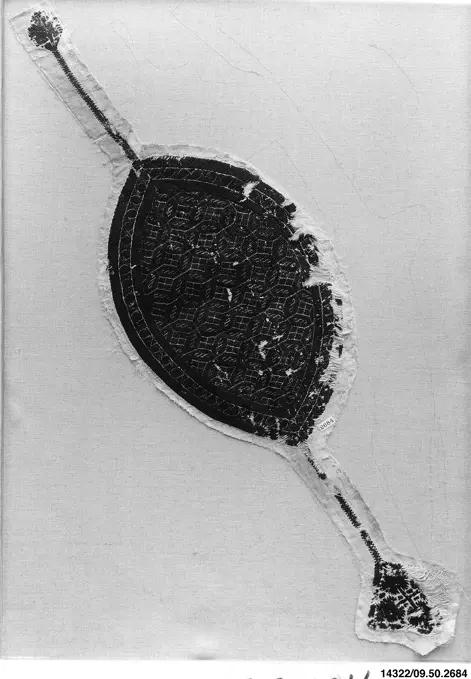
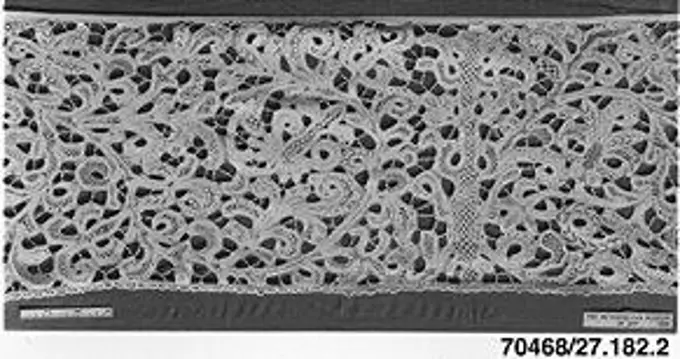
Ancient Pottery Fragments

Artifacts of ancient pottery featuring decorative patterns, showcasing parts of historical vessels and fragments from archaeological finds.

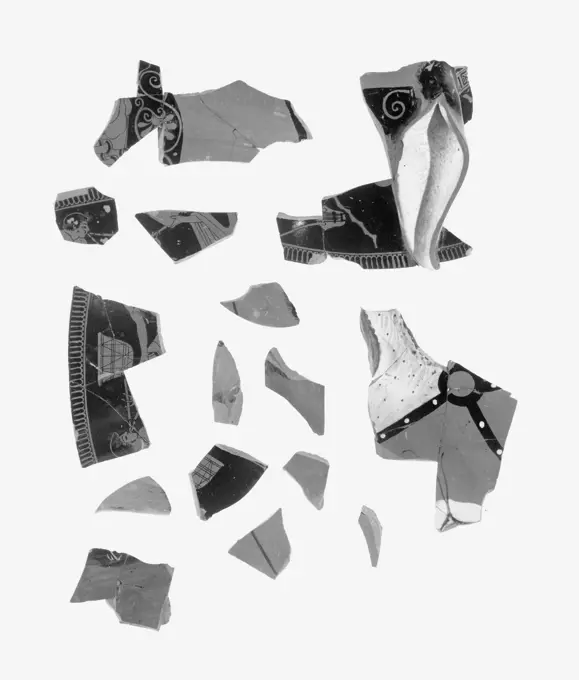
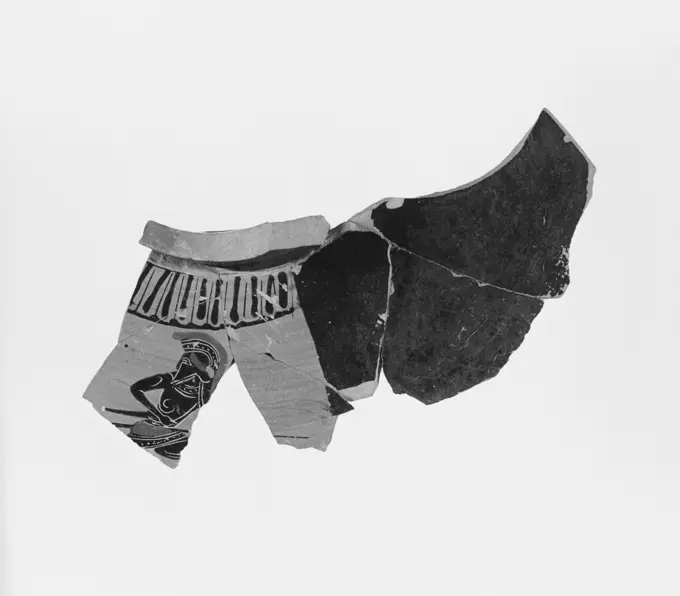
Attic Black-Figure Nicosthenic Amphora Fragment. Unknown
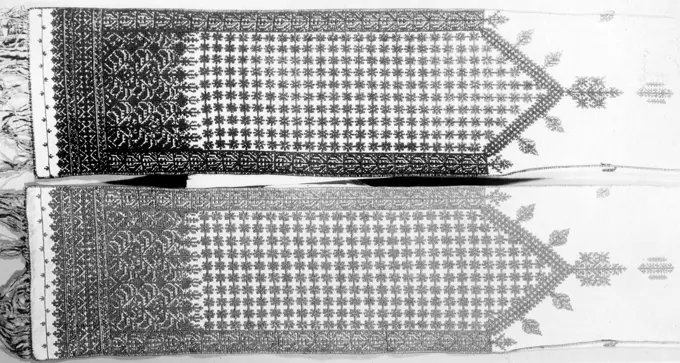
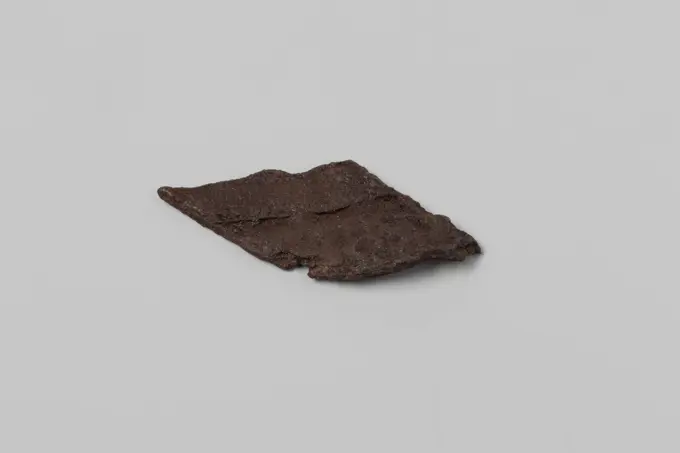
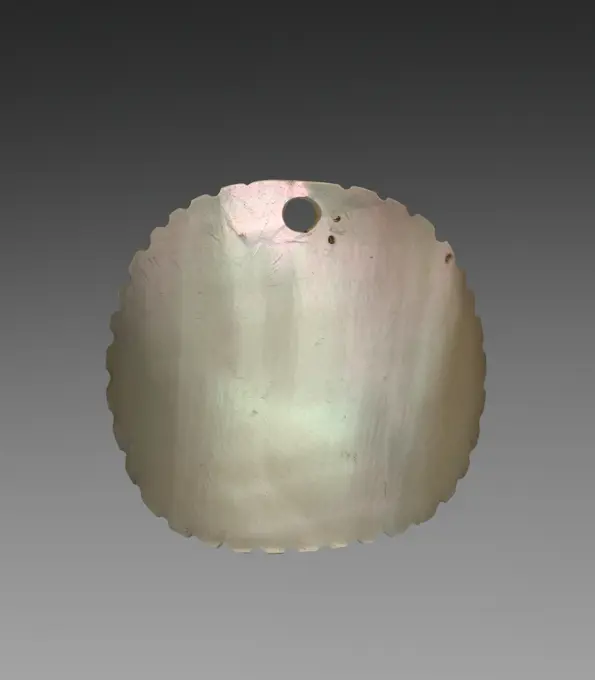
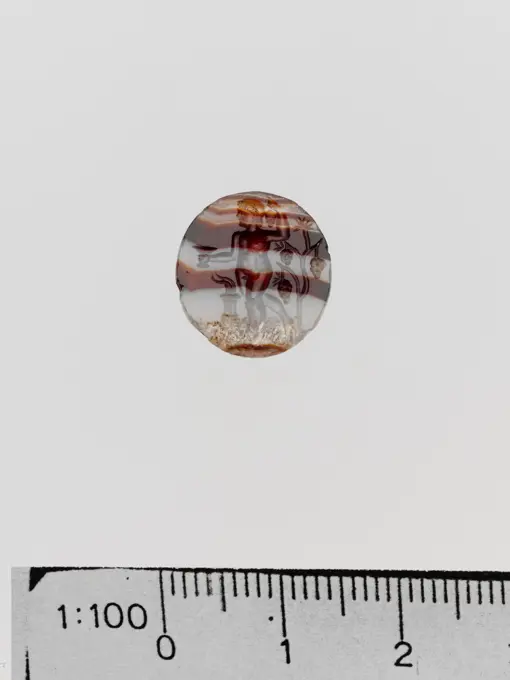
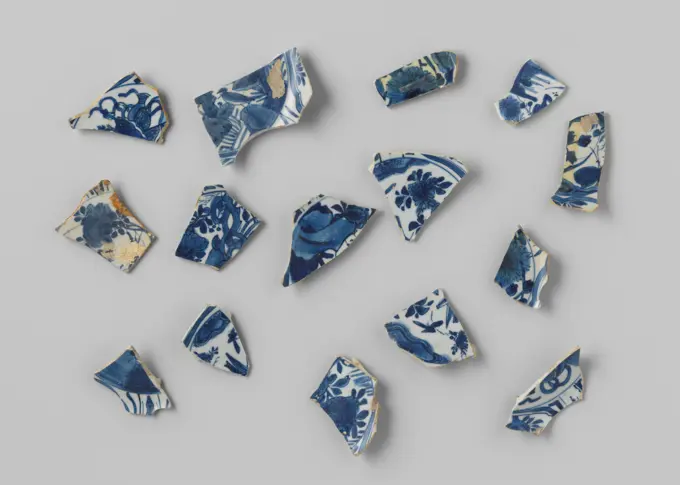
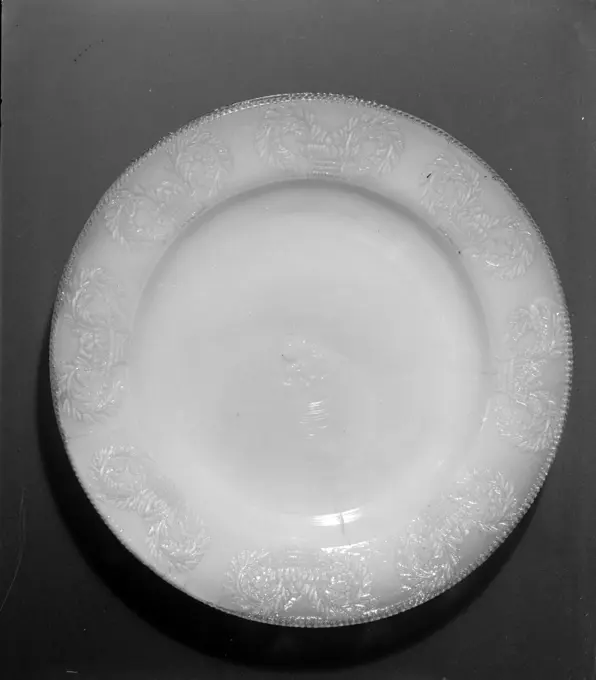
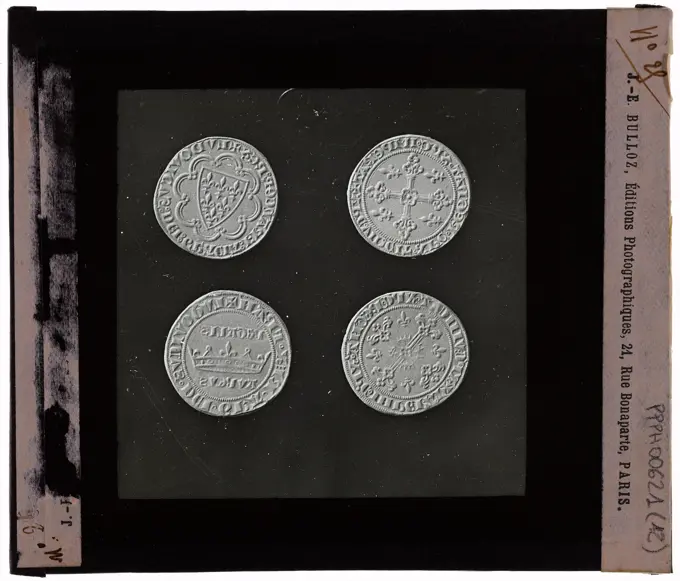
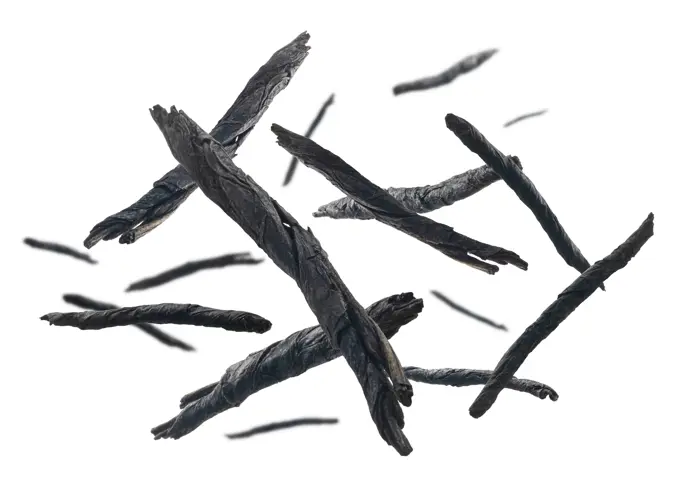
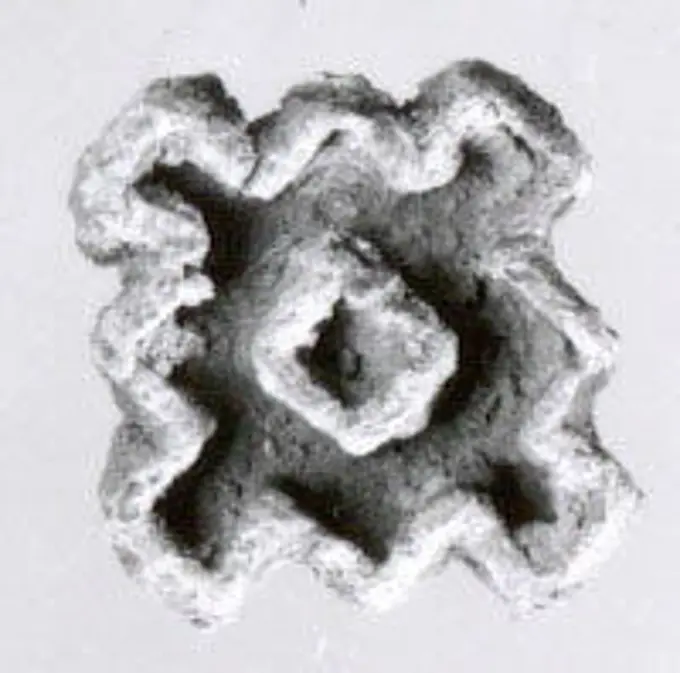
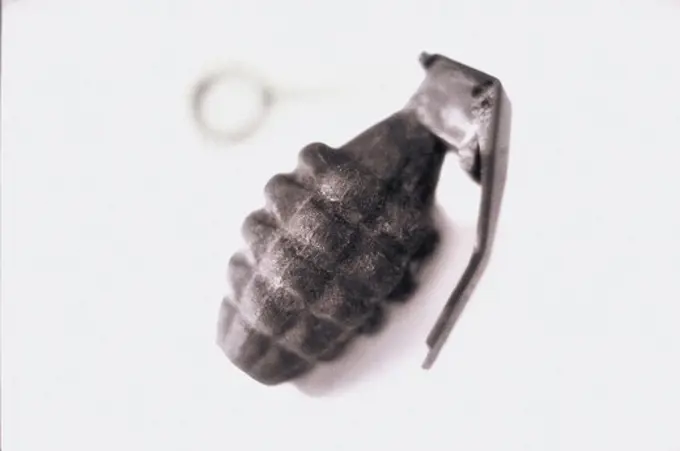
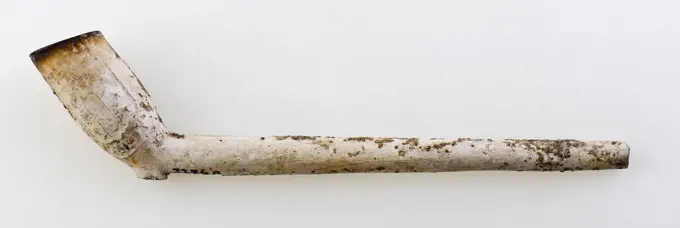
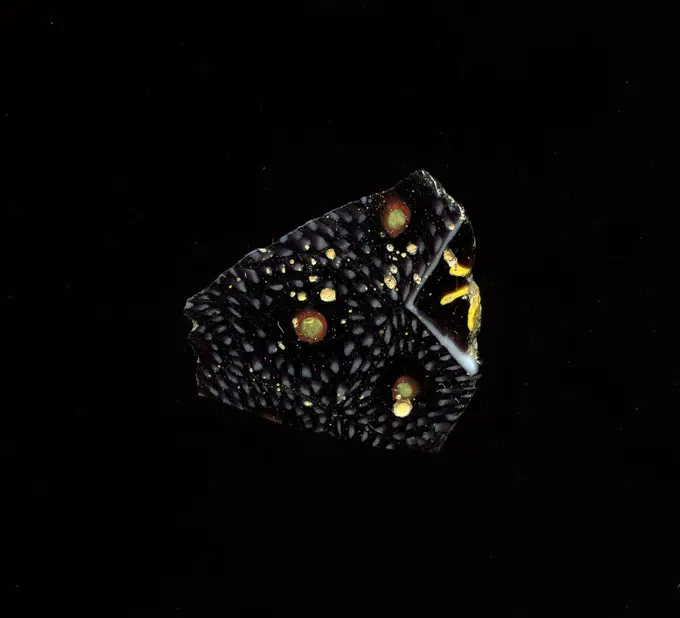
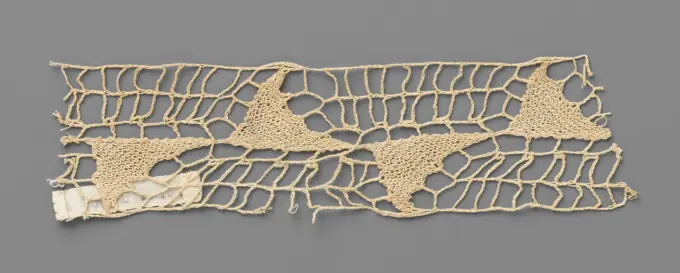
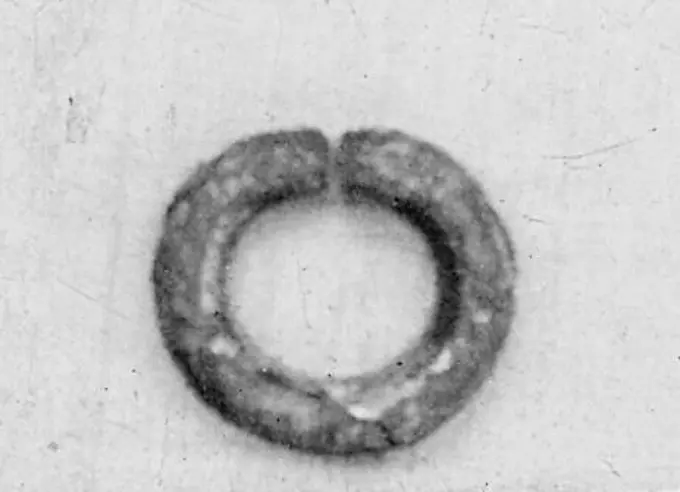
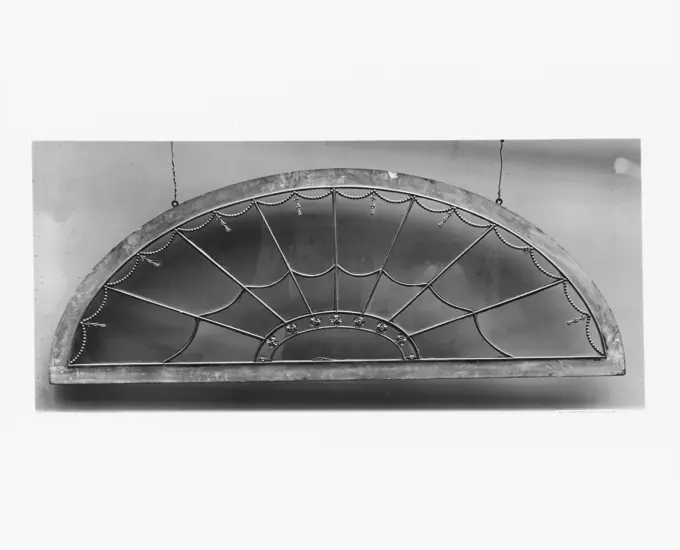
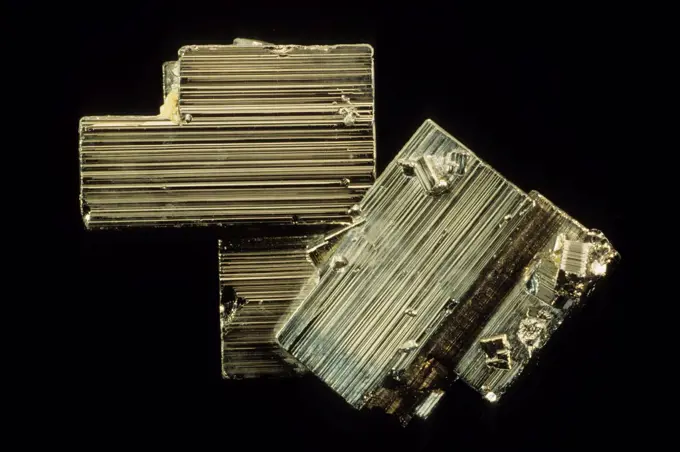
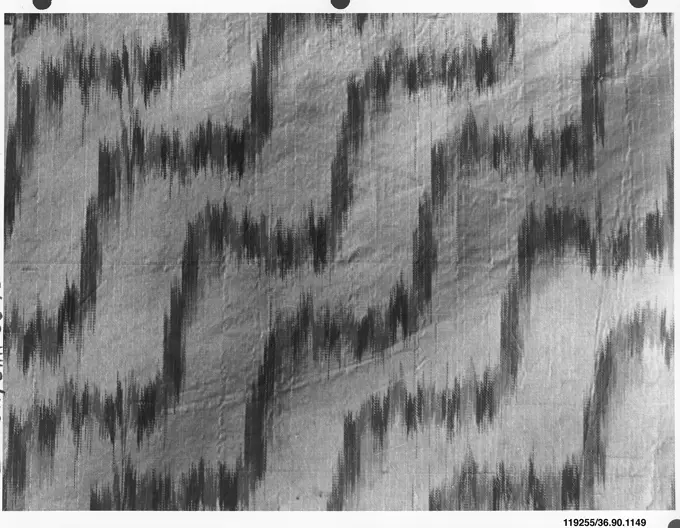
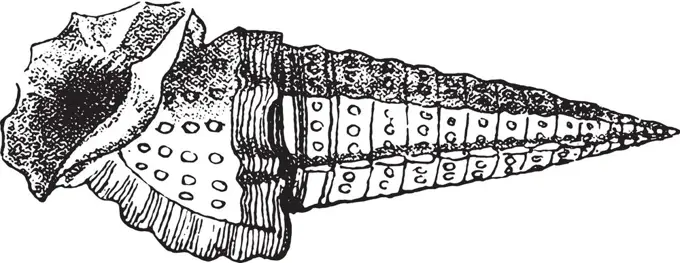
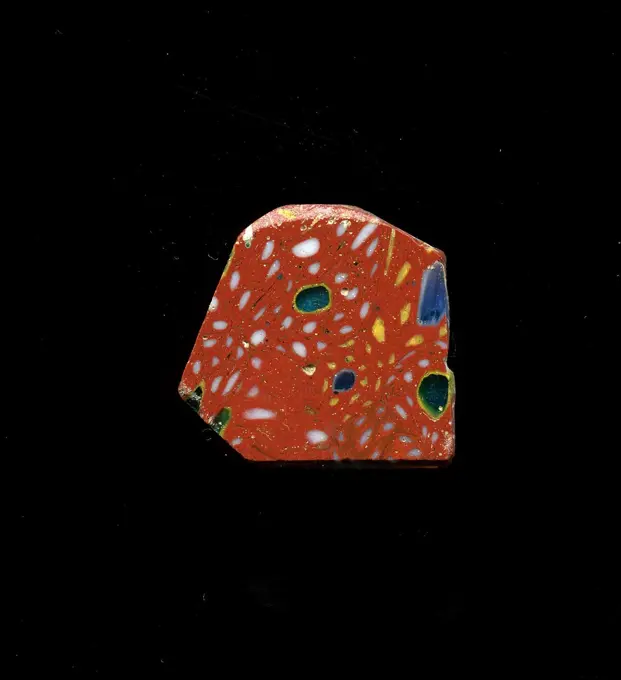
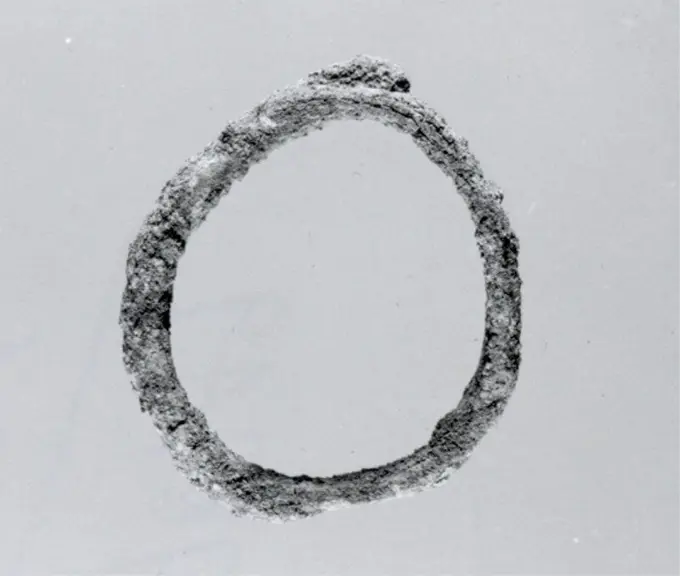
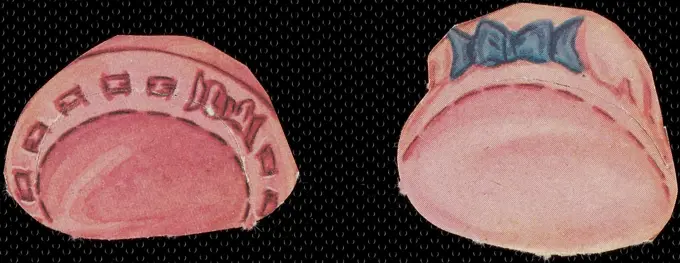
Fragment of iron from the wreck of the East India Hollandiaia. Parts or artifacts; eroded fragments: Materials; Iron.blur in south africa close up of the castle sign like    texture backgroundScratched record Badly damaged scratched vinyl record vintage analog music recording medium Copyright: xZoonar.com/ClaudioxDiviziax 5504607Attic Red-Figure Mule's Head Rhyton Fragment. Attributed to the Brygos Painter (Greek (Attic), active about 490 - 470 B.C.)Lazio Latina Sezze Antiquarium Comunale7. Hutzel, Max 1960-1990 German-born photographer and scholar Max Hutzel (1911-1988) photographed in Italy from the early 1960s until his death. The result of this project, referred to by Hutzel as Foto Arte Minore, is thorough documentation of art historical development in Italy up to the 18th century, including objects of the Etruscans and the Romans, as well as early Medieval, Romanesque, Gothic, Renaissance and Baroque monuments. Images are organized by geographic region in Italy, then by province, city, site complex and monument.Buckle ca. 4th century A.D. Sasanian. Buckle 325579Belt Made 1745-1755 Morocco. Silk embroidery on cotton cloth. Stitch Holbein stitich, stem stitch, buttonhole stitch. Edge of belt is finished with buttonhole stitch and ends have silk fringesFragment iron from the wreck of the East Indians Hollandia, 1700 - in Or Before 1743 fragment Parts of artefacts; eroded fragments: materials; iron. Netherlands iron (metal)   SecondEarring, Before 1916. Probably Malacian or South Sea Islands. Mother-of-pearl; overall: 3 x 3 cm (1 3/16 x 1 3/16 in.).Trebizond Coin; about 13th century; Silver, Byzantine Coinage of the empire of TrebizondsCoins and cut stones, Jan Dam Steuerwald, 1839 - 1863 print The front and back of five coins. In addition, a stone with a flying naked young man, a rectangular stone and a stone with the portrait of a Roman emperor. Netherlands paper  piece of sculpture, reproduction of a piece of sculpture. coinStamp seal ca. 5th century B.C. Achaemenid. Stamp seal. Achaemenid. ca. 5th century B.C.. Chalcedony. Achaemenid. IranFoot Fragment. UnknownEngraved Gem. UnknownRetro cartoon with texture. Isolated on White.Portrait of a Man. Unknown maker, AmericanBanded agate ring stone ca. 1st century B.C.-3rd century A.D. Roman Dionysos, as a boy, standing by a vine.. Banded agate ring stone. Roman. ca. 1st century B.C.-3rd century A.D.. Agate, banded. Late Republican or Imperial. GemsDrohiczyn seal. unknown, managerStamp seal ca. 5th-7th century A.D. Sasanian. Stamp seal. Sasanian. ca. 5th-7th century A.D.. Stone. Sasanian. IranFragment. Dimensions: H. 5 1/2 in. (14 cm)W. 5 in. (12.7 cm). Date: 9th-10th century. Museum: Metropolitan Museum of Art, New York, USA.Sketches of Landscape Views after Leaving Seattle (from Sketchbook) 1890 Albert Bierstadt American. Sketches of Landscape Views after Leaving Seattle (from Sketchbook). Albert Bierstadt (American, Solingen 1830-1902 New York). American. 1890. Graphite on wove paperNaoum Aronson (1872-1943). Medal plate. Young girl bust. Metal, bronze. Museum of Fine Arts of the City of Paris, Petit Palais. 58759-7 Bust, young girl, medal, bronze metal, inventory number, numismatics, reverse, platePanel 3rd-4th century. Panel 445925Vintage Photograph. Hot dog on roll.Carved patterns in the old white marbleIncense Burner China. Incense Burner 61297NAIPE DECORADO EN COLOR ROJO - CUERO Y PIGMENTO - SIGLO XVIII - PROCEDENTE DE CHILE - ESTILO MAPUCHE - 10,8x7,8 CM. Location: MUSEO DE AMERICA-COLECCION. MADRID. SPANIEN.Shards Kraakporcelain from V.O.C. ship De 'Witte Leeuw', Anonymous, Before 1613  Shards Kraakporcelain from V.O.C. ship De 'Witte Leeuw'. Soil clips. Jingdezhen bone china (material)   Sint-HelenaBead China. Bead. China. Jade. Han dynasty (206 B.C.-A.D. 220). JadePlate ca. 1830. Plate. ca. 1830. Lacy pressed opalescent and opaque white glassGlass Fragment 13th century French. Glass Fragment. French. 13th century. Pot metal glass. Made in Paris, France. Glass-StainedDr. Shick's models. Mosque of Omar, Dome of the Rock and environs 1900, Jerusalem, IsraelInner Coffin Inscribed for Ankhesmut (used by Nesitaset) ca. 969-959 B.C. Third Intermediate Period. Inner Coffin Inscribed for Ankhesmut (used by Nesitaset). ca. 969-959 B.C.. Wood, paint, paste. Third Intermediate Period. From Egypt, Upper Egypt, Thebes, Deir el-Bahri, Tomb MMA 60, Chamber, Burial of Nesitaset (Ch1), MMA excavations, 1923-24. Dynasty 21Sweden, Blekinge, Blekinge, Karlskrona, Karlskrona, external marina (depicted, town).Sweden, Blekinge, Blekinge, Karlskrona, Karlskrona, External War Gogs (depicted, City)Vintage photograph. Looking down on bullwhip curved on surface with dramatic spotlight focused on its endAncient medals. N � 29 Ancient medals. N � 29. Black and white projection plate. 1900-1930. Photograph of Jacques-Ernest Bulloz (1858-1942).Dry twisted leaves of Kuding tea levitate on a white background Dry twisted leaves of Kuding tea levitate on a white background. Copyright: xZoonar.com/AlekseyxButenkovx 16575577Attic Vase Fragment. UnknownMonster of grain and bran from the wreck of the East India. This concerns an organic sample. Bran are the outer layers, so the membranes of a grain. Bran creation when grinding grain, they are separated from the grain. Buckwheat cave was used as packaging material, especially for packaging clay pipes. Chaff or buckwheat.Stamp seal ca. late 3rd-early 2nd millennium B.C. Bactria-Margiana Archaeological Complex. Stamp seal. Bactria-Margiana Archaeological Complex. ca. late 3rd-early 2nd millennium B.C.. Copper alloy. Bronze Age. Bactria-MargianaTriangle sheet of abrasive paper isolated on whiteVinyl record detail Vinyl record vintage analog music recording medium Copyright: xZoonar.com/ClaudioxDiviziax 9465706Fragments of a terracotta kylix (drinking cup) ca. 520 B.C. Greek, Attic Interior, hare hunt; around the lip, shipsExterior, Troilos and PolyxenaThe cup is augmented by 1995.352 a-c and 1996.232 a,d.. Fragments of a terracotta kylix (drinking cup). Greek, Attic. ca. 520 B.C.. Terracotta; bilingual. Archaic. VasesCloseup of a dark holes on white paper set Hand grenadeClay pipe in relief decorated with lion and city arm of Gouda, clay pipe smoking equipment smoke floor earthenware ceramic pottery, pressed finished baked Clay pipe embossed decorated with lion and city arms of Gouda Decoration very vague and barely recognizable. No heel brand Under city coat of arms Gouda text: GOUDA archeology Rotterdam City triangle Rotten heraldry indigenous earthenware smoking tobacco Soil discovery: during the renovation of the Lange brug in Rotterdam 1904.Mosaic glass fragment. The small glass fragment shows on dark violet background two types of flowers in millefiori technology. To make a yellow point with red contour, small white dots make on two concentric circles the petals. The second flower type is made of yellow lines, which are arranged star-shaped within a square white frame. In Roman times, it used colored, ornamented glass for vessels, mosaics, wall decorations and furniture ornaments. For the production, different colored glasses were molded into tubes and rods. These were compressed and heated, causing a long bar. The glass sliced now had a wide variety of amorphous or floral patterns.Strip crocheted side with knitting, anonymous, c. 1925 - In or Before 1930  Strip of natural -colored crocheted side with knitting. Triangles with traveled sides (knitting work) in a rectangular grid (crocheted). Top and bottom of the strip are straight. Europe linen (material) knitting / crochetingEarring ca. 7th century Japan. Earring 60522Stucco Fragment probably 8th-12th century. Stucco Fragment 741429stones. stones. Copyright: xZoonar.com/EugenxWaisx 3134579Richard paper doll accessories , Hats. Phyllis Tyler Paper Doll CollectionLoden role from the wreck of the East Indiesman 't flying heart. To tubularly loden pictures. Black-gray in color. Roll or lead.Aerial view of a solitary boat moored at a wooden pier against the inky backdrop of the water, Boston, Massachusetts, United States.Fanlight from Craig House, Baltimore, Maryland ca. 1810 American This fanlight came from a house formerly located at 915 East Pratt Street in Baltimore, Maryland. Built around 1810 for Henry Craig, a prosperous merchant, the brick, three-story, Federal style structure was a particularly large and elaborate example of the many townhouses being built at the time for the city's wealthy mercantile class. Fanlights, often installed over windows and doors, functioned as a means of bringing light into the interior of the house. The spare, elegant design of this fanlight is characteristic of the Federal style, which became popular in the late eighteenth century. The Museum acquired it in 1918, along with various other architectural elements from the Craig dwelling. These include the woodwork from the front parlor, two sidelights, and a mantel (18.101.1-.3).. Fanlight from Craig House, Baltimore, Maryland. American. ca. 1810. Wood, metal, and glass. Made in Baltimore, Maryland, United StatesPyritePiece 18th century French. Piece 224241Cerithium hexagonum, vintage engraved illustration. From Natural Creation and Living Beings.Karte und Fahne von Chile auf rostigem Metall - Map and flag of Chile on rusty metal Karte und Fahne von Chile auf rostigem Metall - Map and flag of Chile on rusty metal Copyright: xZoonar.com/lantapixx 10297953Spiral 3rd Millennium BC (). Spiral 327272Abstract empty grunge rubber stamp with space for text, illustrationFlounce 17th century Northern Italian. Flounce 222103Rust spot varese   abstract   rusty brass brown knocker in a  door curch  closed wood lombardy italy  sumiragoart set of vintage frame lablestonemason mark, Parish Romanesque temple dedicated to the Assumption of the Virgin, Pisón de Castrejón, Palencia, Spain.Venice carnival mask. Still-life with two venice carnival masks, paints and brushesBead ca. 1st century B.C.-1st century A.D. Parthian This round glass bead was excavated at Shahr-i Qumis in northern Iran, which has been identified as the ancient city of Hecatompylos, established by the Parthians as their capital by about 200 B.C. In Greek Hecatompylos means a hundred gates,’ suggesting that the city was quite large. Indeed, the modern archaeological site includes several mounds, only a few of which have been excavated, and a vast area covered with potsherds. It comes from Site IV, a large building which was completely filled with dirt sometime in the late 1st century B.C. or early 1st century A.D.The excavations at Shahr-i Qumis by the British Institute of Persian Studies in 1967 were co-sponsored by the Metropolitan Museum of Art. However, the museum did not acquire this bead until 1978, as a result of the Met’s financial contributions to the Institute’s excavations at Tepe Nush-i Jan, another site in Iran. At the time the Iranian government allowed foreign excavaAttic Black-Figure Hydria Fragment. Unknown about 530 B.C. The fragments 86.AE.118.1-.4 preserve parts of a hydrias mouth, shoulder and body. This fragment gives the right side of the shoulder panel. with a hoplite fleeing to right, looking back.The panel is surmounted by enclosed tongues. After Clark, A., Malibu CVA 1 (1988)Metal islamic crescent moon iconStamp seal (scaraboid) with divine symbol ca. 9th-7th century B.C. Phoenician. Stamp seal (scaraboid) with divine symbol. Phoenician. ca. 9th-7th century B.C.. Limestone (). Iron Age II. Levant or SyriaFragment of a vessel. A low curvature of the glass fragment allows the assignment to a vessel, possibly a shell. On the red fragment, several flowers are shown in millefiori technology. Many small yellow or white dots surround a larger point - either green with yellow or blue with white contour. For the production, different colored glasses were shaped into tubes and rods. These were compressed and heated, causing a long bar. The glass sliced now had different amorphous or floral patterns. Thereafter, several of these platelets were folded together, heated again and pressed into the vascular shape. Burry for the elaborate manufacturing process and its fragility was one of the luxury articles of antiquity.Bracelet ca. 2800 B.C. Iran This simple bronze bracelet was found in a childs grave at Yarim Tepe in northeastern Iran, six miles south of the modern town of Gonbad-e Kavus. Yarim Tepe was a small settlement, inhabited from the Neolithic to the Parthian period, with many interruptions. This bracelet dates to the Early Bronze Age, when this region served as an important link between the emerging cities of Mesopotamia and Afghanistan, one of the few sources of both tin and lapis lazuli in the ancient Near East.. Bracelet 325600Sally paper doll accessories , Hats. Phyllis Tyler Paper Doll CollectionSaint-Germain-en-Laye, France , 1921 - Seine -et -Oise - Auguste Léon - (June) (French - Saint-Germain-en-Laye , France). Museum, picking , hunting, archaeological vestige, crafts, domestic object, prehistory, weapon, Economic activity, Habitat , Architecture, Daily Life, France, St Germain-en-Laye, Museum: Grotte du Mas d 'Azil, layer of colored pebbles, deer wood harpoons, Chisels, tips and scrapersEngraved Scaraboid; about 400 B.C; Mottled green and yellow jasper; 2.3 × 1.7 × 0.9 cm (15,16 × 11,16 × 5,16 in.)Roman numbers collection, from 1 to 7, on a real ancient graniteStamp seal ca. 3rd-7th century A.D. Sasanian. Stamp seal. Sasanian. ca. 3rd-7th century A.D.. Chalcedony, translucent. Sasanian. Iran or Mesopotamia