Ancient Pottery Fragments

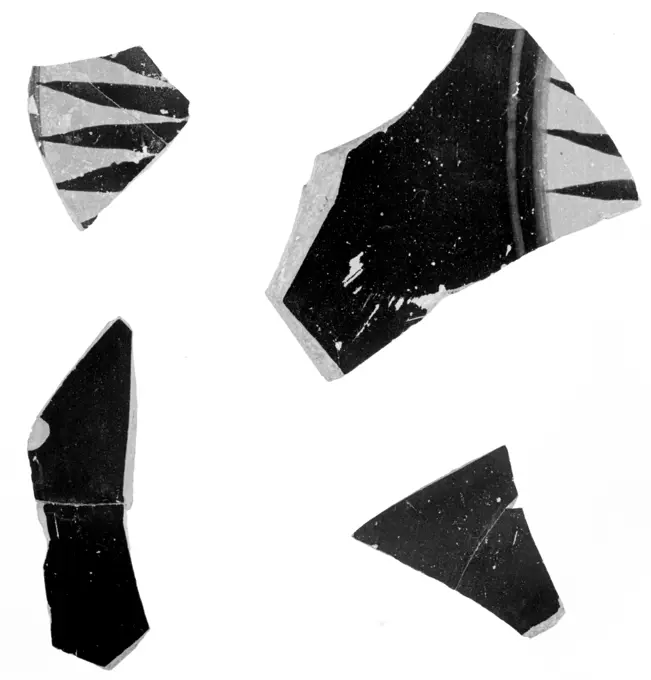
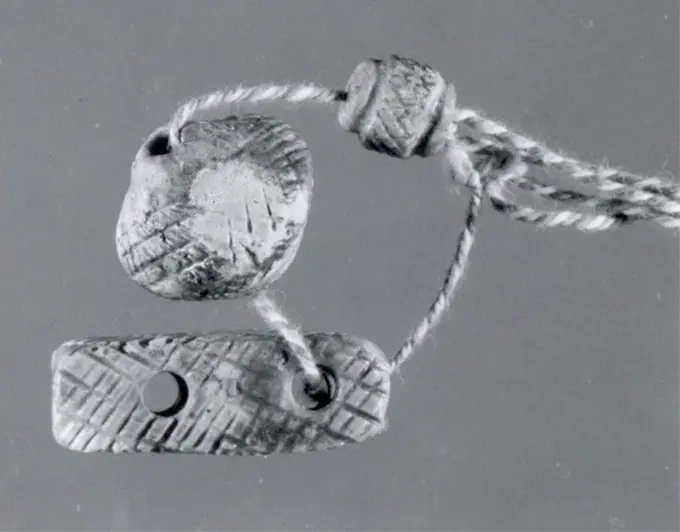
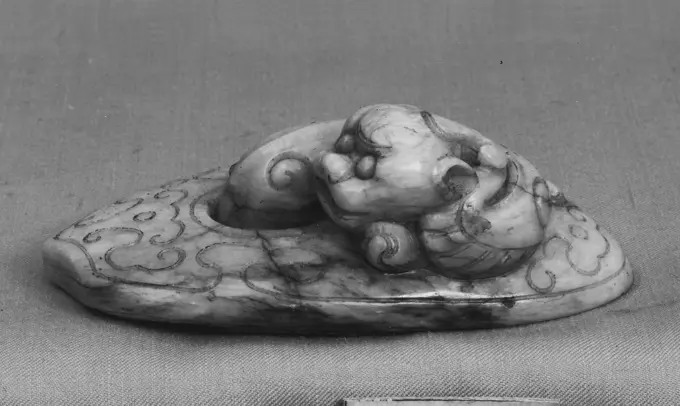
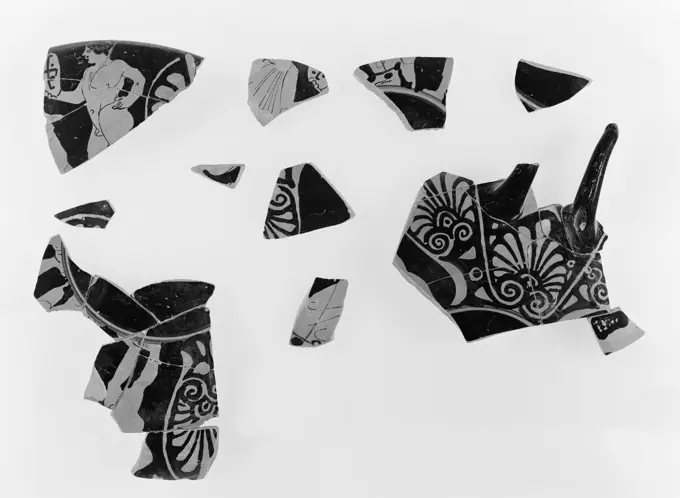
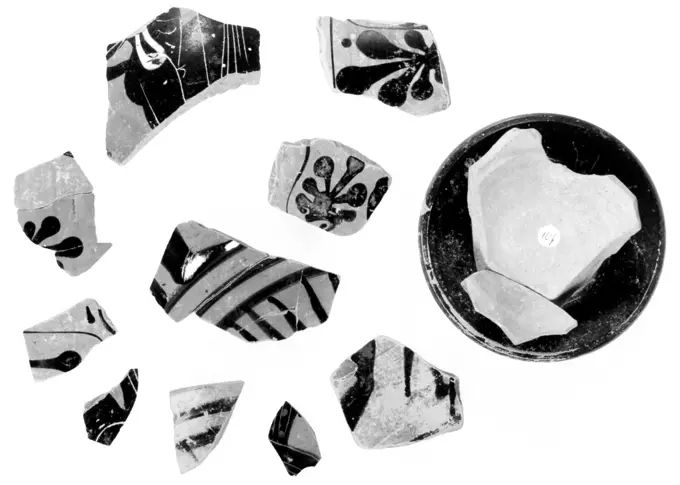
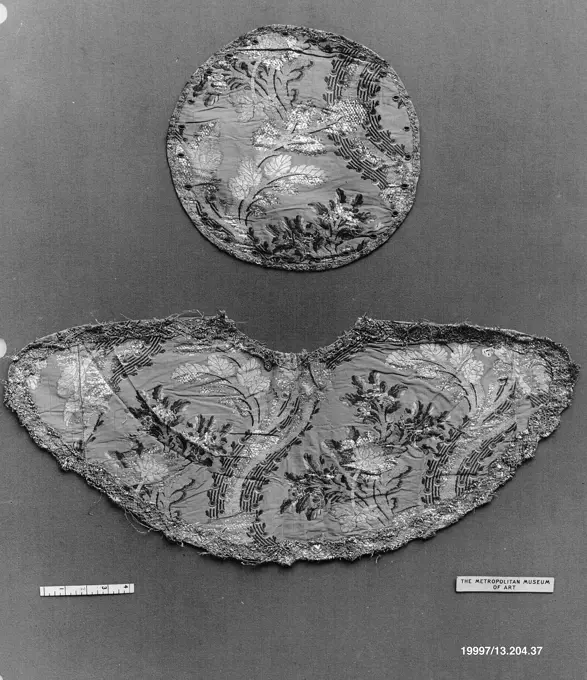
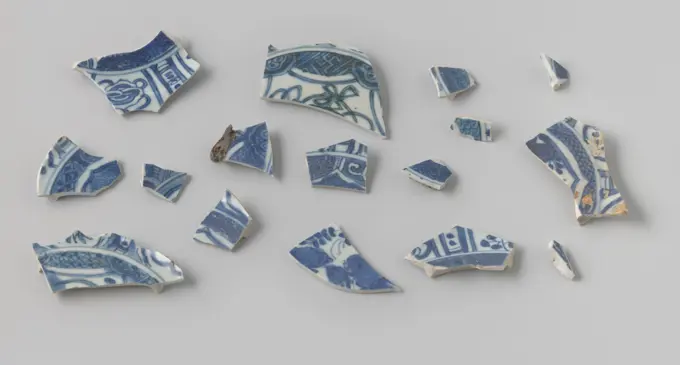
Fragments of ancient pottery, including black- and red-figure designs showcasing intricate patterns and textures, indicative of historical craftsmanship.
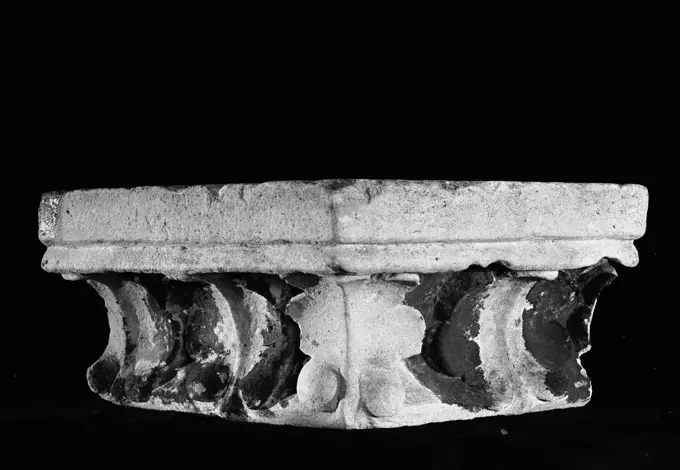
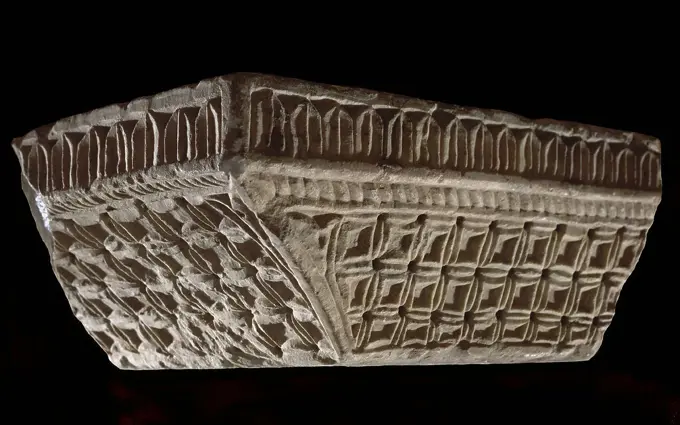
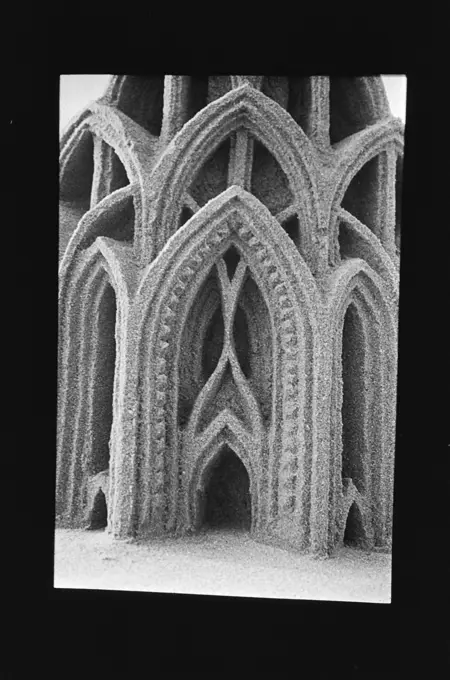
Douline-shaped molding of large sheets at seven lobes, unknown provenance, XIII century (Cat 191) Anonymous. Douline-shaped molded with large sheets with seven lobes, unknown, 13th century (Cat 191). Pierre.
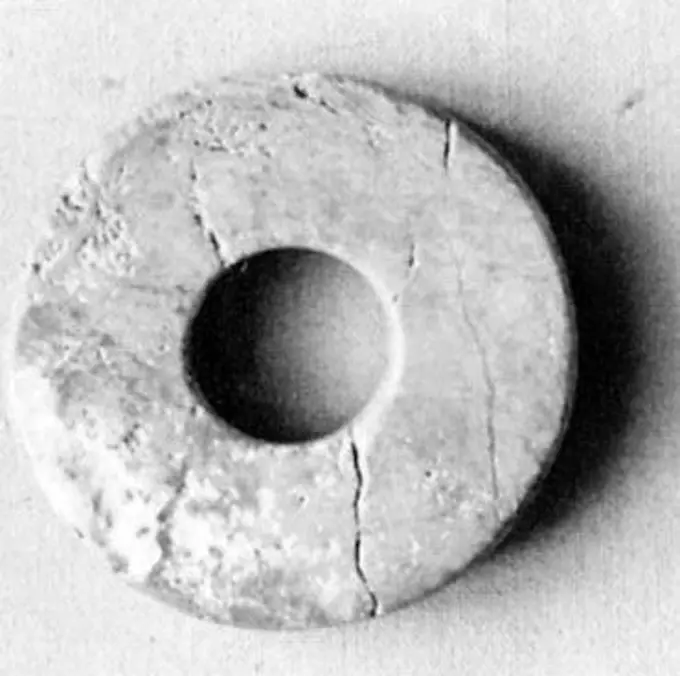
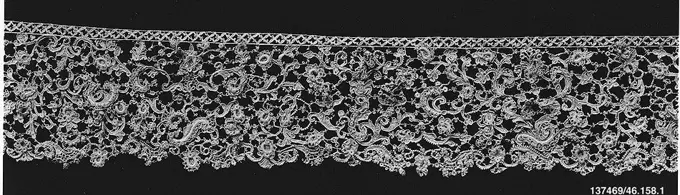
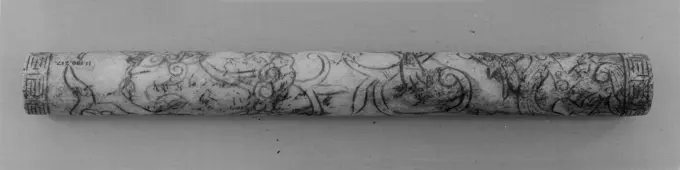
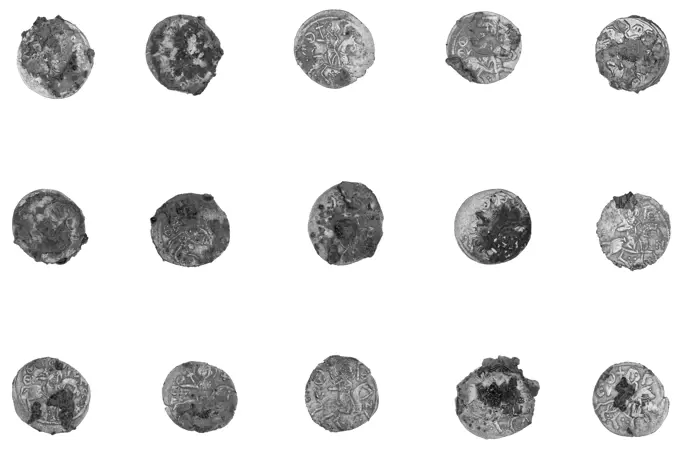
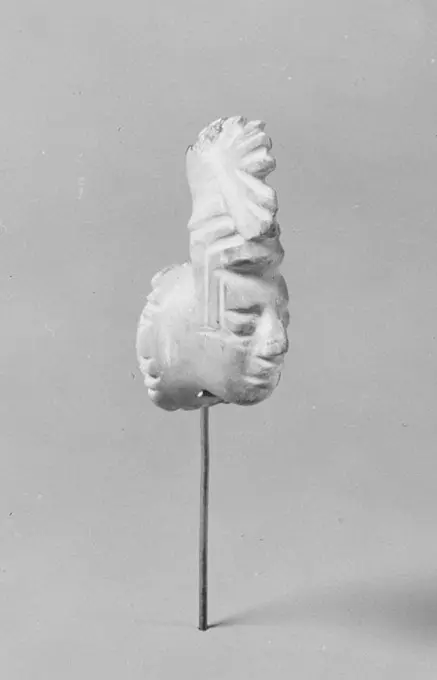
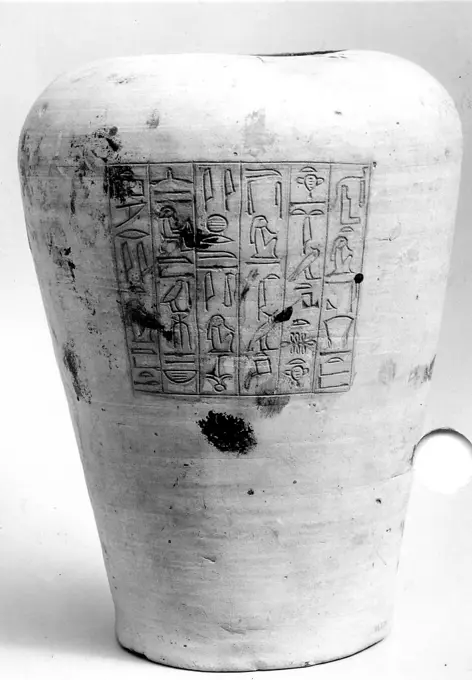
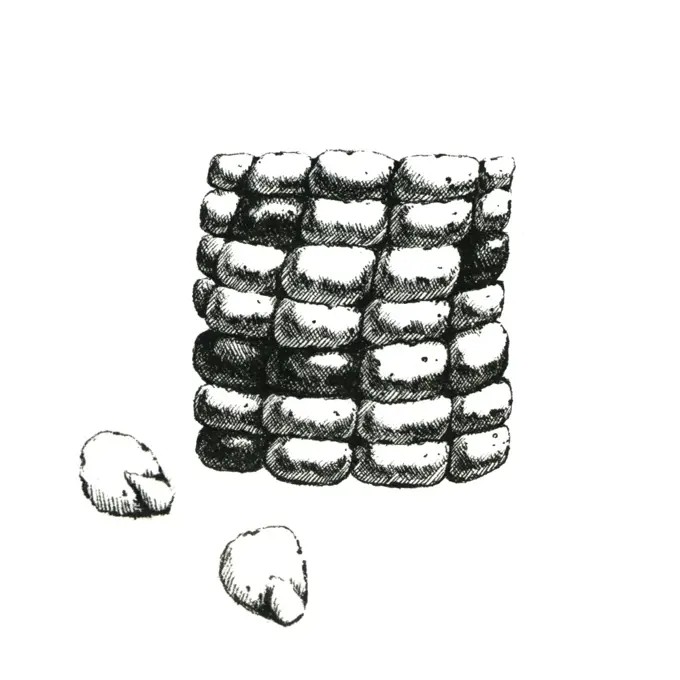
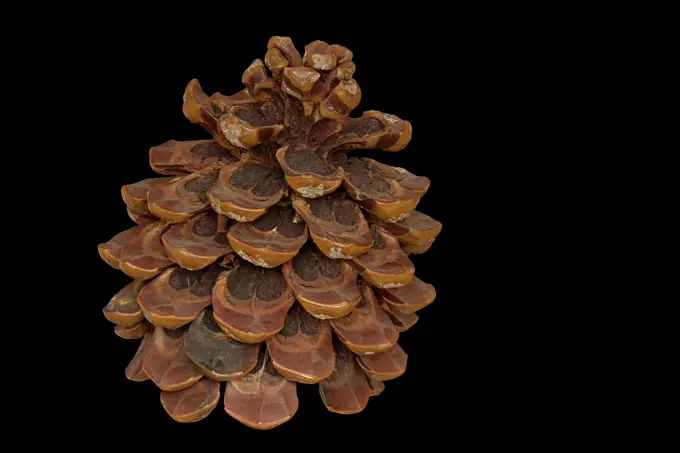
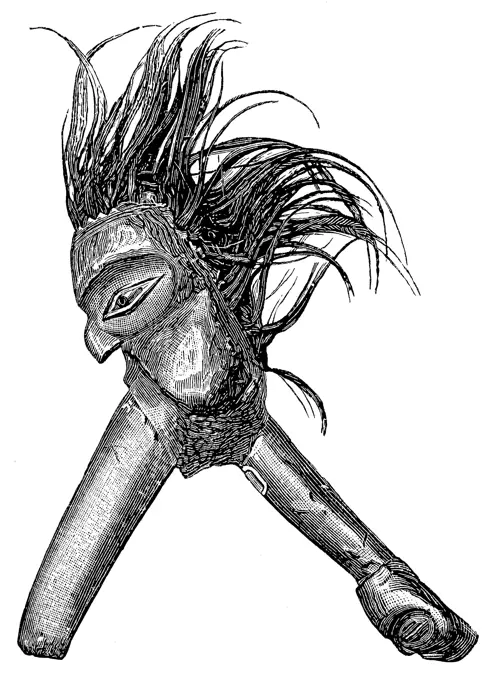
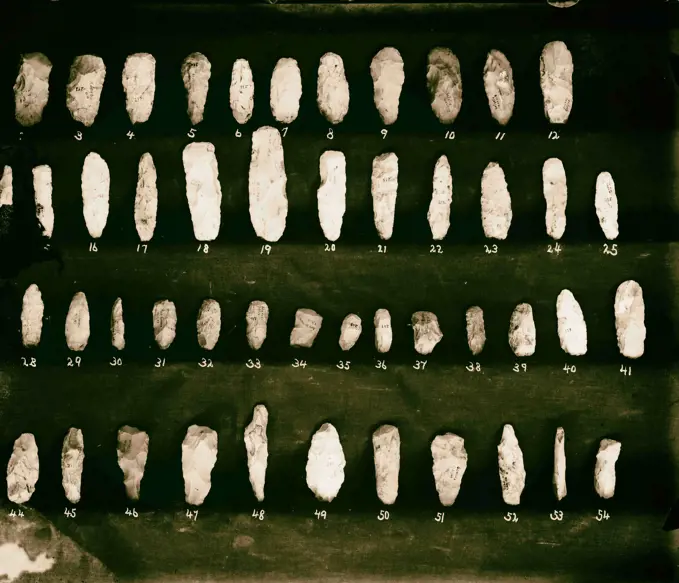
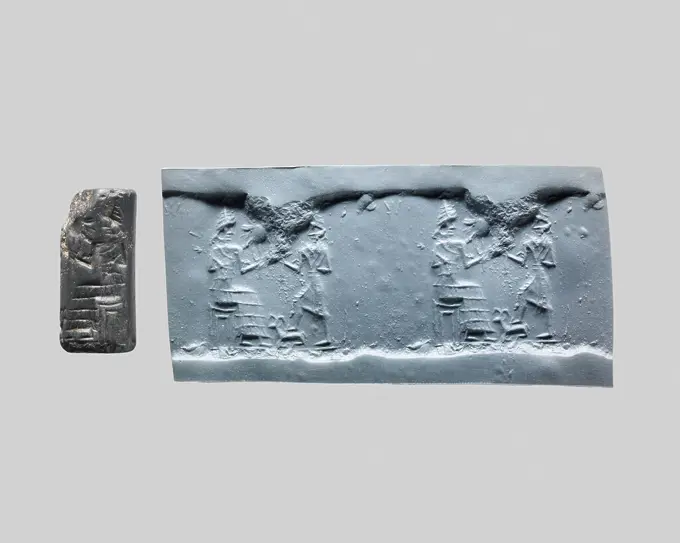
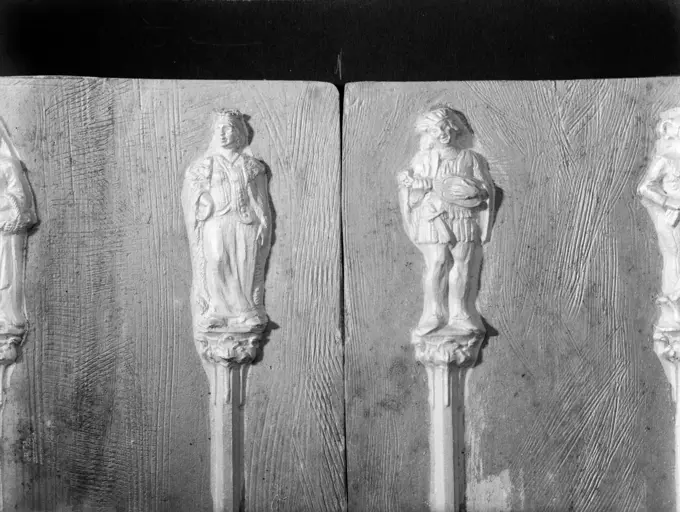
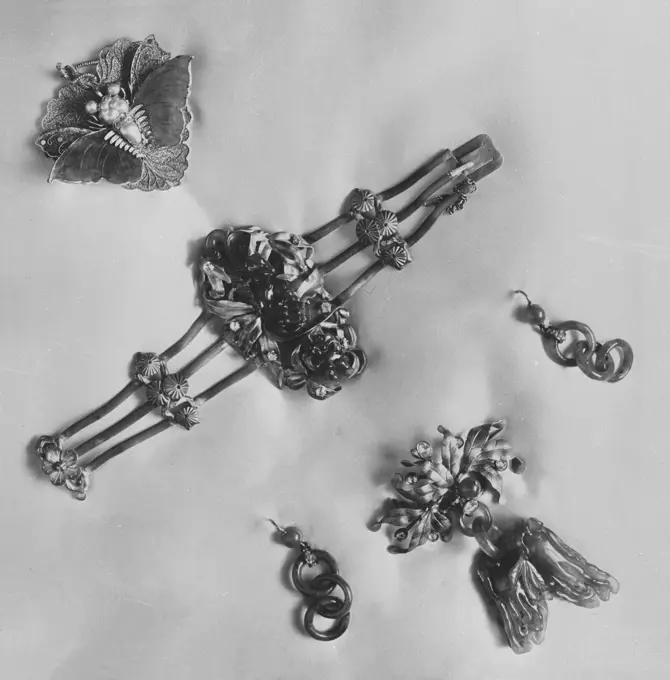
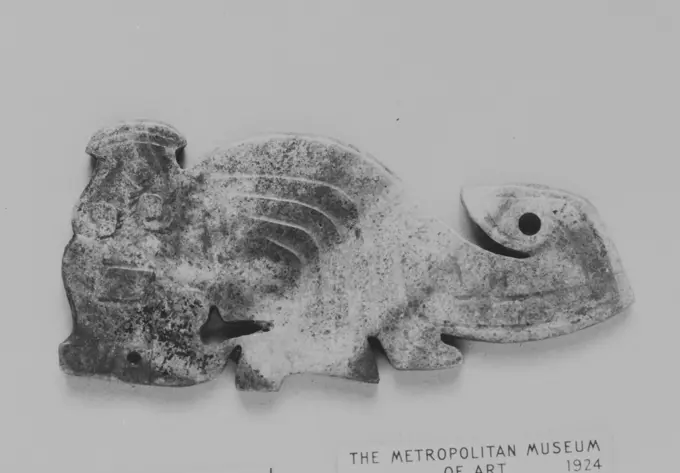
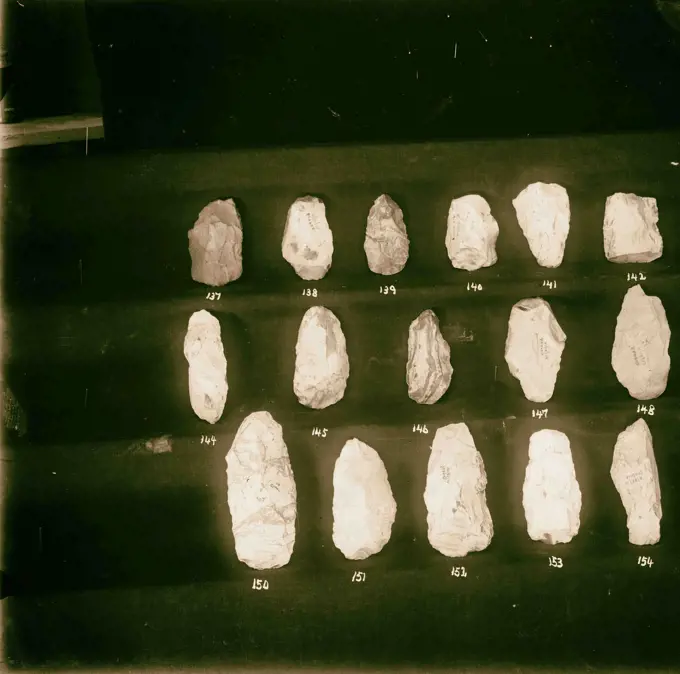
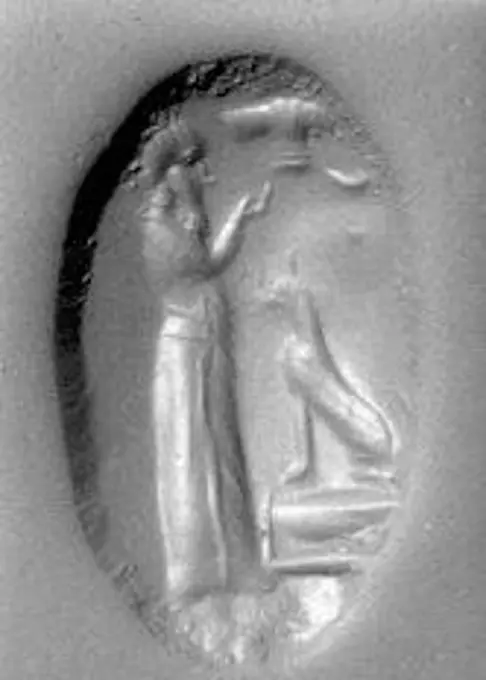
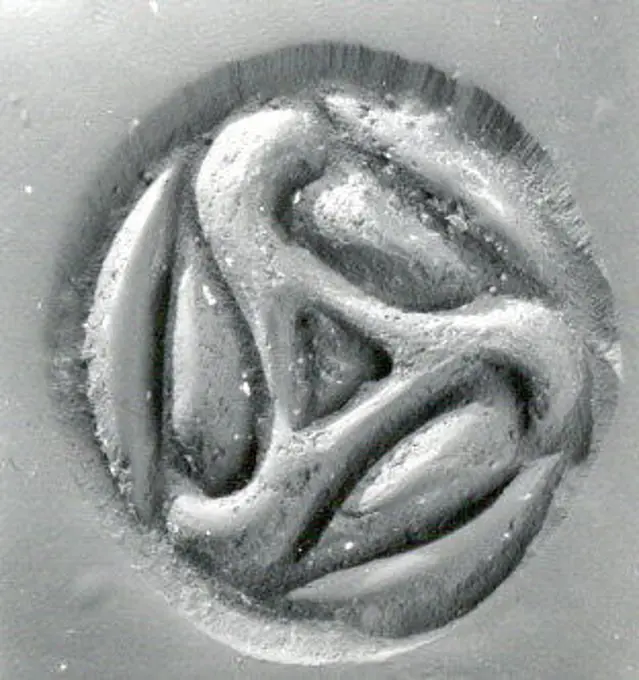
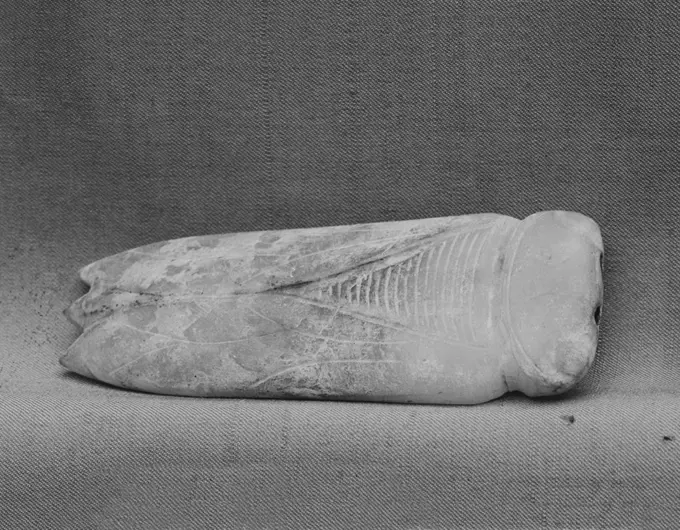
Cicada late 19th to early 20th century China. Cicada 43025Disk China. Disk. China. Jade. Han dynasty (206 B.C.-A.D. 220). JadeAttic Black-Figure Amphora Fragment. UnknownTrebizond Coin; about 13th century; Silver, Byzantine Coinage of the empire of TrebizondsPiece 18th century possibly French. Piece 225148Lion amulet ca. 2110-2030 B.C. Old Kingdom-First Intermediate Period. Lion amulet. ca. 2110-2030 B.C.. Ivory. Old Kingdom-First Intermediate Period. From Egypt. Dynasty 8-11Tile American. Tile, 1883-1887. Earthenware, lead glaze, 6 x 6 in. (15.2 x 15.2 cm).   Decorative Arts 1883-1887Weight China. Weight. China. Jade. Han dynasty (206 B.C.-A.D. 220). JadeAttic Black-Figure Neck Amphora Fragment. Attributed to the Swing Painter, painter (Greek (Attic), active about 550 - 525 B.C.) about 530 B.C. Body fragment from near base. Exterior, black, with the upper part of three black rays. Two red bands, one marking the upper edge of the zone with rays, the other over the black. Interior, undecorated.Sealing ca. 7th century A.D. Sasanian. Sealing 323339Border late 17th century Italian. Border 227241Shard 15th century Korea. Shard. Korea. 15th century. Pottery. Joseon dynasty (1392-1910). CeramicsBrush holder China. Brush holder. China. Jade. Han dynasty (206 B.C.-A.D. 220). JadeCricket trap 18th-19th century China. Cricket trap. China. 18th-19th century. Jade, ivory. Qing dynasty (1644-1911). Cricket cagesBeads ca. 9th century B.C. Iran. Beads 325625Stand ca. 1760 Japan. Stand. Japan. ca. 1760. Carnelian. Edo period (1615-1868). StoneDamaged post at LKAB's office on Svartön.Bracelet : Portguese Heads and Mudfish. Nigeria, Kingdom of Benin, Edo peoples 16th-18th century. BrassPendant 4th-8th century Atlantic Watershed. Pendant 313020Crude Products - Bolts, Handles. Photographs Relating to National Forests, Resource Management Practices, Personnel, and Cultural and Economic HistoryLake Como, May 1, 1869 (verso, from sketchbook). Artist: Jervis McEntee (American, Rondout, New York 1828-1891 Rondout, New York). Dimensions: 4 1/2 x 9 in. (11.4 x 22.9 cm). Date: 1869. Museum: Metropolitan Museum of Art, New York, USA.Elsevier photo collection. Series: Utensils prehistoric time Stone Age handle. undatedTextile Appliqué. UnknownSnuff Bottle China. Snuff Bottle 41311Attic Black-Figure Cup Fragment. UnknownPiece late 18th century French. Piece 223711Girdle ornament China. Girdle ornament. China. Jade. Han dynasty (206 B.C.-A.D. 220). JadeCollection of the Dutch Heidematschappij. Young caterpillars. undatedCollection Dutch Heidematschappij. Damaged. undatedAttic Black-Figure Cup Fragment (part of 85.AE.473, comprised of 2 Joined Fragments). UnknownBowl with handles 18th century China. Bowl with handles. China. 18th century. Jade (nephrite). Qing dynasty (1644-1911). JadeAttic Black-Figure Neck Amphora Fragment. UnknownZinc (Zn) Ingot     Date: Knife 306-30 B.C. Ptolemaic Period. Knife. 306-30 B.C.. Iron. Ptolemaic Period. From Egypt, Upper Egypt, Thebes, Dra Abu el-Naga, Carnarvon/Carter excavationsSeal 18th century China. Seal. China. 18th century. Porcelain decorated with blue under the glaze and incised seal characters. SealsFragment. Dimensions: 6 11/16 in. high 1 7/8 in. wide (17 cm high 4.7 cm wide). Date: 4th-5th century. Museum: Metropolitan Museum of Art, New York, USA.Fragment early 18th century Flemish. Fragment 218144Attic Cup Fragment. UnknownEngraved Gem. UnknownTrebizond Coin; about 13th century; Silver, Byzantine Coinage of the empire of TrebizondsHead Pendant 7th-8th century Maya. Head Pendant 317712Canopic jar of Neni ca. 1550-1295 B.C. New Kingdom. Canopic jar of Neni. ca. 1550-1295 B.C.. pottery, paint. New Kingdom. From Egypt, Upper Egypt, Thebes. Dynasty 18Comb ca. 1550-1458 B.C. New Kingdom This comb and two others (16.1.428-.429) were found in the remains of an anthropoid (human-shaped) coffin that was excavated by the Museum's Egyptian Expedition in 1916. Although the dimensions vary slightly, all three have shape that is typical of the late-Seventeenth and early-Eighteenth Dynasties. For a similar comb from the same time-period, but made of wood, see 26.7.1448.The combs belonged to the same burial as several other objects in the Museum's collection. These include a small ivory cosmetic box (16.10.425), two pottery vessels (16.10.426-.427, three jars of Egyptian alabaster (16.10.421, .423-.424), and another made of serpentine (16.10.422).. Comb. ca. 1550-1458 B.C.. Ivory. New Kingdom. From Egypt, Upper Egypt, Thebes, Asasif, Courtyard CC 41, Pit 3, Burial B 4, In debris, MMA excavations, 1915-16. Dynasty 18, earlyPiece 18th century French or Spanish. Piece 226991Campania Caserta Capua Museo Campano70. Hutzel, Max 1960-1990 Medieval: Byzantine architectural fragments; parchment fragments with miniatures (12th century) from Montecassino; painted wooden crucifix (13th century); Carolingian crucifixes; Bishop's miter (11th century) of gold and silver damask; fresco (13th century). Post-medieval: Architecture (15th century). Formerly the Palazzo Antignano. Unusual Catalan/Moorish-style portal; Paintings on panel and canvas (15th-18th centuries); marble intarsia (16th century); marble sculpture: busts of Christ and Mary (17th century); sculpture of saints in marble and in wood (15th century); painted and gilded sculpture in wood; marble grave sculpture (16th century); sarcophagus with allegorical carvings; gold reliquary "Rosa d'Oro"; crucifix made of elephant tusk Specific Location: Pianterreno Antiquities: Italic sculpture (seated women holding babies); inscription. Photo campaign #1: 533 photos. Roman relief and sculpture; cinerary urns; Greek anIMPOSTA PROCEDENTE DE CORDOBA-VISIGODA. Location: MUSEO ARQUEOLOGICO NACIONAL-COLECCION. MADRID. SPAIN.Splash paint sprayed airbrush spray gun, template logo paintFragment mid-15th century French. Fragment. French. mid-15th century. Pot-metal glass and vitreous paint. Glass-StainedPiece 1750-60 French. Piece 219622Ocarina ca. 1900 Heinrich Fiehn Austrian. Ocarina. Austrian. ca. 1900. Clay. Vienna, Austria. Aerophone-Blow Hole-vessel fluteHanging late 19th century China. Hanging 70088Trivet. Culture: American. Dimensions: 6 1/8 × 4 3/4 × 1 1/8 in. (15.6 × 12.1 × 2.9 cm). Date: 1700-1800. Museum: Metropolitan Museum of Art, New York, USA.Anubis head amulet ca. 2110-2030 B.C. Old Kingdom-First Intermediate Period. Anubis head amulet. ca. 2110-2030 B.C.. Ivory. Old Kingdom-First Intermediate Period. From Egypt. Dynasty 8-11Collection of the Dutch Heidematschappij. Drainage, tubes, Kleverskerke. undatedStrip early 18th century Flemish, Antwerp. Strip 218238Hand-drawn black and white image of a piece of corncob. JPEG onlyBlock Fragment. Culture: French. Date: ca. 1130-40. Museum: Metropolitan Museum of Art, New York, USA.Axe or mace head ca. 2300-2000 B.C. Hattian. Axe or mace head 324449Border. Culture: French or Italian. Dimensions: L. 23 x W. 5 inches (58.4 x 12.7 cm). Date: 17th century. Museum: Metropolitan Museum of Art, New York, USA.Pine pin Pinus pine cones, pinus, black background, free -standing, Pine TreeTassel Fringe Made 1601-1800 Italy. silk .Memorial medal On the occasion of the hospitality of Utrecht for French refugees, Jan Dam Steuerwald, 1846 print Commemorative medal on the occasion of the recognition of French refugees in Utrecht published in 1688. Above: a crowned lion to the left with the right -hand leg on a Bijenkorf, in the left front leg a bundle of seven arrows, a sword raised in the right front. On the left the crowned coat of arms of Utrecht. Under a text in Latin. Netherlands paper  coinOpferbeil des Nootka-Volkes Sacrificial axe of the Nootka people, Canada. Artifacts of America. Publication of the Meyers encyclopedia, Vol. 7, Leipzig, Germany, 1910. LicenseRF Copyright: xZoonar.com/SergeyxKohlx 23196736Collection of flints, Middle EastDrilled half almond seal ca. 3500-2900 B.C.. Drilled half almond seal. ca. 3500-2900 B.C.. Marble. Late Uruk-Jemdet Nasr. Iran or MesopotamiaCylinder seal. Culture: Babylonian. Dimensions: H. 3 cm x Diam. 1.4 cm. Date: ca. 18th-16th century B.C..Although engraved stones had been used as early as the seventh millennium B.C. to stamp impressions in clay, the invention in the fourth millennium B.C. of carved cylinders that could be rolled over clay allowed the development of more complex seal designs. These cylinder seals, first used in Mesopotamia, served as a mark of ownership or identification. Seals were either impressed on lumps of clay that were used to close jars, doors, and baskets, or they were rolled onto clay tablets that recorded information about commercial or legal transactions. The seals were often made of precious stones. Protective properties may have been ascribed to both the material itself and the carved designs. Seals are important to the study of ancient Near Eastern art because many examples survive from every period and can, therefore, help to define chronological phases. Often preserving imagery no lonOttoman weapons and armorCylinder seal ca. 2350-2150 B.C. Akkadian. Cylinder seal. Akkadian. ca. 2350-2150 B.C.. Serpentine, black. Akkadian. MesopotamiaStrip early 19th century British. Strip. British. early 19th century. Silk, machine made lace. Textiles-LacesSquare nut, vintage engraved illustration. Industrial encyclopedia E.-O. Lami - 1875.Glass Fragments 4th-early 5th century Coptic. Glass Fragments. Coptic. 4th-early 5th century. Glass (clear). Made in Kharga Oasis, Byzantine Egypt. GlassLadle ca. 300 B.C.-A.D. 200 Thailand (Ban Chiang). Ladle 37678Fig.1. Demonstration of the curves, vintage engraved illustration. Magasin Pittoresque 1875.Glass Fragments 4th-early 5th century Coptic. Glass Fragments 477083Poll photo collection. Product photos; silverware. Molds for teaspoons of the fa. Gerritsen & Van Kempen in Zeist. January 1, 1930. Utrecht (province), ZeistPendant 19th century China. Pendant 60630Collection of the Dutch Heidematschappij. Butterflies, satin butterfly. undatedScarab seal ca. 1786-1650 B.C.. Scarab seal. ca. 1786-1650 B.C.. Steatite, bone colored. Dynasty 15-17, 2nd Intermediate Period, Hyksos. Levant, Lachish (modern Tell ed-Duweir)Jewelry China. Jewelry. China. Jadeite, emerald green. Qing dynasty (1644-1911), Qianlong period (1736-95). JadeFrench medal struck to commemorate the first human steps taken on the moon. The hours, minutes and seconds are given in Paris time. Dated 20th centuryPendant in the shape of a dragon 11th-10th century B.C. China. Pendant in the shape of a dragon. China. 11th-10th century B.C.. Jade (nephrite). Western Zhou dynasty (1046-771 B.C.). JadeFan mid-19th century French. Fan 209773Ornament ca. late 3rd millennium B.C.. Ornament. ca. late 3rd millennium B.C.. Faience. Early Bronze Age. Mesopotamia, Tell TayaOrnament 17th century Japan. Ornament 59945STRATY WOJENNE MNKPair of feet French 18th century View more. Pair of feet. French. 18th century. Gilt bronze. Metalwork-Gilt BronzeRichard paper doll accessories , Hats. Phyllis Tyler Paper Doll Collection3D Illustration of abstract rocky terrain box with front opening and isolated with clipping path.Shards of signs from V.O.C. ship De 'Witte Leeuw', Anonymous, Before 1613 plate (dishes) Shards of cracking porcelain of signs from V.O.C. ship De 'Witte Leeuw'. Jingdezhen bone china (material)   Sint-HelenaBilly paper doll accessory , Hats. Phyllis Tyler Paper Doll CollectionCochineal scale insect, Dactylopius coccus, insect species, on Opuntia cactus, 1880, Historical, digital reproduction of an original from the 19th centuryCollection of flints, Middle EastBanded agate ring stone 3rd-2nd century B.C. Italic Man writing on a tablet the auguries told by a head on the ground.. Banded agate ring stone. Italic. 3rd-2nd century B.C.. Agate, banded. Hellenistic. GemsLazio Roma Frascati Episcopal Palace3. Hutzel, Max 1960-1990 Exterior views of the castle, formerly called Rocca, that is now the Episcopal Palace. Interior views of dining room and living room, along with paintings and frescoes. Antiquities: Assorted Roman and Etruscan antiquities in the courtyard, including two sarcophagi, statues, stele, an urn, busts. General Notes: There were two sets of prints made from the same set of negatives. One set is labelled Episcopio and the other Vescovado; they have now been integrated into a single numerical sequence. German-born photographer and scholar Max Hutzel (1911-1988) photographed in Italy from the early 1960s until his death. The result of this project, referred to by Hutzel as Foto Arte Minore, is thorough documentation of art historical development in Italy up to the 18th century, including objects of the Etruscans and the Romans, as well as early Medieval, Romanesque, Gothic, Renaissance and Baroque monuments. Images are organized by geogStamp seal (octagonal pyramid) with cultic scene late 8th - 7th century B.C. Assyrian. Stamp seal (octagonal pyramid) with cultic scene. Assyrian. late 8th - 7th century B.C.. Banded and flawed brown Chalcedony (Quartz). Neo-Assyrian. MesopotamiaSkein of Camelid Hair. Culture: Peruvian. Dimensions: Overall: 1/2 x 14 1/2 in. (1.27 x 36.83 cm)Other: 1/2 in. (1.27 cm). Date: 10th-16th century (). Museum: Metropolitan Museum of Art, New York, USA.Votive cow plaque ca. 1479-1458 B.C. New Kingdom. Votive cow plaque. ca. 1479-1458 B.C.. Copper. New Kingdom. From Egypt, Upper Egypt, Thebes, Deir el-Bahri, Hatshepsut Hole, Debris from the Hathor shrine, MMA excavations, 1923-24. Dynasty 18Compartmented stamp seal ca. late 3rd-early 2nd millennium B.C. Bactria-Margiana Archaeological Complex. Compartmented stamp seal 326882Stamp seal ca. 5th-7th century A.D. Sasanian. Stamp seal. Sasanian. ca. 5th-7th century A.D.. Stone. Sasanian. IranAnefo photo collection. Assignment Leeuwarder Courant (28/12/81). Single sandwiches of P. Wiersma. December 29, 1981