Ancient Pottery Fragments

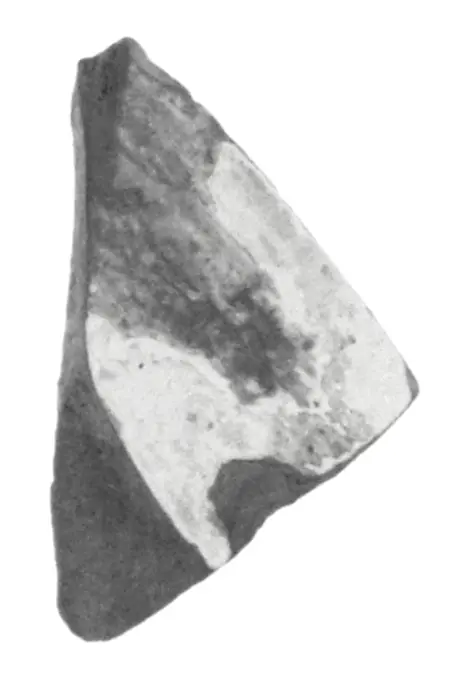
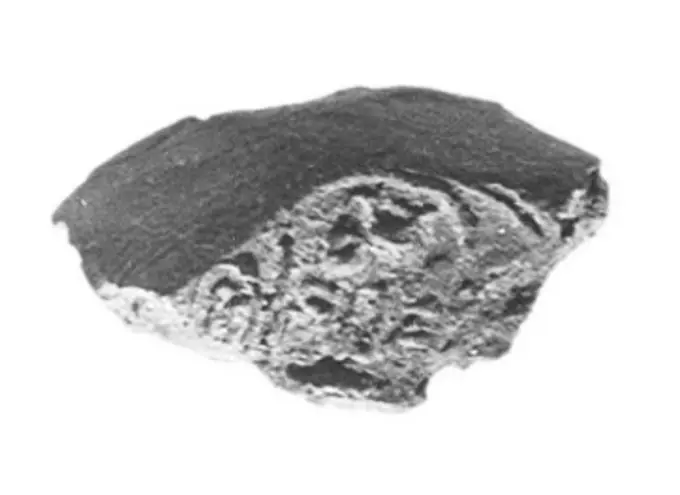
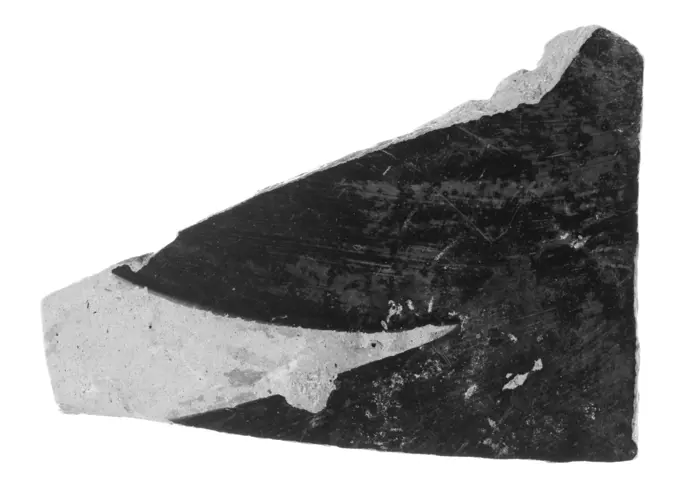
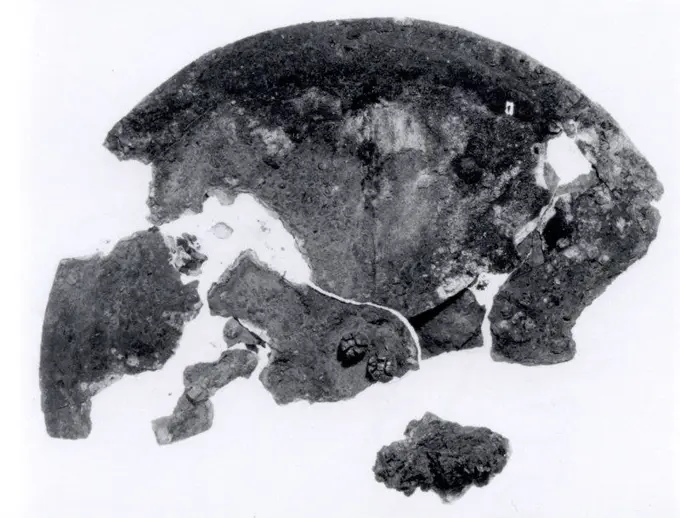
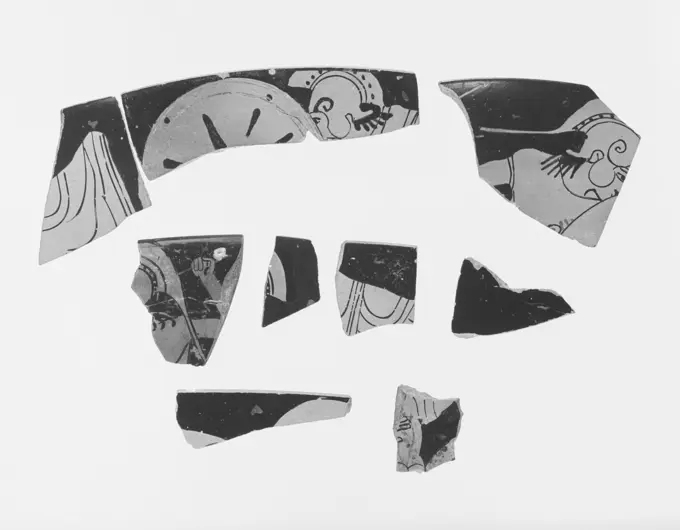
Fragments of ancient pottery, including black- and red-figure designs showcasing intricate patterns and textures, indicative of historical craftsmanship.
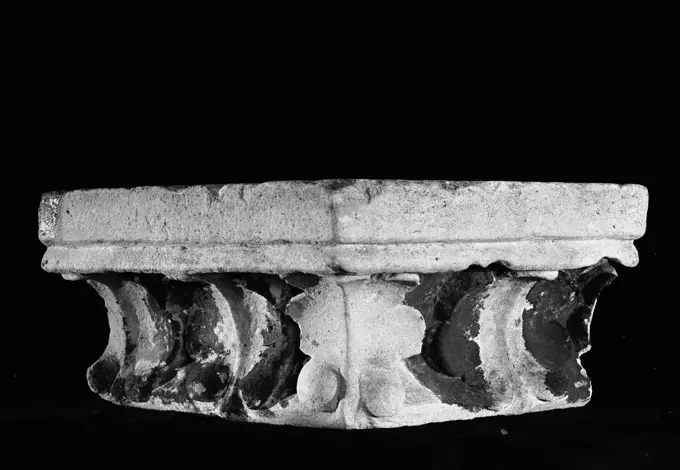
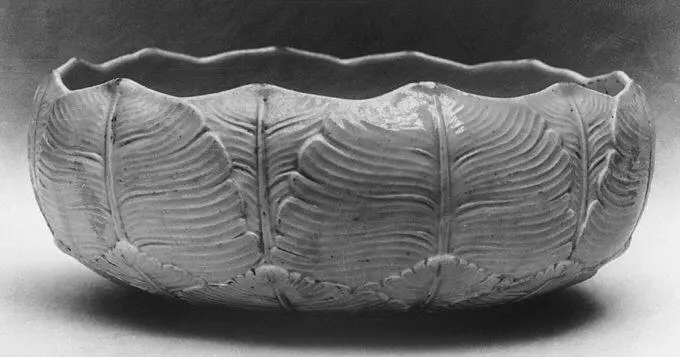
Douline-shaped molding of large sheets at seven lobes, unknown provenance, XIII century (Cat 191) Anonymous. Douline-shaped molded with large sheets with seven lobes, unknown, 13th century (Cat 191). Pierre.
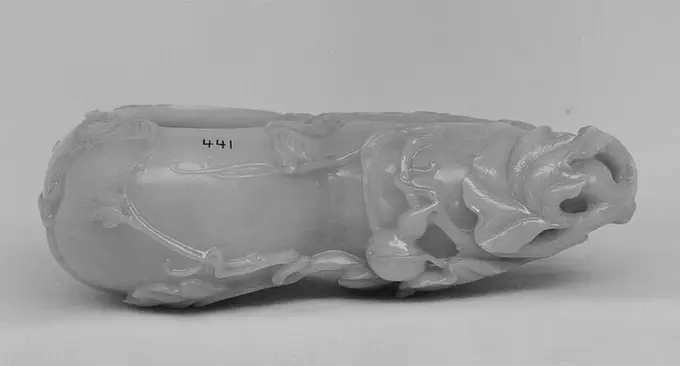
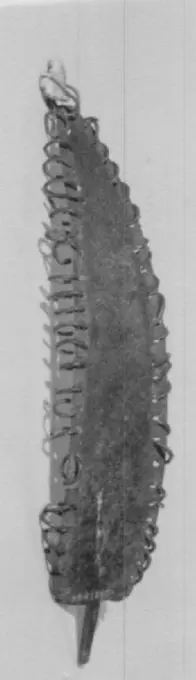
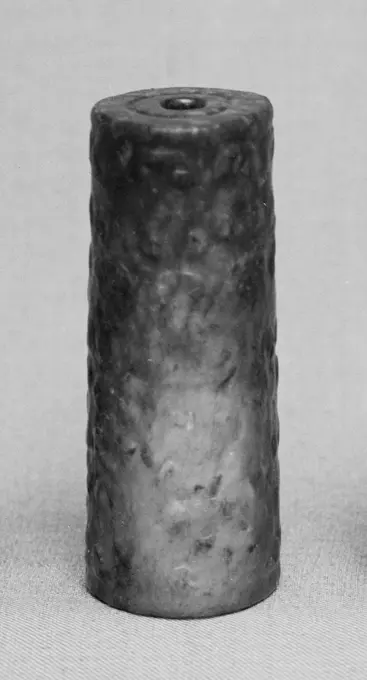
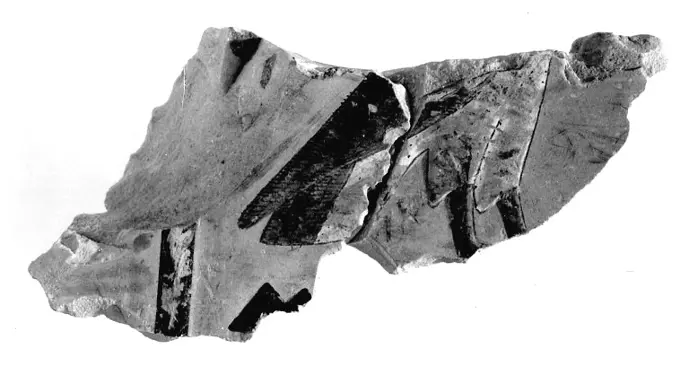
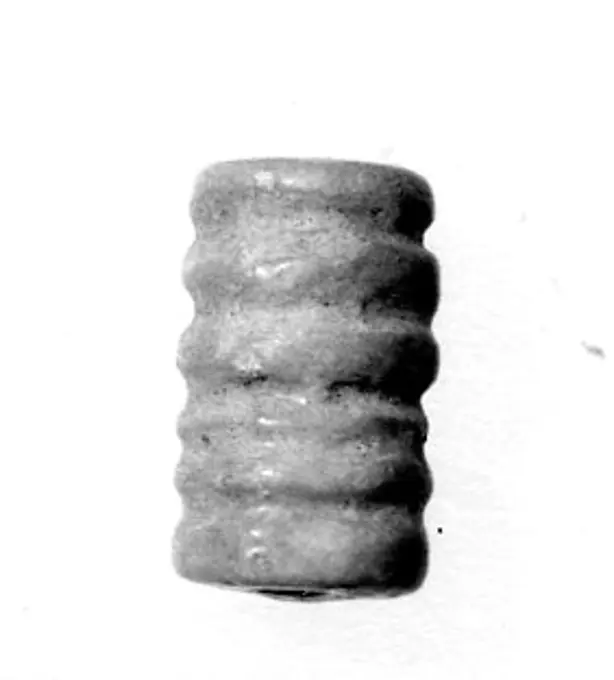
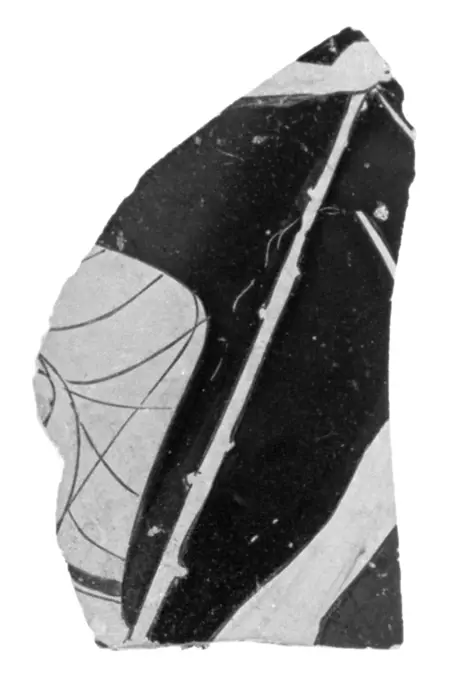
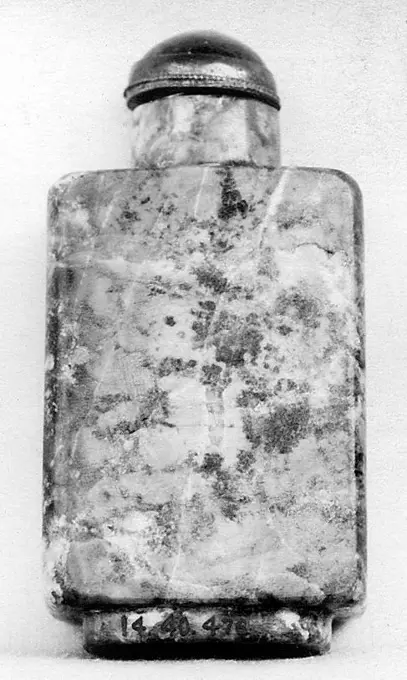
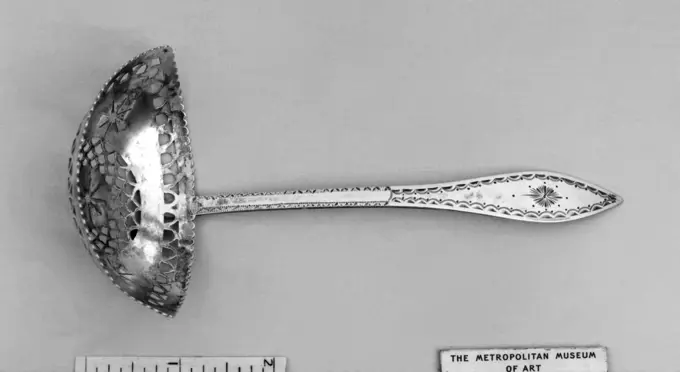
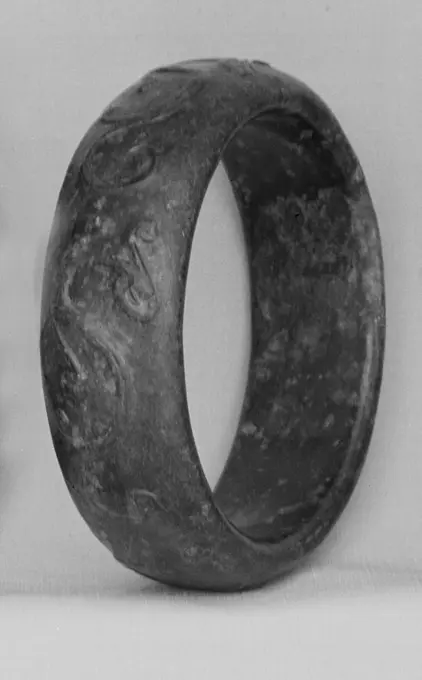
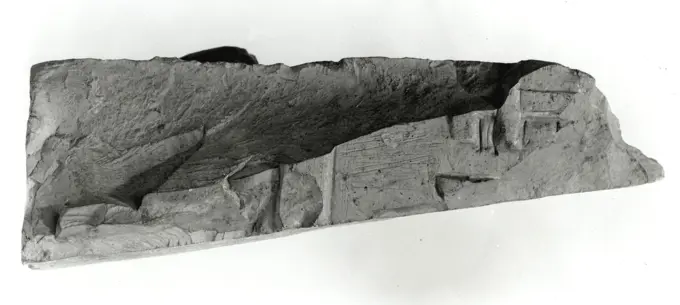
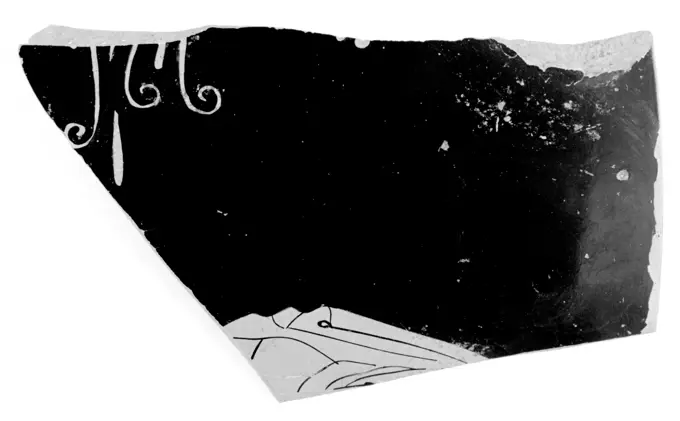
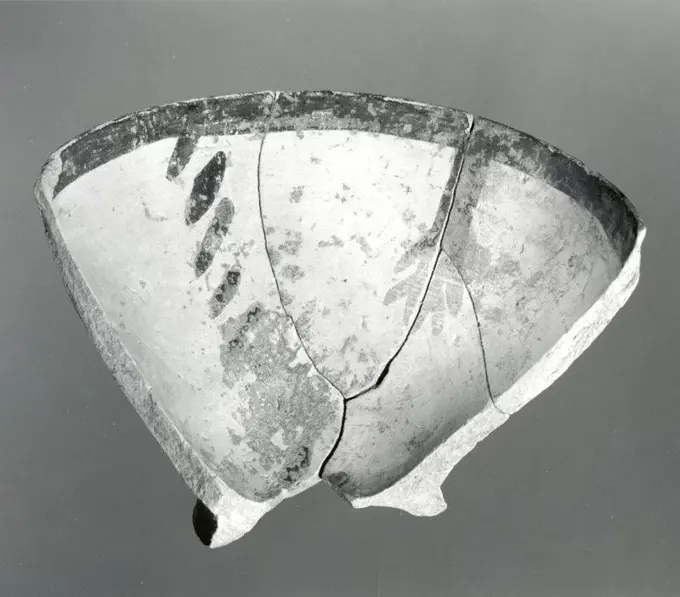
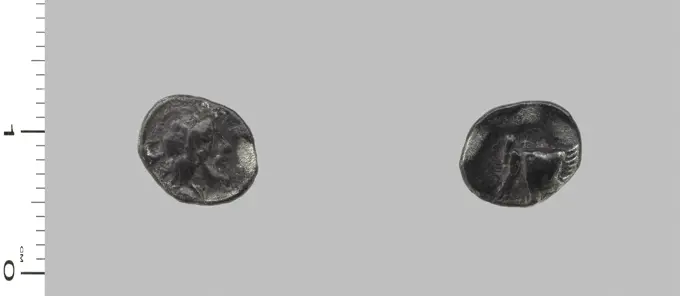
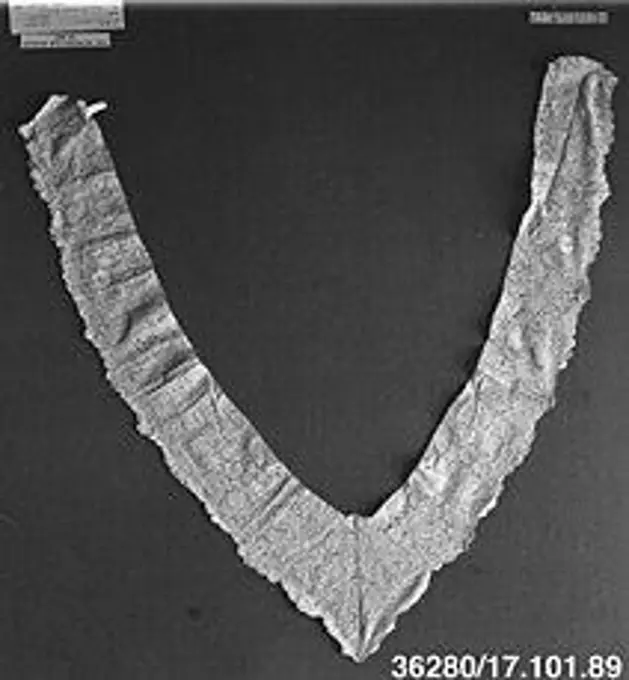
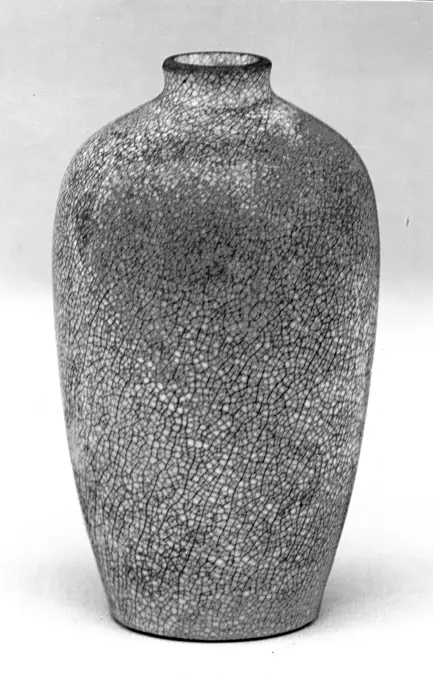
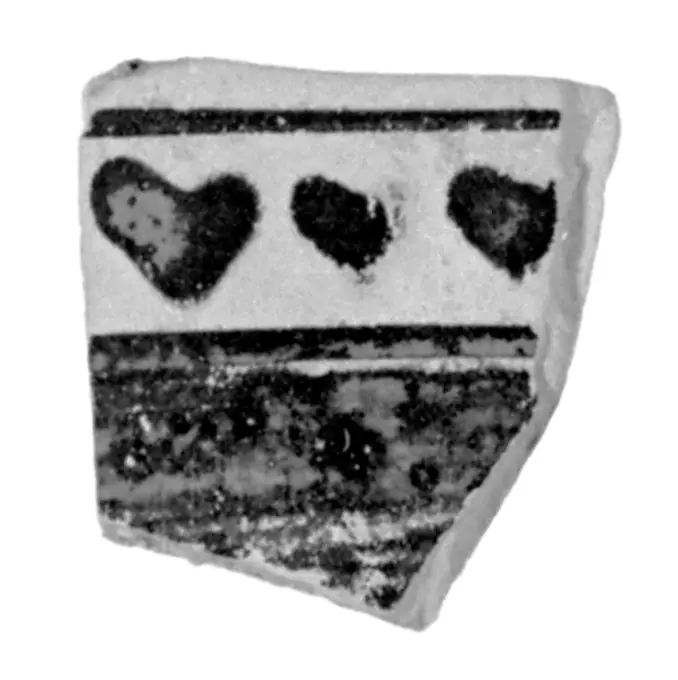
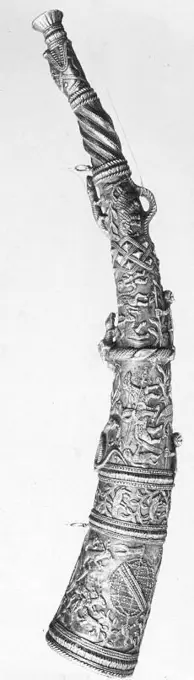
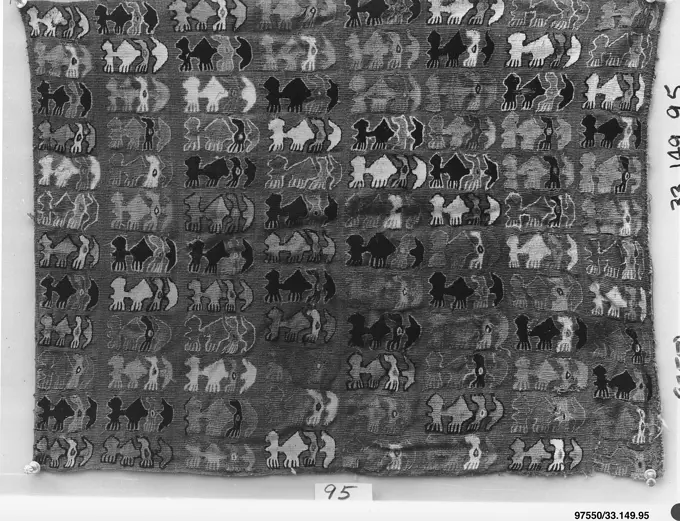
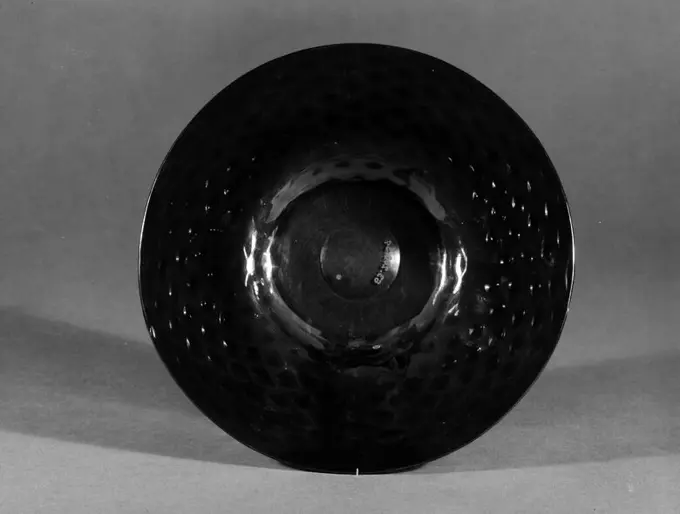
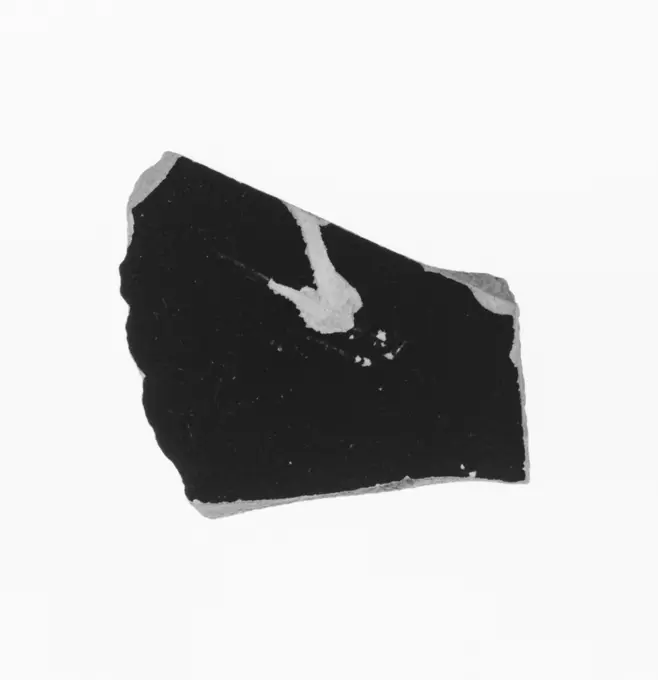
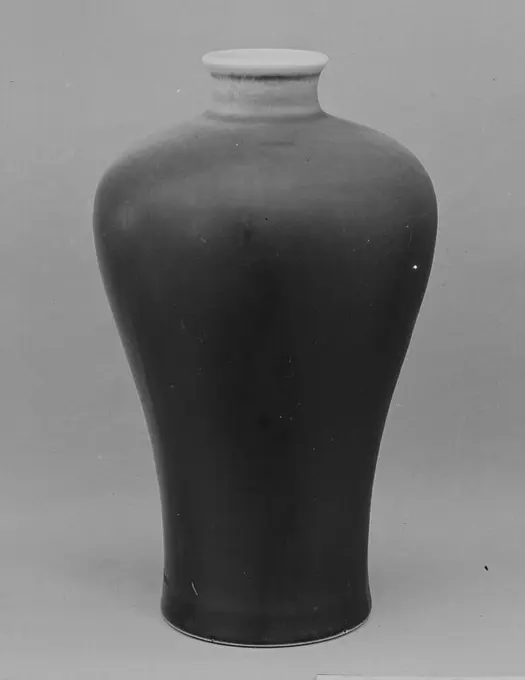
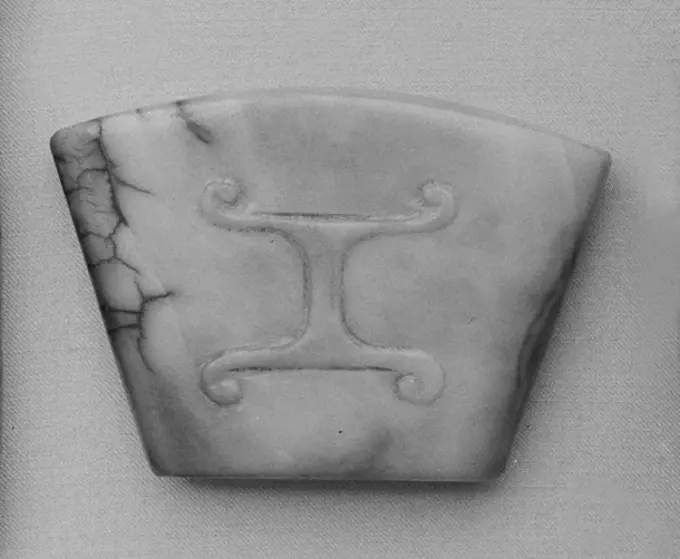
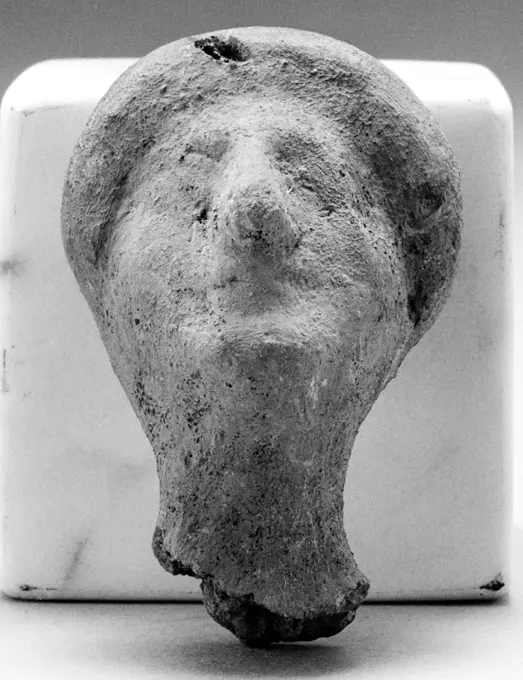
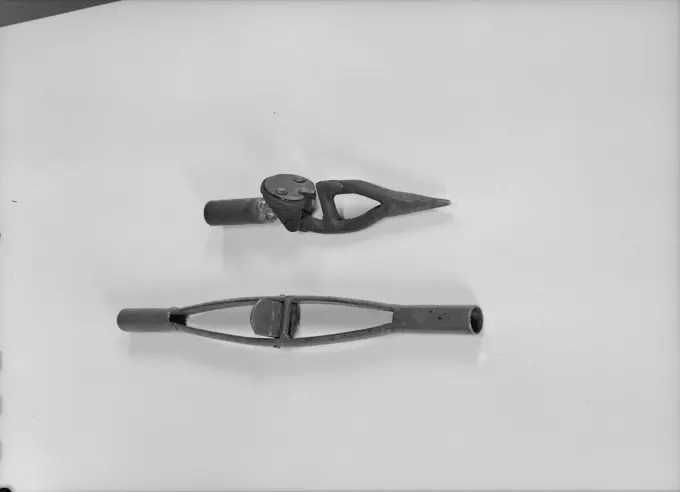
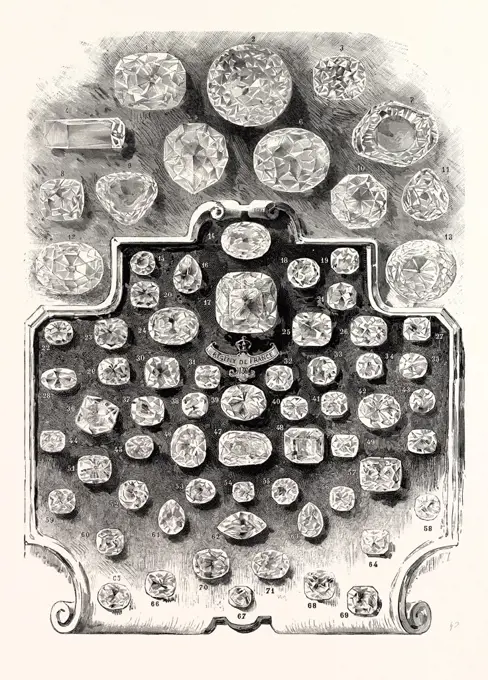
Lock. UnknownAttic Black- and Red-Figure Vase Fragments (55). UnknownAttic Red-Figure Fragment. UnknownAttic Black-Figure Hydria Fragment. UnknownWater vessel in the shape of a gourd. Culture: China. Dimensions: H. 2 1/2 in. (6.3 cm); W. 8 1/8 in. (20.6 cm); L. 3 7/16 in. (8.7 cm). Date: 18th century. Museum: Metropolitan Museum of Art, New York, USA.Douline-shaped molding of large sheets at seven lobes, unknown provenance, XIII century (Cat 191) Anonymous. Douline-shaped molded with large sheets with seven lobes, unknown, 13th century (Cat 191). Pierre.Rattle late 19th century Africa. Rattle. Africa. late 19th century. Metal. Idiophone-Shaken-rattleAttic Red-Figure Statuette Kantharos Fragment (comprised of 3 joined fragments). Attributed to Onesimos (Greek (Attic), active 500 - 480 B.C.)Attic Black-Figure Cup Fragment. UnknownWet sheet pack, sheet in position, vintage engraved illustration.Paddle Doll ca. 2030-1981 B.C. Middle Kingdom This paddle doll” was found in Tomb MMA 839 along with two similar dolls. It has a keyhole shaped torso and its arms are broken off. A painted garment held up with straps covers the body above a large pubic triangle, and a necklace is shown around the neck.For more on paddle dolls, see 15.10.90 & 31.3.35a, b.. Paddle Doll. ca. 2030-1981 B.C.. Wood, paint. Middle Kingdom. From Egypt, Upper Egypt, Thebes, Asasif, Tomb MMA 839, MMA excavations, 1929-30. Dynasty 11Attic Red-Figure Duck Askos Fragment. UnknownSealing ca. 1981-1640 B.C. Middle Kingdom. Sealing 560523Bead China. Bead 43110Fragment of an Ornament early 12th century Central Asia. Fragment of an Ornament 40027Relief fragment, tomb of Meketre ca. 1981-1975 B.C. Middle Kingdom. Relief fragment, tomb of Meketre. ca. 1981-1975 B.C.. Limestone, paint. Middle Kingdom. From Egypt, Upper Egypt, Thebes, Southern Asasif, Tomb of Meketre (TT 280, MMA 1101), MMA excavations, 1920. Dynasty 12Attic Red-Figure Stamnos Fragment. Kleophrades Painter (Greek (Attic), active 505 - 475 B.C.)Cymbals 30 B.C.-A.D. 364 Roman Period. Cymbals. 30 B.C.-A.D. 364. Copper alloy. Roman Period. From Egypt, Upper Egypt, ThebesHandle Fragment from a Small Vessel. UnknownDish. Artist: Possibly by Simon Singer (born 1822). Culture: American. Dimensions: 10 3/8 x 8 1/8 in. (26.4 x 20.6 cm). Date: 1889. Museum: Metropolitan Museum of Art, New York, USA.Ribbed Cylinder Bead ca. 1295-1070 B.C. New Kingdom, Ramesside. Ribbed Cylinder Bead. ca. 1295-1070 B.C.. Faience. New Kingdom, Ramesside. From Egypt. Dynasty 19-20Ceremonial Dagger-Ax (Ge). Culture: China. Dimensions: L. 8 1/4 in. (21 cm). Date: 16th-14th century B.C.. Museum: Metropolitan Museum of Art, New York, USA.Fragment of a Sculpture: Ankle. UnknownShofar 18th or 19th century European. Shofar. European. 18th or 19th century. Horn. Aerophone-Lip Vibrated-hornAttic Red-Figure Oinochoe Fragment. UnknownEtruscan Black-Figure Vase Fragment. UnknownAttic Black-Figure Eye Cup Fragment. UnknownChisel 19th century China. Chisel 42771Textile Fragment 12th century. Textile Fragment 448100Snuff Bottle 19th century China. Snuff Bottle. China. 19th century. Lapis lazuli with glass stopper. Qing dynasty (1644-1911). Snuff BottlesSugar sifter 1819 Jan van Wijk. Sugar sifter 188074 Maker: Jan van Wijk, working 181946, Sugar sifter, 1819, Silver, 5 7/8 x 2 7/8 in. (14.9 x 7.3 cm). The Metropolitan Museum of Art, New York. Gift of Mrs. Samuel P. Avery, 1897 (97.2.39)Two Black and White Beads China. Two Black and White Beads 44403Fragment of a Jar (Study Collection) China. Fragment of a Jar (Study Collection). China. Unglazed gray ware with impressed decoration. late Zhou dynasty (1046-256 BC). CeramicsFigure-of-Eight shaped object: clasp. UnknownFragment Germany. Fragment. Germany. Nephrite. JadeBracelet China. Bracelet 42848  in antique cemetery of turkey asia and    mystery headstone Raised relief fragment 664-610 B.C. Late Period, Saite see 23.3.468. Raised relief fragment. 664-610 B.C.. Limestone. Late Period, Saite. From Egypt, Upper Egypt, Thebes, Deir el-Bahri, Tomb of Nespekashuty (TT 312, MMA 509), Lunette, North door, MMA excavations, 1922-23. Dynasty 26Attic Red-Figure Cup Fragment. UnknownBowl 4th millennium B.C. Iran About one third of this ceramic bowl is preserved. The bowl is conical and sits on a ring base. It is made of a buff clay with a thick cream slip. The rim and base are decorated with black stripes, and a row of oval dots and a pendant tree motif are on the interior.The bowl was excavated at Tall-i Nokhodi, a prehistoric site in southwestern Iran occupied during the fourth and third millennia B.C. Excavations have been limited in scope, but the presence of ovens there suggest it was a small settlement. Metal finds from the site, including a cast bronze axe head, indicate a precious metalworking industry there, one which prefigures the magnificent and extensive bronzeworking of the neighboring Elamites in centuries to come.This bowl was excavated in 1962 by the British Institute of Persian Studies. However, the Met acquired it in 1978 as a result of its financial contributions to the Institutes excavations at Tepe Nush-i Jan, another site in Iran. At the tiSole of a Clog Made 1401-1500 England. .Scarab stamp seal ca. 3rd century B.C. Seleucid. Scarab stamp seal. Seleucid. ca. 3rd century B.C.. Steatite. Seleucid. Mesopotamia, Nimrud (ancient Kalhu)Raised relief fragment 664-610 B.C. Late Period, Saite see 23.3.468. Raised relief fragment. 664-610 B.C.. Limestone. Late Period, Saite. From Egypt, Upper Egypt, Thebes, Deir el-Bahri, Tomb of Nespekashuty (TT 312, MMA 509), Undetermined, MMA excavations, 1922-23. Dynasty 26Bead or whorl ca. 7th-6th century B.C. Iran. Bead or whorl 326169Textile Fragment 12th century. Textile Fragment 448077Plaque China. Plaque 42976Hemiobol of Hekatomnos, Satrap of Caria fromMiletus. Ruler: Hekatomnos, Satrap of Caria 392/1-377/6 B.C. Mint: Miletus Artist: UnknownPiece 19th century China. Piece 70926Tile ca. 3100-2649 B.C. Early Dynastic Period. Tile. ca. 3100-2649 B.C.. Blue green glazed faience. Early Dynastic Period. From Egypt, Memphite Region, Saqqara. Dynasty 1Melita Hofmann, Shoe, 1935 1942 ShoeImitation Achaemenid Bracelet Fragments. UnknownBlock Fragment ca. 1130-40 French. Block Fragment 478802Shaped neckpiece early 18th century Flemish, Brussels. Shaped neckpiece. Flemish, Brussels. early 18th century. Bobbin lace, point d'Angleterre. Textiles-LacesFragment of a Stone Vessel. UnknownCover. Dimensions: 77 in. high 43.50 in. wide (195.6 cm high 110.5 cm wide). Date: 12th century. Museum: Metropolitan Museum of Art, New York, USA.Bottle 19th century Japan. Bottle. Japan. 19th century. Pottery covered with a finely crackled glaze (Satsuma ware). Edo (1615-1868) or Meiji period (1868-1912). CeramicsAttic Black-Figure Hydria Fragment. UnknownTextile Fragment 5th-6th century. Textile Fragment 443763Edge. France. Date: 1801-1825. Dimensions: 100.4 × 8.3 cm (39 1/2 × 3 1/4 in.). Cotton, plain weave; embroidered. Origin: France. Museum: The Chicago Art Institute, Chicago, USA.Fragmentary disc ca. 9th century B.C. Iran. Fragmentary disc 326222Attic Black-Figure Band Cup Fragment. UnknownDress Fragments 4th century Coptic. Dress Fragments 475083Fragment of Bottle 9th-10th century. Fragment of Bottle 453461Bottle vase 18th century China. Bottle vase. China. 18th century. Porcelain with light blue glaze (Jingdezhen ware). Qing dynasty (1644-1911). CeramicsHorn 19th century French. Horn 501716Beaker with bronze pin in base ca. 9th century B.C. Iran This conical stone vessel tapers towards a rounded base. Stone vessels were very common in all areas of the ancient world, and stones of striking color and appearance were often traded over great distances. It is one of the thousands of artifacts of terracotta, bronze, iron, gold, silver, and ivory which were recovered from monumental buildings at the site of Hasanlu in northwestern Iran. Hasanlu is best known for its early first-millennium B.C. occupation. At that time, it was a major local center of commerce and artistic production with close ties to other political and creative centers of the Near East. In 1957, the University Museum of the University of Pennsylvania initiated large-scale excavations at the site with the Iranian Archaeological Service. The Metropolitan Museum of Art co-sponsored the excavations from 1959 to 1977 and received a share of the finds. Many of these objects are now on display in the Museum. Hasanlu Lazio Frosinone Veroli S. Andrea Apostolo, Cathedral6. Hutzel, Max 1960-1990 Views of metalwork objects housed in Treasury of S. Andrea Apostolo, including busts, reliquaries, crosses, polittico, boxes. Antiquities: relief sculpture; busts General Notes: Museum, which contains Treasury, is located in the last chapel of the right nave. Thirteen views of (non-metalwork) sculpture from Museum have been assigned numbers at end of Treasury sequence, but there are no negatives corresponding to these prints, nor is there authoritative evidence that these objects are housed in the Cathedral Museum. German-born photographer and scholar Max Hutzel (1911-1988) photographed in Italy from the early 1960s until his death. The result of this project, referred to by Hutzel as Foto Arte Minore, is thorough documentation of art historical development in Italy up to the 18th century, including objects of the Etruscans and the Romans, as well as early Medieval, Romanesque, Gothic, Renaissance and Baroque Bowl ca. 1760 Nymphenburg Porcelain Manufactory. Bowl 199287Canosan Oinochoe Fragment. UnknownCanosan Oinochoe Fragment. UnknownSilver swivel ring with sard scarab 8th-early 7th century B.C. Cypriot Swivel ring with sard scarab; hawk headed sphinx and ankh-sign.. Silver swivel ring with sard scarab. Cypriot. 8th-early 7th century B.C.. Silver, sard. ArchaicSpoon late 17th century probably British, London. Spoon 192256Spoon 1810-30 S. Musgrove. Spoon 7798Tapestry Fragment 12th-15th century Chimú. Tapestry Fragment 307684Pin ca. late 3rd-early 2nd millennium B.C. Bactria-Margiana Archaeological Complex. Pin 326778Canosan Oinochoe Fragment. Unknown about 300 B.C.Plate. Culture: American. Dimensions: Diam. 7 in. (17.8 cm). Maker: New England Glass Company (American, East Cambridge, Massachusetts, 1818-1888). Date: after 1886. Museum: Metropolitan Museum of Art, New York, USA.Bracelet ca. 8th-7th century B.C. Iran. Bracelet 327032Attic Vase Fragment. UnknownPrunus Vase. Culture: China. Dimensions: H. 9 3/4 in. (24.8 cm). Museum: Metropolitan Museum of Art, New York, USA.Relief fragment, tomb of Meketre ca. 1981-1975 B.C. Middle Kingdom. Relief fragment, tomb of Meketre. ca. 1981-1975 B.C.. Limestone, paint. Middle Kingdom. From Egypt, Upper Egypt, Thebes, Southern Asasif, Tomb of Meketre (TT 280, MMA 1101), MMA excavations, 1920. Dynasty 12heller. Głogów, issuerScabbard ornament China. Scabbard ornament. China. Jade. Han dynasty (206 B.C.-A.D. 220). JadeTrebizond Coin; about 13th century; Silver, Byzantine Coinage of the empire of TrebizondsAttic Red-Figure Cup Fragment. UnknownCoin 8th-9th century. Coin. 8th-9th century. Copper. Excavated in Iran, Nishapur. CoinsArrowhead ca. 612 B.C. Assyrian. Arrowhead 324776Plate 1820 Japan. Plate. Japan. 1820. Porcelain decorated with enamels; perforated rim (Arita ware, Imari type). Edo period (1615-1868). CeramicsCap Made 1825-1850 United States. Cotton, machine-made twist net; embroidered with cotton and linen in chain stitches (tambour work) .Human Head. UnknownTextile Ornament SalinarAttic Panathenaic Amphora Fragment. Unknown about 430 B.C. Ext: black, abraded surface; int: black.Attic Red-Figure Cup Fragment. UnknownSpoon 17th century British. Spoon 192257Sweden, Blekinge, Blekinge, Karlskrona, Karlskrona, external marina (depicted, town).Sweden, Blekinge, Blekinge, Karlskrona, Karlskrona, External War Gogs (depicted, City)1 groschen. Witte, Heinrich von (fl. 1525-1527), mint manager, Ludwik Jagiellończyk (król czeski i węgierski ; 1516-1526), ruler, Świdnica, issuer, Sauerman von der Göltsch, Konrad (fl. 1523-1554), moneyerCollection of the Dutch Heidematschappij. Drainage, pipes, plastic, parts, cleaning. undatedFragment Tibet. Fragment 43457Meissen. Goldsmith Black - Meißner MugsTHE LARGEST DIAMONDS IN THE WORLD: 1. The English Lottery Diamond. 2. The Great Mogul. 3. The Blue Diamond. 4. The Shah of Russia. 5. The Florentine. 6. The Koh-i-Noor, after cutting. 7. The Koh-i-Noor, before cutting. 8. The Pole-star. 9. The Nassak. 10. The Pasha of Egypt. 11. The Sancy Diamond. 12. The Star of the South. 13. The Orloff Diamond. 14 to 71. The Regent and Mazarin diamonds, and various diamonds which have been set in ornaments.; 1887