Ancient Pottery Fragments

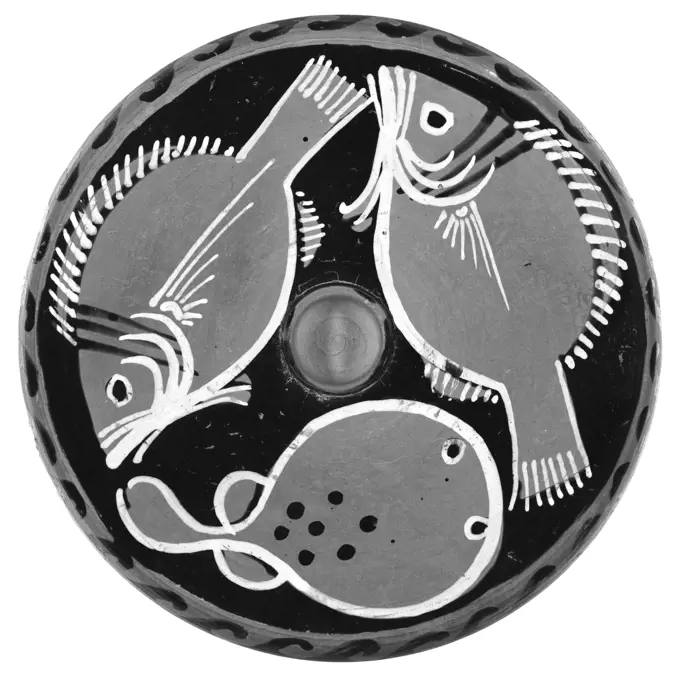
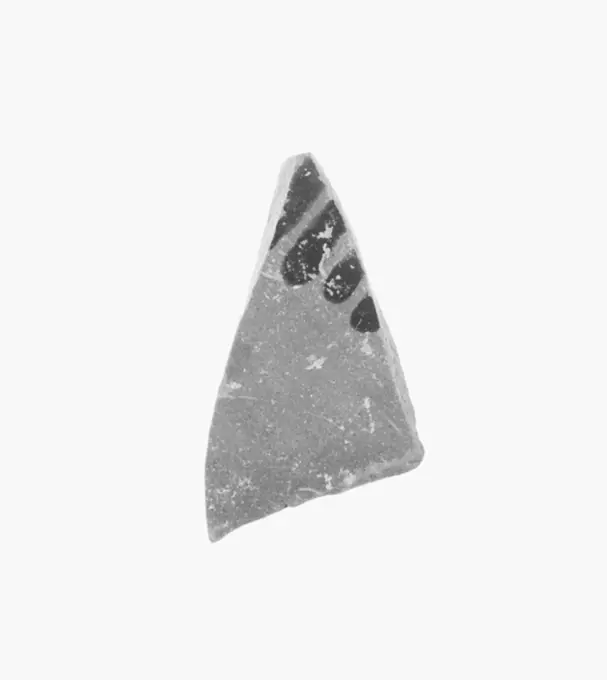
Fragmented pieces of ancient pottery featuring black-figure and red-figure designs, suggesting historical significance and artistry.

Black-Figure Eye Cup Fragment. Unknown
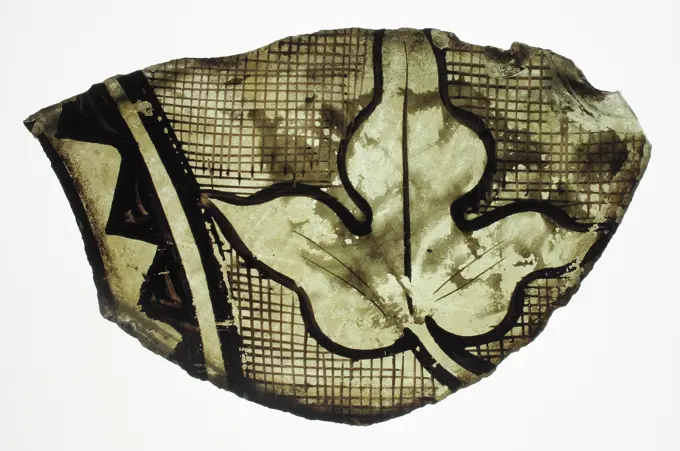
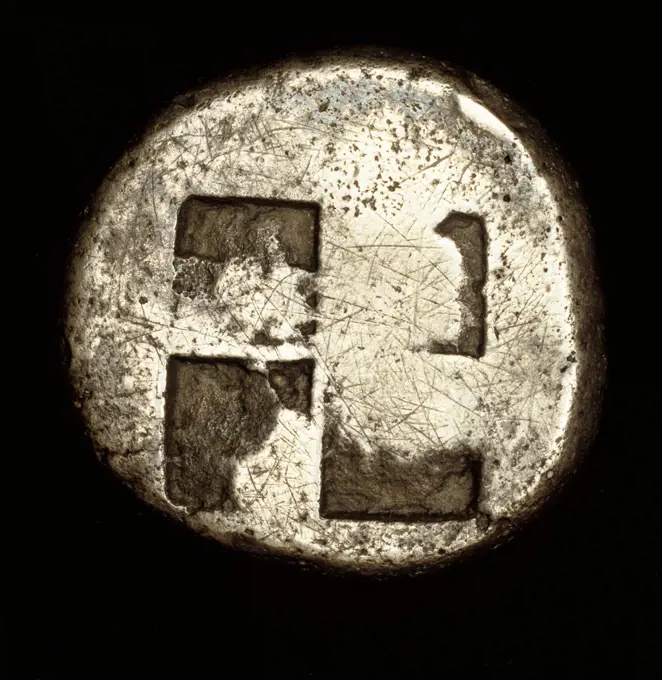
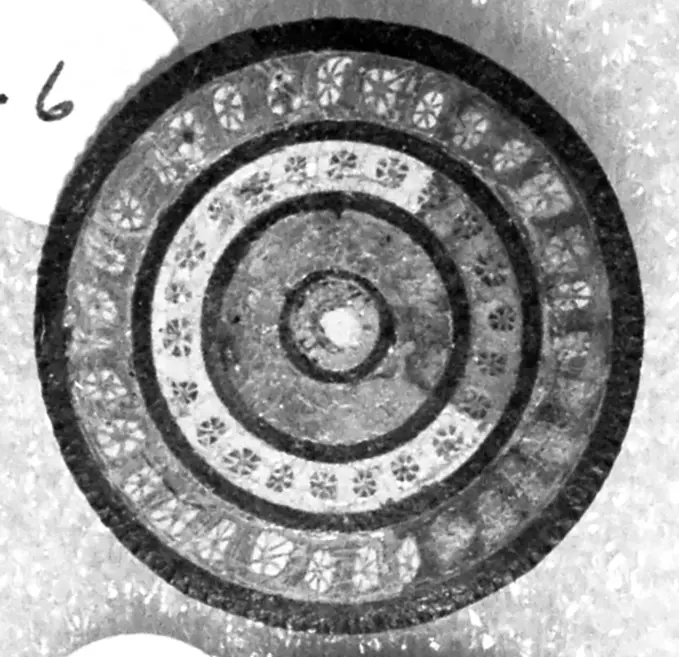
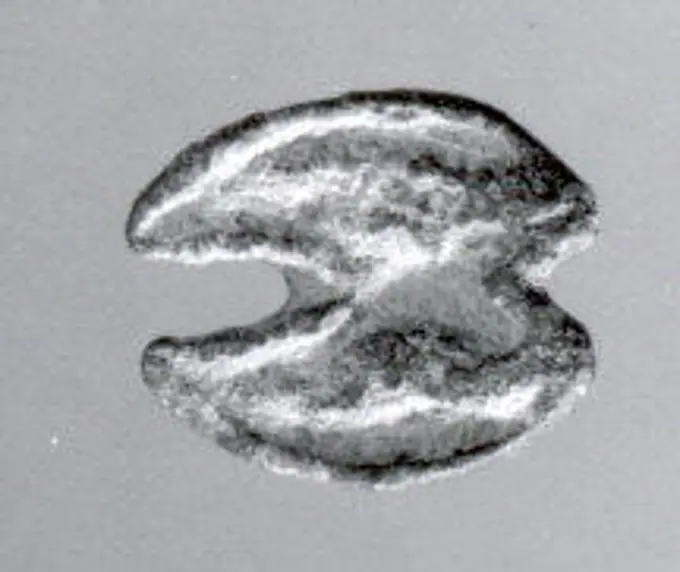
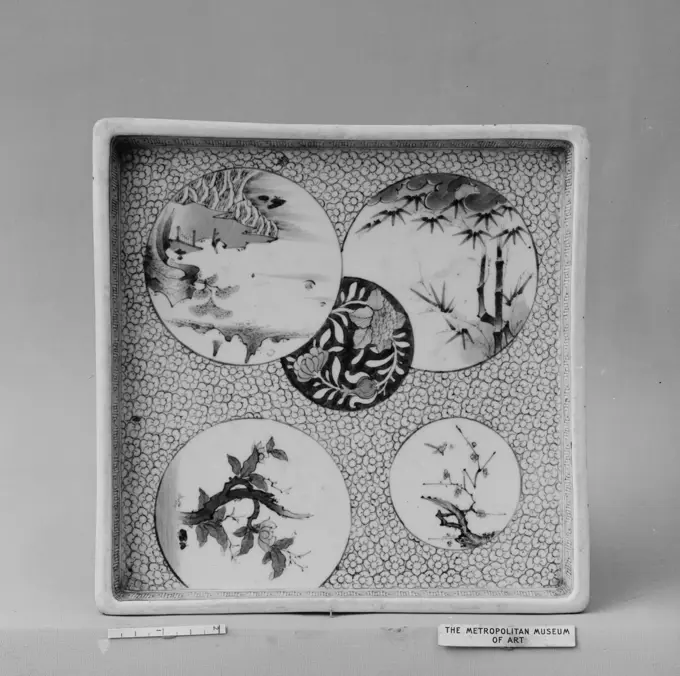
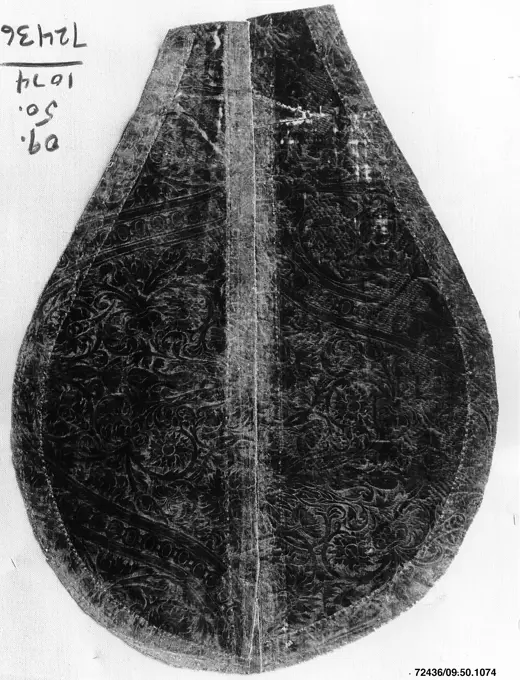
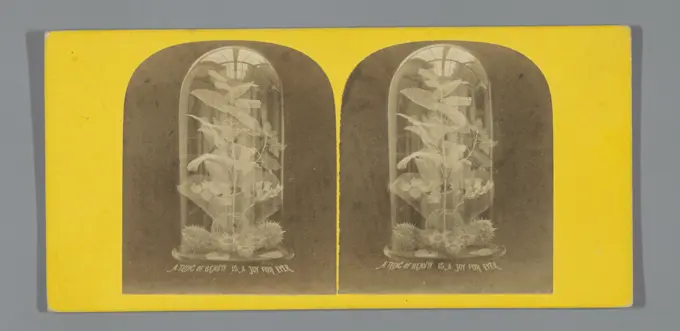
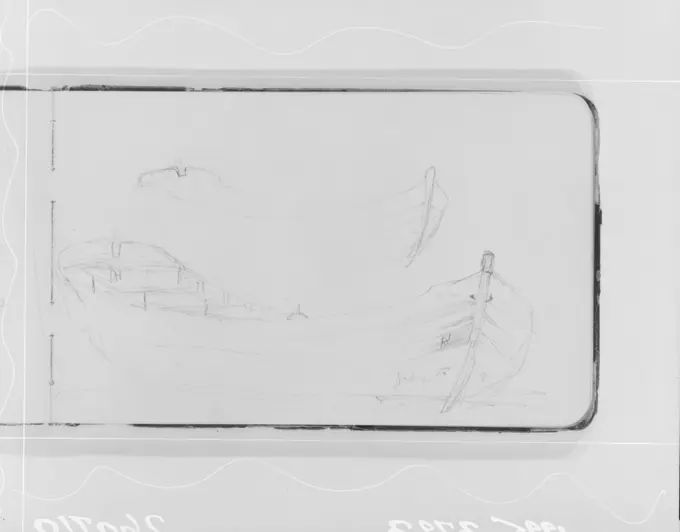
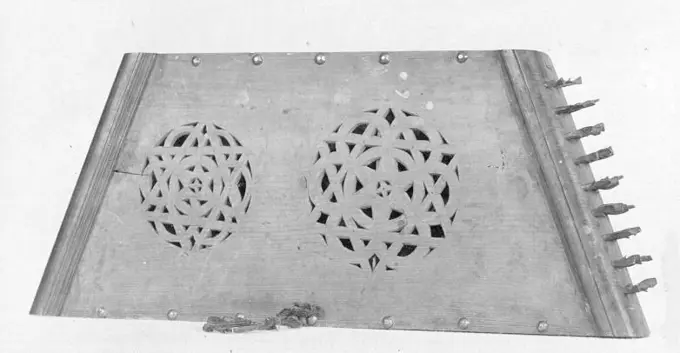
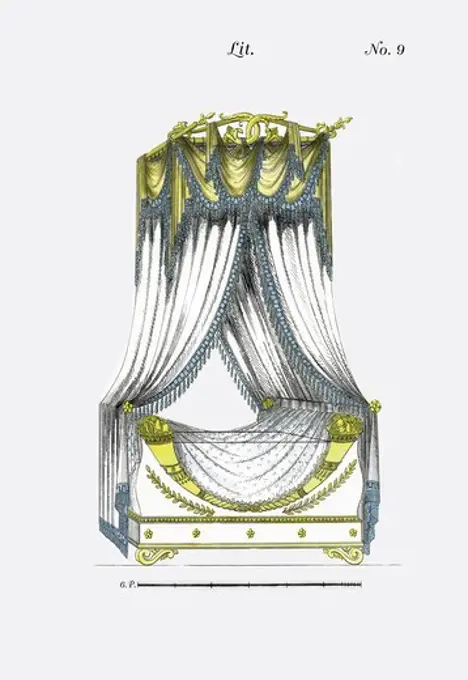
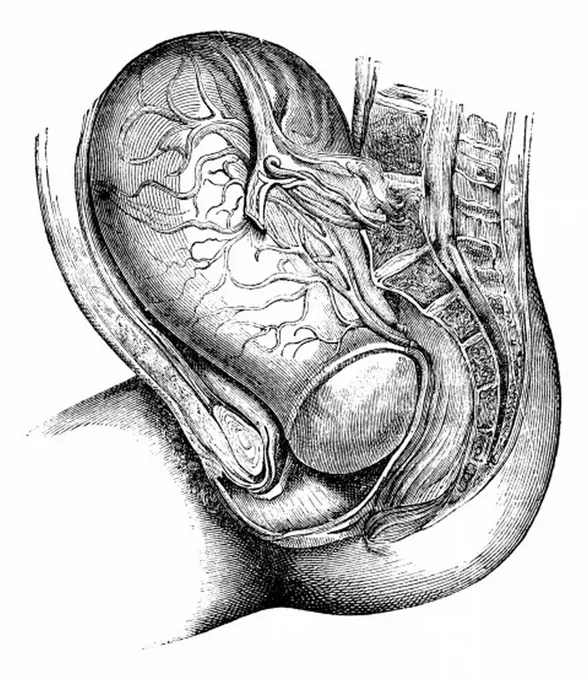
Document Sealing With the Throne Name of Amenhotep III ca. 1390-1353 B.C. New Kingdom. Document Sealing With the Throne Name of Amenhotep III. ca. 1390-1353 B.C.. Mud. New Kingdom. From Egypt, Upper Egypt, Thebes, Malqata, No exact location recorded, MMA excavations, 1910-12. Dynasty 18Two-Piece Cast Gem. UnknownBeaker (Stangenglas) ca. 1575 Southern German. Beaker (Stangenglas). Southern German. ca. 1575. Enameled glass. GlassStudy of a foot, draughtsman: Federico Barocci, 1579 - 1582, paper, h 205 mm × w 280 mmGlass Fragment ca.1300 French or British. Glass Fragment. French or British. ca.1300. Colorless glass. Glass-StainedThis 1917 photo shows cypress moths at rest, during the process of weaving their cocoons.Trebizond Coin; about 13th century; Silver, Byzantine Coinage of the empire of TrebizondsCarring.Composite Armor. Armorer: Sallet by Jörg Wagner (Austrian, Innsbruck, recorded 1485-92); Breastplate and backplate by Hans Prunner (Austrian, Innsbruck, recorded 1482-99); Rondel by Kaspar Riederer (Austrian, Innsbruck and Mühlau, active 1455-99). Culture: Austrian, Innsbruck and Mühlau. Date: comprehensively ca. 1485-95.The elements constituting this armor bear the marks of different armorers, all of whom were active in Innsbruck in the 1480s and 1490s. The sallet is by Jörg Wagner (recorded 1485-92), the breastplate and backplate are by Hans Prunner (recorded 1482-99), and the rondel by Kaspar Riederer (active 1455-99). The elbow bears an effaced Innsbruck-style mark, while the left gauntlet is unmarked but of an Innsbruck type.The armorers of Innsbruck, capital of the Austrian Tyrol, thrived under the patronage of the Habsburg court and produced armor that was internationally renowned for the strength of its steel and the beauty of its form. Located near the border between AustriaPebble China, Turkestan. Pebble 43472Sweden, Blekinge, Blekinge, Karlskrona, Karlskrona, external marina (depicted, town).Sweden, Blekinge, Blekinge, Karlskrona, Karlskrona, External War Gogs (depicted, City)Piece 18th-19th century Japan. Piece. Japan. 18th-19th century. Silk. Textiles-WovenCollar And Pair Of Cuffs (Ireland); linenDoor with Lanterns John Frederick Peto (American, 1854-1907). Door with Lanterns, late 1880s. Oil on canvas, 49 13/16 x 29 7/8 in. (126.5 x 75.9 cm).   American Art late 1880sVase of Flowers John Williamson (American, 1826-1885). Vase of Flowers, 1870. Oil on canvas, 20 1/16 x 8 1/8 in. (50.9 x 20.7 cm).   American Art 1870Ancient worked fragment. Culture: Guatemala. Dimensions: H. 3 1/4 in. (8.3 cm); W. 3 1/8 in. (8 cm); L. 9/16 in. (1.4 cm). Museum: Metropolitan Museum of Art, New York, USA.Bowl with handles. Culture: China. Dimensions: H. 2 13/16 in. (7.1 cm); Diam. (at handles) 8 1/16 in. (20.4 cm). Date: 18th century. Museum: Metropolitan Museum of Art, New York, USA.Plate 1700-1900 View more. Plate. 1700-1900. Wood; BeechUnknown, Dish, 1787, silver.Stamp seal ca. 3rd-7th century A.D. Sasanian. Stamp seal. Sasanian. ca. 3rd-7th century A.D.. Carnelian. Sasanian. Iran or MesopotamiaRare Ancient Greek Coin from Thasos Circa 500 BCButton. UnknownMaebyeong 13th century Korea. Maebyeong 57355Sampler 19th century German. Sampler. German. 19th century. Wool. Textiles-EmbroideredStamp seal ca. late 3rd-early 2nd millennium B.C. Bactria-Margiana Archaeological Complex. Stamp seal. Bactria-Margiana Archaeological Complex. ca. late 3rd-early 2nd millennium B.C.. Copper alloy. Bronze Age. Bactria-MargianaSquare Tray 1720 Japan. Square Tray. Japan. 1720. White porcelain decorated with blue under the glaze (Arita ware, Imari type). Edo period (1615-1868). CeramicsButton ca. 3rd-7th century A.D. Sasanian. Button. Sasanian. ca. 3rd-7th century A.D.. Gold. Sasanian. Iran, Qasr-i Abu NasrPiece 16th-17th century Dutch. Piece 216269Still life with dried plants in Stolp, William England (attributed to), c. 1858 stereograph   photographic support. cardboard albumen print still life of miscellaneous objects. dried flowers. glass bell, glass cover ~ horticultureOutline Sketches of Two Rowboats (from Sketchbook) ca. 1891 Albert Bierstadt American. Outline Sketches of Two Rowboats (from Sketchbook). Albert Bierstadt (American, Solingen 1830-1902 New York). American. ca. 1891. Graphite on wove paper with gilt edges, bound in a leather coverFragment of a Sleeve 3rd century. Fragment of a Sleeve 443928Dulcimer 19th century Swiss. Dulcimer 502028Fur pompons and shapes. Gray and white racoon furry texture.  Shaggy fluffy 3d objects isolated. Vector illustration Set of beautiful feather wreath, Hand drawn boho feather frame. Vector illustration.Saddle Rug with Rosette Roundels 18th-19th century China. Saddle Rug with Rosette Roundels. China. 18th-19th century. Foundation: cotton; wool knotting. Qing dynasty (1644-1911). Textiles-RugsEye Miniature. Artist: British Painter (early 19th century). Dimensions: Irregular, 1/2 x 7/8 in. (13 x 22 mm). Museum: Metropolitan Museum of Art, New York, USA.Fragments of Urn Found in a Cist at Roseisle, Lady Sophia Dunbar (Cheshire, England, 1814 - 1909) 1859Three mirrors (part of a set) 1848-49 Probably by Johan Fredrik Falck The firm of Nicholls & Plincke was founded by members of the relatively large community of English silversmiths and craftsmen working in Saint Petersburg. After 1840 it was one of the most important retailers of luxury items before Carl Fabergé overshadowed all competitors. Several contemporary Saint Petersburg newspapers praised the high-quality products of the magasin anglais Nicholls & Plincke.According to the donor's family tradition, this rare set with more than fifty items bearing the monogram CMI was "originally made for and used by Colin Macrae Ingersoll 1819-1903, when he accompanied his father, Ralph Isaacs Ingersoll 1788-1872, to the Court of Czar Alexander II of Russia, where the latter served President James Knox Polk 1795-1849 as Minister Plenipotentiary from 1846 to 1848.. The family story has always been that the set and case were made for stagecoach travel in Russia."Plain silver objects—liThe 1924 joint iron which was cut off during derailment in Håsjö on 27/7 1957.Vintage Wooden Signboard: Hand-Drawn Vector Sketch with Retro FlairAxes in polished flint clad in a sheath of stag horn, vintage engraved illustration. From Natural Creation and Living Beings.House numberCoverlet ca. 1600 British. Coverlet 228959Gloria paper doll accessories , Hats. Phyllis Tyler Paper Doll CollectionBarbara paper doll accessories , Hats. Phyllis Tyler Paper Doll CollectionImage of the "Tudor Roos" Emblem of the Military Women's Department (Milva). Emblem has been applied from 1952 to 1963.Studies of a Suit of Armor, Edward Burne-Jones, 1833-1898, British, 1875, Graphite, watercolor, and gouache on thick, moderately textured, brown, wove paper, Sheet: 16 3/4 x 12 3/4 inches (42.5 x 32.4 cm), armor, helmets, military art, still life, suitsMeissen Porcelain Manufactory, Potpourri Vase and Cover, porcelain: c. 1755-60; decoration: possibly 19th century, hard-paste porcelain.Collection of the Dutch Heidematschappij. Forest protection, shortened tribes, fine spruce. undatedPectoral Disk 7th-12th century Capuli. Pectoral Disk 309971Air soap bubbles on transparent background. Set 3d aqua foam for bath. Realistic white soap ball of wash. Glossy liquid foam bubble. Water drop with reflection. Aqua ball isolated. vector illustration. Air soap bubbles on transparent background. Set 3d aqua foam for bath. Realistic white soap ball of wash. Glossy liquid foam bubble. Water drop with reflection. Aqua ball isolated. vectorTunbridgeware Glove Box, 1800-1900. This Tunbridgeware glove box. was possibly made by Henry Hollamby of Tunbridge Wells around 1850-1860. The lid is decorated with a picture of Eton College which has been made from sticks of different woods, to make it look like a painting. The sticks are first cut and glued on to a paper backing which is then placed into a background of holly wood. Finally, it is set into a rosewood veneer which covers the carcass of the box. The sides of the box are covered with a version of a Berlin Woolwork pattern, normally found on tapestry... Purchased from Edward H Pinto, 1965.. .Campanian Fish Plate; Three-Line Painter; Campania, South Italy; about 330 B.C; Terracotta; 4.2 × 17.3 cm (1 5,8 × 6 13,16 in.)Girdle ornament China. Girdle ornament. China. Jade. Han dynasty (206 B.C.-A.D. 220). JadeAttic Black-Figure Amphora Fragment. UnknownEngraved Gem. UnknownSkiopticon image from the Department of Photography at the Royal Institute of Technology. Use by Professor Helmer Bäckström as lecture material. Bäckström was Sweden's first professor in photography at the Royal Institute of Technology in Stockholm 1948-1958.Rotating mirror drum. Possibly to praxino.Ax in flint, vintage engraved illustration. From Natural Creation and Living Beings.Shoe made of one piece of leather, culture in the Migration Period was a time of widespread migration within or to Europe in the middle of the first millennium AD, Germany, digitally restored reproduction of a 19th century original, exact original date unknown, EuropeFronton ornament 18th century French. Fronton ornament. French. 18th century. Wood, gilt. Woodwork3d shield dome glass sphere isolated vector. Protect barrier for safety concept illustration on transparent background. Defense technology guard plastic case with hexagon mesh.. 3d shield dome glass sphere safety concept vectorMedallion 16th century French. Medallion. French. 16th century. Carved walnut. WoodworkRing; Roman Empire; 250 - 400; Gold; 1.9 × 2.6 cm (3,4 × 1 in.)The Cloisters Playing Cards ca. 1475-80 South Netherlandish The Cloisters set of fifty-two cards constitutes the only known complete deck of illuminated ordinary playing cards (as opposed to tarot cards) from the fifteenth century. There are four suits, each consisting of a king, queen, knave, and ten pip cards. The suit symbols, based on equipment associated with the hunt, are hunting horns, dog collars, hound tethers, and game nooses. The value of the pip cards is indicated by appropriate repetitions of the suit symbol. The figures, which appear to be based on Franco-Flemish models, were drawn in a bold, free, and engaging, if somewhat unrefined, hand. Their exaggerated and sometimes anachronistic costumes suggest a lampoon of extravagant Burgundian court fashions. Although some period card games are named, it is not known how they were played. Almost all card games did, however, involve some form of gambling. The condition of the set indicates that the cards were hardly used, if at Undersleeves ca. 1825 American. Undersleeves 168748Weapons, jewellery and utensils from the Stone Age, Germany, digitally restored reproduction of an original from the 19th century, exact original date...Hood and cover bowl made of woodBosnia, Sarajevo.  Commemorative coin from 1984 Sarajevo Olympics, featuring Vuk the Wolf.Other form of artificial fly, vintage engraved illustration. Magasin Pittoresque 1867.A fragment of the udder of the vessel;  4,000 BC () (-4000-00-00--3001-00-00);The collection of the ancient EastGreave of a murmillo BronzeLemon slice in transmitted light, studio shot, black and white photo, Germany, EuropeVintage Photograph. Closeup of open oyster sitting on solid surface, Frame 3Thesaurus conchyliorum, or Monographs of Genera of Shells, London, Sowerby, 1847-1887, mollusks, pictorial works, shells, A diverse collection of intricately designed seashells is displayed, showcasing a variety of shapes, sizes, and patterns. Each shell features unique characteristics, such as spiraled forms, ridges, and striking color combinations, reflecting the beauty of marine life. The arrangement highlights their elongated shapes, emphasizing the elegance and complexity found in natures creations. The assortment provides a glimpse into the rich diversity of mollusks, inviting appreciation for the intricate artistry of these natural artifacts.Stamp seal ca. 3rd-7th century A.D. Sasanian. Stamp seal. Sasanian. ca. 3rd-7th century A.D.. Jasper, green with yellow. Sasanian. Iran or MesopotamiaPortret Van Happiness abt Anonymous, 1850 - 1949 photomechanical print Portrait of Felicitas ABT in an oval frame of a medallion.  paper collotype portrait of actor, actressold leather binding with claspsFrench Empire Bed No. 9, Interior Design - French Empire BedsBlue and YellowBag of waters, vintage engraved illustration. Magasin Pittoresque 1875.Land with various backgrounds