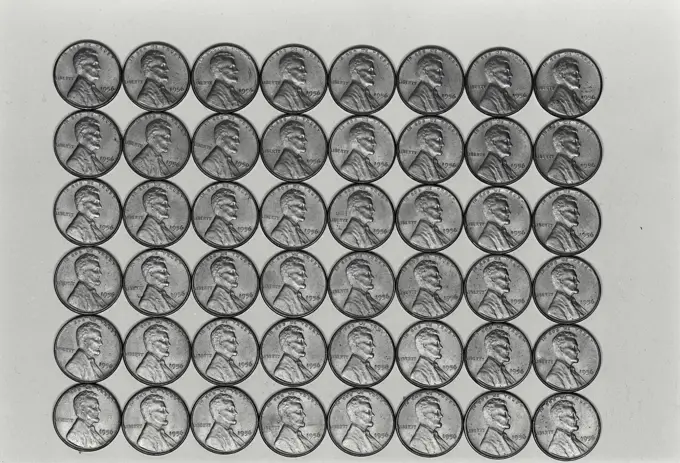
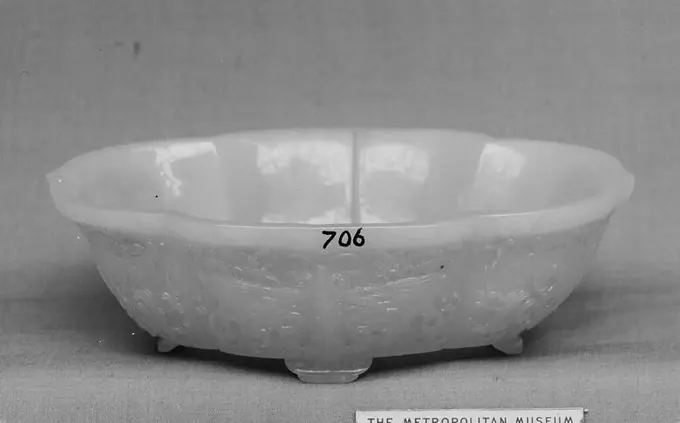
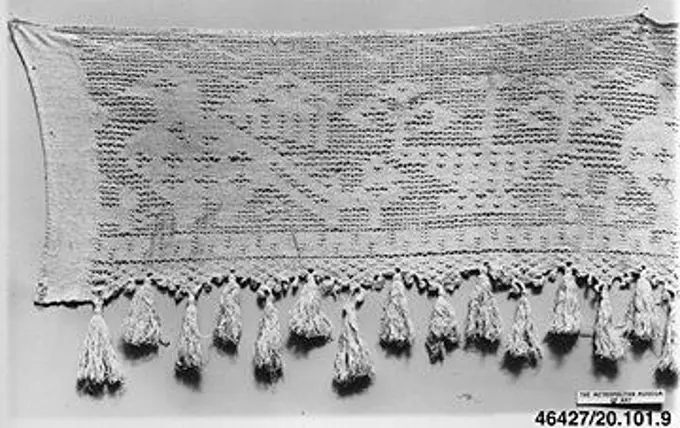
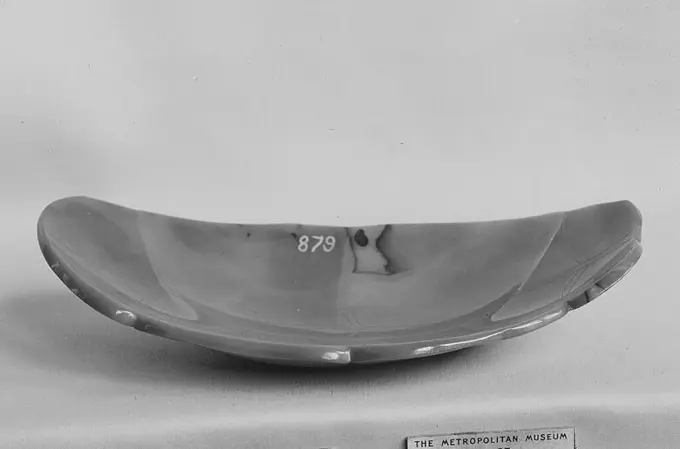
Ancient Pottery Fragments

A collection of pottery fragments from ancient times, showcasing intricate designs and historical significance, including red-figure and black-figure techniques.

Vase with landscape and flowers 18th century China. Vase with landscape and flowers. China. 18th century. Porcelain painted in overglaze polychrome enamels (Jingdezhen ware). Qing dynasty (1644-1911). Ceramics
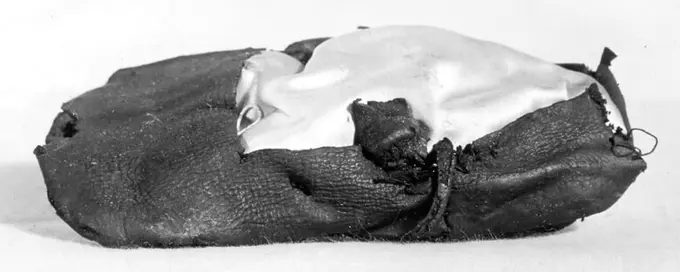
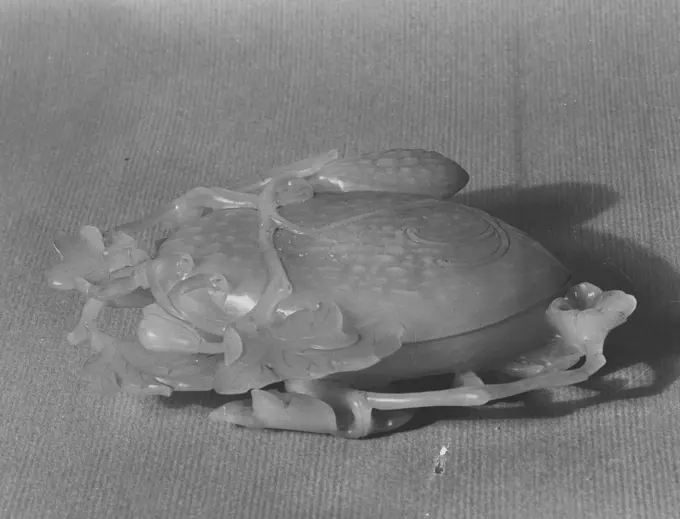
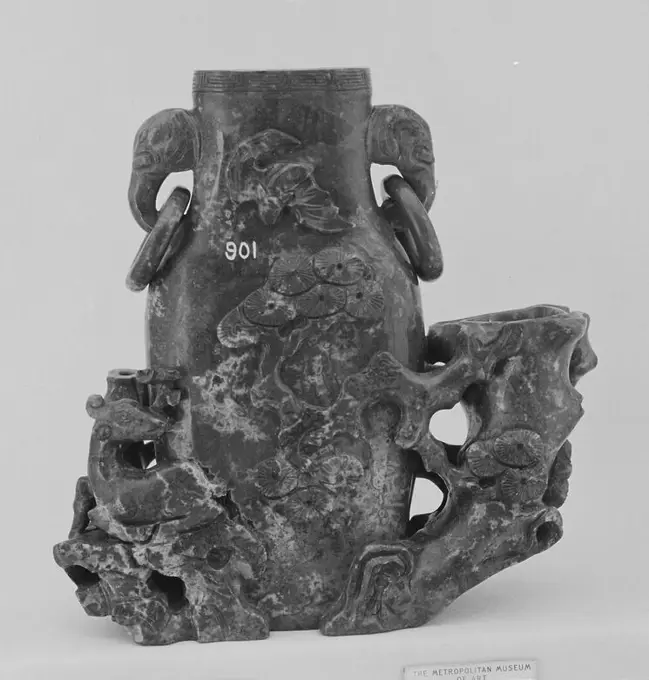
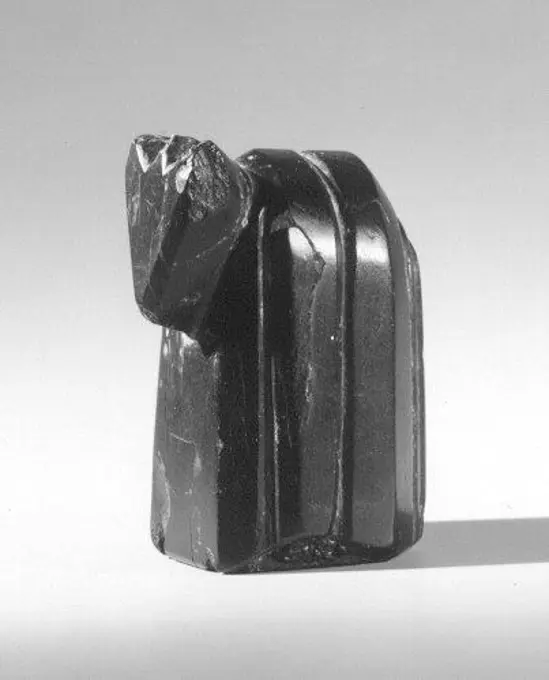
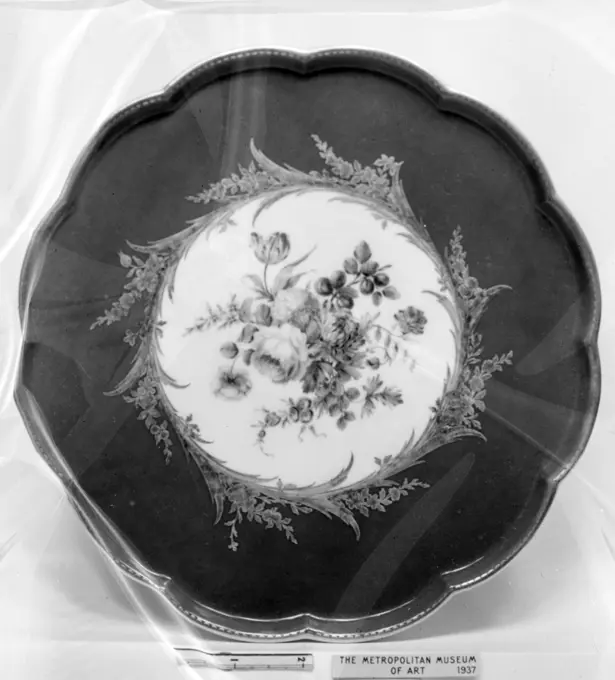
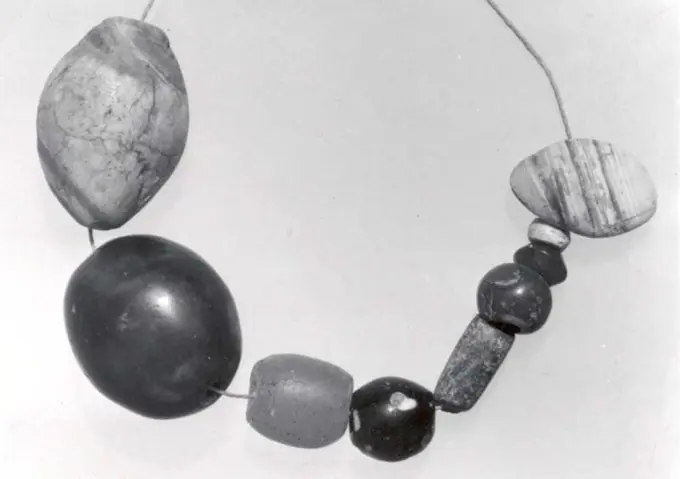
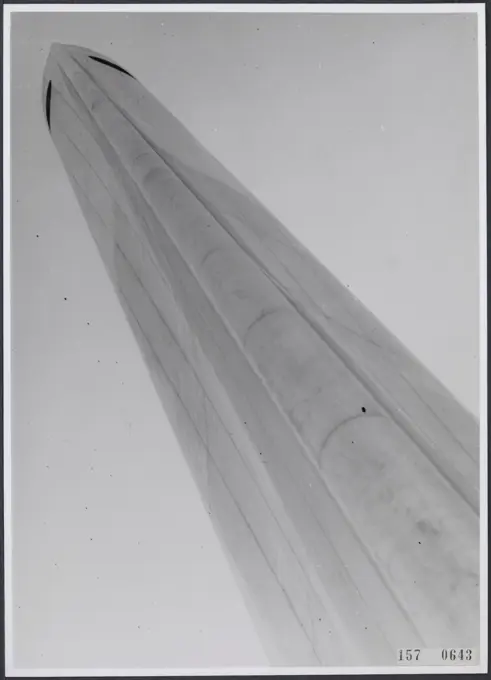
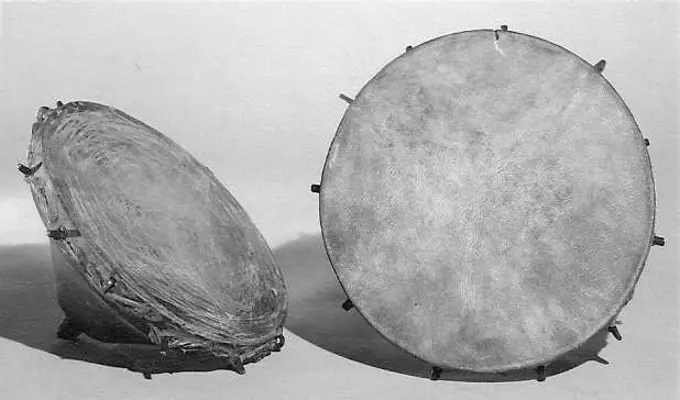
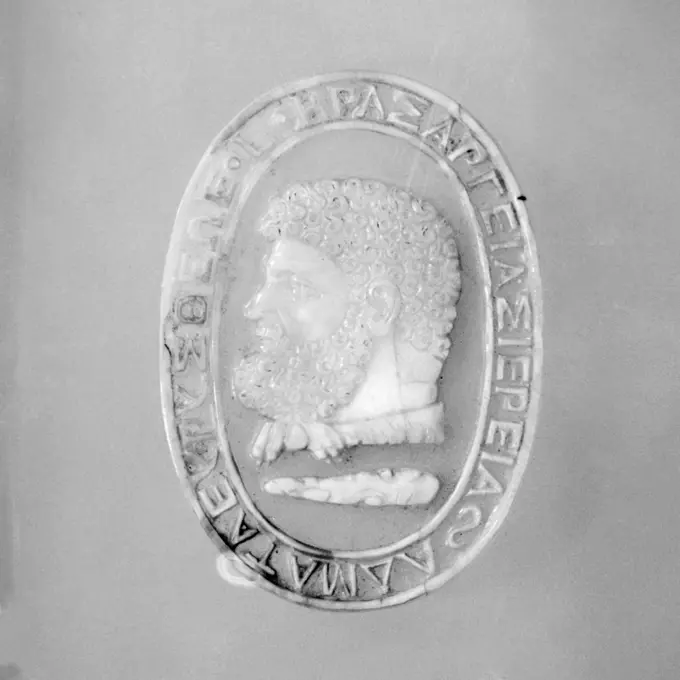
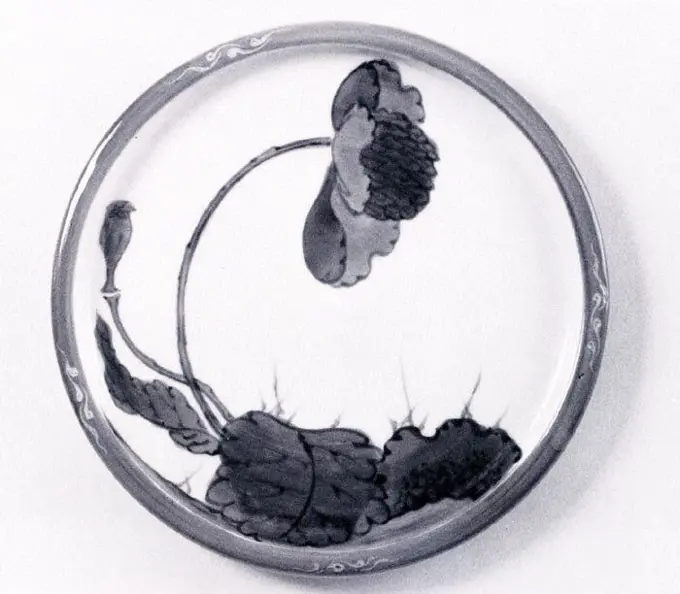
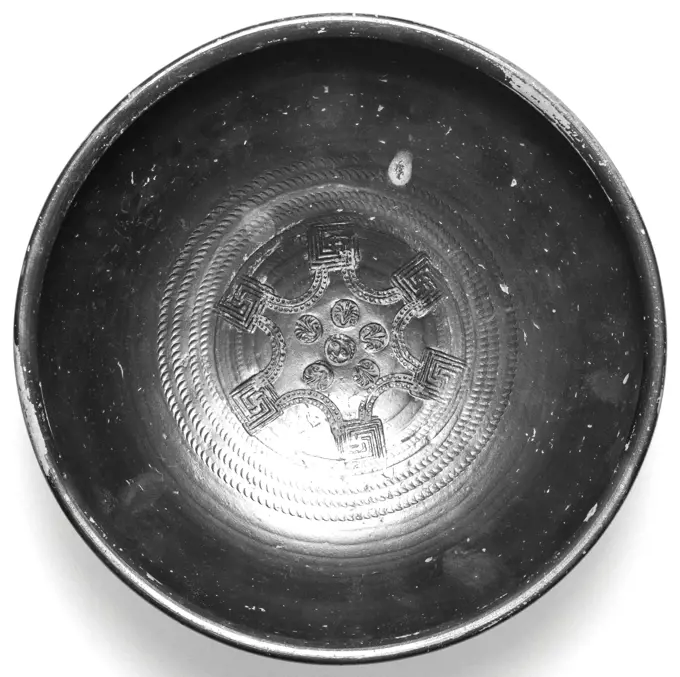
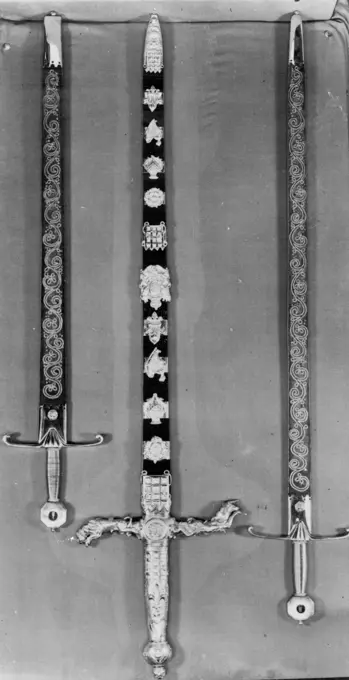
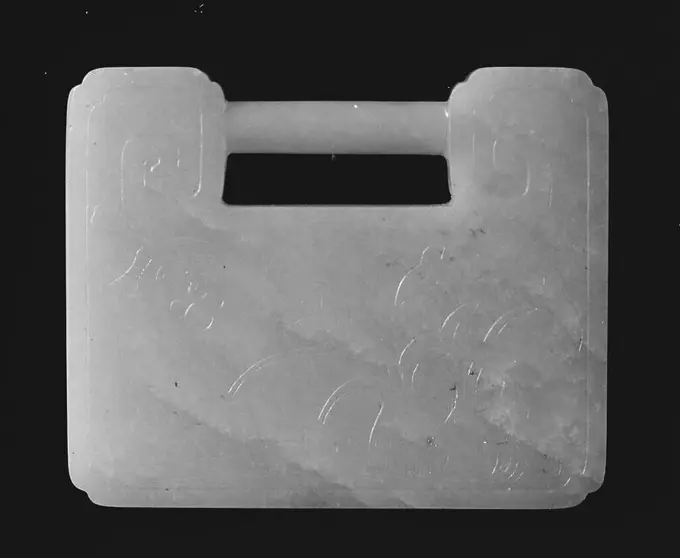
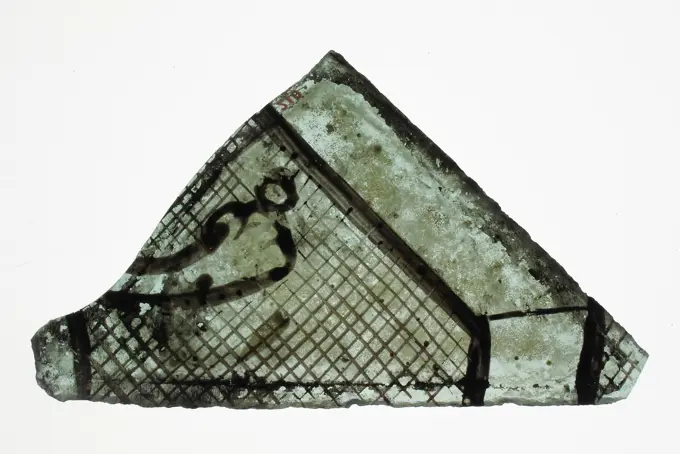
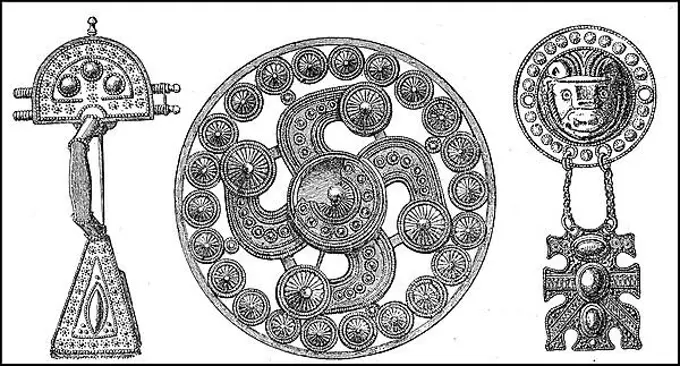
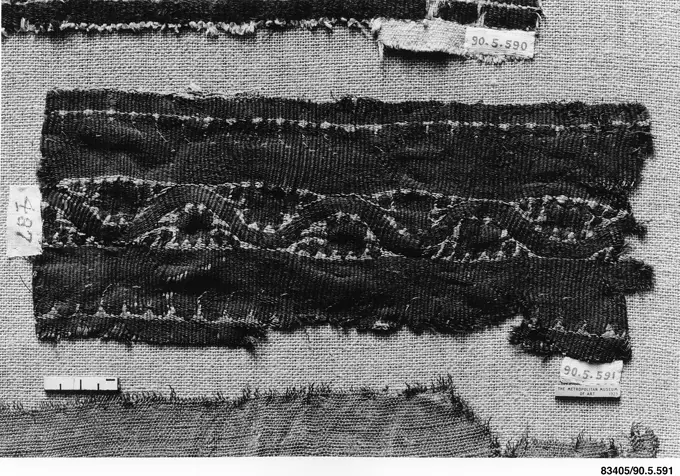
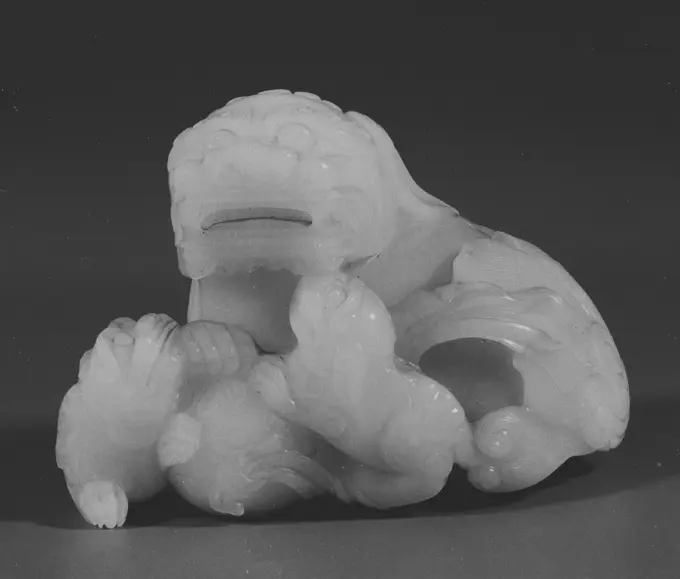
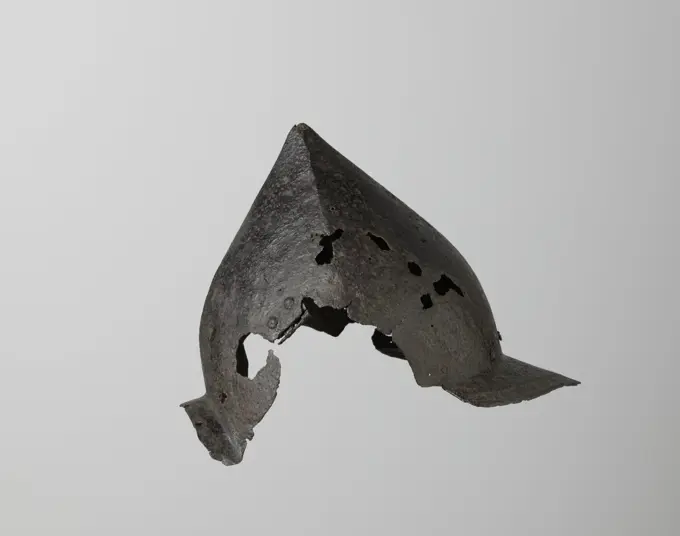
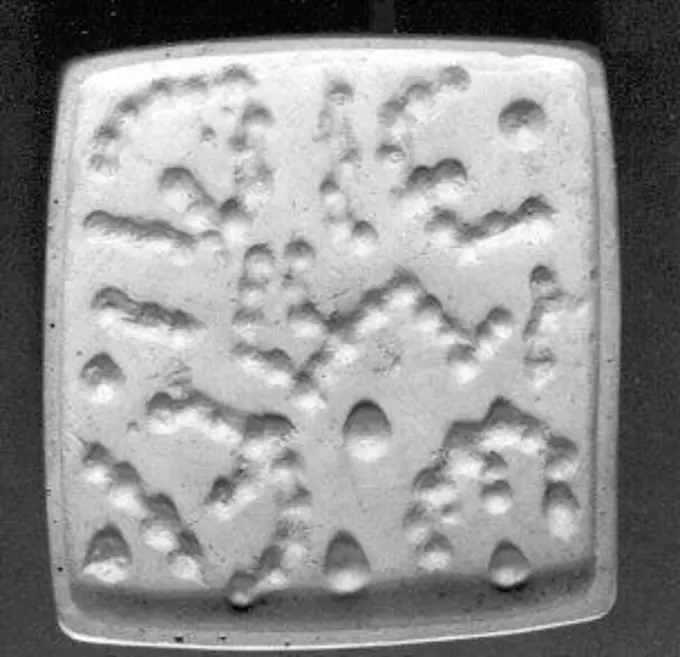
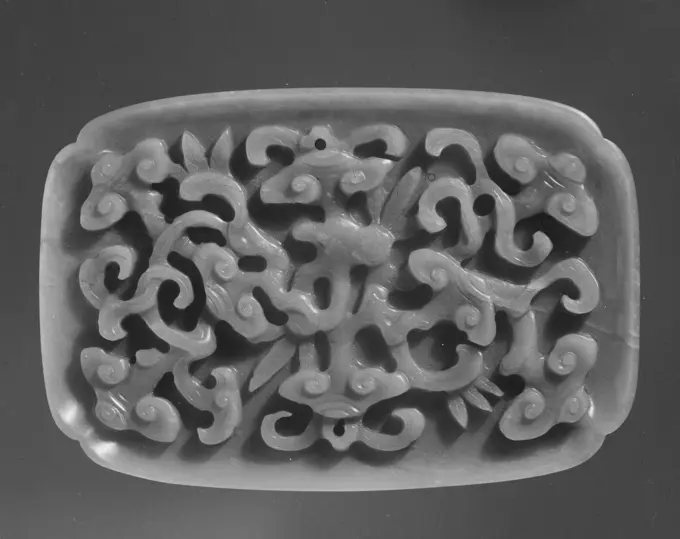
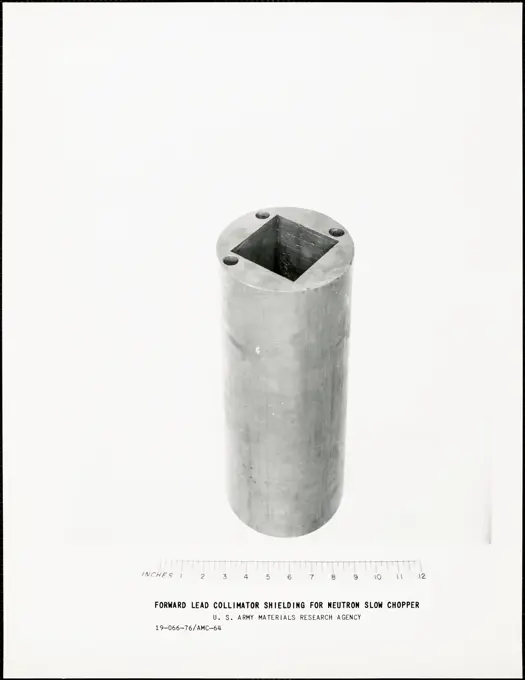
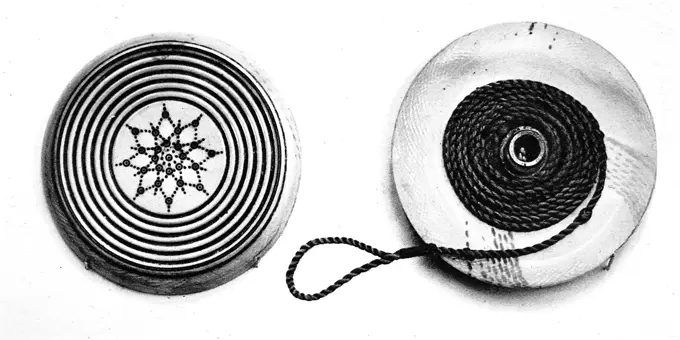
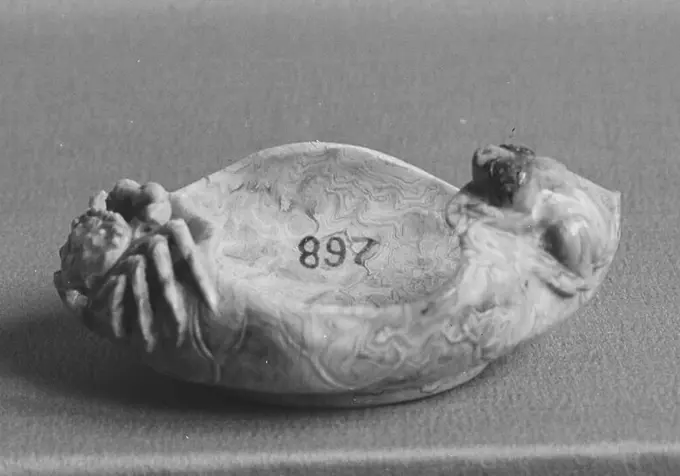
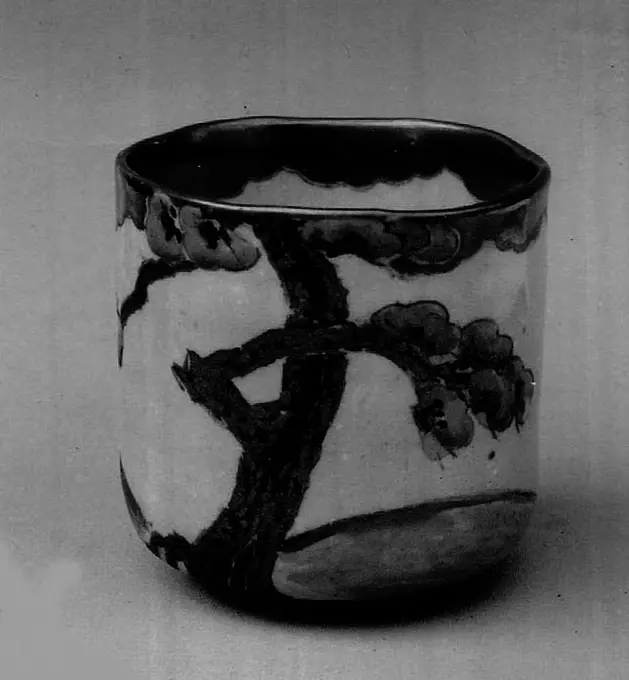
Flower vase China. Flower vase. China. Nephrite, dark translucent seaweed green. Ming dynasty (1368-1644). JadeFan French late 19th centuryChild's Shoe. England. Date: 1501-1600. Dimensions: 15.5 × 7 × 2 cm (6 1/8 × 2 3/4 × 2/3 in. ). Leather; remnants of a strap with buckle. Origin: England. Museum: The Chicago Art Institute, Chicago, USA.Covered box in the Shape of a Melon China. Covered box in the Shape of a Melon. China. Jade (nephrite). Qing dynasty (1644-1911), Kangxi period (1662-1722). JadeVase with Pine and Deer. Culture: China. Dimensions: H. 7 1/2 in. (19.1 cm); W. 7 1/2 in. (19.1 cm). Date: 18th century. Museum: Metropolitan Museum of Art, New York, USA.Chess Piece, Knight 8th-10th century Caliphal decrees prohibited the playing of chess (the pieces of which are customarily figural) for iconoclastic reasons as early as the eighth century. It is likely that chess pieces of the abstract type, such as those exhibited here, replaced the figural ones in order to circumvent those decrees.. Chess Piece, Knight. 8th-10th century. Jet. Attributed to Western Islamic Lands. Gaming piecesFlask. UnknownGridiron 1700-1800. Gridiron 4141Elsevier photo collection. Series: Utensils prehistoric time No Caption. undatedVase. Culture: China. Dimensions: H. 11 1/2 in. (29.2 cm). Museum: Metropolitan Museum of Art, New York, USA.Earring (One of a Pair) 5th-6th century Korea. Earring (One of a Pair) 53015Vintage Photograph. Wreath with three candles in center.Anefo photo collection. Street tile with holes. June 16, 1980Necklace from black vesuvian and hematite. Macro shot on white background Necklace from black vesuvian Vesuvius and hematite. Macro shot Processed on grey background. Copyright: xZoonar.com/OvchinnikovaxOlgax 10886918A polished jade ax, vintage engraved illustration. From Natural Creation and Living Beings.Fork (part of a dining service) ca. 1805 Pierre-Benoît Lorillon. Fork (part of a dining service) 231683Fragment. Dimensions: 12 3/4 in. high 10 7/16 in. wide (32.4 cm high 26.5 cm wide). Date: 3rd-4th century. Museum: Metropolitan Museum of Art, New York, USA.Tray (Soucoupe à pied) (one of four) (part of a service) ca. 1780 Sèvres Manufactory French. Tray (Soucoupe à pied) (one of four) (part of a service). French, Sèvres. ca. 1780. Hard-paste porcelain. Ceramics-PorcelainBeads 3rd millennium B.C. Iran Although they are now strung together, these stone beads were not necessarily part of a single necklace in antiquity. They were excavated in 1937 at a prehistoric site in the vicinity of Nishapur in northeastern Iran. While Nishapur itself was founded by the Sasanian king Shapur I (reigned ca. A.D. 241-272), these beads show that human habitation there goes back to the prehistoric period. Furthermore, the prehistoric pottery from Nishapur has close affinities with ceramic materials from Central Asia rather than with contemporary sites in Iran, meaning that in this period its inhabitants were likely culturally linked to their neighbors to the east. At the same time, Nishapurs location on what later became known as the Great Khorasan Road suggests that it was part of the trade network that facilitated the import of precious stones such as lapis lazuli, carnelian and turquoise from Central Asia to Mesopotamia.. Beads 323690Roof Tile. Culture: China. Dimensions: H. 7 in. (17.8 cm); W. 7 3/4 in. (19.7 cm); L. 16 1/2 in. (41.9 cm). Museum: Metropolitan Museum of Art, New York, USA.Engraved Gem. UnknownVintage Photograph. An arrangement of pennies.winter warm socks with a pattern of grayAttic Red-Figure Kylix Fragments . Unknown 510-500 B.C.Sweden, Blekinge, Blekinge, Karlskrona, Karlskrona, external marina (depicted, town).Sweden, Blekinge, Blekinge, Karlskrona, Karlskrona, External War Gogs (depicted, City)Breastplate ca. 9th century B.C. Iran. Breastplate 328940Half of a Ring with Area for Bezel (now missing). UnknownAttic Black-Figure Eye Cup Fragment. UnknownBrush washer. Culture: China. Dimensions: H. 5 11/16 in. (14.5 cm); W. 4 5/16 in. (10.9 cm); D. 1 11/16 in. (4.3 cm). Date: 18th century. Museum: Metropolitan Museum of Art, New York, USA.Vase China. Vase. China. Nephrite. Ming dynasty (1368-1644). JadeTiger: emblem of the West China. Tiger: emblem of the West 42930String of shells ca. 1981-1640 B.C. Middle Kingdom. String of shells. ca. 1981-1640 B.C.. Shells, faience. Middle Kingdom. From Egypt, Memphite Region, Lisht North, Cemetery, Silo 165, MMA excavations, 1920-22. Dynasty 12-13Spoon 18th century possibly German. Spoon 188177 possibly German, Spoon, 18th century, Silver, shell, 4 1/4 in. (10.8 cm). The Metropolitan Museum of Art, New York. Gift of Mrs. Samuel P. Avery, 1897 (97.2.143)Vase 18th century China. Vase 51036Pendant. UnknownTextile Fragment 10th-11th century. Textile Fragment 448126Dish 1830-45 American. Dish. American. 1830-45. Lacy pressed glass. Made in New England, United StatesHair Ornament 12th century. Hair Ornament 452929Coin 815-911. Coin. 815-911. Silver. Excavated in Iran, Nishapur. CoinsMirror Case 18th-19th century China. Mirror Case 68776Valence 15th century Spanish, Huelva. Valence 220746Cylinder seal ca. 15th-12th century B.C. Cypriot. Cylinder seal 321442Funerary Sandals A.D. 1st century  Roman Period. Funerary Sandals 548292Scent bottle late 17th-18th century French. Scent bottle. French. late 17th-18th century. Glass. GlassPoll photo collection. Advertising photography. Walnuts and a nutcracker. undatedTray. Culture: China. Dimensions: H. 3/4 in. (1.9 cm). Date: 18th century. Museum: Metropolitan Museum of Art, New York, USA.metal polymer cable in a skein on a gray background top view close-up black and white photo metal polymer cable in a skein on a gray background top view close-up black and white photo Copyright: xZoonar.com/gutaperx 19315592Sherd ca. early 2nd millennium B.C.. Sherd 326141Screw, vintage engraved illustration. Magasin Pittoresque 1875.Photo collection prints Anefo Rousel. Series Print Anefo RVD Own Without Caption. Collection of photo collection prints Anefo Rousel, photo number 157-0643. 1956tabl-i baz late 19th century Turkish. tabl-i baz 501901Skyphos fragment 6th century B.C. Greek, Attic. Skyphos fragment. Greek, Attic. 6th century B.C.. Terracotta; black-figure. Archaic. VasesMap of Slovenia on weathered woodSnuff bottle with stopper 18th-19th century China. Snuff bottle with stopper. China. 18th-19th century. Agate, jadeite. Qing dynasty (1644-1911). Snuff BottlesHead of Hercules 16th-17th century Italian. Head of Hercules 198331Plate with decoration of a poppy mid-18th century Japan. Plate with decoration of a poppy 49400Campanian Black Bowl; Campania, South Italy, Europe; 323 - 31 B.C; Terracotta; 6.6 x 17.3 cm (2 5,8 x 6 13,16 in.)Close up of wire cooking utensil.Lazio Viterbo Viterbo Museo Civico87. Hutzel, Max 1960-1990 Views of paintings (Middle Ages through 18th c.), frescoes, a tabernacle, coffin, sculpture reliefs, portal fragments, busts, sculpture, tapestry found in the Pinacoteca, Second floor gallery and Second floor cloister sequences. Antiquities: Many views of Etruscan and Roman fragments, sculpture, sarcophagi, pottery, masks, jewelry and other objects found in the Storeroom sequence (inventory numbers on back of prints), and the Cloister, Second floor Cloister, Valle Giulia, Sala Romana and Sala Etrusca sequences. General Notes: There are eight separate numerical sequences for this location. The cloister as an architectural structure, rather than museum site, is documented in the record and file for S. Maria della Verita, Cloister, all views of which are stored in Medieval core collection. Five views from the Museo Civico Second floor cloister sequence are stored in Medieval. German-born photographer and scholar Max Hutzel (1911-The Crown Jewels. The Three State Swords.The Sword of State (in centre) is a two-handed Sword, the length of the blade being 32 inches. The handle is of gilt metal, the cross-pieces representing the Lion and the Unicorn. The Scabbard is decorated with diamonds, rubies and emeralds in designs of the Rose, the Thistle and the Shamrock.At the Coronation the Peer who carries the Chamberlain, who in exchange hands over the Jewelled Sword.The Sword on left is the Sword of Justice to the Spirituality, while the third sword is the sword of justice to the Temporality. September 01, 1952. (Photo by Sport & General Press Agency, Limited).Box 1830-70 American. Box. American. 1830-70. Parian porcelain. Probably made in Bennington, Vermont, United StatesPendant. Culture: China. Dimensions: H. 2 11/16 in. (6.8 cm); W. 2 3/16 in. (5.6 cm); D. 1/4 in. (0.6 cm). Museum: Metropolitan Museum of Art, New York, USA.Dog. Culture: China. Dimensions: H. 1 5/16 in. (3.3 cm); L. 2 3/4 in. (7 cm). Date: 17th century. Museum: Metropolitan Museum of Art, New York, USA.It is designed to support the rider’s back, usually in a semi-reclined position. It is usually made up of leather or rubber. It has two long metallic support below it, vintage engraved line art illustration. Bicycle Accessories 1900.Shoe Buckle 1730-75. Shoe Buckle. 1730-75. Silver plate on copperGlass Fragment early 14th century French or British. Glass Fragment. French or British. early 14th century. Colorless glass. Glass-StainedIt is designed to support the rider’s back, usually in a semi-reclined position. It is usually made up of leather or rubber. Found in older bicycle models. Vintage engraved line art illustration. Bicycle Accessories 1900.Bell 19th century () European. Bell. European. 19th century (). metal. Idiophone-Struck-bell-clapperVintage Photograph. Ten roses and ferns in copper bowl.Child's Boot. England. Date: 1501-1600. Dimensions: 16 × 6 × 8 cm (6 5/16 × 2 3/4 × 3 1/8 in. ). Leather. Origin: England. Museum: The Chicago Art Institute, Chicago, USA.Detail of a Sassanian silver collar. Artist: UnknownLazio Viterbo Viterbo Museo Civico71. Hutzel, Max 1960-1990 Views of paintings (Middle Ages through 18th c.), frescoes, a tabernacle, coffin, sculpture reliefs, portal fragments, busts, sculpture, tapestry found in the Pinacoteca, Second floor gallery and Second floor cloister sequences. Antiquities: Many views of Etruscan and Roman fragments, sculpture, sarcophagi, pottery, masks, jewelry and other objects found in the Storeroom sequence (inventory numbers on back of prints), and the Cloister, Second floor Cloister, Valle Giulia, Sala Romana and Sala Etrusca sequences. General Notes: There are eight separate numerical sequences for this location. The cloister as an architectural structure, rather than museum site, is documented in the record and file for S. Maria della Verita, Cloister, all views of which are stored in Medieval core collection. Five views from the Museo Civico Second floor cloister sequence are stored in Medieval. German-born photographer and scholar Max Hutzel (1911-Pick ca. 4600-3600 B.C. Ghassulian. Pick 326529Mace head 7th-6th millennium B.C.. Mace head 327131Germanic jewellery, silver clasps and jewellery hangings of gold, Germanic, Historical, digital reproduction of an original from the 19th centuryAttic Red-Figure Cup Fragment. UnknownTextile Fragment 3rd-4th century. Textile Fragment 444070Amulet. Culture: China. Dimensions: L. 1 14 in. (3.2 cm). Museum: Metropolitan Museum of Art, New York, USA.Pilgrim flask 1895-1900 Edwin Bennett Pottery. Pilgrim flask 20203Scraper 19th century American. Scraper 501917Lion and cubs 18th century China. Lion and cubs. China. 18th century. Jade (nephrite). Qing dynasty (1644-1911). JadeIncense Burner 14th-16th century Aztec. Incense Burner 318680Aesculus hippocastanum and aesculus spec., Maybe Aesculus parvifloraMembership badge bandaged the clubs for simplified stenography (with a long needle)Burgundian Stormhoed, Anonymous, 1540 - 1560  Burgundian storm hat, iron, made of a part, the helmet ball consists of four planes that run together on the sphere. A pointed valve on the front. Back of the helmet has a flat horizontal border with three holes. A number of small rivets are visible around the base of the Hembol. A song is written on the inside. Bommelbato's yard iron (metal)   NetherlandsAnefo photo collection. The Prix de Joke a creation of the Steenhouwer Edo of Tetterode. March 29, 1963Drilled cushion-rectangular plaque seal ca. 3500-2900 B.C.. Drilled cushion-rectangular plaque seal 323942Egyptian sole, vintage engraved illustration.Pebbles on sand, Porbandar area of Gujarat, India Copyright: xAshaxAdatia/DinodiaxPhotoxTray with magic fungus (lingzhi) late 18th-early 19th century China. Tray with magic fungus (lingzhi). China. late 18th-early 19th century. Jade (nephrite). Qing dynasty (1644-1911). JadeBRAZALETE DE ORO COLECCION LARREA - ORFEBRERIA INCA - ARTE PRECOLOMBINO. Location: MUSEO DE AMERICA-COLECCION. MADRID. SPAIN.Sugar tongs ca. 1770-1800 British. Sugar tongs 195287Forward lead collimator shielding for neutron slow chopper , Armories, Ordnance industry, Machinery components, Army Materials and Mechanics Research Center U.S..  Records of U.S. Army OperationalPhotograph showing the two halves of a yo-yo from the Napoleonic period, made of ivory, with a brass core, 1932.     Date: 10/09/1932Textile ornament 11th-15th century Ica. Textile ornament 307465Section of a spoon handle 1786 Pierre-Charles Micalef. Section of a spoon handle 198399It is a part or attachment by which the handle is held in the hand. It is usually made up of rubber. It has a uneven surface specially designed to provide a firm hold, vintage engraved line art illustration. Bicycle Accessories 1900.Dish with frog and crab. Culture: China. Dimensions: H. 1 in. (2.5 cm). Date: 18th century. Museum: Metropolitan Museum of Art, New York, USA.Cup 1800 Eiraku Hozen. Cup. Eiraku Hozen (Japanese, 1795-1854). Japan. 1800. Stoneware with lustrous glaze; the decoration in enamels (Kyoto ware). Edo period (1615-1868). CeramicsClose up of fabric strings