Ancient Pottery Fragments

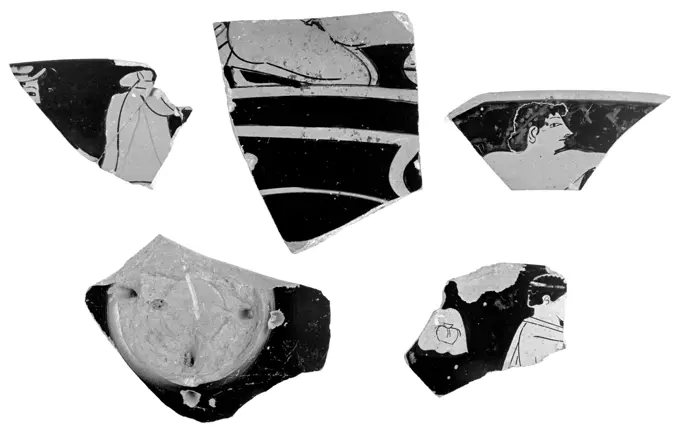
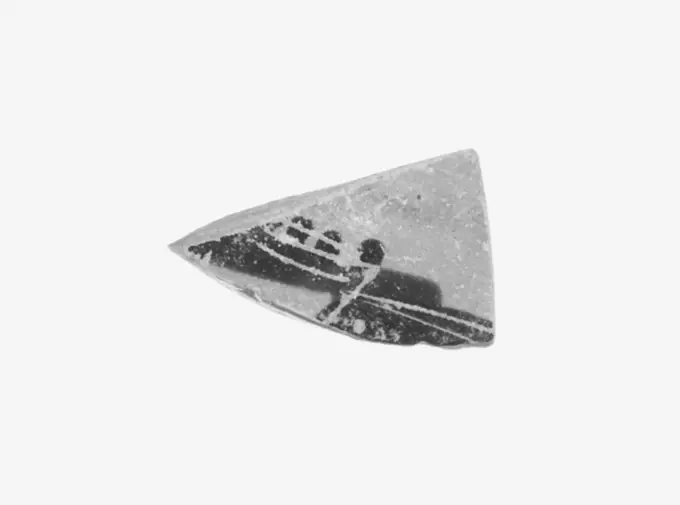
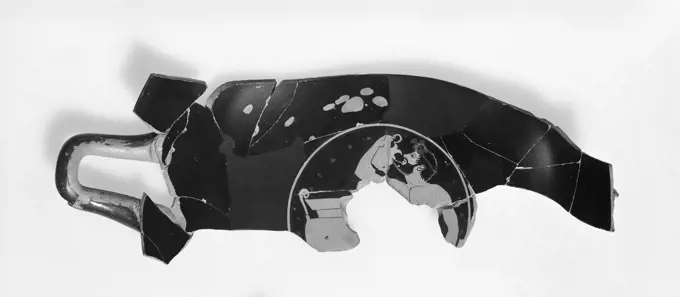
A collection of pottery fragments from ancient times, showcasing intricate designs and historical significance, including red-figure and black-figure techniques.

Vase with landscape and flowers 18th century China. Vase with landscape and flowers. China. 18th century. Porcelain painted in overglaze polychrome enamels (Jingdezhen ware). Qing dynasty (1644-1911). Ceramics
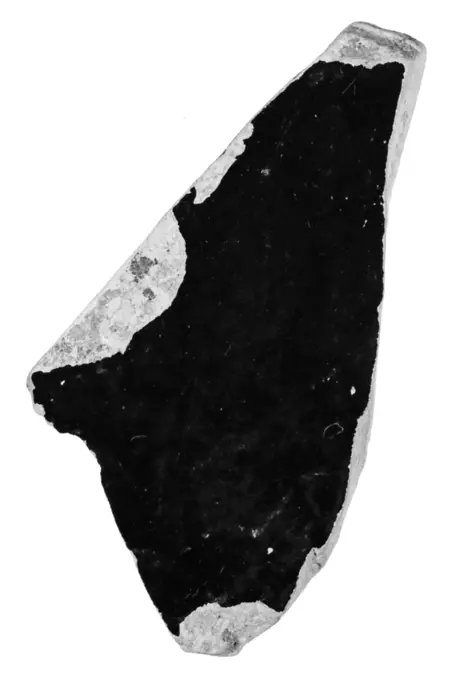
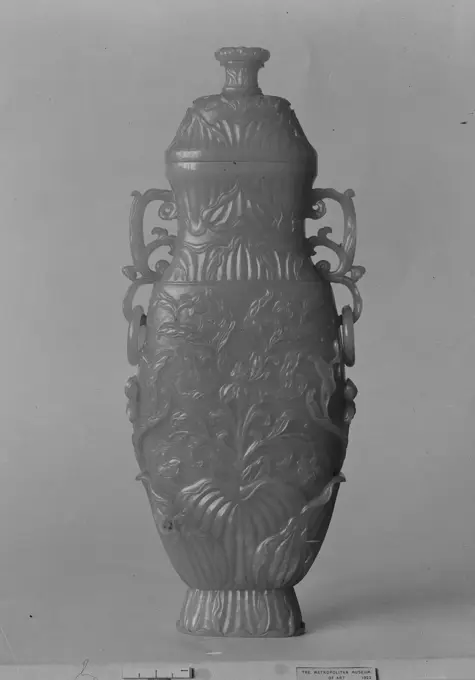
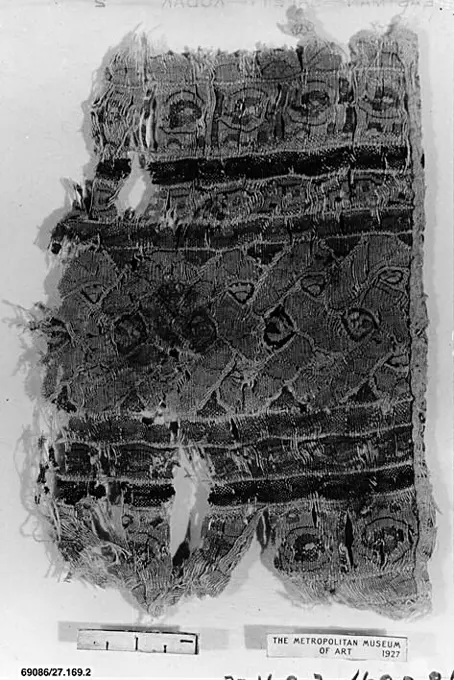
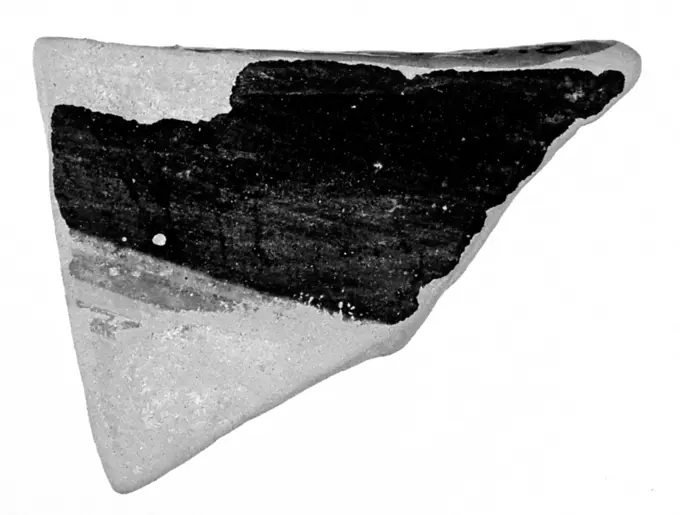
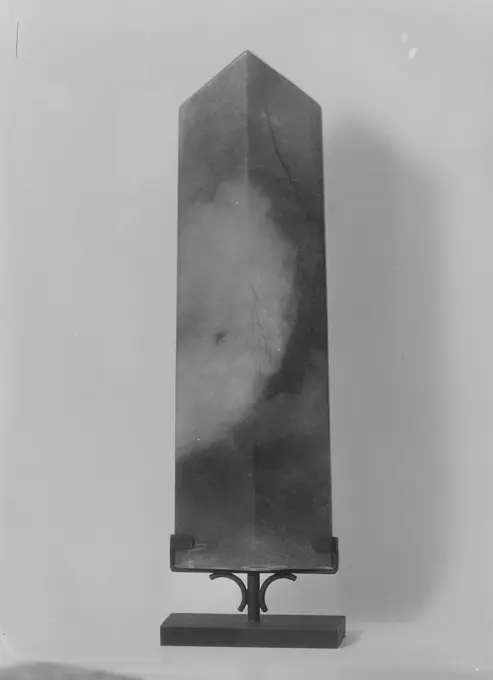
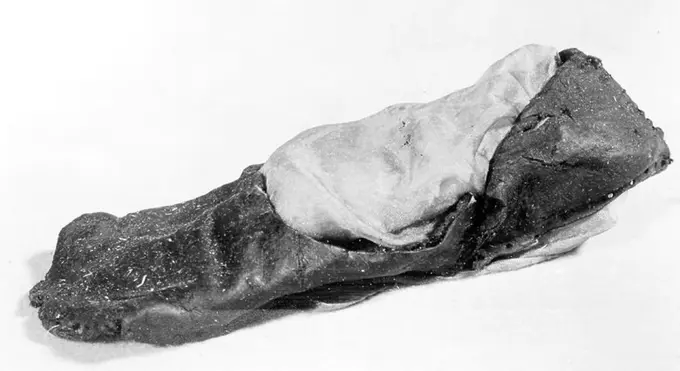
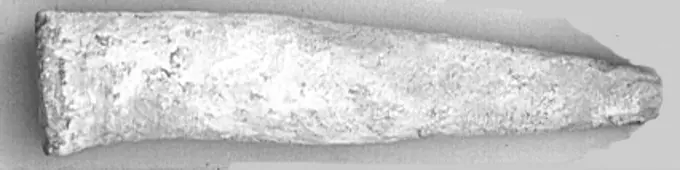
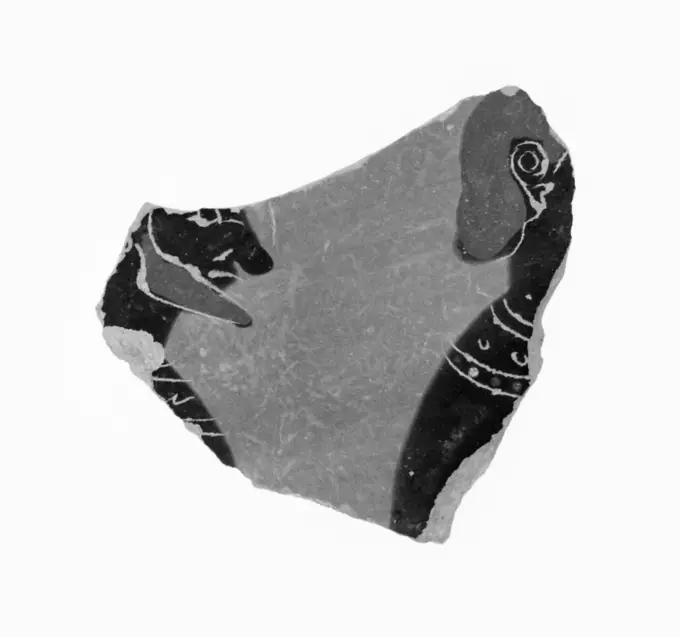
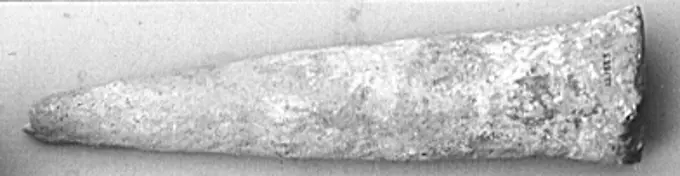
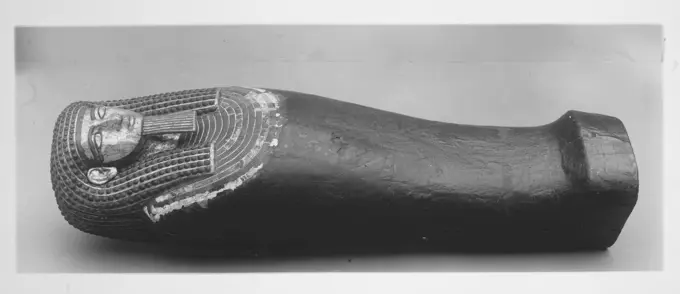
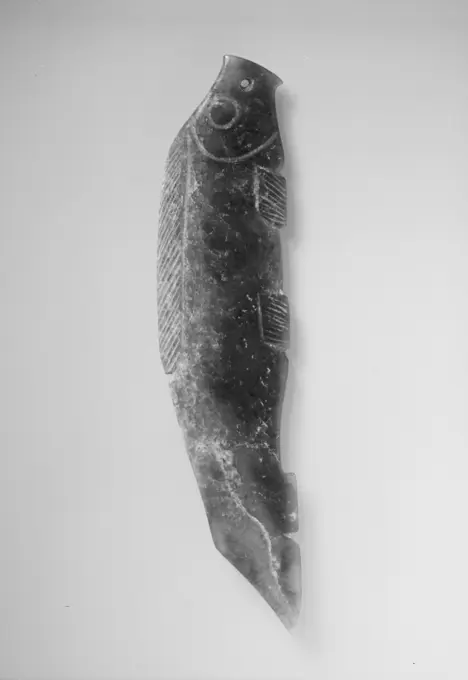
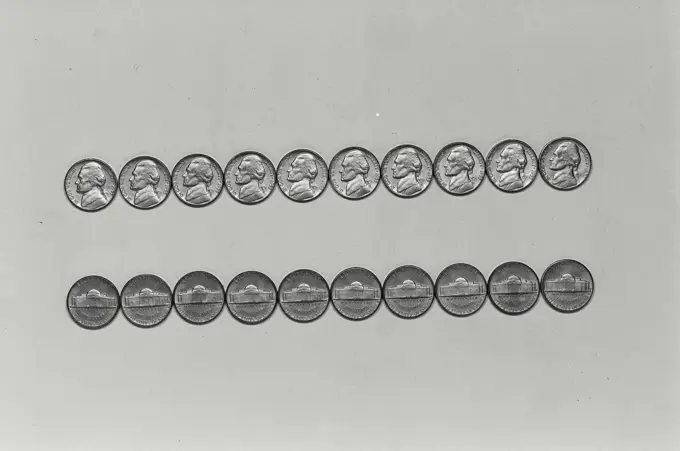
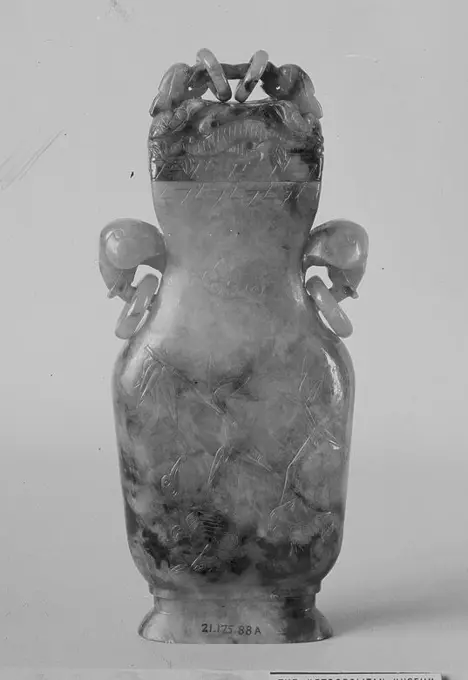
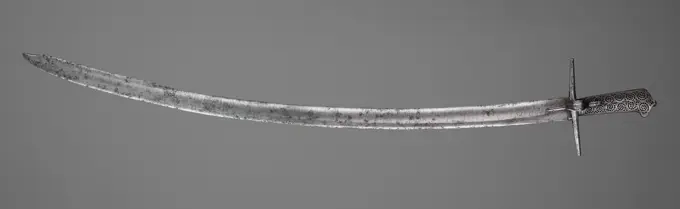
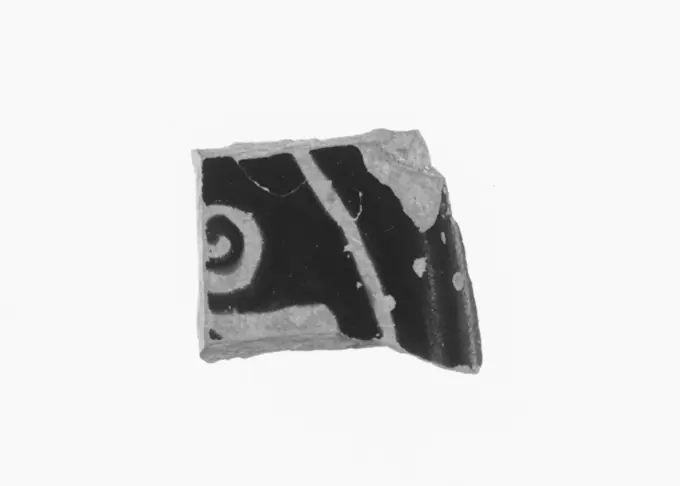
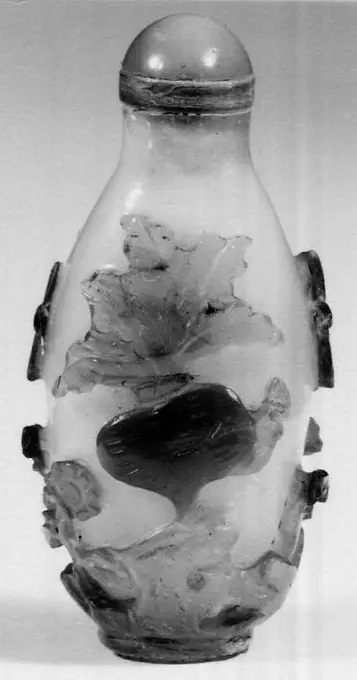
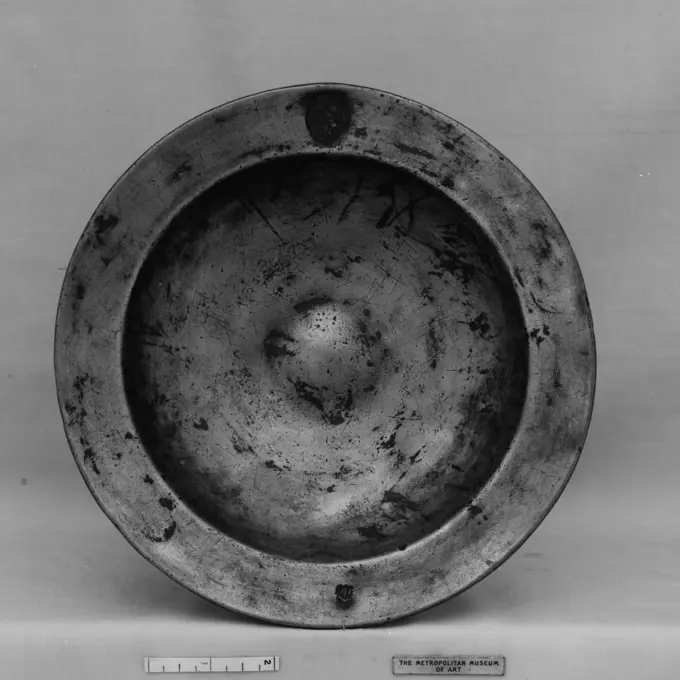
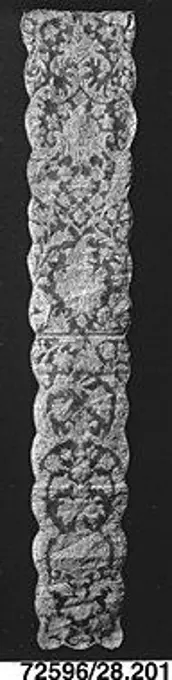
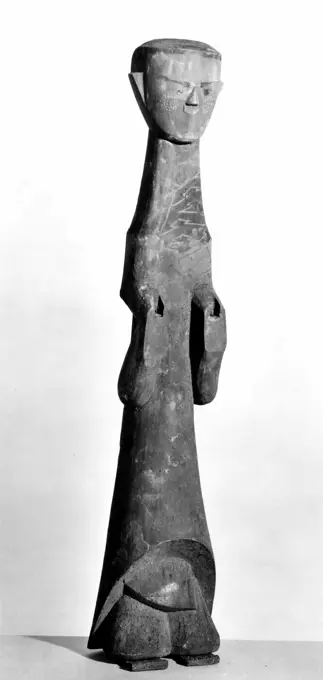
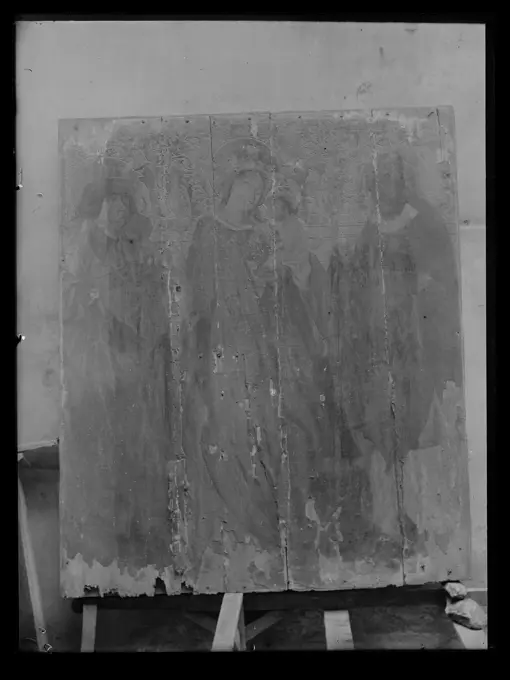
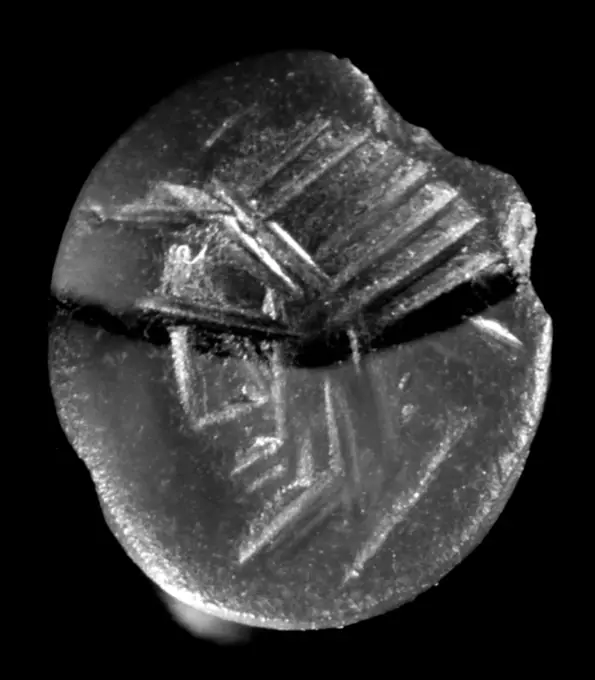
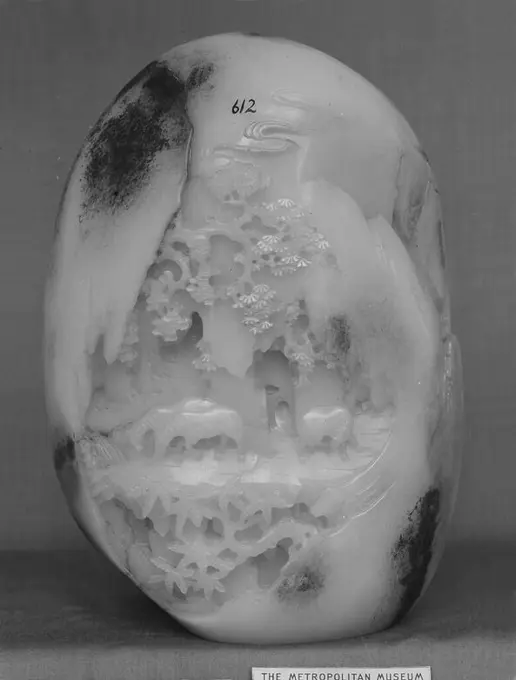
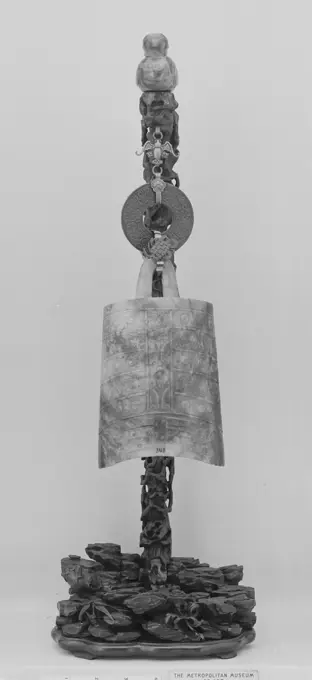
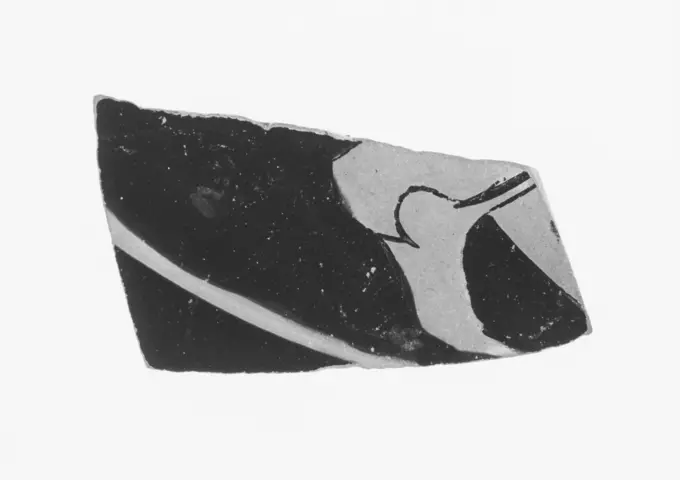
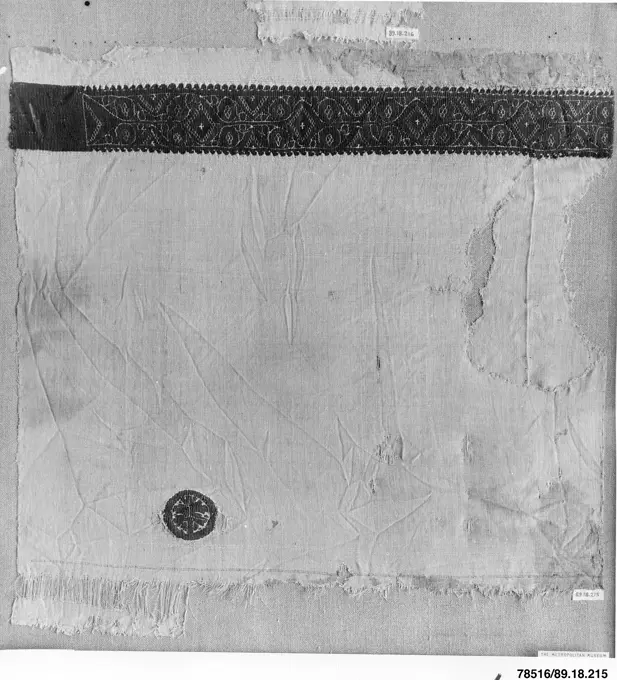
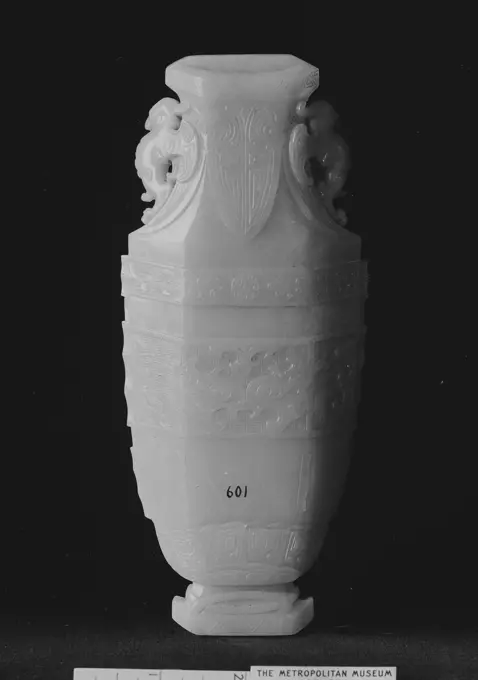
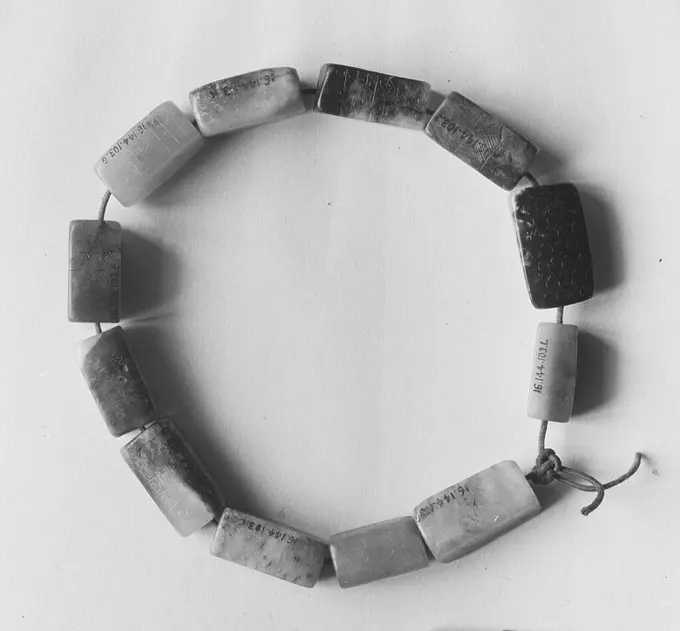
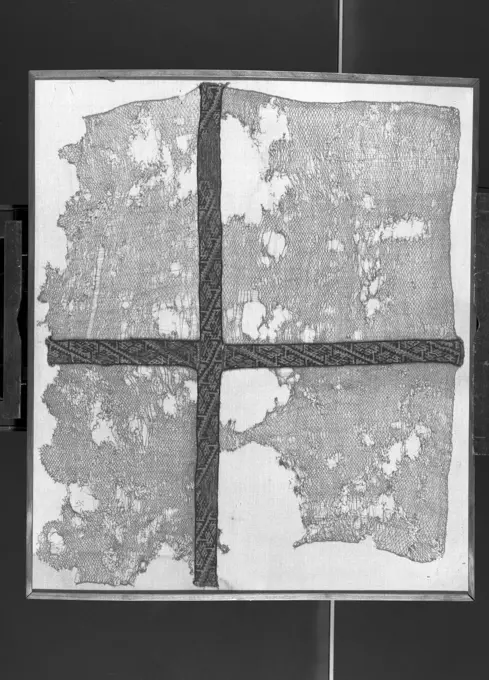
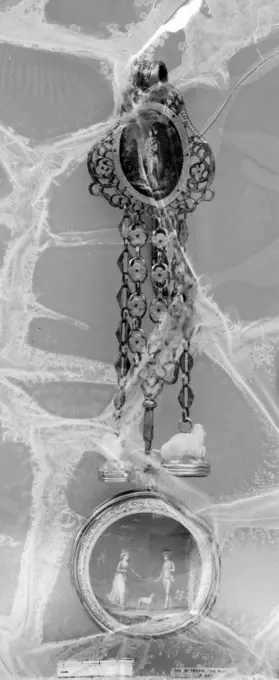
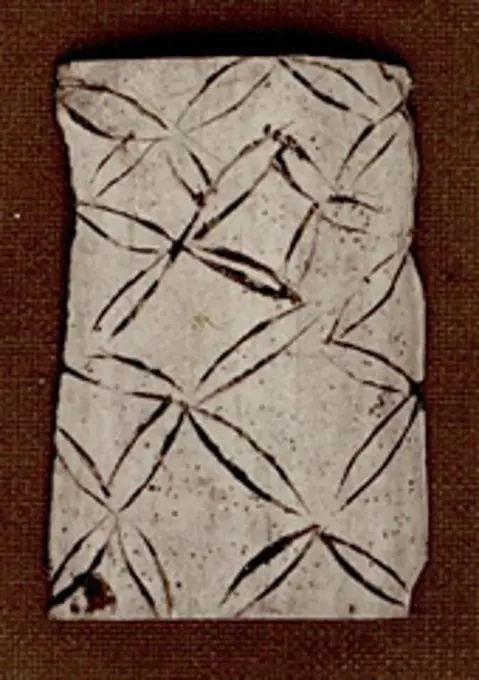
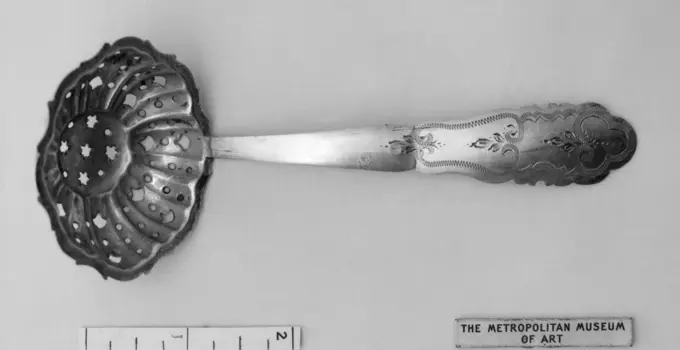
Attic Red-Figure Astragalos Fragment (comprised of 7 joined fragments). Attributed to Syriskos (Greek (Attic), active 480 - 460 B.C.)Attic Black-Figure Hydria Fragment. UnknownAttic Black-Figure Neck Amphora Fragment (comprised of 6 Joined Fragments). Attributed to the Swing Painter (Greek (Attic), active about 550 - 525 B.C.)Covered vase China. Covered vase. China. Nephrite. Qing dynasty (1644-1911), Qianlong period (1736-95). JadeTextile Fragment 11th century. Textile Fragment. 11th century. Linen and silk. Attributed to Egypt, Fustat. Textiles-WovenRelief fragment, tomb of Meketre ca. 1981-1975 B.C. Middle Kingdom. Relief fragment, tomb of Meketre. ca. 1981-1975 B.C.. Limestone, paint. Middle Kingdom. From Egypt, Upper Egypt, Thebes, Southern Asasif, Tomb of Meketre (TT 280, MMA 1101), MMA excavations, 1920. Dynasty 12Attic Black-Figure Siana Cup Fragment. UnknownAttic Red-Figure Kalpis () Fragment. UnknownCup Fragment with Sphinxes. UnknownVase with landscape and flowers 18th century China. Vase with landscape and flowers. China. 18th century. Porcelain painted in overglaze polychrome enamels (Jingdezhen ware). Qing dynasty (1644-1911). CeramicsTablet of Rank China. Tablet of Rank. China. Nephrite. Han dynasty (206 B.C.-A.D. 220). JadeBowl 7th century Japan. Bowl. Japan. 7th century. Volcanic ash. Kofun period (ca. 300-710). StoneChild's Shoe. England. Date: 1501-1600. Dimensions: 18.5 × 7 × 5.5 cm (7 1/4 × 2 3/4 × 2 1/8 in.). Leather. Origin: England. Museum: The Chicago Art Institute, Chicago, USA.Bead China. Bead 43149Attic Panathenaic Amphora Fragment. Attributed to the Euphiletos Painter (active about 530 - 510 B.C.)Funerary cone ca. 2124-1981 B.C. Middle Kingdom. Funerary cone. ca. 2124-1981 B.C.. Pottery, paint. Middle Kingdom. From Egypt, Upper Egypt, Thebes, Dra Abu el-Naga, Tomb CC 7, Carnarvon/Carter excavations, 1913. Dynasty 11Uninscribed Funerary Cone ca. 2124-1981 B.C. Middle Kingdom. Uninscribed Funerary Cone. ca. 2124-1981 B.C.. Pottery, paint. Middle Kingdom. From Egypt, Upper Egypt, Thebes, Asasif, cemetery on north side, Carnarvon/Carter excavations, before 1911. Dynasty 11Lakonian Cup Fragment. UnknownBracelet China. Bracelet 42859Attic Black-Figure Amphora Fragment. UnknownSpoon ca. 1685 British, London. Spoon 192260Papyrus Fragments Inscribed in Hieratic and Demotic Papyrus Fragments Inscribed in Hieratic and Demotic, 664 B.C.E.-395 C.E. Papyrus, ink, Glass: 6 1/8 x 8 1/16 in. (15.5 x 20.5 cm).   Egyptian, Classical, Ancient Near Eastern Art 664 B.C.E.-395 C.E.Funerary cone ca. 2124-1981 B.C. Middle Kingdom. Funerary cone. ca. 2124-1981 B.C.. Pottery, paint. Middle Kingdom. From Egypt, Upper Egypt, Thebes, Dra Abu el-Naga, Tomb CC 7, Carnarvon/Carter excavations, 1913. Dynasty 11Inner anthropoid coffin of Hapiankhtifi ca. 1981-1802 B.C. Middle Kingdom This mummiform coffin was found nested inside two larger rectangular coffins (see 12.183.11a and 12.183.11b). Inside was the mummy of an middle-aged man, now in the Peabody Museum at Harvard. It is made of wood covered with linen to which was applied a thick coat of black pitch. Both the gilded face and tripartite wig, which was overlaid with rows of black faience inlays, identify the deceased as divine. The long trapezoidal beard is of a type previously reserved for royalty, and the extensive broad collar is modeled in stucco that has been painted red, green, and black with stripes of gold foil between the rows.Developed during the Middle Kingdom, as an extension of the funerary mask, the mummiform coffin represents a new type of receptacle for the body. It would have been placed on its side so that it could look out of the wedjat eyes painted on both of the rectangular coffins in which it was enclosed.. Inner aAttic Black-Figure Neck Amphora Fragment. UnknownPlaque in the shape of a fish China. Plaque in the shape of a fish. China. Jade (nephrite). Shang (ca. 1600-1046 B.C.)-Western Zhou dynasty (1046-771 B.C.). JadeBrick, glazed ca. 1550-1295 B.C. New Kingdom. Brick, glazed. ca. 1550-1295 B.C.. Pottery. New Kingdom. From Egypt. Dynasty 18Attic Black-Figure Eye Cup Rim Fragment. UnknownVintage Photograph. An arrangement of nickels in two lines.Covered vase. Culture: China. Dimensions: H. 6 in. (15.2 cm); W. 2 1/2 in. (6.4 cm). Date: 19th century. Museum: Metropolitan Museum of Art, New York, USA.Sabre with portrait of King Sigismund III Vasa, so called Zygmuntówka unknownHorse Bell 6th century Japan. Horse Bell 60102Attic Red-Figure Vase Fragment. UnknownAmulet (Tongue) China. Amulet (Tongue) 42970Snuff Bottle 19th century China. Snuff Bottle. China. 19th century. Glass. Qing dynasty (1644-1911). Snuff BottlesPlaque China. Plaque. China. Nephrite. Qing dynasty (1644-1911), Qianlong period (1736-95). JadePlate early 17th century French. Plate. French. early 17th century. Pewter. Metalwork-PewterLappet mid-18th century French. Lappet. French. mid-18th century. Bobbin lace. Textiles-LacesAttic Red-Figure Cup Fragment. UnknownAttic Red-Figure Oinochoe Fragment. UnknownOffering table Old Kingdom ca. 2323-2150 B.C. View more. Offering table. ca. 2323-2150 B.C.. Travertine (Egyptian alabaster). Old Kingdom. From Egypt, Memphite Region, Lisht North, Old Kingdom Cemetery, Tomb I, Pit B, MMA Excavations 1932. Dynasty 6Attic Black-Figure Eye Cup Fragment. UnknownVase China. Vase 60635Hungarian Target with the Arms of the Von Teuffenbach Family 1450-1500 Hungary. Wood, leather, paint, and gesso .Pipe and Tobacco Box. Culture: American. Dimensions: 20 1/2 x 5 in. (52.1 x 12.7 cm). Date: 1725-90. Museum: Metropolitan Museum of Art, New York, USA.Shaft-hole axe head ca. late 3rd-early 2nd millennium B.C.. Shaft-hole axe head 326004Possibly John Fisher, Caddy Spoon, 1799/1800, silver.Attendant 3rd-2nd century B.C. China. Attendant 61732Funerary cone ca. 2124-1981 B.C. Middle Kingdom. Funerary cone. ca. 2124-1981 B.C.. Pottery, paint. Middle Kingdom. From Egypt, Upper Egypt, Thebes, Dra Abu el-Naga, Tomb CC 7, Carnarvon/Carter excavations, 1913. Dynasty 11Sweden, Blekinge, Blekinge, Karlskrona, Karlskrona, external marina (depicted, town).Sweden, Blekinge, Blekinge, Karlskrona, Karlskrona, External War Gogs (depicted, City)Bliej Kultury unknownButton. UnknownFragmentary Attic Red-Figure Kylix; Attributed to Epiktetos (Greek (Attic), active about 520 - 490 B.C.); Athens, Greece; about 490 B.C; Terracotta; 30.5 cm (12 in.)Shard (Study Collection) China. Shard (Study Collection). China. Blue-and-white porcelain. Ming (1368-1644)-Qing (1644-1911) dynasties. CeramicsBead Net ca. 945-525 B.C. Third Intermediate Period-Late Period. Bead Net. ca. 945-525 B.C.. Faience. Third Intermediate Period-Late Period. From Egypt, Upper Egypt, Thebes, Deir el-Bahri, Tomb MMA 57, just inside entrance to chamber, MMA excavations, 1923-24. Dynasty 22-26Shard 15th century Korea. Shard. Korea. 15th century. Pottery. Joseon dynasty (1392-1910). CeramicsEngraved Gem. UnknownBoulder with the eight horses of King Mu. Culture: China. Dimensions: H. 7 3/16 in. (18.3 cm); W. 5 1/4 in. (13.3 cm); D. 3 3/8 in. (8.5 cm). Date: 18th century.King Mu (r. 1001-947 B.C.) was an intrepid adventurer and is said to have traveled to the famous paradise of the immortals on Mount Kunlun as well as to other worldly and not-so-worldly sites. After his adventures, he released his eight favorite horses into a beautiful valley to finish their lives under the care of his charioteer. Museum: Metropolitan Museum of Art, New York, USA.Archer's Shield (Pavise) 15th century Austrian, Klausen. Archer's Shield (Pavise). Austrian, Klausen. 15th century. Wood, gesso, pigment. Klausen. ShieldsStaff Finial with Bell Ring and Bird China. Staff Finial with Bell Ring and Bird. China. Nephrite. Han dynasty (206 B.C.-A.D. 220). JadeParts of an Inner Thigh Defense (Hoguine) for a Boy's Armor ca. 1520 probably German. Parts of an Inner Thigh Defense (Hoguine) for a Boy's Armor 23012Attic Red-Figure Kylix Fragment. UnknownBorder Tile 1881 J. and J. G. Low Art Tile Works. Border Tile. American. 1881. Earthenware. Made in Chelsea, Massachusetts, United StatesTextile Fragment 3rd-4th century. Textile Fragment 443420Fragment 1700-1800 American. Fragment. American. 1700-1800. Free-blown glass. Made in Wistarburg, New Jersey, United StatesWall Vase 18th century China. Wall Vase. China. 18th century. Jade (nephrite). Qing dynasty (1644-1911). JadeSweden, Blekinge, Blekinge, Karlskrona, Karlskrona, external marina (depicted, town).Sweden, Blekinge, Blekinge, Karlskrona, Karlskrona, External War Gogs (depicted, City)Shard (Study Collection) China. Shard (Study Collection). China. Blue-and-white porcelain. Ming (1368-1644)-Qing (1644-1911) dynasties. CeramicsBead Iran ca. 17th-16th century BCEBottle 17th-18th century Italian, Venice (Murano). Bottle. Italian, Venice (Murano). 17th-18th century. Glass. GlassSword pommel China. Sword pommel 42791String of Twelve Beads. Culture: China. Dimensions: a: 1/2 × 3/4 × 5/16 in. (1.3 × 1.9 × 0.8 cm)b: 5/8 × 5/8 × 5/8 in. (1.6 × 1.6 × 1.6 cm)c: 5/16 × 3/4 × 5/16 in. (0.8 × 1.9 × 0.8 cm)d: 3/8 × 3/4 × 5/16 in. (1 × 1.9 × 0.8 cm)e: 3/8 × 11/16 × 5/16 in. (1 × 1.7 × 0.8 cm)f: 3/8 × 11/16 × 5/16 in. (1 × 1.7 × 0.8 cm)g: 5/16 × 11/16 × 3/8 in. (0.8 × 1.7 × 1 cm)h: 5/16 × 11/16 × 3/8 in. (0.8 × 1.7 × 1 cm)i: 3/8 × 3/4 × 5/16 in. (1 × 1.9 × 0.8 cm)j: 3/8 × 3/4 × 5/16 in. (1 × 1.9 × 0.8 cm)k: 1/2 × 13/16 × 1/4 in. (1.3 × 2.1 × 0.6 cm)l: 5/16 × 5/8 × 5/16 in. (0.8 × 1.6 × 0.8 cm). Museum: Metropolitan Museum of Art, New York, USA.Shuttle Made 1701-1900 Europe. Wooden weaving tool .Wolf canine teeth, pierced to serve as ornament, vintage engraved illustration. From Natural Creation and Living Beings.***** Bushings robbery etc. knuckle duster. May 30, 1947.;***** Bushings robbery etc. knuckle duster.Fragment of a Shoulder Band. Dimensions: 10.5 in. high 2.50 in. wide (26.67 cm high 6.35 cm wide). Date: 4th century. Museum: Metropolitan Museum of Art, New York, USA.Shawl. Culture: Belgian. Date: ca. 1870. Museum: Metropolitan Museum of Art, New York, USA.Pedestal. Culture: French. Date: 17th-18th century. Museum: Metropolitan Museum of Art, New York, USA.Shawl or Veil Shawl or Veil. Cotton, camelid fiber, 38 1/4 x 45 in. (97.2 x 114.3 cm).   Arts of the AmericasWatch and chatelaine late 18th century probably Swiss Chatelaines, which hung from the waist, were designed to hold sewing, writing, or toilet implements.. Watch and chatelaine. probably Swiss. late 18th century. Gold, enamel, steel. HorologySection of a spoon handle 1782-83 Nicolas Gonthier. Section of a spoon handle 198398Fragment of a Sleeve. Dimensions: 10 3/4 in. high 5 3/16 in. wide (27.3 cm high 13.2 cm wide). Date: 3rd-4th century. Museum: Metropolitan Museum of Art, New York, USA.Stamp seal (conoid) with divine being 7th - 6th century B.C. Assyro-Babylonian. Stamp seal (conoid) with divine being. Assyro-Babylonian. 7th - 6th century B.C.. Veined brown Chalcedony (Quartz). Neo-Assyrian / Neo-Babylonian. MesopotamiaInlay from box ca. 1981-1640 B.C. Middle Kingdom. Inlay from box. ca. 1981-1640 B.C.. Blackened Ivory. Middle Kingdom. From Egypt, Memphite Region, Lisht North, Cemetery, MMA excavations, 1920-22. Dynasty 12-13Washer in the shape of a butterfly 19th century China. Washer in the shape of a butterfly 46620Double vase 18th century China. Double vase. China. 18th century. Carnelian and white agate. HardstoneLappet early 18th century Flemish. Lappet. Flemish. early 18th century. Bobbin lace, point d'Angleterre. Textiles-LacesTieback. Culture: American. Dimensions: 6 3/8 x 2 13/16 in. (16.2 x 7.1 cm). Date: 1810-25. Museum: Metropolitan Museum of Art, New York, USA.Attic Black-Figure Mastoid Cup Fragment. UnknownScabbard ornament China. Scabbard ornament 42809Sweden, Blekinge, Blekinge, Karlskrona, Karlskrona, external marina (depicted, town).Sweden, Blekinge, Blekinge, Karlskrona, Karlskrona, External War Gogs (depicted, City)String of beads 30 B.C.-A.D. 364 Roman Period. String of beads. 30 B.C.-A.D. 364. Faience, stone, glass. Roman Period. From Egypt, Memphite Region, Lisht North, Old Kingdom Cemetery, MMA excavationsRessel capsules with thread turned in, 1, 2, half turned out, 3, fully turned out, 4, Historic, digitally restored reproduction from a 19th century originalSugar sifter 1867 Dutch. Sugar sifter 188078Lo 19th century Chinese. Lo 500583Shoe Buckle 1775-1810. Shoe Buckle. 1775-1810. Silver plate on copperBracelet 20th century China. Bracelet. China. 20th century. Jade. JadeStone bracelet (ishikushiro) ca. 4th century Japan. Stone bracelet (ishikushiro) 45535Lazio Frosinone Casamari Museo Archeologico1. Hutzel, Max 1960-1990 Post-medieval: paintings on canvas, paintings on wood, wooden church furnishings Governing Body: Abbazia di Casamari General Notes: This record is for the pinacoteca which is part of the Museo Archeologico, housed within the Abbey of Casamari. Hutzel assigned it a separate numbering sequence. German-born photographer and scholar Max Hutzel (1911-1988) photographed in Italy from the early 1960s until his death. The result of this project, referred to by Hutzel as Foto Arte Minore, is thorough documentation of art historical development in Italy up to the 18th century, including objects of the Etruscans and the Romans, as well as early Medieval, Romanesque, Gothic, Renaissance and Baroque monuments. Images are organized by geographic region in Italy, then by province, city, site complex and monument.Toggle 18th century China. Toggle. China. 18th century. Nephrite. Jade