Ancient Pottery Fragments

A collection of historical terracotta and pottery pieces featuring various designs and textures, evoking ancient cultures.
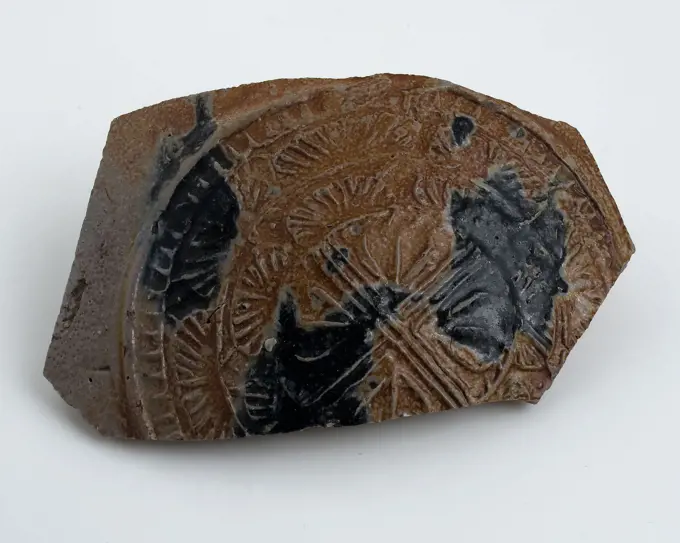
Abdominal fragment of stoneware Bartmann jug, also called Bellarmine jug, with cartouche, in which cross, beardmug tableware holder soil find ceramic stoneware glaze salt glaze, hand turned stamped glazed glazed fried belly fragment of stoneware Bartmann jug with cartouche In the cartouche cross with like sides or burgundy brazier surrounded by cranes with ornamental decoration. Turning locks on the inside archeology Rotterdam City center Stadsdriehoek Oostplein underground pit foreign pottery import drinking wine beer transporting storage serving serving table Soil discovery Rotterdam underground pit Oostplein from big waste day 1976.
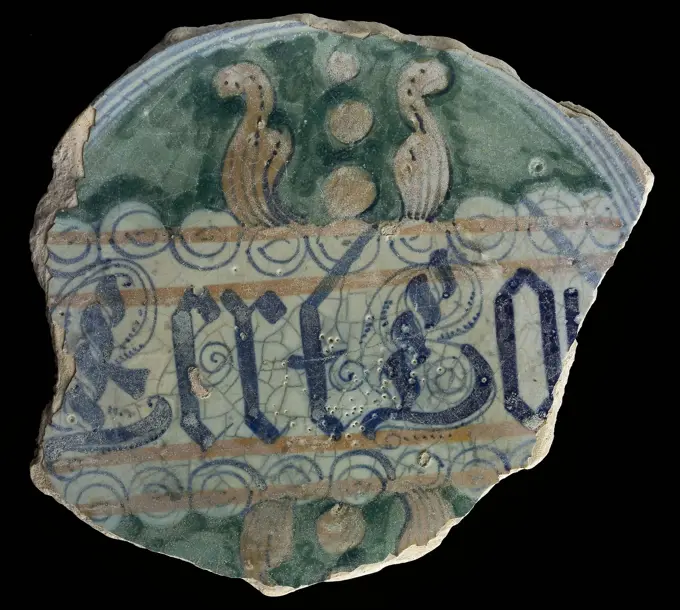
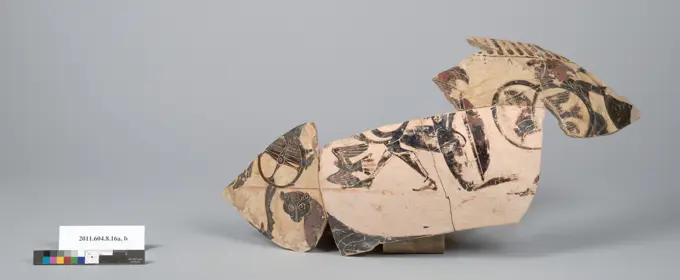
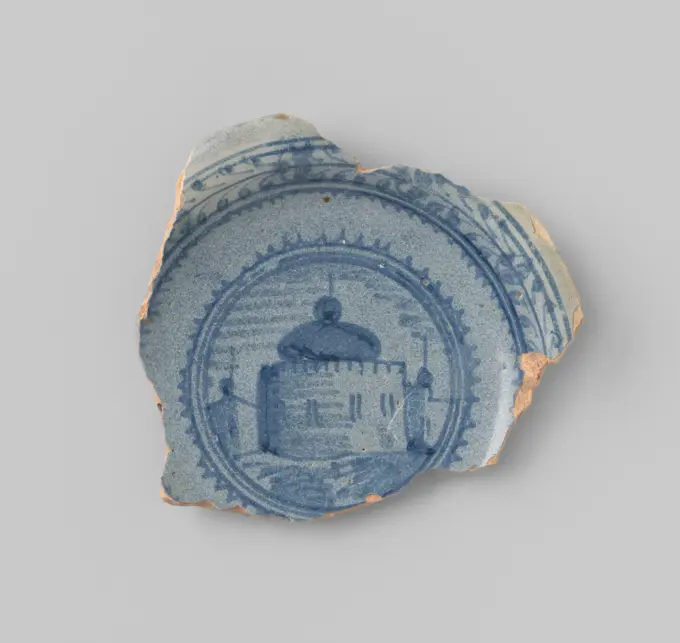
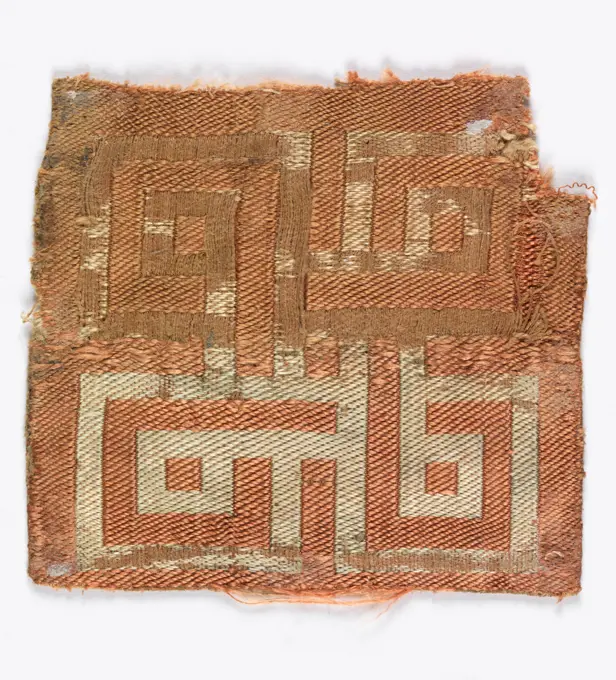
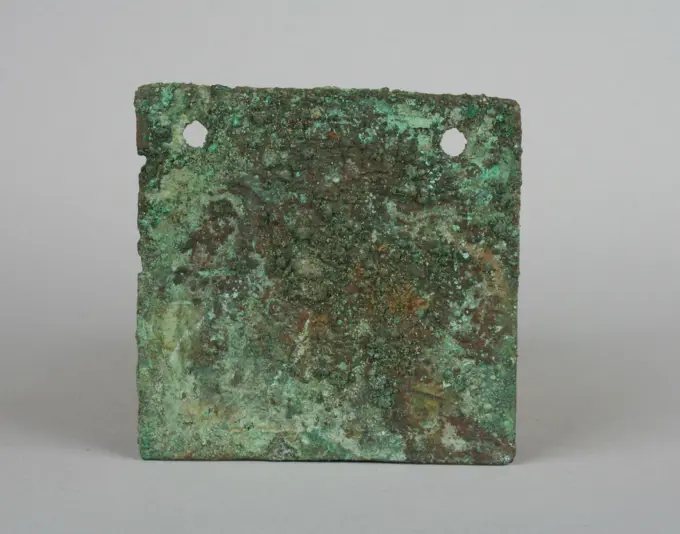
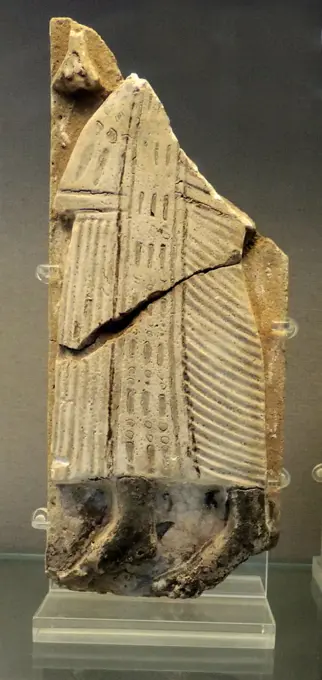
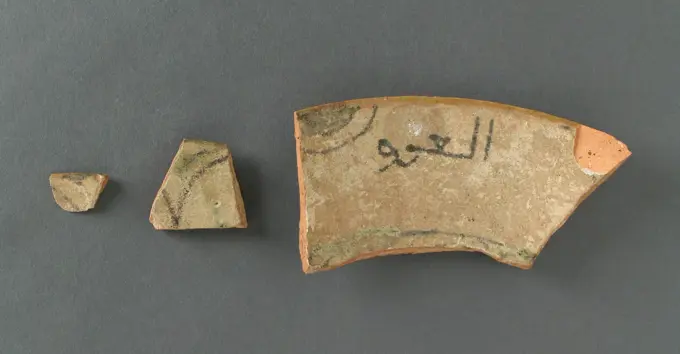
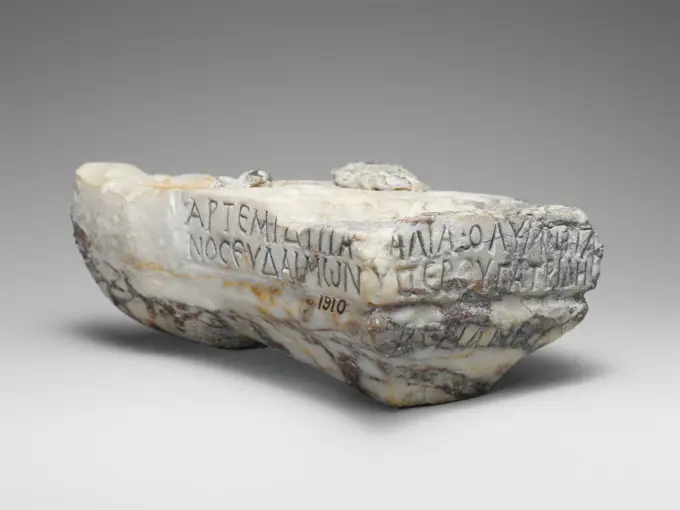
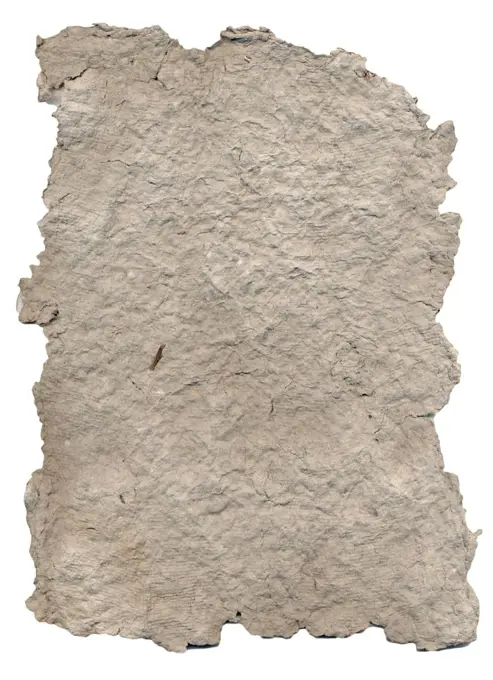
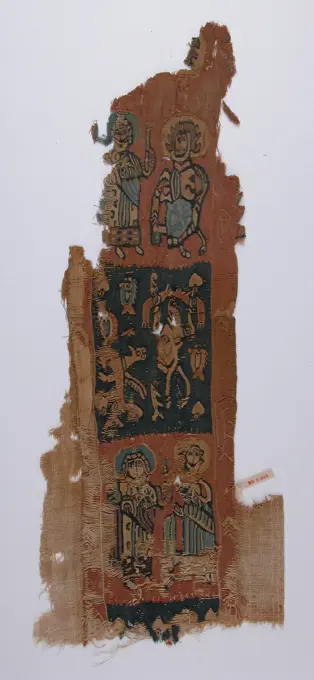
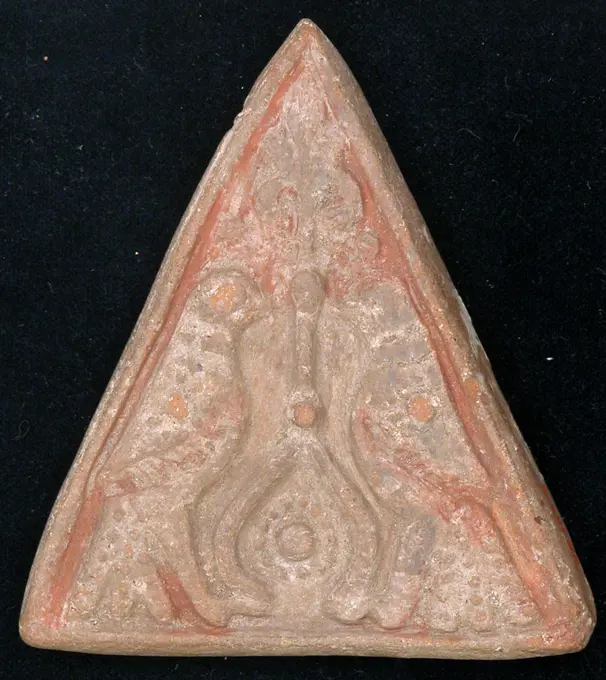
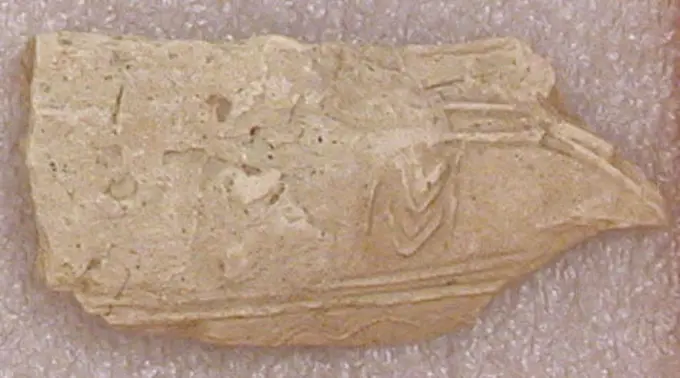
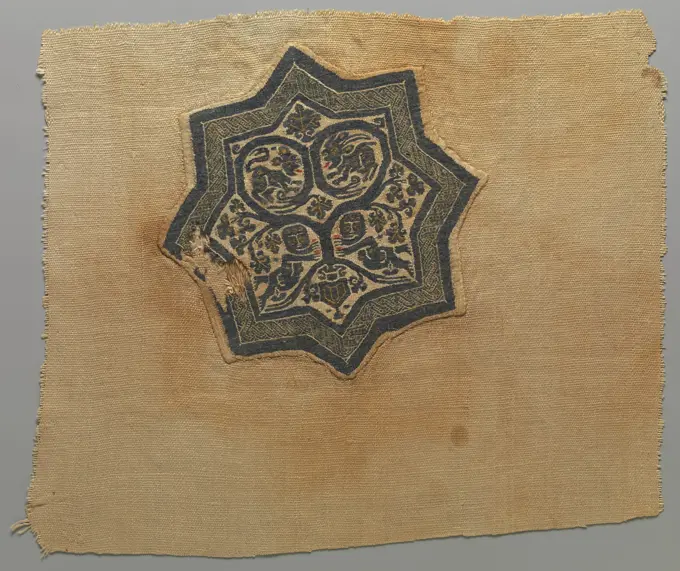
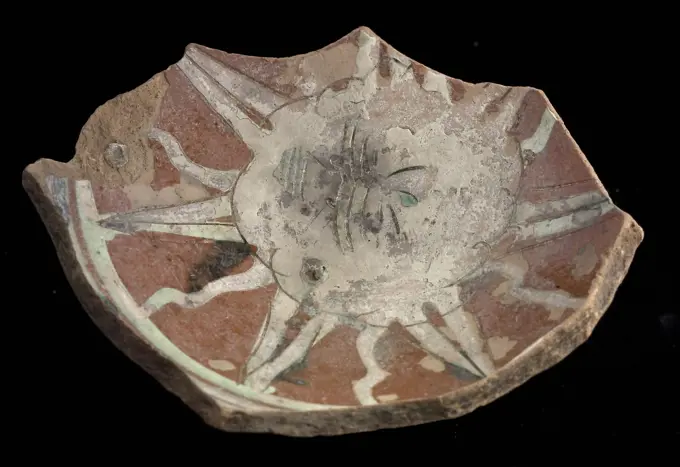
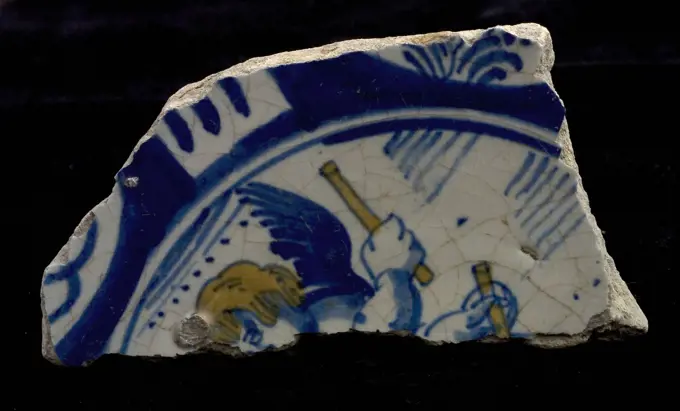
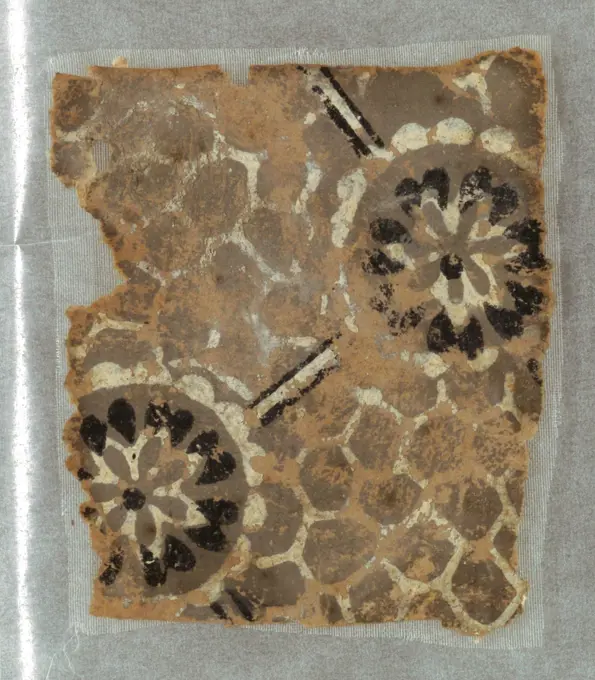
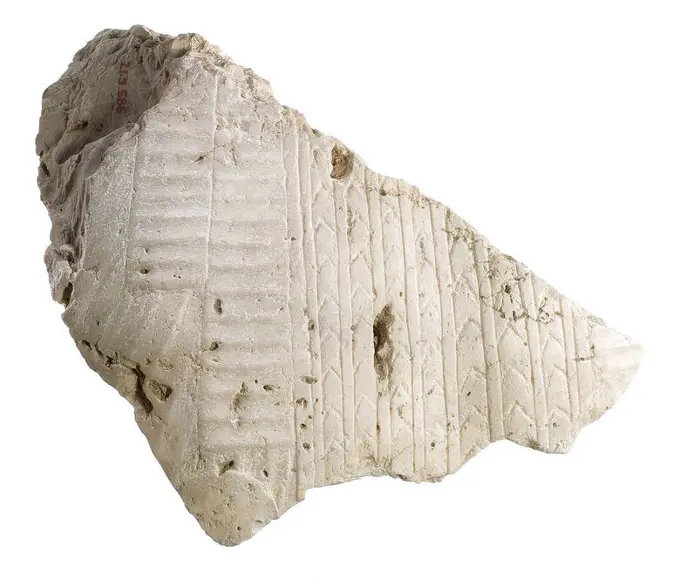
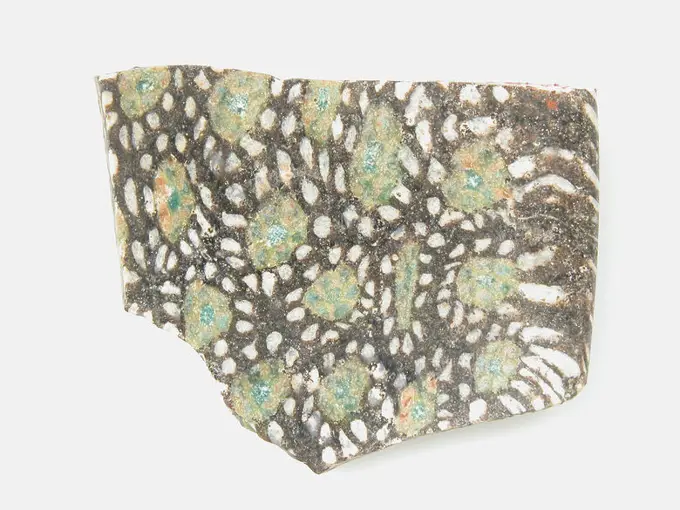
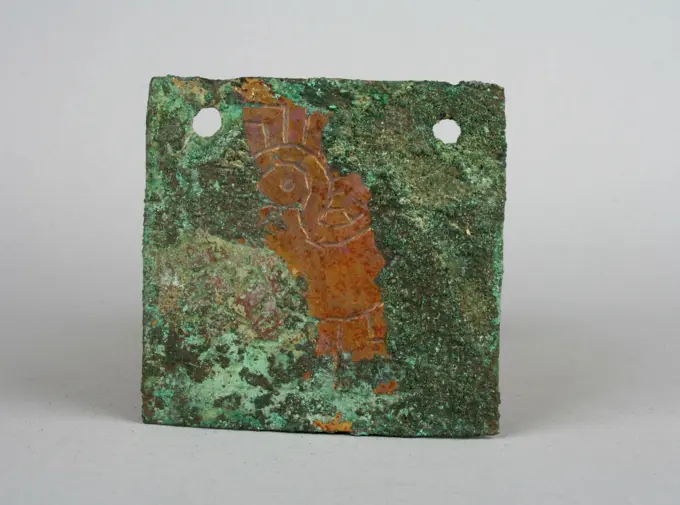
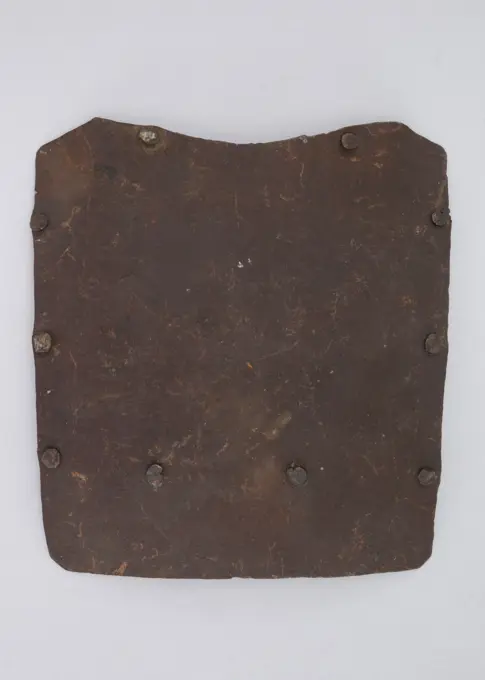
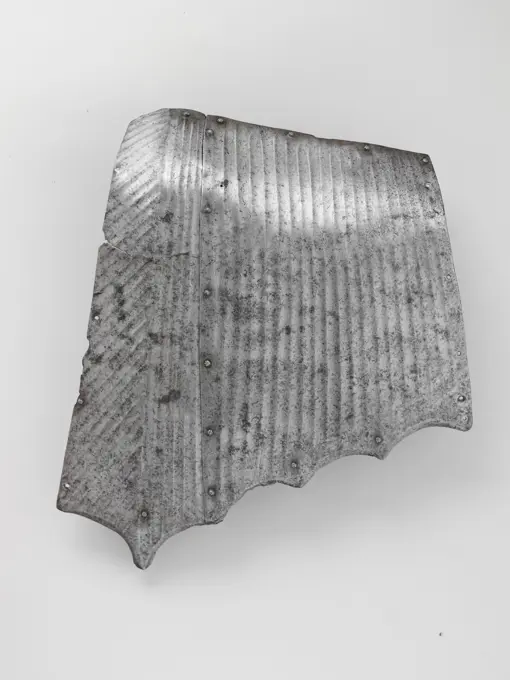
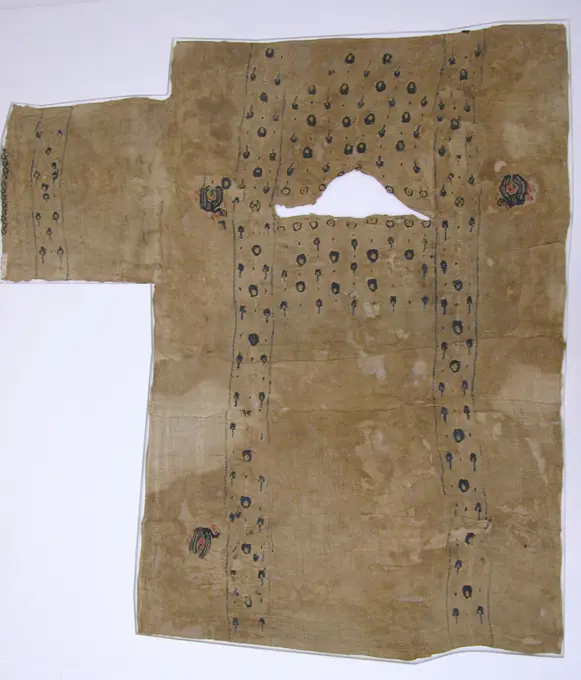
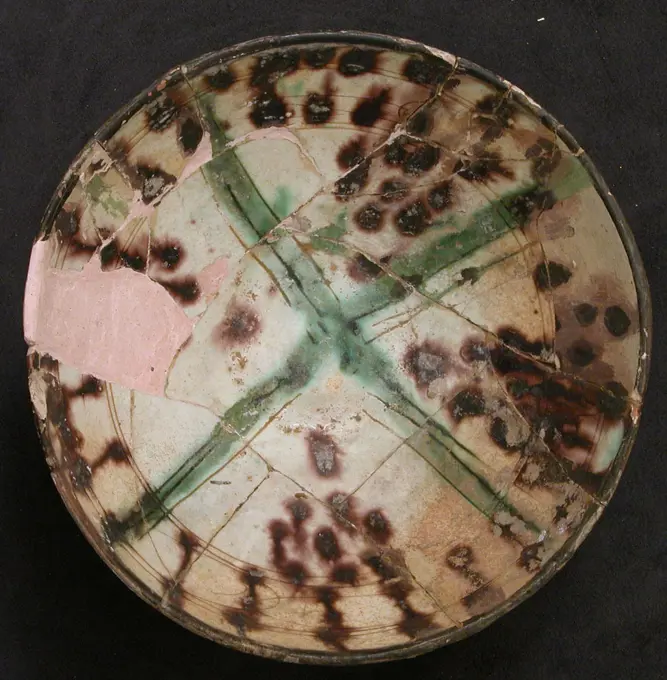
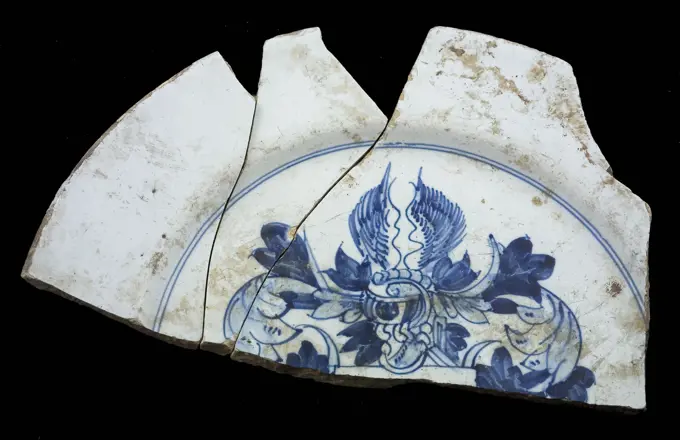
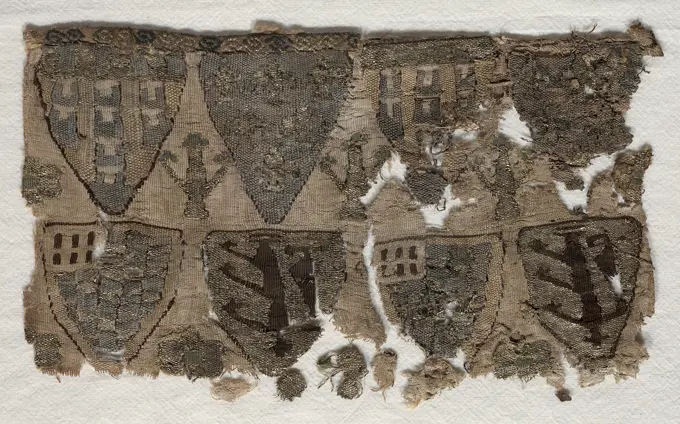
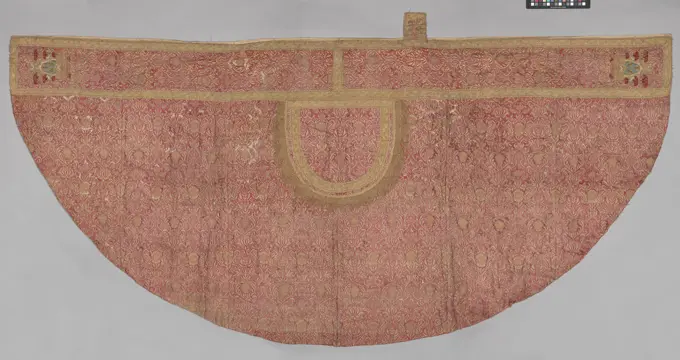
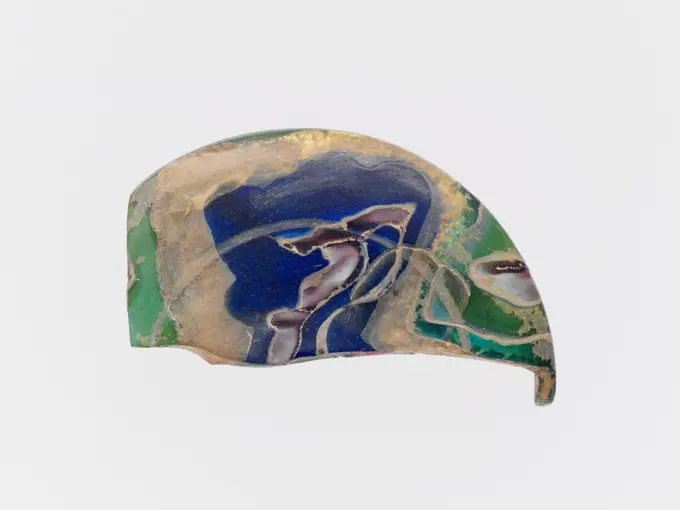
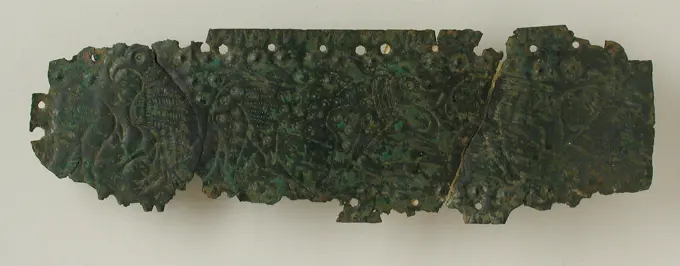
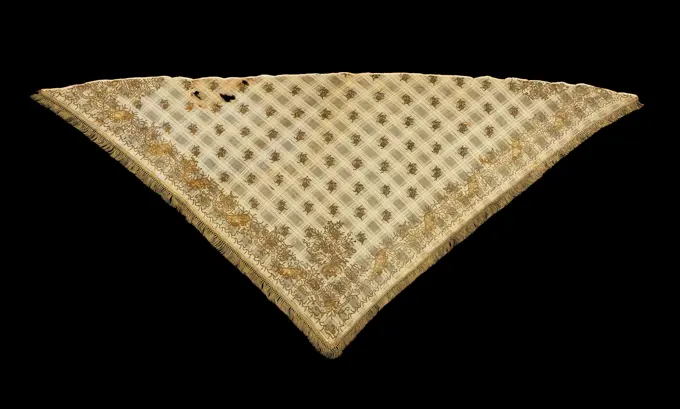
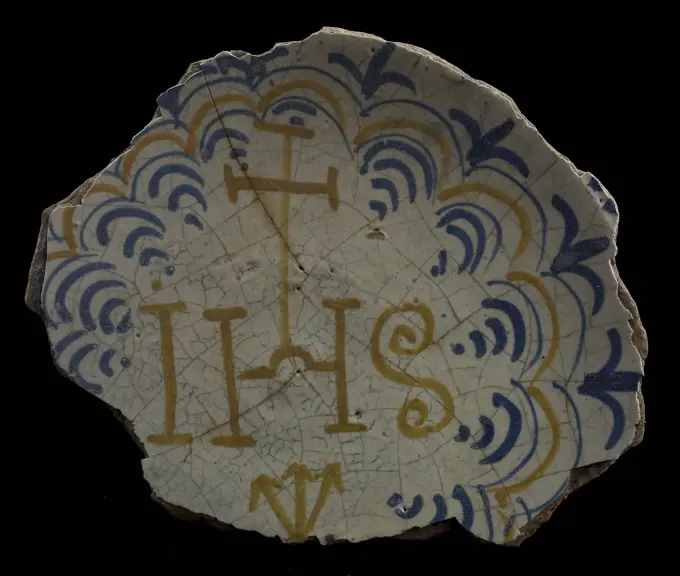
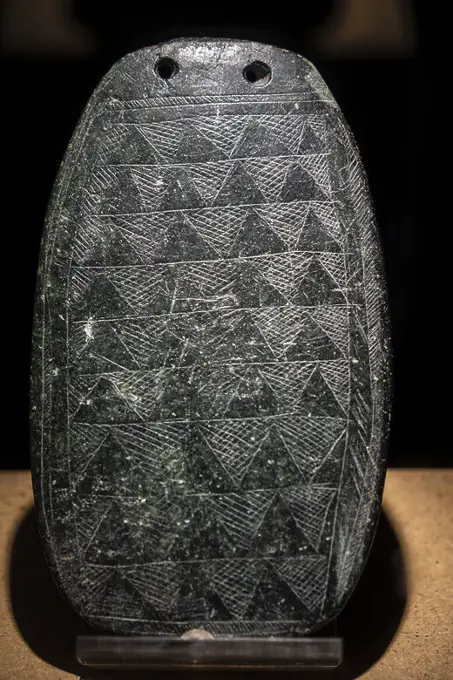
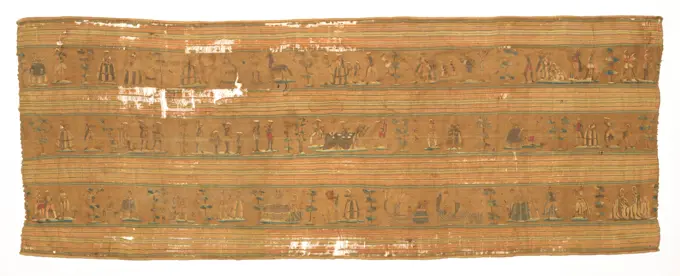
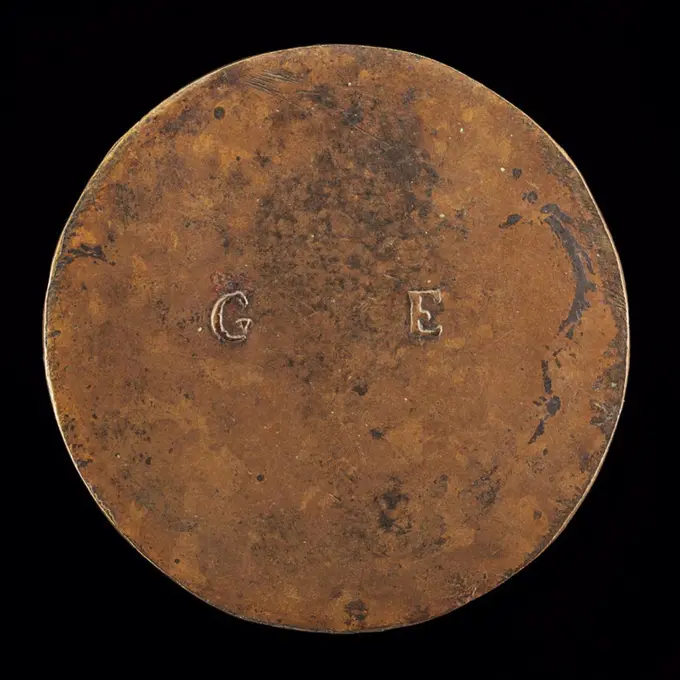
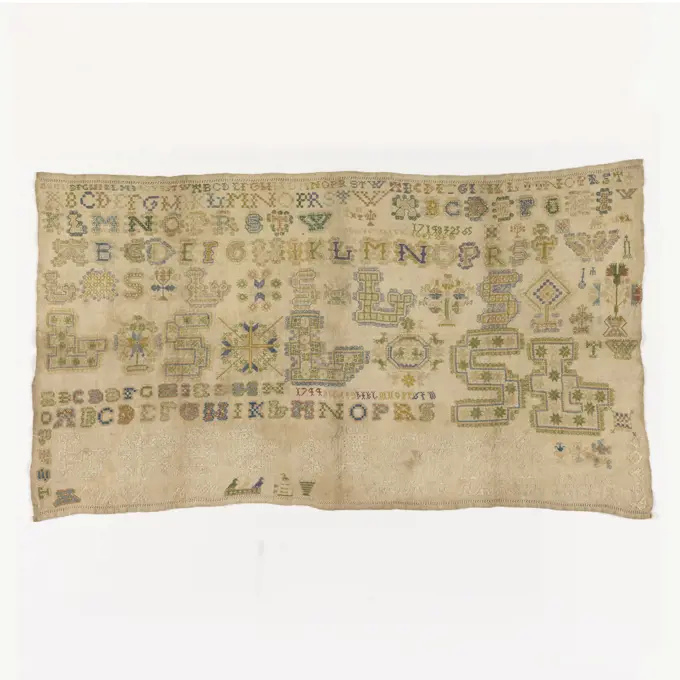
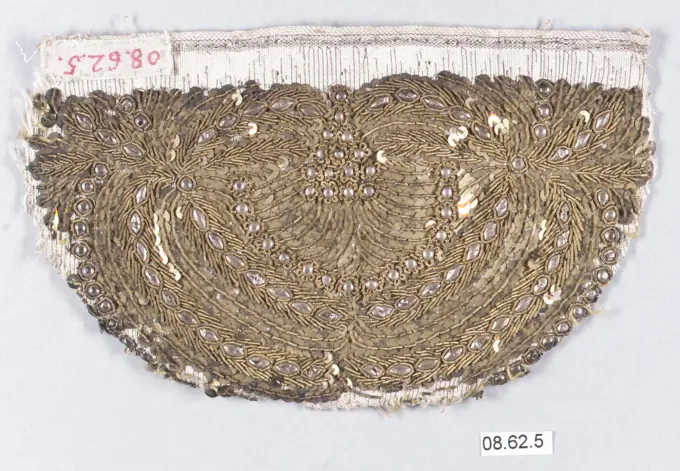
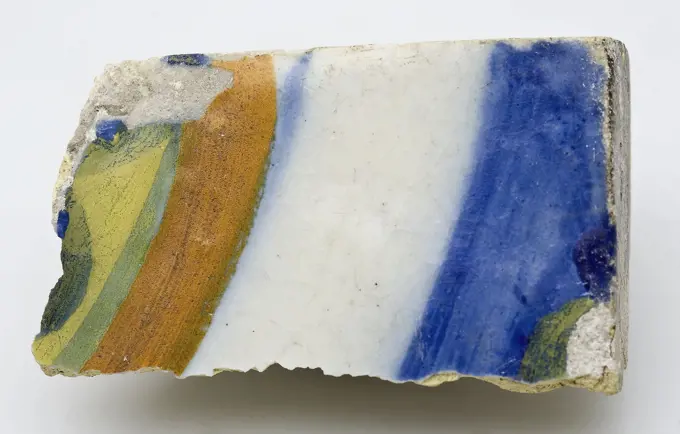
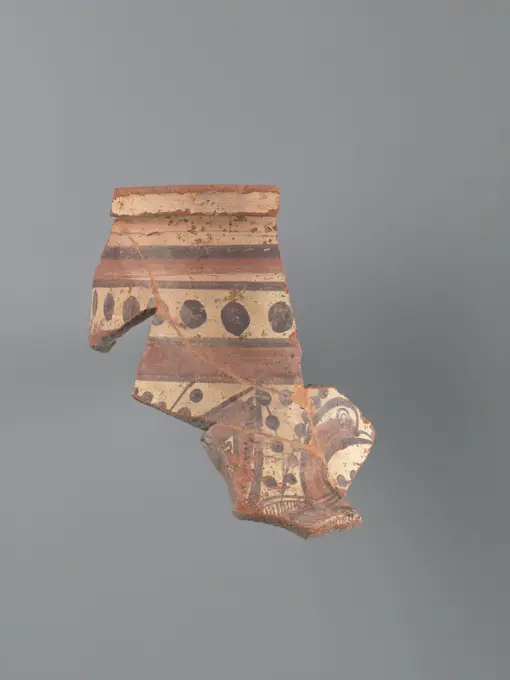
Painted resource vessel;  2. PO. 5th century (451-00-00-500-00-00);Attic Red-Figure Column Krater Fragment. Attributed to Group of Undetermined Mannerists (Greek (Attic), active 460 - 430 B.C.)Fragment polychrome majolica dish, painted with Gothic capitals Honor God, plate crockery holder soil find ceramic earthenware glaze, majolica baked underside covered with lead glaze gray by bleking boiled along the stand ring Polychrome. Text about the mirror text on the mirror: Honorary Go * archeology Rotterdam City Center Stadsdriehoek Binnenvest serve food decorate religion Soil discovery: Binnenvest Rotterdam 1966.Bowl 9th century. Bowl 449717Terracotta fragments of a krater 3rd quarter of the 6th century B.C. Greek, Corinthian On the handle plate, a siren to right; on the sides of the handle plate, a meander; below the neck, a band of tongues; to the right of the handle, part of the head, neck, and chest of a horse to left; the second fragment, from the body of the krater, has, at the top, a band of tongues, alternating in red and brown glaze; hooves and tails of horses drawing a cart; on the cart, lower body of a draped, supine figure; bird flying to left; lower legs of a greaved warrior to left, with a shield; a helmeted warrior to right, with a spear and shield, looking back to the pair of warriors approaching him; both warriors are wearing helmets, hold spears, and have shields with animal devices; the warrior on the left has a shield with a frontal panther and the warrior on the right has a shield with a bird; start of handle root; at the top, below the tongues, in between the three warriors, there is an inscription;Fragment of a Bowl. Dimensions: H. 2 3/16 in. (5.5 cm)W. 2 3/4 in. (7 cm)D. 3/8 in. (1 cm)Wt. 1 oz. (28.4 g). Date: 9th-10th century. Museum: Metropolitan Museum of Art, New York, USA.Textured map of Austria in nice colorsDishwill of ross-baking earthenware, with blue glaze on the top and bottom, on which a painting of a building, circled by stripes and a flower ring, at the front, and stripes at the rear in blue, anonymous, c. 1500 - c. 1699 fragment   earthenware. glazeFragment; linen warp, silk weftTile decorated with a lily in relief, 1300 - 1450  Germany (possibly)England (possibly)Netherlands (possibly) earthenware  Germany (possibly)England (possibly)Netherlands (possibly) earthenwareCopper grater, oval plate with hole pattern, nutmeg grater grater tool kit ground find brass metal, w 4,3 stamped stamped Copper grater oval decorated with dotted studs stars in small circles archeology Rotterdam rail tunnel native product condiment nutmeg seasoning food prepare graters kitchen Soil discovery: railway tunnel Rotterdam.Bird Plaque Ornament 3rd century B.C.-A.D. 2nd century Vicús. Bird Plaque Ornament 315408Fragment Made 1000-1476 Peru. .Glazed Faience Tiles Representing Nubians 1186 B.C. From Tell el-YahudiyaOrnament tile, blue on white, with dark blue irregularly sponged diamond pattern as checkerplate, small windows, floor tile tile images ceramic earthenware glaze, d 1.2Bird Plaque Ornament 3rd century B.C.-A.D. 2nd century Vicús. Bird Plaque Ornament 315399Fragment of Dish 14th-15th century. Fragment of Dish 446464Fragment 8th-9th century. Fragment 448799Mirror 6th century B.C. Greek, Cypriot. Mirror 244310Ceramic Fragment with Inscription. Spain, Umayyad, 10th century. Ceramics. Earthenware, underglaze-paintedAx in Anthropomorphic Shape. Culture: India. Dimensions: 4 1/2 x 3 15/16 in. (11.4 x 10.0 cm). Date: 1500-500 B.C.. Museum: Metropolitan Museum of Art, New York, USA.Kafel, FragmentBand, Medium: warp; S-spun linen. Wefts; S-spun linen, S-spun wool Technique: slit tapestry with supplementary weft wrapping, Angular animals in the middle section of a band., Egypt, 4th-6th century, woven textiles, BandBliżej Kultury Władysław Jagiełło (CA 1351 1434), Mint of KrakówInscribed marble base 2nd century A.D. Roman, Cypriot The base or bracket probably supported a small statue of the goddess Artemis Paralia, to whom the inscription is dedicated by a certain Olympianos Eudaimon on behalf of his little sister, Veriane.. Inscribed marble base. Roman, Cypriot. 2nd century A.D.. Marble, red and white. Imperial. Cesnola InscriptionsHand made paperFragment of a Shoulder Band 7th-8th century. Fragment of a Shoulder Band. 7th-8th century. Linen, wool. Attributed to Egypt. TextilesBath Scraper 12th-13th century Prolonged exposure to water and steam in a hammams hot rooms loosens dead skin and forces impurities out of the body, which are then wiped or scrubbed away with any number of exfoliating implements, such as a mitt or sponge. A group of ceramic scrapers similar to this one are believed to come from Iran. Their decoration includes a variety of animal, floral, and geometric patterns, suggesting customers could select their own designs.. Bath Scraper 447930Tile Fragment 1334-1434. Tile Fragment 450552Fragment 8th-9th century. Fragment 448887Fragment 8th-9th century. Fragment 448768Ostrakon. Culture: Coptic. Dimensions: 2 3/16 x 1 7/8 in. (5.5 x 4.8 cm). Date: 7th century. Museum: Metropolitan Museum of Art, New York, USA.Textile Fragment with Inhabited Vine in an Eight-Pointed Star 5th-6th century Coptic. Textile Fragment with Inhabited Vine in an Eight-Pointed Star 475224Kris Sheath Parts and Mounts 16th-19th century Javanese. Kris Sheath Parts and Mounts 660027Fragments (From a Tunic) Made 600 CE-800 CE Peru. . WariBottom fragment Werra plate, mirror finish seven-pointed star with sgraffito face, pale yellow and green glaze, plate crockery holder earth discovery ceramic earthenware glaze, Red earthenware with drawing in light yellow and green glaze archeologyBouwfragment, found at home "De Wiers" .. A fragment architectural decorated from baked earth all around with deepened triangles. Found in the excavation of the Great road from Utrecht to Vreeswijk opposite the house "De Wiers" when performing the Rijks of the Amsterdam-Merwede canal.Sherd ca. early to mid-3rd millennium B.C. Indus. Sherd 324718Fragment majolica dish, yellow and blue on white, drumming Amor, edge in Wanli style, plate dish crockery holder soil find ceramic earthenware glaze, baked underside covered with milky lead glaze. Polychrome. Chinese decor of the Dutch archeology decorate serving foodSidewall - Fragment (USA); block-printed on handmade paper; 5.5 x 6.5 cm (2 3/16 x 2 9/16 in.)Grahal-Manzara. Carnavalet 2013-2016 collection sites. Numismatics.Schetsboek met 25 bladen.Sketchbook consisting of 25 blades with mainly figure studies, landscapes and animals.Akhenaten body with garment. Dimensions: H. 19 × W. 18 × D. 6.3 cm (7 1/2 × 7 1/16 × 2 1/2 in.). Dynasty: Dynasty 18. Reign: reign of Akhenaten. Date: ca. 1353-1336 B.C.. Museum: Metropolitan Museum of Art, New York, USA.Ostrakon with Arabic text;  15th-16th centuries (Arabian period) (1401-00-00-1600-00-00);Arabian (culture), Inscribed ceramics, Arab inscriptions, Islam art, Polish excavations in Faras (Sudan)Glass Fragment from a Vessel. Culture: Coptic. Dimensions: Overall: 1 13/16 x 1 1/2 x 1/8 in. (4.6 x 3.8 x 0.3 cm). Date: 4th-early 5th century. Museum: Metropolitan Museum of Art, New York, USA.Pavement tile 16th-17th century Spanish, Seville. Pavement tile. Spanish, Seville. 16th-17th century. Tin-glazed earthenware. Ceramics-PotteryBird Plaque Ornament 3rd century B.C.-A.D. 2nd century Vicús. Bird Plaque Ornament 315459Textile Fragment 6th-7th century. Textile Fragment 444254Ceramic fragment from the Islamic period, Evora Museum, Evora, Alentejo, Portugal, Europe.Fragment, Medium: linen warp, silk weft Technique: 2/1 twill patterned with complementary wefts, White fretwork motif on terra-cotta background., possibly Spain, 14th century, woven textiles, FragmentBrigandine Plate 1400-1450 Italian This is part of a large find of medieval armor discovered in 1840 in the ruins of the fortress of Chalcis, on the Greek island of Euboea (then a Venetian colony called Negroponte). The fortress had been captured and destroyed by the Turks in 1470. Now divided largely between the Ethnological Museum, Athens, and The Metropolitan Museum of Art, the Chalcis hoard contains many rare and unusual elements of fourteenth- and fifteenth-century armor. Of particular importance are the variety of headpieces and the many fragments of brigandines (armor for the torso constructed of small plates riveted to layers of fabric), some of which retain portions of their original velvet covering. The Chalcis armor provides a unique picture of the armament used in the Aegean, one of the easternmost military outposts of the Venetian empire.. Brigandine Plate 27664Child's Dress 660-880 (radiocarbon date, 95%% probability). Child's Dress 443660Cardboard with white strip side, connected windows decorated with eight flowers around a circle, Gustav Schnitzler, c. 1920 Cardboard with white strip side, connected windows decorated with eight flowers around a circle. NijmegenFrance (possibly) . Cardboard with white strip side, connected windows decorated with eight flowers around a circle. NijmegenFrance (possibly) .Side Panel of a Crupper ca. 1485-1500 German Another rare suvival of so-called Gothic horse armor, this side panel of a crupper, now incomplete, differs from another example in the Metropolitan Museum's collection (acc. no. 29.158.606) both in construction and decoration. Its most notable features are the parallel ridges embossed on the surface and the scalloped lower edge. Groups of parallel or flaring ridges were used to decorate plate armor since at least the second quarter of the fifteenth century. Although particularly favored in German-speaking regions, such decoration was also found in Spain, France, and England. Italian armorers frequently employed ridges to ornament armor alla tedesca (in the German fashion), which was made for export north of the Alps. During the first three decades of the sixteenth century, this style of decoration reached its climax: entire surfaces, especially of German armor, were often covered with parallel vertical ridges, today known as fluting. Since Tongue Plate, 30 BC-AD 395. Egypt, Roman Empire. Gold; overall: 2.3 cm (7/8 in.).Fragment of a Tunic 5th-6th century. Fragment of a Tunic 445707Bowl 10th-11th century. Bowl 453299Fragments of faience plate, blue on white, coat of arms, plate dish crockery holder earth discovery ceramics pottery glaze tin glaze, Cookery archeology Rotterdam City triangle Haagseveer Target Targets heraldry Soil discovery Rotterdam Targets 1956.Figure Fragment 6th-7th century Moche (Loma Negra). Figure Fragment 313473Tile 12th-14th century. Tile 447381Volute-krater fragment ca. 370-340 B.C. Greek, South Italian, Apulian. Volute-krater fragment. Greek, South Italian, Apulian. ca. 370-340 B.C.. Terracotta; red-figure. Late Classical. VasesFragment of a Reliquary Bag, 1250-1299. France, last half 13th century. Tapestry weave fragment with tablet woven band along top edge; silk and metal thread; overall: 12.1 x 18.4 cm (4 3/4 x 7 1/4 in.).Loincloth, Fragment or Textile Fragment, Undetermined Chimú. Loincloth, Fragment or Textile Fragment, Undetermined, 1000-1400. Cotton, camelid fiber, 12 × 12 3/4 in. (30.5 × 32.4 cm).   Arts of the Americas 1000-1400Floor tile, Anonymous, 1400 - 1550 Floor tile decorated with a quarter circle in which the inscription Egods with a lily in the two corners. Netherlands (possibly)France (possibly) earthenware. lead glaze Floor tile decorated with a quarter circle in which the inscription Egods with a lily in the two corners. Netherlands (possibly)France (possibly) earthenware. lead glazeCope made for Antonio Barberini (1607-1671), Grand Prior of Rome in the Order of Saint John and the Knights of Malta 1623-28 Italian A phenomenally expensive special commission, this cope celebrates Barberinis illustrious family—his uncle was Pope Urban VIII—with a repeating pattern of the familys devices, a bee and a radiant sun. Barberinis coat of arms, embroidered on the orphrey band, surmounts a Maltese cross. The cope was worn by the Grand Prior while celebrating Mass, and officiating priests donned similar garments made from the same distinctive textile. The glittering effect of the complete set of vestments and matching altar hangings (including a frontal, now in Boston) must have been stupendous, especially when experienced in the flickering candlelight of the church sanctuary. This cope was displayed in European Textiles and Costume Figures, on view at the School of Industrial Arts (visible at center in the photograph of 1935).[Elizabeth Cleland, 2020. Cope made for AntoniPinafore 1884 Irish. Pinafore 104408Tiraz Garment. Date/Period: 301/600. Wool. Width: 59.1 cm. Height: 28.7 cm. Author: UNKNOWN.Arrowhead Japan. Arrowhead 62416Shard: Bird ca. 4th-5th century Pakistan. Shard: Bird 51276Fragment of a Bowl 9th-10th century. Fragment of a Bowl 450181Floor tile. Tile with a rosette within a star. In the corners a rosette.Ceramic cylindrical polychrome vessel from Honduras. Dated 8th Century BCOrnament tile, blue on gray, with light blue brushed check pattern, dark blue outline, as checkerplate, small windows, floor tile tile images ceramic earthenware glaze, d 1.3Floral Plaque Fragment; Eastern Mediterranean; end of 1st century B.C. - 1st century A.D; Glass; 4 cm (1 9,16 in.)Towel Made 1801-1900 Turkey. embroidered .Relief fragment from a procession of attendants - see 31.3.1-1 ca. 2051-2030 B.C. Middle Kingdom. Relief fragment from a procession of attendants - see 31.3.1-1. ca. 2051-2030 B.C.. Limestone, paint. Middle Kingdom. From Egypt, Upper Egypt, Thebes, Deir el-Bahri, Tomb of Neferu (TT 319, MMA 31), MMA excavations, 1930-31. Dynasty 11Textile, two fragments ofknitting, ca. 323 B.C.-A.D.256, Wool, dimensionsvariable, Yale-French Excavations atDura-Europos, Excavated in Dura-Europos, Syria, Syrian,Dura-Europos, Greco-Roman orParthian, TextilesFragments; silkFragment of glass decorated with swastikas Celtiberian (4th - 3rd BCE ) - Second Iron Age period , from the archaeological site of "Poligono 25" in Alcalá de Henares (Madrid .) SPAIN.Glass gold-band mosaic lid fragment 1st half of 1st century A.D. Roman Translucent cobalt blue, purple, turquoise blue streaked with yellow, appearing green, opaque white, and colorless encasing gold leaf.Flat lid with rounded edge to vertical cylindrical sides; plain tapering rim. Marbled mosaic pattern formed from serpentine lengths of canes in different colors with streaks of white, some overlapping to give different shades and colors. On exterior, concentric groove.Broken with weathered edges, about one third of lid surviving; dulling, iridescence, and patches of thin creamy weathering.This fragment probably belongs to a small lidded pyxis.. Glass gold-band mosaic lid fragment. Roman. 1st half of 1st century A.D.. Glass; cast and cut. Early Imperial. GlassFragment 8th-9th century. Fragment 448855Shard with Figural Decoration ca. 4th-5th century Pakistan. Shard with Figural Decoration 50761Belt Fragment. Western Iran, Iron Age II-III, about 1000-650 B.C.. Costumes; Accessories. Bronze, hammeredHeaddress first quarter 19th century Russian This object is from the collection of Natalia de Shabelsky (1841-1905), a Russian noblewoman compelled to preserve what she perceived as the vanishing folk art traditions of her native country. Traveling extensively throughout Great Russia, she collected many fine examples of textile art of the wealthy peasant class. From the 1870s until moving to France in 1902, Shabelsky amassed a large collection of intricately embroidered hand-woven household textiles and opulent festival garments with rich decoration and elaborate motifs. The Brooklyn Museum holdings include many fine examples including the majority of the garments. Portions of Shabelsky's collection are also housed at the Museum of Fine Arts, Boston, the Cleveland Art Museum, and the Russian Museum of Ethnography in St. Petersburg.This is known as a fata, a usually white muslin veil woven with silk floral designs and gold embroidery. Particularly fine examples were made from heavy silkFragments of Splashed Ceramic 9th century. Fragments of Splashed Ceramic 853308Square Plaque 3rd century B.C.-A.D. 2nd century Vicús. Square Plaque 315603Textile Fragment, undetermined Inca/Moquegua. Textile Fragment, undetermined. Cotton, camelid fiber, 9/16 x 1 15/16 in. (1.5 x 5 cm).   Arts of the AmericasTile Fragment 1334-1434. Tile Fragment 450561Light brown fragment of Bartmann jug, also called Bellarmine jug, frieze with text, Bartmann jugtableware holder fragment earth discovery ceramics stoneware glaze salt glaze, hand turned stamped glazed glazed baked Fragment of stoneware bearded mash gray shard salt glaze beige with reddish-brown spots part of text tape: DE .. NOT HELLO archeology Rotterdam Stadscentrum Stadsdriehoek Nieuwehaven import pottery drink donate wine beer Soil discovery: Nieuwe Haven Rotterdam.Four tiles. Four tiles with different decorations: a rose of five leaves in a circle, an ornament consisting of 4 lilies and an unknown animal on four legs.Papier -sharper saucer with multicolored drawing of a decorative edge, Anonymous, 1500 - 1799   earthenware. glaze   earthenware. glazeFragment majolica dish, yellow and blue on white, with IHS and decoration border, dish plate crockery holder soil find ceramics pottery glaze, majolica baked underside covered with lead glaze rough and gray burnt Polychrome. Text in the mirror. Red shard scraped pottery in the middle of the plate Christian symbols: IHS with cross above it and three arrows archeology indigenous pottery decorate serving serve craft stew bakery religion Jesus Christidol plate, schist, 3600-2500 BC, Gruta/Lapa de Galinha, Santarém, Portugal, Huelva Museum, Huelva, Andalusia, Spain.Ornament tile, blue on gray, with dark blue brushed check pattern as checkerplate, small windows, floor tile tile sculpture ceramic earthenware glaze, d 1.3Rebozo (Mexico); silk, metal; Warp x Weft: 206 x 78.5 cm (6 ft. 9 1/8 in. x 30 7/8 in.)Karte von Polen auf rostigem Metall - Map of Poland on rusty metal Karte von Polen auf rostigem Metall - Map of Poland on rusty metal Copyright: xZoonar.com/lantapixx 9778371Inscription reverse. Dimensions: overall (diameter): 5.03 cm (2 in.) gross weight: 29.44 gr (0.065 lb.) axis: 12:00. Medium: bronze. Museum: National Gallery of Art, Washington DC. Author: Camillo Mariani.Sampler, Medium: silk and linen embroidery on linen foundation Technique: embroidered in cross, chain, satin, stem, eyelet, and back stitches on plain weave foundation, Alphabets, numerals, and monograms. Small Hapsburg eagle in center. White bands of pattern at bottom., Netherlands, 1744, embroidery & stitching, SamplerCap crown German 19th century View more. Cap crown. German. 19th century. Silk and metal thread. Textiles-EmbroideredFragment polychrome tile, yellow shard, wall tile tile footage soil find ceramic earthenware glaze lead glaze, baked Fragment polychrome tile yellow shard Presentation of the tile unknown tile was probably part of vierpas Used colors: blue orange and yellow The hue of the colors points to Spanish production archeology