Ancient Pottery Fragments

A collection of historical terracotta and pottery pieces featuring various designs and textures, evoking ancient cultures.
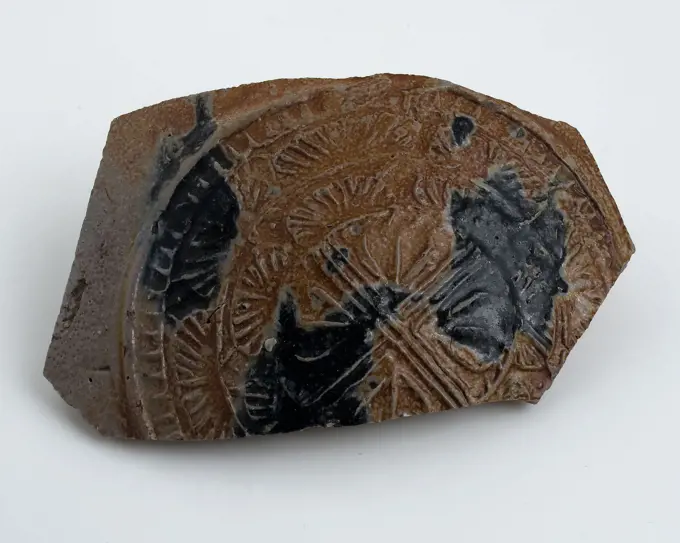
Abdominal fragment of stoneware Bartmann jug, also called Bellarmine jug, with cartouche, in which cross, beardmug tableware holder soil find ceramic stoneware glaze salt glaze, hand turned stamped glazed glazed fried belly fragment of stoneware Bartmann jug with cartouche In the cartouche cross with like sides or burgundy brazier surrounded by cranes with ornamental decoration. Turning locks on the inside archeology Rotterdam City center Stadsdriehoek Oostplein underground pit foreign pottery import drinking wine beer transporting storage serving serving table Soil discovery Rotterdam underground pit Oostplein from big waste day 1976.
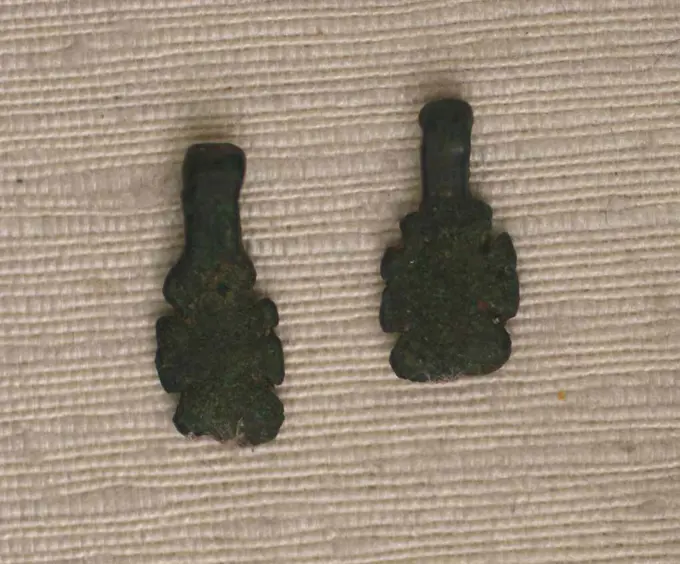
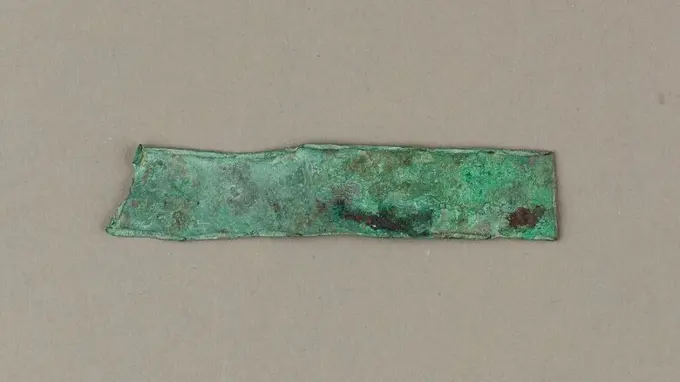
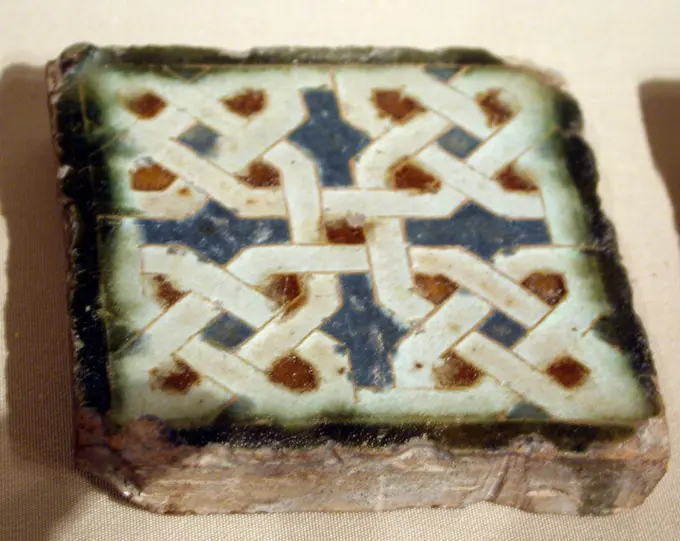
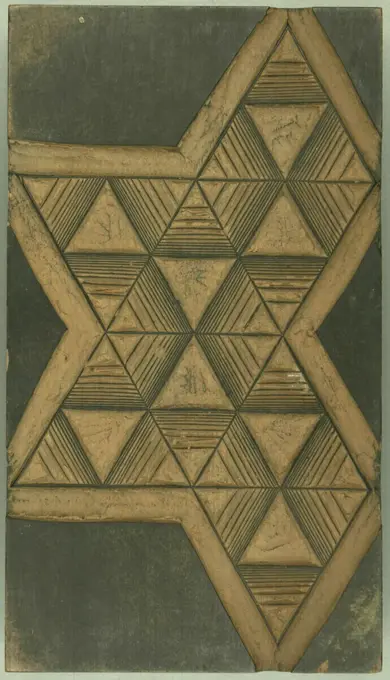
Button; wood, paper and brassPendant 3rd-12th century. Pendant 446090Hearthstone, Luiks, from Luik, Liege Belgium, with wide frame, with male and female head, hearth fireplace part ceramic brick, fired fireplace of the Liege type with wide frame with representation of male and female head separated from the side by flowering plant building history heatingModel chisel. Dimensions: H. 7.7 cm (3 1/16 in.); W. 1.6 cm (5/8 in.). Dynasty: Dynasty 2. Reign: reign of Khasekhemui. Date: ca. 2650 B.C.. Museum: Metropolitan Museum of Art, New York, USA.Round Plaque 3rd century B.C.-A.D. 2nd century Vicús. Round Plaque 315508Pavement tile 16th century Spanish, Seville Polychrome tiles had long been made in Spain in the cuerda seca (dry cord) technique, dating to the Muslim Almohad dynasty, in which colors were kept from running together during firing by a line of grease drawn between them. This method was not always successful, however, as the blurred outlines in some of these tiles indicate.. Pavement tile. Spanish, Seville. 16th century. Tin-glazed earthenware. Ceramics-PotteryKaranovo-Siegel Karanovo-Siegel Copyright: xZoonar.com/TOLOxBALAGUERx 22682374Geometric network of an octahedron showing connections to a cube, created with a wooden stick after 1538.Fragment of a Bowl 9th-10th century View more. Fragment of a Bowl. 9th-10th century. Earthenware; yellowish buff body, white slip, brown-black slip decoration under glaze. Excavated in Iran, Nishapur. CeramicsFragment 8th-9th century. Fragment 448783Fragment of a Mosaic Glass Vessel. Unknown 1st century B.C.Roman altar dedicated to Mitra, from Can Modolell, Cabrera de Mar. Museum: Museu de Mataró.White tile with in blue IEPTHA between horizontal lines, tile picture footage fragment ceramics pottery glaze, IEPTHA Jefta bible religion