My Boards
View Pictures
  • My Boards
← Artworks

Ancient Relief Sculptures

Stone artifacts featuring intricate carvings depicting historical and mythological figures from ancient cultures, including Egyptian and Assyrian influences.
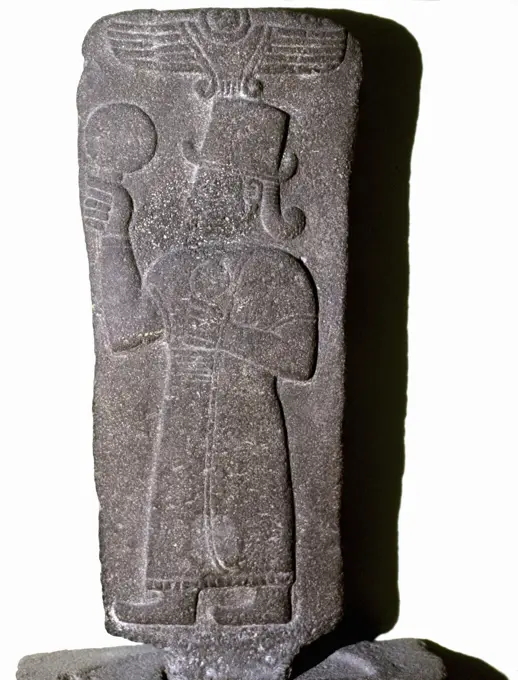
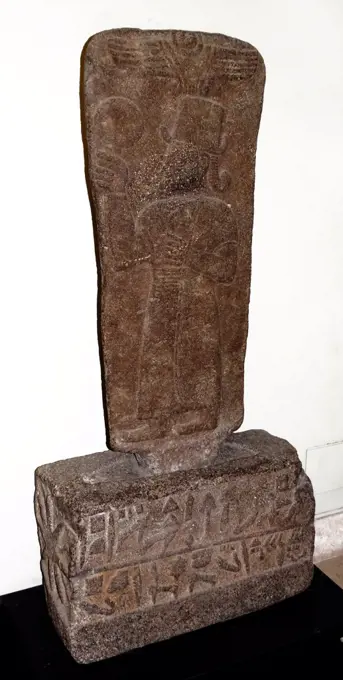
Hittite artefact- deity Kubaba with mirror, Carchemish, 9th cent. BC. TURKEY.
366 assets in this story
4409-35144
Hieroglyphic writing. Relief. New Empire. Temple of Luxor. Egypt.
1899-45626
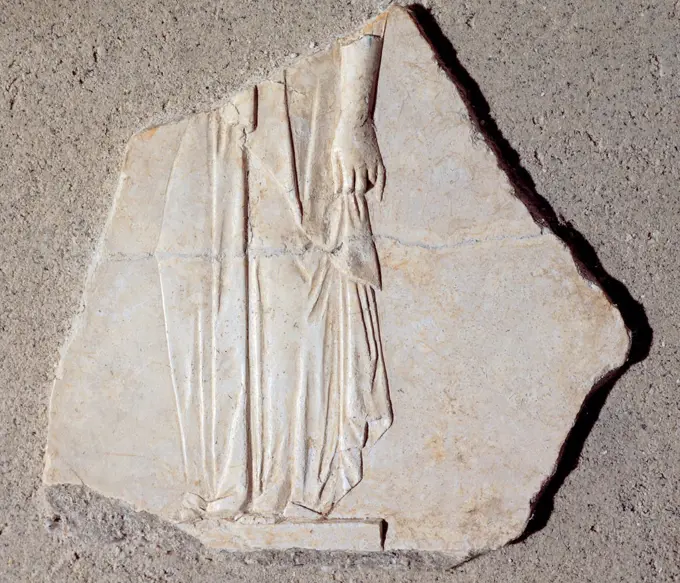
Cubiculum E, fragment of the vault with female figure raising the chiton, by Unknown artist, 25,1st Century, stucco. Italy: Lazio: Rome: Palazzo Massimo alle Terme: volta del cubicolo E. Cubiculum E, vault fragment with female figure raising the chiton dress/clothes folds hand arm
6145-46157095
Progressive young man. Tap-shaped, slightly curved relief, on which a progressive young man, who ceases a sphere in the raised right hand.
6145-29727360
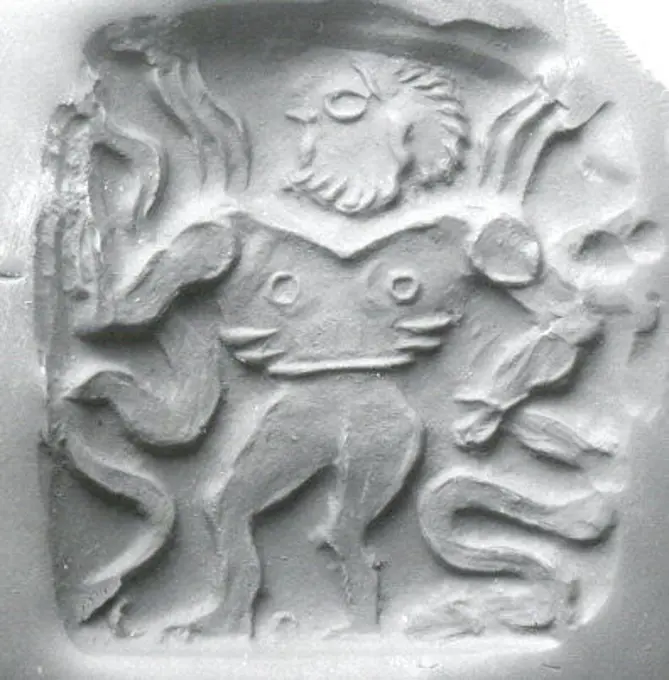
Double-sided stamp seal: nude winged hero dominating snakes; winged dragon ca. late 3rd-early 2nd millennium B.C. Bactria-Margiana Archaeological Complex. Double-sided stamp seal: nude winged hero dominating snakes; winged dragon. Bactria-Margiana Archaeological Complex. ca. late 3rd-early 2nd millennium B.C.. Steatite or chlorite. Bronze Age. Bactria-Margiana
6145-52375454
XXIIe dynastie: Apis IV né l'an 28 de Scheschonk III, mort à l'an 26 ans, l'an 2 de Pikhi. Mariette, Auguste, 1821-1881. Prints. 1857. General Research Division. Serapeum (aqqrah, Egypt)
4443-21936013
Hearthstone, from Antwerp Belgium, with narrow frame, sea battle, fireplace stone fireplace ceramics brick, fired Hearth of the Antwerp type with narrow list depicting naval battle in which armed and hardened men fight each other building history heating war
4409-17532499
Sketch of a standing figure. Draughtsman: Simon Andreas Krausz. Dating: 1770 - 1825. Measurements: h 83 mm × w 30 mm. Museum: Rijksmuseum, Amsterdam.
1788-14336
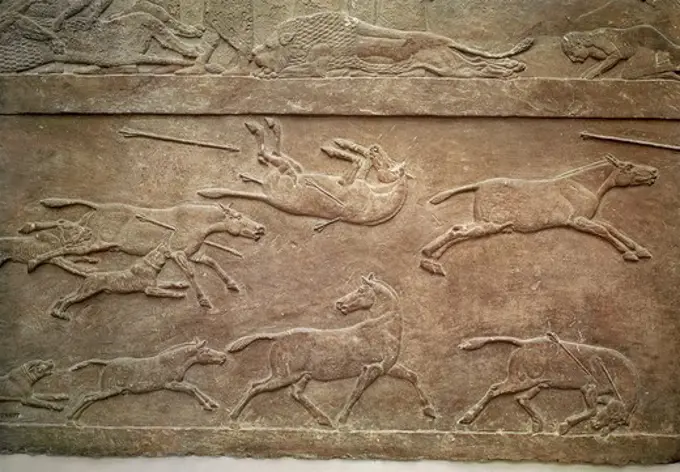
Assyrian relief from Niniveh,Iraq, depicting the hunting on horses
1746-21110672
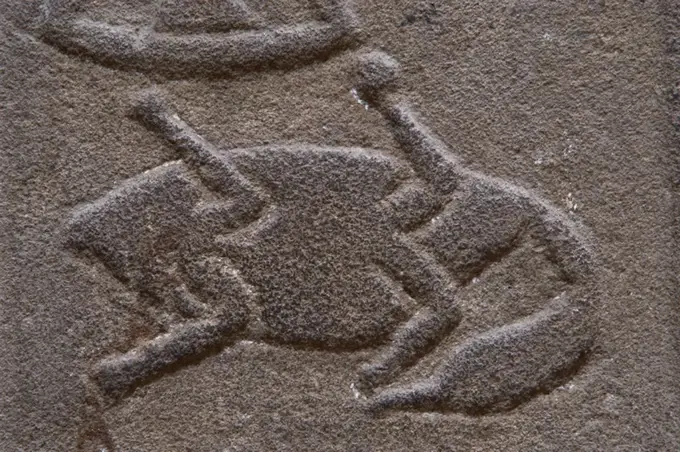
Basalt stela showing the goddess kubaba, Neo-Hittite, 9th century BC From Birecik, Turkey. This freestanding basalt monument depicts the goddess kubaba consort of the storm god Teshub. She holds a mirror and a pomegranate, symbols of magic and fertility
1746-21101067
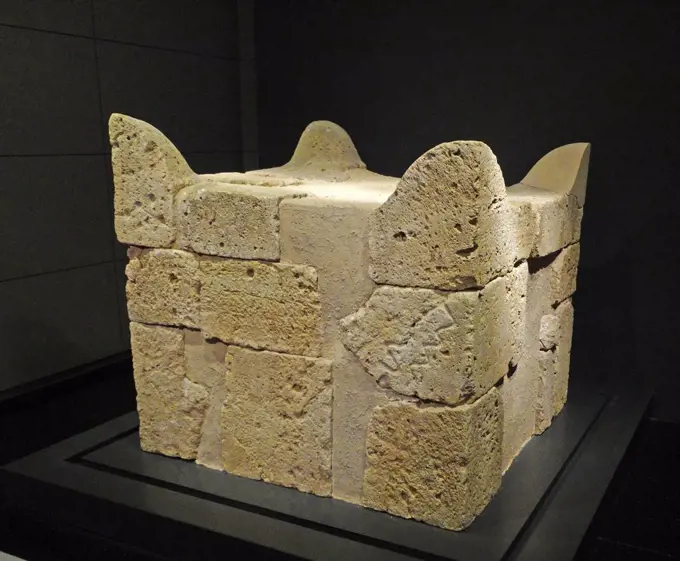
Sandstone sacrificial altar, Tel Beersheba. Dated 8th Century B.C
1848-49431103
Stone tablet with old Croatian writing, fishing village Valun, Cres Island, Adriatic Sea, Kvarner Bay, Croatia, Europe
4409-17372302
Scarab Lord of the Two Lands Maatkare (Hatshepsut), with Nekhbet Vulture Wearing the Double Crown. Dynasty: Dynasty 18, early. Reign: Joint reign of Hatshepsut and Thutmose III. Date: ca. 1479-1458 B.C.. Museum: Metropolitan Museum of Art, New York, USA.
7155-70378440
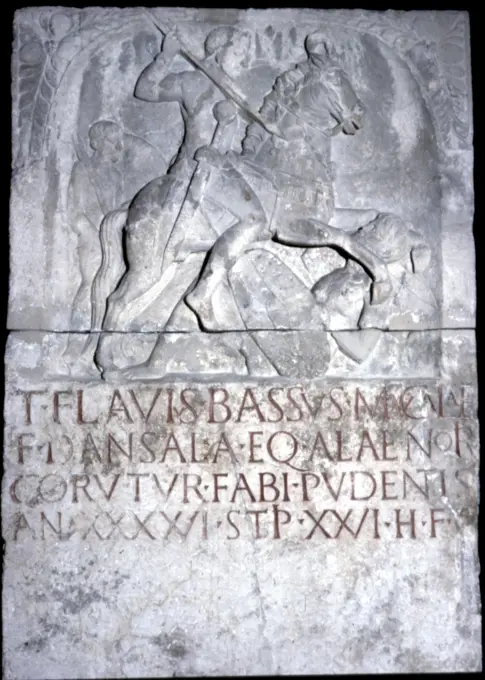
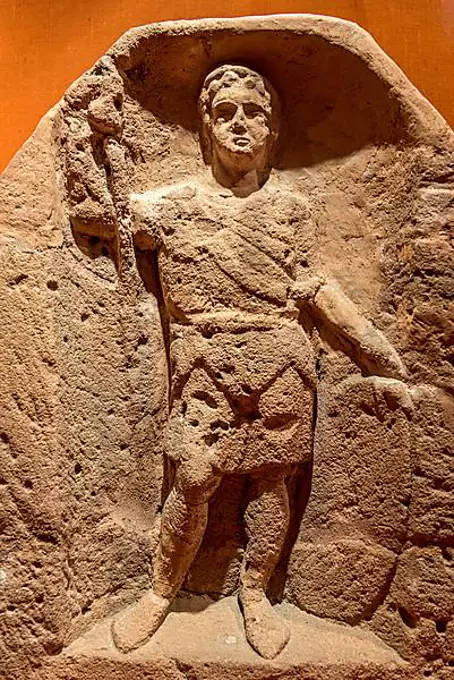
Roman cavalryman- Titus Flavius. Roman numerals. Romano-German period relief. GERMANY.
4409-28715960
HIPODROMO-OBELISCO DE TEODOSIO JEROGLIFICOS. Location: PARQUE DE AT-MEYDANI / HIPODROMO. ISTANBUL. TURQUIA.
1788-17338
Stele of M. Cocceio Superiano depicting a woman between two Lares, guarantors of iustae nuptiae (lawful marriage) from Labor (Zagreb)
6188-63944031
Carved inscriptions on side wall of Hajara Rama temple depicting, Hampi Vijayanagar ruins, Karnataka, India Copyright: xJagannathxRaul/DinodiaxPhotox
4409-21485744
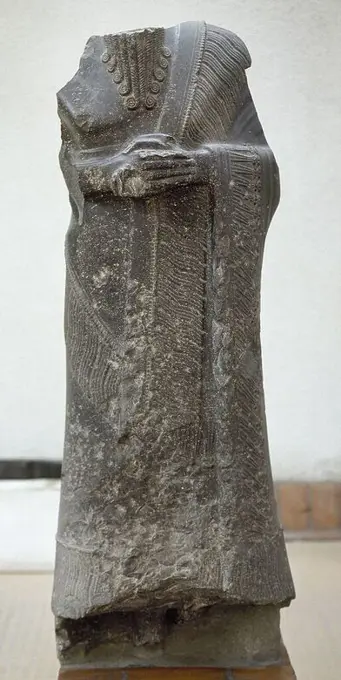
Mari, Old Babylonian diorite statue of governor Tura-Dagan with cuneiform inscription, 2nd millenium BC. Museum of the Ancient Orient. Istabul, Turkey.
7085-70288182
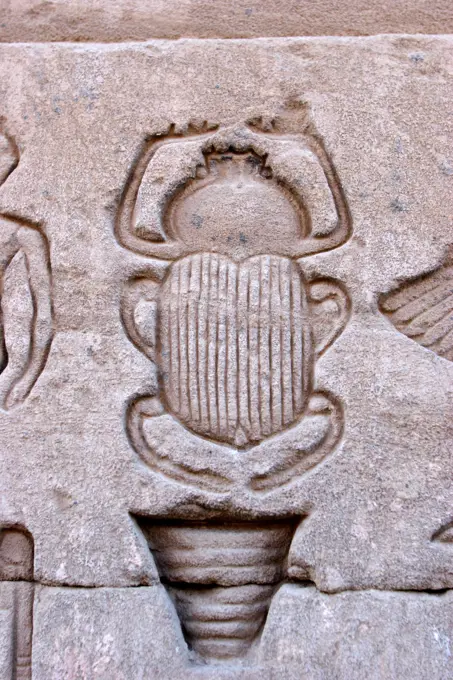
Temple of Denderah, Queen Cleopatra: human figures and hieroglyphics carved in the stone: a beetle
1746-111926625
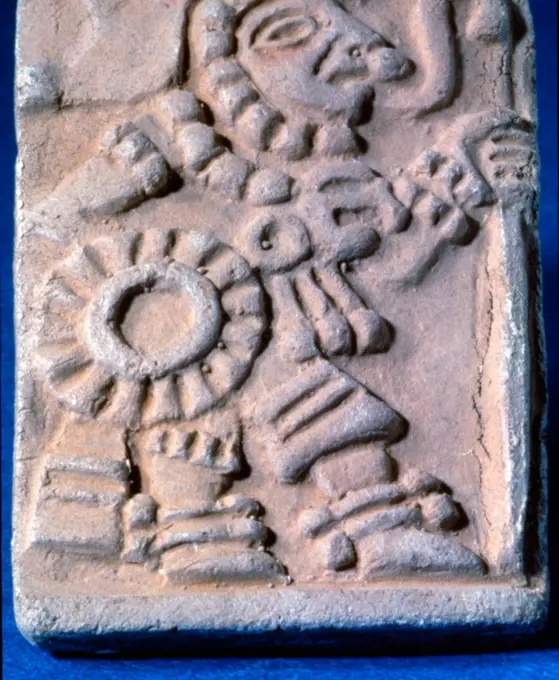
Toltec ceramic relief 900-1250 AD, Orlando museum. The Toltec culture is an archaeological Mesoamerican culture that dominated a state centred in Tula, Hidalgo, Mexico in the early post-classic period of Mesoamerican chronology (ca. 900-1168 CE).
6145-29067641
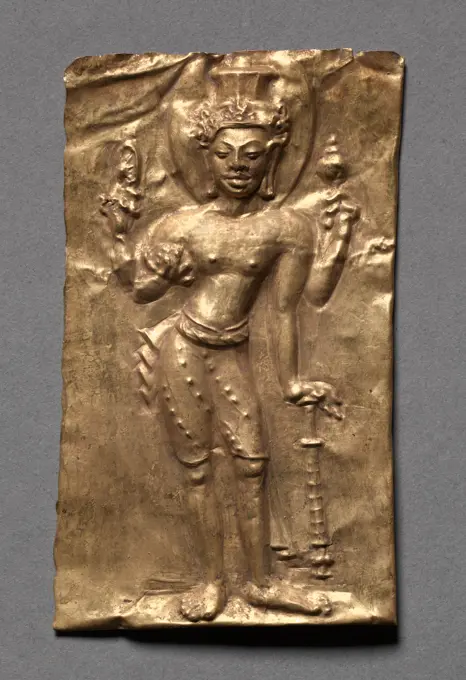
Plaque with Vishnu, c. 600s. Thailand, Sri Deb Style, Mon-Dvaravati period, c. 7th-8th Century. Gold repoussé; overall: 7.6 x 4.5 cm (3 x 1 3/4 in.).
6145-29183148
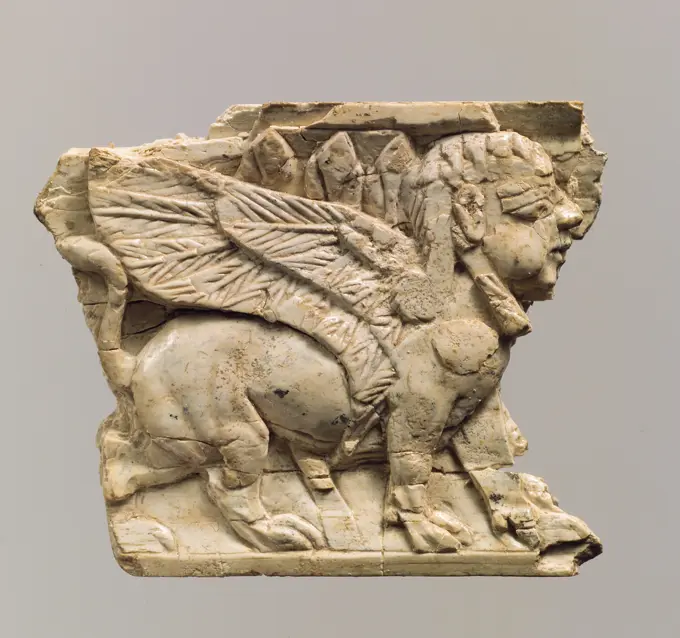
Furniture plaque carved in relief with sphinx ca. 9th-8th century B.C. Assyrian This carved ivory plaque was found in a storage room in Fort Shalmaneser, a royal building at Nimrud that was used to store booty and tribute collected by the Assyrians while on military campaign. It depicts a winged, human-headed sphinx striding to the right, framed above and below by a plain flat border. A plant grows behind the sphinxs body, with a stem visible under the belly and a row of three leaves or fronds rising above the edge of the wing. The sphinx has plump cheeks, a large beaked nose, a small mouth, and a receding chin; its hair is dressed in separate long plaits, one ending in a curl behind the shoulder and one extending over the chest. The body is stocky and muscular, and the flexed hindquarters are skillfully modeled to convey the creatures imposing physicality. Carved ivory pieces such as this were widely used in the production of elite furniture during the early first millennium B.C. Th
6145-44298218
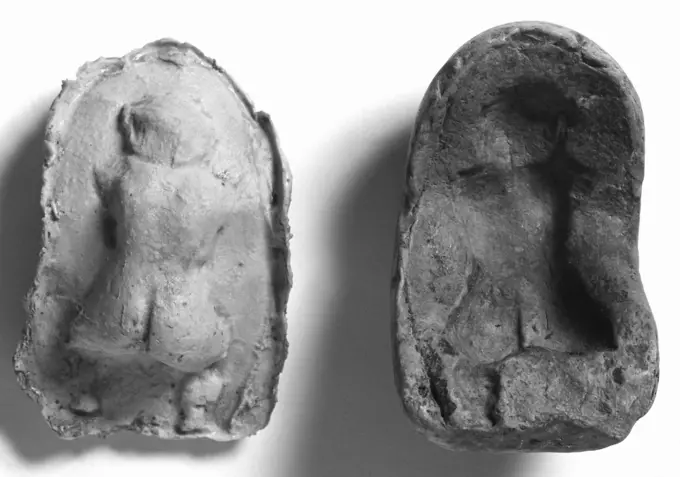
Mold of the Back of a Squatting Nude Figure. Unknown
1558-13554441
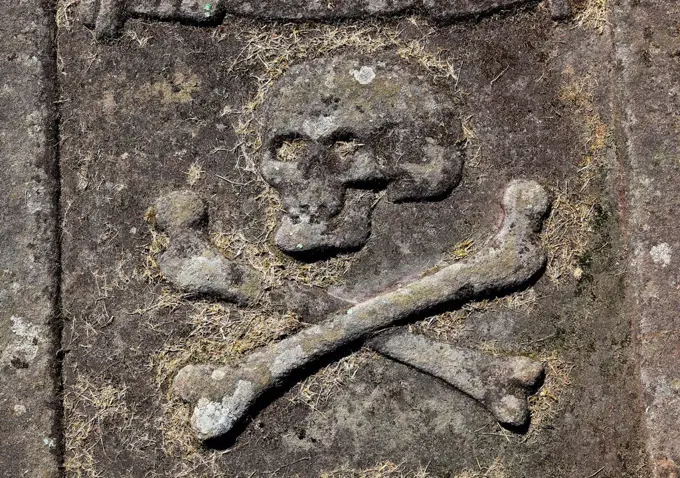
Scotland, Highlands, Elgin, ruins of the cathedral, Pictish stone with skull
6145-45338850
Bell BREAK (St. Wacław)  Zygmuntów Tower, Wawel Cathedral, Krakow
7079-69916698
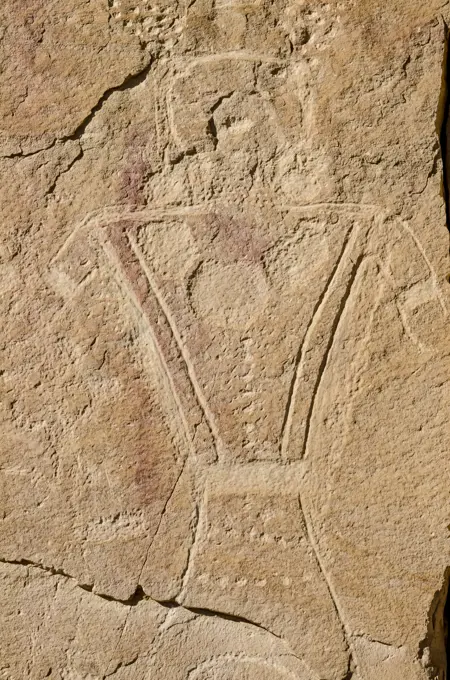
Indian petroglyphs on the McConkie Ranch, Vernal, Utah, USA.
4409-63015022
Warrior stela. Stone. Late Bronze Age. Magacela, Badajoz, Spain. National Archaeological Museum, Madrid. Spain.
6145-29198749
Relief plaque with bull, opposite side ram 400-30 B.C. Late Period-Ptolemaic Period. Relief plaque with bull, opposite side ram. 400-30 B.C.. Limestone. Late Period-Ptolemaic Period. From Egypt
6145-29825443
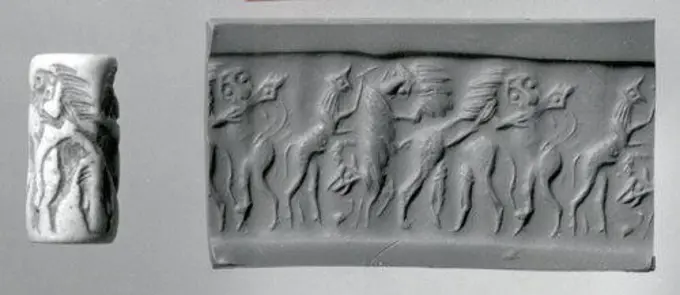
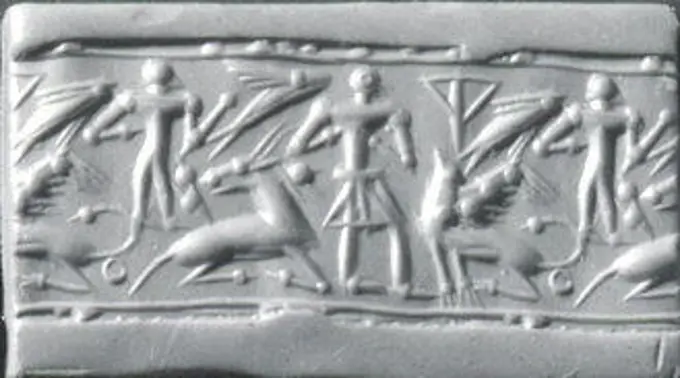
Cylinder seal ca. 2600-2350 B.C. Sumerian. Cylinder seal 328757
4409-17430554
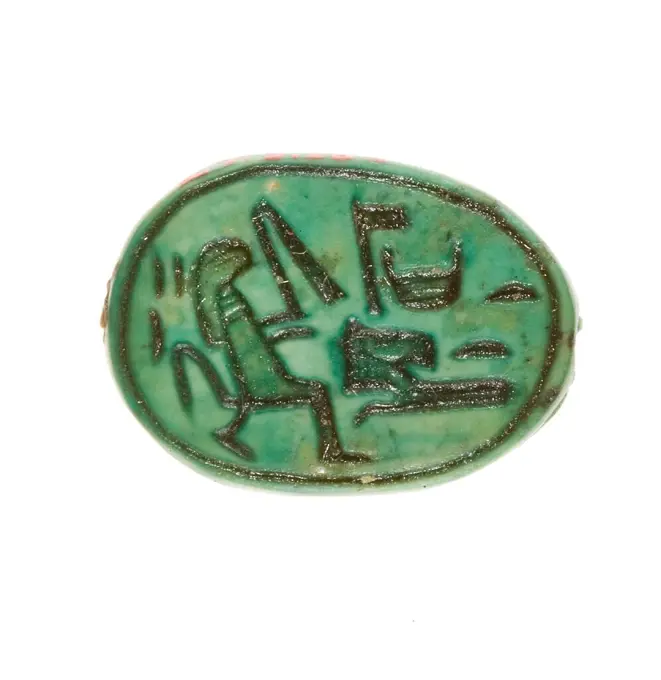
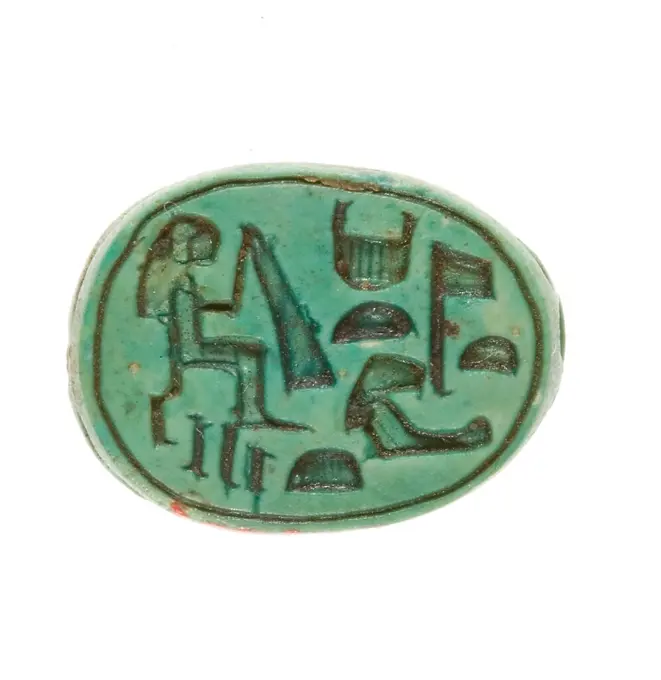
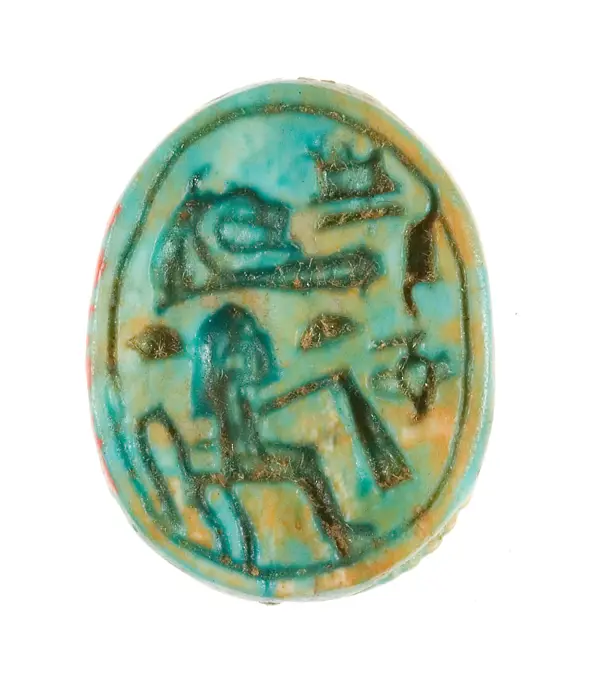
Scarab Inscribed for the God's Wife Hatshepsut. Dimensions: L. 1.7 cm (11/16 in.); W. 1.2 cm (1/2 in.); H. 0.7 cm (1/4 in.). Dynasty: Dynasty 18, early. Reign: Joint reign of Hatshepsut and Thutmose III. Date: ca. 1479-1458 B.C..The inscription on the base of this scarab reads: God's Wife, Hatshepsut. In the late Seventeenth early Eighteenth Dynasties, the title God's Wife was held by the principal queen or the queen mother. Hatshepsut inherited the title while she served as principal queen of her half-brother, Thutmose II. Later, shortly after she took on the titles of king, Hatshepsut passed the title on to her daughter, Neferure (see scarab 27.3.325).Slight variations of the same inscription may be found on two others scarabs (27.3.186, 27.3.187) and a cowroid seal amulet (27.3.191). Although the hieroglyphs are not in exactly the same configuration, they have been carved in a similar fashion. For example, the seated figure leans back and both of her arms are indicated. For differen
6145-29832206
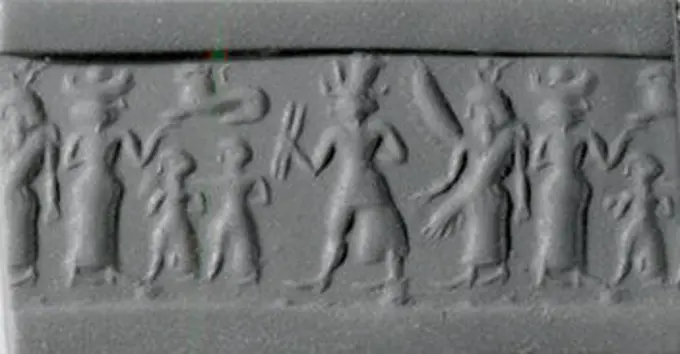
Cylinder seal and modern impression: man, goat, griffin, nude figure, and "impaled triangle" ca. 14th-13th century B.C. Although engraved stones had been used as early as the seventh millennium B.C. to stamp impressions in clay, the invention in the fourth millennium B.C. of carved cylinders that could be rolled over clay allowed the development of more complex seal designs. These cylinder seals, first used in Mesopotamia, served as a mark of ownership or identification. Seals were either impressed on lumps of clay that were used to close jars, doors, and baskets, or they were rolled onto clay tablets that recorded information about commercial or legal transactions. The seals were often made of precious stones. Protective properties may have been ascribed to both the material itself and the carved designs. Seals are important to the study of ancient Near Eastern art because many examples survive from every period and can, therefore, help to define chronological phases. Often preserving
6145-29723993
Scarab of Thutmose III ca. 1479-1425 B.C. New Kingdom. Scarab of Thutmose III. ca. 1479-1425 B.C.. Glazed steatite. New Kingdom. From Egypt. Dynasty 18
4409-17417496
Scarab Inscribed for the God's Wife Hatshepsut. Dimensions: L. 1.7 cm (11/16 in.); W. 1.3 cm (1/2 in.); H. 0.8 cm (5/16 in.). Dynasty: Dynasty 18, early. Reign: Joint reign of Hatshepsut and Thutmose III. Date: ca. 1479-1458 B.C..This scarab was found in a foundation deposit associated with Hatshepsut's funerary temple at Deir el-Bahri. The base is inscribed with her personal name, Hatshepsut ("foremost of noblewomen") linked with the title God's Wife. Hatshepsut inherited the title while she served as principal queen of her half-brother, Thutmose II. Later in her life, after taking on the titles of King, Hatshepsut passed the title to her daughter, Neferure (see scarab 27.3.326). Museum: Metropolitan Museum of Art, New York, USA.
6145-29808701
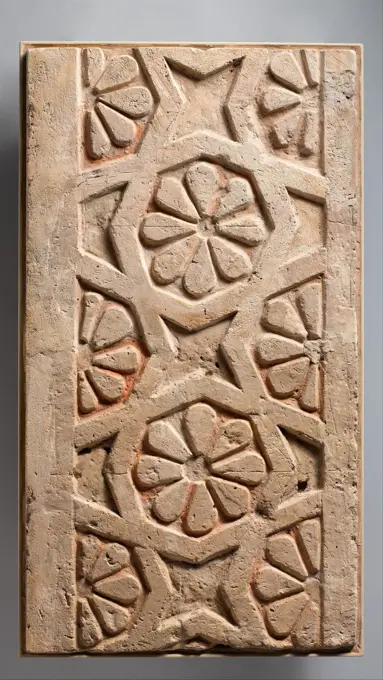
Fragment of a Frieze 11th century This terracotta panel is from Tepe Madrasa in Nishapur in Iran and once formed a segment of the portal in the prayer hall. Carved terracotta was used as a decorative material for architectural sites in Iran at least since the tenth century; it was used to construct columns, bosses, string courses, and bricks. Elements like this would have composed larger panels, often bearing geometrical patterns. The panel features a star-and-polygon pattern, which is cut off due to the limitations of space of this element. Each octagon encloses an eight-petaled rosette. The stars were once painted blue and the background of the rosettes were red.. Fragment of a Frieze 449617
4409-21498771
Tumba de Ahmose, hijo de Ebana (EK-5). Elkab, Egipto.
6145-29127114
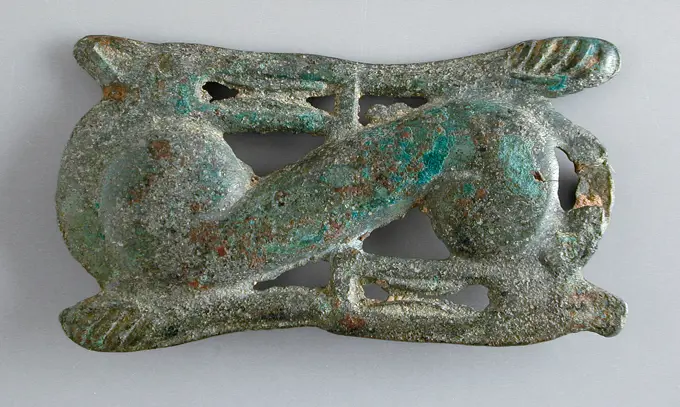
Plaque. Southern Siberia, 5th-3rd century B.C.. Sculpture; plaques. Silvered bronze, cast
4443-21958633
Coptic Funerary Relief; Egypt; late 4th or early 5th century A.D; Brownish, coarse-grained limestone; 100 × 52 cm (39 3,8 × 20 1,2 in.)
4409-21485738
Medieval Art Daghestan area. Fragment of architectural decoration of buildings. Camel. Shale, carving. Kubachi village, Dagestan, Russia. 14th-early 15th century. The State Hermitage Museum. Saint Petersburg. Russia.
1848-55027131
Prehistoric rock engraving of the famous curly cow, neolithic rock art of Tinterhert, Dider Valley, Tassili n'Ajjer National Park, Unesco World Heritage Site, Wilaya Illizi, Algeria, Sahara, North Africa, Africa
6145-29802378
Cylinder seal and modern impression: war goddess flanked by goddesses with Egyptian-style sun-disk headdress and vertical wings ca. 1720-1650 B.C.. Cylinder seal and modern impression: war goddess flanked by goddesses with Egyptian-style sun-disk headdress and vertical wings. ca. 1720-1650 B.C.. Hematite. Old Syrian. Syria
4409-17374070
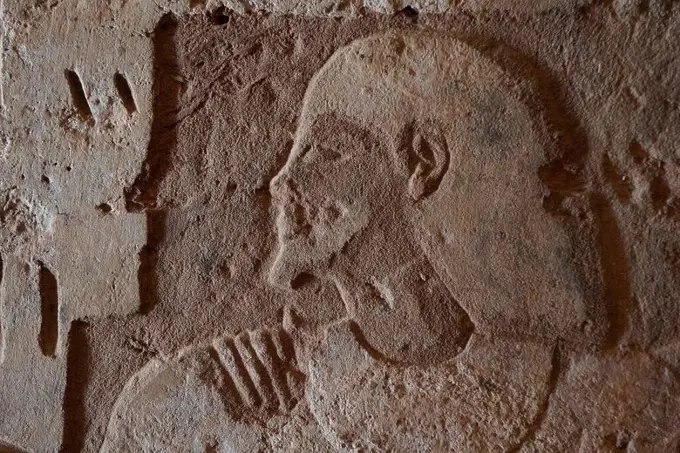
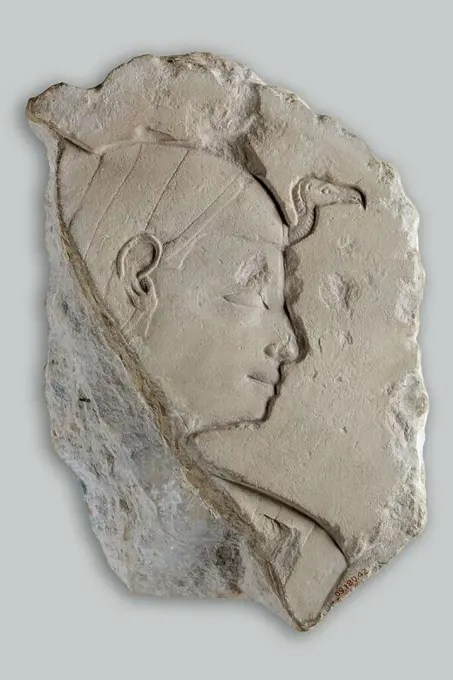
Relief with Head of a Queen. Dimensions: H. 25 cm (9 13/16 in.); W. 20 cm (7 7/8 in.); D. 6.8 cm (2 11/16 in.). Dynasty: Dynasty 12. Reign: reign of Senwosret I. Date: ca. 1961-1917 B.C.. Museum: Metropolitan Museum of Art, New York, USA.
6145-29155022
Cow plaque ca. 1479-1458 B.C. New Kingdom This metal plaque depicts a cow with a sundisk between its horns, which is a common representation of the goddess Hathor. The piece was excavated at Deir el-Bahari, close to a shrine for this goddess. Most likely the plaque had been deposited at this shrine, as a donation to the deity. Two holes at the top were probably used for stringing it together with a series of similar small pieces.. Cow plaque. ca. 1479-1458 B.C.. Copper. New Kingdom. From Egypt, Upper Egypt, Thebes, Deir el-Bahri, Hatshepsut Hole, Debris from the Hathor shrine, MMA excavations, 1923-24. Dynasty 18
1899-68920189
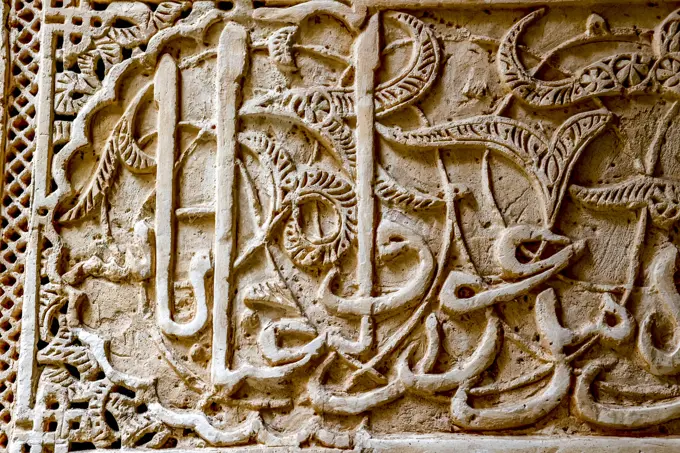
Merinide Abu al Hassan medersa, Sale, Morocco. Sculpted calligraphy.
1848-49379706
Mars, god of war, stone relief, soldier with spear and shield, Roman fort Saalburg, reconstructed cohort fort, museum, archaeological park, Upper Germanic Raetian Limes, border Roman Empire, Bad Homburg vor der Hoehe, Taunus, Hesse, Germany, Europe
6145-29845402
Franklyn Syres, Cookie Cutter, 1935 1942 Cookie Cutter
6145-58989277
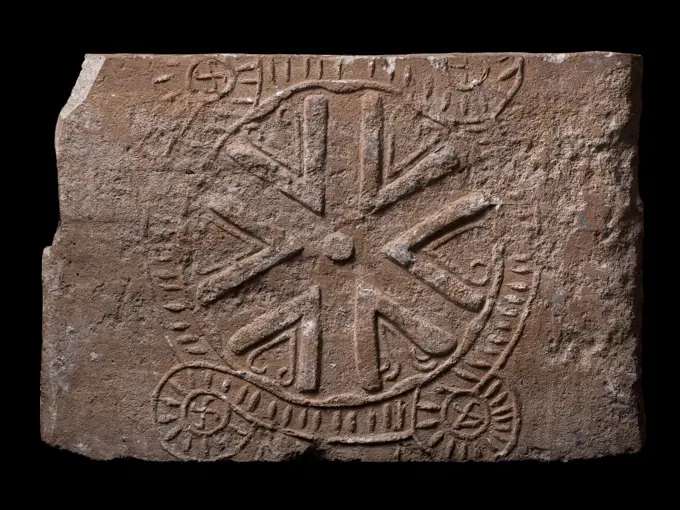
Anonymous (France). Sarcophagus head panel, chrism surrounded by a quadrilobed hay ribbon. Plaster, Merovingian. Paris, Carnavalet museum. 58445-11 Chrism, Merovingian, Merovingian, Panel, Platre, Quadrilobe, Hachin Ribbon, Sarcophagus, Archeological Vestige
4435-6435
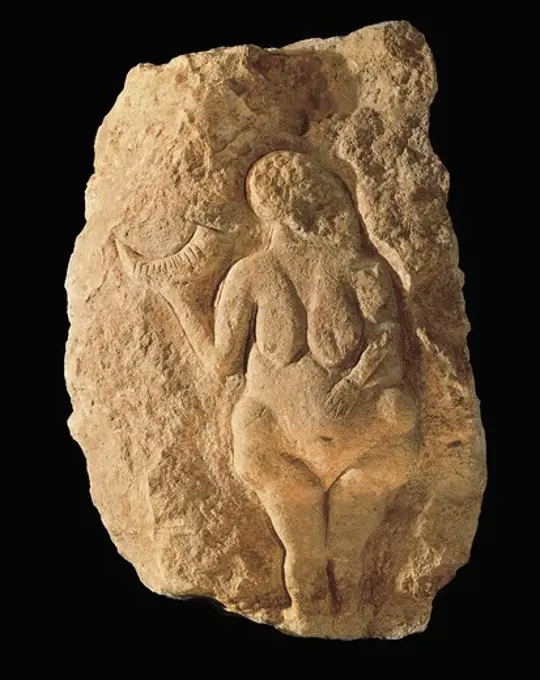
Venus of Laussel. 25 mil. -18 mil. BC. Venus holding a horn. Upper Paleolithic. Solutrean. Relief on rock. FRANCE. AQUITAINE. GIRONDE. Bordeaux. MusŽe d'Aquitaine (Aquitaine Museum). Proc: FRANCE. AQUITAINE. LOT-ET-GARONNE. Laussel Cave.
4409-10838
RELIEVE DE LOS EMPERADORES DIOCLECIANO Y MAXIMINIANO ABRAZANDOSE. Location: BIBLIOTECA APOSTOLICA-COLECCION. VATICANO. MAXIMIANO. DIOCLECIANO (245-313) EMPERADOR ROMANO.
6145-29076351
Votive Relief of a Ram Deity, 305-30 BC. Egypt, Ptolemaic Dynasty. Limestone; overall: 13.5 x 20.6 x 2.5 cm (5 5/16 x 8 1/8 x 1 in.).
4409-39659
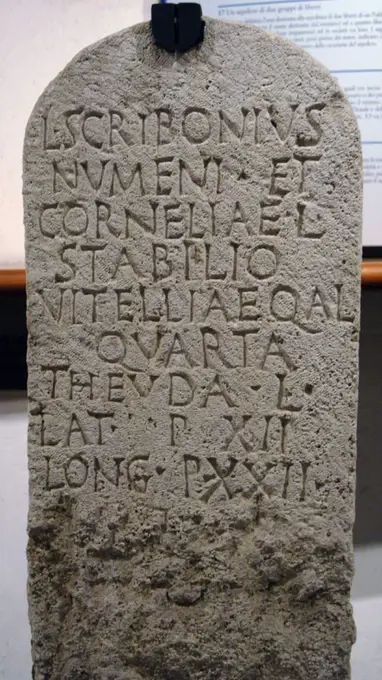
Roman art. Memorial stone dedicated to Vitellia Quarta. 1st century BC. Via Penestrian, Rome. National Roman Museum (Baths of Diocletian). Rome, Italy.
6145-46856868
OLYMPUS DIGITAL CAMERA
6145-43958874
Olympia - Sphinx , Antiquities, Sculpture, Sphinxes. Nicholas Catsimpoolas Collection
6145-29750308
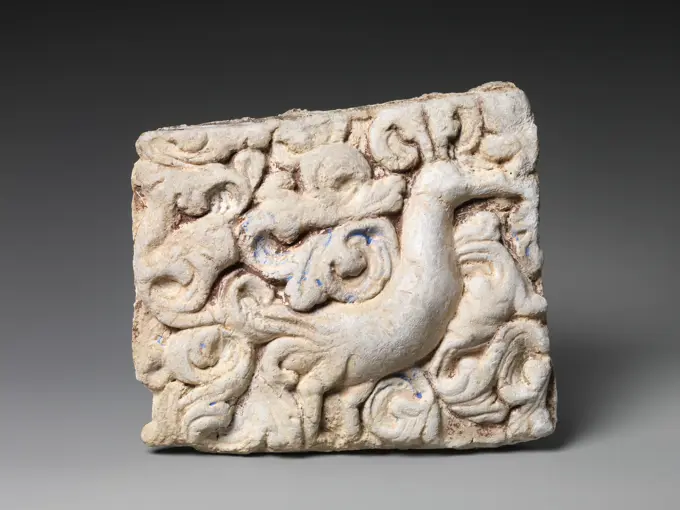
Goose (Hamsa) with Floral Tail 6th-7th century China (Xinjiang Autonomous Region) This panel was the interior base molding of a Buddhist temple. This goose (hamsa) was part of a large group that ran along the base of the wall surmounted by lozenges withpearls (see 30.32.10). The hamsa is associated with the heavens and thus metaphorically located the sacred space of this temple within a celestial realm.. Goose (Hamsa) with Floral Tail. China (Xinjiang Autonomous Region). 6th-7th century. Stucco with color. Khotan Kingdom. Sculpture
6145-30405064
Tile withCapricorn
4409-17278156
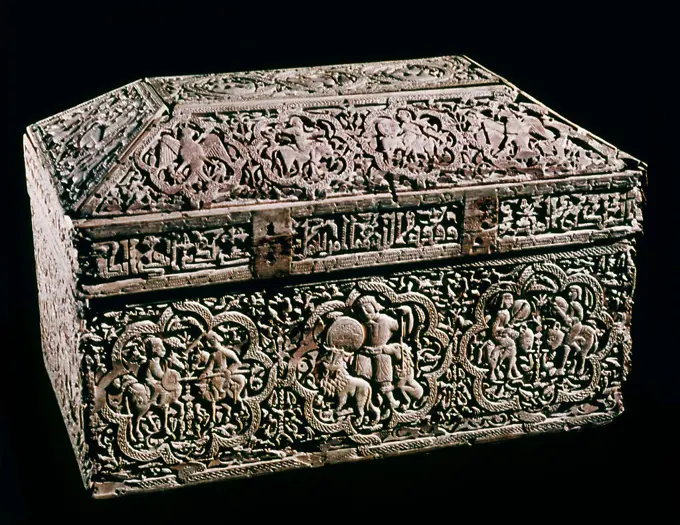
ARQUETA HISPANO ARABE PROCEDENTE DE LEYRE - AÑO 1005 - PERIODO CALIFAL. Author: FARAY Y SUS DISCIPULOS (S. XI). Location: MUSEO DE NAVARRA. Pamplona. NAVARRA. SPAIN.
6145-29743862
Cylinder seal with cultic scene late 8th-7th century B.C. Assyrian. Cylinder seal with cultic scene 326983
4409-133338
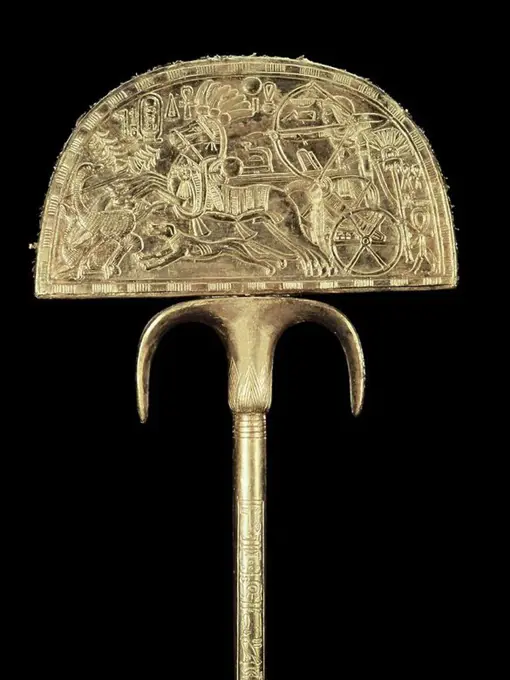
TESORO DE TUTANKAMON - FLABELO CON ESCENA DE LA CAZA DE UN AVESTRUZ - XVIII DINASTIA. Location: EGYPTIAN MUSEUM. KAIRO.
6145-29139683
Scarab Inscribed Hatshepsut-United-with-Amun ca. 1479-1458 B.C. New Kingdom During the 1926-1927 excavation season, the Museum's Egyptian Expedition uncovered three foundation deposits along the eastern enclosure wall of Hatshepsut's funerary temple at Deir el-Bahri in Western Thebes. Among the contents were 299 scarabs and stamp-seals. Sixty-five of these are now in the Egyptian Museum, Cairo, and the rest were acquired by the Museum in the division of finds.Among the inscriptions on the bases of these scarabs and seals are examples of every title Hatshepsut held, from the time she was "king's daughter" during the reign of her father, Thutmose I; through the time she was queen of her half-brother, Thutmose II; and during her co-reign with her nephew/step-son, Thutmose III.Thirteen of the scarabs (27.3.199 to 27.3.212) are inscribed with various writings of the extended form of Hatshepsut's personal name, Hatshepsut-united-with-Amun, which sometimes appears, enclosed in a cartouche, as
4409-60448
Egypt. Necropolis of Saqqara. Mastaba of Kagemni (2350 BC). Chief Justice and vizier of the Pharaoh Teti. Relief depicting a fishing scene. 6th Dynasty. Old Kingdom.
1848-55232720
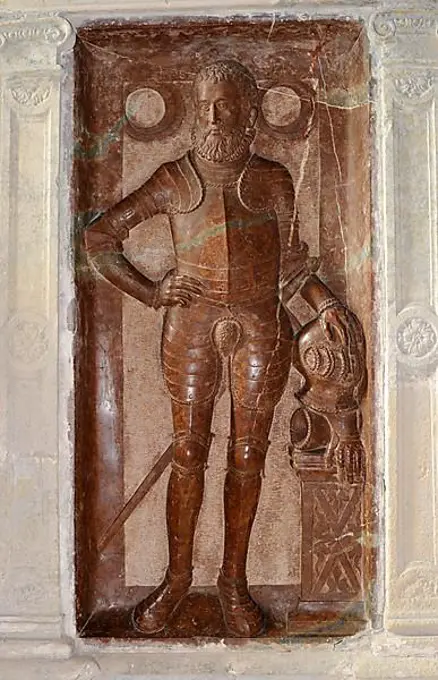
Stone bust of Graf Christoph Perger zu und auf Clam, castle chapel, Burg Clam Castle, Muehlviertel region, Upper Austria, Austria, Europe
4168-21989126
Stones of the Dancers, in the Plaza of the Dancers, next to Building L at Monte Alban (UNESCO World Heritage Site), which is a large pre-Columbian archaeological site in the Valley of Oaxaca region, Oaxaca, Mexico.
1746-19669584
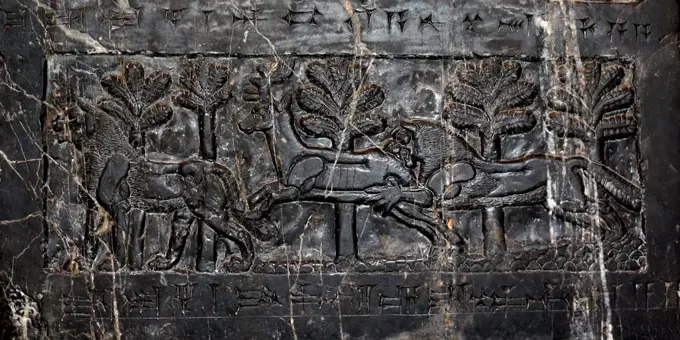
The Black Obelisk of Shalmaneser III (858-824 BC). Assyrian, from Nimrud. Made of fine-grain Black limestone streaked with white. It records the king's campaigns, and tributes given to him.
4409-17533009
Arrenslee. Draughtsman: Jan Brandes. Dating: 1787 - 1808. Place: Skälsebo. Measurements: h 147 mm × w 280 mm. Museum: Rijksmuseum, Amsterdam.
6145-59033259
Anonymous, architecture model (usual name), 0050. Terracotta. Cernuschi Museum, Asia Museum of Asia in the city of Paris.
4272-14511
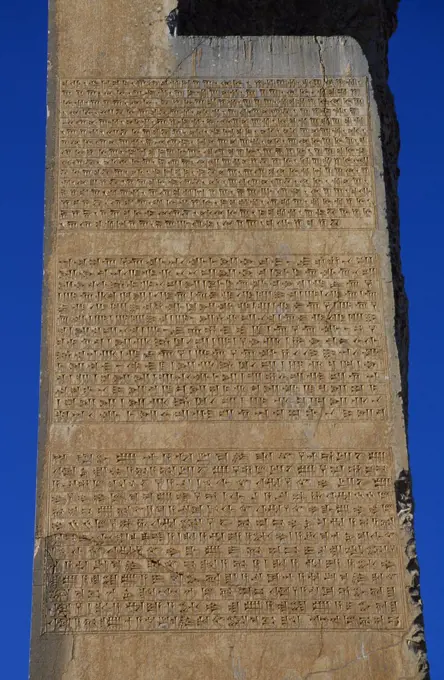
Iran, Persepolis. Relief, the Hundred Column Palace, Persepolis, near Shiraz.In about 512BC, Darius I started constructing this massive and magnificent palace complex to serve as a summer capital for the observance of Nou Ruz, and the rebirth of nature, when the desert springs into bloom, a spectacle which has inspired Persian art and poetry over the centuries.
1746-29016398
Assyrian wall relief depicting the royal lion hunt. Assyrian, about 645-635 BC From Nineveh, North Palace.
4409-63785384
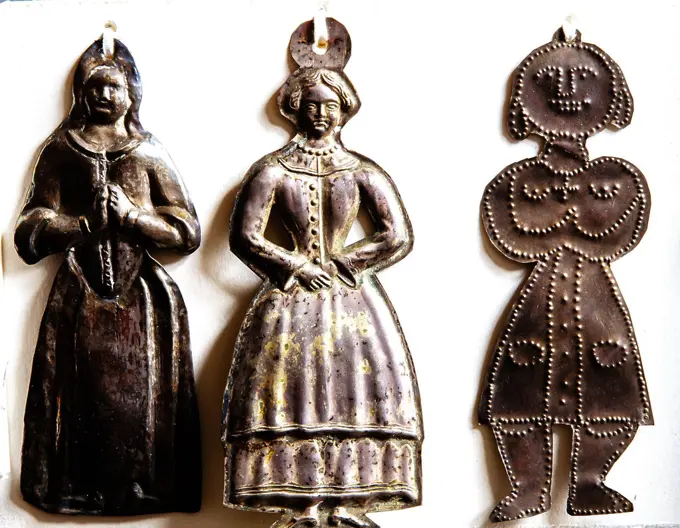
Exvoto de latón procedente de Mallorca. Museu Català de les Arts i Tradicions Populars.
PREVIOUS
of 4
NEXT
2401 S. Ervay, Suite 206
Dallas, Texas 75215
United States
Get Started
Free ResearchMy BoardsMy Cart
For Creators
How To License Your ContentContributor PortalFrame of Mind
Resources
API accessPricing
Contact
+1 866 236 0087help@viewpictures.co.uk Contact form
©2026 View Pictures. All Rights Reserved. -A
This site is protected by reCAPTCHA and Google Privacy Policy and Terms of Service apply.