Ancient Roman Coins

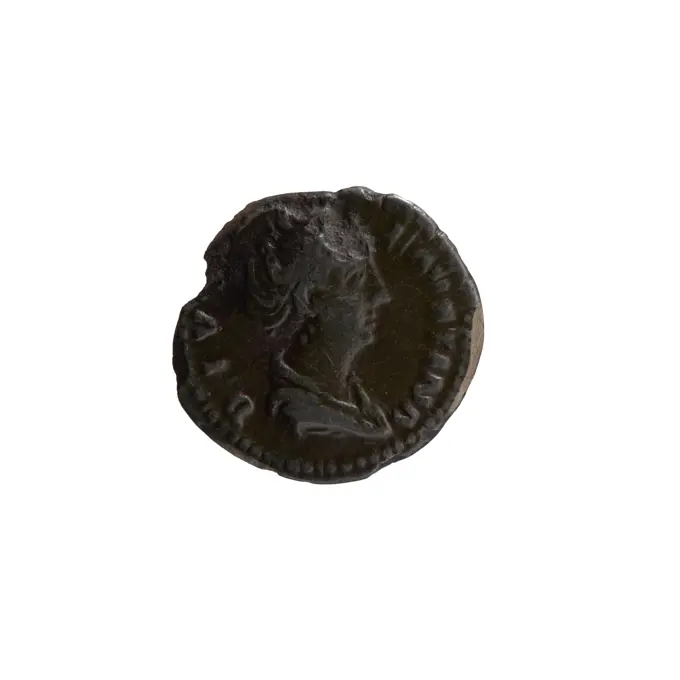
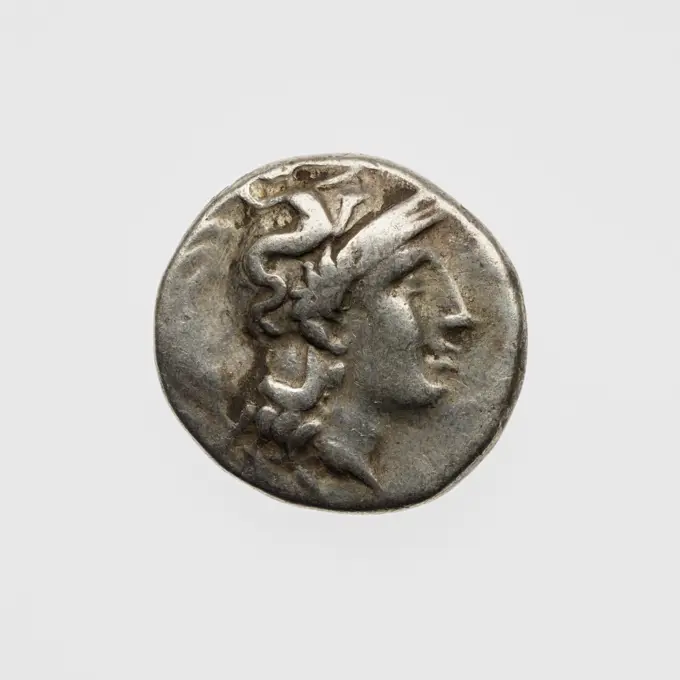
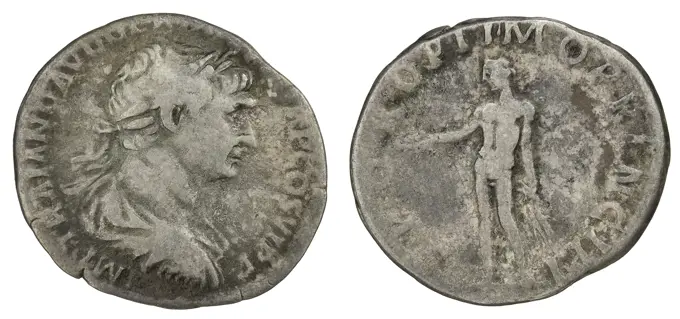
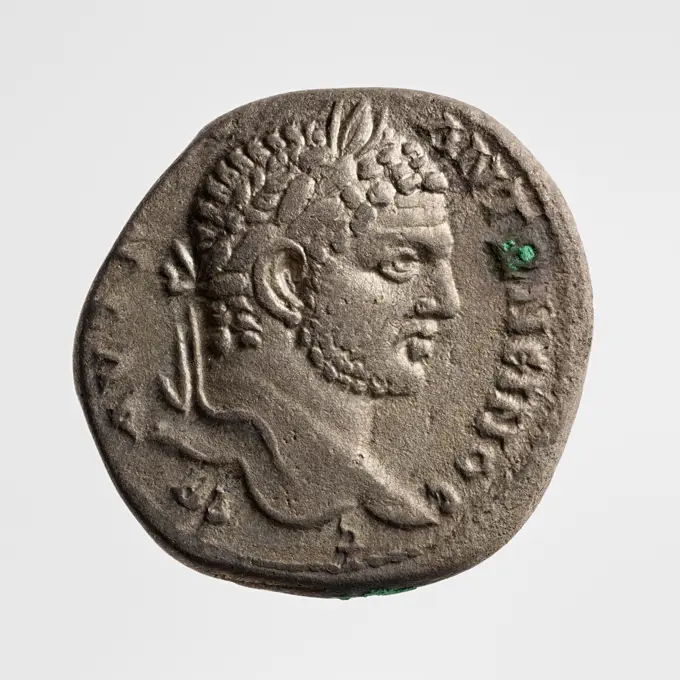
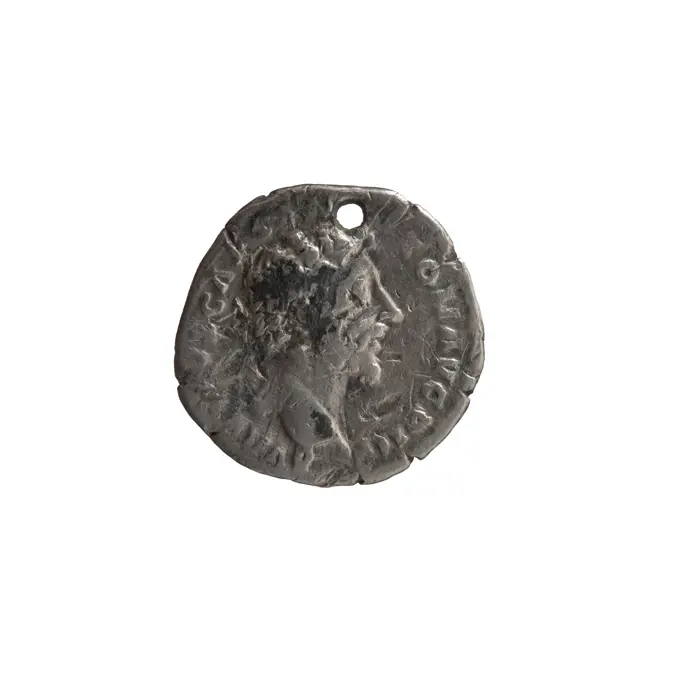
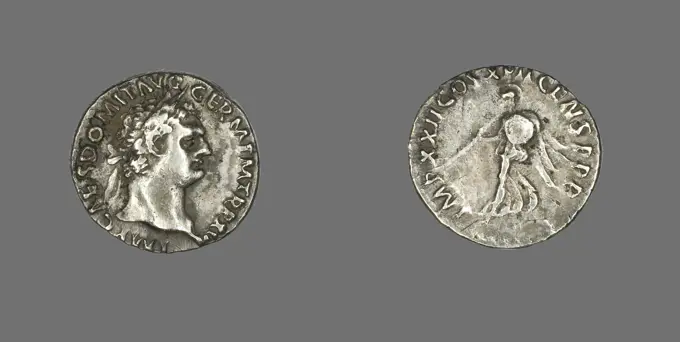
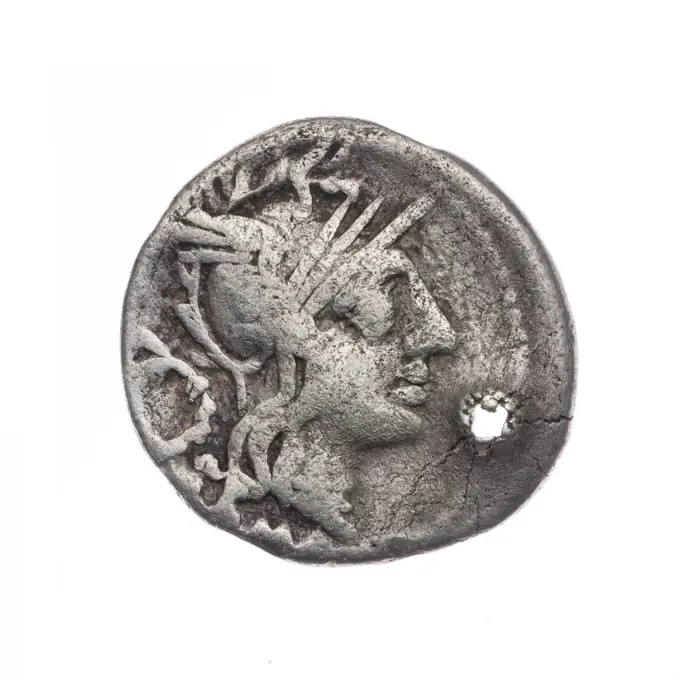
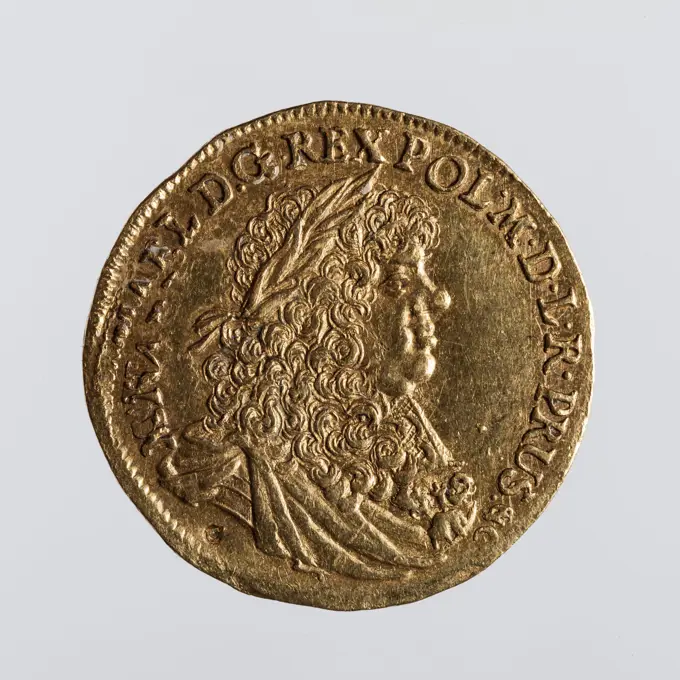
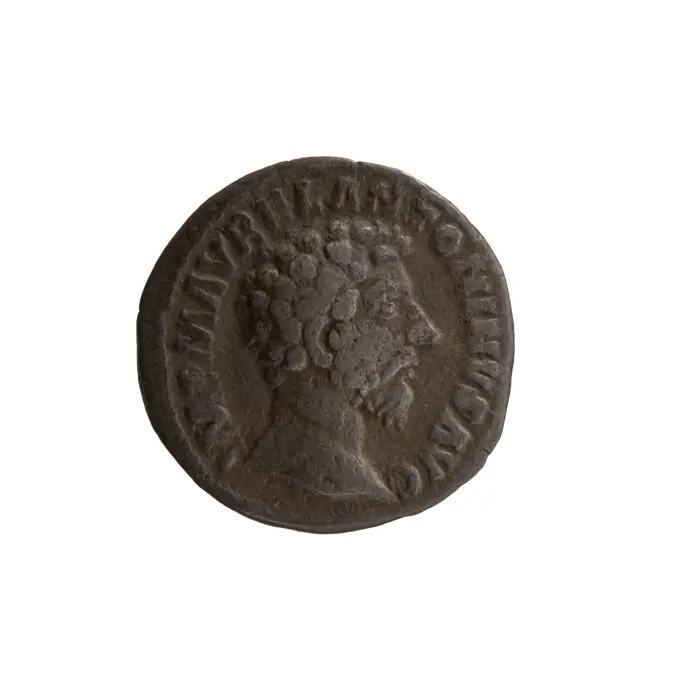
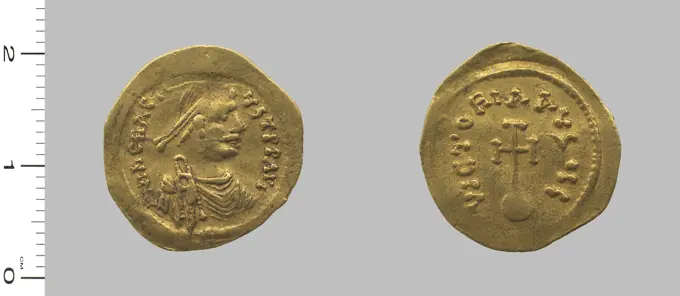
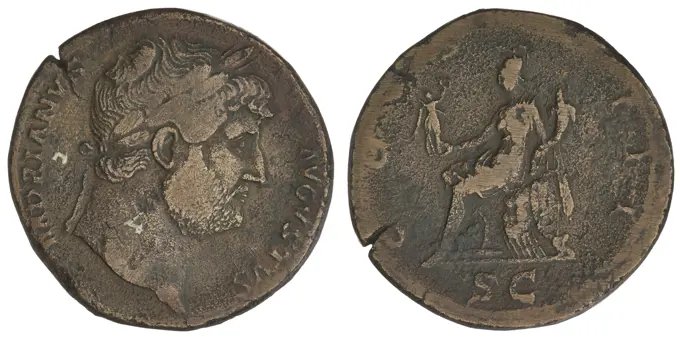
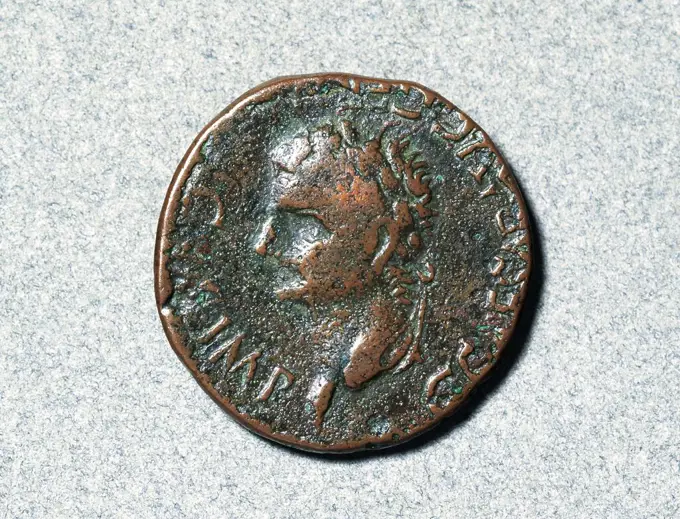
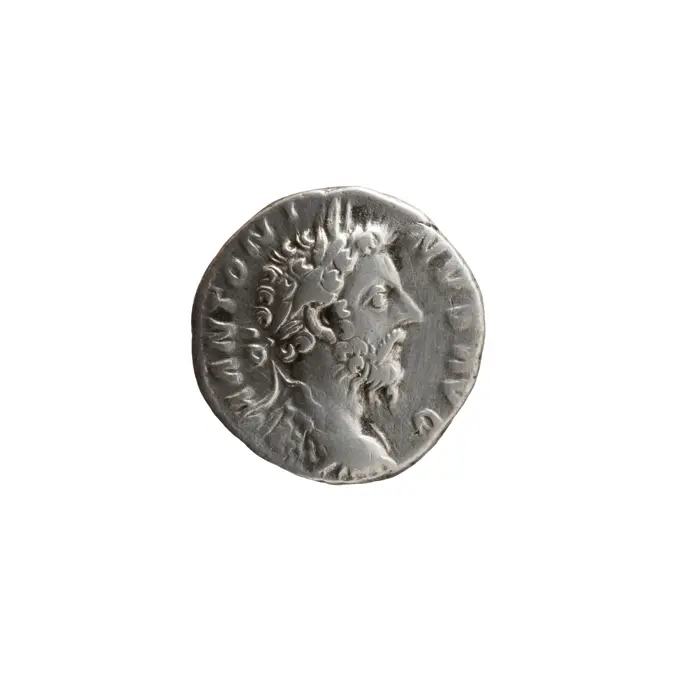
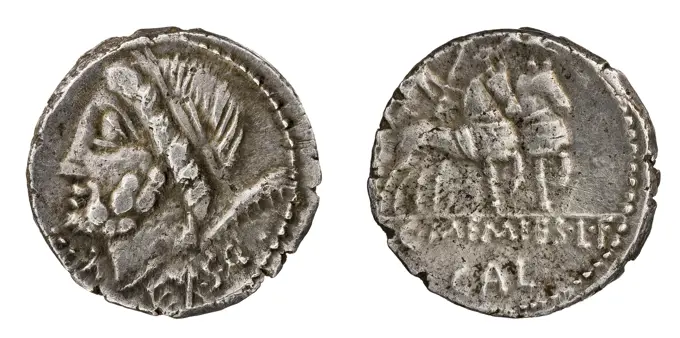
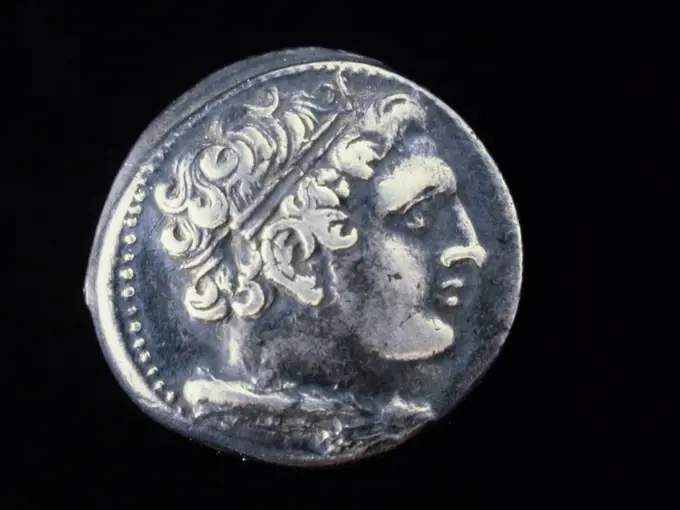
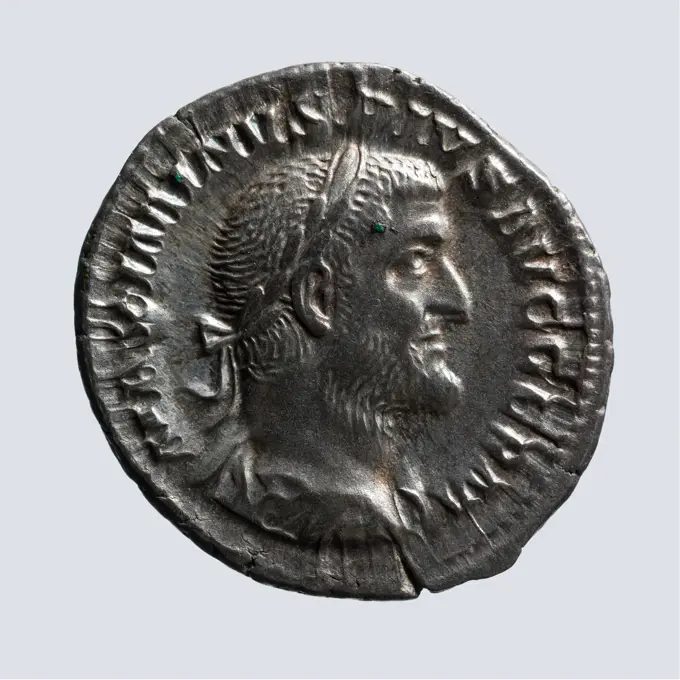
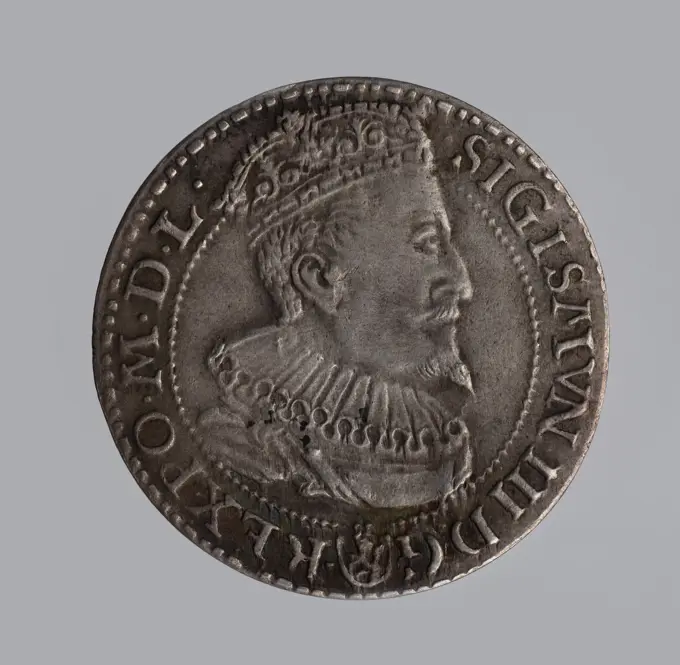
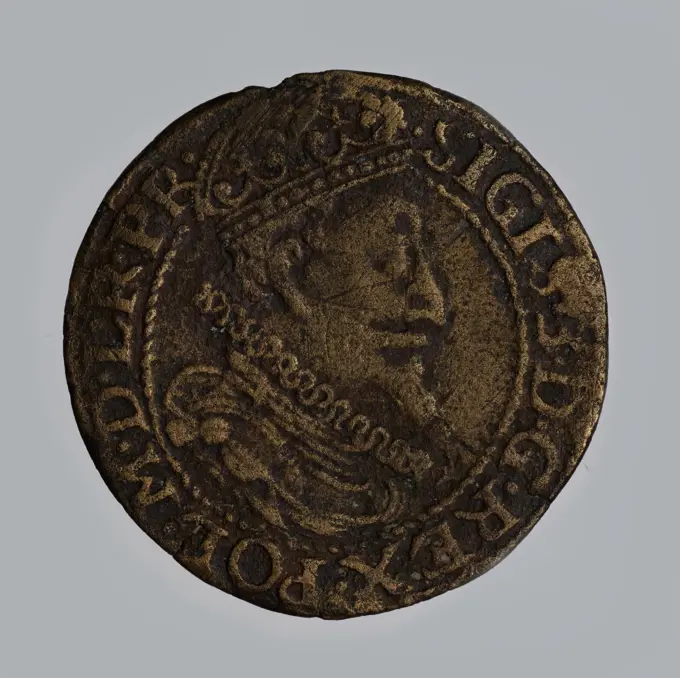
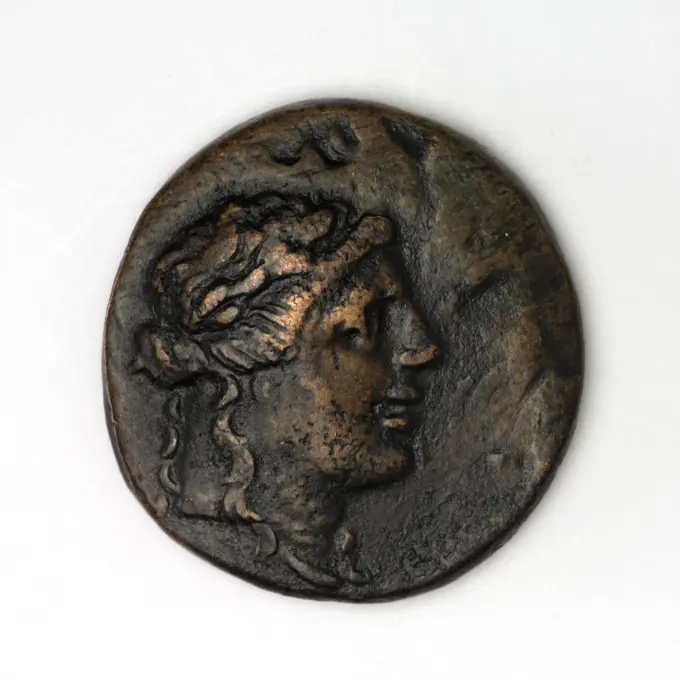
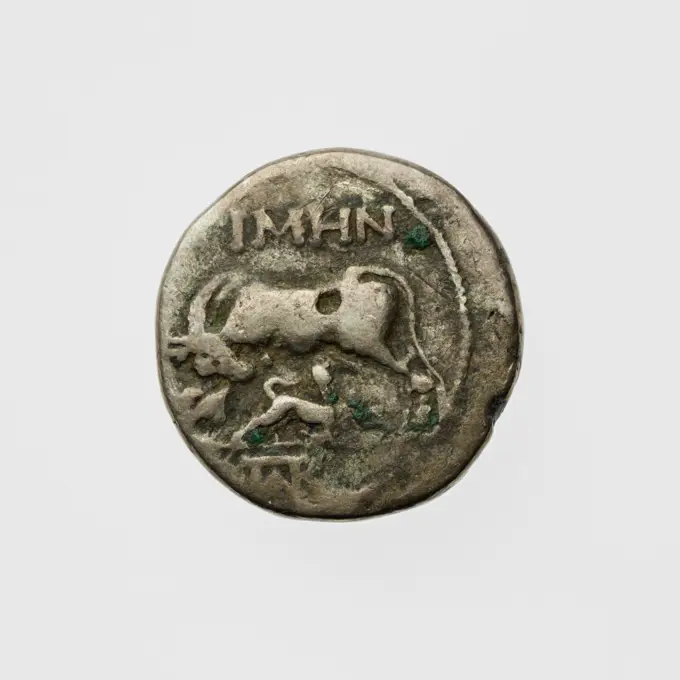
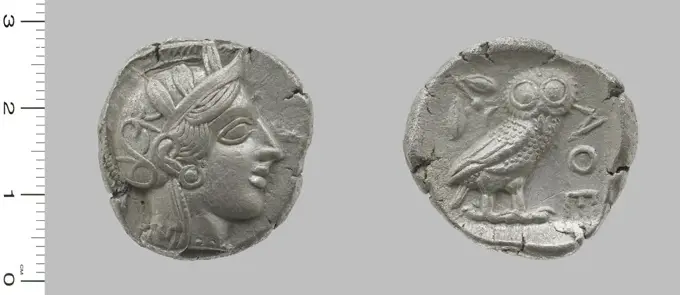
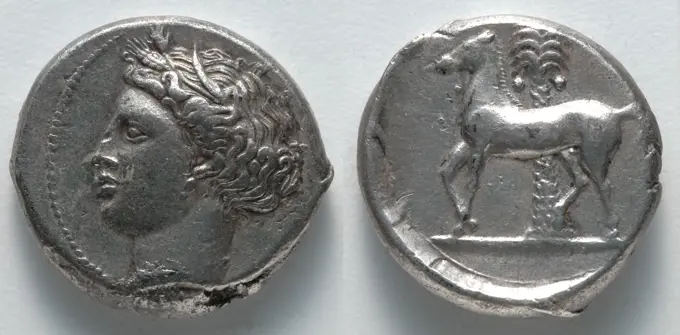
Collection of denarii featuring prominent Roman emperors, showcasing detailed portraits and inscriptions from antiquity.
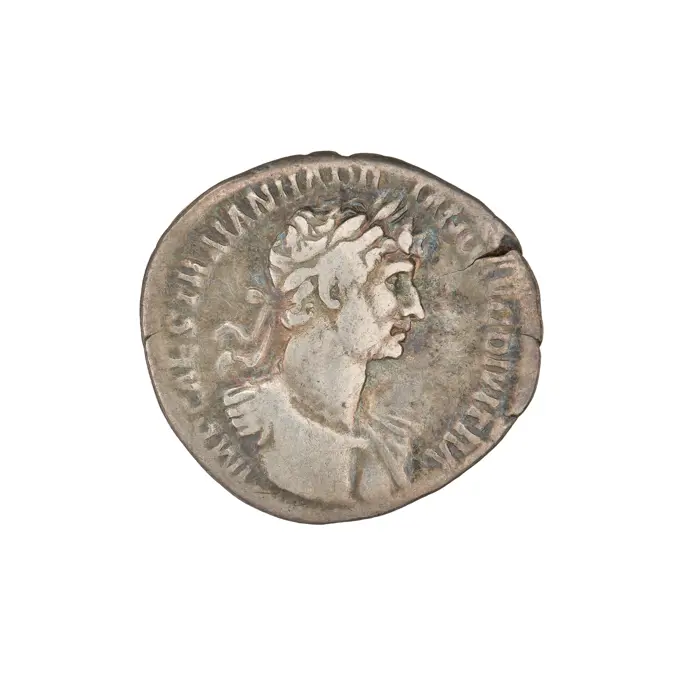
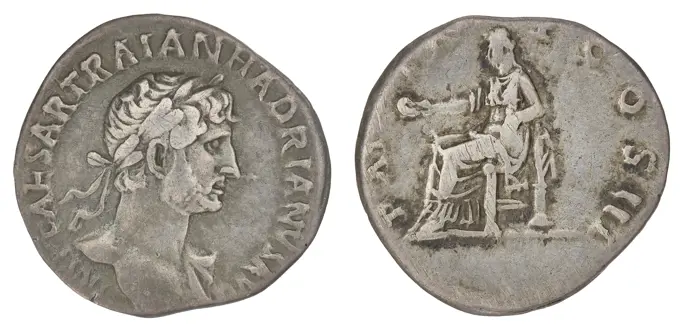
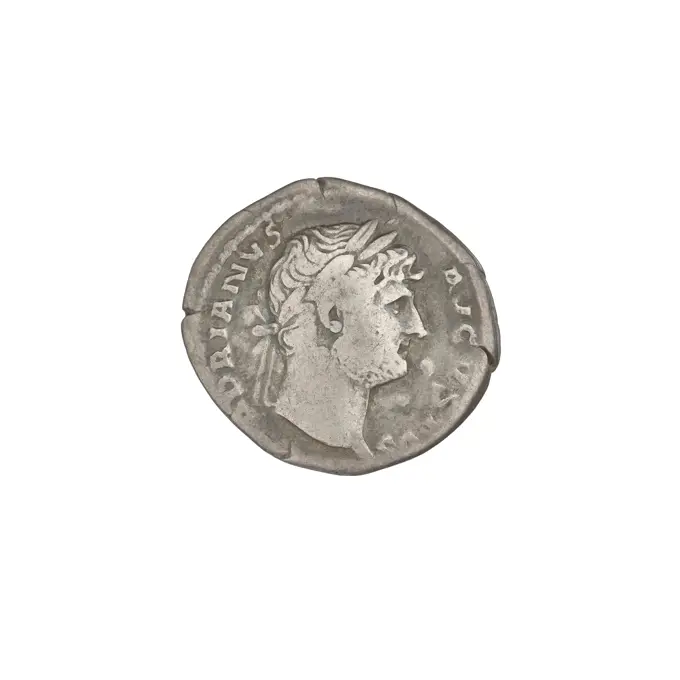
denarius; Hadrian (76-138; Roman emperor 117-138); 117 (114-00-00-117-00-00);branches, bustles, abundance horns, laurel wreaths
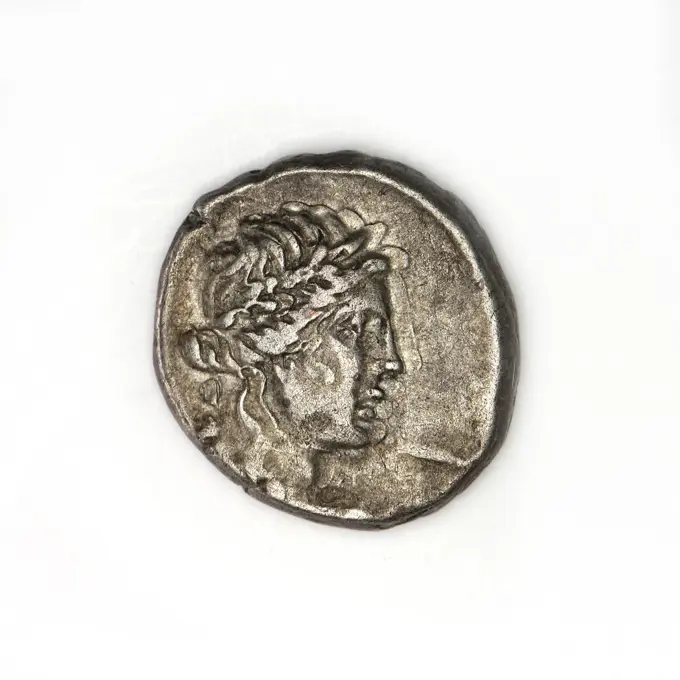
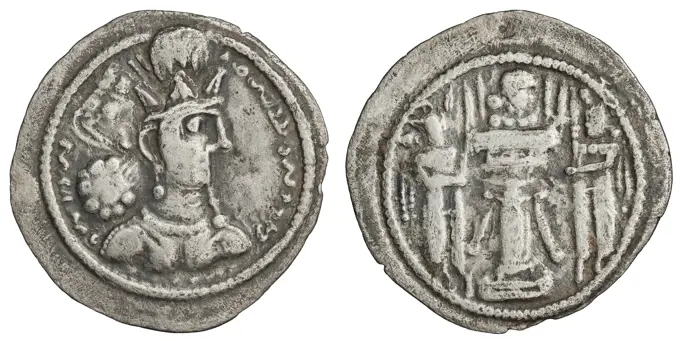
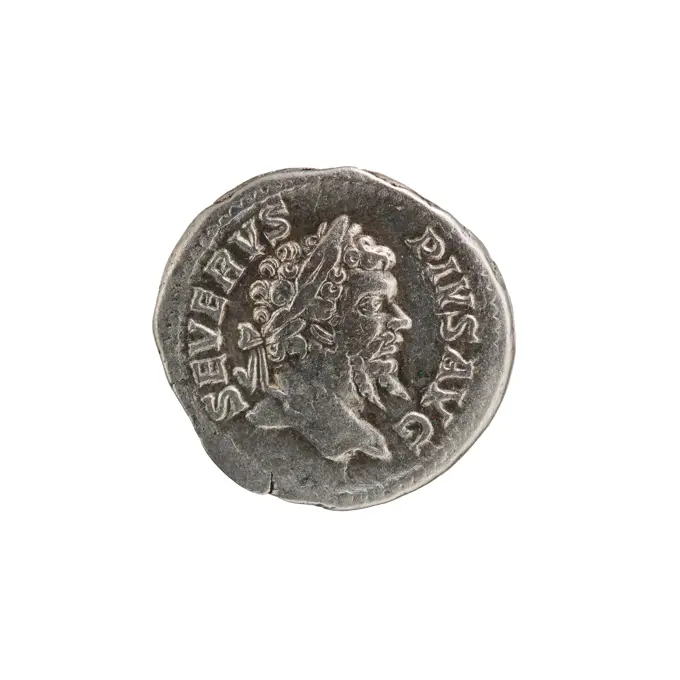
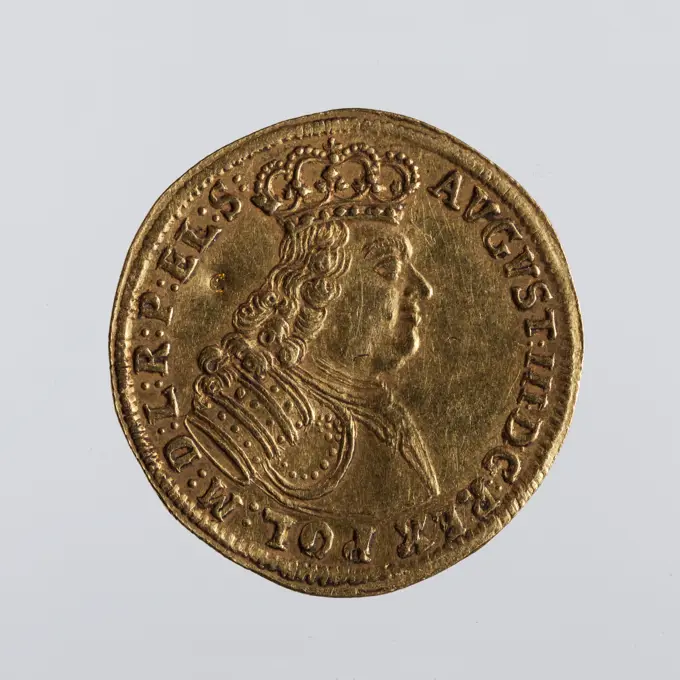
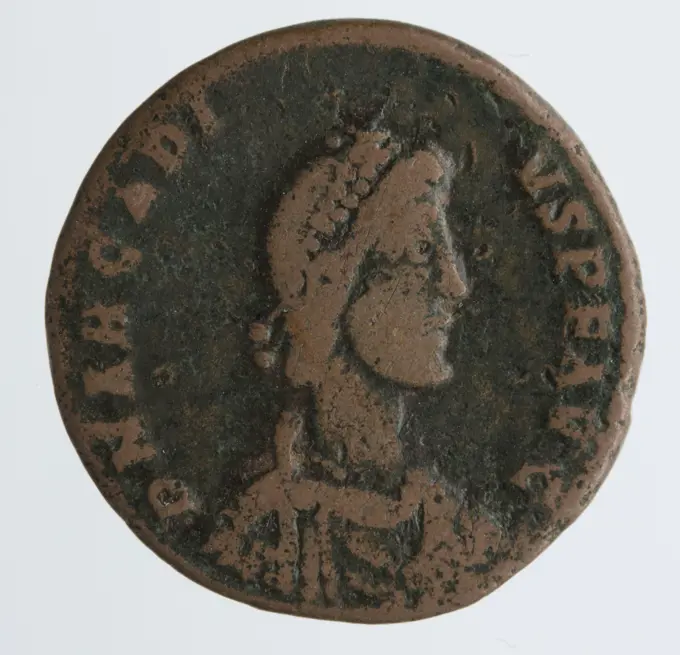
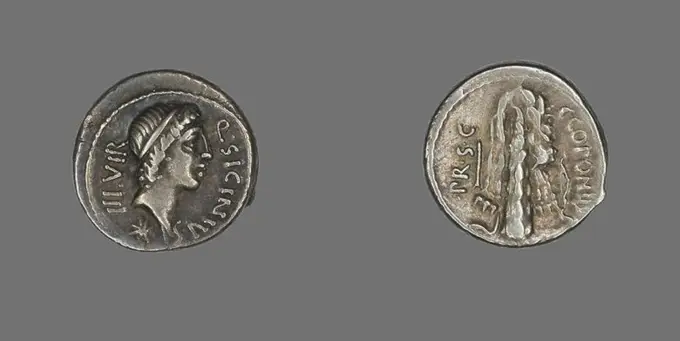
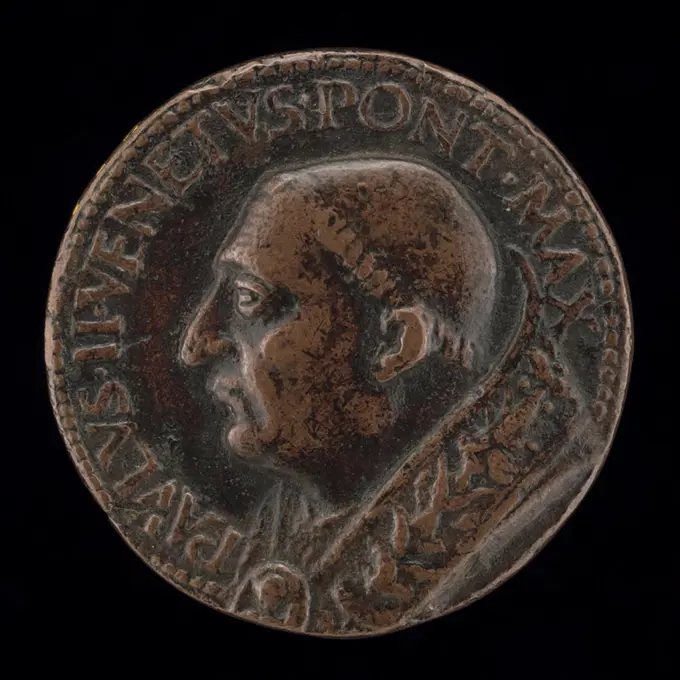
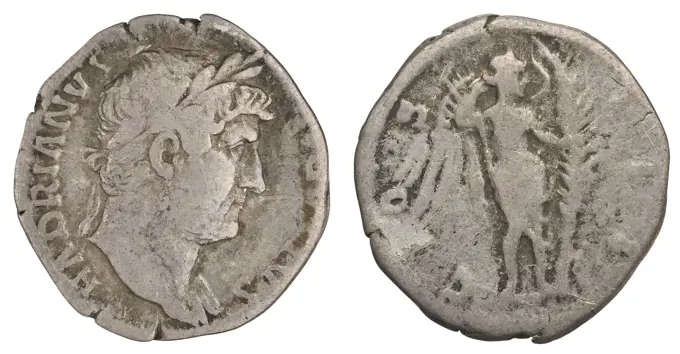
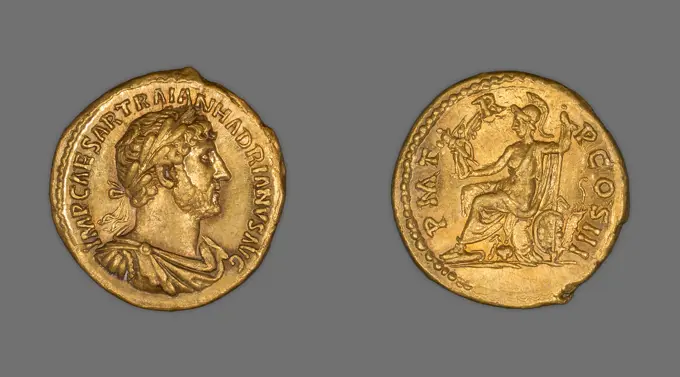
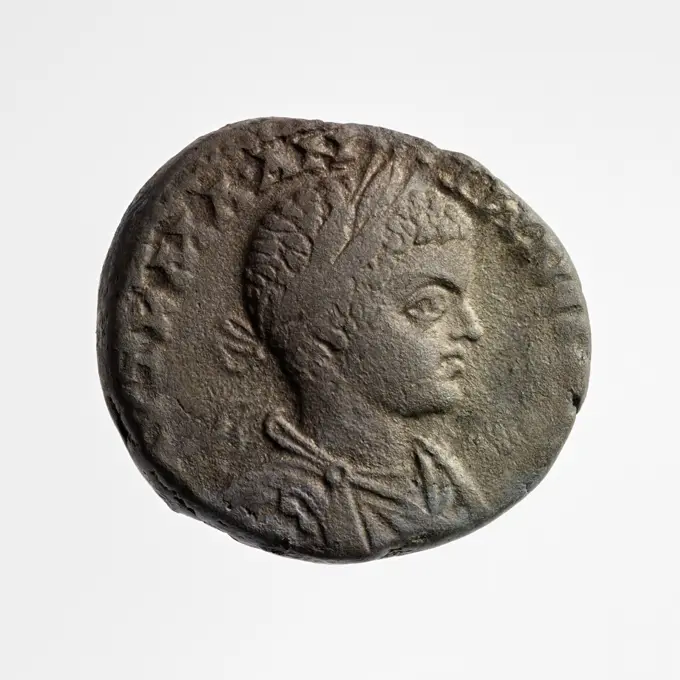
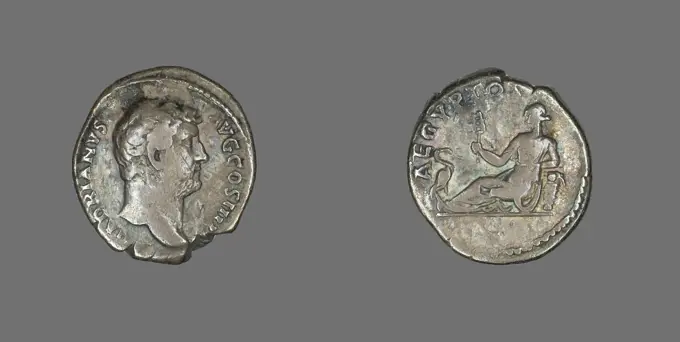
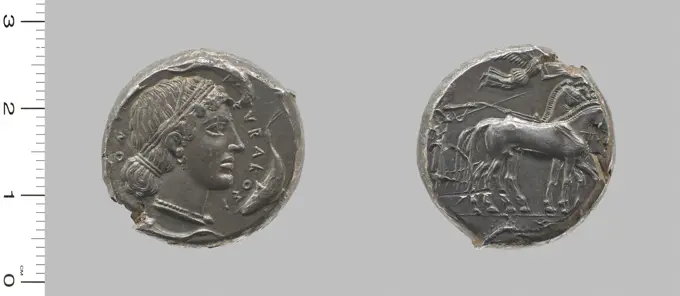
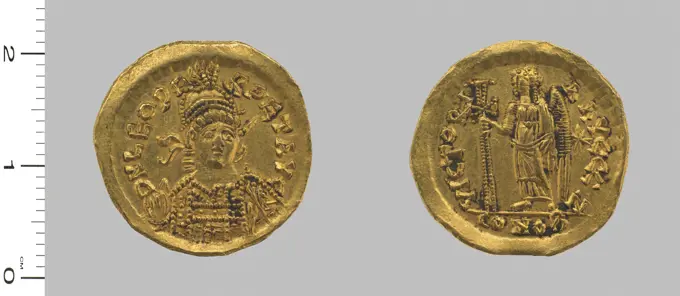
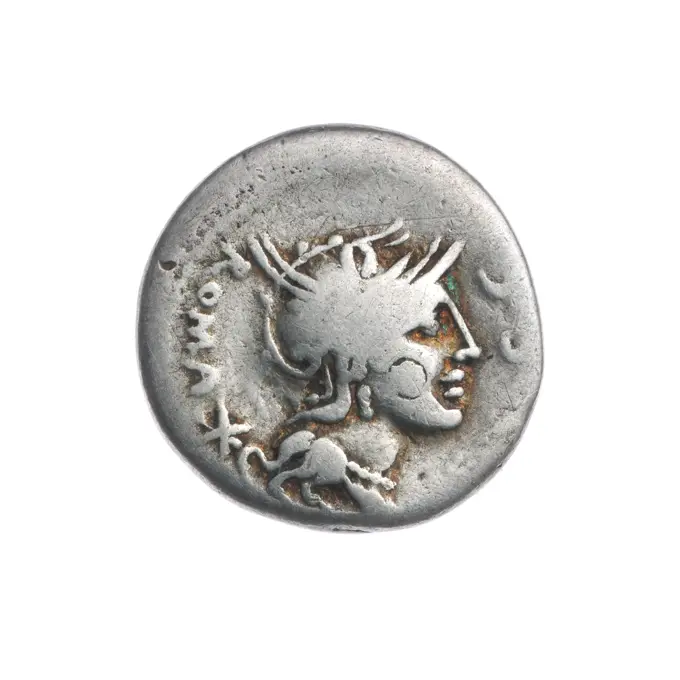
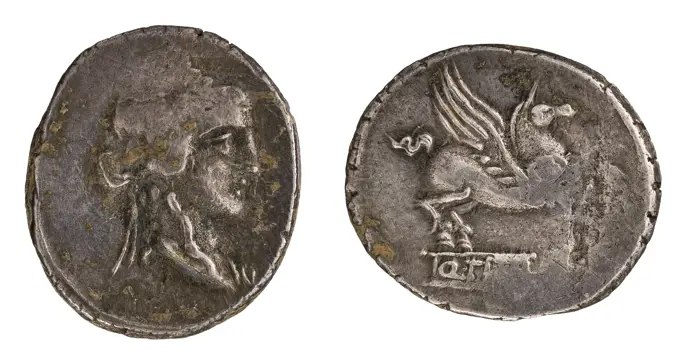
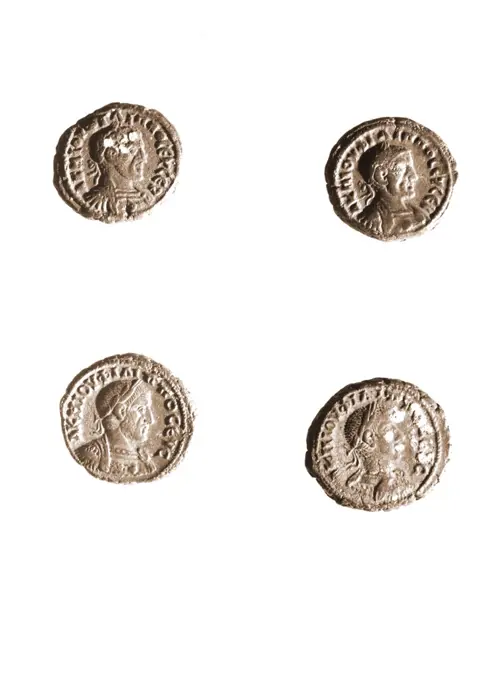
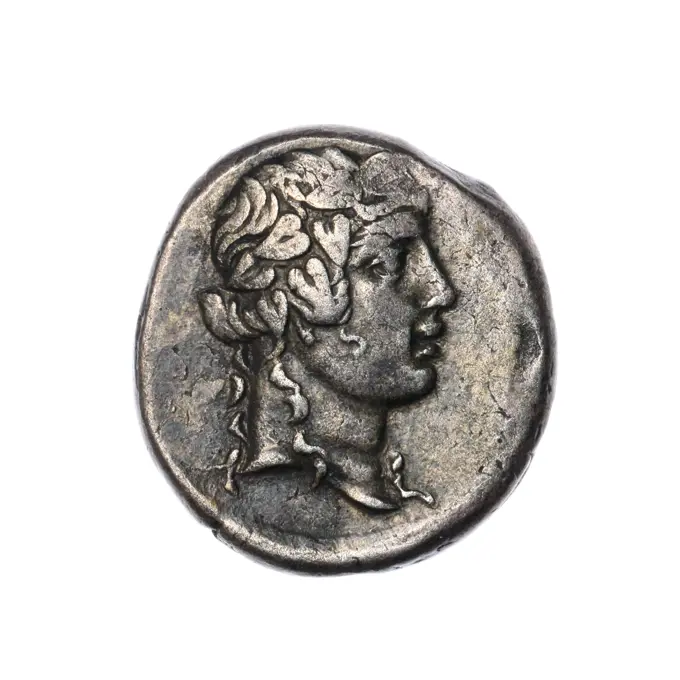
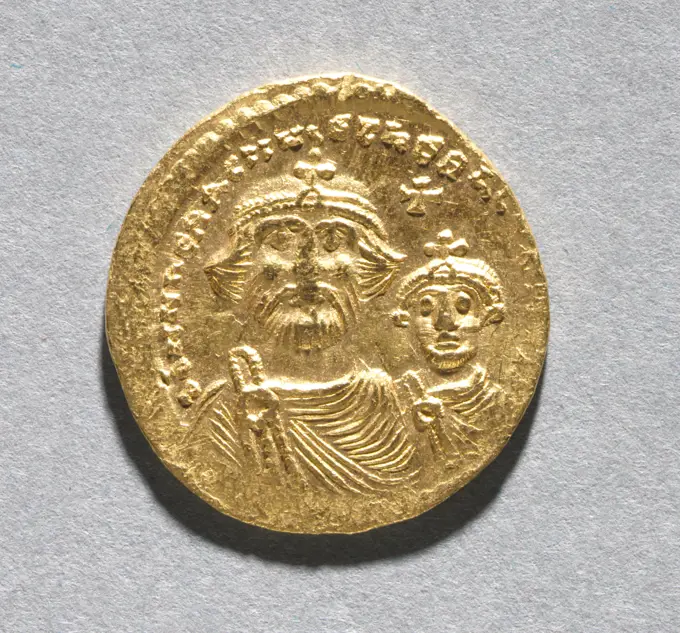
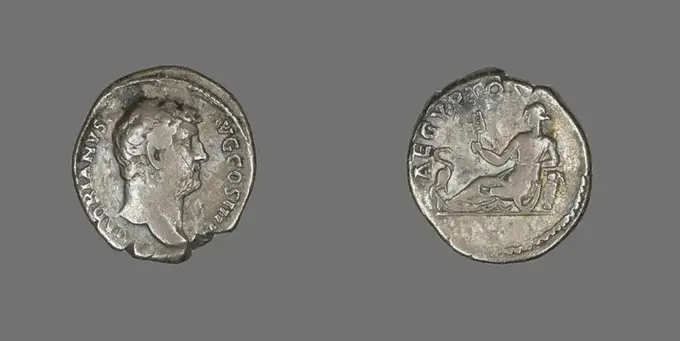
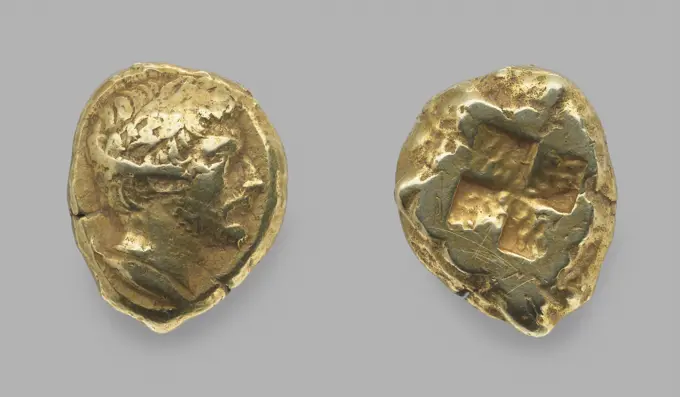
denarius; Hadrian (76-138; Roman emperor 117-138); 134-138 (134-00-00-138-00-00);Salus (personification), heads, plates, laurel wreathsdenarius. Trajan (cesarz rzymski ; 98-117), emperordenarius; Antoninus Pius (86-161; Roman emperor 138-161), Faustina older (98-141; Roman Empress 138-141); after 141 (141-00-00-166-00-00);Antoninien D'H�Nrenius, 250 Antoninian of Herennius. Silver, -250 BC.Cistophorus of Hadrian, Emperor of Rome fromPergamum. Ruler: Hadrian, Emperor of Rome, A.D. 76-138, ruled 117-38 Mint: Pergamum Artist: UnknownDrachm. Unknowndenarius. Trajan (cesarz rzymski ; 98-117), emperordenarius; Antoninus Pius (86-161; Roman emperor 138-161); 155-156 (150-00-00-151-00-00);denarius; Antoninus Pius (86-161; Roman emperor 138-161); 148-149 (147-00-00-148-00-00);Antonine of Gordien III, 243-244 Roman currency. Antoninian (or Anoninianus) of Gordien III. Silver, between 243 and 244.Antonine of Philip II, 247 Roman currency. Antoninian of Philip II (237-249), Roman Emperor. Silver (reverse). Between 244-246.Antoninien de Trajan D�ce, 250 Roman currency. Antoninian de Trajan Dece (201-251), Roman Emperor from 249 to 251. Silver (Apers). 250.Tetradrachm. UnknownDenar (with a hole); Antoninus Pius (86-161; Roman emperor 138-161), Marek Aureliusz (121-180; Roman emperor 161-180); 155-156 (155-00-00-156-00-00);Denarius (Coin) Depicting the Goddess Roma 114 BCE-113 BCE Roman Empire. The denarius, introduced in 211 BCE, was the principal silver coin of Rome for five hundred years. The profilehead of the goddess Romaóthe personification of Romeówas the most popular image depicted on silver denarii in the second and first centuries BCE.. Silver . Ancient RomanMoneda romana, Tiberio. Museum: MUSEO DE MATARÓ.denarius; Marek Aureliusz (121-180; Roman emperor 161-180); 178-179 (178-00-00-179-00-00);Drachma; Manuczitr III (I-II century); I-II century (488-00-00-00-497-00-00);denarius; Septimiusz Sewer (146-211; Roman emperor 193-211); 196-197 (177-00-00-177-00-00);Double Siglos. UnknownDenarius (Coin) Portraying Emperor Domitian 95 CE-96 CE Roman Empire. The front (obverse) of this coin portrays the head of Emperor Domitian, facing to the right. On the back, the goddess Pallas (Minerva) strides to the left, armed with a shield and spear.. Silver . Ancient RomanAntoninianus of Constantinus I. UnknownFalse coin, crown shilIIng, John II Casimir (1649 1668)denarius; Cloulius (Cloelius), T. (fl. 128 BC) (Leave); 128 BC (-128-00-00--128-00-00);Roma (mitol.), Wiktoria (personification), Wiktoria on the Biga (iconogr.), Bigi, Dar (provenance), Roma's head in a helmet (iconogr.), Horses, ears, wreathsMichał Korybut Wiśniowiecki (1669-1673), Two Rozduk Elbląg, Elbląg; 1672 Mint Elbląg, Michał Korybut Wiśniowieckidrachm. Kawades I (szachinszach Persji ; 488-496 i 498-531), rulerTetradrachm of Elegabalus. UnknownANTONINO PIO MONEDA EN BRONCE. Location: MUSEO DE LAS TERMAS. Rome. ITALIA. ANTONINO PIO. TITO AURELIO FULVIO (Antonino Pío).Drachma; Fanagoria; 1. part  1st century BC (-100-00-00--71-00-00);Apollo (mitol.denarius. Hadrian (Roman emperor; 117-138), emperorVintage Roman coin Vintage looking Ancient Roman coins from Italy Copyright: xZoonar.com/ClaudioxDiviziax 9950669drachm. Szapur II (szachinszach Persji ; 309-379), rulerdenarius; 205 (177-00-00-177-00-00);Roman denarus of Emperor Antonius Pius (86-161); Antonius Pius (86-161; emperor; 138-161); 158-159 (158-00-00-159-00-00);Didrachm. Unknowndenarius; Marek Aureliusz (121-180; Roman emperor 161-180); 161-162 (161-00-00-162-00-00);Denarius from Movingmint.  Mint: Moving mint Artist: Unknown Magistrate: L. Cornelius BalbusMagistrate: Augustus, Emperor of Rome, 63 B.C.-A.D. 14, ruled 27 B.C.-A.D. 14Carnavalet Museum, Medals CollectionSemissis of Heraclius, Emperor of the Byzantine Empire fromConstantinople. Ruler: Heraclius, Emperor of the Byzantine Empire, ca. 575-641, ruled 610-41 Mint: Constantinople Artist: UnknownAS; Sabina (83-137; Roman Empress 117-137), Hadrian (76-138; Roman emperor 117-138); 117-137 (134-00-00-138-00-00);Concordia (Personification), Patery, Busterssestertius. Hadrian (Roman emperor; 117-138), emperorRoman coin. High Empire. 1st century. Legend: C. Caesar Aug ger (mani) cus imp. Caligula era. Bronze. Mint of Segobriga. Historical Museum of Sabadell. Catalonia, Spain.False Coin, Coin, 84 83 BC, Lucius Sulla (138 78 bc), Romana RepubiicAugust III SAS (1733-1763), Gdańsk Dukat, Sample, Gdańsk; 1734 Mint Gdańsk, August III Sas (Polish king; 1696 1763)Double Siglos. Unknowndenarius; Hadrian (76-138; Roman emperor 117-138); 125-128 (119-00-00-122-00-00);Roma (mitol.), Heads, laurel wreaths, spearsBliżej Kultury Lots, Menna NicomediaDenarius (Coin) Depicting the God Apollo. Roman. Date: 49 BC-48 BC. Dimensions: Diam. 1.8 cm; 3.95 g. Silver. Origin: Roman Empire. Museum: The Chicago Art Institute, Chicago, USA. Author: ANCIENT ROMAN.Paul II (Pietro Barbo, 1417-1471), Pope 1464 obverse. Dated: 1465. Dimensions: overall (diameter): 3.4 cm (1 5/16 in.). Medium: bronze. Museum: National Gallery of Art, Washington DC. Author: Roman 15th Century.denarius. Hadrian (Roman emperor; 117-138), emperorDenarius (Coin) Depicting the Goddess Minerva. Ancient Italian (Marsic Confederation). Date: 87 BC. Dimensions: Diam. 1.8 cm; 3.85 g. Silver. Origin: Samnium. Museum: The Chicago Art Institute, USA. Author: ANCIENT ROMAN.denarius. Hadrian (Roman emperor; 117-138), emperorAureus (Coin) Portraying Emperor Hadrian Struck 120 CE-123 CE Roman Empire. Portraits of important people appear on local currency all around the world. The same was true in ancient Rome, which began producing its first coinage in the late 4th century BC. Early coins depicted the heads of gods and goddesses on the front side, often in profile, while the back depicted animals, natural resources, symbols, and references to historical events. It was not until 44 BC that the portrait of a living personóJulius Caesaróappeared on coins. Thereafter, profile portraits of rulers or other members of the imperial family became the standard subject on coins throughout the Roman Empire.Inscriptions on coins help identify the ruler. While the front side depicted the sovereignís portrait, the back was often used to communicate the rulerís accomplishments or aspirations. Until Late Antiquity, portraits usually appeared in profile. The tiny images were carved by engravers into bronze dies, with one forRoman-Syrian Billon Tetradrachm. Unknowndenarius; Marek Aureliusz (121-180; Roman emperor 161-180); 176-180 (176-00-00-180-00-00);denarius. Memmius Gal, C. (fl. 87 a.C.), monetary officer, Memmius Gal, L. (fl. 87 a.C.), monetary officer, Republika Rzymska, issuerDenarius (Coin) Portraying Emperor Hadrian 134 CE-138 CE Roman Empire. The front (obverse) of this coin portrays the head of Emperor Hadrian, facing to the right. On the back (reverse), the personification of Egypt is seated, holding a sistrum (a type of musical instrument), and facing an ibis. Egypt was the richest province of the Roman Empire and an important source of grain. The sistrum was an emblem of Egypt and used by priests of Isis in religious ceremonies.. Silver . Ancient RomanPlanets-manager. Cornalet Collection Sites 2013-2016. Numismatic.dupondius; Trajan (53-117; Roman emperor 98-117); 115-116 (112-00-00-117-00-00);Felicitas (personification), heads, radial crown, abundance hornsTetradrachm fromSyracuse.  Mint: Syracuse Artist: Unknowndenarius; Marek Aureliusz (121-180; Roman emperor 161-180); 161-180 (161-00-00-180-00-00);NUMISMATICA. MONEDA REPUBLICA ROMANA. DIDRACMA DE PLATA. ANVERSO. CABEZA DE HERCULES A LA DERECHA CON EL PELO LIMITADO A UNA CINTA, LLEVA PORRA Y PIEL DE LEON EN EL HOMBRO. 269 A.C. (DEPOSITO: MUSEO ARQUEOLOGICO NACIONAL).Solidus of Flavius Jovianus Augustus fromAntioch. Ruler: Flavius Jovianus Augustus 363-364 Mint: Antioch Artist: UnknownDenier of Maximin, 237 Anonymous. Denier of Maximin, 237. Money.False Coin, Crown Six Groschen, 1596, Sigismund III Vasa (1587 1632)False Coin, Gdańsk Ort, 1612, Sigismund III Vasa (1587 1632)tetradrachma. Gelon tyran Syrakuz, rulerDrachma; Chosroes II (W Adca Persia; 590-628); 590-628 (488-00-00-497-00-00);Ruler: Gratian, Emperor of Rome, A.D. 359-383, ruled 367-83, Mint: Trier, Solidus of Gratian, Emperor of Rome fromTrier, 367-83, Gold, 4.47 g, 6:00, 20.6mm, Made in Trier, Gallia Belgica, Roman, 4thcentury, NumismaticsStater fromCaria.  Mint: Caria Artist: UnknownSolidus of Leo I, Roman Emperor in the West fromConstantinople. Ruler: Leo I, Roman emperor in the West A.D. 457-474 Mint: Constantinople Artist: Unknowntetradrachma. Ptolemeusz I Soter (323-282 p.n.e.), rulerdenarius; Sergius Silus, M. (fl. 116-115 A.C.); 116-115 BC (116-00-00-115-00-00);Roma (mitol.), Roma head in a helmet (iconogr.), Heads, helmets, riders, horses, swordsdenarius. Titius, Q. (fl. 90 a.C.), monetary officer, Republika Rzymska, issuerPhilipp Melanchton, Friedrich Hagenauer, 1543 history medal Silver medal. Front: breastpiece man inside change. Reverse: Inscription Cologne silver (metal) castingAbruzzo, L'Aquila, S. Giuliano (L'Aquila environs), Museo, Italy, 20th century, photo, photography, EuropeAncinca, Kalan is king of Elpal, a Pagaher, 1 Quanart of the 3 Setts, Debsta) PanticapaeumTetradrachm. UnknownDrachm of Agathocles I fromSyracuse. Ruler: Agathocles I, 361-289 B.C. Mint: SyracuseMint: Corinth, Stater fromCorinth, 525-500 B.C., Silver, 8.205 g, 24mm, Made in Corinth, Peloponnese, Greek, 6th century B.C., NumismaticsDidrachma; Pantikapaion; 1. W. 1st century BC (-100-00-00--76-00-00);Dionysos (mitol. , purchase (provenance)drachm. ChersonezTetradrachm (Coin) Portraying Alexander the Great as Herakles 336 BCE-323 BCE Ancient Greece. The purpose of the first portrait coins was to identify the ruler. The front side became a mirror of the sovereignís self-image. The back was often used to communicate the rulerís accomplishments or intentions. The profile portrait was used because it suited the very shallow depth and limited surface of the coin. The tiny images were carved by engravers into bronze dies, one for the front and another for the back. The coins were then struck, one by one, in a process similar to how modern coins are created today.Certainly the best-known face in antiquity was that of Alexander the Great (reigned 336ñ323 BCE), whose profile, seen in this coin here, graced coins for two hundred years. He collected the treasure of conquered kingdoms as he swept across the Near East, and with this rich booty he set up mints that produced coins bearing his portrait. The back (reverse) of this coin depicts the god ZeuSolidus with Heraclius and his Son Heraclius Constantine (obverse), c. 616-625. Byzantium, 7th century. Gold; diameter: 2 cm (13/16 in.).Denarius (Coin) Portraying Emperor Hadrian. Roman, minted in Rome. Date: 134 AD-138 AD. Dimensions: Diam. 1.9 cm; 3.01 g. Silver. Origin: Roman Empire. Museum: The Chicago Art Institute, Chicago, USA. Author: ANCIENT ROMAN.denarius; Julia Domna (Ca 160-217; Roman Empress 193-211); 198-209 (177-00-00-177-00-00);Stater fromCyzicus.  Mint: Cyzicus Artist: Unknown Honorand: Demosthenes, Athenian orator and politicianBrown coin; Fanagoria; 1. W. 1st century BC (-100-00-00--76-00-00);Apollo (mitol. (provenance)Didrachm. UnknownRoman denarus of Emperor Marek Aurelius (164-180); Marek Aureliusz (121-180; Roman emperor 161-180); 164-169 (164-00-00-169-00-00);Ring; Greece; late 5th century B.C; Bronze; 2.3 × 1.8 cm (15,16 × 11,16 in.)Julius Caesar (100-44 b.c.) Silver denarius recto , 44 BC. Rome. Museum: Jan Vinchon Numismatist, Paris, France. JULIO CESAR.tetradrachma; Ptolemy and Soter (W Adca Egypt; 323-283 BC); 300-283 BC (-300-00-00--283-00-00), 305-285 BC (305-00-00-285-00-00);Greek coins departmentNUMISMATICA. MONEDA VISIGODA. TERCIO DE SOLIDO DE ORO, DE LIUVA II. REVERSO. BUSTO DE FRENTE. 601-603. (DEPOSITO: MUSEO ARQUEOLOGICO NACIONAL).Mint: Clarentza, Tetradrachm fromClarentza, 449-404 B.C., Silver, 16.71 g, 9:00, 25mm, Made in Clarentza, Peloponnese, Greek, 5th century B.C., NumismaticsMichael Korybut Wiśniowiecki (1669-1673), Coronation Medal; 1669 Höhn, Jan (m .; Ca 1641 1693), Höhn, JanRoman coin. Agrippina Augustae. ITALY.John II Kazimierz (1649-1668), Crown Two Day, Wschowa; 1650 Mint of Wschowa, Jan KazimierzSeleucids, Antiochus 2 Theos (261 246), Tetradrachin, Seleucia on the tiger Mennica Seleucia  Tiger, Antiochus 1Tetradrachm, 380 BC. Sicily, Greece, 4th century BC. Silver; diameter: 2.5 cm (1 in.).