Ancient Roman Coins

Collection of denarii featuring prominent Roman emperors, showcasing detailed portraits and inscriptions from antiquity.
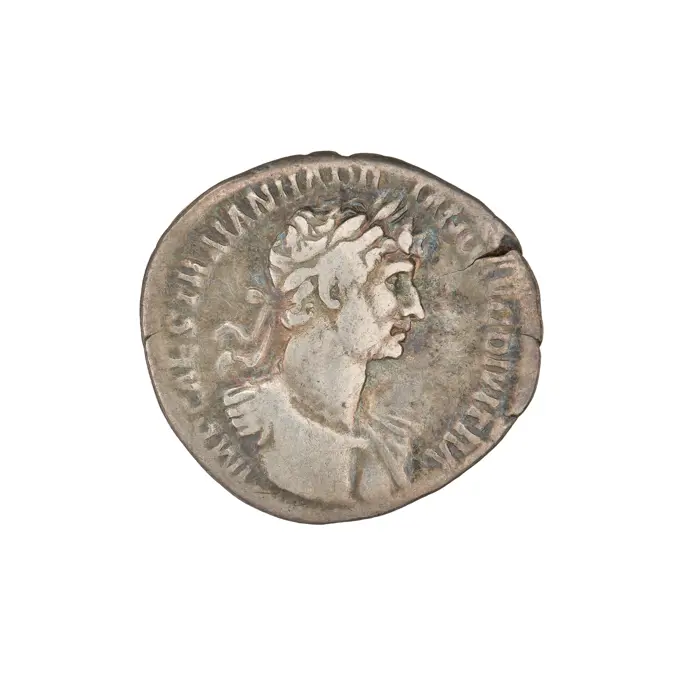
denarius; Hadrian (76-138; Roman emperor 117-138); 117 (114-00-00-117-00-00);branches, bustles, abundance horns, laurel wreaths
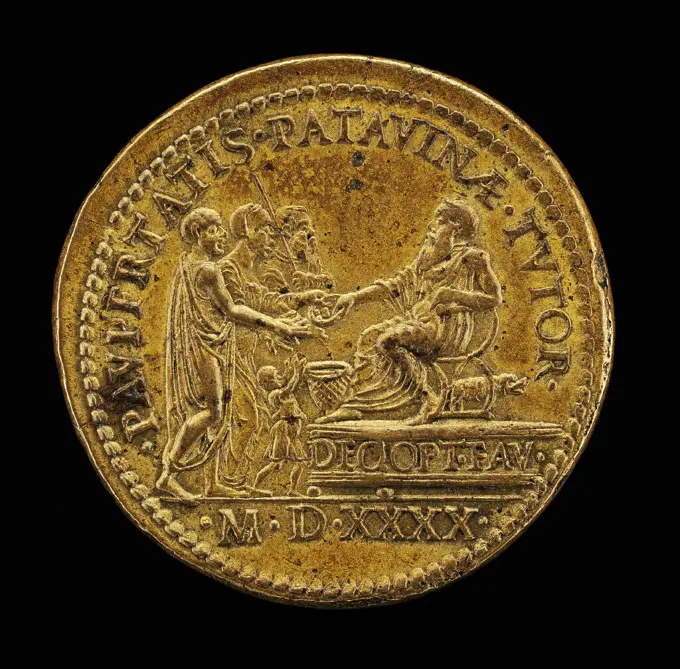
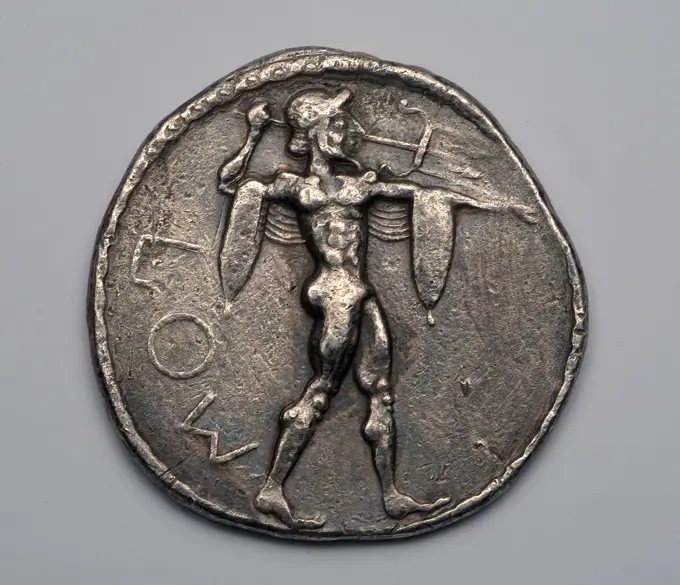
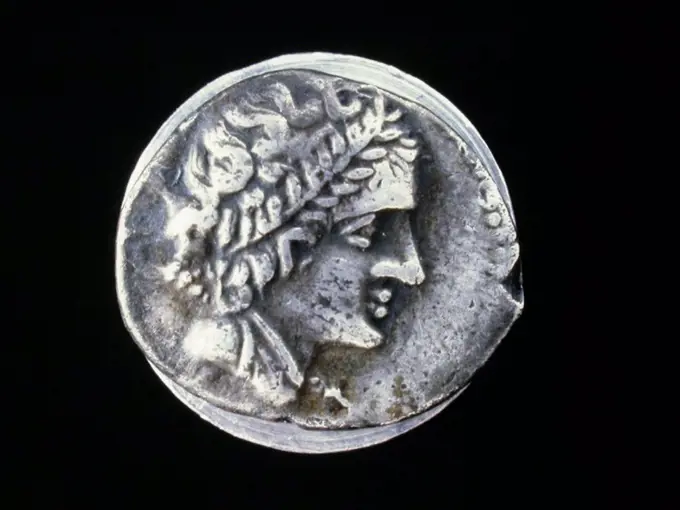
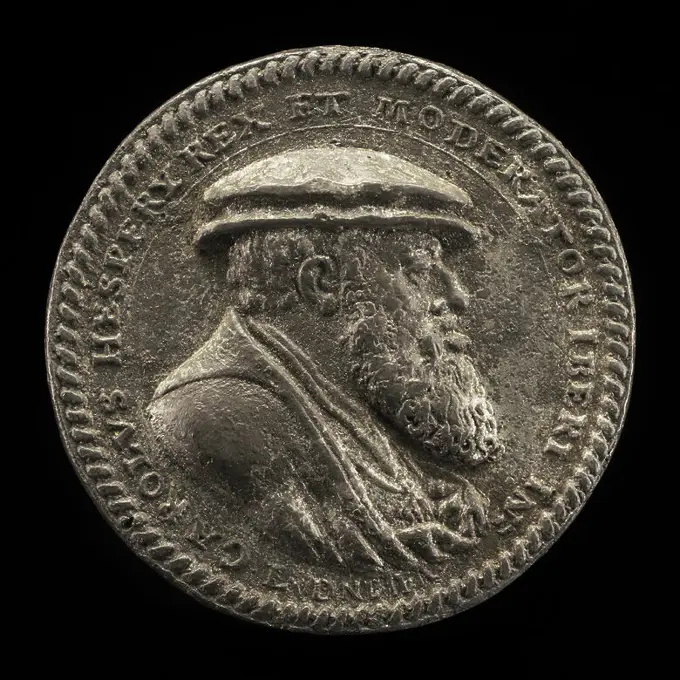
Denarius of Philipus. UnknownBadge: August 1, Switzerland National Day HugueninCornaro Distributing Alms reverse. Dated: 1540. Dimensions: overall (diameter): 3.73 cm (1 7/16 in.) gross weight: 28.19 gr (0.062 lb.) axis: 4:00. Medium: bronze//Struck. Museum: National Gallery of Art, Washington DC. Author: Giovanni da Cavino.Upami medal Bogus Awa Radziwi (1620-1669); Höhn, Johann (Ca 1642-1693; m 19th century (1801-00-00-1900-00-00);Aureus (Coin) Portraying Emperor Nero 66 CE-67 CE Rome. Portraits of important people appear on local currency all around the world. The same was true in ancient Rome, which began producing its first coinage in the late 4th century BC. Early coins depicted the heads of gods and goddesses on the front side, often in profile, while the back depicted animals, natural resources, symbols, and references to historical events. It was not until 44 BC that the portrait of a living personóJulius Caesaróappeared on coins. Thereafter, profile portraits of rulers or other members of the imperial family became the standard subject on coins throughout the Roman Empire.Inscriptions on coins help identify the ruler. While the front side depicted the sovereignís portrait, the back was often used to communicate the rulerís accomplishments or aspirations. Until Late Antiquity, portraits usually appeared in profile. The tiny images were carved by engravers into bronze dies, with one for the front and anothRetro look Coin isolated Vintage looking coin isolated over a white background Copyright: xZoonar.com/ClaudioxDiviziax 5840983stater.Coin fromIstrus.  Mint: Istrus Artist: UnknownNUMISMATICA. MONEDA IBERICA. DRACMA DE PLATA. ANVERSO. CABEZA VARONIL DIADEMA A LA DERECHA. 219 A.C. (DEPOSITO: MUSEO ARQUEOLOGICO NACIONAL).Charles V, 1500-1558, King of Spain 1516-1556, Holy Roman Emperor 1519 obverse. Dated: 1542. Dimensions: overall (diameter): 4.13 cm (1 5/8 in.) gross weight: 19.58 gr (0.043 lb.) axis: 12:00. Medium: pewter//Struck?. Museum: National Gallery of Art, Washington DC. Author: LUDWIG NEUFAHRER.Medals & Medallions - Misc. May 21, 1951.NUMISMATICA. MONEDA REPUBLICA ROMANA. DENARIO DE PLATA, DE LA FAMILIA TERENTIA-VARGUNTEIA. REVERSO. JUPITER EN CUADRIGA MARCHANDO A LA DERECHA, LLEVA RAYO Y RIENDAS EN LA MANO IZQUIERDA, Y UNA RAMITA EN LA MANO DERECHA. 130 A.C. (DEPOSITO: M.A.N.).Currency of Athens, vintage engraved illustration. Industrial encyclopedia E.-O. Lami - 1875.