Ancient Roman Coins

A variety of ancient coins showcasing emperors, gods, and intricate designs, including tetradrachm and didrachm pieces from different regions of the Roman Empire.

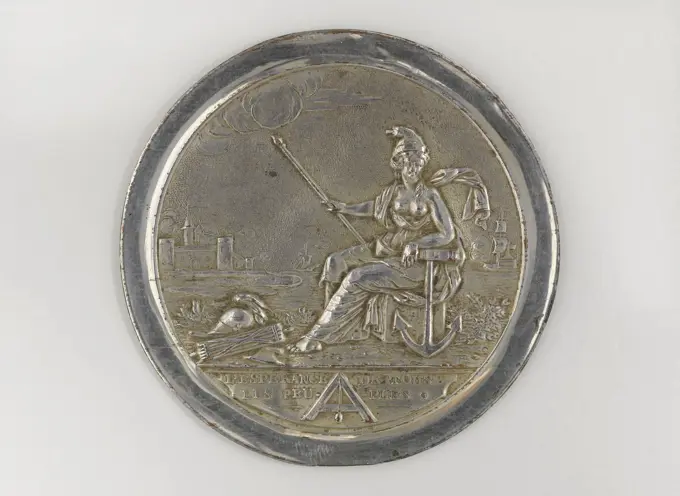
Hendrik III Count of Nassau-Breda, Anonymous, 1503 history medal. copy Silver medal. Netherlands silver (metal)
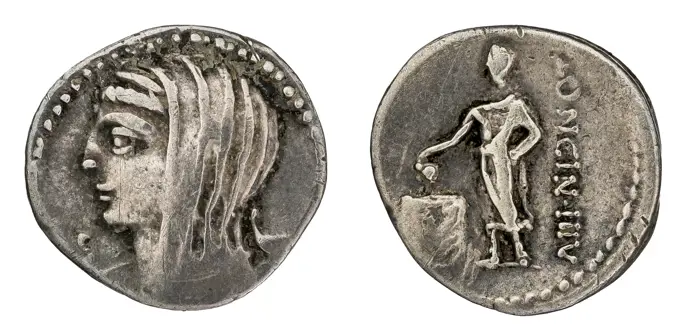
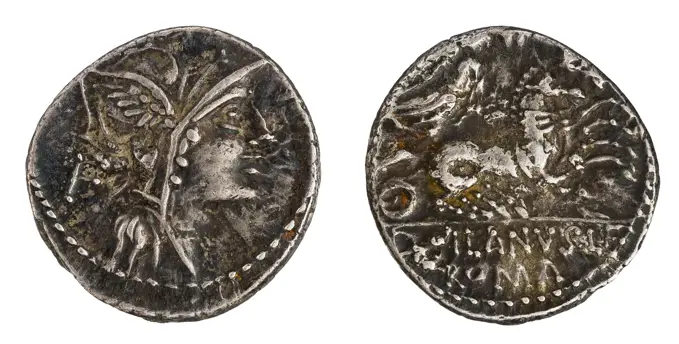
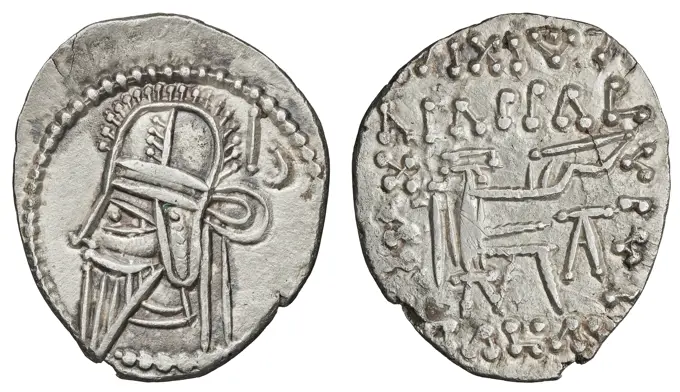
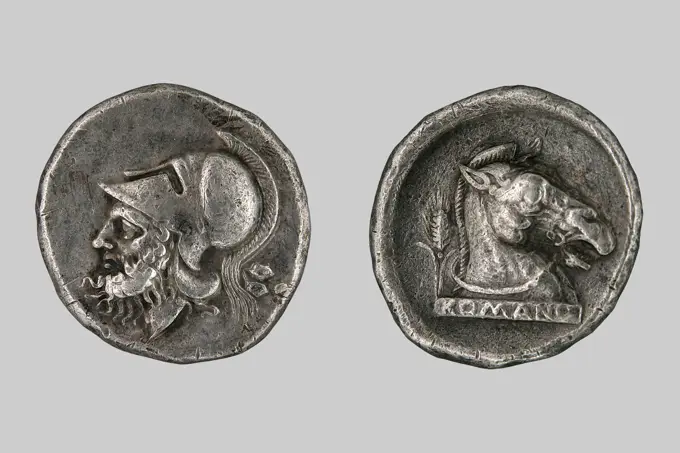
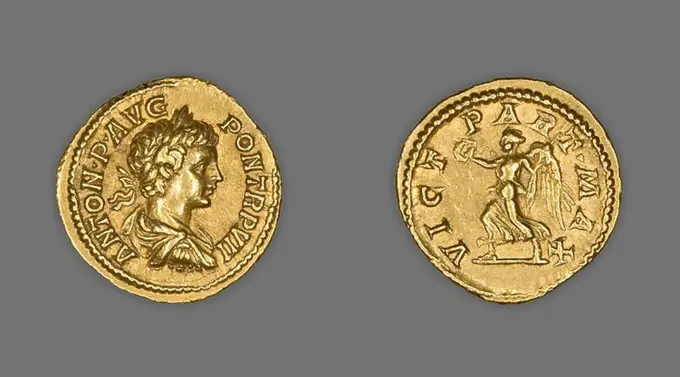
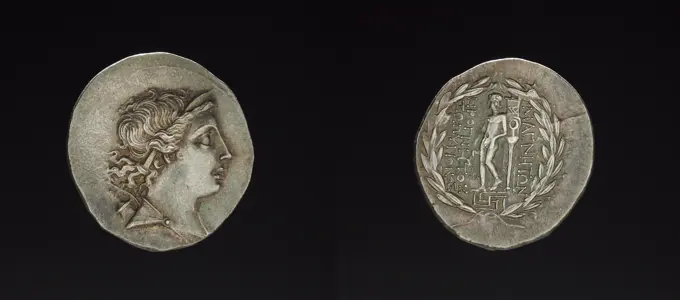
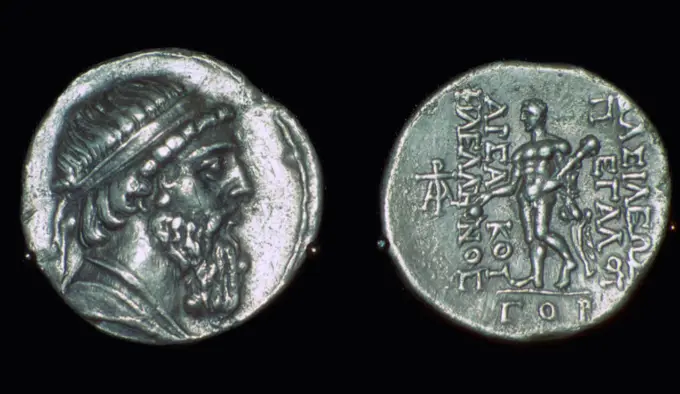
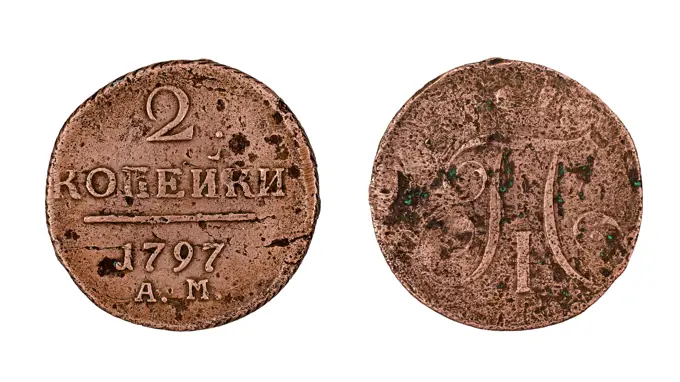
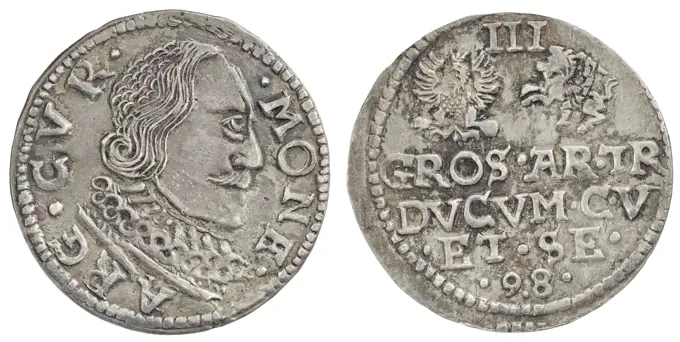
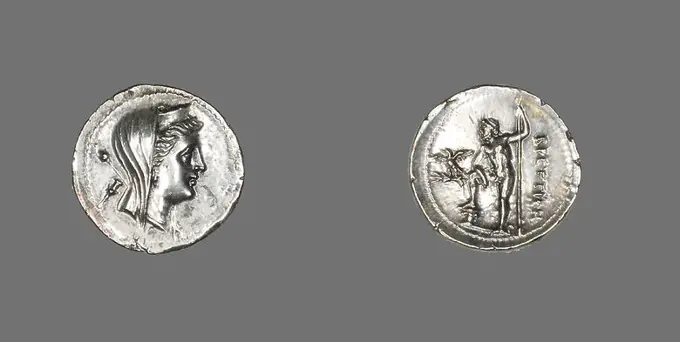
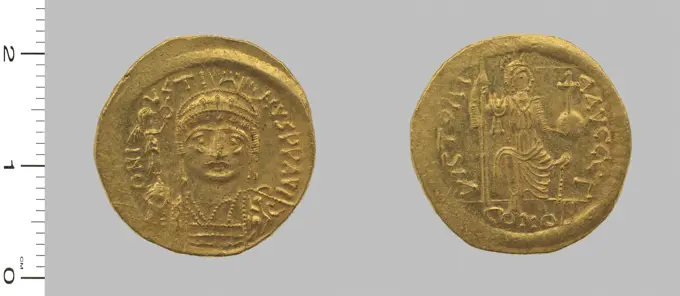
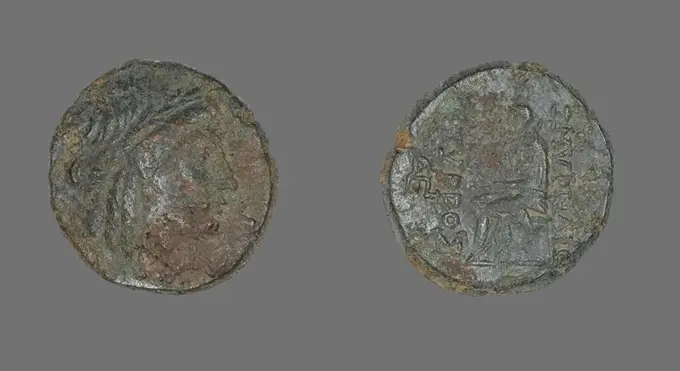
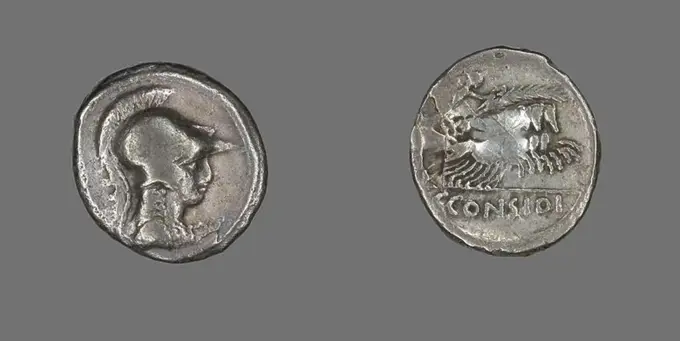
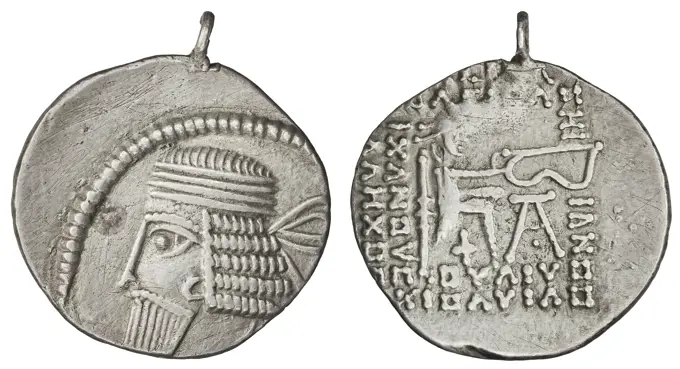
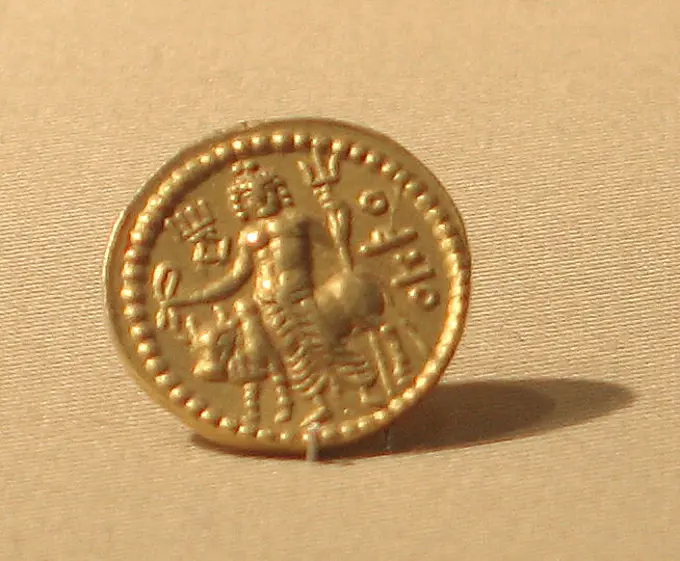
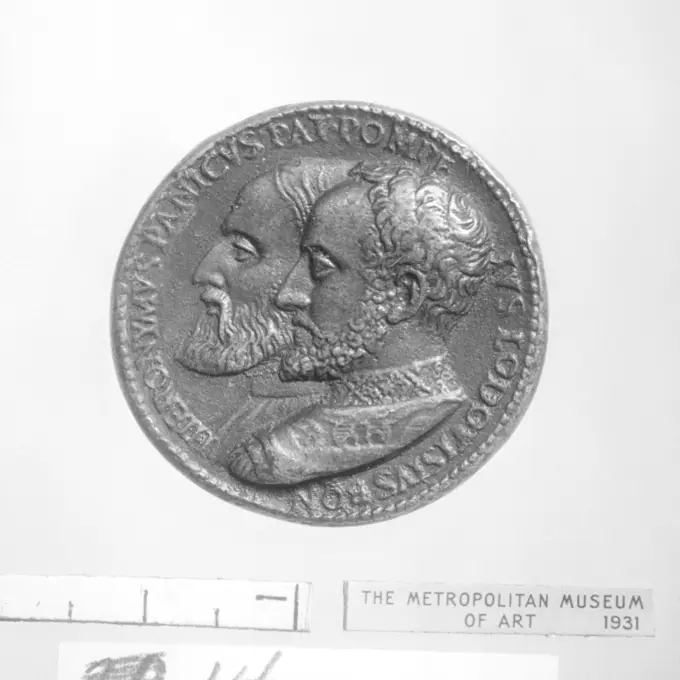
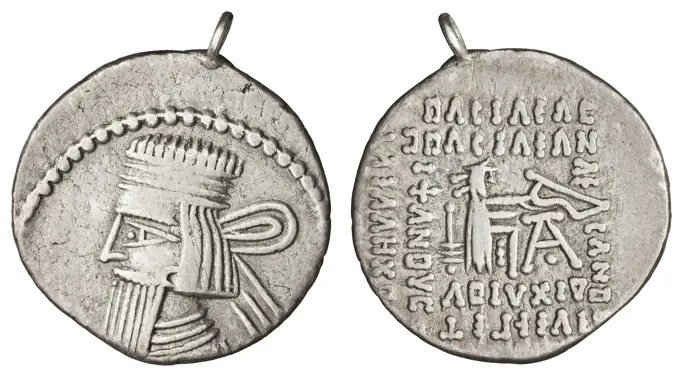
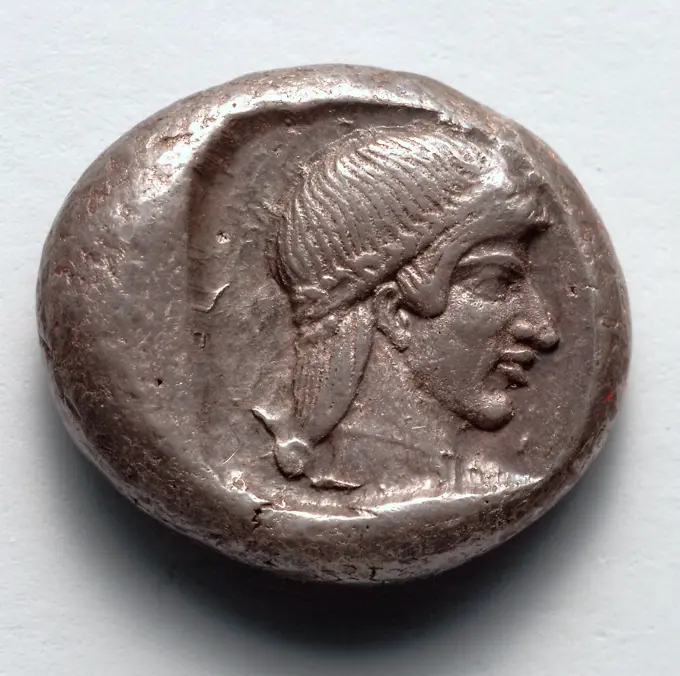
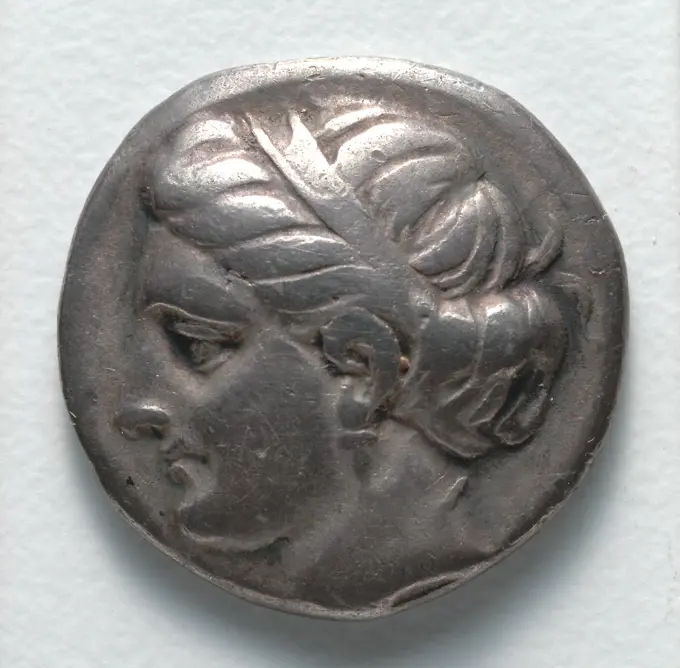
Denarius of Augustus, Emperor ofRome. Ruler: Augustus, Emperor of Rome, 63 B.C.-A.D. 14, ruled 27 B.C.-A.D. 14 Mint, possibly by: Colonia CaesaraugustaTetradrachm fromChersonesus.  Mint: ChersonesusCoin of Tissaphernes fromAstyra. Ruler: Tissaphernes Mint: Astyra Artist: UnknownCoin Portraying Emperor Constantius I. Roman. Date: 293 AD-306 AD. Dimensions: Diam. 2.7 cm; 8.77 g. Bronze. Origin: Roman Empire. Museum: The Chicago Art Institute, Chicago, USA. Author: ANCIENT ROMAN.denarius. Cassius Longinus, L. (fl. 63 a.C. ; 48 a.C.), monetary officer, Republika Rzymska, issueras. Hadrian (Roman emperor; 117-138), emperordenarius. Hadrian (Roman emperor; 117-138), emperorRoman Empire, Constantine and Chlora (293 305), Trzyra 294 N.E.; Follis, Coins (AR) Constantius Chlorus, Mint of TREWIRCoin Depicting the Goddess Athena. Greek. Date: 387 BC-301 BC. Dimensions: Diam. 1.7 cm; 5.78 g. Bronze. Origin: Ancient Greece. Museum: The Chicago Art Institute, USA.Coin Depicting the God Serapis. Roman, minted in Smyrna, Ionia. Date: 193 AD-211 AD. Dimensions: Diam. 1.6 cm; 1.89 g. Bronze. Origin: Izmir. Museum: The Chicago Art Institute, Chicago, USA. Author: ANCIENT ROMAN.Coin Depicting the Goddess Artemis. Greek. Date: 190 BC. Dimensions: Diam. 1.6 cm; 3.17 g. Bronze. Origin: Ancient Greece. Museum: The Chicago Art Institute, Chicago, USA.denarius. Iunius Silanus, D. (fl. 91 a.C), monetary officer, Republika Rzymska, issuer1 Nummus of FlaviusVictor. Ruler: Flavius Victor Artist: Unknowndrachm. Wologezes V (191-208), rulerdenarius. Hadrian (Roman emperor; 117-138), emperorCoin Portraying Emperor Constantine I. Roman, minted in London or Arles. Date: 319 AD-320 AD. Dimensions: Diam. 1.8 cm; 2.66 g. Bronze. Origin: Roman Empire. Museum: The Chicago Art Institute, Chicago, USA. Author: ANCIENT ROMAN.Mint: Thebes, Tetartemorion fromThebes, 405-395 B.C., Silver, 0.21 g, 6mm, Made in Thebes, Boeotia, Greek, 5th-4th century B.C., NumismaticsCoin Portraying Emperor Gallienus. Roman, minted in Alexandria, Egypt. Date: 253 AD-260 AD. Dimensions: Diam. 2.5 cm; 12.59 g. Billon. Origin: Roman Empire. Museum: The Chicago Art Institute, Chicago, USA. Author: ANCIENT ROMAN.didrachm. Anonimowy, monetary officer, Republika Rzymska, issuerdrachm. Artabanus IV (król Partii ; 213-224), kingCistophorus of Hadrian, Emperor of Rome fromNicomedia. Ruler: Hadrian, Emperor of Rome, A.D. 76-138, ruled 117-38 Mint: Nicomedia Artist: UnknownSestertius (Coin) Portraying Emperor Galba. Roman, minted in Rome. Date: 68 AD. Dimensions: Diam. 3.5 cm; 21.18 g. Bronze. Origin: Roman Empire. Museum: The Chicago Art Institute, Chicago, USA. Author: ANCIENT ROMAN.Byzantine Empire, Justinian 1 (527 565), Constantinople, Follis, Bronze (AE) Justinian I (527 565), Mint of ConstantinopleCoin Portraying Emperor Victorian I. Roman. Date: 265 AD-267 AD. Dimensions: Diam. 2.1 cm; 2.99 g. Bronze. Origin: Roman Empire. Museum: The Chicago Art Institute, Chicago, USA. Author: ANCIENT ROMAN.Dupondius of Augustus, Emperor of Rome fromLugdunum. Ruler: Augustus, Emperor of Rome, 63 B.C.-A.D. 14, ruled 27 B.C.-A.D. 14 Mint: Lugdunum Artist: UnknownDrachma; Kawades I (Szachinszach Persia; 488-496 and 498-531); 488-497 and 499-531 (488-00-00-497-00-00);Aureus (Coin) Portraying Emperor Caracalla. Roman, minted in Rome. Date: 204 AD. Dimensions: Diam. 2.1 cm; 7.23 g. Gold. Origin: Rome. Museum: The Chicago Art Institute, Chicago, USA. Author: ANCIENT ROMAN.Tetradrachm Coin of Herognetos, Magistrate of Magnesia, 155-145 BC. Turkey, Ionia, Magnesia on the Maeander, Hellenistic Period. Silver; diameter: 3.2 x 0.5 cm (1 1/4 x 3/16 in.). The front has a bust of Artemis, a diadem circling her head and a quiver over her shoulder. On the reverse is Apollo Delphios holding a laurel branch, standing on a meander pattern, and leaning his left elbow on a tripod, all within a laurel wreath. Magnesia is located southeast of Ephesus on a tributary of the Meander River.denarius. Zygmunt I Stary (król polski ; 1506-1548), rulerPenning from the diocese of Valence, 13th century ,, 1200 - 1300 coin. penny Silver coin. Front: double -headed eagle with spread wings. Reverse: shortly decorated cross with ion a corner a ring.  silver (metal) striking (metalworking)Coin Portraying Emperor Claudius. Roman. Date: 41 AD-54 AD. Dimensions: Diam. 1.6 cm; 3.85 g. Bronze. Origin: Roman Empire. Museum: The Chicago Art Institute, Chicago, USA. Author: ANCIENT ROMAN.Silver tetradrachm of Mithradates I, Parthian, from Iran, 171-138 BC. Artist: UnknownRussian copper coin 2 pennies era of Emperor Paul I. Isolated on white Russian copper coin 2 pennies era of Emperor Paul I. Isolated on white Copyright: xZoonar.com/PavelxSytilinxxxxxVolgograd,xRussia.x 22041505denarius (royal type). Bolesław II Śmiały (król Polski ; 1058-1079), rulerSolidus of Valens, Emperor of the Roman Empire fromConstantinople. Ruler: Valens, Emperor of the Roman Empire, A.D. 328-78, ruled 364-78 Mint: Constantinople Artist: Unknown3 groschen (with bust of Wilhelm Kettler). Wilhelm Kettler (książę Kurlandii i Semigalii ; 1587-1616), ruler, Fryderyk Kettler (książę Kurlandii i Semigalii ; 1587-1642), rulerDrachm (Coin) Depicting the Nymph Amphitrite. Greek, minted in Kroton/Bruttium, Italy. Date: 216 BC-203 BC. Dimensions: Diam. 2 cm; 4.67 g. Silver. Origin: Italy. Museum: The Chicago Art Institute, Chicago, USA. Author: ANCIENT GREEK.Coin Depicting the God Zeus 100 BCE-1 BCE Ancient Greece. Bronze . Ancient GreekSolidus of Justin II, Emperor of Byzantium fromConstantinople. Ruler: Justin II, Emperor of Byzantium, A.D. 520-578, ruled 565-78 Mint: Constantinople Artist: UnknownCoin Depicting the God Apollo. Greek. Date: 200 BC-1 BC. Dimensions: Diam. 2.2 cm; 8.12 g. Bronze. Origin: Izmir. Museum: The Chicago Art Institute, Chicago, USA. Author: ANCIENT GREEK.Moneda Griega; Dracma de plata de Ampurias; Anverso. cruisers, Carl Stadler, Gasthaus and Fleischer to the green ox in Karlsbad, clientDenarius (Coin) Depicting the Goddess Minerva. Roman. Date: 46 BC. Dimensions: Diam. 2 cm; 3.29 g. Silver. Origin: Roman Empire. Museum: The Chicago Art Institute, Chicago, USA. Author: ANCIENT ROMAN.Tetradrachm (Coin) Portraying King Ptolemy II Philadelphos and Queen Arsinoe II 285 BCE-247 BCE Egypt. The front (obverse) of this coin portrays the heads of Ptolemy II and Arsinoe II, facing to the right. The back (reverse) portrays the head of Ptolemy I and Berenice I, facing to the right.The son and daughter of Ptolemy I inherited the crown of Egypt jointly. Following the customs of Egyptian pharaohs, Ptolemy II (reigned 285ñ246 BCE) and Arsinoe II (reigned 276ñ270 BCE) married and ruled as both siblings and spouses. To celebrate their partnership they commissioned this remarkable coin. On his coins, Ptolemy I presented himself as a Greek, and specifically a Macedonian, king.. Gold . Ancient GreekStater, 350-338 BC. Greece, Corinth, 4th century BC. Silver; diameter: 2.1 cm (13/16 in.). On the obverse of this coin, the divine winged horse Pegasos takes flight, its front legs rearing up to the left. On the reverse, Athena, who gave the Corinthian hero Bellerophon the reins to tame Pegasos, wears a Corinthian-style helmet and is accompanied by a mask of the satyr-god Silenos. Repeated in this coinage, the story of Pegasos became an integral part of Corinthian mythology.Litrae, 357-317 BC. Greece, 4th century BC. Silver; diameter: 1.3 cm (1/2 in.).Diobol (Coin) Depicting an Ear of Grain. Greek; minted in Metapontum, Italy. Date: 500 BC-473 BC. Dimensions: Diam. 1.3 cm; 1.13 g. Silver. Origin: Metapontum. Museum: The Chicago Art Institute, Chicago, USA. Author: ANCIENT GREEK.drachm. Wologazes II (77-80 po Chr.), ruler12/31/1939. At the end of the 1940s, ten cent coins still had purchasing value.drachm. Wologezes I (51-79 po Chr.), rulerCoin of Vasudeva 185-220 Pakistan (ancient region of Gandhara) The Great Kushan rulers minted these gold coins in the second and early third centuries. They follow a Roman weight standard, and the rulers present themselves in relation to a range of Near Eastern and South Asian deities, such as the Shiva on the reverse of Vasudeva's coin.. Coin of Vasudeva. Pakistan (ancient region of Gandhara). 185-220. Gold. MetalworkStater () (Coin) Depicting the Goddess Athena. Greek. Date: 400 BC-350 BC. Dimensions: Diam. 2.1 cm; 7.53 g. Silver. Origin: Velia. Museum: The Chicago Art Institute, Chicago, USA. Author: ANCIENT GREEK.Hieronymus Panicus (d. 1558) and Lodovisius Bon (d. 1565) 16th century Medalist: Giovanni del Cavino. Hieronymus Panicus (d. 1558) and Lodovisius Bon (d. 1565) 196750Stater fromMytilene.  Mint: Mytilene Artist: Unknowndrachm. Gotarzes II (król Partów ; 40-51), rulerDrachm: Head of Aphrodite, r., within incuse square (reverse), 465-449 BC. Greek, minted at Knidos (Karia). Silver; overall: 1.7 cm (11/16 in.).Stater (Coin) Depicting Pegasus. Greek; minted in Corinth. Date: 350 BC-338 BC. Dimensions: Diam. 2.2 cm; 8.48 g. Silver. Origin: Corinth. Museum: The Chicago Art Institute, Chicago, USA. Author: ANCIENT GREEK.Stater of Philip II, King of Macedonia fromPella. Ruler: Philip II, King of Macedonia, Greek, 382-336 B.C., ruled 359-336 B.C. Mint: PellaDrachm: Female Head (obverse), 337-308 BC. Greek, minted at Chalkis (Euboia). Silver; diameter: 1.7 cm (11/16 in.).Denarius (Coin) Depicting the Goddess Roma 113 BCE-112 BCE Roman Empire. The denarius, introduced in 211 BCE, was the principal silver coin of Rome for five hundred years. The profilehead of the goddess Romaóthe personification of Romeówas the most popular image depicted on silver denarii in the second and first centuries BCE.. Silver . Ancient RomanThe expectation of all peoples Anonymous. The hope of all peoples. Silver copper repulsed. 1793.Tetradrachm, 466-413 BC. Greece, Syracuse, 5th century BC. Silver; diameter: 2.4 cm (15/16 in.). The rightmost horse of a chariot team dominates the obverse of this coin, while the other three are suggested only by contours. On the reverse, four dolphins should surround Arethousa, but poor positioning during the striking process has left off one and most of another. The lumps around the horses front legs suggest a die defect.