Ancient Roman Coins

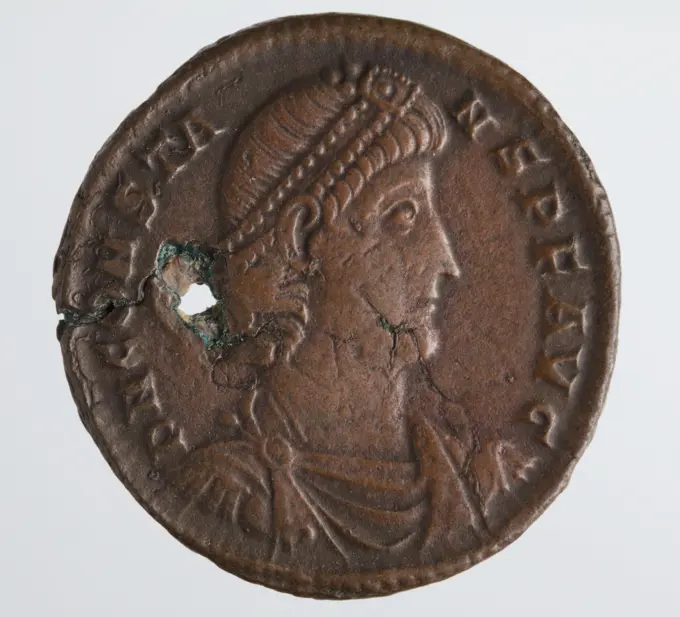
Collection of Roman coins featuring historical figures and inscriptions, showcasing intricate designs and details from antiquity.

denarius; Julia Domna (Ca 160-217; Roman Empress 193-211); 198-209 (177-00-00-177-00-00);
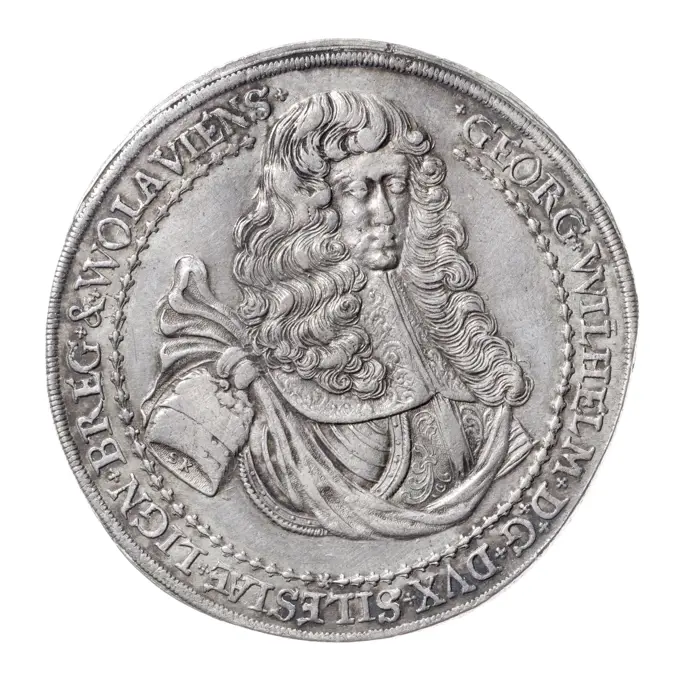
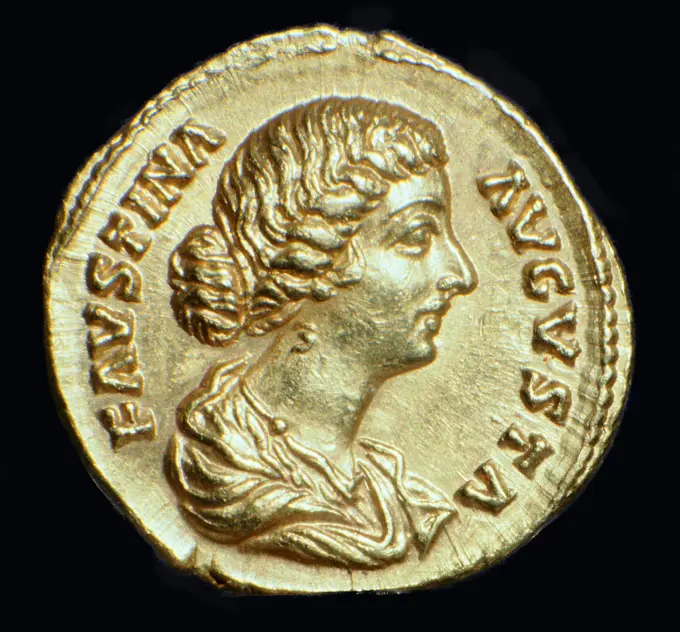
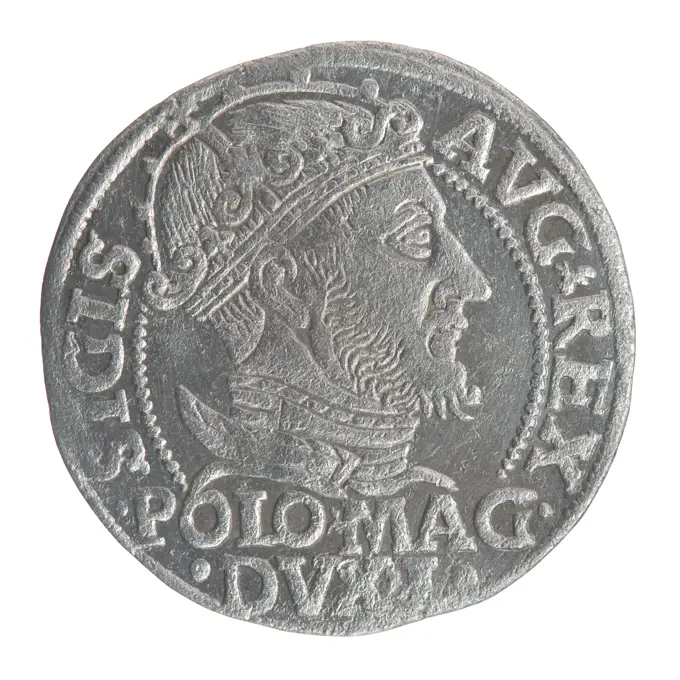
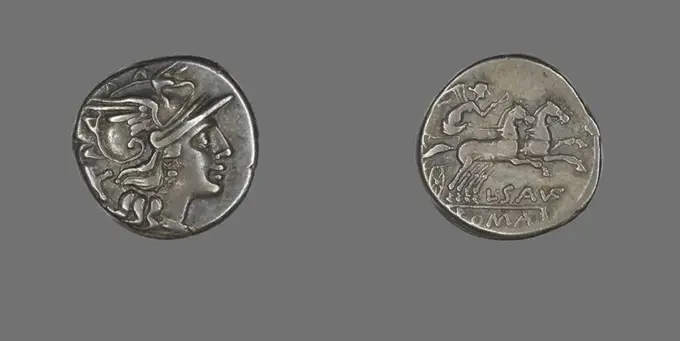
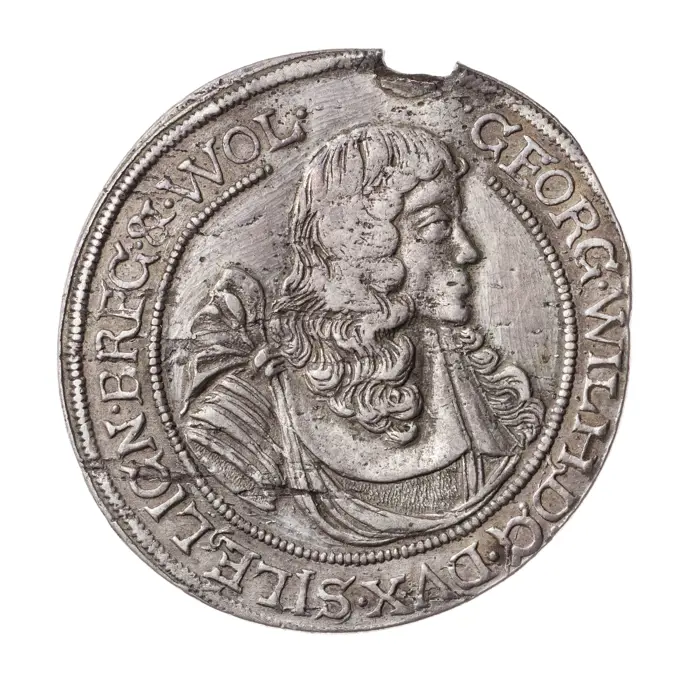
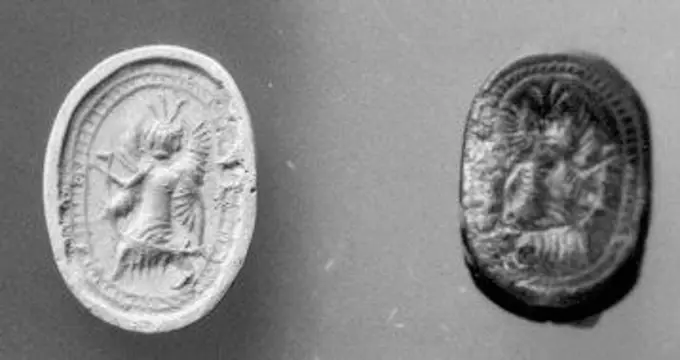
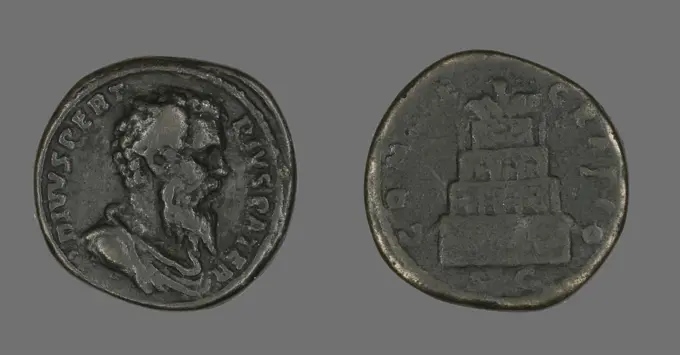
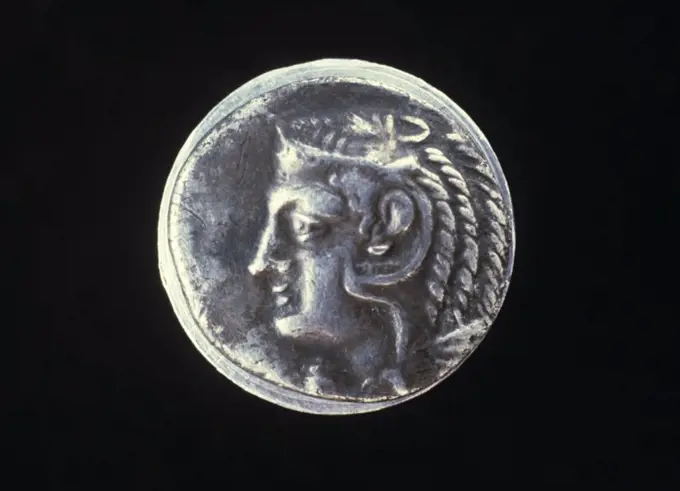
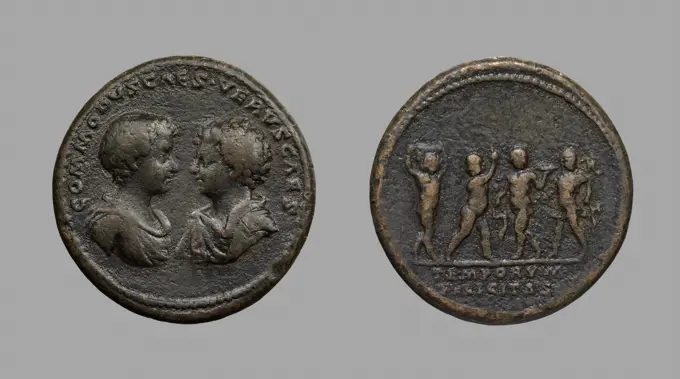
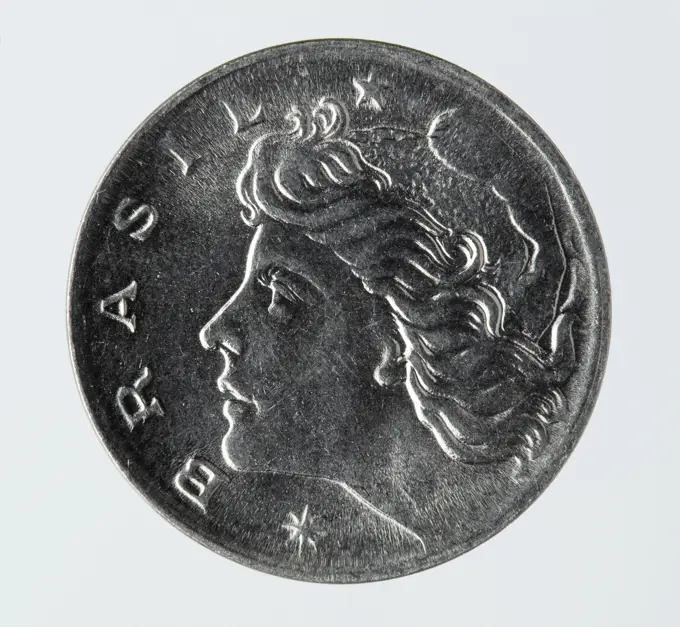
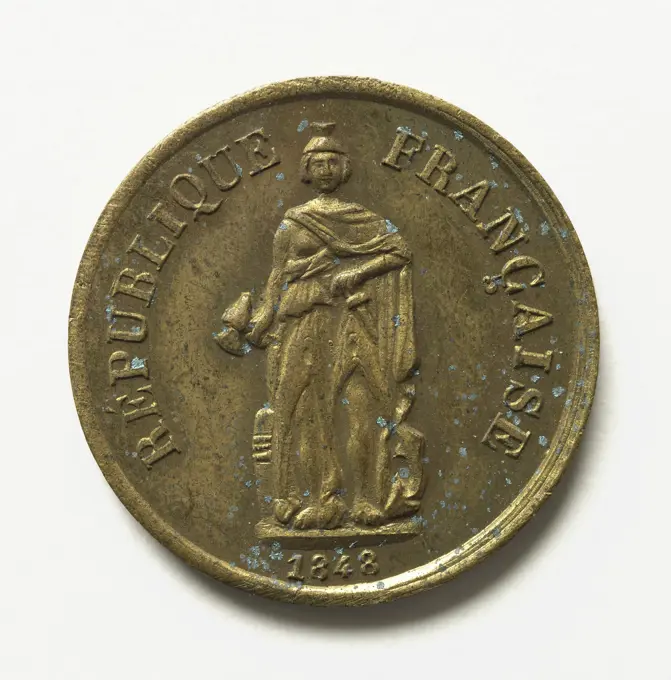
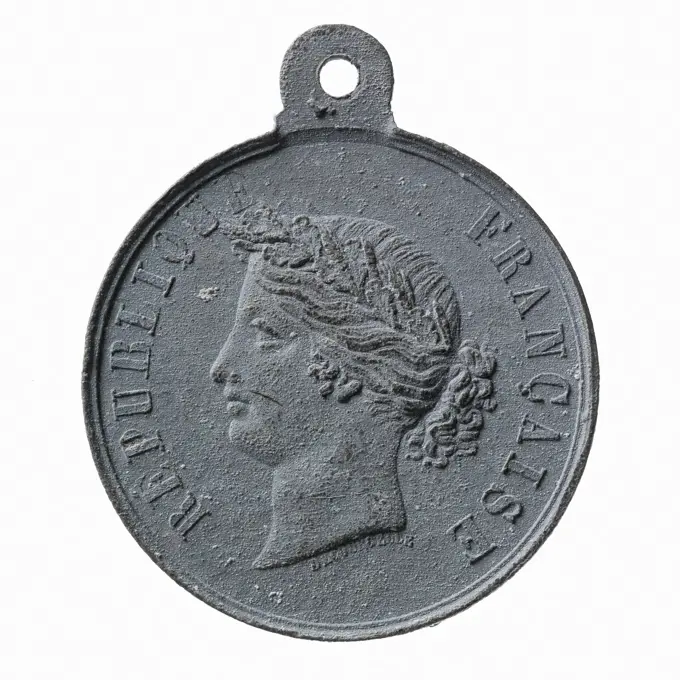
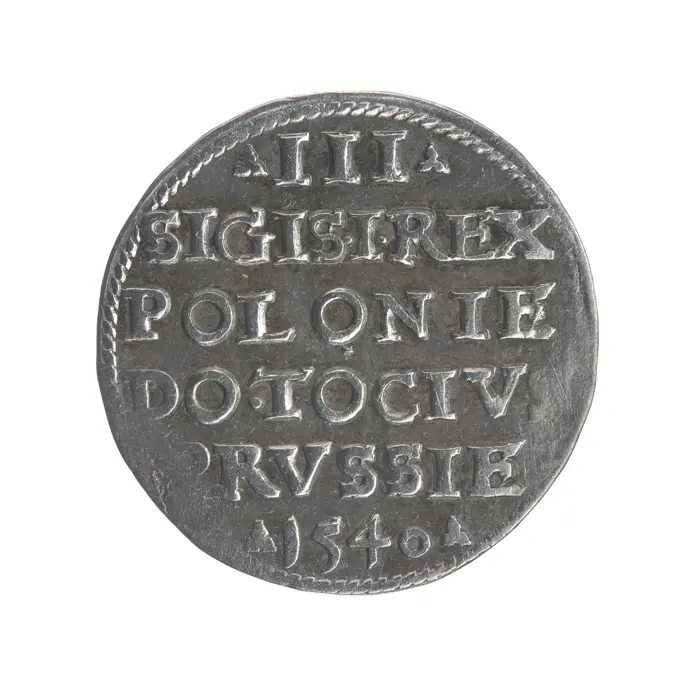
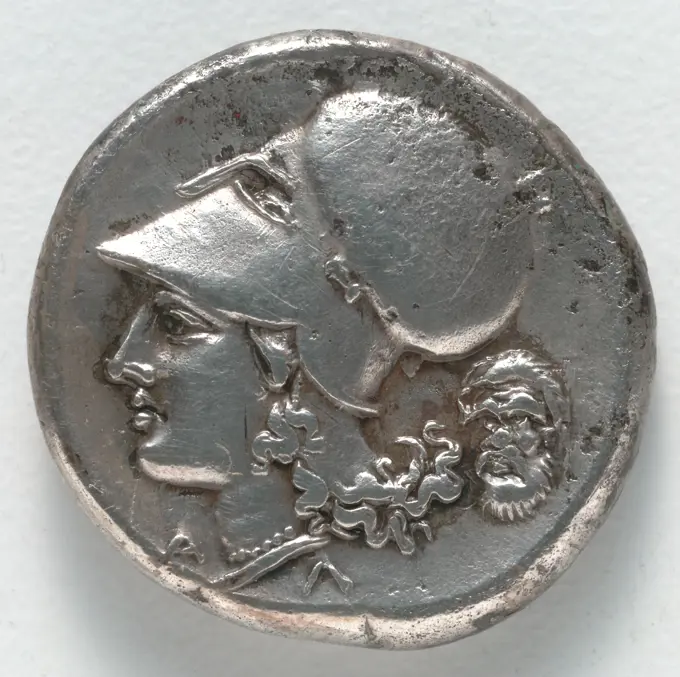
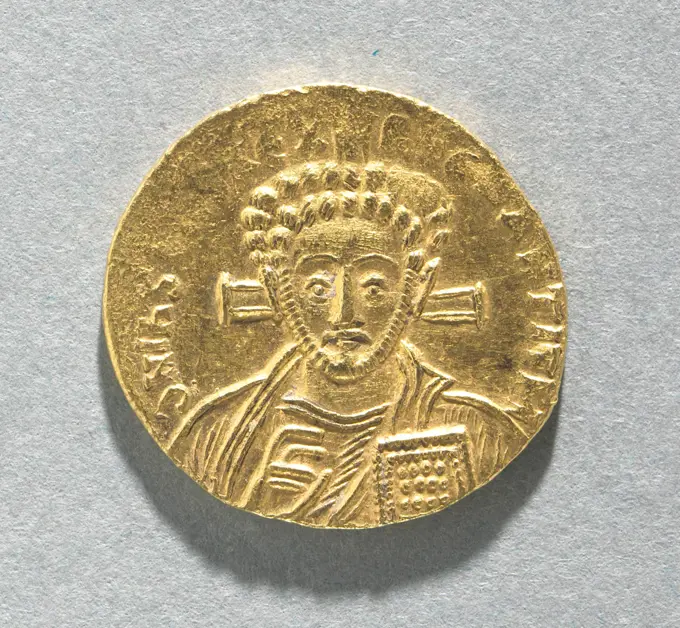
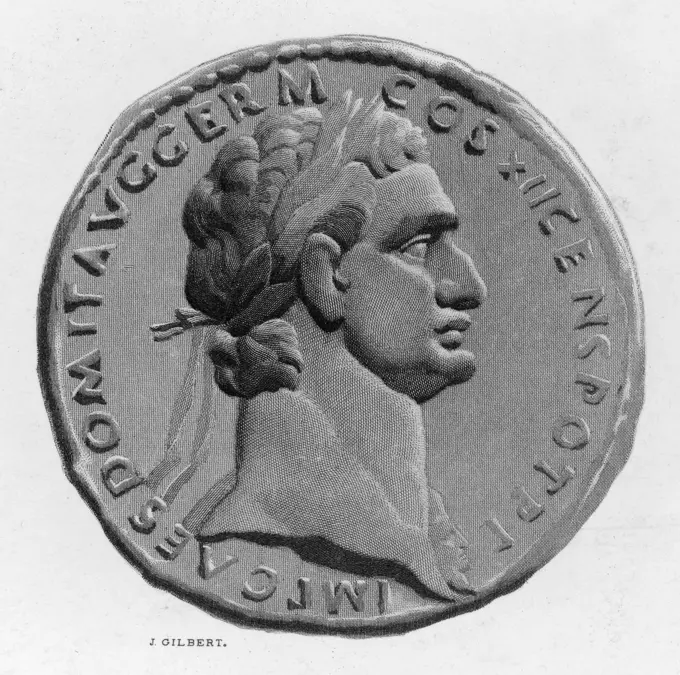
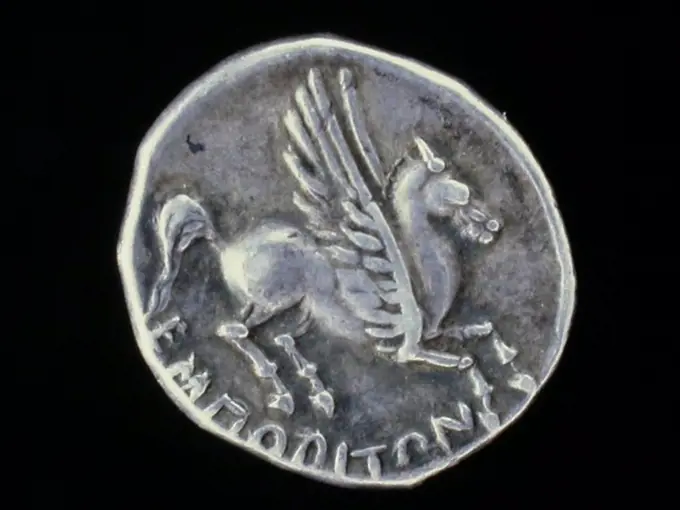
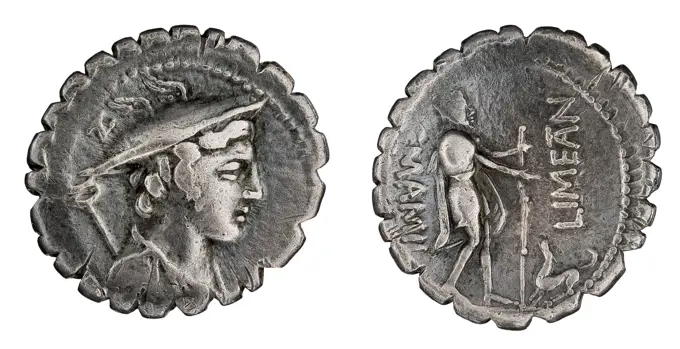
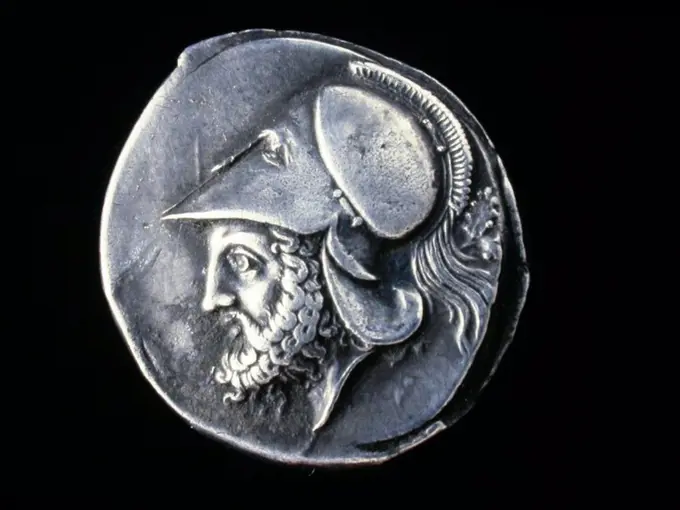
ECU of silver at the long wick of Louis XIV, 1653 Anonymous. Ecu of silver at the long wick of Louis XIV, 1653. Silver, 1653. Carnavalet Museum, History of Paris.MONEDA-TETRADRACMA R(502) ALEJANDRO MAGNO-REVERSO 24 MM. Location: FABRICA NACIONAL DE MONEDA Y TIMBRE-COLECCION. MADRID. SPAIN.Drachma; WARAHRAN V (420-438); 420-438 (399-00-00-420-00-00);Bliżej Kultury Consisting of Menna AntiochPescelius Black (193 194), ae medallion, Bitynia, German, Caesarea, German Caesarea1 and 1/4 of the circumstantial thaler for Jerzy Wilhelm Legnica-Brzeski's book; Jerzy Wilhelm (Ksi  Brzesko-Legnicko-Wośowski; 1660-1675), Koller, Samuel (Fl. 1666-1686); 1675 (1675-00-00-1675-00-00);Jerzy Wilhelm (Prince of Legnica-Brzesko-Wołowski-1660-1675), Jerzy Wilhelm (Prince of Legnica-Brzesko-Wołowski-1660-1675)-iconography, Piastów (family), letters, letters SK, posthumous coin, posthumous coin, occasional coins, inscriptions, Occasional subtitles, busts, male bars, male bars in armor, ruler's busts, busts of the ruler in armor, bust of the ruler of en trois quarts to the right, portraits, men's portraits, men's portraits en trois quarts to the right, portraits in parade armor, portraits of the ruler in armor, portraits of a ruler with a discovered head, portraits of rulersImperial University, March 19, 19808 (Factitious Title) Raymond Gayrard (1807-1855) Imperial University, March 19, 1808. Copper, 1808.Gold coin of Faustina II, 2nd century. Artist: UnknownLithuanian penny on stop Poland; Zygmunt II August (Polish king; 1544-1572); 1547 (1546-00-00-1546-00-00);Aureus (Coin) Portraying Emperor Aurelian 272 CE Rome. On the front (obverse) of this coin is a portrait of Roman Emperor Aurelian facing to the right. He is laureate, cuirassed, and has an aegis over his left shoulder. On the back (reverse) is a rearing lion rears facing left, radiate, and carrying a thunderbolt in his mouth.Portraits of important people appear on local currency all around the world. The same was true in ancient Rome, which began producing its first coinage in the late 4th century BC. Early coins depicted the heads of gods and goddesses on the front side, often in profile, while the back depicted animals, natural resources, symbols, and references to historical events. It was not until 44 BCE that the portrait of a living personóJulius Caesaró appeared on coins. Thereafter, profile portraits of rulers or other members of the imperial family became the standard subject on coins throughout the Roman Empire.Inscriptions on coins help identify the ruler. While the front sDenarius (Coin) Depicting the Goddess Roma. Roman. Date: 152 BC. Dimensions: Diam. 1.8 cm; 3.82 g. Silver. Origin: Roman Empire. Museum: The Chicago Art Institute, Chicago, USA. Author: ANCIENT ROMAN.a circumstantial thaler for Jerzy Wilhelm Legnica-Brzeski's book; Jerzy Wilhelm (Ksi  Brzesko-Legnicko-Wośowski; 1660-1675); 1675 (1675-00-00-1675-00-00);Jerzy Wilhelm (Prince of Legnica-Brzesko-Wołowski-1660-1675), Jerzy Wilhelm (Prince of Legnica-Brzesko-Wołowski-1660-1675)-iconography, Piastów (Rat), R5 (rarity), posthumous coin, occasional coins, inscriptions, inscriptions, Occasional subtitles, bans, male bars, male bars in armor, ruler's busts, bust of the ruler to the right, busts in armor, portraits, men's portraits, male portraits to the right, portraits in parade armor, portraits of the ruler in armor, portraits of the ruler with discovered head, portraits of rulers, purchase (provenance)Stamp seal ca. 6th century B.C.. Stamp seal. ca. 6th century B.C.. Carnelian. Iron Age, Graeco-Phoenician (). Levant ()Coin Portraying Emperor Pertinax 193 CE Roman Empire. The front of this coin portrays the emperor Pertinax, facing right.On the back, a four story funeral pyre is depicted.. Bronze . Ancient RomanNUMISMATICA.MONEDA PUNICA. DRACMA DE PLATA. ANVERSO. CABEZA DE HERCULES CUBIERTA POR PIEL DE LEON A LA DERECHA.238 A.C. (DEPOSITO: MUSEO ARQUEOLOGICO NACIONAL).as. Sempronius Pitio, L. (fl. 148 a.C.), monetary officer, Republika Rzymska, issuerMedallion of Commodus and AnniusVerus. Honorand: Commodus, Emperor of Rome, A.D. 161-192, ruled 180-92Honorand: Annius Verus, son of Marcus Aurelius and Faustina II, A.D. 162-169Ruler: Marcus Aurelius, Emperor of Rome, A.D. 121-180, ruled A.D. 161-80Ruler: Lucius Verus, Emperor of Rome, A.D. 130-169, ruled 161-69 Mint: Rome Artist: UnknownStater fromThasos.  Mint: ThasosBliżej Kultury La Moneda de Rio de Janeiro HouseProclamation of the 1st Republic in Paris on February 25, 1848 Anonymous. Proclamation of the 1st Republic in Paris on February 25, 1848. Brass.NUMISMATICA. MONEDA MODERNA. DUCADO DE ORO, DE FELIPE II. ANVERSO. CABEZA DE FELIPE II A LA IZQUIERDA, CON LA CORONA DE LOMBARDIA (LA DE HIERRO). (DEPOSITO: MUSEO ARQUEOLOGICO NACIONAL).Remembrance of the inauguration of the new Clichy town hall, April 28, 1878 Memorial Medal on the Remembrance of the Inauguration of the New Town Hall of Clichy, April 28, 1878.Promulgation of the Constitution, November 12, 1848 (dummy title) Decourcelle, Louis-Edouard. Promulgation of the Constitution, November 12, 1848. Etain.NUMISMATICA.MONEDA HISPANO-CARTAGINESA. TRISHEKEL DE PLATA. ANVERSO. CABEZA DE ESMOUN-ADONIS, DE TIPO APOLINEO HACIA LA IZQUIERDA, DIADEMA CON LAZO DE CINTAS COLGANDO Y ALGUNOS RIZOS ASORTIJADOS. 238 A.C.(DEPOSITO: MUSEO ARQUEOLOGICO NACIONAL).Trojak Elbl Zygmunt I Stary (King of Poland; 1506-1548); 1540 (1540-00-00-1540-00-00);Planets-manager. Cornalet Collection Sites 2013-2016. Numismatic.NUMISMATICA.MONEDA BIZANTINA. SOLIDUS DE ORO, DE TEODOSIO II. ANVERSO. BUSTO DEL EMPERADOR DE FRENTE, ESCUDO, CACO Y LANZA APOYADAEN EL HOMBRO DERECHO PASANDO POR DETRAS DE LA CABEZA. (DEPOSITO: MUSEO ARQUEOLOGICO NACIONAL).Stater: Head of Athena, l., wearing Corinthian helmet, mask of Silenos right (Reverse), 350-338 BC. Greece, Corinth, 4th century BC. Silver; diameter: 2.1 cm (13/16 in.).sestertius. Trajan (cesarz rzymski ; 98-117), emperorSolidus of Zeno, Emperor of Rome ,fromConstantinople. Ruler: Zeno, Emperor of Rome A.D. 474-475, 476-491 Mint: Constantinople Artist: UnknownCoin Depicting a Head. Greek. Date: 300 BC-101 BC. Dimensions: Diam. 1.4 cm; 2.52 g. Bronze. Origin: Ancient Greece. Museum: The Chicago Art Institute, Chicago, USA.Solidus of Justinian II with Bust of Christ (obverse), 705. Byzantium, Constantinople, 8th century. Gold; diameter: 2 cm (13/16 in.). The vast number of surviving Byzantine coins attests to the level of trade across the empire. Controlled and supervised by the emperor, the producers of coins took care to represent his authority and reflect his stature. Talented artists were recruited to engrave the dies (molds) used for the striking of coins. Emperors increasingly came to include their heirs and co-emperors on their coinage, as well as other family members or even earlier rulers. Coins were recognized, then as now, as small, portable works of art. With their inscriptions and images, Byzantine coins provide valuable documentation of historical events and a record of the physical appearance of the emperors. The solidus was the basic gold coin of 24 karats. The tremissis was a gold coin of one-third the weight and value of the solidus. The nomisma in the 10th century replaced the solidusOctadrachm (Coin) Portraying Queen Arsinoe II 270 BCE Alexandria. Obverse Head of Arsinoe II wearing stephane and veiled to right, tip of Ammon horn visible below earReverse Double cornucopia full of fruit, bunch of grapes hangs from each side; tied with fringed filletQueen ArsinoÎ II, the daughter of Ptolemy I and the sister-goddess-consort of Ptolemy II, is honored on this coin. Under her veil is revealed the ram horn of the Egyptian god Amun, a mark of pharonic royalty. This coin was issued posthumously.. Gold . Ancient GreekDrachm: Horse, r., grazing (Reverse), 400-344 BC. Greece, Thessaly, 4th century BC. Silver; diameter: 1.9 cm (3/4 in.).Titus Flavius DOMITIANUS, Roman emperor  assassinatedNUMISMATICA. MONEDA HISPANO-GRIEGA. DRACMA DE PLATA. REVERSO. PEGASO A LA IZQUIERDA. DEBAJO LEYENDA. 218 A.C. (DEPOSITO: MUSEO ARQUEOLOGICO NACIONAL).Bogusław Radziwiłł (1620-1669), Poshumous Medal Höhn, Jan (m .; Ca 1641 1693)NUMISMATICA. MONEDA HISPANO-CARTAGINESA. TRISHEKEL DE PLATA. REVERSO. ELEFANTE A LA DERECHA. 238 A.C. (DEPOSITO: MUSEO ARQUEOLOGICO NACIONAL).denarius (serratus). Mamilius Limetanus, C. (fl. 82 a.C.), monetary officer, Republika Rzymska, issuerNUMISMATICA. MONEDA REPUBLICA ROMANA. DIDRACMA DE PLATA. ANVERSO. CABEZA DE MARTE BARBADA A LA IZQUIERDA, CON YELMO (CASCO CORINTIO), DETRAS DE UNA RAMITA DE ROBLE. 280 A.C. (DEPOSITO: MUSEO ARQUEOLOGICO NACIONAL).