Ancient Roman Coins

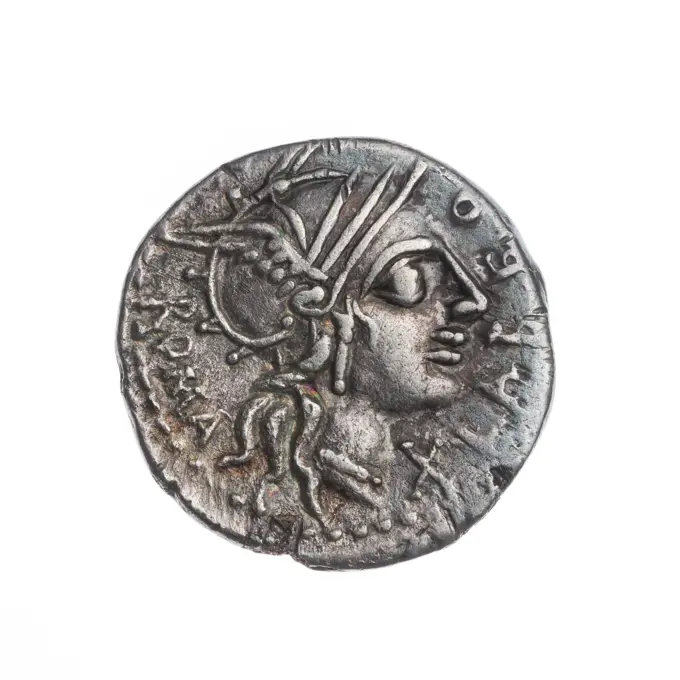
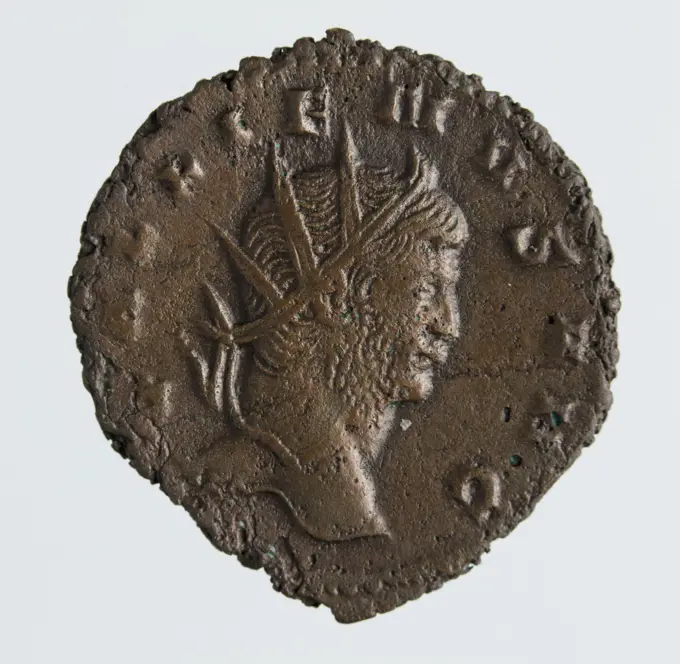
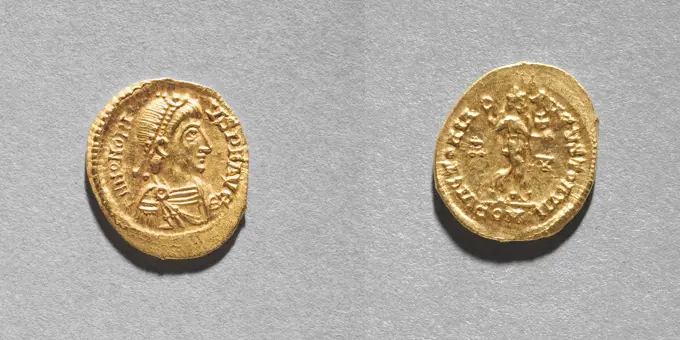
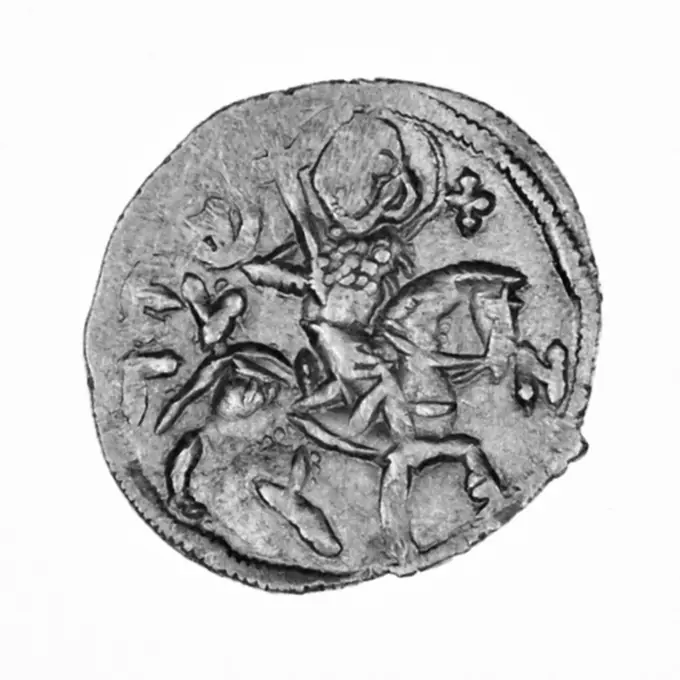
Various ancient Roman coins displayed; featuring profiles of emperors and inscriptions, showcasing details and historical significance.

Antoninien d'Etruscille, 250-251 Anonymous. Antonine of Etruscille, 250 of. J.-C.-251 of. J.-C .. Silver. Paris, the Carnavalet Museum.
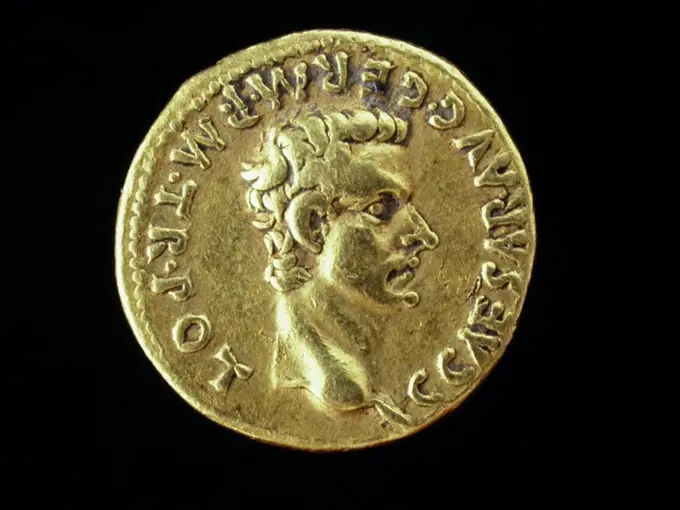
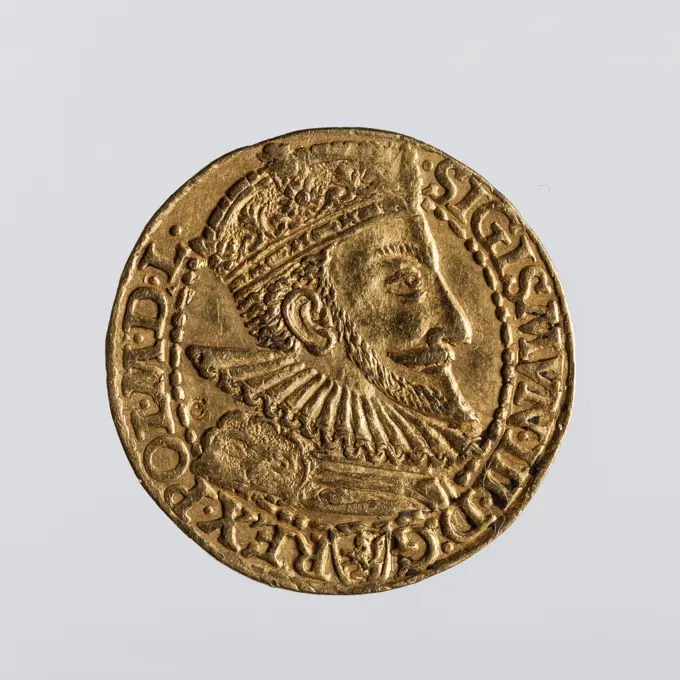
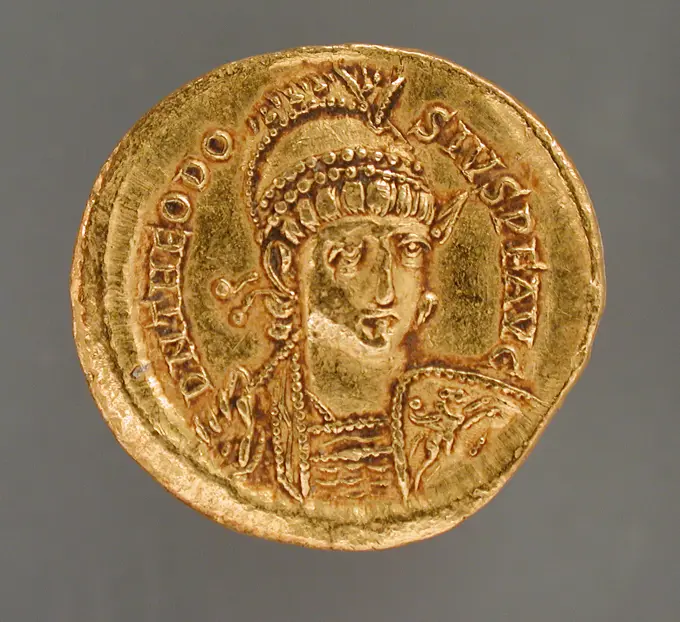
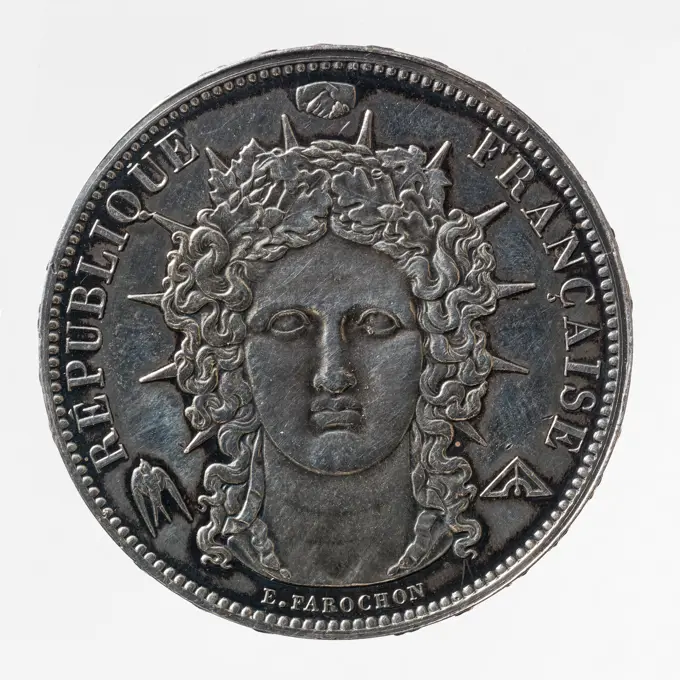
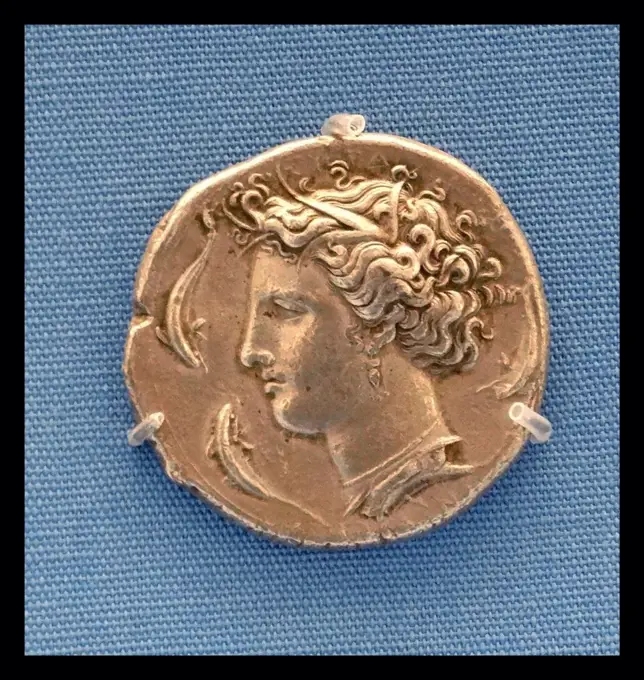
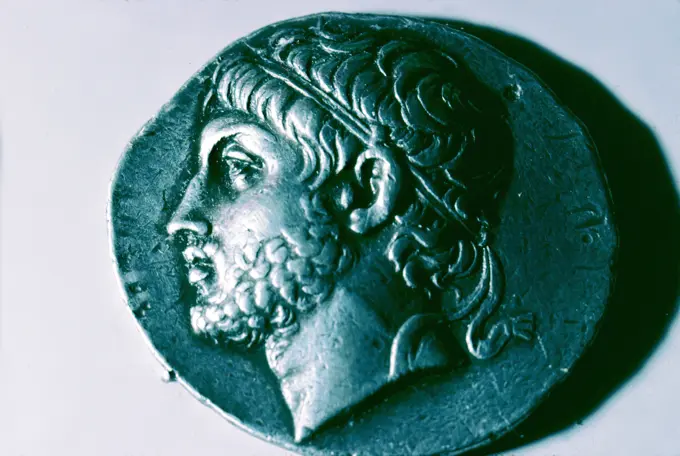
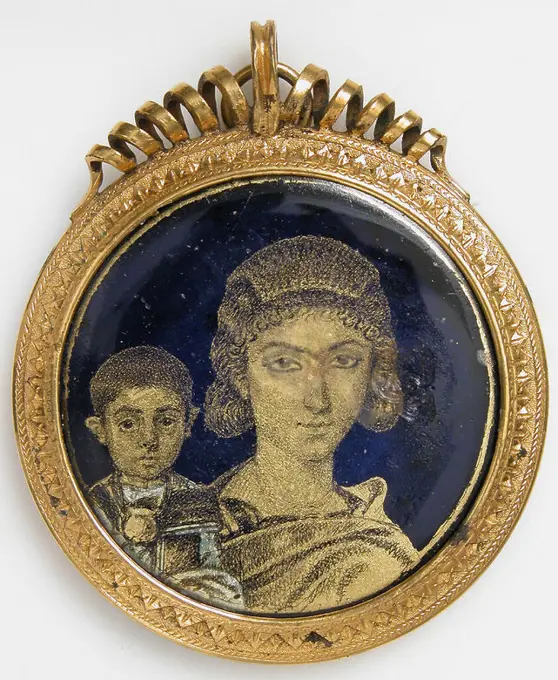
Offa. Anglo-Saxon coin ENGLAND.Mysia, Parion, hemidrachm; 4th century BC Mennica parsMedal 16th century possibly Italian. Medal 207664NUMISMATICA. MONEDA MONEDAS BIZANTINAS DE ORO Y BRONCE. REAL ACADEMIA DE LA HISTORIA.Julius Caesar. Dated: early 16th century. Dimensions: overall (diameter): 4.11 cm (1 5/8 in.) gross weight: 31.98 gr (0.071 lb.). Medium: bronze//Light brown patina. Museum: National Gallery of Art, Washington DC. Author: Italian 16th Century, after the Antique.denarius; Fabius LaBeo, Q. (Fl. 124 A.C.); 124 BC (-124-00-00--124-00-00);Jupiter (Mitol.), Jupiter on a square (iconogr.), Roma (Mitol.), Semerau-Siemianowski, Władysław (1849-1938), Semerau-Siemianowski, Władysław (1849-1938)-collection, scepter (attribute), gift (provenance), Roma head in a helmet (iconogr.), helmets, horses, square, lightning (attribute), RostrumBliżej Kultury Galenus15 Krajcars; Christian (Ksi  Brzesko-Legnicka-Wośowski; 1618-1672), Pfahler, Christian (Fl. 1651-1665); 1664 (1664-00-00-1664-00-00);Christian (Prince of Brest-Legnicki-Wołowski-1618-1672), Christian (Prince of Brest-Legnicko-Wołowski-1618-1672)-iconography, Piastów (family), Silesian Eagle (iconogr.), Eagles, Brzesia, Brzesia, Men's Bans, Brzesia Men in armor, busts of the ruler, bust of the ruler to the right, busts of the ruler in armor, portraits, men's portraits, male portraits to the right, portraits in parade armor, portraits of the ruler in armor, portraits of a ruler with a head discovered, portraits of rulers, purchase (provenance)Solidus of Arkadios , 395-408. Byzantium, Constantinople, Byzantine period, late 4th-early 5th century. Gold; diameter: 2 cm (13/16 in.). The vast number of surviving Byzantine coins attests to the level of trade across the empire. Controlled and supervised by the emperor, the producers of coins took care to represent his authority and reflect his stature. Talented artists were recruited to engrave the dies (molds) used for the striking of coins. Emperors increasingly came to include their heirs and co-emperors on their coinage, as well as other family members or even earlier rulers. Coins were recognized, then as now, as small, portable works of art. With their inscriptions and images, Byzantine coins provide valuable documentation of historical events and a record of the physical appearance of the emperors. The coins shown here include the solidus, the basic gold coin of 24 karats; the tremissis, a gold coin of one-third the weight and value of the solidus; and the nomisma, which inUnattributed Trebizond Coin. UnknownNUMISMATICA. MONEDA IMPERIO ROMANO. AUREO DE ORO, DE CALIGULA. ANVERSO. CABEZA DESNUDA A LA DERECHA. 37-41 D.C. (DEPOSITO: MUSEO ARQUEOLOGICO NACIONAL).Roman Empire, Domitian (81-96), Rome 88 AD; as, copper (Cu) Domitianus, Mint of RomeDenier by Julie Mamee, 228-235 Roman currency. Denier by Julie Mamee. Money. Between 228 and 235.False coin, IIthuanian shilIIng, John II Casimir (1649 1668)Zygmunt III Waza (1587-1632), Ducat Crown, Malbork; 1592 Malbork Mint, Zygmunt III WazaTetradrachm of Demetrius I fromBactriaTetradrachm: Head of Athena, r. (Obverse), 480-407 BC. Greece, Athens. Silver; diameter: 2.3 cm (7/8 in.).Theodosius II Solidus. Eastern Mediterranean, Byzantine, 408-450. Tools and Equipment; coins. GoldRetro look Roman coin Vintage looking Ancient Roman coin isolated over white background Copyright: xZoonar.com/ClaudioxDiviziax 5826204Flight from Hugo de Groot from Loevenstein. Silver medal. Front: Breast man. Downside: box with two crowns standPtolemy I. 3-4th cent. BC. coin.False Coin, Crown Ducat, 1765, Stanislaus II August Poniatowski (1764 1795)Coins. Gold Celtic stater of the Arverni (Clermont-Ferrand region). Front.Head of Athena on a coin struck by Lachares during his attempt at coup, 300BC-295 BC Artist: Unknown.Trial for the 5 francs room, 1848 Jean-Baptiste Farochon (1812-1871). Test for 5 francs, 1848. Money. 1848.Tetradrachm. UnknownGreek 5th century BC, Silver coin Decadrachm with the nymph Arethusa with reeds in her hair. about 405 BC The name of the artist Euainetos is visible under the neckNUMISMATICA. MONEDA GRIEGA. TETRADRACMA DE PLATA. ANVERSO. CABEZA DIADEMADA DE PTOLOMEO I LLEVANDO AEGIS, A LA DERECHA. 305-283 A.C. (DEPOSITO: MUSEO ARQUEOLOGICO NACIONAL).MONEDAS BIZANTINAS DE ORO.Philip V of Macedon coin, GREECE.Gold Glass Medallion with a Mother and Child. Culture: Roman. Dimensions: Overall: 1 7/8 x 3/16 in. (4.8 x 0.5 cm). Date: early 4th century.The mother, a fashionably coiffed matron, is shown with her son. He wears a large gold pectoral, or neck ring. Medallions like this one, meant to be worn as jewelry, are closely associated with Alexandria. Museum: Metropolitan Museum of Art, New York, USA.