Ancient Roman Coins

A collection of historical coins from the Roman Empire, featuring emperors and intricate designs, illustrating the artistry and numismatic history of ancient Rome.
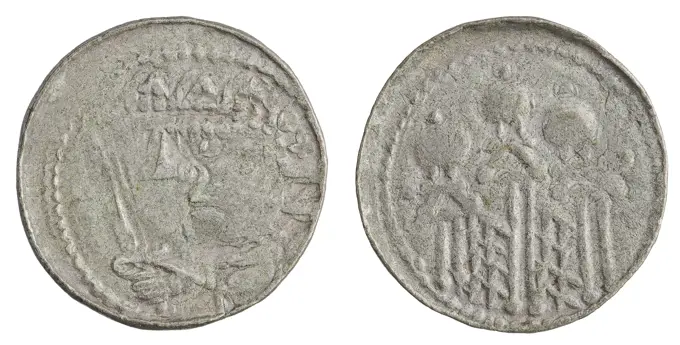
denarius (royal type). Bolesław II Śmiały (król Polski ; 1058-1079), ruler
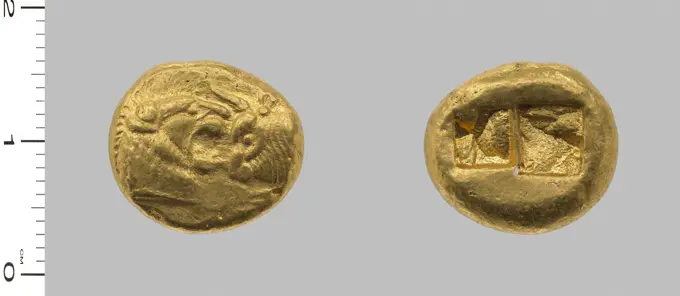
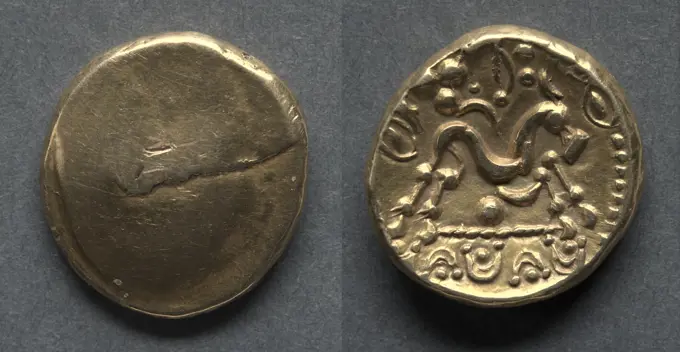
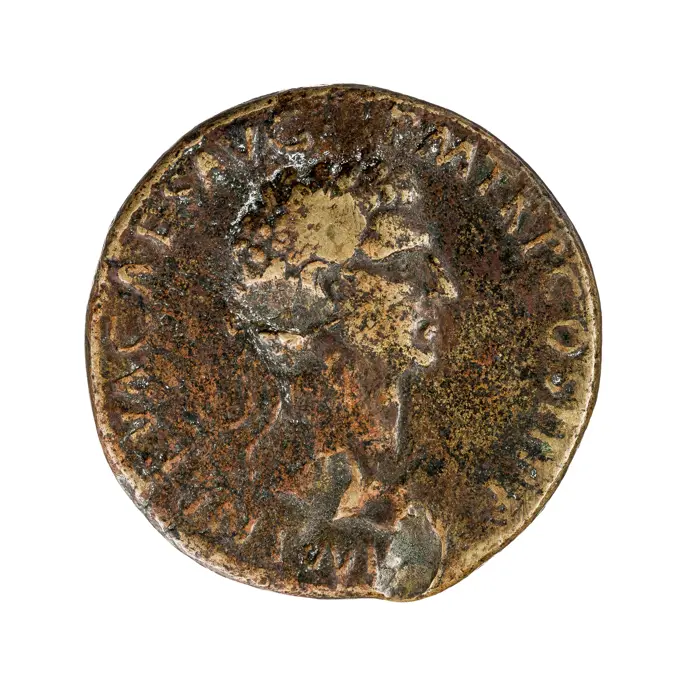
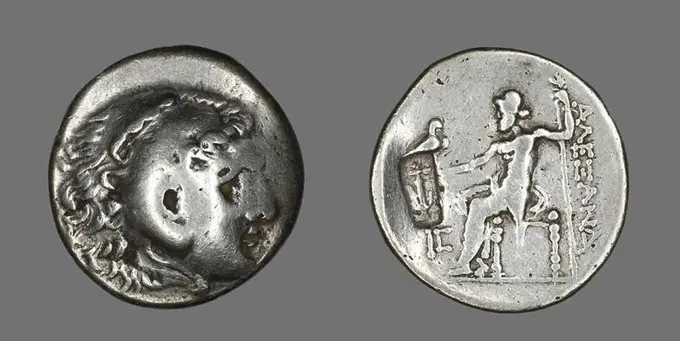
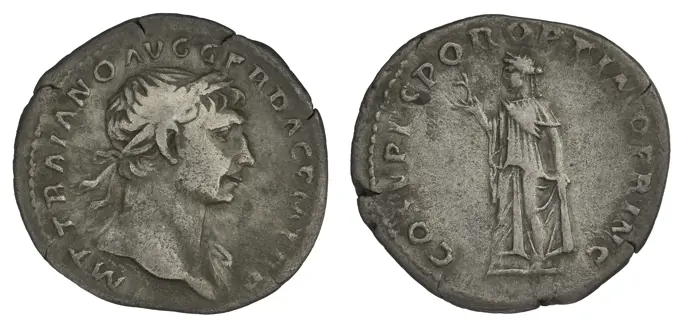
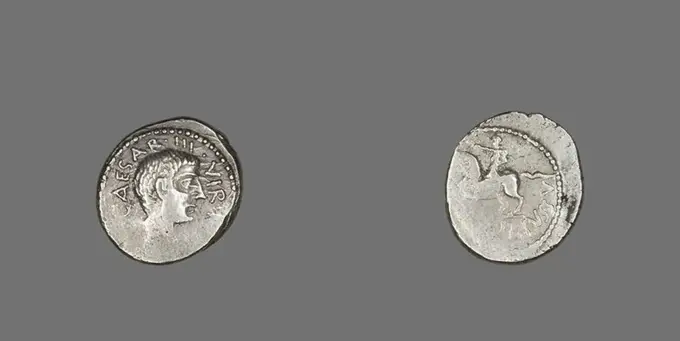
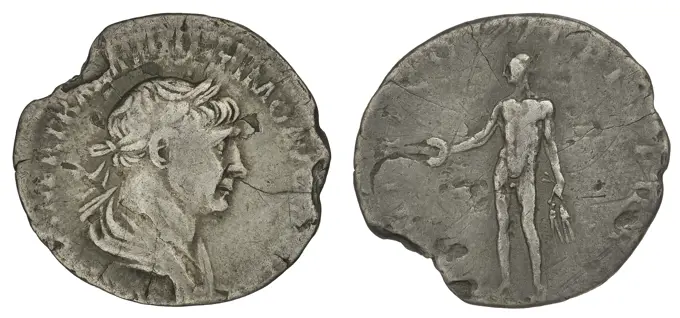
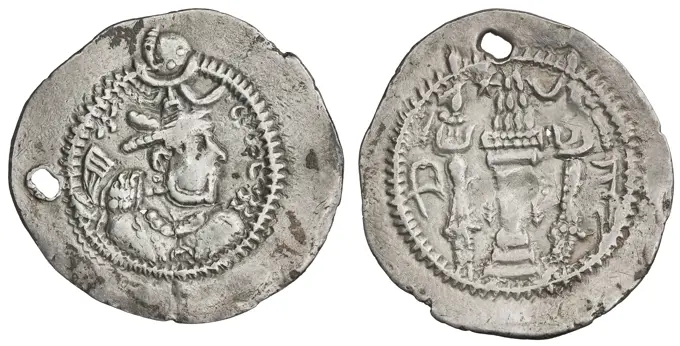
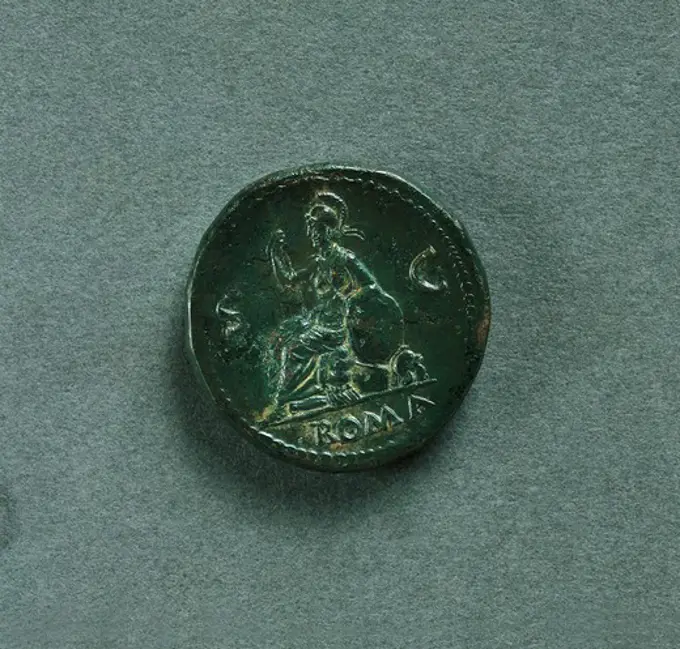
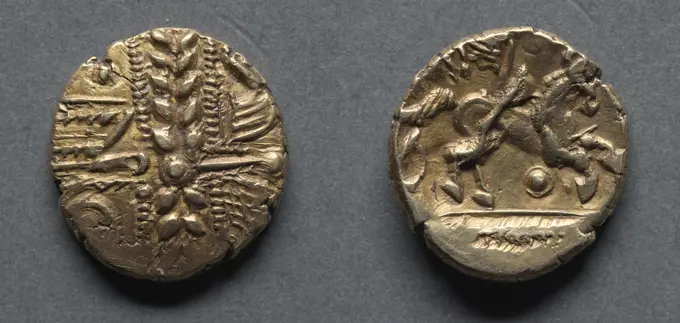
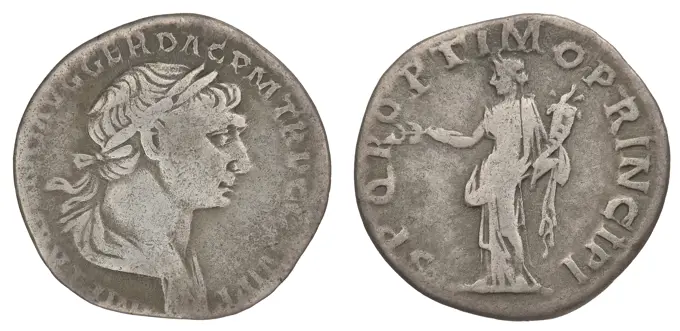
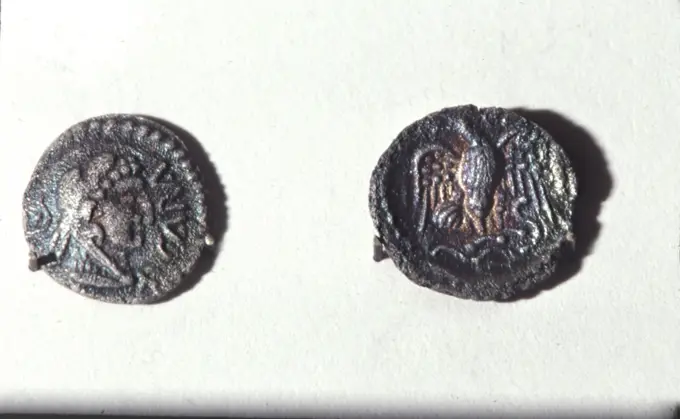
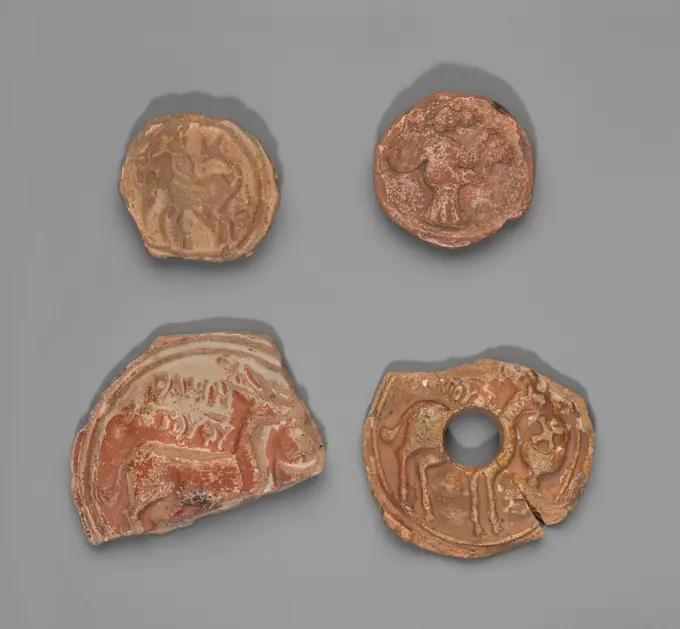
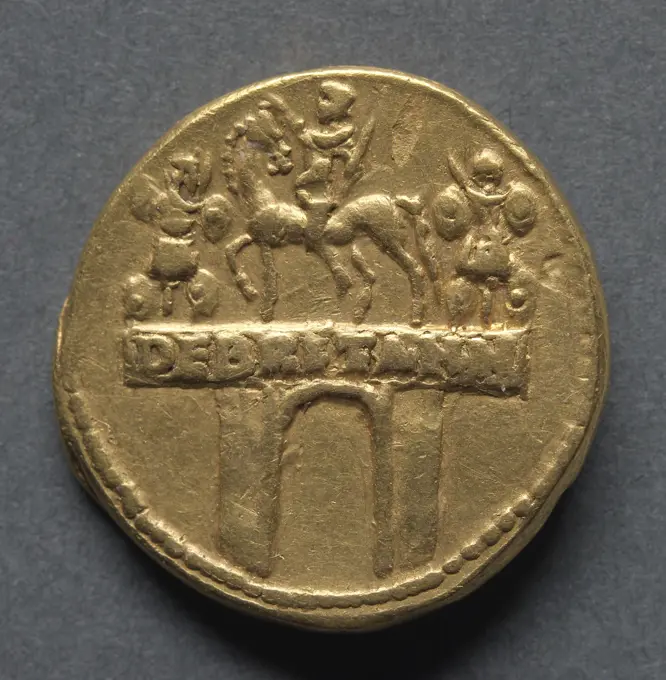
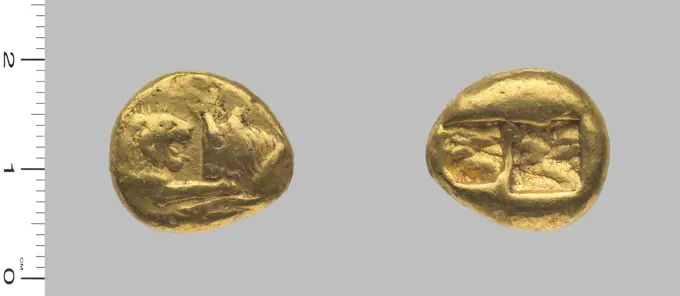
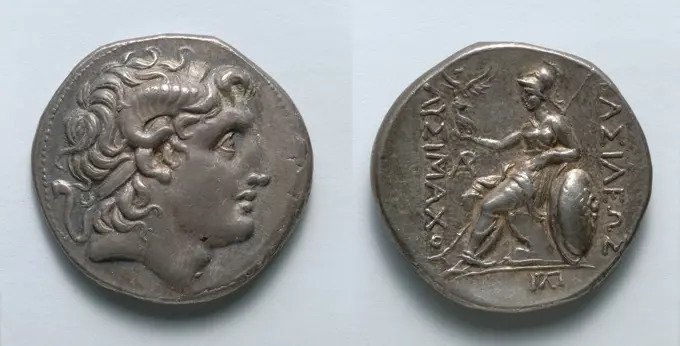
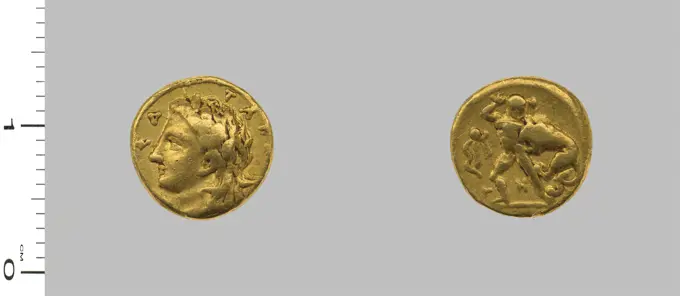
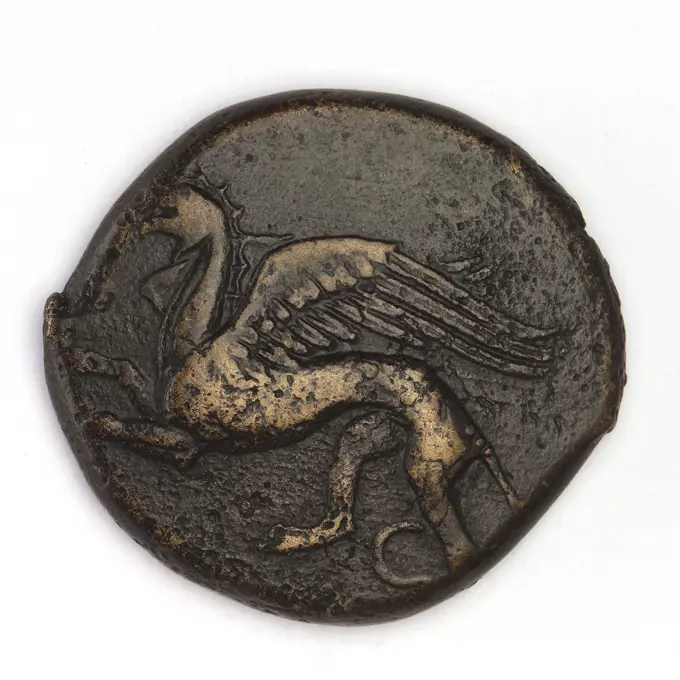
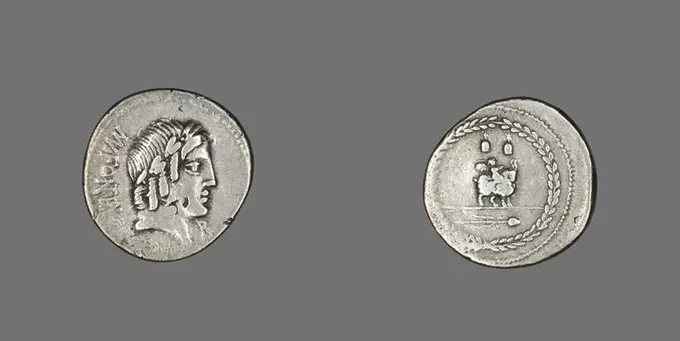
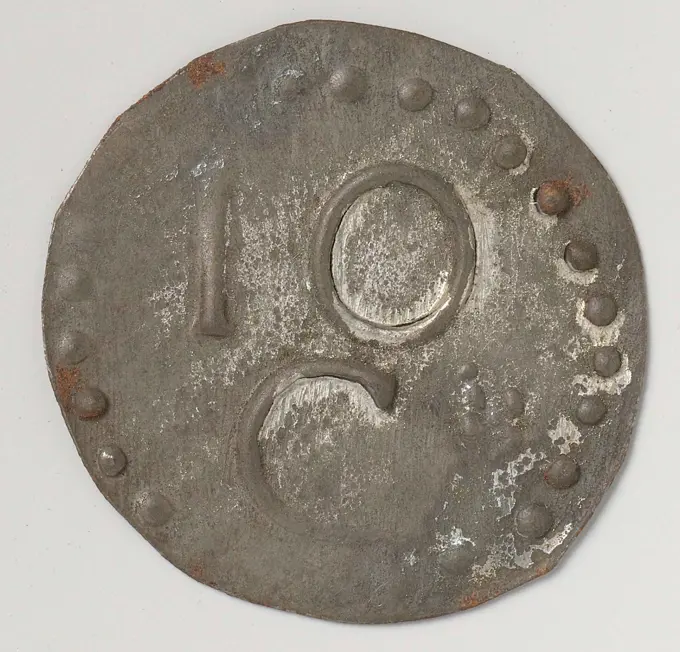
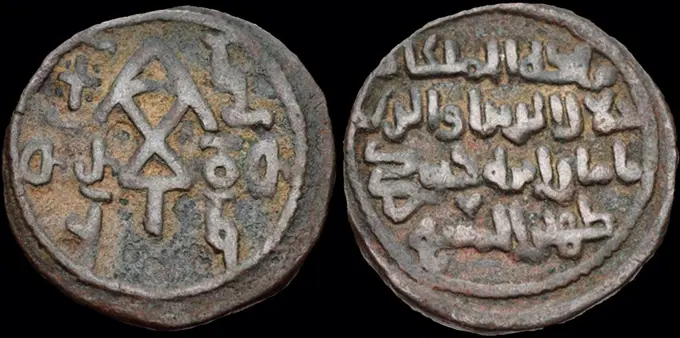
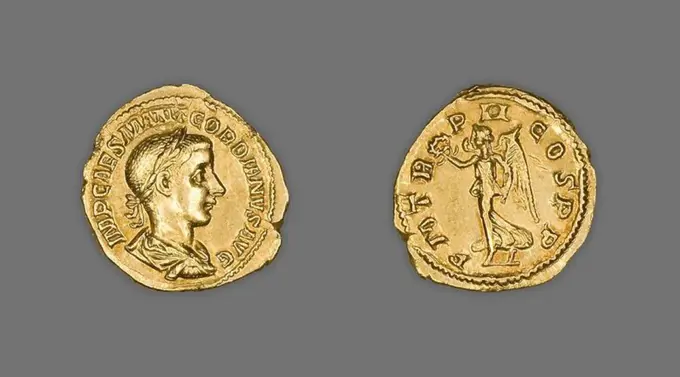
Aureus (Coin) Portraying Emperor Gordian III. Roman, minted in Rome. Date: 239 AD. Dimensions: Diam. 2 cm; 4.70 g. Gold. Origin: Rome. Museum: The Chicago Art Institute, Chicago, USA. Author: ANCIENT ROMAN.Stater from Sardis,Lydia. Artist: Sardis Artist: UnknownStater: Plain (obverse); Horse (reverse), c. 57-45 BC. England (Ancient Britain), 1st century B. C.. Gold; diameter: 1.7 cm (11/16 in.). Julius Caesar recorded that in the year 57 BC, chieftains who had unsuccessfully resisted him in Gaul took refuge in Britain. This wave of refugees brought with them, and probably also struck in Britain, the staters known as the Gallo-Belgic type (this specific one is known as the Morini type). There is no sign of any part of an obverse design and the horse, now detached from the chariot, has become extremely crude in design. The minting technique however, is good as the design is clear-cut and sharp.sesterce; 96 (96-00-00-96-00-00);Nerwa (Roman Emperor - 96-98), Nerwa (Roman Emperor - 96-98) - iconography, Roma (mitol.), Sitting Roma (iconogr.), Wiktoria (personification), laurel wreaths, spearTetrobol fromTerone. Mint: Terone Artist: UnknownTetradrachm (Coin) Portraying Alexander the Great as Herakles. Greek. Date: 336 BC-323 BC. Dimensions: Diam. 3.1 cm; 16.32 g. Silver. Origin: Macedonia. Museum: The Chicago Art Institute, Chicago, USA. Author: ANCIENT GREEK.denarius. Trajan (cesarz rzymski ; 98-117), emperorDenarius (Coin) Portraying Octavian. Roman. Date: 41 BC. Dimensions: Diam. 1.9 cm; 3.95 g. Silver. Origin: Roman Empire. Museum: The Chicago Art Institute, Chicago, USA. Author: ANCIENT ROMAN.denarius. Trajan (cesarz rzymski ; 98-117), emperorCoin Depicting a Horse and Palm Tree Struck 300 BCE-201 BCE Carthage. The front (obverse) of this coin depicts a female head, facing left, with a triple drop earring, necklace and wreathed. The back (reverse) of this coin depicts a horse standing to the right, date palm. Pellet to left.. Bronze . Carthaginiandrachm. Firuz (459-484), rulerFuneral bus of the Bierwerkersgilde van 's-Gravenhage, busing with no. 37, Anonymous, 1712 medal Brass medal. Front: two men desired to left who carry Ton between them. Reverse: Inscription under number 37 The Hague brass (alloy) casting / engraving  The HagueDidrachm (Coin) Depicting the Goddess Athena 400 BCE-335 BCE Hyria. Obverse Head of Athena to left, with crested helmetReverse Man-headed bull to right. Silver . Ancient GreekSestertius of Emperor Nero (Lucius Domitius Ahenobarbus, 37-68 A.D.), coin reverse with allegory of Rome, Julio-Claudian dynasty, imperial ageByzantine Empire, Justin 1 (518 527), Constantinople 522 527 CE, Follis, Brone (AE) Justyn I (518 527), Mint of ConstantinopleFalse coin, IIthuanian shilIIng, John II Casimir (1649 1668)Stater: Wreath, Cloak, and Crescents (obverse); Horse and Wing Motif (reverse), c. 60-20 BC. England (Ancient Britain), Catuvellauni. Gold; diameter: 1.9 cm (3/4 in.). This particular type of stater received its type name, Whaddon Chase, from a hoard of over 320 such pieces which were turned up by a plow in a field called Narbury on the Whaddon Hall estate, Buckinghamshire, on February 14, 1849. The surrounding countryside is known as Whaddon Chase, the name still in use today. This area is well within the territory of the Catuvellaunia.A medal commemorating the 200th anniversary of the Vienna reliefdenarius. Trajan (cesarz rzymski ; 98-117), emperorCaractacus coin, 1st cent. AD. Roman Britian.A fragment of a bowl, a fragment of a bowl, a fragment of the bottom of the plate with decorations stamp; Unknown Nubian workshop; 2. PO. IX-XI century (851-00-00-1100-00-00), X-XII century (901-00-00-1200-00-00);Faras (Sudan), Old Dongola (Sudan), Nubian ceramics, figural decorations, flutal decorations, imprinted decorations, stamp decorations, star (iconogr.), Medallions, bowls, nubian vessels, bird images, animal images, Polish excavations (Sudan), Polish excavations in Stara DongoAureus: Triumphal Arch with Equestrian Statue and Trophies (reverse), 47-48. England, Roman, Claudius I, 41-54 A.D.. Gold; diameter: 1.9 cm (3/4 in.).Siglos fromCalchedon.  Mint: Calchedon Artist: UnknownMoneda romana, siglo I. Museum: MUSEO DE MATARÓ.Pentadrachm of Ptolemy II, King of Egypt; Ptolemy I, Satrap, then King ofEgypt. Ruler: Ptolemy II, King of Egypt, 309-246 B.C., ruled 283-246 B.C.Ruler: Ptolemy I, Satrap, King of Egypt, 367-283 B.C., ruled 305-283 B.C. Mint: CyprusStater fromLydia.  Artist: UnknownTetradrachm, 323-281 BC. Greece, 4th century BC. Silver; diameter: 3 cm (1 3/16 in.). A contemporary of Alexander the Great and one of his generals, Lysimachos used coins like this one to emphasize his connections to the fallen leader. The images of the goddesses Athena and Nike, or Victory, on the reverse, together with an inscription naming King Lysimachos, further legitimize his reign, first in Thrace and then in parts of Macedonia and Asia Minor.Tetradrachm fromClarentza. Mint: Clarentza Artist: UnknownRoman coin Ancient Roman coins from Italy Copyright: xZoonar.com/ClaudioxDiviziax 6605801Bronze sestertius of Gordian III. Culture: Roman. Dimensions: 22g (22g). Date: A.D. 240.IMP GORDIANVS PIVS FEL AVG, draped bust of emperor/LAETITIA AVG.N. S C, Joy holding anchor and wreathRome. Museum: Metropolitan Museum of Art, New York, USA.1/6 Stater fromTarentum. Mint: TarentumBrown coin; Chersonez; 330-320 BC (330-00-00-320-00-00);Artemida (mitol.), Kneeling artemda (iconogr.), Artemis with a bow (iconogr.), Nadczarzyorze, Terlecki, Ignacy (1860-1916), Terlecki, Ignacy (1860-1916)-collection, griffin, purchase (provenance)Denarius (Coin) Depicting the God Apollo. Roman, minted in Rome. Date: 85 BC. Dimensions: Diam. 2.1 cm; 4.08 g. Silver. Origin: Italy. Museum: The Chicago Art Institute, Chicago, USA. Author: ANCIENT ROMAN.PRISOSED OMMERSCHANS, house coin beaten at the burden of the society of beneficiality worth ten cents. Front: value indication within pearl edge; Left: Brand. Downside: blankNUMISMATICA; MONEDA IBERICA. AS DE BRONCE. REVERSO. JINETE CON PALMA GALOPANDO A LA DERECHA. 80 A.C. (DEPOSITO: MUSEO ARQUEOLOGICO NACIONAL).Coins of Queen Tamar of Georgia by Numismatic, Ancient Coins   Private Collection 1200 Bronze D 2,6 Georgia Numismatics Objects Numismatics, Glyptics and MedalsGreek Coin, Head of Athena on a gold stater of Alexander the Great, 336-323 BC. Artist: Unknown.Roman Republic, Mark Anthony, leginary denarius, moving mint, 32 31 BC Mint of the EastCollection of gold coins from ancient BritainHemidrachm: Dove, flying, l. (Reverse), 400-323 BC. Greece, Sikyon, (Peloponnese). Silver; diameter: 1.7 cm (11/16 in.).Coin of Alexander the Great, King of Macedonia fromMacedonia. Ruler: Alexander the Great, King of Macedonia, 356-323 B.C., ruled 336-23 B.C. Mint: Macedonia