Ancient Roman Denarius Coins

Authentic denarius coins from the Roman Empire era, featuring portraits of emperors and historical details, highlighting their antique significance.

denarius; Septimiusz Sewer (146-211; Roman emperor 193-211); after 193 (193-00-00-218-00-00);
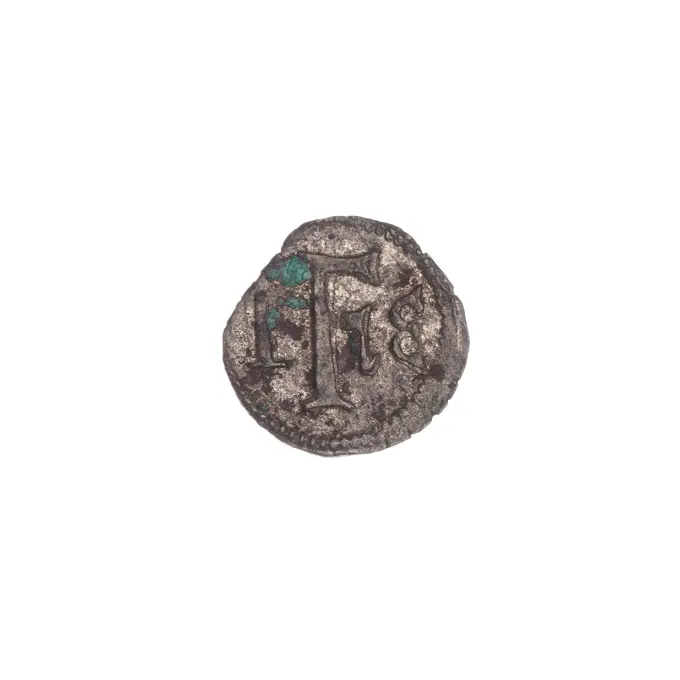
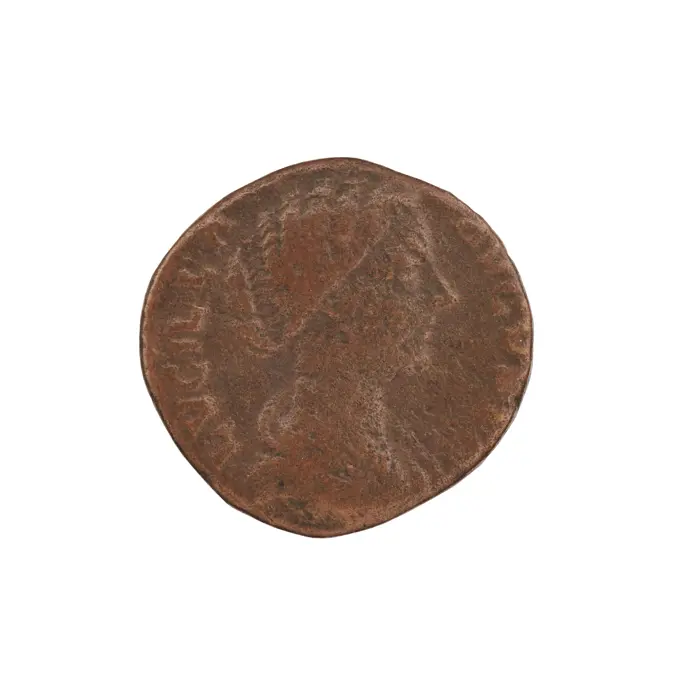
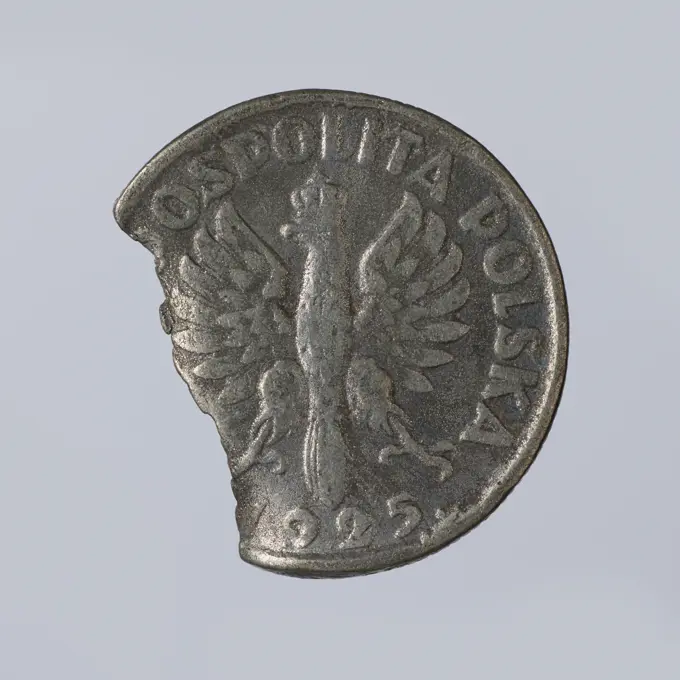
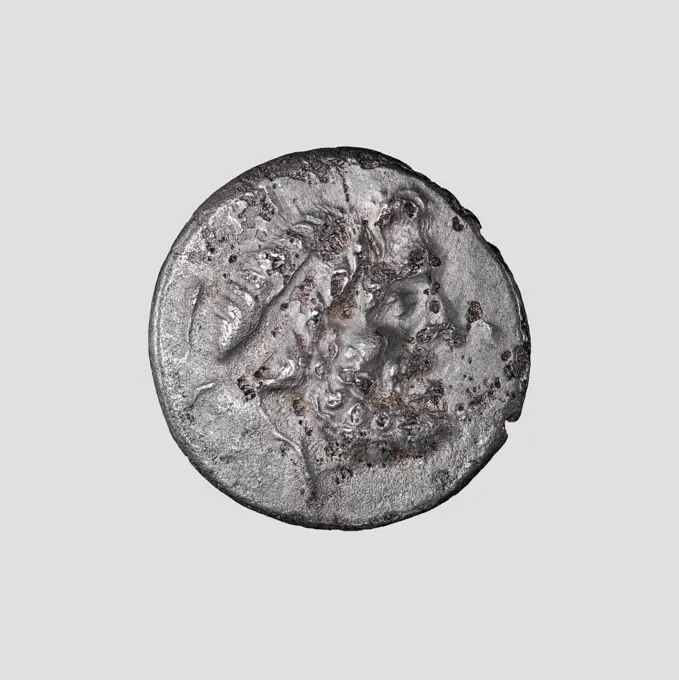
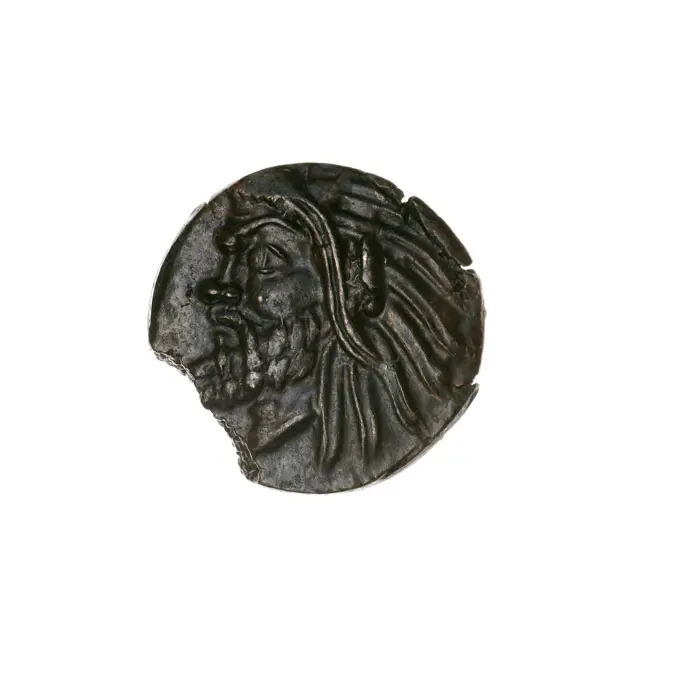
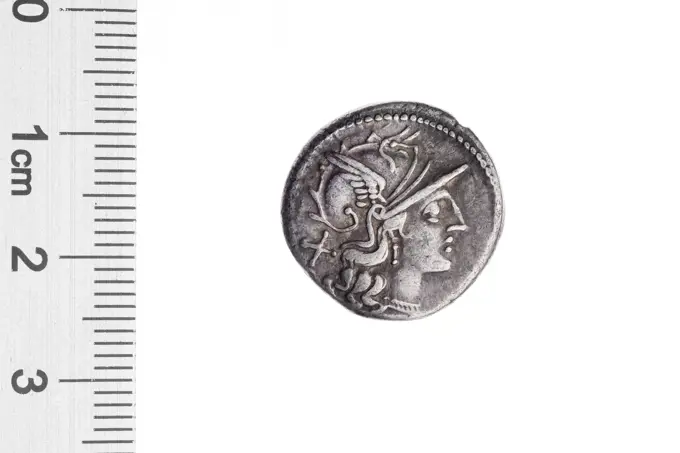
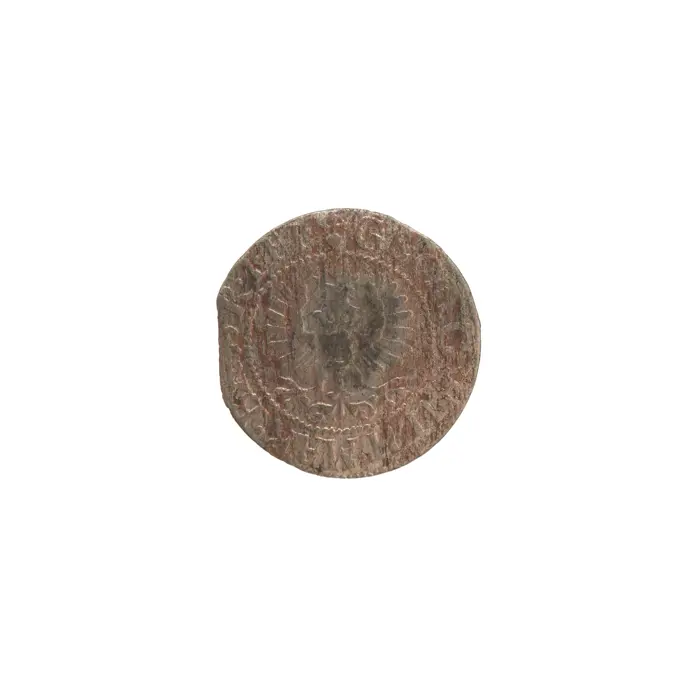
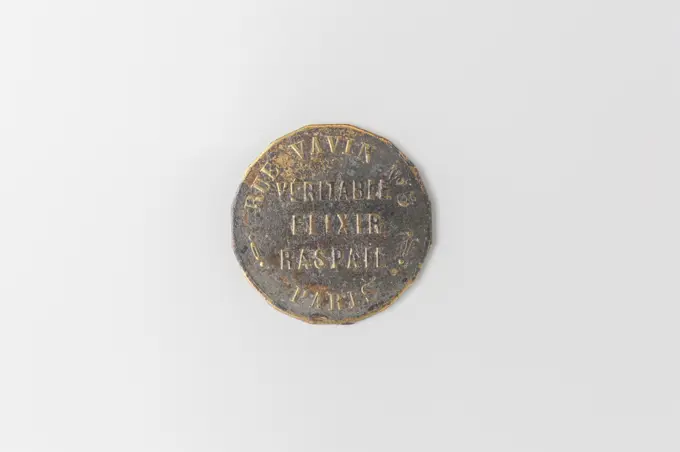
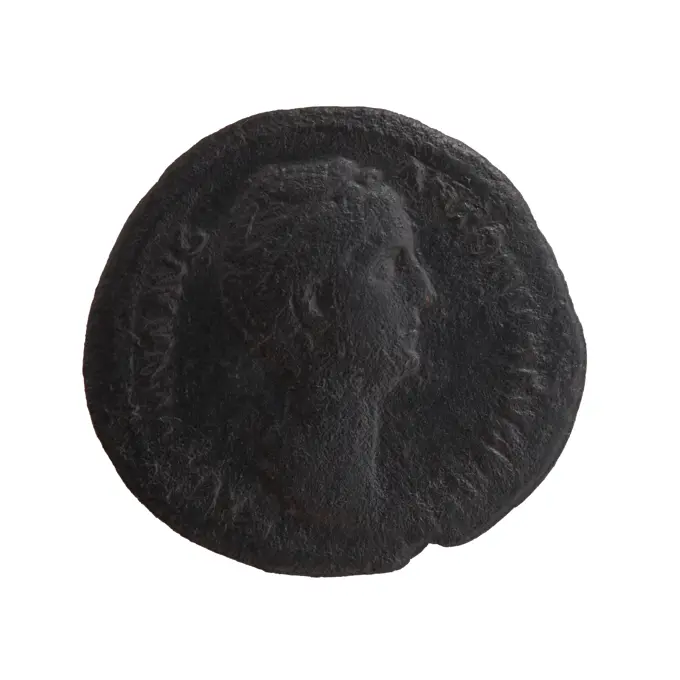
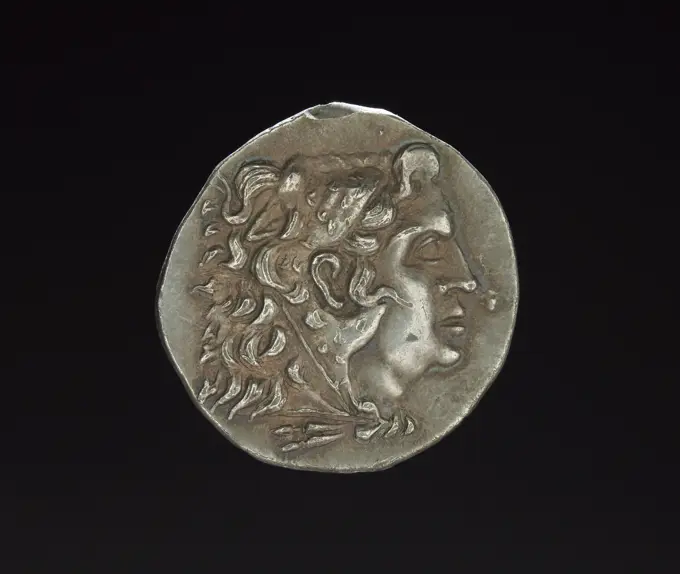
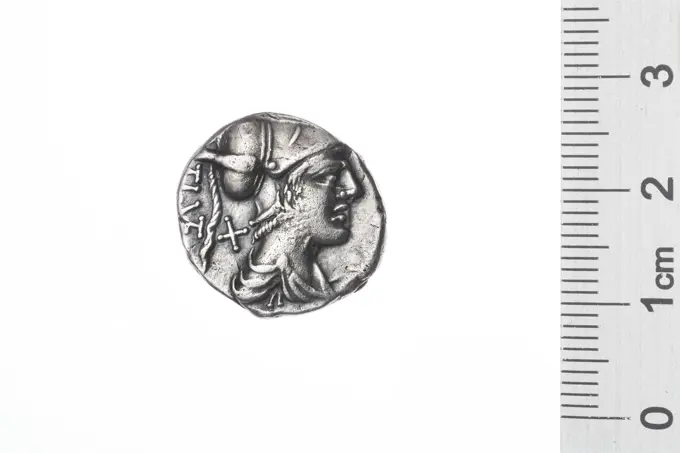
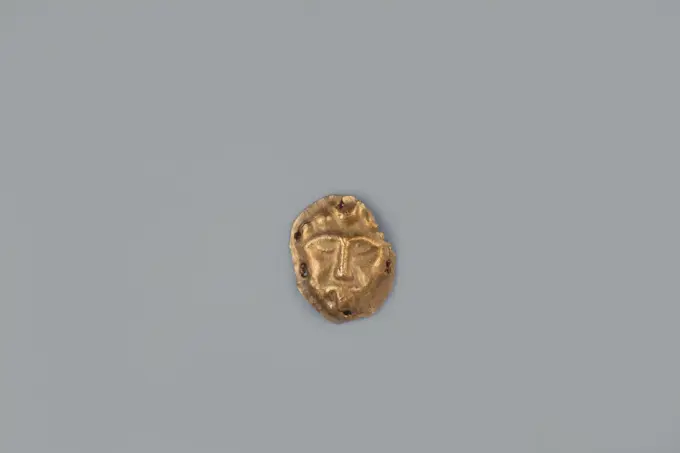
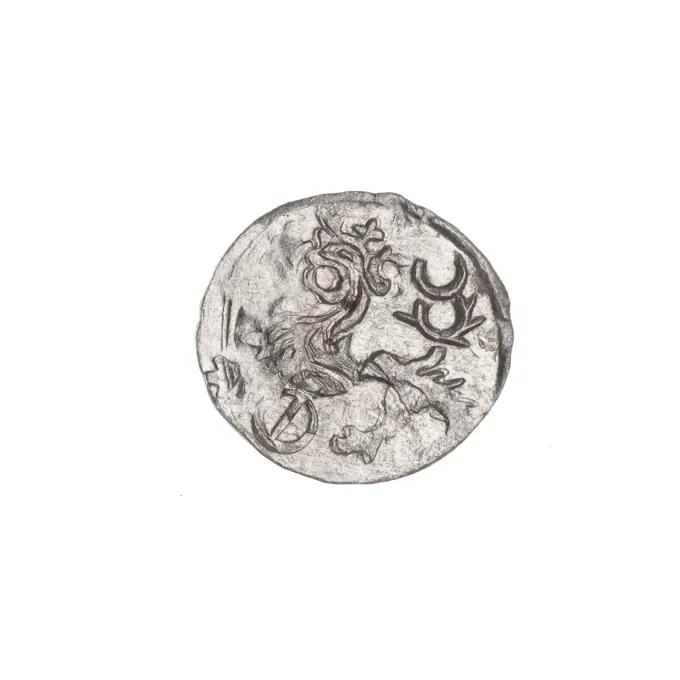
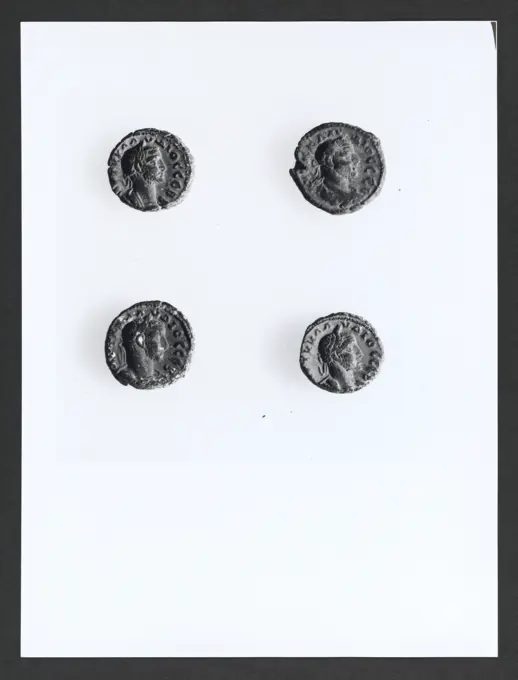
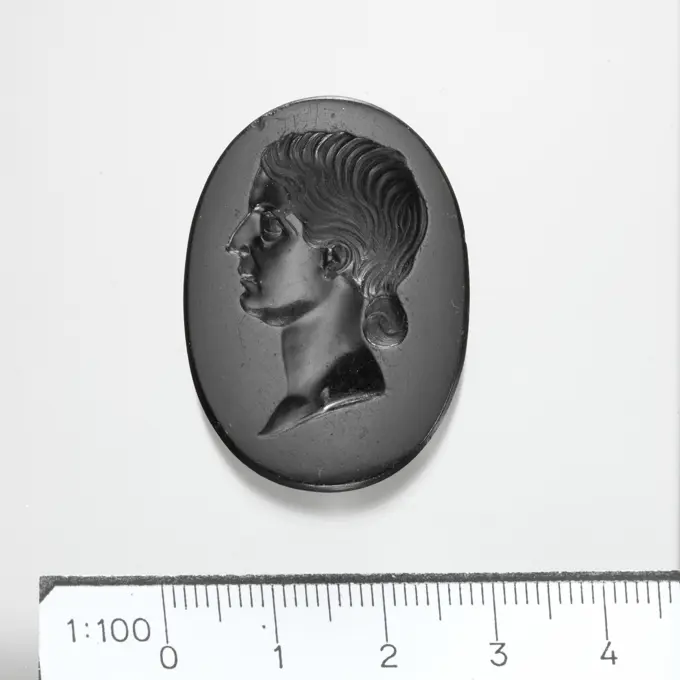
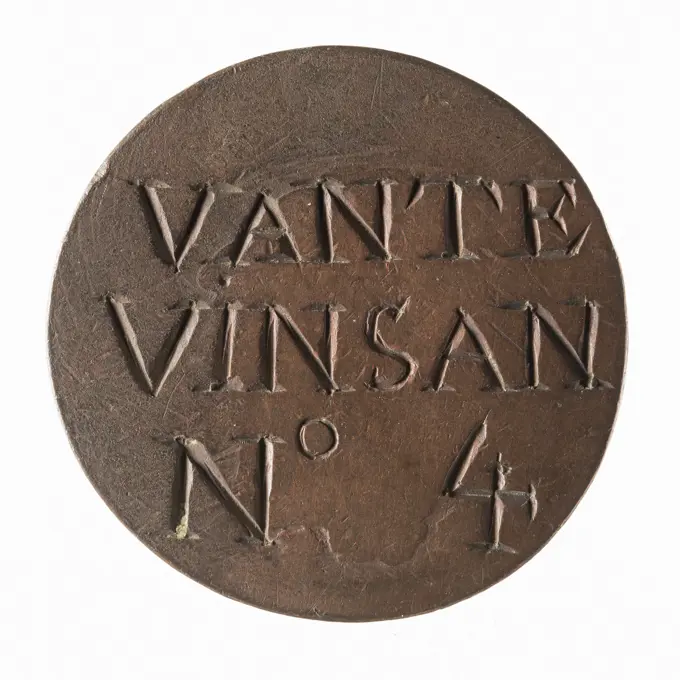
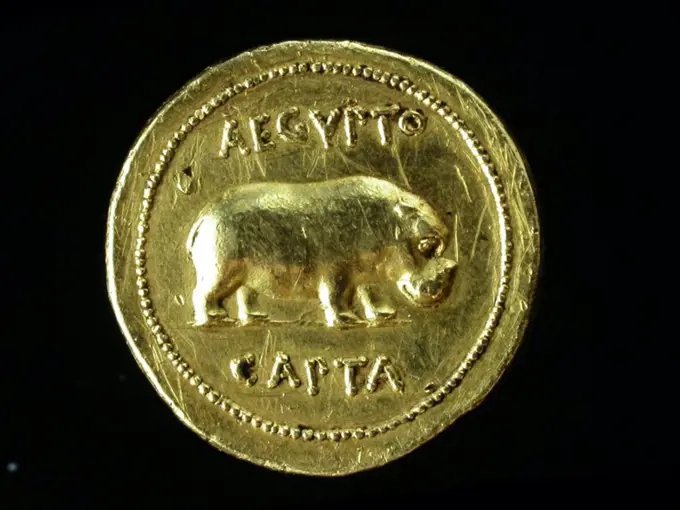
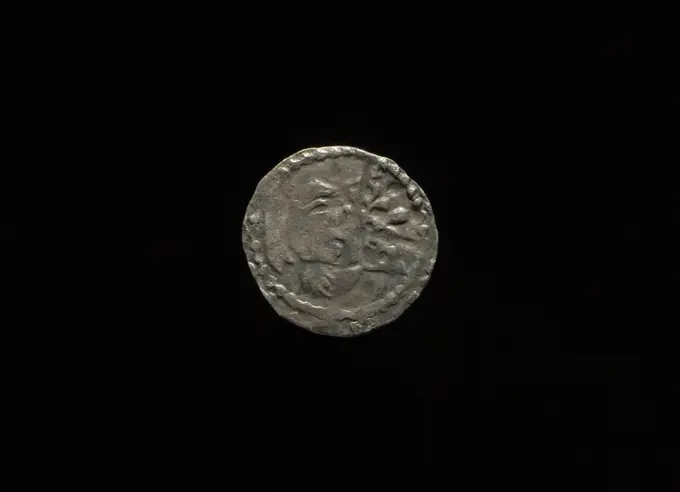
2003.0388.1.. Coin Forgery, 15th century. Coin forgery from Queenhithe hoard.denarius; Hadrian (76-138; Roman emperor 117-138); 134-138 (134-00-00-138-00-00);Coin (personification), heads, bias of abundance, weight, laurel wreathsheller; 15th century (1401-00-00-1500-00-00);letter F, letters, letters I - e, city coins, Silesian Eagle (iconogr.), Eaglessesterce; Lucius Werus (130-169; Roman emperor 161-169), Lucylla (149-182; Roman Empress 164-169); 164-169 (164-00-00-169-00-00);Fars that coin Con, 1925, 1925, Repracation of Island oflandsDrachm. UnknownBrown coin; Pantikapaion; the beginning of the 3rd century BC (-300-00-00--291-00-00);Nadczarzyorze, satir (mitol.), Bulls, bull's head (iconogr.), Message (provenance), animalsdenarius. Scribonius, C. (fl. 154 a.C.), monetary officer, Republika Rzymska, issuerszel g; Pfahler, Ernest; 1628 (1628-00-00-1628-00-00);Carnavalet museum, tokens collectionTrojak; Ernest Jan Biron (Ksi  Kurland and Semigalia; 1763-1769), Schmicert, Jan Fryderyk (Fl. 1764-1765); 1765 (1765-00-00-1765-00-00);AS; Antoninus Pius (86-161; Roman emperor 138-161), Faustina older (98-141; Roman Empress 138-141); 138-141 (138-00-00-141-00-00);dupondius; Marek Aureliusz (121-180; Roman emperor 161-180), Kommodus (161-192; Roman emperor 177-192); 178 (178-00-00-178-00-00);Indo-Greek Coin, c. 200-1 BC. Afghanistan, Bactria, c. 2nd-1st century BC. Silver; diameter: 3.2 x 0.5 cm (1 1/4 x 3/16 in.).denarius. Veturius, Ti. (fl. 137 a.C.), monetary officer, Republika Rzymska, issuerLazio Latina Sezze Antiquarium Comunale69. Hutzel, Max 1960-1990 German-born photographer and scholar Max Hutzel (1911-1988) photographed in Italy from the early 1960s until his death. The result of this project, referred to by Hutzel as Foto Arte Minore, is thorough documentation of art historical development in Italy up to the 18th century, including objects of the Etruscans and the Romans, as well as early Medieval, Romanesque, Gothic, Renaissance and Baroque monuments. Images are organized by geographic region in Italy, then by province, city, site complex and monument.Drachma; Vonones I (8-11); 8-11 (37-00-00-32-00-00);False coin, crown penny, Ladislaus III of Varna (1434 1444)denarius; W ADSAW II JAGIEC (King of Poland; 1386-1434); 1386-1434 (1386-00-00-1434-00-00);Szekel (siglos); Artakserkses II (404-358 BC), Artakserkses III (359-338 BC); 404-338 BC (401-00-00-500-00-00);Abruzzo L'Aquila S. Giuliano (L'Aquila environs) Museo3. Hutzel, Max 1960-1990 Views of the four collections housed in museum: Roman coins; Pre-Columbian art brought from Central America in 17th century; Greek and Roman sculpture; Egyptian sculpture and minor arts. Museum Roman coins; Greek and Roman sculpture; Egyptian sculpture and minor arts; Pre-Columbian sculpture. German-born photographer and scholar Max Hutzel (1911-1988) photographed in Italy from the early 1960s until his death. The result of this project, referred to by Hutzel as Foto Arte Minore, is thorough documentation of art historical development in Italy up to the 18th century, including objects of the Etruscans and the Romans, as well as early Medieval, Romanesque, Gothic, Renaissance and Baroque monuments. Images are organized by geographic region in Italy, then by province, city, site complex and monument.Aplika w kształcie głowy Gorgony. warsztat nadczarnomorski, workshopDrachma; Firuz (459-484); 459-484 (459-00-00-484-00-00);denarius; Hadrian (76-138; Roman emperor 117-138); 134-138 (134-00-00-138-00-00);Spes (personification), heads, flowersNUMISMATICA. MONEDA HISPANO-CARTAGINESA. DISHEKEL DE PLATA. ANVERSO. EFIGIE DE MELQART-HERACLES A LA IZQUIERDA, BARBADO, LAUREADO Y CON CLAVA AL HOMBRO. 238 A.C. (DEPOSITO: MUSEO ARQUEOLOGICO NACIONAL).Drachm. UnknownFalse Coin, Crown Penny, Casimir IV Jagiellon (1447 1492)heller; Zygmunt Luxembourg (Roman-German emperor; 1419-1437); 1419-1437 (1419-00-00-1437-00-00);Jan (Saint), Czech kingdom (coat of arms), head of St. John (iconogr.), Head of St. John on a bowl (iconogr.), Czech lion walking left (iconogr.), Lions, city coins, patron of Wrocław, RingsAbruzzo L'Aquila S. Giuliano (L'Aquila environs) Museo7. Hutzel, Max 1960-1990 Views of the four collections housed in museum: Roman coins; Pre-Columbian art brought from Central America in 17th century; Greek and Roman sculpture; Egyptian sculpture and minor arts. Museum Roman coins; Greek and Roman sculpture; Egyptian sculpture and minor arts; Pre-Columbian sculpture. German-born photographer and scholar Max Hutzel (1911-1988) photographed in Italy from the early 1960s until his death. The result of this project, referred to by Hutzel as Foto Arte Minore, is thorough documentation of art historical development in Italy up to the 18th century, including objects of the Etruscans and the Romans, as well as early Medieval, Romanesque, Gothic, Renaissance and Baroque monuments. Images are organized by geographic region in Italy, then by province, city, site complex and monument.August II Wettyna's coronation token from 1697. unknown, Geiger, Andreas (1765 1856), Koch, JohannEngraved Gem. UnknownBlack jasper intaglio portrait of a Roman lady 1st half of 1st century A.D. Roman The art of gem cutting was highly prized in Rome. Julius Caesar is said to have been a passionate collector of gems, and Augustuss signet ring was made by Dioskourides, the finest engraver of his time. Gems were often used to recall family traditions or political allegiances, but they also had a practical purpose, for when they were engraved in negative as intaglios, they could be used as seal stones in signet rings.. Black jasper intaglio portrait of a Roman lady. Roman. 1st half of 1st century A.D.. Jasper, black. Early Imperial, Julio-Claudian. GemsHalles and Paris markets: Dupuis, Ancien Régime Halles and Markets of Paris: Dupuis, Ancient Diet ". Copper.NUMISMATICA. MEDALLA IMPERIO ROMANO. MEDALLON DE ORO, DE AUGUSTO. REVERSO. HIPOPOTAMO A LA DERECHA. 27 A.C. (DEPOSITO: MUSEO ARQUEOLOGICO NACIONAL).Antique statue head of greek sculpture sketch engraving style vector illustration.