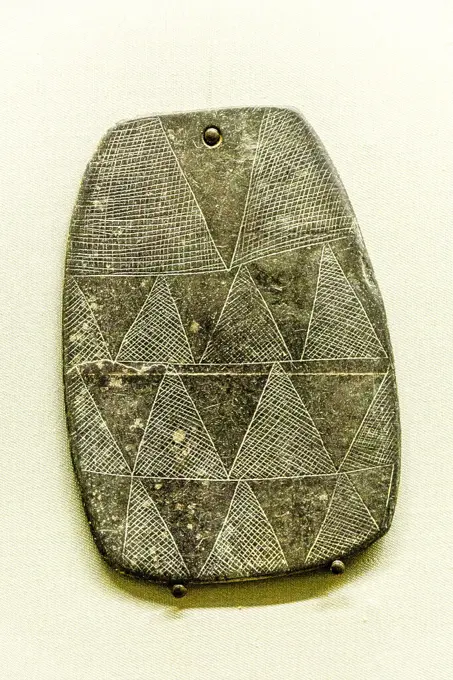
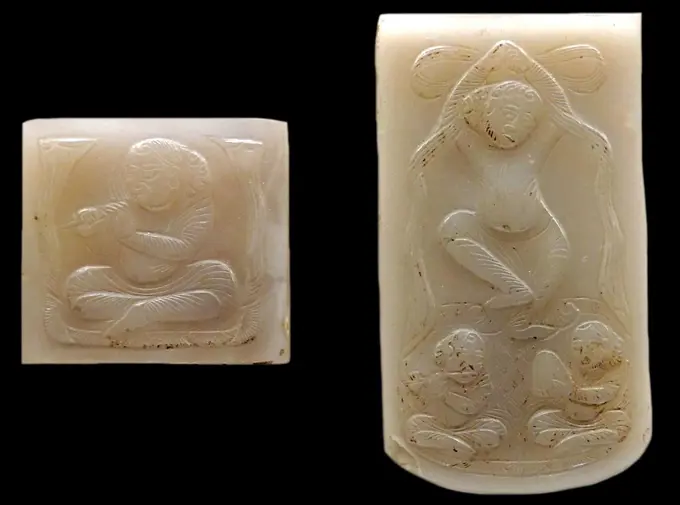
Ancient Scarabs and Pendants

Historical artifacts including jade pendants and scarabs with hieroglyphs, representing ancient cultures and detailed craftsmanship.
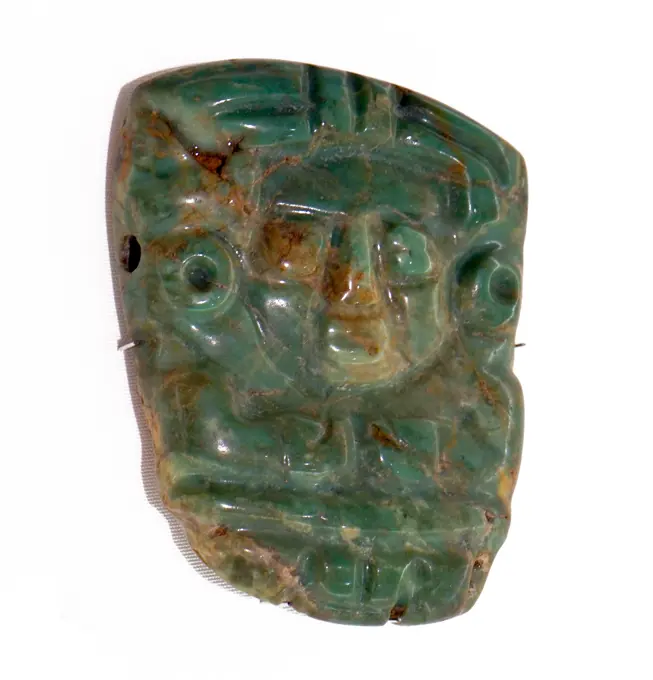
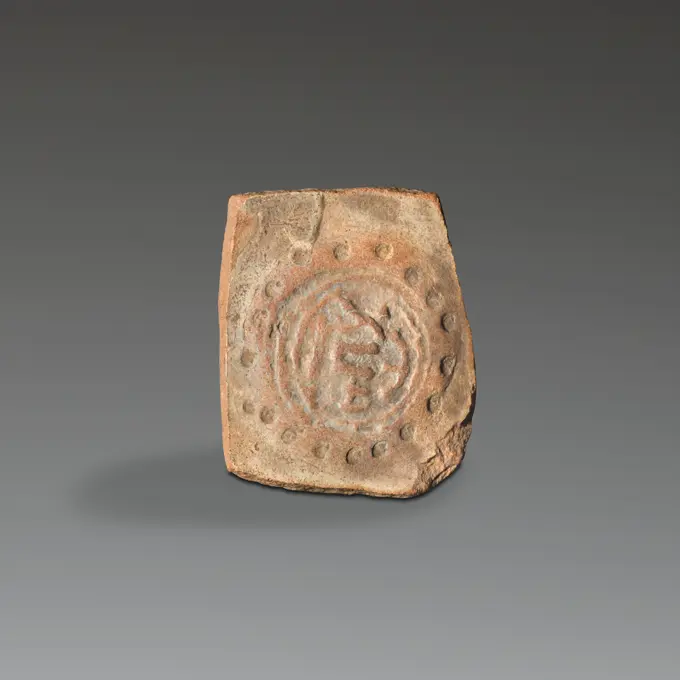
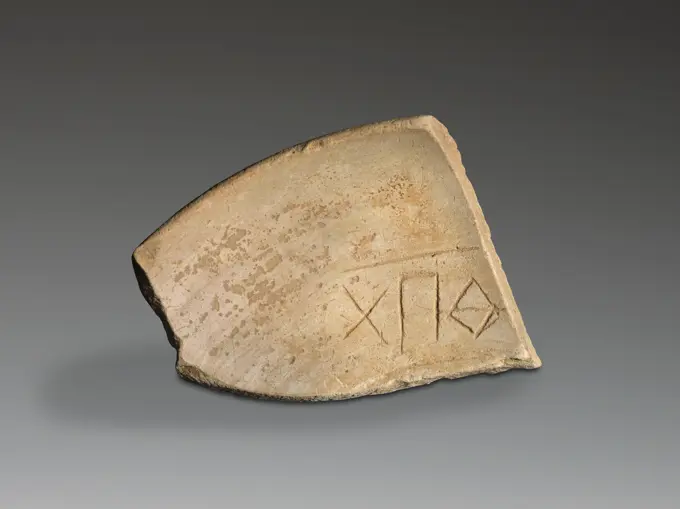
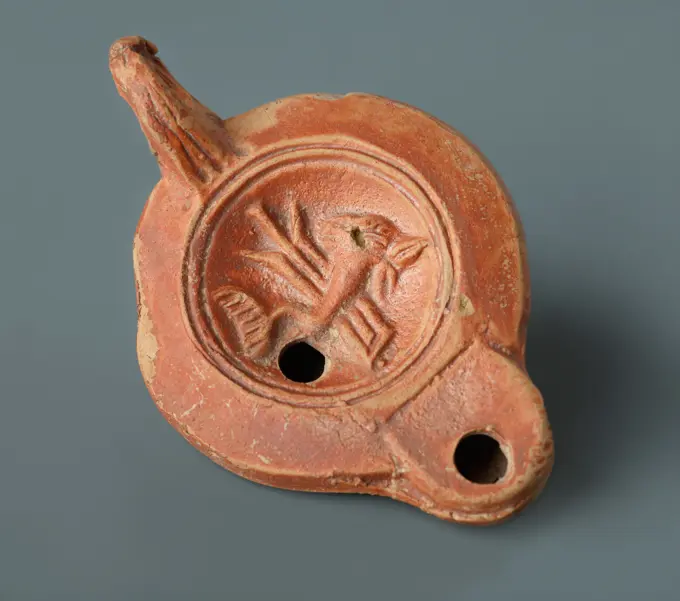
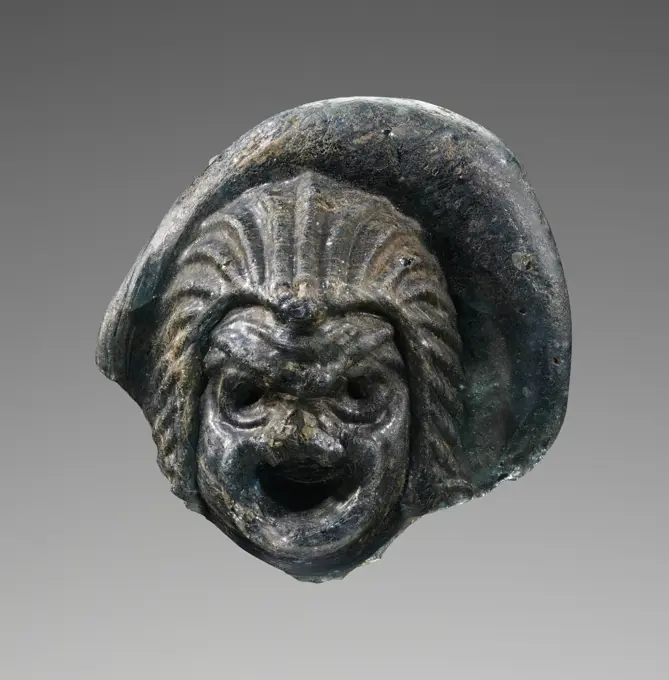
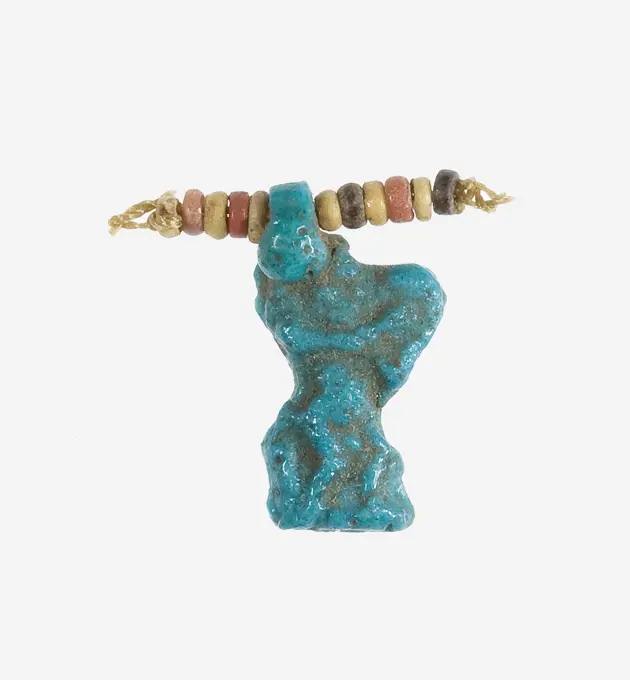
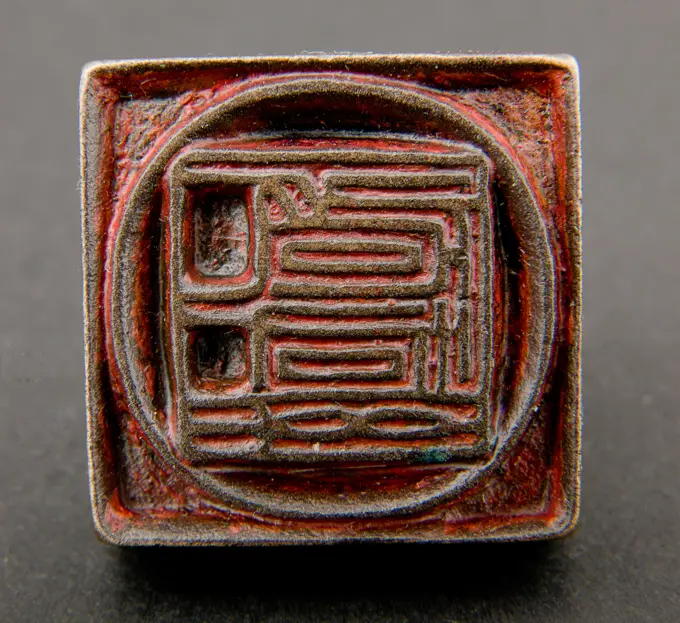
Low relief pendant made from Jade. Dated 10th Century
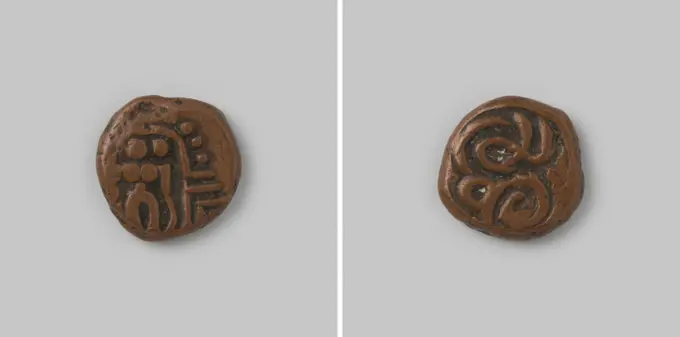
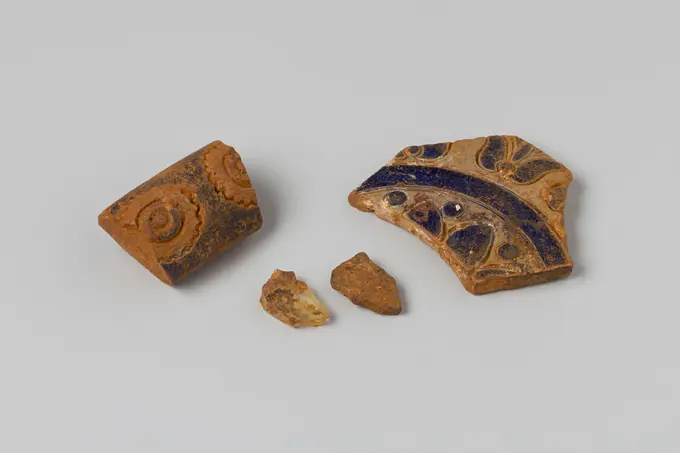
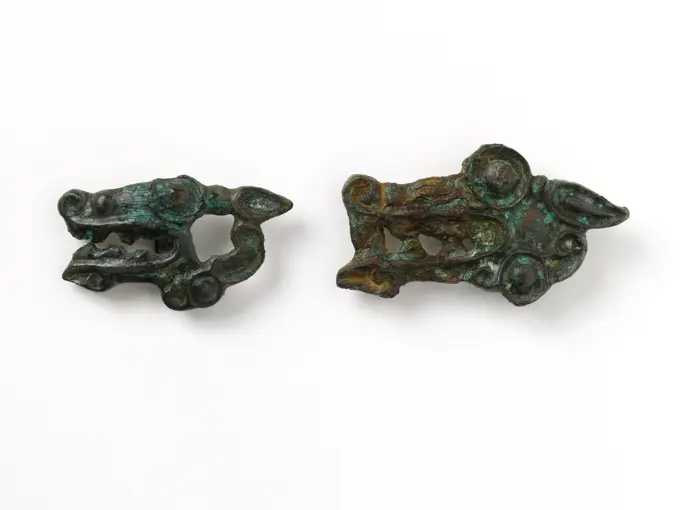
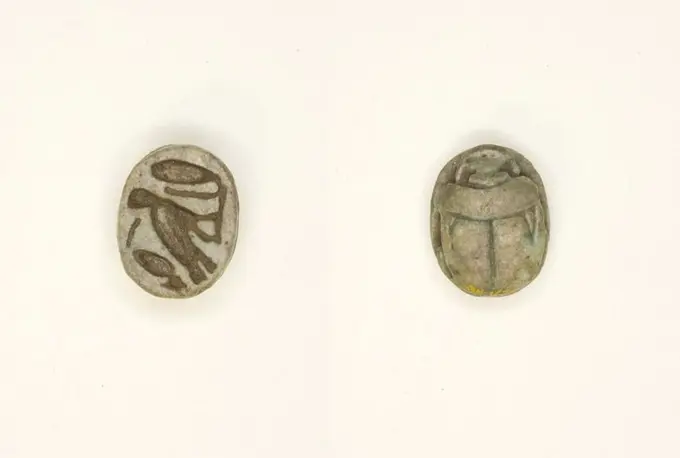
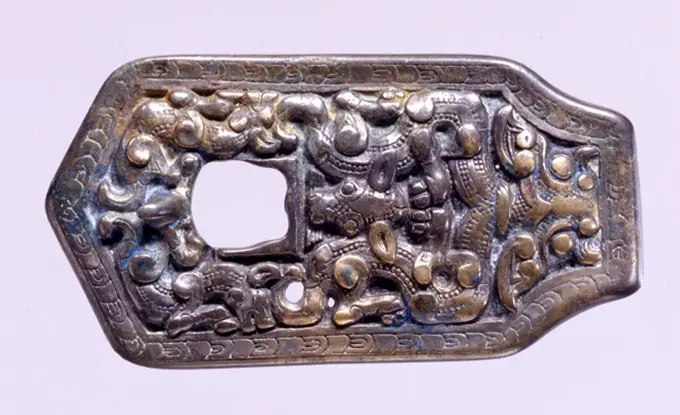
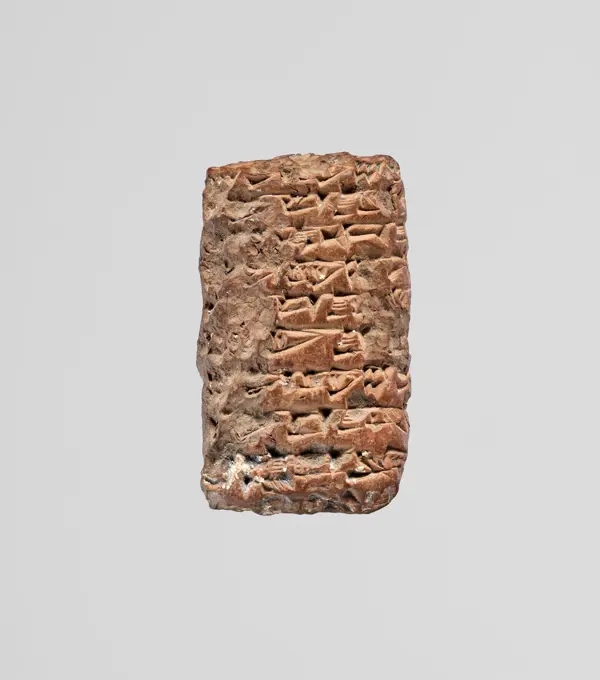
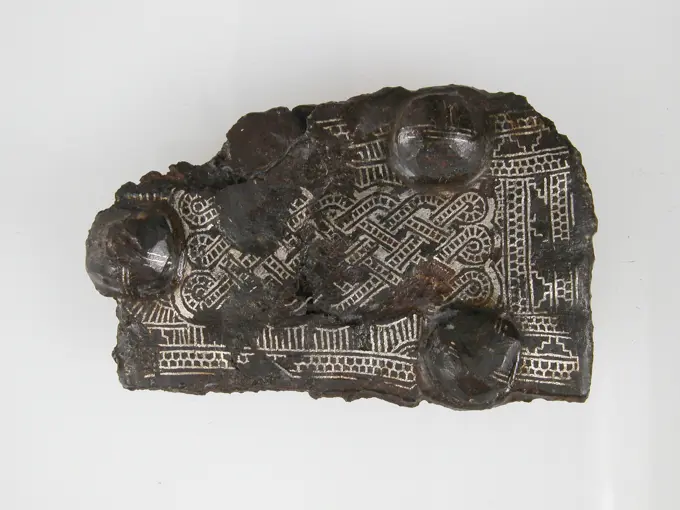
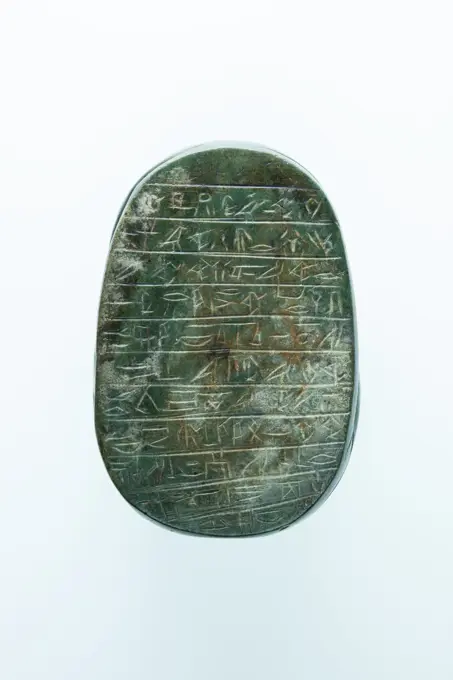
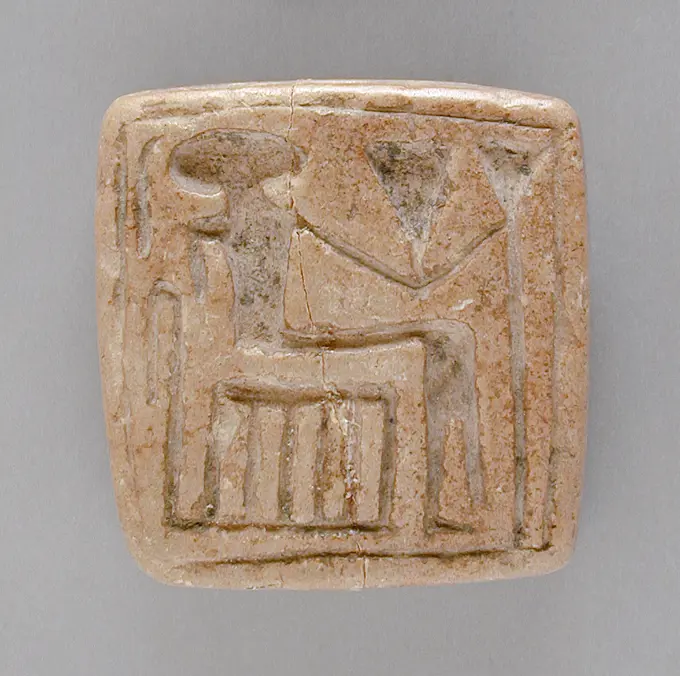
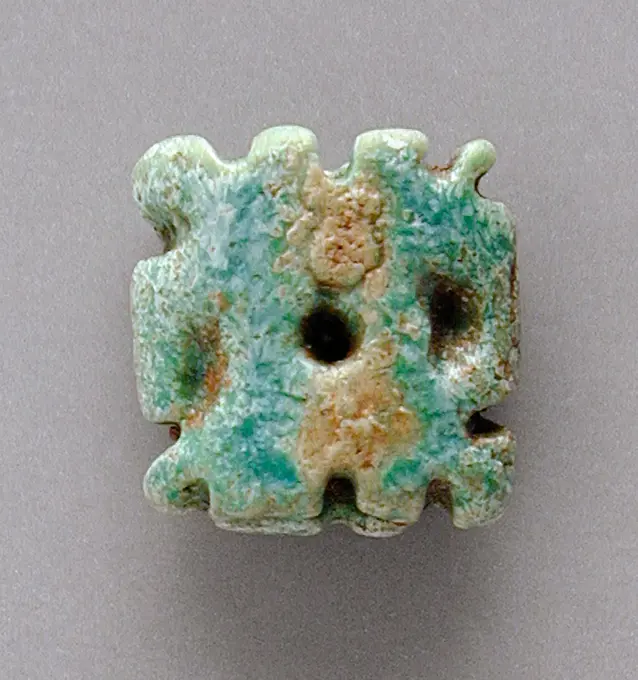
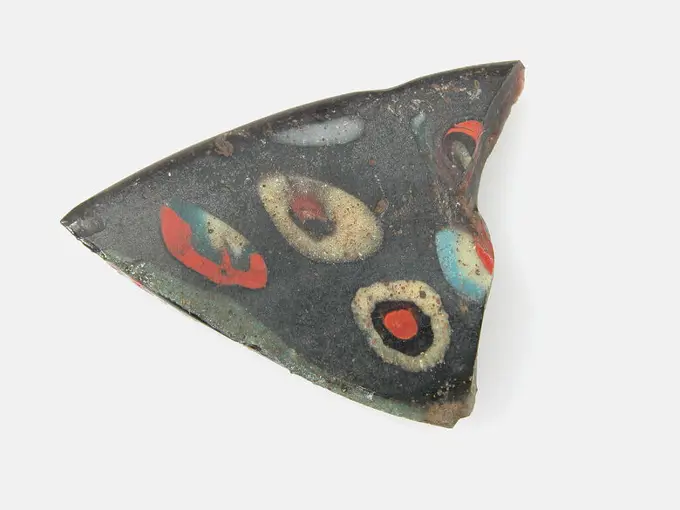
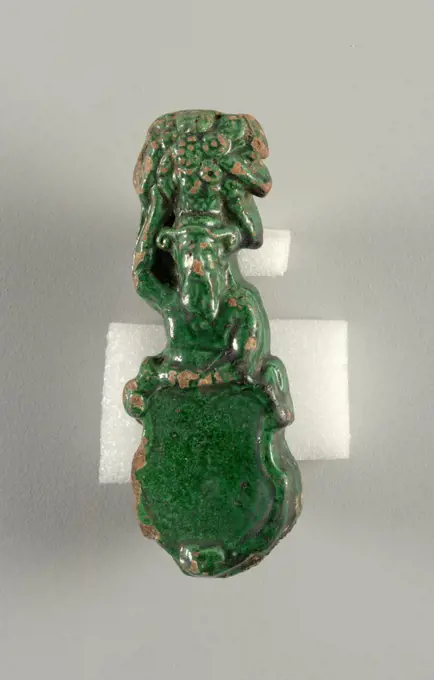
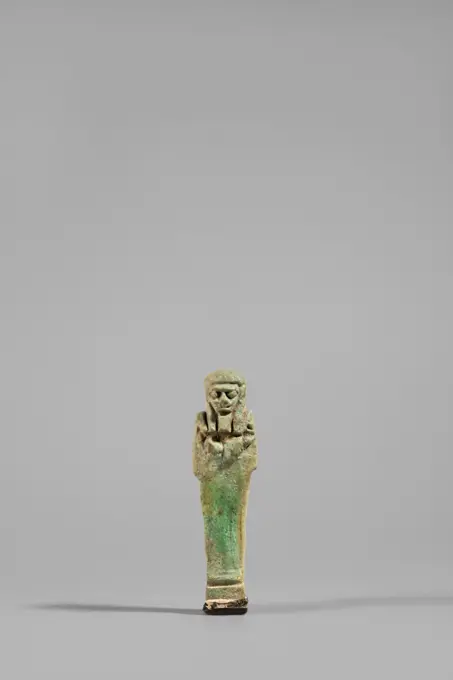
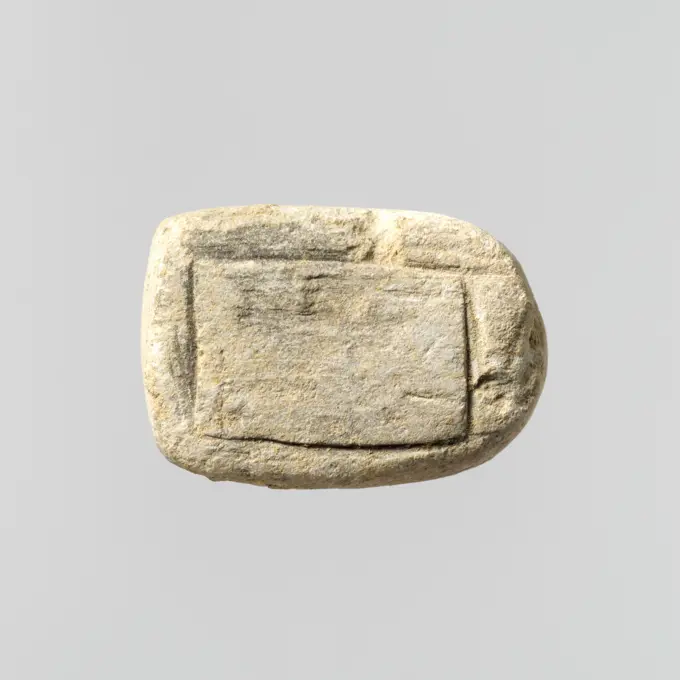
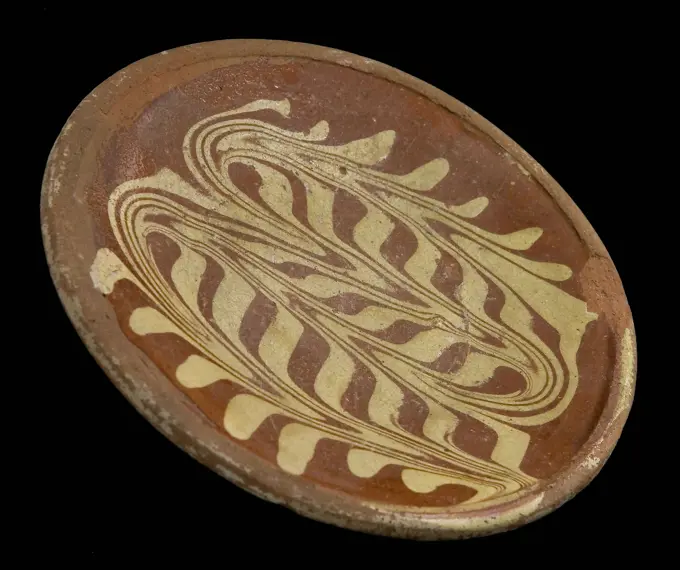
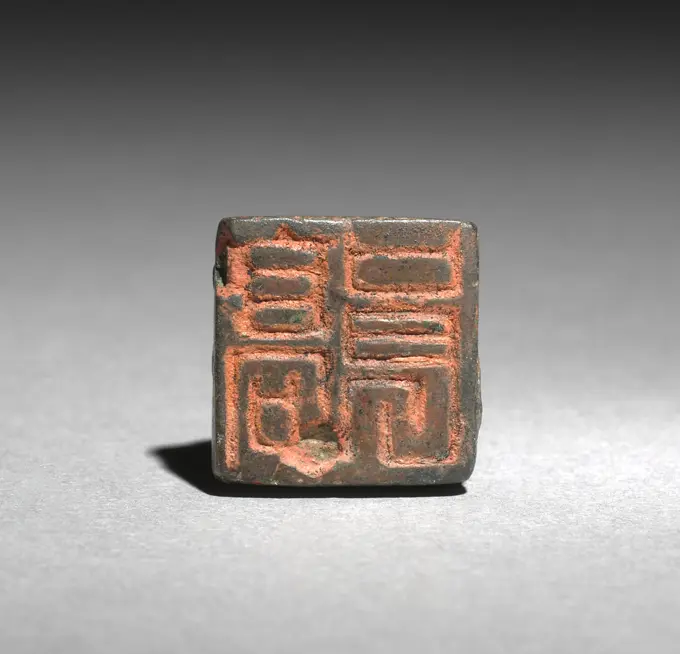
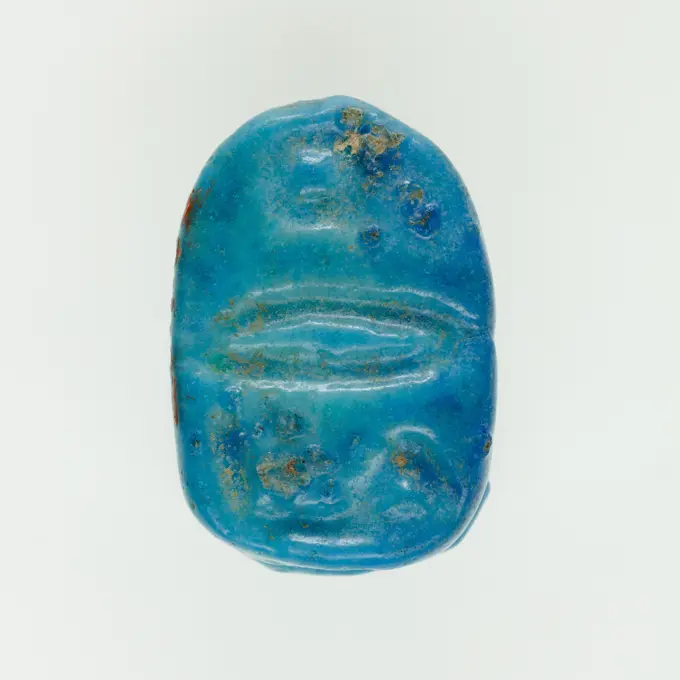
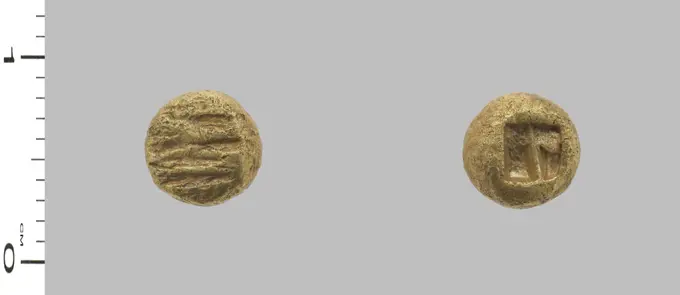
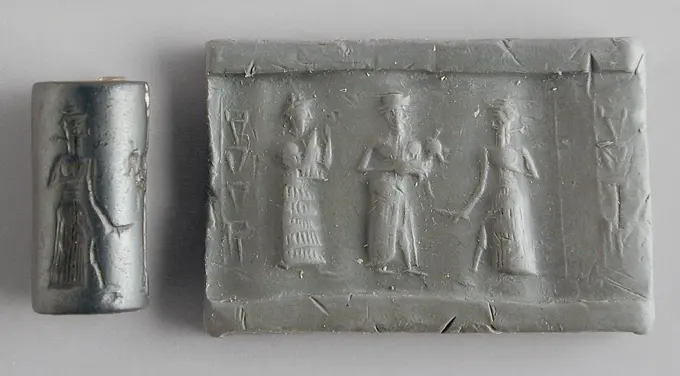
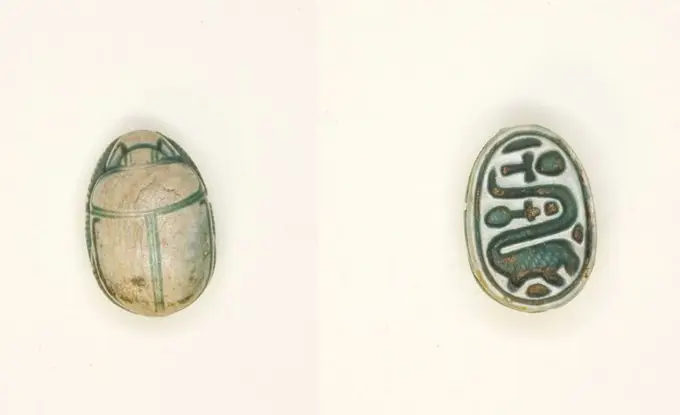
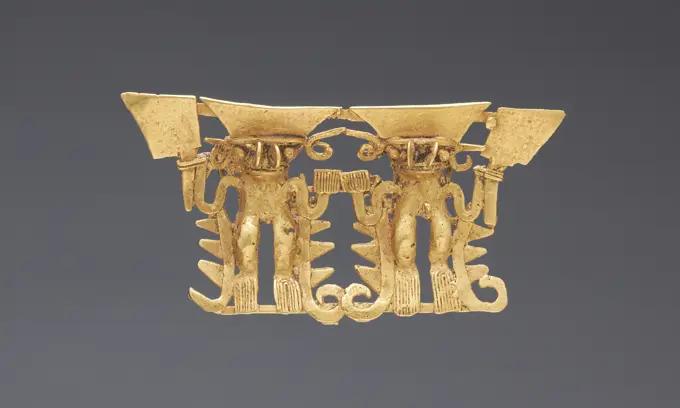
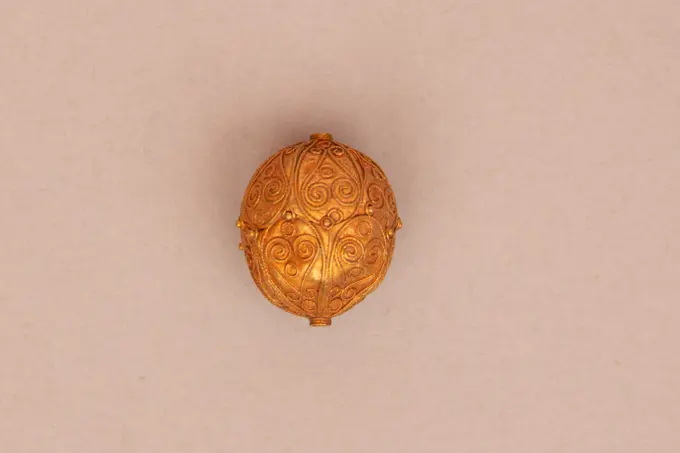
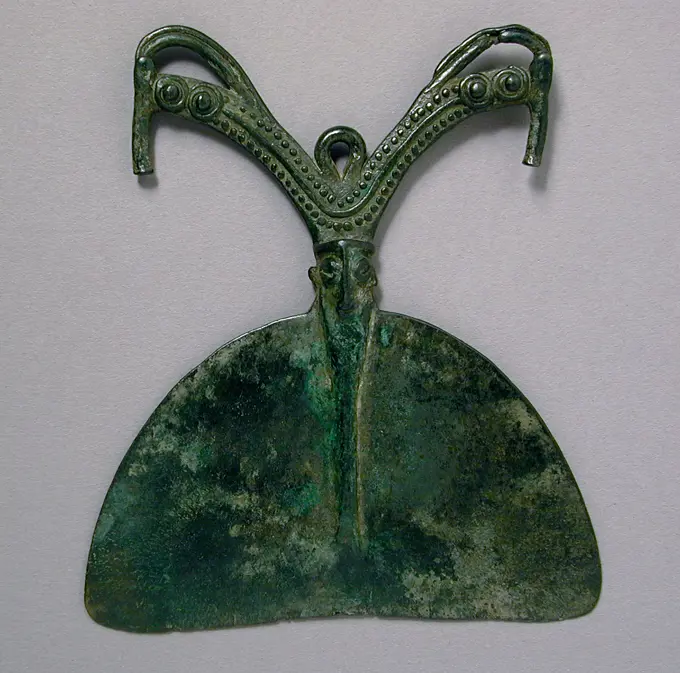
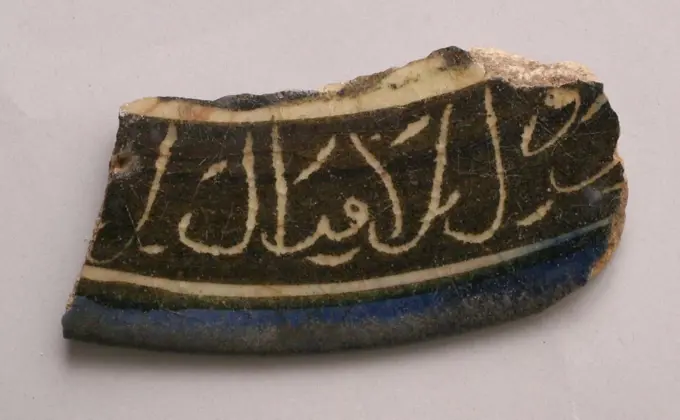
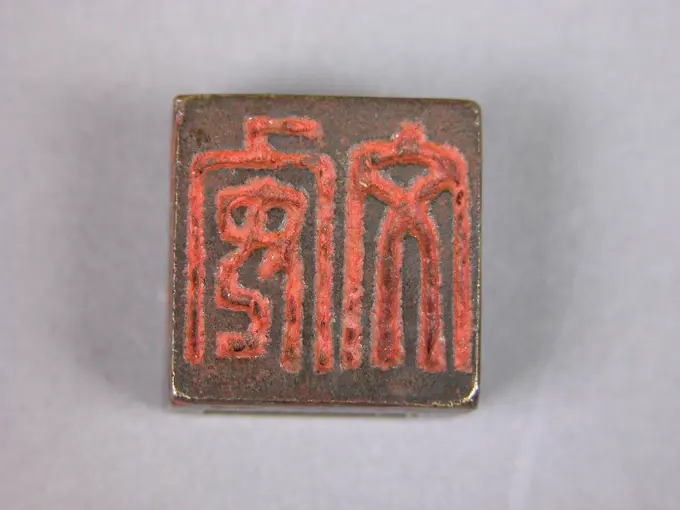
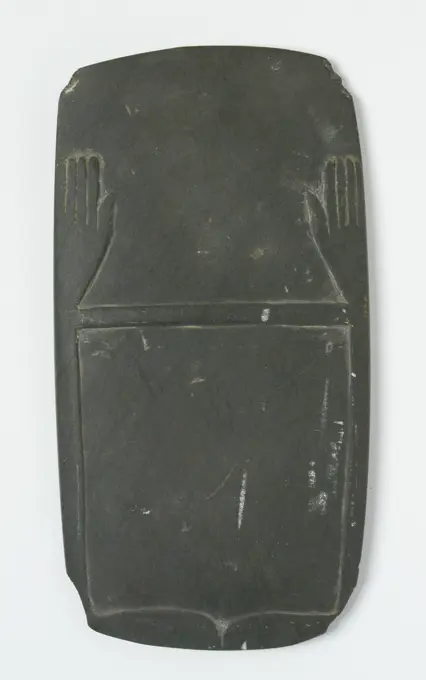
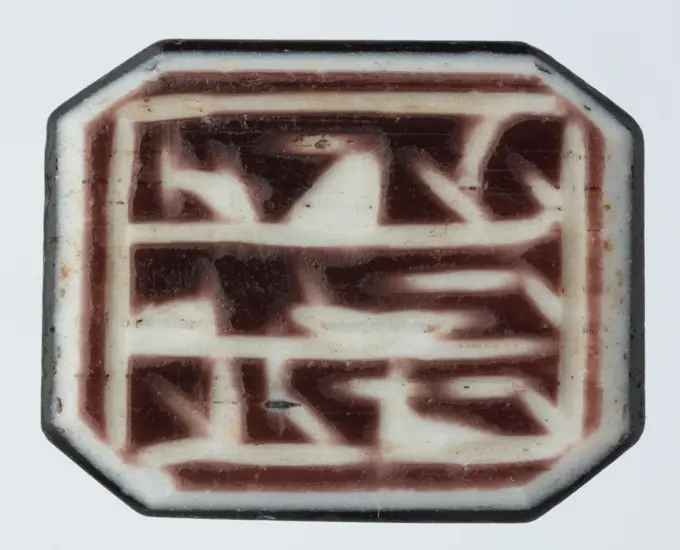
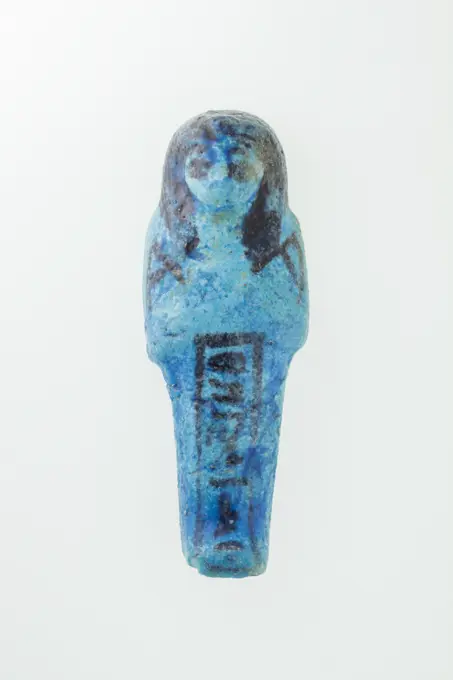
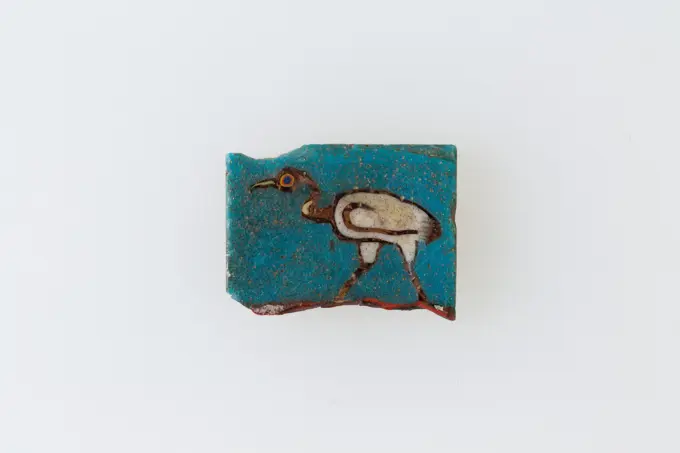
One from a Pair of Bracelets with Decorated Ends 300 B.C.-A.D. 400 Thailand. One from a Pair of Bracelets with Decorated Ends 53350Cylinder seal with cartouche of Nebkaure (Amenemhat II) and the name of the royal daughter. Dimensions: L. 2.7 cm (1 1/16 in.). Dynasty: Dynasty 13. Date: ca. 1802-1575 B.C.. Museum: Metropolitan Museum of Art, New York, USA.Scarab Inscribed with the Throne Name of Thutmose I ca. 1504-1492 B.C. New Kingdom. Scarab Inscribed with the Throne Name of Thutmose I. ca. 1504-1492 B.C.. Steatite, glazed. New Kingdom. From Egypt. Dynasty 182 Kasu from Tinnevelli in India under the Nayakas, 1700-1800 ,, 1700 - 1800 coin Copper mint. Front: Venkatesvara access gateway from the front. Reverse: in Telingic script in two lines the name: SRI VIRA.  copper (metal) striking (metalworking)Shards of pots and a glass shard from the wreck of the East India Hollandia.Stoneware, Rhenish, Westerwald, Pot: Fragm or Handle with Relieved Decoration; Fragm or body, sim. NG 1980-27H2624).Shabti of Tchenetipet 1069 BCE-945 BCE Egypt. Faience . Ancient EgyptianTwo wolf heads. Caucasus. 4th century BC. Paris, Cernuschi museum. 35173-11 Bronze, wolf, headScarab Long-Necked Creature 1985 BCE-1550 BCE Egypt. Glazed steatite . Ancient EgyptianScarab: Cobra, m-owl, and sign ("sDm" ). Egyptian. Date: 1550 BC-343 BC. Dimensions: 1.3 × 1 × 0.6 cm (1/2 × 3/8 × 1/4 in.). Steatite. Origin: Egypt. Museum: The Chicago Art Institute, Chicago, USA. Author: Ancient Egyptian.Fragment of the shell out of the vessel;  3 thousand BC (-3000-00-00--2001-00-00);The collection of the ancient EastForma do wyrobu amuletu - oka udżat. unknown, authorBelt Buckle with Animal Motifs 5th-4th century B.C. Northwest China. Belt Buckle with Animal Motifs 59501Excerpts copper from the wreck of the East Indians Hollandia, Anonymous, 1700 - in Or Before 1743 fragment Varied parts or fragments, sheet metal fragments: worked, with rivets; fragm, eroded, 1 rivet. Netherlands copper (metal)   SecondCylinder seal ca. 2345-2181 B.C. or later Old Kingdom. Cylinder seal. ca. 2345-2181 B.C. or later. Steatite. Old Kingdom. From Egypt. Dynasty 6 or laterWadjat-eye Seal Amulet Inscribed for Maatkare, Beloved of Amun ca. 1479-1458 B.C. New Kingdom. Wadjat-eye Seal Amulet Inscribed for Maatkare, Beloved of Amun. ca. 1479-1458 B.C.. Steatite (glazed). New Kingdom. From Egypt, Upper Egypt, Thebes, Deir el-Bahri, Temple of Hatshepsut, Foundation Deposit 7 (G), MMA excavations, 1926-27. Dynasty 18, earlyPrinting block, Medium: wood, copper, brass, One of twenty-one wood blocks showing a different floral motif formed by metal strips set in wood., USA, 1825-50, appliances & tools, Printing blockSeal ca. 1961-1840 B.C. Middle Kingdom. Seal 545700Tabliczka z pismem klinowym. nieznany urzędnik sumeryjski, authorCounter Plate of a Belt Buckle 4th-7th century Frankish. Counter Plate of a Belt Buckle 469819Bronze Finger Ring withStoneHieroglyphic Amulet ca. 1390-1352 B.C. New Kingdom. Hieroglyphic Amulet. ca. 1390-1352 B.C.. Faience. New Kingdom. From Egypt, Upper Egypt, Thebes, West Valley of the Kings, Tomb of Amenhotep III (WV 22), Carnarvon/Carter excavations, 1915. Dynasty 18Scarab ca. 1492-1473 B.C. New Kingdom This scarab was found with twenty-three other scarabs and seal-amulets in the coffin of a young woman who was buried in Hatnefer's tomb (see 36.3.1 and 36.3 26). The base is inscribed with a decorative pattern resembling a winged-sphinx.. Scarab 548977Heart scarab ca. 1550-1186 B.C. New Kingdom. Heart scarab. ca. 1550-1186 B.C.. Green stone. New Kingdom. From Egypt. Dynasty 18-19Amulet. Egypt, 19th Dynasty New Kingdom (circa 1200 BCE). Jewelry and Adornments; amulets. StoneGroup of Twenty-two Amulets. Egypt, New Kingdom (1500 - 1050 BCE). Jewelry and Adornments; amulets. Various materialsAmulet of the God Bes 1070 BCE-656 BCE Egypt. Faience . Ancient EgyptianScarab: Hieroglyph (Ankh Sign). Egyptian. Date: 1550 BC-1069 BC. Dimensions: 1 × 0.6 × 0.6 cm (3/8 × 1/4 × 1/4 in.). Glazed steatite. Origin: Egypt. Museum: The Chicago Art Institute, Chicago, USA. Author: Ancient Egyptian.Glass Fragment. Culture: Coptic. Dimensions: Overall: 1 1/4 x 1 5/16 x 1/4 in. (3.2 x 3.4 x 0.6 cm). Date: 4th-early 5th century. Museum: Metropolitan Museum of Art, New York, USA.Stove tile, Lead-glazed earthenware, Above a shaped shield, a bearded male half-figure supports on its head a basket of fruit., Germany, late 16th century, tiles, Decorative Arts, Stove tileFragment of the DNA of a small bowl without a foot; Unknown Nubian workshop; 2. PO. IX-1. after. 10th century (851-00-00-950-00-00);Inscribed ceramics, nubian ceramics, decorations imprinted with stamp, medallions, bowls, bowls without footSeal Amulet, 2311-2140 BC. Egypt, Old Kingdom, Dynasty 6-8, 2311-2140 BC. Bone; diameter: 2.6 cm (1 in.).Fragment of a bowl with an inscription; Unknown Nubian workshop; 2. PO. IX-XI century; Classic Christian period (851-00-00-1100-00-00);Michał (Saint), Stara Dongola (Sudan), Nubian ceramics, cryptogram, inscribed vessels, nubian vessels, sgraffito, Polish excavations in Old DongolaBracelet or torque. Bracelet or torque 251446 Bracelet or torque, Bronze, H.: 4 1/2 x 5 x 3/8 in. (11.4 x 12.7 x 1 cm). The Metropolitan Museum of Art, New York. Rogers Fund, 1923 (23.160.112)Amulet of a Heart 1350 BCE Egypt. Glass . Ancient EgyptianSeal China. Seal. China. Bronze. Ming dynasty (1368-1644) or earlier. MetalworkCylinder seal ca. 2649-2100 B.C. Old Kingdom. Cylinder seal. ca. 2649-2100 B.C.. Steatite. Old Kingdom. From Egypt. Dynasty 5Horse Accoutrement. Western Inner Mongolia and northern China, 5th-4th century B.C.. Tools and Equipment; horse trappings. Bronze, castOil LampAppliqué. UnknownAttic Red-Figure Pelike fragment.Terracotta oil lamp ca. A.D. 550-650 Roman Broneer Type 29. Mold-made, with unpierced, stub handle. Small, deep body. Shallow discus: krater containing fruit; two large filling holes at bottom near nozzle; raised band around edge, continuing around nozzle and forming channel from discus to wick hole. Sloping shoulder: row of large raised dots. Raised base ring, with ridge running up to back of handle, and flat base.Broken with most of nozzle and front of body missing.. Terracotta oil lamp. Roman. ca. A.D. 550-650. Terracotta. Early Byzantine. TerracottasEngraved Gem with Chnoubis; A.D. 100-250; Green chalcedony; 1.5 × 1.2 cm (9,16 × 1,2 in.)Stove tile, c. 1400 - c. 1450 Stove tile with the presentation of a knight on horseback, green glazed.  earthenware. glaze Stove tile with the presentation of a knight on horseback, green glazed.  earthenware. glazeAmulet: Taweret ca. 1390-1353 B.C. New Kingdom. Amulet: Taweret. ca. 1390-1353 B.C.. Faience. New Kingdom. From Egypt, Upper Egypt, Thebes, Malqata, Palace of Amenhotep III, MMA excavations, 1911-12. Dynasty 18Amulet of a Reclining Cow. Egyptian. Date: 1070 BC-656 BC. Dimensions: 3.5 × 6 × .3 cm (1 3/8 × 2 3/8 × 1/8 in.). Glass. Origin: Egypt. Museum: The Chicago Art Institute, Chicago, USA. Author: Ancient Egyptian.Uszebti. unknown, authorStamp ca. 1295-1070 B.C. New Kingdom, Ramesside. Stamp. ca. 1295-1070 B.C.. Limestone. New Kingdom, Ramesside. From Egypt, Memphite Region, Lisht North, Cemetery, MMA excavations, 1913-14. Dynasty 19-20Red earthenware plate with yellow decoration in sludge flow technique, plate dish crockery holder soil find ceramic earthenware glaze lead glaze clay, hand turned decorated glazed fried lemonade Low plate on stand. Red shard only glazed on top Round slightly thickened saucer edge Decorated in sludge flow technique with yellow lines archeology indigenous pottery import food serve serving tableCruciform Mirror with Two Lions, late 700s-early 800s. China, Tang dynasty (618-907). Bronze; overall: 0.7 x 10.5 cm (1/4 x 4 1/8 in.); rim: 0.4 cm (3/16 in.).Seal, 918-1392. Korea, Goryeo period (918-1392). Bronze; overall: 1.3 cm (1/2 in.); base: 1.5 x 1.4 cm (9/16 x 9/16 in.).Scarab Inscribed with a Blessing Related to Re ca. 1640-1550 B.C. Second Intermediate Period During the late Middle Kingdom (late Dynasty 12-13, ca. 1850-1640 B.C.), numerous scarabs were incised with inscriptions related to the sun god Re. These scarabs are often quite small. The precise meaning of the inscriptions remains unclear: they can be interpreted as forming the name Re, or as a phrase or wish meaning (may) Re give. Such inscriptions summon the sun gods protection. These so-called ‘rdi ra scarabs continue to be manufactured during the Second Intermediate Period (ca. 1640-1550 B.C.), but show different details on the back and sides.. Scarab Inscribed with a Blessing Related to Re 545746Grahal-Manzara. Carnavalet 2013-2016 collection sites. Numismatics. Law bust of Louis XVI bearing the golden fleece, on the right.1/24 Stater fromIonia, ca. 600 B.C., Electrum, .65 g, 6mm, Made in Ionia, Greek, 7th-6th century B.C., NumismaticsMold with Cartouche bearing Name of King Psamtik. Egypt, Late Period, 26th Dynasty, reign of Psamtik I, II or III (664 - 525 BCE). Tools and Equipment; molds. TerracottaFloor tile decorated with a French lily (brown), c. 1299 - c. 1499  France earthenware. lead glaze  France earthenware. lead glazeBoat;  404-343 BC ; Half period, 28-30 dynasty (-404-00-00--343-00-00);Shabti 1069 BCE-945 BCE Egypt. Faience . Ancient EgyptianFragment of a Bowl 11th-12th century. Fragment of a Bowl 447191Cylinder Seal. Iran, Mesopotamia or Syria, Old Babylonian period, circa 2000-1600 B.C.. Tools and Equipment; seals. HematitePlaque with Incised Designs. Culture: China. Dimensions: H. 1 5/8 in. (4.1 cm); W. 1 5/8 in. (4.1 cm). Museum: Metropolitan Museum of Art, New York, USA.Hearing stone with representation of two climbing lions, c. 1875 - c. 1900 Hearing stone with representation of two climbing lions, placed in profiled window. The half windows at the top and bottom are filled with arrow pattern. Glazed. Netherlands earthenware vitrification Hearing stone with representation of two climbing lions, placed in profiled window. The half windows at the top and bottom are filled with arrow pattern. Glazed. Netherlands earthenware vitrificationCrocodile-Head Figure Pendant 11th-16th century Veraguas. Crocodile-Head Figure Pendant. Veraguas. 11th-16th century. Gold (cast). Panama. Metal-OrnamentsFaience Scarab Depicting a Beetle Flanked by Cobras. Egypt, New Kingdom to Late Period, 18th-26th dynasties (1569-525 BCE) or modern. Sculpture. Blue-green glazed steatiteScarab: Long-Necked Creature. Egyptian. Date: 1985 BC-1550 BC. Dimensions: 1.3 × 1 × 0.6 cm (1/2 × 3/8 × 1/4 in.). Glazed steatite. Origin: Egypt. Museum: The Chicago Art Institute, Chicago, USA. Author: Ancient Egyptian.Bat-Nosed Figures Pendant, 1000-1550. Panama, Azuero Peninsula, Parita style, 11th-16th century. Cast gold; overall: 4.2 x 8.1 x 1.6 cm (1 5/8 x 3 3/16 x 5/8 in.). Both pendants depict paired figures with tusklike noses. The "tusks" perhaps refer to the upswept nose of the leaf-nosed bat, an agile hunter whose "leaf" helps it to snatch prey from midair. The bat's success as a hunter is part of the reason that some identify such paired figures as warriors. They each hold a paddle-shaped object; the larger pair, in elaborate costumes, also clutches staffs.Half-Circle Plaque ca. 1153-1147 B.C. New Kingdom, Ramesside. Half-Circle Plaque. ca. 1153-1147 B.C.. Travertine (Egyptian alabaster). New Kingdom, Ramesside. From Egypt, Upper Egypt, Thebes, Asasif, Temple of Ramesses IV, Foundation deposit, MMA excavations, 1935-36. Dynasty 19Scarab, 1648-1540 BC. Egypt, Second Intermediate Period. Turquoise-glazed steatite; overall: 1.6 cm (5/8 in.).Bead 11th century Five Gold Beads: 1980.474.1-.5The five gold beads nos. 1980.474.1-.5 purported to have been found with the spherical and biconical beads nos. 1980.456, .457, are, so far as we know, unique. However, the apparent attempt (at least in the case of the four large beads) to imitate in another technique the design of the spherical bead is not without parallel in the Fatimid period.1 The beads exemplify curious exceptions to the almost universal employment of dapping for the production of "spherical" beads; rather, they are formed by appropriately cutting and bringing together the edges of pieces of sheet to approximate the spherical form, resulting in a structure more like a domical vault than a true dome, the shape of a dapped hemisphere.While no practical or artistic advantage can be seen to result from the procedure, it is difficult to imagine that workmen capable of this quality of work, which includes colloid hard soldering, would be unfamiliar with the dapping proceRazor. Northeastern Europe-western Russia, A.D. 10th-11th century. Arms and Armor. Bronze, castAmulet of Pataikos Made 664 BCE-332 BCE Egypt. Faience . Ancient EgyptianRing Fragment with ankh ca. 1390-1353 B.C. New Kingdom. Ring Fragment with ankh. ca. 1390-1353 B.C.. Faience, apple green. New Kingdom. From Egypt, Upper Egypt, Thebes, Malqata, Palace of Amenhotep III, MMA excavations, 1910-11. Dynasty 18Fragment 14th-15th century. Fragment 445210Seal China. Seal. China. Bronze. Ming dynasty (1368-1644) or earlier. MetalworkSeal China. Seal. China. Bronze. Ming dynasty (1368-1644) or earlier. MetalworkPalette. Egypt, Pre-Dynastic Period (circa 5500 - 3050 BCE). Tools and Equipment; palettes. SchistBonk from 1 penny from the Dutch East Indies, 1809, Louis Napoleon (King of Holland), 1809 coin Copper rectangular mint. Front: Within a rectangular list of pearls value indication 1 S. Down side: within a rectangular list of pearls year. Batavia copper (metal) striking (metalworking)Scarab with Achilles Arming. Master of the Boston DionysosSealing pistonAmulet of Bes with a Tambourine ca. 1390-1353 B.C. New Kingdom This amulet depicts the god Bes playing a tambourine. It was found strung with ten beads on original linen thread.. Amulet of Bes with a Tambourine. ca. 1390-1353 B.C.. Faience. New Kingdom. From Egypt, Upper Egypt, Thebes, Malqata, South Village, MMA excavations, 1911-12. Dynasty 18Tombstone. Dimensions: H. 14 1/2 in. (36.8 cm)W. 19 1/2 in. (49.5 cm)D. 11 1/4 in. (28.6 cm). Date: 12th century.This sarcophagus-shaped stone would have been attached to the lid of a grave marker. Each of the long sides has three sections. On either side of the central section, arches enclose a scallop surmounting a trefoil vine. Scallops have funerary associations going back to the Romans that continued into Islamic times. The dense geometric decoration recalls filigree, which would have been familiar where this stone was found, in Hamadan, a jewelry-making center. Museum: Metropolitan Museum of Art, New York, USA.Part of a figurine of a female figure supporting a male on her back ca. 1981-1802 B.C. Middle Kingdom. Part of a figurine of a female figure supporting a male on her back. ca. 1981-1802 B.C.. Faience. Middle Kingdom. From Egypt, Memphite Region, Lisht North, Cemetery, MMA excavations, 1906-07. Dynasty 12Afghan cattle charms, hung around the necks of the animals to protect them from the Evil Eye.Fragment. Dimensions: L 14.5 x W 9.5 x H 3. Date: probably 8th-12th century. Museum: Metropolitan Museum of Art, New York, USA.NAIPE DECORADO CON UNA FIGURA ANTROPOMORFA DE COLOR ROJO - CUERO Y PIGMENTO - SIGLO XVIII - PROCEDENTE DE CHILE - ESTILO MAPUCHE - 10,2x7,7 CM. Location: MUSEO DE AMERICA-COLECCION. MADRID. SPANIEN.The beggar; Seven consequences of drunkenness. Rectangular, lead, plaque with beveled edges. A curved, old man, a wreath to the head, walks to the left with a staff in the right hand; He holds a NAP in the other hand. The left leg is inserted into a barrel with spraying tap. On the right a wine tube, filled with grapes. A ladder is against a heavy fortification wall on the second plan. Hilly landscape with trees and arable land; A mountain top in the distance.Fragment, 1353-1337 BC. Egypt, New Kingdom, Dynasty 18, reign of Akhenaten. Turquoise faience; overall: 3.4 x 1.2 cm (1 5/16 x 1/2 in.).Seal with a lion shaped handle FO unknownWorker Shabti of Nany ca. 1050 B.C. Third Intermediate Period See 30.3.30.1a, b. Worker Shabti of Nany. ca. 1050 B.C.. Faience. Third Intermediate Period. From Egypt, Upper Egypt, Thebes, Deir el-Bahri, Tomb of Meritamun (TT 358, MMA 65), first corridor, burial of Nany, MMA excavations, 1928-29. Dynasty 21Textile Ornament. Culture: Chimú (). Dimensions: D. 1 1/4 in. (3.2 cm). Date: 14th-15th century. Museum: Metropolitan Museum of Art, New York, USA.Plaque, black ibis hieroglyph 100 BC-100 AD Ptolemaic Period-Roman Period A mosaic glass technique allowed multiples of an image to be created: a figural or design composition was made by bundling colored glass canes, which were then drawn out into a long bar. The bar was then sectioned at right angles, probably by striking the bar with appropriate tools, to produce small inlay tiles. The tile would then be smoothed and polished on the face intended to appear outwards.. Plaque, black ibis hieroglyph. 100 BC-100 AD. Glass. Ptolemaic Period-Roman Period. From Egyptengraved plates, late neolithic, 4000-3000 BC, Evora museum, Evora, Alentejo, Portugal, Europe.Wedjat Eye Amulet Third Intermediate Period-Late Period ca. 1070-343 B.C. Discovered with some later, intrusive burials with the early temple of Hatshepsut at Deir el-Bahri (constructed around 1500 BCE), this was one of a group of loose amulets and strings of beads that was found inside a small woven thread basket that had in turn been placed in a larger basket.This amulet is a wedjat, the eye of Horus that was injured in a battle with his uncle, the god Seth, and then restored by the god Thoth. It was considered an embodiment of the power of healing and a symbol of rebirth. View more. Wedjat Eye Amulet. ca. 1070-343 B.C.. Faience. Third Intermediate Period-Late Period. From Egypt, Upper Egypt, Thebes, Deir el-Bahri, Middle Terrace, Late Dynastic intrusive burials, MMA excavations. Dynasty 21-30Equestrian portrait of Marcus AureIIusClub Head. Culture: Moche. Dimensions: H. 1 15/16 x W. 2 7/16 x D. 1 7/8 in. (5 x 6.2 x 4.8 cm). Date: 1st-mid-8th century. Museum: Metropolitan Museum of Art, New York, USA.Amulet - PlaqueRing. Western Iran, circa 1350-800 B.C.. Jewelry and Adornments. BronzeTerracotta molds for a lamp 5th century A.D. Roman, North African. Terracotta molds for a lamp 253480 Roman, North African, Terracotta molds for a lamp, 5th century A.D., Terracotta, (35.11.8a): 2 3/8 x 5 7/16 in. (6 x 13.8 cm) (35.11.8b): 2 3/16 x 5 5/8 x 7 3/8 in. (5.6 x 14.3 x 18.7 cm) . The Metropolitan Museum of Art, New York. Purchase, Classical Art Fund, 1935 (35.11.8a, b)Wedjat Eye Amulet ca. 1070-664 B.C. Third Intermediate Period Wedjat eye amulets were among the most poular amulets of ancient Egypt. The wedjat eye represents the healed eye of the god Horus and embodies healing power as well as regeneration and protection in general. This eye here is an intriguing combination of the regular wedjat eye with a wing and legs of a falcon, as well as a cobra.. Wedjat Eye Amulet. ca. 1070-664 B.C.. Faience. Third Intermediate Period. From EgyptEye idol ca. 3700-3500 B.C. This type of figurine known as an eye idol, made of stone and having incised eyes, has been excavated at Tell Brak, where thousands were found in a building now called the Eye Temple. They were probably dedicated there as offerings. Many are incised with multiple sets of eyes, others with jewelry, and still others with representations of "children"smaller eyes and body carved on the body of the larger idol. Wide eyes demonstrate attentiveness to the gods in much of Mesopotamian art.. Eye idol 324146Jade Carvings 120 B.C.