Ancient Scarabs and Pendants

Historical artifacts including jade pendants and scarabs with hieroglyphs, representing ancient cultures and detailed craftsmanship.
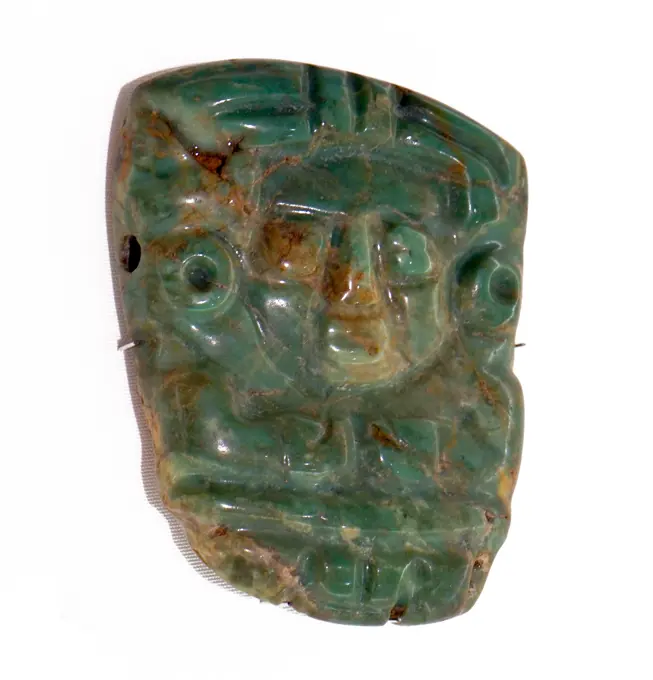
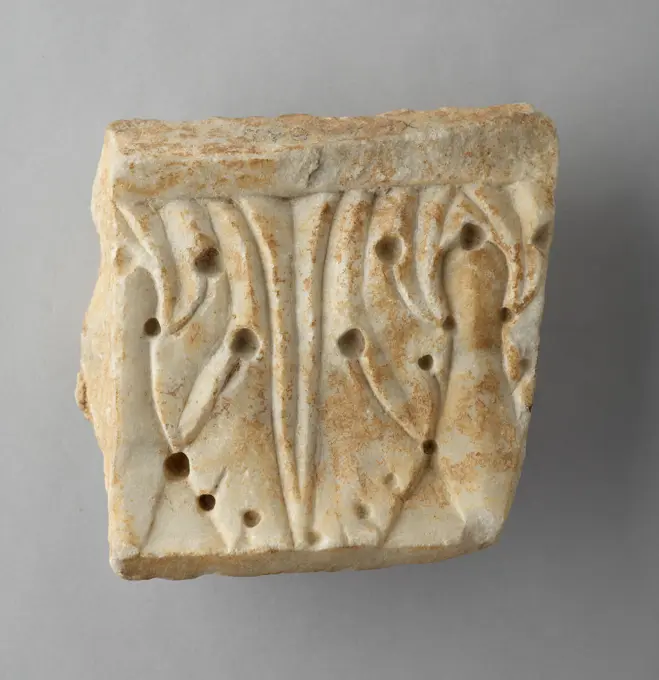
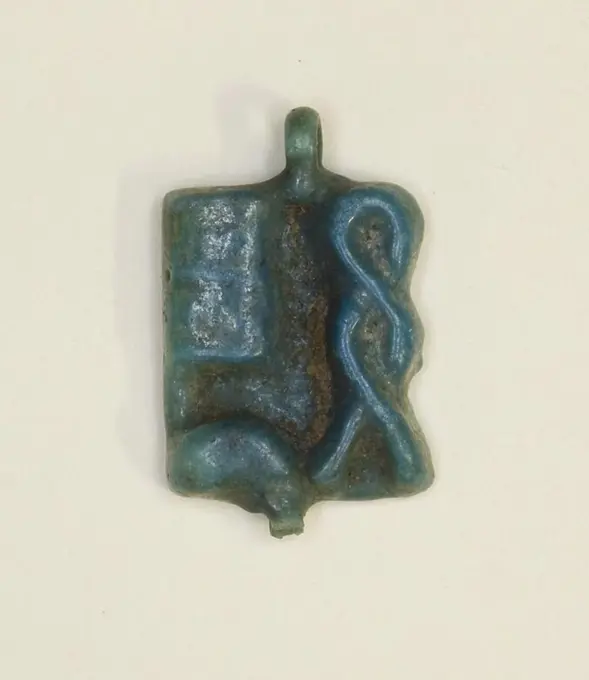
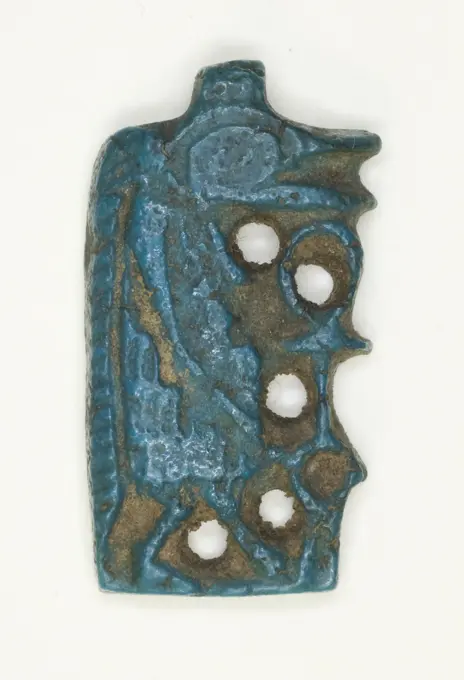
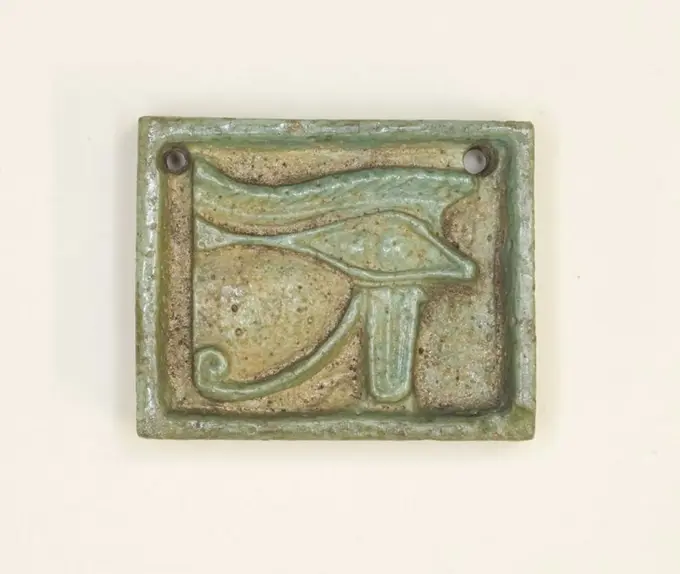
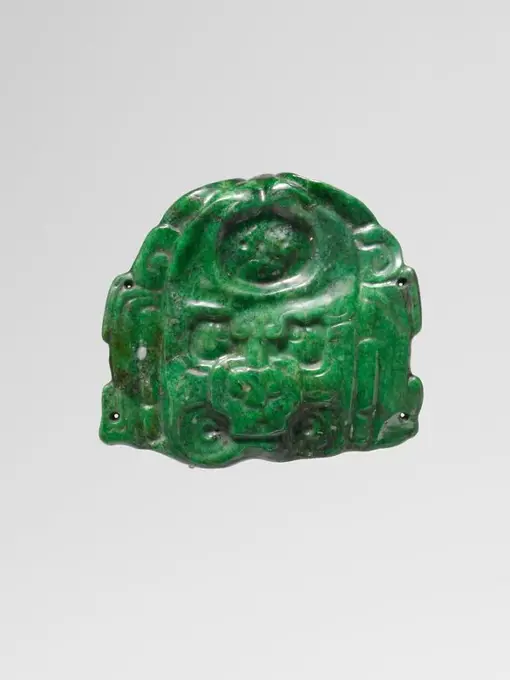
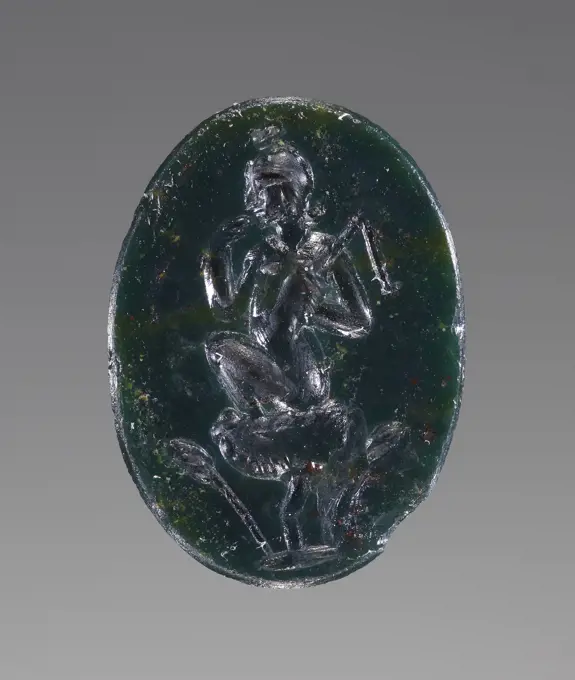
Low relief pendant made from Jade. Dated 10th Century
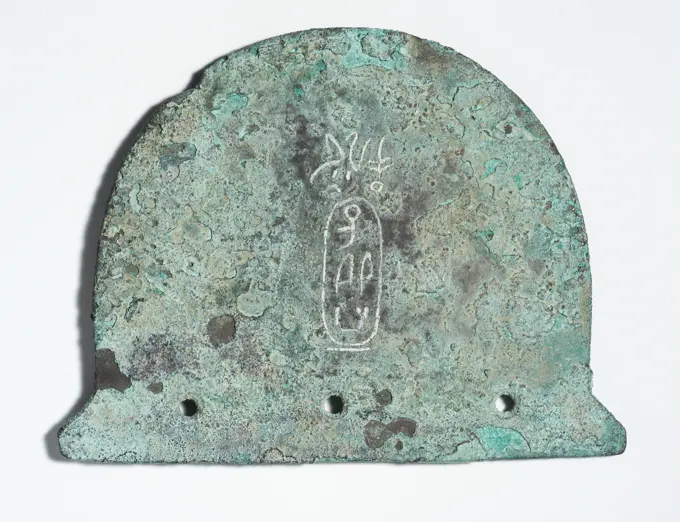
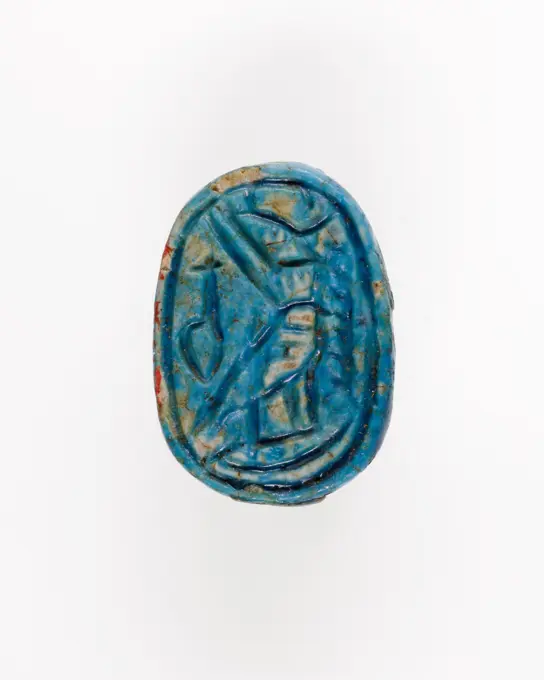
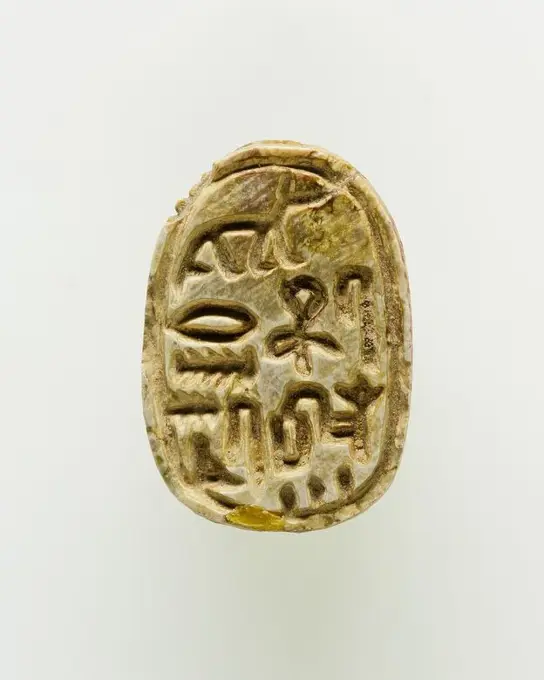
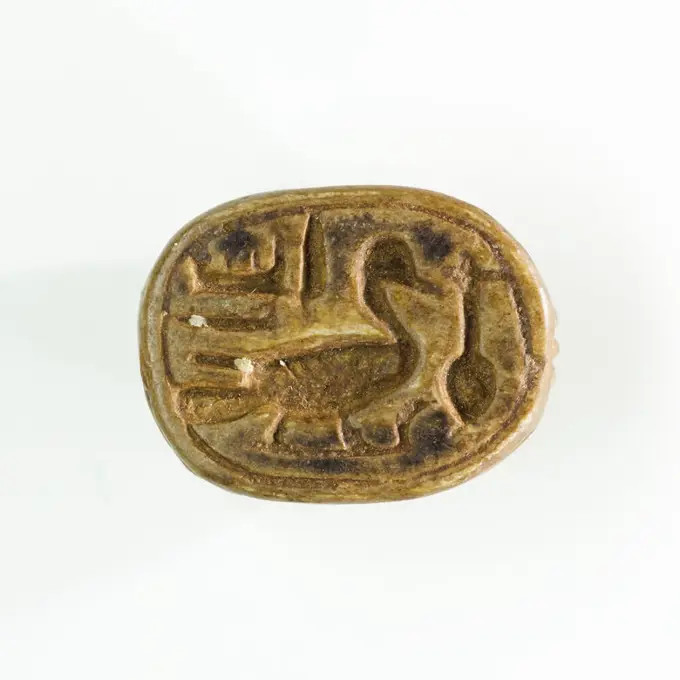
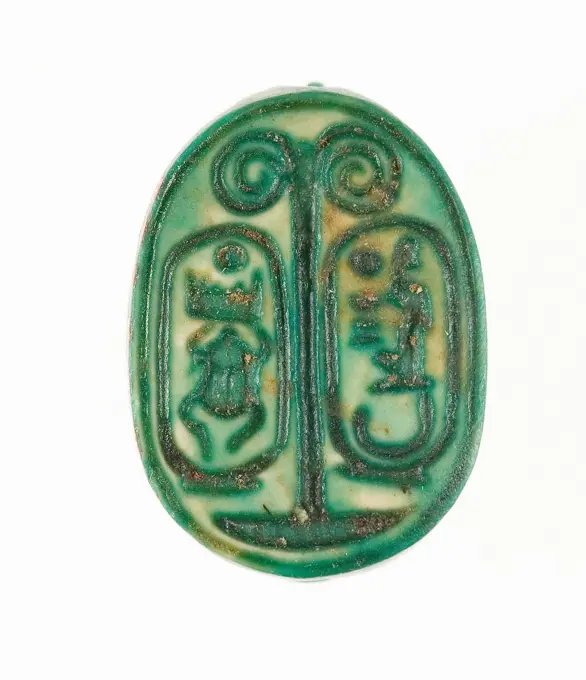
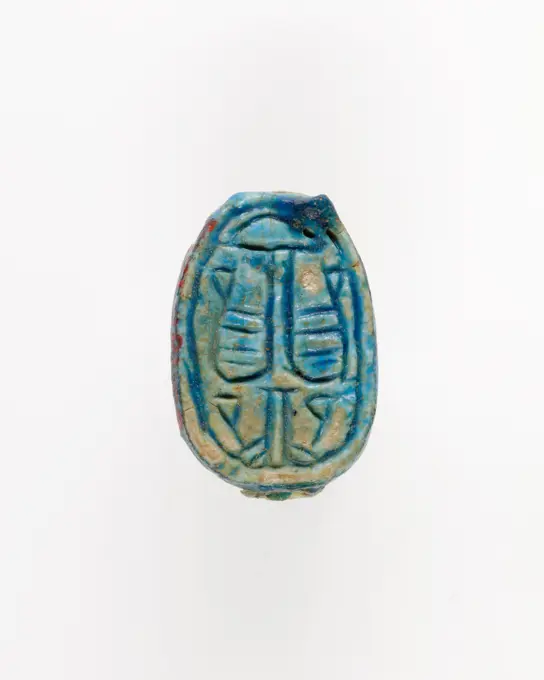
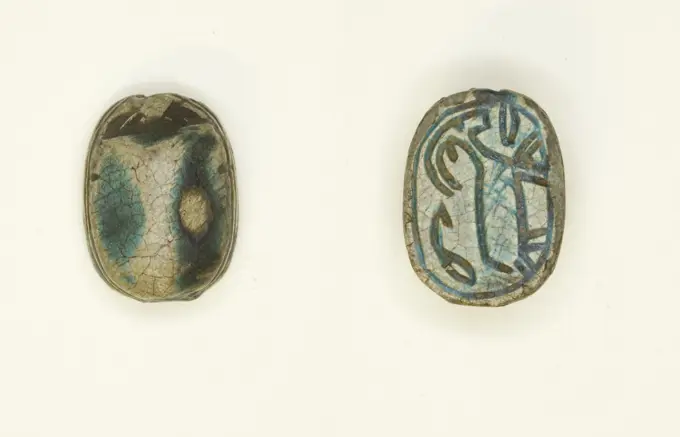
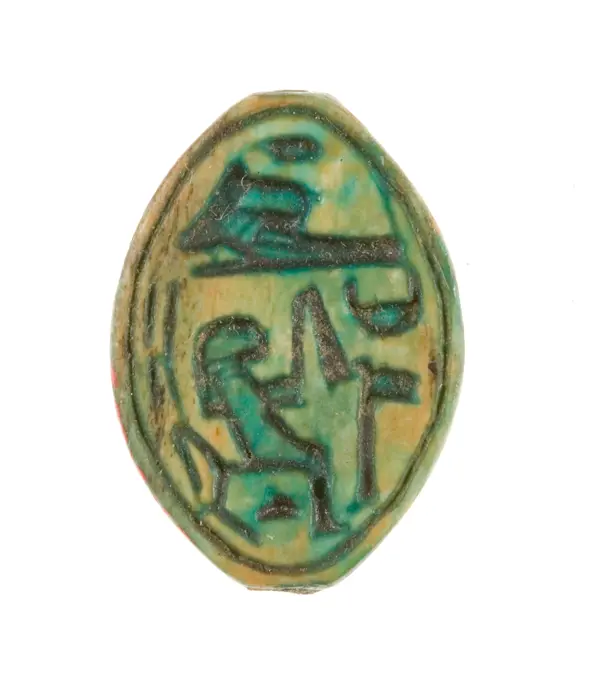
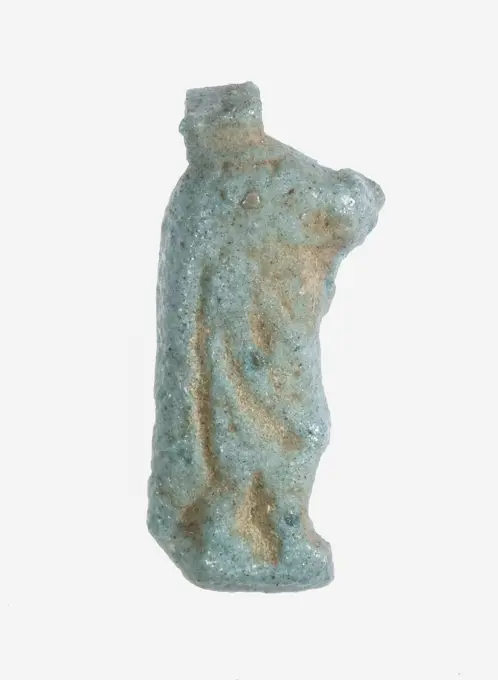
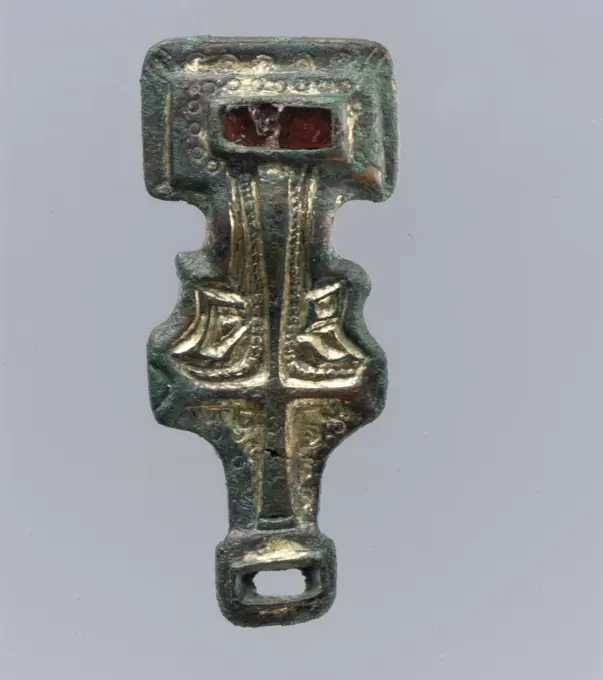
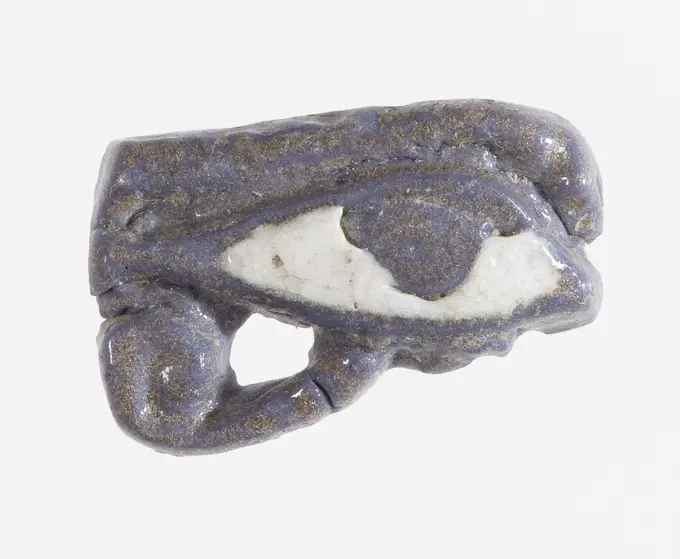
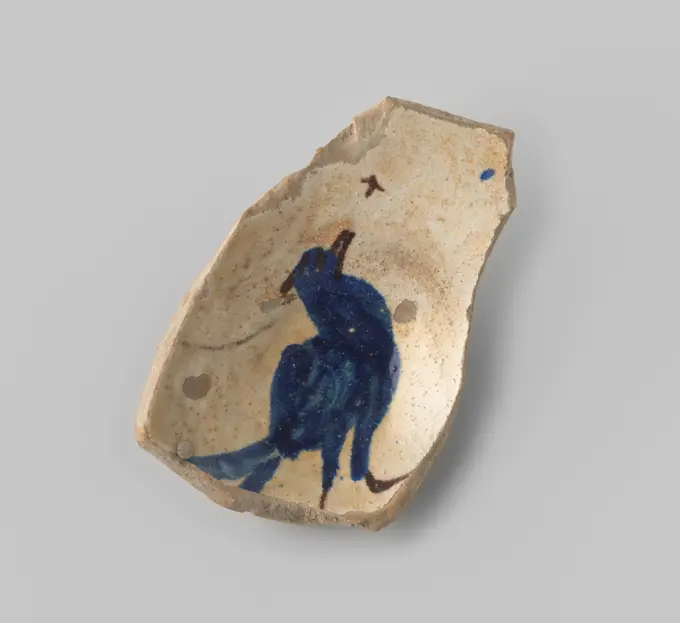
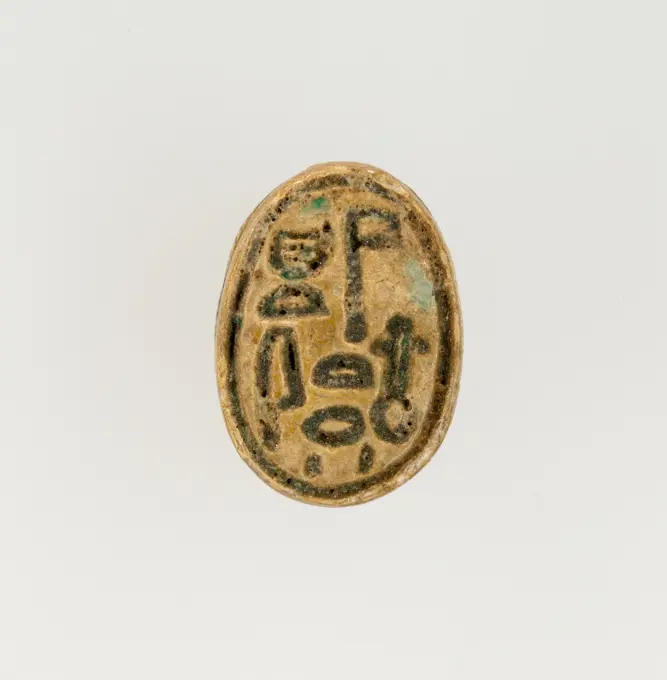
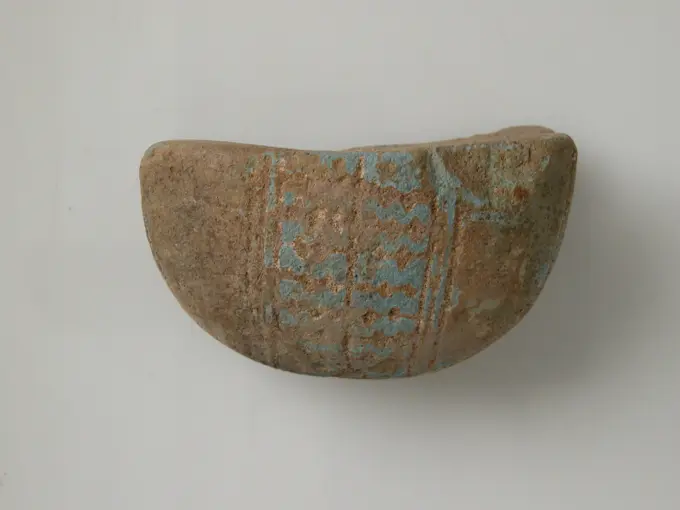
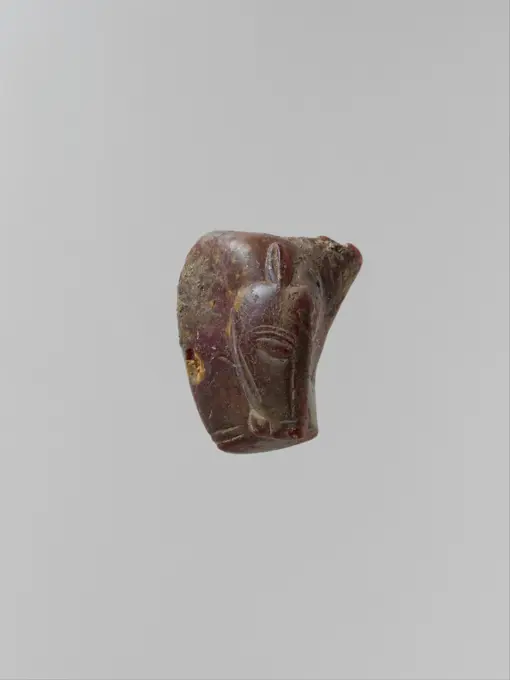
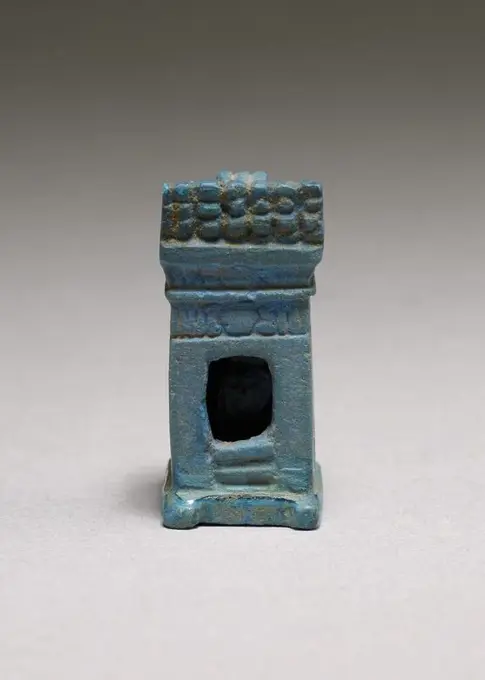
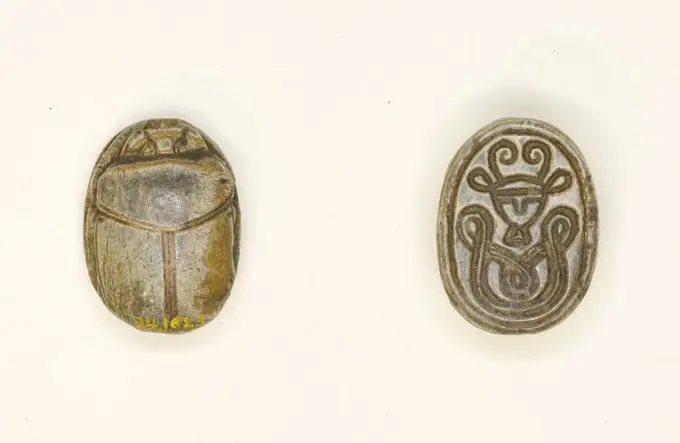
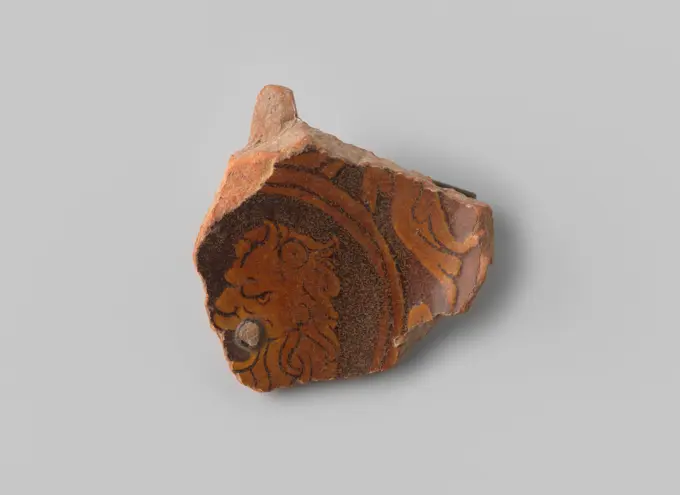
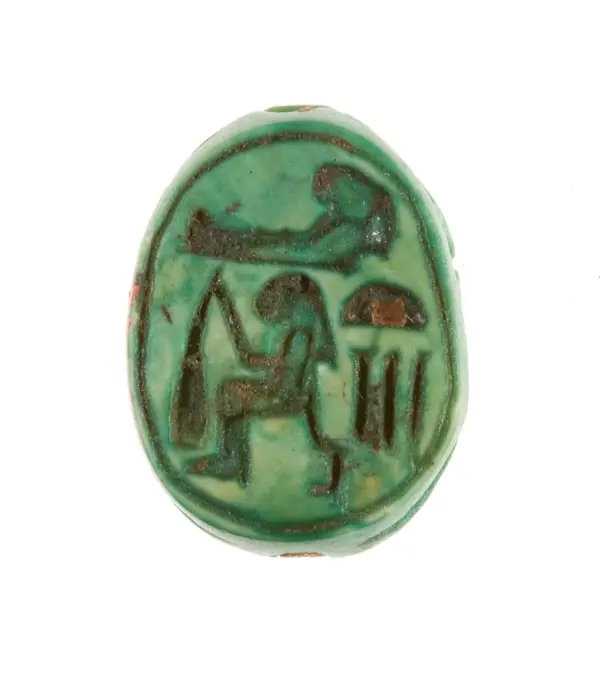
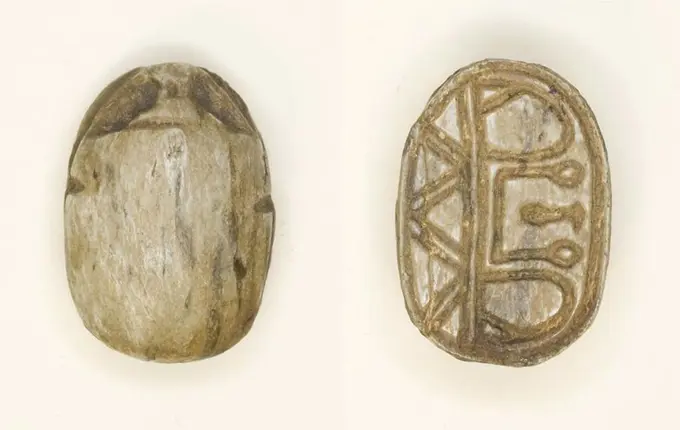
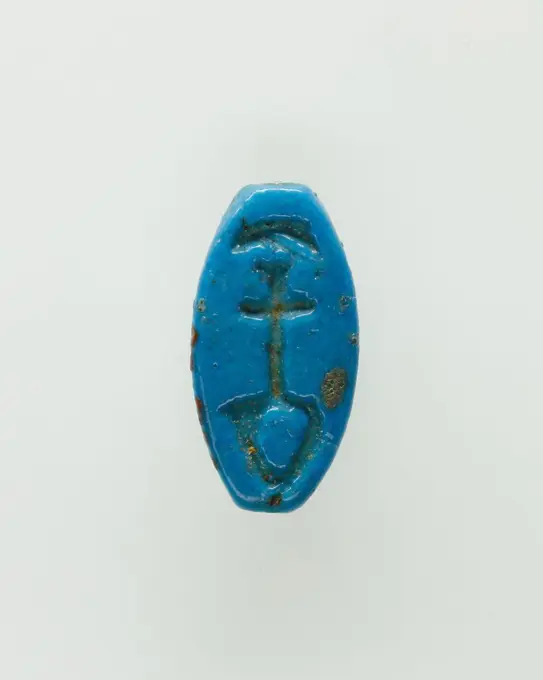
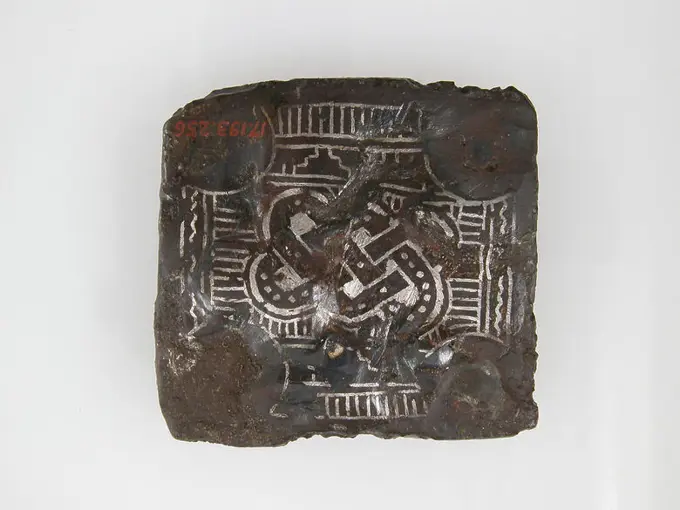
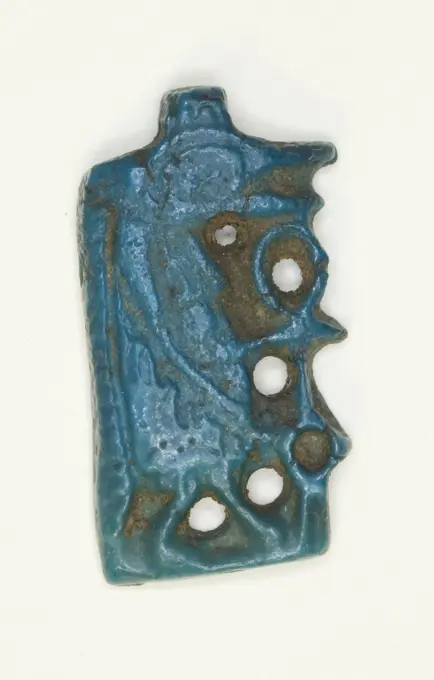
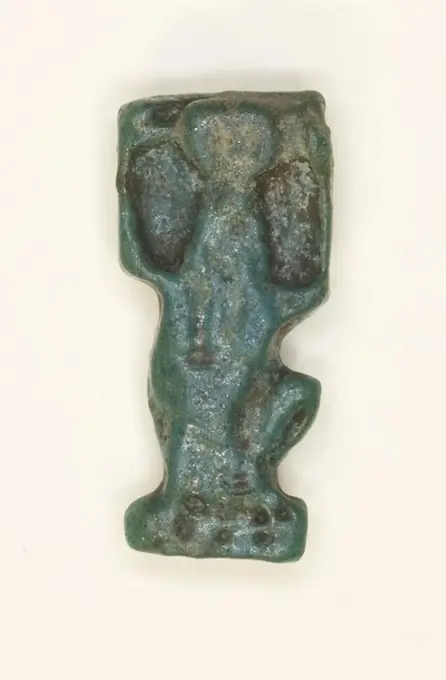
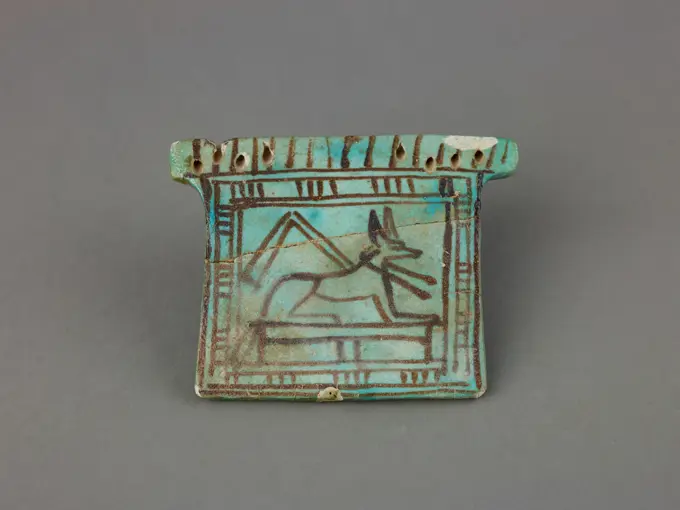
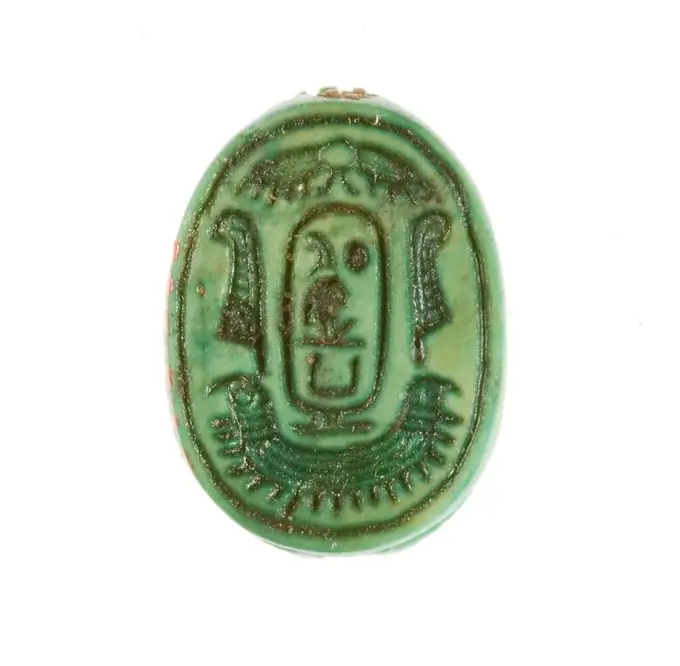
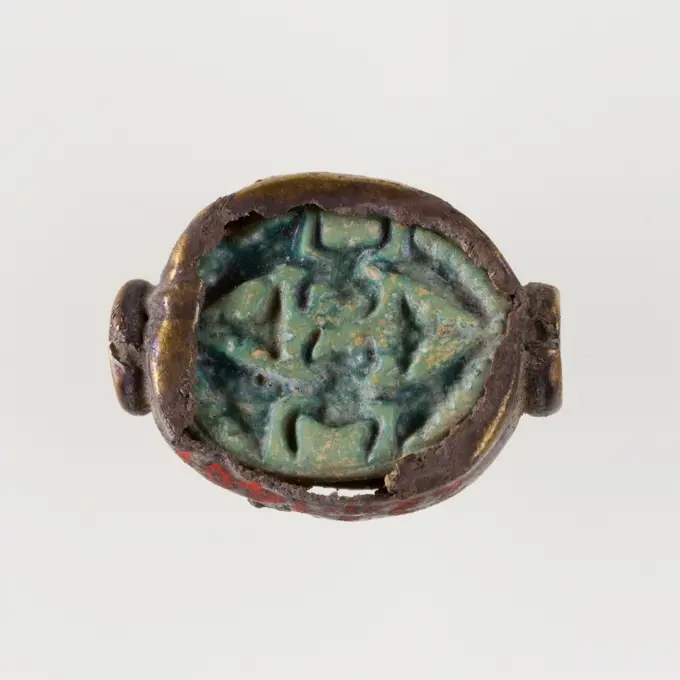
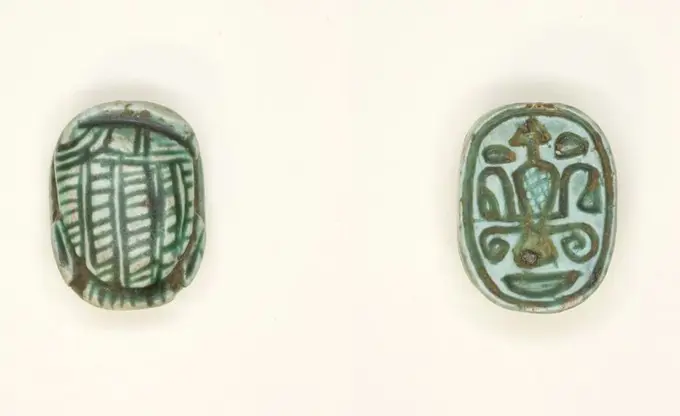
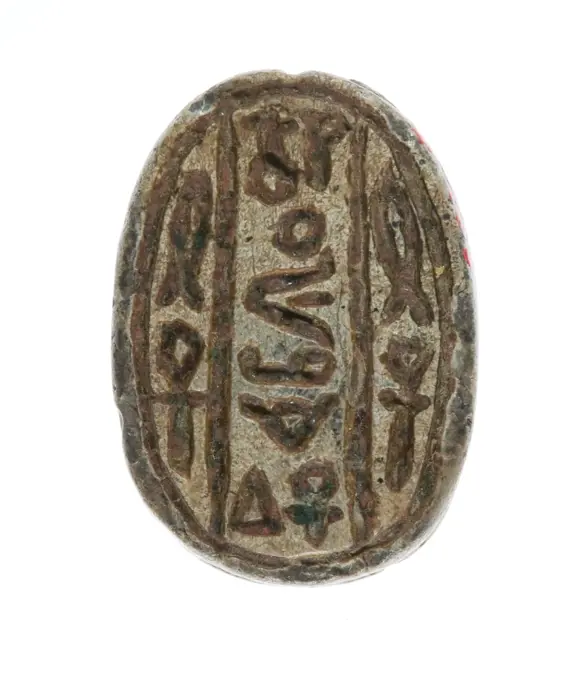
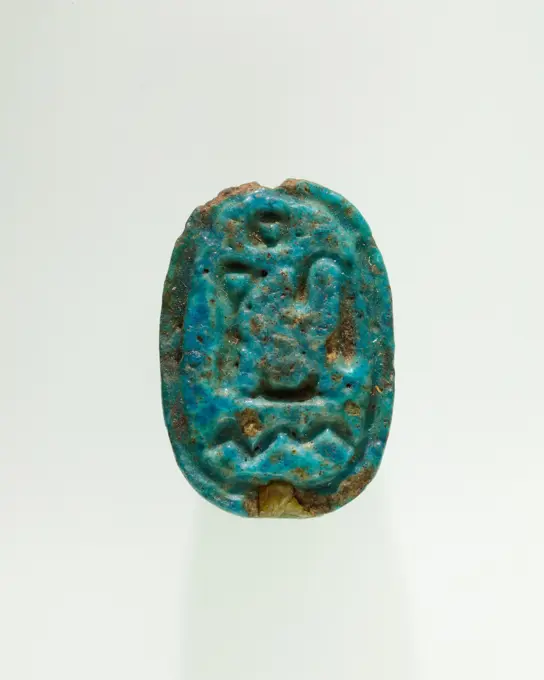
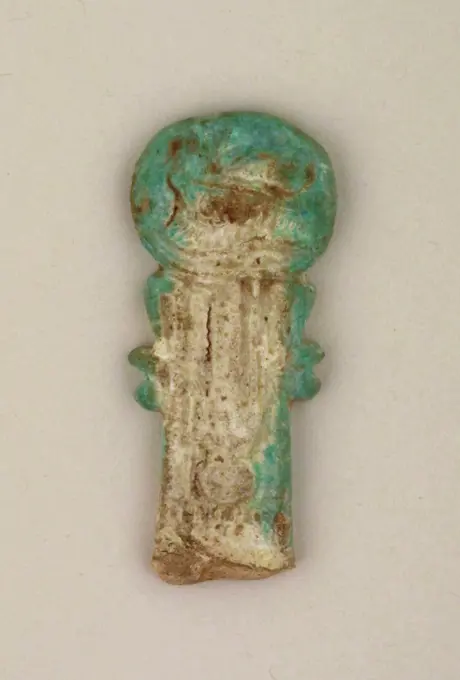
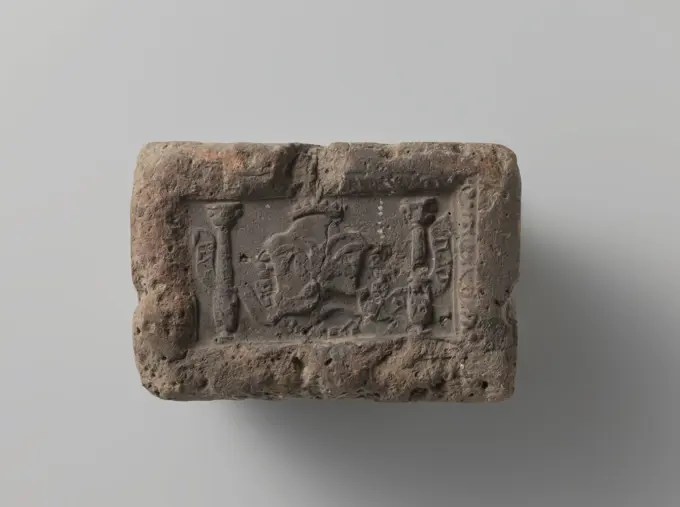
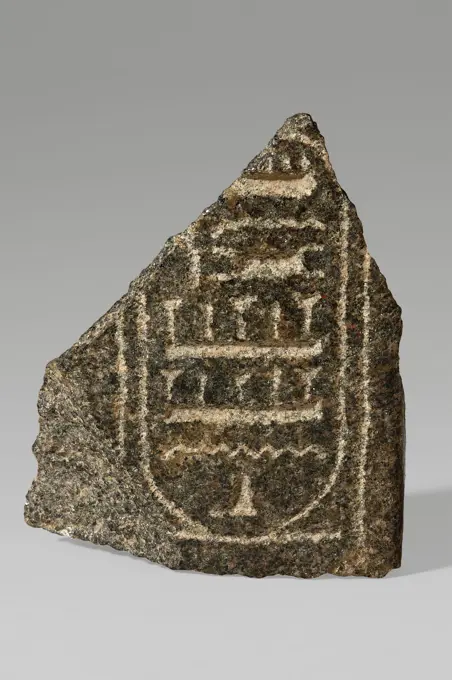
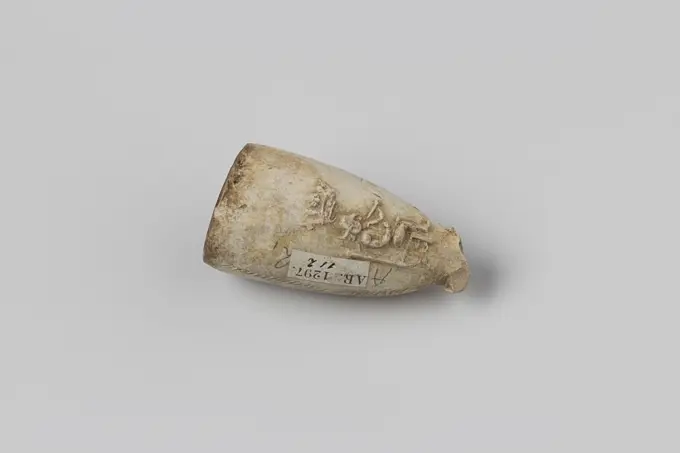
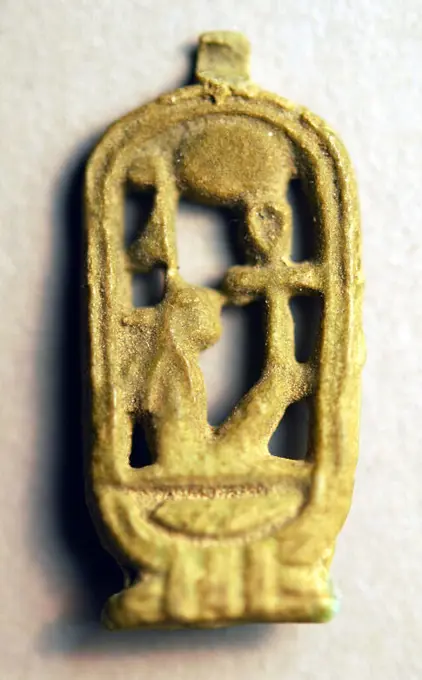
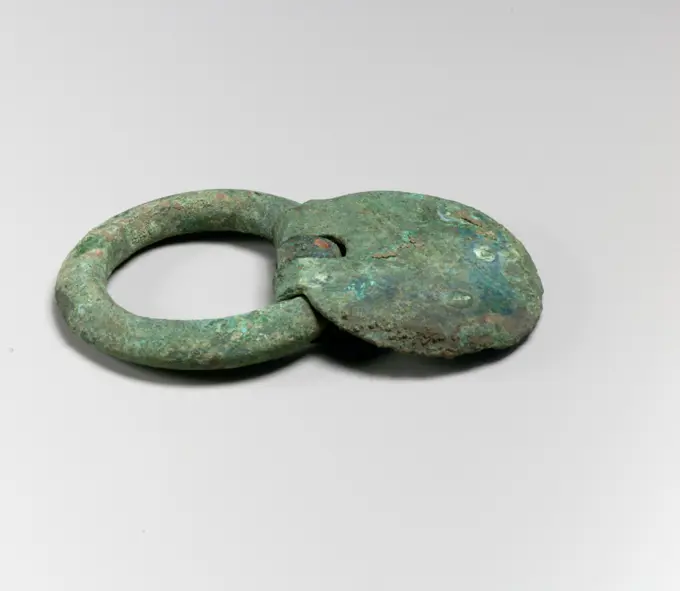
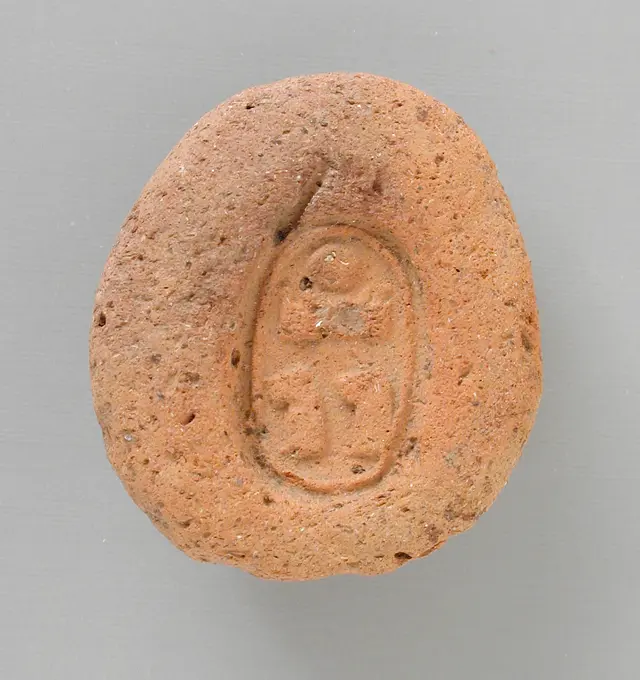
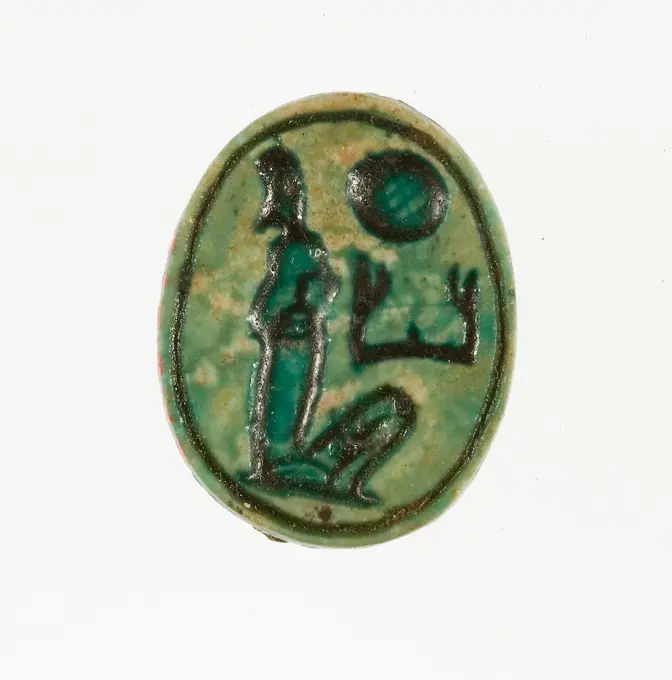
Low relief pendant made from Jade. Dated 10th CenturyScarab Inscribed with the Name Maatkare (Hatshepsut) ca. 1479-1458 B.C. New Kingdom During the 1926-1927 excavation season, the Museum's Egyptian Expedition uncovered three foundation deposits along the eastern enclosure wall of Hatshepsut's funerary temple at Deir el-Bahri in Western Thebes. Among the contents were 299 scarabs and stamp-seals. Sixty-five of these are now in the Egyptian Museum, Cairo, and the rest were acquired by the Museum in the division of finds.Among the inscriptions on the bases of these scarabs and seals are examples of every title Hatshepsut held, from the time she was "king's daughter" during the reign of her father, Thutmose I; through the time she was queen of her half-brother, Thutmose II; and during her regency and co-reign with her nephew/step-son, Thutmose III.After the death of her husband, Hatshepsut became regent for her nephew who was a small child. The length of this regency period is uncertain, with estimates ranging from two to seven years. At soScarab with the Representation of a Falcon and Hieroglyphs ca. 1700-1600 B.C. (Middle Bronze Age IIB) Second Intermediate Period The underside of this Canaanite Middle Bronze Age scarab is decorated with the representation of a crowned falcon. Protective hieroglyphs such as the sign for good and beautiful (nefer) accompany him. The scarab was found attached to a knotted string, which is no longer preserved.. Scarab with the Representation of a Falcon and Hieroglyphs 545232Scarab. Dimensions: l. 1.9 cm (3/4 in). Dynasty: Dynasty 12-18. Date: ca. 1981-1550 B.C.. Museum: Metropolitan Museum of Art, New York, USA.Plaque with Interlinked Scrolls. China. Date: 700 BC-600 BC. Dimensions: 7/8 × 3/4 × 1/16 in. Jade. Origin: China. Museum: The Chicago Art Institute, Chicago, USA.Plaque fragment ca. 9th century B.C. Iran. Plaque fragment 325760Scarab Falcon-Headed Deity with Cobra 1650 BCE-1186 BCE Egypt. Steatite . Ancient EgyptianOracle bone fragment China. Oracle bone fragment. China. Bone. Shang dynasty (ca. 1600-1046 B.C.). BoneFragment of a FriezePlaque fragment ca. 8th-7th century B.C. Assyrian This small broken piece of ivory was originally part of a plaque. Carved ivory plaques were widely used in the production of elite furniture during the early first millennium B.C. They were often inlaid into a wooden frame using joinery techniques and glue, and could be overlaid with gold foil or inlaid with colored glass or stone pieces to create a dazzling effect of gleaming surfaces and bright colors. This fragment is made up of thin-walled carved cells, called cloisons, that were filled with colored inlays, although the traces of blue color that remain are left by the material that fixed the inlays in place rather than by the inlays themselves. When the royal buildings at Nimrud were sacked during the fall of Assyria in 614 and 612 B.C., looters stripped the gold inlay from the ivory furniture and left the broken pieces behind. This piece may have been part of a feathered wing or a flower, both of which are common on ornately carvedScarab, private. Dimensions: L. 1.4 cm (9/16 in.); w. 1.1 cm (7/16 in.); h. 0.7 cm (1/4 in.). Dynasty: Dynasty 18. Date: ca. 1550-1295 B.C.. Museum: Metropolitan Museum of Art, New York, USA.Scarab with the Throne Names of Thutmoses III and Hatshepsut ca. 1479-1458 B.C. New Kingdom. Scarab with the Throne Names of Thutmoses III and Hatshepsut. ca. 1479-1458 B.C.. Steatite (glazed). New Kingdom. From Egypt, Upper Egypt, Thebes, Deir el-Bahri, Temple of Hatshepsut, Foundation Deposit 9 (I), MMA excavations, 1926-27. Dynasty 18Scarab with Papryus Plant Decoration ca. 1850-1640 B.C. Middle Kingdom During the late Middle Kingdom (late Dynasty 12-mid Dynasty 13, ca. 1850-1640 B.C), decorations on scarabs often show symmetric designs and combinations of signs and symbols that are nicely composed. This is also the case for floral and plant decorations, which consist of representations of papyrus plants, and lotus flowers and their buds. Plants are a popular theme on the underside of seal-amulets because they refer to life, renewal, and regeneration.. Scarab with Papryus Plant Decoration 557099Scarab Inscribed with the Name of the God Amun-Re ca. 1479-1458 B.C. New Kingdom. Scarab Inscribed with the Name of the God Amun-Re. ca. 1479-1458 B.C.. Steatite (glazed). New Kingdom. From Egypt, Upper Egypt, Thebes, Deir el-Bahri, Temple of Hatshepsut, Foundation Deposit 7 (G), MMA excavations, 1926-27. Dynasty 18, earlyScarab Antelope with Foliage Motif 1650 BCE-1550 BCE Egypt. Glazed steatite . Ancient EgyptianScarab. Dimensions: l. 1.9 cm (3/4 in). Dynasty: Dynasty 12-18. Date: ca. 1981-1295 B.C.. Museum: Metropolitan Museum of Art, New York, USA.Fragment 14th-15th century. Fragment 445156Scarab Inscribed With the Name Nefertari ca. 1550-1525 B.C. New Kingdom. Scarab Inscribed With the Name Nefertari. ca. 1550-1525 B.C.. Blue glazed steatite. New Kingdom. From Egypt, Upper Egypt, Thebes, Asasif, Tomb CC 43, Burial 12, Carnarvon excavations, 1912. Dynasty 18, earlyCylinder Seal. Iran, Mesopotamia or Syria, about 3300-2900 B.C.. Tools and Equipment; seals. White marblePlaque Amulet with the Name of the God Ptah. Egyptian. Date: 1070 BC-656 BC. Dimensions: 1.5 × 1 × 0.2 cm (9/16 × 3/8 × 1/16 in.). Faience. Origin: Egypt. Museum: The Chicago Art Institute, Chicago, USA. Author: Ancient Egyptian.Scarab Wish Formula 1550 BCE-525 BCE Egypt. Steatite . Ancient EgyptianCowroid Seal Amulet Inscribed for the God's Wife Hatshepsut ca. 1479-1458 B.C. New Kingdom The inscription on the base of this cowroid seal-amulet reads: God's Wife, Hatshepsut. In the late Seventeenth and early Eighteenth Dynasties, the title God's Wife was held by the principal queen or the queen mother. Hatshepsut inherited the title while she served as principal queen of her half-brother, Thutmose II. Later, shortly after she took on the titles of king, Hatshepsut passed the title on to her daughter, Neferure (see scarab 27.3.325).Most of the amulets found in the foundation deposits of Hatshepsut's funerary temple were scarabs, but a handful were carved in the shape of a cowrie shell. Like this one, the backs of most of these cowroids have been incised with a decorative pattern that suggests the setting of a swivel ring bezel (see 36.3.46). Others (27.3.180) have also been inscribed with the image of a bolti fish (a tilapia), and two have been carved with the image of a falcon, witFragment 11th-12th century. Fragment. 11th-12th century. Earthenware; slip covered and molded, unglazed. Excavated in Iran, Nishapur. CeramicsTile. Iran, 12th-13th century (). Ceramics. Earthenware, molded and glazedAmulet: Taweret ca. 1390-1353 B.C. New Kingdom. Amulet: Taweret. ca. 1390-1353 B.C.. Faience, blue. New Kingdom. From Egypt, Upper Egypt, Thebes, Malqata, Palace of Amenhotep III, MMA excavations, 1910-11. Dynasty 18Miniature Square-Headed Brooch first half 6th century Anglo-Saxon The affinity of these brooches, found in France, with objects from Kent is evidence of the spread of artistic traditions through export or copying.. Miniature Square-Headed Brooch 465091 Anglo-Saxon, Miniature Square-Headed Brooch, first half 6th century, Silver-gilt, garnet; iron pin, Overall: 1 5/8 x 11/16 x 7/16 in. (4.2 x 1.8 x 1.1 cm). The Metropolitan Museum of Art, New York. Gift of J. Pierpont Morgan, 1917 (17.191.44)Ring Fragment, sacred eye ca. 1390-1353 B.C. New Kingdom. Ring Fragment, sacred eye. ca. 1390-1353 B.C.. Violet and white faience. New Kingdom. From Egypt, Upper Egypt, Thebes, Malqata, Palace of Amenhotep III, MMA excavations, 1910-11. Dynasty 18Excerpt (foot) with pale, ruddy shard, on the inside under cream -colored glaze a bird in dark blue with mango pair, crest and legs, the outside is unggestive, anonymous, 1200 - 1899  Italy earthenware  Italy earthenwareFinger Ring 7th century Frankish. Finger Ring 465538 Frankish, Finger Ring, 7th century, copper alloy, Overall: 7/8 x 7/16 in. (2.2 x 1.1 cm) bezel: 7/16 x 1/16 in. (1.1 x 0.1 cm). The Metropolitan Museum of Art, New York. Gift of J. Pierpont Morgan, 1917 (17.193.218)Scarab Inscribed for the God's Wife (Ahmose-)Nefertari New Kingdom ca. 1550-1525 B.C. View more. Scarab Inscribed for the God's Wife (Ahmose-)Nefertari. ca. 1550-1525 B.C.. Steatite, glazed. New Kingdom. From Egypt. Dynasty 18Amulet 4th-7th century Coptic. Amulet 478564Scarab Title (Greatest of the Tens of Upper Egypt) and Personal Name 1870 BCE-1773 BCE Egypt. Glazed steatite . Ancient EgyptianMiniature Square-Headed Brooch first half 6th century Anglo-Saxon. Miniature Square-Headed Brooch. Anglo-Saxon. first half 6th century. Silver-gilt, garnet; iron pin. Made in Kent, England. Metalwork-SilverMold bearing Throne Name of Ramses III. Egypt, New Kingdom, 20th Dynasty, reign of Ramses III (1198 - 1166 BCE). Tools and Equipment; molds. TerracottaPendant: head and neck of a horse 5th-4th century B.C. Italic Pendant in the shape of a horse's head.. Pendant: head and neck of a horse 251544 Italic, Pendant: head and neck of a horse, 5th4th century B.C., Amber, H.: 1 1/2 in. (3.8 cm). The Metropolitan Museum of Art, New York. Fletcher Fund, 1924 (24.97.117)Fragment 14th-15th century. Fragment. 14th-15th century. Earthenware; incised decoration through white slip and coloring under transparent glaze. Attributed to Egypt. CeramicsFoundation Deposit Plaque ca. 1153-1147 B.C. New Kingdom, Ramesside. Foundation Deposit Plaque. ca. 1153-1147 B.C.. Faience. New Kingdom, Ramesside. From Egypt, Upper Egypt, Thebes, Asasif, Temple of Ramesses IV, Foundation deposit, MMA excavations, 1935-36. Dynasty 19Vessel inscribed for King Qaa ca. 2900 B.C. Early Dynastic Period. Vessel inscribed for King Qaa 547392Hearing stone of baked earth with diamond -shaped distribution, with two winged deer, Anonymous, 1617 in two windows Two hairstones of baked soil with diamond -shaped distribution, with two winged deer in two rides. The one with the year 160 .. The other with the year 1617. Southern Netherlands earthenware Two hairstones of baked soil with diamond -shaped distribution, with two winged deer in two rides. The one with the year 160 .. The other with the year 1617. Southern Netherlands earthenwareKhonsu shrine amulet. Dimensions: h. 2.5 cm (1 in), w. 1.1 cm (7/16 in). Dynasty: Dynasty 26-29. Date: 664-332 B.C.. Museum: Metropolitan Museum of Art, New York, USA.Scarab of an Official. Dimensions: l. 2 cm (3/4 in). Dynasty: Dynasty 12-18. Date: ca. 1981-1550 B.C.. Museum: Metropolitan Museum of Art, New York, USA.Amulet of the Goddess Tawaret (Thoeris) in Profile 1550 BCE-1069 BCE Egypt. Faience . Ancient EgyptianScarab: Hathor Head with Woven Pattern. Egyptian. Date: 1985 BC-1295 BC. Dimensions: 1.6 × 1.1 × 0.6 cm (5/8 × 7/16 × 1/4 in.). Steatite. Origin: Egypt. Museum: The Chicago Art Institute, Chicago, USA. Author: Ancient Egyptian.Scarab. Dimensions: l. 2.2 cm (7/8 in). Dynasty: Dynasty 12-18. Date: ca. 1981-1550 B.C.. Museum: Metropolitan Museum of Art, New York, USA.Fragment of a terracotta architectural tile. Culture: Lydian. Dimensions: Overall: 3 1/8 x 2 3/8 in. (7.9 x 6 cm). Date: 6th century B.C..Decorated terracotta tiles were fixed to the roof line and upper walls of Lydian houses. Museum: Metropolitan Museum of Art, New York, USA.Excerpt (foot) with red shard, in sgraffito drawing within a circle a lion's head, bottom and top brown glazed, anonymous, 1200 - 1899  Italy earthenware  Italy earthenwareEye of the God Horus (Wedjat) Amulet. Egyptian. Date: 664 BC-343 BC. Dimensions: 2.25 × 2 × .5 cm (7/8 × 3/4 × 3/16 in.). Faience. Origin: Egypt. Museum: The Chicago Art Institute, Chicago, USA. Author: Ancient Egyptian.Scarab ca. 1479-1458 B.C. New Kingdom. Scarab. ca. 1479-1458 B.C.. Blue faience. New Kingdom. From Egypt, Upper Egypt, Thebes, Deir el-Bahri, Hatshepsut Hole, Hathor Shrine, MMA excavations, 1922-23. Dynasty 18Scarab Inscribed for Hatshepsut ca. 1479-1458 B.C. New Kingdom This scarab was found in one of the foundation deposits placed along the front wall of the lower court of Hatshepsut's funerary temple at Deir el-Bahri. The inscription on the base records Hatshepsut's personal name (Hatshepsut), which means "foremost of noblewomen." Two other scarabs from the same foundation deposit have similar versions of the same inscription, though the style is not exactly the same (27.3.169, 27.3.172). The backs of the scarabs are also similar.. Scarab Inscribed for Hatshepsut. ca. 1479-1458 B.C.. Steatite (glazed). New Kingdom. From Egypt, Upper Egypt, Thebes, Deir el-Bahri, Temple of Hatshepsut, Foundation Deposit 7 (G), MMA excavations, 1926-27. Dynasty 18, earlyScarab: Floral Motifs, Hieroglyphs, and Geometric Designs. Egyptian. Date: 1650 BC-1550 BC. Dimensions: 1.9 × 1.3 × 0.6 cm (3/4 × 1/2 × 1/4 in.). Steatite. Origin: Egypt. Museum: The Chicago Art Institute, Chicago, USA. Author: Ancient Egyptian.Ferret 6th century Frankish. Ferret 464977 Frankish, Ferret, 6th century, Copper alloy, tinned surface, Overall: 1 5/8 x 11/16 x 3/16 in. (4.2 x 1.7 x 0.5 cm). The Metropolitan Museum of Art, New York. Gift of J. Pierpont Morgan, 1917 (17.191.270)Cowroid Inscribed with a Nefer Hieroglyph. Dimensions: L. 1.4 cm (9/16 in.), W. 0.8 cm (5/16 in.); H. 0.4 cm (3/16 in.). Dynasty: Dynasty 18, early. Reign: reign of Thutmose II-Early Joint reign. Date: ca. 1492-1473 B.C..This cowrie-shaped amulet is inscribed on the base with a nefer hieroglyph, which represents the word "good," or "beautiful." It was found inside a khol jar which had been placed in the coffin of an unnamed woman that was discovered in the tomb of Hatnefer (see 36.3.1). Five other cowroids were found in the kohl pot including one with the same inscription which is now in the Egyptian Museum, Cario. Three of the other amulets are in the Metropolitan Museum's collection (26.3.20, .21, .24). A number of other objects had also been placed in the coffin including two mirrors (36.3.12, .13), three faience bowls (36.3.8-.10) , a circular wood box (36.3.11a, b). Museum: Metropolitan Museum of Art, New York, USA.Backplate of a Belt Buckle. Culture: Frankish. Dimensions: Overall: 1 15/16 x 1 7/8 x 1/4 in. (4.9 x 4.7 x 0.7 cm). Date: 6th-7th century. Museum: Metropolitan Museum of Art, New York, USA.Amulet of a Palmette, 1540-1296 BC. Egypt, New Kingdom, Dynasty 18. Pale blue faience; overall: 1.2 cm (1/2 in.).Amulet of the Goddess Tawaret (Thoeris) 1550 BCE-1069 BCE Egypt. Faience . Ancient EgyptianAmulet of the God Shu. Egyptian. Date: 1550 BC-332 BC. Dimensions: 2.2 × 1 × 0.3 cm (7/8 × 3/8 × 1/8 in.). Faience. Origin: Egypt. Museum: The Chicago Art Institute, Chicago, USA. Author: Ancient Egyptian.Fragment of a Frieze with Cursive Script 11th century. Fragment of a Frieze with Cursive Script 450336Amulet with the Throne Name of Amenhotep III ca. 1390-1353 B.C. New Kingdom. Amulet with the Throne Name of Amenhotep III. ca. 1390-1353 B.C.. Faience. New Kingdom. From Egypt, Upper Egypt, Thebes, Malqata, Palace of Amenhotep III, MMA excavations, 1910-11. Dynasty 182005.4434. Ceramic Faience Plaque depicting Anubis. Ancient Egypt .Scarab Inscribed for Maatkare (Hatshepsut). Dimensions: L. 1.8 cm (11/16 in.); w. 1.3 cm (1/2 in.). Dynasty: Dynasty 18, early. Reign: Joint reign of Hatshepsut and Thutmose III. Date: ca. 1479-1458 B.C..During the 1926-1927 excavation season, the Museum's Egyptian Expedition uncovered three foundation deposits along the eastern enclosure wall of Hatshepsut's funerary temple at Deir el-Bahri in Western Thebes. Among the contents were 299 scarabs and stamp-seals. Sixty-five of these are now in the Egyptian Museum, Cairo, and the rest were acquired by the Museum in the division of finds.Among the inscriptions on the bases of these scarabs and seals are examples of every title Hatshepsut held, from the time she was "king's daughter" during the reign of her father, Thutmose I; through the time she was queen of her half-brother, Thutmose II; and during her regency and co-reign with her nephew/step-son, Thutmose III.The inscription on the base of this scarab records Hatshepsut's throne naScarab Decorated with Papyrus and Winged Beetles ca. 1295-1070 B.C. New Kingdom The underside of this New Kingdom scarab shows a pair of beetles with outstretched wings. Flowering papyrus plants are placed between them. While the sacred scarab frequently occurs on Egyptian seal-amulets as a sign (for example in several royal names) or as a symbol, it does not represent the scarab god Khepri. The Egyptian dung beetle symbolizes creation and rebirth, which is emphasized here by the presence of plants as a reference to growth and fecundity. The prominent wings moreover accentuate the protective power of the scarab beetle, because enfolding wings are a common protective motif in Egyptian art.. Scarab Decorated with Papyrus and Winged Beetles 557072Scaraboid: Duck with Head lying on its Side. Egyptian. Date: 1550 BC-1295 BC. Dimensions: 0.6 × 1.6 × 1.3 cm (1/4 × 5/8 × 1/2 in.). Glazed steatite. Origin: Egypt. Museum: The Chicago Art Institute, Chicago, USA. Author: Ancient Egyptian.Scarab with Papyrus Plant Decoration. Egypt, 15th - 18th Dynasty (1664 - 1315 BCE). Sculpture. Green-blue faienceDecorative batter from the wreck of the East Indies Hollandia, Anonymous, 1700 - in or Before 1743  Fitting, decorative fitting or fragment; fragm, eroded, central dotted excutcheon under scroll and shell motifs and with a scrolling wing on either side (right wing missing), flat rear side. Netherlands lead (metal)   SecondFragment 9th-10th century. Fragment 450205Scarab with the Name of the Hyksos King Sheshi ca. 1700 B.C. Second Intermediate Period. Scarab with the Name of the Hyksos King Sheshi. ca. 1700 B.C.. Glazed steatite. Second Intermediate Period. From Egypt, Eastern Delta. Dynasty 14Weight China. Weight 61953Scarab with Good Luck Inscription. Egypt, 12th - 13th Dynasty (1991 - 1665 BCE). Sculpture. Steatite with blue-green glazeVase fragment ca. 580-550 B.C. Etruscan Lion in relief to right.. Vase fragment. Etruscan. ca. 580-550 B.C.. Terracotta; bucchero pesante. Archaic. VasesEye idol. Dimensions: 3 in. (7.6 cm). Date: ca. 3700-3500 B.C..This type of figurine known as an eye idol, made of stone and having incised eyes, has been excavated at Tell Brak, where thousands were found in a building now called the Eye Temple. They were probably dedicated there as offerings. Many are incised with multiple sets of eyes, others with jewelry, and still others with representations of "children"--smaller eyes and body carved on the body of the larger idol. Wide eyes demonstrate attentiveness to the gods in much of Mesopotamian art. Museum: Metropolitan Museum of Art, New York, USA.Bowl; wheel thrown earthenware, slip, underglaze painted in polychrome pigments under a transparent glazeScarab of Nebirierau I ca. 1627-1601 B.C. Second Intermediate Period This scarab is inscribed with the royal name Sewadjenre, which is generally associated with the Theban king Nebirierau I (Second Intermediate Period, ca. 1627-1601 B.C.).. Scarab of Nebirierau I. ca. 1627-1601 B.C.. Bright blue faience. Second Intermediate Period. From Egypt, Memphite Region, Lisht North, Cemetery, debris, MMA excavations, 1920-22. Dynasty 17Amulet pendant, a menat Symbolic objects used for amulets include a menat-pendant, the djed-sign, a papyrus capital are all common in Egyptian architecture. Also, a pectoral, such as is used on mummies, a bunch of grapes, or other clusters of fruit, and an inscribed bead are common shapes.. Amulet pendant, a menat. Clay, glazed. Gold and SilverWhite Crown amulet Late Period ca. 712-332 B.C. View more. White Crown amulet. ca. 712-332 B.C.. Faience. Late Period. From Egypt, Upper Egypt, Thebes, Khokha, Tomb MMA 830-A, MMA excavations. Dynasty 25-30Ring Fragment ca. 1390-1353 B.C. New Kingdom. Ring Fragment. ca. 1390-1353 B.C.. Faience, violet. New Kingdom. From Egypt, Upper Egypt, Thebes, Malqata, Palace of Amenhotep III, MMA excavations, 1910-11. Dynasty 18Deity Face Pendant. Culture: Maya. Dimensions: H. 2 1/4 in. (5.7 cm). Date: 7th-8th century.This apple-green jade ornament represents the avian face of Ux Yop Hu'n ("Three Leaves Paper" or "Three-Leaf-Paper") a complex supernatural being that personified the paper headband worn by ancient Maya rulers. This figure is also frequently referred to in the literature as "the foliated Jester God." His forehead is infixed with a hieroglyphic sign that translates as ajaw, or ruler (a schematic face comprised of two dots for eyes and one for a mouth). Ux Yop Hu'n is shown cross-eyed, his squared pupils looking inward toward a furrowed brow. In Maya art, this eye is a diagnostic feature of shining, solar, and/or resplendent supernatural beings. Below, a small nose with curling nostrils is carved atop a downturned beak. When seen in profile images, this bird beak has a distinct bracket shape (see, for instance, 1978.412.90a, b). Because jade is so difficult to carve, and because the artist was liFinger Ring. Western Iran, circa 550-330 B.C.. Jewelry and Adornments; rings. Bronze, castScarab Dedicated to the God Amen. Egypt, 18th - 26th Dynasty (1569 - 525 BCE). Sculpture. Blue-green fiaenceGilt bronze ring. Culture: Greek. Dimensions: Length: 13/16 in. (2.1 cm). Date: early 4th century B.C..Herakles wrestling the Nemean lion. Museum: Metropolitan Museum of Art, New York, USA.Boat;  around 1069 715 BC ; 3rd transition period (-1069-00-00--715-00-00);Shard: Bird ca. 4th-5th century Pakistan. Shard: Bird. Pakistan. ca. 4th-5th century. Painted terracotta. CeramicsAustria, Durrnberg site, Detail of curb bit representing a masculine head, bronzeAnonymous, mold fragment for bronze (common name). Cernuschi Museum, Asia Museum of Asia in the city of Paris.Highstone with the Rijkswapen and a Banderolle with the inscription Plus Oltre, Anonymous, 1500 - 1558  Hearing stone with the government weapon between the columns, between which a banderole with inscription plus Oltre. Southern Netherlands earthenwareFragment of a bowl with a floral scroll, anonymous, c. 1100 - c. 1199 Fragment of the bottom of a bowl. Gray -yellow shard, from outside gray blue, on the inside over the glaze green black. With a ornament spared in the blue soil (corrupted pomegranate potatoes). Iran earthenware. glaze. luster (textile) painting / vitrification Fragment of the bottom of a bowl. Gray -yellow shard, from outside gray blue, on the inside over the glaze green black. With a ornament spared in the blue soil (corrupted pomegranate potatoes). Iran earthenware. glaze. luster (textile) painting / vitrificationTray Cypriot Tray with two horned handles and geometric ornament in black and red.. Tray. Cypriot. Terracotta. Iron Age. VasesFragment of a Bowl 12th-13th century. Fragment of a Bowl 447219Fragment of a Scarab Inscribed with Hieroglyphs ca. 1850-1640 B.C. Middle Kingdom This fragment is inscribed with hieroglyphs that are not meant to be read as part of a meaningful inscription. They fill the empty fields around the central subject that, due to the fragmentary nature of the scarab, cannot be identified with certainty. Four legs, either belonging to a striding animal or to two standing anthropomorphic figures, are all that remains of the primary scene.. Fragment of a Scarab Inscribed with Hieroglyphs. ca. 1850-1640 B.C.. Green glazed steatite. Middle Kingdom. From Egypt, Memphite Region, Lisht North, Cemetery, debris, MMA excavations. late Dynasty 12-13Crescent Ornaments 6th-7th century Moche (Loma Negra). Crescent Ornaments. Moche (Loma Negra). 6th-7th century. Copper. Peru. Metal-OrnamentsFragment of the block with the cartouche of Szeszonka;  around 945- 735 BC ; 3rd passing period, 22 dynasty (-950-00-00--730-00-00);Scene.gal.gCameo Gem. UnknownEngraved Gem; Roman Empire; 2nd - 4th century; Bloodstone; 1.7 x 1.2 cm (11,16 x 1,2 in.)Pipes head. Pipes head with a crown and a seated figure. Of the excavations at the Hofstede Arentsburg 1827-1831 under the supervision of professor Reuvens.Cartouche of Amenhotep III. Dimensions: H. 2.3 cm (7/8 in); w. 1.1 cm (7/16 in); th. 0.2 cm (1/16 in). Dynasty: Dynasty 18. Reign: reign of Amenhotep III. Date: ca. 1390-1352 B.C.. Museum: Metropolitan Museum of Art, New York, USA.Eye of Horus (Wedjat) Amulet 305 BCE-30 BCE Egypt. Gold . Ancient EgyptianBake, fragment of which the front is decorated with a rank ornament inside a circle., Anonymous, c. 1515 - c. 1540 Fragment of a bowl of blue painted majolica. The front is decorated with a rank ornament inside a circle, the rear is marked: P. Italy earthenware. tin glaze. lead glaze majolica Fragment of a bowl of blue painted majolica. The front is decorated with a rank ornament inside a circle, the rear is marked: P. Italy earthenware. tin glaze. lead glaze majolicaRolling Mold FormBuckle With oval rim and rounded back piece.. Buckle. Bronze. BronzesAxe Head with Modern Inscription. Egypt, 7th - 13th Dynasty (2190 - 1664 BCE). Arms and Armor; axes. BronzeMold with Throne Name of Ramses I. Egypt, New Kingdom, 19th Dynasty, reign of Ramses I (1315 - 1314) or Seti I (1314 - 1304 BCE). Tools and Equipment; molds. Terracotta