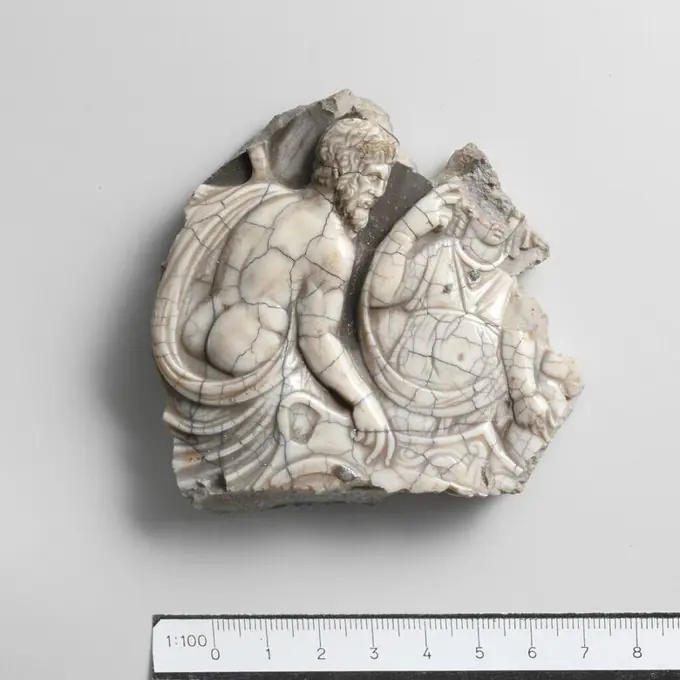
My Boards
View Pictures
  • My Boards
← Artworks

Ancient Sculptural Artifacts

Reliefs and stone carvings featuring mythological themes and narratives from various ancient cultures, conveying historical and artistic significance.
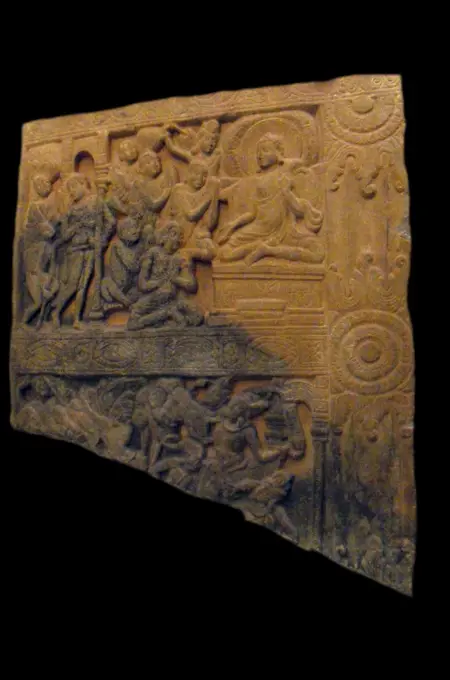
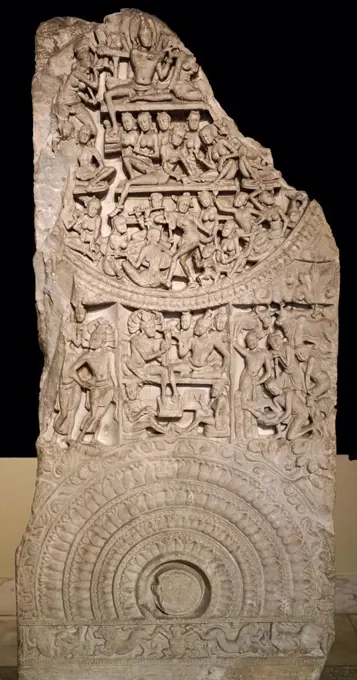
Conversion and ordination of Nanda and fight scene (War Relic) 3rd century. The Amaravati School (1st century BC - 3rd century AD) marmoreal limestone sculpture from Andhra Pradesh, India
160 assets in this story
6188-67455157
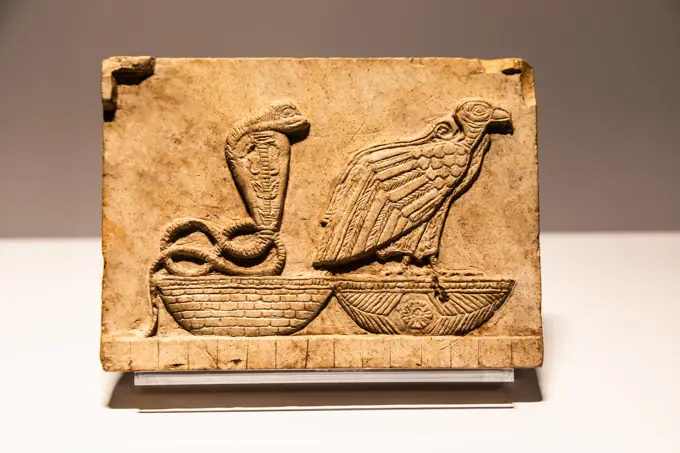
Egyptian Museum. Plaque with vulture and cobra, limestone, 400 BC Turin, Italy - 28 December 2023: Egyptian Museum. Plaque with vulture and cobra, limestone, 400 BC Copyright: xZoonar.com/PaoloxGallox 23020172
6145-29782840
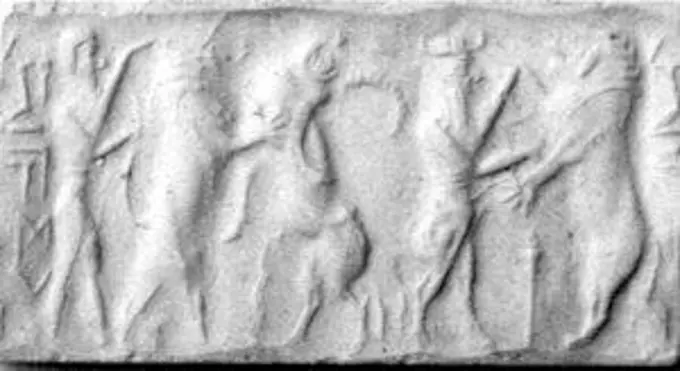
Cylinder seal with two-figure contest scene late 9th - 8th century B.C. Babylonian. Cylinder seal with two-figure contest scene 323907
4443-21958643
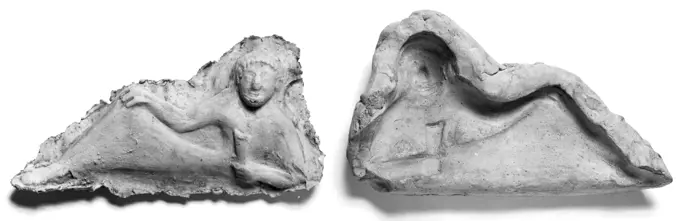
Mold for the Figure of a Reclining Male Symposiast; Tarentum (Taras), South Italy, Europe; late 6th - 5th century B.C; Terracotta; 10.5 cm (4 1,8 in.)
6145-29744412
Cylinder seal ca. 2350-2150 B.C. Akkadian. Cylinder seal. Akkadian. ca. 2350-2150 B.C.. Serpentine. Akkadian. Mesopotamia
4443-21936164
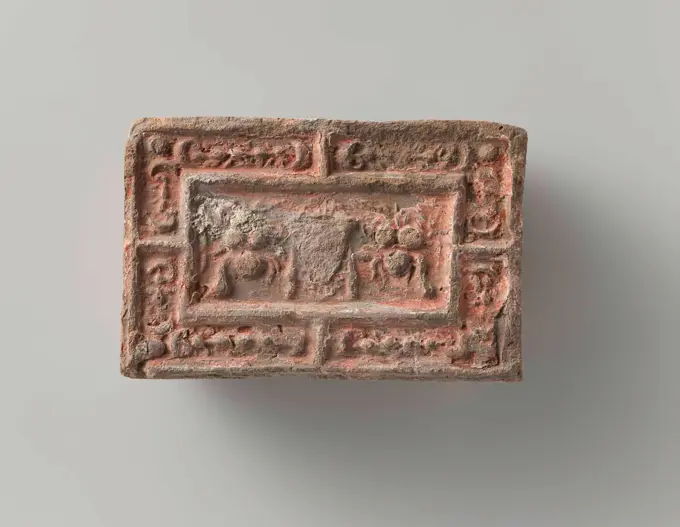
Hearthstone, from Antwerp Belgium, with narrow frame, with merman, fireplace stone part ceramics brick, fried Hearthstone of the Antwerp type with narrow frame depicting merman with shield and sword building history heating
6145-29747852
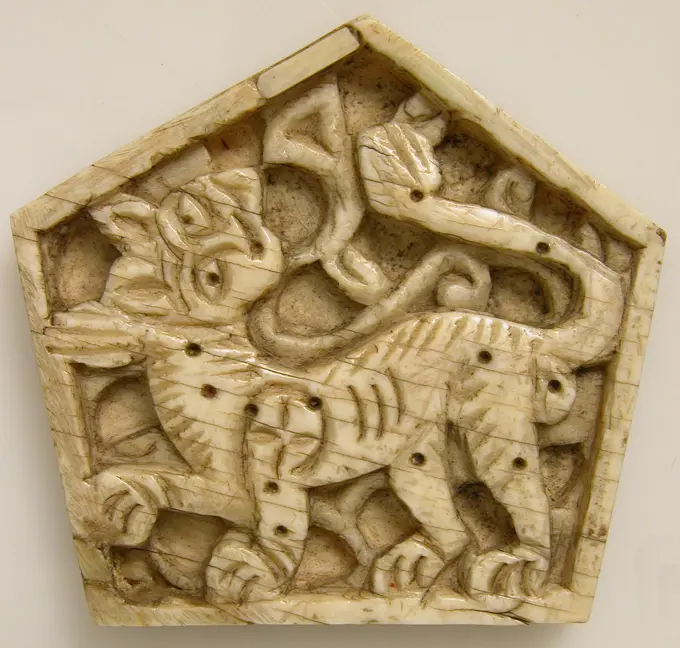
Plaque 12th century This small pentagonal ivory plaque depicts a lion set against foliage. With one paw raised, the lion tilts its head upwards, and its tail swings back towards the head. The craftsman has carved lines on the body to indicate fur and patterning, and holes bored into the surface may originally have been set with stones. Depictions of animal forms within framing devices were common decorative motifs in objects produced around the Mediterranean in the medieval period, and can be found ornamenting wood, textiles, ivory, metalwork and ceramics. This piece is one of a pair in the collection of The Metropolitan Museum of Art, with 67.204.2. The iconography of these plaques suggest they may be a derivative of depictions of the four Christian evangelists; here it could be a representation of Mark, whose symbol is a lion.. Plaque. 12th century. Bone; carved and incised. Made in Italy, Sicily. Ivories and Bone
4409-17266536
CAPITEL DE ARQUIVOLTA DE S CLAUDIO. Location: MUSEO ARQUEOLOGICO-COLECCION. Oviedo. ASTURIAS. SPAIN.
6145-29885228
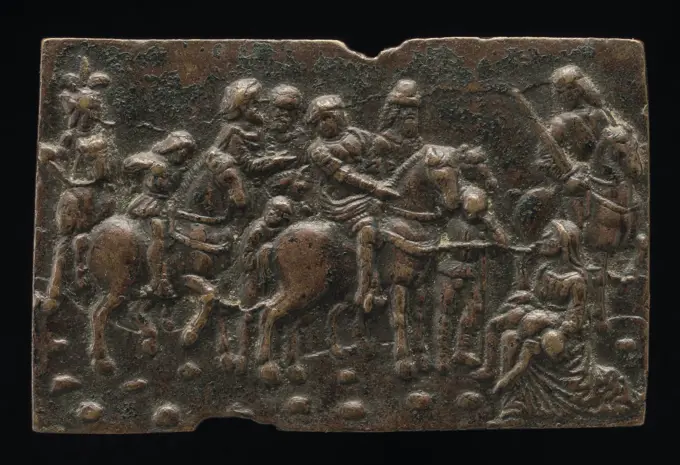
Pseudo Melioli, The Justice of Trajan, 15th century The Justice of Trajan
4409-63010412
Roman period. Hierapolis Archaeology Museum. Turkey.
4409-63013121
Fragment of a marble krater. Italy. (30-20 BC),1st century BC. white marble. NY Carlsberg Glyptotek, Copenhagen. Denmark.
6145-29192014
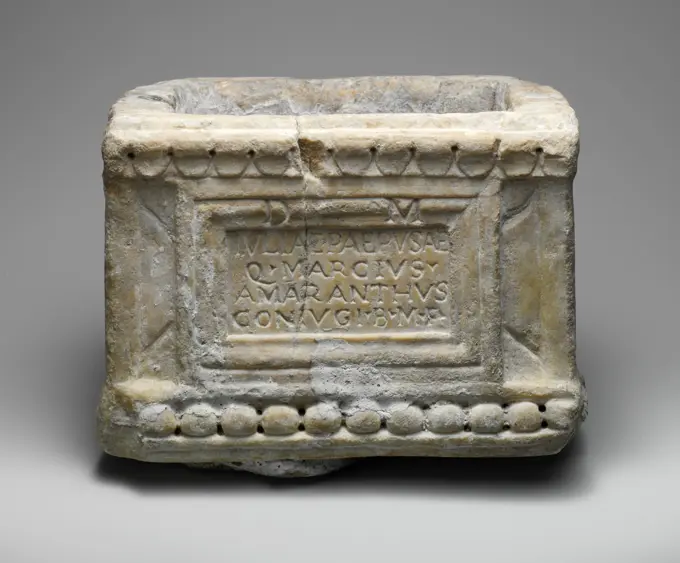
Marble cinerary chest 1st century A.D. Roman The Latin inscription was copied from a Roman funerary plaque and added to this chest during the 17th century. As such it bears witness to the growing awareness of and interest in epigraphy among scholars and collectors in Renaissance Italy. Until the cataloguing of ancient inscriptions began to be systematic and comprehensive in the early 19th century it was quite common for antiquities to be enhanced by the addition of false inscriptions. Indeed, examples of epigraphic forgeries are known even today.. Marble cinerary chest 254586 Roman, Marble cinerary chest, 1st century A.D., Marble, Overall: 6 1/2 x 8 7/8 x 6 1/2 in. (16.5 x 22.5 x 16.5 cm). The Metropolitan Museum of Art, New York. Gift of Mr. S. Paul Jones, 1947 (47.45)
6145-29741595
Panel fragment with a kneeling horned animal ca. 8th-7th century B.C. Iran. Panel fragment with a kneeling horned animal 324186
6145-29235485
Stucco relief panel 2nd half of 1st century A.D. Roman Eros holds a large cornucopia and a thin wand-like stick. His wings are delineated with extraordinary economy and verve.. Stucco relief panel. Roman. 2nd half of 1st century A.D.. Stucco. Early Imperial. Miscellaneous-Stucco
6145-58857134
Salome Receives the Head of St John the Baptist, anonymous, c. 1530 - c. 1540 The beheading of John the Baptist. The beheaded John is on the ground. His head is placed by the executioner on a dish that stops Salomé. The image is a high relief. Brabant limestone The beheading of John the Baptist. The beheaded John is on the ground. His head is placed by the executioner on a dish that stops Salomé. The image is a high relief. Brabant limestone
1746-21127647
Railing depicting a court scene with a haloed princely figure, from a Stupa. Dated 3rd Century
1746-19984912
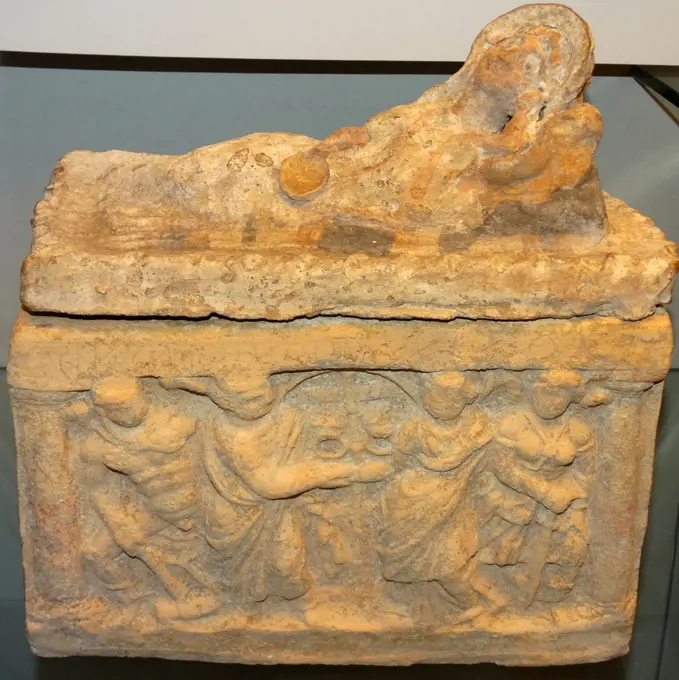
Terracotta cinerary urn, with a figure of a reclining woman, on the lid and a panel on the chest. Etruscan, 100-50 BC From Chiusi
6145-30157603
Fragment of Mother Goddesses (Matrika) Panel with Varahi, Kaumari, and Chamunda 901 CE-1100 Nepal. Copper repoussÈ .
4409-17351697
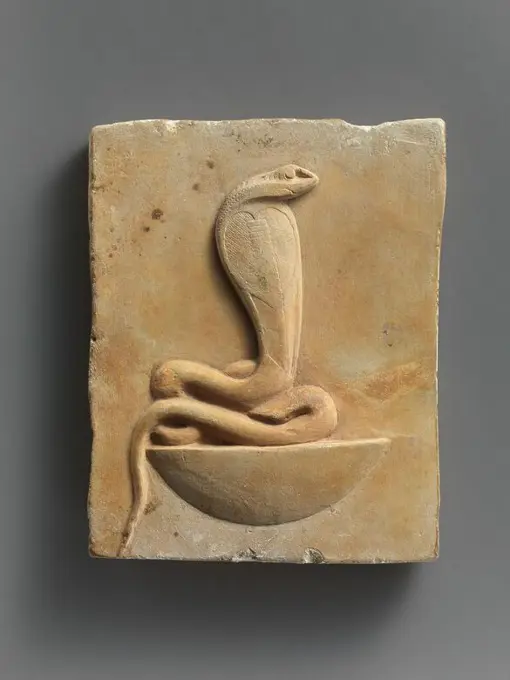
Relief plaque of cobra on a neb basket. Dimensions: H. 12.5 cm (4 15/16in.); W. 9.7 cm (3 13/16 in.); D. 1.8 cm (11/16 in.). Date: 400-30 B.C..Small Late Period and Ptolemaic reliefs or sculptures that depict a subject in a partial or unfinished way but are themselves finished objects constitute a special class of object. Guidelines like those for artists are often prominently exhibited as part of the object, although, in fact, many instances can be noted where the object simply could not serve as a suitable model for a traditional formal Egyptian representation. Personifications of kingship, figures that may represent the now emerging demigods Imhotep and Amenhotep Son of Hapu, and popular gods like Harpokrates or Isis, are heavily represented within the corpus. Taken together, the figures represented and the other features indicate the reliefs and sculptures of this class, sometimes called by Egyptologists "sculptor's models / votives," were the material of a donation practice, per
1746-19692013
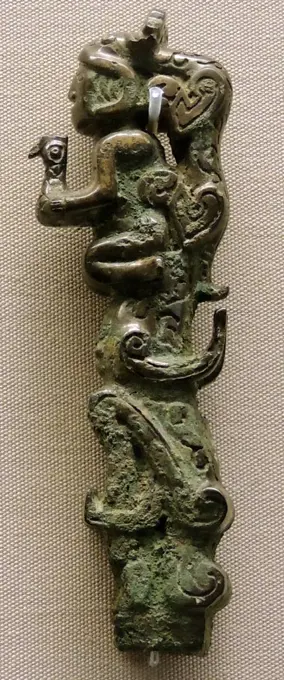
Bronze fitting depicting a tiger and a man who is holding an owl. Western Zhou period, Chinese, 11-10th century BC
6145-29712170
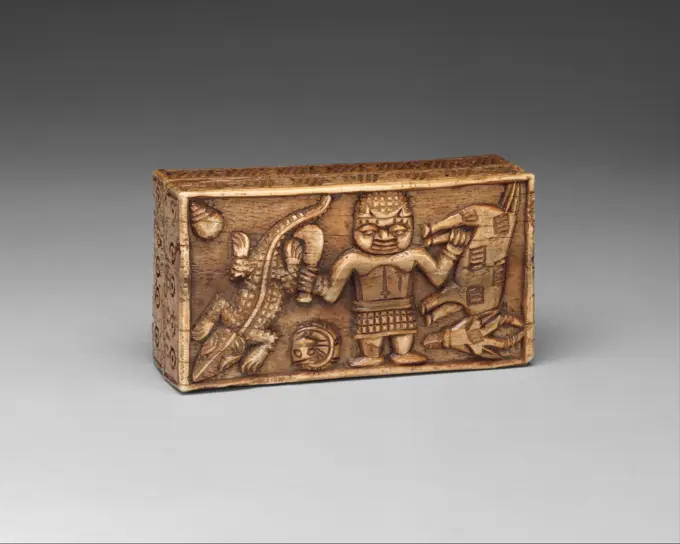
Box: Man with Goat and Crocodile 19th century Edo peoples At its origins, the centralized city-state of Benin was founded by Edo-speaking peoples. The accounts by official court historians and descriptions provided by visitors evoke a vibrant cultural center continually redefined by its leadership through shifting internal and external power dynamics. According to oral tradition, circa 1300, Edo chiefs are reputed to have reached out to the leader of neighboring Ife, Oranmiyan, to establish a new divinely sanctioned royal dynasty. Since then, the investiture of Benins rulers to the title of obas has conferred upon them at once a role of chief priest officiating in important religious ceremonies and presiding over an elaborate structure of palace officials. During the fifteenth century reign of Oba Ewuare, Benins armies were formed and the fortification of its capital with a massive wall undertaken. In parallel, delegations of Portuguese traders assiduously sought to secure exclusive
1746-21123297
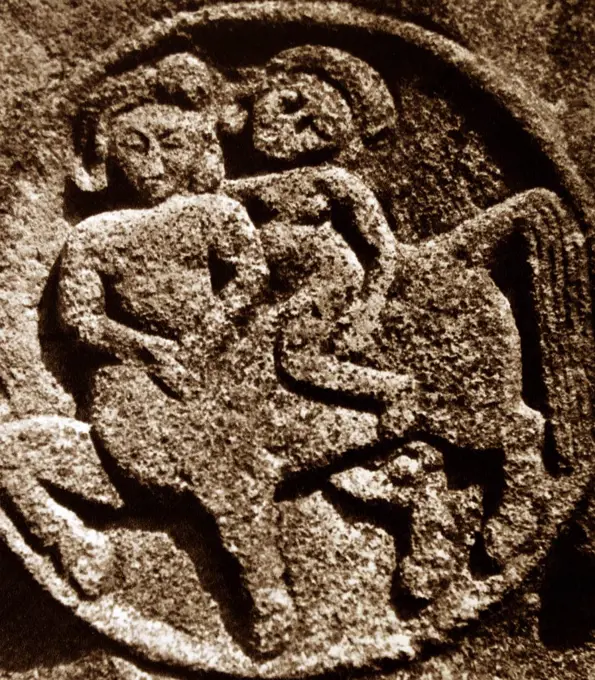
Hindu Mythology: Kimpurusa (centaur) with female from the Great Stupa and Sanchi, India, 2nd century BC
6145-58825515
Tile with a performance of a drum player, anonymous, c. 1100 - c. 1400 Tile with the presentation of a male drum player. Note: The tile may come from the same grave as Tegel AK-MAK-1413. Shanxihenan stoneware Tile with the presentation of a male drum player. Note: The tile may come from the same grave as Tegel AK-MAK-1413. Shanxihenan stoneware
4443-21927374
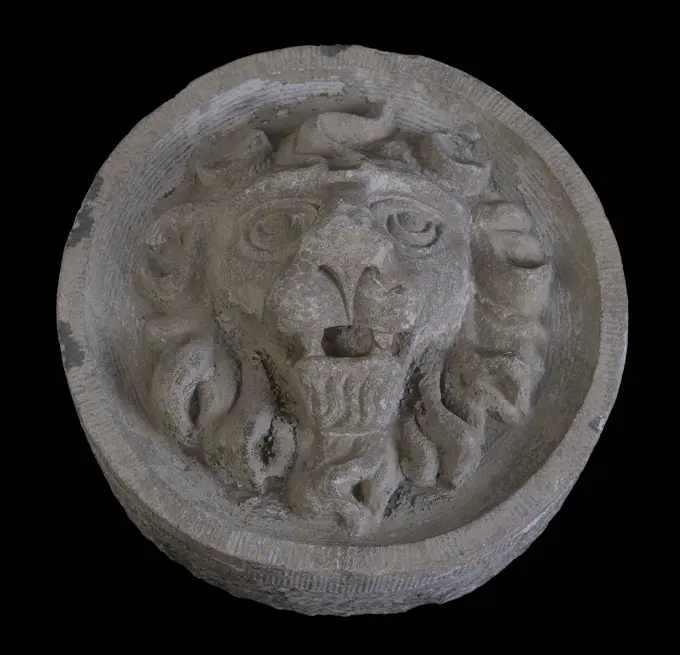
Round facing brick with lion's head, facing brick sculpture sculpture building component stone, sculpted Round facing brick with rim and lion's head in high relief. Hardsteen Rotterdam City center Stadsdriehoek Leuvehaven Bombardment Second World War war Leuvehaven Rotterdam from rubble after the bombing of May 1940.
7155-70378939
Hockey game, 500-490 BC. Greek relief. Classical period.
7155-70378903
Chariot and hoplites, statue base, Kerameikos, 500 BC. Athens. GREECE.
4409-63012623
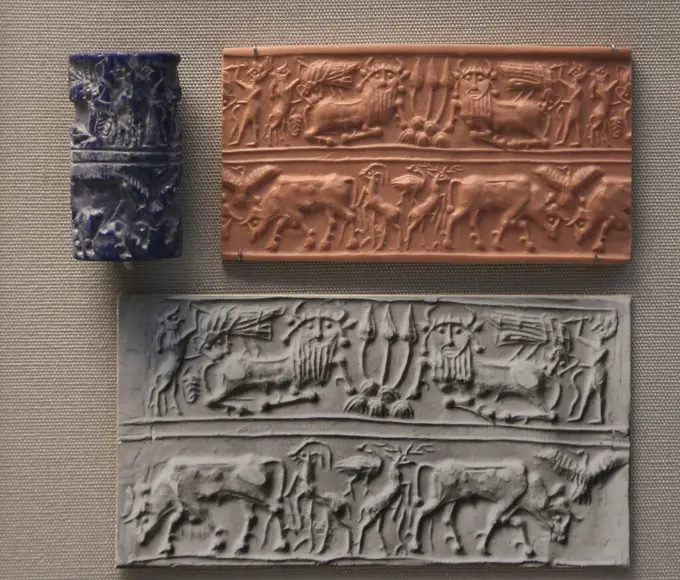
Lapis lazuli cylinder seal with two registers. About 2600 BC. Mesopotamia. British Museum. London.
6145-46417476
Fireplace with a presentation of a mascaron between two fruit festivoes. Fireplace with a mascaron between two fruit festons, the whole surrounded by a fruitfeston.
6145-29766657
Joseph Stripped of His Garments late 15th century Northern Italian. Joseph Stripped of His Garments 207633
6145-29186869
Terracotta statuette of a man seated on a horse ca. 350-200 B.C. Greek Carrying shield on a galloping horse.. Terracotta statuette of a man seated on a horse 248446
6145-59513469
Facing brick with a tree -fender, for him from a fox, a crab behind the barge; Below the text the crab and the fox 1664, Anonymous, 1664   Netherlands (possibly) .
6145-29822524
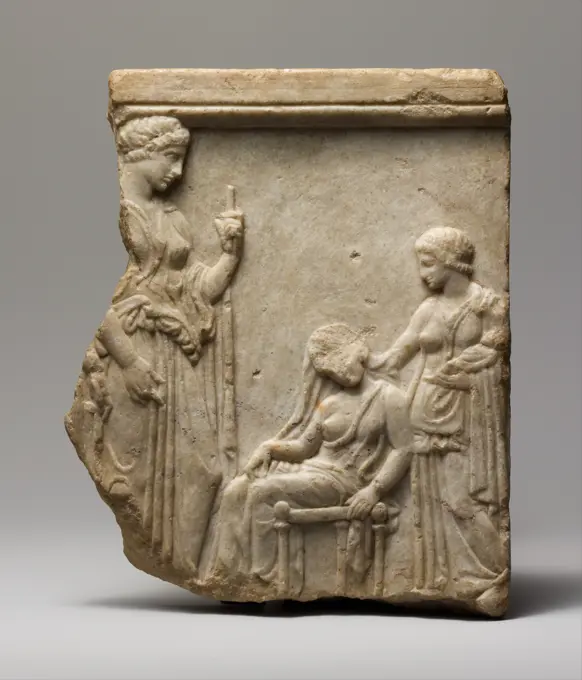
Marble votive relief fragment of goddesses, mother, nurse, and infant late 5th century B.C. Greek Childbirth in antiquity often resulted in the death of both the mother and infant. This small relief, which shows the mother and child alive post-partum, was presumably an offering to a healing deity such as Asklepios or Hygieia, in thanks for protection during this particularly dangerous rite of passage.. Marble votive relief fragment of goddesses, mother, nurse, and infant 251519 Greek, Marble votive relief fragment of goddesses, mother, nurse, and infant, late 5th century B.C., Marble, Island, h. 10 1/2in (26.7cm); w. 8 9/16in. (21.7cm). The Metropolitan Museum of Art, New York. Fletcher Fund, 1924 (24.97.92)
1746-19666425
Marble disk. Pentelic marble. Unknown provenance. The disk was probably a rotating window pane. It is decorated with a relief scene of a Satyr carrying grapes. Time of the emperor Augustus (29 BC-AD 14)
6145-29195015
Glass cameo: winged Eros late 1st century B.C.-early 1st century A.D. Roman Eros as a child, with weapons of Herakles.. Glass cameo: winged Eros 249252
6145-45478645
Bliżej Kultury Władysław Jagiełło (CA 1351 1434)
4409-17414203
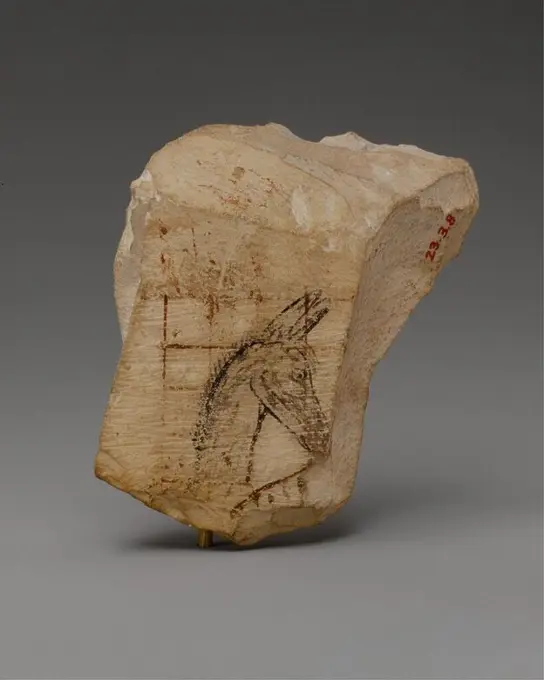
Ostracon with a donkey. Dimensions: h. 8 cm (3 1/8 in); w. 7.6 cm (3 in); th. 3 cm (1 3/16 in). Dynasty: Dynasty 18. Reign: Joint reign of Hatshepsut and Thutmose III. Date: ca. 1479-1458 B.C.. Museum: Metropolitan Museum of Art, New York, USA.
6145-29723036
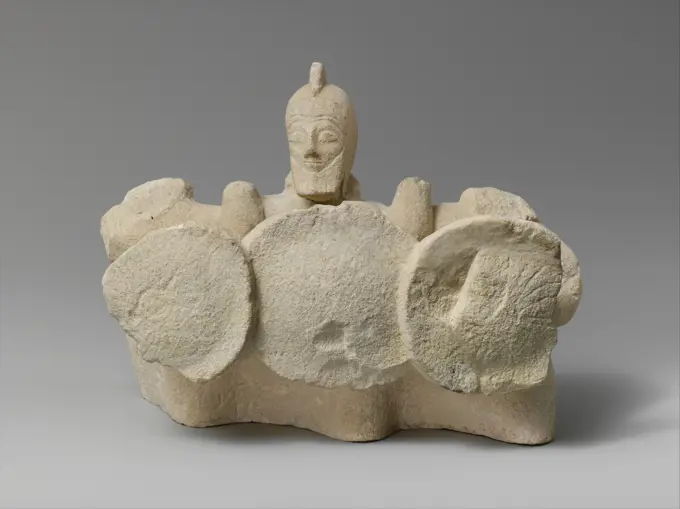
Limestone statuette of the Triple Geryon early 5th century B.C. Cypriot Geryon was a three-bodied creature who lived far to the west with his dog Orthos or Orthros, the herdsman Eurytion, and a large number of cattle. One of the labors of the hero Herakles was to obtain the herd, which he did. The subject was popular in Greek and Cypriot art during the late sixth and early fifth centuries B.C.. Limestone statuette of the Triple Geryon 242137
6145-29788836
Roundel 1st millennium B.C. () Iran. Roundel 325709
4409-17373646
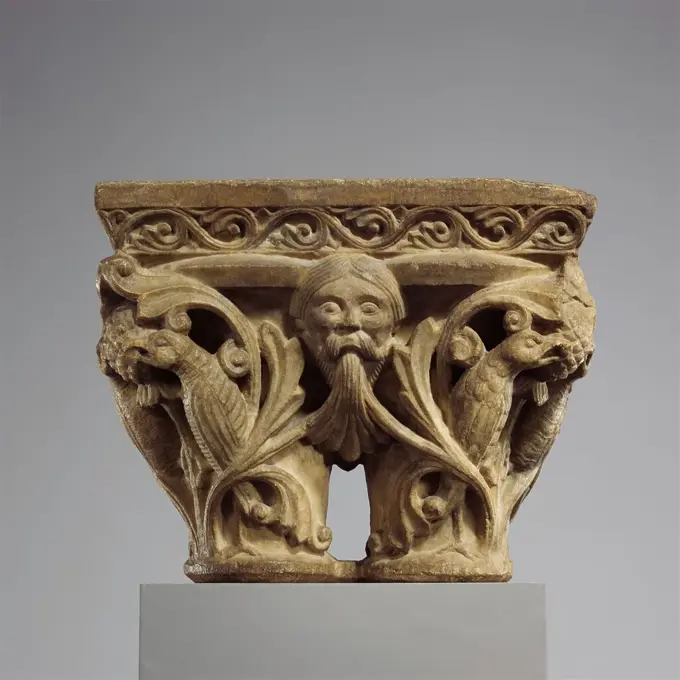
Double Capital with Masks and Birds. Culture: French. Dimensions: Overall: 15 1/2 x 19 1/2 x 11 3/8 in. (39.4 x 49.5 x 28.9 cm)weight: 195lb. (88.5kg). Date: ca. 1140-60.The medieval sculptor transformed a Corinthian capital, substituting a head for the rosette that would have appeared at the center. On one side, it is the head of a man; on the other, a monkey: perhaps a warning of how easy it is to slide from humanity to bestiality. Museum: Metropolitan Museum of Art, New York, USA.
6145-29728381
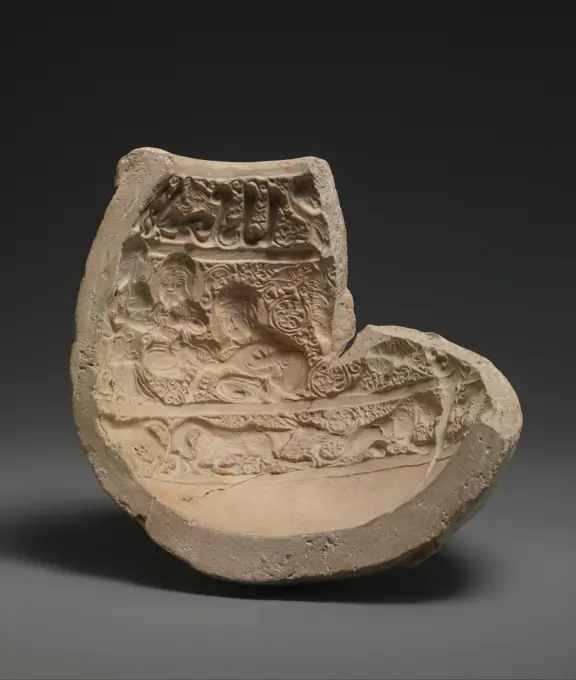
Mold Fragment with Musicians late 11th-early 12th century This earthenware mold elucidates the manufacturing process of stonepaste, showing how technological advancement and artistic sophistication were incorporated in an industry that became progressively focused on extensive production. The exquisite carving displays, from the top: an inscribed band in cursive; a scene with a standing figure and musicians playing the lute and the flute; and a frieze with chasing quadrupeds. All the patterns have an intricate scrollwork as a background.. Mold Fragment with Musicians. late 11th-early 12th century. Earthenware; carved. Excavated in Iran, Nishapur. Ceramics
6145-55179324
The expedition against Ilu-khiti of Rure.. Birch, Samuel (1813-1885). Photographs, Illustrations. 1880 - 1902. General Research Division. Gates , Assyria, Bas-reliefs , Assyria, Shalmaneser III, King of Assyria, active 9th century B.C. , Palaces
6145-59156701
Lazio Roma Frascati Villa Borghese1. Hutzel, Max 1960-1990 Exterior views of 17th c. villa, ninfeo and fountain. Interior views of salons, dining room, bedroom, and frescoes, paintings and busts decorating them. Antiquities: Villa houses an Antiquities gallery, which contains sarcophagi, busts, masks, friezes, and a series of statues of Roman kings. German-born photographer and scholar Max Hutzel (1911-1988) photographed in Italy from the early 1960s until his death. The result of this project, referred to by Hutzel as Foto Arte Minore, is thorough documentation of art historical development in Italy up to the 18th century, including objects of the Etruscans and the Romans, as well as early Medieval, Romanesque, Gothic, Renaissance and Baroque monuments. Images are organized by geographic region in Italy, then by province, city, site complex and monument.
1890-78670960
Garland marble sarcophagus from 2nd century AD displayed at Antalya Archaeological Museum in Turkey
6145-50495352
Drawing, Project for a Ceiling Frieze; Italy; pen and brown ink, brush and brown wash, white heightening on off-white laid paper
1788-22685
Italy, Veneto, Albignasego, Paleovenet funerary stele representing the dead descending into the underworld
6145-29115386
Grave Stele. Reportedly found in Carthage, North Africa, Roman, circa 1st century B.C.-1st century A.D.. Sculpture. Marble
1788-19852
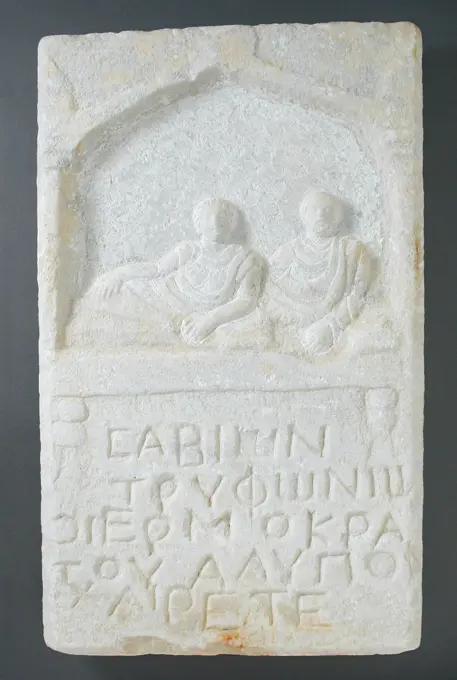
Funerary stone of gladiator of Thracian origin, Relief of gladiator with armor and engraving of Ammias of Araxios, in memory of her husband, From Thyateira, Akhisar, Turkey
4409-17415296
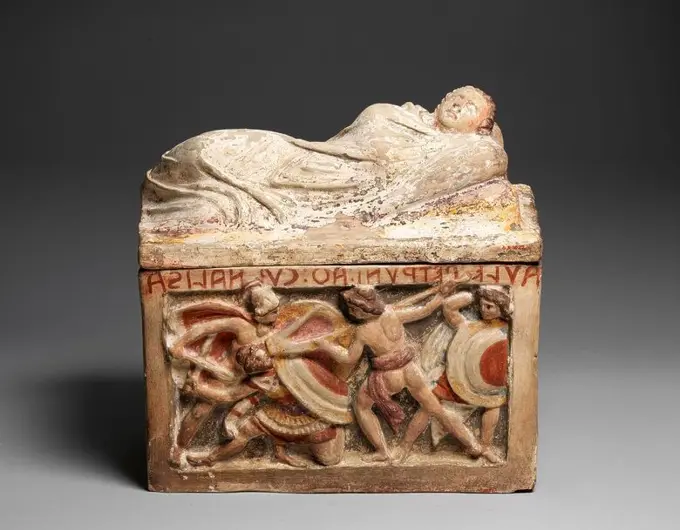
Terracotta cinerary urn. Culture: Etruscan. Dimensions: Overall (with lid): 13 7/16 x 13 15/16 x 7 1/8 in. (34.2 x 35.4 x 18.1 cm). Date: 2nd century B.C..The frieze depicts one of the most popular subjects on Etruscan terracotta urns, a man using a plow as a weapon. Some scholars suggest that he is the Greek hero Echetlos, a rustic who came to the aid of the Athenians and killed many Persians, wielding his plow against them at the Battle of Marathon in 490 B.C. However, it has never been explained satisfactorily why such an obscure Greek legend was so popular in Etruria. It is possible that the scene represents an Etruscan legend or event of unknown specific meaning. The type was produced extensively in Chiusi. As told by the inscription, AULE : PETRUNI : ATH : CUTNALISA, this is the cinerary urn of Aulus Petronius, son of Arnth Cutnalisa. Museum: Metropolitan Museum of Art, New York, USA.
4266-27356
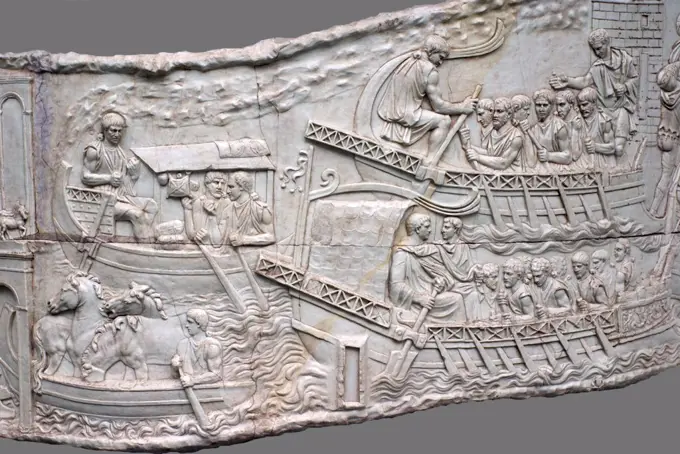
The Roman galleys. Relief detail of Trajan's Column by Classical Antiquities   / Museum fur Antike Schifffahrt, Mainz / Classical Antiquities / 1st-2nd century / Italy / Bas-relief / Objects /
6145-50633409
Middle tile
4443-21927603
Console, female head with hat, console construction element sandstone stone, sculpted
1788-21937863
Reliefs in the Whitaker Museum, Motya, or Island of San Pantaleo, Natural Reserve of Stagnone Islands of Marsala, Sicily, Italy.
6145-29725251
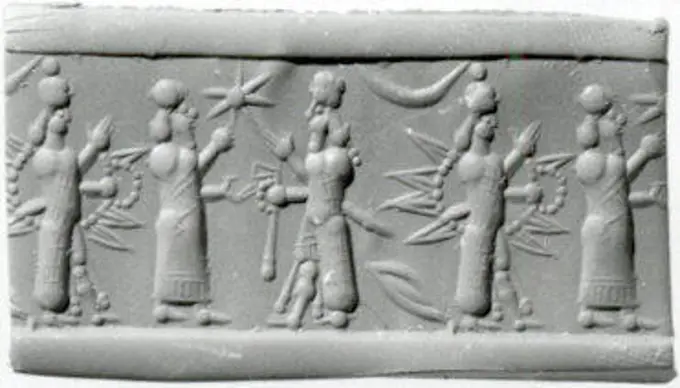
Cylinder seal with cultic scene ca. 8th-7th century B.C. Assyro-Babylonian. Cylinder seal with cultic scene 327075
6145-59044101
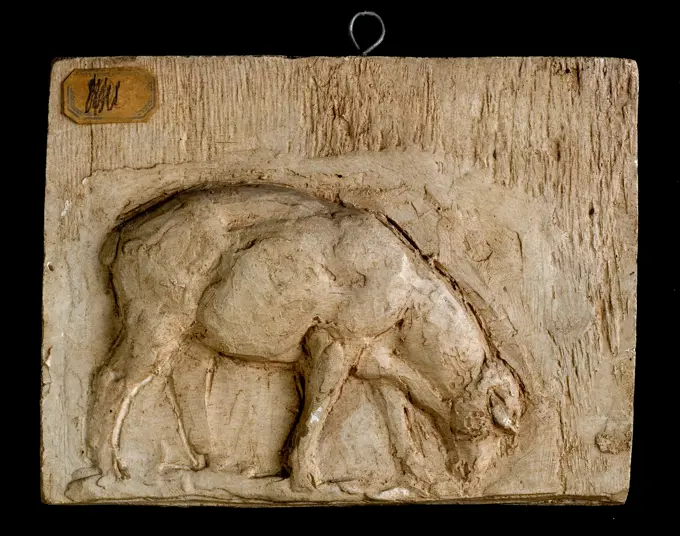
Aimé-Jules Dalou (1838-1902). "Paying sheep". Patinated plaster, after 1894. Museum of Fine Arts of the City of Paris, Petit Palais. Bas-relief, sheep, patter, patina patina
6176-67078598
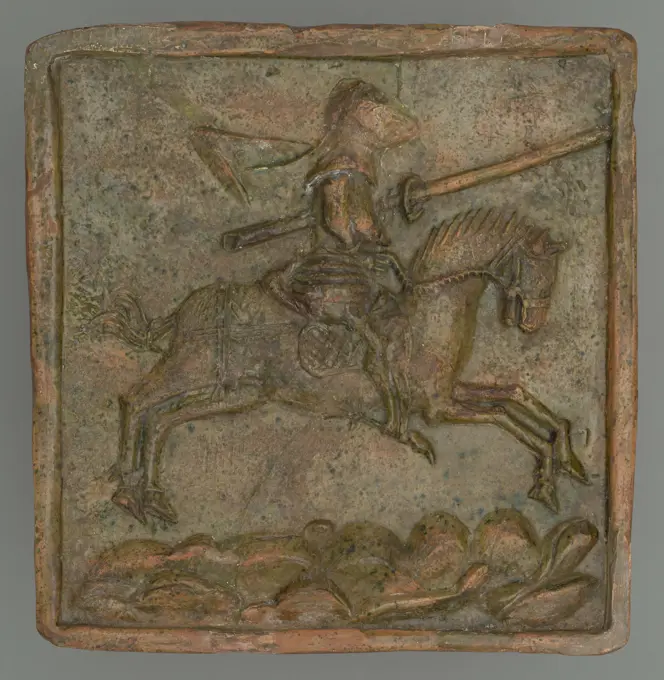
Parthian ceramic plaque from the 1st to 3rd century, depicting a mounted archer. Artist: Unknown
1746-19666548
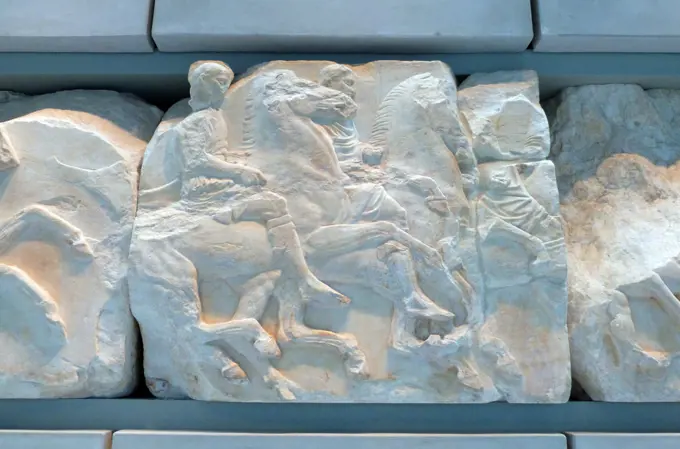
Horsemen depicted in part of the Parthenon friezes at the Parthenon/Acropolis museum, Athens
4443-21958682
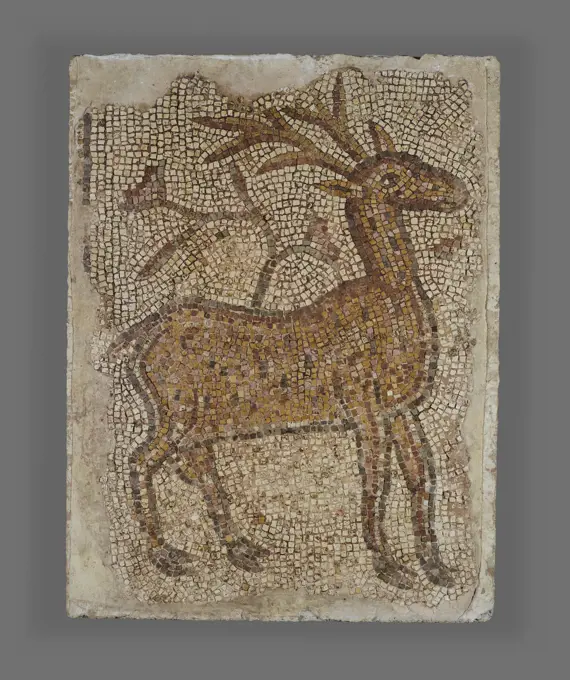
Mosaic Fragment with Stag; Syria; 5th - 6th century; Mosaic; 119.4 × 89 cm (47 × 35 1,16 in.)
4409-17419074
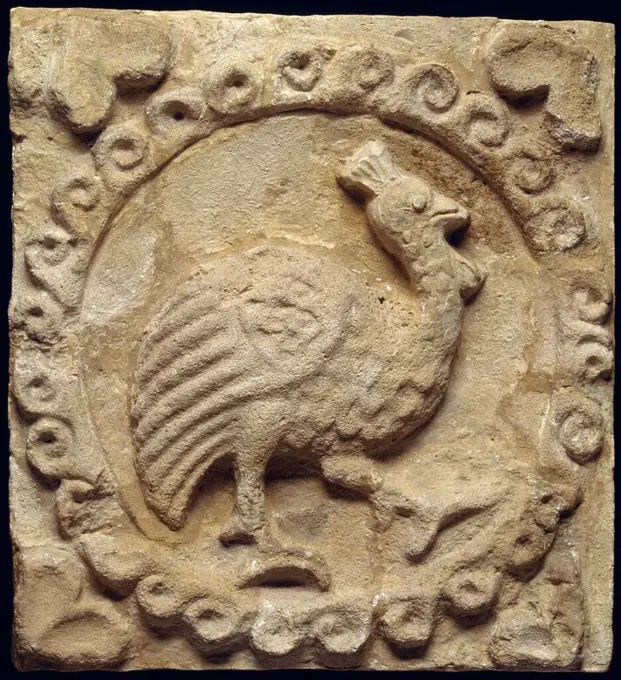
Wall panel with a guinea fowl. Culture: Sasanian. Dimensions: H. 10 1/2 x W. 9 3/4 in. (26.7 x 24.8 cm). Date: ca. 6th century A.D..Stucco reliefs were commonly used to decorate the iwans and reception halls of elite Sasanian houses. Many examples were found in excavated houses in the Ctesiphon area including this panel from Umm ez-Za'tir depicting a Guinea fowl. The placement of the bird inside a roundel, in this case created from volute designs, is a common arrangement for stucco patterns. The use of molds to make stuccos allowed for the creation of large scale repetitive patterns and designs such as this square panel which could be fit together to cover a wall surface.The city of Ctesiphon was located on the east bank of the Tigris River, 20 miles (32 km) south of modern Baghdad in Iraq. It flourished for more than 800 years as the capital of the Parthians and the Sasanians, the last two dynasties to rule the ancient Near East before the Islamic conquest in the seventh century. Sy
6145-29792644
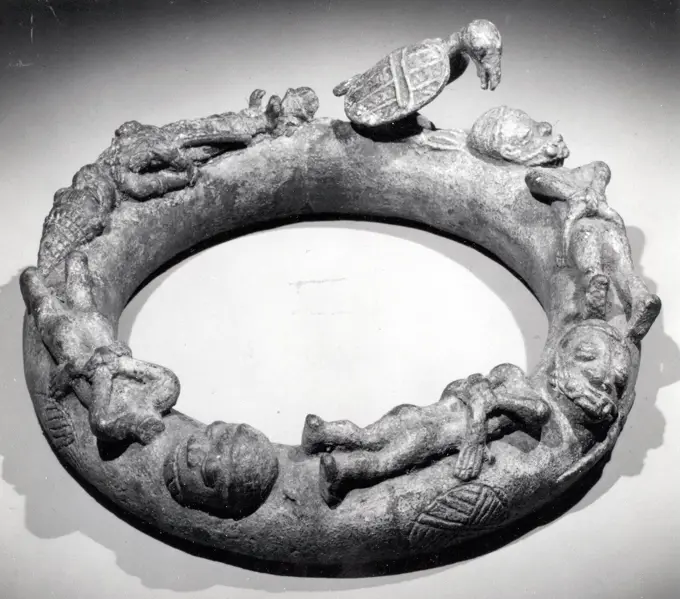
Altar Ring 16th century Yoruba peoples, Ife group Works in metal in a wealth of bronzes in a variety of styles and types are found throughout the southern half of Nigeria, especially along the lower part of the Niger River. The numerous "Lower Niger bronzes" discovered in Benin at the end of the nineteenth century that were long considered to be of local origin are now thought to come from a number of locations and time periods; some are from the Igbo-Igala area, but most were made in centers influenced by Yoruba and Benin art. Scientific dating of the clay cores in several of these sculptures revealed that a few were made as early as the fourteenth century. Some must, therefore, be contemporary with the naturalistic bronzes of Ife and may be provincial reflections of Ife style. In the Yoruba center of Ijebu, brass casters drew upon motifs found in Benin and Owo which they translated into distinctly Ijebu configurations of composite animal, bird, and fish forms. The complex regional in
6145-58999827
Paris Musées - Collection site 2014-2015 - Carnavalet museum: collection of drawings Frieze for the Arc de Triomphe de l'Etoile, 1833.
4409-17381165
Onyx cameo fragment. Culture: Roman. Dimensions: H.: 7.8 cm (3 1/16 in.)Other: 7.9 cm (3 1/16 in.). Date: late 1st century B.C.-1st century A.D..The scene may represent an episode from the story of Proserpine (Gr. Persephone) and Pluto (Gr. Hades). Mythological scenes are rare on such large cameos; most of the surviving examples depict members of the Roman imperial family. Museum: Metropolitan Museum of Art, New York, USA.
PREVIOUS
of 2
NEXT
2401 S. Ervay, Suite 206
Dallas, Texas 75215
United States
Get Started
Free ResearchMy BoardsMy Cart
For Creators
How To License Your ContentContributor PortalFrame of Mind
Resources
API accessPricing
Contact
+1 866 236 0087help@viewpictures.co.uk Contact form
©2026 View Pictures. All Rights Reserved. -A
This site is protected by reCAPTCHA and Google Privacy Policy and Terms of Service apply.