Ancient Sealings

Artifacts depicting ancient sealings from the Middle and New Kingdoms, showcasing intricate designs made of clay from various historical contexts.
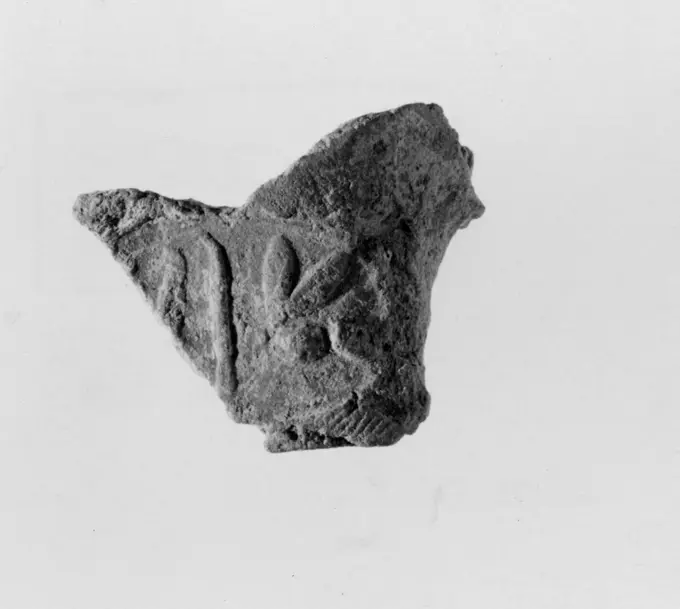
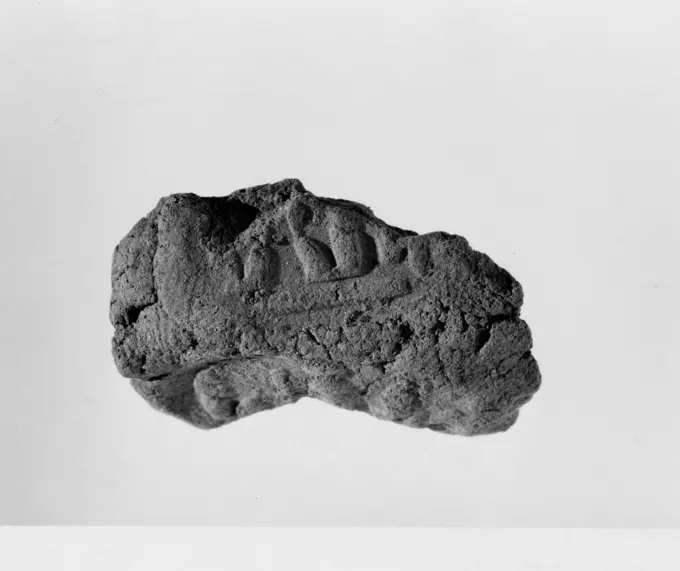
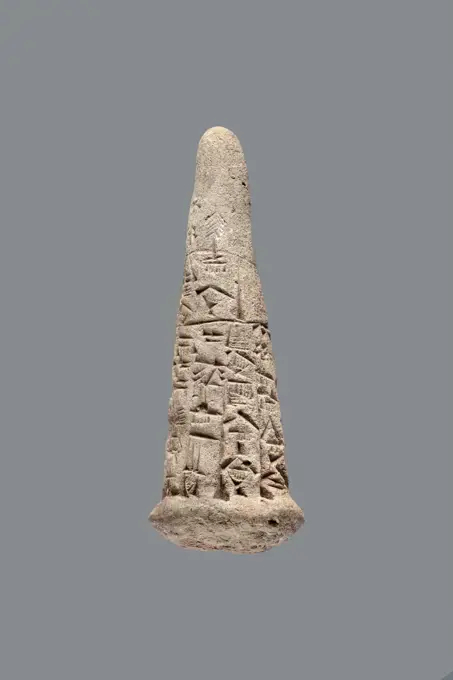
Document Sealing with the Throne Name of Amenhotep III ca. 1390-1353 B.C. New Kingdom. Document Sealing with the Throne Name of Amenhotep III. ca. 1390-1353 B.C.. Mud. New Kingdom. From Egypt, Upper Egypt, Thebes, Malqata, West Villas, West Villa B, MMA excavations, 1910-12. Dynasty 18
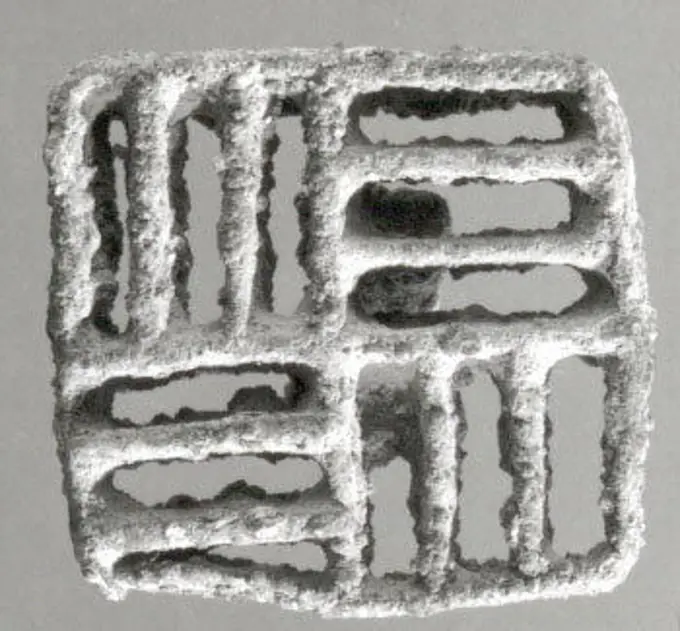
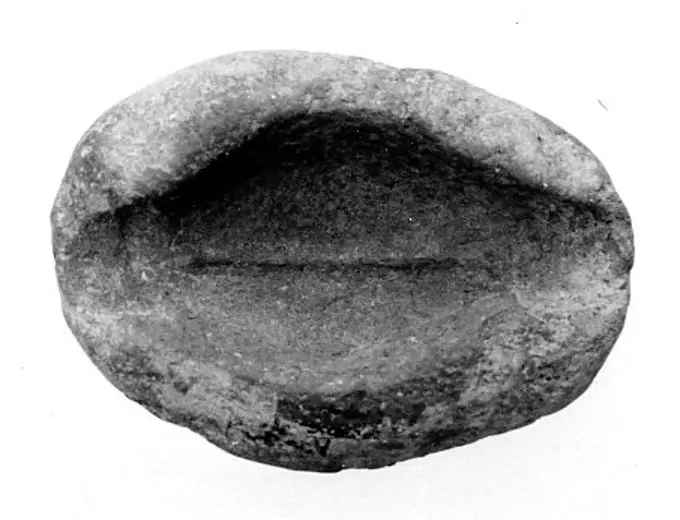
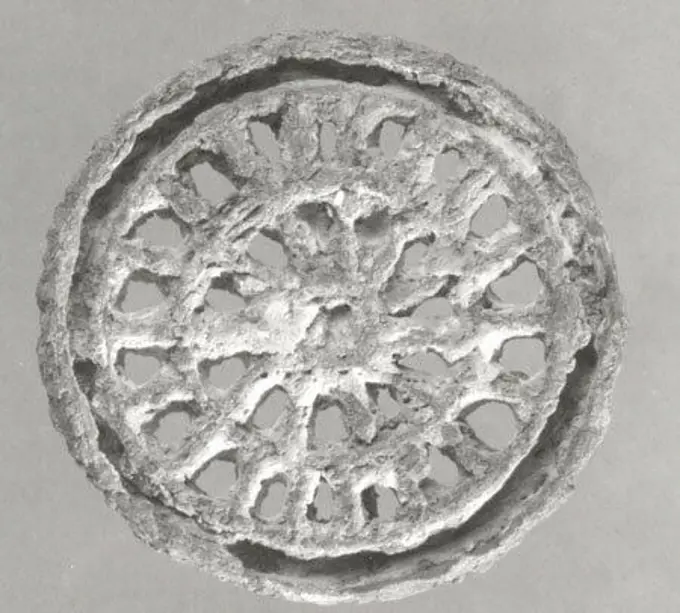
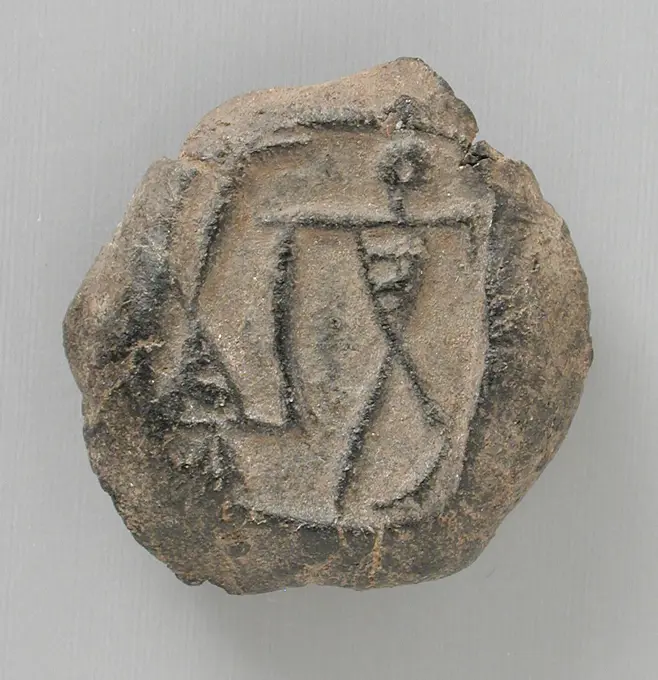
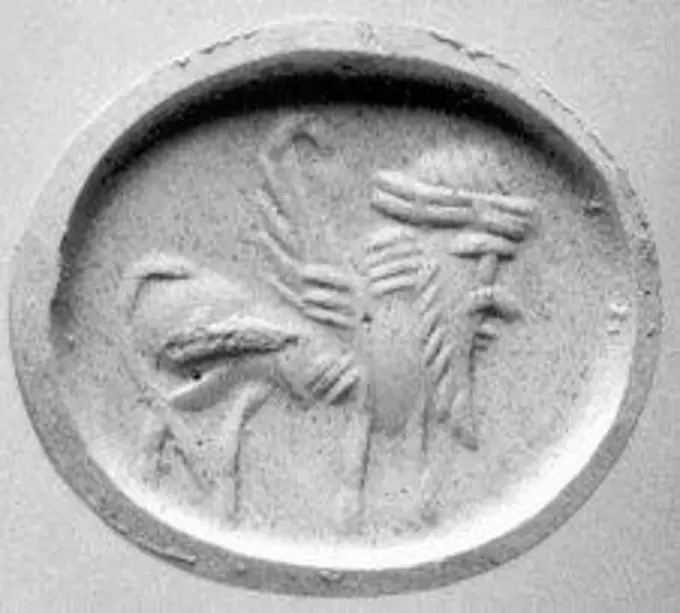
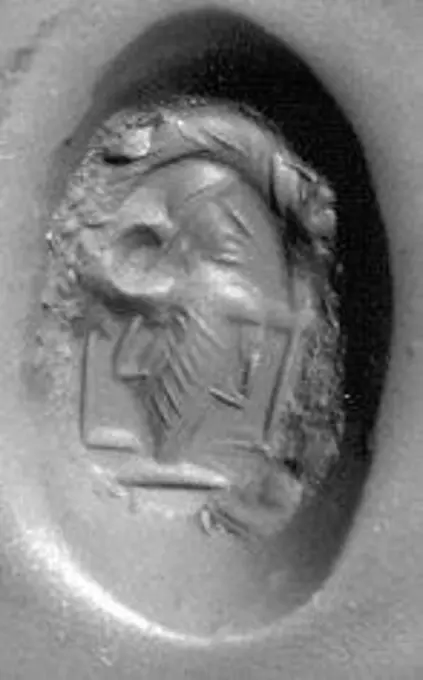
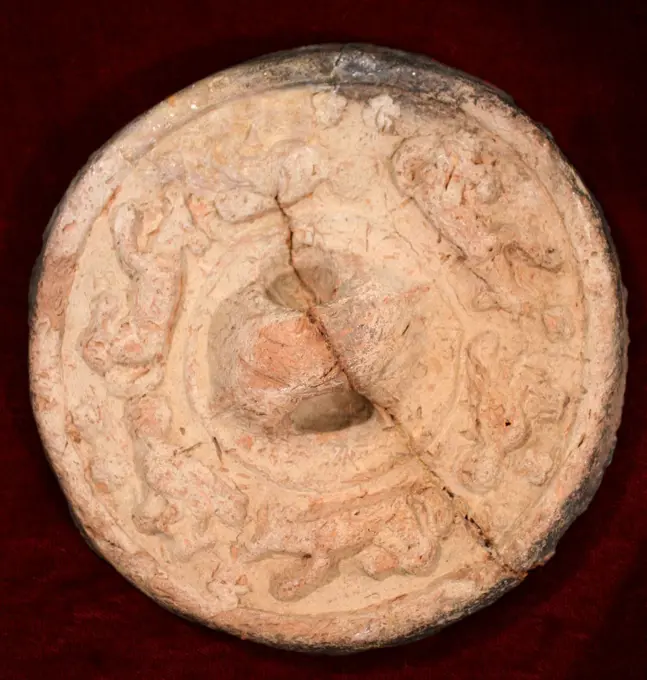
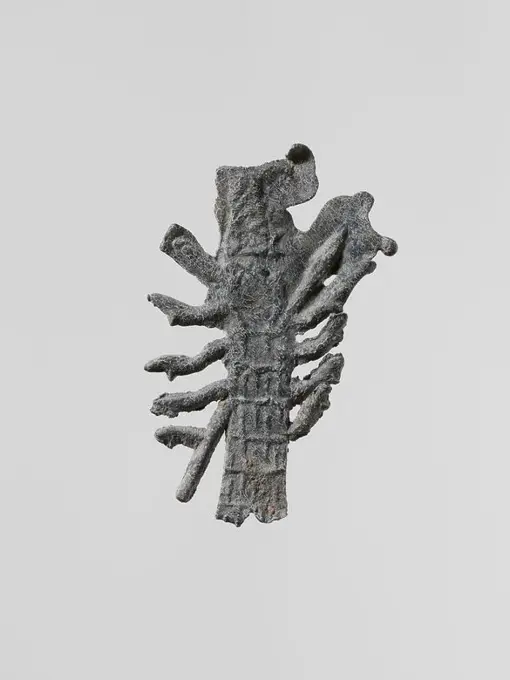
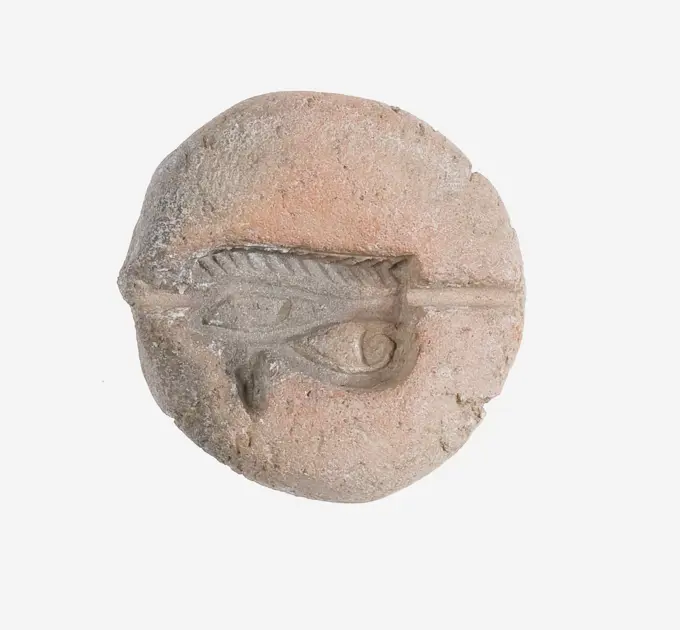
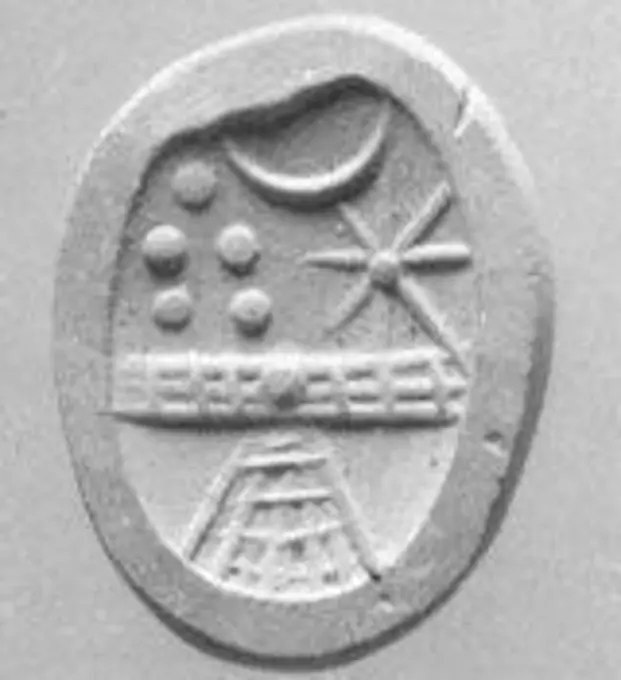
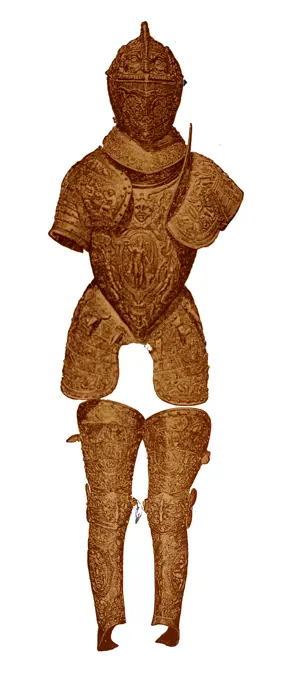
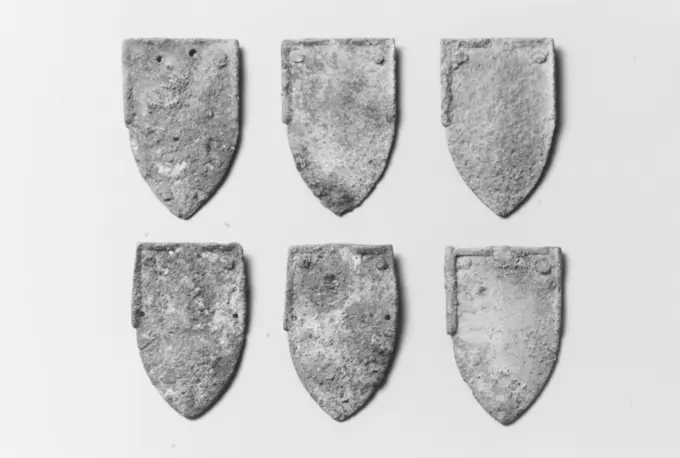
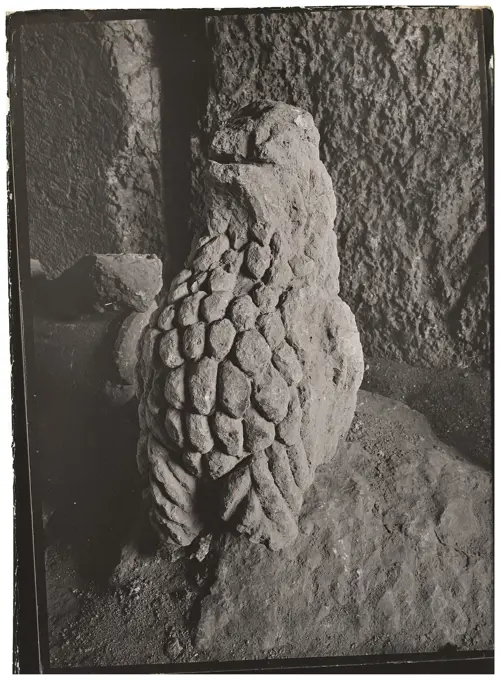
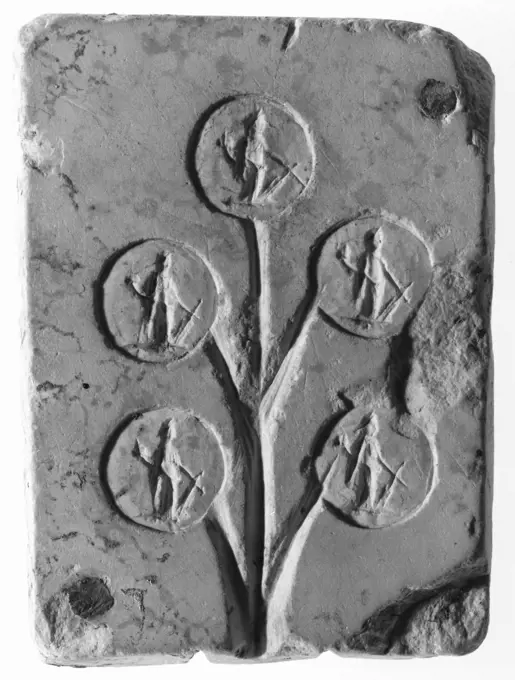
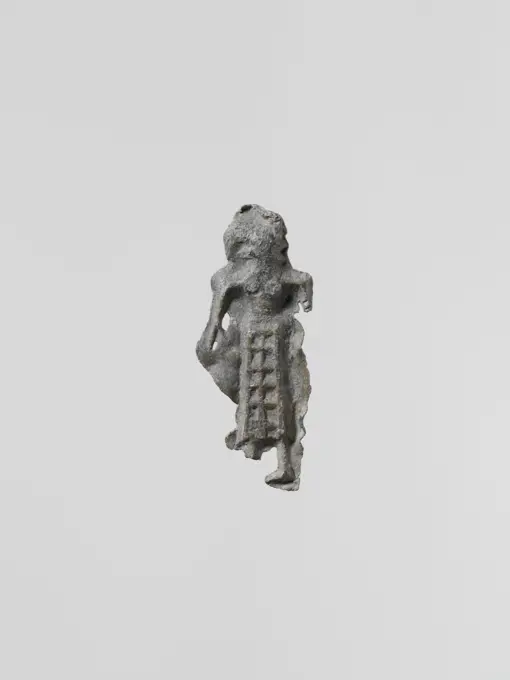
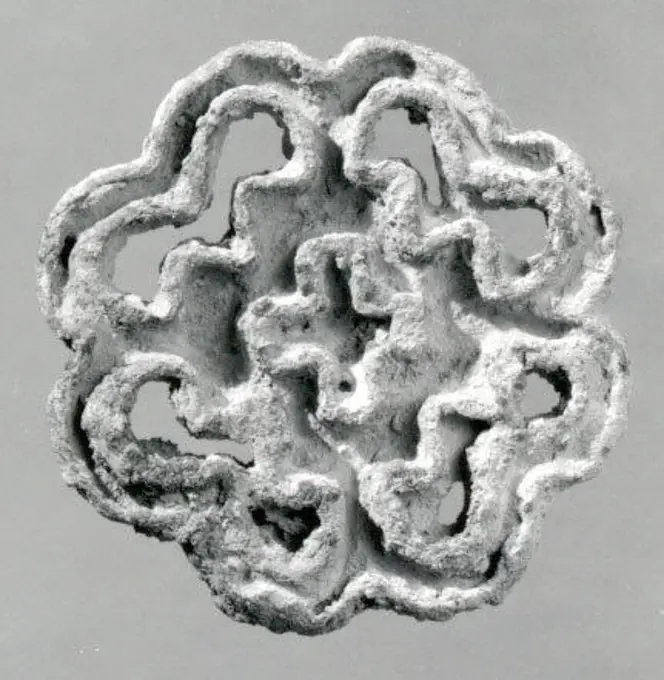
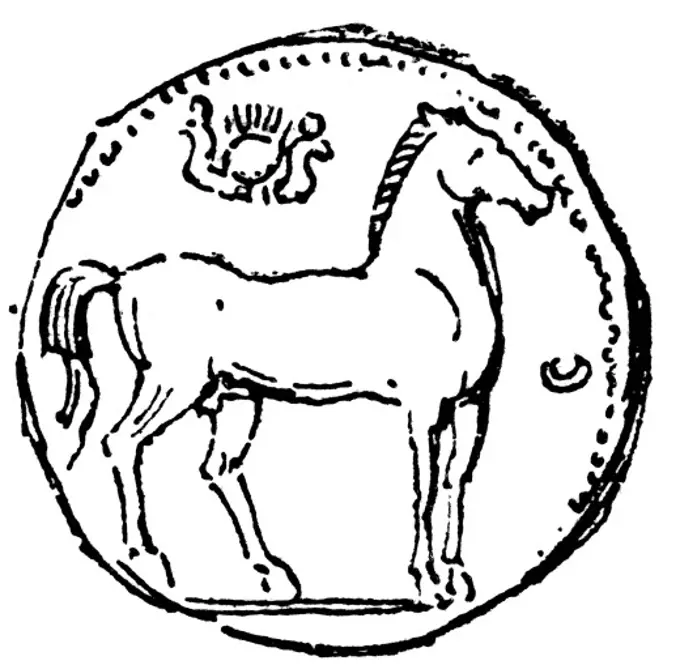
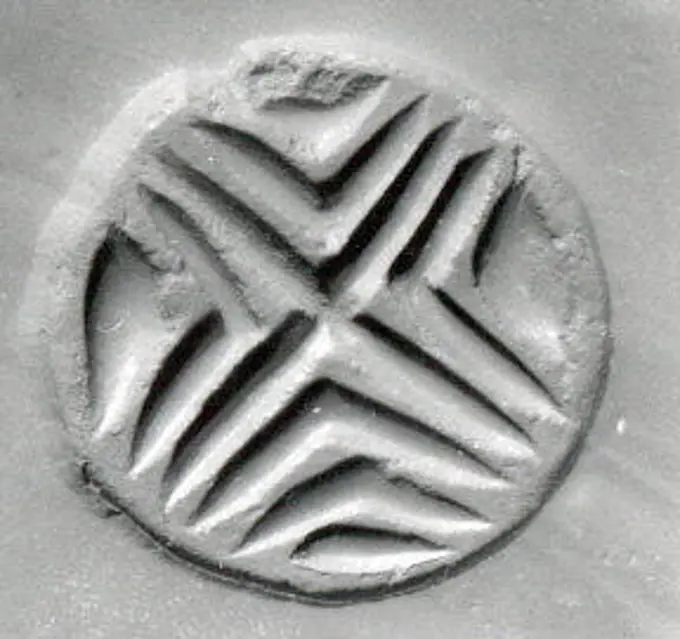
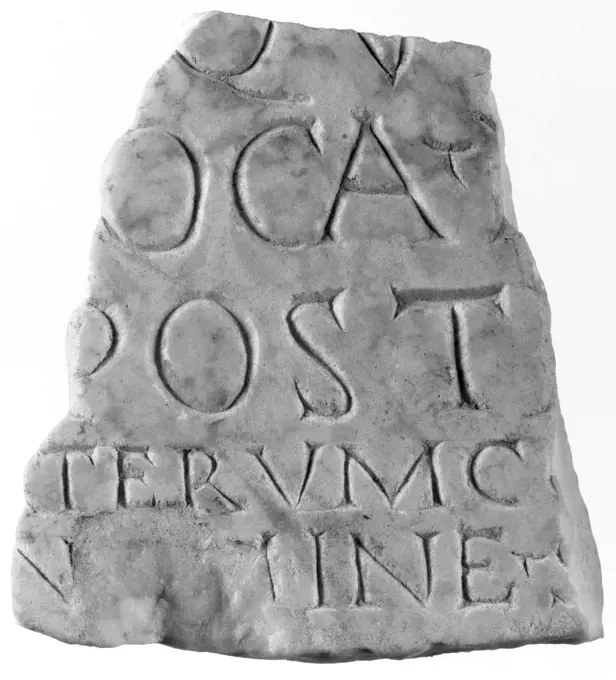
Stamp seal (scarab) with animal 9th - 7th century B.C. or later Syro-Levantine. Stamp seal (scarab) with animal. Syro-Levantine. 9th - 7th century B.C. or later. Greenstone. Iron Age II or later. CyprusCompartmented stamp seal ca. late 3rd-early 2nd millennium B.C. Bactria-Margiana Archaeological Complex. Compartmented stamp seal 326811Mold for scarab back New Kingdom ca. 1550-1295 B.C. View more. Mold for scarab back. ca. 1550-1295 B.C.. Terra cotta. New Kingdom. From Egypt. Dynasty 18Stamp seal ca. 3rd-7th century A.D. Sasanian. Stamp seal. Sasanian. ca. 3rd-7th century A.D.. Bronze. Sasanian. Iran or MesopotamiaStatuette of a woman votary ca. 625-425 B.C. Greek, Laconian. Statuette of a woman votary 251583 Greek, Laconian, Statuette of a woman votary, ca. 625425 B.C., Lead, Height: 1 7/16 in. (3.6 cm). The Metropolitan Museum of Art, New York. Gift of A. J. B. Wace, 1924 (24.195.17)Button or Fitting China. Button or Fitting 61155Lead figure of a warrior with a spear and shield 6th-5th century B.C. Greek, Laconian Small flat votive figurines of cast lead have been found in great quantities at the ancient sanctuaries of Laconia; over one hundred thousand, dating from the seventh century B.C. to the Classical period, were dedicated to the goddess Artemis Orthia in Sparta.. Lead figure of a warrior with a spear and shield 251644 Greek, Laconian, Lead figure of a warrior with a spear and shield, 6th5th century B.C., Lead, Height: 1 15/16 in. (4.9 cm). The Metropolitan Museum of Art, New York. Gift of A. J. B. Wace, 1924 (24.195.78)Compartmented stamp seal ca. late 3rd-early 2nd millennium B.C. Bactria-Margiana Archaeological Complex. Compartmented stamp seal. Bactria-Margiana Archaeological Complex. ca. late 3rd-early 2nd millennium B.C.. Copper alloy. Bronze Age. Bactria-MargianaSeal Impression with Two Human Stick Figures. Egypt, Middle Kingdom - Ptolemaic Period (1991 - 30 BCE). Tools and Equipment; seals. Brown semi-baked clay with scorch marksEngraved Gem. UnknownPendant in the form of a duck ca. 8th-7th century B.C. Iran This is a bronze pendant in the form of a seated bird, possibly a duck. No details are indicated, and the only decoration is some cross-hatching on the base. A suspension loop connects the birds neck to its back.This pendant was excavated at Surkh Dum, a settlement site in Luristan in the Zagros Mountains of western Iran. It was part of a large hoard of objects buried beneath a doorjamb in a structure interpreted as a sanctuary; thus the objects were probably offerings made for a god.. Pendant in the form of a duck 323976Stamp seal ca. 3rd-7th century A.D. Sasanian. Stamp seal. Sasanian. ca. 3rd-7th century A.D.. Chalcedony, brown. Sasanian. Iran or MesopotamiaStamp seal ca. 5th century A.D. Sasanian. Stamp seal. Sasanian. ca. 5th century A.D.. Carnelian. Sasanian. Iran or MesopotamiaOrnament Korea. Ornament 52202Pod Lid 9th-10th century This object was excavated at Nishapur.Nishapur was a vital city in the early and middle Islamic periods, located along one of the main trajectories that connected Iran and West Asia Islamic lands with Central Asia and China. These itineraries are often referred to by the term Silk routes’ but were in fact crucial to the movement of constellations of materials and objects, as well as people and ideas. The diverse population of Nishapur and its surroundings, from the better-researched elite groups of merchants, land-owning aristocracy, and literates, to the less-known artisans, farmers, miners, and servants, were instrumental in adapting global cultural trends to create their own distinctive visual languages. This is seen in the material remains of everyday life in medieval Nishapur - from pots and pans to lighting devices, inkwells, textiles and trimmings, jewelry, games and toys, talismanic devices, weapons, coins, and architectural fragments.Nishapur lost itsCoin dated A.H. 370/ A.D. 980. Coin 457109Lead figure of a goddess with spear and aegis, possibly Athena. Culture: Greek, Laconian. Dimensions: Height: 1 5/8 in. (4.2 cm). Date: 6th-5th century B.C..Small flat votive figurines of cast lead have been found in great quantities at the ancient sanctuaries of Laconia; over one hundred thousand, dating from the seventh century B.C. to the Classical period, were dedicated to the goddess Artemis Orthia in Sparta. Museum: Metropolitan Museum of Art, New York, USA.Document Sealing With the Throne Name of Amenhotep III ca. 1390-1353 B.C. New Kingdom. Document Sealing With the Throne Name of Amenhotep III. ca. 1390-1353 B.C.. Mud. New Kingdom. From Egypt, Upper Egypt, Thebes, Malqata, King's Palace, West magazine, MMA excavations, 1910-12. Dynasty 18Unknown photographer, beam fragments in Baalbek (without dat.): View. Photo, 13.3 x 18.3 cm (including scan edges) unbek. Fotograf : Gebälkfragmente in Baalbek (ohne Dat.)Stożek z napisem fundacyjnym Gudei. Gudea (ok. 2150 p.n.e.), authorVessel lid ca. 6th-8th century A.D. Sasanian or Islamic. Vessel lid 322961Standard Plan Pillar Pillar Base, Unknown Provenance, End of the 12th Century - Beginning of the XIII Century (Cat 180) Anonymous. Pillar pillar base with columntes, unknown provenance, late twelfth century - early 13th century (Cat 180). Pierre.Ostrakon. Culture: Coptic. Dimensions: 3 3/16 x 3 1/8 in. (8.1 x 7.9 cm). Date: 7th century. Museum: Metropolitan Museum of Art, New York, USA.Figure of a Ram 1st-2nd century India. Figure of a Ram 38746Mold for a Wedjat Eye Amulet ca. 1390-1353 B.C. New Kingdom. Mold for a Wedjat Eye Amulet. ca. 1390-1353 B.C.. Pottery. New Kingdom. From Egypt, Upper Egypt, Thebes, Malqata, Khor west of camp or E. side of S. Village, MMA excavations, probably 1911-12. Dynasty 18A Seal made of copper, Korea, Goryeo Dynasty(918-1392)Statuette of a woman votary, 5  ca. 700-500 B.C. Greek, Laconian. Statuette of a woman votary, 5  251594 Greek, Laconian, Statuette of a woman votary, 5 , ca. 700500 B.C., Lead, Height: 1 3/16 in. (2.9 cm). The Metropolitan Museum of Art, New York. Gift of A. J. B. Wace, 1924 (24.195.28)Stamp seal (scaraboid) with divine symbols 7th century B.C. Assyrian. Stamp seal (scaraboid) with divine symbols. Assyrian. 7th century B.C.. Lapis lazuli. Neo-Assyrian. Mesopotamia  in antique cemetery of turkey asia and    mystery headstone Armor of Fernando Álvarez de Toledo, Duke of Alba (1507-1582) a Spanish general and statesman. Dated 16th CenturySix Armor Scales possibly 16th to 18th century probably Spanish These six scales come from a group of approximately three to four hundred recovered from a region of New Mexico that the Spanish explored and later colonized during the sixteenth and seventeenth centuries. Originally the scales would have been riveted in an overlapping pattern, like shingles, to the outside of a leather or textile jacket (traces of fiber, apparently wool, remain under some of the rivet heads). They are important because there is otherwise very little evidence for the use of scale armor in the New World. Scale armor was largely obsolete in Europe by the time of the colonization of the American Southwest.Scale armor is an extremely ancient form of defense, with surviving fragments from the Middle East dating as early as about 1700 B.C. In Europe variations of scale armor were used from the Roman period through the end of the Middle Ages. Full-torso armor of scale went out of fashion after the mid-fourteenth Decorative belt plaque 8th century China. Decorative belt plaque 49582Unknown photographer, stone fragment in Baalbek (without dat.): View. Photo, 18.2 x 13.4 cm (including scan edges) unbek. Fotograf : Steinfragment in Baalbek (ohne Dat.)Textile Fragment 4th century. Textile Fragment 444098Mold for Casting Tokens; Roman Empire; 2nd century; Limestone; 9.8 x 7.1 cm (3 7,8 x 2 13,16 in.)Lead figure of a woman Greek, Laconian late 7th-early 6th century BCE Small flat votive figurines of cast lead have been found in great quantities at the ancient sanctuaries of Laconia; over one hundred thousand, dating from the seventh century B.C. to the Classical period, were dedicated to the goddess Artemis Orthia in Sparta.Pit from a Balanites tree with a hole caused by a rodent ca. 2381-2323 B.C. Old Kingdom. Pit from a Balanites tree with a hole caused by a rodent. ca. 2381-2323 B.C.. Plant Remains ("Balanites Aegyptiaca"). Old Kingdom. From Egypt, Memphite Region, Saqqara. Dynasty 5Compartmented stamp seal ca. late 3rd-early 2nd millennium B.C. Bactria-Margiana Archaeological Complex. Compartmented stamp seal 327306Unknown photographer, beam fragment in Baalbek (without dat.): View. Photo, 20.1 x 20 cm (including scan edges) unbek. Fotograf : Gebälkfragment in Baalbek (ohne Dat.)Compartmented stamp seal ca. late 3rd-early 2nd millennium B.C. Bactria-Margiana Archaeological Complex. Compartmented stamp seal 326810Stamp seal ca. 3rd-7th century A.D. Sasanian (). Stamp seal. Sasanian (). ca. 3rd-7th century A.D.. Hematite. Sasanian (). IranBrontozoum Sillimanium and B. minusculum. John L. Lovell (American, died about 1904)money / finances, coins, Germany, silver pfennig, LÙbeck, 13th century, wood engraving, 19th century,Compartmented stamp seal ca. late 3rd-early 2nd millennium B.C. Bactria-Margiana Archaeological Complex. Compartmented stamp seal 326409money / finances, coins, ancient world, Carthage, coin, reverse, image of a horse, wood engraving, 19th century,Conoid seal with pinched apex ca. 3600-2900 B.C.. Conoid seal with pinched apex 327090money / finances, coins, Germany, silver pfennig, LÙbeck, 14th century, wood engraving, 19th century,Fragment of a Roman Funerary Inscription; Roman Empire; 2nd century; Marble; 12.1 x 10.9 cm (4 3,4 x 4 5,16 in.)