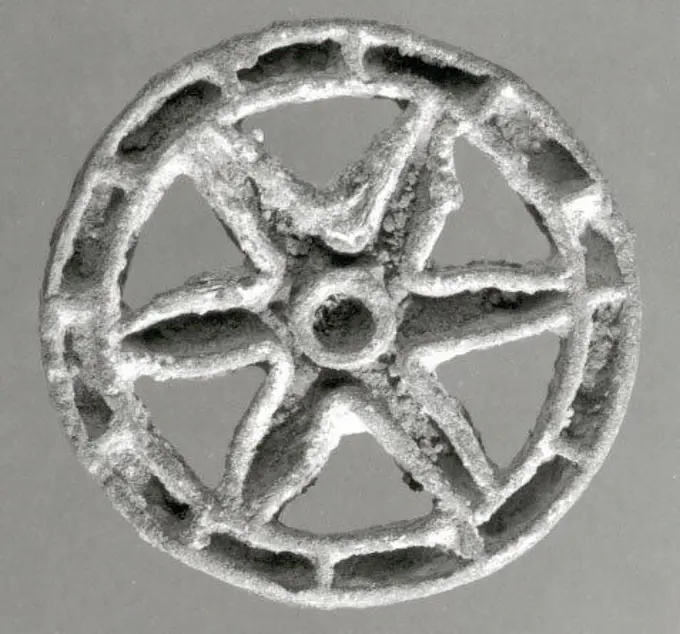
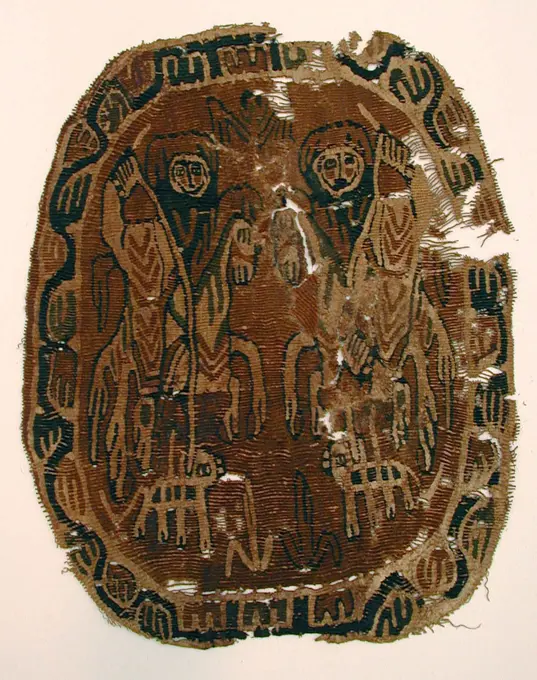
Ancient Seals and Artifacts

Historical artifacts and seals dating back to ancient civilizations, showcasing intricate designs and craftsmanship from various eras.

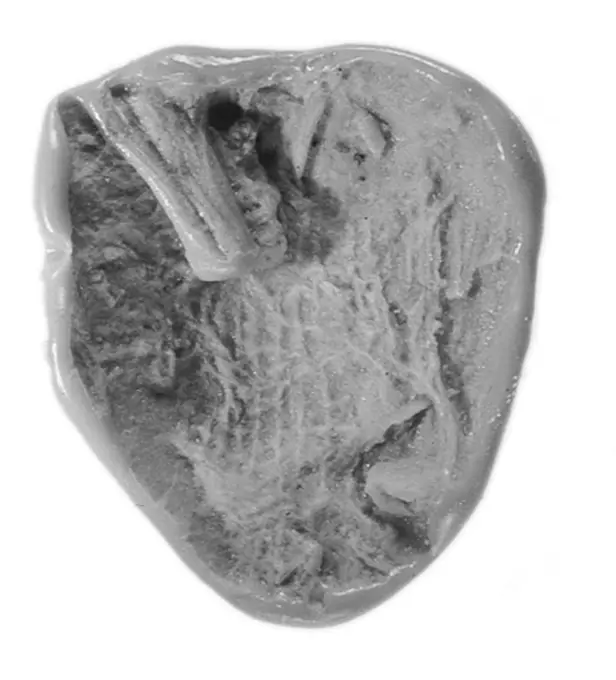
Poland, Władysław Warneńczyk (1434 1444), Denar, 1434 1444, Town of Krakow Mint of Kraków, W Adys Aw Warne Czyk (King of Poland, 1434 1444)
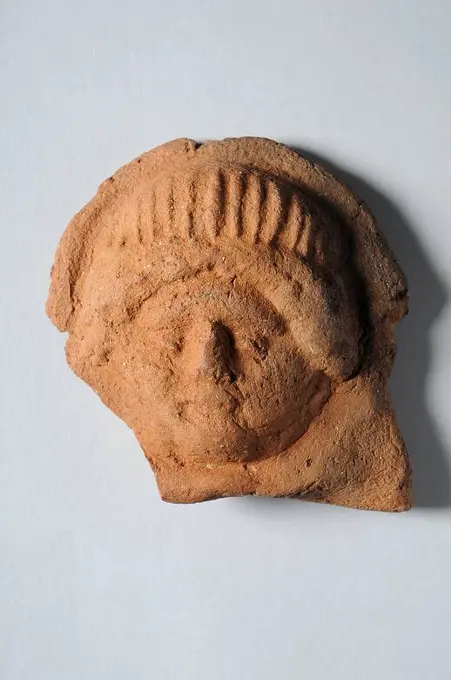
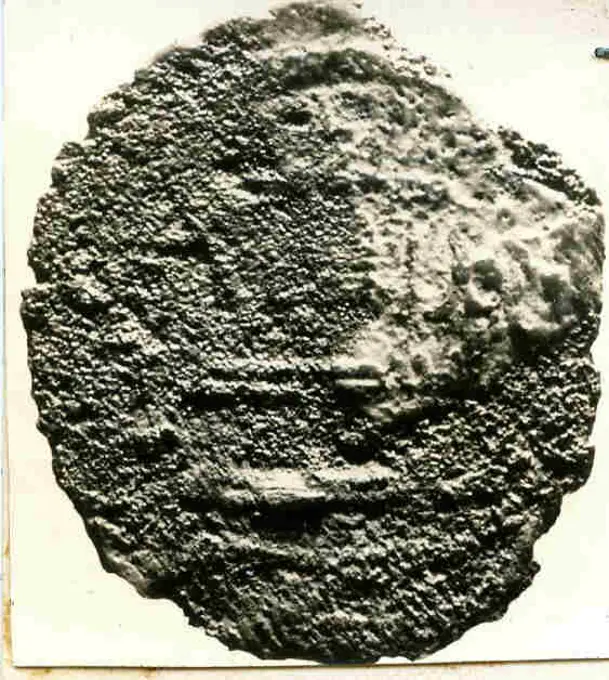
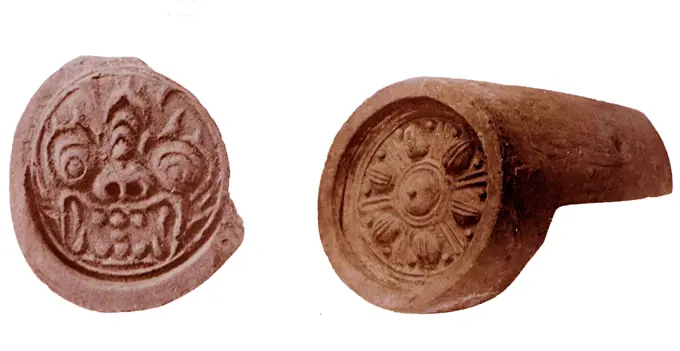
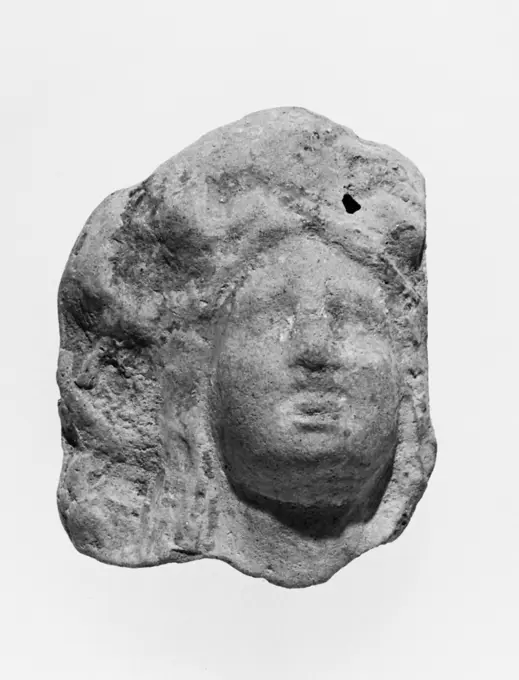
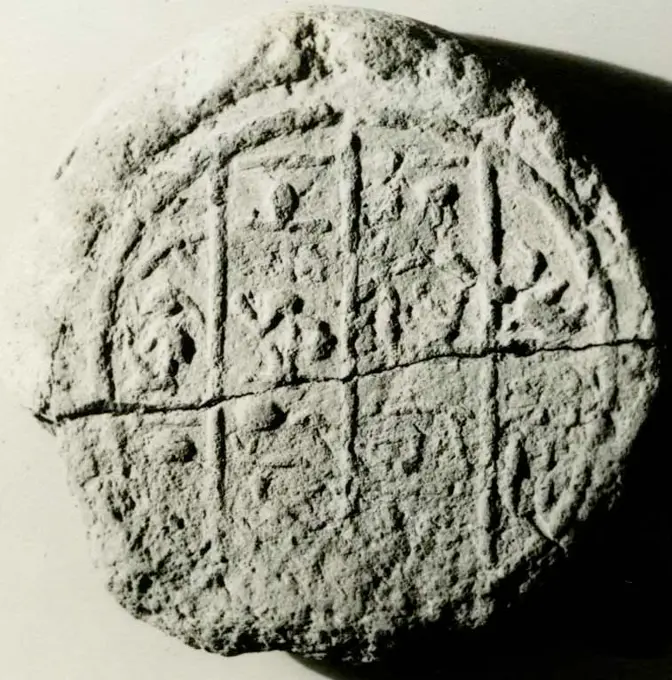
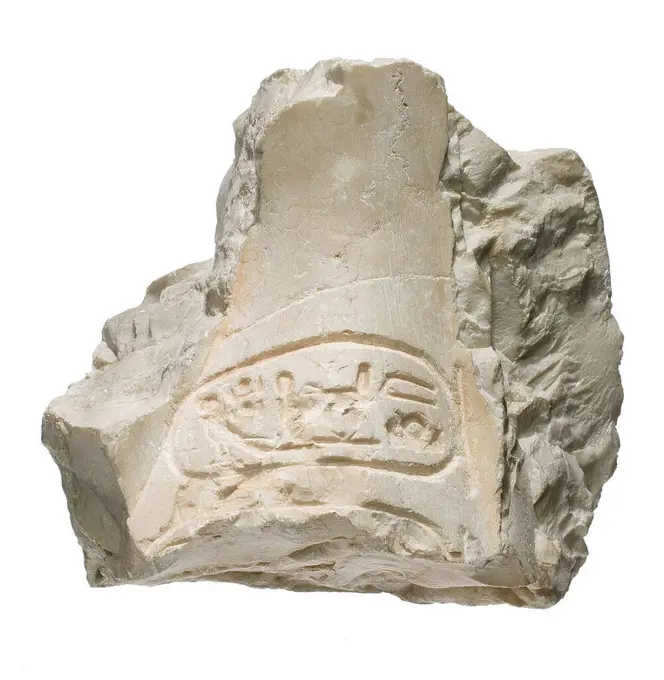
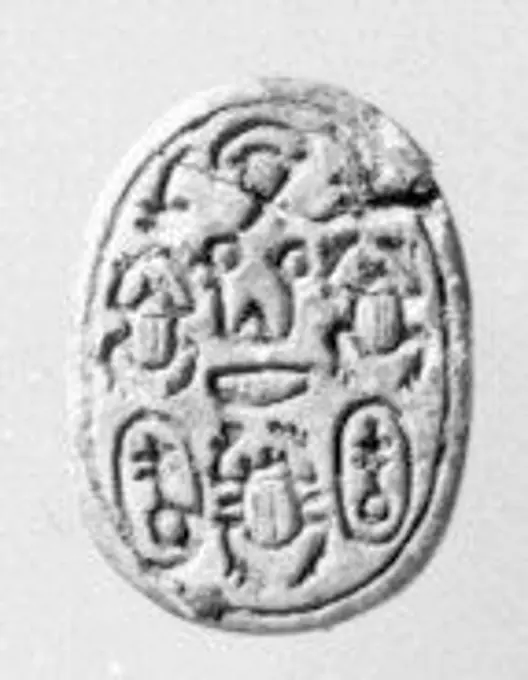
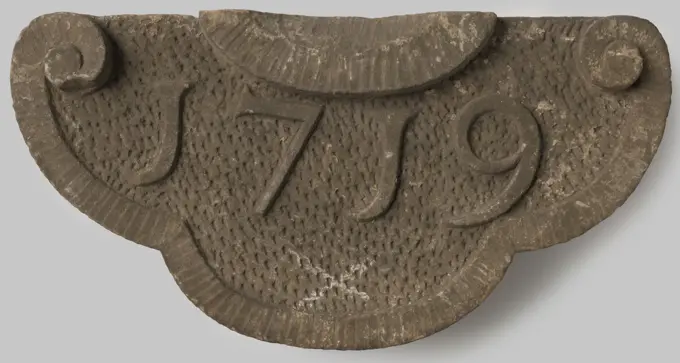
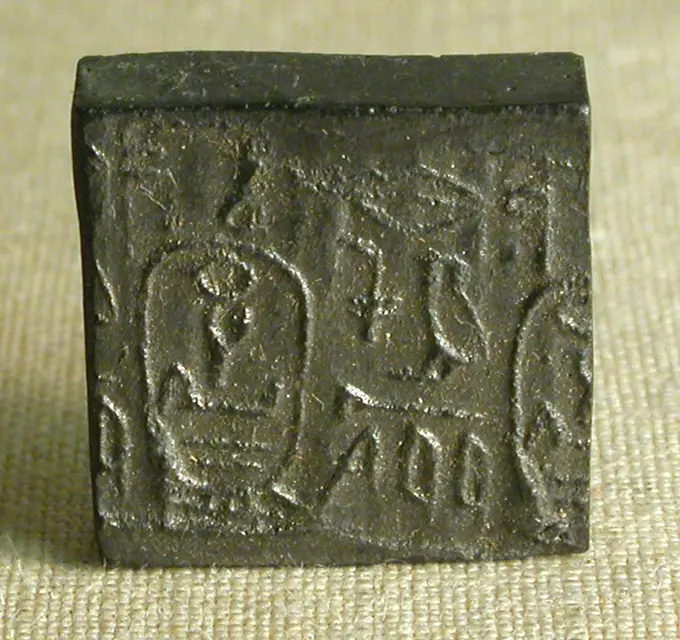
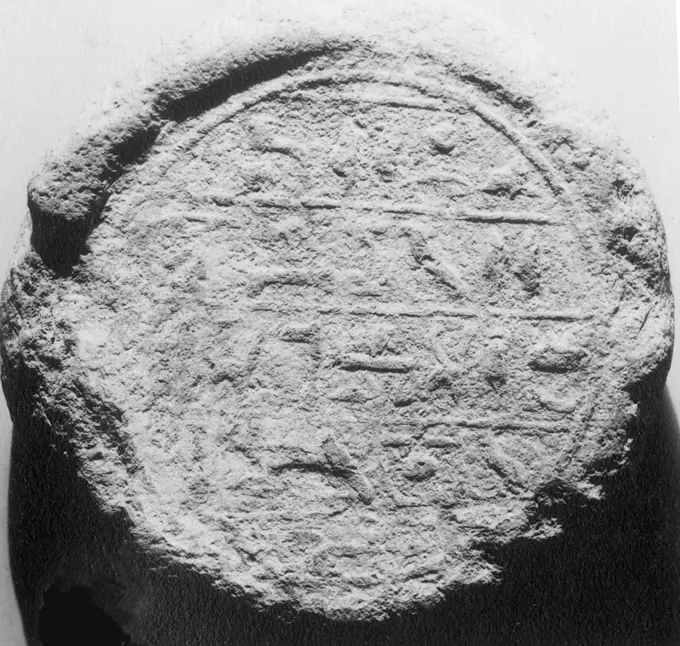
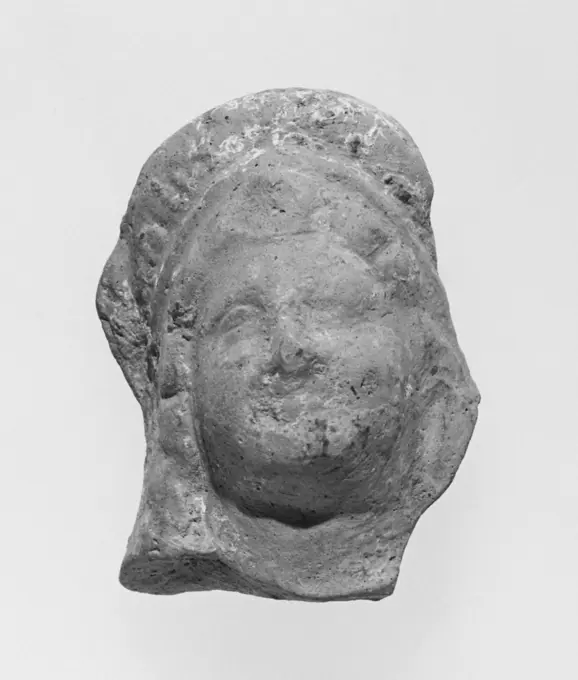
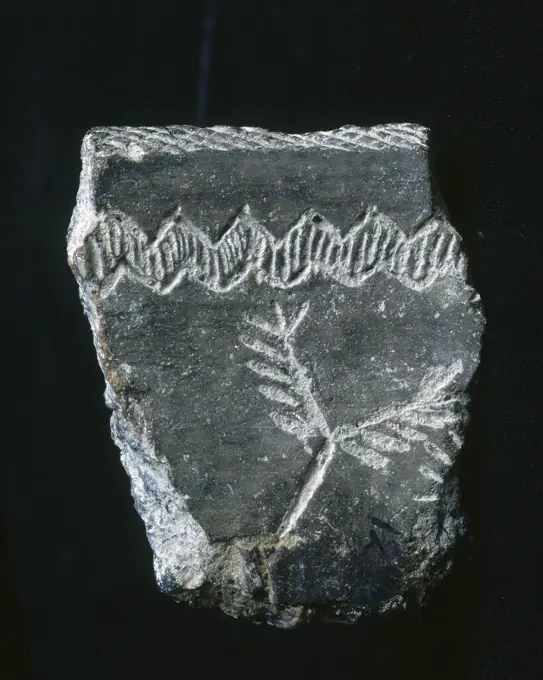
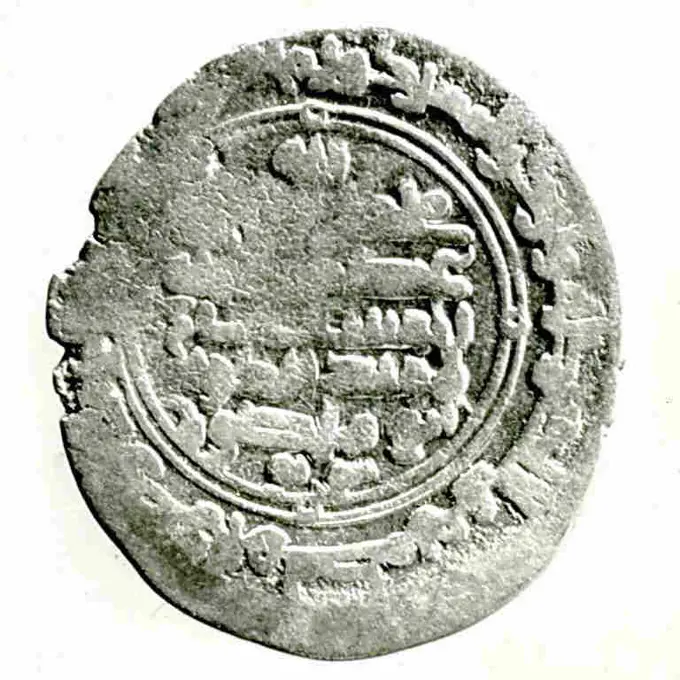
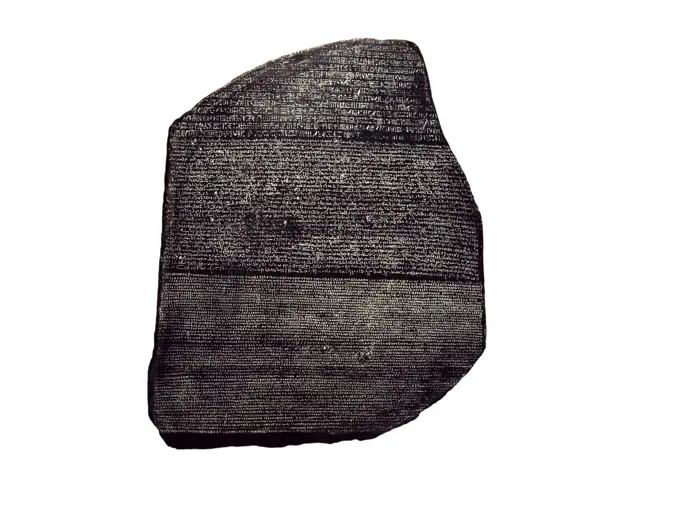
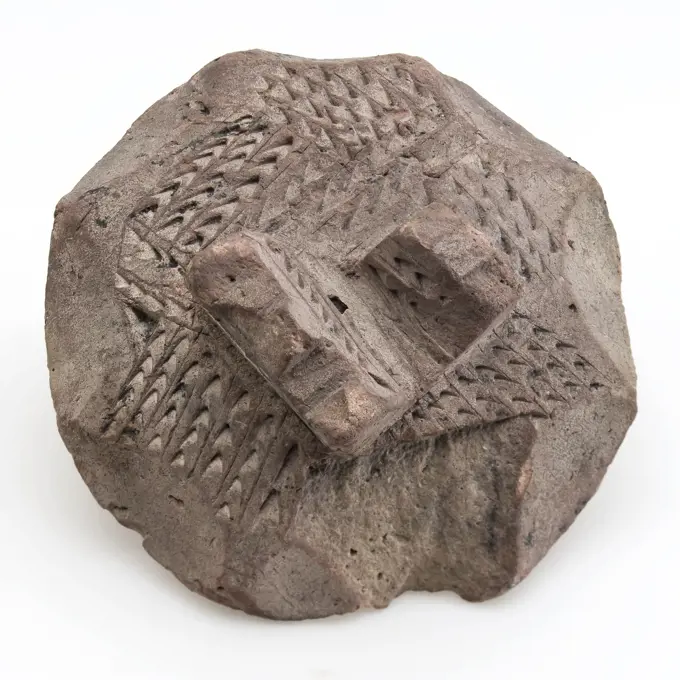
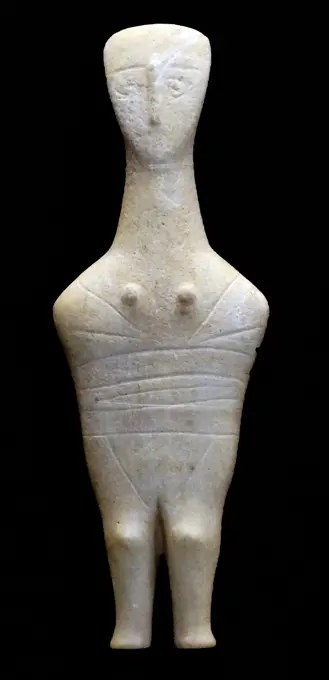
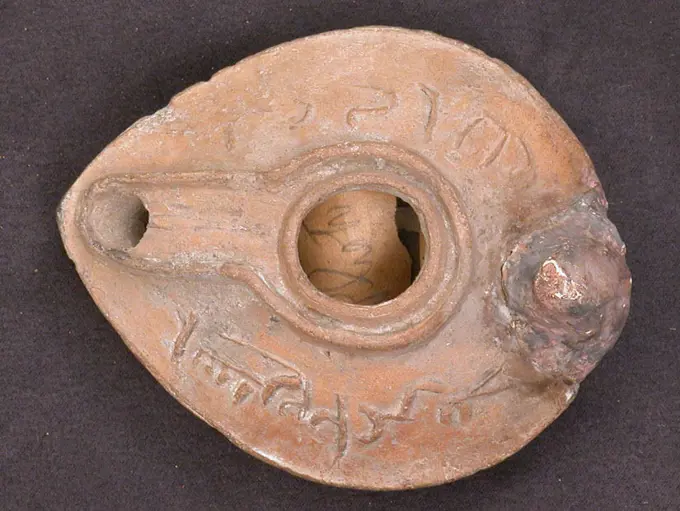
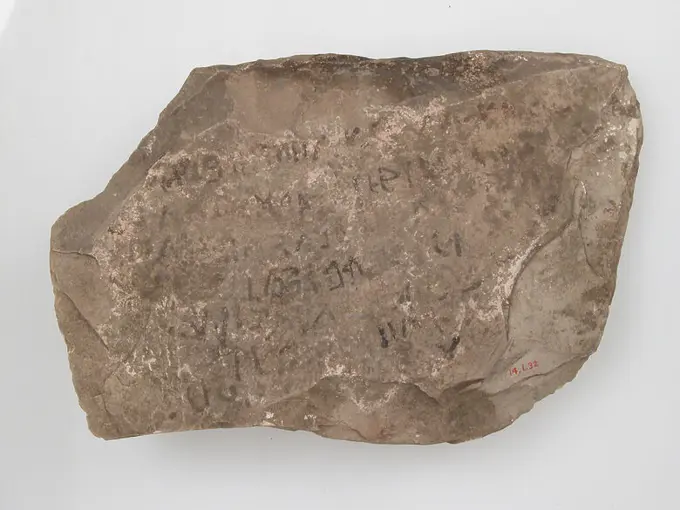
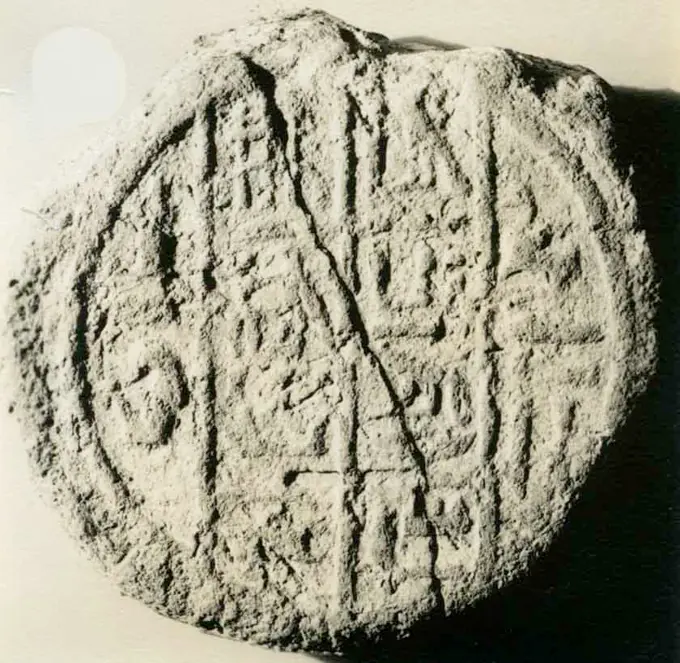
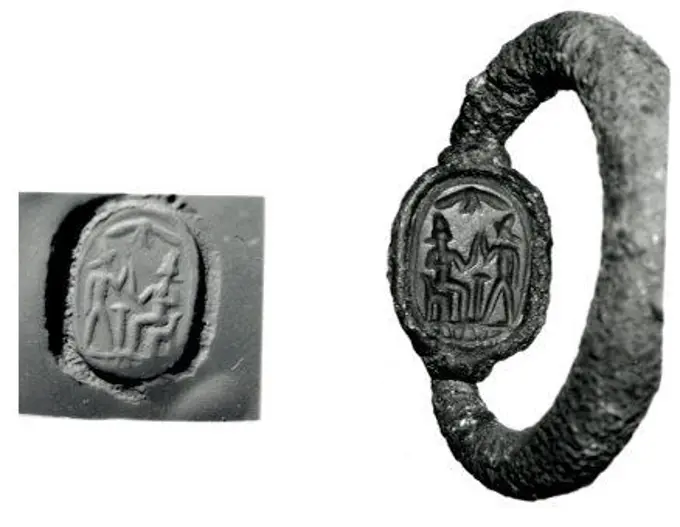
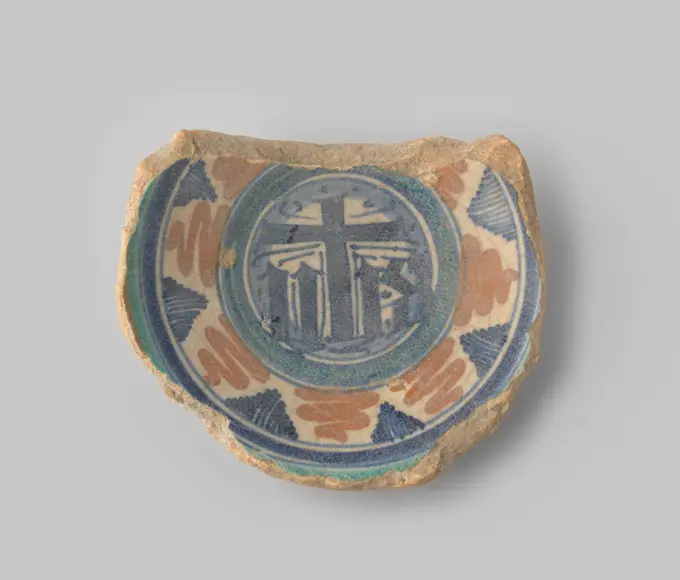
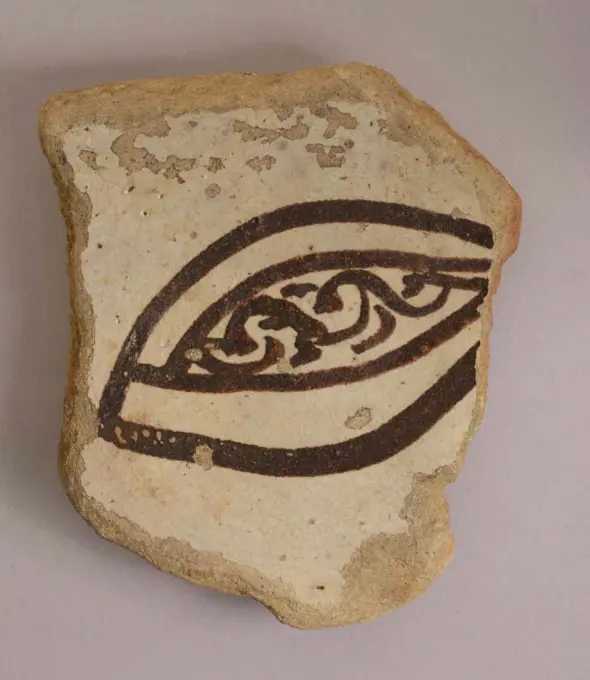
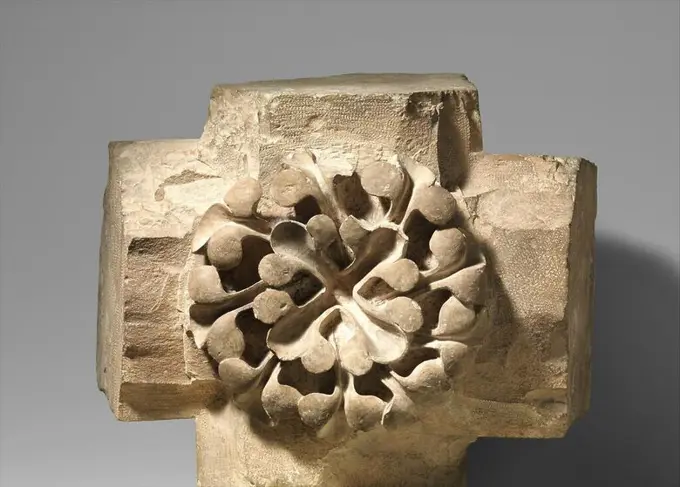
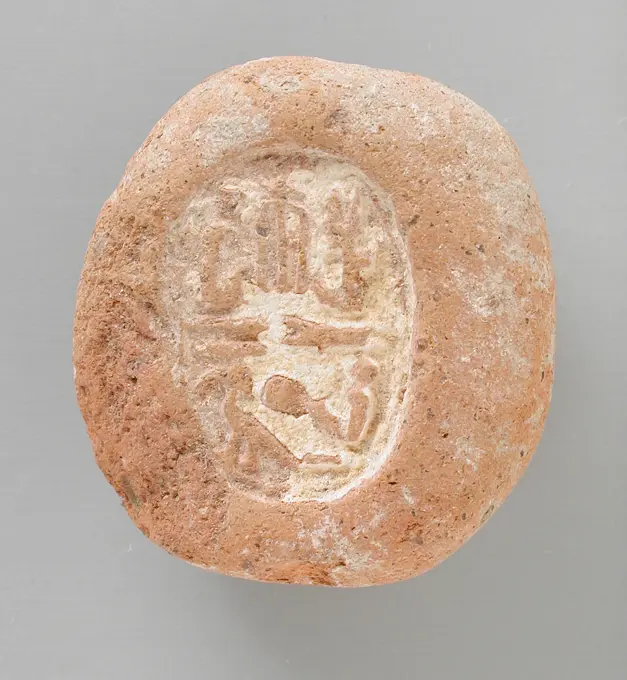
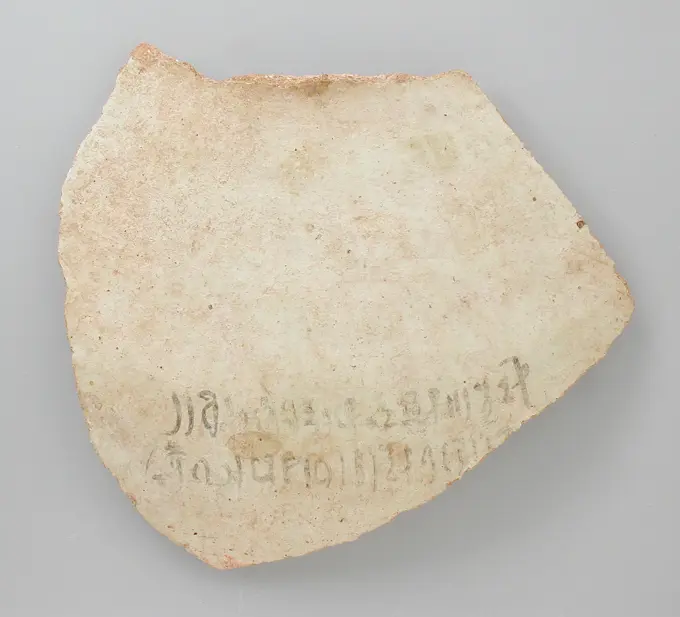
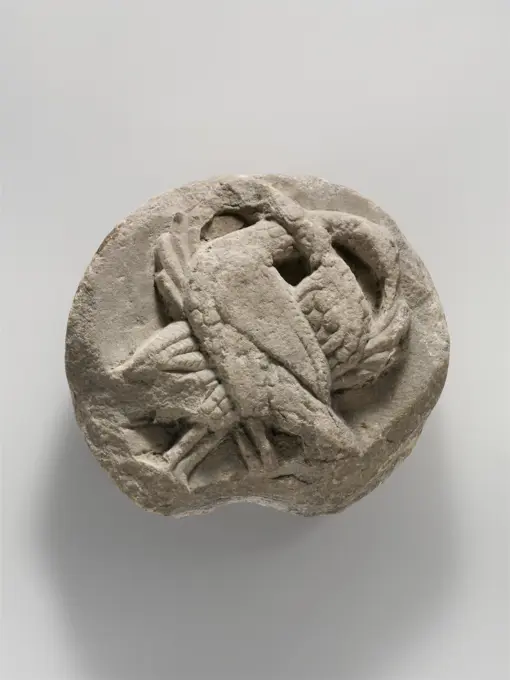
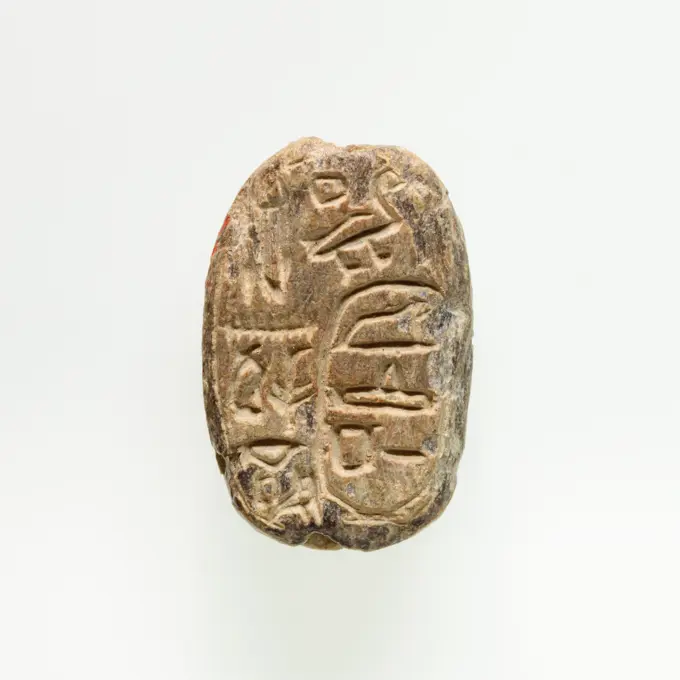
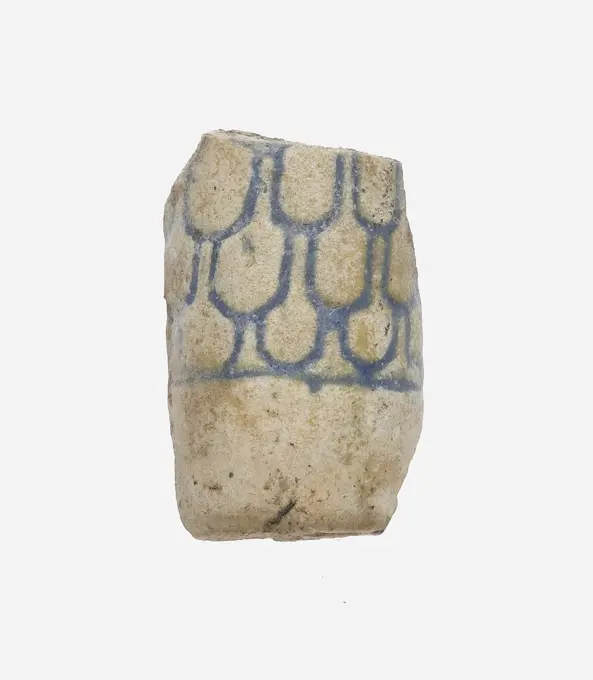
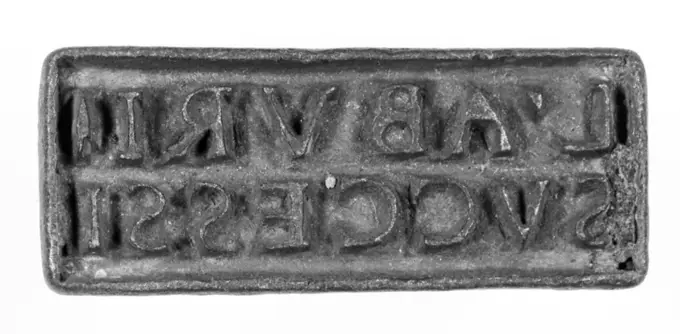
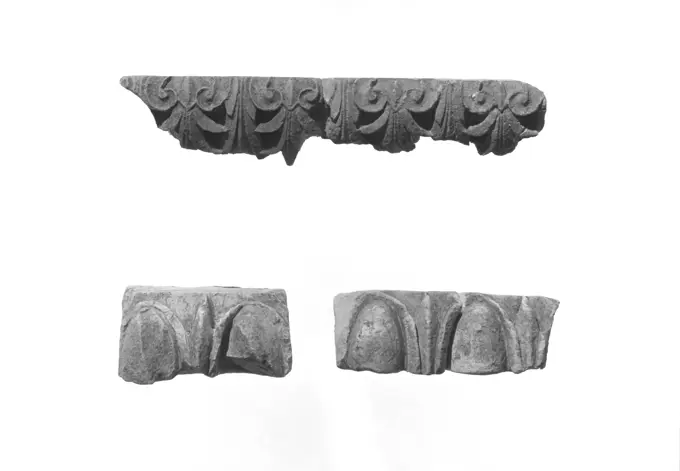
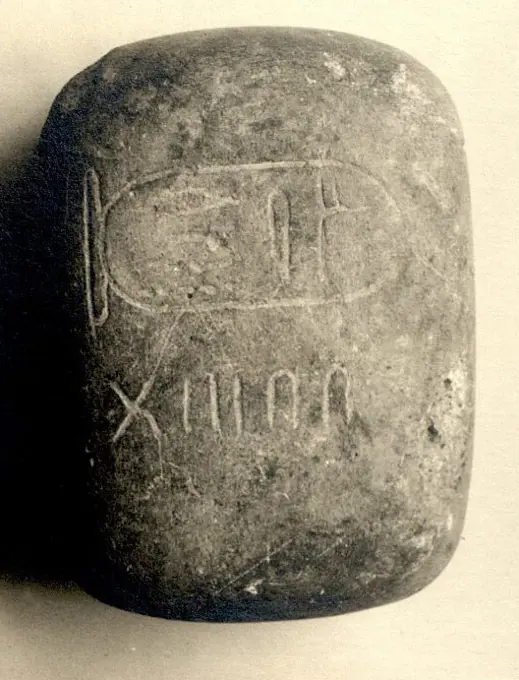
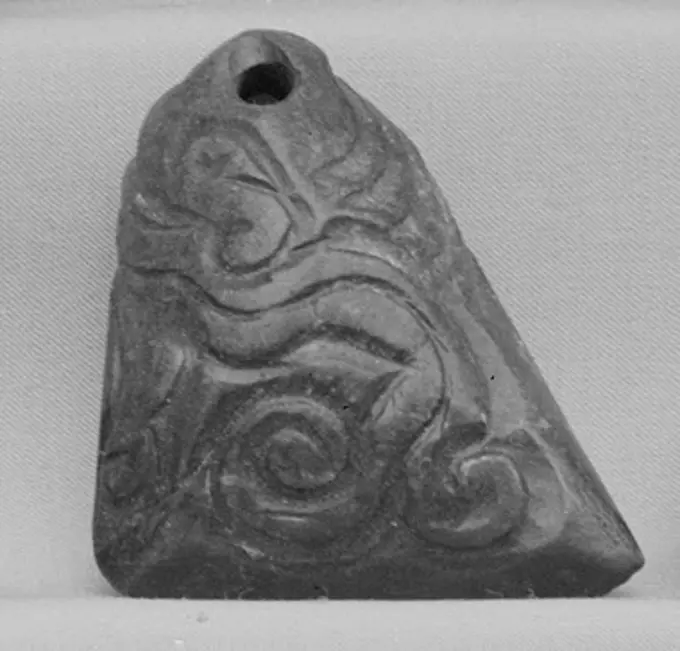
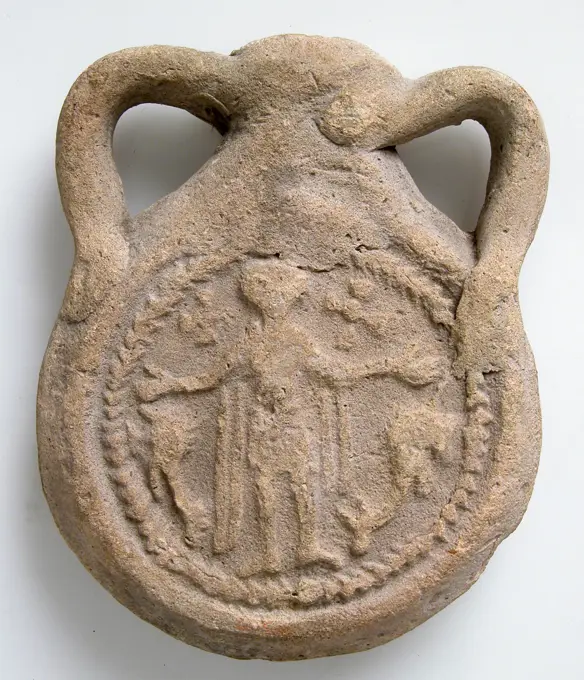
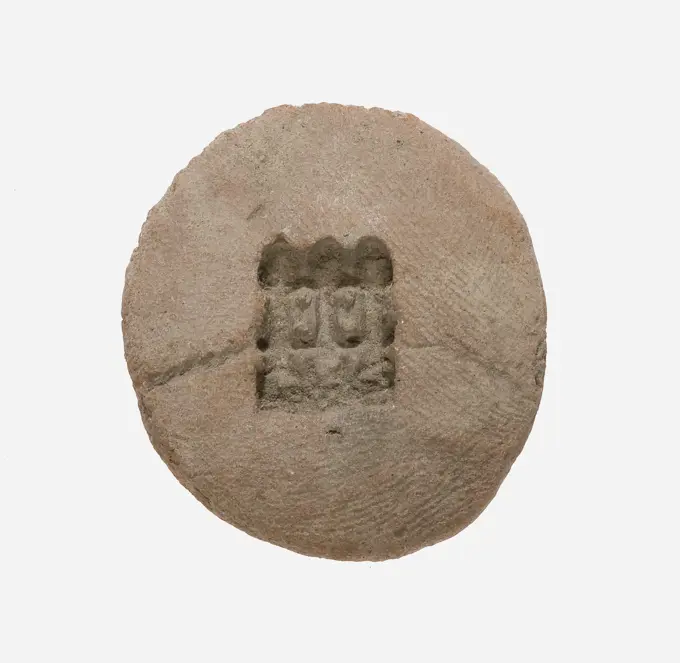
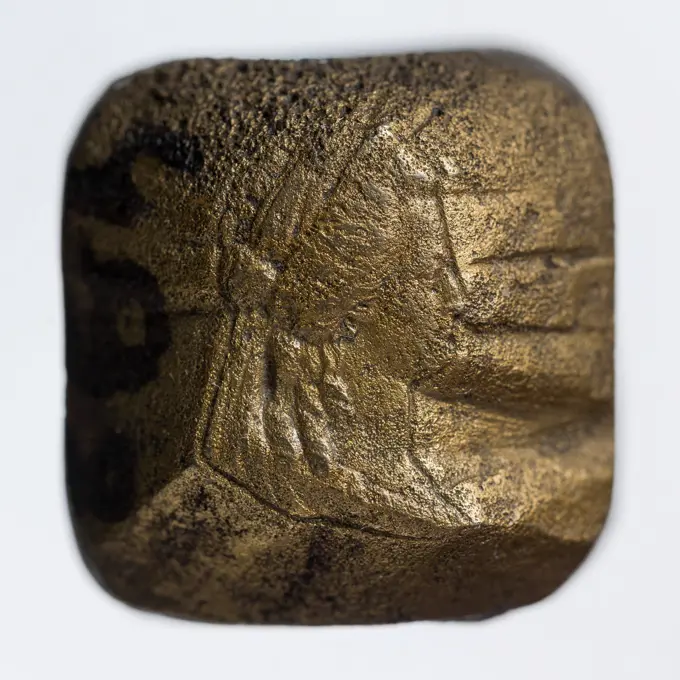
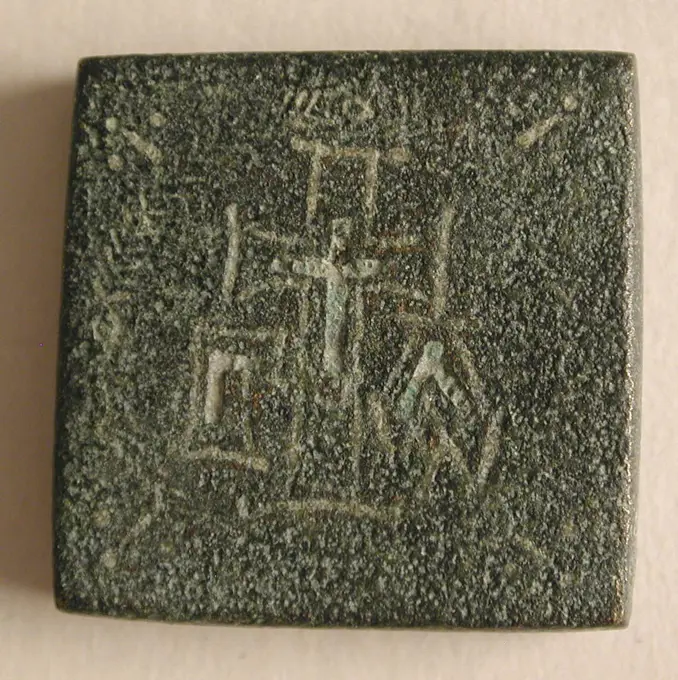
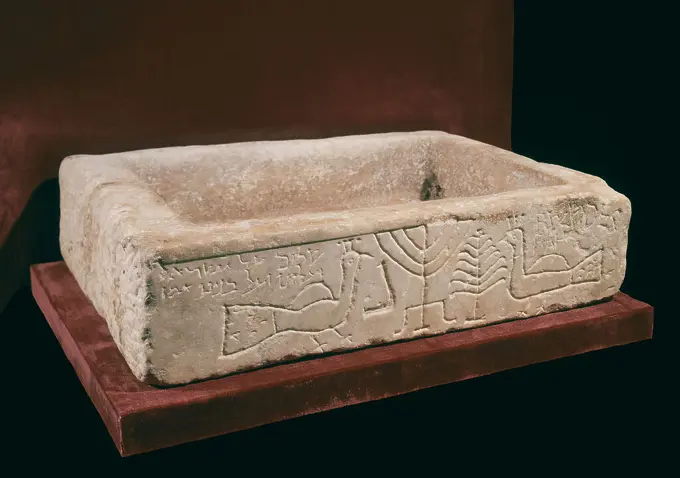
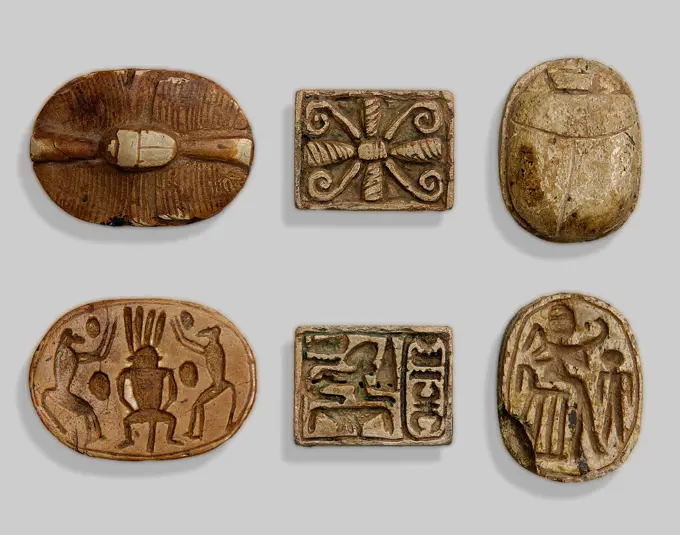
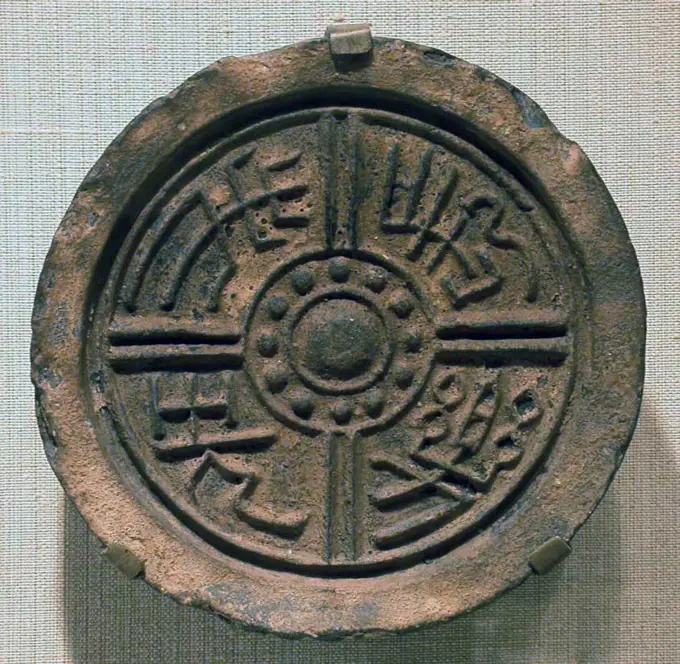
Sealing ca. 1981-1640 B.C. Middle Kingdom. Sealing 564855Fragment 14th-15th century. Fragment 446529Ostrakon with Arabic text;  XIV-XVII century (1301-00-00-1700-00-00);Arabian (culture), Inscribed ceramics, Arab inscriptions, Islam art, Polish excavations in Faras (Sudan)Antefixes of terracotta representing female head with short hair and bulky on the front. Height 11, 5 cm Width 10, 8 cm Weight 2, 6 cm (1 st - 3rd CE ) - Roman period from the " Basilica " - Archaeological site of Complutum in Alcalá de Henares ( Madrid ). SPAIN.Coin 8th century. Coin 457554XXV General Congress of PTAIN Delegates, Poznań 1977Tiles, Koguryo. Discovered in Pyongyang, South Manchuria. Koguryo Period (37BCE - 668)Female Head. UnknownFunerary Cone of the Steward of the King Tjata ca. 1550-1295 B.C. New Kingdom This cone has the impression of a stamp seal inscribed for a man named Tjata who was a steward of the king. For a drawing of this impression see http://www.funerarycones.com/, number 131.. Funerary Cone of the Steward of the King Tjata Funerary Cone of the Steward of the King Tjata ca. 1550-1295 B.C. New Kingdom This cone has the impression of a stamp seal inscribed for a man named Tjata who was a steward of the king. For a drawing of this impression see http://www.funerarycones.com/, number 131.. Funerary Cone of the Steward of the King Tjata. ca. 1550-1295 B.C.. Pottery. New Kingdom. From Egypt, Upper Egypt, Thebes. Dynasty 18Torso/Belt of the king with cartouches of the Aten. Dimensions: H. 11.5 × W. 12 × D. 12 cm (4 1/2 × 4 3/4 × 4 3/4 in.). Dynasty: Dynasty 18. Reign: reign of Akhenaten. Date: ca. 1353-1336 B.C.. Museum: Metropolitan Museum of Art, New York, USA.Lamp 6th-7th century Inexpensive clay lamps, made from molds, provided light for most people. Religious images used as decoration, were thought to offer protection for their owner. Lamp 453617Seal Impression with Figure of the King (). Egypt, Late Period - Ptolemaic Period (714 - 30 BCE). Tools and Equipment; seals. Blackened clayPrehistory, Italy. Oval stone pintadera (decorative mould). From the Caverna (cave) della Pollera, Finale Ligure, province of Savona.Stamp, Gabled. Northern Syria or southeast Anatolia, circa 3500 - 3100 B.C.. Tools and Equipment; stamps. Black serpentineSealing ca. 7th century A.D. Sasanian. Sealing 323333Arc-shaped Pendant. China. Date: 510 BC-490 BC. Dimensions: 7.6 × 1.3 × 0.2 cm (3 × 1/2 × 3/32 in.). Jade. Origin: China. Museum: The Chicago Art Institute, Chicago, USA.Sealing ca. 1981-1640 B.C. Middle Kingdom. Sealing. ca. 1981-1640 B.C.. Mud. Middle Kingdom. From Egypt, Memphite Region, Lisht North, Cemetery, MMA excavations, 1920-22. Dynasty 12-13Stater: Amphora and Bow (reverse), 395-387 BC. Greece, 4th century BC. Silver; diameter: 2.5 cm (1 in.).Stamp, Gabled with Rounded Back. Northern Syria or southeast Anatolia, circa 3500 - 3100 B.C.. Tools and Equipment; stamps. Black serpentinenames of monetary magistrates on a bronze ace from Obulco, Iberian Museum of Jaén, Andalusia, Spain.Cornelius Christoffels, Hoe Blade, c 1941 Hoe BladeMold with Throne Name of Seti I. Egypt, New Kingdom, 19thDynasty, reign of Seti I (1314-1304) or later in reign of Ramses II (1304-1237 BCE). Tools and Equipment; molds. TerracottaScarab seal ca. 1700-1560 B.C.. Scarab seal. ca. 1700-1560 B.C.. Steatite, bone colored. Dynasty 15-17, 2nd Intermediate Period, Hyksos. Levant, Lachish (modern Tell ed-Duweir)Seal in the Shape of a Frog ca. 1070-664 B.C. Third Intermediate Period or later. Seal in the Shape of a Frog. ca. 1070-664 B.C.. Faience. Third Intermediate Period or later. From Egypt. Dynasty 21-25Facing brick with year 1719. ,, 1719  Half -shaped cartouche with a scaly lower edge, within which the year 1719 is shaded and has a curl in the upper corners. Above the year a semi -circular shaded elevation. Netherlands (possibly) .Celtiberic glass fragment with vegetal decoration (4th - 3rd BCE ) - Second Iron Age period , from the archaeological site of "Poligono 25" in Alcalá de Henares (Madrid .) SPAIN.Cylinder Seal with Sekhemre-khutawi (Sebekhotep I) ca. 1802-1575 B.C. Middle Kingdom-Second Intermediate Period. Cylinder Seal with Sekhemre-khutawi (Sebekhotep I). ca. 1802-1575 B.C.. Green glazed steatite. Middle Kingdom-Second Intermediate Period. From Egypt. Dynasty 13Funerary Cone ca. 1550-1295 B.C. New Kingdom. Funerary Cone. ca. 1550-1295 B.C.. Pottery. New Kingdom. From Egypt, Upper Egypt, Thebes. Dynasty 18Female Head. UnknownFRAGMENTO CERAMICA CAMPANIFORME-DECORACION INTE. Location: MUSEO ARQUEOLOGICO-COLECCION. CORDOBA. SPAIN.estela de arenisca, siglo X, Goiuria, Arkeologi Museoa, museo aqueologico, Bilbao, Bizkaia, Pais Vasco, Spain.Cast Scaraboid Gem. UnknownFunerary Cone of the Scribe of the Treasury Senu ca. 1550-1295 B.C. New Kingdom. Funerary Cone of the Scribe of the Treasury Senu. ca. 1550-1295 B.C.. Pottery. New Kingdom. From Egypt, Upper Egypt, Thebes, Khokha, Tomb of Nebamun and Ipuky (TT 181), courtyard and nearby, MMA excavations, 1910. Dynasty 18Coin dated A.H. 364/ A.D. 974. Coin 457203Fragment 8th-9th century. Fragment 448859Sealing ca. 7th century A.D. Sasanian. Sealing 323438Coin dated 191 AH/806 CE View more. Coin. dated 191 AH/806 CE. Copper. Excavated in Iran, Nishapur. CoinsLamp 2nd-6th century. Lamp 444790Rosetta Stone Rosetta stone on white background Copyright: xZoonar.com/JavierxEspunyxFXEGSx 2019010Pottery, quencher, dipper decorated with carving, downer cupboard earthenware ceramic pottery, hand-turned glazed baked carved Pottery dover damper pink-red shard unglazed with handle. Nickel trim on the top Decoration consists of surfaces with lines and rows of compressed pinpoints archeology indigenous pottery fireplace room kitchen heatingFoundation Deposit Plaque with the Throne Name of Ramesses II ca. 1279-1213 B.C. New Kingdom, Ramesside. Foundation Deposit Plaque with the Throne Name of Ramesses II 564817Hearing stone with a representation of a men's and women's head in two profiled windows, anonymous, c. 1550 - c. 1599 Hearing stone with a representation of a men's and women's head and Profil, placed in two profiled windows. The half and quarter windows at the top and bottom are filled with flower decorations in laurel opportunities. Southern Netherlands earthenware Hearing stone with a representation of a men's and women's head and Profil, placed in two profiled windows. The half and quarter windows at the top and bottom are filled with flower decorations in laurel opportunities. Southern Netherlands earthenwareTombstone statue or Balbal, Bishkek, Kyrgyzstan, AsiaMold with Throne Name of Seti II. Egypt, New Kingdom, 19th Dynasty, reign of Seti II (1221 - 1215 BCE). Tools and Equipment; molds. ClayCycladic 'Apeiranthos style' figurine, from Naxos, Greece, Early Cycladic culture evolved in three phases, between c. 3300 - 2000 BCE, when it was increasingly swamped in the rising influence of Minoan CreteLamp 7th-8th century. Lamp 451653Female Head. UnknownOstrakon. Culture: Coptic. Dimensions: 8 1/2 x 5 7/8 in. (21.6 x 15 cm). Date: 600. Museum: Metropolitan Museum of Art, New York, USA.Funerary Cone of the Festival Leader of Amun Tjata ca. 1550-1295 B.C. New Kingdom This cone has the impression of a stamp seal inscribed for a man named Tjata who was festival leader of the god Amun. For a drawing of this impression see http://www.funerarycones.com/, number 105.. Funerary Cone of the Festival Leader of Amun Tjata Funerary Cone of the Festival Leader of Amun Tjata ca. 1550-1295 B.C. New Kingdom This cone has the impression of a stamp seal inscribed for a man named Tjata who was festival leader of the god Amun. For a drawing of this impression see http://www.funerarycones.com/, number 105.. Funerary Cone of the Festival Leader of Amun Tjata. ca. 1550-1295 B.C.. Pottery. New Kingdom. From Egypt, Upper Egypt, Thebes. Dynasty 18Fragment of a niche plate with bevelled decoration, scallop on a gadrooned hinge line. Limestone. 7th century. From the Cigarral del Aserradero, Toledo, Spain. Museum of Visigoth Councils and Culture. Toledo, Castile-La Mancha, Spain.Silver swivel ring with sard scarab 7th-early 5th century B.C. Cypriot Swivel ring with sard scarab; worshipper standing before a seated deity, both in high Hittite caps; a table is between them, winged disc above.. Silver swivel ring with sard scarab 243604Excerpt (foot) with reddish shard, within a few blue and green circles in the middle of blue on white soil a rafted Jesus monogram, around the circles a wide track in which diangular motifs in blue and orange, anonymous, 1200 - 1899  Italy earthenware  Italy earthenwareFragment of a Bowl 12th-13th century. Fragment of a Bowl 447217Red-Figure Volute Krater Fragment (part of 77.AE.11). Attributed to Kleophrades Painter (Greek (Attic), active 505 - 475 B.C.)Fragment of a Jar 12th-13th century. Fragment of a Jar 451675Fragment 12th-13th century. Fragment 446360Keystone from a Vaulted Ceiling. Culture: German. Dimensions: Overall: 23 5/8 x 21 3/8 x 27 1/2 in. (60 x 54.3 x 69.9 cm). Date: ca. 1220-30.During the 1100s and 1200s, fortified settlements were built in the Holy Land by knights from western Europe trying to establish a Christian kingdom with Jerusalem as its capital. Founded by French Crusaders in the 1100s, Castle Montfort was purchased in the 1220s by the Teutonic Knights, German Crusaders who rebuilt it and renamed it Starkenberg. This keystone was probably carved during the Teutonic Knights' restoration of the site. In 1272 after a heavy siege, the castle fell to Baybars, the Mamluk sultan of Egypt. The surviving knights retired to Acre (now Akko, Israel), the last Christian stronghold in the Holy Land. In 1926 the Museum took part in the excavation of the ruined castle. Museum: Metropolitan Museum of Art, New York, USA.Pottery mold for pipe decoration Holy Christoffel and plaster cast, mold tools equipment earth discovery ceramics pottery, hand-formed baked Pottery mold for pipes image Holy Christoffel with the Christ child on his shoulder Red earthenware unglazed archeology indigenous earthenware worship religion forms Christoffel ChristFragment of a Utrecht Socle Type, with Small Arches, anonymous, anonymous, c. 1425 - c. 1550  Northern Netherlands pipe clay  Northern Netherlands pipe clayAmulet of Taweret 30 B.C.-A.D. 364 Roman Period. Amulet of Taweret. 30 B.C.-A.D. 364. Faience, stone. Roman Period. From Egypt, Memphite Region, Lisht North, Old Kingdom Cemetery, MMA excavationsDough Board Scraper American 1800-1830 View more. Dough Board Scraper. American. 1800-1830. Iron. Made in Pennsylvania, United StatesFemale Head. UnknownMold with Image of a Royal Child with Sidelock. Egypt, New Kingdom, late 18th - 20th Dynasty (1346 - 1081 BCE). Tools and Equipment; molds. TerracottaMold with Name of Ramses VIII. Egypt, New Kingdom, 20th Dynasty, reign of Ramses VIII (1141 - 1139 BCE). Tools and Equipment; molds. TerracottaWine Jar Fragment with Two Lines of a Hieratic Label from the Reign of Amenhotep III. Egypt, New Kingdom, 18th Dynasty, reign of Amenhotep III, year 23 (1386 BCE). Furnishings; Serviceware. TerracottaDecorative Roundel 12th-13th century Italian. Decorative Roundel 463203Sealing pistonScarab of Sebekhotep IV ca. 1731-1719 B.C. Middle Kingdom This scarab is inscribed with the royal title and nomen of pharaoh Sebekhotep IV (Dynasty 13, ca. 1731-1719 B.C.), and specifies his genealogy by mentioning his mother Kemi.. Scarab of Sebekhotep IV. ca. 1731-1719 B.C.. Steatite. Middle Kingdom. From Egypt, Memphite Region, Lisht North, Cemetery, debris, MMA excavations, 1920-22. Dynasty 13Fragment of a Bowl 11th-12th century. Fragment of a Bowl 446324Hatchet Switzerland. Hatchet 43577Mushhushshu models used to protect households from enemies, from Southern Iraq. Dated 9th Century BCIndia, Rajżowie Sivaganga, Kasu, 1743 1801Bottom of Kohl Tube ca. 1390-1353 B.C. New Kingdom. Bottom of Kohl Tube. ca. 1390-1353 B.C.. Faience. New Kingdom. From Egypt, Upper Egypt, Thebes, Malqata, Palace of Amenhotep III, MMA excavations, 1910-12. Dynasty 18Stamp with Inscription. UnknownHighstone with a cart with horse, c. 1550 - c. 1600 Highstone with a cart with horse. Southern Netherlands earthenware Highstone with a cart with horse. Southern Netherlands earthenwareFragment of pottery with engravings, Japan. Japanese Civilisation, Yayoi period, 4th century BC-3rd century AD.Cylinder seal ca. 19th-16th century B.C. Babylonian. Cylinder seal 323779Cornice Fragment with Egg and Dart Moulding. UnknownCylinder seal ca. 3100-2900 B.C.. Cylinder seal 324503Weight: 23 1/4 debens, with cartouche of Senwosret ca. 1981-1640 B.C. Middle Kingdom. Weight: 23 1/4 debens, with cartouche of Senwosret. ca. 1981-1640 B.C.. Red quartzite. Middle Kingdom. From Egypt, Memphite Region, Lisht North, Cemetery, MMA excavations, 1920-22. Dynasty 12-13Comb with a pair of ducksPredynastic, Late Naqada l-Naqada IIca. 3900-3500 B.C.Tablet. Anatolia, circa 1900 B.C.. Tablets. ClayGirdle ornament China. Girdle ornament 42995Earthenware Pilgrim Flask with Saint Menas ca. 610-50 Byzantine Pilgrim flasks (ampullae) bearing the image of Saint Menas flanked by two camels are associated with the pilgrimage center that developed around the tomb of the Egyptian soldier who was martyred during the reign of the emperor Diocletian (r.284-305).. Earthenware Pilgrim Flask with Saint Menas. Byzantine. ca. 610-50. Earthenware. CeramicsInscribed Stele 3rd-12th century. Inscribed Stele. 3rd-12th century. Limestone; incised. Attributed to Egypt, Kuft. SculptureRight shoulder and chest with Aten cartouches ca. 1353-1336 B.C. New Kingdom, Amarna Period. Right shoulder and chest with Aten cartouches 567624Mold for an Amulet of Wedjat Eyes and Nefer Hieroglyphs ca. 1390-1353 B.C. New Kingdom. Mold for an Amulet of Wedjat Eyes and Nefer Hieroglyphs. ca. 1390-1353 B.C.. Pottery. New Kingdom. From Egypt, Upper Egypt, Thebes, Malqata, Khor west of camp or E. side of S. Village, MMA excavations, probably 1911-12. Dynasty 18Marie Antoinette of Austria (1755-1793), Queen of France (1774-1792) (usual name) Anonymous. Marie Antoinette d'Austria (1755-1793), Queen of France (1774-1792). Steel (Apers).Copper-Alloy Balance Weight with a Cross in a Wreath 5th-6th century Byzantine In Byzantium, precise measurement of goods was achieved by a set of standard balance weights.. Copper-Alloy Balance Weight with a Cross in a Wreath 473643SARCOFAGO DE NIÑO O PILETA TRILINGÜE CON INSCRICIONES EN JUDIO HEBREO Y MUSULMANA DATA DEL S. V PROCEDENTE DE TARRAGONA REALIZADA EN MARMOL. Location: MUSEO SEFARDI. Toledo. SPAIN.Coin 758-68. Coin. 758-68. Copper. Excavated in Iran, Nishapur. Coinsfragments of Roman puzzle, Monographic Museum of Pollentia, Alcudia, Mallorca, Balearic Islands, Spain.Skarabeus with the presentation of two babes adoring, amulet - plaque with rosette And named Mencheperre, a score with a silhouette on the throne;  around 1295 1186 BC ; New PA 1295 BC ; New PA 1295 BC ; New PABes (Mitol.), Majewski, Erazm (1858-1922), Majewski, Erazm (1858-1922)-collections, mencheperre cryptograms, scenes.gal.eg., Band of Heka, Bicz Nechacha (iconogr.), Egyptian deities, decorations Ryte, hieroglyphs, cartouches, cryptogram, kings, pavian (iconogr.), plaques, message (provenance), rosettes, tronaDice 9th-10th century The dot-in-circle motif recalls designs presumed to be of magical significance, most likely an abstract eye to ward off the evil-eye, which serve an apotropaic function. Easily reproduced with a tool and visible in many cultures and times, this symbol may have lost its meaning, and become simply a decorative pattern, or may have one that we have not yet discovered.. Dice 449308Roof-Tile End with Auspicious Inscription China The auspicious four-character inscription on this tile reads: eternal happiness without end.”. Roof-Tile End with Auspicious Inscription. China. Earthenware. Western Han dynasty (206 B.C.-A.D. 9). CeramicsCompartmented stamp seal ca. late 3rd-early 2nd millennium B.C. Bactria-Margiana Archaeological Complex. Compartmented stamp seal 326793Boat - fragment;  332-30 BC ; Ptolemean period (-332-00-00--30-00-00);Textile Fragment 10th-11th century. Textile Fragment 453297Stamp seal (scarab) with monsters 9th - 7th century B.C. or later Phoenician. Stamp seal (scarab) with monsters. Phoenician. 9th - 7th century B.C. or later. Steatite, black. Iron Age II or later. CyprusStamp seal A.D. 1st millennium Islamic. Stamp seal. Islamic. A.D. 1st millennium. Bronze. early Islamic. Iran