Ancient Seals and Artifacts

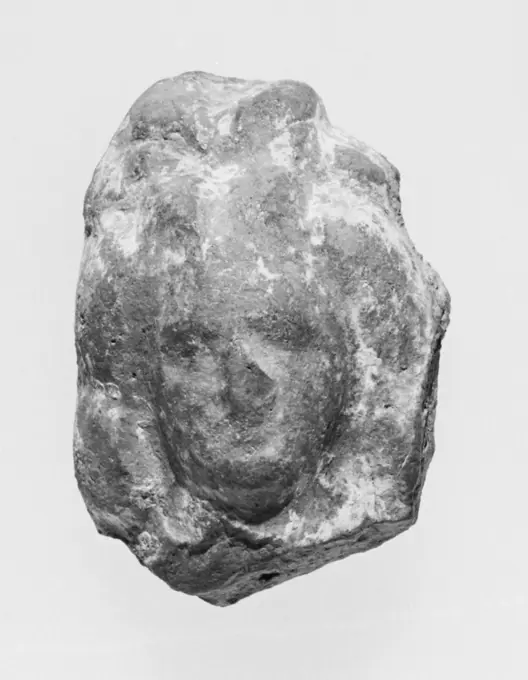
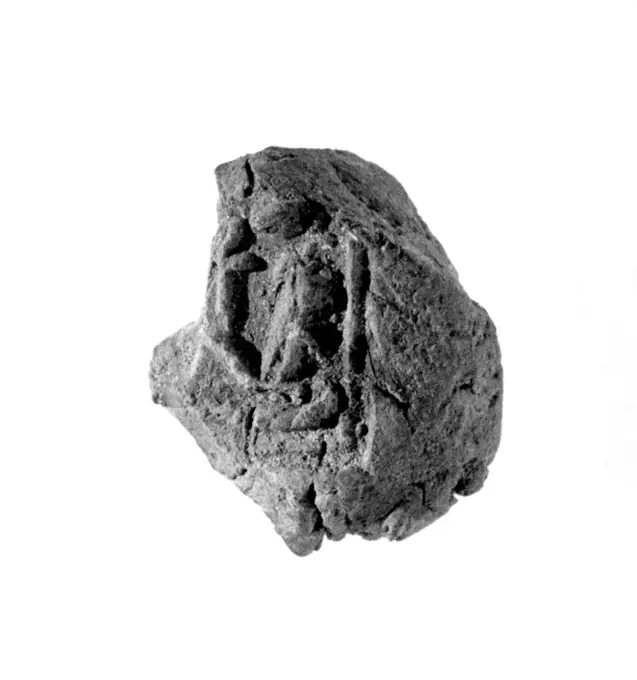
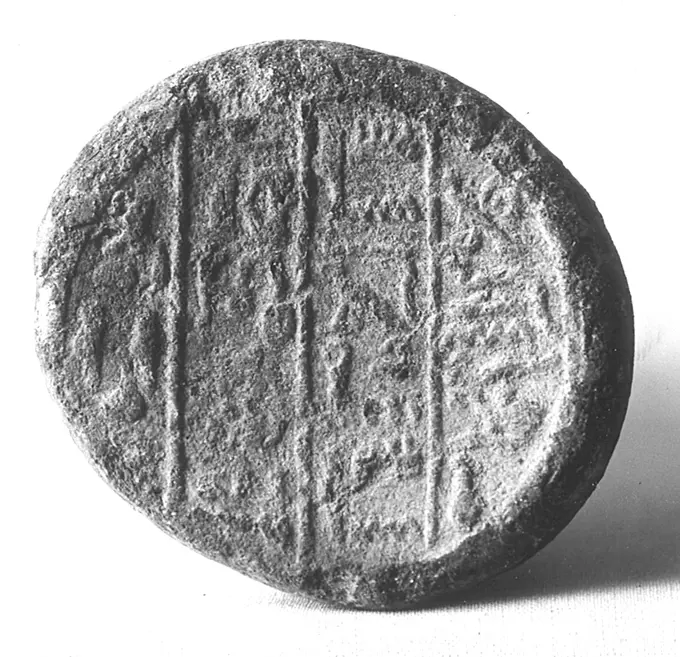
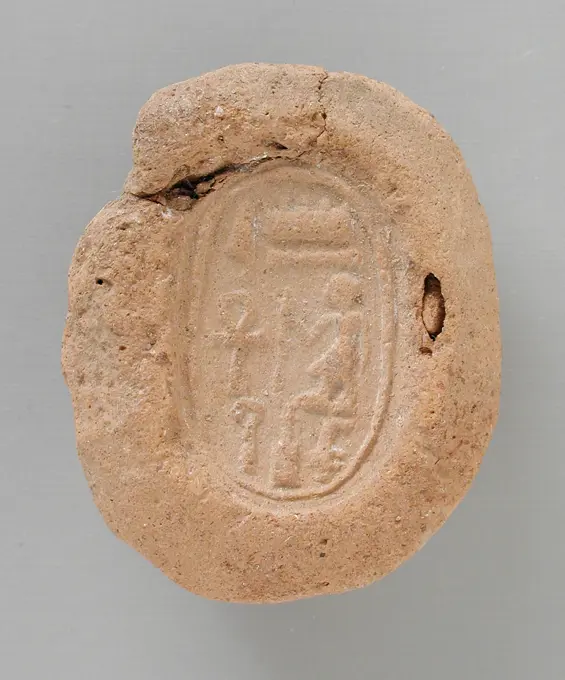
Historical artifacts and seals dating back to ancient civilizations, showcasing intricate designs and craftsmanship from various eras.

Poland, Władysław Warneńczyk (1434 1444), Denar, 1434 1444, Town of Krakow Mint of Kraków, W Adys Aw Warne Czyk (King of Poland, 1434 1444)
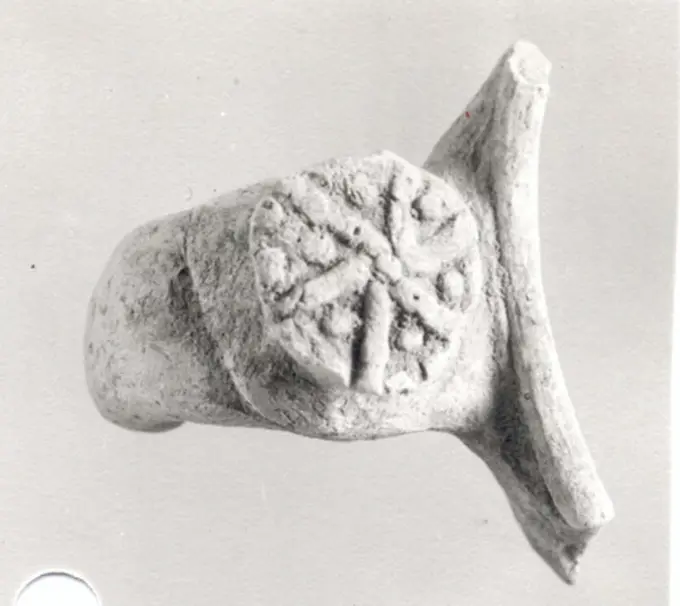
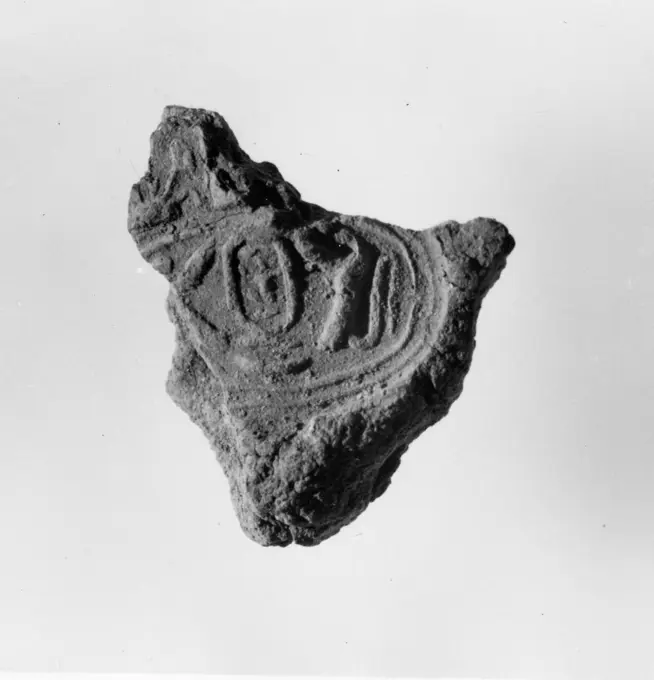
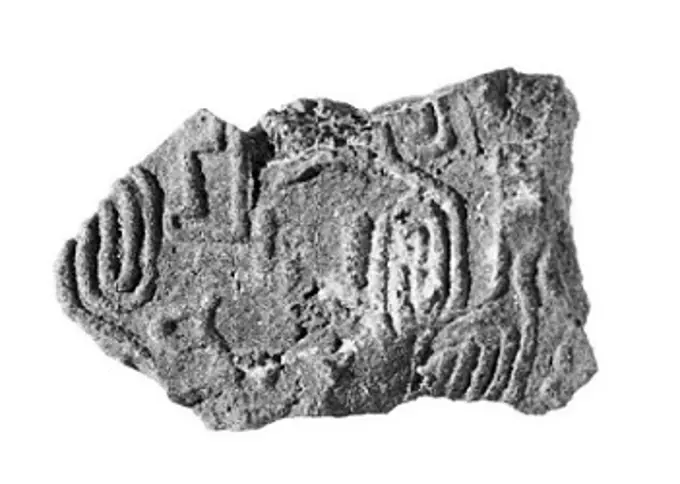
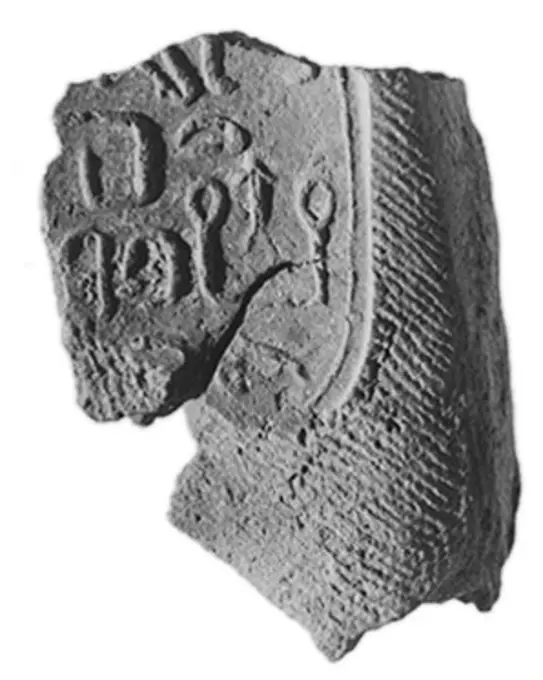
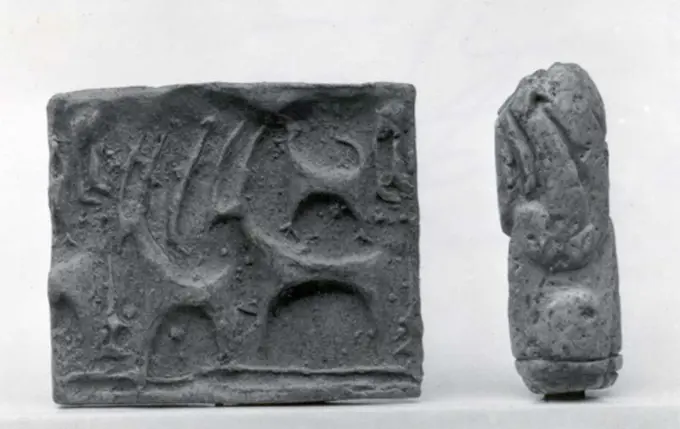
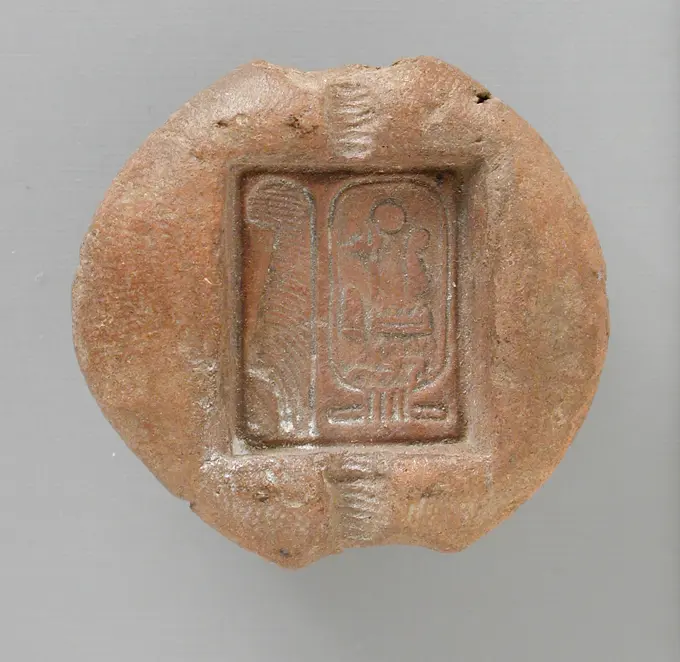
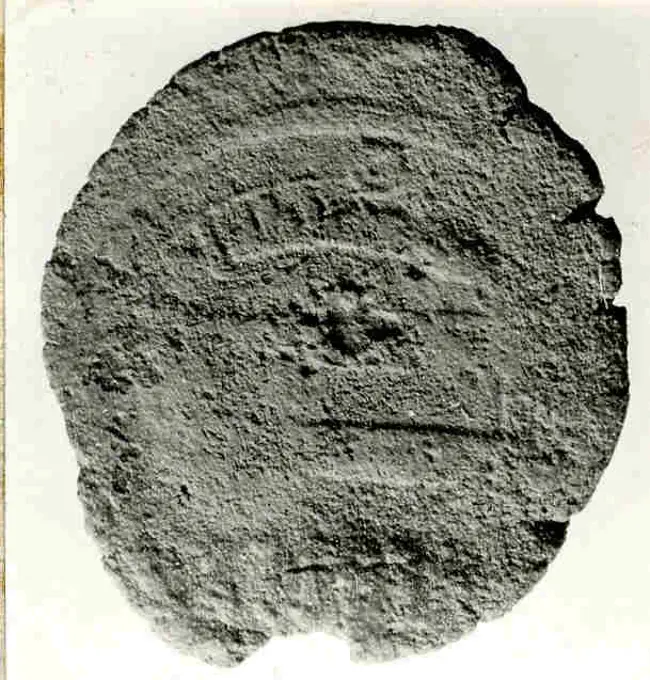
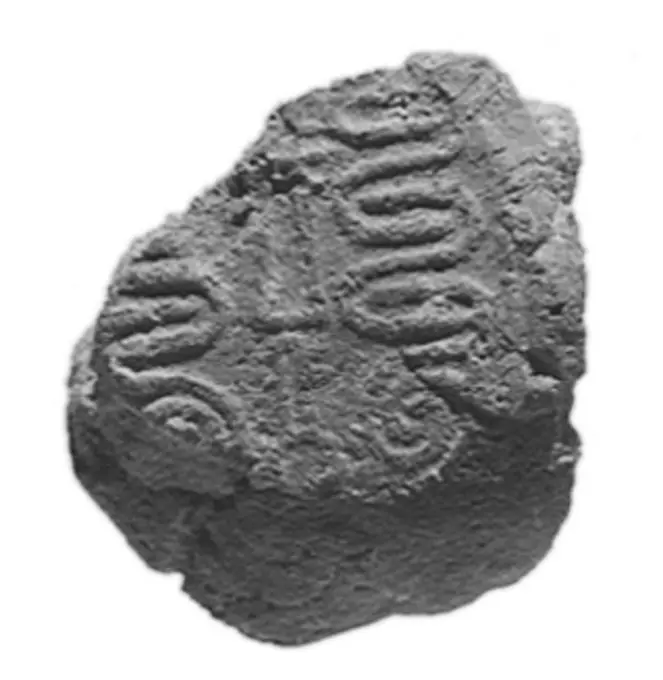
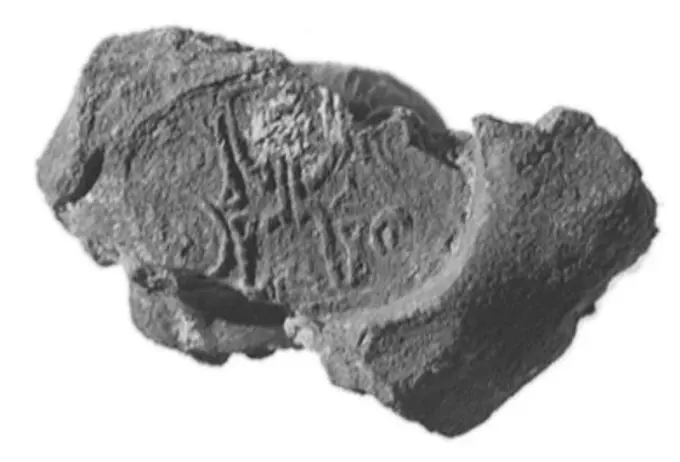
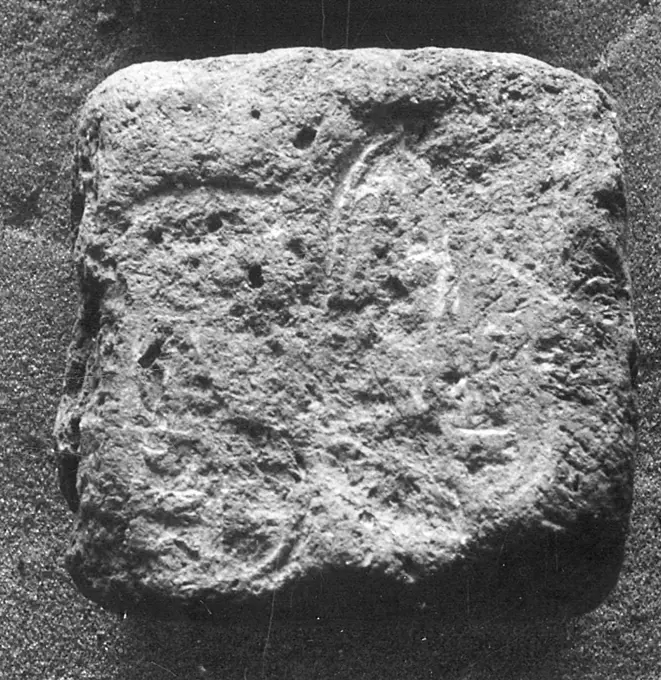
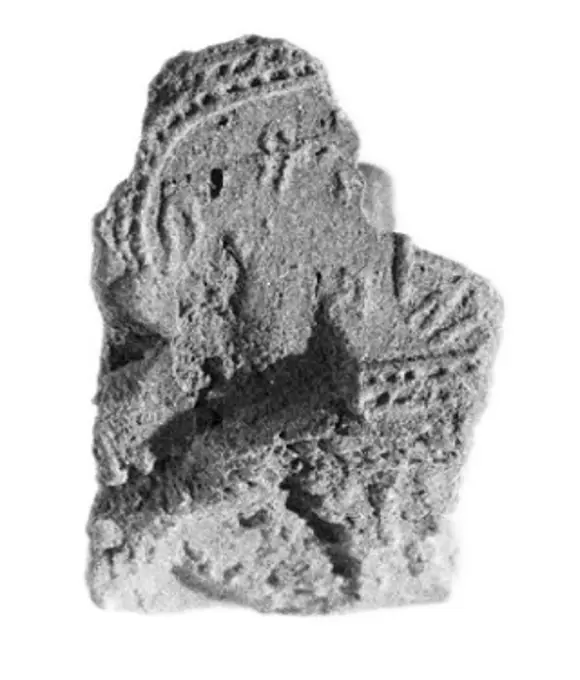
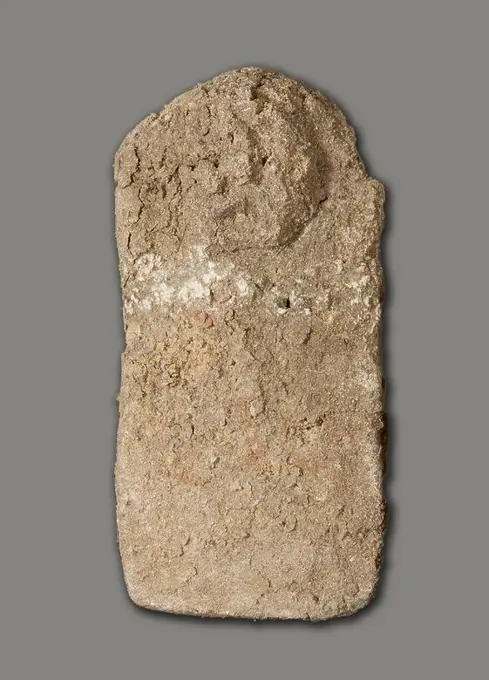
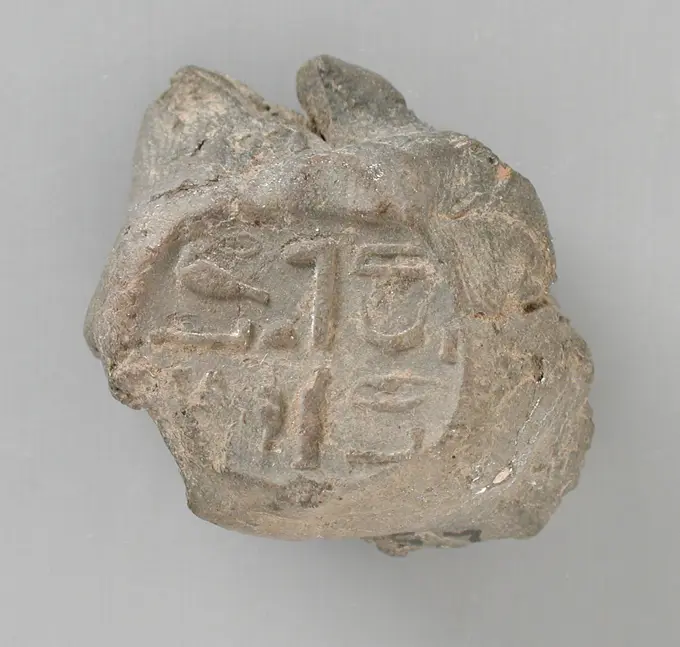
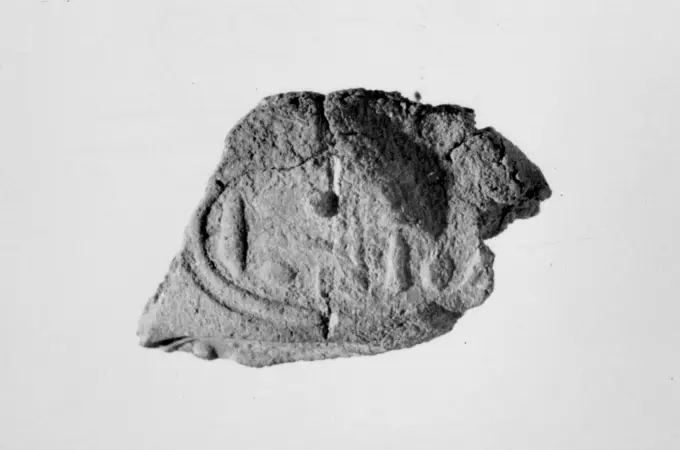
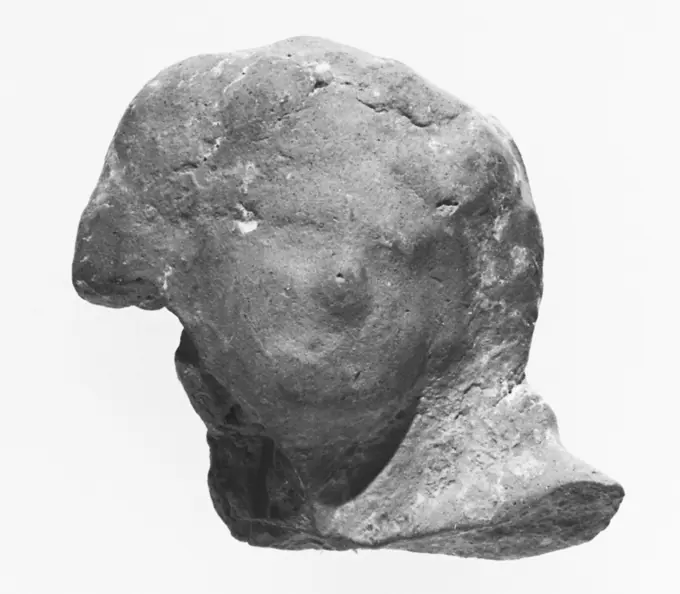
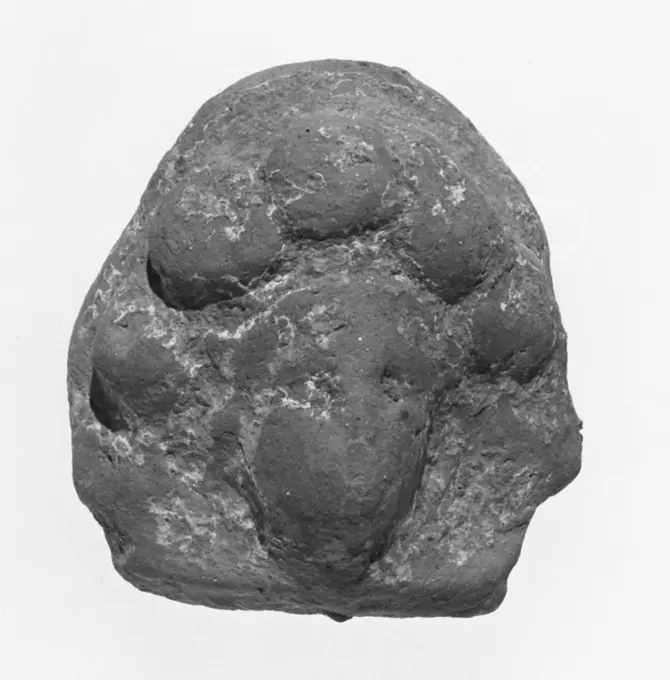
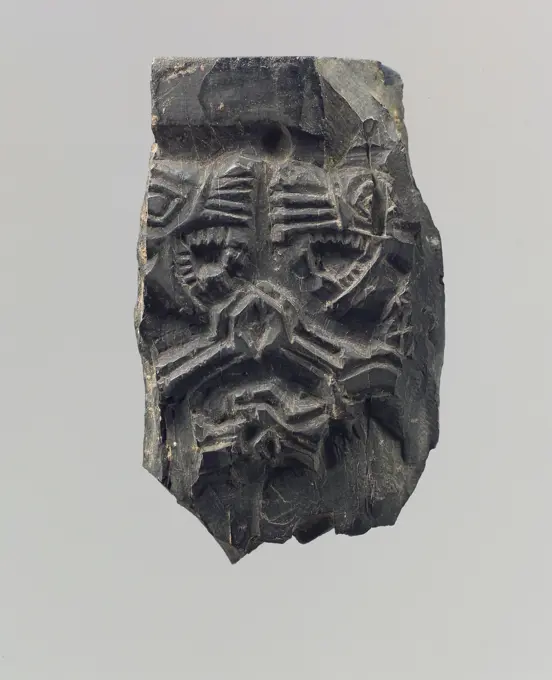
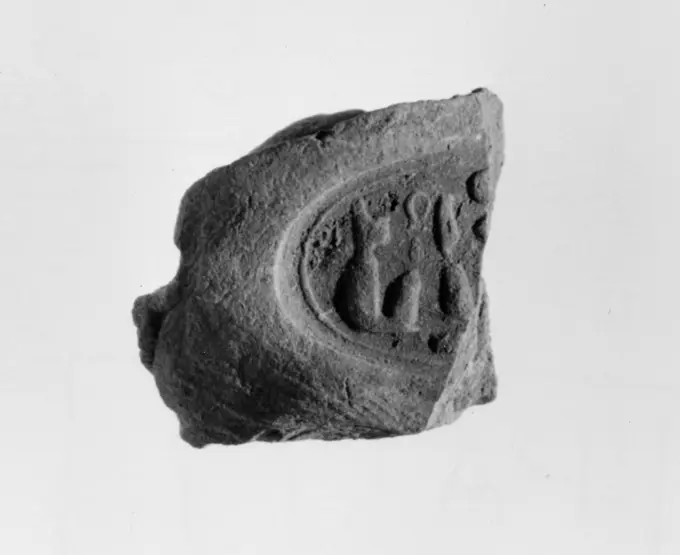
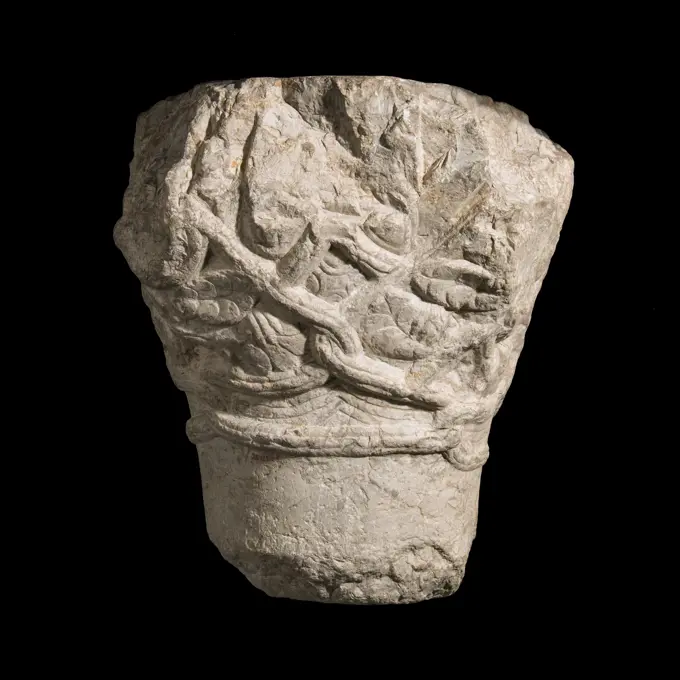
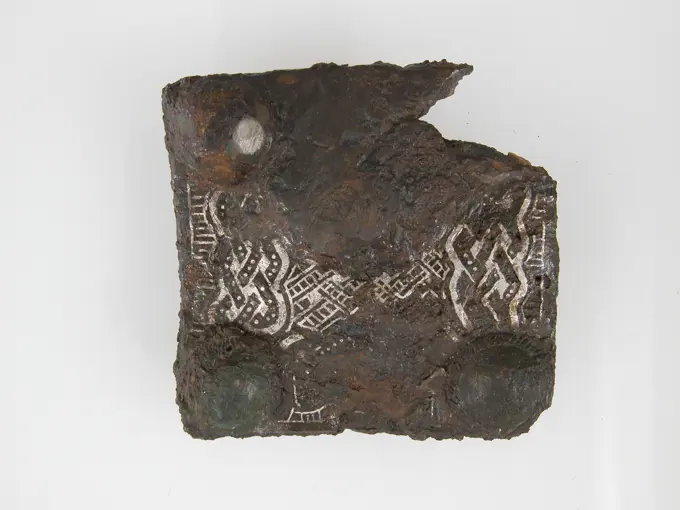
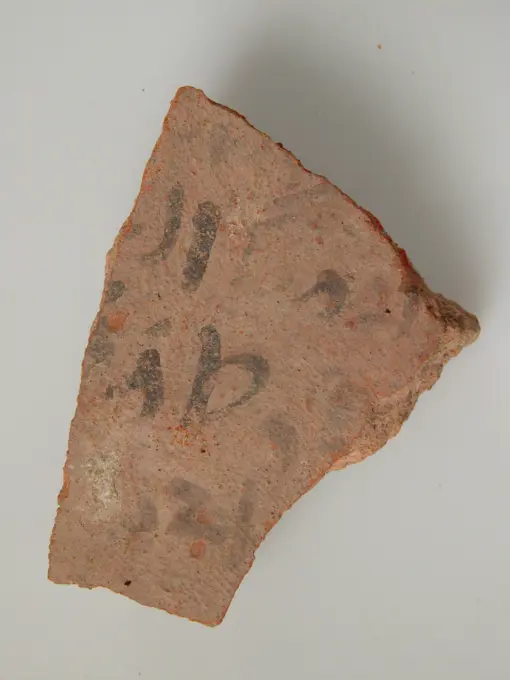
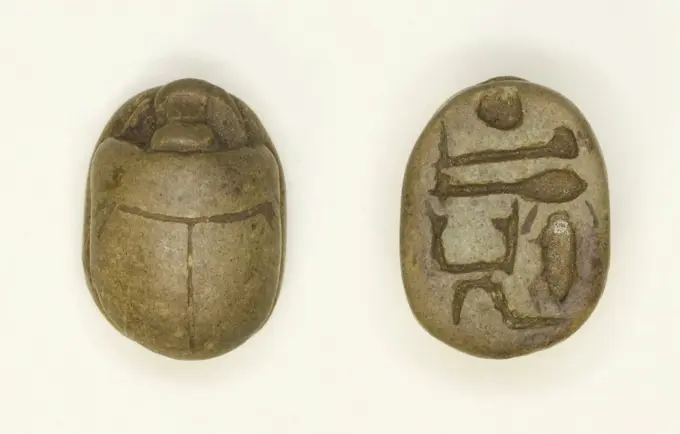
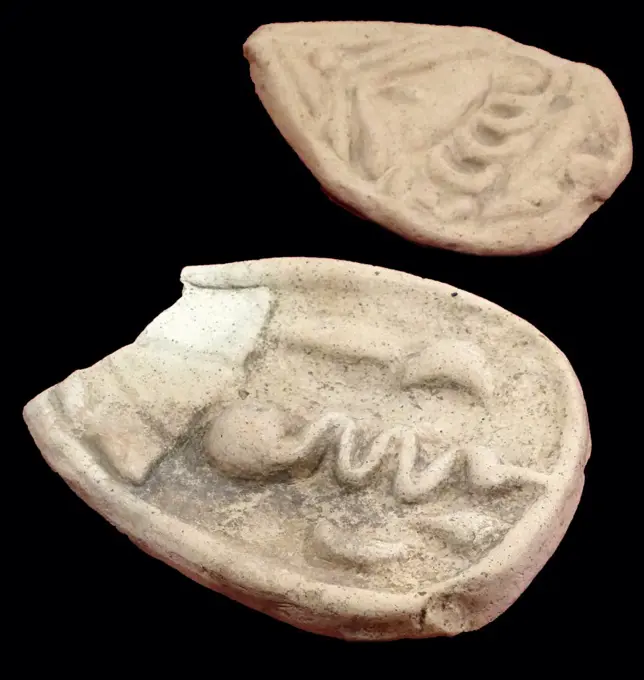
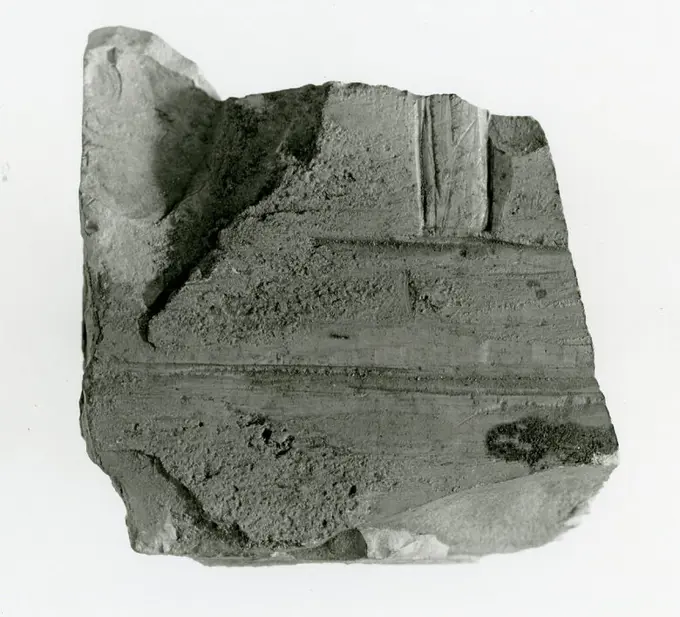
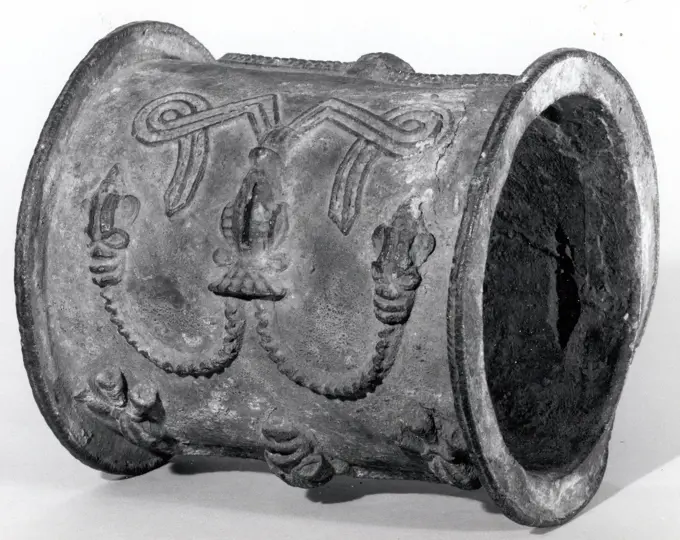
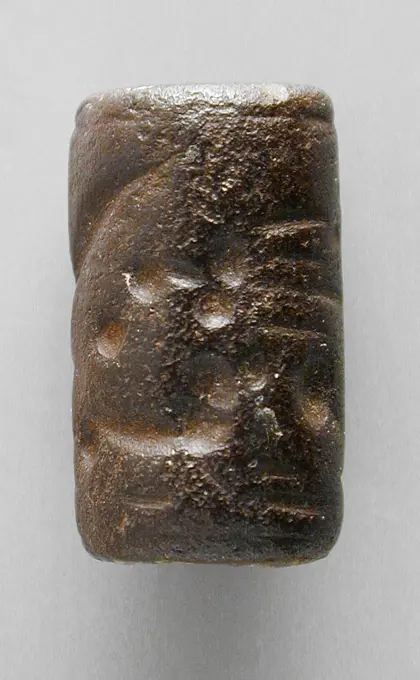
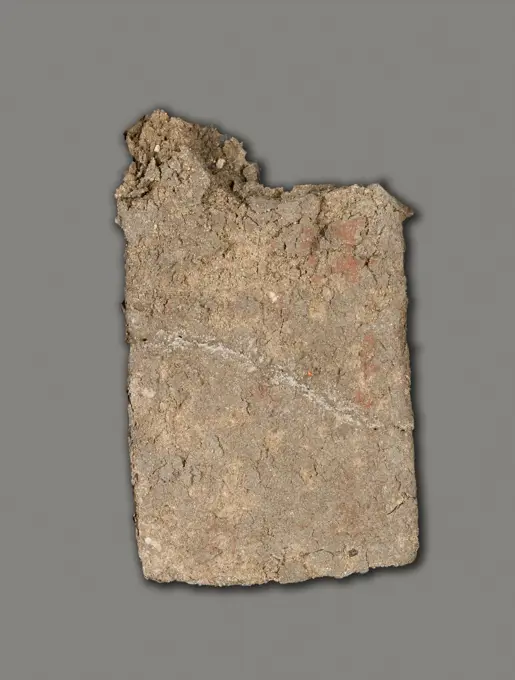
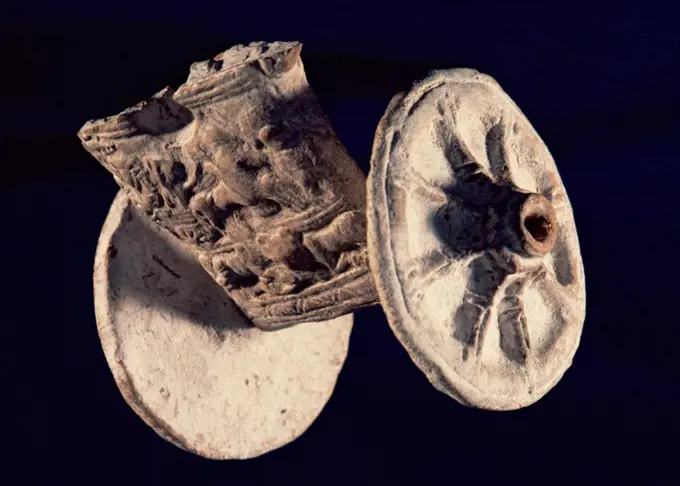
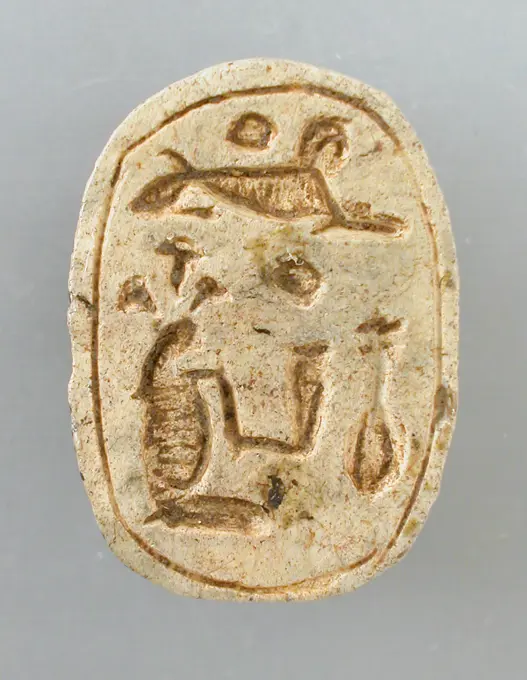
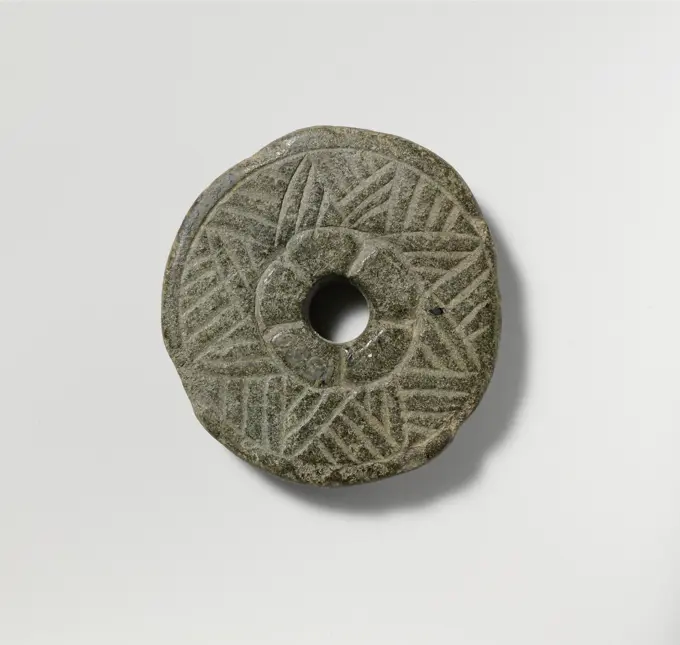
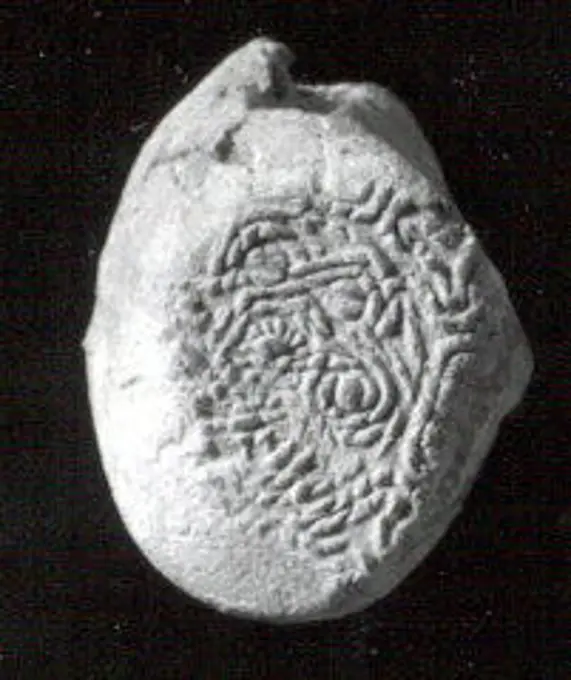
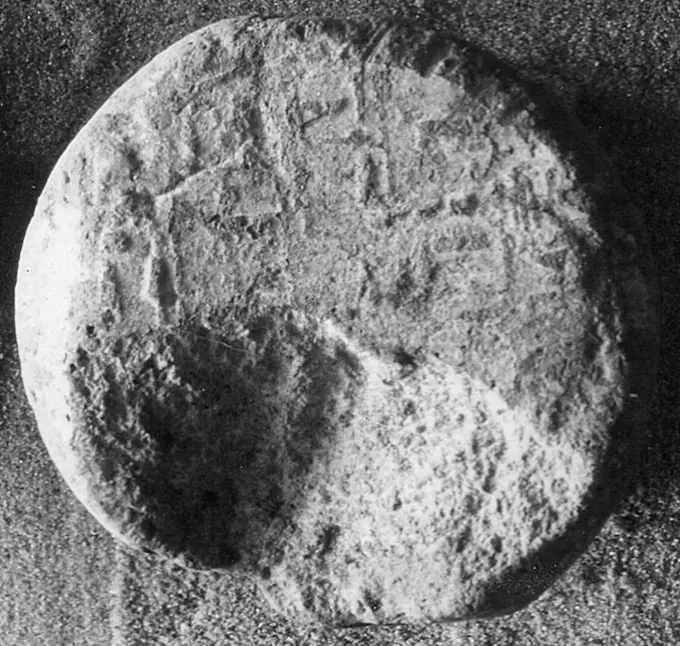
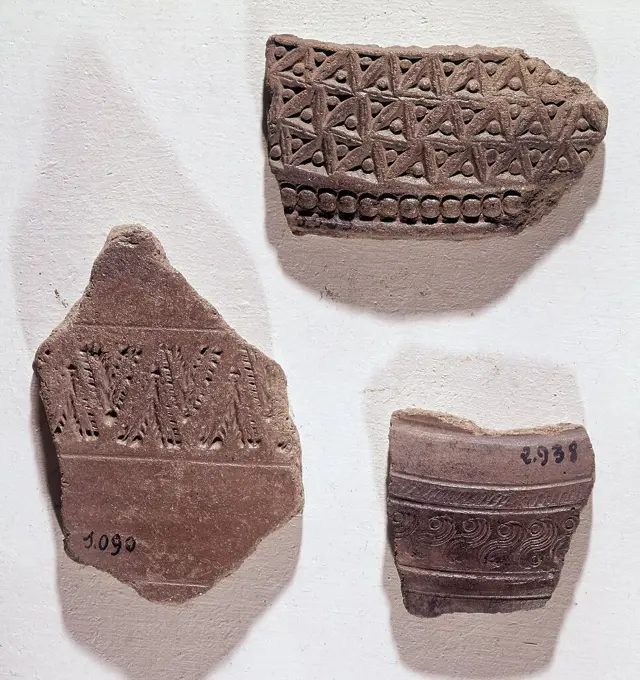
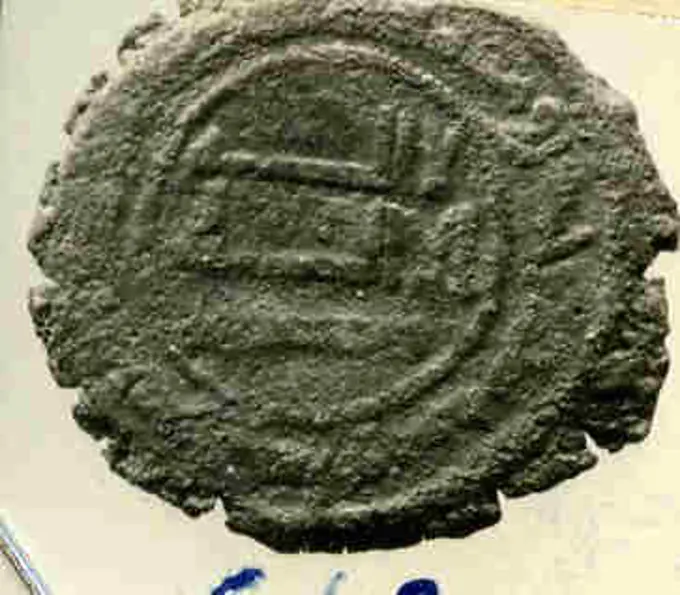
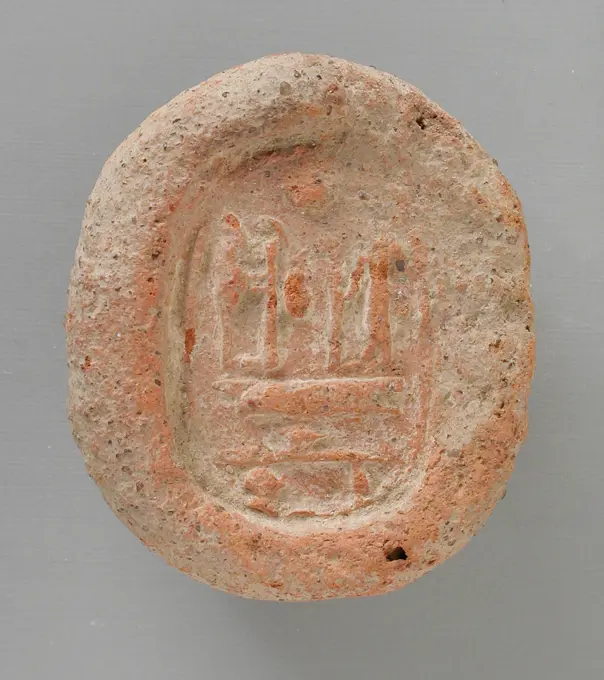
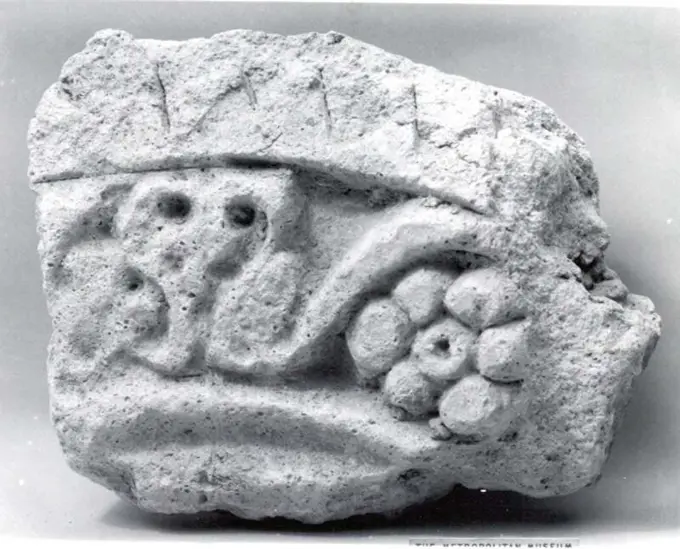
Sealing ca. 1981-1640 B.C. Middle Kingdom. Sealing 560346Sealing ca. 2030-1640 B.C. Middle Kingdom. Sealing 565423Bliżej Kultury Władysław Jagiełło (CA 1351 1434), Mint of KrakówHandle ca. 6th-8th century A.D. Sasanian or Islamic. Handle. Sasanian or Islamic. ca. 6th-8th century A.D.. Ceramic. Sasanian-early Islamic. Mesopotamia, CtesiphonPoland, Władysław Warneńczyk (1434 1444), Denar, 1434 1444, Town of Krakow Mint of Kraków, W Adys Aw Warne Czyk (King of Poland, 1434 1444)Sealing ca. 2030-1640 B.C. Middle Kingdom. Sealing. ca. 2030-1640 B.C.. Clay (unfired). Middle Kingdom. From Egypt, Memphite Region, Lisht South, Pyramid complex of Senwosret I, north temple gateway, MMA excavations, 1913-14. Dynasty 12-13Amulet Christian from inscription Greek;  II century A.C. - early 1st century AD (101-00-00-200-00-00);Meyza K., Dar, Dar (provenance)Sealing ca. 2030-1640 B.C. Middle Kingdom. Sealing 565325Double Seal Impression Belonging to Temple of Neith (). Egypt, Late Period - Ptolemaic period (714 - 30 BCE), but probably 26th Dynasty (664 - 525 BCE). Tools and Equipment; seals. Brown semi-baked clay with scorch marksDocument Sealing With Multiple Seal Impressions ca. 1390-1353 B.C. New Kingdom. Document Sealing With Multiple Seal Impressions. ca. 1390-1353 B.C.. Mud. New Kingdom. From Egypt, Upper Egypt, Thebes, Malqata, MMA excavations, 1910-12; Presumably from West Villas, West Villa B. Dynasty 18Sherd China. Sherd 48502Sealing ca. 1981-1640 B.C. Middle Kingdom. Sealing 560336Sealing ca. 2030-1640 B.C. Middle Kingdom. Sealing. ca. 2030-1640 B.C.. Clay (unfired). Middle Kingdom. From Egypt, Memphite Region, Lisht South, South of the tomb of Imhotep, north of the royal causeway, MMA excavations, 1930-31. Dynasty 12-13Cylinder seal 2nd millennium B.C. Iran. Cylinder seal 323037Mold with Throne Name of Osorkon II. Egypt, Third Intermediate Period, 22nd Dynasty, reign of Osorkon II (873 - 844 BCE). Tools and Equipment; molds. ClayUnattributed Trebizond Coin. UnknownCoin A.H. 174/ A.D. 790. Coin 457649Loom-Weight. UnknownSealing ca. 2030-1640 B.C. Middle Kingdom. Sealing. ca. 2030-1640 B.C.. Clay (unfired). Middle Kingdom. From Egypt, Memphite Region, Lisht South, Pyramid complex of Senwosret I, north temple gateway, MMA excavations, 1913-14. Dynasty 12-13Sealing ca. 2030-1640 B.C. Middle Kingdom. Sealing 565392Sealing ca. 2030-1640 B.C. Middle Kingdom. Sealing 546585Funerary Cone of the Chief Steward Amenemopet ca. 1550-1295 B.C. New Kingdom This cone has the impression of a stamp seal inscribed for a chief steward named Amenemopet who was also festival leader of the god Amun. For a drawing of this impression see http://www.funerarycones.com/, number 321.. Funerary Cone of the Chief Steward Amenemopet Funerary Cone of the Chief Steward Amenemopet ca. 1550-1295 B.C. New Kingdom This cone has the impression of a stamp seal inscribed for a chief steward named Amenemopet who was also festival leader of the god Amun. For a drawing of this impression see http://www.funerarycones.com/, number 321.. Funerary Cone of the Chief Steward Amenemopet. ca. 1550-1295 B.C.. Pottery. New Kingdom. From Egypt, Upper Egypt, Thebes. Dynasty 18Funerary Cone of Wershu and His Wife Henet ca. 1550-1295 B.C. New Kingdom See 09.185.1. Funerary Cone of Wershu and His Wife Henet. ca. 1550-1295 B.C.. Pottery. New Kingdom. From Egypt, Upper Egypt, Thebes, Asasif, MMA excavations, 1913. Dynasty 18Coin 8th-early 9th century. Coin 457395Sealing ca. 1981-1640 B.C. Middle Kingdom. Sealing. ca. 1981-1640 B.C.. Mud. Middle Kingdom. From Egypt, Memphite Region, Lisht North, Cemetery, MMA excavations, 1920-22. Dynasty 12-13Female Head. UnknownLazio Viterbo Viterbo Museo Civico54. Hutzel, Max 1960-1990 Views of paintings (Middle Ages through 18th c.), frescoes, a tabernacle, coffin, sculpture reliefs, portal fragments, busts, sculpture, tapestry found in the Pinacoteca, Second floor gallery and Second floor cloister sequences. Antiquities: Many views of Etruscan and Roman fragments, sculpture, sarcophagi, pottery, masks, jewelry and other objects found in the Storeroom sequence (inventory numbers on back of prints), and the Cloister, Second floor Cloister, Valle Giulia, Sala Romana and Sala Etrusca sequences. General Notes: There are eight separate numerical sequences for this location. The cloister as an architectural structure, rather than museum site, is documented in the record and file for S. Maria della Verita, Cloister, all views of which are stored in Medieval core collection. Five views from the Museo Civico Second floor cloister sequence are stored in Medieval. German-born photographer and scholar Max Hutzel (1911-Document Sealing with the Throne Name of Amenhotep III ca. 1390-1353 B.C. New Kingdom. Document Sealing with the Throne Name of Amenhotep III. ca. 1390-1353 B.C.. Mud. New Kingdom. From Egypt, Upper Egypt, Thebes, Malqata, West Villas, West Villa B, MMA excavations, 1910-12. Dynasty 18Fragmentary Ring. UnknownFemale Head. UnknownSealing ca. 2030-1640 B.C. Middle Kingdom. Sealing 565791Female Head. UnknownTabliczka z pismem klinowym. nieznany urzędnik babiloński, authorConsole with vase, leaf motifs, console building element sandstone stone, kgPaint dish fragment ca. 1981-1640 B.C. Middle Kingdom. Paint dish fragment. ca. 1981-1640 B.C.. Pottery, paint. Middle Kingdom. From Egypt, Memphite Region, Lisht North, Cemetery, MMA excavations, 1920-22. Dynasty 12-13Funerary Cone of Amenemopet called Tjanefer ca. 1550-1352 B.C. New Kingdom The end of this funerary cone has the impression of a round stamp seal inscribed for a man named Amenemopet (Amen-em-opet) who was also known as Tjanefer (Tja-nefer). He was a scribe of accounts of the grain of Amun, the principal god of ancient Thebes (Modern Luxor). Amenemopet also had the title overseer of the fields and was the owner of Theban tomb 297 (TT 297).In 1909, the Museum acquired this cone and two others with the same stamp (09.185.12, .20), and in 1915, while excavating an uninscribed tomb near TT 297, Museum archaeologists uncovered five more (15.10.2-.4, .22, .23). The best preserved impressions are on cones 15.10.2 and 15.10.23.(CHR). Funerary Cone of Amenemopet called Tjanefer. ca. 1550-1352 B.C.. Pottery. New Kingdom. From Egypt, Upper Egypt, Thebes, Sheikh Abd el-Qurna. Dynasty 18Bliżej Kultury Mint of Kraków, Władysław Jagiełło (CA 1351 1434)Funerary Cone of the Scribe Wadjmose ca. 1550-1295 B.C. New Kingdom. Funerary Cone of the Scribe Wadjmose. ca. 1550-1295 B.C.. Pottery. New Kingdom. From Egypt, Upper Egypt, Thebes, Khokha, Tomb of Puyemre (TT 39), courtyard, MMA excavations, 1915. Dynasty 18Mold with Personal Name or Prayer Regarding the God Amen-Re. Egypt, 19th - 26th Dynasty (1315 - 525 BCE). Tools and Equipment; molds. TerracottaFunerary Cone of the Scribe Amenmose ca. 1550-1295 B.C. New Kingdom This cone has the impression of a stamp seal inscribed for the steward Amenmose who owned Theban tomb 89. For a drawing of this impression see http://www.funerarycones.com/, number 285.. Funerary Cone of the Scribe Amenmose Funerary Cone of the Scribe Amenmose ca. 1550-1295 B.C. New Kingdom This cone has the impression of a stamp seal inscribed for the steward Amenmose who owned Theban tomb 89. For a drawing of this impression see http://www.funerarycones.com/, number 285.. Funerary Cone of the Scribe Amenmose. ca. 1550-1295 B.C.. Pottery. New Kingdom. From Egypt, Upper Egypt, Thebes. Dynasty 18Magical Figure. Dimensions: H. 7.2 cm (2 13/16 in.); W. 3.5 cm (1 3/8 in.). Dynasty: Dynasty 13-SIP. Date: ca. 1802-1550 B.C..These tablets of unfired clay with attached crude faces were found as a group by the Museum's excavators at Lisht South in loose surface sand west of the mastaba of Senwosretankh, a high official and possibly the architect of the pyramid complex of Senwosret I (ca. 1961-1917 B. C.), east of which he erected his own very elaborate mastaba tomb (see acc. nos. 33.1.2 and other pieces). The mud figures and little coffin (acc. no. 33.1.66) that had contained some of them must have been buried, however, considerably later than the early twelfth dynasty tomb close to which they were found. In fact, during the thirteenth and following dynasties people deposited a number of objects in the by then sacred area around a legendary ruler's pyramid and its dependant monuments, believing conceivably that potent magical powers could thus be released. These flat mud figures, forSeal Impression of a Priest. Egypt, Middle Kingdom - Late Period (1991 - 332 BCE). Tools and Equipment; seals. Gray semi-baked claySealing ca. 2030-1640 B.C. Middle Kingdom. Sealing 565774Fragment 8th-9th century. Fragment 448871Female Head. UnknownSealing ca. 1981-1640 B.C. Middle Kingdom. Sealing 560442Document Sealing ca. 1390-1353 B.C. New Kingdom. Document Sealing. ca. 1390-1353 B.C.. Mud. New Kingdom. From Egypt, Upper Egypt, Thebes, Malqata, King's Palace, West magazine, MMA excavations, 1910-12. Dynasty 18Sealing ca. 2030-1640 B.C. Middle Kingdom. Sealing 546561Female Head. UnknownStamp Seal. Assyria or Mesopotamia, 8th-7th century B.C.. Tools and Equipment; seals. Yellowish limestoneFemale Head. UnknownCap, 1800s. Germany, Hesse, 19th century. Embroidery: linen; overall: 20 x 14 x 14 cm (7 7/8 x 5 1/2 x 5 1/2 in.).Plaque fragment ca. 9th century B.C. Iran. Plaque fragment 325740Fireplace of baked earth with diamond-shaped distribution. Fireplace of baked earth with diamond-shaped distribution. Two medallions with a man and woman in a wreath.Fragment of a terracotta plaque. Culture: Greek, Cretan. Dimensions: 4 1/8 in. x 3 7/8 in. (10.5 cm x 9.8 cm). Date: 7th century B.C..Legs of a man. Museum: Metropolitan Museum of Art, New York, USA.Document Sealing With the Throne Name of Amenhotep III ca. 1390-1353 B.C. New Kingdom. Document Sealing With the Throne Name of Amenhotep III. ca. 1390-1353 B.C.. Mud. New Kingdom. From Egypt, Upper Egypt, Thebes, Malqata, West Villas, West Villa B, MMA excavations, 1910-12. Dynasty 18Lion Head Water Spout. UnknownCapital ca. 1130-40 Catalan. Capital. Catalan. ca. 1130-40. Marble. Made in present-day France. Sculpture-ArchitecturalCoin A.H. 174/ A.D. 790. Coin. A.H. 174/ A.D. 790. Copper. Excavated in Iran, Nishapur. CoinsBelt Plate 4th-7th century Frankish. Belt Plate 469806Sealing ca. 1981-1640 B.C. Middle Kingdom. Sealing 560452Ostracon 400-30 B.C. Late Period-Ptolemaic Period. Ostracon. 400-30 B.C.. Pottery, ink. Late Period-Ptolemaic Period. From Egypt, Western Desert; Kharga Oasis, Hibis, MMA excavations, 1908-10Fragment Germany. Fragment 43545Female Head. UnknownScarab Aakheperkara (Thutmose I) 1504 BCE-1492 BCE Egypt. Faience . Ancient EgyptianFoundation Deposit Plaque in the Form of a Lotus ca. 1188-1186 B.C. New Kingdom, Ramesside. Foundation Deposit Plaque in the Form of a Lotus. ca. 1188-1186 B.C.. Faience. New Kingdom, Ramesside. From Egypt, Upper Egypt, Thebes, Ramesseum Area, Temple of Tawosret, foundation deposit, Petrie excavations, 1896. Dynasty 19Umbo or stud ca. 9th century B.C. Iran. Umbo or stud 325188Funerary Cone the Scribe Min ca. 1479-1425 B.C. New Kingdom See 09.185.6. Funerary Cone the Scribe Min. ca. 1479-1425 B.C.. Pottery. New Kingdom. From Egypt, Upper Egypt, Thebes. Dynasty 18Terracotta votive offerings. From an Etruscan or Etrusco-Campanian selection once featured in Henry Welcome's museum. 4th-2nd Century BC.Sunk relief fragment. Dimensions: 4.7 x 4.9 x 2.8. Dynasty: Dynasty 26. Reign: reign of Psamtik I. Date: 664-610 B.C.. Museum: Metropolitan Museum of Art, New York, USA.Funerary Cone of the Chief Wab-Priest Sobekmose ca. 1550-1295 B.C. New Kingdom This cone has the impression of a stamp seal inscribed for a man named Sobekmose, owner of Theban tomb 275, who was a chief wab-priest. For a drawing of this impression see http://www.funerarycones.com/, number 501.. Funerary Cone of the Chief Wab-Priest Sobekmose Funerary Cone of the Chief Wab-Priest Sobekmose ca. 1550-1295 B.C. New Kingdom This cone has the impression of a stamp seal inscribed for a man named Sobekmose, owner of Theban tomb 275, who was a chief wab-priest. For a drawing of this impression see http://www.funerarycones.com/, number 501.. Funerary Cone of the Chief Wab-Priest Sobekmose. ca. 1550-1295 B.C.. Pottery. New Kingdom. From Egypt, Upper Egypt, Thebes. Dynasty 18Arm Band 18th-19th century Yoruba peoples, Ijebu group. Arm Band. Yoruba peoples, Ijebu group. 18th-19th century. Brass, earth. Nigeria, Western Yoruba, Epe region. Metal-OrnamentsFunerary Cone of Pasanesut ca. 1550-1295 B.C. New Kingdom This cone has the impression of a stamp seal inscribed for a man named Pasanesut who was chief of servants of the royal palace. For a drawing of this impression see http://www.funerarycones.com/, number 309.. Funerary Cone of Pasanesut Funerary Cone of Pasanesut ca. 1550-1295 B.C. New Kingdom This cone has the impression of a stamp seal inscribed for a man named Pasanesut who was chief of servants of the royal palace. For a drawing of this impression see http://www.funerarycones.com/, number 309.. Funerary Cone of Pasanesut. ca. 1550-1295 B.C.. Pottery. New Kingdom. From Egypt, Upper Egypt, Thebes, Khokha, Tomb MMA  2 A, sloping passage, MMA excavations, 1911. Dynasty 18Glass mosaic plaque fragment with floral motifs late 1st century B.C.-1st century A.D. Roman, Egyptian Deep cobalt blue ground, appearing black; decoration in opaque white, yellow, and red, and other, uncertain colors.Thin, flat plaque, with rough, uneven back.Floral motif with individual plants picked out in detail on ground, including a poppy seed head and a long ear of wheat.Broken on all sides, with weathered edges; dulling, pitting and pale creamy weathering on upper side, iridescence on underside.The attractive polychromy of the floral designs on this fragment are now masked by a layer of brownish surface weathering.. Glass mosaic plaque fragment with floral motifs 252530 Roman, Egyptian, Glass mosaic plaque fragment with floral motifs, late 1st century B.C.1st century A.D., Glass, fused sections, Overall: 2 3/8 x 1 11/16 in. (6 x 4.3 cm). The Metropolitan Museum of Art, New York. Fletcher Fund, 1926 (26.60.66)Sealing ca. 2030-1640 B.C. Middle Kingdom. Sealing 565415Cylinder Seal. Iran, Mesopotamia or Syria, Mitannian period, circa 1500-1300 B.C.. Tools and Equipment; seals. FaienceCeramic Fragment 13th-16th century. Ceramic Fragment. 13th-16th century. Stonepaste; painted under transparent glaze. Made in Egypt. CeramicsMold with Seated King before Goddess Ma'at. Egypt, New Kingdom, Ramesside period () 19th and 20th Dynasty (1315-1081 BCE) but perhaps later. Tools and Equipment; molds. TerracottaSpindle Whorl, 700s - 900s. Iran, early Islamic period, 8th - 10th century. Bone, incised; overall: 0.4 x 2.5 x 2.5 cm (3/16 x 1 x 1 in.).Funerary Cone of Amenhotep ca. 1550-1295 B.C. New Kingdom This cone has the impression of a stamp seal inscribed for a man named Amenhotep. For a drawing of this impression see http://www.funerarycones.com/, number 592.. Funerary Cone of Amenhotep Funerary Cone of Amenhotep ca. 1550-1295 B.C. New Kingdom This cone has the impression of a stamp seal inscribed for a man named Amenhotep. For a drawing of this impression see http://www.funerarycones.com/, number 592.. Funerary Cone of Amenhotep. ca. 1550-1295 B.C.. Pottery. New Kingdom. From Egypt, Upper Egypt, Thebes. Dynasty 18Fragment of a jar with Arabic inscription and geometric and vegetal decoration. 12th-14th centuries. Sephardic Museum. Toledo. Castile-La Mancha. Spain.Magical Figure ca. 1802-1550 B.C. Late Middle Kingdom-Second Intermediate Period These tablets of unfired clay with attached crude faces were found as a group by the Museum's excavators at Lisht South in loose surface sand west of the mastaba of Senwosretankh, a high official and possibly the architect of the pyramid complex of Senwosret I (ca. 1961-1917 B. C.), east of which he erected his own very elaborate mastaba tomb (see acc. nos. 33.1.2 and other pieces). The mud figures and little coffin (acc. no. 33.1.66) that had contained some of them must have been buried, however, considerably later than the early twelfth dynasty tomb close to which they were found. In fact, during the thirteenth and following dynasties people deposited a number of objects in the by then sacred area around a legendary ruler's pyramid and its dependant monuments, believing conceivably that potent magical powers could thus be released. These flat mud figures, for instance, are inscribed in now much-faded redARTE MESOPOTAMICO. BABILONICO. "CARRO BABILONICO CON RELIEVES QUE REPRESENTAN ESCENAS DE LA CAZA DEL LEON". Museo del Oriente Bíblico. Abadía de Montserrat. Provincia de Barcelona. Cataluña.Scarab with Fecundity Figure and Sphinx. Egypt, 19th - 26th Dynasty (1315 - 525 BCE). Sculpture. SteatiteSealing ca. 7th century A.D. Sasanian. Sealing 323318Ostracon with the Drawing of a Cat ca. 1390-1352 B.C. New Kingdom This broken pot was used as a practice drawing surface. The first sketched is the profile of a king, facing left, wearing the Blue Crown. Over this is the drawing of a seated cat, also facing left and raising its right paw.. Ostracon with the Drawing of a Cat. ca. 1390-1352 B.C.. Pottery, charcoal. New Kingdom. From Egypt, Upper Egypt, Thebes, Malqata, Temple of Amun, MMA excavations, 1916-1917. Dynasty 18Sculpture fragment ca. 6th-4th century B.C. Achaemenid. Sculpture fragment. Achaemenid. ca. 6th-4th century B.C.. Stone. Achaemenid. Iran, possibly from PersepolisFemale Head. UnknownChlorite box lid ca. 1200-1050 B.C. Cypriot There is a hole in the center. Around it is a rosette and a zone of cross-hatched triangles. The underside is worked for insertion into the mouth of a vase.. Chlorite box lid 243887Sealing with one circular seal impression ca. 18th century B.C. Old Assyrian Trading Colony. Sealing with one circular seal impression. Old Assyrian Trading Colony. ca. 18th century B.C.. Un-baked clay. Middle Bronze Age-Old Assyrian Trading Colony. Anatolia, probably from AcemhöyükFunerary Cone of Heby ca. 1550-1186 B.C. New Kingdom. Funerary Cone of Heby. ca. 1550-1186 B.C.. Pottery. New Kingdom. From Egypt, Upper Egypt, Thebes, MMA excavations, 1912-13; Said to be from Asasif. Dynasty 18-19Inscribed Ax Blade From Foundation Deposit 2 of Hatshepsut's Valley Temple ca. 1479-1458 B.C. New Kingdom. Inscribed Ax Blade From Foundation Deposit 2 of Hatshepsut's Valley Temple. ca. 1479-1458 B.C.. Bronze or copper alloy. New Kingdom. From Egypt, Upper Egypt, Thebes, Asasif, Hatshepsut Valley Temple, Foundation Deposit 5AFD2, MMA excavations, 1915-16. Dynasty 18CERAMICA DE UN CASTRO - SIGLO I AC. Location: ARCHAEOLOGICAL MUSEUM. Orense. SPAIN.Bath Scraper 12th-13th century Prolonged exposure to water and steam in a hammams hot rooms loosens dead skin and forces impurities out of the body, which are then wiped or scrubbed away with any number of exfoliating implements, such as a mitt or sponge. A group of ceramic scrapers similar to this one are believed to come from Iran. Their decoration includes a variety of animal, floral, and geometric patterns, suggesting customers could select their own designs.. Bath Scraper 447925Coin dated A.H. 151/ A.D. 768. Coin. dated A.H. 151/ A.D. 768. Copper. Excavated in Iran, Nishapur. CoinsMold bearing Birth Name of Merneptah. Egypt, New Kingdom, 19th Dynasty, reign of Merneptah (1237 - 1226 BCE). Tools and Equipment; molds. TerracottaDocument Sealing ca. 1390-1353 B.C. New Kingdom. Document Sealing. ca. 1390-1353 B.C.. Mud. New Kingdom. From Egypt, Upper Egypt, Thebes, Malqata, no exact location recorded, MMA excavations, 1910-12. Dynasty 18Standing FigureRelief fragment ca. 6th-8th century A.D. Sasanian or Islamic. Relief fragment 322704Bracket in the shape of an owl. unknown, sculptor