Ancient Seals and Artifacts

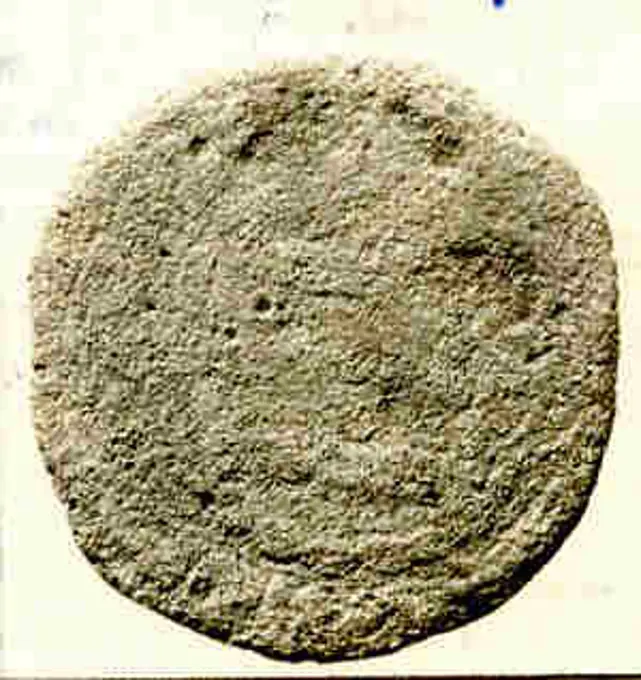
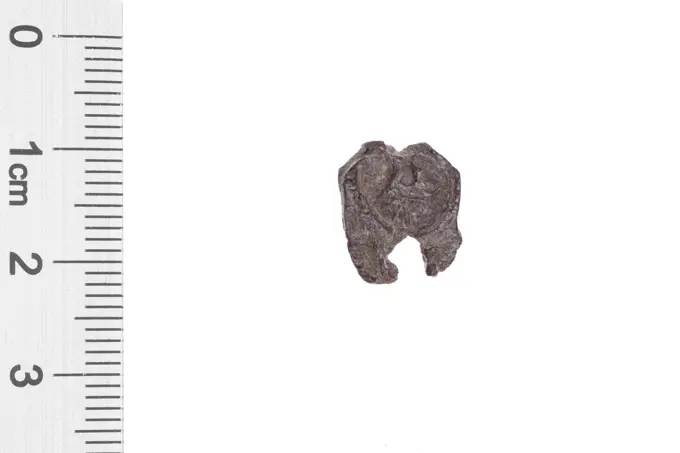
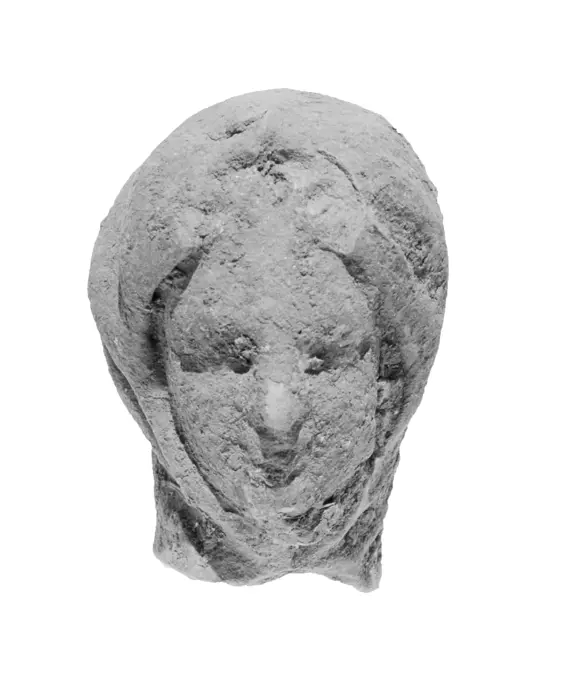
Images of ancient sealing artifacts, including document seals and engraved pieces from various historical periods, emphasizing their historical significance.
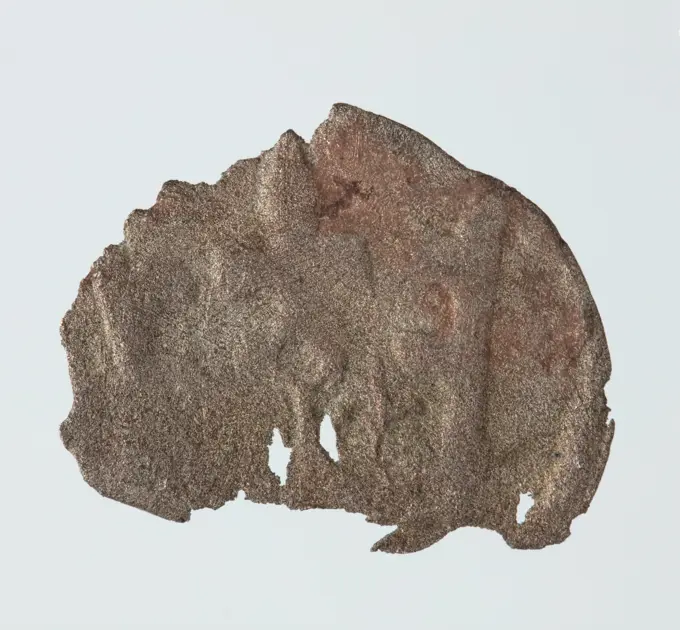
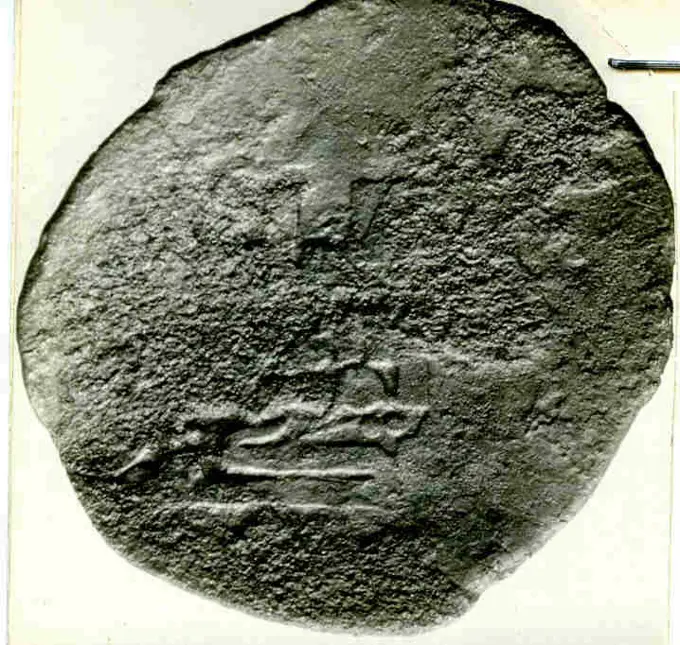
Bliżej Kultury Władysław Jagiełło (CA 1351 1434), Mint of Kraków
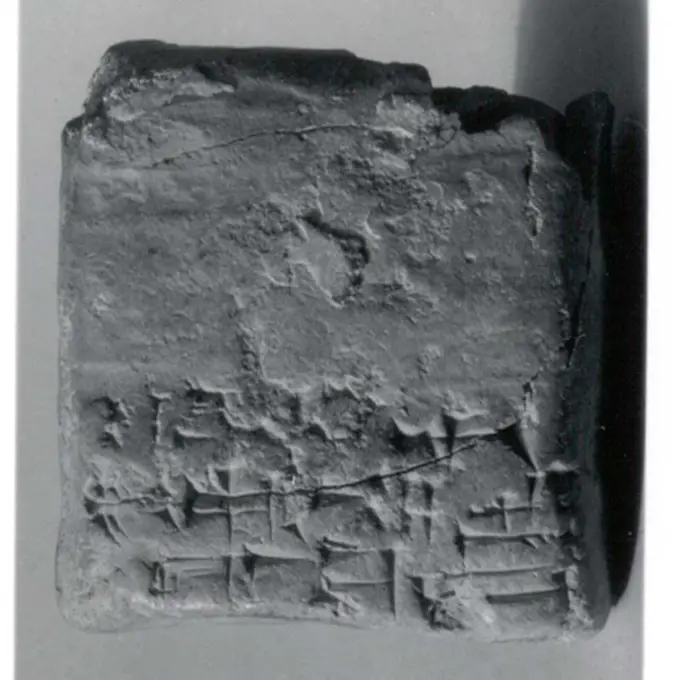
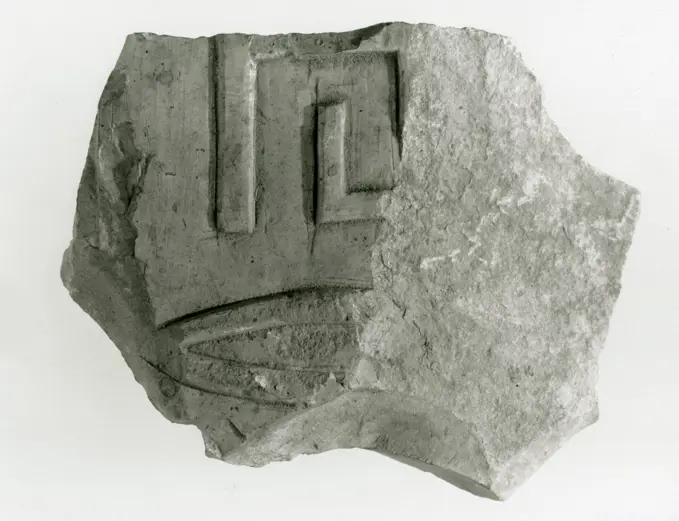
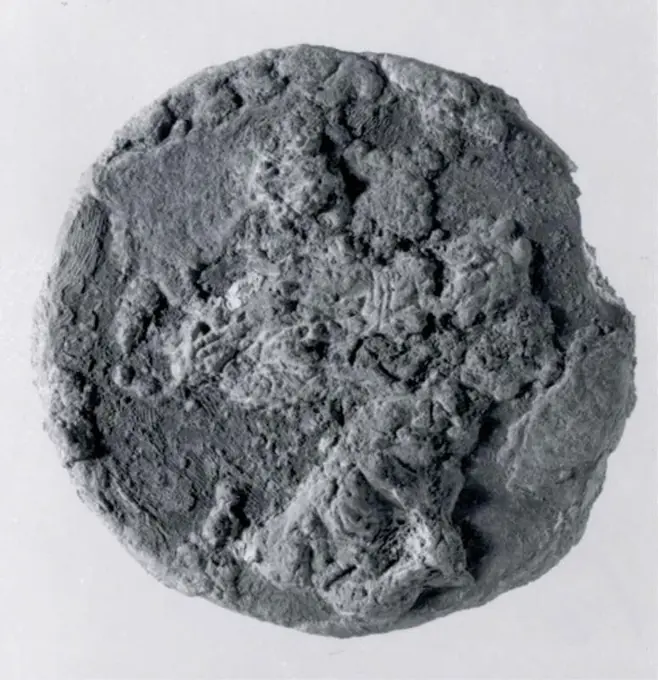
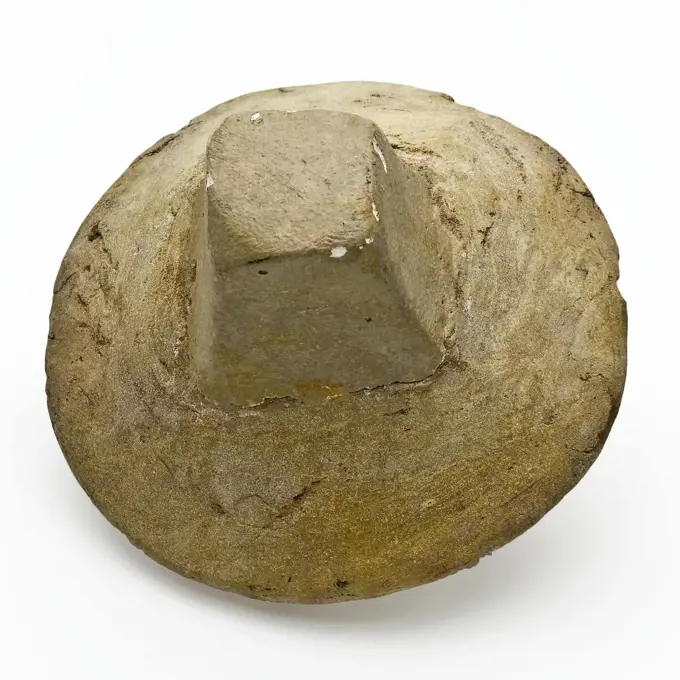
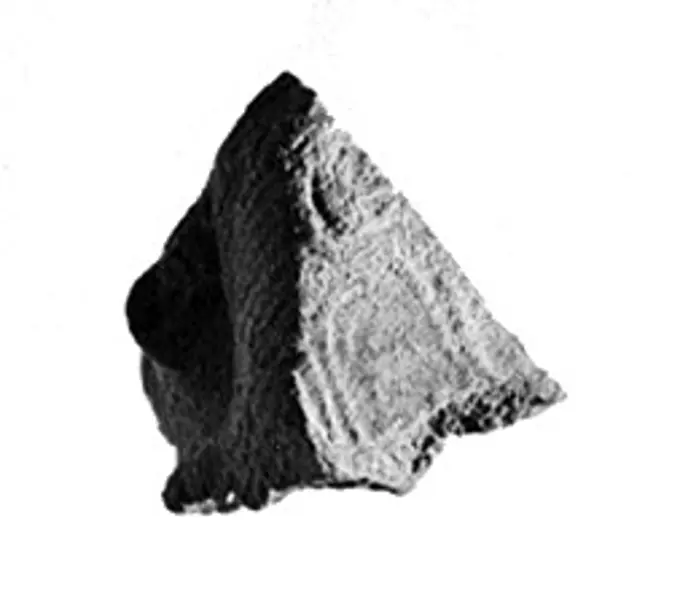
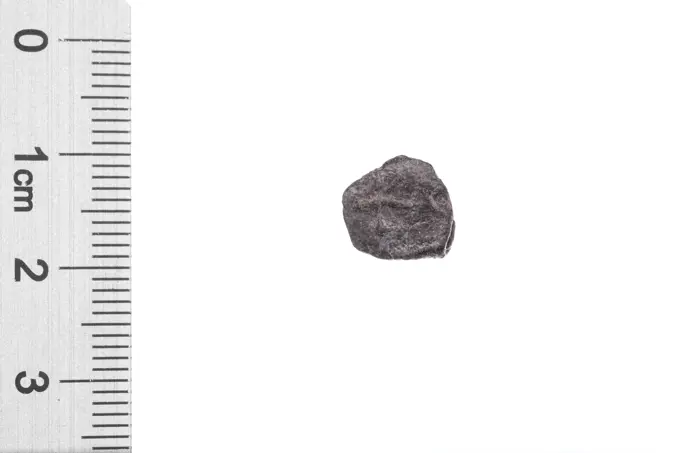
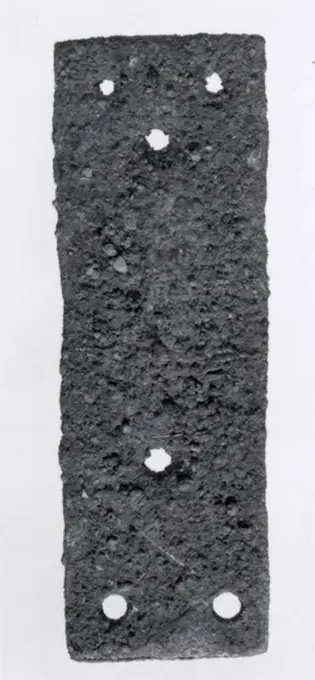
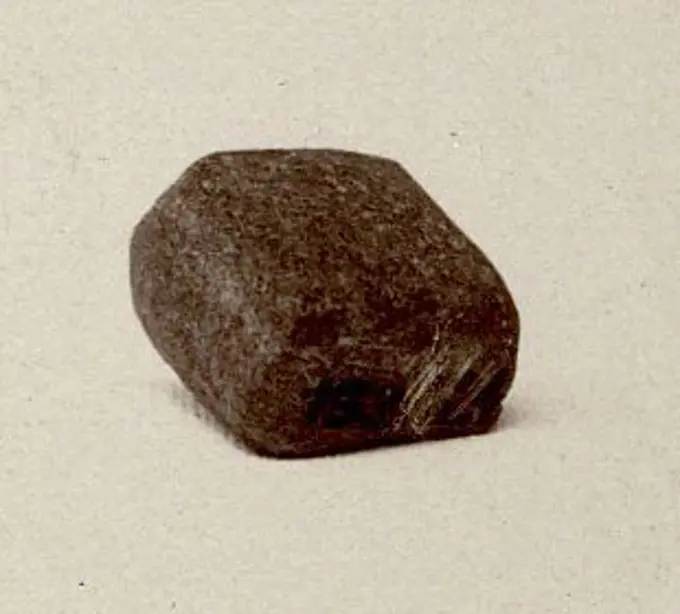
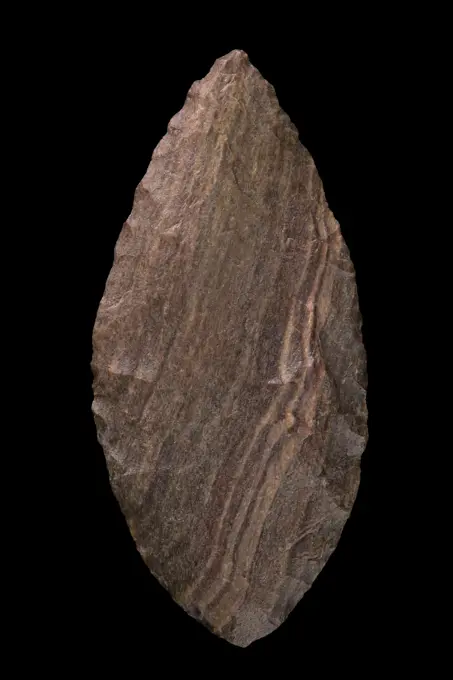
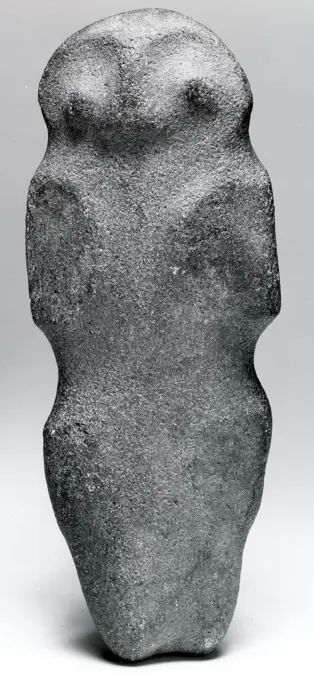
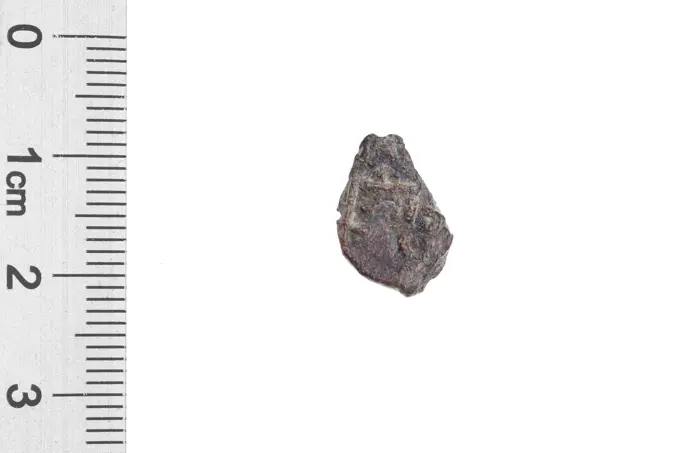
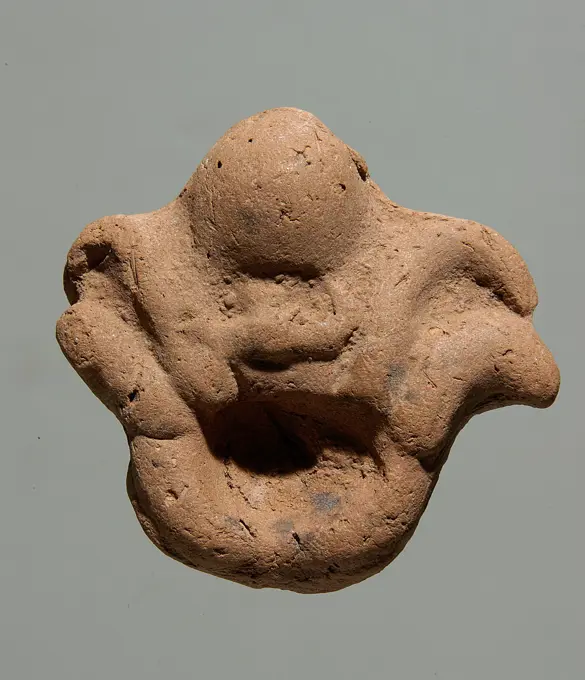
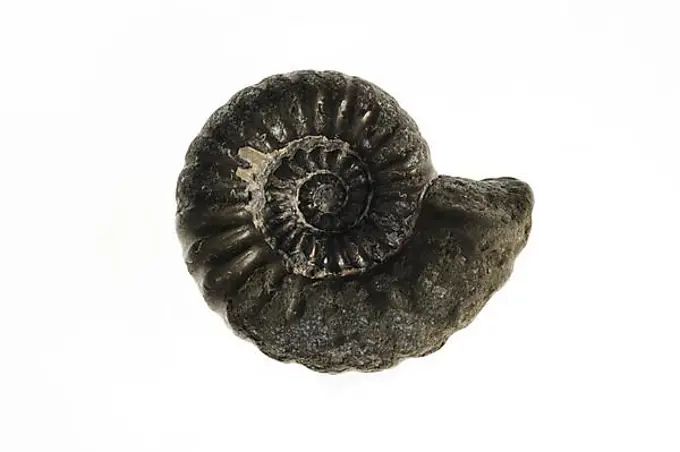
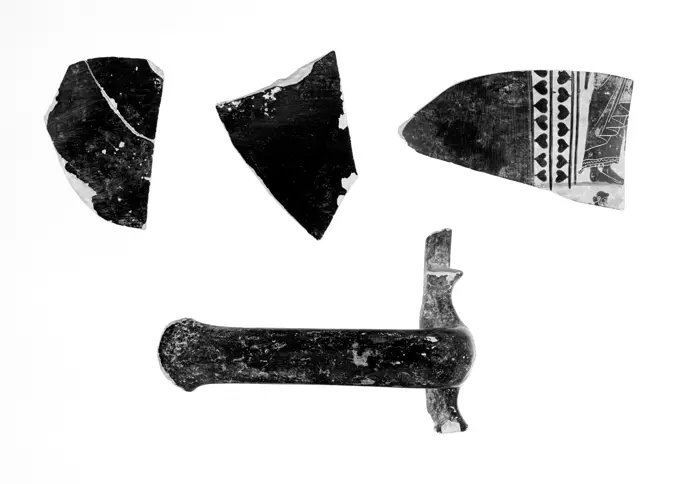
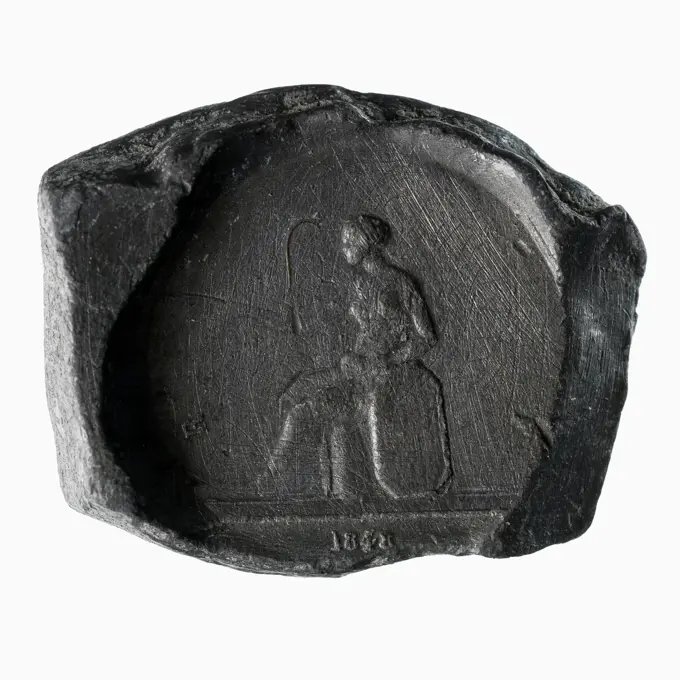
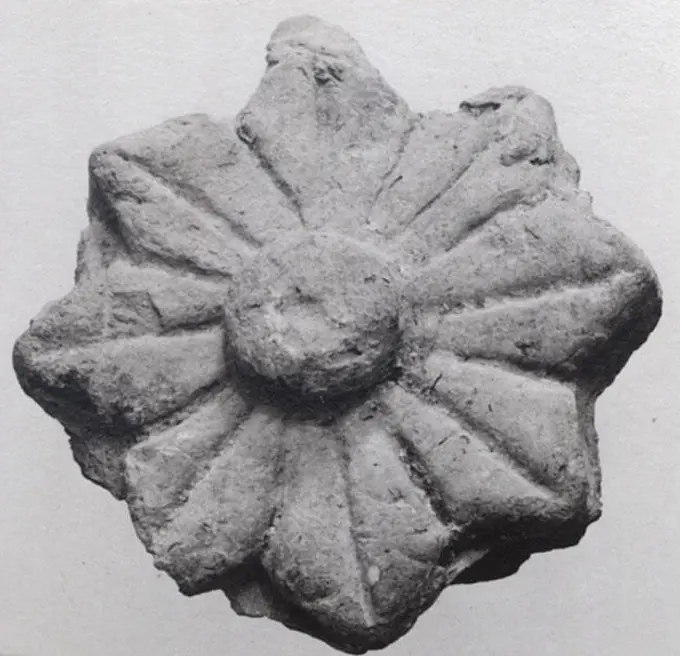
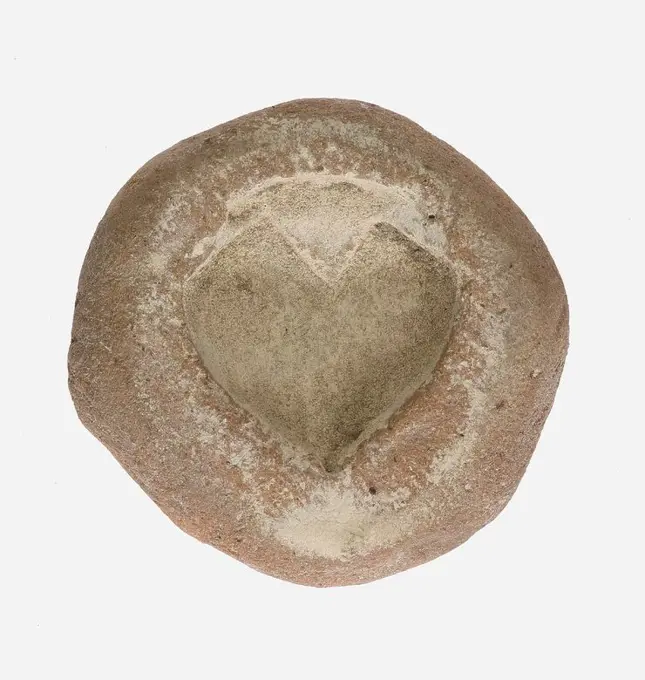
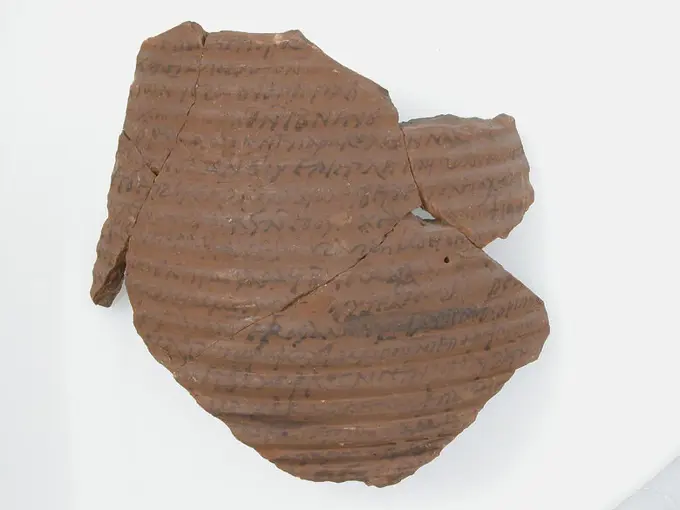
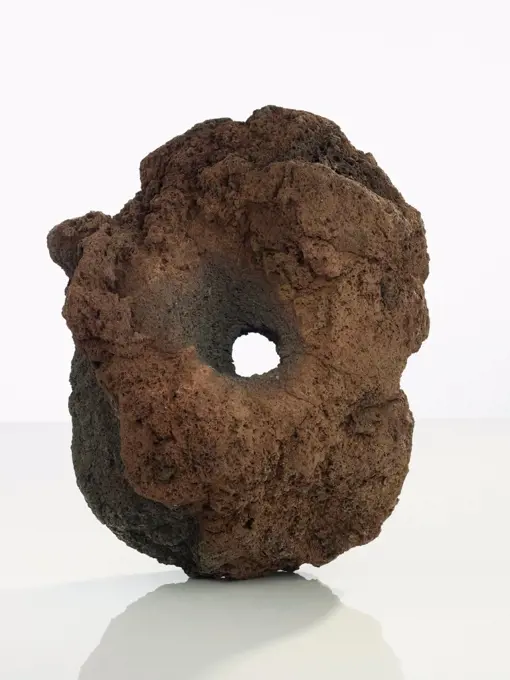
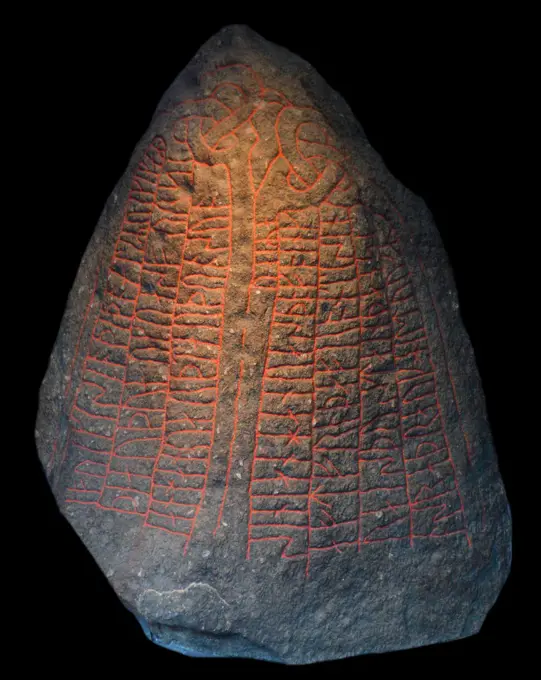
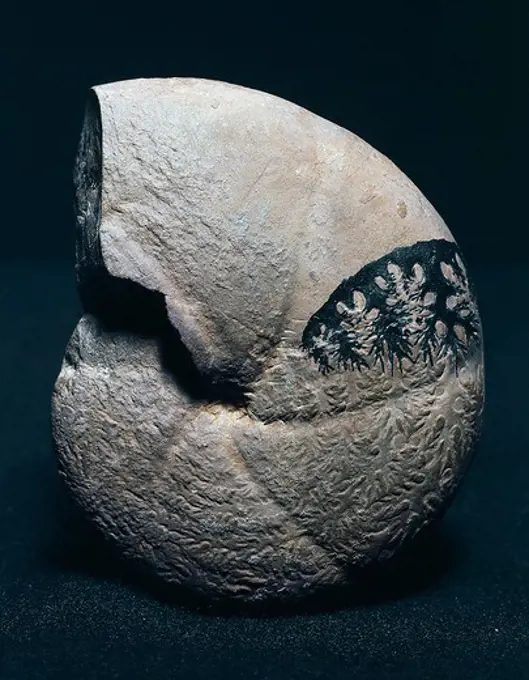
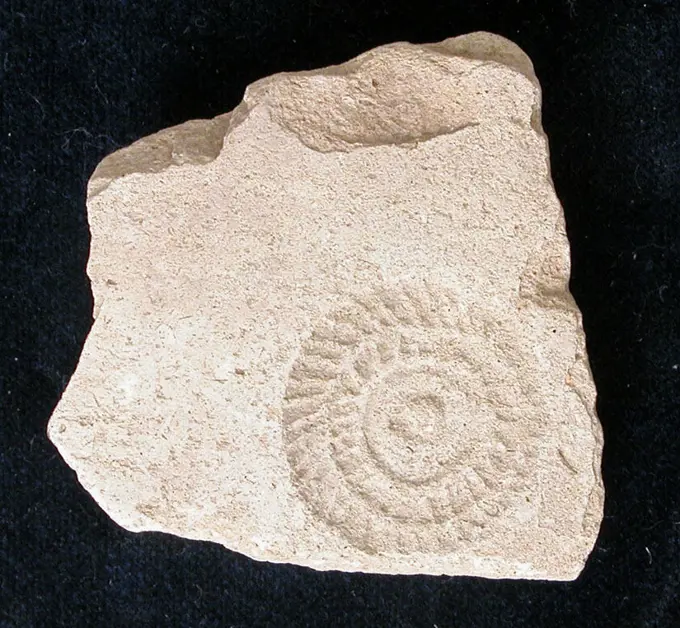
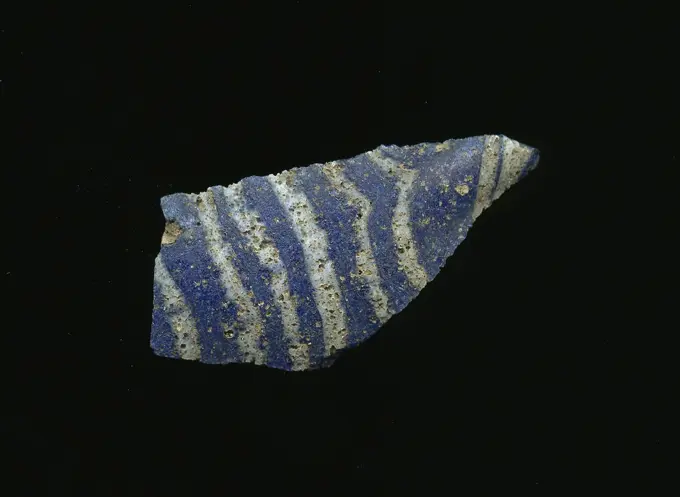
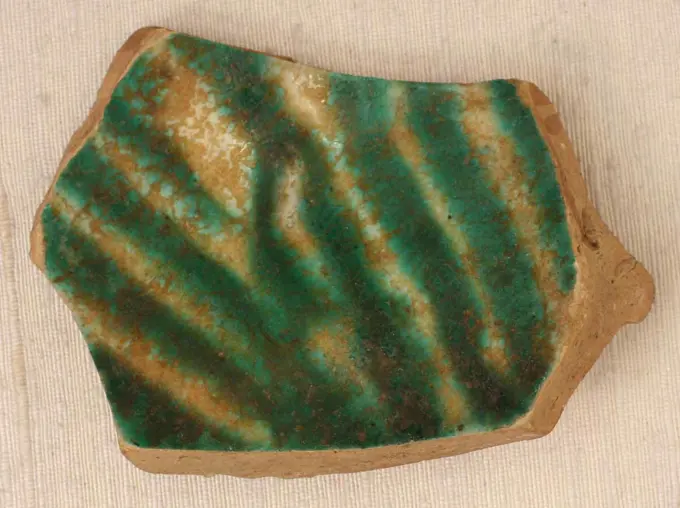
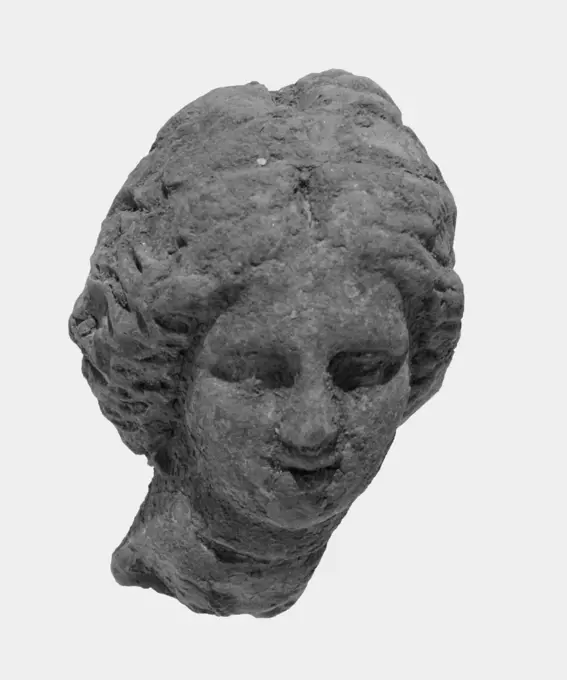
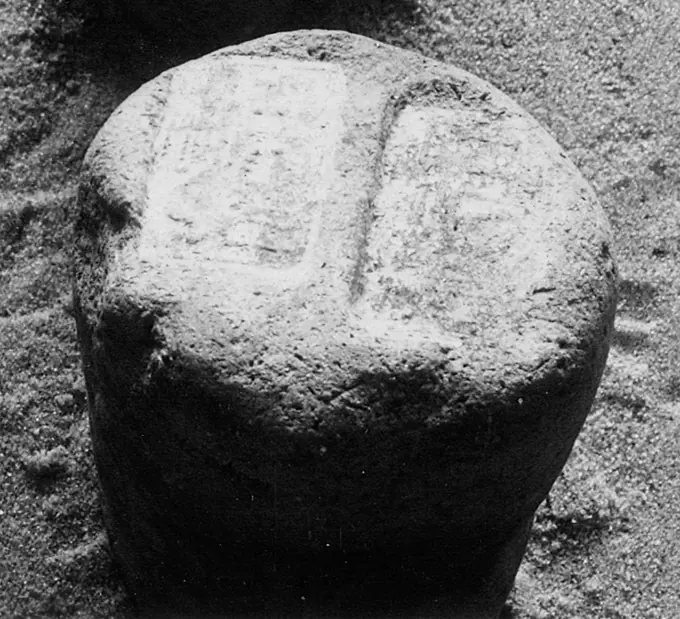
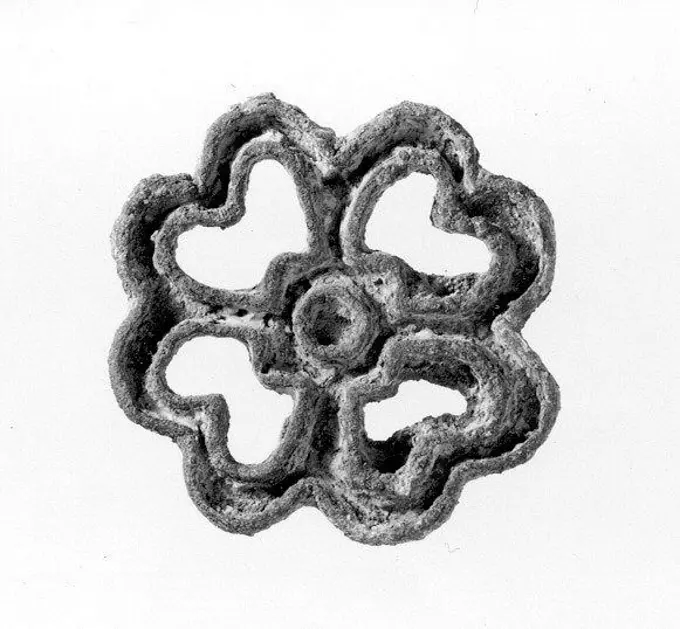
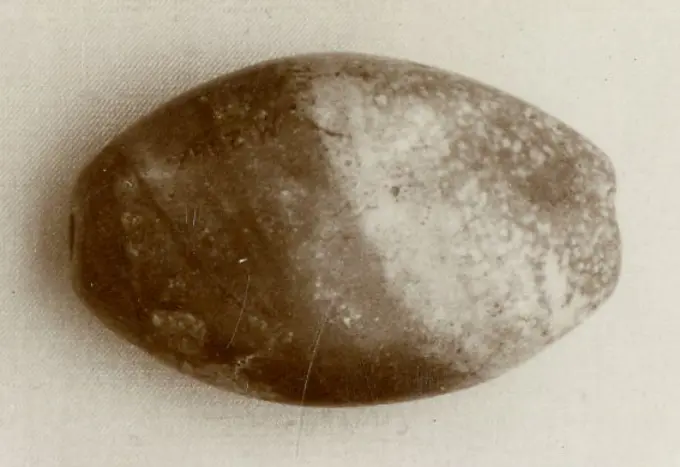
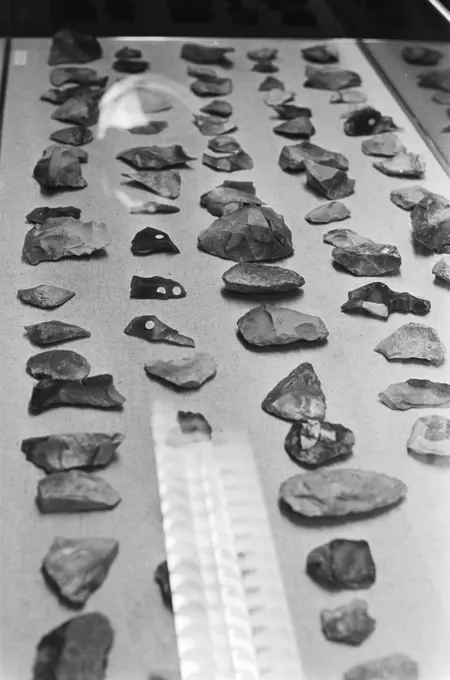
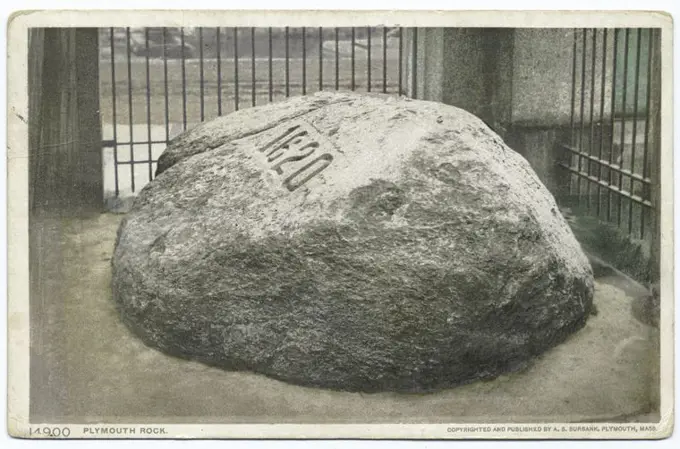
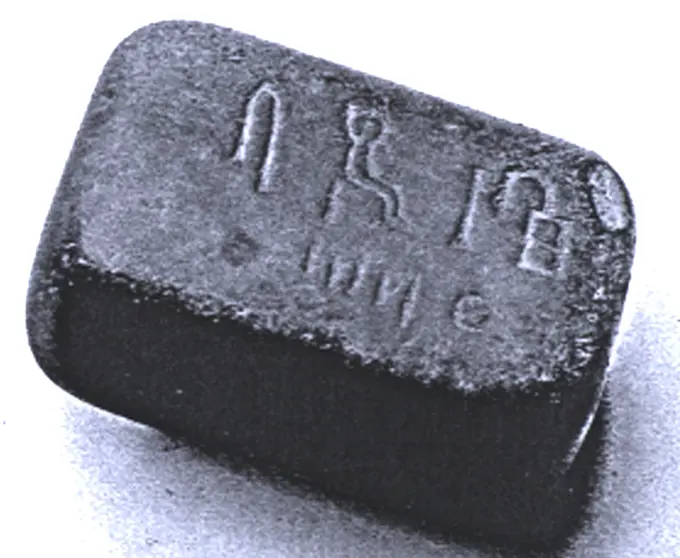
Fragment of a a Seated Female Figure. UnknownDocument Sealing With the Throne Name of Amenhotep III ca. 1390-1353 B.C. New Kingdom. Document Sealing With the Throne Name of Amenhotep III. ca. 1390-1353 B.C.. Mud. New Kingdom. From Egypt, Upper Egypt, Thebes, Malqata, West Villas, West Villa B, MMA excavations, 1910-12. Dynasty 18Cuneiform tablet case impressed with cylinder seal, for cuneiform tablet 11.217.9a: receipt of a goat ca. 2044 B.C. Neo-Sumerian. Cuneiform tablet case impressed with cylinder seal, for cuneiform tablet 11.217.9a: receipt of a goat. Neo-Sumerian. ca. 2044 B.C.. Clay. Ur III. Mesopotamia, Drehem (ancient Puzrish-Dagan)Fragment of a Small Bowl. UnknownCrown with discs. Dimensions: H. 21 × W. 14 × max Th. 5.5 cm (8 1/4 × 5 1/2 × 2 3/16 in.). Dynasty: Dynasty 18. Reign: reign of Akhenaten. Date: ca. 1353-1336 B.C.. Museum: Metropolitan Museum of Art, New York, USA.Raised relief fragment 664-610 B.C. Late Period, Saite see 23.3.468. Raised relief fragment. 664-610 B.C.. Limestone, varnish. Late Period, Saite. From Egypt, Upper Egypt, Thebes, Deir el-Bahri, Tomb of Nespekashuty (TT 312, MMA 509), Lunette, North door, MMA excavations, 1922-23. Dynasty 26Relief fragment ca. 6th-8th century A.D. Sasanian or Islamic. Relief fragment 322683Counter Plate of a Belt Buckle 6th-7th century Frankish. Counter Plate of a Belt Buckle 465456 Frankish, Counter Plate of a Belt Buckle, 6th7th century, Iron, silver inlay, Overall: 4 1/2 x 2 1/4 x 9/16 in. (11.5 x 5.7 x 1.5 cm). The Metropolitan Museum of Art, New York. Gift of J. Pierpont Morgan, 1917 (17.193.145)Pocisk do procy. unknown, authorLid ca. 9th century B.C. Iran. Lid 325799Relief fragment ca. 6th-8th century A.D. Sasanian or Islamic. Relief fragment 322701Dish 4th millennium B.C.. Dish. 4th millennium B.C.. Bronze. Uruk. Mesopotamia, NippurScarab ca. 1353-1336 B.C. New Kingdom. Scarab. ca. 1353-1336 B.C.. Faience. New Kingdom. From Egypt. Dynasty 18Canosan Oinochoe Fragment. UnknownCanosan Oinochoe Fragment. UnknownPottery pall or douse with square handle, downer fireplaces earthenware ceramic pottery, hand shaped baked earthenware damper. Solid red earthenware unglazed. Smooth finished and obliquely cut outside edge. Strongly layered pottery. Undecorated archeology Capelle aan den IJssel House in Capelle castle indigenous pottery extinguish fireplace heating Soil discovery: House in Capelle ± 1395-1500 canal south side Capelle aan den IJssel.Sealing ca. 1981-1640 B.C. Middle Kingdom. Sealing. ca. 1981-1640 B.C.. Mud. Middle Kingdom. From Egypt, Memphite Region, Lisht North, Cemetery, MMA excavations, 1920-22. Dynasty 12-13Sealing ca. 7th century A.D. Sasanian. Sealing 323298Band Cup Fragment. UnknownCoin probably A.H. 324-440/ A.D. 935-1048. Coin. probably A.H. 324-440/ A.D. 935-1048. Silver. Excavated in Iran, Nishapur. CoinsDrohiczyn seal. unknown, managerRight Hand 15th century () Thailand. Right Hand 39307Drohiczyn seal. unknown, managerDrohiczyn seal. unknown, managerArmor scales ca. 9th century B.C. Iran. Armor scales 325184Weight: 1/4 deben  ca. 1981-1640 B.C. Middle Kingdom. Weight: 1/4 deben . ca. 1981-1640 B.C.. Diorite. Middle Kingdom. From Egypt, Memphite Region, Lisht North, Cemetery, MMA excavations, 1920-22. Dynasty 12-13Point in the shape of a laurel leaf in cut stone. Neolithic period. North Africa. 6 cm.Axe, Zoomorphic Form 10th-15th century Taíno The most numerous category of polished stone sculpture emerging from the Taíno world of the ancestral Caribbean islands are ceremonial axes and blades, which take many forms and may have been an important medium of exchange. Axes feature abstract zoomorphic forms in stone and may have been ceremonial scepters. Ceremonial blades made of different types of greenstone, both local and imported, have been recovered in large numbers. These axes, known as petaloid celts for their resemblance to flower petals, could have served as dedicatory offerings, which have a long history on the Caribbean mainland in Mesoamerica.. Axe, Zoomorphic Form. Taíno. 10th-15th century. Stone. Dominican Republic, Caribbean. Stone-ImplementsFragment 13th century Crusader. Fragment. Crusader. 13th century. Stained Glass. Glass-StainedDrohiczyn seal. unknown, managerStatuette fragment, beard Late Period-Ptolemaic Period ca. 712-30 B.C. View more. Statuette fragment, beard. ca. 712-30 B.C.. Bronze. Late Period-Ptolemaic Period. From Egypt, Western Desert; Kharga OasisFragment of a Mosaic Glass Vessel. Unknown 1st century A.D.Female Head. UnknownAttic Black-Figure Hydria Fragment (comprised of 10 Joined Fragments). UnknownFragments of animal figurines ca. 8th century B.C. Edomite. Fragments of animal figurines 326250Eastern Celts, Growy, Pannonia, Armund 50 BC, Silver Drachma, Totfal Type (AR) Eastern CeltsJavelin tip;  4,000 BC (-4000-00-00--3001-00-00);Southern mesopotamia, spear cavesDecorative element;The collection of ancient EgyptGame piece ca. 1981-1640 B.C. Middle Kingdom. Game piece. ca. 1981-1640 B.C.. Blue faience. Middle Kingdom. From Egypt, Memphite Region, Lisht North, Cemetery, MMA excavations, 1920-22. Dynasty 12-13Ammonite fossil Promicroceras planicosta from Lyme Regis, Jurassic Coast, Dorset, southern England, UKCoiled Serpent 15th-early 16th century Aztec. Coiled Serpent 307607Attic Black-Figure Hydria Fragment (comprised of 2 Joined Fragments). Unknown 540 - 520 B.C. BlackRepublican Medal, 1848 (dummy title) Republican medal. Copper White, 1848.Molded Appliqé Ornament ca. 2nd-5th century West China This appliqué of a floret and streamers issuing from an ornamental disk comes from the distinctive unglazed earthenware vessels found at the village of Yotkan, near the present-day oasis town of Khotan, in what is now China's Xinjiang Uygur Autonomous Region. Yotkan is the site of the ancient capital of the kingdom of Khotan, a major Buddhist center in its time and an important relay station on the southern branch of the overland Silk Road.. Molded Appliqé Ornament 39975Brown Clay Seal. UnknownFragment 1763-74 Stiegel's Manheim Factory. Fragment 4013Sealing ca. 7th century A.D. Sasanian. Sealing 323288Drohiczyn seal. unknown, managerHUESO COXAL. Location: FACULTAD DE BIOLOGICAS. MADRID. SPANIEN.Fragments from buyer from the wreck of the East India Hollandia.parts or artifacts; eroded fragments: Materials; Copper.Compartmented stamp seal ca. late 3rd-early 2nd millennium B.C. Bactria-Margiana Archaeological Complex. Compartmented stamp seal 326804Agate scarab ca. 6th century B.C. Greek Wild sow.. Agate scarab. Greek. ca. 6th century B.C.. Agate, green and white. Archaic. GemsDrohiczyn seal. unknown, managerCoin late 12th-early 13th century. Coin 457384Persia Fruit Mold. Dimensions: various. Dynasty: Dynasty 18. Reign: reign of Amenhotep III. Date: ca. 1390-1353 B.C.. Museum: Metropolitan Museum of Art, New York, USA.Key Handle 1st-7th century Roman. Key Handle 462934Ostrakon. Culture: Coptic. Dimensions: 8 1/4 x 8 7/16 in. (21 x 21.5 cm). Date: 7th century. Museum: Metropolitan Museum of Art, New York, USA.Drohiczyn seal. unknown, managerClose up of lava stone on white backgroundCoin A.H. 141-54/A.D. 758-68. Coin. A.H. 141-54/A.D. 758-68. Copper. Excavated in Iran, Nishapur. CoinsEight Groups of Papyrus Fragments Inscribed in Demotic and Greek Eight Groups of Papyrus Fragments Inscribed in Demotic and Greek, 664 B.C.E.-395 C.E. Papyrus, ink, 47.218.17a-3: Largest fragment: 2 9/16 × 1 9/16 in. (6.5 × 4 cm).   Egyptian, Classical, Ancient Near Eastern Art 664 B.C.E.-395 C.E.closeup of sample of natural mineral from geological collection - polished Shungite rock isolated on white background. polished Shungite rock isolated on whiteDrohiczyn seal. unknown, managerHooded Female Head. UnknownHead with Bow Knot and Wreath. UnknownDrohiczyn seal. unknown, managerArrowhead ca. 3rd-7th century A.D. Sasanian. Arrowhead 323102Sherd ca. 3100-2500 B.C. Iran This sherd is made of grey burnished clay. It is typical of Namazga IV ceramics from Turkmenistan and Hissar II ceramics from Iran, and likely date to ca. 3100-2500 B.C. It was excavated in 1937 at a prehistoric site in the vicinity of Nishapur in northeastern Iran. While Nishapur itself was founded by the Sasanian king Shapur I (reigned ca. A.D. 241-272), this sherd shows that human habitation there goes back to the prehistoric period. Furthermore, the prehistoric pottery from Nishapur has close affinities with ceramic materials from Central Asia rather than with contemporary sites in Iran, meaning that in this period its inhabitants were likely culturally linked to their neighbors to the east. At the same time, Nishapurs location on what later became known as the Great Khorasan Road suggests that it was part of the trade network that facilitated the import of precious stones such as lapis lazuli, carnelian and turquoise from Central Asia to Mesopotamia.Scandinavian Tirsted rune stone dated 10th century AD; erected by Asrad and Hildulv in memory of Frede a Viking leaderKowtowing figure with movable head China. Kowtowing figure with movable head 62958Sealing ca. 7th century A.D. Sasanian. Sealing 323344Block ca. 1130-40 French. Block. French. ca. 1130-40. Stone. Made in Roussillon, France. Sculpture-ArchitecturalCalliphylloceras nilssoni ammonite fossil, Cephalopoda, Early Jurassic, Bergamo, Italy.Polygonal conical, lead weight, weight of founding lead metal, grams poured Tapered weight with polygonal side. Bottom hole (probably runs through) archeology Rotterdam railway tunnel roads Soil discovery: rail tunnel Rotterdam.Sherd ca. 2nd century B.C.-3rd century A.D. Parthian. Sherd. Parthian. ca. 2nd century B.C.-3rd century A.D.. Ceramic. Parthian. From Mesopotamia, CtesiphonFragment of a vessel. A low curvature of the glass fragment allows the assignment to a vessel, possibly a shell. Through the blue glass, parallel white lines pull. On the back two small white dots are visible. For the production different colored glasses to tubes and rods were shaped. Due to the elaborate manufacturing process and its fragility, glass counted to the luxury articles of antiquity.Abruzzo L'Aquila S. Giuliano (L'Aquila environs) Museo45. Hutzel, Max 1960-1990 Views of the four collections housed in museum: Roman coins; Pre-Columbian art brought from Central America in 17th century; Greek and Roman sculpture; Egyptian sculpture and minor arts. Museum Roman coins; Greek and Roman sculpture; Egyptian sculpture and minor arts; Pre-Columbian sculpture. German-born photographer and scholar Max Hutzel (1911-1988) photographed in Italy from the early 1960s until his death. The result of this project, referred to by Hutzel as Foto Arte Minore, is thorough documentation of art historical development in Italy up to the 18th century, including objects of the Etruscans and the Romans, as well as early Medieval, Romanesque, Gothic, Renaissance and Baroque monuments. Images are organized by geographic region in Italy, then by province, city, site complex and monument.Fragment 8th-9th century. Fragment 448805Head with Melon Coiffure. UnknownFunerary Cone of Djehutymose ca. 1550-1295 B.C. New Kingdom. Funerary Cone of Djehutymose. ca. 1550-1295 B.C.. Pottery. New Kingdom. From Egypt, Upper Egypt, Thebes. Dynasty 18Undecorated Fragment. UnknownCompartmented stamp seal ca. late 3rd-early 2nd millennium B.C. Bactria-Margiana Archaeological Complex. Compartmented stamp seal 327469Ovoid bead 30 B.C.-A.D. 364 Roman Period. Ovoid bead. 30 B.C.-A.D. 364. Jasper. Roman Period. From EgyptKarte von Bolivien auf rostigem Metall - Map of Bolivia on rusty metal Karte von Bolivien auf rostigem Metall - Map of Bolivia on rusty metal Copyright: xZoonar.com/lantapixx 11484274Anefo photo collection. Exhibition of bright contruted collection of archaeological finds from Tjerk Vermaning in Drents Provincial Museum in Assen. March 17, 1982. Assenpaper old ancient set hand drawn vector. parchment antique, manuscript grunge, aged retro scroll paper old ancient sketch. isolated black illustration. paper old ancient set sketch hand drawn vectorHead with Melon Coiffure. UnknownLazio Viterbo Viterbo Museo Civico80. Hutzel, Max 1960-1990 Views of paintings (Middle Ages through 18th c.), frescoes, a tabernacle, coffin, sculpture reliefs, portal fragments, busts, sculpture, tapestry found in the Pinacoteca, Second floor gallery and Second floor cloister sequences. Antiquities: Many views of Etruscan and Roman fragments, sculpture, sarcophagi, pottery, masks, jewelry and other objects found in the Storeroom sequence (inventory numbers on back of prints), and the Cloister, Second floor Cloister, Valle Giulia, Sala Romana and Sala Etrusca sequences. General Notes: There are eight separate numerical sequences for this location. The cloister as an architectural structure, rather than museum site, is documented in the record and file for S. Maria della Verita, Cloister, all views of which are stored in Medieval core collection. Five views from the Museo Civico Second floor cloister sequence are stored in Medieval. German-born photographer and scholar Max Hutzel (1911-Coin 5th-14th century. Coin. 5th-14th century. Copper. Excavated in Iran, Nishapur. CoinsKarte von Maine auf rostigem Metall - Map of Maine on rusty metal Karte von Maine auf rostigem Metall - Map of Maine on rusty metal Copyright: xZoonar.com/lantapixx 11571426Weapons and tools of the age of the Great Bear and the Reindeer, collected in the caves and rock shelters of the Perigord, vintage engraved illustration. From Natural Creation and Living Beings.Plymouth Rock, Plymouth, Mass. still image. Postcards. 1905 - 1930. The Miriam and Ira D. Wallach Division of Art, Prints and Photographs: Photography Collection. Plymouth Rock (Plymouth, Mass.)Campania Salerno Nocera Inferiore Museo dell'Agro Nocerino. Hutzel, Max German-born photographer and scholar Max Hutzel (1911-1988) photographed in Italy from the early 1960s until his death. The result of this project, referred to by Hutzel as Foto Arte Minore, is thorough documentation of art historical development in Italy up to the 18th century, including objects of the Etruscans and the Romans, as well as early Medieval, Romanesque, Gothic, Renaissance and Baroque monuments. Images are organized by geographic region in Italy, then by province, city, site complex and monument.Weight: 5 deben ca. 2649-2100 B.C. Old Kingdom. Weight: 5 deben 558365