Ancient Seals and Fragments

Historic sealing fragments from the Middle Kingdom, showcasing ancient inscriptions and designs, highlighting archaeological artifacts.

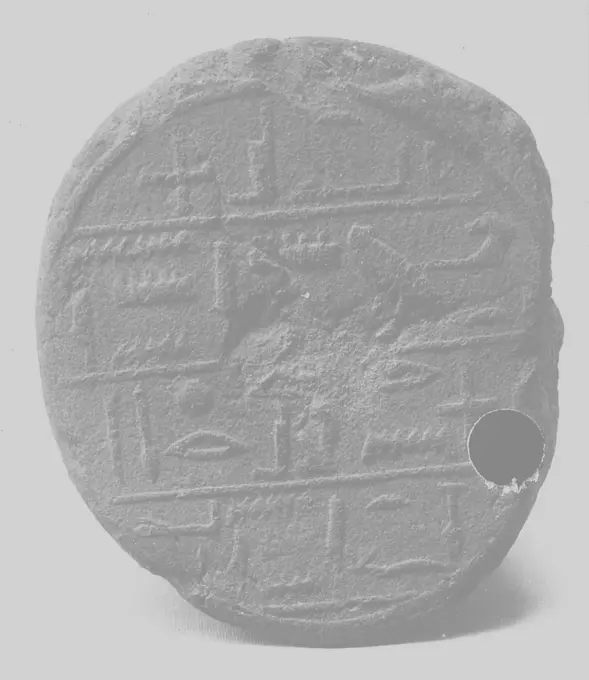
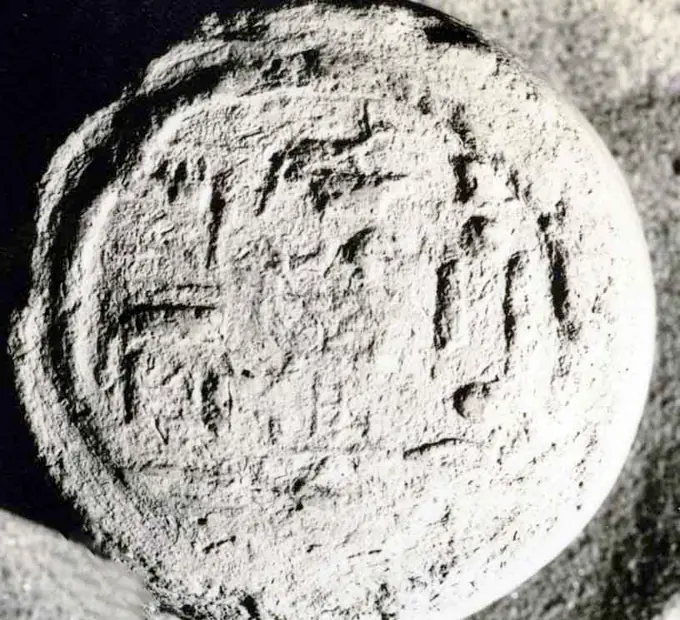
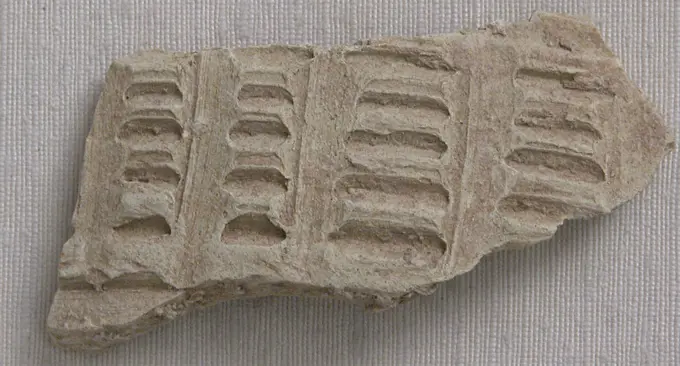
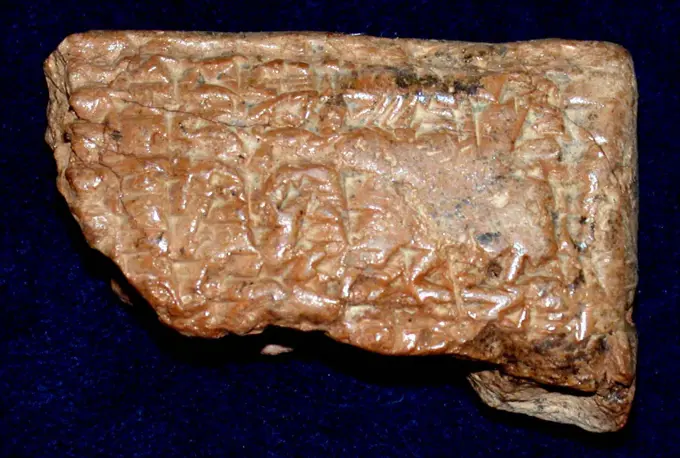
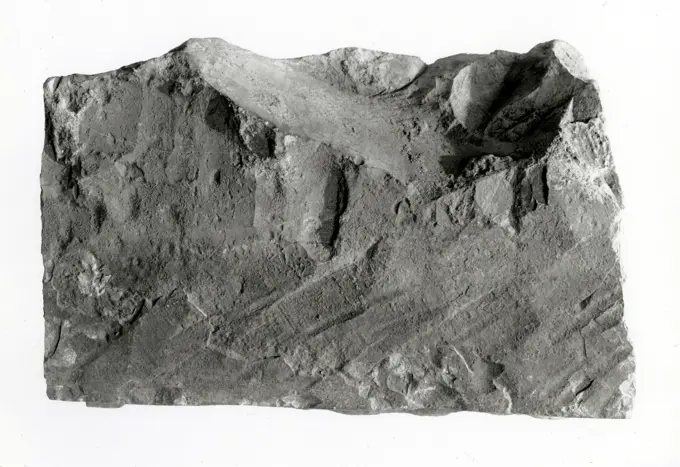
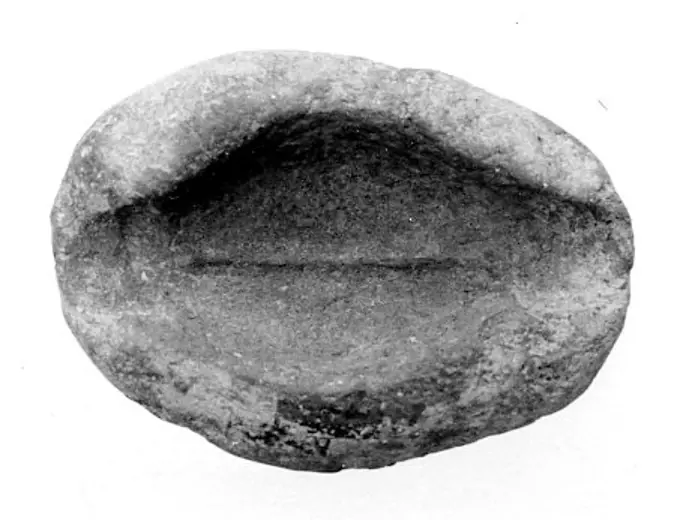
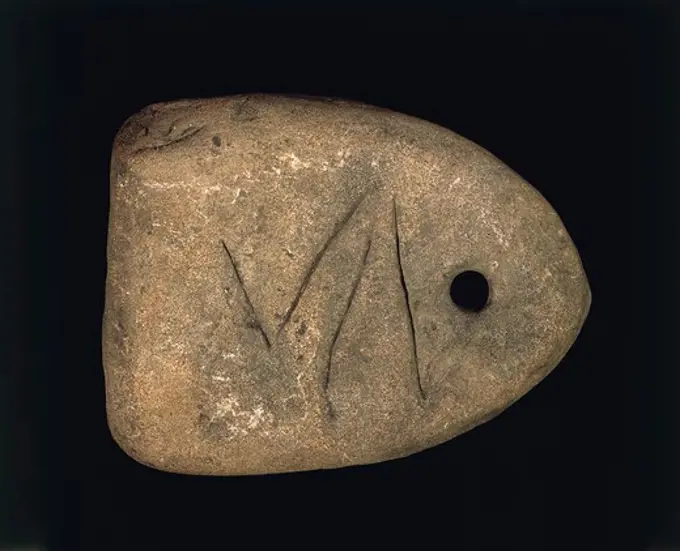
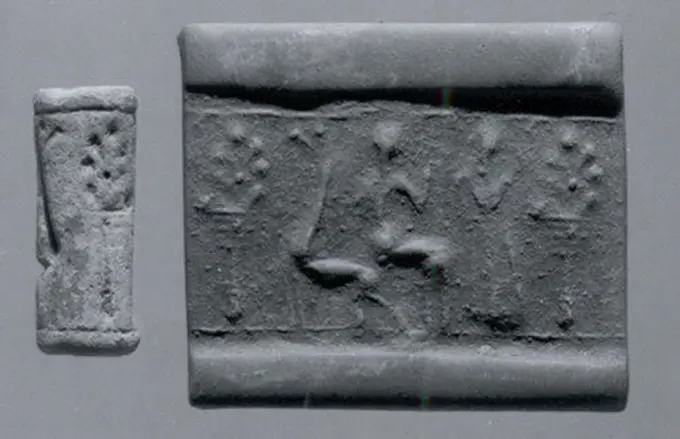
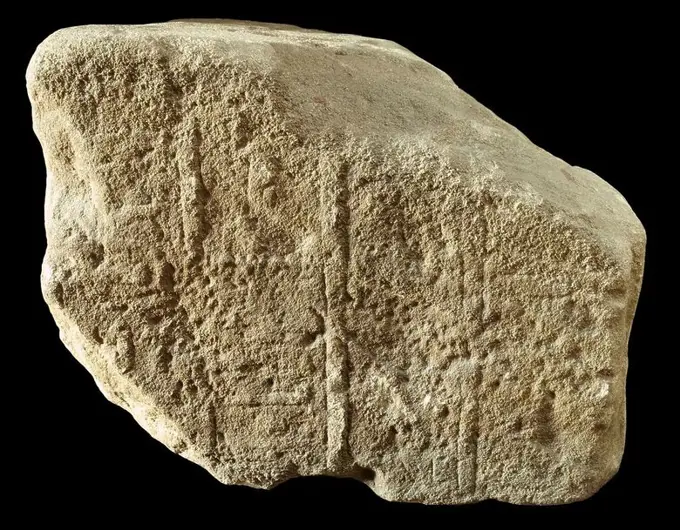
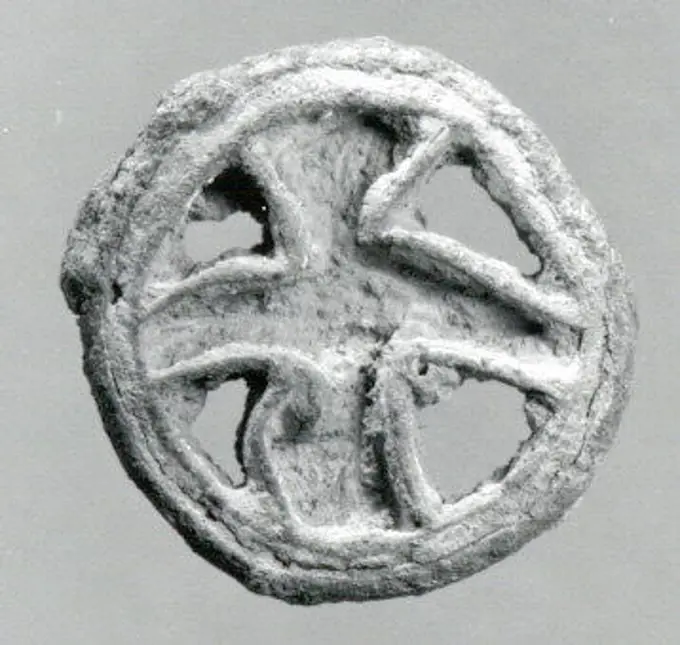
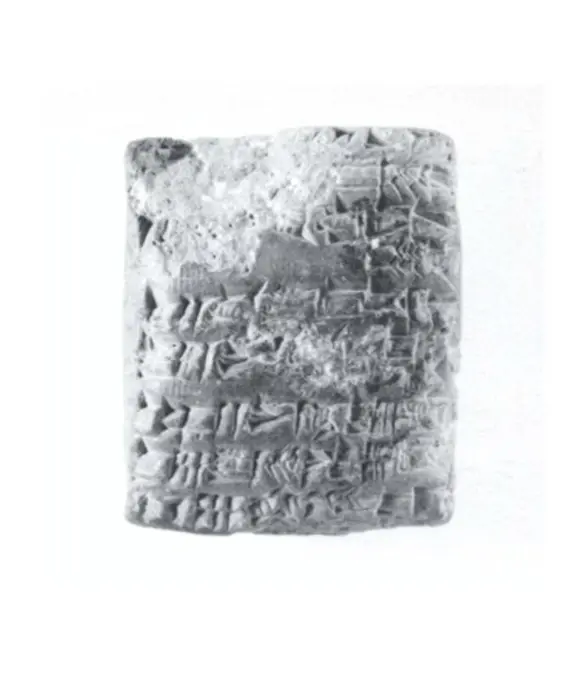
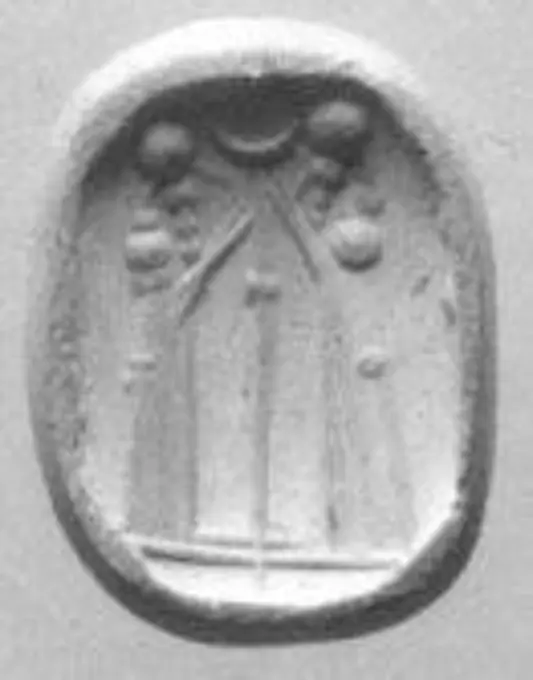
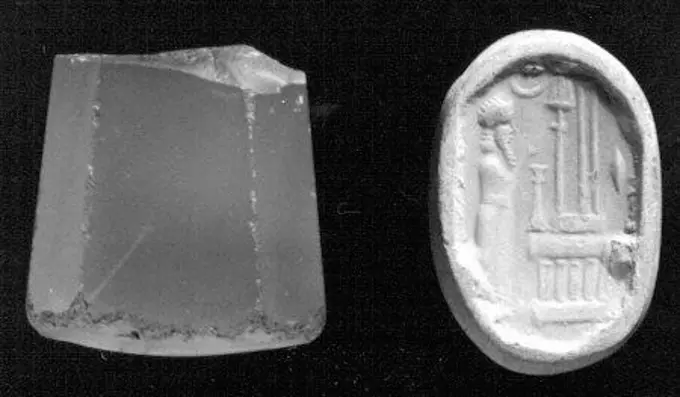
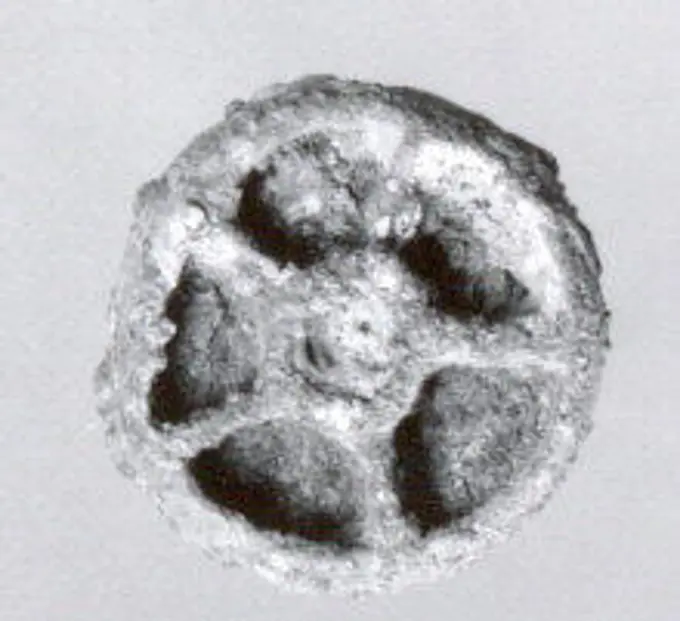
Sealing ca. 1981-1640 B.C. Middle Kingdom. Sealing 560407
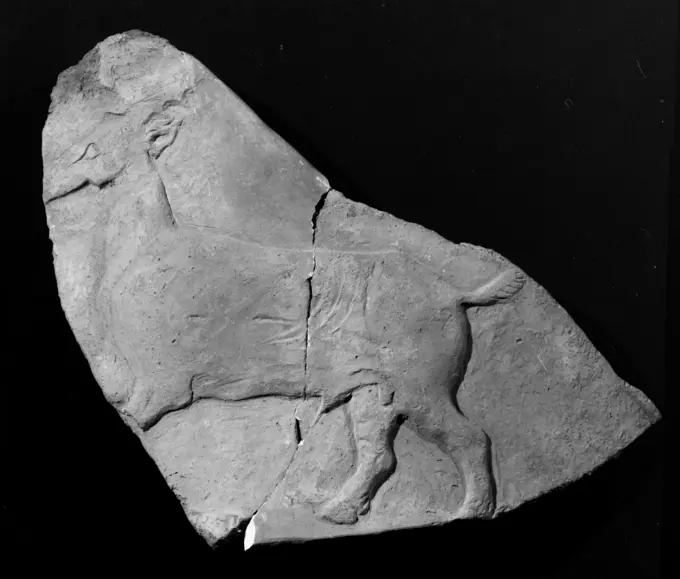
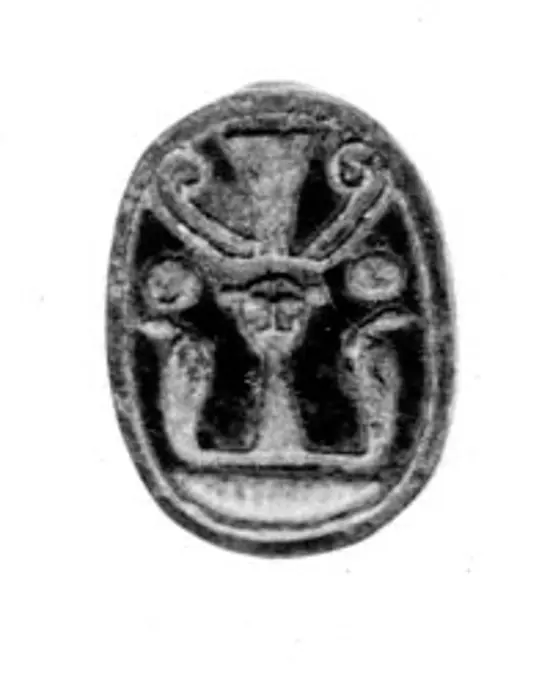
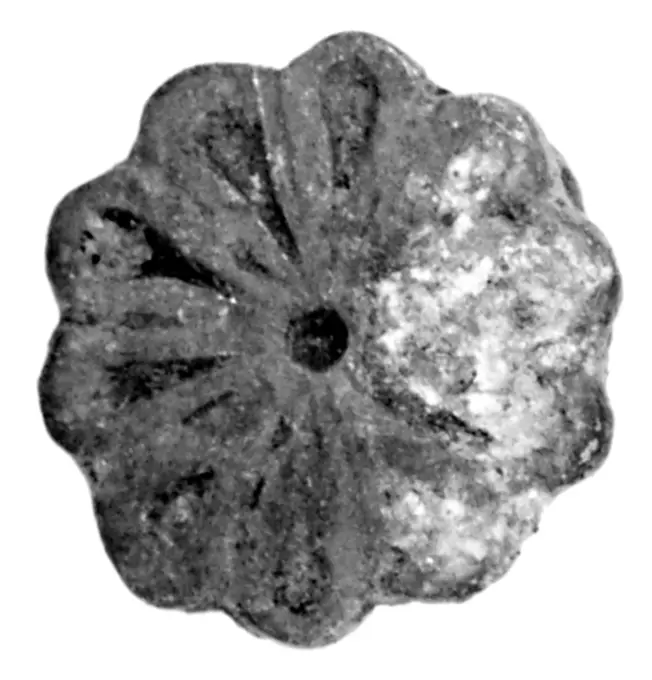
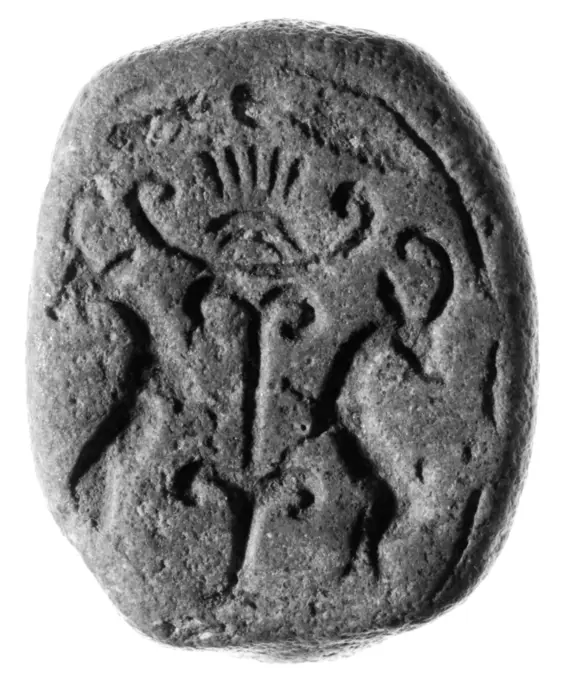
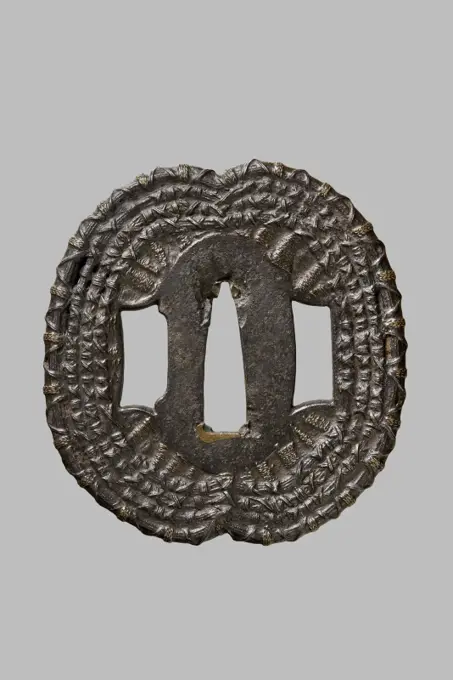
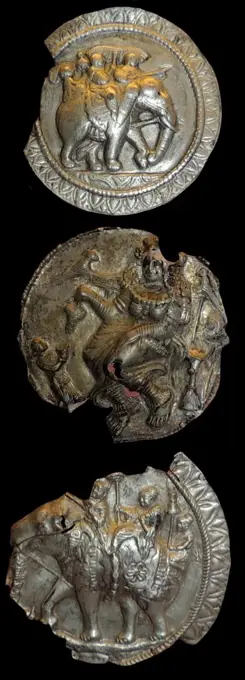
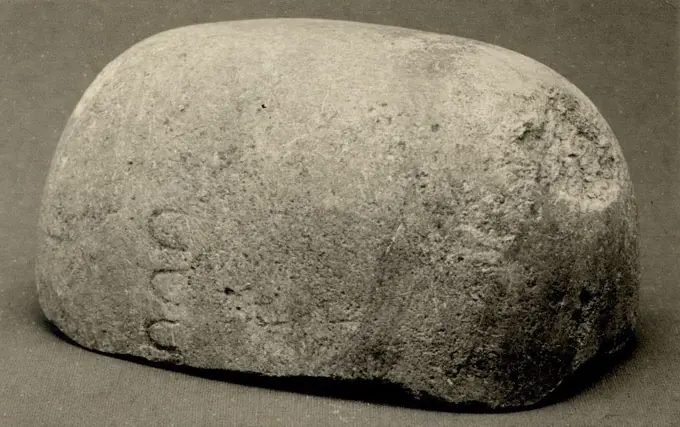
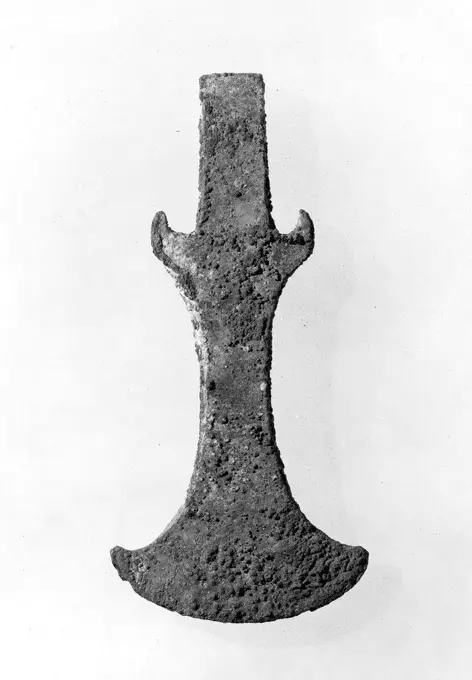
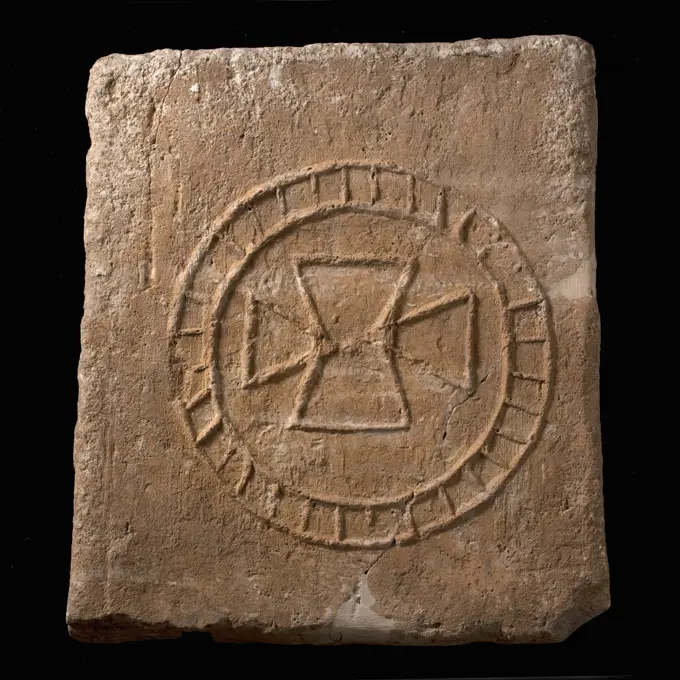
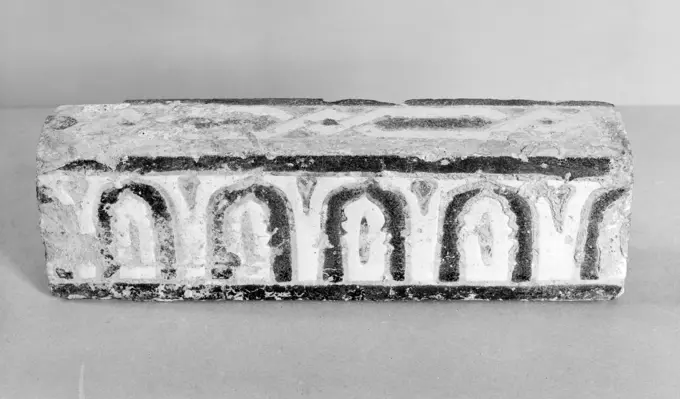
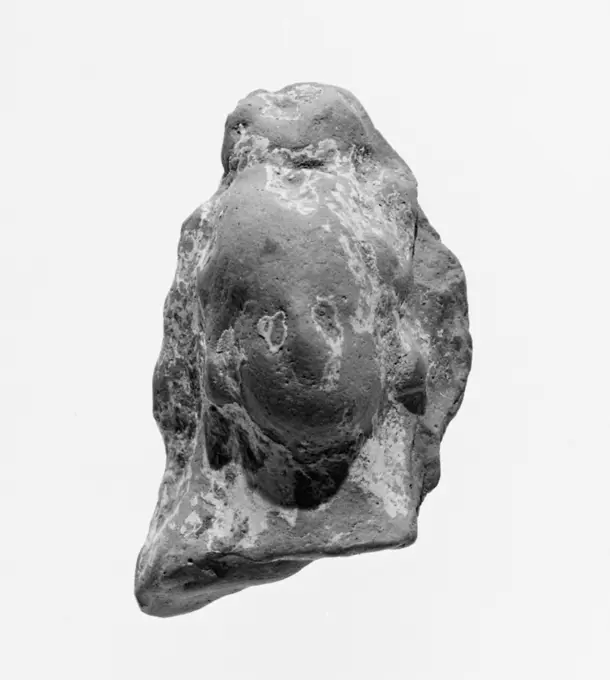
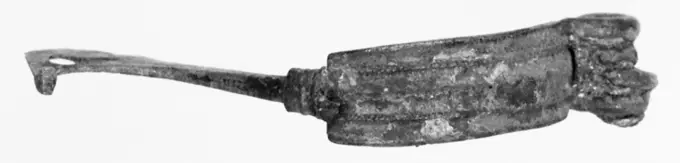
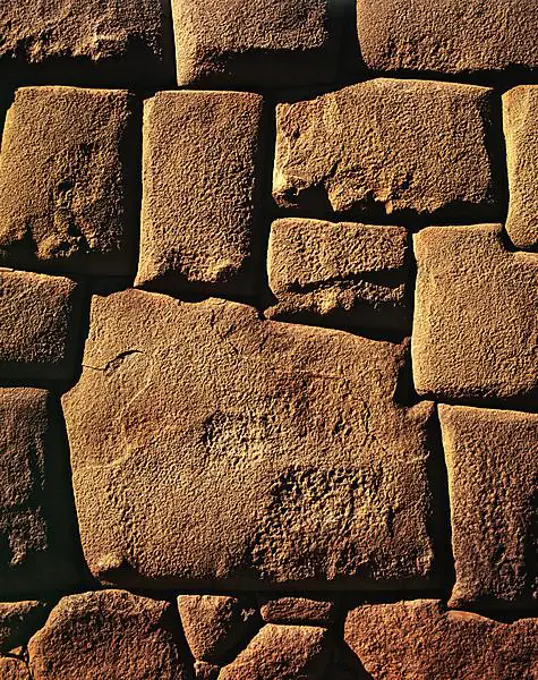
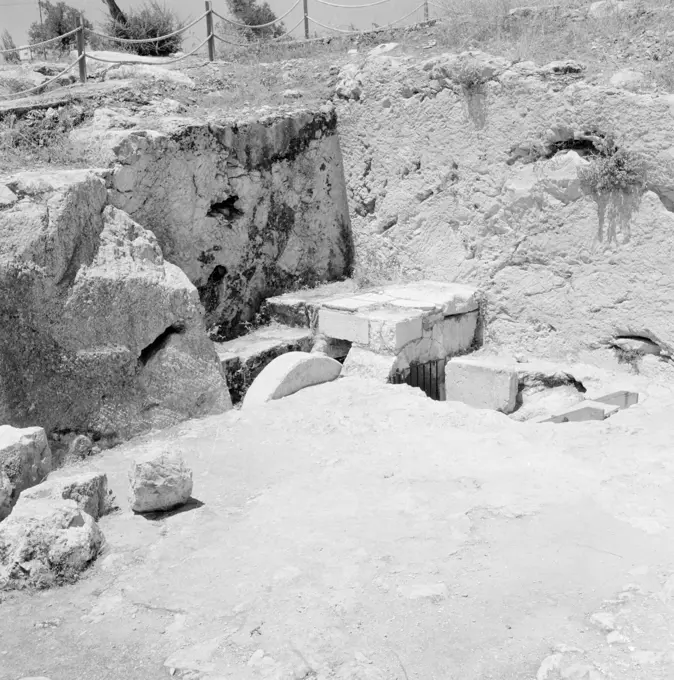
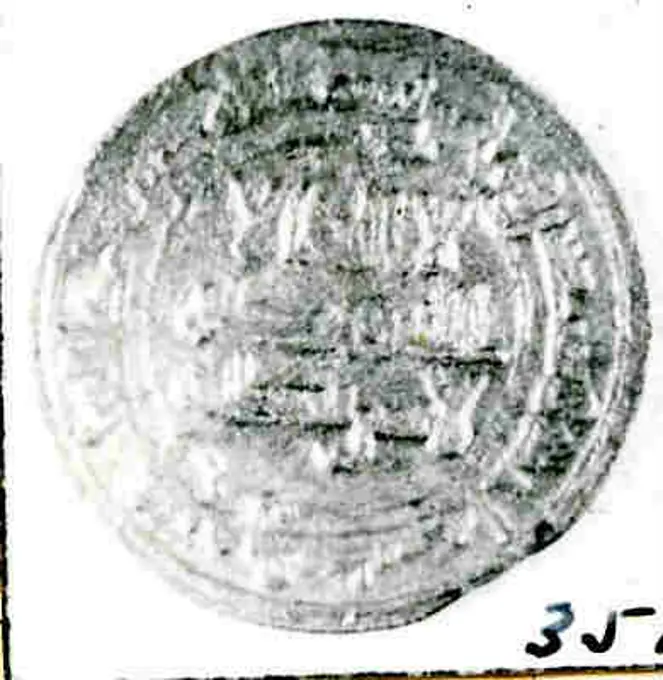
Funerary Cone of the Acolyte of Amun, Amenemhat ca. 1550-1295 B.C. New Kingdom. Funerary Cone of the Acolyte of Amun, Amenemhat. ca. 1550-1295 B.C.. Pottery. New Kingdom. From Egypt, Upper Egypt, Thebes. Dynasty 18Umbo or stud ca. 9th century B.C. Iran. Umbo or stud. Iran. ca. 9th century B.C.. Bronze. Iron Age II, Hasanlu Period IV. Iran, HasanluHandle Finial. UnknownBody Fragment of a Relief Pithos. UnknownScarab Inscribed with a Hathor Emblem ca. 1295-1070 B.C. New Kingdom, Ramesside. Scarab Inscribed with a Hathor Emblem. ca. 1295-1070 B.C.. Steatite (glazed). New Kingdom, Ramesside. From Cyprus, Southern Region, near Episkopi, Kourion (Curium), Cesnola excavations. Dynasty 19-20Rosette Button. UnknownFunerary Cone of the Overseer of the Ships of Amun Seshi ca. 1550-1295 B.C. New Kingdom This cone and three others in the collection (15.2.67, .69, .70) have the impression of a seal inscribed for a man named Seshi who was overseer of the ships of the god Amun. Compared to other cones in the collection, these are larger in both diameter and length. They also differ in shape and manufacture. Whereas most funerary cones are solid and roughly conical in shape, these are hollow and become wider towards the middle before they taper to a blunt end. One example, 15.2.70, is preserved for its full length, but the best preserved impression is on cone 15.2.67. The tomb of Seshi has not been identified and most of the cones impressed with his seal have no archaeological context. However, two examples were uncovered during excavations in the Dira Abu el-Naga area by Henri Gauthier in 1906 and it is possible that Seshis tomb was in this part of the Theban necropolis.. Funerary Cone of the OverseerRaised relief fragment 664-610 B.C. Late Period, Saite see 23.3.468. Raised relief fragment 548185Fragment 8th-9th century. Fragment. 8th-9th century. Earthenware; stamped. Found/excavated Iraq, Ctesiphon. CeramicsScarab. UnknownToilet box decoration  ca. 1981-1640 B.C. Middle Kingdom. Toilet box decoration . ca. 1981-1640 B.C.. Ivory. Middle Kingdom. From Egypt, Memphite Region, Lisht North, Cemetery, MMA excavations, 1920-22. Dynasty 12-13Sword Guard (tsuba). unknown, craftsmanFemale Head. UnknownFragmentary Fibula. UnknownLamp 5th-6th century. Lamp 446623Silver roundel from 1st century AD. Found in the Punjab, Pakistan.Lamp;  II century (101-00-00-200-00-00);Cuneiform tablet: fragment, Ebabbar archive ca. 633 B.C. Babylonian. Cuneiform tablet: fragment, Ebabbar archive 322038Emilia-Romagna Ferrara Ferrara Museo Civico di Schifanoia63. Hutzel, Max 1960-1990 General Notes: INCOMPLETE RECORD--NEGATIVES PROCESSED, PRINTS FILED German-born photographer and scholar Max Hutzel (1911-1988) photographed in Italy from the early 1960s until his death. The result of this project, referred to by Hutzel as Foto Arte Minore, is thorough documentation of art historical development in Italy up to the 18th century, including objects of the Etruscans and the Romans, as well as early Medieval, Romanesque, Gothic, Renaissance and Baroque monuments. Images are organized by geographic region in Italy, then by province, city, site complex and monument.Wall casing 664-610 B.C. Late Period, Saite see 23.3.468. Wall casing. 664-610 B.C.. Limestone, mortar traces. Late Period, Saite. From Egypt, Upper Egypt, Thebes, Deir el-Bahri, Tomb of Nespekashuty (TT 312, MMA 509), Undetermined, MMA excavations, 1922-23. Dynasty 26Coin A.H. 366-87/ A.D. 976-97. Coin. A.H. 366-87/ A.D. 976-97. Copper. Excavated in Iran, Nishapur. CoinsErotic amulet 332-30 B.C. Ptolemaic Period. Erotic amulet 553485Anonymous. Tailor decorated with cross. Pierre, Merovingian. Paris, Carnavalet museum. 54148-1 Cross, Merovingian, Ornament, Stone, TailloirSmall Closed Vessel. UnknownMold for scarab back ca. 1550-1295 B.C. New Kingdom. Mold for scarab back 551203Scarab ca. 1479-1458 B.C. New Kingdom. Scarab. ca. 1479-1458 B.C.. Faience. New Kingdom. From Egypt, Upper Egypt, Thebes, Deir el-Bahri, Hatshepsut Hole, Hathor Shrine, MMA excavations, 1922-23. Dynasty 18Prehistory, Italy, Iron Age. Stone loom weight with carved alphabet. From Monte Loffa, Veneto Region.Unknown photographer, beam fragment in Baalbek (without dat.): View. Photo, 13.1 x 18.2 cm (including scan edges) unbek. Fotograf : Gebälkfragment in Baalbek (ohne Dat.)Fragment imadła amfory ze stemplem. Kreon I (ca 234-ca 199 a.C.), potter's workshopUndecorated Base Fragment. UnknownCylinder Seal. Mesopotamia, 2113-2006 B.C.. Tools and Equipment; seals. StoneWeight: 100 deben  ca. 1981-1640 B.C. Middle Kingdom. Weight: 100 deben . ca. 1981-1640 B.C.. Travertine (Egyptian alabaster). Middle Kingdom. From Egypt, Memphite Region, Lisht North, Cemetery, MMA excavations, 1920-22. Dynasty 12-13Child's Shoe. England. Date: 1501-1600. Dimensions: 17 × 8 × 4 cm (6 11/12 × 3 1/8 × 1 9/16 in.). Leather with strap and slashes toe. Origin: England. Museum: The Chicago Art Institute, Chicago, USA.Seated Female Figure. UnknownSealing ca. 1981-1640 B.C. Middle Kingdom. Sealing 560371bracteate denarius. Zakon krzyżacki (1190-), issuerStanding Figure A.D. 1-1500 Guerrero. Standing Figure 319245Sherd ca. 18th-17th century B.C. Assyrian. Sherd 327057Votive frame with the Tanit sign; Unknown workshop of Cartagi III-II century BC (-300-00-00--101-00-00);FROEHNER, V., Ant., Kartagina, Tanit, Punickie StarsCoin dated A.H. 355/ A.H. 966. Coin 457125Axe blade ca. early 1st millennium B.C.. Axe blade. ca. early 1st millennium B.C.. Bronze. Iron Age. TranscaucasiaSarcophagus base, Malta cross inscribed in a hazard ribbon, Saint-Germain-des-Prés necropolis. Plaster, 500-800. Paris, Carnavalet museum. 78027-3 Archeology Medievale, Malta Cross, Millennial Ieme, Middle Ages, Saint-Germain des-Prres, panel, plaster, ribbon, sarcophagusLead plaque with two women. Culture: Greek, Laconian. Dimensions: Height: 1 3/16 in. (3.1 cm). Date: 6th century B.C..Small flat votive figurines of cast lead have been found in great quantities at the ancient sanctuaries of Laconia; over one hundred thousand, dating from the seventh century B.C. to the Classical period, were dedicated to the goddess Artemis Orthia in Sparta. Museum: Metropolitan Museum of Art, New York, USA.Randtegel with arch decoration, anonymous, c. 1400 - c. 1600 Randtegel or frame tile of red-baking earthenware in the Cuenca technology. The front is decorated with a decoration of lobed arches, with a braid of white tires above it. The tile is painted in white, manganese, blue and green. Spain earthenware. tin glaze Randtegel or frame tile of red-baking earthenware in the Cuenca technology. The front is decorated with a decoration of lobed arches, with a braid of white tires above it. The tile is painted in white, manganese, blue and green. Spain earthenware. tin glazeIDOLOS DE HUESO DE LA EDAD DE BRONCE.Cylinder seal ca. 16th-14th century B.C. Mitanni. Cylinder seal 327196Socketed Finial 13th-11th century B.C. China. Socketed Finial. China. 13th-11th century B.C.. Bone or ivory. Shang dynasty (ca. 1600-1046 B.C.). BoneScarab of Thutmose III ca. 1479-1425 B.C. New Kingdom. Scarab of Thutmose III 554546Female Head. UnknownFragmentary Fibula. UnknownPIEZA DEL TEMPLO DE DEBOD: SILLAR CON ESCENA DE OFRENDA (LADO DERECHO).Marble bowl fragment with Phoenician inscription ca. 389 B.C. Cypriot. Marble bowl fragment with Phoenician inscription 241825Female Head and Upper Torso Fragment. UnknownLead figure of a winged goddess, possibly Artemis Orthia late 7th-6th century B,C. Greek, Laconian Small flat votive figurines of cast lead have been found in great quantities at the ancient sanctuaries of Laconia; over one hundred thousand, dating from the seventh century B.C. to the Classical period, were dedicated to the goddess Artemis Orthia in Sparta.. Lead figure of a winged goddess, possibly Artemis Orthia 251608 Greek, Laconian, Lead figure of a winged goddess, possibly Artemis Orthia, late 7th6th century B,C., Lead, Height: 1 3/4 in. (4.4 cm). The Metropolitan Museum of Art, New York. Gift of A. J. B. Wace, 1924 (24.195.42)Hatchet Switzerland. Hatchet 43606Shoe. England. Date: 1501-1600. Dimensions: 24 × 9.7 × 4 cm (9 7/16 × 3 13/16 × 1 9/16 in.). Leather. Origin: England. Museum: The Chicago Art Institute, Chicago, USA.SARCOFAGO PALEOCRISTIANO DE POZA DE LA SAL. DEPOSITO: MUSEO PROVINCIAL DE BURGOS.Engraved Gem. UnknownGroup of Engraved Gems (6). UnknownInscribed weight ca. 9th-8th century B.C. Babylonian. Inscribed weight 321504Cycladic marble vase, 26th century BC. Artist: UnknownBead China. Bead. China. Jade. Han dynasty (206 B.C.-A.D. 220). JadeStone Mask ca. 1000-250 B.C. Japan. Stone Mask 62385Votive Plaque with Three-Headed Deity 10th-16th century Tibet. Votive Plaque with Three-Headed Deity 38856Scaraboid; Greece; late 5th century B.C; Pale green glass; 0.7 × 2.8 × 2.2 cm (1,4 × 1 1,8 × 7,8 in.)Console 13th-14th century French. Console. French. 13th-14th century. stone. Sculpture-ArchitecturalCompartmented stamp seal ca. late 3rd-early 2nd millennium B.C. Bactria-Margiana Archaeological Complex. Compartmented stamp seal. Bactria-Margiana Archaeological Complex. ca. late 3rd-early 2nd millennium B.C.. Copper alloy. Bronze Age. Bactria-MargianaCuneiform tablet: messenger tablet ca. 2027 B.C. Neo-Sumerian. Cuneiform tablet: messenger tablet. Neo-Sumerian. ca. 2027 B.C.. Clay. Ur III. Mesopotamia, Umma (modern Jokha)Fragmentary Figure of a Reclining Bearded Man. UnknownCylinder seal ca. 2649-2100 B.C. Old Kingdom. Cylinder seal. ca. 2649-2100 B.C.. Gray stone. Old Kingdom. From Egypt. Dynasty 4Lead ornament in the form of a bud. Culture: Greek, Laconian. Dimensions: Height: 1 1/8 in. (2.9 cm). Date: 6th-5th century B.C..Small flat votive figurines of cast lead have been found in great quantities at the ancient sanctuaries of Laconia; over one hundred thousand, dating from the seventh century B.C. to the Classical period, were dedicated to the goddess Artemis Orthia in Sparta. Museum: Metropolitan Museum of Art, New York, USA.Engraved Gem. UnknownStamp seal (octagonal pyramid) with cultic scene 7th - 6th century B.C. Assyro-Babylonian. Stamp seal (octagonal pyramid) with cultic scene. Assyro-Babylonian. 7th - 6th century B.C.. Veined and flawed white and black Chalcedony (Quartz), possibly enhanced through heating. Neo-Assyrian / Neo-Babylonian. MesopotamiaStucco Fragment probably 8th-12th century. Stucco Fragment 740841Stamp seal (octagonal pyramid) with cultic scene late 8th - 6th century B.C. Assyro-Babylonian. Stamp seal (octagonal pyramid) with cultic scene 322240Stamp seal ca. late 3rd-early 2nd millennium B.C. Bactria-Margiana Archaeological Complex. Stamp seal. Bactria-Margiana Archaeological Complex. ca. late 3rd-early 2nd millennium B.C.. Copper alloy. Bronze Age. Bactria-MargianaEngraved Gem. UnknownPainted Model Chest ca. 2030-1640 B.C. Middle Kingdom. Painted Model Chest 561789Inscribed Tablet Concerning the Export of Raw Glass to Egypt 1350 B.C. El- AmarnaFragment. Dimensions: 13 3/4 in. high 13/16 in. wide (35 cm high 2 cm wide). Date: 5th century. Museum: Metropolitan Museum of Art, New York, USA.Dodecagonal stone, Inca wall, Calle Hatunrumiyoc, Cusco, Peru, South AmericaStamp seal ca. late 3rd-early 2nd millennium B.C. Bactria-Margiana Archaeological Complex. Stamp seal. Bactria-Margiana Archaeological Complex. ca. late 3rd-early 2nd millennium B.C.. Copper alloy. Bronze Age. Bactria-MargianaTomb figure. Culture: China. Dimensions: H. 3 5/8 in. (9.2 cm). Museum: Metropolitan Museum of Art, New York, USA.Sweden, Blekinge, Blekinge, Karlskrona, Karlskrona, external marina (depicted, town).Sweden, Blekinge, Blekinge, Karlskrona, Karlskrona, External War Gogs (depicted, City)Campania Caserta Capua Museo Campano37. Hutzel, Max 1960-1990 Medieval: Byzantine architectural fragments; parchment fragments with miniatures (12th century) from Montecassino; painted wooden crucifix (13th century); Carolingian crucifixes; Bishop's miter (11th century) of gold and silver damask; fresco (13th century). Post-medieval: Architecture (15th century). Formerly the Palazzo Antignano. Unusual Catalan/Moorish-style portal; Paintings on panel and canvas (15th-18th centuries); marble intarsia (16th century); marble sculpture: busts of Christ and Mary (17th century); sculpture of saints in marble and in wood (15th century); painted and gilded sculpture in wood; marble grave sculpture (16th century); sarcophagus with allegorical carvings; gold reliquary "Rosa d'Oro"; crucifix made of elephant tusk Specific Location: Pianterreno Antiquities: Italic sculpture (seated women holding babies); inscription. Photo campaign #1: 533 photos. Roman relief and sculpture; cinerary urns; Greek anPoll photo collection. Israel 1964-1965: Jerusalem (Jerusalem), family grave Herodus. Rock blocks at herodus family grave. January 1, 1964. Israel, JerusalemMESA DE OFRENDA. CALCAREA. PROCEDE DE HERAKLEOPOLIS MAGNA. PRIMER PERIODO INTERMEDIO 2170-2002 AC. Location: EGYPTIAN MUSEUM. KAIRO. EGYPT.Coin dated A.H. 271/ A.D. 885. Coin. dated A.H. 271/ A.D. 885. Copper. Excavated in Iran, Nishapur. Mint present-day Uzbekistan, Samarqand. CoinsUSSR - CIRCA 1971: A Stamp printed in USSR shows Brooch with sapphire from Diamond fund of USSR, circa 1971