Ancient Seals and Heads

Artistic seals and clay heads, showcasing ancient craftsmanship from the Middle Kingdom.

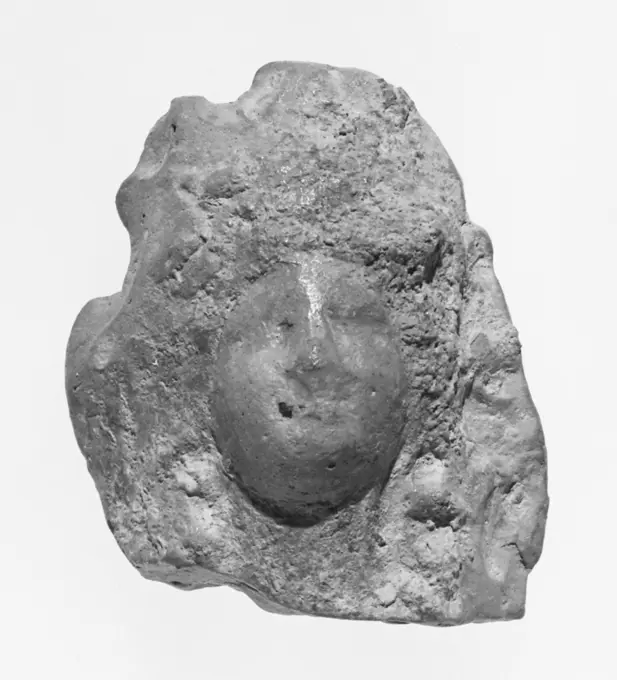
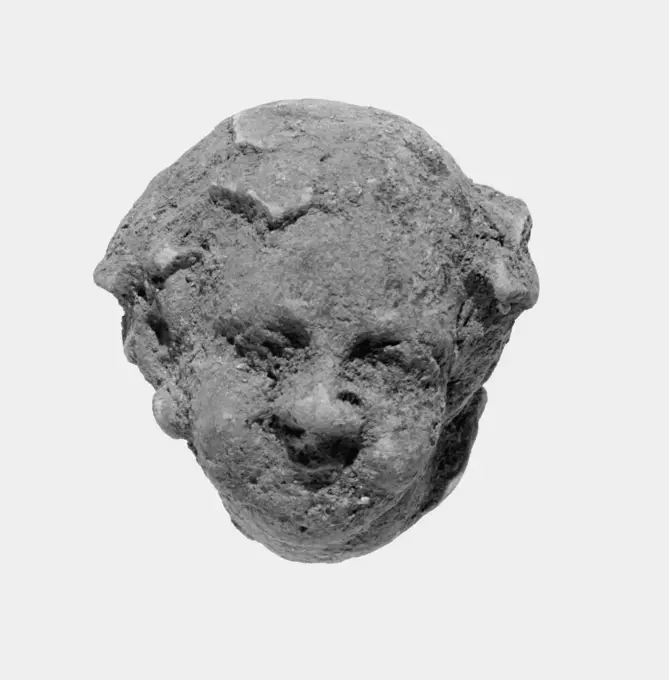
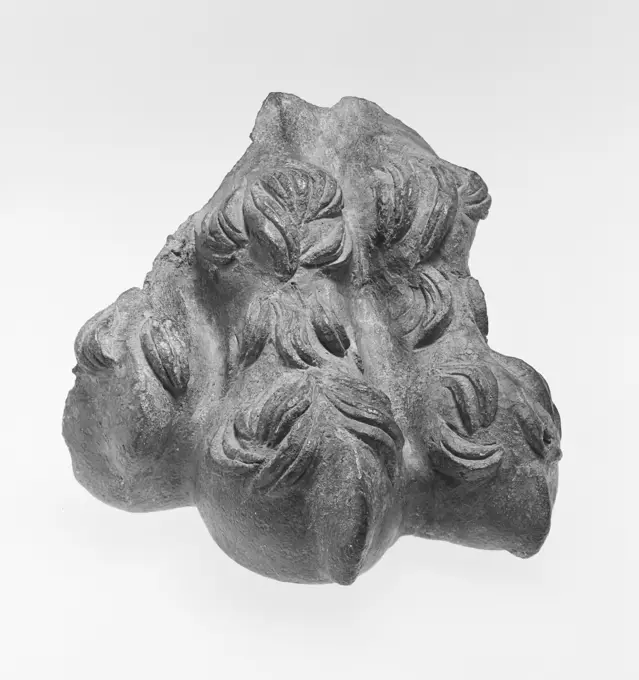
Female Head. Unknown
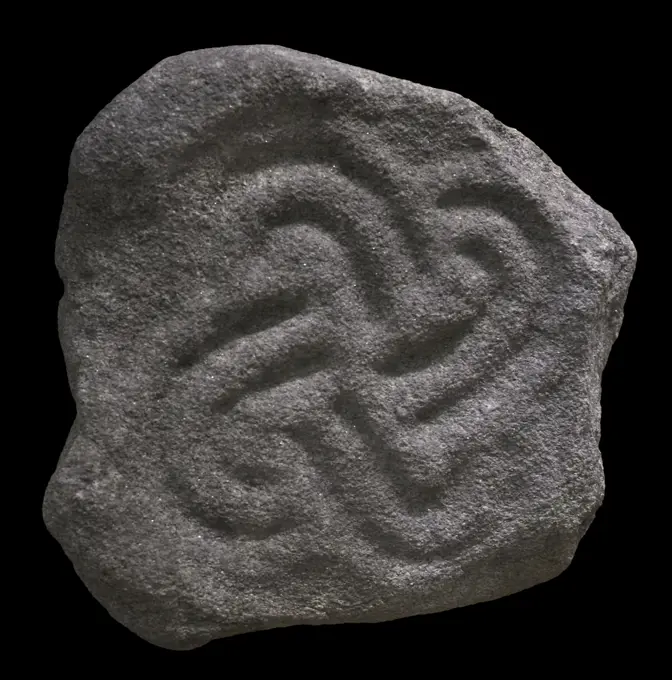
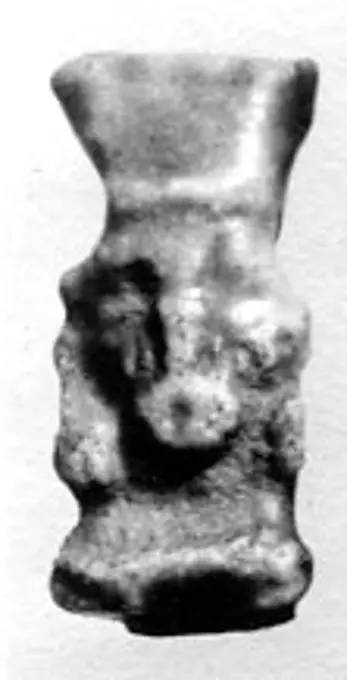
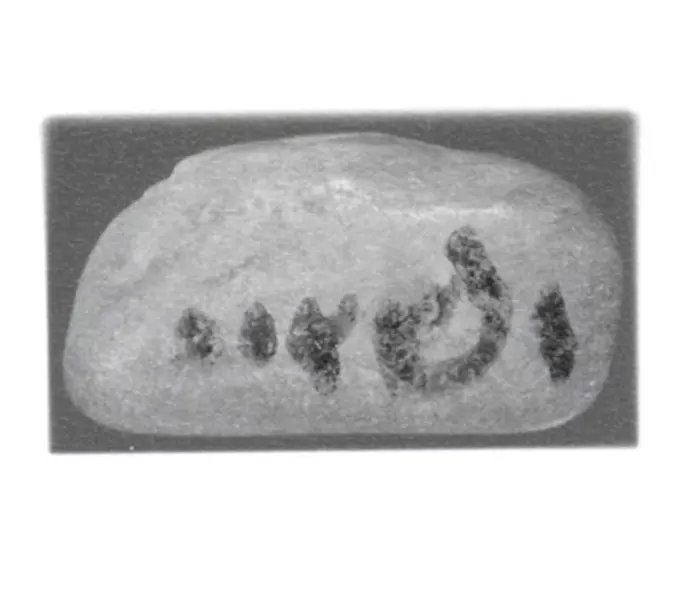
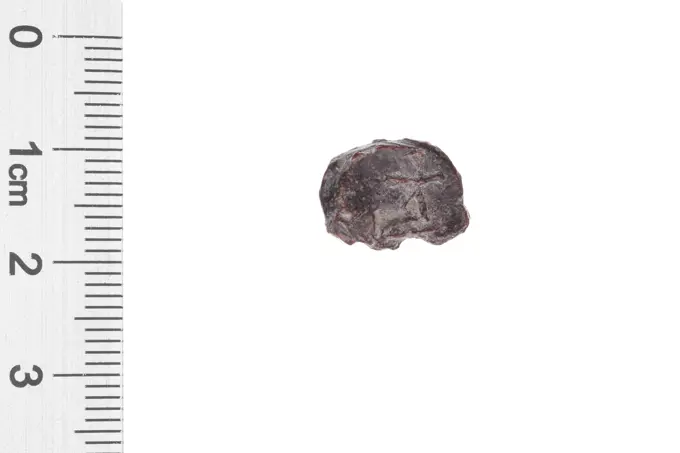
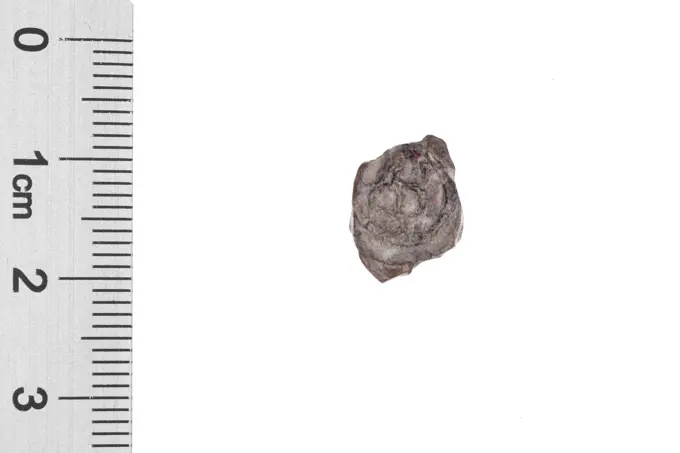
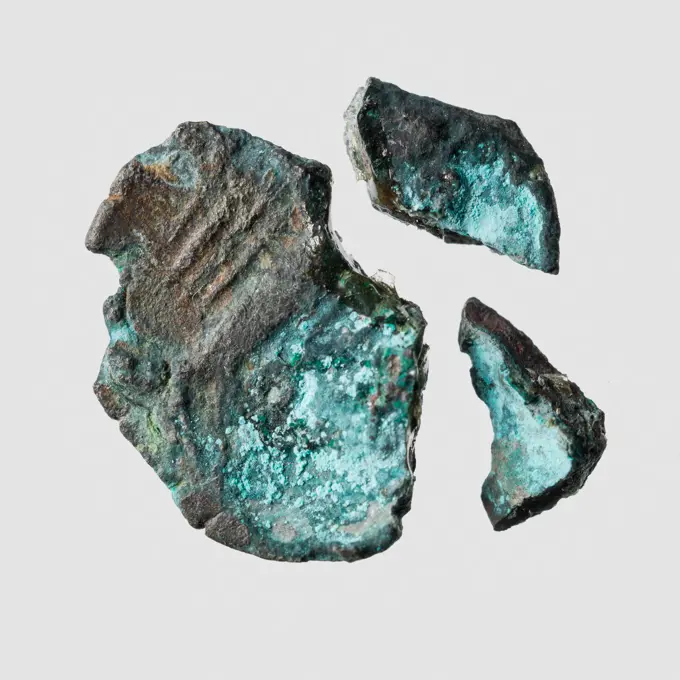
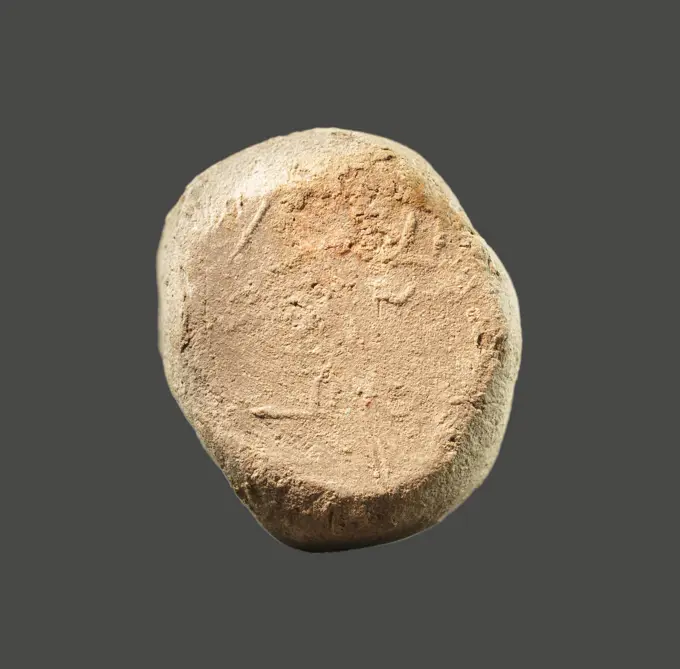
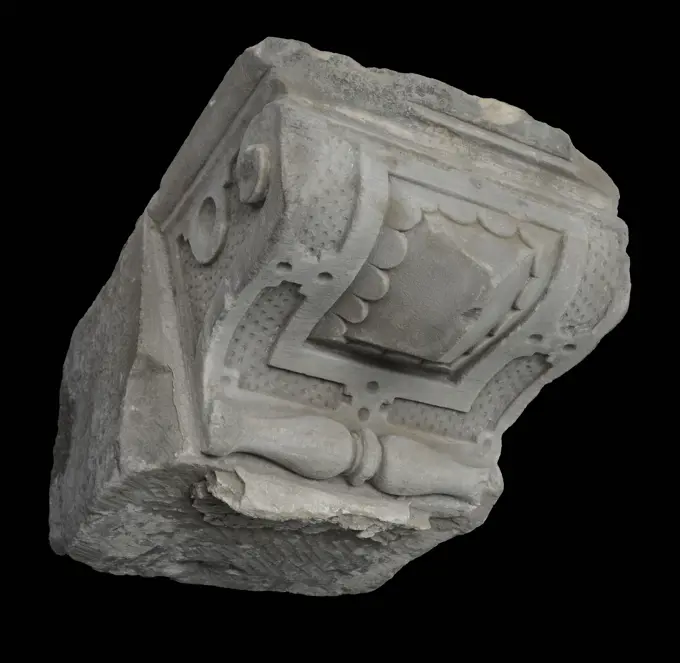
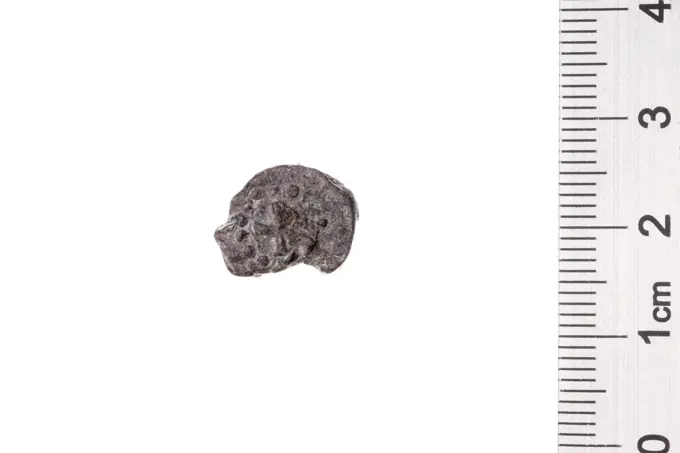
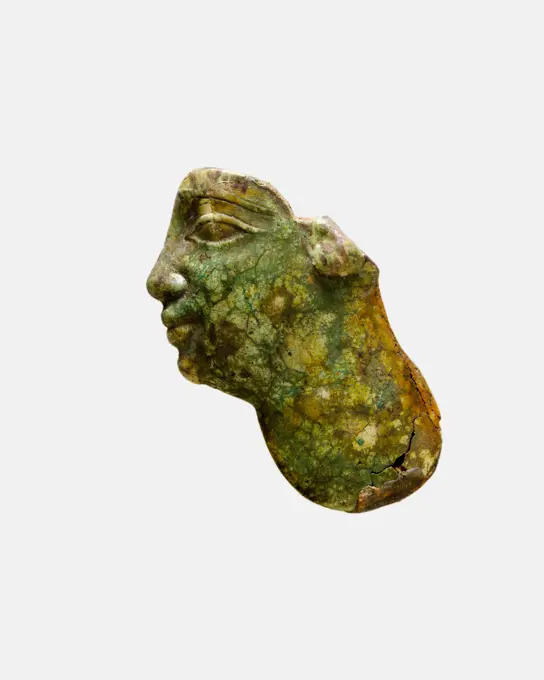
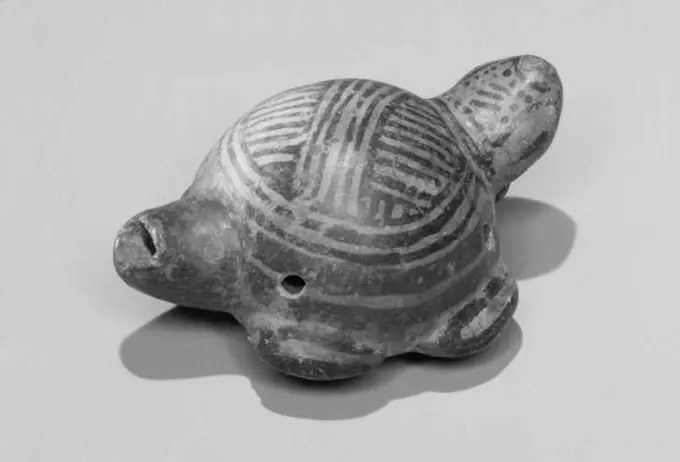
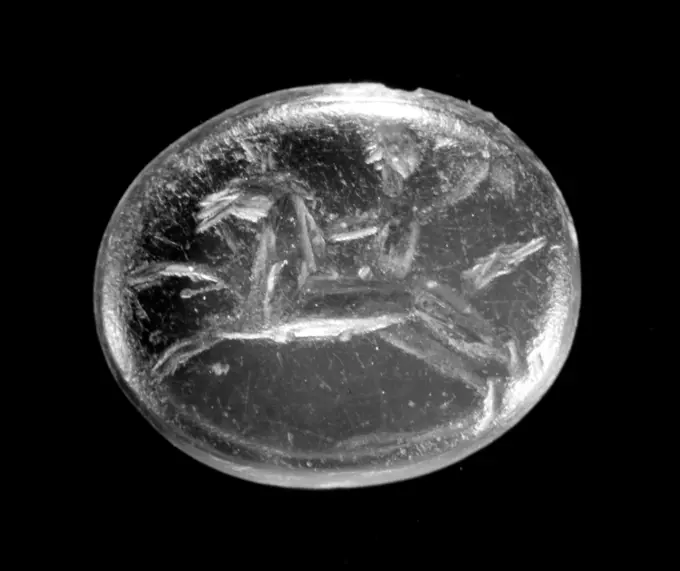
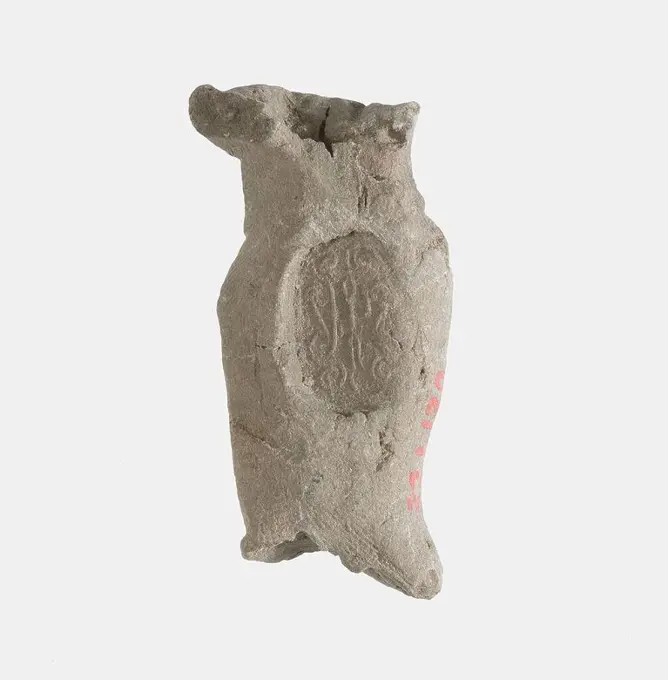
Drohiczyn seal. unknown, managerPrehistory. Iron Age. Architectural element depicting a tetraskelion. Granite. From Castro de Santa Luzia (Viana do Castelo, Portugal). Carmo Archaeological Museum. Lisbon, Portugal.Sealing ca. 7th century A.D. Sasanian. Sealing 323441Right forearm with Aten cartouche ca. 1353-1336 B.C. New Kingdom, Amarna Period. Right forearm with Aten cartouche 549836Head of a Hero. UnknownShard (Study Collection) China. Shard (Study Collection). China. Ceramic with amber glaze. Qing dynasty (1644-1911). CeramicsBes amulet 664-332 B.C. Late Period. Bes amulet. 664-332 B.C.. Faience. Late Period. From Egypt. Dynasty 26-30Inscribed pebble ca. 3rd-7th century A.D. Sasanian. Inscribed pebble. Sasanian. ca. 3rd-7th century A.D.. Stone, light brown. Sasanian. Iran, Qasr-i Abu NasrDrohiczyn seal. unknown, managerLazio Latina Sezze Antiquarium Comunale23. Hutzel, Max 1960-1990 German-born photographer and scholar Max Hutzel (1911-1988) photographed in Italy from the early 1960s until his death. The result of this project, referred to by Hutzel as Foto Arte Minore, is thorough documentation of art historical development in Italy up to the 18th century, including objects of the Etruscans and the Romans, as well as early Medieval, Romanesque, Gothic, Renaissance and Baroque monuments. Images are organized by geographic region in Italy, then by province, city, site complex and monument.Coin 758-68. Coin. 758-68. Copper. Excavated in Iran, Nishapur. CoinsDrohiczyn seal. unknown, managerMeldis Bronze (Meaux) Bronze Meldis (Meaux). Bronze. Around 100 av.j.-c.Drohiczyn seal. unknown, managerReference sealing ca. 1961-1954 B.C. Middle Kingdom Small lumps of clay were often used to seal goods or documents. They are called sealings. On one side they often bear an impression of the seal used, while another side can show an impression of the object itself or of its closing mechanism (such as a string). This lump of clay bears a seal impression, but its conical shape suggests that it was never attached to an object. It can therefore be identified as a reference sealing, which was used to verify the authenticity of sealings that were attached to documents or goods. Or it could have been used as proof of authorization for certain dealings. Three more reference seals were found in the same tomb, but in a different part of it (25.3.267a-c). The reference sealing here shows an impression from the same seal as 25.3.267b that reads "Storehouse of Hathor.". Reference sealing. ca. 1961-1954 B.C.. Mud. Middle Kingdom. From Egypt, Upper Egypt, Thebes, Deir el-Bahri, Tomb of Ipy (TT 315), Coin 5th-14th century. Coin. 5th-14th century. Copper. Excavated in Iran, Nishapur. CoinsDrohiczyn seal. unknown, managerConsole with abstract decoration, right side rough, console construction element sandstone stone, kgFragment of a Sculpture: Dove. UnknownVotive Plaque 12th-19th century Tibet (Central Asia). Votive Plaque 38863Drohiczyn seal. unknown, managerSilver textured painting on white background. Texture of white Silver. White TextureProfile face inlay 570-30 BC Late Period-Ptolemaic Period Glass figural inlay elements could be fitted in individual wooden cells, or placed immediately adjacent to other elements and attached to a background. This inlay was probably originally red, indicating a king or male god, but has degraded to green.. Profile face inlay. 570-30 BC. Red glass decayed to green. Late Period-Ptolemaic Period. From EgyptAztec stone snake, stone sculpture AD 1300-1523Pottery Whistle ca. 800-1525 Costa Rican Whistle in the shape of a turtle.Although numerous pottery instruments survive from pre-Conquest South and Central America, little is known of how they were used before Spanish invaders ravaged the native cultures. Whistles, trumpets and rattles in animal or human form probably had ceremonial functions or served as playthings. Smaller whistles in animal shapes, perhaps worn suspended from the neck, sometimes have fingerholes that allow variation of pitch.. Pottery Whistle 502741Shard 15th century Korea. Shard. Korea. 15th century. Pottery. Joseon dynasty (1392-1910). CeramicsMolded Gem. UnknownCoin late 12th-early 13th century. Coin 457391Scandinavian Tirsted rune stone dated 10th century AD; erected by Asrad and Hildulv in memory of Frede a Viking leaderShoe. England. Date: 1501-1600. Dimensions: 27 × 9.5 × 8 cm (10 5/8 × 3 3/4 × 3 1/8 in.). Leather. Origin: England. Museum: The Chicago Art Institute, Chicago, USA.Two Paws from Statue of a Lion. UnknownWotum w formie łona. unknown, authorMat Weight in the form of a Bear and Tiger in Combat. Culture: China. Dimensions: H. 1 3/4 in. (4.4 cm); Diam.: 2 3/4 in. (7 cm). Date: ca. 2nd-1st century B.C.. Museum: Metropolitan Museum of Art, New York, USA.Engraved Gem. UnknownSplint armor ca. 3rd-7th century A.D. Sasanian. Splint armor 323474Child's Shoe. England. Date: 1501-1600. Dimensions: 17 × 7.5 × 3 cm (6 11/16 × 2 15/16 × 1 3/16 in.). Leather with slashed toe. Origin: England. Museum: The Chicago Art Institute, Chicago, USA.Sealing ca. 7th century A.D. Sasanian. Sealing 323375Cylinder seal with geometric design ca. 9th-8th century B.C. Assyrian or Iranian. Cylinder seal with geometric design 325021Seven-cup offering bowl ca. 17th century B.C.. Seven-cup offering bowl 325690Cuneiform tablet impressed with cylinder () seal: stipulations regarding potential claims on sold prebend ca. 496 B.C. Achaemenid. Cuneiform tablet impressed with cylinder () seal: stipulations regarding potential claims on sold prebend 321763Engraved Gem. UnknownAttic Cup Fragment. UnknownSealing. Dimensions: l. 4.1 cm (1 5/8 in). Dynasty: Dynasty 12, late - 13 up to 1700. Date: ca. 1850-1700 B.C.. Museum: Metropolitan Museum of Art, New York, USA.Sun and ship, depicted on a stone from Jagersborn Dyrehave (North of Copenhagen, Denmark. 1100-700BC.Compartmented stamp seal ca. late 3rd-early 2nd millennium B.C. Bactria-Margiana Archaeological Complex. Compartmented stamp seal. Bactria-Margiana Archaeological Complex. ca. late 3rd-early 2nd millennium B.C.. Copper alloy. Bronze Age. Bactria-MargianaFragments of Romanesque decorative stuccoes, after restoration, recto, basilica of Santa Maria Maggiore, Lomello, Lombardy. Italy, 11th century.Head of a Comic Actor. UnknownPoll photo collection. Israel - Quasileh. Quasileh. Archaeological remains on the Napoleonsheuvel. January 1, 1963. Israel, Quasileh