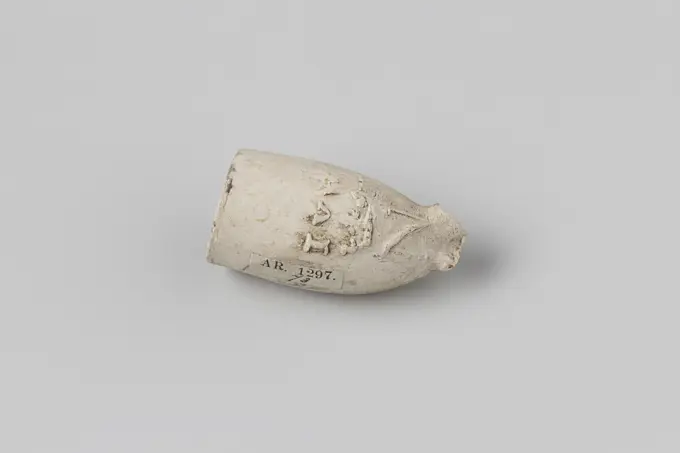
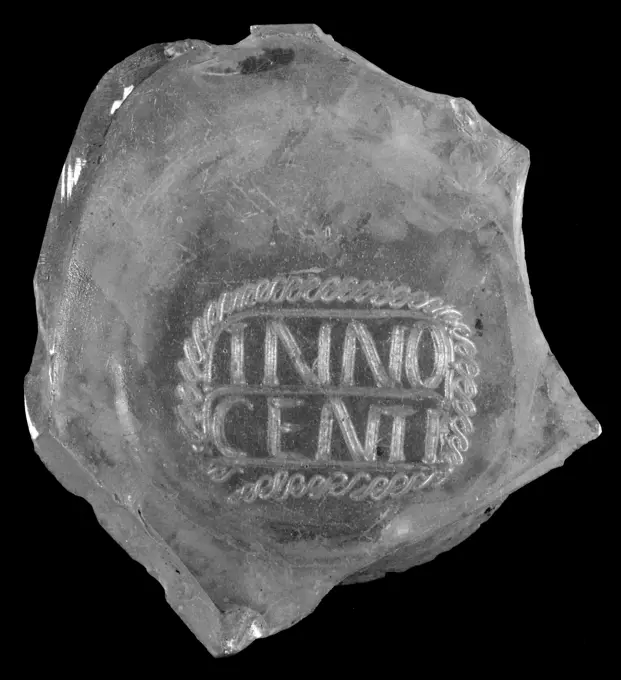
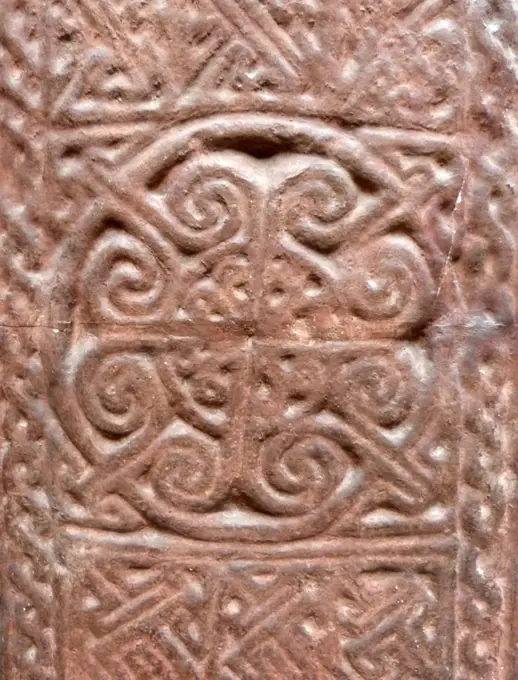
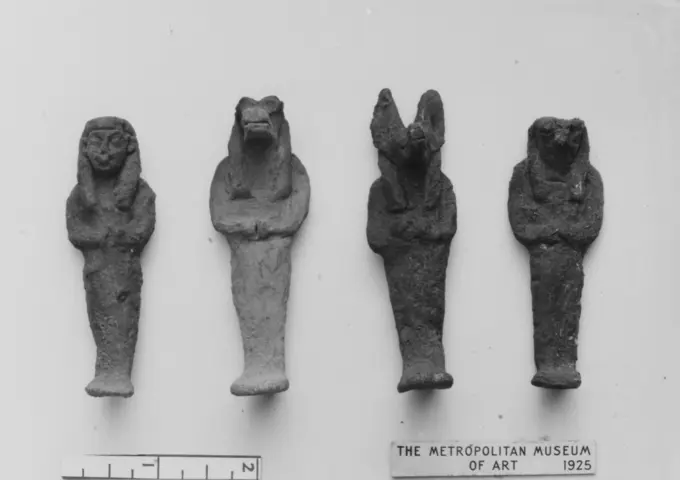
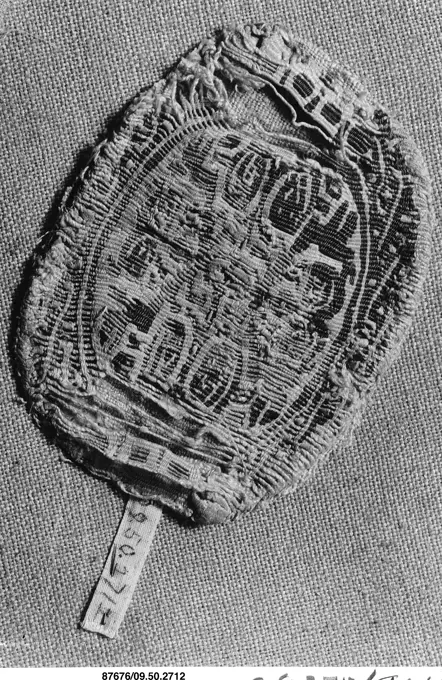
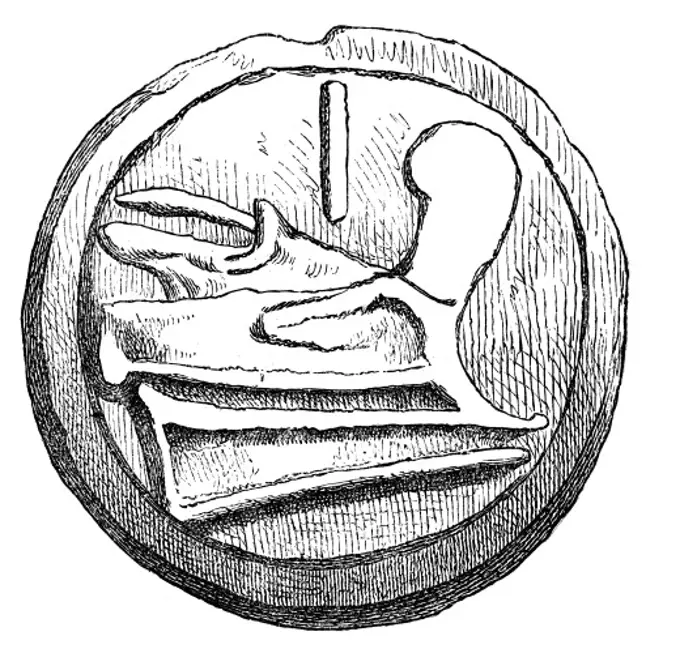
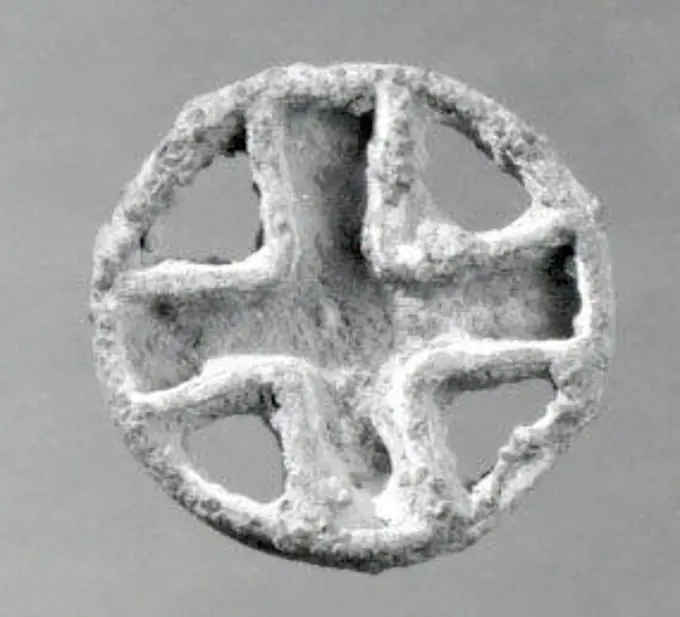
Ancient Seals and Imprints

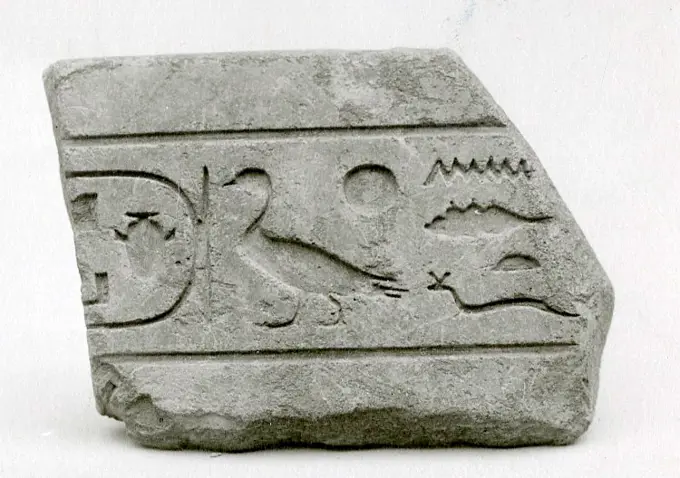
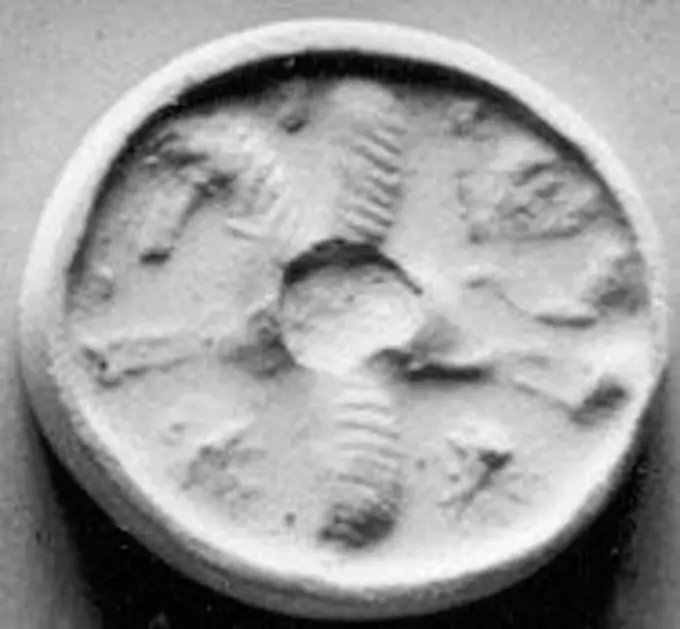
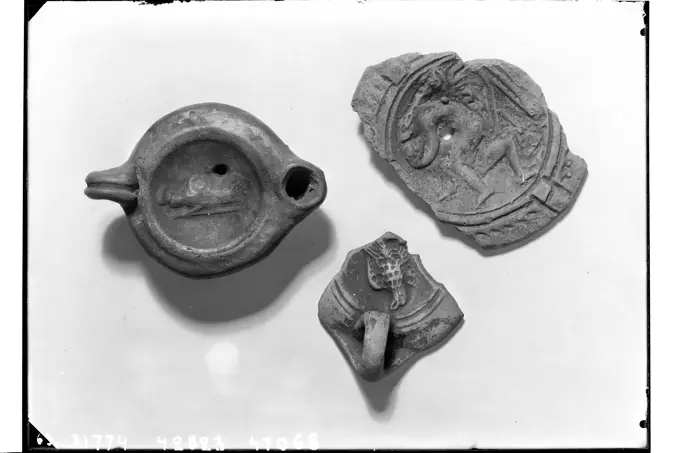
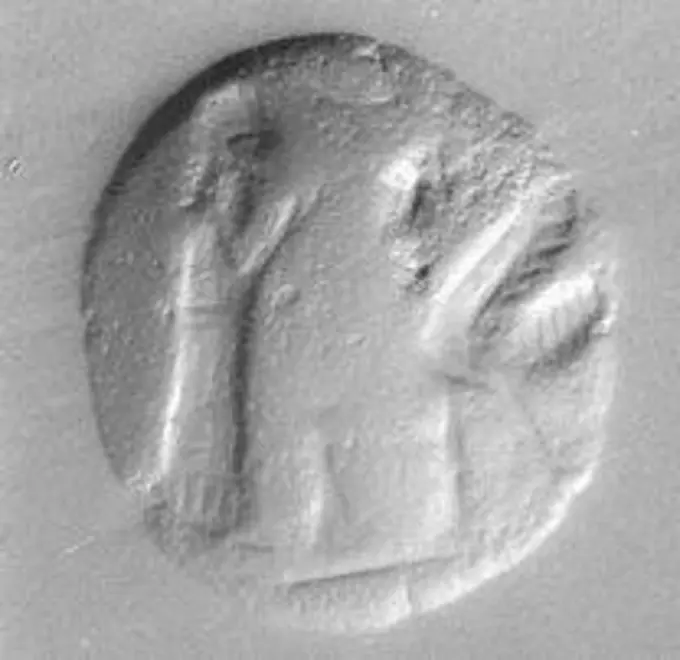
A selection of ancient sealing artifacts displaying detailed inscriptions and symbols, each representing significant historical eras.
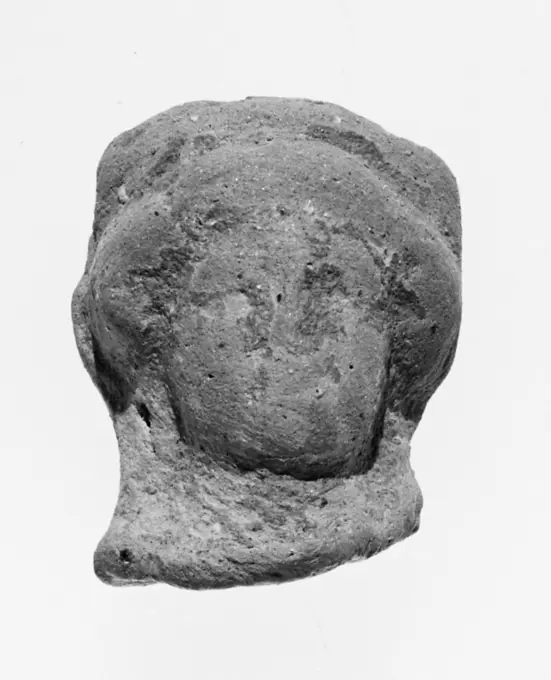
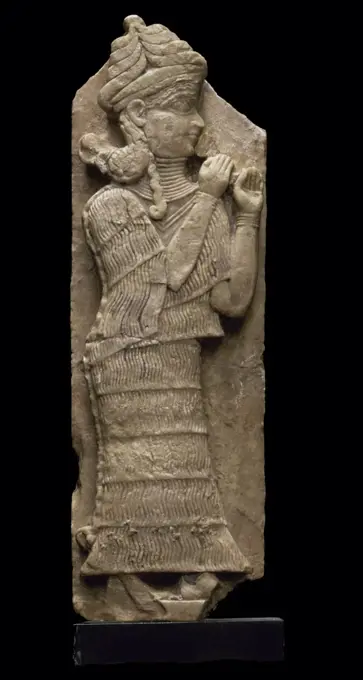
Female Head. Unknown
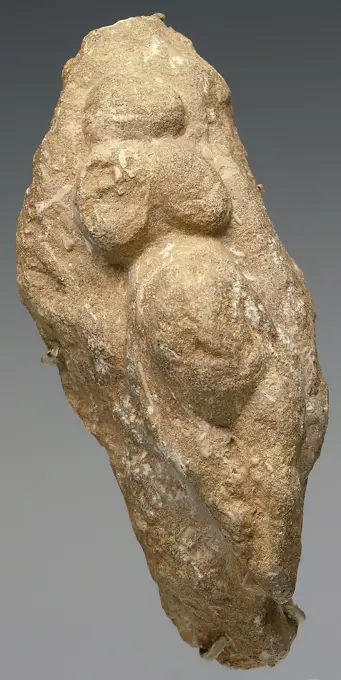
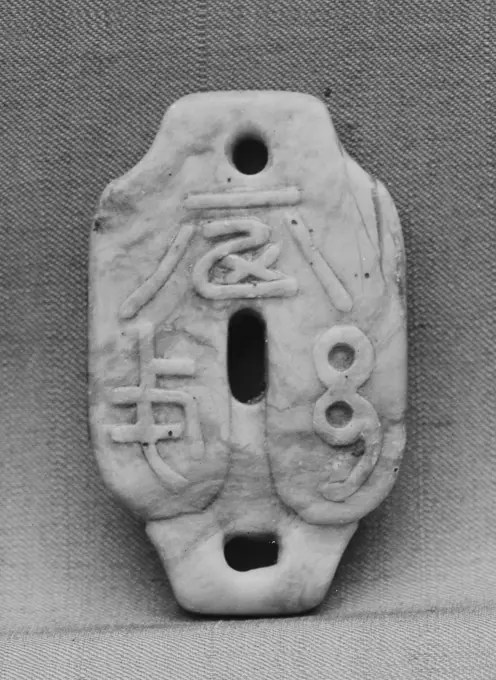
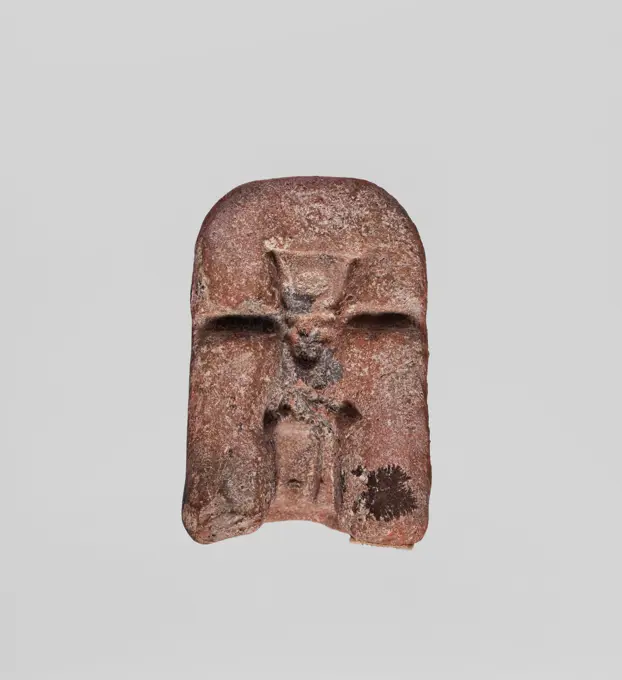
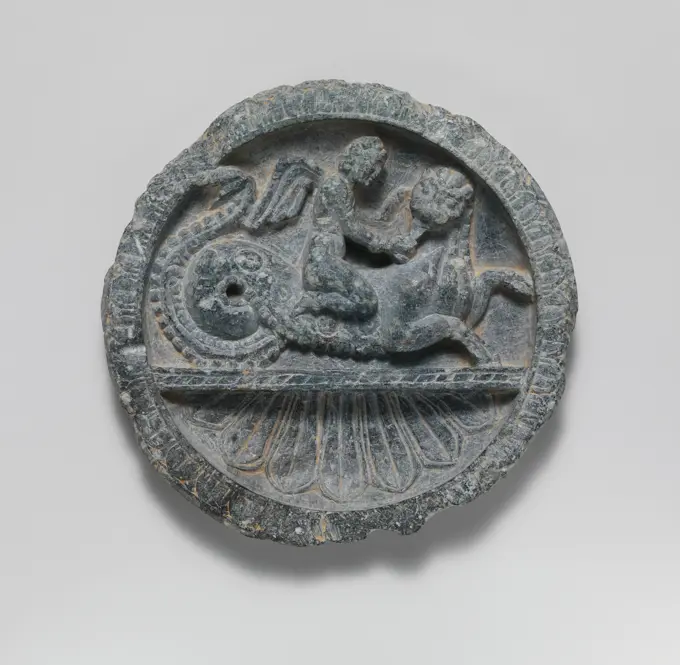
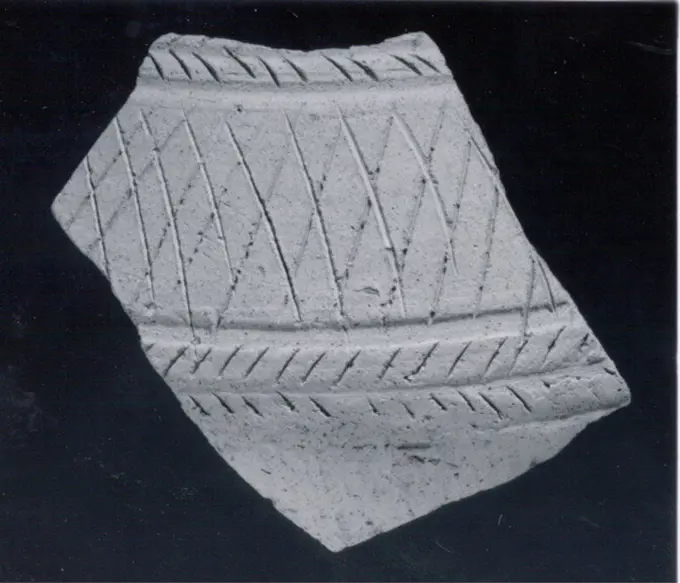
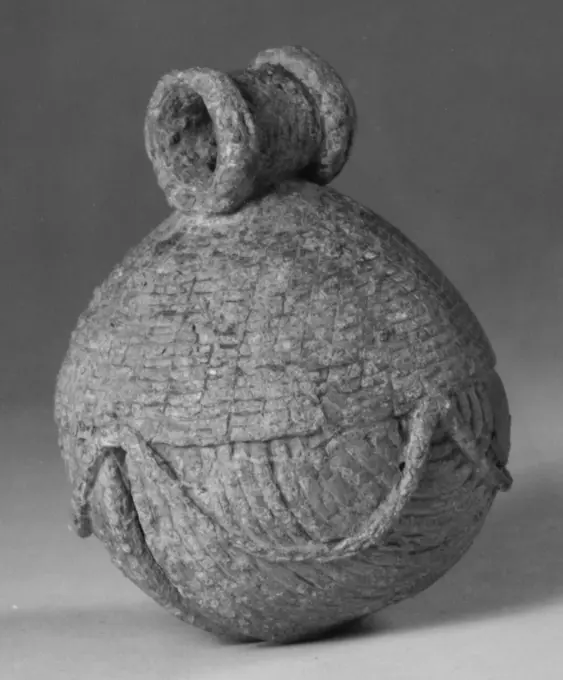
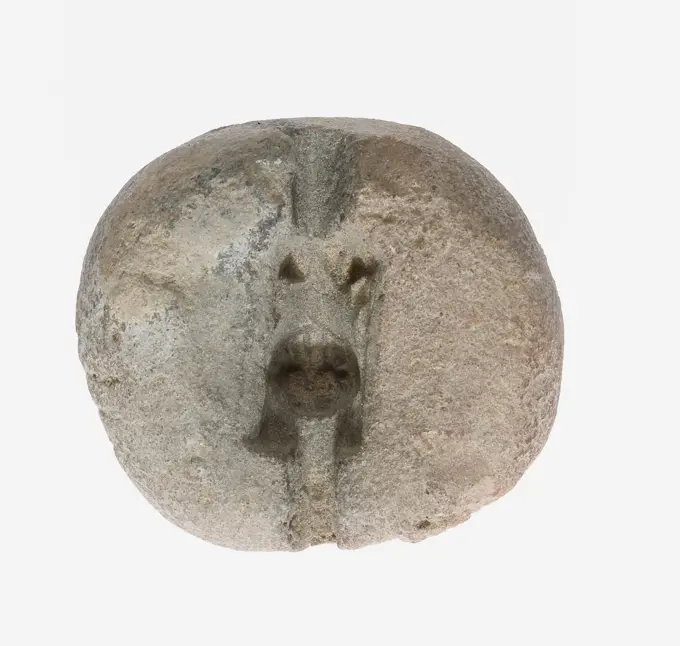
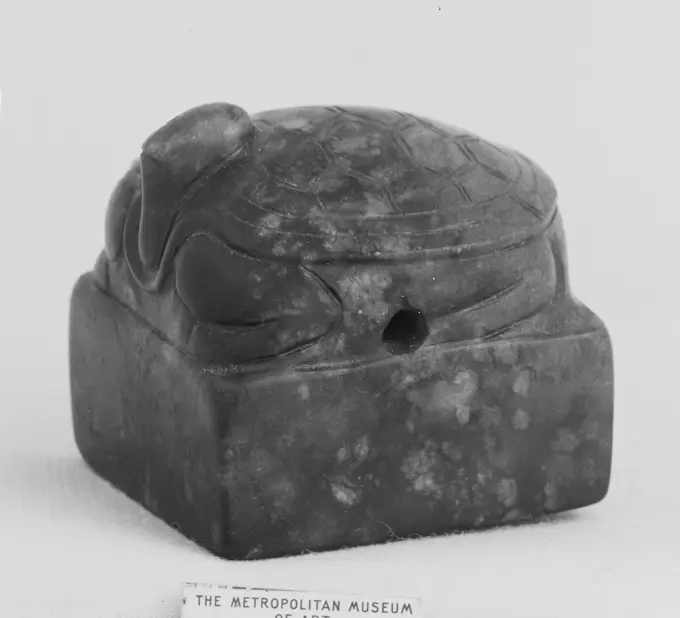
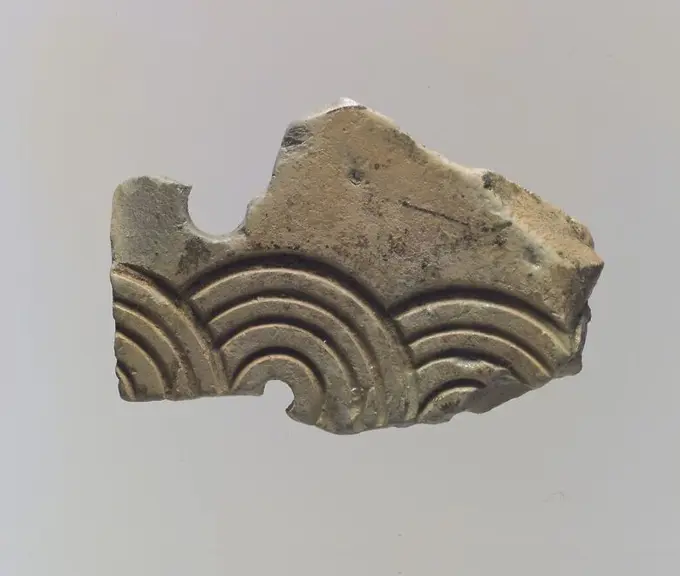
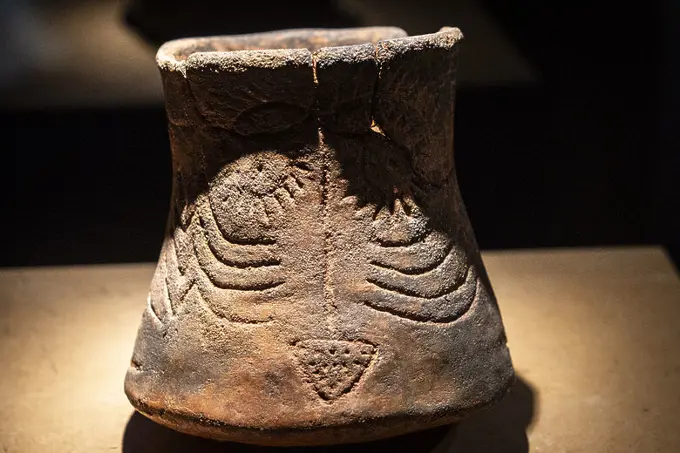
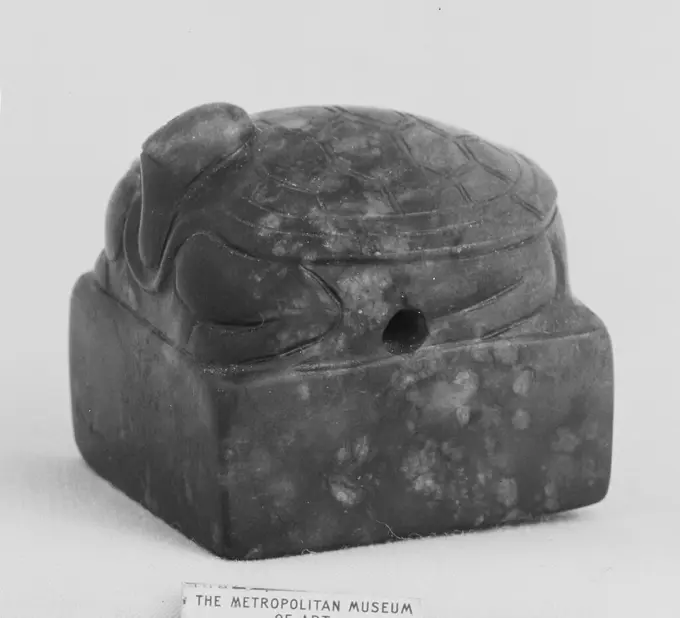
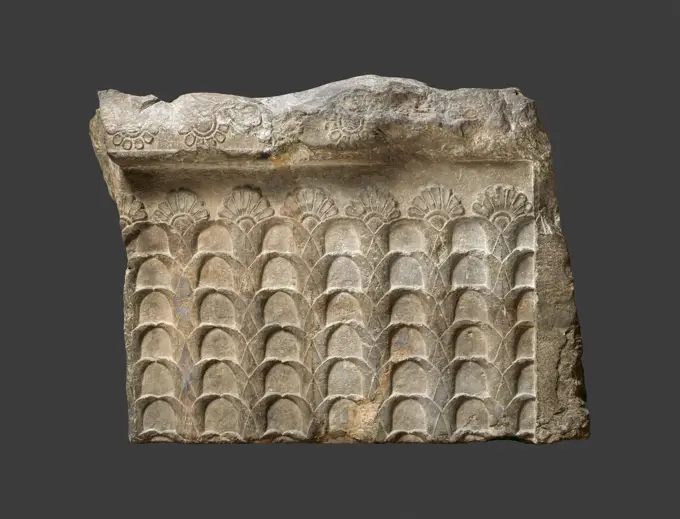
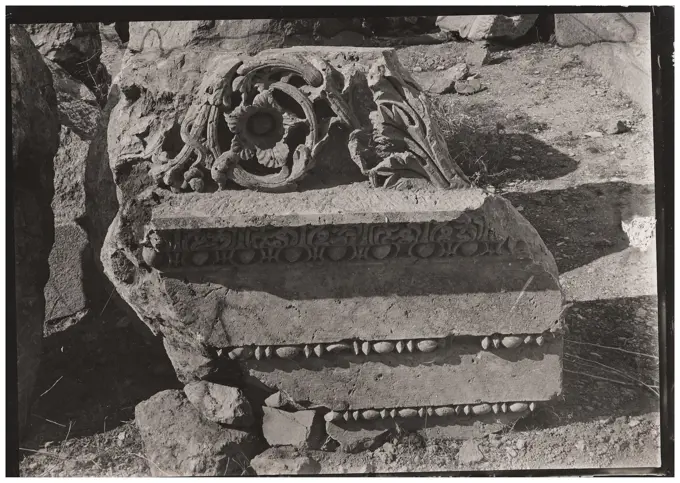
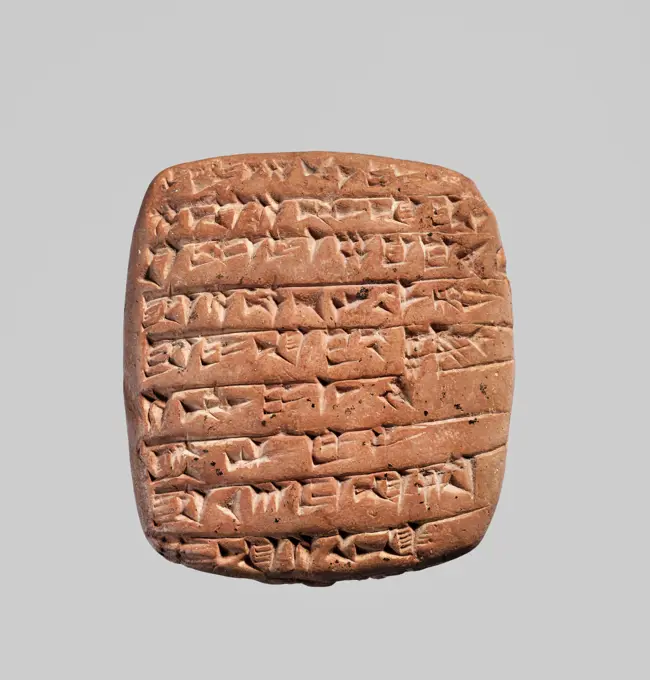
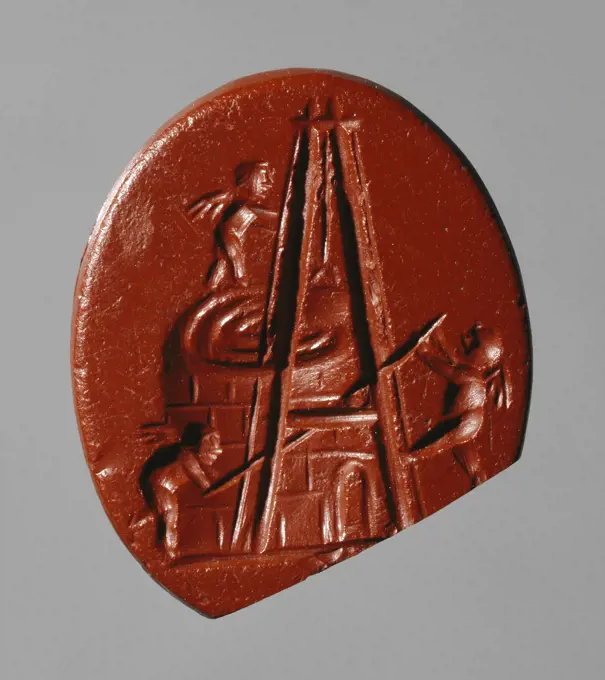
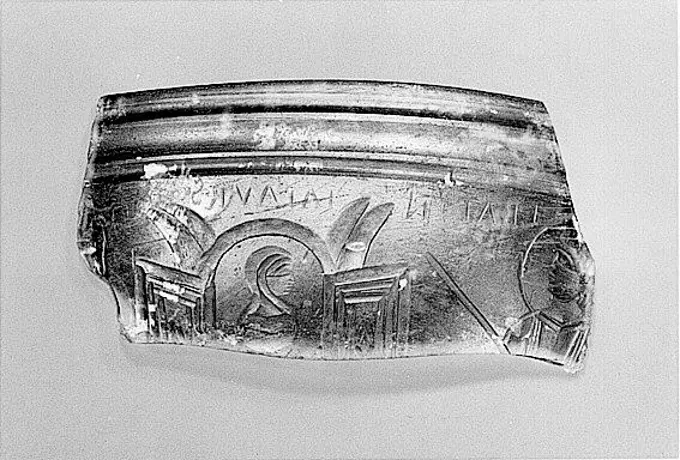
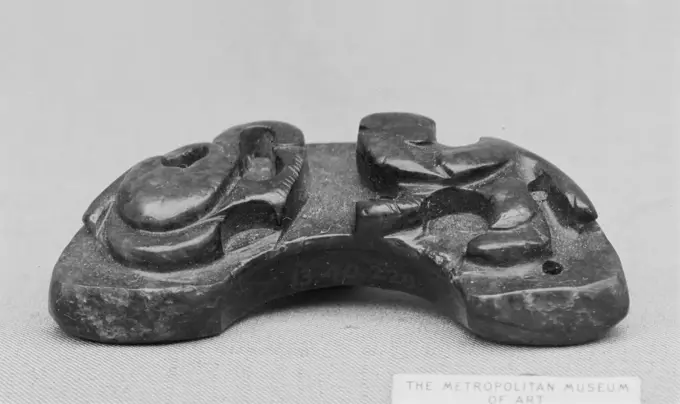
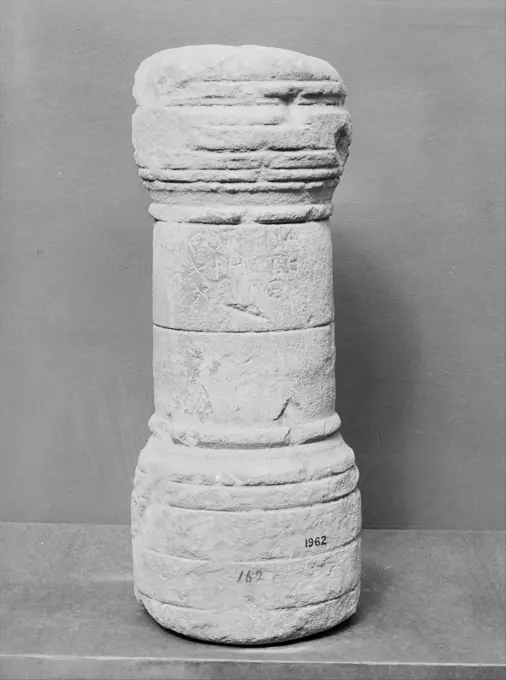
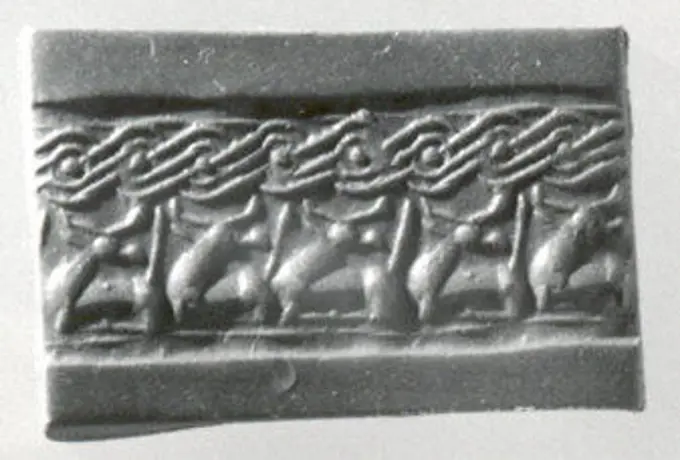
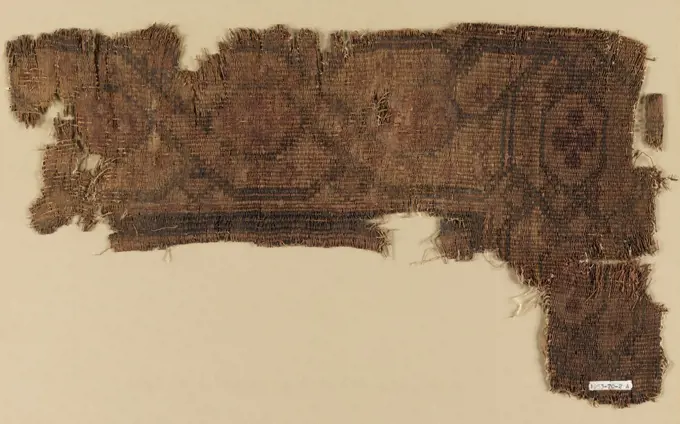
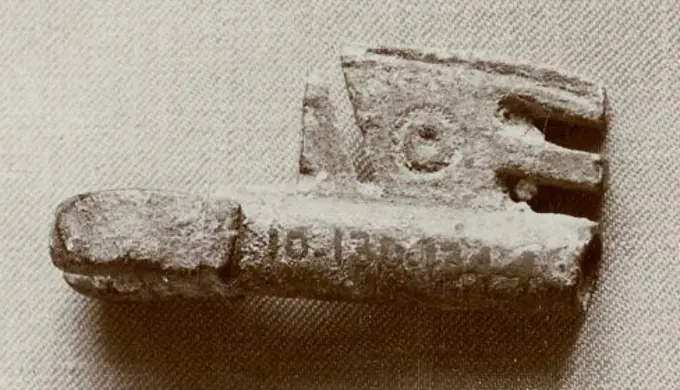
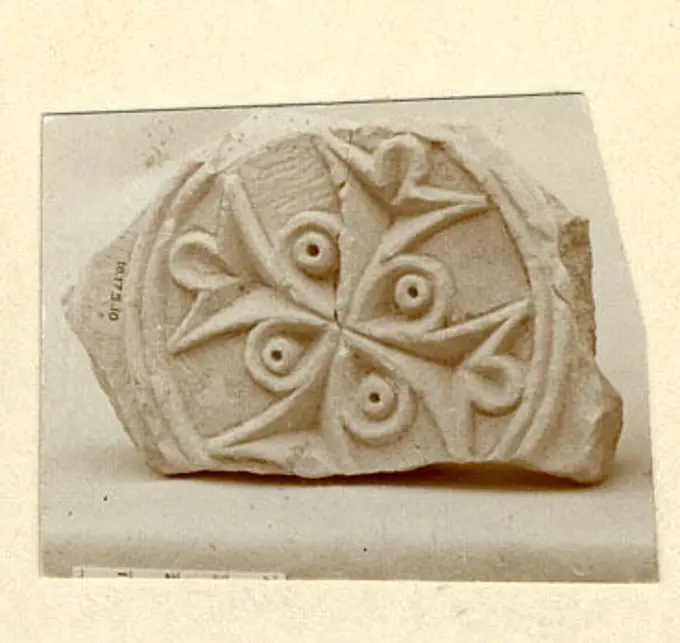
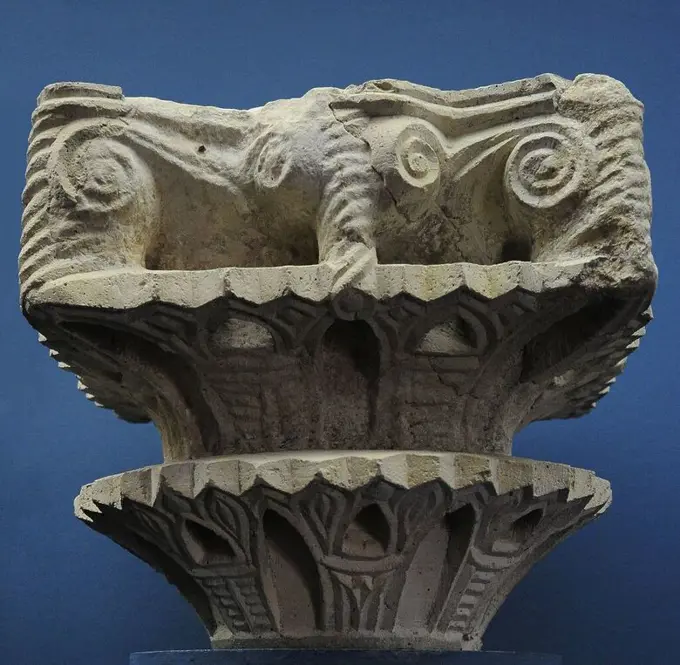
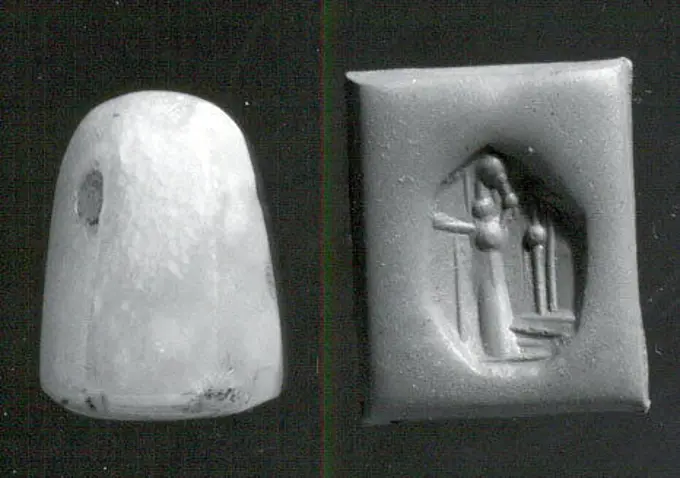
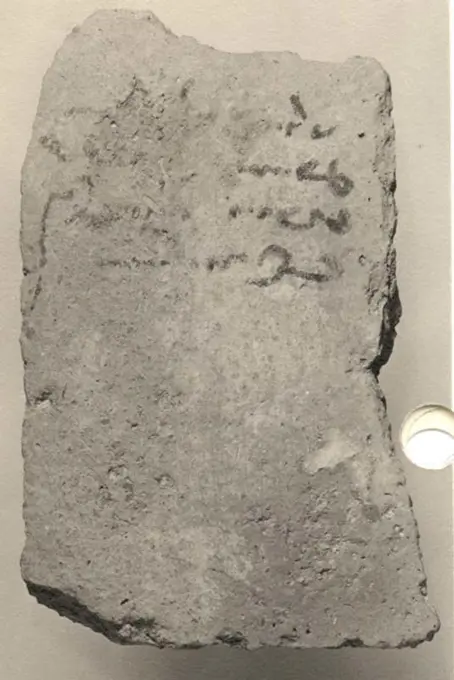
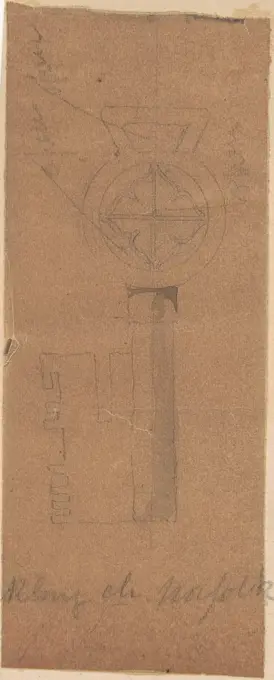
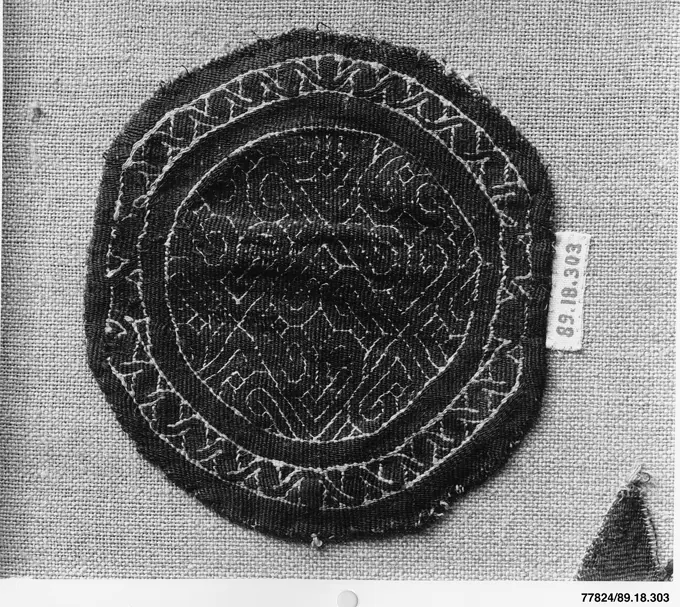
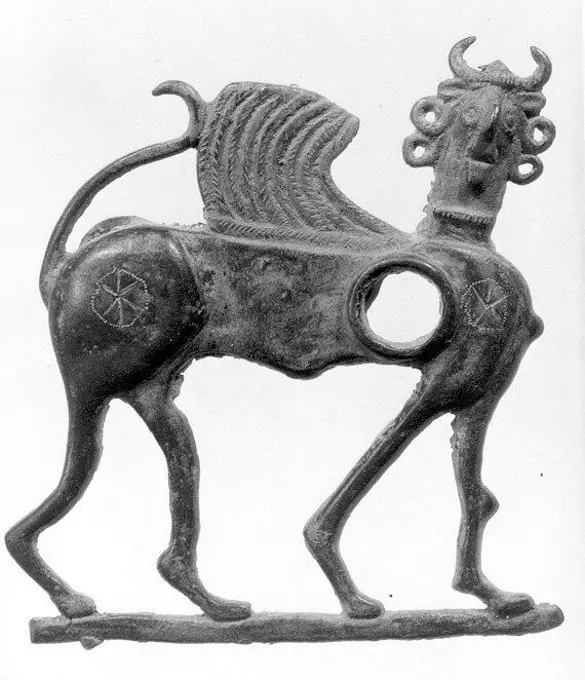
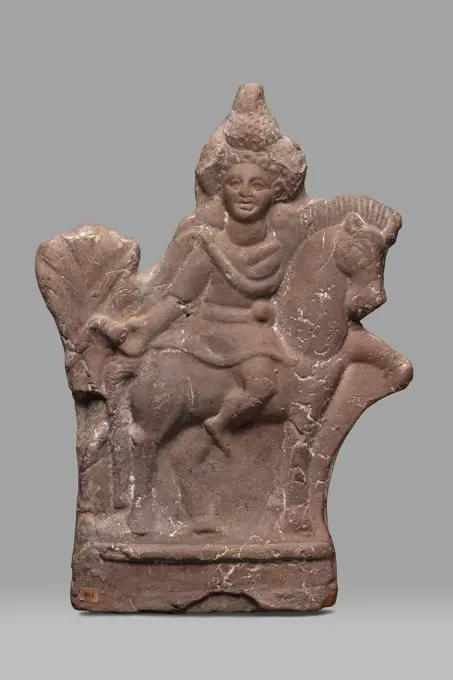
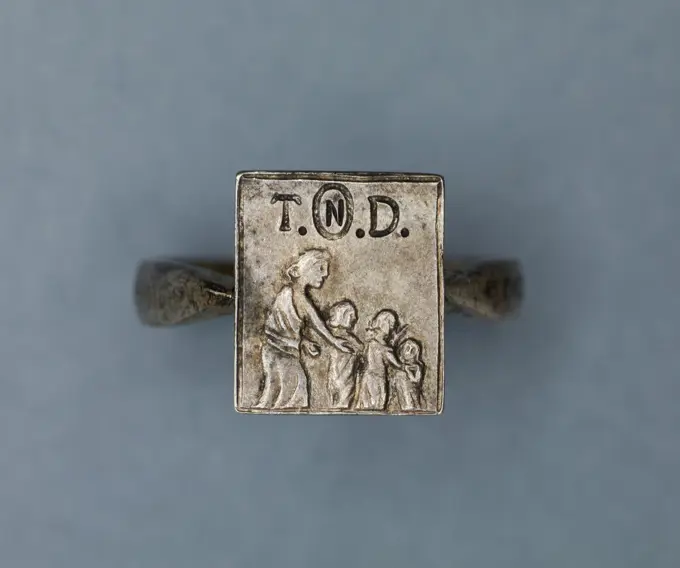
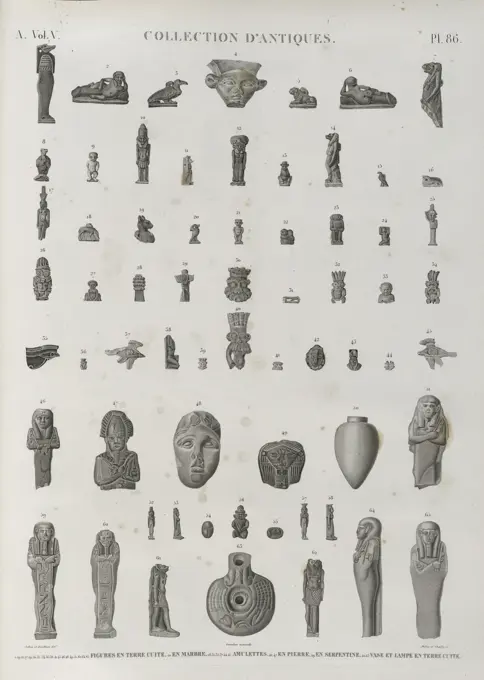
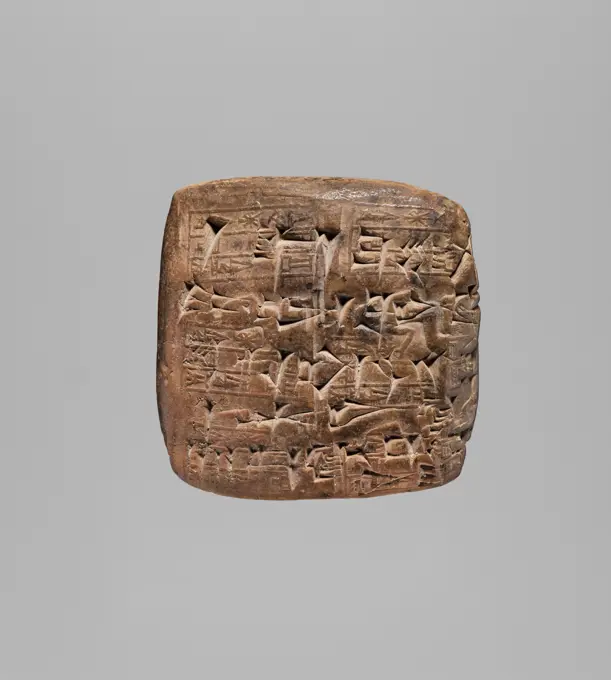
Tabliczka klinowa z odciskiem pieczęci urzędnika: pokwitowanie odbioru warzyw od kucharza. Lu-d.Ha-ja, authorFemale figure, c. 20,000 BCE, 5 1/4 x 2 1/4 in. (13.34 x 5.72 cm), Sandstone, France, 201st-200th century BCE, Small, portable prehistoric female figurines dating to the time period known as the Paleolithic Age have been found across Europe. This figures small size and lack of a base suggest that it was a ritual object and may have been regarded as possessing magical power. Given the importance of survival through reproduction and securing a food supply in the Paleolithic Age, this figure may have represented female fertility and the ability to bear children.Girdle ornament 18th century China. Girdle ornament. China. 18th century. White soapstone. JadeCoin dated A.H. 145/ A.D. 762. Coin. dated A.H. 145/ A.D. 762. Copper. Excavated in Iran, Nishapur. Mint Abar shahr. CoinsButton ca. 6th-8th century A.D. Sasanian or Islamic. Button 322953Forma do figurki bogini Izydy. unknown, authorHearing stone with a diamond with two cups, anonymous, c. 1550 - c. 1599 Hearing stone with a diamond ornament, in which two look away from each other. The half and quarter windows at the top and bottom are filled with parts of medallions with a stylized flower pattern. There is a hole in the piece. Northern Netherlands earthenware Hearing stone with a diamond ornament, in which two look away from each other. The half and quarter windows at the top and bottom are filled with parts of medallions with a stylized flower pattern. There is a hole in the piece. Northern Netherlands earthenwareDish with Winged Eros Riding a Lion-Headed Sea Monster 1st century B.C. Pakistan (ancient region of Gandhara) This dish from the ancient region of Gandhara dates from the second century B.C. to the first century A.D. International trade with the Hellenistic world and India as well as invasions into Gandhara by the Scythians, Parthians, and Kushans brought many new stylistic idioms that shaped the stylistic vocabulary of these objects. Similar dishes were found in the Gandharan city of Sirkap (Taxila) in contexts that suggest they were used for domestic rituals, perhaps to ensure a positive afterlife.. Dish with Winged Eros Riding a Lion-Headed Sea Monster 38098painted stone from the Dogon tribe of Mali in West Africa. Late 19th centuryStamp seal ca. 6th-4th century B.C. Achaemenid. Stamp seal 322164Sherd with incised decoration ca. late 3rd millennium B.C.. Sherd with incised decoration 326104Bell ca. 300 B.C.-A.D. 200 Thailand (Ban Chiang). Bell 37679Mold for a Lion Amulet ca. 1390-1353 B.C. New Kingdom. Mold for a Lion Amulet. ca. 1390-1353 B.C.. Pottery. New Kingdom. From Egypt, Upper Egypt, Thebes, Malqata, E. side of S. Village or Khor west of camp, MMA excavations, probably 1911-12. Dynasty 18Seal China. Seal. China. Jade. Han dynasty (206 B.C.-A.D. 220). JadeFunerary Cone of the Scribe Amenemopet ca. 1400-1352 B.C. New Kingdom This cone has the impression of a stamp matrix created for a man named Amenemopet (Amen-em-opet) who was also known as Tjanefer (Tja-nefer). He was a scribe who kept accounts of the barley belonging to the god Amun and also had the title Overseer of the Fields. Amenemopet owned Theban tomb 297 (TT 297) which is in the Khokha cemetery of western Thebes, behind Metropolitan House, the former field headquarters of the Museum's Egyptian Expedition. During the 1914-15 field season, while clearing TT 297 and two uninscribed tombs nearby, the Museum's archaeologists uncovered five cones with the same stamped impression (the others are 15.10.3, .4, .22, .23). Three other cones in the collection have the same stamp (19.185.12, .17, .20). The best preserved impressions are on this cone and number 15.10.23. Hundreds of ceramic cones like this one have been found in the non-royal cemeteries of the Theban necropolis. The Museum'sPlaque fragment. Culture: Old Assyrian Trading Colony. Dimensions: 0.88 x 1.25 in. (2.24 x 3.18 cm). Date: ca. 18th century B.C.. Museum: Metropolitan Museum of Art, New York, USA.Fragment imadła amfory ze stemplem. Filokrates (Philokrates) (ok. 145-88/86 p.n.e.), potter's workshopStamp seal ca. 4th century A.D. Sasanian. Stamp seal. Sasanian. ca. 4th century A.D.. Quartz, chalcedony. Sasanian. IranScabbard ornament China. Scabbard ornament 42815Counter Plate of a Belt Buckle 4th-7th century Frankish or Burgundian. Counter Plate of a Belt Buckle 469780vase with symbolic decoration -female figure-, ceramic, 3000-2500 BC, Monte do Outeiro, Aljustrel, Portugal, Huelva Museum, Huelva, Andalusia, Spain.Seal. Culture: China. Dimensions: H. 1 7/16 in. (3.7 cm); W. 1 1/2 in. square (3.8 cm). Museum: Metropolitan Museum of Art, New York, USA.Part of parapet ca. 6th-5th century B.C. Achaemenid This fragmentary piece of a parapet was originally from a monumental stairway. The decoration carved in relief depicts, on one side, conventionalized palmette trees and a projecting frieze of rosettes. The other side is very worn with traces of images of soldiers with spears and a geometric pattern at the top. Although this architectural decoration was found in the Western Area at Qasr-i Abu Nasr in 1931, it was originally made for and used at the site of Persepolis, before being brought to Qasr-i Abu Nasr and reused.The small town and fortress of Qasr-i Abu Nasr is located near Shiraz in southern Iran, at a strategic point at the intersection of defensive mountains, available water sources, and along roads entering the Shiraz plain. The site was excavated by archaeologists from The Metropolitan Museum of Art for three seasons from 1932-1935. The town was occupied, at least intermittently, from the Parthian period (3rd century B.C.-3rHead with Knidian Coiffure. UnknownIberian head, Limestone. 5th-4th centuries BC Iberian oppidum from Úbeda la Vieja, Iberian culture, Archeological Museum. Úbeda, Jaén province, Andalusia, Spain.Roof tile fragment China probably Ming dynasty (1368-1644)Basin fragment with the name of Apries 589-570 B.C. Late Period. Basin fragment with the name of Apries. 589-570 B.C.. Stone. Late Period. From Egypt, Western Desert; Kharga Oasis, Hibis, Temple, enclosure, southern part, MMA excavations, 1910. 26Stamp seal (scaraboid) with monster late 8th - 7th century B.C. Assyrian. Stamp seal (scaraboid) with monster. Assyrian. late 8th - 7th century B.C.. Mottled black and brown Limestone. Neo-Assyrian. Northern Syria or eastern AnatoliaFragment of an Inscribed Block with a Wreath 6th-7th century. Fragment of an Inscribed Block with a Wreath 446132Waterspout. UnknownLampka. unknown, author, warsztat nadczarnomorski, workshopStamp seal (conoid) with cultic scene late 8th - 6th century B.C. or later Assyro-Babylonian or Achaemenid. Stamp seal (conoid) with cultic scene. Assyro-Babylonian or Achaemenid. late 8th - 6th century B.C. or later. Lapis lazuli. Neo-Assyrian / Neo-Babylonian or later. MesopotamiaUnknown photographer, beam fragment in Baalbek (without dat.): View. Photo, 12.9 x 18.2 cm (including scan edges) unbek. Fotograf : Gebälkfragment in Baalbek (ohne Dat.)Tabliczka klinowa z rozliczeniem transakcji kupców asyryjskich. Aszur-idi, authorEngraved Gem; Roman Empire; 2nd century; Red jasper; 1.5 × 1.3 × 0.3 cm (5,8 × 1,2 × 1,8 in.)Fragment of a Bowl 4th-5th century Late Roman The inscription indicates that the bowl from which this fragment came depicted Christs raising of Lazarus from the dead. The magic wand in Christs hand, often seen in early Christian images, conveys his powers as a worker of miracles.. Fragment of a Bowl 465924 Late Roman, Fragment of a Bowl, 4th?5th century, Glass (greenish), engraved, Overall: 1 3/4 x 3 1/2 x 3/16 in. (4.5 x 8.9 x 0.4 cm). The Metropolitan Museum of Art, New York. Rogers Fund, 1918 (18.145.4)Part of Disk China. Part of Disk. China. Jade. Han dynasty (206 B.C.-A.D. 220). JadeStucco Fragment probably 8th-12th century. Stucco Fragment 740744Head with Melon Coiffure and Wreath. UnknownEmilia-Romagna Forli Rimini Palazzo Comunale, Museo e Pinacoteca Comunale6. Hutzel, Max 1960-1990 German-born photographer and scholar Max Hutzel (1911-1988) photographed in Italy from the early 1960s until his death. The result of this project, referred to by Hutzel as Foto Arte Minore, is thorough documentation of art historical development in Italy up to the 18th century, including objects of the Etruscans and the Romans, as well as early Medieval, Romanesque, Gothic, Renaissance and Baroque monuments. Images are organized by geographic region in Italy, then by province, city, site complex and monument.Limestone cippus of Soterias ca. 2nd-3rd century A.D. Roman, Cypriot The Greek inscription reads: "Good Soterias, farewell!". Limestone cippus of Soterias 241964China. Dandan Oilik. Woman head / devi (right) from later Gandhara time, about 4th to 5th century, made of stucco or clay and head of a demon, terracottaCylinder seal ca. 15th century B.C. Mitanni. Cylinder seal 324350Lead ornament, possibly imitating jewelry 6th-5th century B.C. Greek, Laconian Small flat votive figurines of cast lead have been found in great quantities at the ancient sanctuaries of Laconia; over one hundred thousand, dating from the seventh century B.C. to the Classical period, were dedicated to the goddess Artemis Orthia in Sparta.. Lead ornament, possibly imitating jewelry 251687 Greek, Laconian, Lead ornament, possibly imitating jewelry, 6th5th century B.C., Lead, Height: 1 7/16 in. (3.7 cm). The Metropolitan Museum of Art, New York. Gift of A. J. B. Wace, 1924 (24.195.121)Roman coin. Germanicus and his sons Drusus, Nero and Gaius Caligula. ITALY.Górny fragment węgara. warsztat nubijski, workshopPIEZA METALICA DE ADORNO PRIMITIVO. Location: MUSEO ARQUEOLOGICO-COLECCION. Sevilla. Seville. SPAIN.Seal Impression Fragment with Name of Goddess Hathor. Egypt, probably Late Period (724 - 343 BCE). Tools and Equipment; seals. ClayHead with Bow Knot. UnknownViscera figure with falcoln head (Qebehsenuef) ca. 1000-945 B.C. Third Intermediate Period see 25.3.154a. Viscera figure with falcoln head (Qebehsenuef) 577418Bottle stopper China. Bottle stopper 43044Fragment of a mat, Material: linen, straw Technique: woven, Mat woven from thick fibers showing a symmetrical linear pattern with central stylized rosettes. Warps are undyed Z-plied linen used in pairs. Wefts are colored straws appearing on the surface where a particular color is required, floating on the reverse when not in use., Egypt, 500-800, woven textiles, Fragment of a matStone Female Figure 1st-8th century Mezcala. Stone Female Figure 312761Key 30 B.C.-A.D. 364 Roman Period. Key. 30 B.C.-A.D. 364. Copper alloy. Roman Period. From EgyptFragment of a Relief with Foliated Cross 6th-7th century. Fragment of a Relief with Foliated Cross 446103Proto-Ionic capital. 7th c. Jewish school. Menorah. Sculpture on rock. ISRAEL. JERUSALEM. Jerusalem. Israel Museum. Proc: ISRAEL. Jerusalem. Ramat Rachel.Head with Melon Coiffure. UnknownMultiple Cylinder Seal ca. 1648-1540 B.C. Second Intermediate Period. Multiple Cylinder Seal 546024Ciborium capital. Biskupija near Knin. Croatia. Museum of Croatian Archaeological Monuments, Split, Croatia.Sealing with stamp seal impression: double-headed eagle and geometric borders ca. 18th century B.C. Old Assyrian Trading Colony. Sealing with stamp seal impression: double-headed eagle and geometric borders. Old Assyrian Trading Colony. ca. 18th century B.C.. Ceramic. Middle Bronze Age-Old Assyrian Trading Colony. Anatolia, probably from AcemhöyükTube: Emblem of Earth China. Tube: Emblem of Earth. China. Jade. Han dynasty (206 B.C.-A.D. 220). JadeAppliqué for a funeral couch. UnknownHead with Melon Coiffure and Kekryphalos. UnknownFemale Head Fragment. UnknownMortar or vessel ca. 5th-4th century B.C. Achaemenid. Mortar or vessel. Achaemenid. ca. 5th-4th century B.C.. black limestone. Achaemenid. Iran, Qasr-i Abu NasrMirror handle cat head fragment ca. 2030-1640 B.C. Middle Kingdom. Mirror handle cat head fragment 545494Bonk from 2 pennies of the Dutch East Indies, 1818, William I (King of the Netherlands), 1818 coin Copper rectangular mint. Front: Within a rectangular list value indication 2 St. Rail side: within a rectangular frame year. Surabaya copper (metal) striking (metalworking)Hittite clay tablet and envelope. Artist: UnknownHead with Melon Coiffure. UnknownRelief:  Goddess of Fragrance  Mesopotamian Art  Musee du Louvre, Paris  Cylinder seal ca. 5th-3rd century B.C. Achaemenid. Cylinder seal 327262Lazio Viterbo Viterbo Museo Civico08. Hutzel, Max 1960-1990 Views of paintings (Middle Ages through 18th c.), frescoes, a tabernacle, coffin, sculpture reliefs, portal fragments, busts, sculpture, tapestry found in the Pinacoteca, Second floor gallery and Second floor cloister sequences. Antiquities: Many views of Etruscan and Roman fragments, sculpture, sarcophagi, pottery, masks, jewelry and other objects found in the Storeroom sequence (inventory numbers on back of prints), and the Cloister, Second floor Cloister, Valle Giulia, Sala Romana and Sala Etrusca sequences. General Notes: There are eight separate numerical sequences for this location. The cloister as an architectural structure, rather than museum site, is documented in the record and file for S. Maria della Verita, Cloister, all views of which are stored in Medieval core collection. Five views from the Museo Civico Second floor cloister sequence are stored in Medieval. German-born photographer and scholar Max Hutzel (1911-Stamp seal ca. late 3rd-early 2nd millennium B.C. Bactria-Margiana Archaeological Complex. Stamp seal 326814Stamp seal (octagonal pyramid) with cultic scene 7th - 6th century B.C. Assyro-Babylonian. Stamp seal (octagonal pyramid) with cultic scene 324958CRUZ VISIGODA CON INSCRIPCION PALEOCRISTIANA-S VII-PROCEDENTE DE ALCONETAR-CACERES. Location: MUSEO ARQUEOLOGICO NACIONAL-COLECCION. MADRID. SPANIEN.Pijpenkop.Blowjob head with a crown and letters I v w and n pictured. Of the excavations at the Hofstede Arentsburg 1827-1831 under the supervision of professor Reuvens.Fragment of a Relief 3rd-7th century Central Asia. Fragment of a Relief. Central Asia. 3rd-7th century. Clay. SculptureGold Sandwich Glass Fragment. UnknownFragment imadła amfory ze stemplem. unknown, potter's workshopStamp seal (scaraboid) with animal 7th - 6th century B.C. Assyro-Babylonian. Stamp seal (scaraboid) with animal. Assyro-Babylonian. 7th - 6th century B.C.. Variegated and flawed orange and neutral Chalcedony (Quartz). Neo-Assyrian / Neo-Babylonian. MesopotamiaPlaster cast, Anglo-Saxon. Cross-shaft, in stone, in Irton churchyard Cumbria, first half of the 9th century.Sherd ca. 3rd-7th century A.D. Sasanian. Sherd 323212Key from Norfolk Church ca. 1880 Richardson Ellson & Co.. Key from Norfolk Church 386680Textile Fragment 3rd-4th century. Textile Fragment 443516Horse bit cheekpiece in form of a winged, human-headed quadruped ca. 8th century B.C. Iran. Horse bit cheekpiece in form of a winged, human-headed quadruped 327348Stamp seal (scaraboid) with monster 8th - 7th century B.C. or later Phoenician. Stamp seal (scaraboid) with monster. Phoenician. 8th - 7th century B.C. or later. Calcite. Iron Age II or later. Levant or SyriaPlaque 19th century Toyosuke IV Japanese. Plaque 53617Pottery mold for pipe image, possibly Holy Magdalene and latex casting, mold tools equipment earth discovery ceramics earthenware glaze lead glaze, hand-shaped glazed baked earthenware mold for pipes image red shard inside partially glazed with lead glazing Inlaid characters on the back and sides (private label) archeology indigenous pottery forms worship religion MagdalenaViscera figure with jackal head (Duamutef) ca. 1000-945 B.C. Third Intermediate Period see 25.3.157a. Viscera figure with jackal head (Duamutef) 577427Vintage photograph. Plymouth RockRoundel 6th-7th century. Roundel 445943money / finances, coins, ancient world, Roman Empire, ace, reverse, image of a ram bow, wood engraving, 19th century,Votive Cow Plaque ca. 1479-1458 B.C. New Kingdom. Votive Cow Plaque. ca. 1479-1458 B.C.. Copper. New Kingdom. From Egypt, Upper Egypt, Thebes, Deir el-Bahri, Hatshepsut Hole, Debris from the Hathor shrine, MMA excavations, 1923-24. Dynasty 18Compartmented stamp seal ca. late 3rd-early 2nd millennium B.C. Bactria-Margiana Archaeological Complex. Compartmented stamp seal. Bactria-Margiana Archaeological Complex. ca. late 3rd-early 2nd millennium B.C.. Copper alloy. Bronze Age. Bactria-MargianaHarpokrates-Heron figurine on a horse;  II century (101-00-00-200-00-00);Harpokrates (Mitol.), Heron (Mitol.), Egyptian deities, figurines, horses, double crowns, tunicsTop of headstone with carving and inscription, Granary Burying Ground, Boston , Tombs & sepulchral monuments. Edmund L. Mitchell CollectionCeramic fragment. Dimensions: D. 10.5 x H.6.5 cm. Date: 8th-12th century. Museum: Metropolitan Museum of Art, New York, USA.Case Ring of the National issue Committee under the slogan Save childrenStamp seal ca. 3rd-7th century A.D. Sasanian. Stamp seal. Sasanian. ca. 3rd-7th century A.D.. Bronze. Sasanian. Iran or MesopotamiaCollection d'antiques. 1-19.21.27.29.30.32.34.36.38-41.43.46.48.49.51.62.64.65. Figures en terre cuite; 20. en marbre; 28.31.35.37.44.45. Amulettes; 42.47. en pierre; 49. en serpentine; 50.63. Vase et lampe en terre cuite., 1809 - 1828., Paris. Publisher, Impr. impériale. Egypt, Amulets, Egyptian, Lamps, Figurines., 70 x 50 cm