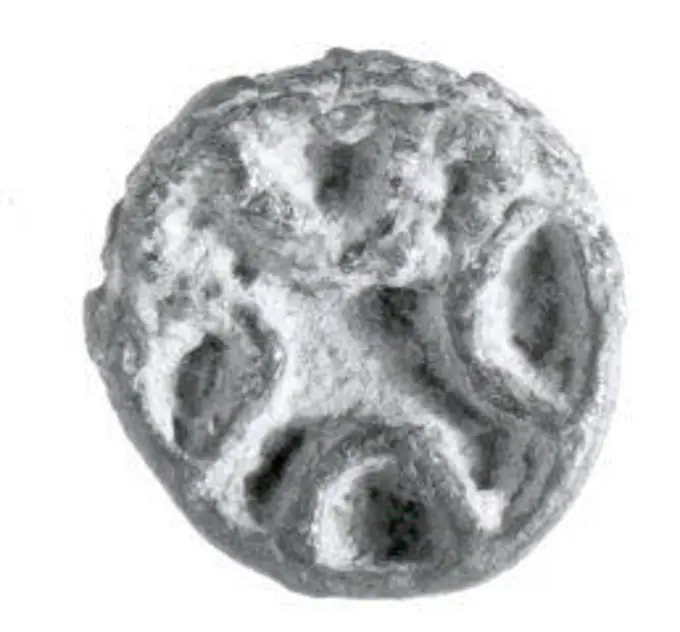
Ancient Seals and Imprints

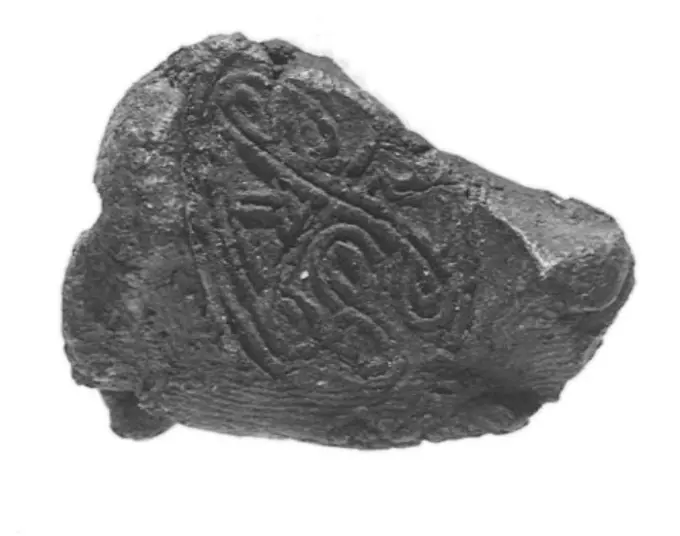
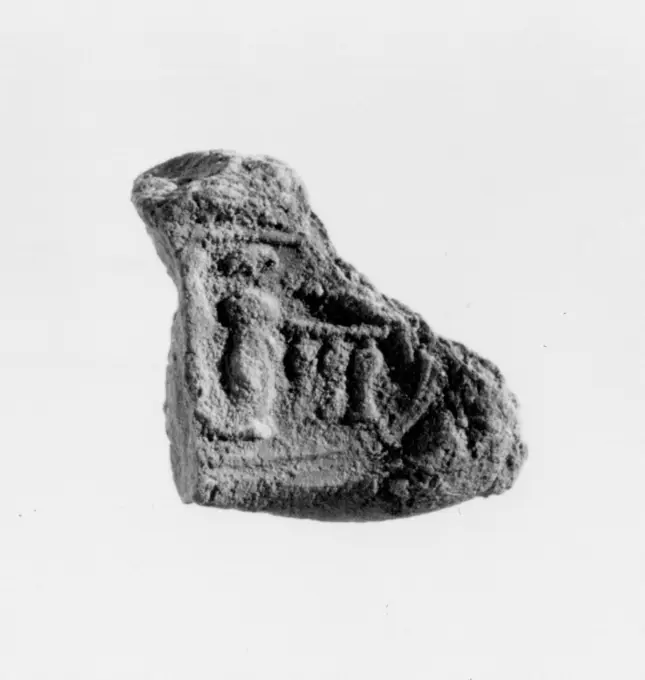
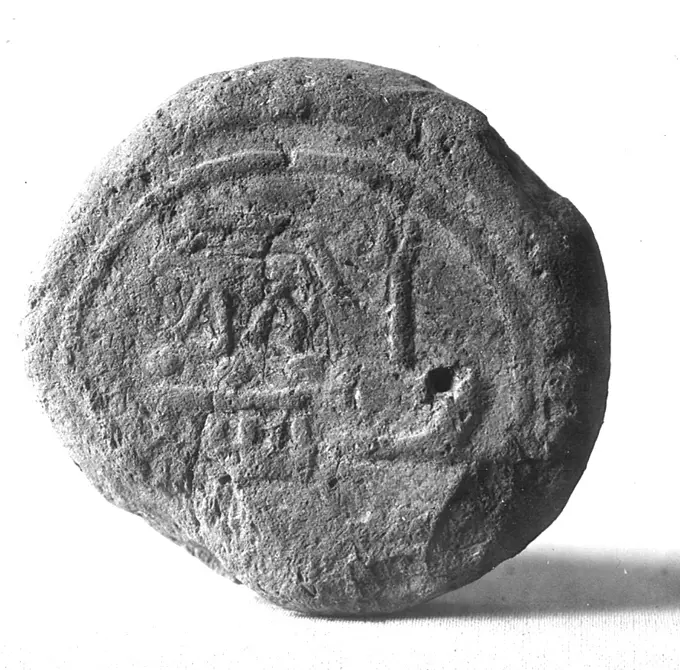
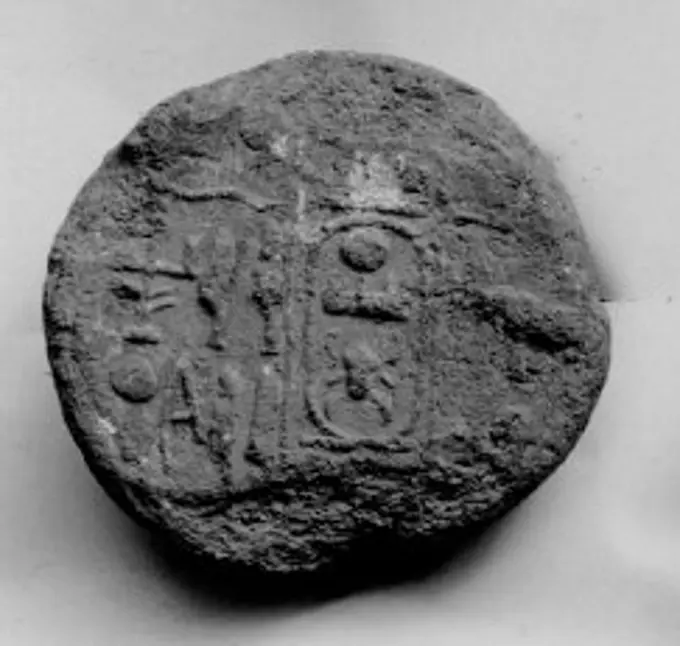
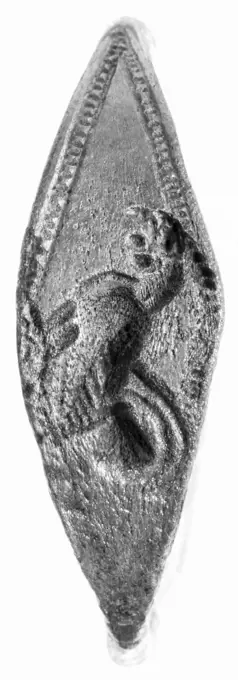
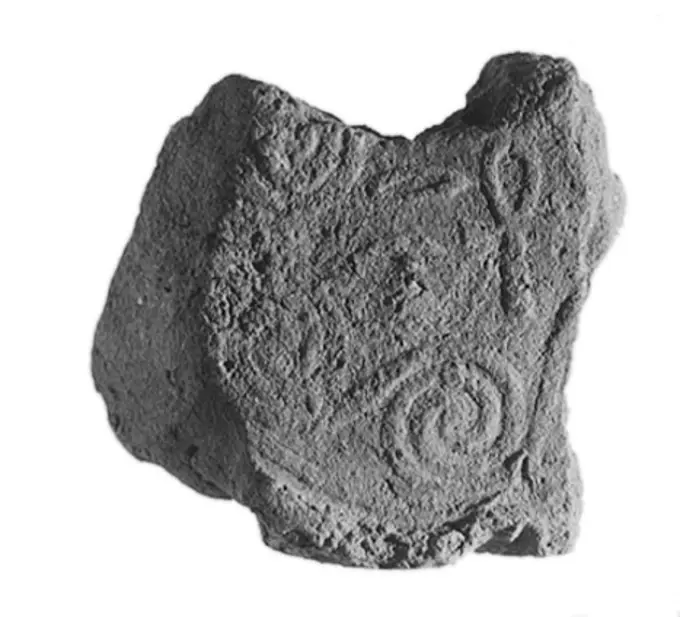
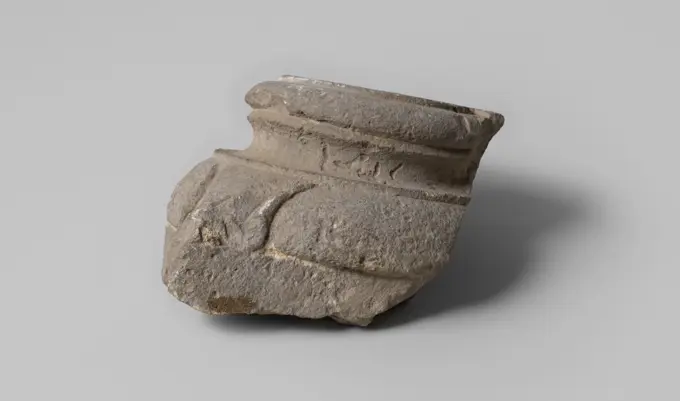
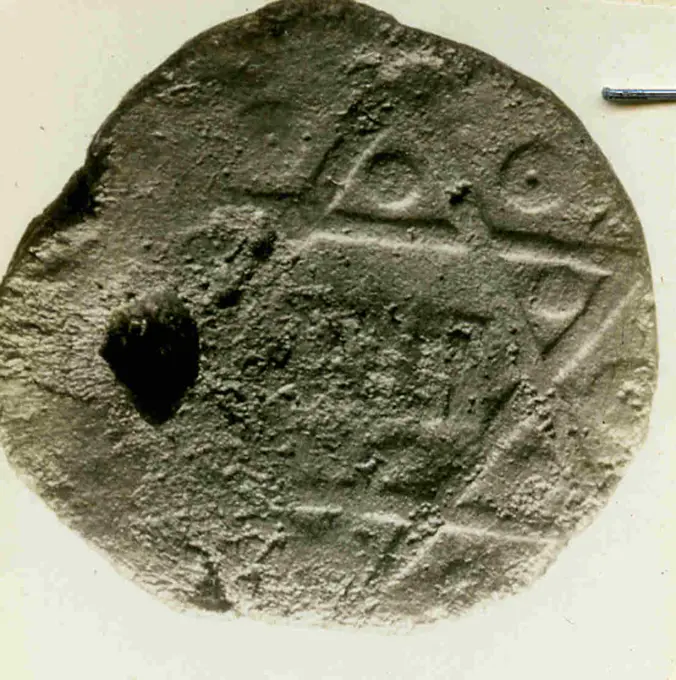
A selection of ancient sealing artifacts displaying detailed inscriptions and symbols, each representing significant historical eras.
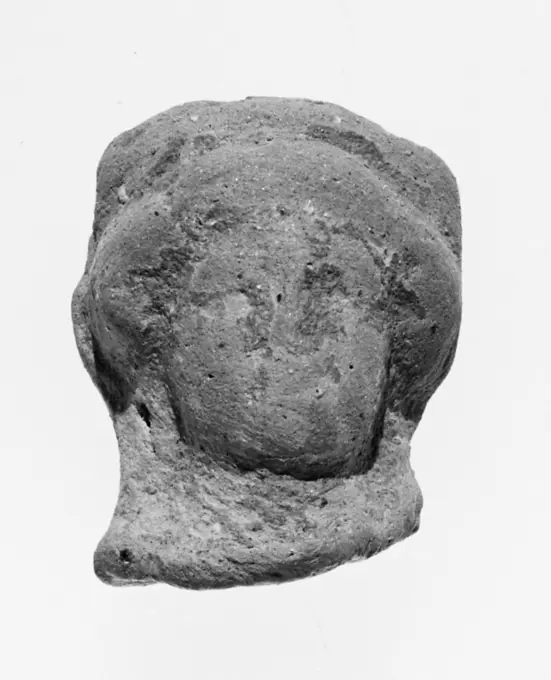
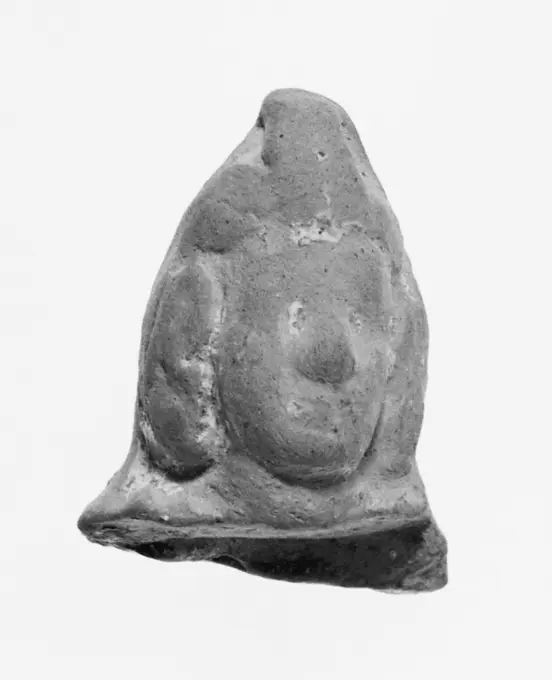
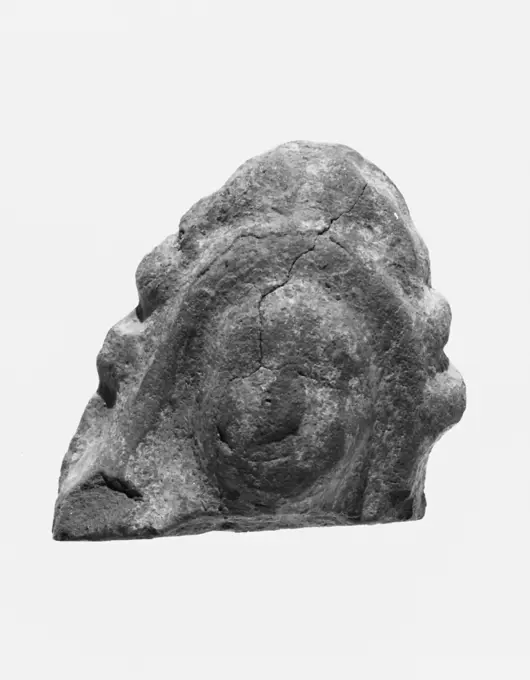
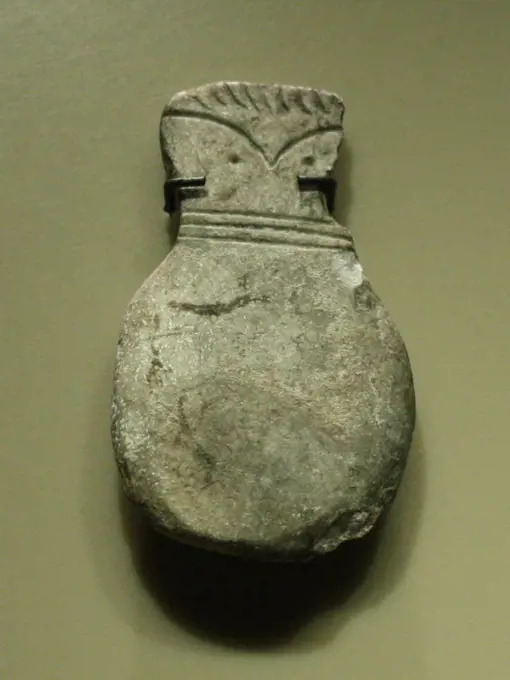
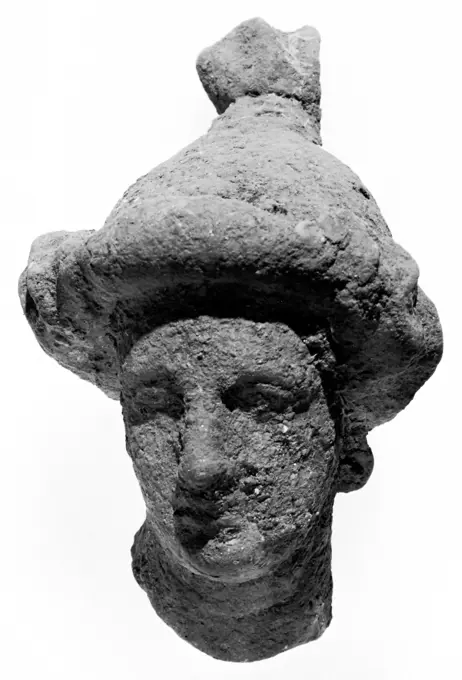
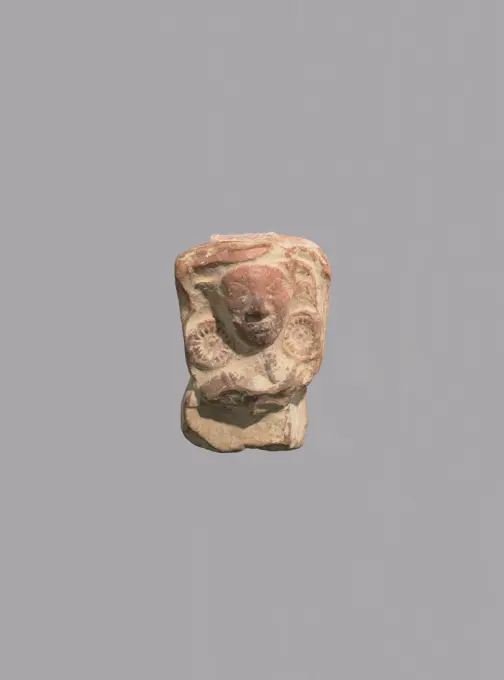
Female Head. Unknown
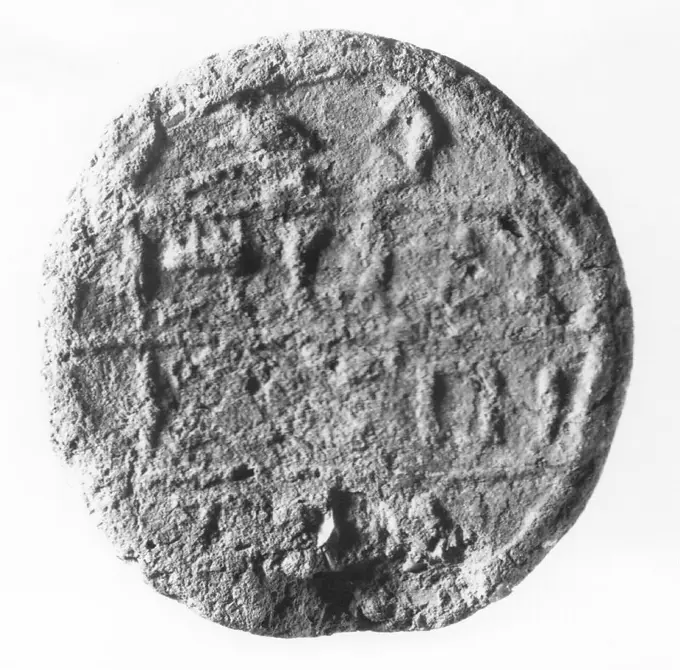
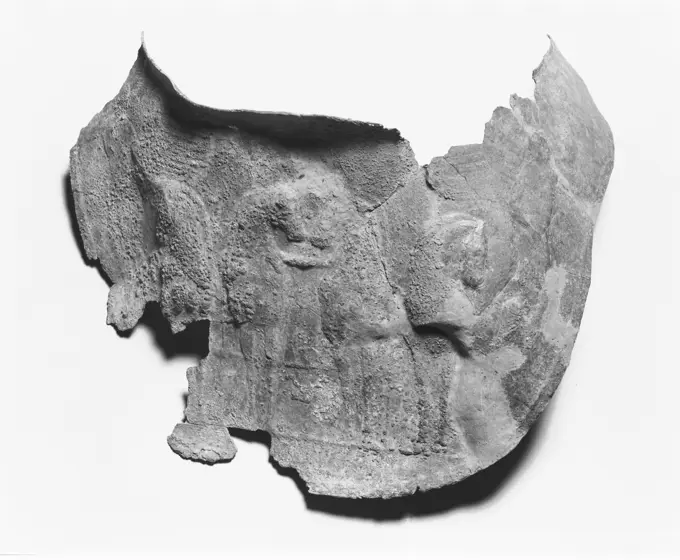
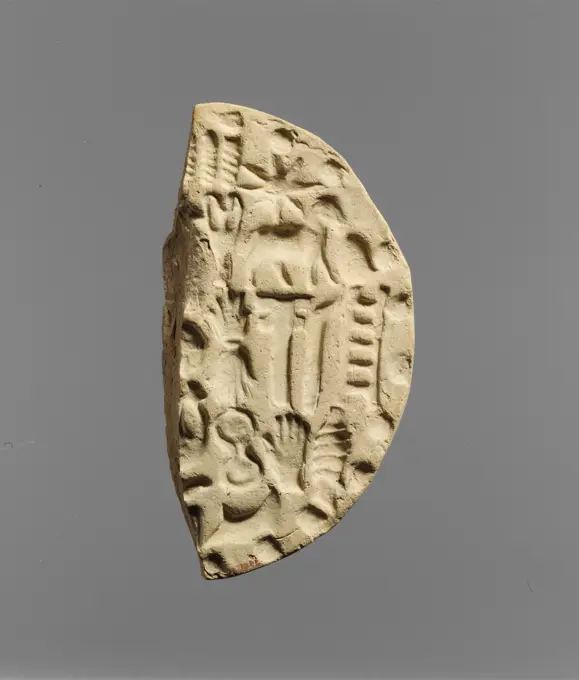
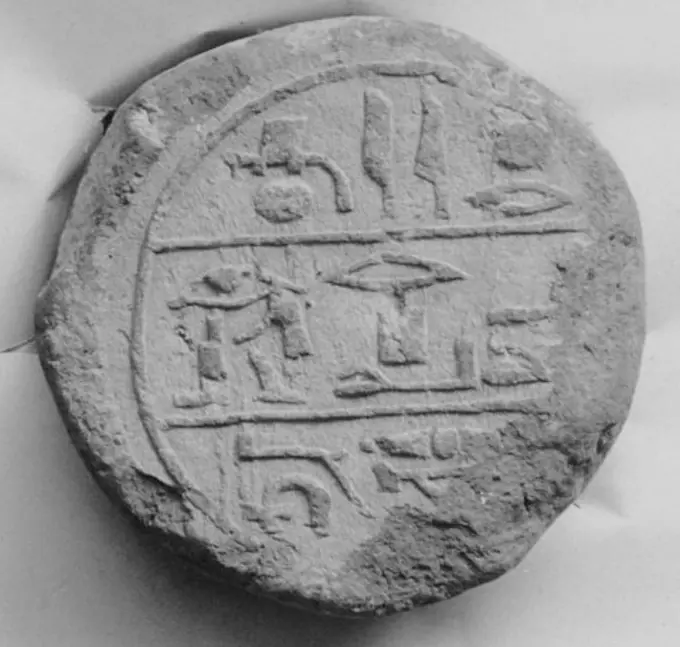
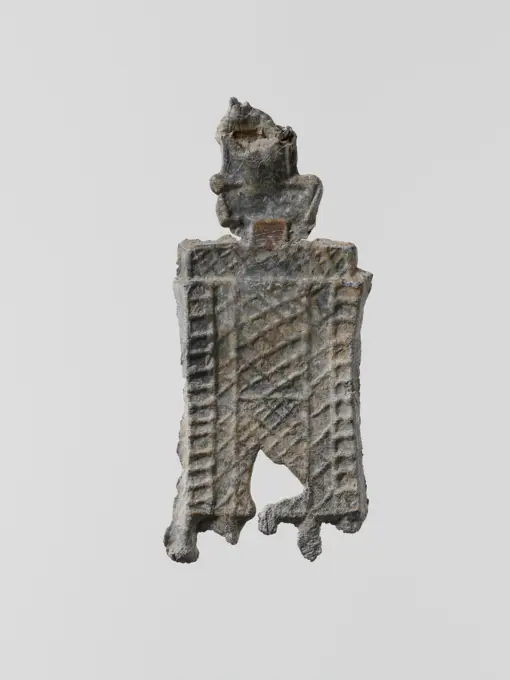
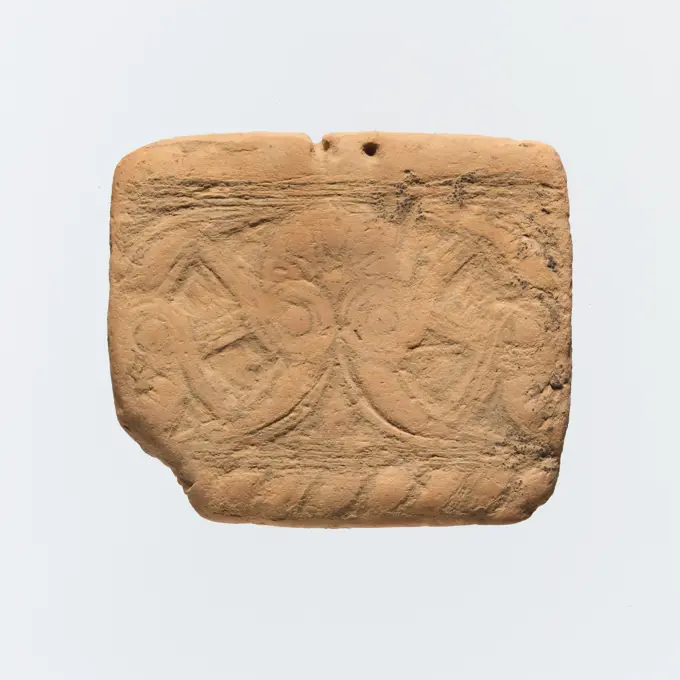
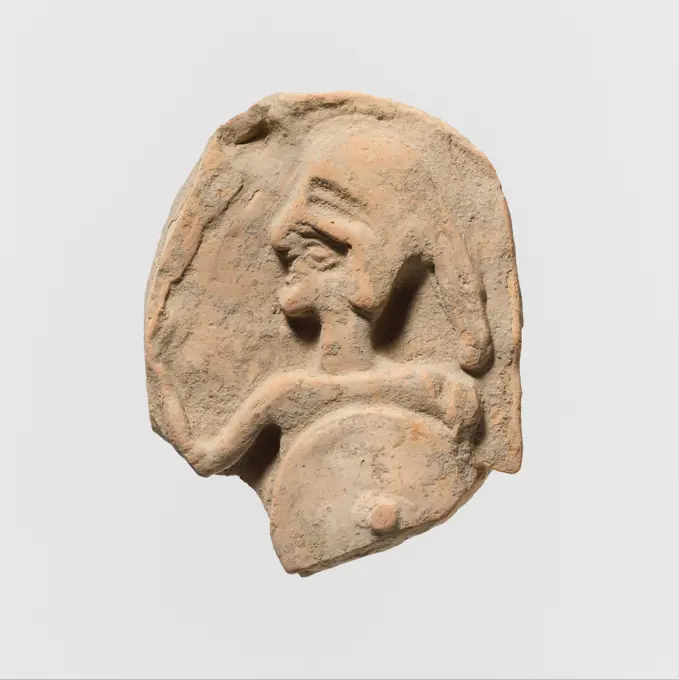
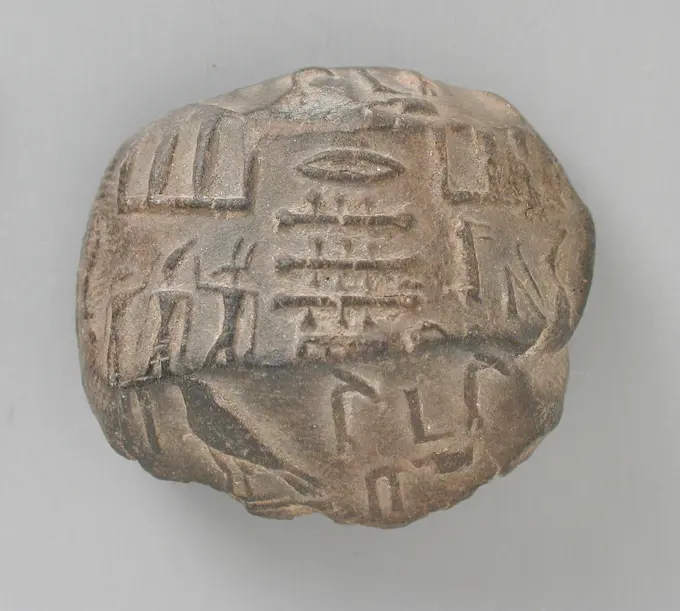
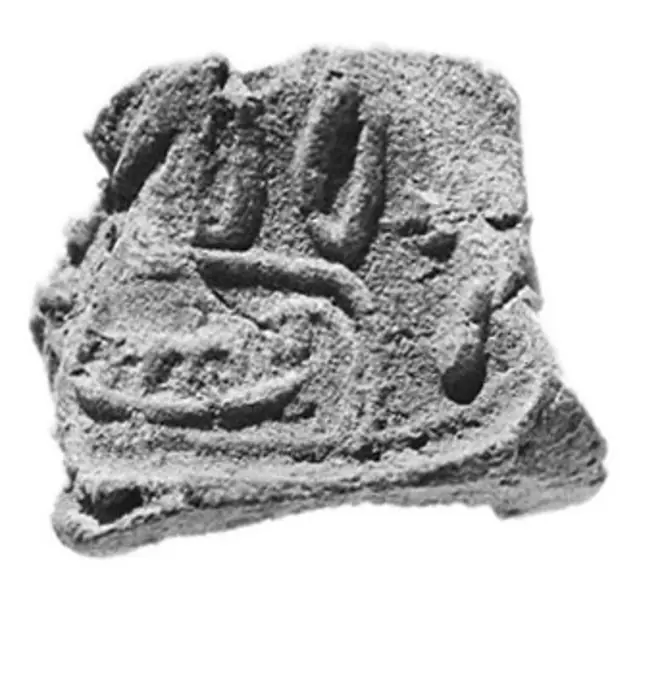
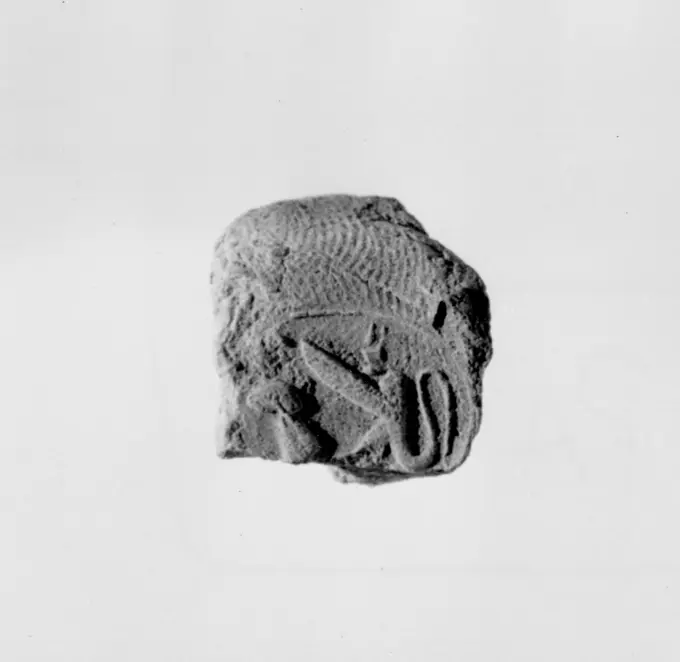
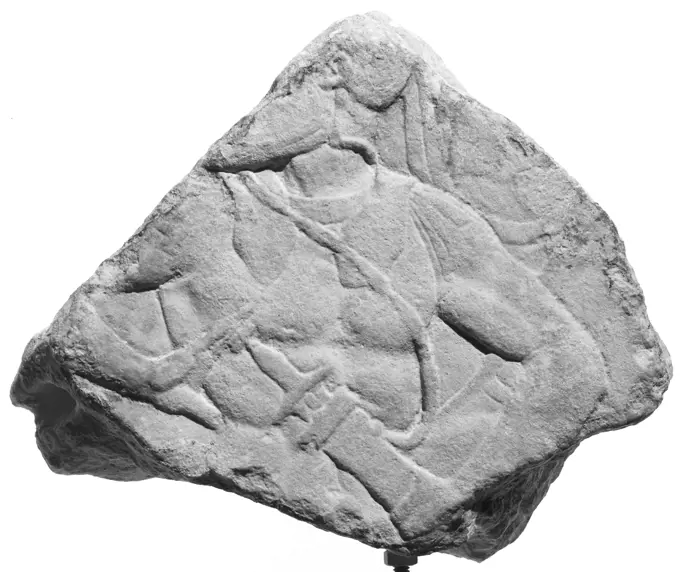
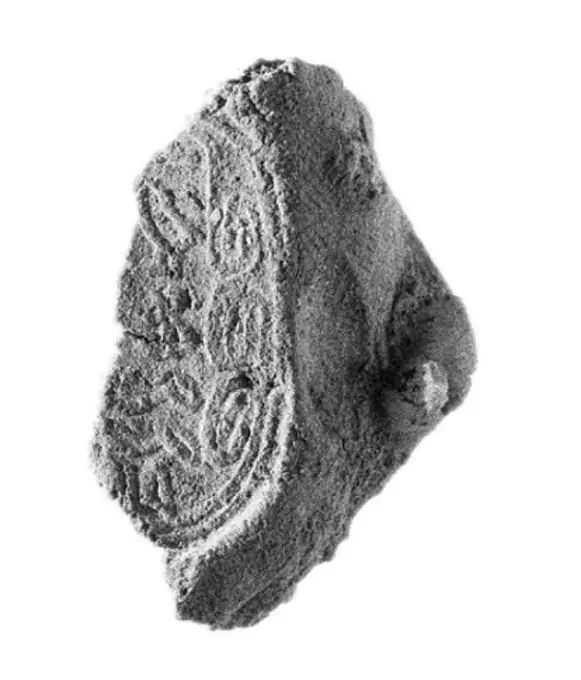
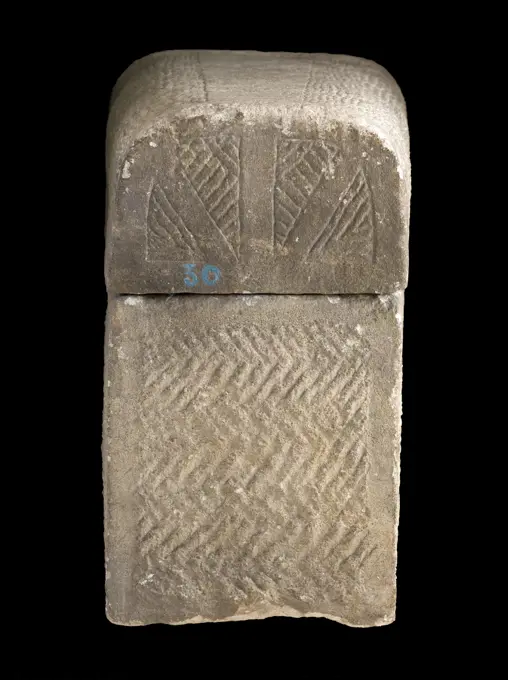
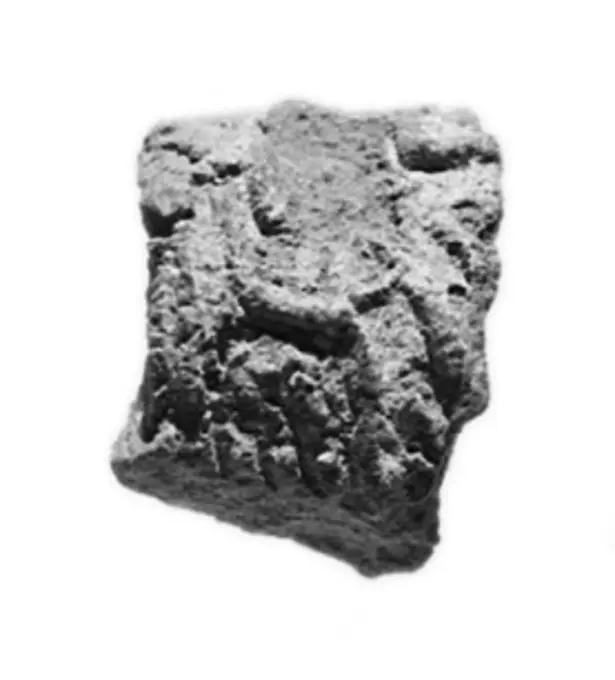
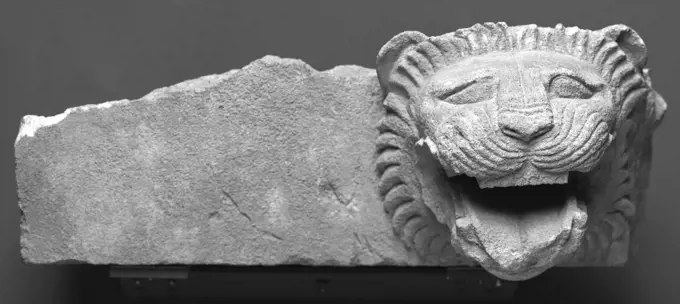
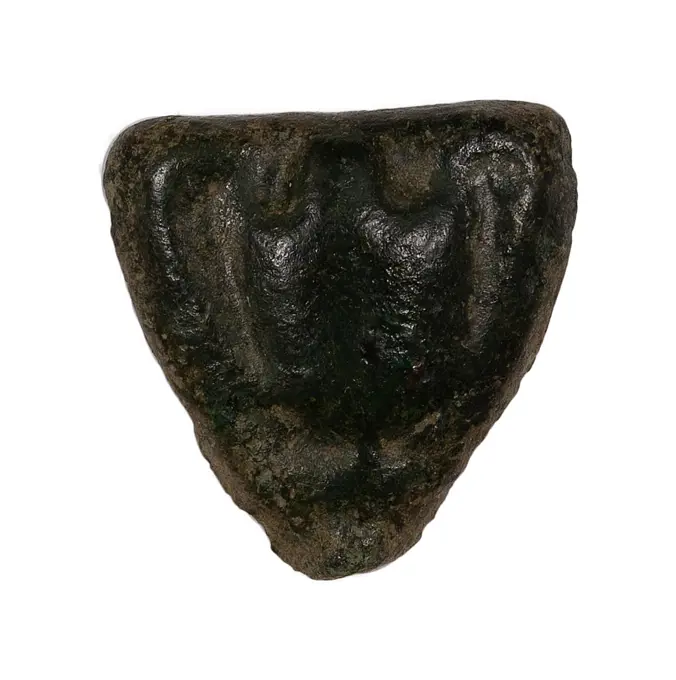
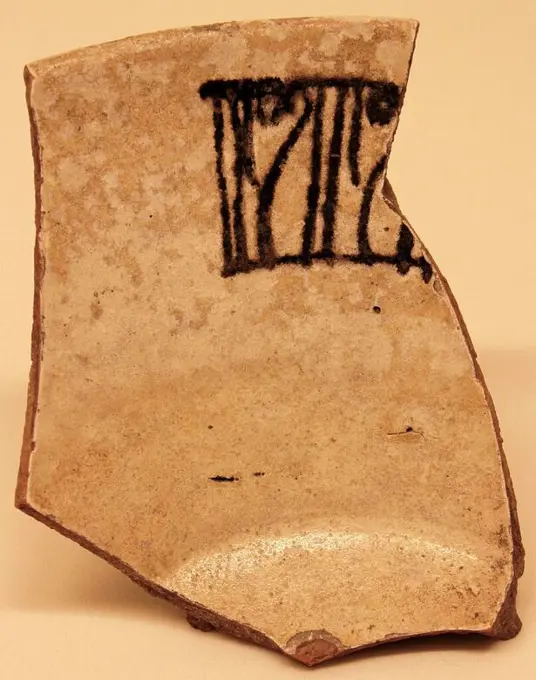
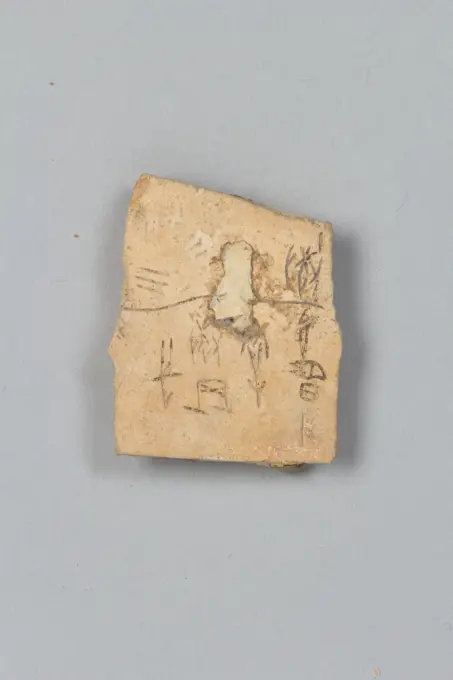
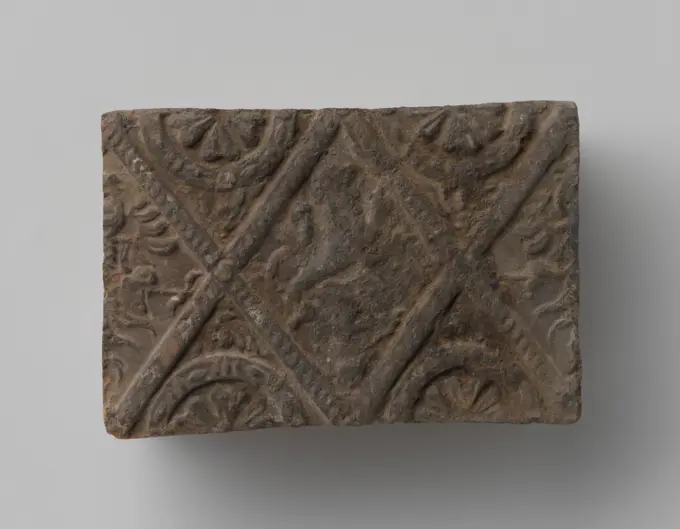
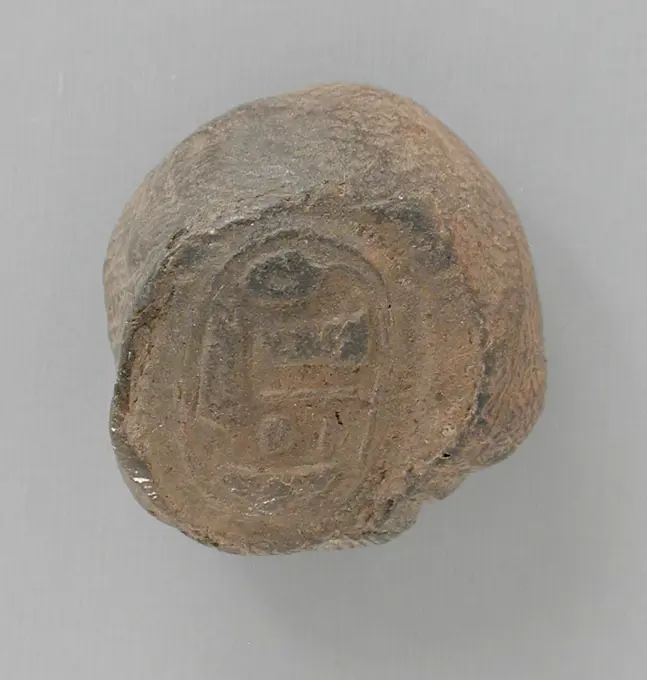
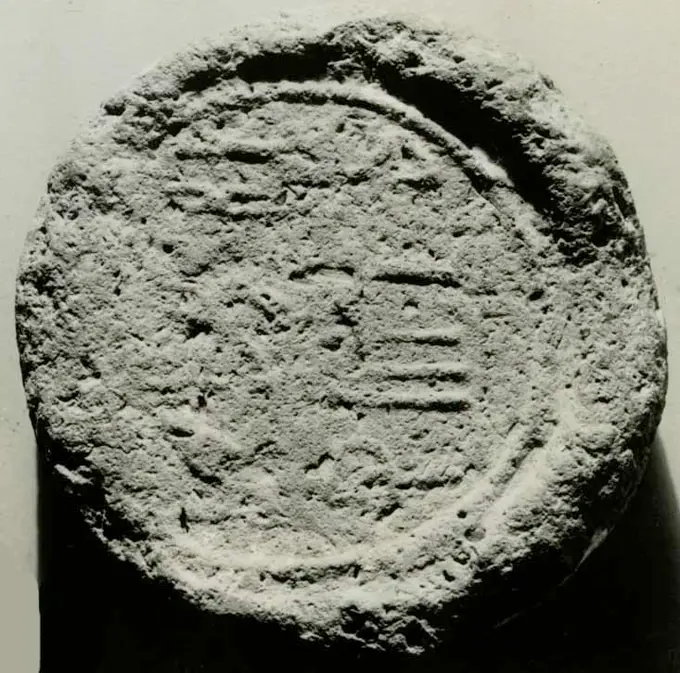
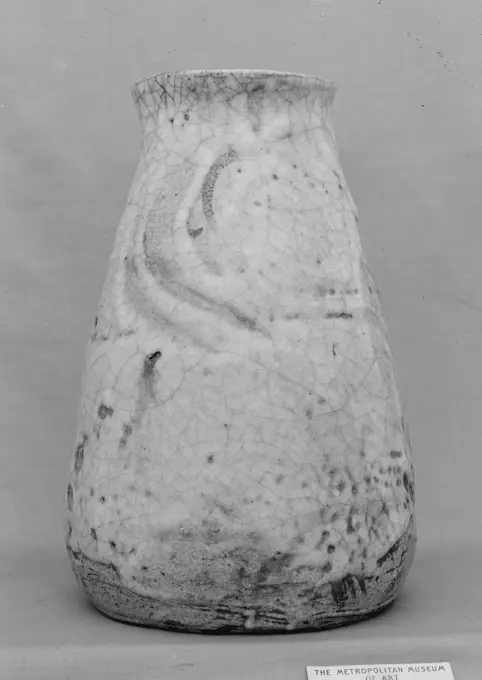
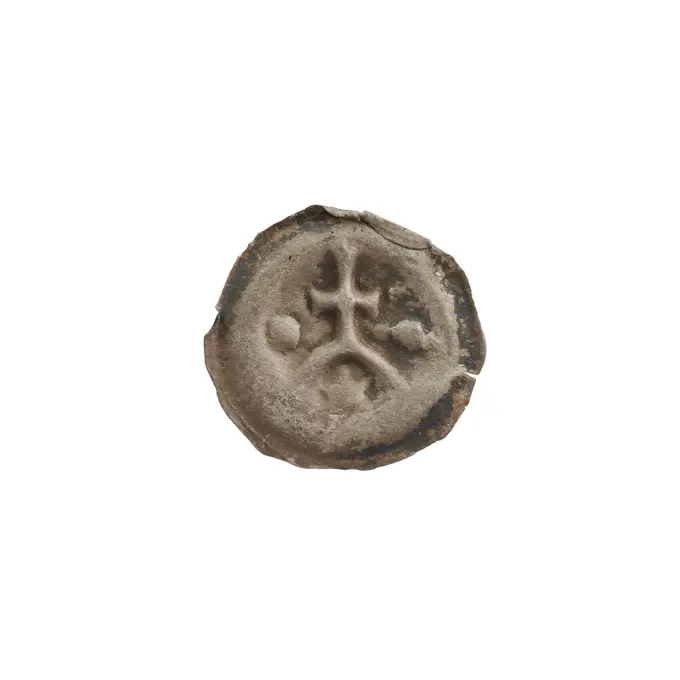
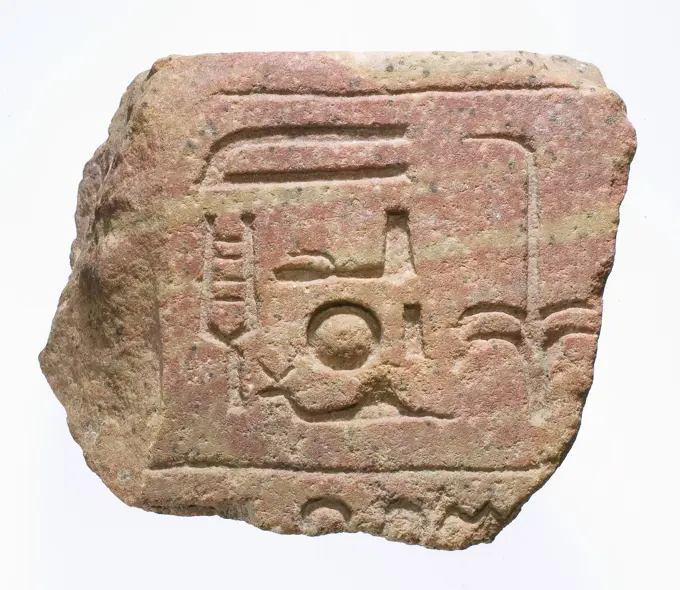
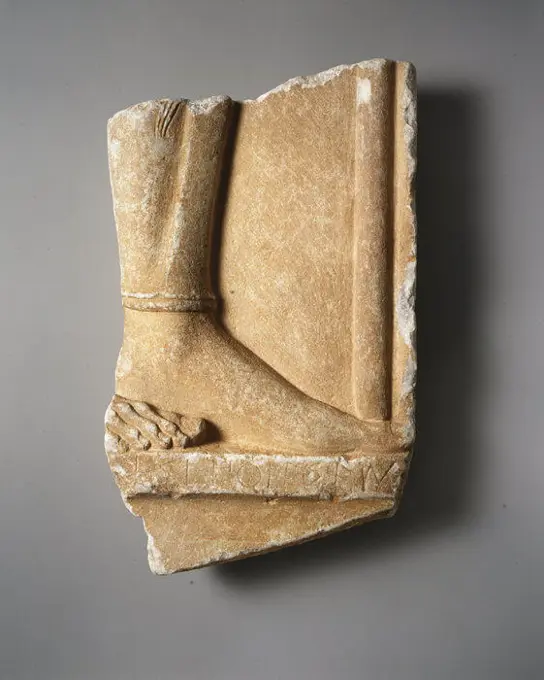
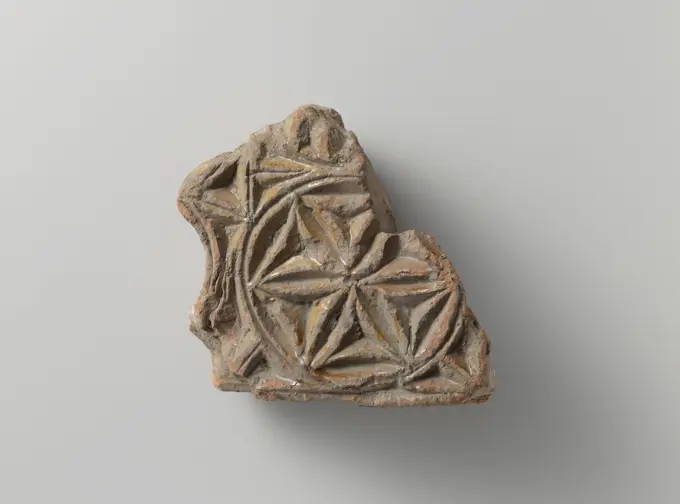
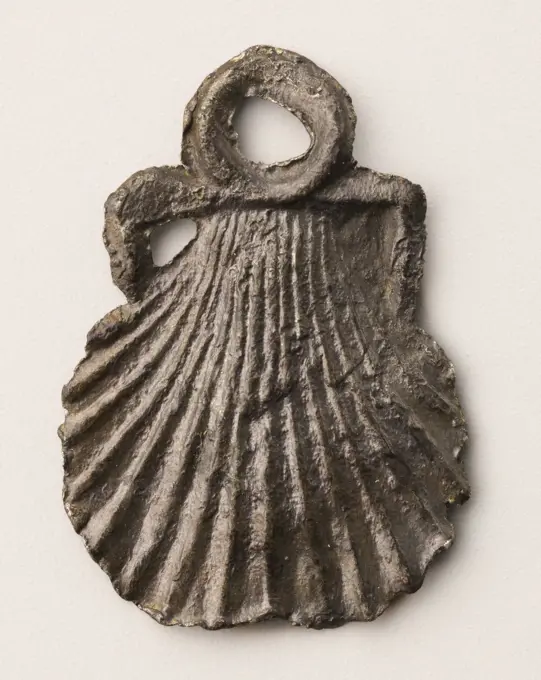
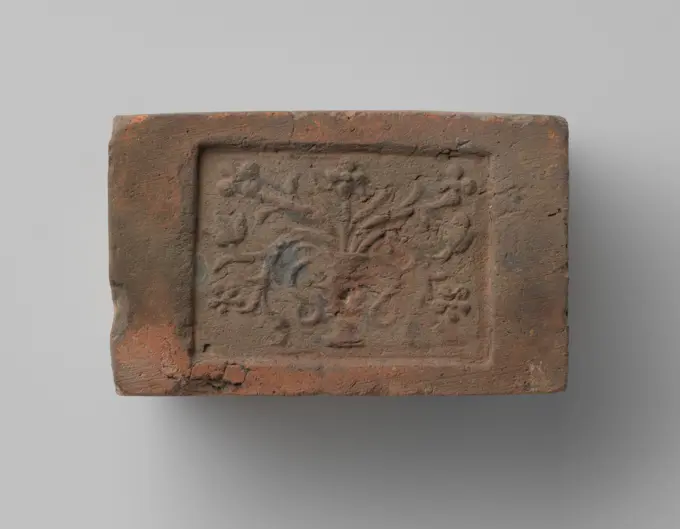
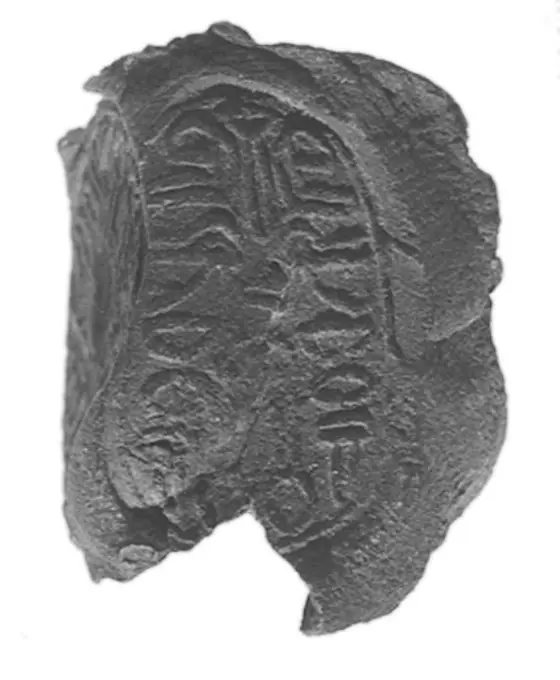
Sealing ca. 2030-1640 B.C. Middle Kingdom. Sealing 546545Sealing ca. 2030-1640 B.C. Middle Kingdom. Sealing 565431Document Sealing With the Throne Name of Amenhotep III ca. 1390-1353 B.C. New Kingdom. Document Sealing With the Throne Name of Amenhotep III. ca. 1390-1353 B.C.. Mud. New Kingdom. From Egypt, Upper Egypt, Thebes, Malqata, no exact location recorded, MMA excavations, 1910-12. Dynasty 18Funerary Cone of Overseer Userhat ca. 1550-1352 B.C. New Kingdom See 09.185.4. Funerary Cone of Overseer Userhat. ca. 1550-1352 B.C.. Pottery. New Kingdom. From Egypt, Upper Egypt, Thebes, Dra Abu el-Naga, Tomb TT 150 probably. Dynasty 18Female Head. UnknownFemale Head. UnknownDark Brown Clay Seal. UnknownFunerary Cone of Kaemamun and His Wife Meryre ca. 1425-1400 B.C. New Kingdom See 13.180.67. Funerary Cone of Kaemamun and His Wife Meryre. ca. 1425-1400 B.C.. Pottery. New Kingdom. From Egypt, Upper Egypt, Thebes. Dynasty 18Stożek pogrzebowy Amenwahsu. unknown, authorUnattributed Trebizond Coin. UnknownUnattributed Trebizond Coin. UnknownBreastplate. UnknownTerracotta mold fragment ca. 300-100 B.C. Greek, South Italian The mold, covered with a variety of different symbols, has been seen as being used for stamping sacred cakes. Alternatively, the symbols may not be religious but rather the marks of individual tradesmen or merchants who, acting as a guild, wanted to put a corporate seal on their goods.. Terracotta mold fragment 248369Funerary Cone of Mutirdis ca. 712-525 B.C. Late Period. Funerary Cone of Mutirdis. ca. 712-525 B.C.. Pottery. Late Period. From Egypt, Upper Egypt, Thebes. Dynasty 25-26Funerary Cone of the Overseer of the Seal Min ca. 1550-1295 B.C. New Kingdom See 15.2.40. Funerary Cone of the Overseer of the Seal Min. ca. 1550-1295 B.C.. Pottery. New Kingdom. From Egypt, Upper Egypt, Thebes. Dynasty 18Sealing ca. 2030-1640 B.C. Middle Kingdom. Sealing 565872Document Sealing ca. 1390-1353 B.C. New Kingdom. Document Sealing. ca. 1390-1353 B.C.. Mud. New Kingdom. From Egypt, Upper Egypt, Thebes, Malqata, no exact location recorded, MMA excavations, 1910-12. Dynasty 18Female Head. UnknownFemale Head. UnknownSealing fragment ca. 2030-1640 B.C. Middle Kingdom. Sealing fragment 565844Lead ornament 6th-5th century B.C. Greek, Laconian Small flat votive figurines of cast lead have been found in great quantities at the ancient sanctuaries of Laconia; over one hundred thousand, dating from the seventh century B.C. to the Classical period, were dedicated to the goddess Artemis Orthia in Sparta.. Lead ornament 251689 Greek, Laconian, Lead ornament, 6th5th century B.C., Lead, Height: 2 in. (5.2 cm). The Metropolitan Museum of Art, New York. Gift of A. J. B. Wace, 1924 (24.195.123)Crown with disks and right ear ca. 1353-1336 B.C. New Kingdom, Amarna Period. Crown with disks and right ear 567663Terracotta plaque 6th century B.C. Greek, Cretan Segment of a palmette-lotus bandThe two small holes at the top of the plaque suggest that it was suspended. The piece was probably part of a longer band of ornament.. Terracotta plaque 254746 Greek, Cretan, Terracotta plaque, 6th century B.C., Terracotta, 2 7/8 in. x 3 1/4 in. (7.4 cm x 7.9 cm). The Metropolitan Museum of Art, New York. Gift of the Archaeological Institute of America, 1953 (53.5.21)Unattributed Trebizond Coin. UnknownStamp Seal ca. 1550-1295 B.C. New Kingdom. Stamp Seal 550711Fragment of a terracotta plaque 7th century B.C. Greek, Cretan Warrior with helmet, shield, and a shaft, possibly a sword.. Fragment of a terracotta plaque. Greek, Cretan. 7th century B.C.. Terracotta. Archaic. TerracottasSeal Impression with Crowning of the King. Egypt, Old Kingdom () (2687 - 2191 BCE). Tools and Equipment; seals. Semi-baked clay of gray-black scorched colorSealing ca. 1981-1640 B.C. Middle Kingdom. Sealing 560425Female Head. UnknownSealing ca. 1981-1640 B.C. Middle Kingdom. Sealing 560491Document Sealing With the Throne Name of Amenhotep III ca. 1390-1353 B.C. New Kingdom. Document Sealing With the Throne Name of Amenhotep III. ca. 1390-1353 B.C.. Mud. New Kingdom. From Egypt, Upper Egypt, Thebes, Malqata, West Villas, West Villa B, MMA excavations, 1910-12. Dynasty 18Coin probably 590-628. Coin. probably 590-628. Silver. Excavated in Iran, Nishapur. CoinsSealing fragment ca. 2030-1640 B.C. Middle Kingdom. Sealing fragment 565836Fragment of an Archaistic Relief; Roman Empire; late 1st century B.C; Marble; 17.6 x 19.4 cm (6 15,16 x 7 5,8 in.)Anthropomorphic figurines Limestone, marble and ceramic Second Half of the third Millennium BC.Funerary Cone the Royal Scribe Djehutynefer ca. 1550-1295 B.C. New Kingdom. Funerary Cone the Royal Scribe Djehutynefer. ca. 1550-1295 B.C.. Pottery. New Kingdom. From Egypt, Upper Egypt, Thebes, Khokha, Tomb of Tjanefer (TT 297, MMA 831, MMA 5), courtyard, MMA excavations, 1915. Dynasty 18Bliżej Kultury Władysław Jagiełło (CA 1351 1434), Mint of KrakówMagical Figure ca. 1802-1550 B.C. Late Middle Kingdom-Second Intermediate Period These tablets of unfired clay with attached crude faces were found as a group by the Museum's excavators at Lisht South in loose surface sand west of the mastaba of Senwosretankh, a high official and possibly the architect of the pyramid complex of Senwosret I (ca. 1961-1917 B. C.), east of which he erected his own very elaborate mastaba tomb (see acc. nos. 33.1.2 and other pieces). The mud figures and little coffin (acc. no. 33.1.66) that had contained some of them must have been buried, however, considerably later than the early twelfth dynasty tomb close to which they were found. In fact, during the thirteenth and following dynasties people deposited a number of objects in the by then sacred area around a legendary ruler's pyramid and its dependant monuments, believing conceivably that potent magical powers could thus be released. These flat mud figures, for instance, are inscribed in now much-faded redAnonymous, mold fragment for bronze (common name). Cernuschi Museum, Asia Museum of Asia in the city of Paris.Medallion from a Lamp; Athens, Greece; 3rd century; Terracotta; 7.3 x 4.6 cm (2 7,8 x 1 13,16 in.)Sealing ca. 1981-1640 B.C. Middle Kingdom. Sealing 560399Anonymous. Trapezoidal sarcophagus with cover in front of the foot. Limestone engraved. VIIIth century. Paris, Carnavalet museum. Horizontal parallel streaks on the longitudinal walls of the tank and on the sides of the lid. Zigzags at the two ends of the tank; Hague triangles on the ends of the lid. 2nd face, lid, limestone, sarcophagus trapezoidal, archeological vestigeChest of king with Aten cartouches ca. 1353-1336 B.C. New Kingdom, Amarna Period. Chest of king with Aten cartouches 561679Mold for Funerary Amulet. Egypt, New Kingdom (1549 - 1081 BCE). Tools and Equipment; molds. TerracottaSealing ca. 1981-1640 B.C. Middle Kingdom. Sealing 557523Head with Melon Coiffure. UnknownSima Block with Lionhead Spout; Selinus, Sicily, Italy; about 500 B.C; Limestone; 21.5 x 55 x 29.3 cm (8 7,16 x 21 5,8 x 11 9,16 in.)Fireplace cover with the coat of arms of Karel V .. semicircular fireplace with a weapon of Karel v van Habsburg; Crowned shield with two-headed eagle with shield on the chest, on either side columns, left with cliff right with lion, to columns and rear shield banderol with inscription: Plus Oltre, decorated edge in Relief; Black breased, rear under fracture line, rear and top-up pieces off, edge and breast shield flocked.Coin fromSelinusFragment imadła amfory ze stemplem. unknown, potter's workshopFragment of a Bowl. Dimensions: H. 5 1/4 in. (13.3 cm)W. 3 15/16 in. (10 cm). Date: late 10th-11th century. Museum: Metropolitan Museum of Art, New York, USA.Coin 8th-9th century. Coin. 8th-9th century. Copper. Excavated in Iran, Nishapur. CoinsLead cover plate, shield -shaped for covering the nails of a lead roof covering, anonymous, c. 1400 - c. 1950 Lead cover plate, shield -shaped for covering the nails of a lead roof covering. Then divided into low relief, on the right half an eagle, a Peillood on the left and the letters a.i. Coming from the spire of Hindelopen.  lead (metal) Lead cover plate, shield -shaped for covering the nails of a lead roof covering. Then divided into low relief, on the right half an eagle, a Peillood on the left and the letters a.i. Coming from the spire of Hindelopen.  lead (metal)Oracle bone fragment China. Oracle bone fragment. China. Bone. Shang dynasty (ca. 1600-1046 B.C.). BoneHead with Melon Coiffure. UnknownHearing stone with a performance of climbing lion, c. 1575 - c. 1625 Hearing stone with a show of climbing lion to the left (heraldic), placed in profiled window. A double -headed eagle in the half windows on the sides. The half windows on the top and bottom are filled with half medallions with star motif. Southern Netherlands earthenware Hearing stone with a show of climbing lion to the left (heraldic), placed in profiled window. A double -headed eagle in the half windows on the sides. The half windows on the top and bottom are filled with half medallions with star motif. Southern Netherlands earthenwareSeal Impression of an Official of King Pedubast IV of Dynasty 27. Egypt, Late Period, 27th Dynasty, reign of Pedubast IV (525 - 405 BCE). Tools and Equipment; seals. Semi-baked clay of brown color with colorRing; second half of 6th century B.C; Silver; 2.3 cm, 0.0029 kg (7,8 in., 0.0064 lb.)Fairstone with image, Anonymous, 1580 - 1600 A fireplace with a medallion, with a bust of a helmet -bearing Roman. Southern Netherlands earthenware A fireplace with a medallion, with a bust of a helmet -bearing Roman. Southern Netherlands earthenwareAdministrative Seal ca. 1981-1640 B.C. Middle Kingdom. Administrative Seal 565813Greek dedication inscription;  the period of the Roman Empire (0-00-00-0-00-00);Sealing ca. 7th century A.D. Sasanian. Sealing 323452Basement, , c. 1400 - c. 1950 A Romanesque base with corner track from the church in Rolduc. Rolduc .   Rolduc A Romanesque base with corner track from the church in Rolduc. Rolduc .   RolducCoin late 12th-early 13th century. Coin 457100Disc-headed pin ca. 8th-7th century B.C. Iran. Disc-headed pin 323720Formal of a female holy fragment. Lower part with pedestal with nisjes.Seal Impression with Private Name or Priestess Title. Egypt, New Kingdom - Ptolemaic Period (1500 - 30 BCE). Tools and Equipment; seals. Blackened semi-baked clayFunerary Cone of the Chief Bowman Amenemopet ca. 1550-1295 B.C. New Kingdom This cone has the impression of a stamp seal inscribed for a chief bowman named Amenemopet who was also overseer of hunters. For a drawing of this impression see http://www.funerarycones.com/, number 304.. Funerary Cone of the Chief Bowman Amenemopet Funerary Cone of the Chief Bowman Amenemopet ca. 1550-1295 B.C. New Kingdom This cone has the impression of a stamp seal inscribed for a chief bowman named Amenemopet who was also overseer of hunters. For a drawing of this impression see http://www.funerarycones.com/, number 304.. Funerary Cone of the Chief Bowman Amenemopet. ca. 1550-1295 B.C.. Pottery. New Kingdom. From Egypt, Upper Egypt, Thebes. Dynasty 18Flower Vase 18th century Japan. Flower Vase. Japan. 18th century. Paste decorated under a transparent crackled glaze (Mino ware, Shino type). Edo period (1615-1868). CeramicsDenar - Brakteat; approx. 1277/1278-OK. 1287/1288 (1277-00-00-1288-00-00);Base fragment inscribed with epithets of the king ca. 1353-1336 B.C. New Kingdom, Amarna Period. Base fragment inscribed with epithets of the king 567614Sealing ca. 7th century A.D. Sasanian. Sealing 323334Funerary Cone of the Scribe Wadjmose ca. 1550-1295 B.C. New Kingdom This cone has the impression of a stamp seal inscribed for a man named Wadjmose who was scibe of the second phophet (priest) of the god Amun. For a drawing of this impression see http://www.funerarycones.com/, number 348.The Museum's excavation team uncovered forty cones of this type in the courtyard of TT 39, the tomb of Puyemre. In the division of finds, three, including this one and cones 15.10.32-.33 were given to the Metropolitan Museum of Art.. Funerary Cone of the Scribe Wadjmose Funerary Cone of the Scribe Wadjmose ca. 1550-1295 B.C. New Kingdom This cone has the impression of a stamp seal inscribed for a man named Wadjmose who was scibe of the second phophet (priest) of the god Amun. For a drawing of this impression see http://www.funerarycones.com/, number 348.The Museum's excavation team uncovered forty cones of this type in the courtyard of TT 39, the tomb of Puyemre. In the division of finds, three, includHead with Knidian Coiffure. UnknownTile China. Tile 51965Fragment maski stiukowej. unknown, authorFragmentary marble grave stele of a hoplite (foot soldier) ca. 510 B.C. Attributed to Aristokles The fragment preserves part of the bare feet of the hoplite and the lower end of the left greave (shin guard) with its lining and three ridges of the articulation of the calf muscle. The shaft at the right edge is the end of the warrior's spear. The inscription on the ground line gives the conclusion of a personal name and the conventional verb for made it or me. The subject, the sensitive articulation, and the inscription associate this work with others signed by Aristokles.. Fragmentary marble grave stele of a hoplite (foot soldier) 255961Statue Fragment: Hand. UnknownHead with Stephane. UnknownHead with Wreath and Bow Knot(). UnknownSherd ca. 6th-8th century A.D. Sasanian or Islamic. Sherd 322840Hearing stone with representation of Sint Joris on horseback, who kills the dragon, c. 1525 - c. 1550 Hearing stone with representation of Sint Joris on horseback, who kills the dragon, with the princess on the right. Southern Netherlands earthenware Hearing stone with representation of Sint Joris on horseback, who kills the dragon, with the princess on the right. Southern Netherlands earthenwareRelief fragment, Meketre ca. 1981-1975 B.C. Middle Kingdom. Relief fragment, Meketre 562119Fragment of a Seated Female Figure. UnknownBuilding fragment, decorated with deepened star shape, anonymous, c. 1450 - c. 1550 A fragment structurally decorated with baked earth. Central to a circle is a deepened star shape with six arms. Decorated all around with deepened triangles. Netherlands earthenware A fragment structurally decorated with baked earth. Central to a circle is a deepened star shape with six arms. Decorated all around with deepened triangles. Netherlands earthenwareSealing ca. 1981-1640 B.C. Middle Kingdom. Sealing. ca. 1981-1640 B.C.. Mud. Middle Kingdom. From Egypt, Memphite Region, Lisht North, Cemetery, MMA excavations, 1920-22. Dynasty 12-13Temple Model 15th-early 16th century Aztec. Temple Model 316870Ring. UnknownFigurine of a Temple Pediment. Egypt, Ptolemaic Period - Roman Period (200 BCE - 300 CE). Architecture; Architectural Models. BronzeCoin 8th century. Coin 457396Capital. Dimensions: H. 13 3/4 in. (34.9 cm)W. 15 1/4 in. (38.7 cm)D. 8 in. (20.3 cm)Wt. 104 lbs (47.2 kg). Date: late 8th century.This object exhibits the decorative language of Samarra, the second and temporary Abbasid capital. Among the various styles of surface ornament created at Samarra, the beveled style is the most well known. This style refers to a form of ornamentation based on a vegetal design that was slant cut so that the foreground and background become almost indistinguishable. Museum: Metropolitan Museum of Art, New York, USA.Unattributed Trebizond Coin. UnknownWeight: 40 kedets  ca. 1981-1640 B.C. Middle Kingdom. Weight: 40 kedets . ca. 1981-1640 B.C.. Sandstone(). Middle Kingdom. From Egypt, Memphite Region, Lisht North, Cemetery, MMA excavations, 1920-22. Dynasty 12-13Pilgrim's Badge 15th century French. Pilgrim's Badge. French. 15th century. Lead. Metalwork-LeadWoman - a fragment of the figurine;  II-I century BC (-200-00-00-00--1-00-00);Hearing stone with a vase with flowers, anonymous, c. 1575 - c. 1600 Highstone with a vase with flowers. Southern Netherlands earthenware Highstone with a vase with flowers. Southern Netherlands earthenwareRelief fragment ca. 6th-8th century A.D. Sasanian or Islamic. Relief fragment 322692Stamp seal ca. late 3rd-early 2nd millennium B.C. Bactria-Margiana Archaeological Complex. Stamp seal. Bactria-Margiana Archaeological Complex. ca. late 3rd-early 2nd millennium B.C.. Copper alloy. Bronze Age. Bactria-MargianaStamp seal (scaraboid) with cultic scene second half of 8th century B.C. Syro-Levantine. Stamp seal (scaraboid) with cultic scene. Syro-Levantine. second half of 8th century B.C.. Green-black serpentine. Iron Age II. Levant or MesopotamiaFigurine 306-30 B.C. Ptolemaic Period. Figurine. 306-30 B.C.. Pottery. Ptolemaic Period. From Egypt, Upper Egypt, Thebes, Asasif, MMA excavations