Ancient Stucco Fragments

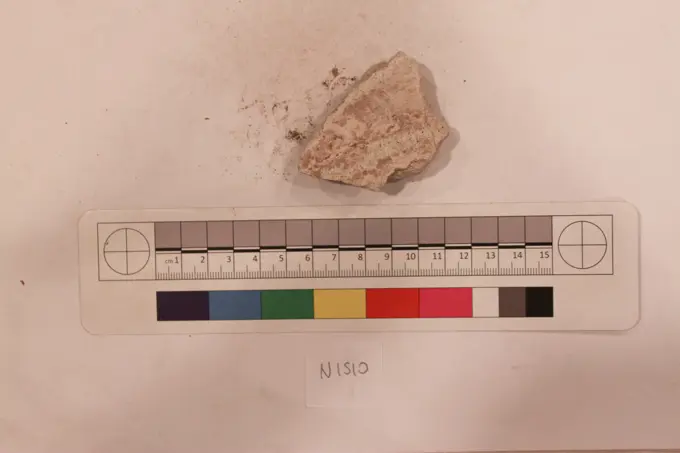
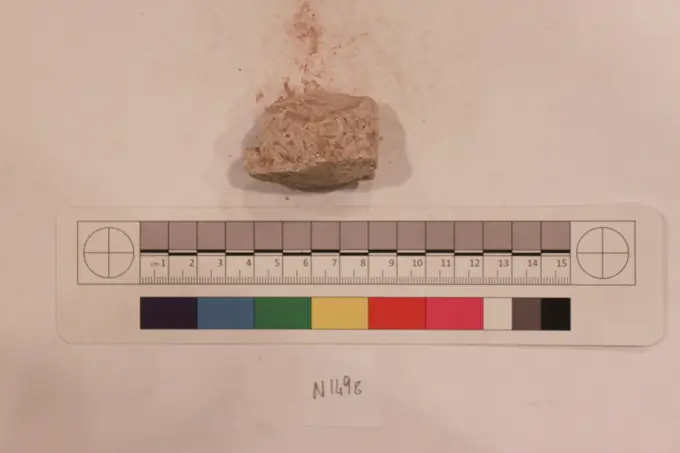
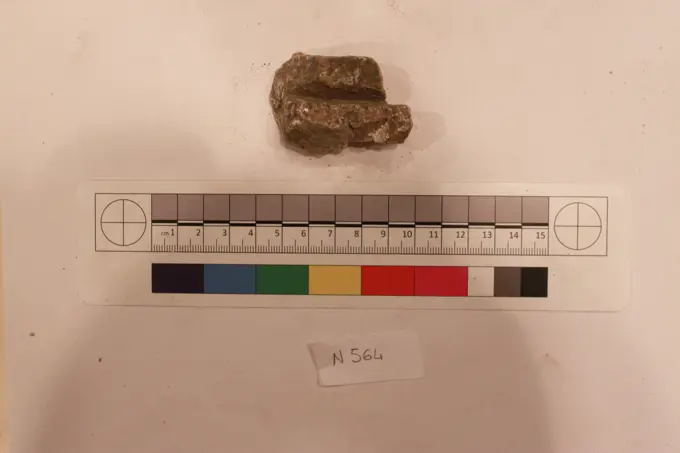
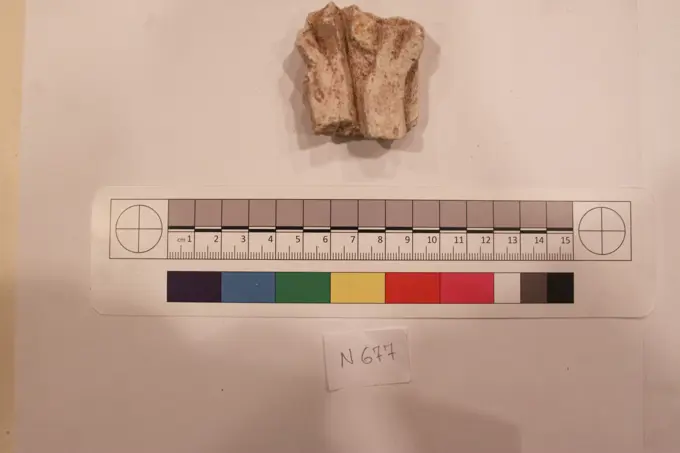
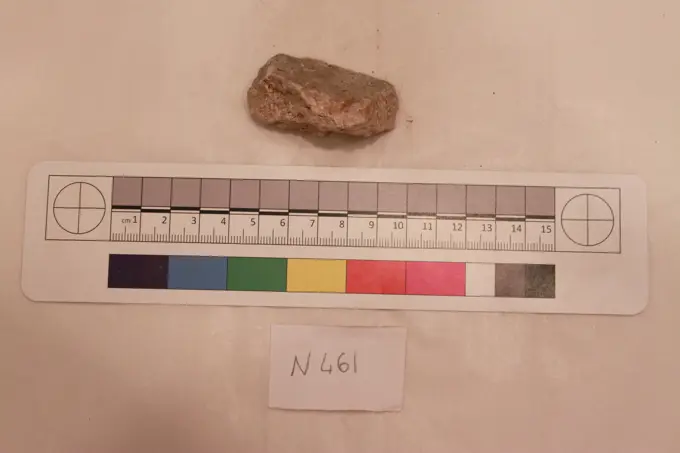
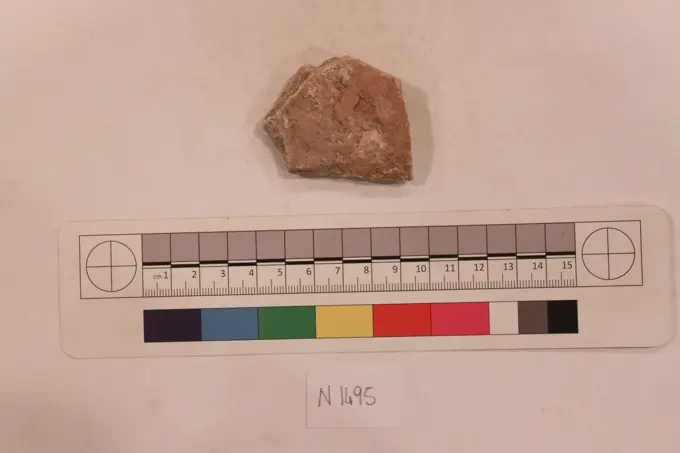
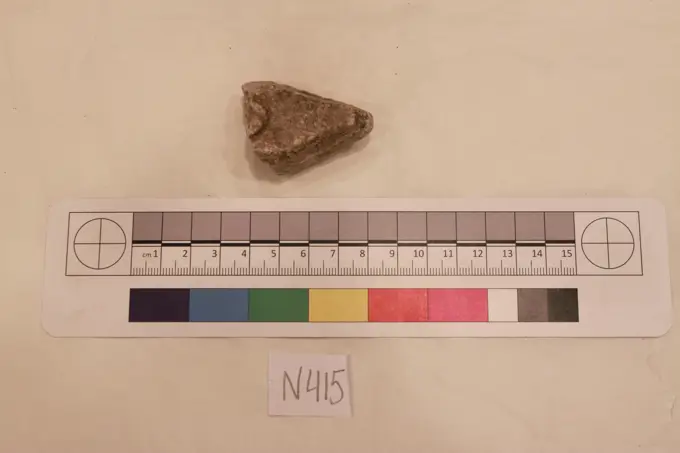
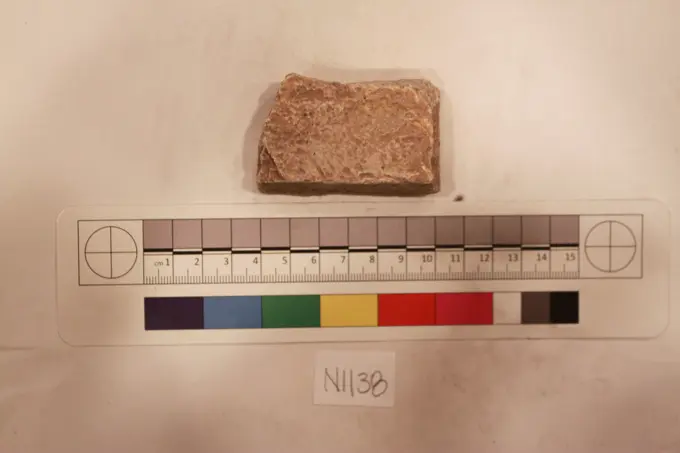
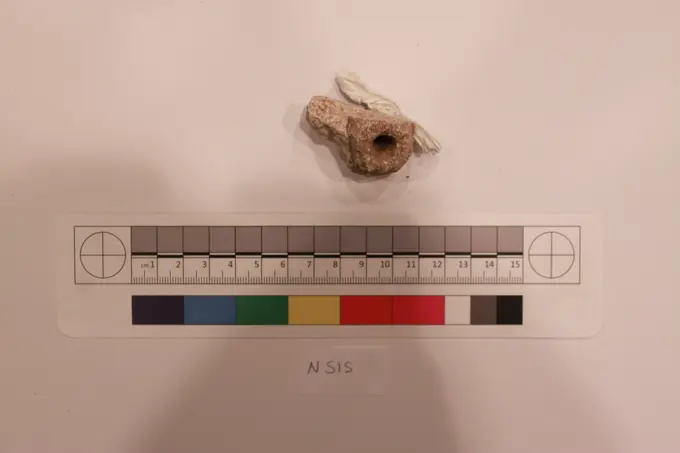
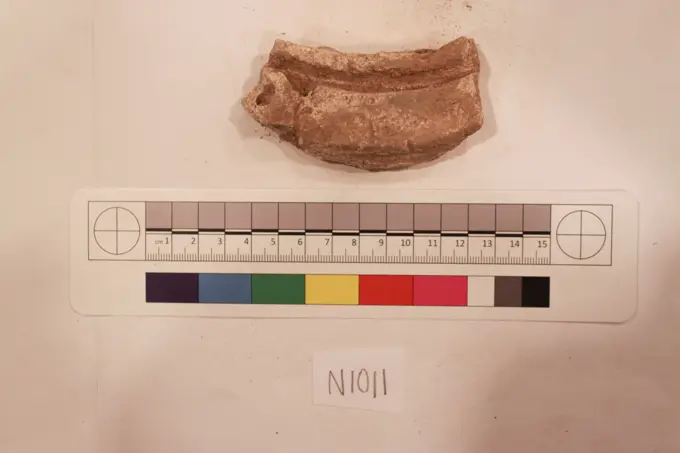
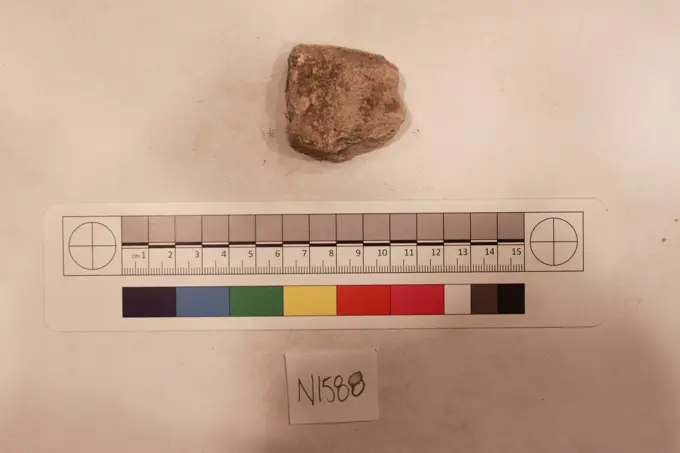
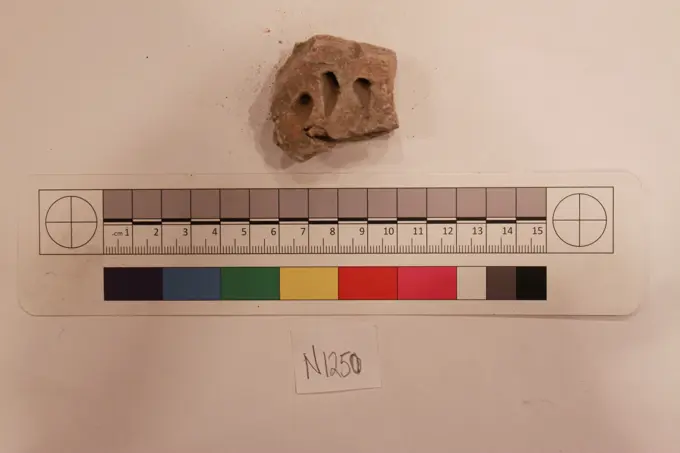
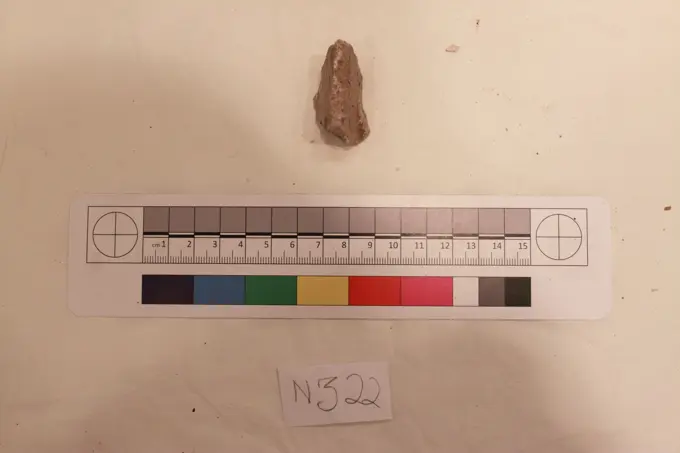
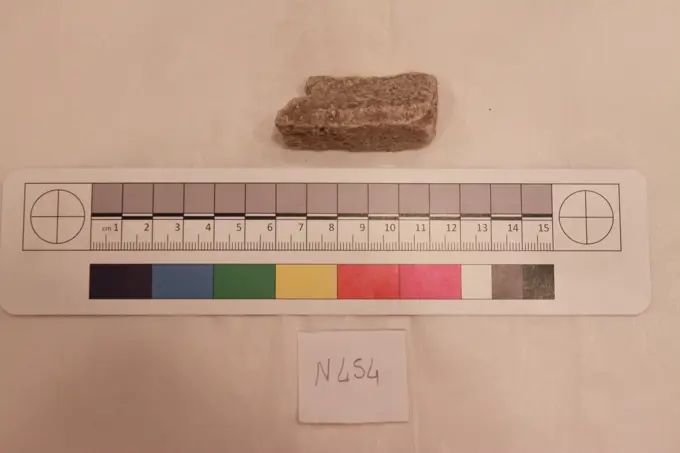
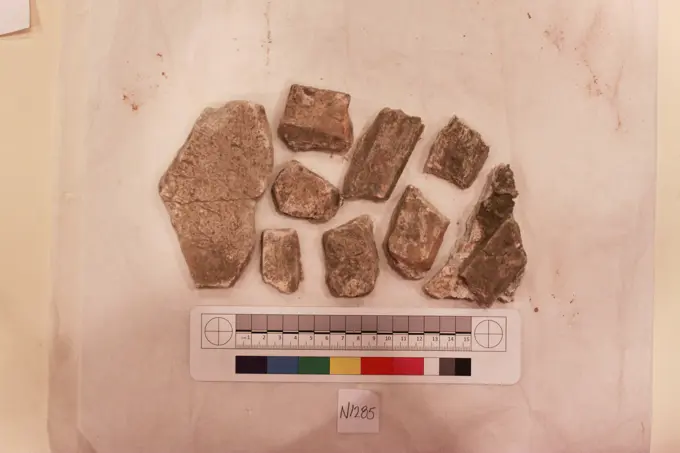
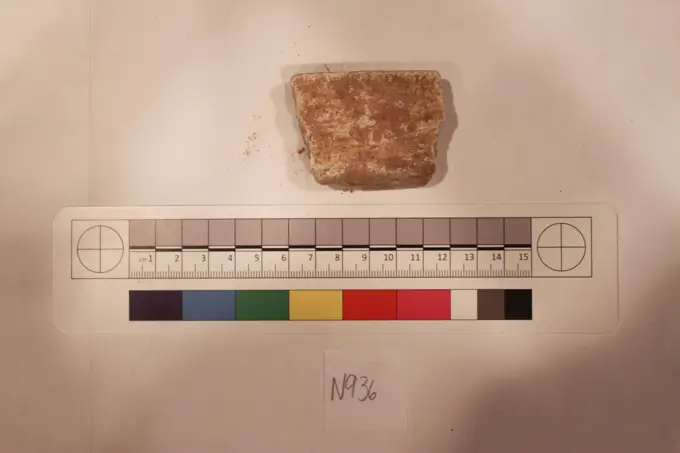
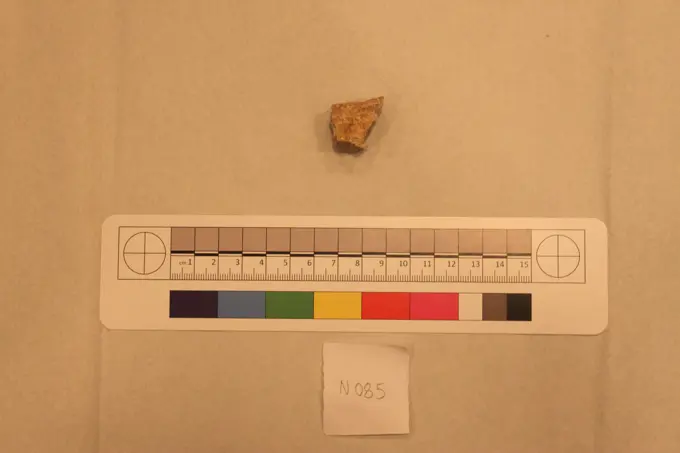
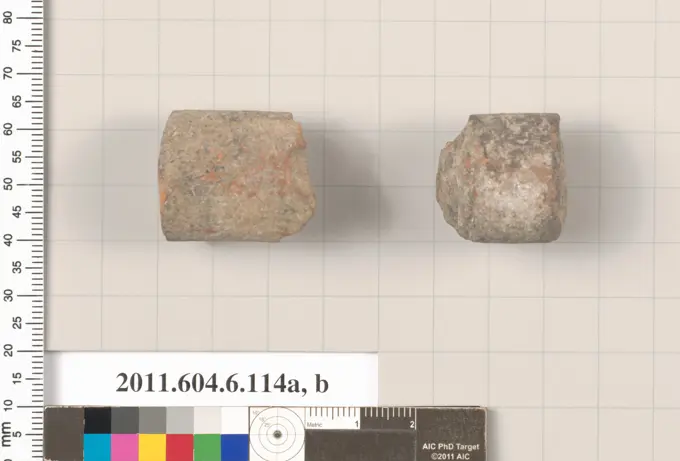
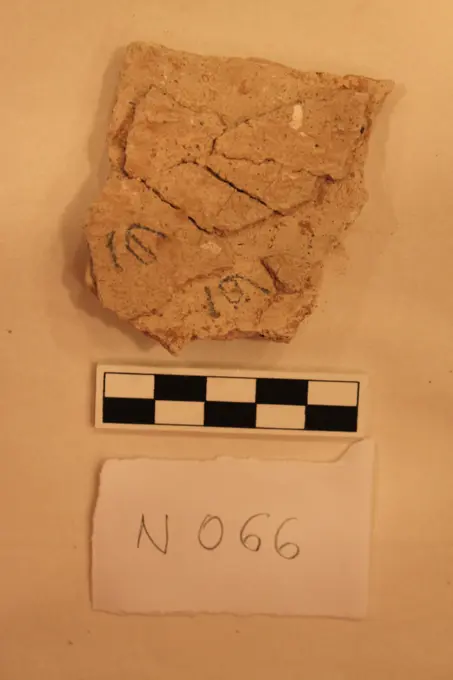
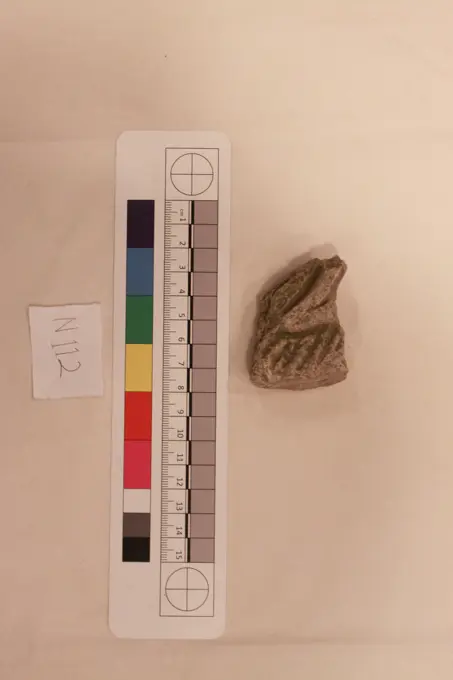
Historical stucco fragments from the 8th-12th century, presented alongside measurement scales for archaeological context and museum documentation.
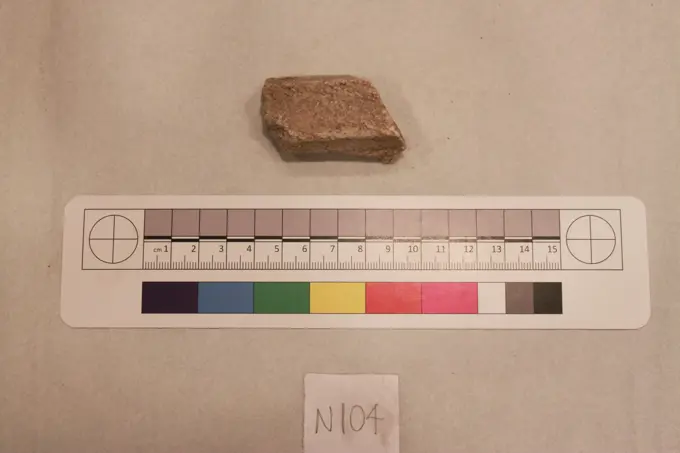
Stucco Fragment probably 8th-12th century. Stucco Fragment 740814
Stucco Fragment probably 8th-12th century. Stucco Fragment 740964Fragment. Dimensions: L 4cm x W 2x H 2.5. Date: probably 8th-12th century. Museum: Metropolitan Museum of Art, New York, USA.Stucco Fragment probably 8th-12th century. Stucco Fragment 741329Stucco Fragment probably 8th-12th century. Stucco Fragment 742183Stucco Fragment probably 8th-12th century. Stucco Fragment 740959Fragment. Dimensions: L 4 cm x W 2.5 x H 1.5. Date: probably 8th-12th century. Museum: Metropolitan Museum of Art, New York, USA.Stucco Fragment probably 8th-12th century. Stucco Fragment 740814Stucco Fragment probably 8th-12th century. Stucco Fragment 741236Fragment. Dimensions: 3.5 x 2.5 x 2. Date: probably 8th-12th century. Museum: Metropolitan Museum of Art, New York, USA.Stucco Fragment probably 8th-12th century. Stucco Fragment 741416Stucco Fragment probably 8th-12th century. Stucco Fragment 741315Stucco Fragment probably 8th-12th century. Stucco Fragment 741931Fragment. Dimensions: 2.5 x 2 x 0.5. Date: probably 8th-12th century. Museum: Metropolitan Museum of Art, New York, USA.Stucco Fragment probably 8th-12th century This object was excavated at Nishapur.Nishapur was a vital city in the early and middle Islamic periods, located along one of the main trajectories that connected Iran and West Asia Islamic lands with Central Asia and China. These itineraries are often referred to by the term Silk routes’ but were in fact crucial to the movement of constellations of materials and objects, as well as people and ideas. The diverse population of Nishapur and its surroundings, from the better-researched elite groups of merchants, land-owning aristocracy, and literates, to the less-known artisans, farmers, miners, and servants, were instrumental in adapting global cultural trends to create their own distinctive visual languages. This is seen in the material remains of everyday life in medieval Nishapur - from pots and pans to lighting devices, inkwells, textiles and trimmings, jewelry, games and toys, talismanic devices, weapons, coins, and architectural fragments.Stucco Fragment probably 8th-12th century. Stucco Fragment 741828Fragment. Dimensions: L 5 x W 3.5 x H 1.5. Date: probably 8th-12th century. Museum: Metropolitan Museum of Art, New York, USA.Fragment. Dimensions: L 5.5 x W 2.5 x H 1.5. Date: probably 8th-12th century. Museum: Metropolitan Museum of Art, New York, USA.Fragment. Dimensions: 3.5 x 2 x 2. Date: probably 8th-12th century. Museum: Metropolitan Museum of Art, New York, USA.Fragment. Dimensions: L 2 x W 2 x H 1.5. Date: probably 8th-12th century. Museum: Metropolitan Museum of Art, New York, USA.Stucco Fragment probably 8th-12th century. Stucco Fragment 741290Fragment. Dimensions: L5 x W 2.5 x H 2.5. Date: probably 8th-12th century. Museum: Metropolitan Museum of Art, New York, USA.Stucco Fragment probably 8th-12th century. Stucco Fragment 741312Stucco Fragment probably 8th-12th century. Stucco Fragment 741053Fragment. Dimensions: 3 x 2 x 1.5. Date: probably 8th-12th century. Museum: Metropolitan Museum of Art, New York, USA.Fragment. Dimensions: L 3.5 x W 3 x H 1. Date: probably 8th-12th century. Museum: Metropolitan Museum of Art, New York, USA.Stucco Fragment probably 8th-12th century. Stucco Fragment 740812Fragment. Dimensions: L 5 x W 2x H 2.5. Date: probably 8th-12th century. Museum: Metropolitan Museum of Art, New York, USA.Fragment. Dimensions: L 13 cm x W 11.5 x H 6. Date: probably 8th-12th century. Museum: Metropolitan Museum of Art, New York, USA.Stucco Fragment probably 8th-12th century. Stucco Fragment 742315Stucco Fragment probably 8th-12th century This object was excavated at Nishapur.Nishapur was a vital city in the early and middle Islamic periods, located along one of the main trajectories that connected Iran and West Asia Islamic lands with Central Asia and China. These itineraries are often referred to by the term Silk routes’ but were in fact crucial to the movement of constellations of materials and objects, as well as people and ideas. The diverse population of Nishapur and its surroundings, from the better-researched elite groups of merchants, land-owning aristocracy, and literates, to the less-known artisans, farmers, miners, and servants, were instrumental in adapting global cultural trends to create their own distinctive visual languages. This is seen in the material remains of everyday life in medieval Nishapur - from pots and pans to lighting devices, inkwells, textiles and trimmings, jewelry, games and toys, talismanic devices, weapons, coins, and architectural fragments.Stucco Fragment probably 8th-12th century. Stucco Fragment 741351Stucco Fragment probably 8th-12th century. Stucco Fragment 740922Fragment. Dimensions: L 5 cm x W 4.5x H 2. Date: probably 8th-12th century. Museum: Metropolitan Museum of Art, New York, USA.Fragment. Dimensions: L 5.5 x W 5 x 2.5. Date: probably 8th-12th century. Museum: Metropolitan Museum of Art, New York, USA.Fragment. Dimensions: L 9.5 x W 8.5x H 2.5. Date: probably 8th-12th century. Museum: Metropolitan Museum of Art, New York, USA.Fragment. Dimensions: L 3x W 2.5x H 1.5. Date: probably 8th-12th century. Museum: Metropolitan Museum of Art, New York, USA.Stucco Fragment probably 8th-12th century. Stucco Fragment 741882Stucco Fragment probably 8th-12th century. Stucco Fragment 742311Fragment. Dimensions: L 3cm x W 1.5 x H 1.5. Date: probably 8th-12th century. Museum: Metropolitan Museum of Art, New York, USA.Stucco Fragment probably 8th-12th century. Stucco Fragment 740918Fragment. Dimensions: L 7.5 x W 4.5 x H2. Date: probably 8th-12th century. Museum: Metropolitan Museum of Art, New York, USA.Fragment. Dimensions: 3.5 x 2 x 2. Date: probably 8th-12th century. Museum: Metropolitan Museum of Art, New York, USA.Fragment. Dimensions: L5.5 x W 3x H2.5. Date: probably 8th-12th century. Museum: Metropolitan Museum of Art, New York, USA.Stucco Fragment probably 8th-12th century. Stucco Fragment 740783Stucco Fragment probably 8th-12th century. Stucco Fragment 741898Fragment. Dimensions: L 8 cm x W 4 x H 1.5. Date: probably 8th-12th century. Museum: Metropolitan Museum of Art, New York, USA.Stucco Fragment probably 8th-12th century. Stucco Fragment 741413Stucco Fragment probably 8th-12th century. Stucco Fragment 741045Stucco Fragment probably 8th-12th century. Stucco Fragment 741695Fragment. Dimensions: L 2.5 x W 2.5 x H 1.5. Date: probably 8th-12th century. Museum: Metropolitan Museum of Art, New York, USA.Stucco Fragment probably 8th-12th century. Stucco Fragment 741957Fragment. Dimensions: L 1.5-3 x W 1.5 x H 1. Date: probably 8th-12th century. Museum: Metropolitan Museum of Art, New York, USA.Stucco Fragment probably 8th-12th century. Stucco Fragment 741725Stucco Fragment probably 8th-12th century. Stucco Fragment 741098Stucco Fragment probably 8th-12th century. Stucco Fragment 740751Stucco Fragment probably 8th-12th century. Stucco Fragment 741244Stucco Fragment probably 8th-12th century. Stucco Fragment 740805Stucco Fragment probably 8th-12th century. Stucco Fragment 741689Stucco Fragment probably 8th-12th century. Stucco Fragment 741332Stucco Fragment probably 8th-12th century. Stucco Fragment 741821Stucco Fragment probably 8th-12th century. Stucco Fragment 740984Fragment. Dimensions: L 9 cm x W 3 x H 2.5. Date: probably 8th-12th century. Museum: Metropolitan Museum of Art, New York, USA.Stucco Fragment probably 8th-12th century. Stucco Fragment 741606Stucco Fragment probably 8th-12th century. Stucco Fragment 741058Stucco Fragment probably 8th-12th century. Stucco Fragment 741621Fragment. Dimensions: 3 x 1.5 x 1.5. Date: probably 8th-12th century. Museum: Metropolitan Museum of Art, New York, USA.Fragment. Dimensions: L 5x W 2 x H 1.5. Date: probably 8th-12th century. Museum: Metropolitan Museum of Art, New York, USA.Stucco Fragment probably 8th-12th century. Stucco Fragment 742005Stucco Fragment probably 8th-12th century. Stucco Fragment 740916Stucco Fragment probably 8th-12th century. Stucco Fragment 741083Stucco Fragment probably 8th-12th century. Stucco Fragment 742075Fragment. Dimensions: L 6x W 4x H 1.5. Date: probably 8th-12th century. Museum: Metropolitan Museum of Art, New York, USA.Fragment. Dimensions: L 4.5 x W 3 x H 1.5. Date: probably 8th-12th century. Museum: Metropolitan Museum of Art, New York, USA.Fragment. Dimensions: L 8 x W 4.5 x H 1.5. Date: probably 8th-12th century. Museum: Metropolitan Museum of Art, New York, USA.Stucco Fragment probably 8th-12th century. Stucco Fragment 742304Fragment. Dimensions: 4.5 x 1.5 x 2. Date: probably 8th-12th century. Museum: Metropolitan Museum of Art, New York, USA.Stucco Fragment probably 8th-12th century. Stucco Fragment 740755Fragment. Dimensions: L 12 x W 8.5 x H 2.5. Date: probably 8th-12th century. Museum: Metropolitan Museum of Art, New York, USA.Terracotta fragments of undetermined shapes 6th/5th centuries B.C. Greek, Attic Two burnt fragments from undetermined shapes. Terracotta fragments of undetermined shapes. Greek, Attic. 6th/5th centuries B.C.. Terracotta; Black glaze. Archaic/Classical. VasesFragment. Dimensions: L 3 x W 1.5 x H 2. Date: probably 8th-12th century. Museum: Metropolitan Museum of Art, New York, USA.Ceramic fragment. Dimensions: 3.28 x 5.38 cm. Date: 8th-12th century. Museum: Metropolitan Museum of Art, New York, USA.Stucco Fragment probably 8th-12th century. Stucco Fragment 742266Stucco Fragment probably 8th-12th century. Stucco Fragment 741132Stucco Fragment probably 8th-12th century. Stucco Fragment 742260Fragment ca. 1150-ca. 1250 European or Middle Eastern. Fragment 695182Fragment. Dimensions: L 14.5 x W 6 x H 1.5. Date: probably 8th-12th century. Museum: Metropolitan Museum of Art, New York, USA.Stucco Fragment probably 8th-12th century. Stucco Fragment 741611Stucco Fragment probably 8th-12th century. Stucco Fragment 742016Stucco Fragment probably 8th-12th century. Stucco Fragment 741258Stucco Fragment probably 8th-12th century. Stucco Fragment 741119Ceramic fragment. Dimensions: D. 5.2 x H 1.5 cm. Date: 8th-12th century. Museum: Metropolitan Museum of Art, New York, USA.Fragment. Dimensions: L 4.5 cm x W 1 x H 2. Date: probably 8th-12th century. Museum: Metropolitan Museum of Art, New York, USA.Stucco Fragment probably 8th-12th century. Stucco Fragment 740736Stucco Fragment probably 8th-12th century. Stucco Fragment 740902Fragment. Dimensions: a: 12.1 x 1 x 1; b 1.2 x .7 x.5; c 14 x 1 x .6; d 1.2 x .9 x .2; e 1.8 x 1.1 x .6; f 1.7 x 1.2 x .8; g 1.2 x .9 x .6; h 1.8 x .9 x .7; I 1.6 x 1.7 x 1.4; j 1.9 x .6 x .7; k 1.1 x 1 x .7; L 1.5 x 1 x .5; m 2 x 1 x .7; n 1.2 x .7 x .1; o 1.5 x .6 x .3. Date: probably 8th-12th century. Museum: Metropolitan Museum of Art, New York, USA.Stucco Fragment probably 8th-12th century. Stucco Fragment 740717Fragment. Dimensions: L11 cm x W 5 x H 3. Date: probably 8th-12th century. Museum: Metropolitan Museum of Art, New York, USA.Stucco Fragment probably 8th-12th century. Stucco Fragment 741508Terracotta fragment of a kylix (drinking cup) first half of the 5th century B.C. Greek, Attic Right half of a kylix handle with a bit of the handle patch. Terracotta fragment of a kylix (drinking cup). Greek, Attic. first half of the 5th century B.C.. Terracotta; red-figure. Archaic/Classical. VasesStucco Fragment probably 8th-12th century. Stucco Fragment 741664