Ancient Stucco Fragments

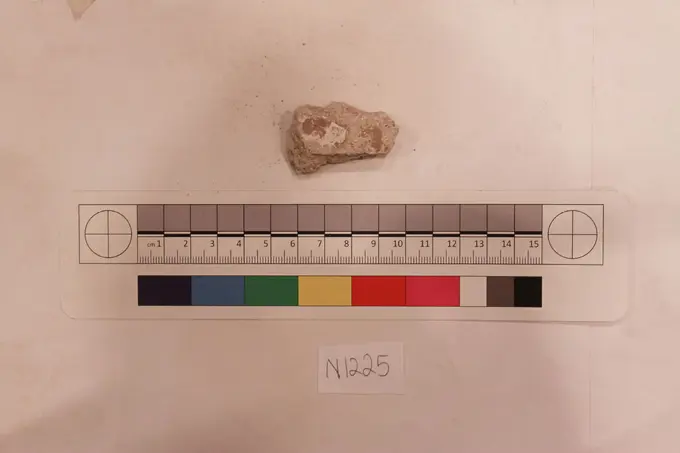
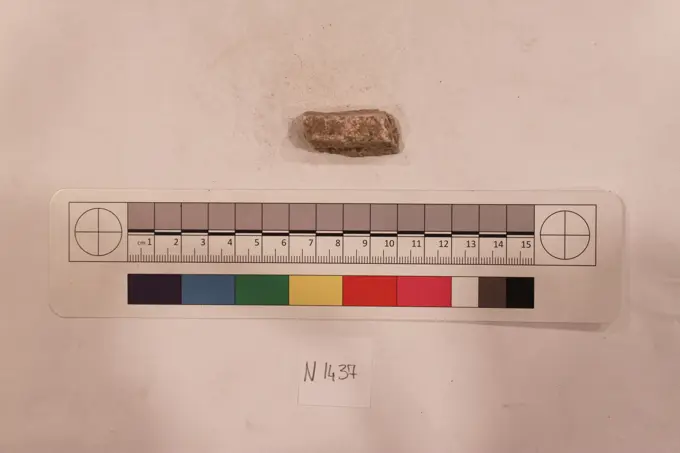
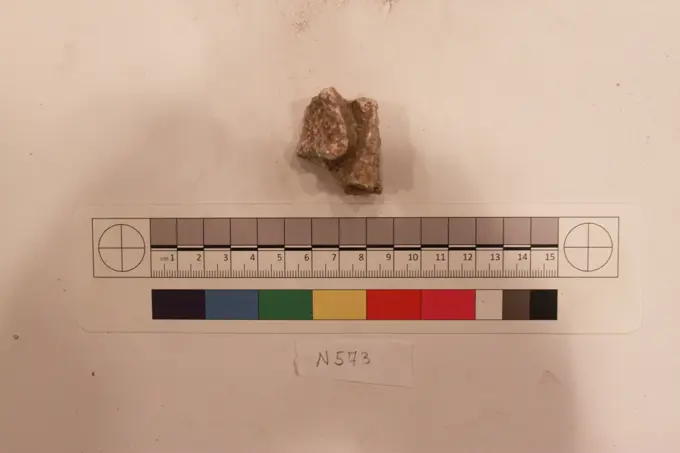
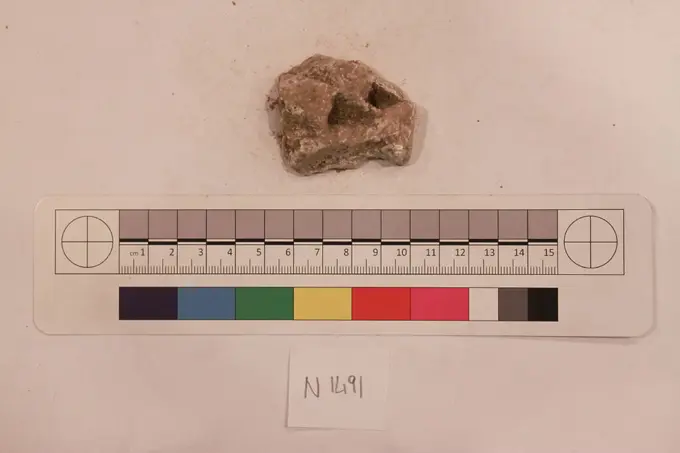
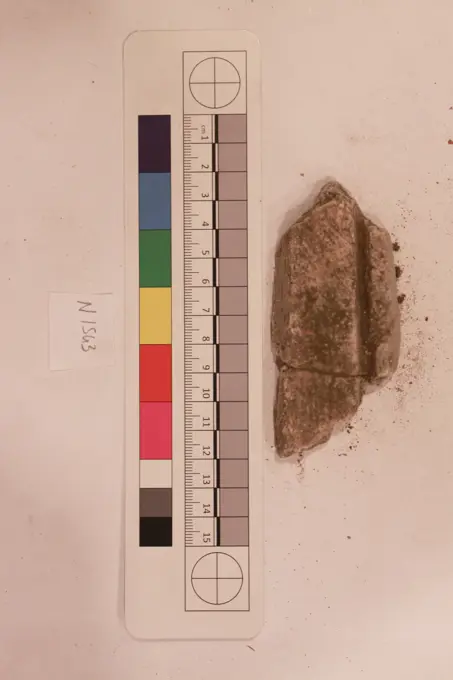
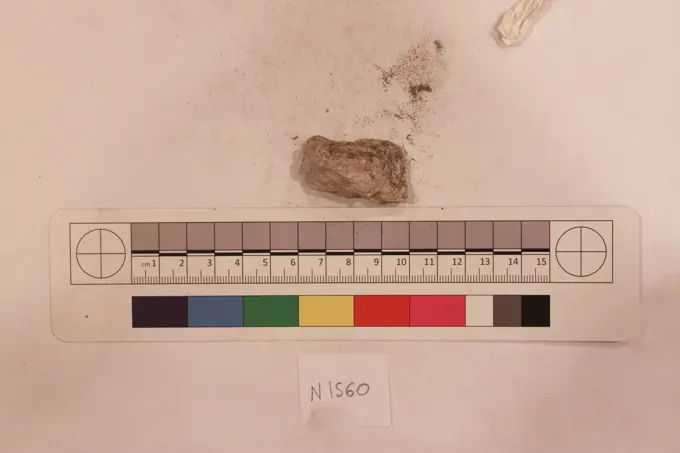
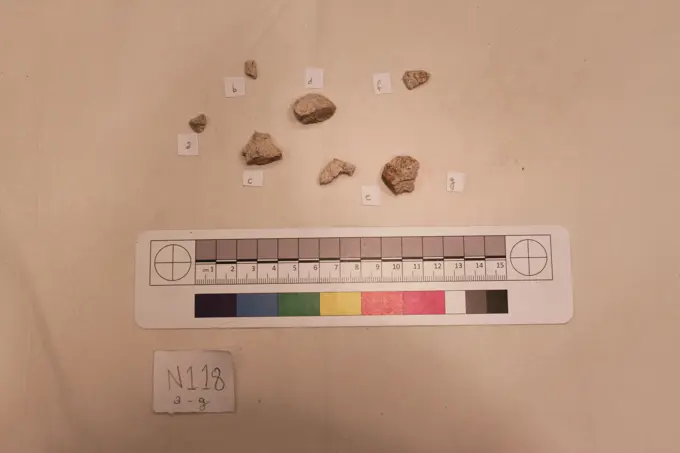
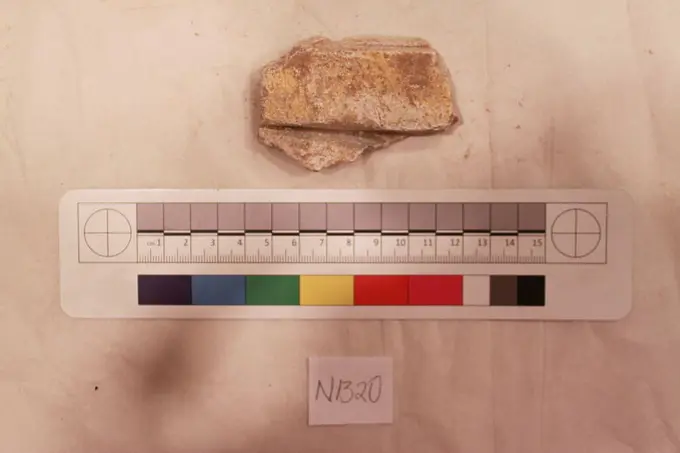
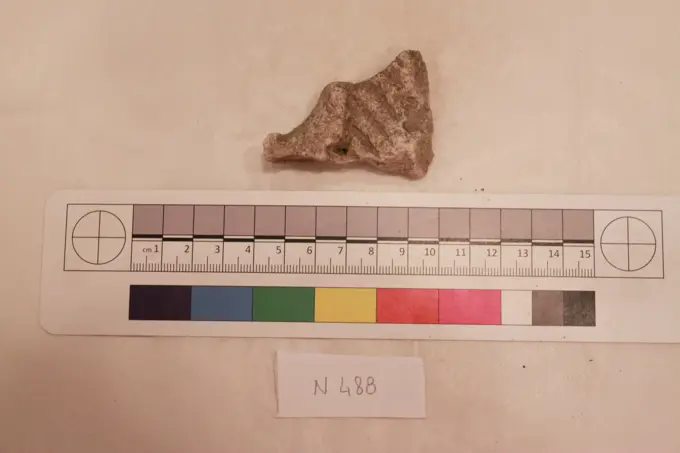
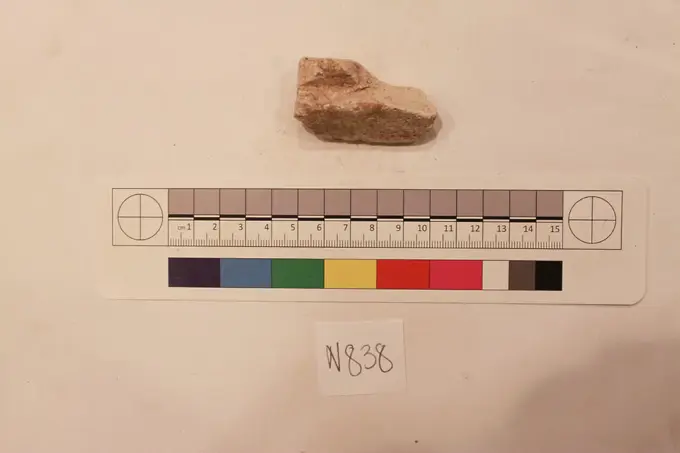
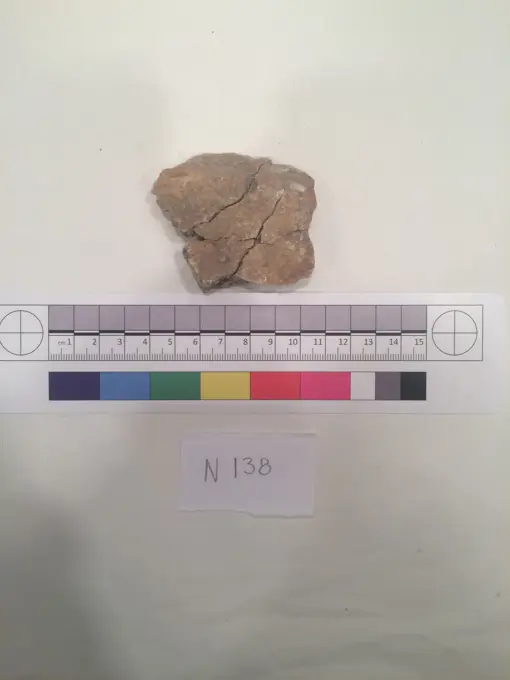
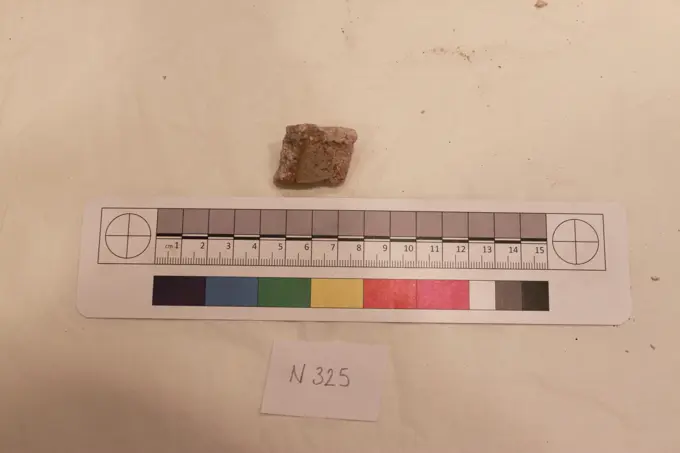
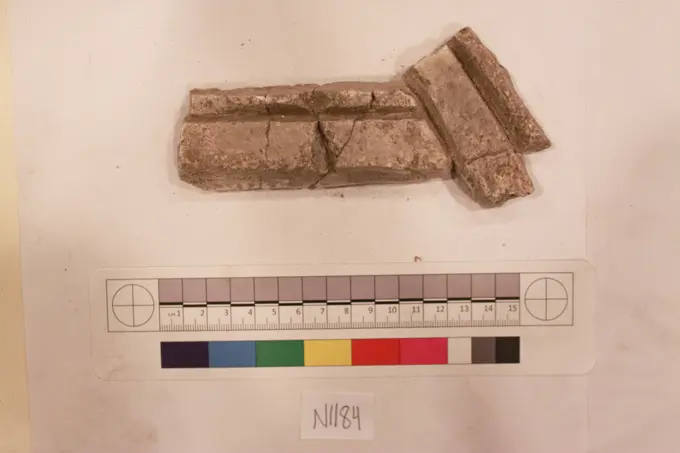
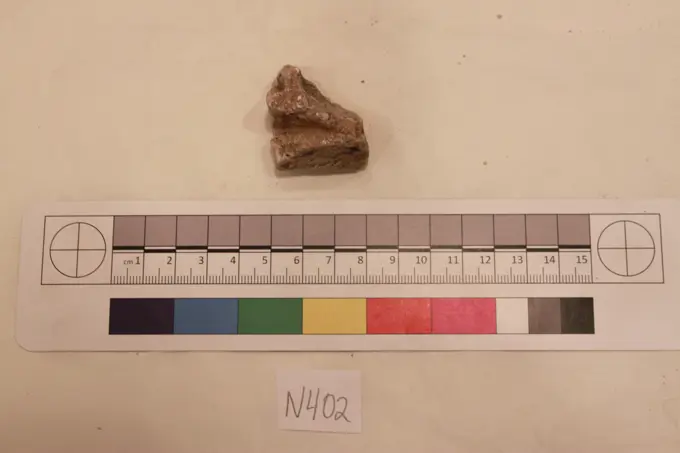
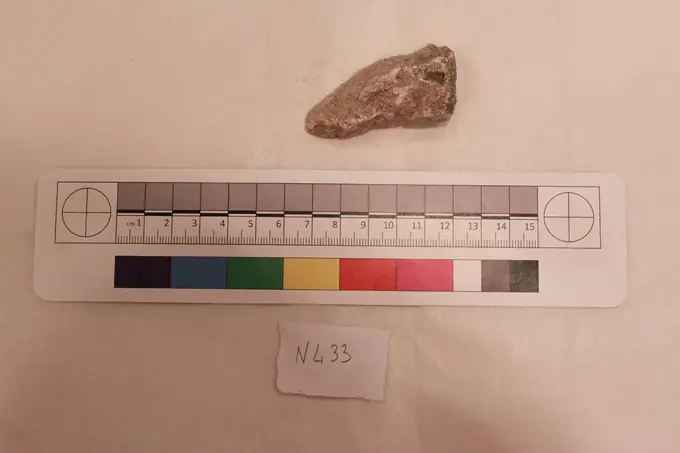
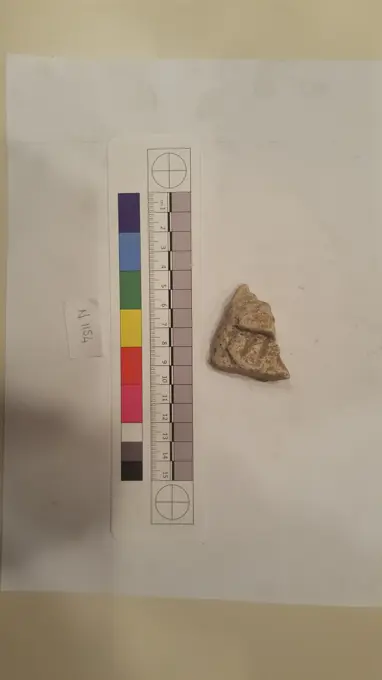
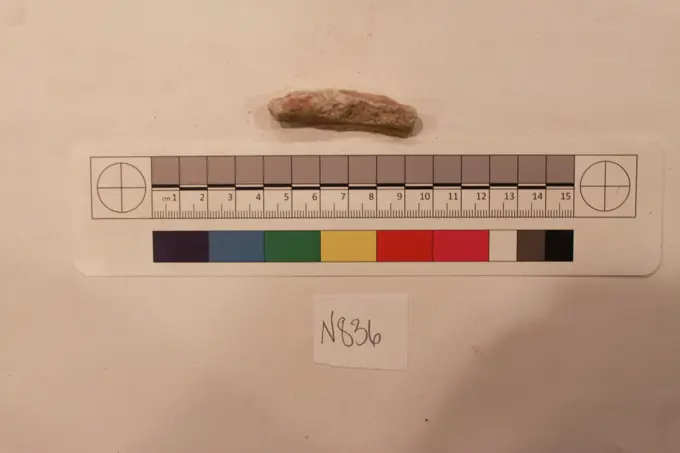
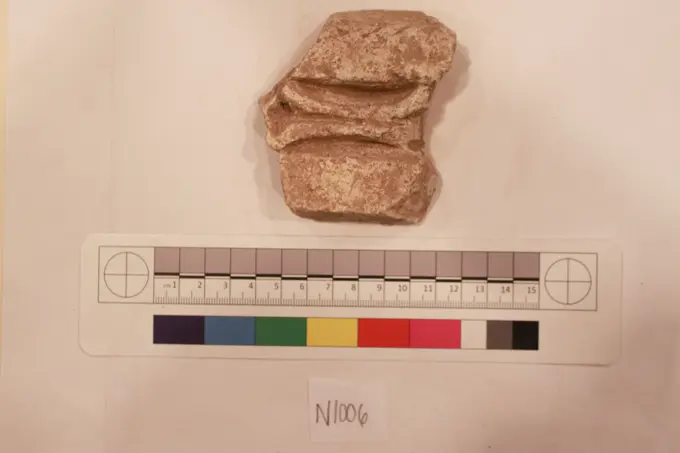
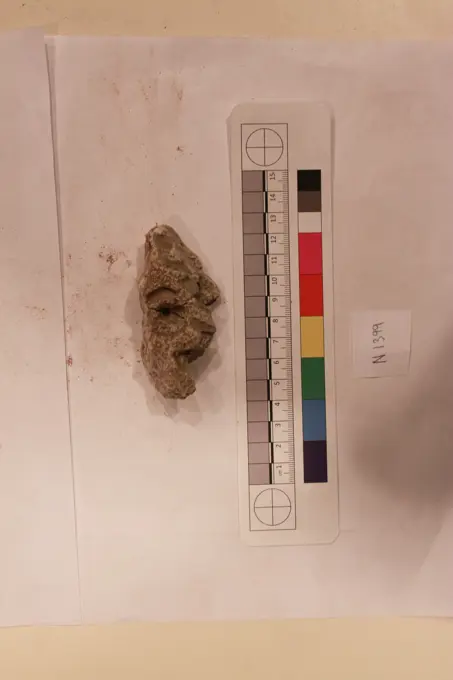
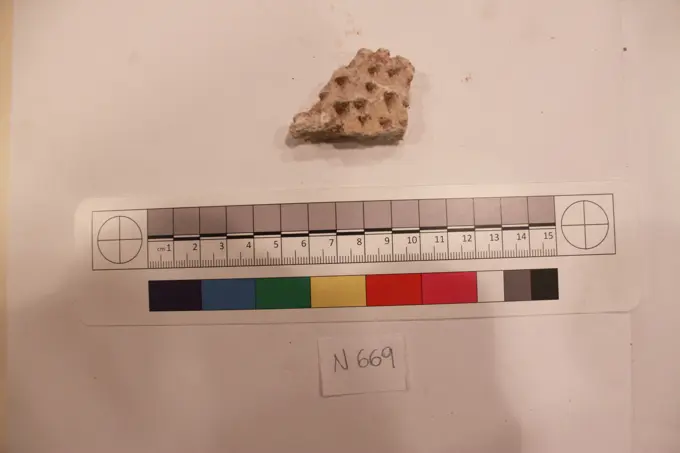
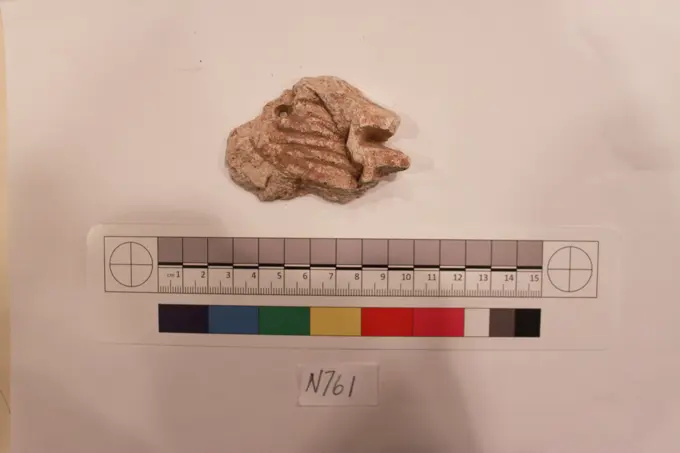
Various stucco fragments from the 8th-12th century, showcasing different shapes and sizes, ranging from decorative elements to architectural remnants.

Stucco Fragment probably 8th-12th century. Stucco Fragment 741630
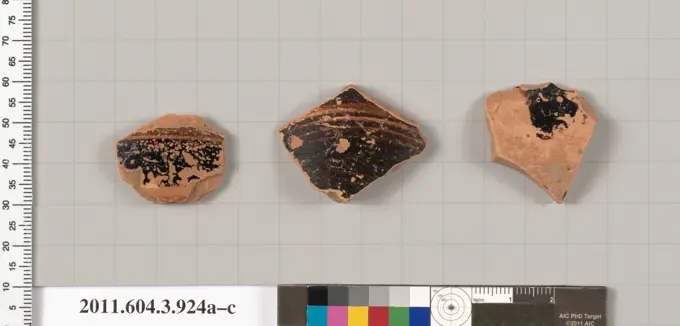
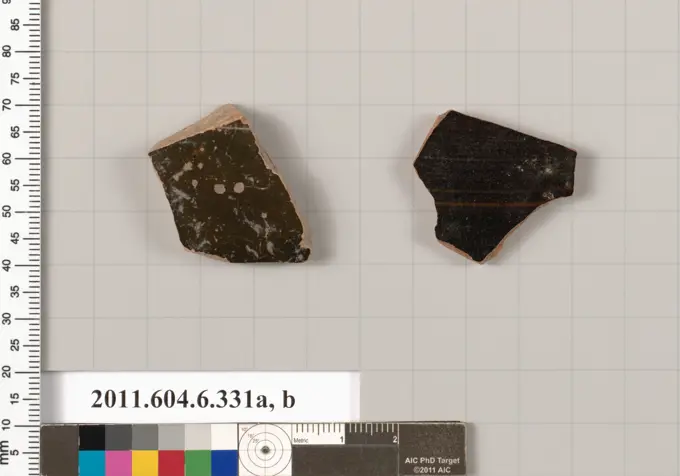
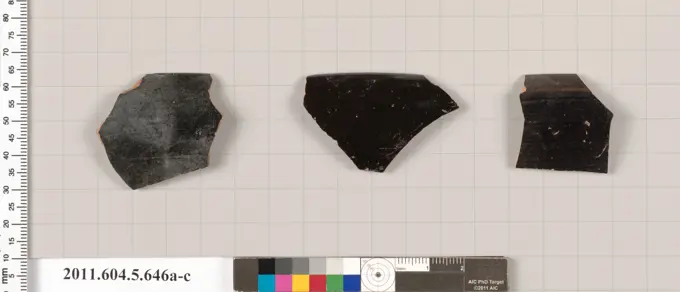
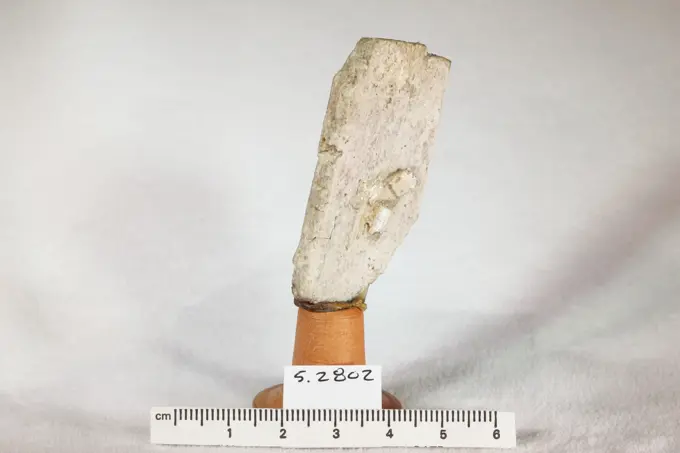
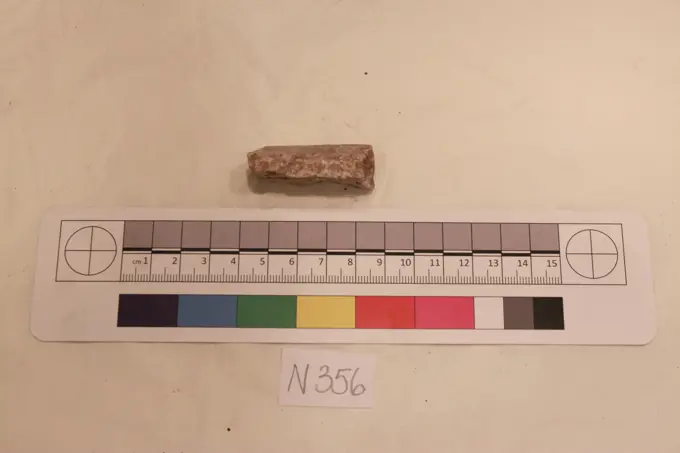
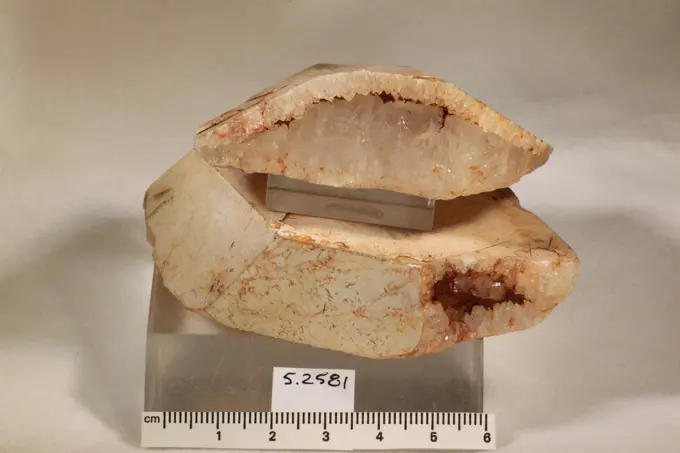
Fragment. Dimensions: 4.5 x 2 x 2. Date: probably 8th-12th century. Museum: Metropolitan Museum of Art, New York, USA.Fragment. Dimensions: L 4.5 cm x W 2.5 x H 1.5. Date: probably 8th-12th century. Museum: Metropolitan Museum of Art, New York, USA.Fragment. Dimensions: L 9.5 x W 4.5 x H 1.5. Date: probably 8th-12th century. Museum: Metropolitan Museum of Art, New York, USA.Fragment. Dimensions: L 4 x W 2.5 x H 1. Date: probably 8th-12th century. Museum: Metropolitan Museum of Art, New York, USA.Stucco Fragment probably 8th-12th century. Stucco Fragment 741630Stucco Fragment probably 8th-12th century. Stucco Fragment 741586Stucco Fragment probably 8th-12th century. Stucco Fragment 741221Stucco Fragment probably 8th-12th century. Stucco Fragment 741248Stucco Fragment probably 8th-12th century. Stucco Fragment 741871Stucco Fragment probably 8th-12th century. Stucco Fragment 741940Stucco Fragment probably 8th-12th centuryStucco Fragment probably 8th-12th century. Stucco Fragment 741401Fragment. Dimensions: L 5x W 4x H1.5. Date: probably 8th-12th century. Museum: Metropolitan Museum of Art, New York, USA.Stucco Fragment probably 8th-12th century. Stucco Fragment 741364Stucco Fragment probably 8th-12th century. Stucco Fragment 741189Fragment. Dimensions: 3.5 x 2 x 2. Date: probably 8th-12th century. Museum: Metropolitan Museum of Art, New York, USA.Stucco Fragment probably 8th-12th century. Stucco Fragment 741383Stucco Fragment probably 8th-12th century. Stucco Fragment 740968Stucco Fragment probably 8th-12th century. Stucco Fragment 741866Fragment. Dimensions: L 3.5x W 2x H 2.5. Date: probably 8th-12th century. Museum: Metropolitan Museum of Art, New York, USA.Fragment. Dimensions: L 4 cm x W 1.5 x H 2. Date: probably 8th-12th century. Museum: Metropolitan Museum of Art, New York, USA.Fragment. Dimensions: L 7cm x W 5 x H 2. Date: probably 8th-12th century. Museum: Metropolitan Museum of Art, New York, USA.Fragment. Dimensions: L 4cm x W 3 x H 2. Date: probably 8th-12th century. Museum: Metropolitan Museum of Art, New York, USA.Stucco Fragment probably 8th-12th century. Stucco Fragment 740802Fragment. Dimensions: L 3cm x W2 x H 1.5. Date: probably 8th-12th century. Museum: Metropolitan Museum of Art, New York, USA.Fragment. Dimensions: L 4.5 x W 4 x H 1.5. Date: probably 8th-12th century. Museum: Metropolitan Museum of Art, New York, USA.Fragment. Dimensions: L 3 cm x W 1 x H 1.5. Date: probably 8th-12th century. Museum: Metropolitan Museum of Art, New York, USA.Fragment. Dimensions: L 7x W 5 x H 1.5. Date: probably 8th-12th century. Museum: Metropolitan Museum of Art, New York, USA.Stucco Fragment probably 8th-12th century. Stucco Fragment 741855Stucco Fragment probably 8th-12th century. Stucco Fragment 740889Fragment. Dimensions: L 5.5 x W 4 x H 1.5. Date: probably 8th-12th century. Museum: Metropolitan Museum of Art, New York, USA.Fragment. Dimensions: L 3cm x W 3x H 1. Date: probably 8th-12th century. Museum: Metropolitan Museum of Art, New York, USA.Stucco Fragment probably 8th-12th century. Stucco Fragment 741113Fragment. Dimensions: L 6 cm x W 4.5 x H2.5. Date: probably 8th-12th century. Museum: Metropolitan Museum of Art, New York, USA.Stucco Fragment probably 8th-12th century. Stucco Fragment 740949Fragment. Dimensions: L 5 cm X W 2.5 x H 1.5. Date: probably 8th-12th century. Museum: Metropolitan Museum of Art, New York, USA.Stucco Fragment probably 8th-12th century This object was excavated at Nishapur.Nishapur was a vital city in the early and middle Islamic periods, located along one of the main trajectories that connected Iran and West Asia Islamic lands with Central Asia and China. These itineraries are often referred to by the term Silk routes’ but were in fact crucial to the movement of constellations of materials and objects, as well as people and ideas. The diverse population of Nishapur and its surroundings, from the better-researched elite groups of merchants, land-owning aristocracy, and literates, to the less-known artisans, farmers, miners, and servants, were instrumental in adapting global cultural trends to create their own distinctive visual languages. This is seen in the material remains of everyday life in medieval Nishapur - from pots and pans to lighting devices, inkwells, textiles and trimmings, jewelry, games and toys, talismanic devices, weapons, coins, and architectural fragments.Fragment. Dimensions: L 4.5 x W 2 x H 2. Date: probably 8th-12th century. Museum: Metropolitan Museum of Art, New York, USA.Terracotta fragments of lekythoi (oil flasks) 6th/5th centuries B.C. Greek, Attic Three black glaze fragments from lekythoi. Terracotta fragments of lekythoi (oil flasks). Greek, Attic. 6th/5th centuries B.C.. Terracotta; black-figure. Archaic. VasesStucco Fragment probably 8th-12th century. Stucco Fragment 741026Fragment. Dimensions: L 7.5 x W 6.5 x H 2. Date: probably 8th-12th century. Museum: Metropolitan Museum of Art, New York, USA.Staurolite. minerals. North America; USA; North CarolinaStucco Fragment probably 8th-12th century. Stucco Fragment 741692Stucco Fragment probably 8th-12th century. Stucco Fragment 740834Stucco Fragment probably 8th-12th century. Stucco Fragment 742085Stucco Fragment probably 8th-12th century. Stucco Fragment 741129Stucco Fragment probably 8th-12th century. Stucco Fragment 740973Fragment. Dimensions: L 6x W3.5 x H 2. Date: probably 8th-12th century. Museum: Metropolitan Museum of Art, New York, USA.Fragment. Dimensions: L 6cm x W 3x H 2.5. Date: probably 8th-12th century. Museum: Metropolitan Museum of Art, New York, USA.Stucco Fragment probably 8th-12th century. Stucco Fragment 741769Fragment. Dimensions: L 5.5 cm x W 3.3 x H 2. Date: probably 8th-12th century. Museum: Metropolitan Museum of Art, New York, USA.Fragment. Dimensions: L 6 cm x W 5 x H 2. Date: probably 8th-12th century. Museum: Metropolitan Museum of Art, New York, USA.Stucco Fragment probably 8th-12th century. Stucco Fragment. probably 8th-12th century. Stucco; carved, painted. Excavated in Iran, Nishapur. StuccoHemimorphite. minerals. North America; USA; Pennsylvania; Lehigh County; Friedensville; Ueberroth MineFragment. Dimensions: L 14.5cm x W 7.5x H 2. Date: probably 8th-12th century. Museum: Metropolitan Museum of Art, New York, USA.Stucco Fragment probably 8th-12th century. Stucco Fragment 741229Stucco Fragment probably 8th-12th century. Stucco Fragment 741921Stucco Fragment probably 8th-12th century. Stucco Fragment 741776Fragment. Dimensions: L 3cm x W 2.5 x H 2. Date: probably 8th-12th century. Museum: Metropolitan Museum of Art, New York, USA.Stucco Fragment probably 8th-12th century. Stucco Fragment 740940Stibnite. minerals. North America; USA; Nevada; Churchill County; FallonStucco Fragment probably 8th-12th century. Stucco Fragment 742204Pyroxene. minerals. North America; USA; New York; Saint Lawrence County; RussellFragment. Dimensions: 4 x 3 x 2. Date: probably 8th-12th century. Museum: Metropolitan Museum of Art, New York, USA.Fragment. Dimensions: L 4cm x W 1.5 x H 2.5. Date: probably 8th-12th century. Museum: Metropolitan Museum of Art, New York, USA.Terracotta fragments of kylikes (drinking cups) 6th/5th centuries B.C. Greek, Attic Three black glazed fragments from kylikes. Terracotta fragments of kylikes (drinking cups). Greek, Attic. 6th/5th centuries B.C.. Terracotta; black glaze. Archaic/Classical. VasesStucco Fragment probably 8th-12th century. Stucco Fragment 741669Fragment. Dimensions: L 5.5 cm x W 2 x H 1.5. Date: probably 8th-12th century. Museum: Metropolitan Museum of Art, New York, USA.Fragment. Dimensions: L5.5 x W 2x H 2.5. Date: probably 8th-12th century. Museum: Metropolitan Museum of Art, New York, USA.Terracotta fragments of open shapes 6th/5th centuries B.C. Greek, Attic Two black glazed fragments from open shapes. Terracotta fragments of open shapes. Greek, Attic. 6th/5th centuries B.C.. Terracotta; Black glaze. Archaic/Classical. VasesStucco Fragment probably 8th-12th century. Stucco Fragment 741110Stucco Fragment probably 8th-12th century. Stucco Fragment 740777Stucco Fragment probably 8th-12th century. Stucco Fragment 741116Stucco Fragment probably 8th-12th century. Stucco Fragment 741206Terracotta rim fragments of kylikes (drinking cups) 6th/5th centuries B.C. Greek, Attic Three black glazed rim fragments from kylikes. Terracotta rim fragments of kylikes (drinking cups). Greek, Attic. 6th/5th centuries B.C.. Terracotta; black glaze. Archaic/Classical. VasesDiopside. minerals. North America; USA; Connecticut; Litchfield County; CanaanStaurolite. minerals. North America; USA; Virginia; Patrick CountyStucco Fragment probably 8th-12th century. Stucco Fragment 742213Stucco Fragment probably 8th-12th century. Stucco Fragment 742339Stucco Fragment probably 8th-12th century. Stucco Fragment 742025Stucco Fragment probably 8th-12th century. Stucco Fragment 741723Fragment of Tombstone 9th-11th century This object was excavated at Nishapur.Nishapur was a vital city in the early and middle Islamic periods, located along one of the main trajectories that connected Iran and West Asia Islamic lands with Central Asia and China. These itineraries are often referred to by the term Silk routes but were in fact crucial to the movement of constellations of materials and objects, as well as people and ideas. The diverse population of Nishapur and its surroundings, from the better-researched elite groups of merchants, land-owning aristocracy, and literates, to the less-known artisans, farmers, miners, and servants, were instrumental in adapting global cultural trends to create their own distinctive visual languages. This is seen in the material remains of everyday life in medieval Nishapur - from pots and pans to lighting devices, inkwells, textiles and trimmings, jewelry, games and toys, talismanic devices, weapons, coins, and architectural fragments.NishaStucco Fragment probably 8th-12th century. Stucco Fragment 742036Stucco Fragment probably 8th-12th century. Stucco Fragment 741657Terracotta fragment of an undetermined shape 6th/5th centuries B.C. Greek, Attic Black glazed fragment from the mouth of an undetermined shape. Terracotta fragment of an undetermined shape 772361Stucco Fragment probably 8th-12th century. Stucco Fragment 741073Terracotta fragments of lekythoi (oil flasks) first half of the fifth century B.C. Greek, Attic Three black glaze fragments from lekythoi. Terracotta fragments of lekythoi (oil flasks). Greek, Attic. first half of the fifth century B.C.. Terracotta; red-figure. Classical. VasesStucco Fragment probably 8th-12th century. Stucco Fragment 741533Stucco Fragment probably 8th-12th century. Stucco Fragment 741510Stucco Fragment probably 8th-12th century. Stucco Fragment 741471Stucco Fragment probably 8th-12th century. Stucco Fragment 742128Terracotta fragment of a kylix (drinking cup) 6th/5th centuries B.C. Greek, Attic Black glazed fragment from the center of the kylix with part of the stem. Terracotta fragment of a kylix (drinking cup) 772256Barite. minerals. Europe; Czech Republic; Central Bohemian Region; Píbram; [Bohemia, PrzibramFragment. Dimensions: L 4.5 cm x W 3.5x H 2. Date: probably 8th-12th century. Museum: Metropolitan Museum of Art, New York, USA.Stucco Fragment probably 8th-12th century. Stucco Fragment. probably 8th-12th century. stucco; carved and painted. Excavated in Iran, Nishapur. StuccoFragment. Dimensions: L 8 cm x W 6 x H 2. Date: probably 8th-12th century. Museum: Metropolitan Museum of Art, New York, USA.Stucco Fragment probably 8th-12th century. Stucco Fragment 741575Ceramic fragment. Dimensions: 5.35 x 6.5 cm. Date: 8th-12th century. Museum: Metropolitan Museum of Art, New York, USA.Quartz. minerals. North America; USA; North Carolina; Alexander CountyTerracotta rim fragment of a bowl 6th/5th centuries B.C. Greek, Attic Black glazed rim fragment from a bowl. Terracotta rim fragment of a bowl. Greek, Attic. 6th/5th centuries B.C.. Terracotta; Black glaze. Archaic/Classical. Vases