Ancient Terracotta And Bronze Vessels

Various historical vessels including terracotta jugs and bronze jars from ancient cultures, showcasing intricate designs and different materials.

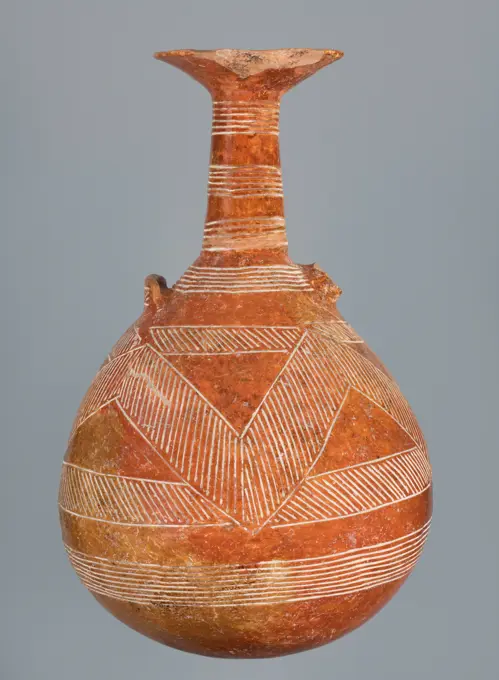
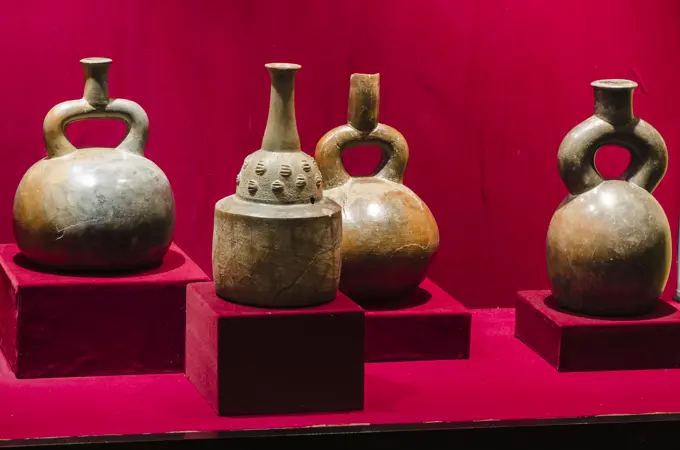
Asymetrical globular vessel, 8th-11th century, 11 x 9 1/4 x 9 1/4 in. (27.9 x 23.5 x 23.5 cm), Earthenware, Peru, 8th-11th century
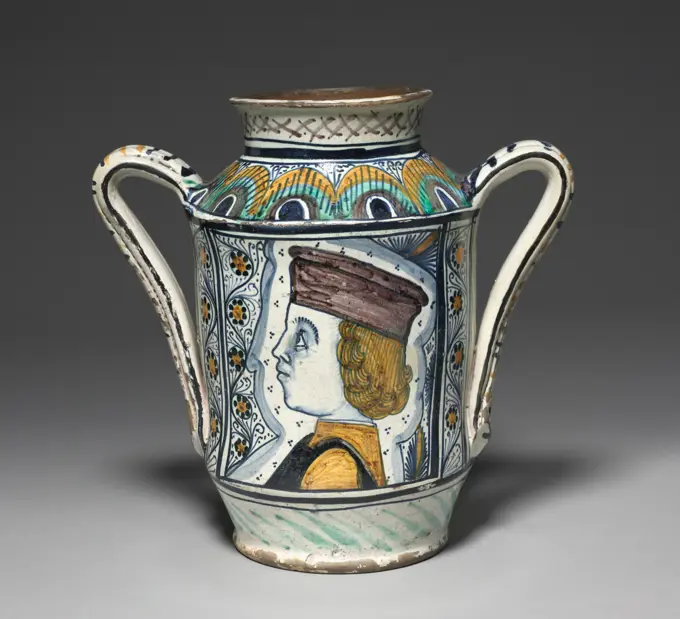
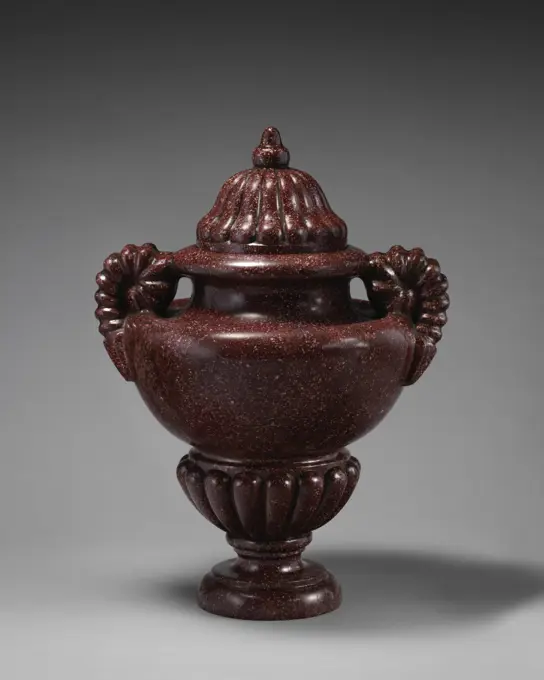
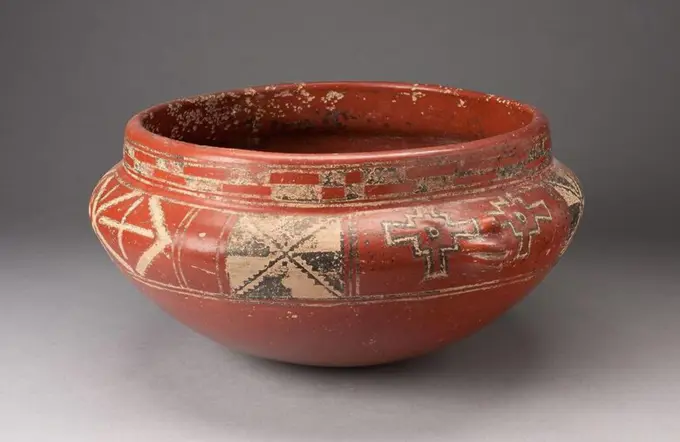
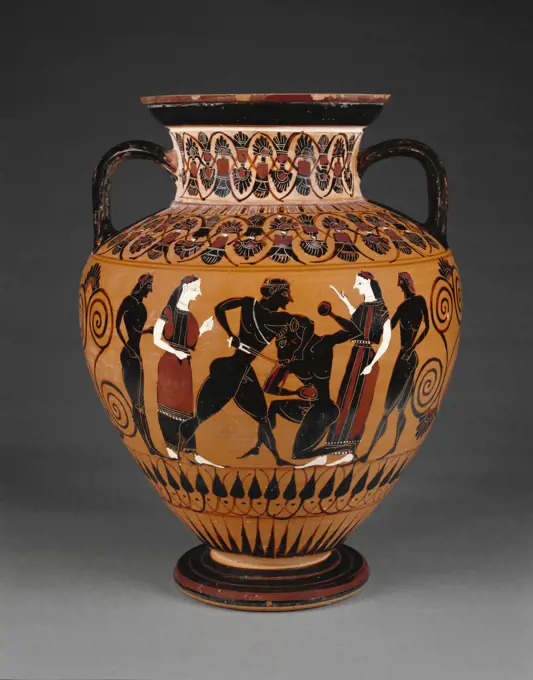
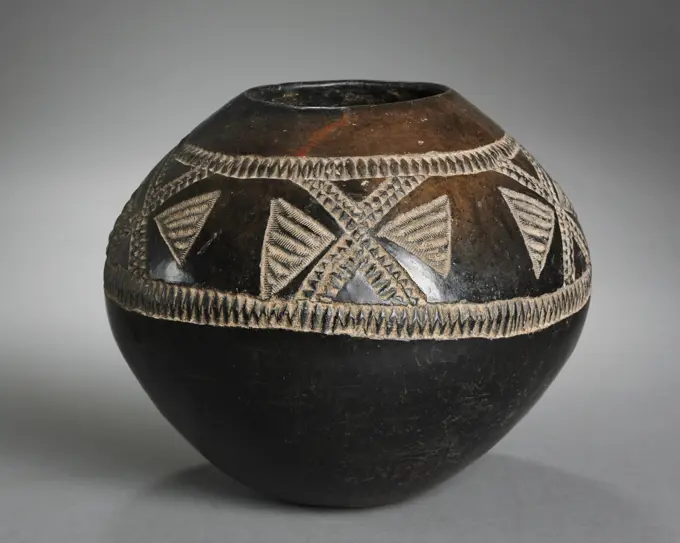
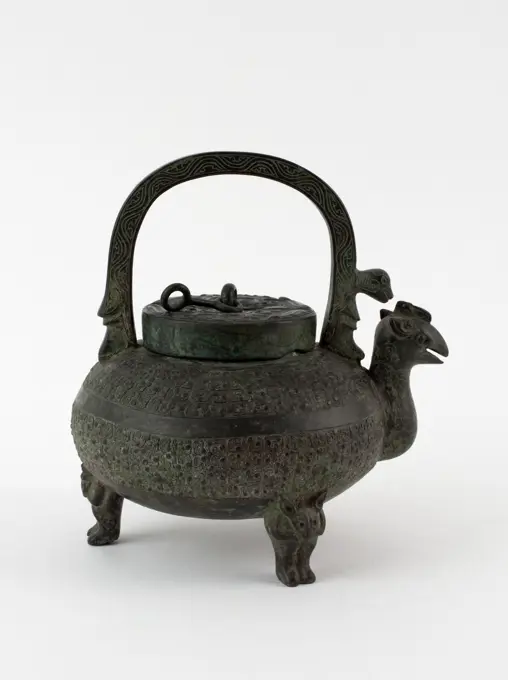
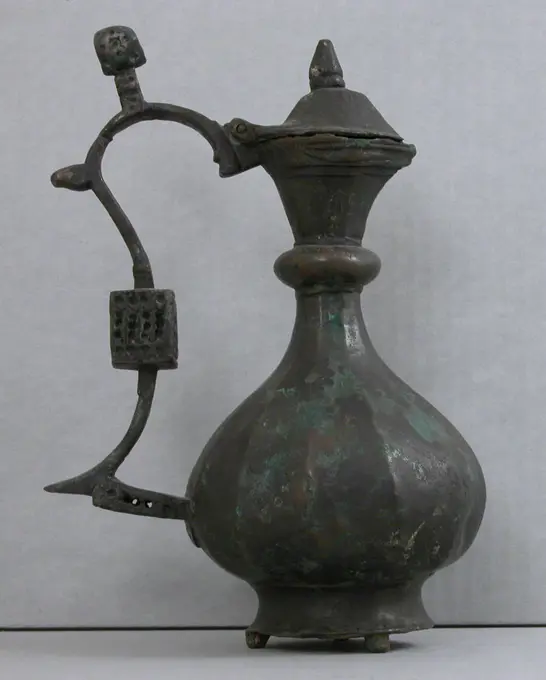
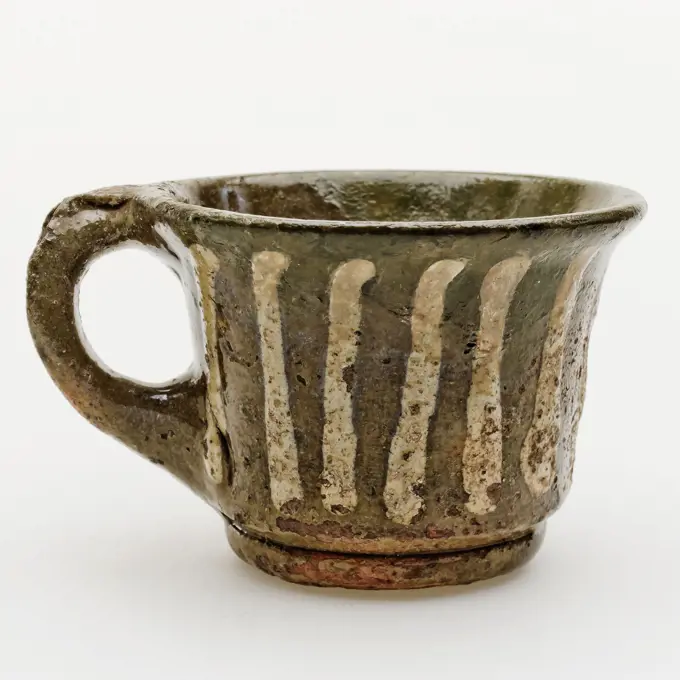
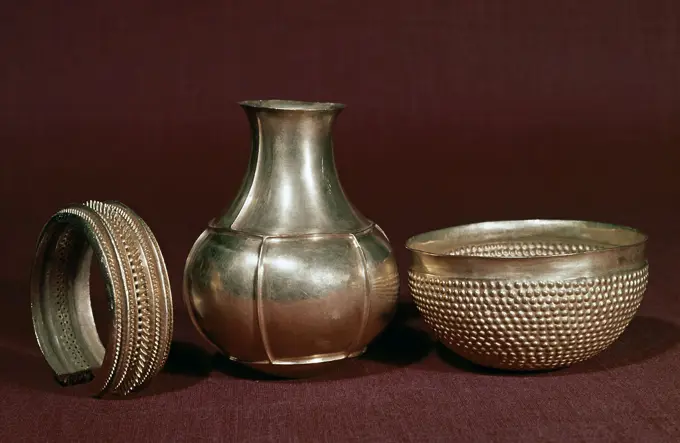
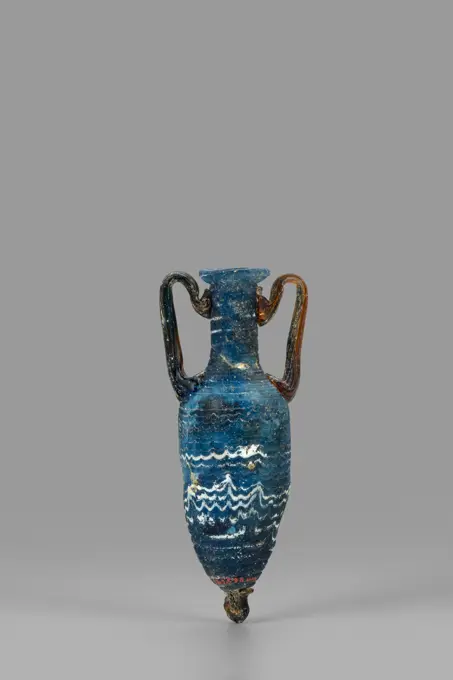
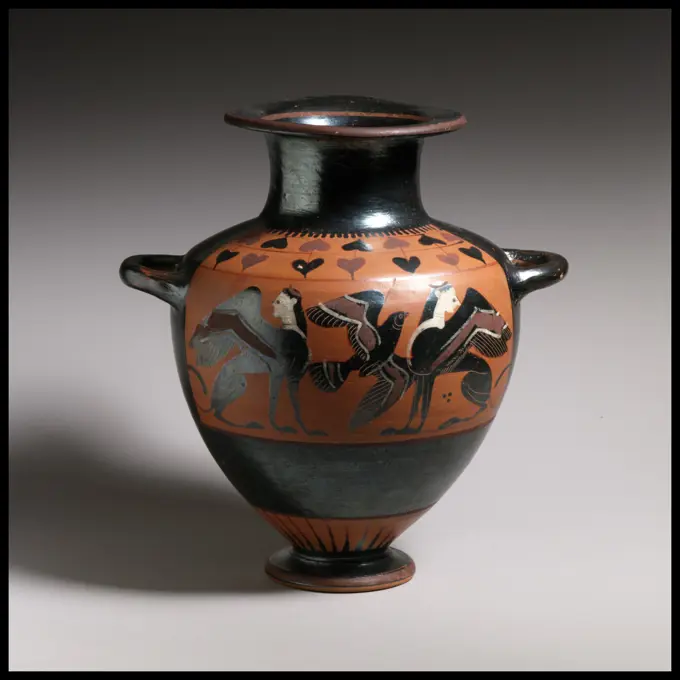
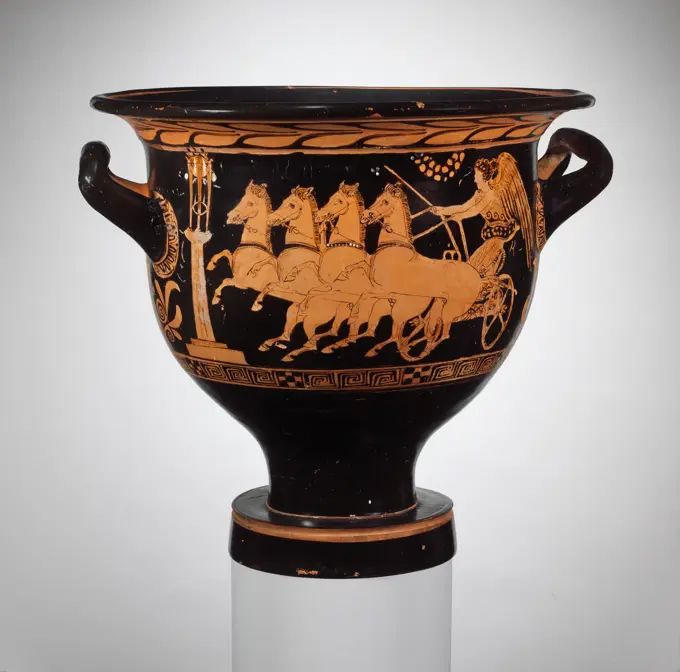
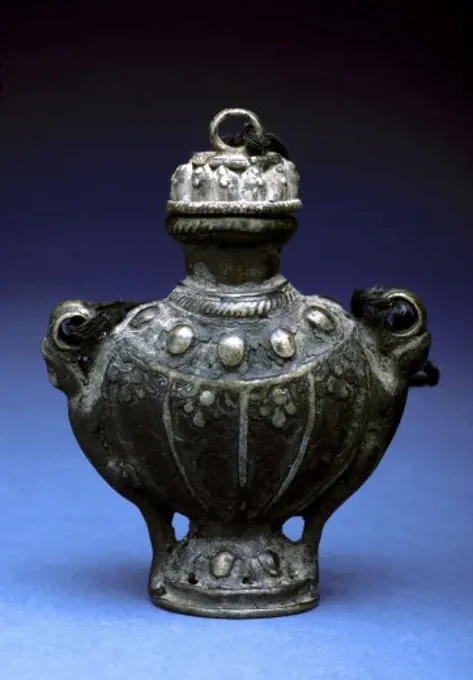
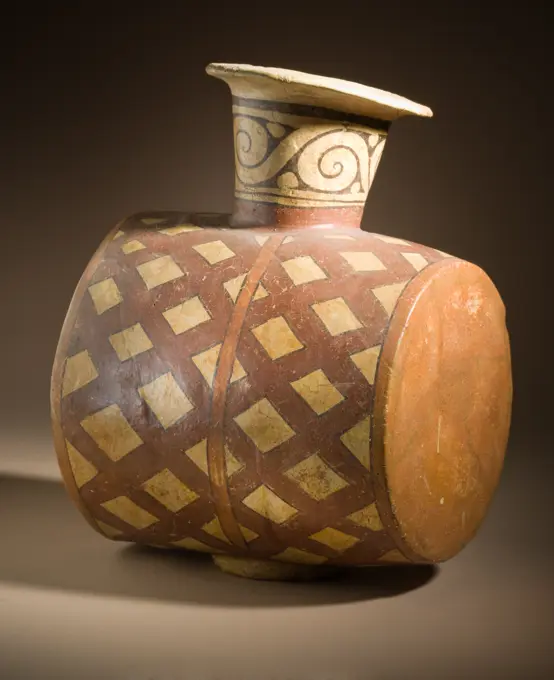
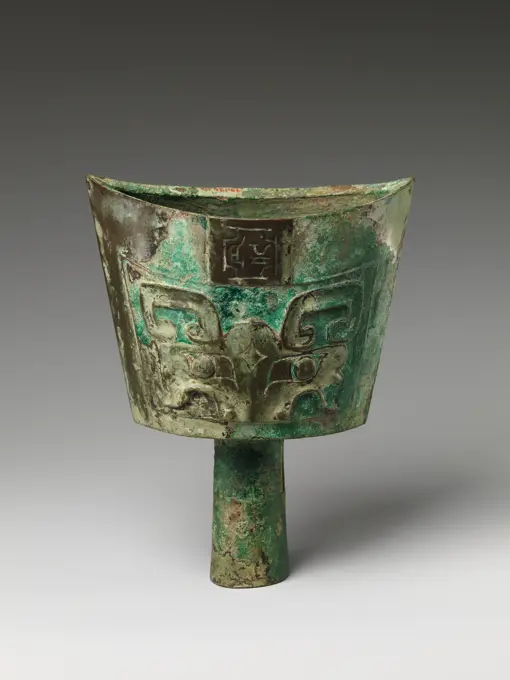
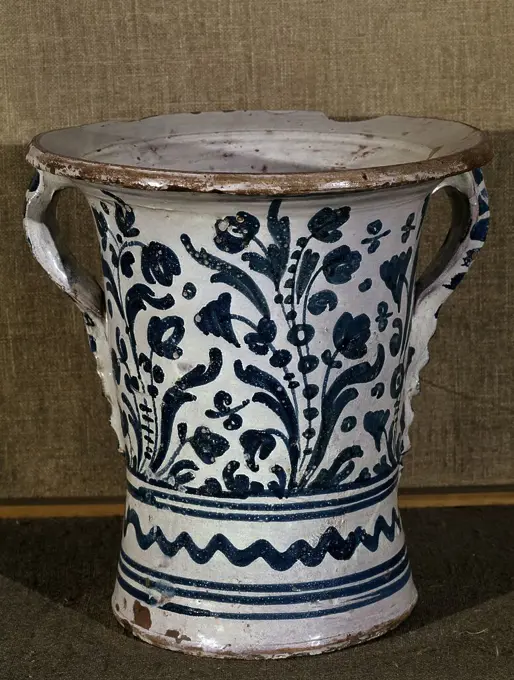
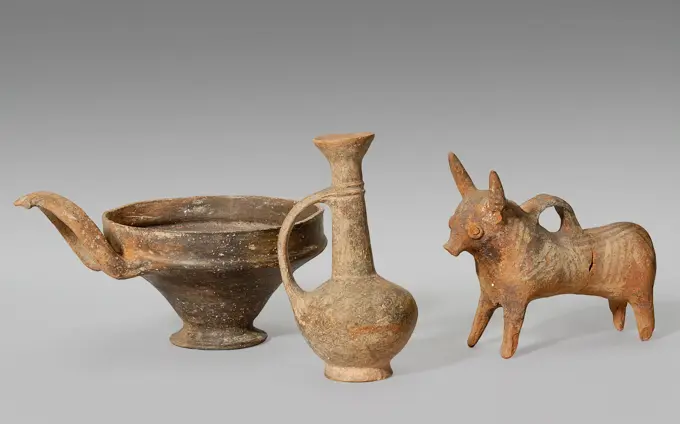
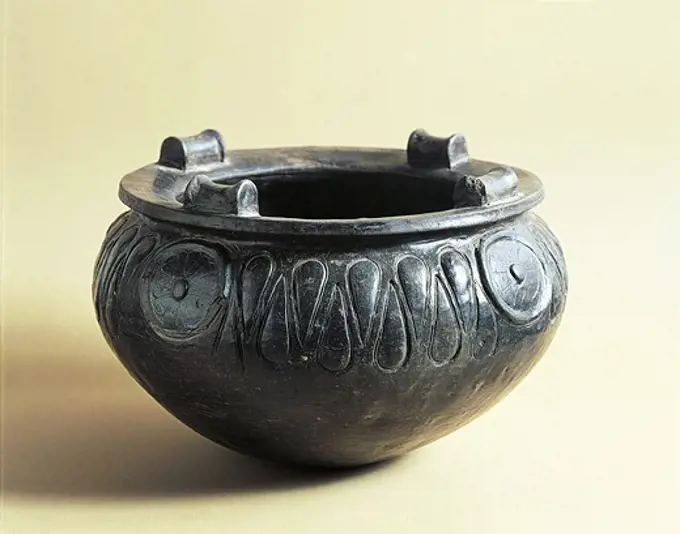
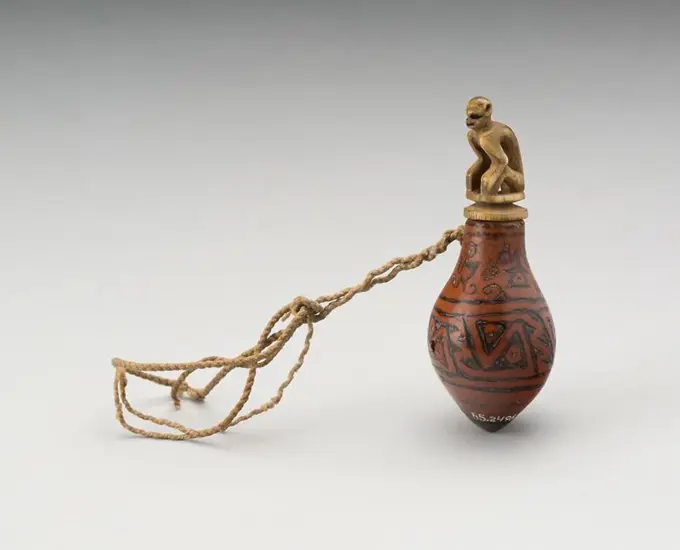
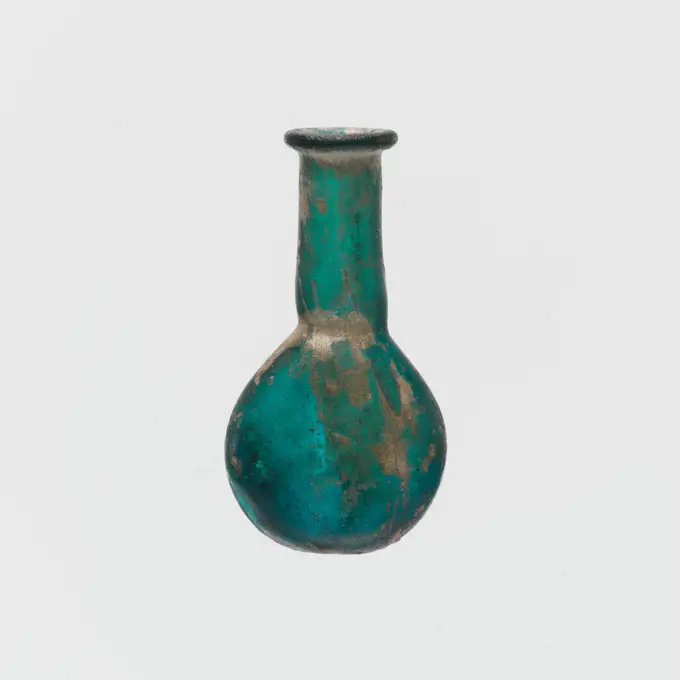
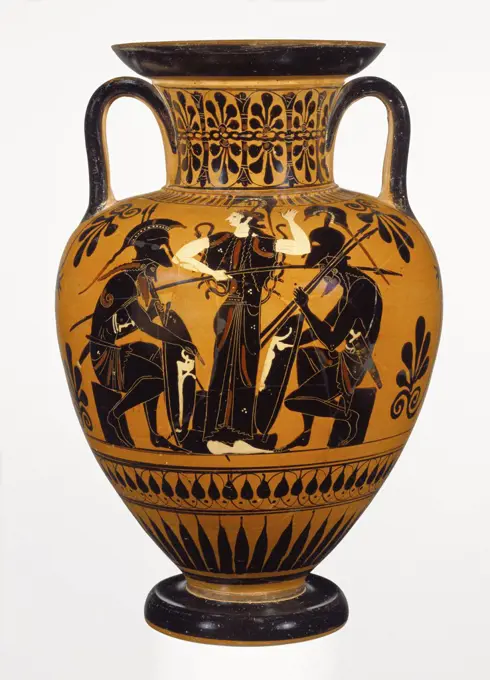
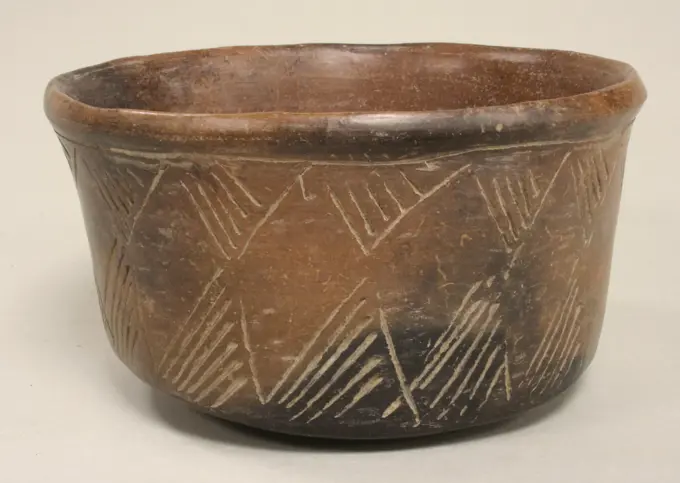
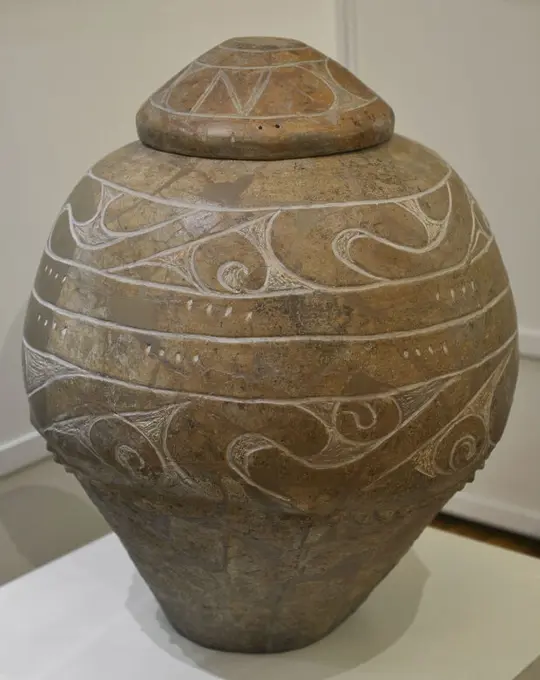
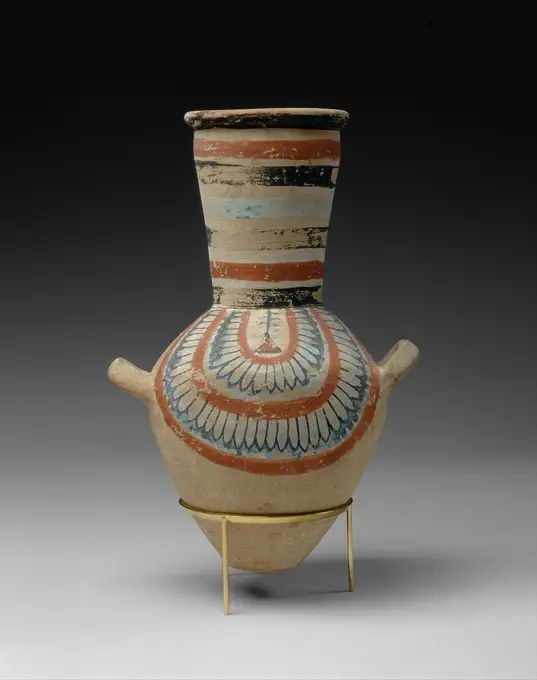
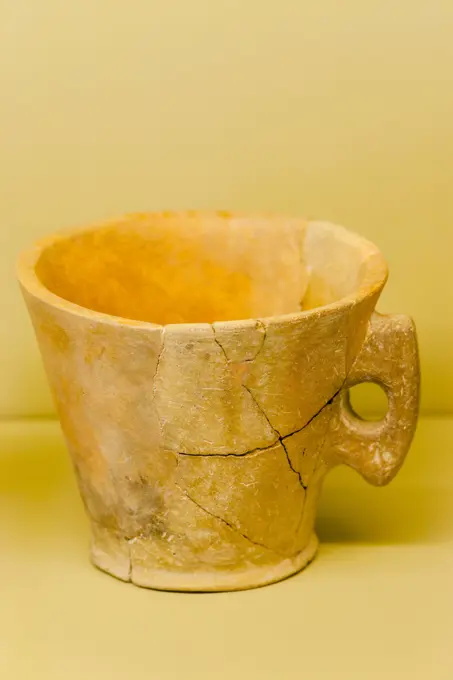
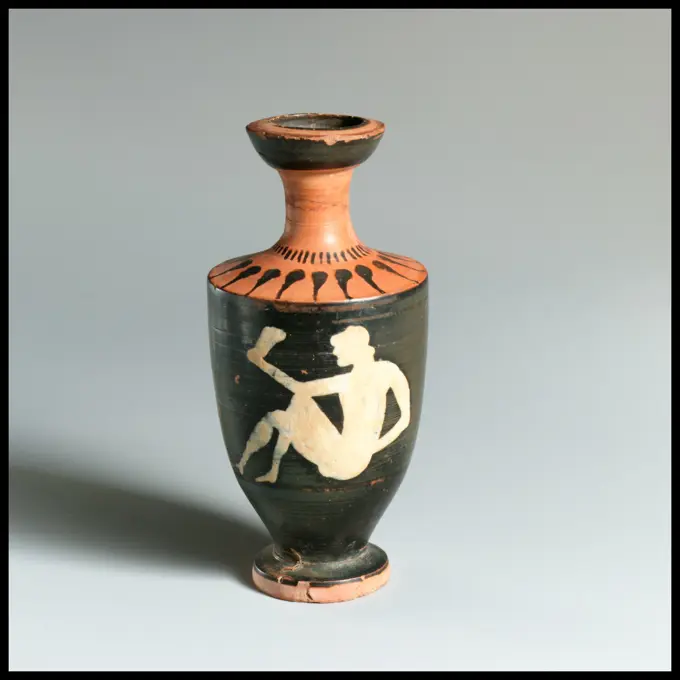
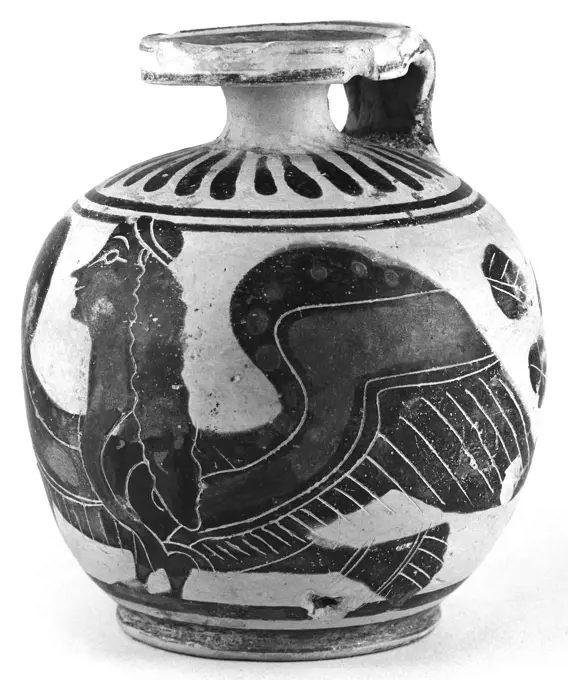
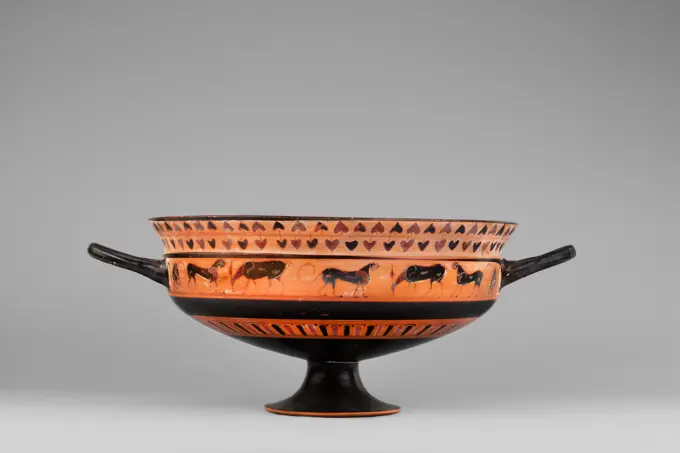
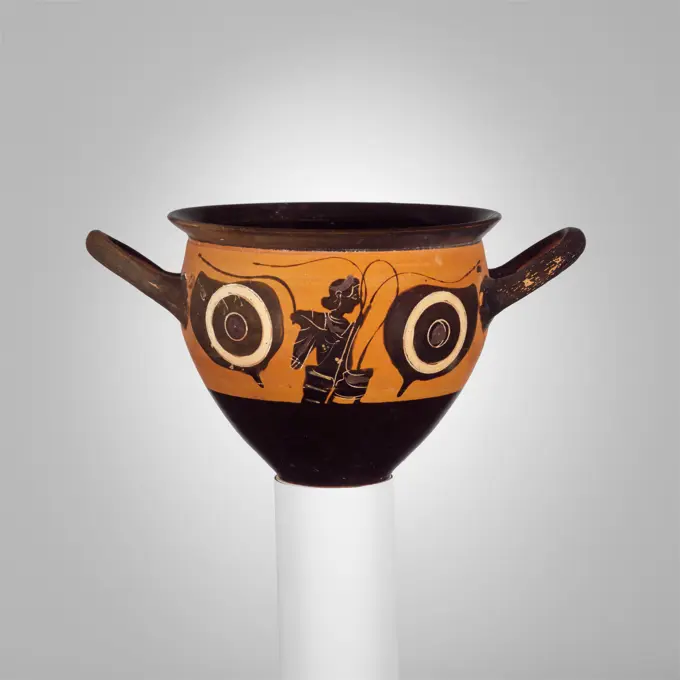
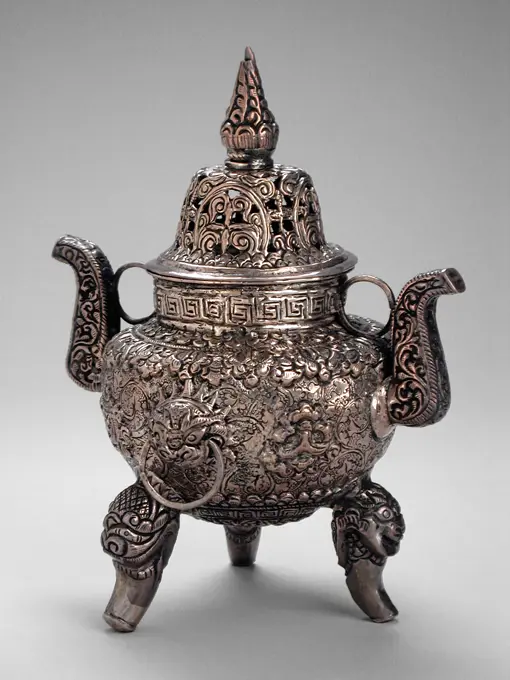
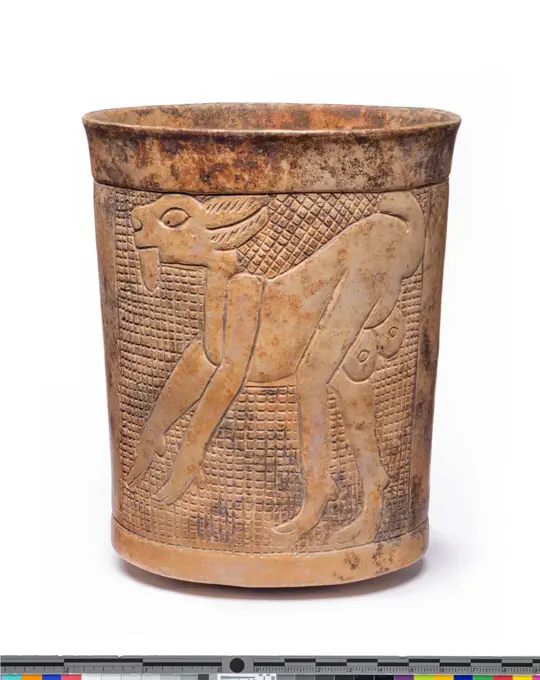
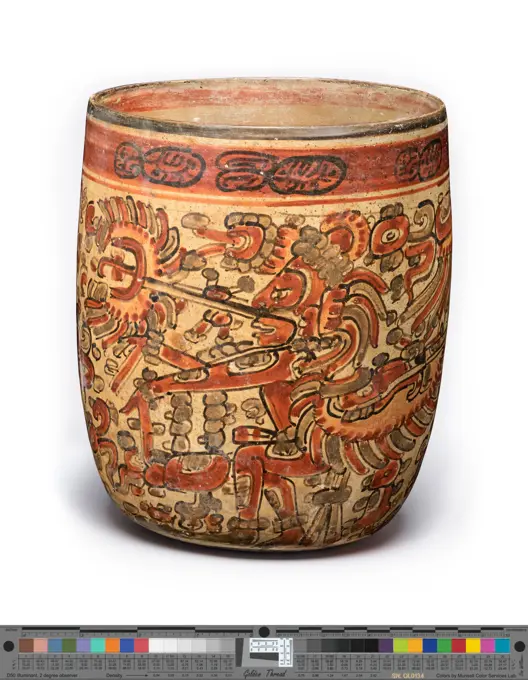
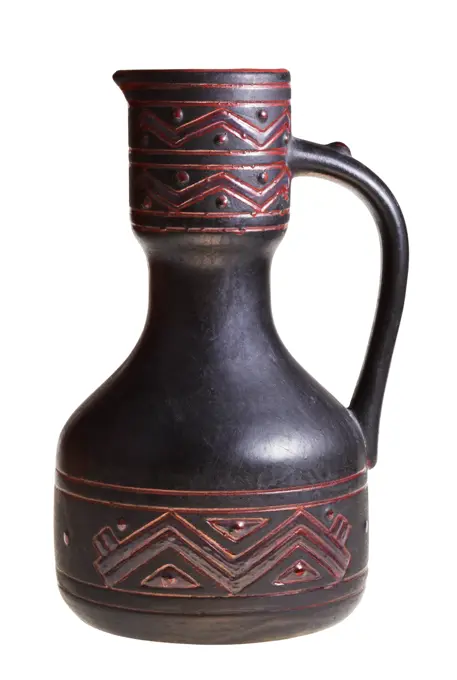
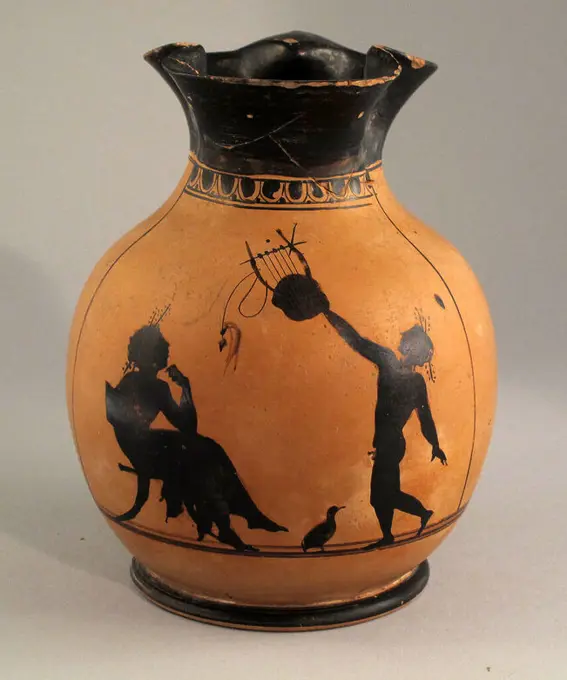
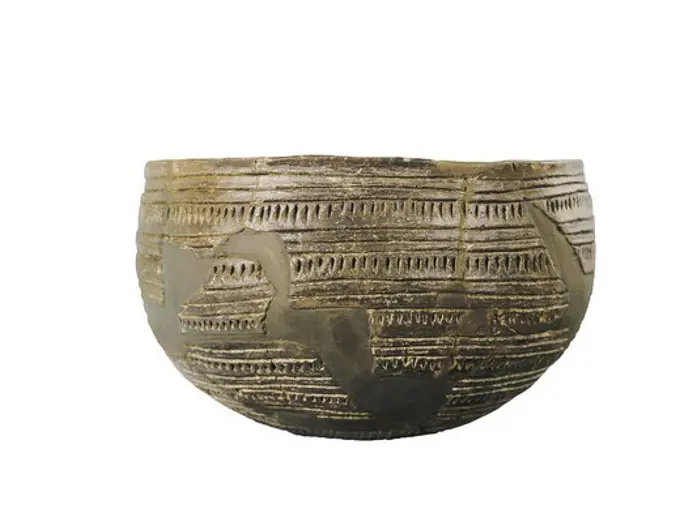
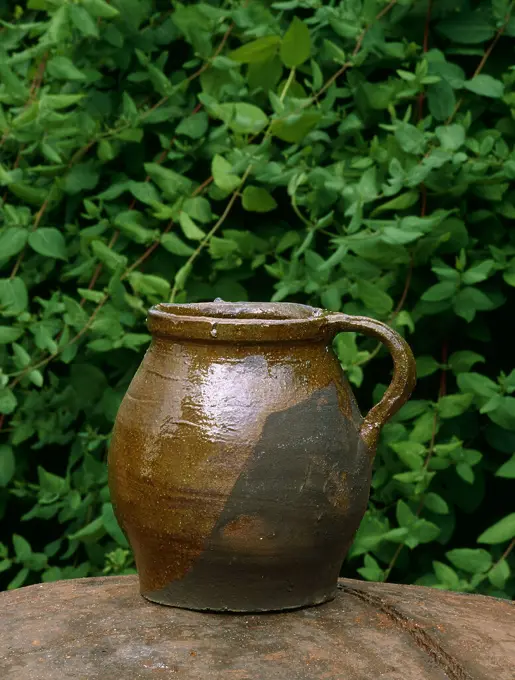
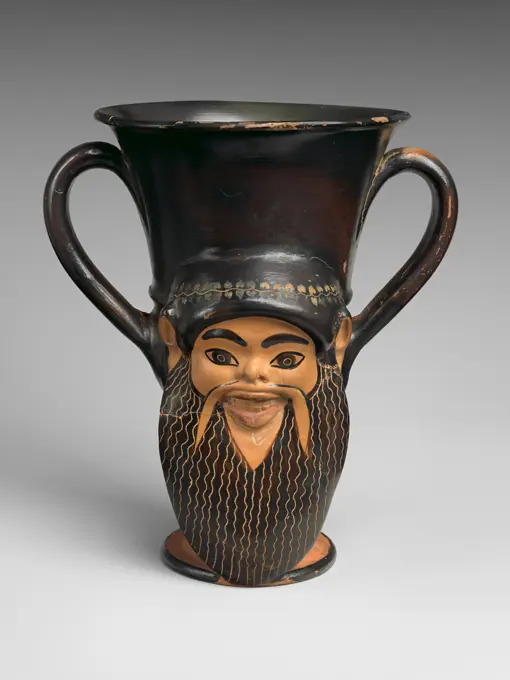
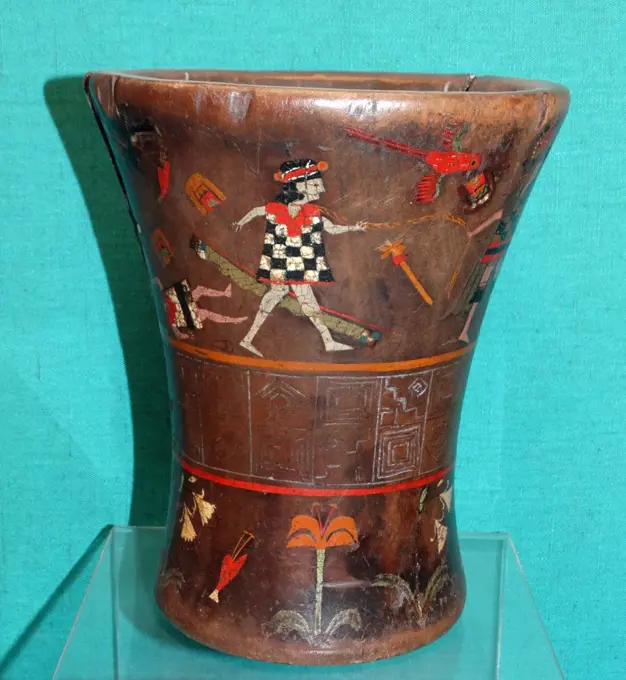
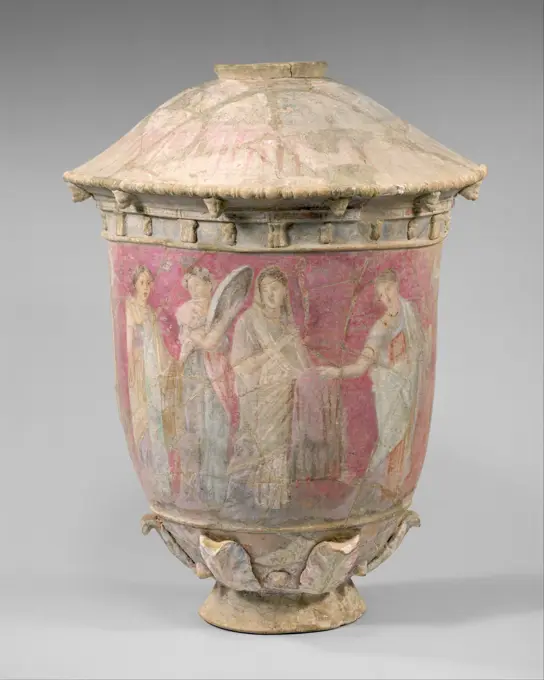
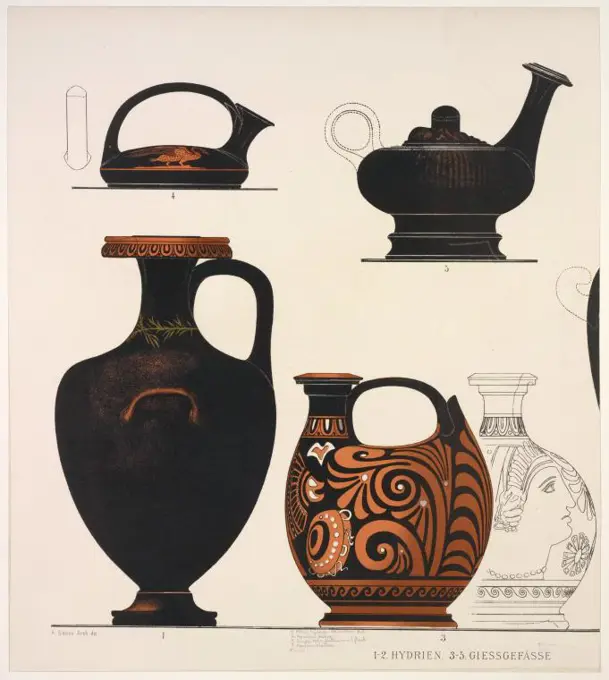
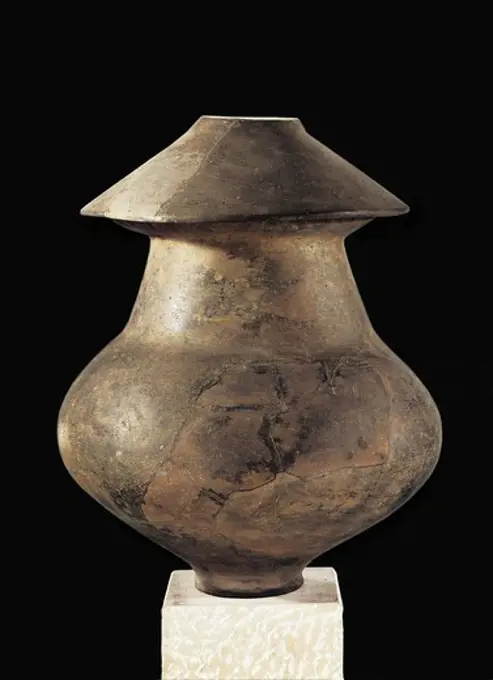
Funerary Urn. 9th c. BC. Campos de Urna Culture. Iron Age. Ceramics. SPAIN. CATALONIA. BARCELONA. Barcelona. Archaeology Museum of Catalonia. Proc: SPAIN. CATALONIA. BARCELONA. Terrassa. Necropolis of Can Missert.Pharmacy Jar (Albarello), c. 1475-80. Italy, Florentine region, Cafaggiolo. Tin-glazed earthenware (maiolica); overall: 30.5 cm (12 in.).Miniature kettle with cover. Culture: British, London. Dimensions: 2 5/8 × 2 1/16 in. (6.7 × 5.2 cm). Maker: David Clayton (British, active 1689). Date: late 17th-early 18th century. Museum: Metropolitan Museum of Art, New York, USA.Can, spherical with squeezed spout and wide, flat ear, multi -colored painted with Florentine lily, anonymous, c. 1450 Spherical can of multi -colored painted majolica. The jug has a squeezed spout and a wide, flat ear. A flower is painted under the spout; A Florentine lily. Bologna earthenware. tin glaze. lead glaze majolica Spherical can of multi -colored painted majolica. The jug has a squeezed spout and a wide, flat ear. A flower is painted under the spout; A Florentine lily. Bologna earthenware. tin glaze. lead glaze majolicaUrn with ram's horn handles and gadrooned lid and socle (one of a pair) first half of the 17th century Italian, Rome This handsome pair of Baroque porphyry urn with gadrooned lids were probably made in Rome and indeed bear resemblance with a design by the Roman painter and engraver Giovanni Angelo Canini (1609-1666), preserved at the Louvre. The echo of gadrooned lid and lower section of an urn, paired with rams horn handles can be found on numerous mid-17th century porphyry vases, including several examples from Cardinal Mazarins collection now at the Louvre.. Urn with ram's horn handles and gadrooned lid and socle (one of a pair). Italian, Rome. first half of the 17th century. Imperial porphyry. Natural SubstancesPolychrome Bowl with Geometric Designs and Face in Relief on Shoulder. Chupícuaro; Guanajuato or Michoacán, Mexico. Date: 600 BC-200 BC. Dimensions: Diam. 33 cm (13 in.). Ceramic and pigment. Origin: Mexico. Museum: The Chicago Art Institute, Chicago, USA.Animal Ornament 6th-7th century Moche (Loma Negra). Animal Ornament 315194CRATERA DE CAMPANA DE TOYA. IBERICO CERAMICA. (DEPOSITO: MUSEO ARQUEOLOGICO NACIONAL).Bowl with Wahy Entities. Guatemala, Northern Petén, Maya, 700-850 CE. Ceramics. Slip-painted ceramicClose-up of an Albarello jar, Faenza, ItalyStorage Jar; Attributed to Group E (Workshop of Exekias) (Greek (Attic), active 560 - 540 B.C.); Athens, Greece; about 550 B.C; Terracotta; 35.4 × 28.1 cm (13 15,16 × 11 1,16 in.)Pot, 1900s. Southern Africa, South Africa, Zulu. Terracotta; overall: 26.7 x 25.4 cm (10 1/2 x 10 in.).Pitcher. United States and England, mid-19th century. Furnishings; Serviceware. Earthenware (Bennington Ware)Incense Burner with Dragon Spout 1st-3rd century Vietnam. Incense Burner with Dragon Spout 53862Tea-pot. Bronze. China. Paris, Cernuschi museum. 71127-4 Anse, Chinese art, bronze, lid, animal shape, bird, foot, theiereEwer 8th-9th century The twelve-sided ewer belongs to a small group of early Islamic bronze ewers that have been variously attribuited to Egypt or Iran. Typical for them is the S-shaped handle with numerous peculiarities. They have a sharply angled return to the body. The lower curve is uinterrupted by pierced rectangular solid cubeand they always bear a polyhedral thumbstop.. Ewer 451002Earthenware head with band ear, decorated in sludge technology, cup crockery holder soil find ceramic earthenware clay glaze lead glaze, hand turned glazed fried loin cord Pottery cup with flared rim and pinched ear. Red shard Decorated in sludge technology Stand archaeology Rotterdam City center Stadsdriehoek Schielandshuis indigenous pottery drink table serving room Soil discovery: Schielandshuis during restoration 1982.Jar 14th-15th century () European. Jar 465831 European, Jar, 14th15th century (), Earthenware, glaze, Overall: 3 11/16 x 3 1/8 x 2 1/2 in. (9.4 x 7.9 x 6.4 cm). The Metropolitan Museum of Art, New York. Gift of J. Pierpont Morgan, 1917 (17.194.1735)Zun wine vessel, 11th century BCE, 13 1/8 × 11 7/16 × 11 5/16 in., 11.2 lb. (33.4 × 29 × 28.7 cm, 5.1 kg), Bronze, China, 11th century BCEItaly, Civita Castellana, Falerii Veteres, Falisci tribe, Jar with stand and cupTESORO DE VILLENA - EDAD DEL BRONCE - 1000 AC - CUENCO JARRITA Y BRAZALETE DE ORO. Location: MUSEO ARQUEOLOGICO JOSE MARIA SOLER. Villena. Alicante. SPAIN.Puzzle jug, anonymous, c. 1500 - c. 1599 Fopkan van Steengoed with tin lid with Kleefse Keuren. The neck of the jug is open with leaf motifs. The top of the abdomen has a lot of cut, the bottom of the abdomen has perpendicular canelures with leaf motifs. Siegburg/ Cologne. Siegburgpewterers: Cologne Stoneware. Glaze. frame: tin (metal) vitrification Fopkan van Steengoed with tin lid with Kleefse Keuren. The neck of the jug is open with leaf motifs. The top of the abdomen has a lot of cut, the bottom of the abdomen has perpendicular canelures with leaf motifs. Siegburg/ Cologne. Siegburgpewterers: Cologne Stoneware. Glaze. frame: tin (metal) vitrificationVessel ca. 8th-7th century B.C. Phrygian. Vessel 326714Jar with Two Plumed or Horned Serpents with Birds and P-shaped Motifs. Casas Grandes, Ramos Polychrome; New Mexico, United States, or Chihuahua, Mexico. Date: 1280-1450. Dimensions: 21.6 × 24.1 cm (8 1/2 × 9 1/2 in.). Ceramic and pigment. Origin: New Mexico. Museum: The Chicago Art Institute, Chicago, USA.Amphoraism;  II-I century BC (-200-00-00-1-00-00);Terracotta hydria (water jar) mid-6th century B.C. Greek, Euboean On the body, eagle between two sphinxesWith its lustrous glaze and well-preserved details in added color, this vase demonstrates the technical mastery in ceramic workshops outside of Attica.. Terracotta hydria (water jar) 255264 Greek, Euboean, Terracotta hydria (water jar), mid-6th century B.C., Terracotta, H. 8 15/16 in. (22.7 cm). The Metropolitan Museum of Art, New York. Rogers Fund, 1968 (68.11.40)Terracotta bell-krater (bowl for mixing wine and water) late 5th century B.C. Greek, Attic Obverse, Nike (the personification of victory), driving a quadriga (four-horse chariot) toward a column surmounted by a tripod. The name of Nike is inscribedReverse, three draped youthsThe vase may have been bespoken or such objects may have been available to commemorate a victory.. Terracotta bell-krater (bowl for mixing wine and water). Greek, Attic. late 5th century B.C.. Terracotta; red-figure. Classical. VasesEwer. Italy, Venice, circa 1500. Furnishings; Serviceware. Polychrome enamel, gold on copperJar 101 CE-400 CE Mediterranean Region. Glass, blown technique . Ancient RomanANTIQUE URN from INDIATerracotta amphoriskos (oil flask). Culture: Greek, Attic. Dimensions: H. 6 1/2 in. (16.5 cm). Date: 4th century B.C..The vase is in the shape of an almond. Almonds were important to the Greeks for their fruit and oil, which also served as a binder for perfumes. Museum: Metropolitan Museum of Art, New York, USA.UKRAINE, ODESA, ARCHAEOLOGY MUSEUM, GREEK AMPHORA (VASE)Dzbanek z dekoracją rytą. unknown, authorDrum-Shaped Vessel. Panama, Veraguas Province, 600-800 CE. Ceramics. Slip-painted ceramicURNA FUNERARIA DE CALIZA POLICROMADA PROCEDENTE DE LA NECROPOLIS DE GALERA (GRANADA) - S IV Y III AC. Location: MUSEO ARQUEOLOGICO NACIONAL-COLECCION. MADRID. SPAIN.Bell (Nao) China Nao were typically arranged in sets of three or five. Played with the mouth facing upward, smaller examples could be held in the hand while larger ones, known as yong, required a frame support. Shang-dynasty instruments such as this nao were frequently decorated with the taotie motifa symmetrical design representing the flattened face, or "split representation," of a mythological animal.. Bell (Nao) 61245Ceramic pitcher with geometrical decoration, from Molise regionRitual Tripod Cauldron with Cover (Ding) 5th-4th century B.C. China. Ritual Tripod Cauldron with Cover (Ding). China. 5th-4th century B.C.. Bronze. Eastern Zhou dynasty (770-256 B.C.). MetalworkSyrup Jug 1852-58 United States Pottery Company. Syrup Jug 8048Stem Cup. Culture: China. Dimensions: H. 2 3/8 in. (6 cm). Date: late 7th-early 8th century. Museum: Metropolitan Museum of Art, New York, USA.Water or Gunpowder Container(Tabu-Tabu)CERAMICA DE ARAGON  S XVIII - DECORACION VEGETAL. Location: MUSEO DEL PUEBLO ESPAÑOL, MADRID, SPAIN.Stirrup Spout Bottle. Culture: Chimú. Dimensions: H. 8 3/4 x Diam. 6 3/8 in. (22.2 x 16.2 cm). Date: 12th-15th century. Museum: Metropolitan Museum of Art, New York, USA.Czarek with one handle, jug, a vessel in a bull; Unknown Cypriot workshop,  1650-1475 BC (-1650-00-00--1475-00-00), 1600-1450 BC (-1650-00-00--1475-00-00), 1300-1200 BC (-1300-00-00--1200-00-00);CyprusGlass double head-shaped bottle. Culture: Roman, Syrian. Dimensions: H.: 3 13/16 in. (9.7 cm). Date: 3rd century A.D..Translucent greenish yellow.Rim folded out, round, and in; broad, flaring mouth; cylindrical neck, slanting backwards to serious face side, with lower part slightly indented; plastic body; flaring, circular base with rounded edges and slightly concave bottom, indented on edge below smiling face side. Mold seams visible on lower part of neck and sides of head.Body in the shape of two heads, back to back, one with a smiling face, the other with a serious face; both have hair in three arched tiers of small regular knobs, framing the faces and extending to chin; smiling face has arched eyebrows extending to aquiline nose, almond-shaped eyes with indents for pupils, open mouth, and rounded chin; serious face is similar but has a nose with broad, round nostrils, fatter lips, and a smaller chin.Intact, except for a small hole in hair of smiling face; dulling, slight pittinBucchero ware lebes, from necropolis of Osteria at Vulci, Latium region, ItalyIncised Container for Lime with Monkey Stopper. Probably Ica; South coast, Peru. Date: 1000-1470. Dimensions: H. (2 1/2 in.). Gourd with string and bone stopper. Origin: Peruvian South Coast. Museum: The Chicago Art Institute, Chicago, USA.Mythological Beaker. UnknownARIBALO - CERAMICA INCA - PERU - 1400-1532 DC - 37,60x23 cm. Location: MUSEO DE AMERICA-COLECCION. MADRID. SPAIN.Glass perfume bottle 1st century A.D. Roman Miniature perfume bottleTranslucent deep turquoise green.Rim folded out, over, and in, flattened on top; long, slightly conical neck, tooled in around base; lentoid body with tooled indents in both sides; round bottom.Intact; pinprick and a few very large bubbles; dulling and patches of iridescent weathering.. Glass perfume bottle 239746Terracotta bell-krater (mixing bowl) with lid. Culture: Greek, Boeotian. Dimensions: H. 7 in. (17.8 cm.)H. with cover. 9 in. (22.9 cm.)D. 6 1/2 in. (16.5 cm.). Date: late 5th century B.C..The hippocamp, a fantastic monster with a horse's body and a fish's tail, was fairly uncommon in Classical Greek art. He plays no part in any extant mythological tale but in art is sometimes ridden by the wise sea god Nereus or sea nymphs. Characteristically, the body of the creature on this vase is without scales and has an erect, crescent tail and spiky fins. Museum: Metropolitan Museum of Art, New York, USA.Goblet Made 1600 BCE-1050 BCE China. For nobility of the Shang dynasty, divine goodwill was enlisted and repaid with ritual offerings of food and drink. This vessel, which would have been placed over fire to heat sacrificial wine, displays the taut profile and precise surface decoration and distinguishes the finest bronzes commissioned for this purpose. Its surface decoration is intricately executed in several levels of relief. Two tiers of monster masks, each formed of hooks and spirals around a pair of staring eyes, encircle the flared bowl. Elongated versions of these masks, which may be read as paired serpents, descend the legs, while a snub-nosed bovine head with sculpted horns crowns the strap-handle. This intriguing imagery, set off a background of fine, squared spirals, reappears in endless variations on Shang bronzes, but eludes modern interpretation.. Bronze .Oinochoe ca. 350-300 B.C. Greek, South Italian, Apulian. Oinochoe 255244 Greek, South Italian, Apulian, Oinochoe, ca. 350300 B.C., Terracotta, H. 19.02 cm.. The Metropolitan Museum of Art, New York. Rogers Fund, 1967 (67.11.20)Attic Black-Figure Neck Amphora; Attributed to Leagros Group, Greek (Attic), active 525 - 500 B.C.; Athens, Greece, Europe; about 510 B.C.; Terracotta; Object: H: 45.3 to 45.8 x Diam. (body): 30.4 cm (17 13/16 to 18 1/16 x 11 15/16 in.), Object (rim): Diam.: 21.6 cm (8 1/2 in.), Object (foot): Diam.: 16.1 to 16.2 cm (6 3/8 in.)Cup with Profile Head of the Maize God 800 BCE-400 BCE Valley of Mexico. Ceramic with burnished slip . OlmecBowl 12th-9th century B.C. Central Highlands (). Bowl 310710Ceramic storage vessel with a lid. Late Chalcolithic. Second half of the 5th millennium BC. From the tell site "Skritata Mogila", Poroy, Burgas province, Bulgaria. National Archaeological Museum. Sofia. Bulgaria.Glass alabastron (perfume bottle). Culture: Greek, Eastern Mediterranean. Dimensions: H.: 5 7/16 in. (13.8 cm). Date: 5th century B.C..Translucent dark purple, appearing black, with handles in same color; trails in opaque white and opaque turquoise blue.Broad slightly uneven horizontal rim-disk; cylindrical neck with downward taper; rounded shoulder; straight-sided cylindrical body with upward taper and curving in at bottom; two vertical ring handles with tails, applied over trail decoration.Turquoise blue trail attached at edge of rim-disk; a white trail applied to bottom of neck, wound in a spiral around top of body, then tooled into an irregular, close-set zigzag pattern, with slight vertical ribbing around sides.Broken and repaired, with most of bottom and part of lower body missing, several holes and chips in lower body, and knobs at bottom of handle tails also missing; dulling, pitting, and iridescent weathering. Museum: Metropolitan Museum of Art, New York, USA.Jar from the tomb of Sennedjem. Dimensions: H. 30.5 cm (12 in); w. 16 cm (6 5/16 in). Dynasty: Dynasty 19. Reign: reign of Ramesses II. Date: ca. 1279-1213 B.C..This wine jar is decorated with floral garlands like those used in representations of funerary feasts. Numerous jars of this sort were found in Sennedjem's tomb. Other objects in the collection that were discovered in the same tomb are numbered 86.1.1-86.1.29. Museum: Metropolitan Museum of Art, New York, USA.Ewer China. Ewer 61206Jug decorated with imaginary creatures, 14th Century, majolica,Clay pot Clay pot of manual work. It is possible to store milk or other liquid Copyright: xZoonar.com/ValeryxxSibrikovx 2418777Keramikgefäße ceramic vessels, Son Fornes archaeological museum, post-alaitic period room, Montuiri, Comarca de Es Pla, Mallorca, Spain Copyright: xZoonar.com/BartomeuxBalaguerxRotgerx 22896803Terracotta lekythos (oil flask) early 5th century B.C. Greek, Attic Seated komastThe komast (reveller) holds up either a beaker-shaped cup or krotala (castanets). The figure was painted onto the surface of the vase in added white. The procedure is known as Six's technique, after the Dutch scholar who first studied it.. Terracotta lekythos (oil flask). Greek, Attic. early 5th century B.C.. Terracotta; Six's technique. Late Archaic. VasesTerracotta askos (vessel) in the form of a bird Cypriot ca. 1200-1050 BCE Three feet with spout and geometric ornament.Bird askoi were popular in the Aegean and on Cyprus from a very early period. View more. Terracotta askos (vessel) in the form of a bird. Cypriot. ca. 1200-1050 BCE. Terracotta. Late Cypriot IIIB. VasesCorinthian Aryballos; Goateed Siren Painter; Greece (Corinth); 570 - 550 B.C; Terracotta; 10 cm (3 15,16 in.)Kyliks czarnofigurowy dekorowany przedstawieniami jeleni i panter. Malarz Epignota, author, warsztat attycki, workshopTerracotta mastoid (drinking cup with narrow base) ca. 500 B.C. Greek, Attic Obverse, between eyes, seated youth with branchesReverse, between eyes, noseThe mastoid is a variant of the skyphos characterized by the breast-like shape, which provides its name. The eyes on either side reflect a predilection in Attic vase-painting between about 540 and 500 B.C. While their meaning has not been conclusively established, they certainly have to do with the insights afforded by the consumption of wine and its perils. Mastoids are among the vases for drinking imported into Etruria in large numbers.. Terracotta mastoid (drinking cup with narrow base) 254344 Greek, Attic, Terracotta mastoid (drinking cup with narrow base), ca. 500 B.C., Terracotta, H. 3 1/4 in. (8.3 cm); diameter 4 1/8 in. (10.5 cm); width with handles 6 1/8 in. (15.6 cm). The Metropolitan Museum of Art, New York. Rogers Fund, 1941 (41.162.173)Jar. Roman, Eastern Mediterranean. Date: 101 AD-400 AD. Dimensions: H. 3 cm (1 1/8 in.); diam. 2.5 cm ( 7/8 in.). Glass, blown technique. Origin: Mediterranean Region. Museum: The Chicago Art Institute, Chicago, USA. Author: ANCIENT ROMAN.OBJETOS DE ALABASTRO FENICIOS PROCEDENTE DE LA NECROPOLIS DE LAURITA DEL CERRO DE SAN CRISTOBAL, ALMUNECAR - SIGLO VII AC. Location: MUSEO ARQUEOLOGICO-CERAMICA FENICIA. GRANADA. SPAIN.Ritual Grain Steamer (Yan) with Masks. China, Early Western Zhou dynasty, about 1050-950 B.C.. Furnishings; Cookware. Cast bronzeRussia, Animal-shaped tripod pot, Tagar style, bronzeSet of Roman ceramic objects in green and yellow. From Cologne (Luxembourg and Aachener streets) and unknown origin. Roman-Germanic Museum. Cologne. Germany.Terracotta pottery, Altyndepe, 3000-2000 BC, National Museum, Turkmenistan, Ashgabat, Turkmenistan, AsiaHandle Spout Vessel in Form of an Anthropomorphic Bird Grasping a Fish Made 100 BCE-500 CE North Coast. Ceramic and pigment . MocheTerra sigillata, procedente de Cala Culip de Cadaqués. Siglo I. Museu d'Història de Catalunya.agadir medina vase agadir city morocco medina landmark arab wood vase Copyright: xZoonar.com/tudorxantonelxadrianx 7381304Pre-Columbian pottery in the Museum of Archaeology, Trujillo, Peru.Incense Burner. Eastern Tibet, Kham region, Derge, or Mongolia, circa 19th century. Tools and Equipment; burners. SilverAlabastron (Container for Scented Oil). Eastern Mediterranean. Date: 550 BC-250 BC. Dimensions: 10.4 × 2.5 × 2.5 cm (4 1/8 × 1 × 1 in.). Glass, core-formed technique. Origin: Eastern Mediterranean Region. Museum: The Chicago Art Institute, Chicago, USA. Author: Ancient Eastern Mediterranean.Cylinder Vessel with Male Deer. Guatemala, Escuintla, Maya, 600-900 CE. Ceramics. Slip-painted ceramicPrzeszo Przyszoci unknownTerracotta Nolan neck-amphora (jar). Culture: Greek, Attic. Dimensions: H. 13 in. (33 cm). Date: ca. 460 B.C..Obverse, Nike (the personification of victory) holding a filletReverse, youth leaning on staffThe subject of Nike crowning a youth occurs often on Greek vases. It is interesting to reflect that when Nike and the victor appear in a scene together, the action is understood as occurring before us. When the two protagonists are shown on opposite sides of a vase, as here, an interval of time is added between what we see and what we know will happen. Museum: Metropolitan Museum of Art, New York, USA.Vessel with Avian Dancers. Guatemala, Petén, Maya, 550-700 CE. Ceramics. Slip-painted ceramicgeorgian ceramic pottery jug georgian ceramic pottery jug isolated on white background Copyright: xZoonar.com/ValeryxVoennyyx 5660680Oinochoe. Culture: Greek, Boeotian. Dimensions: Diameter: 4 in. (10.2 cm)Height: 5 1/16 × 2 3/4 in. (12.8 × 7 cm)Other (width w/ handle): 4 1/4 in. (10.8 cm). Date: V Century B.C.-Late. Museum: Metropolitan Museum of Art, New York, USA.Bell Shaped Vase from Cueva de Toralla. 2200 -1800 BC. Eneolithic. Ceramics. SPAIN. CATALONIA. BARCELONA. Barcelona. Archaeology Museum of Catalonia. Proc: SPAIN. CATALONIA. LLEIDA. La Pobla de Segur.ALFABEGUER CON ROSAS GOTICAS - MANISES - 1450-1475. Location: MUSEO DE CERAMICA-CERAMICA VALENCIANA. Barcelona. SPAIN.Bowl 7th-10th century Nopiloa. Bowl 312163PUCHERO CON UNA SOLA ASA Y VIDRIADO PARCIAL - PARA FUEGO - ARTE POPULAR S XX. Location: ALFARERIA. SPAIN.Terracotta kantharos (drinking cup with high handles) ca. 500-490 B.C. Greek, Attic Athenian artists conceived and treated vase shapes so organically that the step from a standard kantharos to a figural one was minimal. On this example, the head of a satyr is coupled with that of a woman, possibly a maenad.. Terracotta kantharos (drinking cup with high handles). Greek, Attic. ca. 500-490 B.C.. Terracotta; red-figure. Archaic. VasesWooden kero with incised and lacquered decoration. Inca, Peru. Dated 16th CenturyTerracotta vase 3rd-2nd century B.C. Greek, Sicilian, Centuripe Four womenA fundamental feature of Greek ceramics and their offshoots is that they could be used. By contrast, this vase, with its lid fixed onto the body, serves a purely symbolic function. It belongs to a class of pieces associated with the site of Centuripe in Sicily. They are characterized by elaborate and delicate applied decoration and by refined polychromy executed after firing. The scene shows a bride surrounded by attendants. The vase was made for the tomb.. Terracotta vase. Greek, Sicilian, Centuripe. 3rd-2nd century B.C.. Terracotta. Hellenistic. VasesJug with bird and stylized flowers in medallions, anonymous, c. 1750 - c. 1799 Can be made of stoneware on the stand ring with a hexagonal, egg -shaped belly and narrow neck with a pinched spout. The C-shaped ear is attached to the neck and shoulder. Partly covered with cobalt blue. On the abdomen six times an entry and colored decoration of an oval medallion with a bird on a stylized flower or just a flower. A pressed zigzag line (Knibis) for the courses. On the neck a stylized flower in a lobed medallion formed by a zigzag line and comprises on either side by a leaf vank. A pewter frame with a lid is attached to the ear. Engraved in the lid the letters 'A V H'. Westerwald. Westerwald (possibly) Stoneware. Glaze. Cobalt (Mineral). frame: tin (metal) vitrification Can be made of stoneware on the stand ring with a hexagonal, egg -shaped belly and narrow neck with a pinched spout. The C-shaped ear is attached to the neck and shoulder. Partly covered with cobalt blue. On the abdomen six t1-2. Hydrien ; 3-5. Giessgefasse. Genick, A.. still image. 1883. The Miriam and Ira D. Wallach Division of Art, Prints and Photographs: Picture Collection. Pottery , Greece, Pottery, Greek, Decoration and ornament , Greece, Decoration and ornament , Plant Forms , Greece, Women , Greece , To 499, Birds in art, HandlesRed-Figure Ram-Head Rhyton (Drinking Vessel): Symposiasts; Satyr and Maenad, c. 480-470 BC. Attributed to Brygos Painter (Greek, Attic, active c. 490-470 BC). Ceramic; overall: 19 x 12.8 cm (7 1/2 x 5 1/16 in.); diameter of rim: 11.4 cm (4 1/2 in.).Single ceramic from the Oberlausitz (Stone Age)Nazca painted pottery vessel, 1st century. Artist: UnknownAntique vases or ancient Greek jug pitchers and ceramic amphora pots, vector icons. Archeology museum ceramic vases or ancient pottery jugs and pitchers of clay with ornament and broken piece cracks. Antique vases, ancient Greek jug pitchers and potsAncient Greek Vases and Jars Set isolated. Ceramic Vases Collection. Cartoon Vector Illustration. Antique Style Pottery Clay Simple Jars