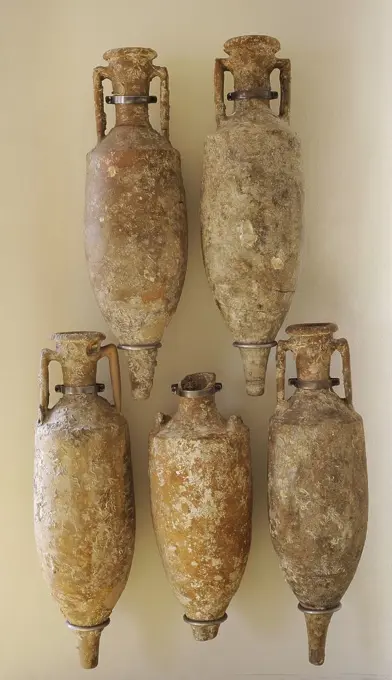
Ancient Terracotta Artifacts

A collection of ancient terracotta objects including lamps, ointment vessels, and cups, showcasing historical craftsmanship from various cultures.
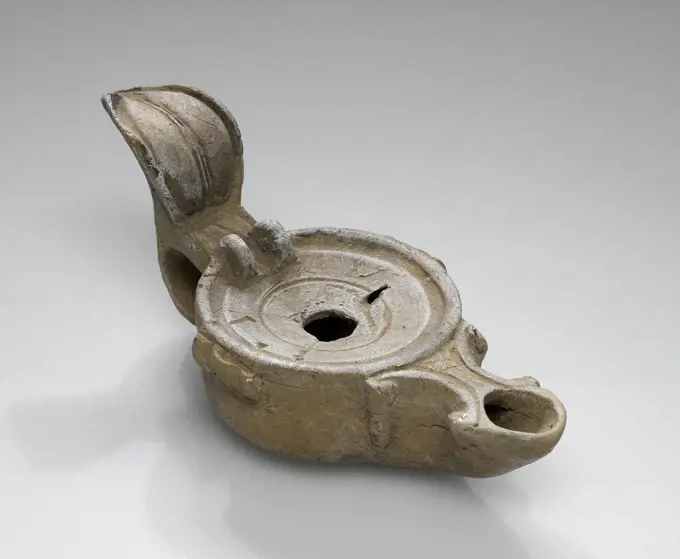
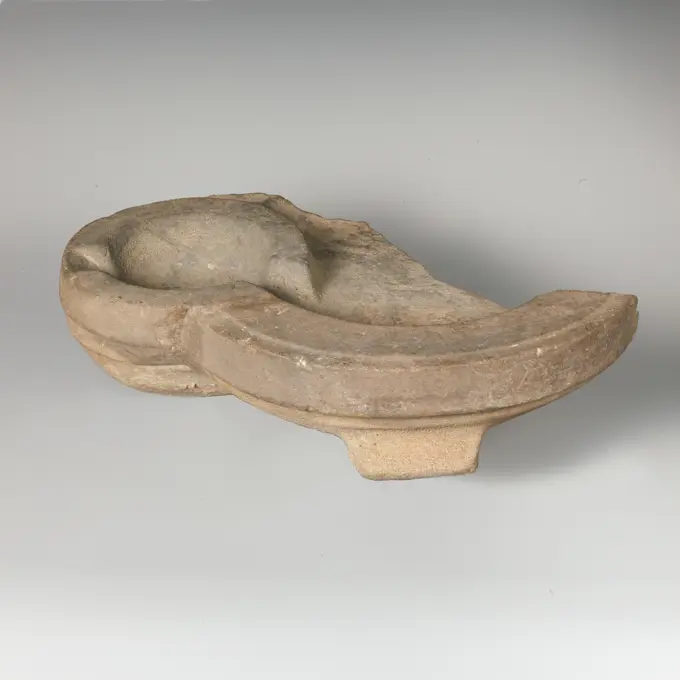
Lamp, Anatolia; 1st - 4th century; Terracotta; 2.2 x 4.5 x 9.5 cm (7,8 x 1 3,4 x 3 3,4 in.)
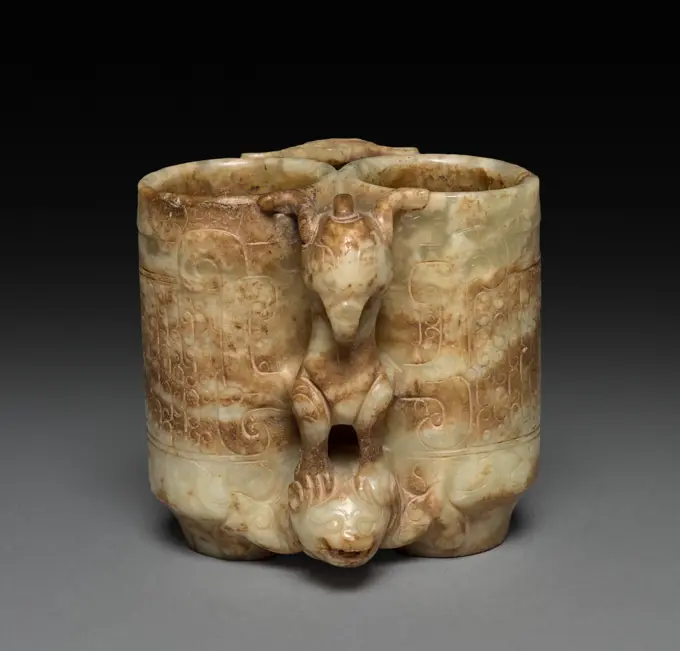
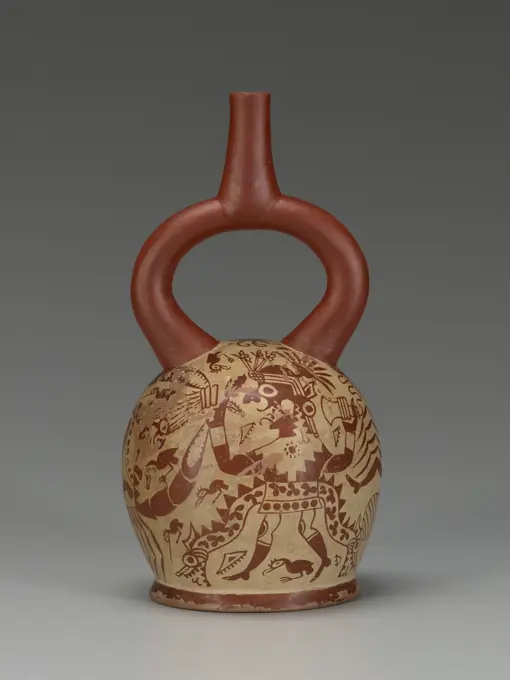
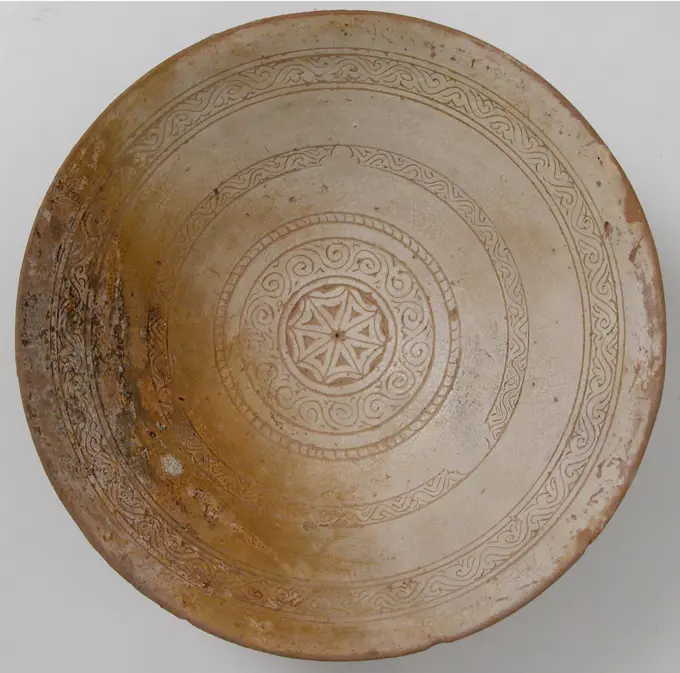
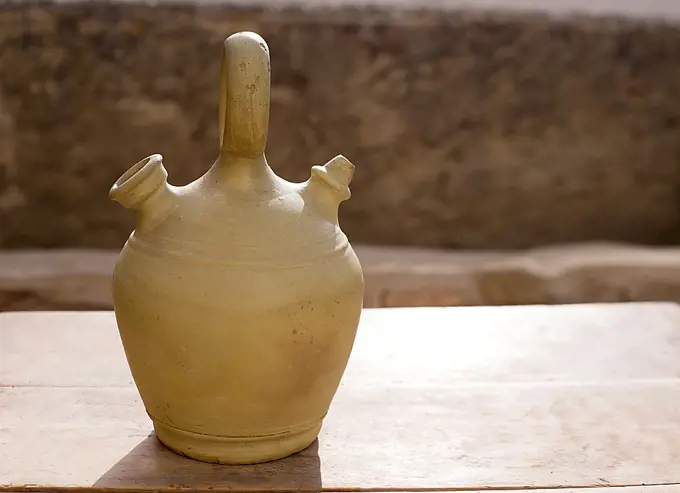
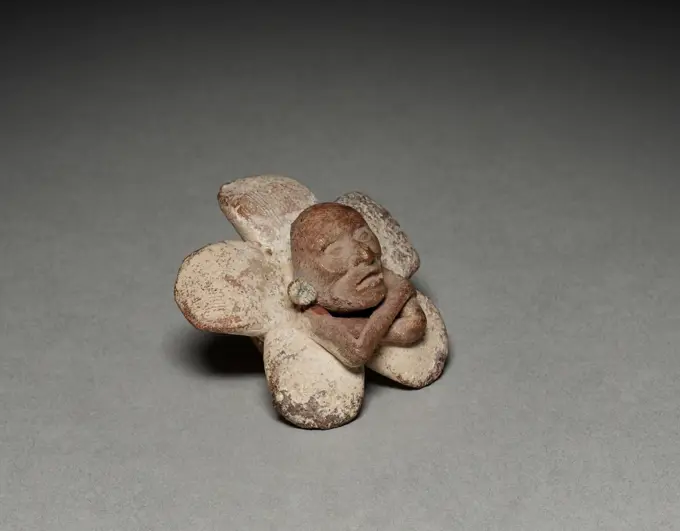
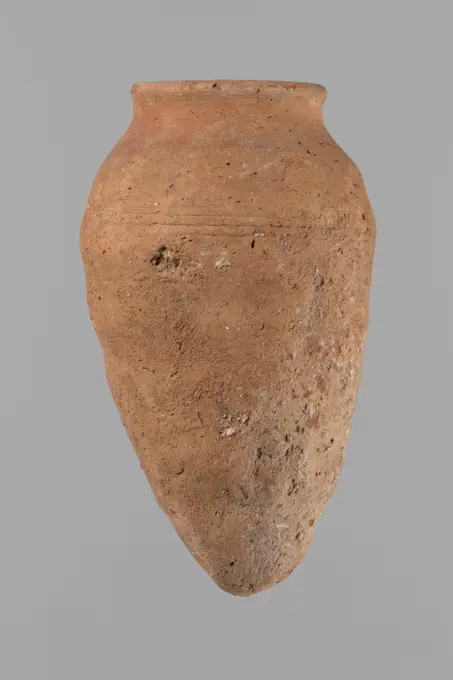
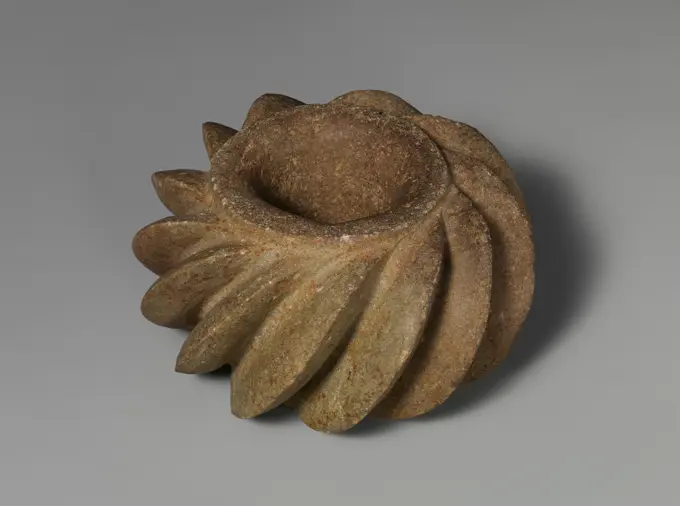
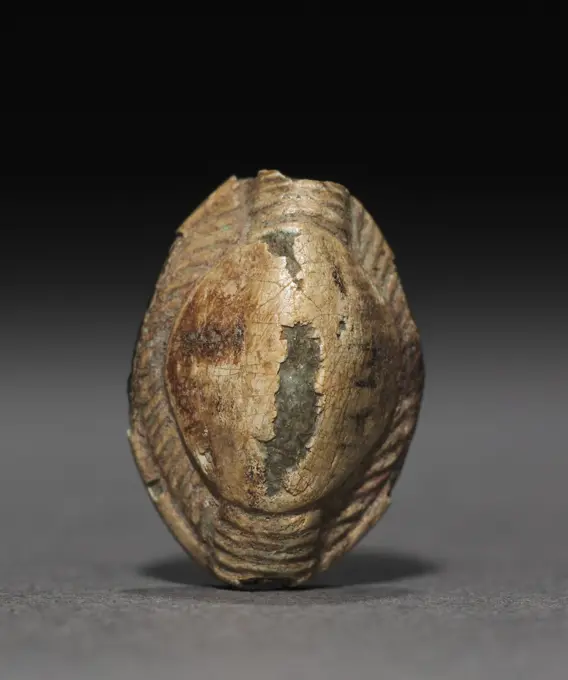
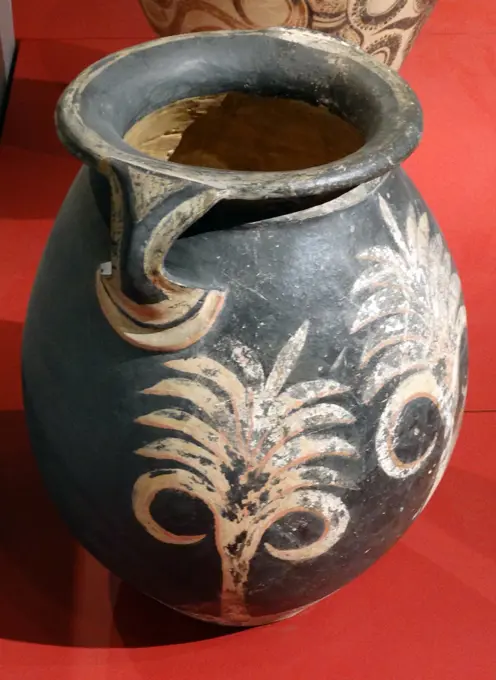
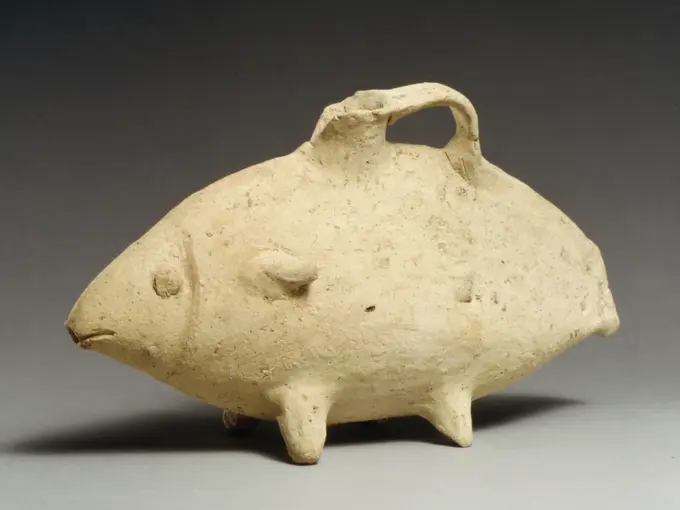
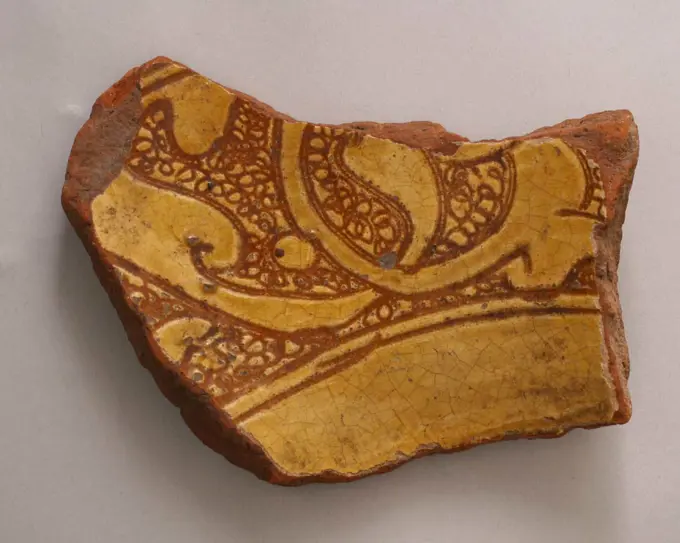
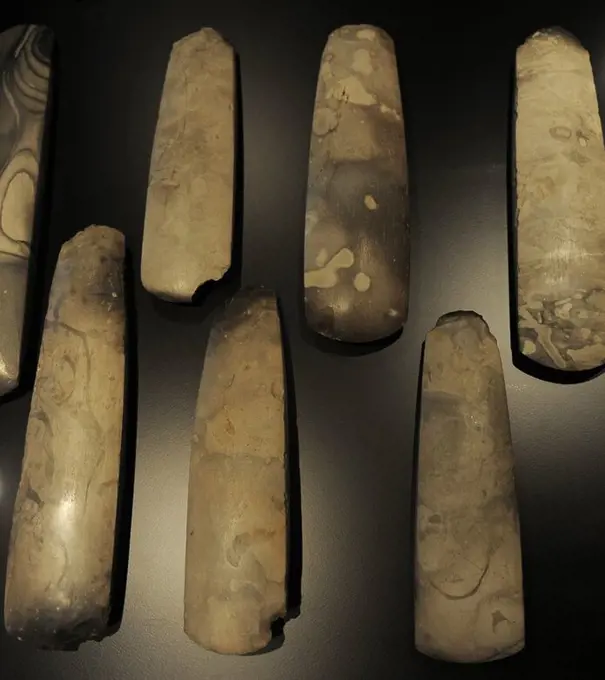
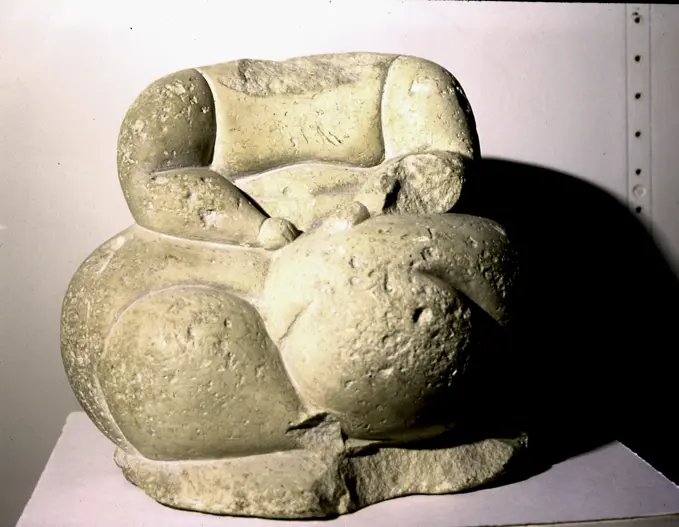
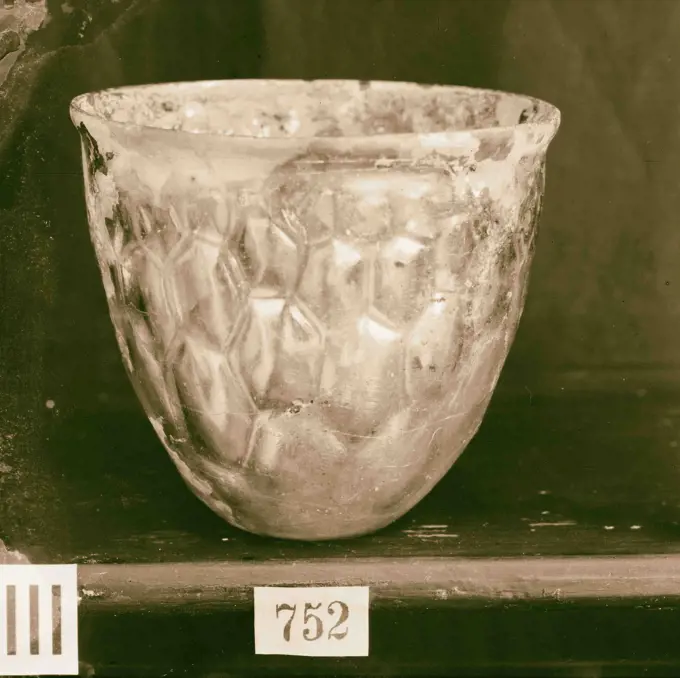
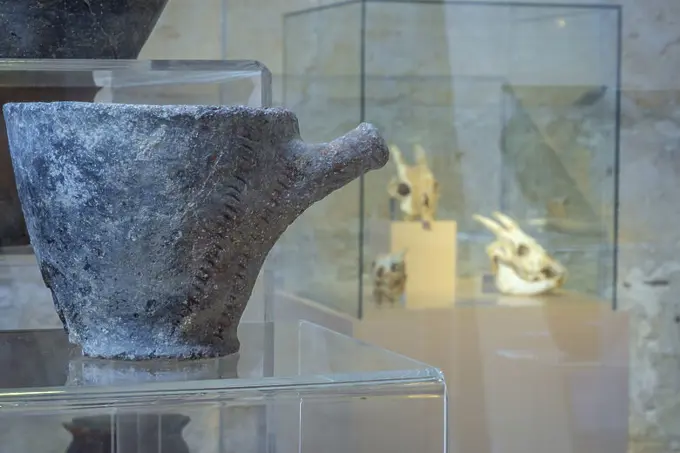
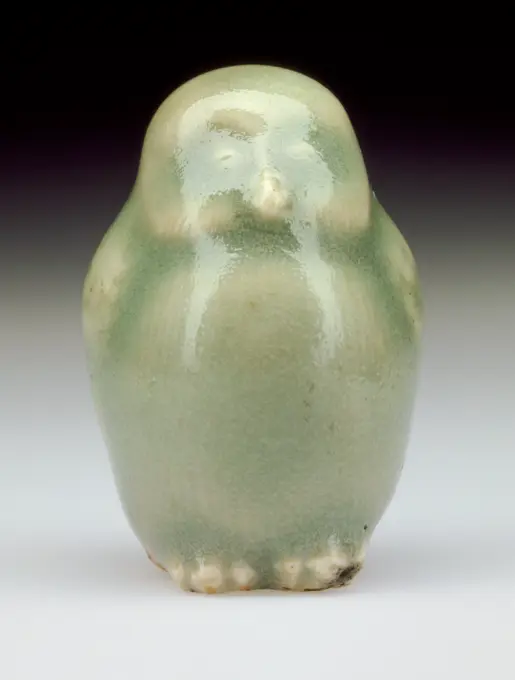
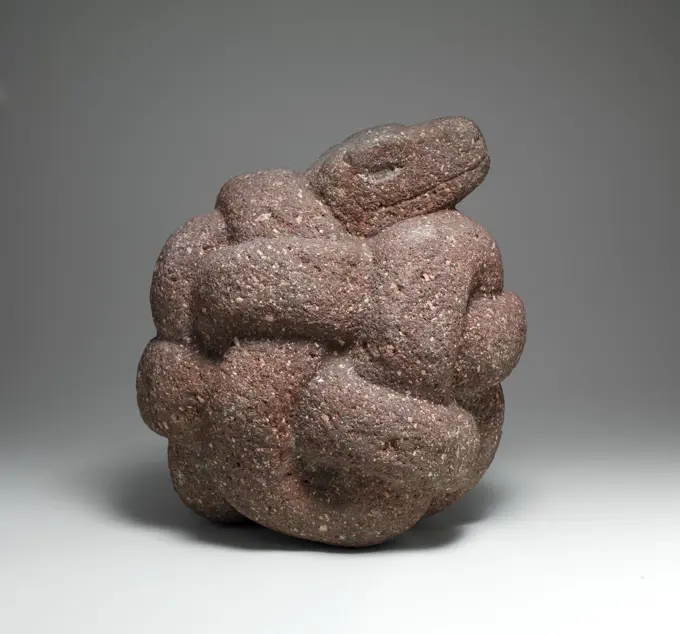
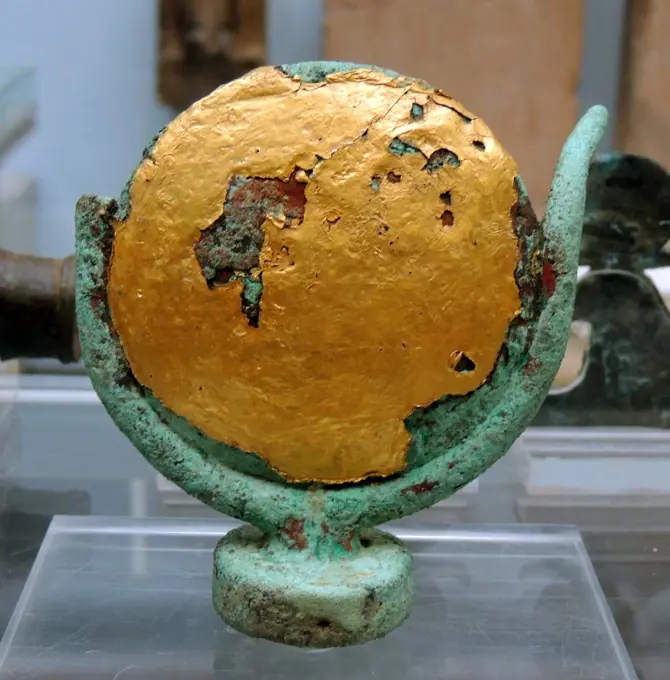
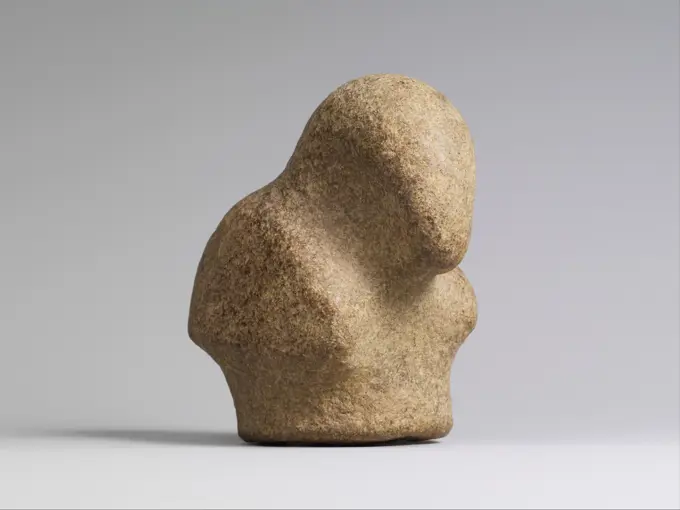
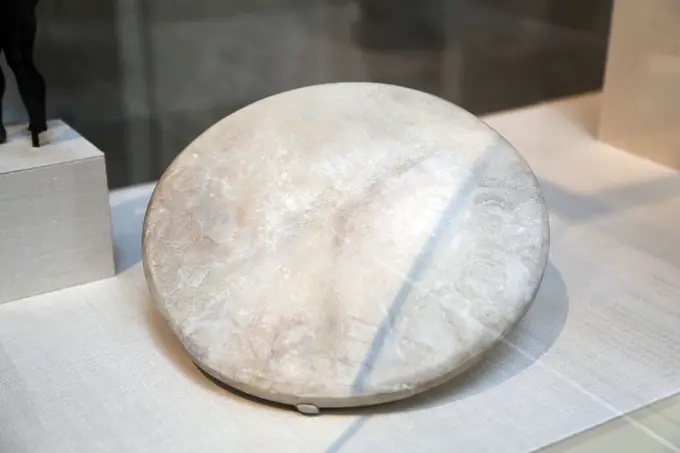
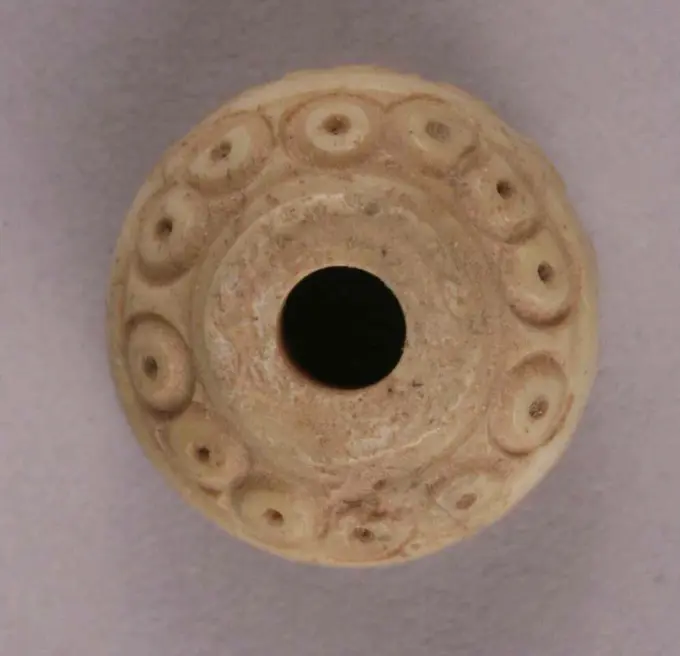
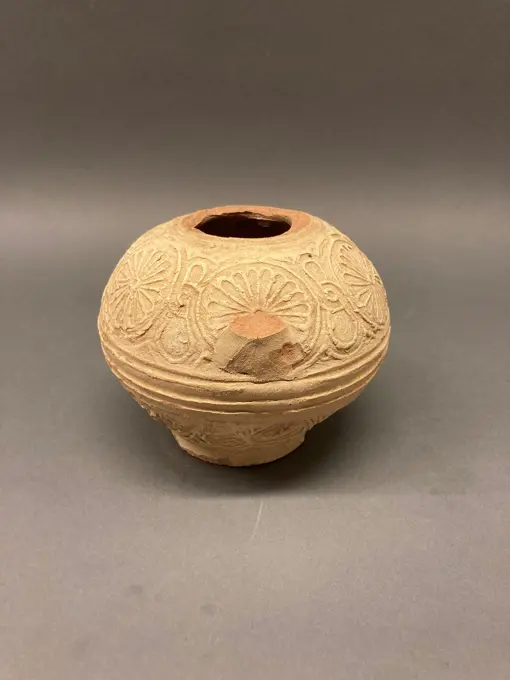
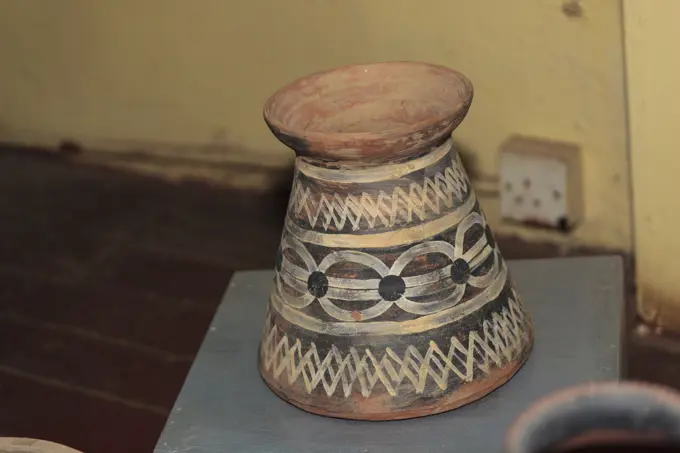
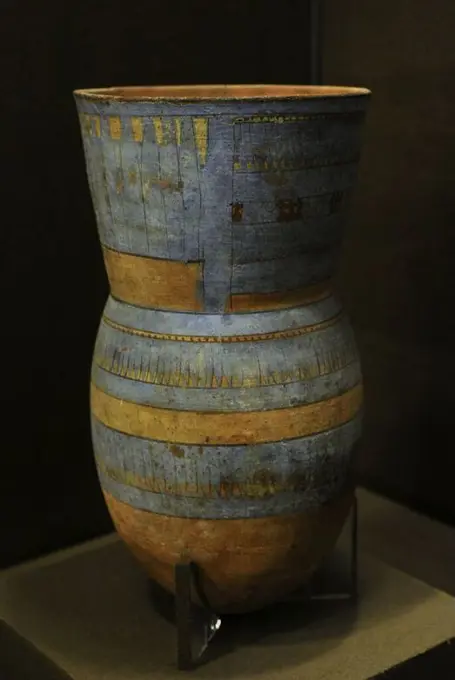
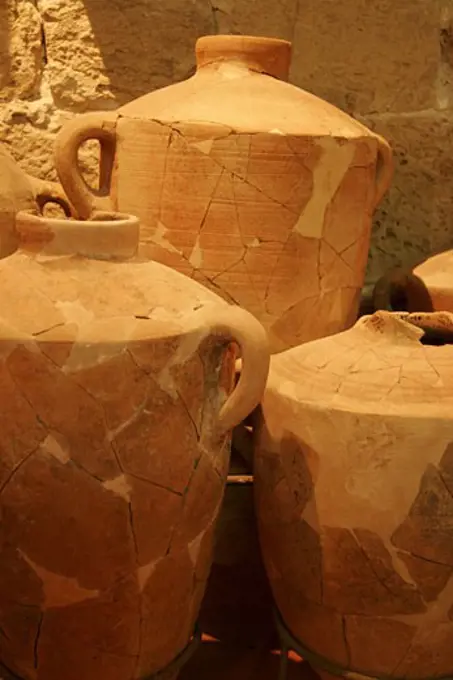
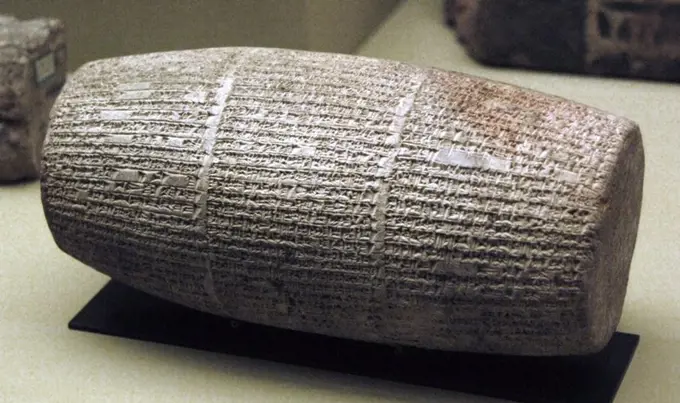
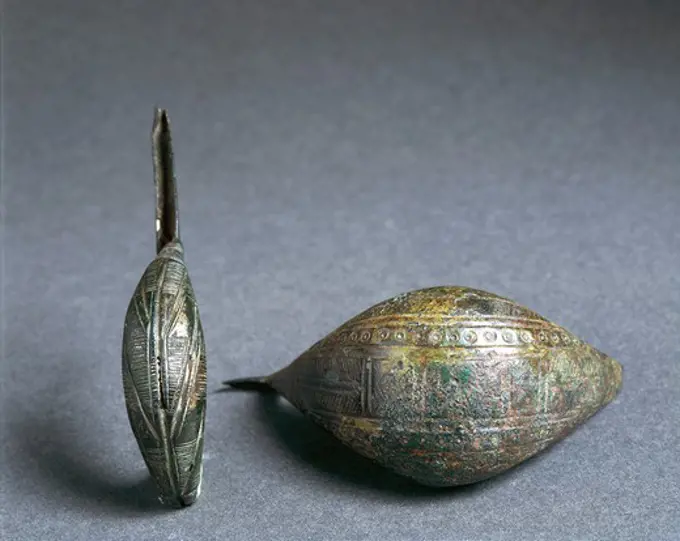
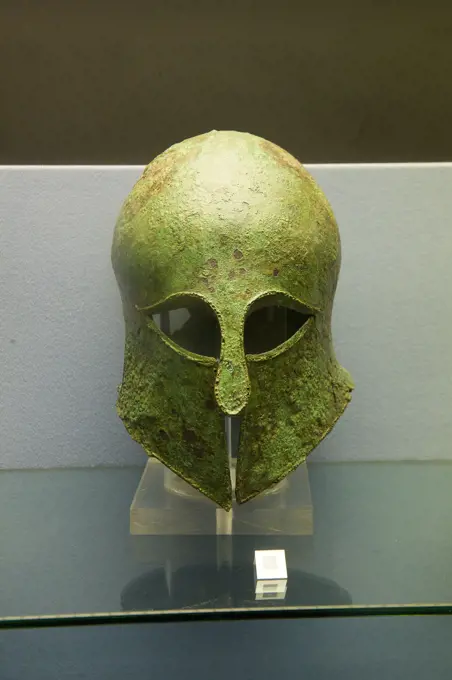
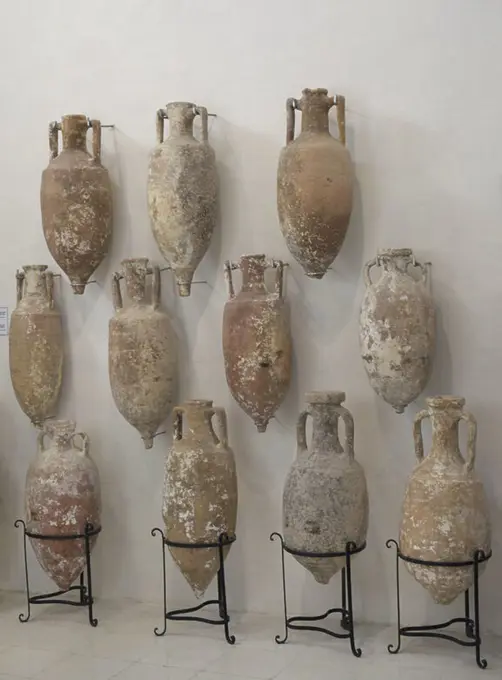
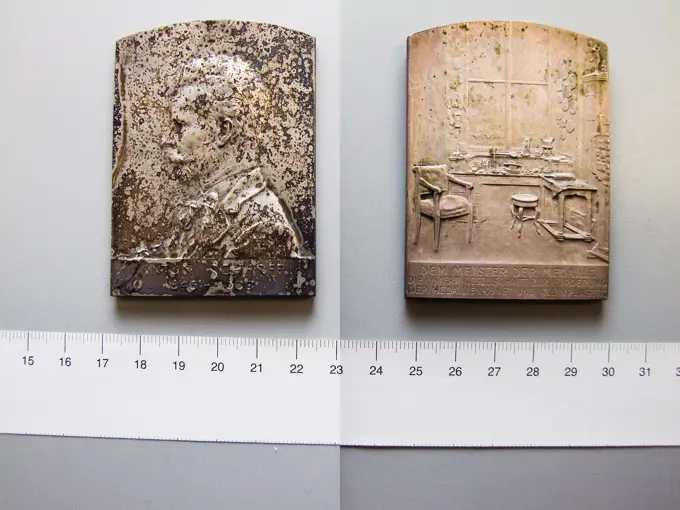
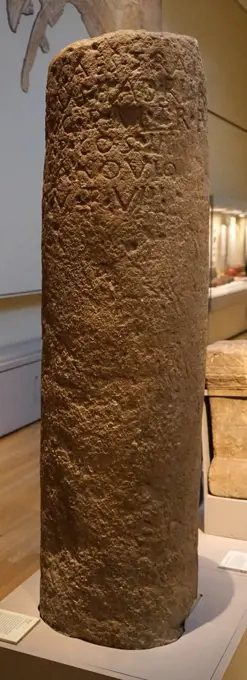
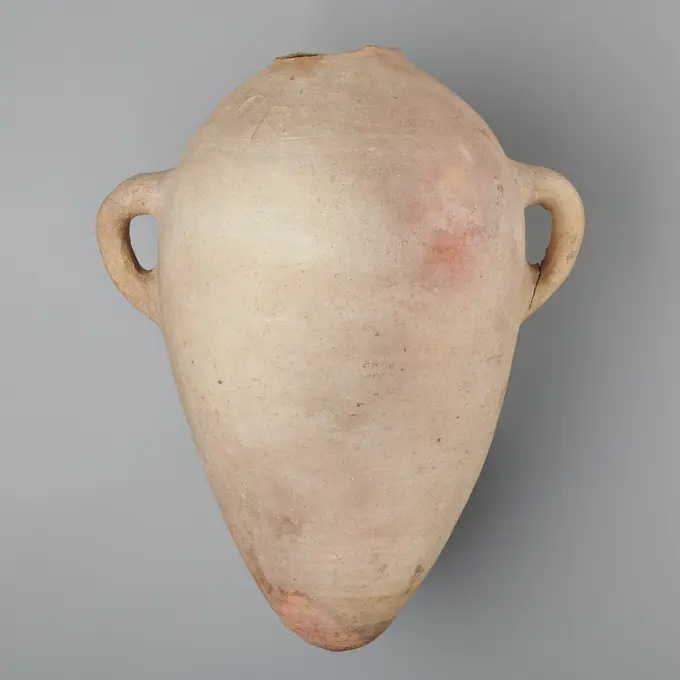
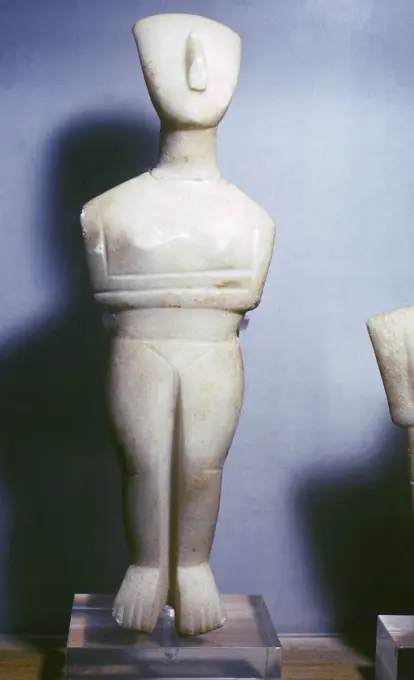
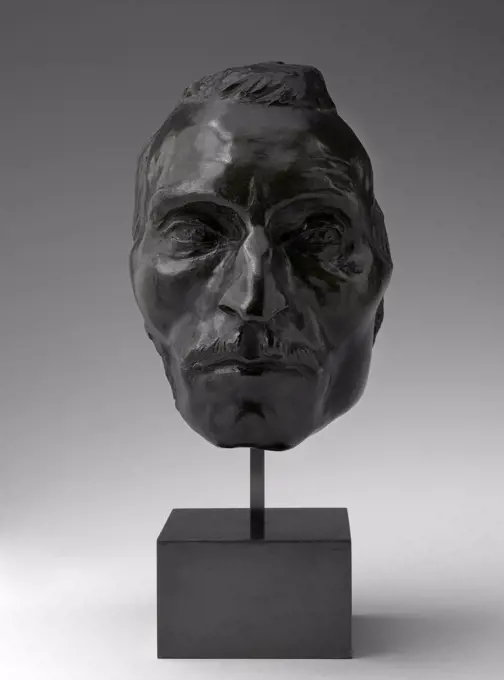
TINAJA DE CERAMICA SIN VIDRIAR - ARTE POPULAR -. Location: ALFARERIA. SPAIN.Fragmentary stone oil lamp ca. 1750-1450 B.C. Minoan Fragment of a stone lamp.. Fragmentary stone oil lamp 247737Abruzzo Alba Fucens General views. Hutzel, Max 1960-1990 Roman republican veteran colony, castrum plan, 1st century BC forum, amphitheatre, various civic and religious buildings, architectural fragments, community fountain; German-born photographer and scholar Max Hutzel (1911-1988) photographed in Italy from the early 1960s until his death. The result of this project, referred to by Hutzel as Foto Arte Minore, is thorough documentation of art historical development in Italy up to the 18th century, including objects of the Etruscans and the Romans, as well as early Medieval, Romanesque, Gothic, Renaissance and Baroque monuments. Images are organized by geographic region in Italy, then by province, city, site complex and monument.Roman multi-coloured glass vessels found in Israel 1st Century ADChampion Vase, 960- 1279. China, Song dynasty (960-1279) - Ming dynasty (1368-1644). Jade; overall: 8.9 x 9.2 x 4.6 cm (3 1/2 x 3 5/8 x 1 13/16 in.).Wall nail ca. 9th century B.C. Iran. Wall nail 325816Stirrup Vessel with a Pair ofCombatants.  Artist: UnknownHead of a comic figurine. Culture: Cypriot. Dimensions: H. 1 5/16 in. (3.3 cm). Date: 5th-4th century B.C..The head is mold-made and solid. The back is handmade and roughly finished. The masked head and neck are preserved. Museum: Metropolitan Museum of Art, New York, USA.Gabbro mace head ca. 2500-1900 B.C. Cypriot Spherical with a hole through the center.. Gabbro mace head. Cypriot. ca. 2500-1900 B.C.. Gabbro. Early Bronze Age. Miscellaneous-StoneBOTIJA EN BARRO BLANCO SIN VIDRIAR - ARTE POPULAR S XX. Location: ALFARERIA. Agost. Alicante. SPAIN.Bowl with Geometric Rosette 1100-1150 Byzantine A compass was used for drawing decorative bands on pottery. The mark of the compass point is visible at the center of this bowl. Designs imitating metalwork patterns often closely resemble those in contemporary Islamic art, providing some indication of trade and export patterns during the middle Byzantine period.. Bowl with Geometric Rosette 466271Glass perfume bottle. Culture: Roman. Dimensions: Overall: 2 1/2in. (6.4cm)Diam.: 2 3/16 x 1 3/4 in. (5.6 x 4.4 cm). Date: ca. 2nd century A.D..Spindle-type unguentarium.Colorless with yellow tinge.Tubular rim folded out, over and in, and pressed into broad, flaring mouth; cylindrical neck, expanding slightly downwards; very squat body with rounded sloping sides; uneven bottom with concave center.Intact; pinprick and elongated bubbles; dulling, pitting, faint iridescence, and creamy weathering. Museum: Metropolitan Museum of Art, New York, USA.Oil Lamp (Cheragh) 1201-1250 Iran. Brass with engraved decoration .Terminal with a Griffin Head. 7th c. BC. Bronze and iron. Proceeds from Kelermess Barrow No. 4 (Kuban Region), Ukraine. Scythian Art. Jewelry. RUSSIA. SAINT PETERSBURG. Saint Petersburg. State Hermitage Museum. Proc: UKRAINE.Botijo traditional clay pot jug to keep fresh water in Spain vintageCANTARO DE CUELLO ANCHO Y ALTO DE UNA SOLA ASA - CERAMICA PARA AGUA. Location: ALFARERIA. ORBA. Alicante. SPAIN.Bastet with lid with the Teti cartouche;  around 2345-2323 BC ; Old Pa 6 dynasty (-2345-00-00--2323-00-00);Figure in Flower Ornament, 500-900. Mexico, Yucatán, Jaina Island region, Campeche, Maya style (250-900). Earthenware with slip; diameter: 3 cm (1 3/16 in.). Figures within flowers are one of the most enchanting themes of the Maya ceramic art of Jaina, an island off the western Yucatán coast. The figures, usually males who cross their arms over their bodies, are either radiantly youthful or aged (as here), suggesting a relationship to the life cycle.Lamp;  I-IV century (1-00-00-400-00-00);Collection of ancient Egypt, purchaseVessel with a hieratic inscription;  around 2686- 2181 BC ; Old PAMace head Salinar artist(s) 500-100 BCE This carved stone mace head with diagonal flutes is among the most graceful weapons to survive from ancient Perus earliest cultures. The elegant, finely carved swirling ridges below the lip give a fluid character to this weapon that belies its purpose: to crush or splinter opponents bones. These ridges enhance the weapons effectiveness, as, when used, all of the force is concentrated at the narrow edges of the mace head rather than spread out over a broader surface area, similar to the way in which being stepped upon by a stiletto heel is much more painful than being stepped upon by a wider heel. The proper cultural attribution of stone mace heads of this type is unclear. Carved stone mace heads were made as early as the middle of the first millennium B.C. in the Central Andes, by artisans of the Chavín and Cupisnique cultures. A sculpted mace head was excavated from a burial at Kuntur Wasi in the northern highlands of Peru (Fux, 2013:310, cat. nSPAIN - Cuenca de Mula (district) - MURCIA. Cehegín; Museo de Arqueología; sala vasijas iberasCowroid, 1450-1350 BC. Egypt, New Kingdom, mid-Dynasty 18 (1540-1296 BC). Glazed steatite; overall: 1.2 cm (1/2 in.).Jar decorated with palms from Knossos; Crete; Greece; 1850-1800 BCFragment naczynia z monogramem. warsztat nubijski, factoryTerracotta askos (vessel) in the form of a fish ca. 1200-1175 B.C. Cypriot The askos probably imitates a Mycenaean prototype of the late thirteenth century B.C. Traces of decoration in orange paint are preserved.. Terracotta askos (vessel) in the form of a fish 240375ALABASTRON FENICIO PROCEDENTE DE LA NECROPOLIS DE LAURITA DEL CERRO DE SAN CRISTOBAL, ALMUNECAR - SIGLO VII AC. Location: MUSEO ARQUEOLOGICO-CERAMICA FENICIA. GRANADA. SPAIN.Fragment 14th-15th century. Fragment 446485Funerary Cone of the Wab-Preist Bengy New Kingdom ca. 1550-1295 B.C. View more. Funerary Cone of the Wab-Preist Bengy. ca. 1550-1295 B.C.. Pottery. New Kingdom. From Egypt, Upper Egypt, Thebes, Sheikh Abd el-Qurna, near the Tomb of Dagi (MMA 807), MMA excavations, 1913-14. Dynasty 18Polished flint axes. 3700-3500 BC. From Hagelbjerggard, central Zealand. National Museum of Denmark. Copenhagen. Denmark.Prehistoric statuette from Hagar Qim Temples. 2600 BC. Malta.LUCERNAS PUNICAS DE BARRO-S IV-III A C. Location: MUSEO ARQUEOLOGICO / MUSEO DE PUIG DES MOLINS. IBIZA. SPAIN.Prehistory, Cyprus, Bronze Age. Clay model representing sacred rituals. From Vounous.JAN 12, 2019 Udon Thani, Thailand - Ancient pottery and prehistory ceramic ware exhibits at Ban Chiang MuseumStone Bowl. Viking period.URNA DE INCINERACION ROMANA - VIDRIO VERDE - S I - PROCEDE DE BAELO CLAUDIA. Location: MUSEO DE CADIZ-ARQUEOLOGIA. Cadiz. SPAIN.Bastet z pokrywką z kartuszem Teti. unknown, authorMASCARA ACERADA - 1929-1930 - BRONCE - 25x17,5x6 cm. Author: Julio Gonzalez. Location: MUSEO REINA SOFIA-ESCULTURA. MADRID. SPAIN.Triton figurine;  530-520 BC (-530-00-00--520-00-00);Ancient collectionAntique Roman glass 1898Glass from the Talaiotic period, 1500 - 700 B.C. Myotragus balearicus remains in the background, Museu Municipal de Ciutadella,. Bastió de sa Font, Ciutadella, Menorca,balearic islands, Spain.Fragment 9th century. Fragment 451134Scarab. UnknownPainted decorated bowl with a prowling feline in foliage. Dated 13th CenturySmall amphoras. 16th-18th centuries. María Pita House Museum. Corunna, Galicia, Spain (From the Archaeological Museum of A Coruña).Bronze helmet used as funerary urn lid, from ancient Veii, Latium regionPECTORAL DE ORO ENCONTRADO EN LA TUMBA DE REGOLINI GALASSI DE CERVETERI - S VII AC. Location: MUSEOS VATICANOS-MUSEO GREGORIANO ETRUSCO. VATICANO.Owl. Japan, 19th century. Costumes; Accessories. Porcelain with celadon glazeNaviform fibula representing a sheet (attributed title). Bronze. Carnavalet museum, history of Paris.Viking art. Decorated wooden container. Viking Ship Museum. Oslo. Norway.Coiled Serpent 15th-early 16th century Aztec Serpents held an important place in the belief systems of many peoples in ancient Mexico and they are the most frequently portrayed animals in art. Serpents had multiple connotations and inspired sky and earth imagery alike. Above all, they were fertility symbols, probably suggested by their terrestrial habitat and periodic skin shedding. At the Main Temple in the Aztec imperial capital Tenochtitlan, serpent depictions proliferate: monumental snake heads, probably representing different specieswith open fanged mouths and forked tonguesflank braziers and stairways leading to the sanctuaries. The temple itself is said to have been surrounded at the time of the Spanish conquest by a serpent wall, or Coatepantli, formed by hundreds of adjoining sculptures of snakes. In three-dimensional stone sculpture, serpents are most frequently shown coiled or knotted, as in this example. Carved from a porous stone, the body of the reptile is a tightly wouGilded Bronze Headdress with Solar Disc and Horns 700 B.C. Egypt Incense burner in the shape of the godess Uzume, anonymous, anonymous, c. 1800 - c. 1899 An incense box of earthenware in the form of the Shinto-Godin Uzume (goddess of cheerfulness and cheerfulness), partially covered with a white glaze and painted on the glaze in red, green, yellow, eggplant and black. Kyoyaki. Japan earthenware. glaze. painting / vitrification An incense box of earthenware in the form of the Shinto-Godin Uzume (goddess of cheerfulness and cheerfulness), partially covered with a white glaze and painted on the glaze in red, green, yellow, eggplant and black. Kyoyaki. Japan earthenware. glaze. painting / vitrificationTerracotta fragment of a column-krater (bowl for mixing wine and water) 450-430 B.C. Greek, Attic On the top of the mouth, pendant, linked lotus buds with dots in the interstices; lotus bud from handle strap; on the side of the rim, a vertical line between dots; on the neck, pendant, linked lotus buds with dots in the interstices. Terracotta fragment of a column-krater (bowl for mixing wine and water). Greek, Attic. 450-430 B.C.. Terracotta; red-figure. Classical. VasesRestos de esculturas griegas. Empuries.Holy-water font. Stupovi in Biskupija near Knin. Medieval art. Croatia. Museum of Croatian Archaeological Monuments. Split. Croatia.Yung-Uh-Sho-Na (rattle) 19th century Native American (Hopi). Yung-Uh-Sho-Na (rattle) 501236Bird Figure ca. 1500 B.C.- A.D. 1600 Mount Hagen region Stone bird figures are enigmatic remnants of a vanished culture that once flourished in the highlands of New Guinea. This unknown culture produced a variety of stone objects, including figures of birds and other animals. As none have been excavated in controlled archaeological contexts, their date within the 40,000-year sequence of New Guinea prehistory remains unknown. This example was discovered in the Mount Hagen area.While nothing is known of their original use, prehistoric stone objects serve important functions among the Enga and other contemporary Highland peoples. Unearthed by chance in gardens, washed out by streams, or rooted up by foraging pigs, the unusual stones are regarded as the work of spirits. Endowed with powerful magic, their uses range from hunting magic to healing to deadly forms of sorcery.In recent times, stone objects were primarily associated with the fertility of pigs and sweet potatoes. Powerful stonesMarble diskos. Greek, Attic, 6th century B.C. Metropolitan Museum of art. Ny. USA.scratched stone and burin, (around 19000 BC), Navarra,Spain.Double Column Base late 13th-early 14th century French. Double Column Base 471015Asia, Oman, A ceramic pot in Nizwa Fort .Spindle Whorl 9th-10th century Spindle whorls aided in the making of thread by maintaining the momentum of the spindle. This round bone spindle whorl with a raised collar was excavated at Nishapur. It is decorated with two bands of dot-in-circles bordered by incised lines. The dots were filled with black paste at one time, but the filling has since been lost. Hundreds of spindle whorls were excavated at Nishapur, providing further evidence that the city possessed a thriving textile industry. Their incised designs exhibit a wide variety of motifs ranging from geometric forms to zoomorphic figures.. Spindle Whorl. 9th-10th century. Bone; incised and inlaid with paint. Excavated in Iran, Nishapur. Ivories and BoneChocolate boiler of red earthenware, children's toys., Anonymous, c. 1840 - c. 1870 Pouch -shaped chocolate boiler made of red earthenware. The boiler has an S-shaped spout, and a straw of reeds. The boiler is decorated in relief with leaves and buds. The boiler is marked. Bohemia earthenware Pouch -shaped chocolate boiler made of red earthenware. The boiler has an S-shaped spout, and a straw of reeds. The boiler is decorated in relief with leaves and buds. The boiler is marked. Bohemia earthenwareWooden Ladle. Dated: c. 1937. Dimensions: overall: 24.3 x 35.5 cm (9 9/16 x 14 in.). Medium: watercolor, graphite, and colored pencil on paper. Museum: National Gallery of Art, Washington DC. Author: Majel G. Claflin.Fragment of an Ewer 9th-11th century This object was excavated at Nishapur.Nishapur was a vital city in the early and middle Islamic periods, located along one of the main trajectories that connected Iran and West Asia Islamic lands with Central Asia and China. These itineraries are often referred to by the term Silk routes but were in fact crucial to the movement of constellations of materials and objects, as well as people and ideas. The diverse population of Nishapur and its surroundings, from the better-researched elite groups of merchants, land-owning aristocracy, and literates, to the less-known artisans, farmers, miners, and servants, were instrumental in adapting global cultural trends to create their own distinctive visual languages. This is seen in the material remains of everyday life in medieval Nishapur - from pots and pans to lighting devices, inkwells, textiles and trimmings, jewelry, games and toys, talismanic devices, weapons, coins, and architectural fragments.NishapuPESAS DE TELAR. ROMANO AJUAR. (DEPOSITO: MUSEO ARQUEOLOGICO NACIONAL).HelmetAfrica, Gambia, Banjul. Traditional ceramic bowl, painted with a pattern.anthropomorphic plate anthropomorphic plate, schist, 3600-2500 BC, Herdade da Comenda, Montemor-o-Novo, Portugal, Huelva Museum, Huelva, Andalusia, Spain Copyright: xZoonar.com/TOLOxBALAGUERx 21720729Ceramic painted blue color. Dated in 15th century B.C. New kingdom. The State Hermitage Museum. St. Petersburg. Russia.ANFORAS ROMANAS TIPO LAMBOGLIA 2 FECHADAS EN EL SIGLO I AC. Location: MUSEO ARQUEOLOGICO Ver Monasterio S Pedro Galligan. GERONA. SPAIN.Ship's figure-head made from oak for a Viking Ship. Dated 4th Centuryfragment of glazed ceramic cup, Catholic Circle solar, Iberian period three hundred and fifty to fifty BC, Huesca museum, Aragon community, Spain.The Mizgaga Museum at NahsholimRestos de esculturas griegas. Empuries.Clay cuneiform cylinder. Late reign of king Nebuchadnezzar II (630-562 BC). Neo-Babylonian Empire or Chaldean Empire. Louvre Museum. Paris, France.Globular ceramic vase with stirrup handleGrey paste jug with burnished grid decoration. 3rd-4th centuries AD. Villa de O Canton Grande (La Corua, Galicia, Spain). Archaeological and History Museum (San Anton Castle). A Corua, Galicia, Spain.Bronze box mirror. Culture: Greek. Dimensions: Diam.: 6 11/16 in. (17 cm). Date: last quarter of the 4th century B.C..In relief, head of woman wearing silver earring. Museum: Metropolitan Museum of Art, New York, USA.Greece, Cyclades Islands, Santorini, Island of Thera, vases and amphorae at Akrotiri archaeological siteVery old style clay ewer water jar in viewGallic civilization, 7th-6th century b.C. Fibulas in the shape of boats.PILA BAUTISMAL DE SAN PEDRO DE CARMONA CON DECORACION VEGETAL EN RELIEVE - SIGLO XV/XVI. Location: ST. PETER'S CHURCH. CARMONA. Seville. SPAIN.Europe, Italy, Basilicata, Melfi, Museo Archeologico Nazionale del Melfese "Massimo Pallottino"Onion (Allium cepa) bulbEarly Roman Period. Italic amphorae used for the transportation of wine (vinariae) between the 2nd and the 1st century BC. Found in 1961 at the site of a shipwreck during the 2nd century BC, at the mouth of Xlendi bay, Gozo Island. Gozo Museum of Archaeology. Cittadela of Victoria in Gozo. Malta.Medal of Anton Scharff1845-1903.  Artist: F. X. PawlikCzarka; Unknown Night -Tamanian workshop; approx. 2600 2350 BC ; Early period D Azira III (-2600-00-00--2350-00-00);Limestone milestone, from Italy.craneo humano con estuco, museo de la plaza central, Chichicastenango , Municipio del departamento de El Quiché, Guatemala, Central America.Amphora with cartouches;  around 1550 1295 BC ; New PAVotive helmet with relief decoration. Bronze. 2nd-3rd centuries AD. From Sofia, Bulgaria. National Archaeological Museum. Sofia. Bulgaria.Cycladic figurine, 3rd mill. BC. Greece.Head of a Man, 200s BC. Greece, style of 3rd Century BC. Marble; overall: 6.6 cm (2 5/8 in.).Rock-crystal small skull from Mexico. Mixtec Civilization, 14th Century.Aimé-Jules Dalou, Portrait Mask of Etienne Carjat, French, 1838 - 1902, model c. 1891, cast after 1907, bronzeRoman era. Amphoras of wine. Manufactured in Tarragona area. Type: Dressel 2-4. From Bera and Els Carbuncles. Spain. National Archaeological Museum. Tarragona. Catalonia, Spain.Cap 1804-14 French. Cap 116495