Ancient Terracotta Artifacts

A collection of ancient terracotta objects including lamps, ointment vessels, and cups, showcasing historical craftsmanship from various cultures.
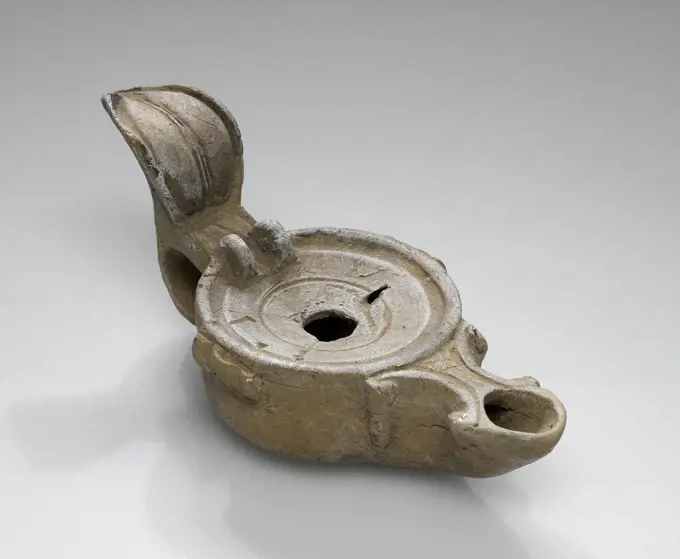
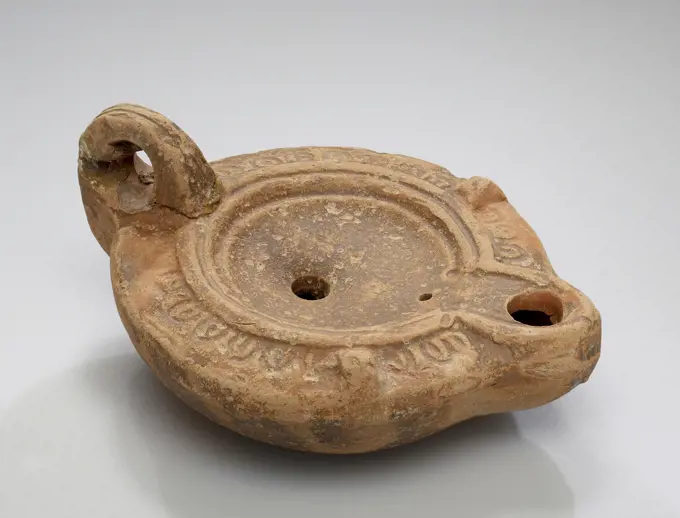
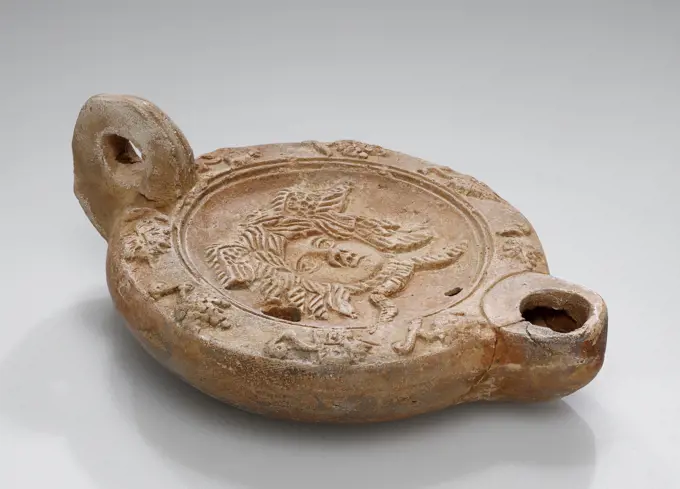
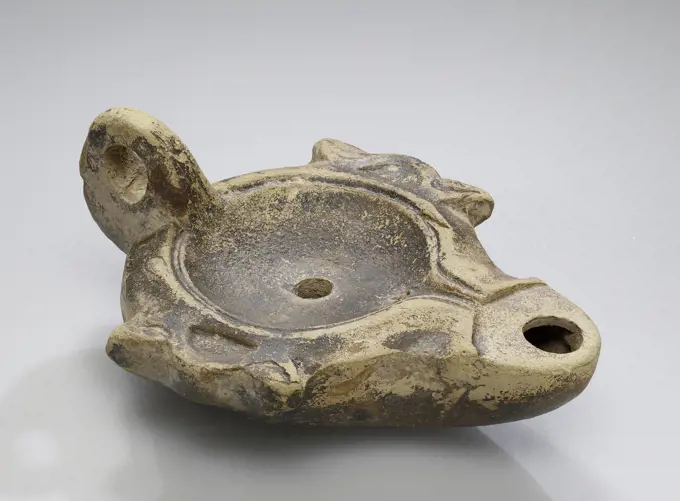
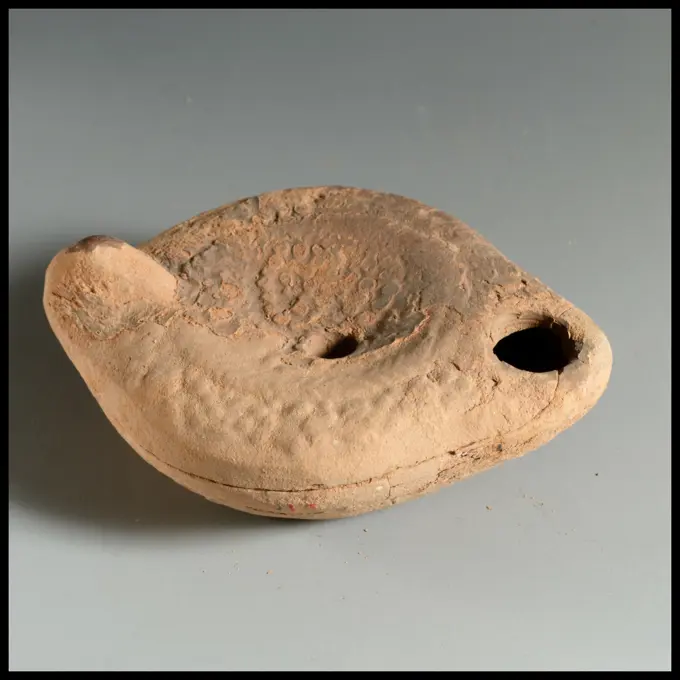
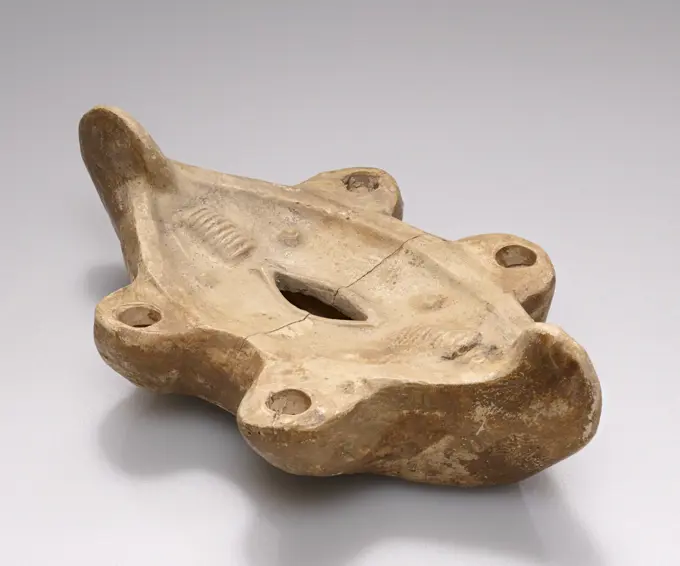
Lamp, Anatolia; 1st - 4th century; Terracotta; 2.2 x 4.5 x 9.5 cm (7,8 x 1 3,4 x 3 3,4 in.)
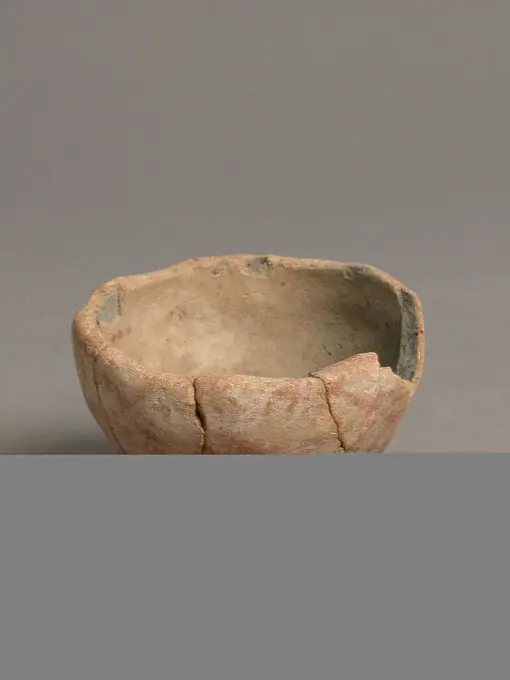
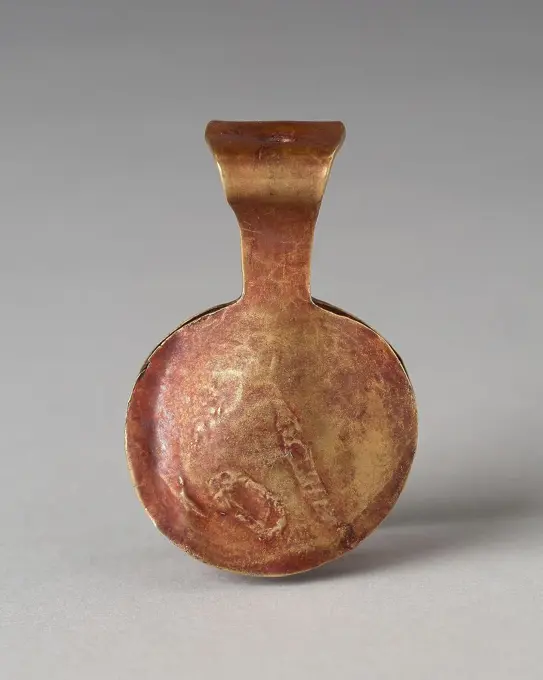
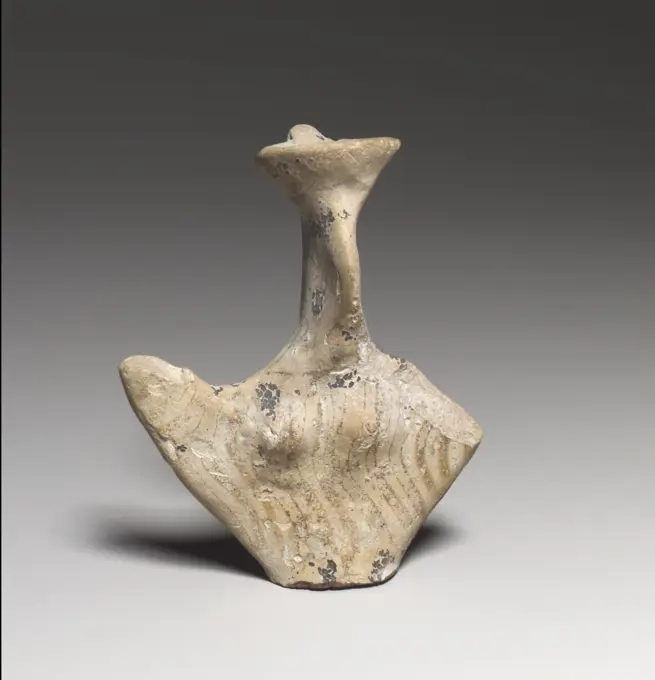
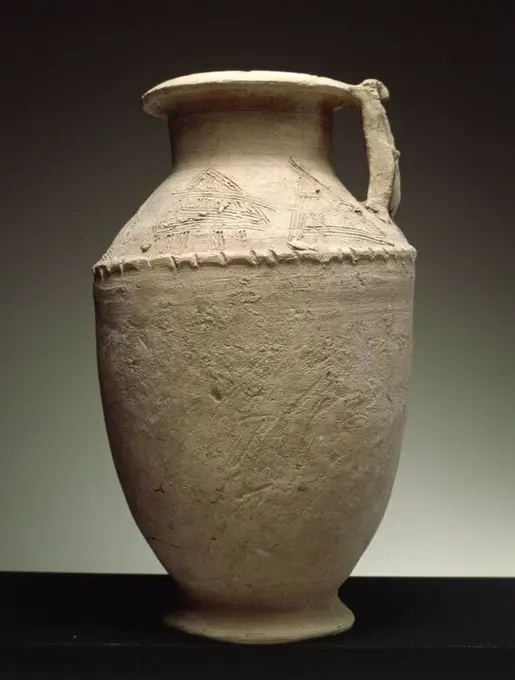
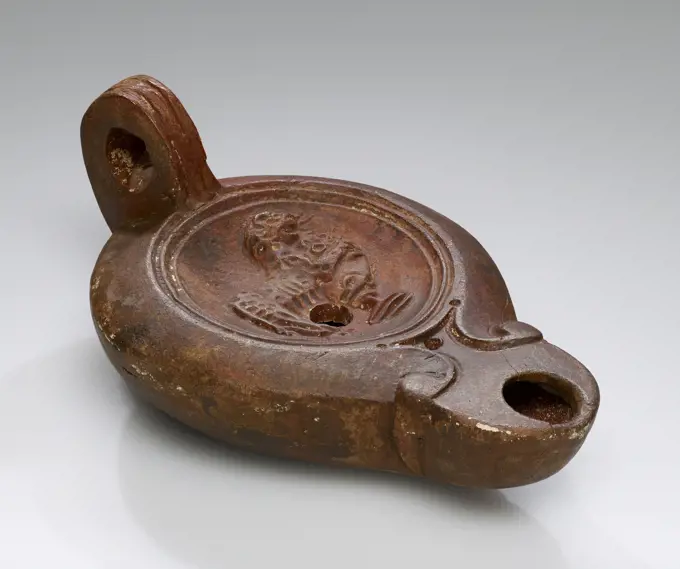
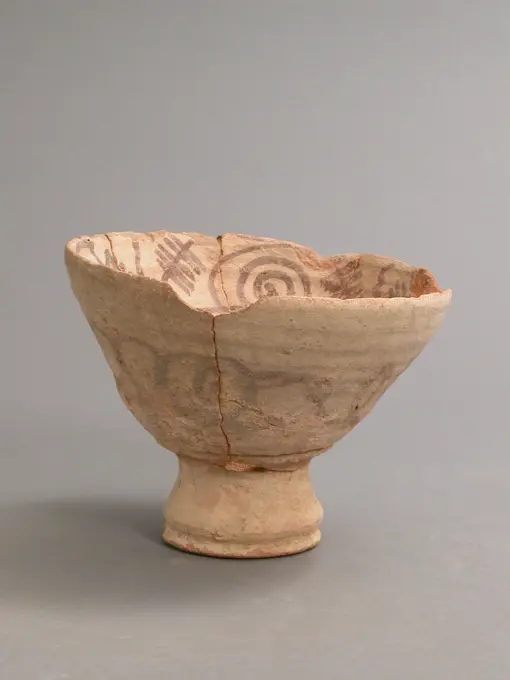
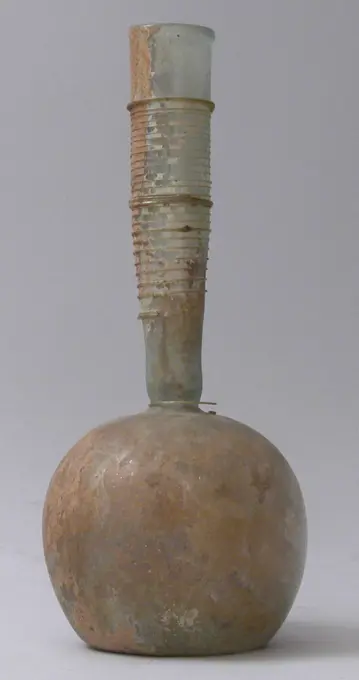
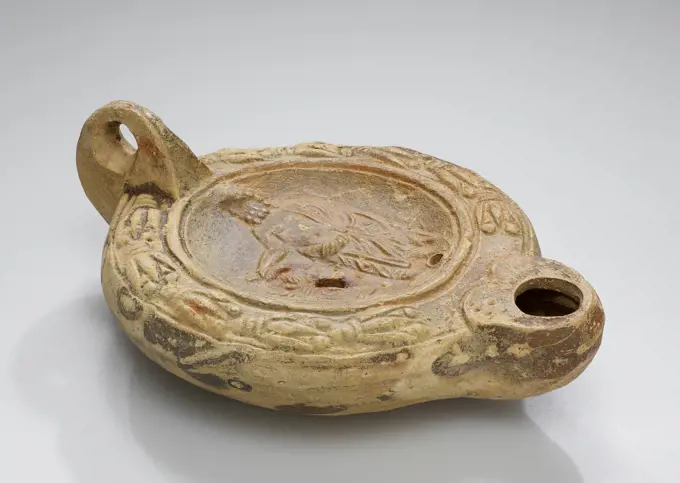
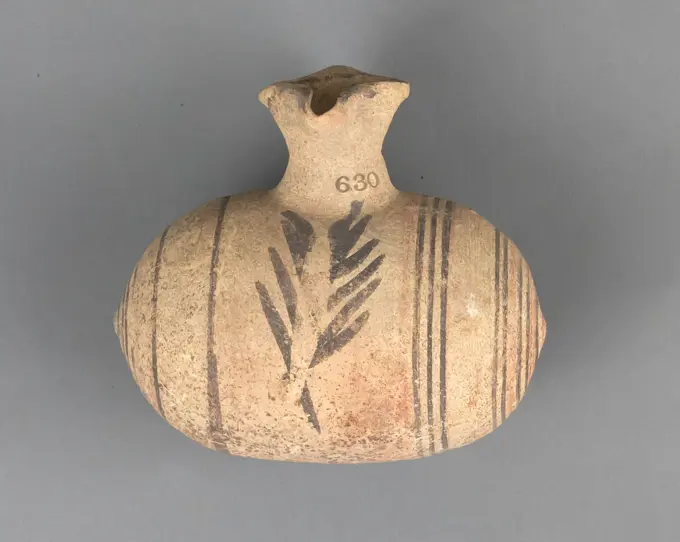
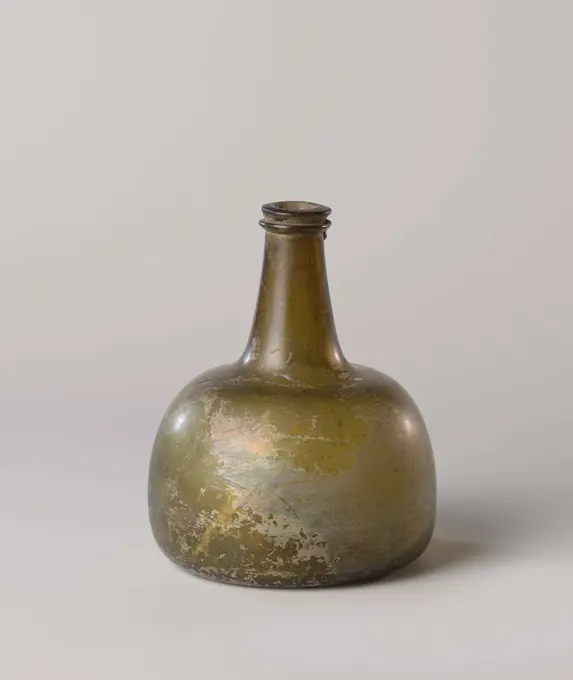
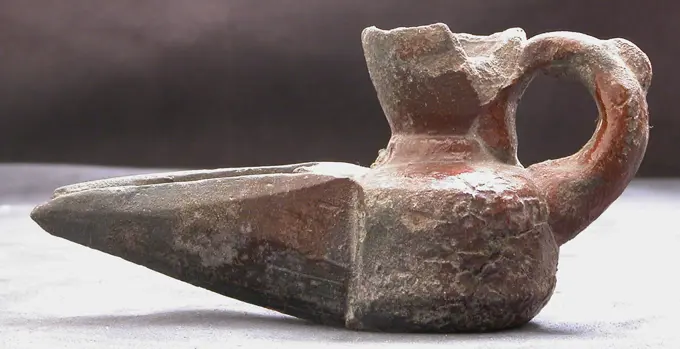
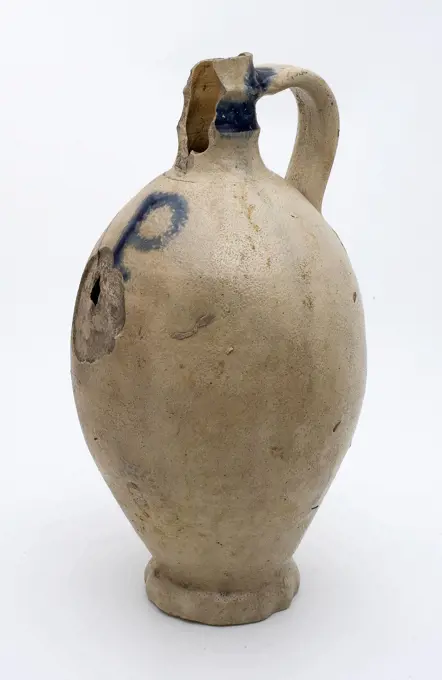
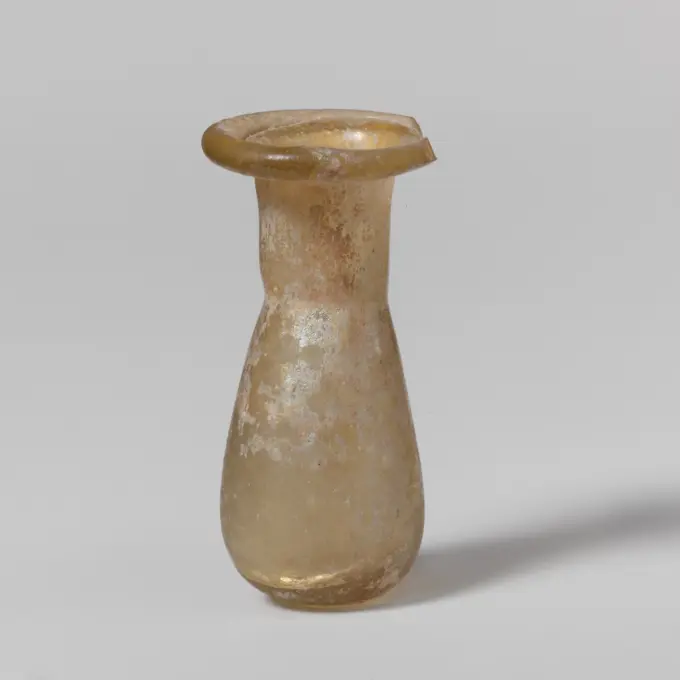
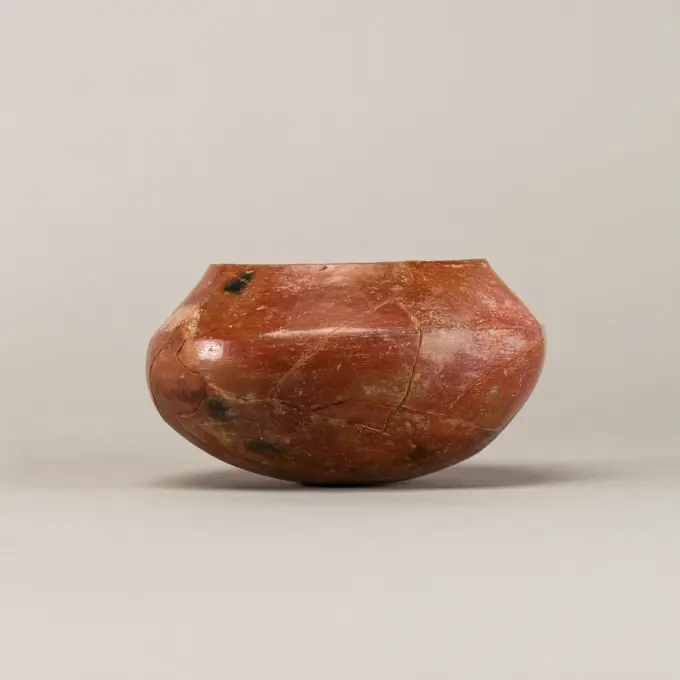
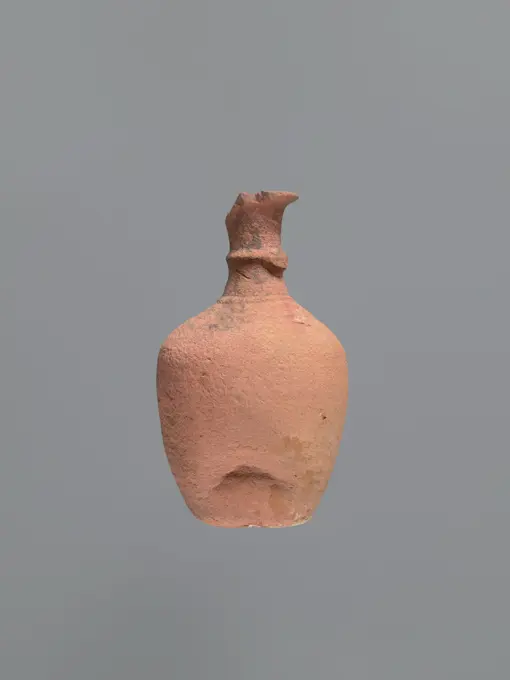
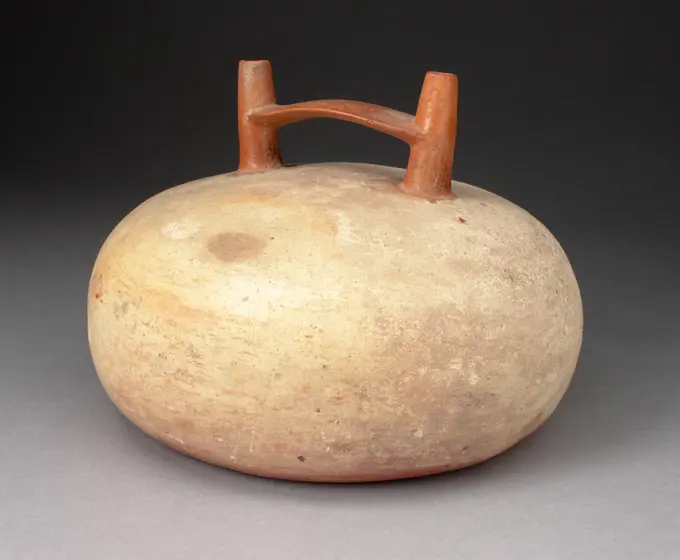
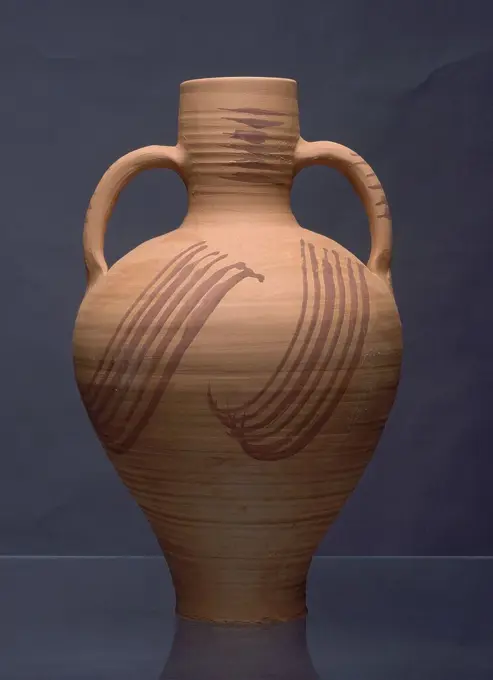
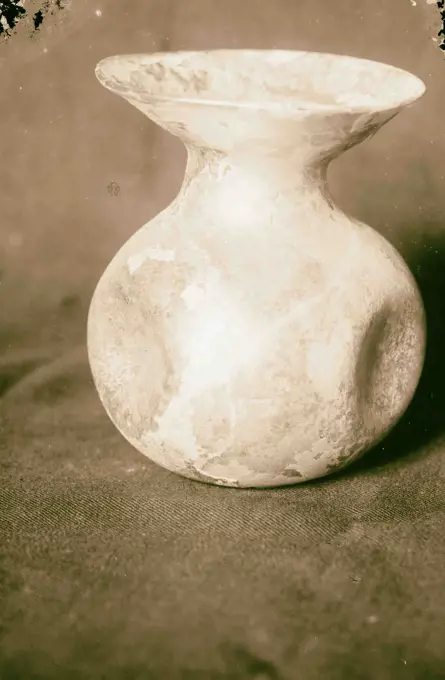
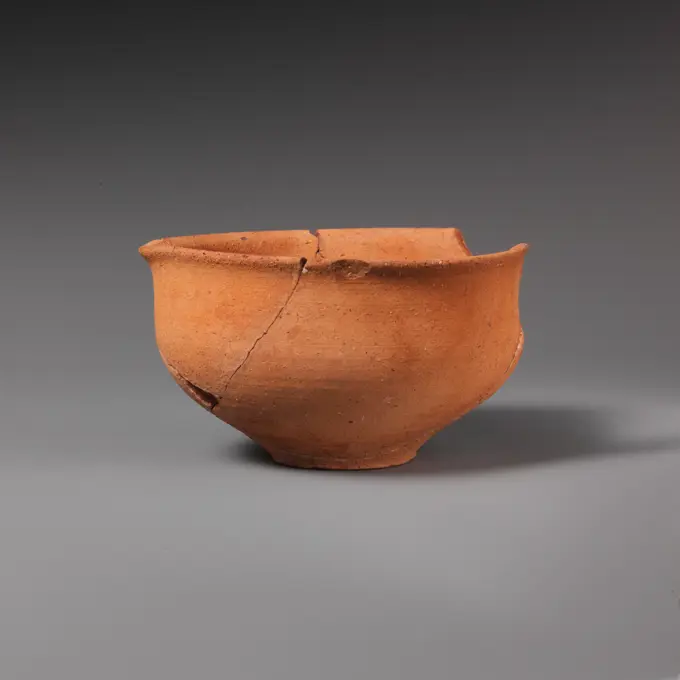
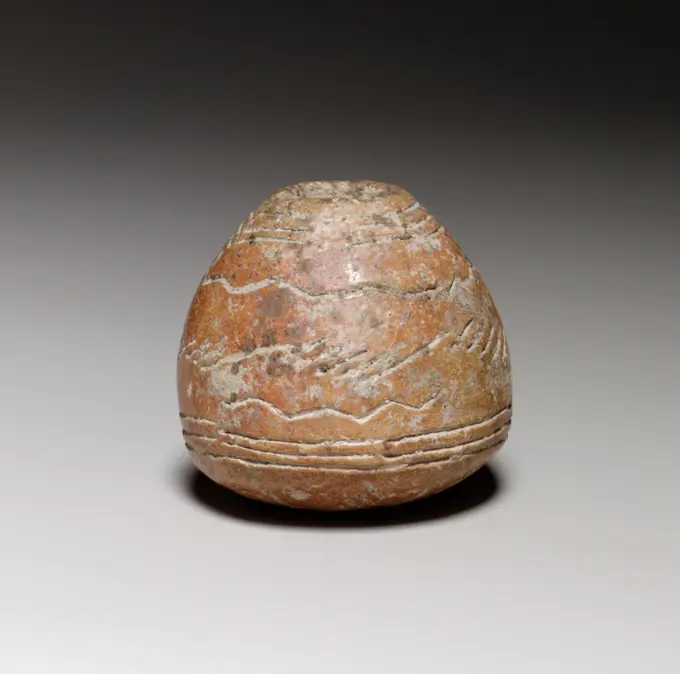
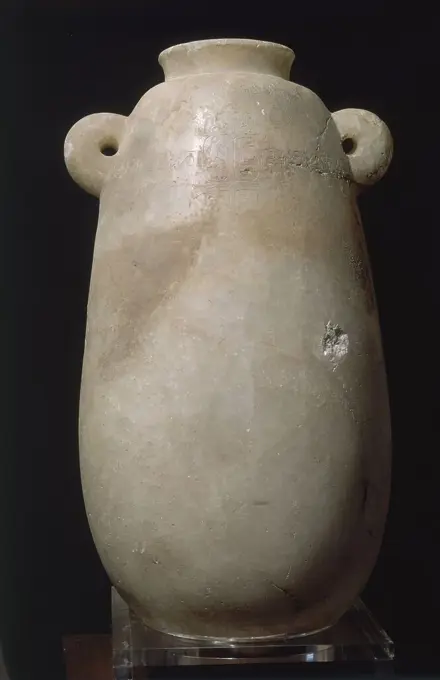
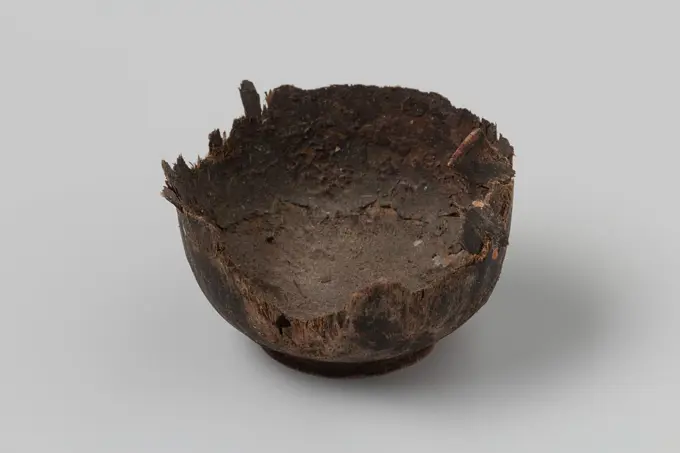
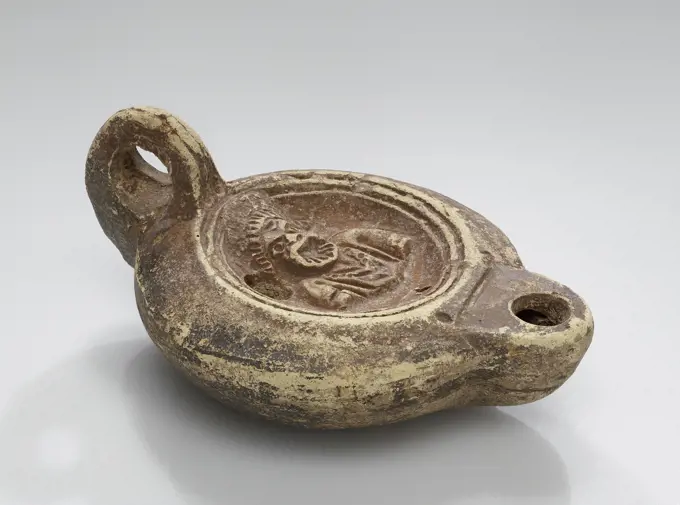
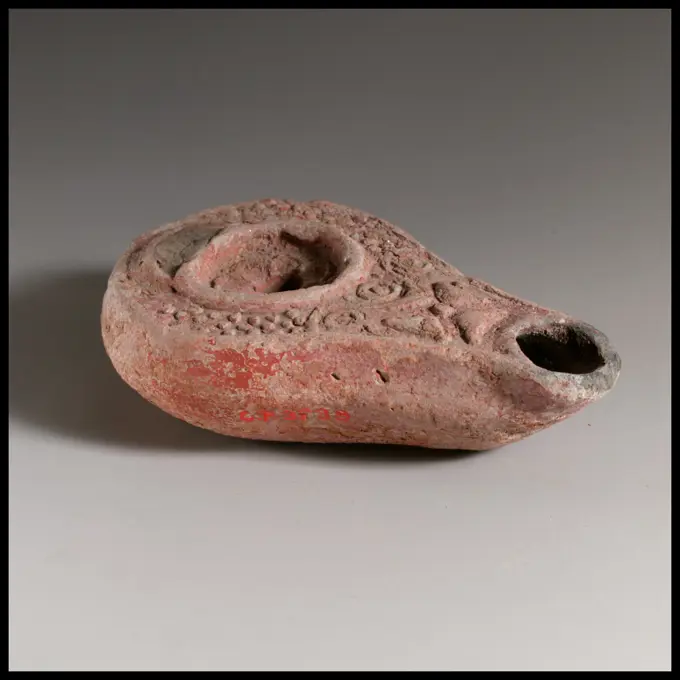
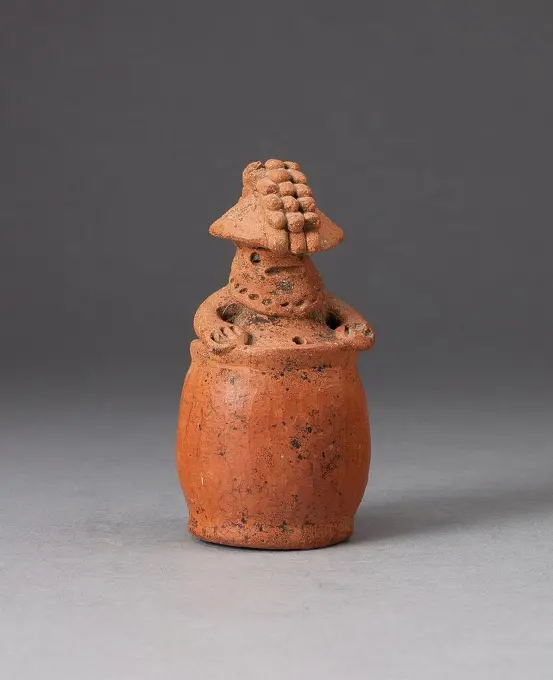
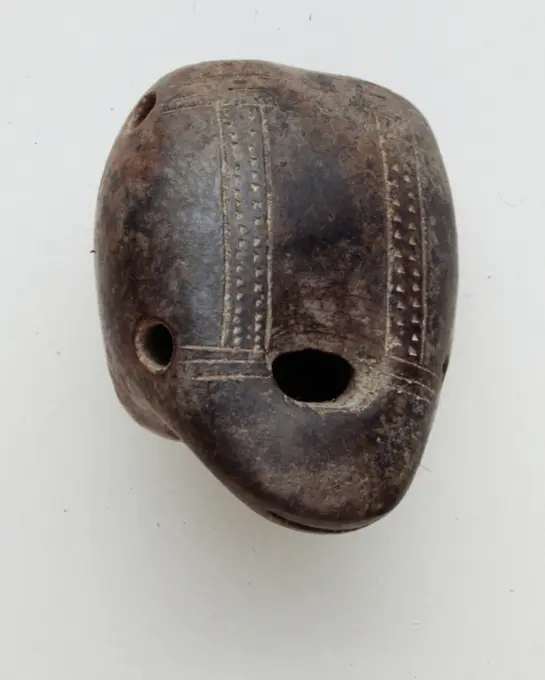
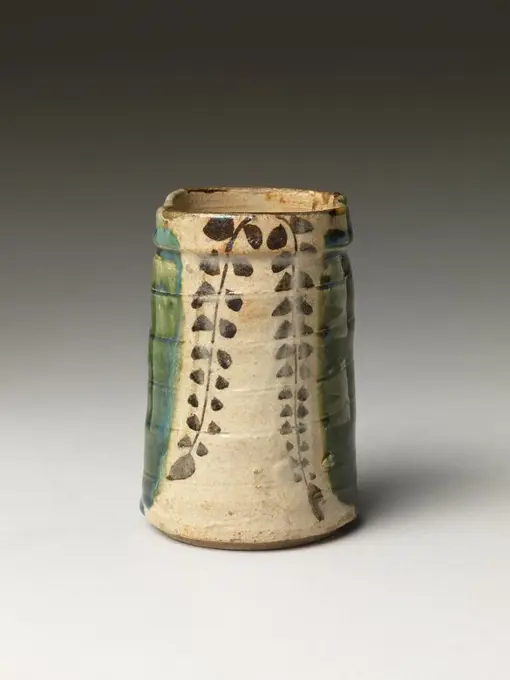
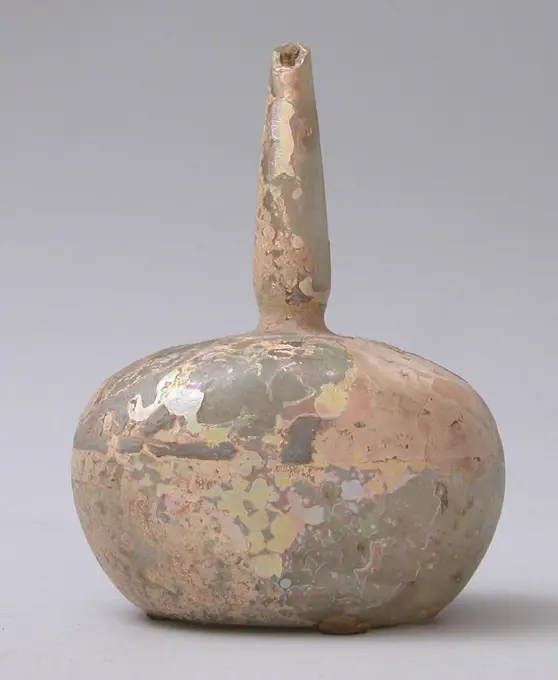
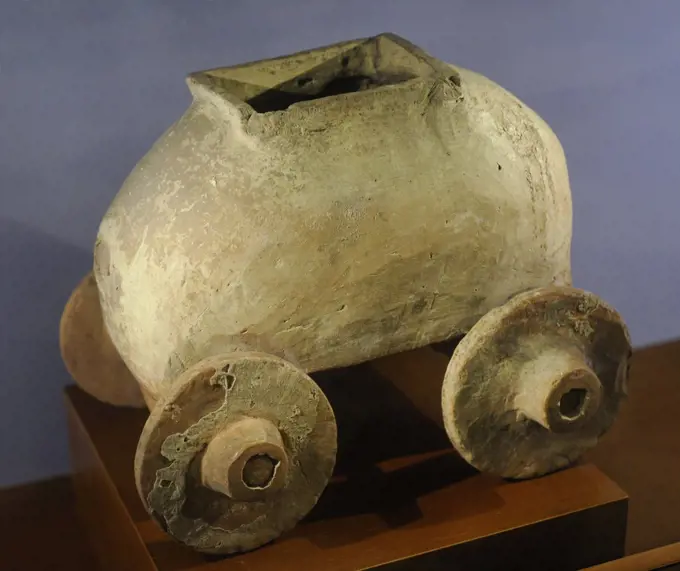
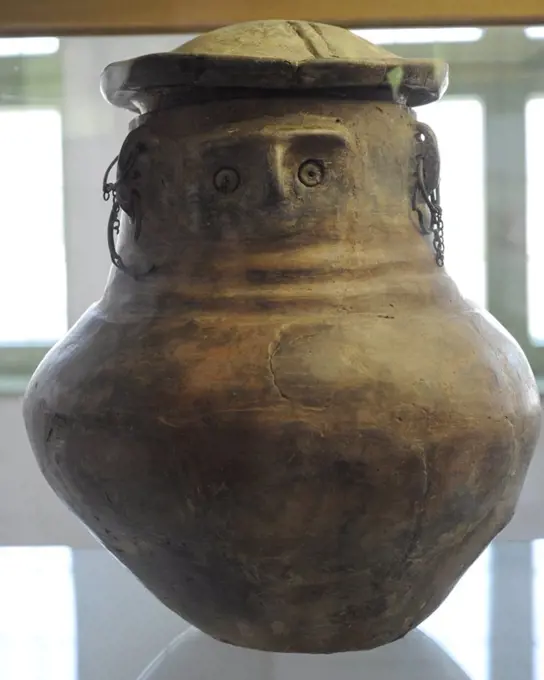
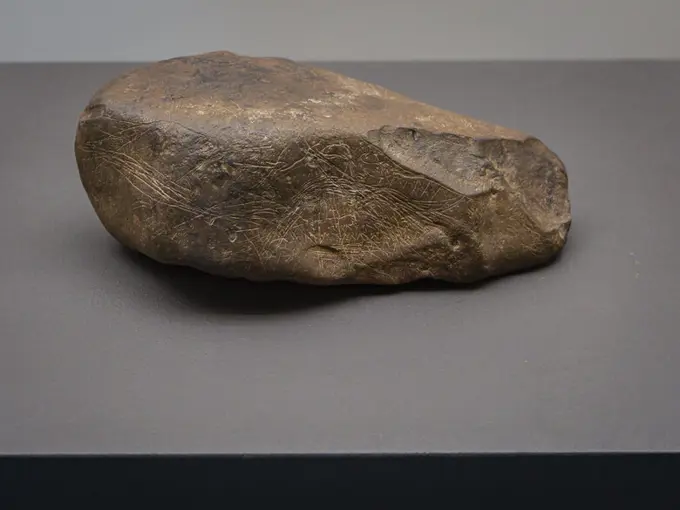
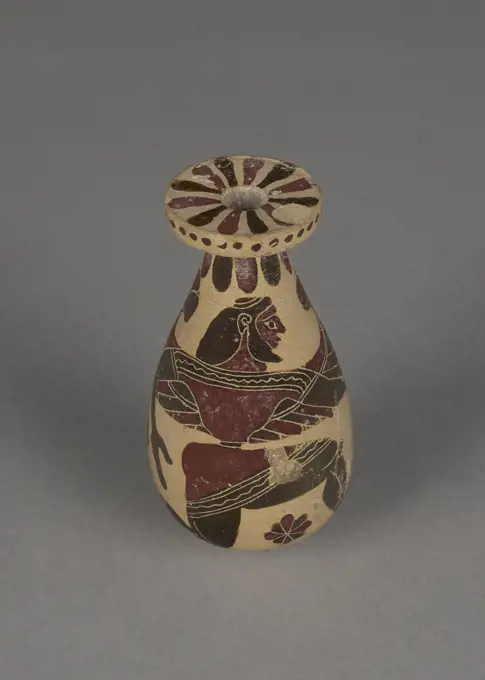
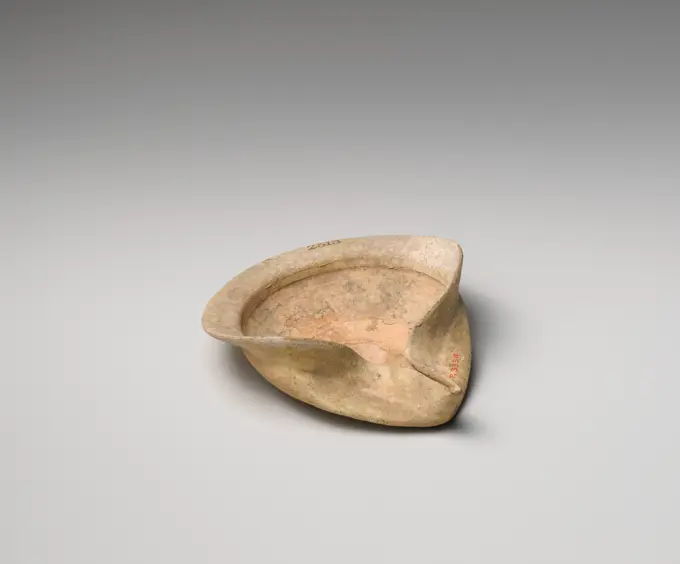
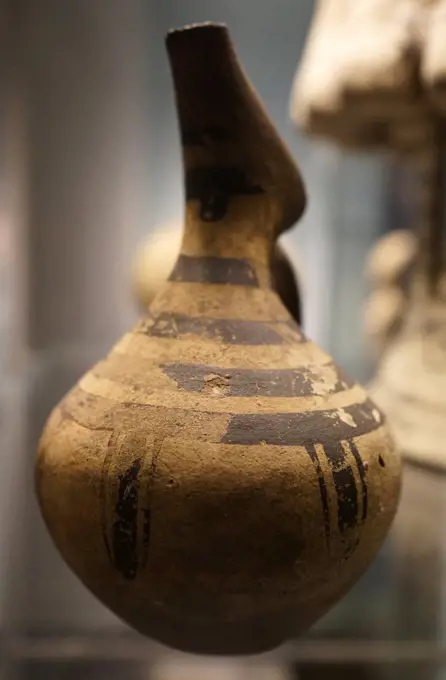
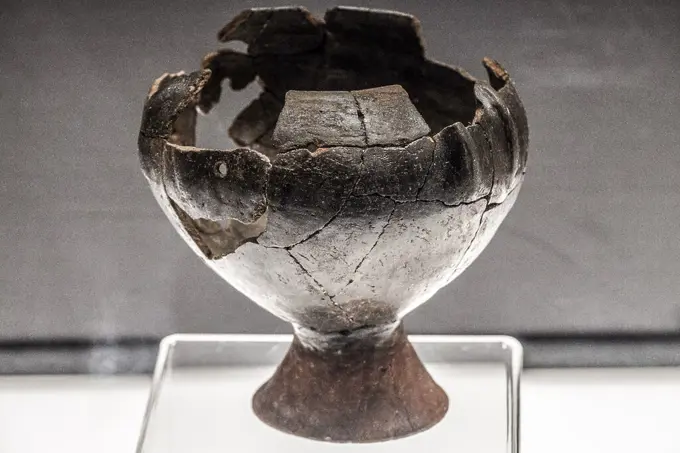
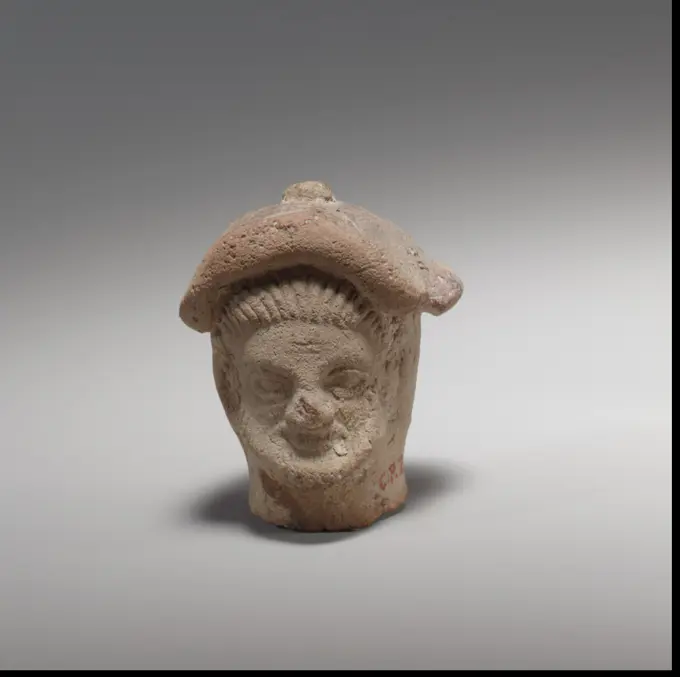
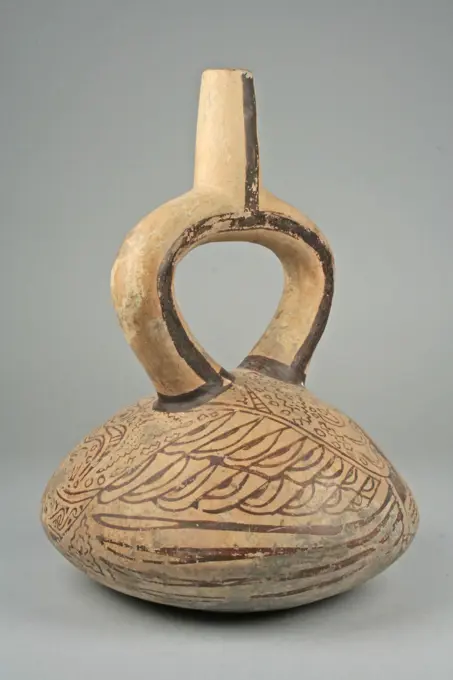
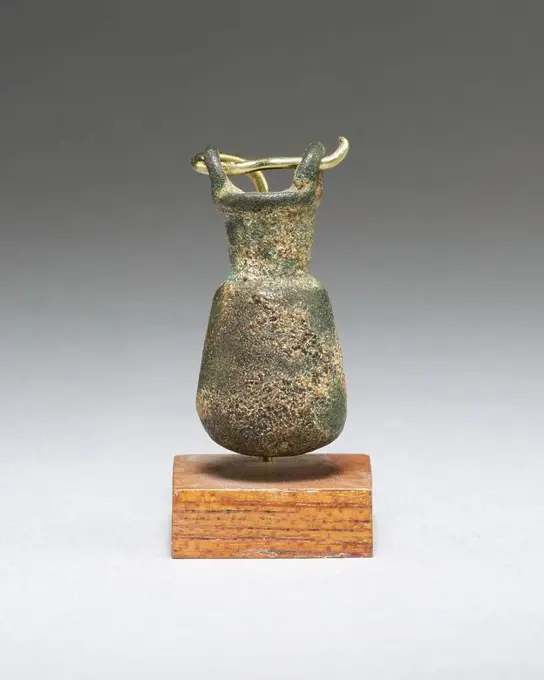
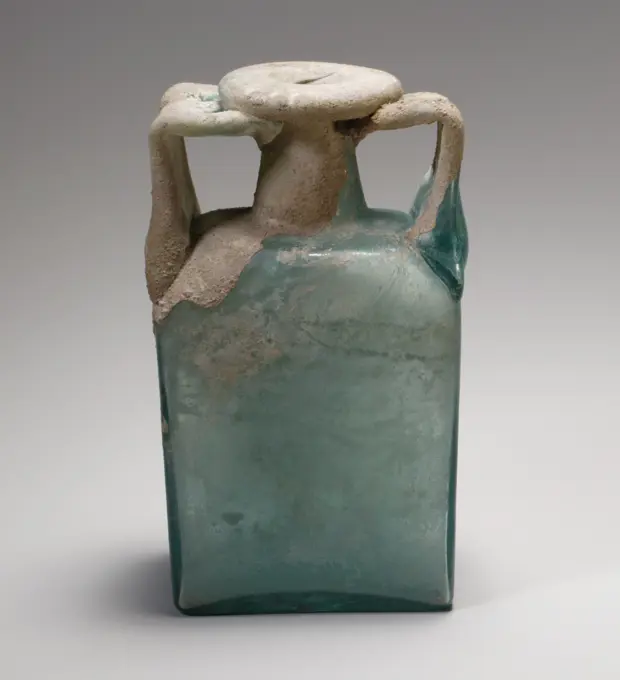
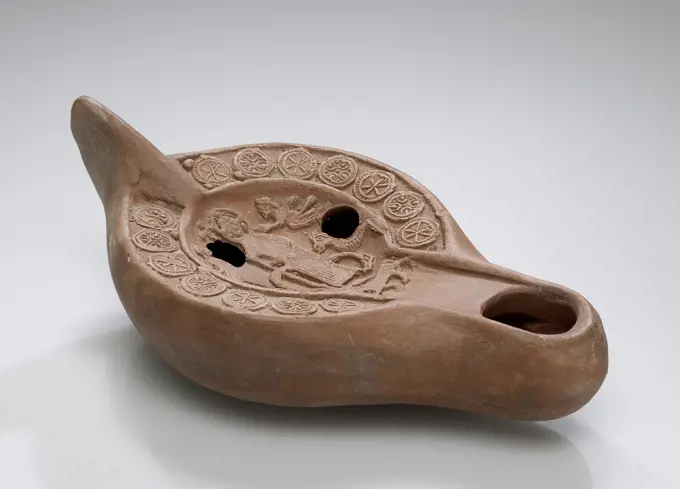
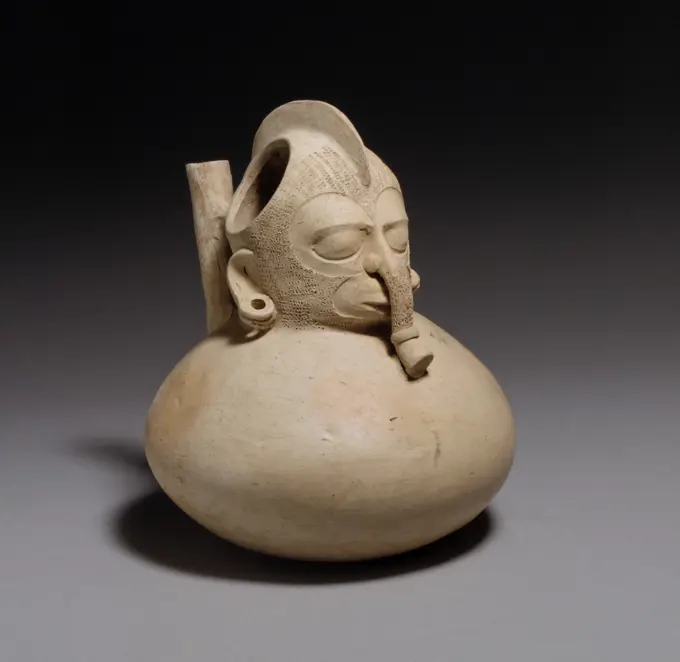
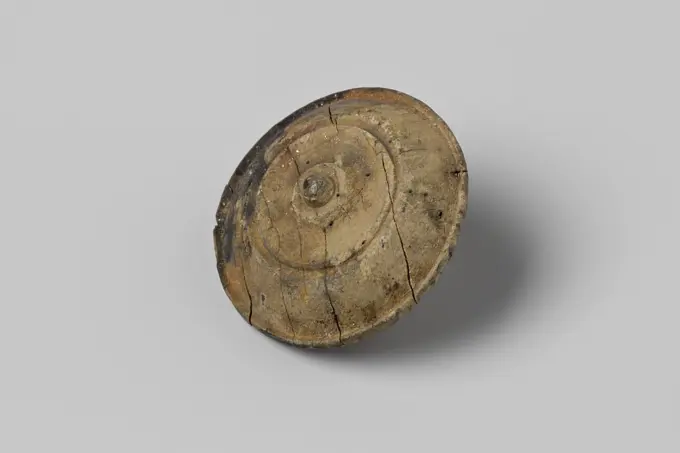
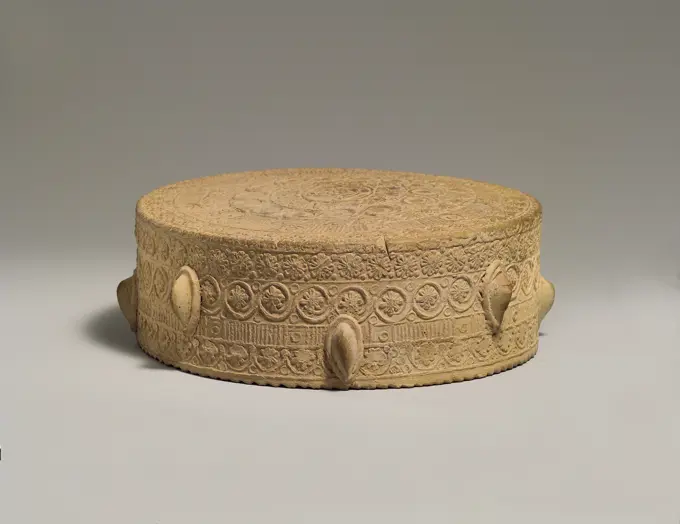
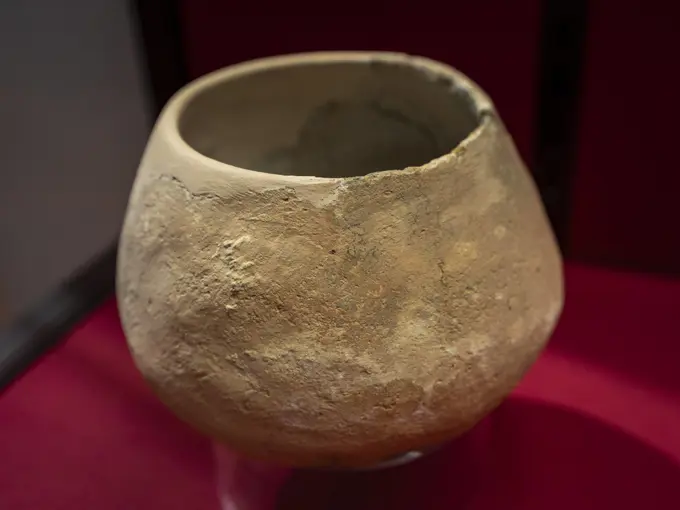
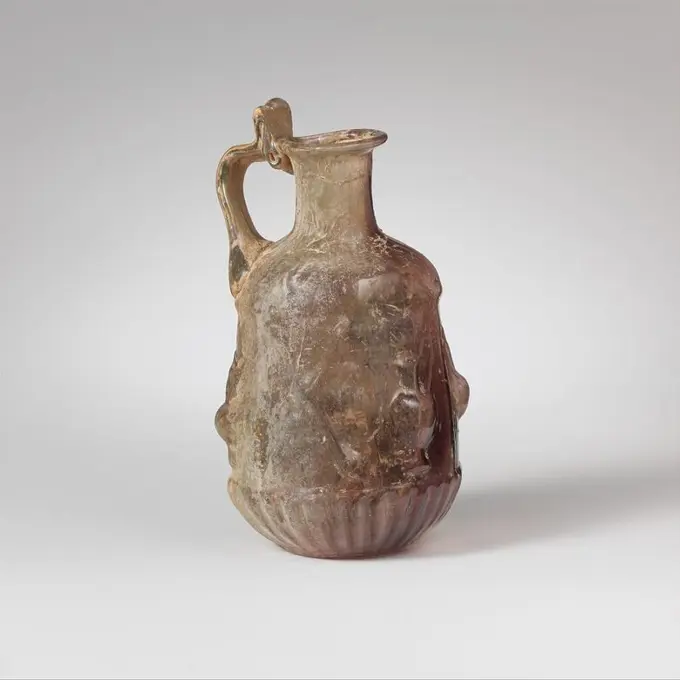
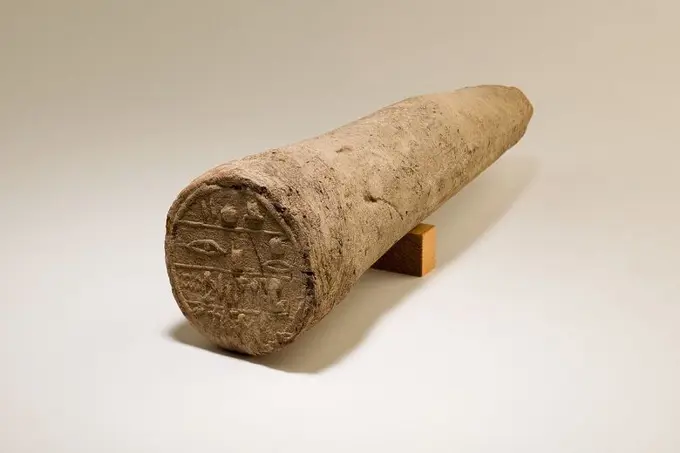
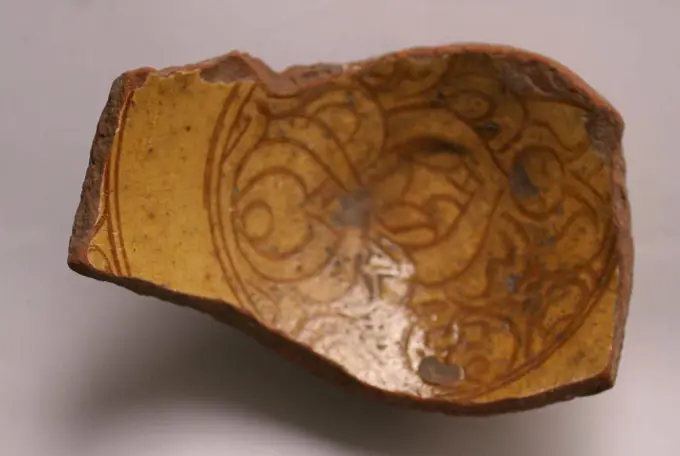
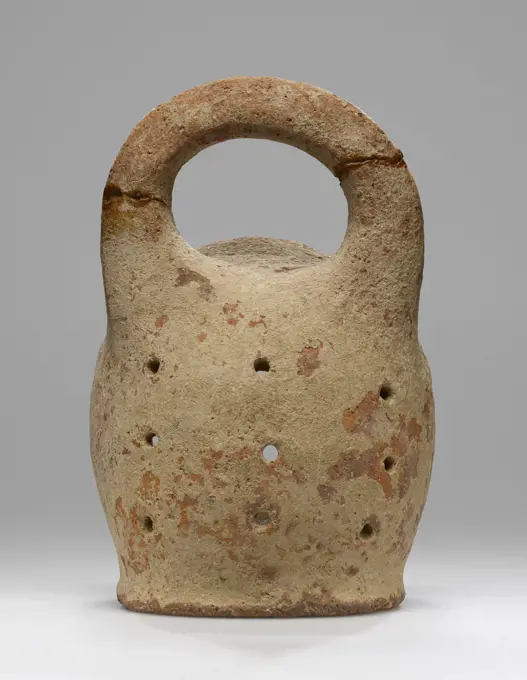
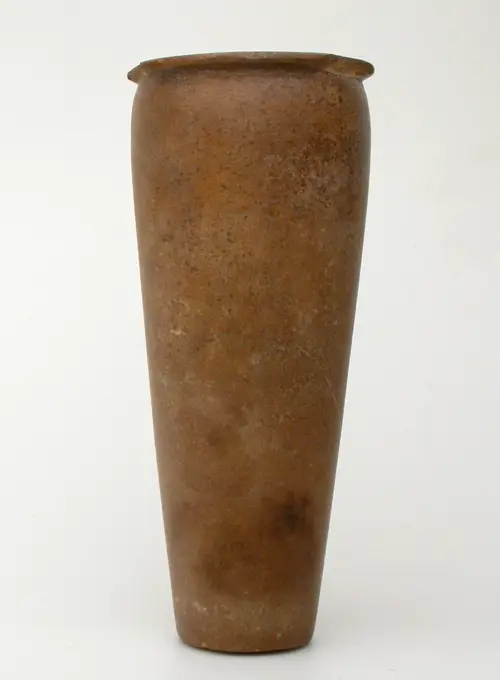
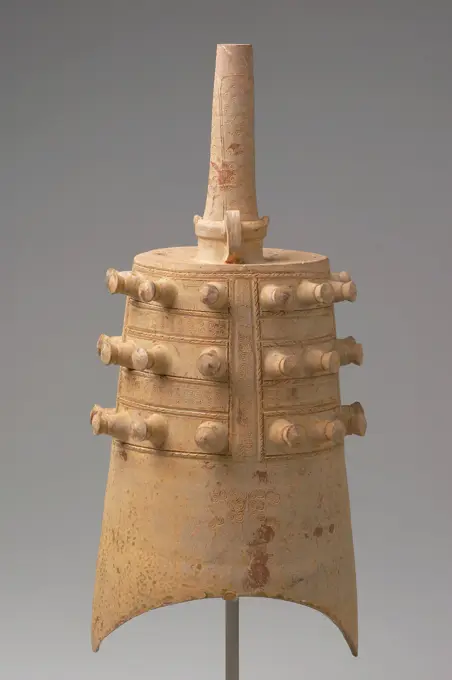
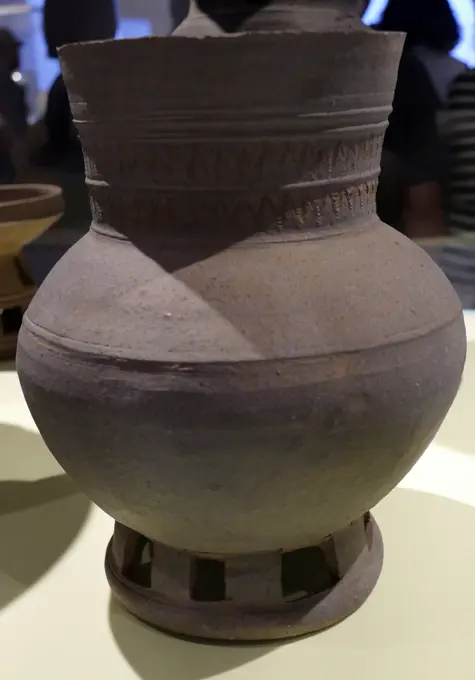
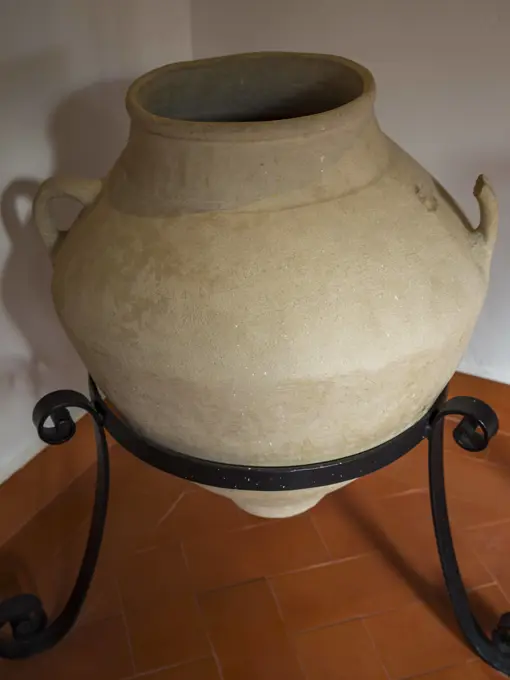
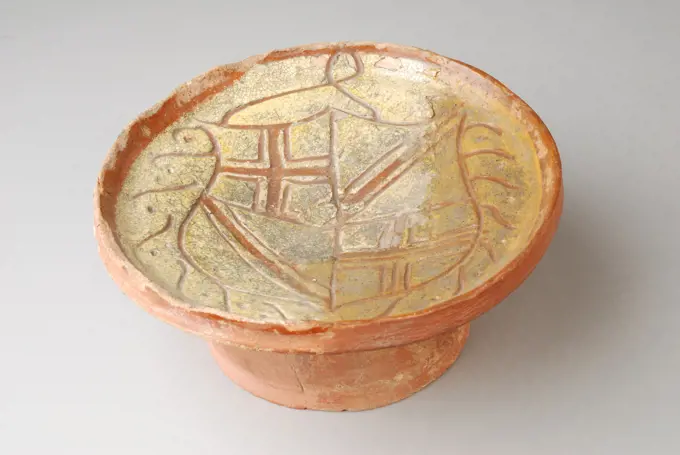
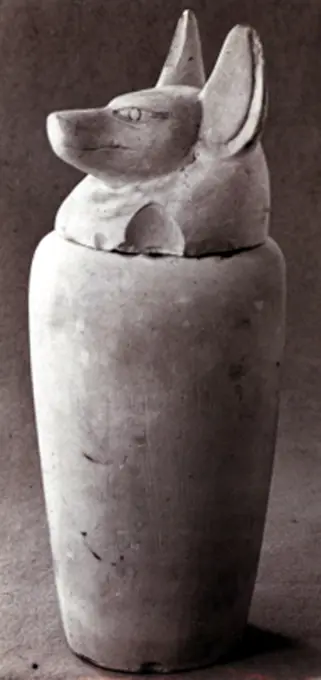
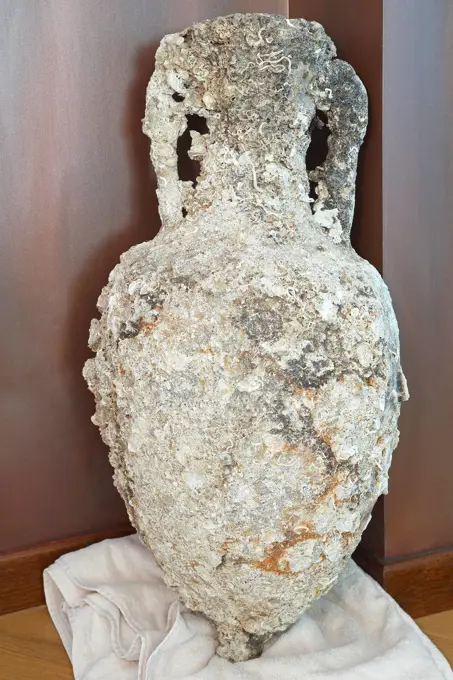
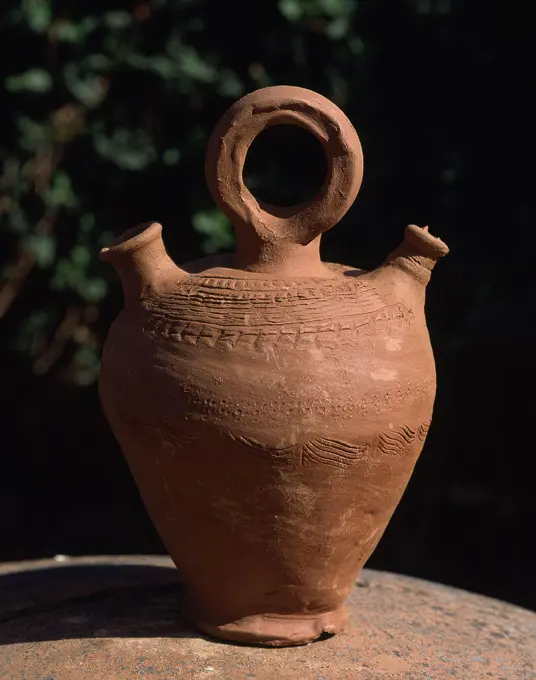
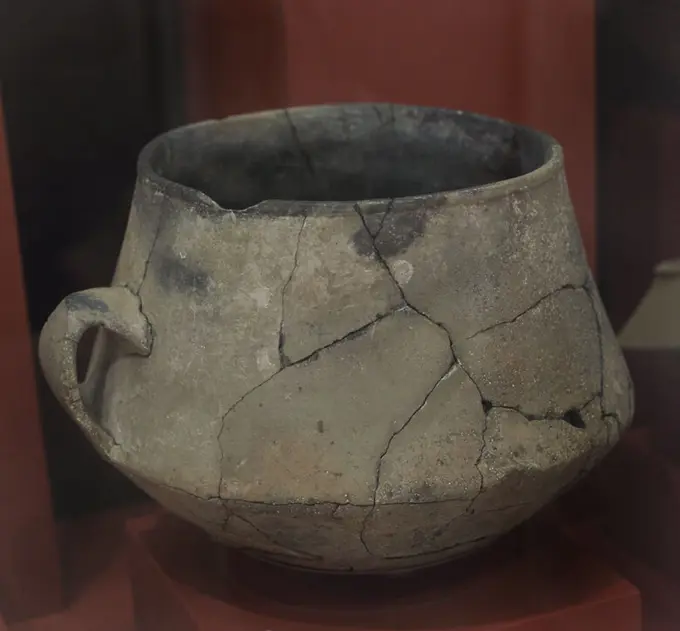
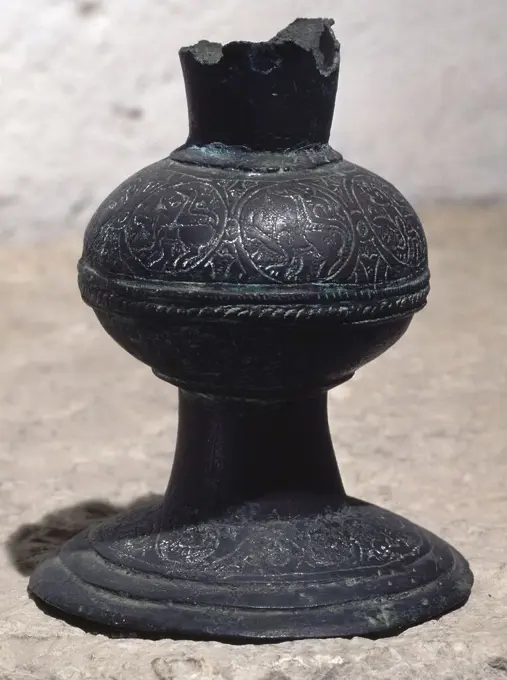
Lamp, Asia Minor; 1st - 4th century; Terracotta; 2.4 x 7.9 x 9.6 cm (15,16 x 3 1,8 x 3 3,4 in.)Conical ointmentCup. Culture: Coptic. Dimensions: Overall: 2 x 2 13/16 in. (5.1 x 7.1 cm). Date: 4th-7th century. Museum: Metropolitan Museum of Art, New York, USA.Lamp, North Africa; 1st - 4th century; Terracotta; 2.2 x 8 x 11.2 cm (7,8 x 3 1,8 x 4 7,16 in.)Circular Tweezers. Probably Chimú; North coast, Peru. Date: 1000-1400. Dimensions: H. 5.1 cm (2 in.). Gold. Origin: Peru. Museum: The Chicago Art Institute, USA.Lamp, Anatolia; 1st - 4th century; Terracotta; 2.2 x 4.5 x 9.5 cm (7,8 x 1 3,4 x 3 3,4 in.)Mycenaean female figurine 13th century B.C. Helladic, Mycenaean The statuette, of psi type, is handmade and solid with only the upper half preserved. It has a flat torso, prominent breasts, and raised arms, both of which are broken, the left one completely. The face is pinched.. Mycenaean female figurine. Helladic, Mycenaean. 13th century B.C.. Terracotta; hand-made. Late Helladic IIIB. TerracottasJarra de barro. 2.600 a.c. Irak.Lamp, North Africa; 1st - 4th century; Terracotta; 3.1 x 7.9 x 12.5 cm (1 1,4 x 3 1,8 x 4 15,16 in.)Biconical ceramic loom weight, from MaliqiCup with Foot and Geometric Decoration 4th-7th century Coptic. Cup with Foot and Geometric Decoration 477322Bottle 5th-6th century. Bottle 447028Lamp, North Africa; 1st - 4th century; Terracotta; 2.5 x 7.6 x 10.7 cm (1 x 3 x 4 3,16 in.)Jug, barrel-shaped 600-480 B.C. Cypriot Pinched lip, bands, and tree ornament.. Jug, barrel-shaped. Cypriot. 600-480 B.C.. Terracotta. Cypro-Archaic II. VasesOil Lamp. Iran, 10th century. Ceramics. Earthenware, incised and glazedLamp. UnknownVessel Fragment 4th-7th century Coptic. Vessel Fragment. Coptic. 4th-7th century. Alabaster. Made in Kharga Oasis, Byzantine Egypt. Lapidary Work-AlabasterCanopic Jar Lid. Jackal headed god Anubis. 1969W3790. Canopic Jar Body. Inscribed for Ta-nefert-irty, daughter of the general Psamtek-neb-pehty, born of the lady Ta-Kesh. .Bottle with spherical body. Inserted soul, narrowing spherical body through rounded shoulders passing in a short, tapered neck with a highly placed ring.Lamp 13th-14th century. Lamp. 13th-14th century. Earthenware. Attributed to probably Egypt. CeramicsLamp, North Africa; 1st - 4th century; Terracotta; 2.5 x 7.4 x 10 cm (1 x 2 15,16 x 3 15,16 in.)Dish;  around 2055 1650 BC ; Medium Pa (-2055-00-00--1650-00-00);Collection of ancient Egypt, Polish-French excavations in Edfu (Egypt)Stoneware mineral pitcher on pinched foot, arched model, marked on the shoulder, mineral pitcher pitcher pitcher holder soil find ceramic stoneware icing salt glaze, hand turned baked glazed stoneware mineral pitcher light gray shard with salt glaze bandoor with finger impression pinched foot Mark on shoulder: P archeology health care import pottery packaging serve drink medicine drug pharmacyGlass perfume bottle 1st-2nd century A.D. Roman Miniature perfume bottleTranslucent pale yellow green.Rim folded out, over, and in; flaring mouth; cylindrical neck, tooled in around base; slightly conical body with convex sides; rounded bottom, slightly flattened at center.Chip missing from rim; crack around lower body; some bubbles; dulling and iridescent weathering.Unstable and does not stand upright.. Glass perfume bottle 239747Red polished ware bowl ca. 3850-2960 B.C. Predynastic Period. Red polished ware bowl. ca. 3850-2960 B.C.. Pottery. Predynastic Period. From Egypt, Southern Upper Egypt, Hierakonpolis (Nekhen), MMA excavationsVase fragment ca. 4000-3000 B.C. Neolithic, Thessaly. Vase fragment. Neolithic, Thessaly. ca. 4000-3000 B.C.. Terracotta. Neolithic, second period. VasesVessel, jug; Unknown ASUA SKI workshop; V-VII century (401-00-00-700-00-00);Double Spout and Bridge Bottel Painted with Cream and Orange Slips Made 650 BCE-150 BCE Peru. Ceramic and pigment . ParacasCANTARO PARA AGUA DE 2 ASAS SIN VIDRIAR Y DECORADO CON PEINE - SIGLO XX. Location: ALFARERIA. TRAIGUERA. SPAIN.VASO DE TERRACOTA CON ORILLO ONDULADO. NAGADA II. PEFIIODO GERZIENSE 3400 A.C. Location: EGYPTIAN MUSEUM. KAIRO. EGYPT.Antique glass 1898, Middle EastTerracotta pulled-rim bowl ca. 1400-1050 B.C. Mycenaean Small foot with no decoration.. Terracotta pulled-rim bowl. Mycenaean. ca. 1400-1050 B.C.. Terracotta. Late Helladic III. VasesTerracotta conical-hemispherical spindle-whorl with rounded base ca. 2000-1725 B.C. Cypriot Spindle whorls aided in the making of cloth for garments and bedding. They were placed in tombs, perhaps so that the deceased could continue to spin wool in the afterlife.. Terracotta conical-hemispherical spindle-whorl with rounded base. Cypriot. ca. 2000-1725 B.C.. Terracotta; handmade. Early Cypriot III-Middle Cypriot IIWhistling bottle with single spout 5th-3rd century B.C. Paracas. Whistling bottle with single spout 308352ALABASTRON FENICIO DE TIPO EGIPCIO PROCEDENTE DE LA NECROPOLIS DE LAURITA DEL CERRO DE SAN CRISTOBAL, ALMUNECAR - SIGLO VII AC. Location: MUSEO ARQUEOLOGICO-CERAMICA FENICIA. GRANADA. SPAIN.Bake or nap from v.o.c.-ship the 'white lion'. Wooden container or nap with stand ring from v.O.c.-ship the 'white lion'.Wine jug (800-700 BC). Ceramics. Numeral weight (800-600 BC). Stone. Sephardic Museum. Toledo. Castile-La Mancha. Spain.Ballgame Purse-StoneVase. Iran, second half of 7th-8th century. Metal. High-tin bronze, hammeredLamp, North Africa; 1st - 4th century; Terracotta; 2.2 x 6.4 x 9 cm (7,8 x 2 1,2 x 3 9,16 in.)Terracotta oil lamp 3rd century A.D. Roman Mold-made, with ring () handle; Small, flat discus decorated with a seven-petalled rosette and a single, central filling hole, and surrounded by a raised circle; on horizontal shoulder, pattern of close-set raised dots, with a line of three circles at front; a raised cross with central dot on top of nozzle, and large wick hole. Undefined, flat base, with indistinct, vertical herring bone pattern as the maker's mark.Body complete, but almost all of handle missing.. Terracotta oil lamp. Roman. 3rd century A.D.. Terracotta; mold-made. Late Imperial. TerracottasAnonymous, situile (common name). Cernuschi Museum, Asia Museum of Asia in the city of Paris.Miniature Rattle in the Form of a Figure Wearing Headdress and Mask. Possibly Guacimo; Costa Rica. Date: 100 AD-300 AD. Dimensions: . Ceramic. Origin: Costa Rica. Museum: The Chicago Art Institute, USA.Top of Incense Burner. Culture: Coptic. Dimensions: Overall: 2 1/8 x 3 1/16 in. (5.4 x 7.8 cm). Date: 4th-7th century. Museum: Metropolitan Museum of Art, New York, USA.Ocarina, 2nd century BCE - 2nd century CE, 1 3/8 x 1 5/8 x 2 1/8 in. (3.5 x 4.1 x 5.4 cm), Ceramic, Mexico, 2nd century BCE - 2nd century CEhigh neck vessel, ceramic, full bronze, Cista La Tenencia, Ayamonte, Huelva Museum, Huelva, Andalusia, Spain.Side Dish (Mukozuke) with Wisteria Design. Culture: Japan. Dimensions: H. 4 3/8 in. (11.1 cm). Date: first half of the 19th century.The simplicity of design, stiffness of shape, and color of the copper glaze reveal this piece to be a revival of Oribe ware. In the nineteenth century, many kilns started replicating earlier wares; the Oribe style was particularly popular. Museum: Metropolitan Museum of Art, New York, USA.Perfume Sprinkler 14th century. Perfume Sprinkler 448454Lamp. UnknownStone Figure Pendant before 1520 Mexican. Stone Figure Pendant 312899Bosporan Kingdom. Cart. Clay. From Necropolis of Pantikapaion (Kerch. Crimea), grave 312. 1st-2nd century AD. The State Hermitage Museum. Saint Petersburg. Russia.Pomeranian Culture. Iron Age. 7th-3rd century BC. Poland. Face-Urn. Burial urn with face. From Rab. Poland. Archeological Museum of Gdansk. Poland.Cup, fragmentary East Greek/Sardis, Lydian Concentric half-circles.. Cup, fragmentary. East Greek/Sardis, Lydian. Terracotta. VasesAbauntz map, cartographic document on stone, (around 19,000 BC), Museum of Navarra, Pamplona, Navarra, Spain.Corinthian Alabastron; Greece (Corinth); about 630 - 615 B.C; Terracotta; 7.8 × 4 cm (3 1,16 × 1 9,16 in.)Terracotta saucer-shaped oil lamp 5th century B.C. Cypriot Open, wheel-made. Broad, horizontal rim, pinched into a narrow, projecting nozzle, and an uneven, flat base, sloping downward at front below nozzle.Intact, but some surface flaking on interior.. Terracotta saucer-shaped oil lamp. Cypriot. 5th century B.C.. Terracotta. Cypro-Classical. TerracottasTerracotta oil lamp 4th-5th century A.D. Roman, Cypriot Vessberg Type 18. Unpierced handle. Mold-made. Discus: victorious racehorse running left and wearing ornate collar, with palm branch above head, flanked to either side by herringbone wreath. Above horse: indistinct letters, perhaps OH; below horse: in retrograde, YIA. Two large filling holes above and below horse. On shoulder, vine tendril with stylized bunches of grapes. Rounded nozzle with large wick hole. Undefined, deep concave base, with large faint letters in relief arranged around edge, probably reading: EYTYXHTOC. Top of handle worn, slight cracking on shoulder. Sooting around nozzle. Reddish buff clay.. Terracotta oil lamp. Roman, Cypriot. 4th-5th century A.D.. Terracotta. Late Imperial. TerracottasPottery beaked jug from the Phylkopi I culture. The jug has an elongated spout. Dated 2000 BCcup used as a cinerary urn, Necropolis of Carratiermes, 3rd-2nd century BC, museum of the archaeological site of Tiermes, Soria, Castilla y León, Spain.Male head 5th-4th century B.C. Cypriot The solid bearded head is probably from a horseman. The face is mold-made, the headdress added by hand.. Male head 241041Unguentarium ca. 1st century A.D. Nabataean. Unguentarium 325910Stirrup Spout Bottle with Birds 6th-7th century Moche. Stirrup Spout Bottle with Birds 309300Situla amulet. Dimensions: H. 3 × Diam. 104 cm (1 3/16 × 40 15/16 in.). Dynasty: Dynasty 26-30. Date: 664-332 B.C.. Museum: Metropolitan Museum of Art, New York, USA.Butla. nieznany warsztat północno mezopotamski (ca 2600-ca 2350 a.C.), workshopFlask ca. 3200-1050 B.C. Cypriot Handle and lattice triangles.. Flask. Cypriot. ca. 3200-1050 B.C.. Terracotta. Bronze Age. VasesVessel with a hieratic inscription;  around 2686 - around 2181 BC ; Old state (-2686-00-00--2181-00-00);Glass rectangular bottle 2nd-3rd century A.D. Roman Translucent blue green, with same color handles.Rim folded out, down, round, and in, and pressed flat on top around mouth; cylindrical neck, expanding downwards; horizontal shoulder with rounded, sloping corners; flat, vertical sides; concave bottom with large circular pontil mark; two broad strap handles, tooled into three ribs on outer surface, attached to outer edge of shoulder on short sides, drawn up vertically, turned in at right angle and trailed onto top of neck and underside of rim.Molded decoration on bottom comprising a large lozenge enclosing the letters PAVI in retrograde in relief.One large hole in top of body and part of one handle missing with weathered breaks; dulling, iridescence, and thick limy encrustation on exterior; areas of soil encrustation, weathering, and iridescence on interior.. Glass rectangular bottle 245182CANTARO DE ARCILLA BLANCA CON PITORRO-SIN VIDRIAR. Location: EXTERIOR. Martos. JAEN. SPAIN.Terracotta oil lamp 3rd century A.D. Roman Late Loeschcke Type 8. Mold-made, with unpierced handle. Discus: menorah, placed horizontally with base to left; a single filling hole at center below arms of candlestick, surrounded by a narrow, herring-bone wreath. Shoulder: indistinct pattern of dots. Large wick hole. Undefined, flat base.Intact, but crack along seam on left and down side, severe surface weathering.. Terracotta oil lamp. Roman. 3rd century A.D.. Terracotta. Late Imperial. TerracottasLamp, North Africa; 1st - 4th century; Terracotta; 3.4 x 7.6 x 13.5 cm (1 5,16 x 3 x 5 5,16 in.)Maskette, 3rd-7th century, 3 1/2 x 3 1/2 in. (8.9 x 8.9 cm), Earthenware, Mexico, 3rd-7th centurySmall bottle. unknown, craftsmanLamp. UnknownFunerary Cone ca. 1550-1295 B.C. New Kingdom. Funerary Cone. ca. 1550-1295 B.C.. pottery. New Kingdom. From Egypt, Upper Egypt, Thebes, Khokha, near the Tomb of Nebamun and Ipuky (TT 181), MMA excavations 1910. Dynasty 18Spouted Vessel 13th-15th century Huastec The ancient peoples of the state of Veracruz, an area of Mexico on the Gulf Coast, were skilled artists in the clay medium from the second millennium B.C. onward. They created a wide range of imaginative containers and figurative sculptures. The Huasteca region in northern Veracruz, where this vessel is thought to have originated, had a long, sophisticated ceramic tradition, yet it is poorly known archaeologically. The monkey head that adorns the top of the globular chamber has a sharp central crest and round ornaments in each ear. Encircling the pouting mouth and closed eyes is a carefully delineated, raised hairline marked by stippling. Most unusual is the long tassel hanging from the tip of the nose. The meaning of this feature is not known.. Spouted Vessel. Huastec. 13th-15th century. Ceramic. Mexico, Mesoamerica, Veracruz. Ceramics-ContainersButton from the wreck of the East India hollandia. Button. Button; Concentric Moulding With Central Boss.Dish 7th century Molded ceramic vessels - both with and without glaze - were made in the earliest centuries of the Islamic period. The technique seems to have lost popularity as artists turned their attention to other techniques, notably lusterware. Vessels of this unglazed type often feature dense, stamped decoration, including vegetal patterns, geometric repeats, and even jewelry-like designs, often organized in bands. Although the function of this vessel is not clear, the decoration that covers the entire exterior surface and the presence of tear-drop shaped, protruding bosses suggests it may have served as a lid. View more. Dish. 7th century. Earthenware; molded, unglazed. Made in Iran or Iraq. CeramicsChalcolithic ceramics Chalcolithic ceramics, Marroquies Altos, Archeological Museum. Úbeda, Jaén province, Andalusia, Spain Copyright: xZoonar.com/BartomeuxBalaguerxRotgerx 21702707Glass hexagonal jug. Culture: Roman. Dimensions: H.: 4 in. (10.2 cm). Date: 1st century A.D..Colorless with translucent purple streak from rim to bottom, with colorless handle.Tubular rim, folded out, round, and into mouth; concave cylindrical neck; sloping, rounded shoulder; straight-sided hexagonal body, expanding downward; convex undercurve; flat circular bottom; strap handle attached in two large ribs to shoulder and top edge of body above division between panels 5 and 6 (below), drawn up and slightly out, then curved in, and pressed on to top of neck and underside of rim, with projecting flattened thumb rest above.On shoulder, frieze of indistinct downturned tongues; on body, six rectangular panels, with vertical raised edges, containing objects associated with the Dionysiac cult: 1. crossed, double-ended thyrsi; 2. a footed jug with spout to left and high handle to right; 3. a footed amphora with high handles; 4. a syrinx (pan pipes); 5. a circular object with central protrudiFunerary Cone of the Inspector of Scribes Ineni. Dimensions: L. 25.5 cm (10 1/16 in); diam. 7.3 cm (2 7/8 in). Dynasty: Dynasty 18. Date: ca. 1550-1295 B.C.. Museum: Metropolitan Museum of Art, New York, USA.Fragment of a Bowl 14th-15th century. Fragment of a Bowl 446412Miniature Jar with Handles A.D. 300-1000 Peruvian. Miniature Jar with Handles 308946Lamp, Asia Minor; 5th century B.C; Terracotta; 14 x 9.2 x 9.2 cm (5 1,2 x 3 5,8 x 3 5,8 in.)AmphoriskosGlass beaker 1st century A.D. Roman Colorless with pale blue green tinge.Knocked-off, uneven rim; slightly bulging collar below rim; narrow, cylindrical body with straight side, then tapering in to folded foot ring; small bottom with low central kick.Intact, except for small chip in rim; some bubbles and blowing striations; iridescence and creamy weathering, with thick soil encrustation around bottom of interior.. Glass beaker 245249Vessel 2686 BCE-2160 BCE Egypt. Stone . Ancient EgyptianVase, miniature ca. 650-550 B.C. Greek, Laconian One handle, traces of white paint.. Vase, miniature. Greek, Laconian. ca. 650-550 B.C.. Terracotta. Archaic. VasesModel of a Yongzheng Bell, 4th century BCE, 14-3/4 x 6-1/2 x 6-1/8 in. (37.5 x 16.5 x 15.6 cm), Stoneware with appliqued and incised decor under a yellow-green glaze, China, 4th century BCE, Among the more unusual ceramics recovered from the Warring States (480 to 221 BCE) tombs of Jiangsu and Zhejiang provinces are ash-glazed stonewares made in imitation of ritual bronze vessels. Several excavations have yielded a variety of carefully crafted replicas of specific vessel and bell types that were used in prestigious burials as substitutes for far more expensive ceremonial bronzes. Yongzheng bells were typically made in graduated sets and, since the ownership of bronze bells was regulated, it may be that ceramic bells, like the bronze ones, were assigned to certain classes of burials. This vessel has a thin, yellowish-green glaze that can be seen as a predecessor to the famous Yue celadon made later in this same region of southeast China. The hand-built object is accurately modeled with Stoneware Jar, Korean, Three Kingdoms period (Silla kingdom). 400-450 AD; Silla pottery was more similar to Gaya's pottery than any other state's in the Three Kingdoms period. Silla and Gaya pottery was harder and less absorbent than the stoneware made in Baekje and Goryeo.IDOLO DE HUESO. Location: MUSEO ARQUEOLOGICO-COLECCION. Sevilla. Seville. SPAIN.Figural VesselArab jar Arab jar, Ribera de Guadalimar, Archeological Museum. Úbeda, Jaén province, Andalusia, Spain Copyright: xZoonar.com/BartomeuxBalaguerxRotgerx 21702768Earthenware dish on high foot, coat of arms in sludge technology and sgraffito, salt barrel dish crockery holder soil find ceramics earthenware clay engobe glaze lead glaze, twisted sgraffito glazed fried lemonade Foot plate red earthenware yellow sludge bowl-shaped bowl on high foot raised edge internal glaze decorated with fantasy weapon in sgraffito technique - silt decoration incised Coat of arms divided into four quarters two standing crosses and two diagonal beams archeology Capelle aan den IJssel House in Capelle castle dinnerware heraldry Soil discovery: house in Capelle ± 1395 - ± 1500 Capelle aan den IJssel.Canopic jar with jackal lid ca. 1550-1295 B.C. New Kingdom. Canopic jar with jackal lid 558244Amphora Ancient Greek Amphora Covered WIth Shells Sediment Copyright: xZoonar.com/MarkoxBericx 7596347Thymyaterion;  District nichellenistic (0-00-00-0-00-00);Bednarek-06, Dar, Etruria, Antical Art Collection, DarMoney-boxBOTIJO CON DECORACION INCISA - CERAMICA PARA AGUA. Location: ALFARERIA. Órjiva. GRANADA. SPAIN.Clay vessel. Deep pot (3150-2500 BC). Xaghra Stone Circle. Neolithic. Xaghra, Gozo Island, Malta. Gozo Museum of Archaeology. Cittadela of Victoria in Gozo. Malta.BASE DE LUCERNARIO MUSULMAN. Location: MUSEO DE BELLAS ARTES-COLEGIO PIO V. Valencia. SPANIEN.