Ancient Terracotta Fragments

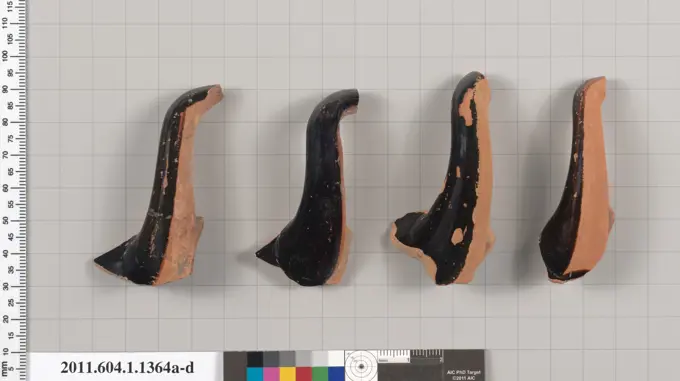
Terracotta fragments from ancient Greek pottery, including amphora and kylix, showcasing historical artistry from the 6th/5th centuries B.C.

Terracotta rim fragment of a kylix (drinking cup) 520-500 B.C. Greek, Attic Exterior, part of helmet; two letters of an inscription, ES. Terracotta rim fragment of a kylix (drinking cup) 691721
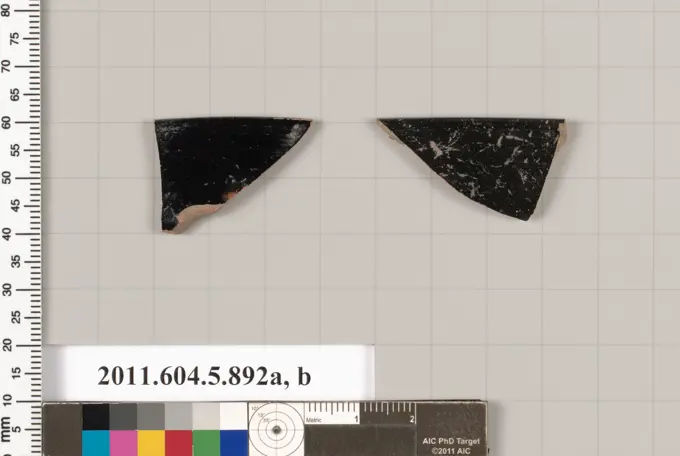
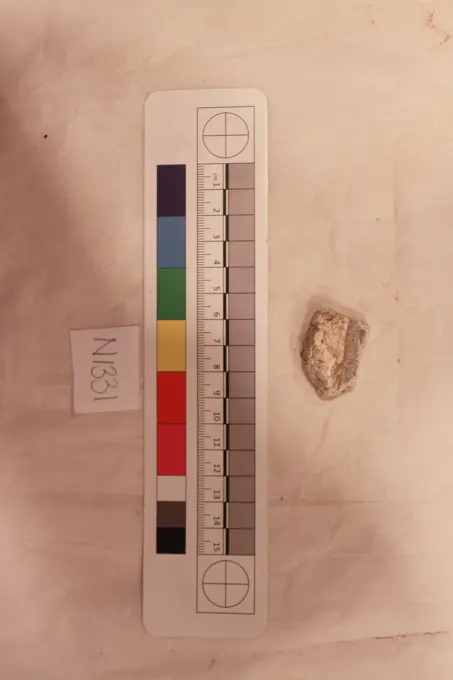
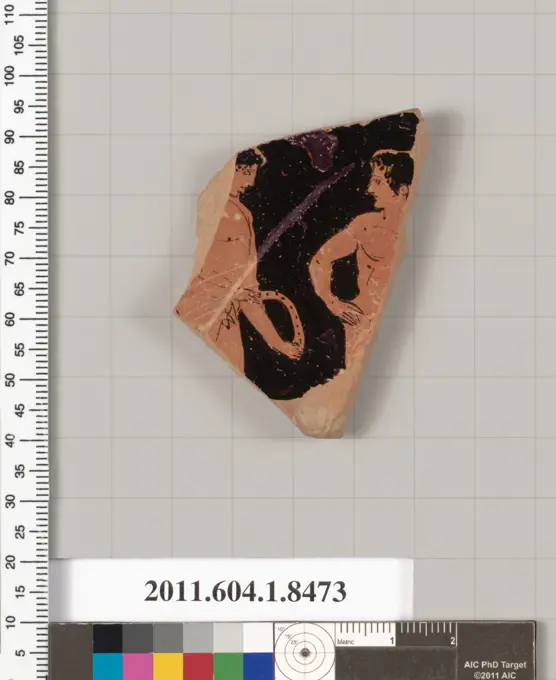
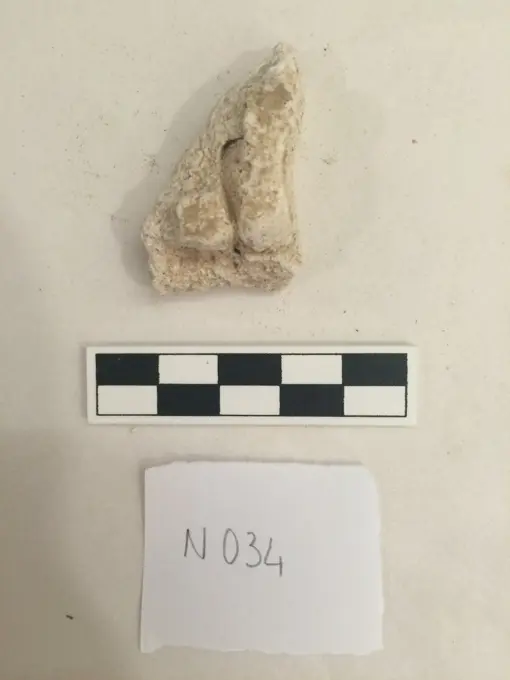
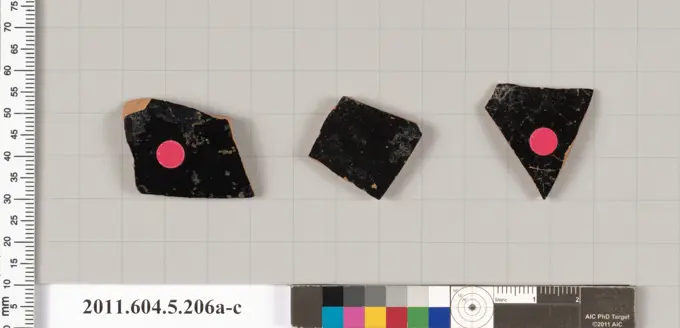
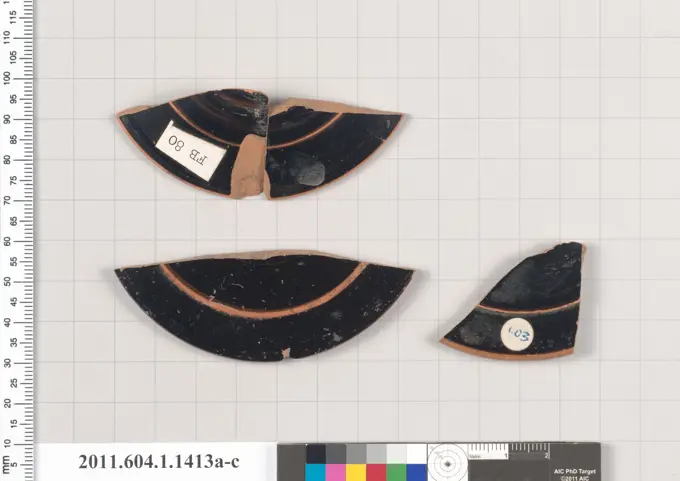
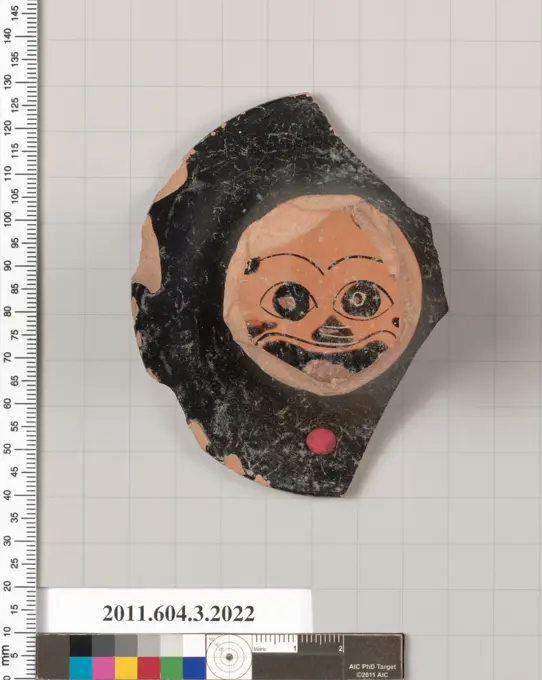
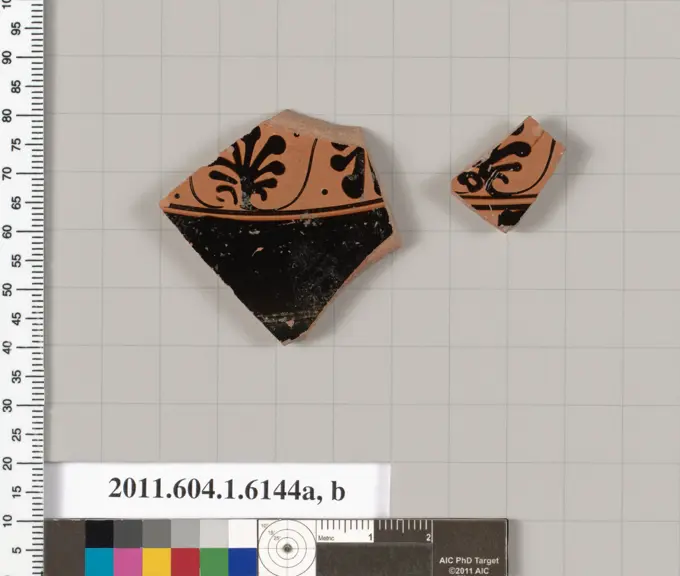
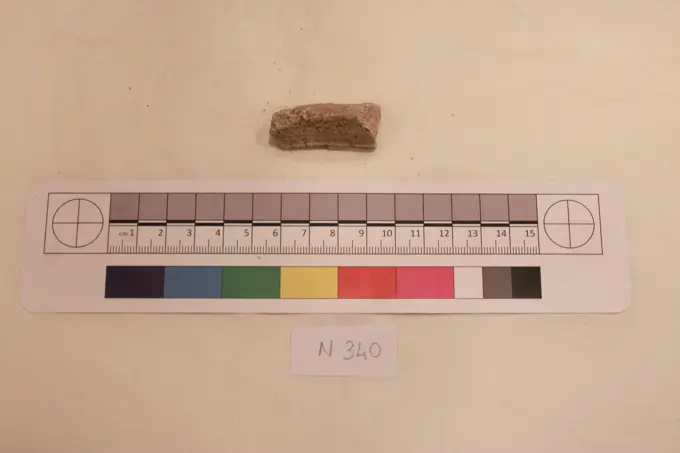
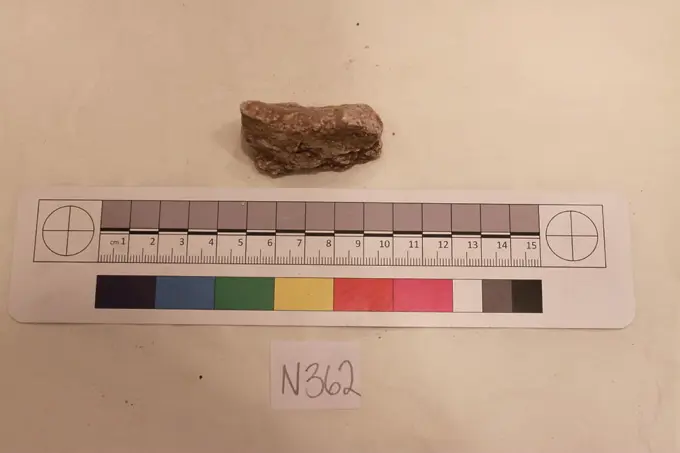
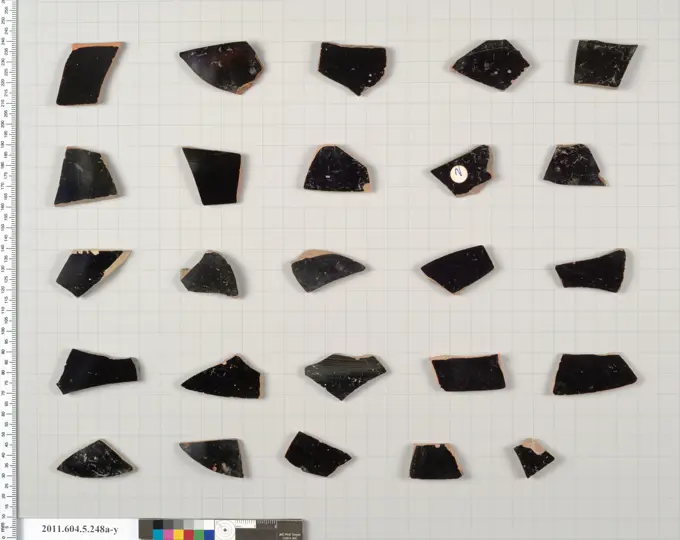
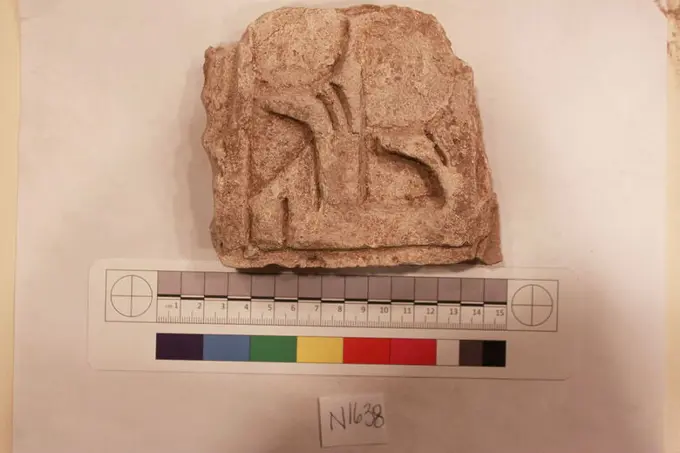
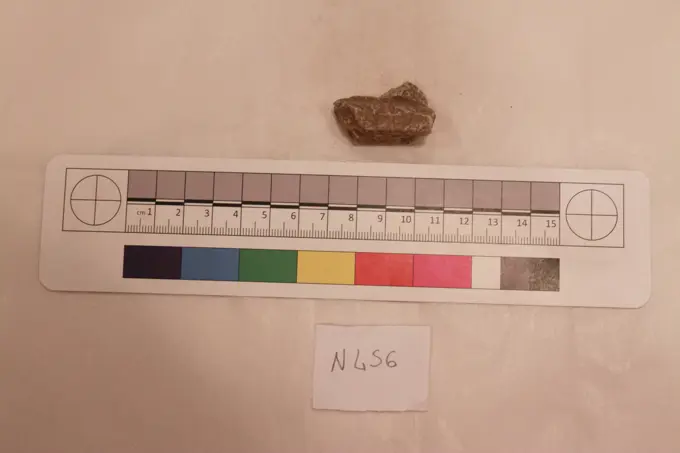
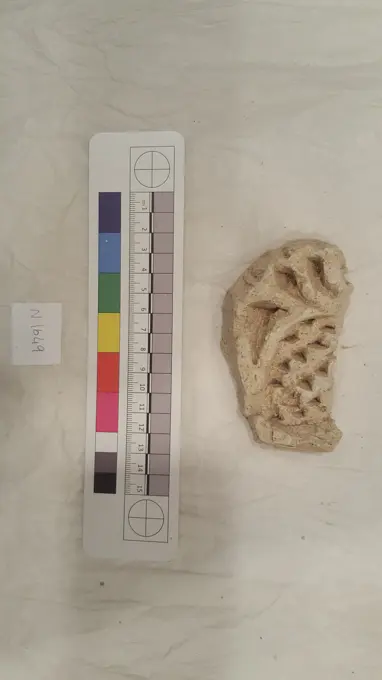
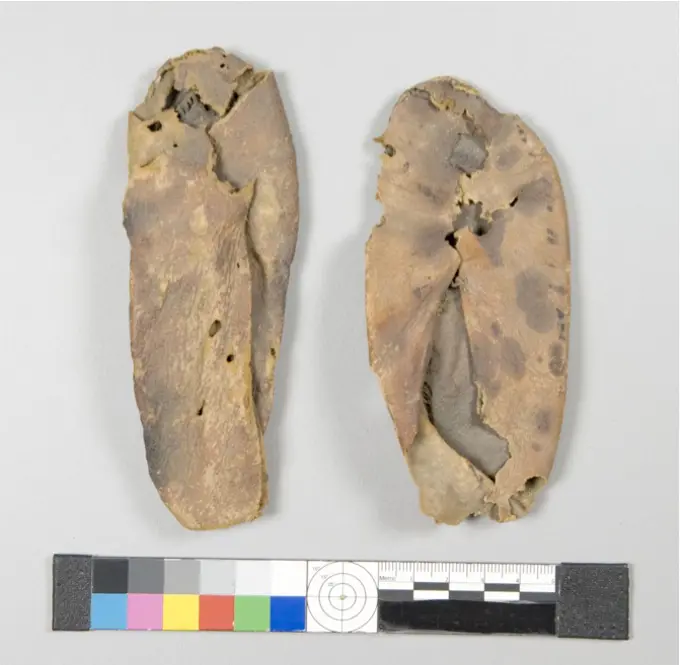
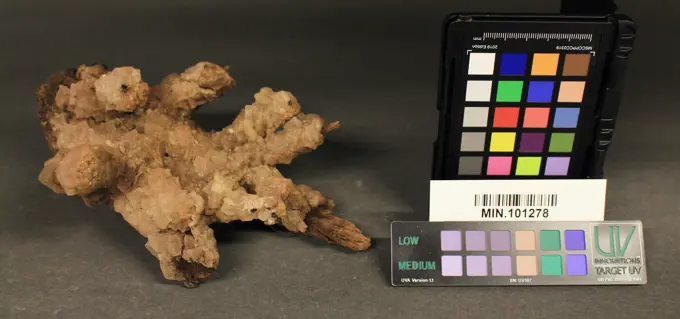
Quartz. minerals. North America; USA; Colorado; El Paso County; Pikes PeakStucco Fragment probably 8th-12th century. Stucco Fragment 742013Stucco Fragment probably 8th-12th century. Stucco Fragment 741901Terracotta rim fragments of kylikes (drinking cups) 6th/5th centuries B.C. Greek, Attic Two black glazed rim fragments from lipped kylikes. Terracotta rim fragments of kylikes (drinking cups). Greek, Attic. 6th/5th centuries B.C.. Terracotta; black glaze. Archaic/Classical. VasesStucco Fragment probably 8th-12th century This object was excavated at Nishapur.Nishapur was a vital city in the early and middle Islamic periods, located along one of the main trajectories that connected Iran and West Asia Islamic lands with Central Asia and China. These itineraries are often referred to by the term Silk routes’ but were in fact crucial to the movement of constellations of materials and objects, as well as people and ideas. The diverse population of Nishapur and its surroundings, from the better-researched elite groups of merchants, land-owning aristocracy, and literates, to the less-known artisans, farmers, miners, and servants, were instrumental in adapting global cultural trends to create their own distinctive visual languages. This is seen in the material remains of everyday life in medieval Nishapur - from pots and pans to lighting devices, inkwells, textiles and trimmings, jewelry, games and toys, talismanic devices, weapons, coins, and architectural fragments.Terracotta fragments of undetermined shapes 6th/5th centuries B.C. Greek, Attic Parts of two handles from undetermined shapes. Terracotta fragments of undetermined shapes. Greek, Attic. 6th/5th centuries B.C.. Terracotta; Black glaze. Archaic. VasesStucco Fragment probably 8th-12th century. Stucco Fragment 742129Ceramic fragment. Dimensions: D. 17cm x H. 6.2cm. Date: 8th-12th century. Museum: Metropolitan Museum of Art, New York, USA.Stucco Fragment probably 8th-12th century. Stucco Fragment 741942Stucco Fragment probably 8th-12th century This object was excavated at Nishapur.Nishapur was a vital city in the early and middle Islamic periods, located along one of the main trajectories that connected Iran and West Asia Islamic lands with Central Asia and China. These itineraries are often referred to by the term Silk routes but were in fact crucial to the movement of constellations of materials and objects, as well as people and ideas. The diverse population of Nishapur and its surroundings, from the better-researched elite groups of merchants, land-owning aristocracy, and literates, to the less-known artisans, farmers, miners, and servants, were instrumental in adapting global cultural trends to create their own distinctive visual languages. This is seen in the material remains of everyday life in medieval Nishapur - from pots and pans to lighting devices, inkwells, textiles and trimmings, jewelry, games and toys, talismanic devices, weapons, coins, and architectural fragments.NiTerracotta rim fragment of a kylix (drinking cup) 6th/5th centuries B.C. Greek, Attic Rim fragment of a kylix and part of the right half of the handle. Terracotta rim fragment of a kylix (drinking cup). Greek, Attic. 6th/5th centuries B.C.. Terracotta; black glaze. Archaic/Classical. VasesTerracotta fragment of a stemless kylix (drinking cup) 460-450 B.C. Greek, Attic Interior, head, upper torso, genitals, and thighs of a youth to right, holding a spotted fillet in both bands; head, neck, right shoulder, part of upper torso, and bent right arm, with hand on hip of youth to left; Exterior, bit of foot; the underside of the floor is decorated with concentric circles; the outer band is in reserve, followed by a wide black band, a thin band of reserve and a thin black glaze band; the center is in reserve, with a black glaze circle; in the center is a smaller circle with a dot in the middle. Terracotta fragment of a stemless kylix (drinking cup). Greek, Attic. 460-450 B.C.. Terracotta; red-figure. Classical. VasesStucco Fragment probably 8th-12th century. Stucco Fragment 740704Fragment. Dimensions: L 4cm x W 1 x H 1. Date: probably 8th-12th century. Museum: Metropolitan Museum of Art, New York, USA.Terracotta fragments of kylikes (drinking cups) 6th/5th centuries B.C. Greek, Attic Three black glazed fragments from kylikes. Terracotta fragments of kylikes (drinking cups). Greek, Attic. 6th/5th centuries B.C.. Terracotta; black glaze. Archaic/Classical. VasesStucco Fragment probably 8th-12th century. Stucco Fragment 740664Terracotta fragment of a kylix (drinking cup) 5th century B.C. Greek, Attic Complete foot type B with chamfer and part of stem. Terracotta fragment of a kylix (drinking cup) 678367Ceramic fragment. Date: 8th-12th century. Museum: Metropolitan Museum of Art, New York, USA.Tremolite. minerals. North America; USA; Connecticut; Litchfield County; LitchfieldTerracotta fragments of kylikes (drinking cups) 5th century B.C. Greek, Attic Three parts of feet type B with thin reserve line at chamfer. Terracotta fragments of kylikes (drinking cups) 678325Ceramic fragment. Dimensions: 24 D x 3 H cm. Date: 8th-12th century. Museum: Metropolitan Museum of Art, New York, USA.Terracotta fragment of a kylix (drinking cup) third quarter of the 6th century B.C. Greek, Attic Interior, part of the face of a gorgoneion; Exterior, the resting surface of the foot is glazed and has a thin band of reserve; the inside of the stem is glazed; the underside of the tondo is unglazed. Terracotta fragment of a kylix (drinking cup). Greek, Attic. third quarter of the 6th century B.C.. Terracotta; black-figure. Archaic. VasesFragment. Dimensions: L 6 cm x W 3 x H 1.5. Date: probably 8th-12th century. Museum: Metropolitan Museum of Art, New York, USA.Terracotta fragments of a kylix (drinking cup) 520-500 B.C. Greek, Attic Exterior, two fragments with part of a band of linked palmettes, up and down, with dots above and below. Terracotta fragments of a kylix (drinking cup). Greek, Attic. 520-500 B.C.. Terracotta; red-figure. Archaic. VasesCeramic fragment. Dimensions: D 10 cm x H 5.3 cm. Date: 8th-12th century. Museum: Metropolitan Museum of Art, New York, USA.Stucco Fragment probably 8th-12th century This object was excavated at Nishapur.Nishapur was a vital city in the early and middle Islamic periods, located along one of the main trajectories that connected Iran and West Asia Islamic lands with Central Asia and China. These itineraries are often referred to by the term Silk routes’ but were in fact crucial to the movement of constellations of materials and objects, as well as people and ideas. The diverse population of Nishapur and its surroundings, from the better-researched elite groups of merchants, land-owning aristocracy, and literates, to the less-known artisans, farmers, miners, and servants, were instrumental in adapting global cultural trends to create their own distinctive visual languages. This is seen in the material remains of everyday life in medieval Nishapur - from pots and pans to lighting devices, inkwells, textiles and trimmings, jewelry, games and toys, talismanic devices, weapons, coins, and architectural fragments.Fragment. Dimensions: 2.5 x 2.5 x 1.5. Date: probably 8th-12th century. Museum: Metropolitan Museum of Art, New York, USA.Attic Red-Figure Neck Amphora Fragment. Attributed to Berlin Painter (Greek (Attic), active about 500 - about 460 B.C.)Fragment. Dimensions: 4.5 x 2 x 3. Date: probably 8th-12th century. Museum: Metropolitan Museum of Art, New York, USA.Ceramic fragment. Date: 8th-12th century. Museum: Metropolitan Museum of Art, New York, USA.Ceramic fragment. Dimensions: D. 12 x H. 2.2 cm. Date: 8th-12th century. Museum: Metropolitan Museum of Art, New York, USA.Fragment. Dimensions: 2.5 x 1.5 x 1.5. Date: probably 8th-12th century. Museum: Metropolitan Museum of Art, New York, USA.Fragment. Dimensions: 4 x 1.5 x 1. Date: probably 8th-12th century. Museum: Metropolitan Museum of Art, New York, USA.Terracotta fragments of kylikes (drinking cups) 6th/5th centuries B.C. Greek, Attic Twenty-five black glazed fragments from kylikes. Terracotta fragments of kylikes (drinking cups). Greek, Attic. 6th/5th centuries B.C.. Terracotta; black glaze. Archaic/Classical. VasesFragment. Dimensions: 4 x 2 x 2.5. Date: probably 8th-12th century. Museum: Metropolitan Museum of Art, New York, USA.Stucco Fragment probably 8th-12th century. Stucco Fragment 741963Terracotta fragments of kylikes (drinking cups) 5th century B.C. Greek, Attic Eight sheared parts of feet type B. Terracotta fragments of kylikes (drinking cups) 678331Fragment. Dimensions: L 9.5cm x W 6.5 x H 3.5. Date: probably 8th-12th century. Museum: Metropolitan Museum of Art, New York, USA.Ceramic fragment. Dimensions: 19D x 5.2 H cm. Date: 8th-12th century. Museum: Metropolitan Museum of Art, New York, USA.Fragment. Dimensions: L4.5 cm x W 1 x H 1.5. Date: probably 8th-12th century. Museum: Metropolitan Museum of Art, New York, USA.Fragment. Dimensions: L 7cm x W 5x H 2.5. Date: probably 8th-12th century. Museum: Metropolitan Museum of Art, New York, USA.Fragment. Dimensions: L 6 x W 1.5 x H 2. Date: probably 8th-12th century. Museum: Metropolitan Museum of Art, New York, USA.Fragment. Dimensions: L 12.5 x W 10.5 x H 4. Date: probably 8th-12th century. Museum: Metropolitan Museum of Art, New York, USA.Fragment. Dimensions: L 8 cm x W 5.5 x H 2. Date: probably 8th-12th century. Museum: Metropolitan Museum of Art, New York, USA.Terracotta fragments of kylikes (drinking cups) 5th century B.C. Greek, Attic Left halves of four kylix handles. Terracotta fragments of kylikes (drinking cups) 676780Fragment. Dimensions: 3.5 x 2 x 1. Date: probably 8th-12th century. Museum: Metropolitan Museum of Art, New York, USA.Ceramic fragment. Dimensions: 5 cm x 4.8 cm. Date: 8th-12th century. Museum: Metropolitan Museum of Art, New York, USA.Ceramic fragment. Date: 8th-12th century. Museum: Metropolitan Museum of Art, New York, USA.Ceramic fragment. Dimensions: D. 26 x H. 4.3 cm. Date: 8th-12th century. Museum: Metropolitan Museum of Art, New York, USA.Stucco Fragment probably 8th-12th century. Stucco Fragment 741823Stucco Fragment probably 8th-12th century. Stucco Fragment 741579Stucco Fragment probably 8th-12th century. Stucco Fragment 741479Terracotta fragment of a Nicosthenic neck-amphora (jar) last quarter of the 7th century B.C. Etruscan Fragment from the handle of a neck-amphora with impressed decoration: hindquarters of a griffin. Terracotta fragment of a Nicosthenic neck-amphora (jar). Etruscan. last quarter of the 7th century B.C.. Terracotta; Bucchero pesante. Archaic. VasesCeramic fragment. Dimensions: D. 12cm x H. 3cm. Date: 8th-12th century. Museum: Metropolitan Museum of Art, New York, USA.Fragment. Dimensions: L 10cm x W 5 x H 2. Date: probably 8th-12th century. Museum: Metropolitan Museum of Art, New York, USA.Stucco Fragment probably 8th-12th century. Stucco Fragment 741198Pair of Child's Slippers A.D. 1st century  Roman Period. Pair of Child's Slippers 552466Fragment. Dimensions: L 9.5 x W 7 x H 2. Date: probably 8th-12th century. Museum: Metropolitan Museum of Art, New York, USA.Halite. minerals. North America; USA; California; Imperial County; Salton Sea