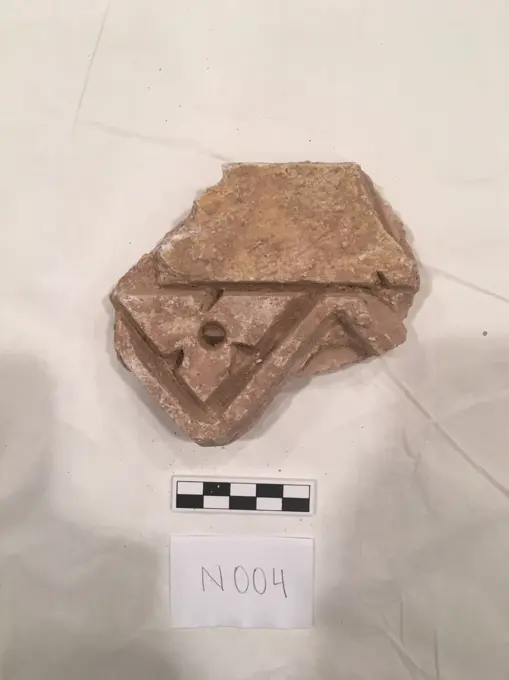
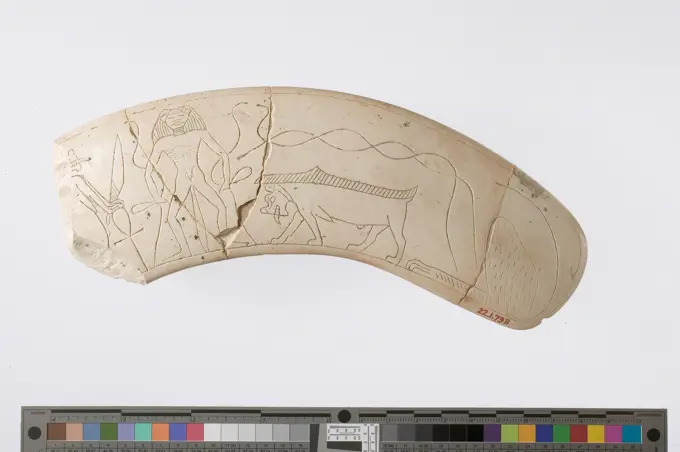
Ancient Terracotta Fragments

Historical terracotta fragments from ancient Greek vessels, revealing craftsmanship from the 5th and 6th centuries B.C., ideal for art and history enthusiasts.
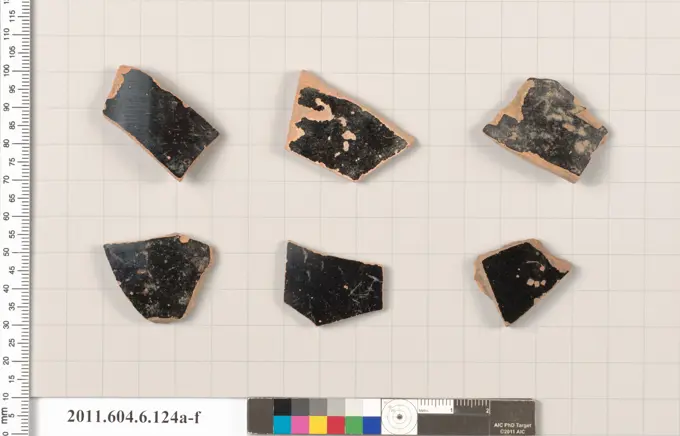
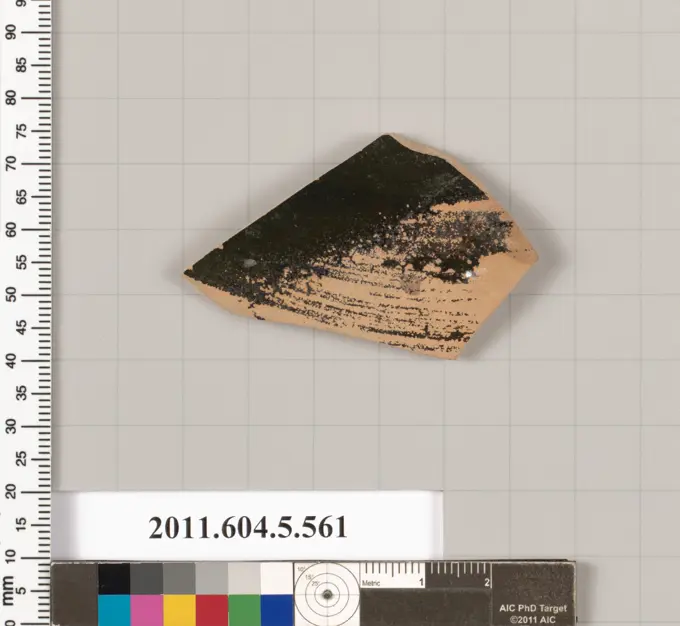
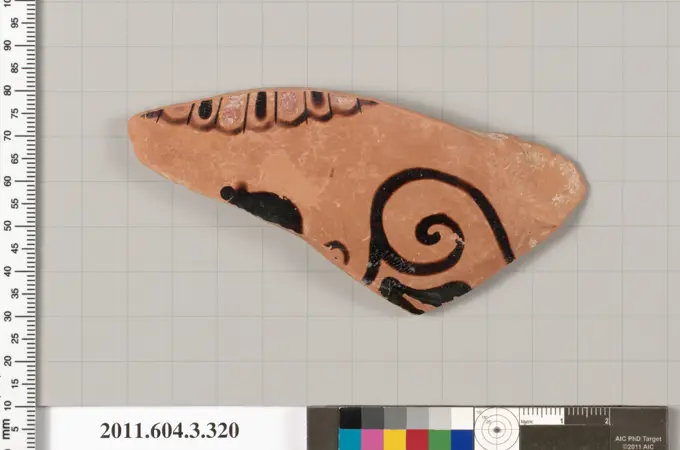
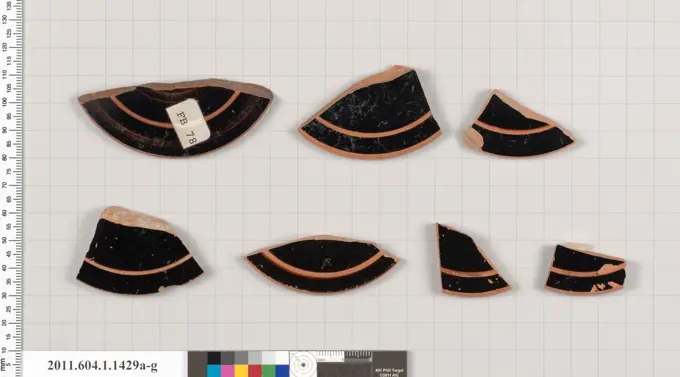
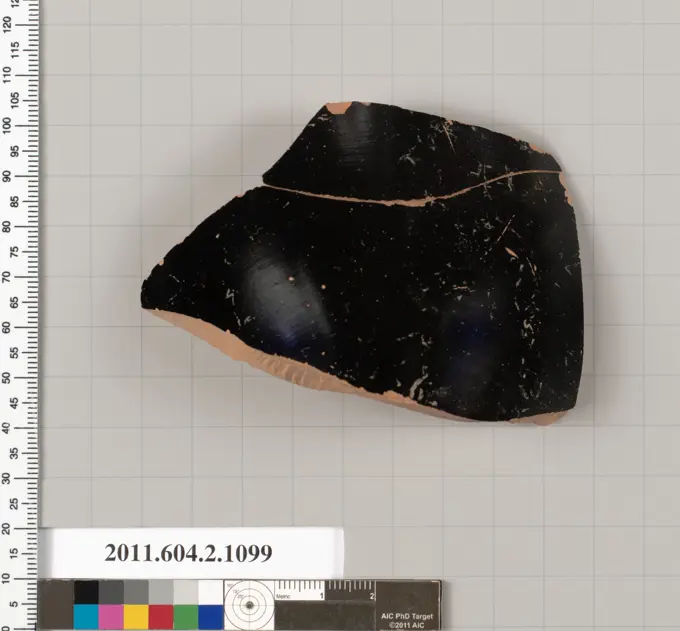
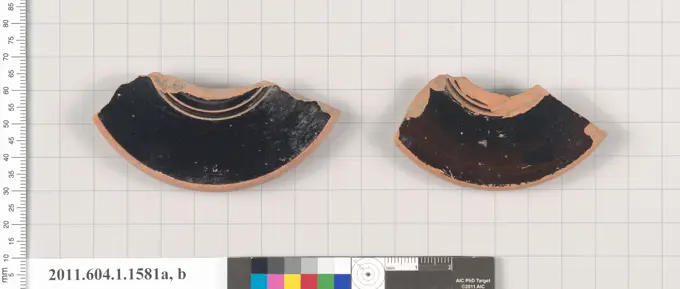
Terracotta fragments of closed shapes 6th/5th centuries B.C. Greek, Attic Six black glazed fragments from closed shapes. Terracotta fragments of closed shapes. Greek, Attic. 6th/5th centuries B.C.. Terracotta; black glaze. Archaic/Classical. Vases
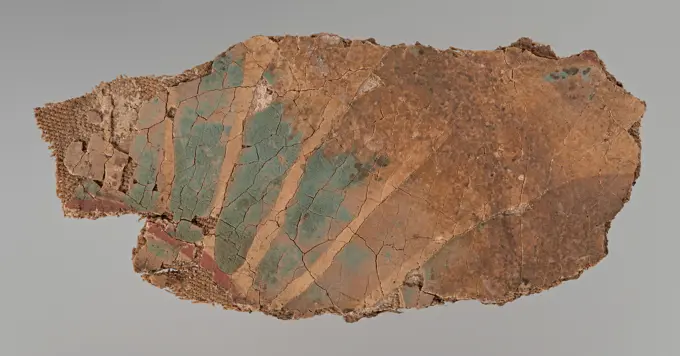
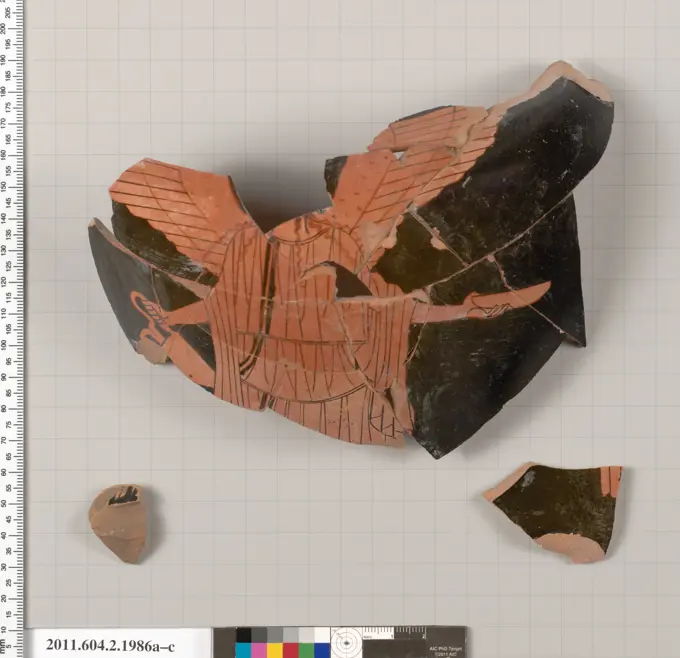
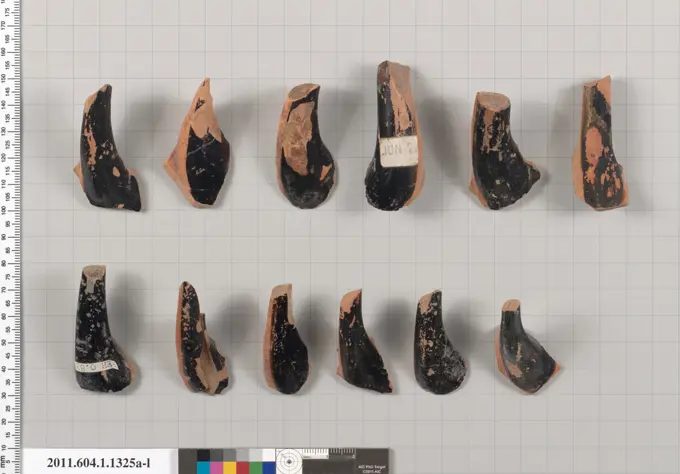
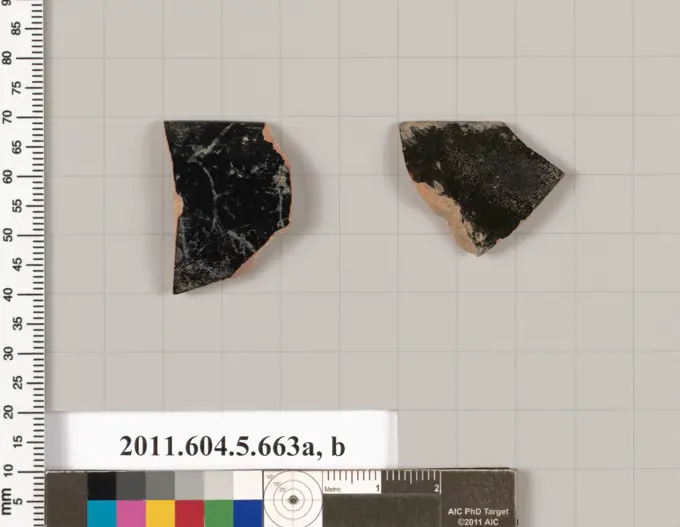
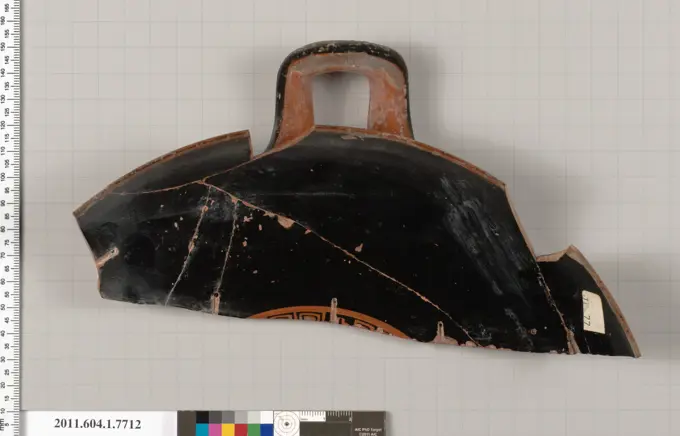
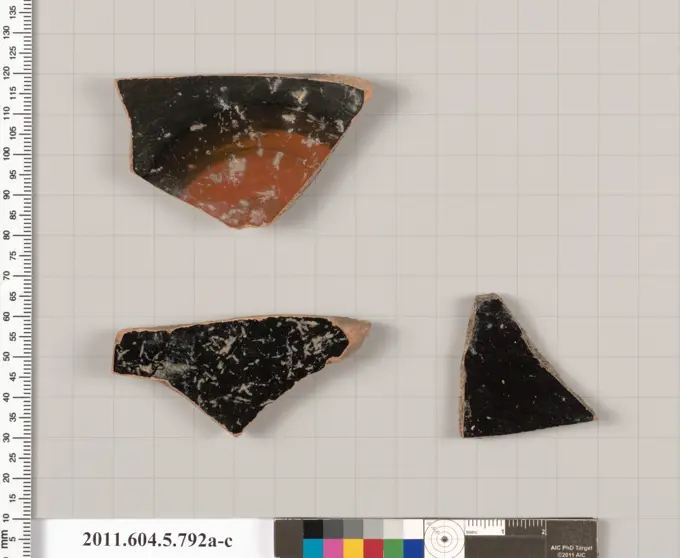
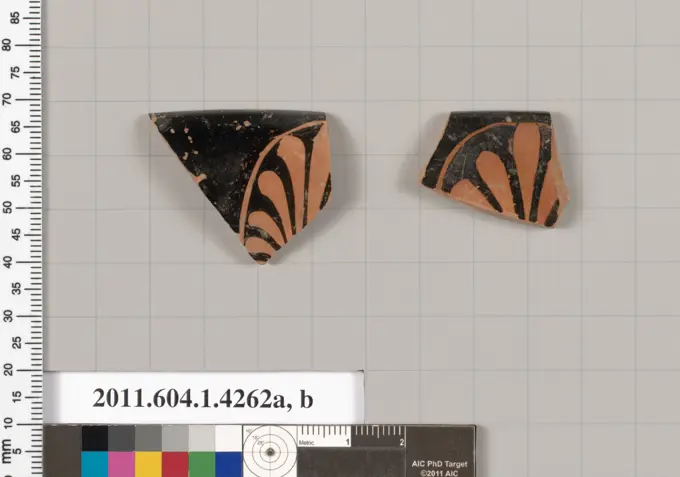
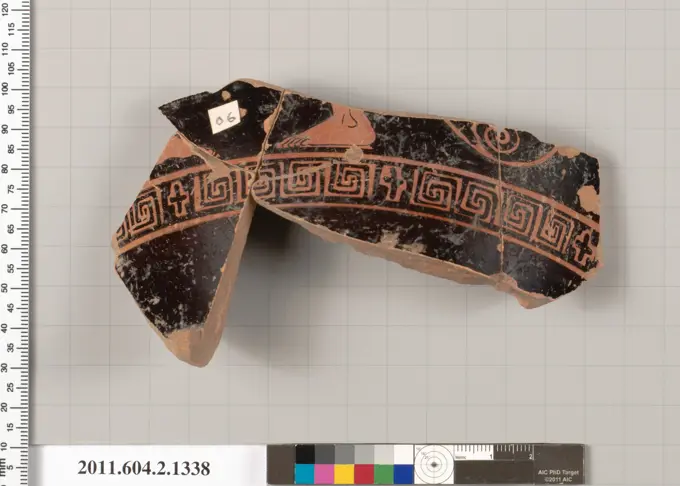
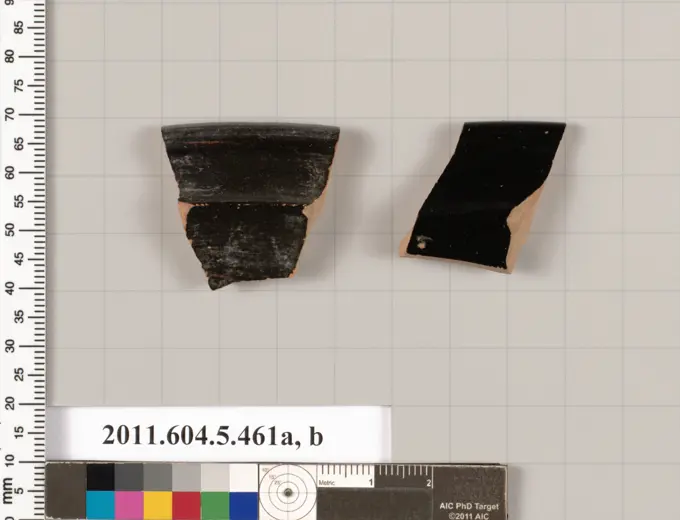
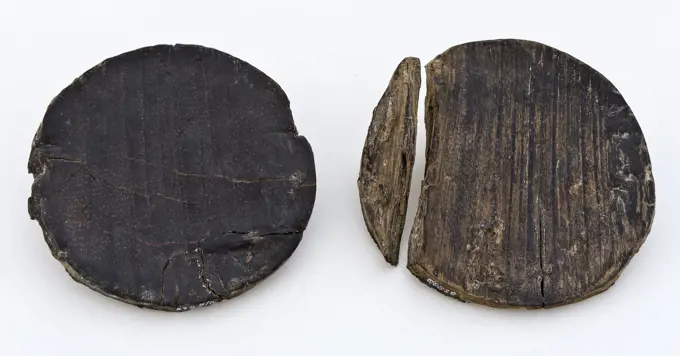
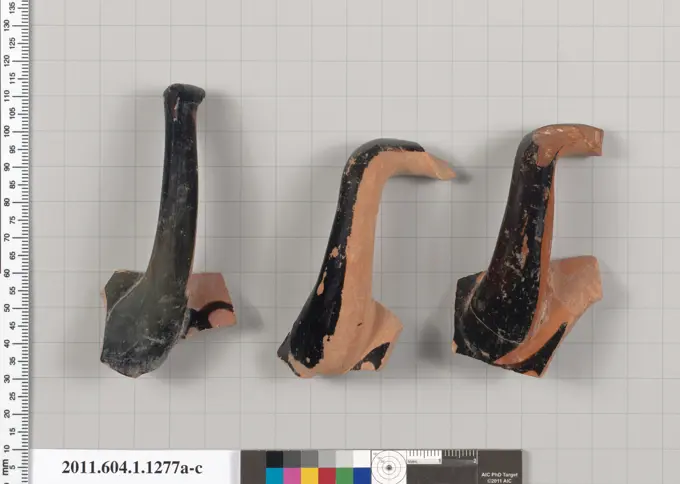
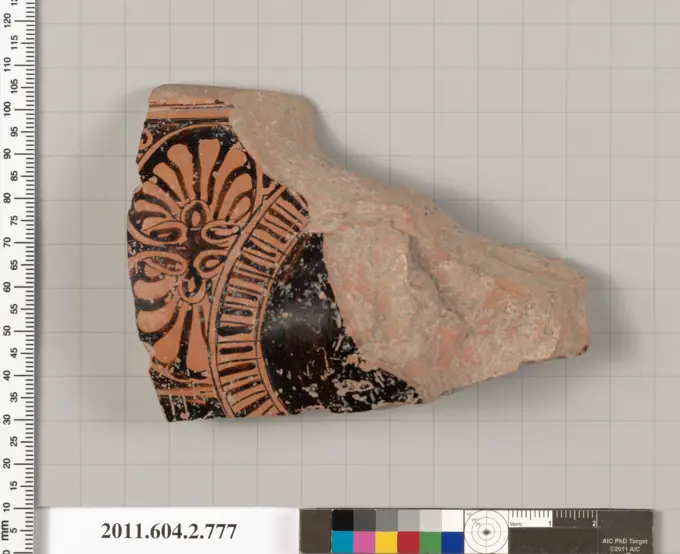
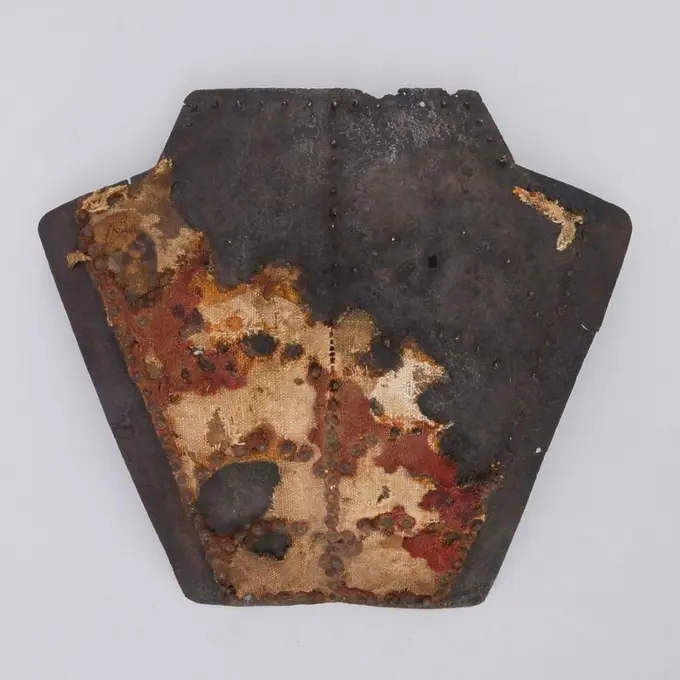
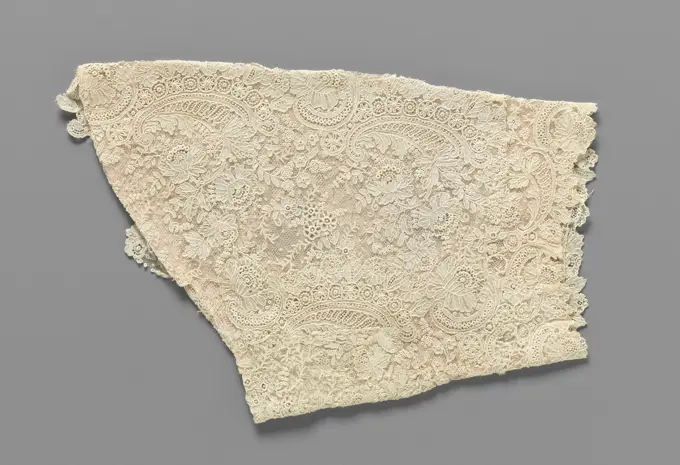
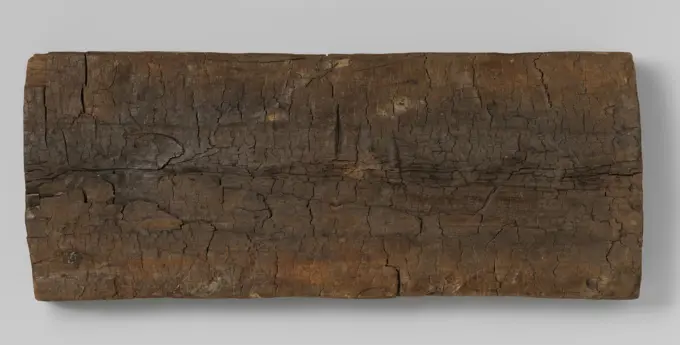
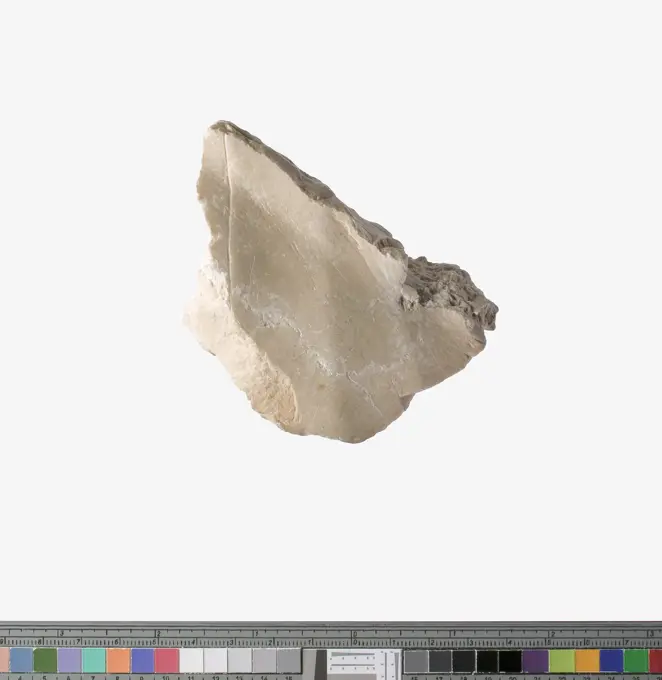
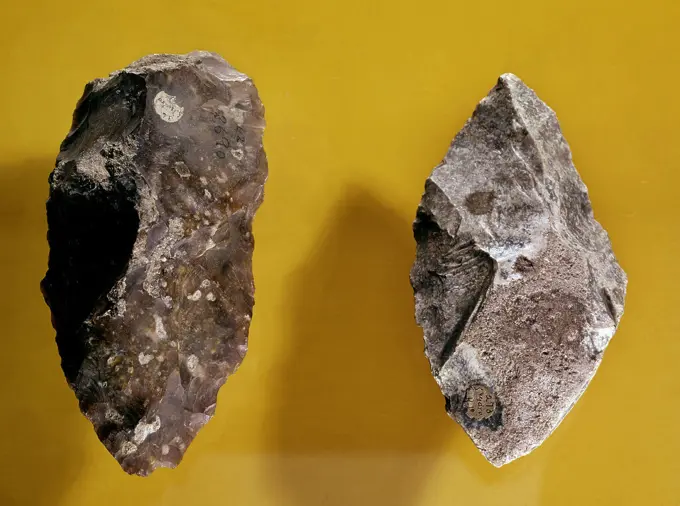
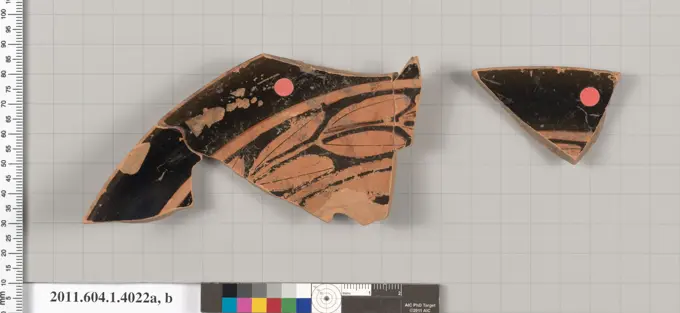
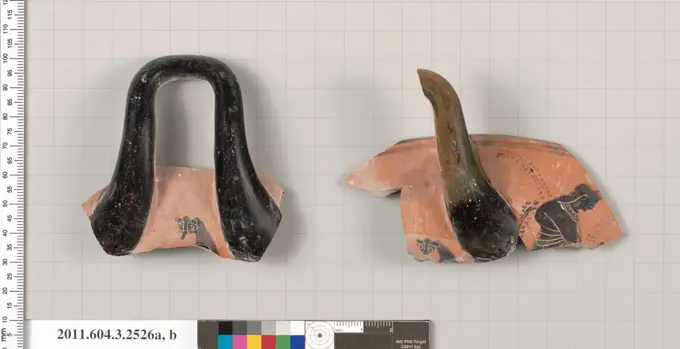
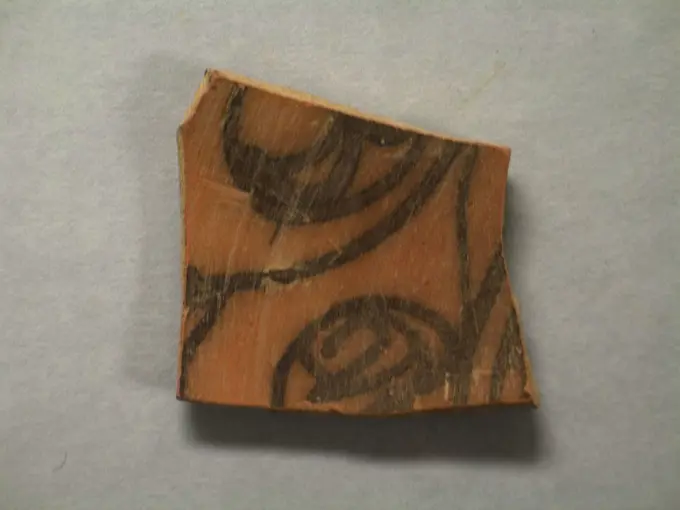
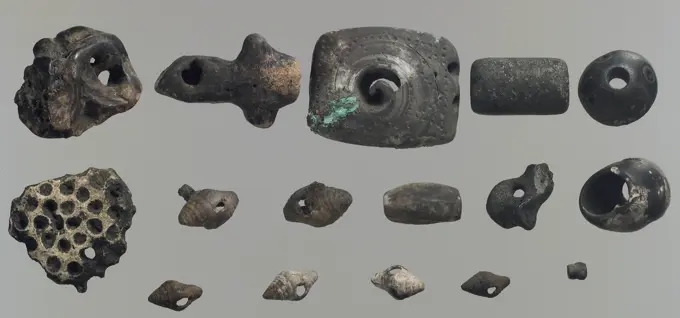
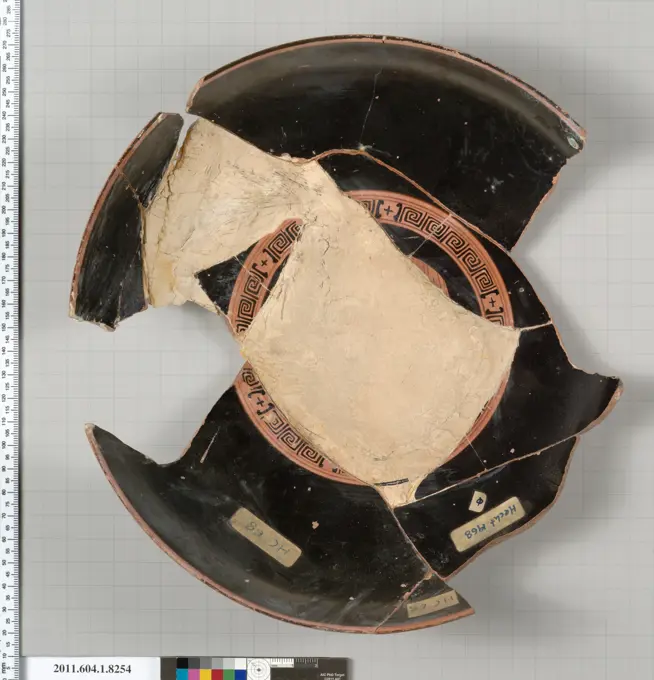
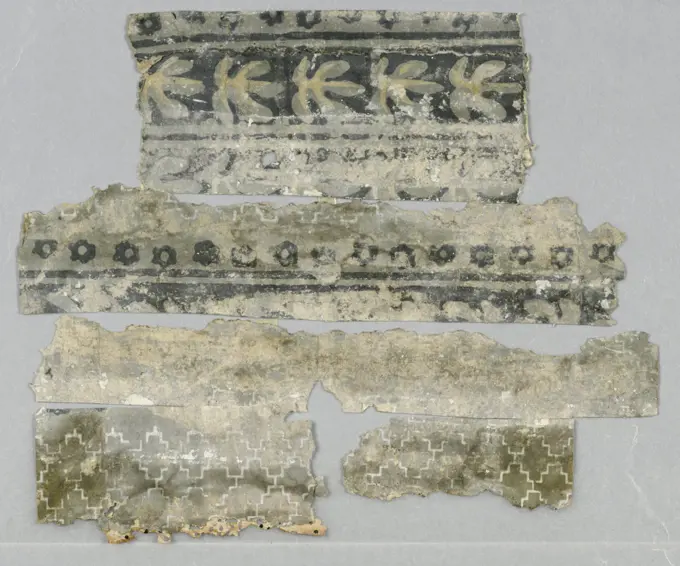
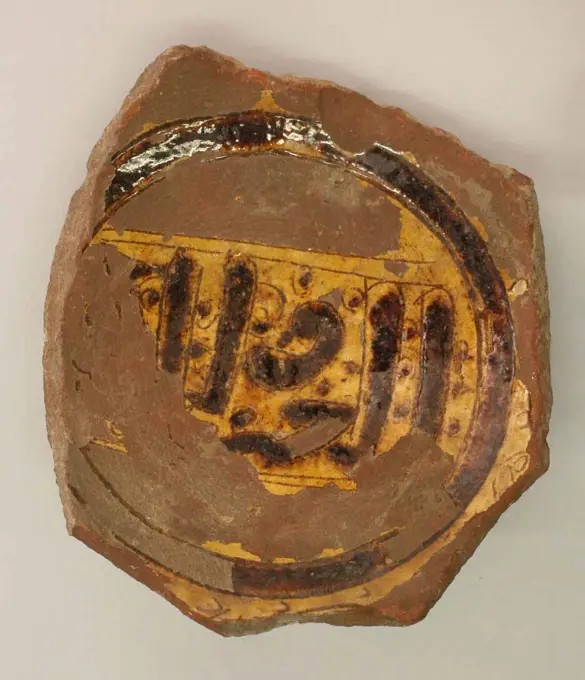
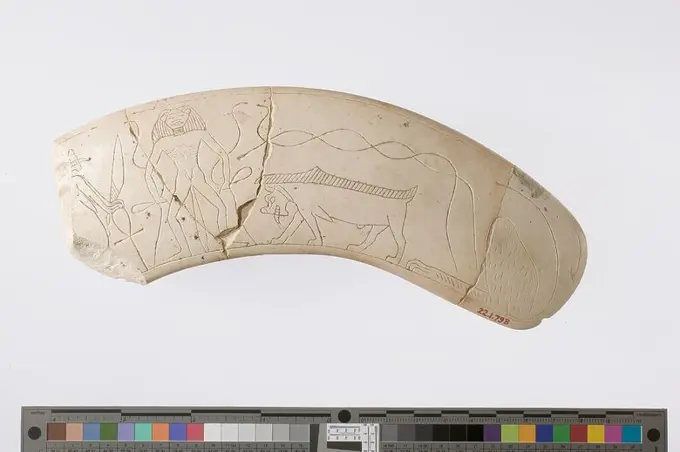
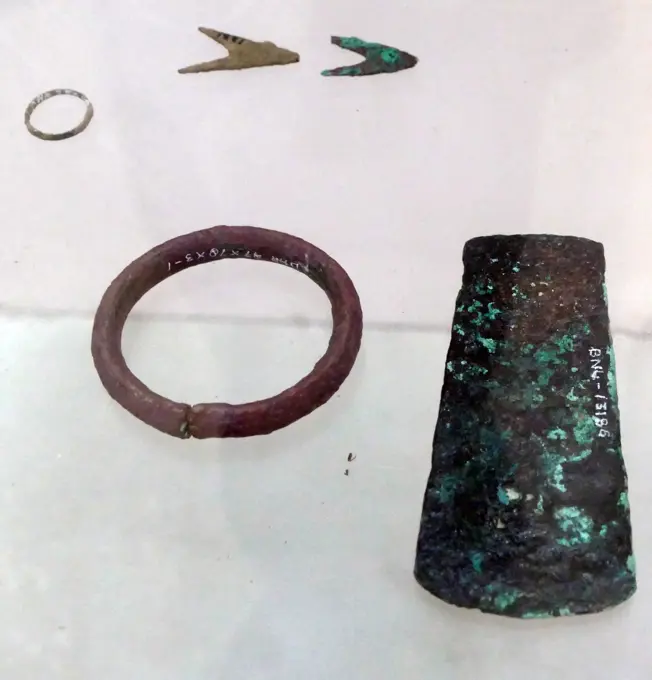
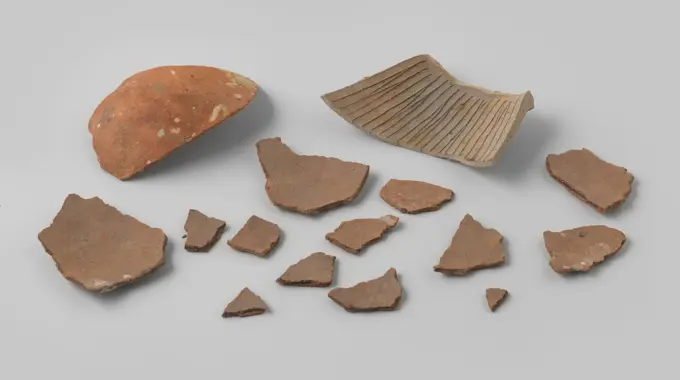
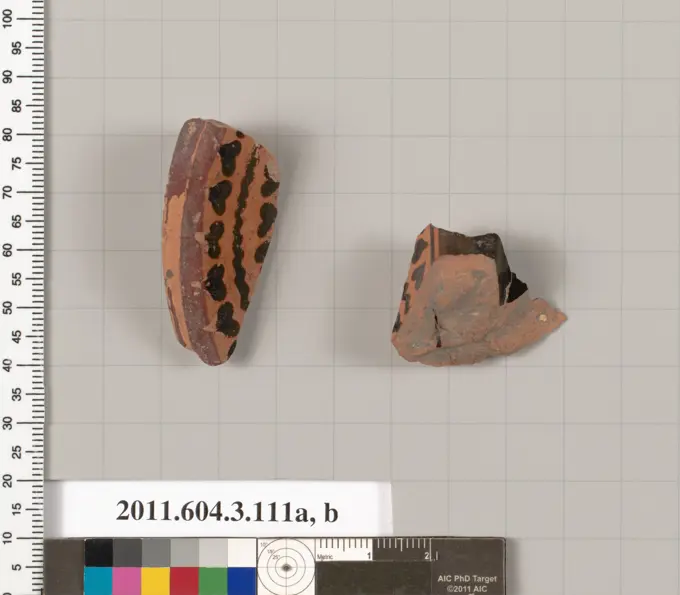
Terracotta fragments of amphorae (jars) 530-520 B.C. Greek, Attic Two fragments from the flanged handles of Type A amphorae, with ivy. Terracotta fragments of amphorae (jars). Greek, Attic. 530-520 B.C.. Terracotta; black-figure. Archaic. VasesFragment kartonażu. unknown, authorTerracotta fragments of a hydria: kalpis (water jar) 470-460 B.C. Greek, Attic Winged woman (Nike) to right, wearing a chiton and himation, with her left hand holding a phiale and her right hand holding an oinochoe; a second small fragment has the start of the handle root and part of a wing; a third fragment has two feathers from a wing. Terracotta fragments of a hydria: kalpis (water jar). Greek, Attic. 470-460 B.C.. Terracotta; red-figure. Classical. VasesTerracotta fragments of kylikes (drinking cups) 5th century B.C. Greek, Attic Right halves of twelve kylix handles; handle roots; glaze worn and surface abraded on some of the handles. Terracotta fragments of kylikes (drinking cups) 676732Terracotta rim fragments of kylikes (drinking cups) 6th/5th centuries B.C. Greek, Attic Two black glazed rim fragments from kylikes. Terracotta rim fragments of kylikes (drinking cups). Greek, Attic. 6th/5th centuries B.C.. Terracotta; black glaze. Archaic/Classical. VasesTerracotta rim fragments of kylikes (drinking cups) 6th/5th centuries B.C. Greek, Attic Three black glazed rim fragments from kylikes. Terracotta rim fragments of kylikes (drinking cups). Greek, Attic. 6th/5th centuries B.C.. Terracotta; black glaze. Archaic/Classical. VasesTerracotta fragment of a kylix (drinking cup) 490-470 B.C. Attributed to Makron Black glazed fragment from the center of a kylix. Terracotta fragment of a kylix (drinking cup). Greek, Attic. 490-470 B.C.. Terracotta; red-figure. Late Archaic. VasesShards of wine bottles from the wreck of the East Indians' t Vliegend Hart ,, 1700 - 1735  Shards of onion -shaped wine bottles of green glass that has been in red (port) wine. Netherlands .Ceramic fragment. Dimensions: 7.7 X 8.5 cm. Date: 8th-12th century. Museum: Metropolitan Museum of Art, New York, USA.Five Fragments of a Burst Gun, anonymous, 1858 - 1859 cannon One large, one medium, one circular and two small fragments of a cannon of 30 pounds. The circular piece is smooth on the outdoor circumference; It could come from one of the taps. All the other pieces have one smooth side; The large part may come from the Kulas. Netherlands cast iron castingPrehistory, Denmark, Bronze Age. Engraved razors.Terracotta fragment of a kylix (drinking cup) 490-480 B.C. Attributed to the Cage Painter Interior, meander; Exterior, draped male wearing a himation, leaning on a staff; lower drapery of a second male. Terracotta fragment of a kylix (drinking cup) 710043Raised relief fragment 664-610 B.C. Late Period, Saite see 23.3.468. Raised relief fragment 548206Terracotta fragment of a bell-krater (bowl for mixing wine and water) 460-440 B.C. Greek, Attic Part of a draped male. Terracotta fragment of a bell-krater (bowl for mixing wine and water). Greek, Attic. 460-440 B.C.. Terracotta; red-figure. Classical. VasesTerracotta rim fragment of a kylix (drinking cup) 460-450 B.C. Greek, Attic Interior, meander and cross square; Exterior, seated, filleted youth with his right arm extended, and his hand holding a staff; complete handle with handle patch and palmettes with tendrils; hair, part of frontal torso, with right hand on hip, genitals, and part of thighs of youth to right; holes from ancient repairs visible. Terracotta rim fragment of a kylix (drinking cup). Greek, Attic. 460-450 B.C.. Terracotta; red-figure. Classical. VasesQuartz. minerals. North America; USA; Colorado; Chaffee County; Mt. AnteroTerracotta fragments of kylikes (drinking cups) 6th/5th centuries B.C. Greek, Attic Three black glazed fragments from kylikes. Terracotta fragments of kylikes (drinking cups). Greek, Attic. 6th/5th centuries B.C.. Terracotta; black glaze. Archaic/Classical. VasesTerracotta rim fragments of kylikes (drinking cups) first half of the 5th century B.C. Greek, Attic Exterior, two rim fragments with parts of circumscribed palmettes. Terracotta rim fragments of kylikes (drinking cups) 695833Terracotta fragment of a skyphos (deep drinking cup) second quarter of the 5th century B.C. Greek, Attic Right foot of a male to right; left foot and ankle of a male to left; part of a tendril; below, meander and cross squares. Terracotta fragment of a skyphos (deep drinking cup). Greek, Attic. second quarter of the 5th century B.C.. Terracotta; red-figure. Classical. VasesTerracotta rim fragments of kylikes (drinking cups) 6th/5th centuries B.C. Greek, Attic Two black glazed rim fragments from lipped kylikes. Terracotta rim fragments of kylikes (drinking cups) 772268Round wooden lid and bottom of chip box, lid closure part holder soil find wood d 0.8, sawn turned Wood cover and bottom of chip box belonged to round cylindrical box. Thin round discs with remnants of wooden pins in the side wall One disc is caked (). The other disc is in two parts, and (C) archeology Rotterdam IJsselmonde indigenous woodwork close storage storage Soil discovery: IJsselmonde Castle from the Rotterdam 1972 cesspit.Ceramic fragment. Dimensions: D 17 cm x H 2.3 cm. Date: 8th-12th century. Museum: Metropolitan Museum of Art, New York, USA.Terracotta fragments of kylikes (drinking cups) 5th century B.C. Greek, Attic Three left halves of kylix handles with bit of palmette in handle patch. Terracotta fragments of kylikes (drinking cups) 676686Terracotta fragment of a kylix (drinking cup) 500-480 B.C. Greek, Attic Interior, meander; Exterior, tail and heel of foot of satyr to right; left foot of a figure to left. Terracotta fragment of a kylix (drinking cup). Greek, Attic. 500-480 B.C.. Terracotta; red-figure. Archaic. VasesFragment earthenware baking pan with wide handle and lobed rim, saucepan casserole tableware holder kitchenware fragment earthenware ceramics earthenware glaze lead glaze, hand turned molded glazed fry Fragment of earthenware frying pan or saucepan Low pan with slightly convex bottom. Slanted side wall with turned rim. Lapped edge Wide and flat handle as handle. Heavily raked at the bottom Red shard Sparely gelled only the top of the soil archeology House te Woude Slikkerveer Ridderkerk native pottery frying baking kitchen cooking nutrition food preparation Soil discovery: Huis te Woude Slikkerveer 1969.Terracotta fragment of an undetermined shape late 6th/early 5th centuries B.C. Etruscan Two birds to right. Terracotta fragment of an undetermined shape. Etruscan. late 6th/early 5th centuries B.C.. Terracotta; black-figure. Archaic. VasesFragments, ornament (3), Wood, covered with gesso and gilded, Rocaille cresting, of tattered foliage and scrolls., France, 1750, Decorative Arts, Fragments, ornament (3)Knife. Egypt, 3600 - 3000 B.C.. Arms and Armor; knives. FlintTerracotta fragment of a calyx-krater (bowl for mixing wine and water) 470-450 B.C. Greek, Attic On the cul, a chain of double palmettes; at the handle root, a zone of tongues; start of handle. Terracotta fragment of a calyx-krater (bowl for mixing wine and water). Greek, Attic. 470-450 B.C.. Terracotta; red-figure. Classical. VasesFragment first half 17th century Mexican. Fragment 211519Terracotta fragment of a stamnos (jar) 520-500 B.C. Greek, Attic Part of the neck of a stamnos, below, a profiled concave ring in black glaze; at the shoulder, a band of tongues. Terracotta fragment of a stamnos (jar). Greek, Attic. 520-500 B.C.. Terracotta; red-figure. Archaic. VasesShards of wine bottles from the wreck of the East Indians Hollandia, Anonymous, 1700 - in Or Before 1743  Typologically not identifiable, belly, fragment. Netherlands .   SecondARTE PREHISTORICO. NEOLITICO. ESPAÑA. "PUNTAS DE FLECHA" (3000 a. C. aproximadamente) procedentes de las excavaciones del Dolmen de "Chan de Armada" (Península del Morrazo). Museo Provincial de Pontevedra. Pontevedra. Galicia.Fragment of a Bowl 9th-10th century. Fragment of a Bowl 454613Shards of porcelain and stoneware from the wreck of the East Indians Hollandia, Anonymous, 1700 - in or before 1743  Stoneware, Rhenish, Frechen-ware, jug; fragm of lower part of bodies; fragm of porcelain. Cologne stoneware. porcelain   SecondTerracotta fragment of a kylix (drinking cup) 6th/5th centuries B.C. Greek, Attic Black glazed fragment from a kylix. Terracotta fragment of a kylix (drinking cup). Greek, Attic. 6th/5th centuries B.C.. Terracotta; black glaze. Archaic/Classical. VasesBackplate from a Brigandine. Culture: Italian. Dimensions: H. 8 1/4 in. (20.96 cm); W. 9 1/2 in. (24.13 cm); Wt. 1 lb. 1.5 oz. (496.1 g). Date: 15th century.This plate would have protected the area at the top of the wearer's back at the base of the neck and between the shoulder blades. It retains large sections of its original textile covering. Museum: Metropolitan Museum of Art, New York, USA.Fragment. Dimensions: L 13x W 9.5x H3. Date: probably 8th-12th century. Museum: Metropolitan Museum of Art, New York, USA.Shards of earthenware and stoneware from V.O.C. ship De 'Witte Leeuw', Anonymous, Before 1613  Unguarded and glazed shards red-baking and gray-baking earthenware and stoneware from V.O.C. ship the 'Witte Leeuw'.  earthenware. stoneware. glaze   Sint-HelenaFragment ca. 1150-ca. 1250 European or Middle Eastern. Fragment 695347Fragment 10th-11th century. Fragment 445615Mouw gemaakt van een strook naaldkant met voluten en pioenrozen.Sleeve of natural needle side: Brussels mesh edge. Something tapered rectangular model with a sloping side, composed of different parts that are put together with a light pink lining of unprocessed machine tulle. The needle lace pattern of flower branches and asymmetrical C-voluten on a fine soil with single-turned meshes: a mesh side soil, strewn with moes. Full work made with feston stitches with nuances where the denser filling is made with dust stitches (a feston stitch variant). Relief contours of widespread wire bundles (Cordonnets). Many scented rings and connected circles with different flowers in ornamental sign decorate the side. The slot along the bottom edge are formed by connected lying c-volutes with smaller or larger flowers underneath.Samarskite-(Y). minerals. Africa; Madagascar; VoandelakaWooden fragment of the VOC -Werf Oostenburg, Anonymous, 1600 - 1699 fragment Fragment of the basis of one of the shipping slopes of the VOC-Werf Oostenburg. Lines have been scratched in the wood. Netherlands beech (wood)   AmsterdamBody with garment and belt (), pleating ca. 1353-1336 B.C. New Kingdom, Amarna Period. Body with garment and belt (), pleating. ca. 1353-1336 B.C.. Indurated limestone. New Kingdom, Amarna Period. From Egypt, Middle Egypt, Amarna (Akhetaten), Great Temple of the Aten, pit outside southern wall, Petrie/Carter excavations, 1891-92. Dynasty 18PIEZAS EXCAVACION DEL MANZANARES-PERIODO CHELENSE/ABBEVILLIENSE-PALEOLIT INFER. Location: MUSEO ARQUEOLOGICO NACIONAL-COLECCION. MADRID. SPAIN.Spodumene. minerals. North America; USA; Massachusetts; Hampshire County; NorwichTerracotta fragment of an open shape 6th/5th centuries B.C. Greek, Attic Black glazed fragment from an open shape. Terracotta fragment of an open shape 772506Terracotta fragments of a kylix (drinking cup) 500-480 B.C. Greek, Attic Interior, lower drapery and calf of woman to right; Exterior, part of a pelta with a silhouette shield device; lower body of satyr to right; tail, calf and foot of satyr; a smaller fragment, has a pelta with a silhouette device (panther head). Terracotta fragments of a kylix (drinking cup). Greek, Attic. 500-480 B.C.. Terracotta; red-figure. Archaic. VasesTerracotta fragments of kylikes (drinking cups) 5th century B.C. Greek, Attic Left halves of eleven kylix handles; handle roots. Terracotta fragments of kylikes (drinking cups) 676788Terracotta fragment of a neck-amphora (jar) Greek, Attic last quarter of the 6th century BCE At the shoulder, a band of tongues, alternating with black and red; below, top of head of figure to left; tendrils View more. Terracotta fragment of a neck-amphora (jar). Greek, Attic. last quarter of the 6th century BCE. Terracotta; black-figure. Archaic. VasesFragment 8th-9th century. Fragment 448837Fragment ca. 1150-ca. 1250 European or Middle Eastern. Fragment 695141Shards of Martavanen from V.O.C. ship De 'Witte Leeuw', Anonymous, Before 1613  Shards of Martavanen from V.O.C. ship De 'Witte Leeuw'. Chinezizid-China stoneware. porcelain   Sint-HelenaBox with thirteen pieces of iron and three pieces of wood, anonymous, c. 1590 - c. 1596 box. fragment Box with thirteen pieces of iron and three pieces of wood. The pieces of iron are probably from the Kist NG-NM-7657-58. One of the fragments is probably an iron pedestal from one of the skewers (NG-NM-7759-60).  iron (metal). wood (plant material)   Nova Zembla. Saving HuysBlack-figureSherdTerracotta rim fragments of a kylix (drinking cup) 460-440 B.C. Greek, Attic Interior, the larger fragment has band of laurel leaves; in tondo, unidentified subject; the smaller fragment has a bit of the band of laurel leaves; Exterior, the larger fragment depicts part of a draped figure facing a male with a himation wrapped around his lower body, with his left elbow resting on a stick, and his right arm bent, with his hand resting on his hip; part of a circumscribed palmette; the smaller fragment has part of a circumscribed palmette on the exterior. Terracotta rim fragments of a kylix (drinking cup) 693580Terracotta fragments of kylikes (drinking cups) 5th century B.C. Greek, Attic Seven parts of feet type B with reserve line at chamfer. Terracotta fragments of kylikes (drinking cups) 678341Terracotta rim fragments of kylikes(drinking cups) 5th century B.C. Greek, Attic Seven rim fragments with complete handle patch. Terracotta rim fragments of kylikes(drinking cups) 683424Lazio Roma Albano Laziale Museo Civico Archeologico1. Hutzel, Max 1960-1990 Post-medieval: Architecture, exterior (neoclassical); wall panels and painted ceiling Antiquities: Roman inscriptions, relief, sculpture, sarcophagi, brickstamps on bi-pedale fragments, cippi Object Notes: Bibliographic material housed in Center Library German-born photographer and scholar Max Hutzel (1911-1988) photographed in Italy from the early 1960s until his death. The result of this project, referred to by Hutzel as Foto Arte Minore, is thorough documentation of art historical development in Italy up to the 18th century, including objects of the Etruscans and the Romans, as well as early Medieval, Romanesque, Gothic, Renaissance and Baroque monuments. Images are organized by geographic region in Italy, then by province, city, site complex and monument.Hoes. Mesolithic art. SPAIN. CATALONIA. BARCELONA. Barcelona. Archaeology Museum of Catalonia. Proc: SPAIN. ASTURIAS. Quintana. Posada. La Riera Cave.Shard ca. 4th-5th century Pakistan. Shard 50854Ceramic fragment. Date: 8th-12th century. Museum: Metropolitan Museum of Art, New York, USA.Terracotta fragment of a squat lekythos (oil flask) first half of the fifth century B.C. Greek, Attic Black glaze fragment from the body of a squat lekythos. Terracotta fragment of a squat lekythos (oil flask). Greek, Attic. first half of the fifth century B.C.. Terracotta; red-figure. Classical. VasesTerracotta fragments of kylikes (drinking cups) 5th century B.C. Greek, Attic Right halves of six kylix handles. Terracotta fragments of kylikes (drinking cups) 676722Terracotta fragments of a kylix (drinking cup) late 6th/early 5th centuries B.C. Greek, Attic Exterior, one fragment is a complete handle with the frontal face and neck of a panther in the handle patch; a second fragment has in the handle patch, the frontal face and neck of a panther; right half of the handle; head, neck, right shoulder, part of the upper right arm, and torso of a draped youth to right, wearing a himation with a patterned border around the neck; in the background, vines. Terracotta fragments of a kylix (drinking cup). Greek, Attic. late 6th/early 5th centuries B.C.. Terracotta; black-figure. Archaic. VasesShard ca. 4th-5th century Pakistan. Shard 50857Vase fragment Greek, Laconian. Vase fragment 251295 Greek, Laconian, Vase fragment, Terracotta, 1 13/16 x 1 9/16in. (4.6 x 4cm). The Metropolitan Museum of Art, New York. Gift of A. J. B. Wace, 1923 (23.119.19)Fragment 9th-10th century. Fragment. 9th-10th century. Earthenware; luster-painted on opaque white glaze. Excavated in Iran, Nishapur. CeramicsTerracotta fragments of kylikes (drinking cups) 5th century B.C. Greek, Attic Two parts of feet type C. Terracotta fragments of kylikes (drinking cups) 678491Terracotta fragment of a kylix (drinking cup) 6th/5th centuries B.C. Greek, Attic Fragment from a kylix with the right half of the handle and a bit of the wall of the cup. Terracotta fragment of a kylix (drinking cup). Greek, Attic. 6th/5th centuries B.C.. Terracotta; black glaze. Archaic/Classical. VasesBeads ca. 9th century B.C. Iran. Beads 325291Fragments of a terracotta lamp 1st century A.D. Roman On top, four fragments with parts of leaves or a wreath. Fragments of a terracotta lamp 776284Stone from facade vleeshal, Rotterdam, window decoration, keystone building element facing stone sculpture footage sandstone stone, sculpted Trapezoidal with list meat house meat hall Rotterdam City Triangle Botersloot St. Bartholomeus Originating from the Vleeshal on the Botersloot.Axes for work and battle. Detail of core axes of the Maglemosian and Kongemose periods. 8500-5500 BC.. National Museum of Denmark. Copenhagen. Denmark.Stucco Fragment probably 8th-12th century. Stucco Fragment 741087Stucco Fragment probably 8th-12th century This object was excavated at Nishapur.Nishapur was a vital city in the early and middle Islamic periods, located along one of the main trajectories that connected Iran and West Asia Islamic lands with Central Asia and China. These itineraries are often referred to by the term Silk routes’ but were in fact crucial to the movement of constellations of materials and objects, as well as people and ideas. The diverse population of Nishapur and its surroundings, from the better-researched elite groups of merchants, land-owning aristocracy, and literates, to the less-known artisans, farmers, miners, and servants, were instrumental in adapting global cultural trends to create their own distinctive visual languages. This is seen in the material remains of everyday life in medieval Nishapur - from pots and pans to lighting devices, inkwells, textiles and trimmings, jewelry, games and toys, talismanic devices, weapons, coins, and architectural fragments.Magic Wand fragment ca. 1850-1775 B.C. Middle Kingdom. Magic Wand fragment. ca. 1850-1775 B.C.. Hippopotamus ivory. Middle Kingdom. From Egypt, Memphite Region, Lisht North, cemetery south of pyramid below House A1:4, Pit 391, MMA excavations, 1920-22. Dynasty 12, late-early 13Pyrite. mineralsFergusonite. minerals. Europe; Norway; Aust Agder Province; Helle (near Arendal)Fragment of a Bowl 9th-10th century. Fragment of a Bowl 450233Terracotta fragment of a skyphos (deep drinking cup) late 5th century B.C. Etruscan Part of an olive sprig; disk foot with the outer edge glazed; the resting surface is unglazed; the underside has miltos. Terracotta fragment of a skyphos (deep drinking cup). Etruscan. late 5th century B.C.. Terracotta; Praxian technique. Classical. VasesTerracotta fragment of a kylix (drinking cup) 460-450 B.C. Greek, Attic Interior, shoulder and arm under drapery of a figure to left; Obverse, three draped youths, with the center figure gesturing, with his right hand, to the draped, filleted youth on the left; palmettes with tendrils; Reverse, draped, filleted youth to right, with his right arm extended in front of him, gesturing to the draped youth looking over his left shoulder; drapery and feet of a youth to left; palmettes and tendrils. Terracotta fragment of a kylix (drinking cup). Greek, Attic. 460-450 B.C.. Terracotta; red-figure. Classical. VasesTerracotta fragment of a kylix (drinking cup) 6th/5th centuries B.C. Greek, Attic Right half of handle; bit of the handle patch. Terracotta fragment of a kylix (drinking cup). Greek, Attic. 6th/5th centuries B.C.. Terracotta; black-figure. Archaic. VasesTerracotta fragments of kylikes (drinking cups) 5th century B.C. Greek, Attic Two parts of feet type C. Terracotta fragments of kylikes (drinking cups) 678534Terracotta fragments of a stamnos (jar) 490-480 B.C. Greek, Attic One fragment has part of the helmet crest of a warrior to right, with his right hand holding a machaira; a second fragment has part of the helmet of a warrior; both fragments have, on the shoulder, a band of tongues with dots in the lower corners. Terracotta fragments of a stamnos (jar). Greek, Attic. 490-480 B.C.. Terracotta; red-figure. Late Archaic. VasesScherven of a pharmacist spot and glass from the wreck of the East Indied Flying Heart. Seven shards of yellow-baking pottery with beigrious glaze that were part of a pharmacist spot. Two shards of glass and a gray tray and whitened pottery crush.Stucco Fragment probably 8th-12th century. Stucco Fragment 740702Sidewall - fragment, Block-printed on joined sheets, Stripe of gray leaves with white veining surrounded by black strip, edged on either side by black simplified rosettes; alternates with diamond diaper of stepped white lines., 1820-50, Wallcoverings, Sidewall - fragmentFragment of a Bowl 14th-15th century. Fragment of a Bowl 445487Barite. minerals. Europe; England; Derby County; MatlockMagic Wand fragment. Dimensions: L. 20 × W. 6.2 × H. 7.8 × Th. 0.8 cm (7 7/8 × 2 7/16 × 3 1/16 × 5/16 in.). Dynasty: Dynasty 12, late-early 13. Date: ca. 1850-1775 B.C.. Museum: Metropolitan Museum of Art, New York, USA.Cassiterite. minerals. Europe; United Kingdom; England; CornwallPi  bilateral gallons;  18th century (1701-00-00-1800-00-00);Fragment. Dimensions: L 8.5cm x W 7.5 x H 3. Date: probably 8th-12th century. Museum: Metropolitan Museum of Art, New York, USA.Siderite. minerals. North America; USA; Illinois; Grundy CountyCollection of a ring, blade and arrow heads from the Indus Valley Civilisation at Mohenjo-Daro, Pakistan. The Indus Valley Civilisation was a Bronze Age culture, (33001300 BCE; mature period 26001900 BCE) mainly in the north-western regions of South Asia, extending from what today is northeast Afghanistan to Pakistan and northwest IndiaSherds ca. 4th-1st century B.C. Iran. Sherds 323238Terracotta rim fragments of skyphoi (deep drinking cups) second quarter of the 5th century B.C. Greek, Attic Four black glaze rim fragments from skyphoi. Terracotta rim fragments of skyphoi (deep drinking cups). Greek, Attic. second quarter of the 5th century B.C.. Terracotta; red-figure. Classical. VasesBag with shards of earthenware and stoneware from V.O.C. ship De 'Witte Leeuw', Before 1613  Bag with shards of pottery and stoneware from V.O.C. ship the 'Witte Leeuw'. Stone chief with vertical scratches on the inside.  earthenware. stoneware   Sint-Helena