Ancient Terracotta Fragments

Historical terracotta fragments from ancient Greek vessels, revealing craftsmanship from the 5th and 6th centuries B.C., ideal for art and history enthusiasts.
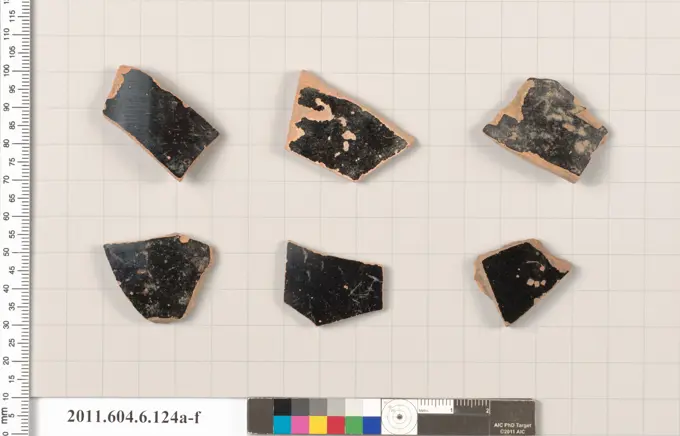
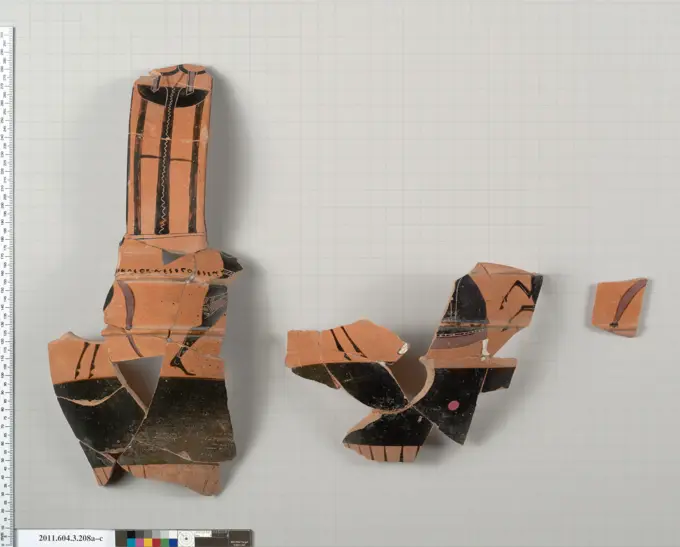
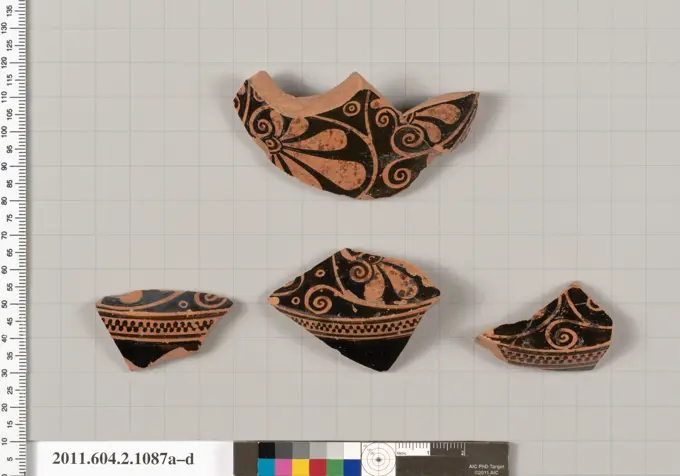
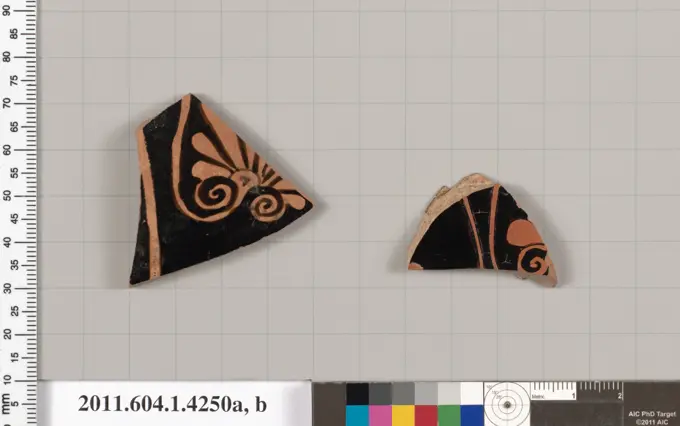
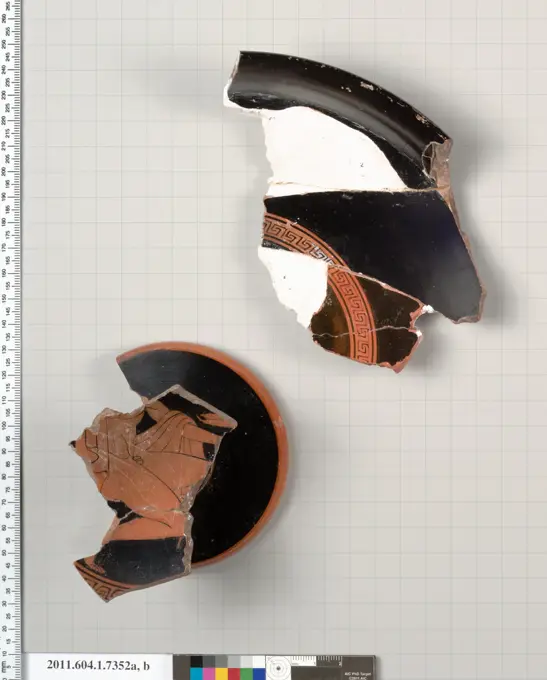
Terracotta fragments of closed shapes 6th/5th centuries B.C. Greek, Attic Six black glazed fragments from closed shapes. Terracotta fragments of closed shapes. Greek, Attic. 6th/5th centuries B.C.. Terracotta; black glaze. Archaic/Classical. Vases
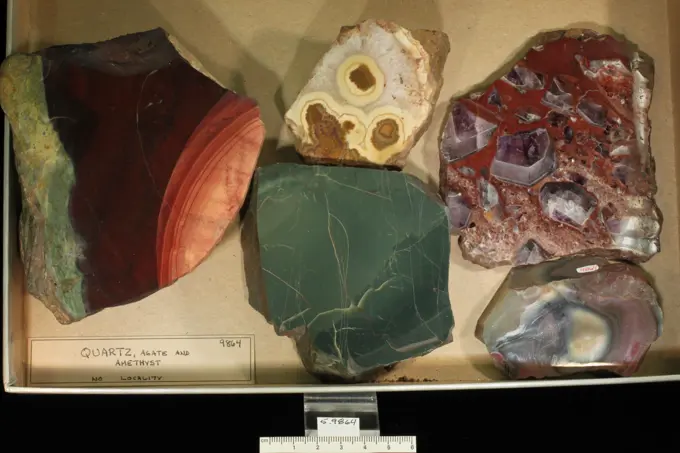
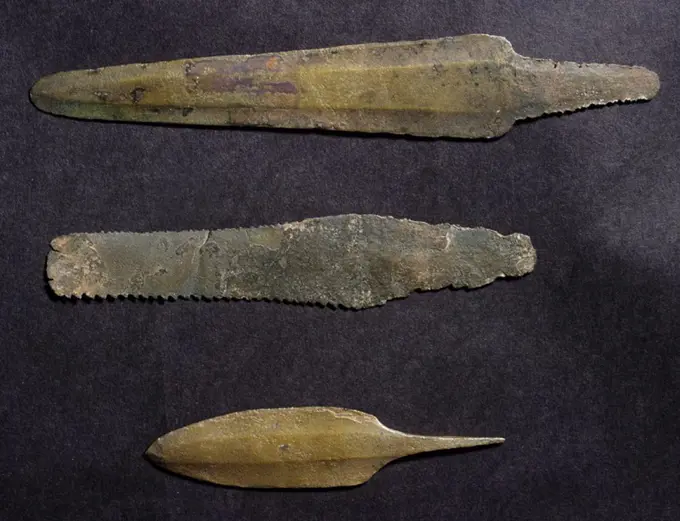
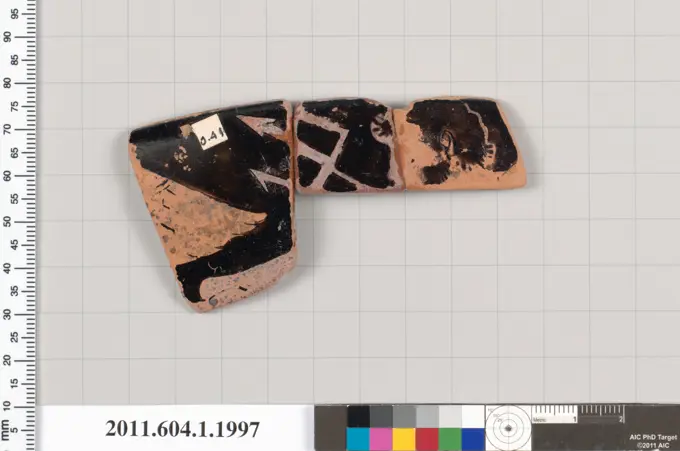
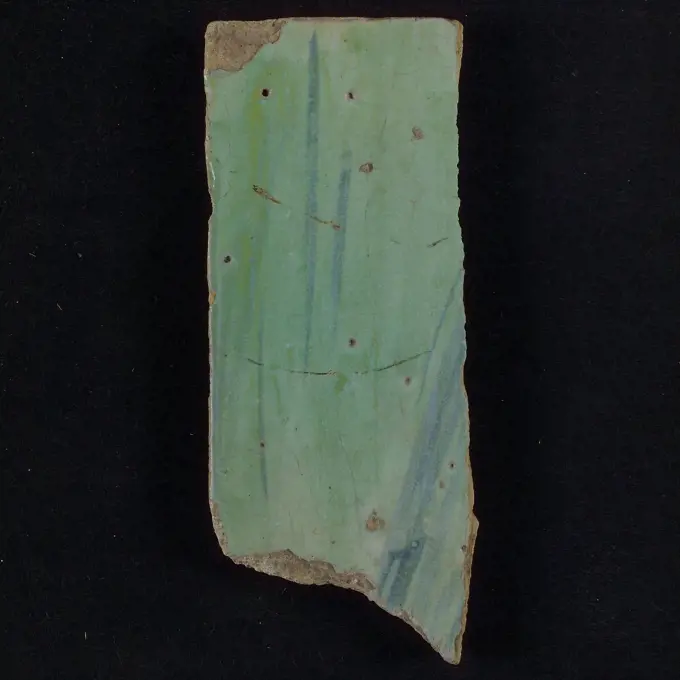
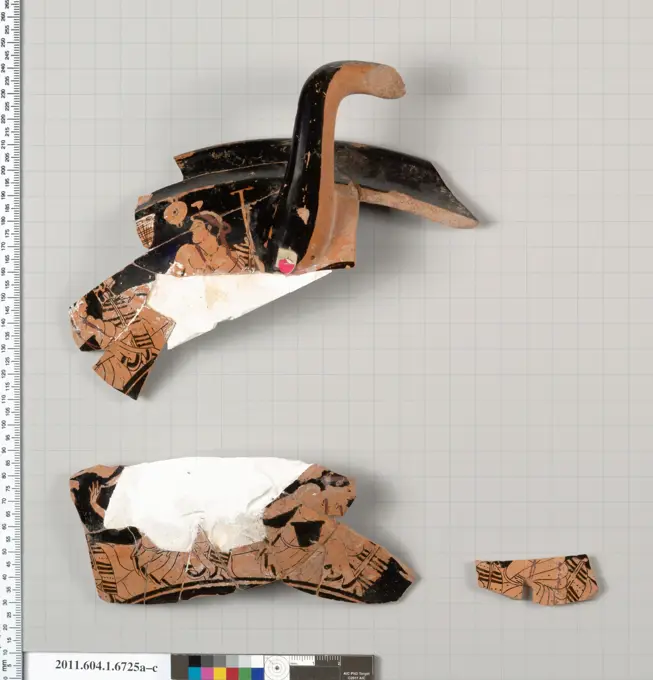
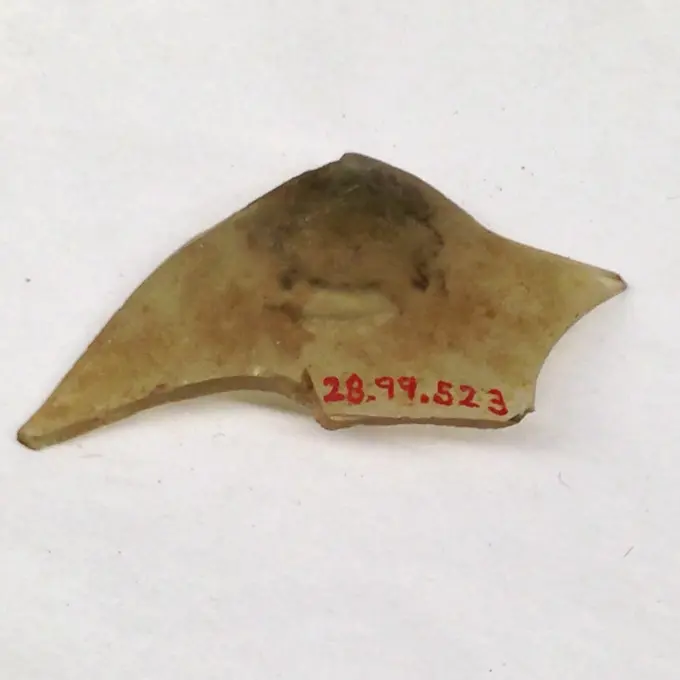
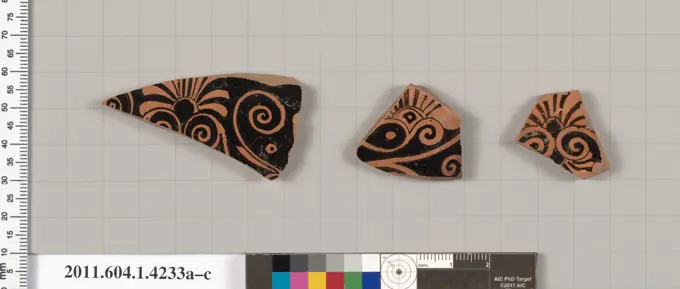
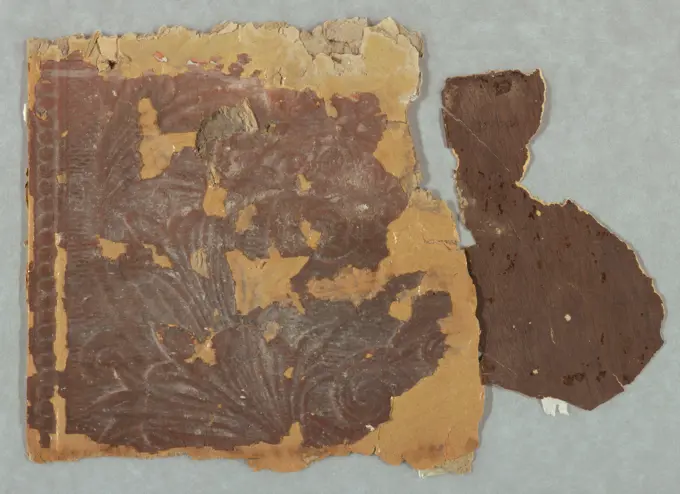
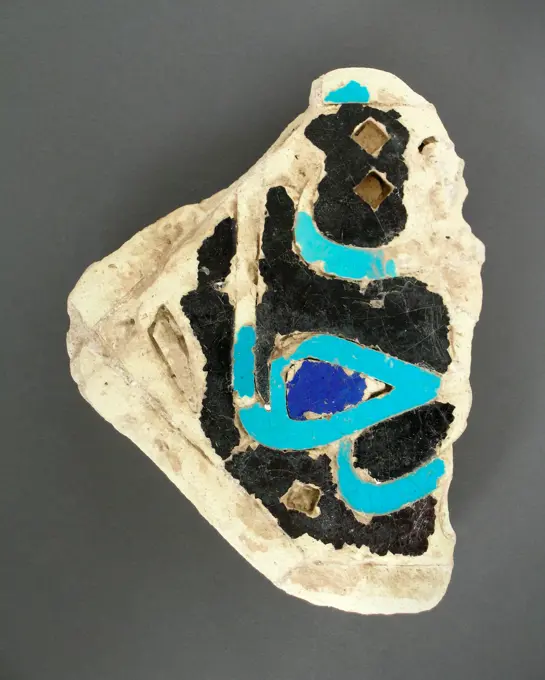
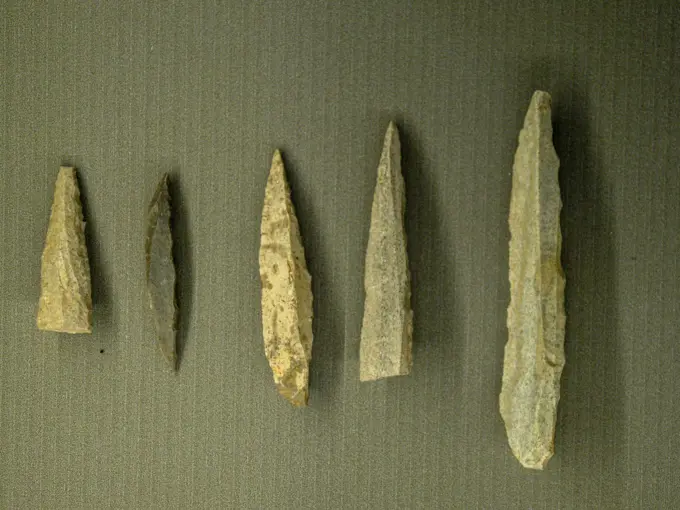
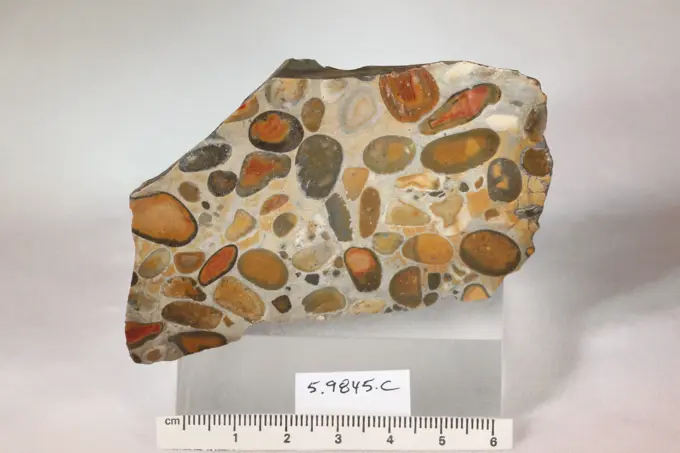
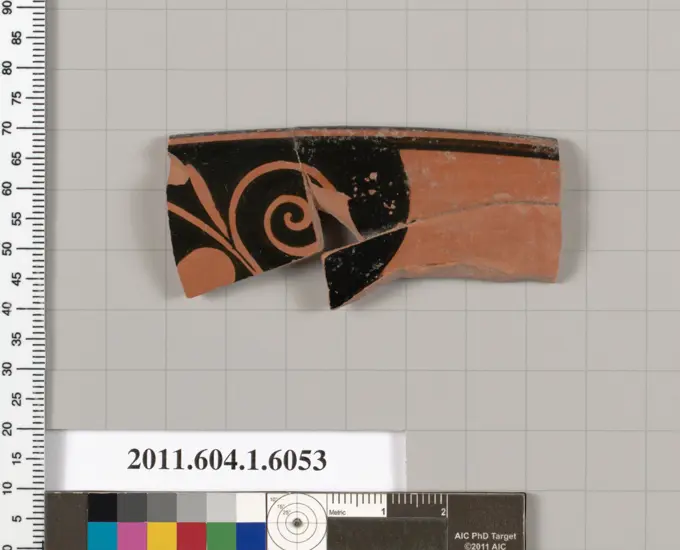
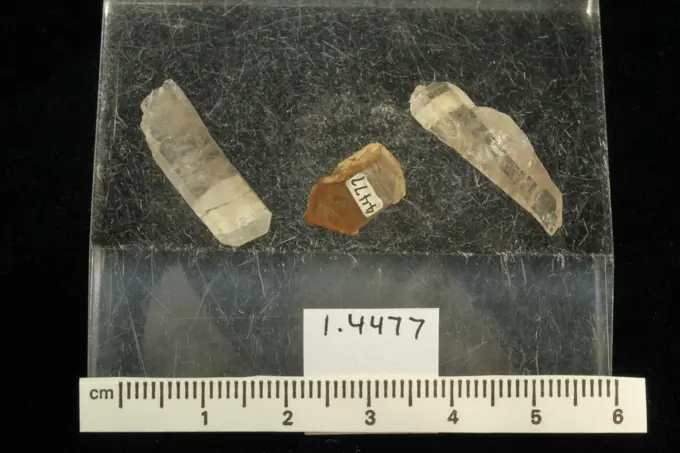
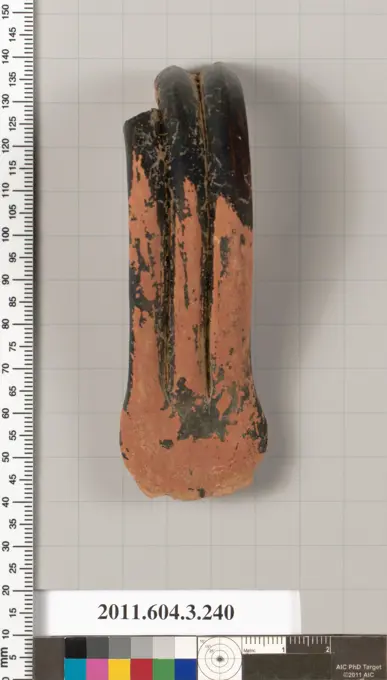
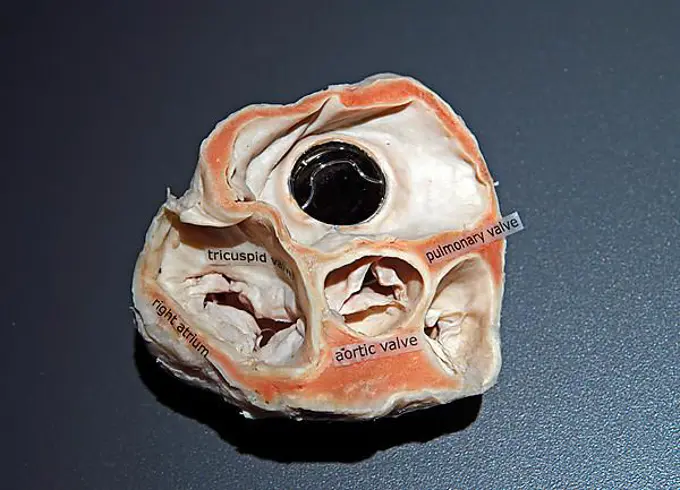
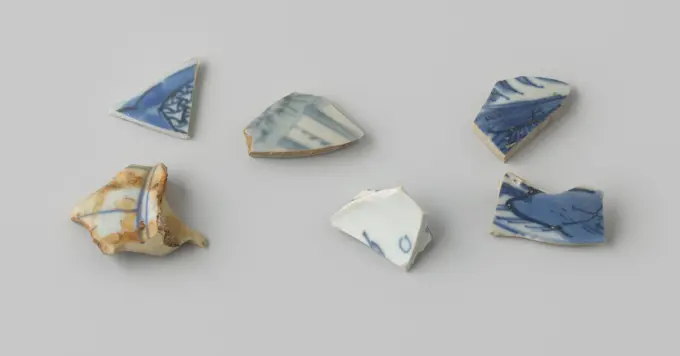
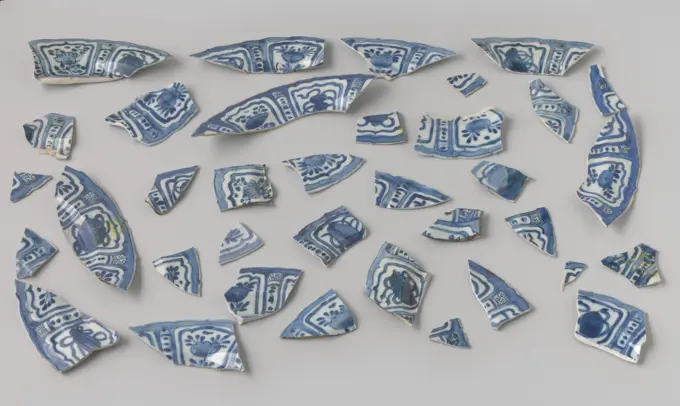
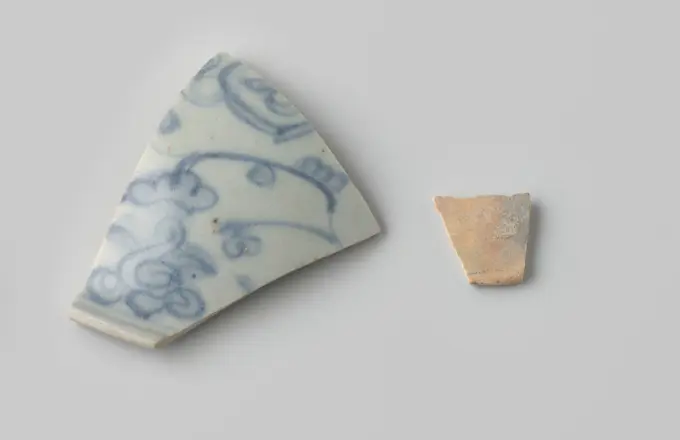
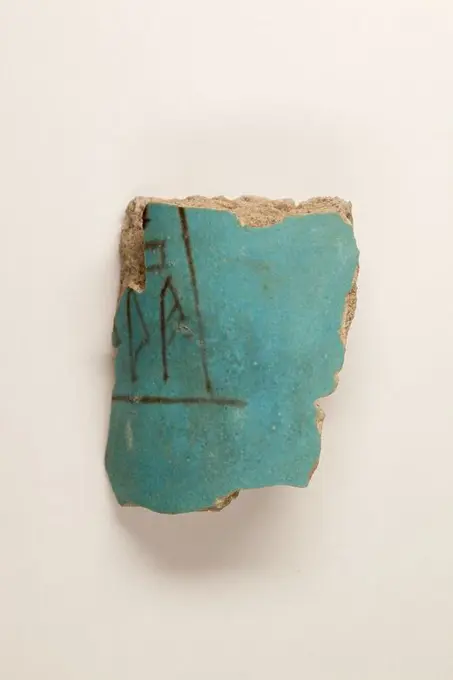
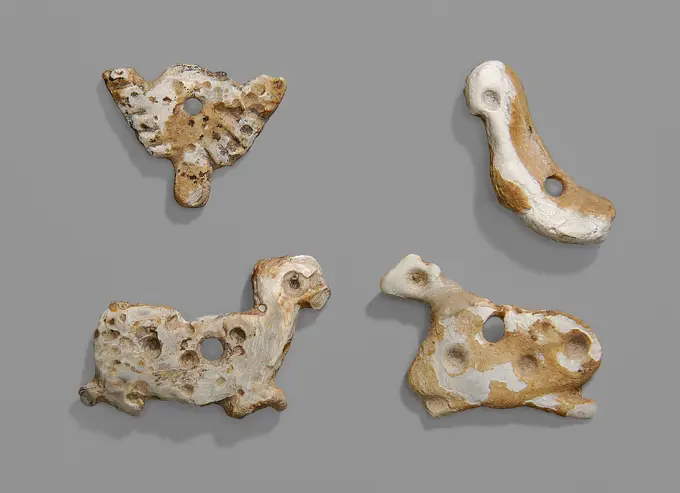
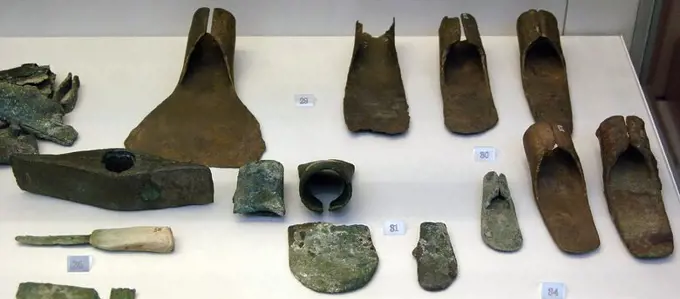
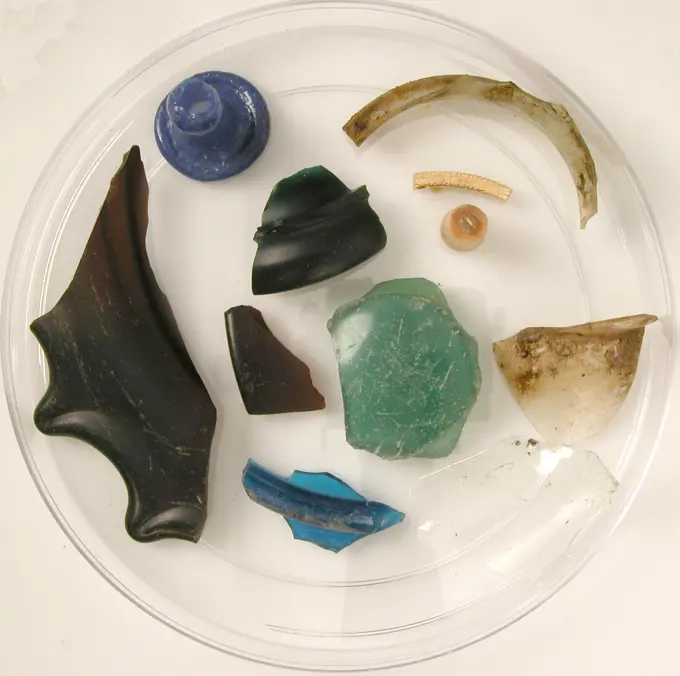
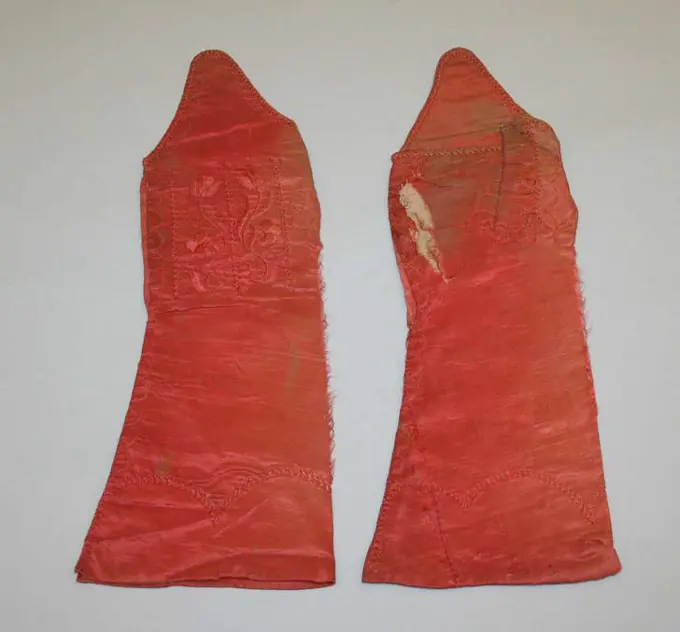
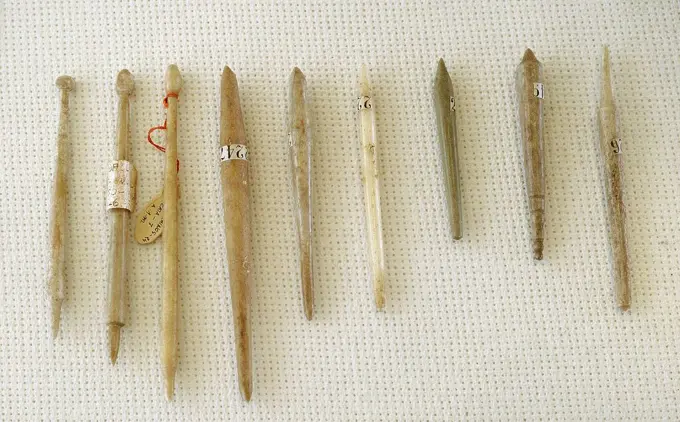
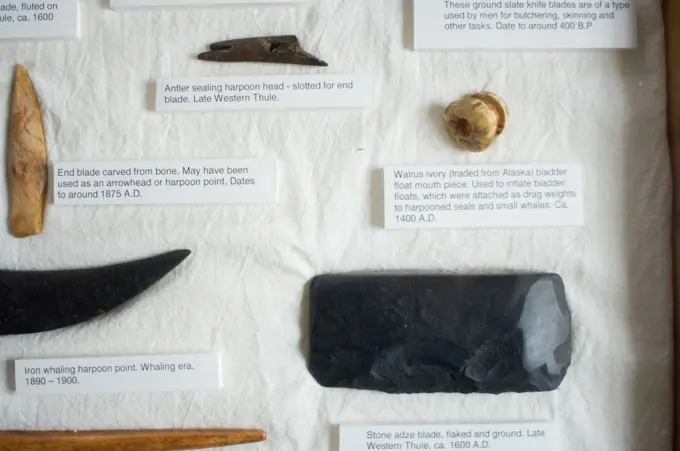
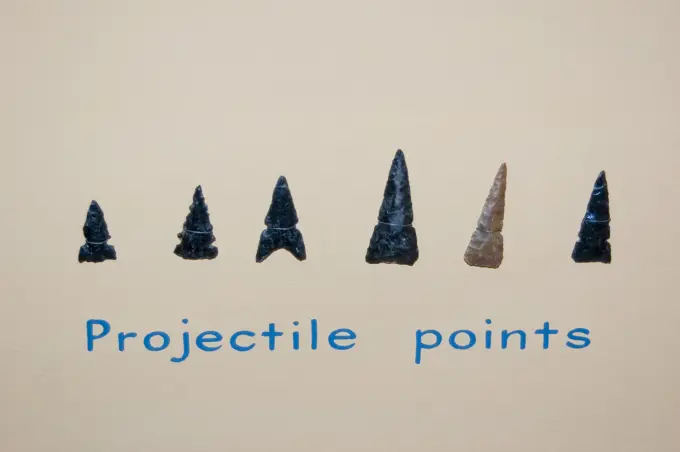
Spain, El Argar culture, daggersBracelet fragments Cypriot. Bracelet fragments 242706Fragment. Dimensions: L 7.5cm x W 6 x H 2.5. Date: probably 8th-12th century. Museum: Metropolitan Museum of Art, New York, USA.Shards of Martavanen from V.O.C. ship De 'Witte Leeuw', Anonymous, Before 1613  Shards of Martavanen from V.O.C. ship De 'Witte Leeuw'. southeast Asia porcelain   Sint-HelenaFragment. Dimensions: L 14 x W 12.5 x H 8. Date: probably 8th-12th century. Museum: Metropolitan Museum of Art, New York, USA.Terracotta fragments of kylikes (drinking cups) 500-470 B.C. Greek, Attic Three rim fragments with black glaze; one has part of handle patch on exterior; another has start of handle root. Terracotta fragments of kylikes (drinking cups) 69206318th Dynasty (Tutenkhamun) ceramic fragments decorated with patterns circa 1350 BCTESORILLO DE LA FINCA LA PALOMA: ALABARDAS, PUÑALES DE LENGÜETA, PUNTAS PALMERAS, CINTA DE ORO, EN EL MUSEO DE SANTA CRUZ (AÑOS 1750-1500 A.C.).Seal, before 1500, 1/2 x 2 1/4 x 1/2 in. (1.27 x 5.72 x 1.27 cm), Ivory, United States, 15th centuryTerracotta rim fragment of a kylix (drinking cup) late 6th century B.C. Greek, Attic Exterior, wing; head of bearded male with trident (Poseidon). Terracotta rim fragment of a kylix (drinking cup) 683512Tile of tableau (green, blue), tile picture footage fragment ceramics pottery glaze, Seven multi-colored tiles of tableau (-G). Especially green blue and yellow.Terracotta fragments of a kylix (drinking cup) 490-470 B.C. Greek, Attic Exterior, reclining, filleted youth, resting against a cushion, wearing a himation draped around his bent left arm and upper torso; in the field part of a flute case with the glottokomeion; reclining, filleted youth, with a staff, resting against a cushion, with a himation draped around his left shoulder, and lower body, and his right hand resting on top of his right knee; above, hanging on the wall, a basket and a kylix; left hand of handle and part of handle patch; a second fragment depicts a bit of the himation of a draped reclining youth resting against a cushion, a second reclining, draped youth, rests against a cushion and plays kottabos with his right hand; and a third reclining, filleted youth, rests against a cushion, with a himation draped around his bent left arm and lower body, and holds a skyphos in his left hand; a third fragment depicts a bit of the himation of a male reclining against a cushion, anFragment ca. 1150-ca. 1250 European or Middle Eastern. Fragment 696614yucca fiber sandals, Museum of Northern Arizona, Flagstaff, Arizonapunzones de hierro y hueso, Museo arqueologico Son Fornes, sala de época postalayótica, Montuiri, Comarca de Es Pla, Mallorca, Spain.Terracotta fragment of a kylix (drinking cup) second quarter of the 5th century B.C. Greek, Attic Interior, back of head of youth with himation; Exterior, base of a goal post; bit of drapery. Terracotta fragment of a kylix (drinking cup) 693234Stucco Fragment probably 8th-12th century. Stucco Fragment 741456Fragment. Dimensions: L 8 cm x W 6.5 x H 2. Date: probably 8th-12th century. Museum: Metropolitan Museum of Art, New York, USA.Fragment 12th-13th century. Fragment 451513Terracotta fragments of kylikes (drinking cups) first quarter of the 5th century B.C. Greek, Attic Exterior, three fragments with parts of palmettes and tendrils. Terracotta fragments of kylikes (drinking cups) 695804Dado (USA); embossed; 18.3 x 17 cm (7 3/16 x 6 11/16 in.)Fragment. Dimensions: L 11.5 cm x W 10 x H 3. Date: probably 8th-12th century. Museum: Metropolitan Museum of Art, New York, USA.Tile. Iran, Tabriz, 1465/870 A.H.. Ceramics. Fritware, glazed, cut to shape and assembled as mosaicShards of signs from V.O.C. ship De 'Witte Leeuw', Anonymous, Before 1613 plate (dishes) Shards of Kraakporeleinen plates from V.O.C. ship De 'Witte Leeuw'. Jingdezhen bone china (material)   Sint-HelenaFragment of Plate, 1127-1279, H.2-1/4 x W.1-1/2 in., pottery, China, 12th-13th centuryFragment of Plate, 1127-1279, H.2-3/8 x W.2 in., pottery, China, 12th-13th centuryFragment of Bowl, 1127-1279, H.2-1/8 x W.1-5/8 in., pottery, China, 12th-13th centuryLa Gravette Tipps La Gravette tips, Bolinkoba cave, Abadino, Arkeologi Museoa, aqueologico museum, Bilbao, Bizkaia, Basque Country, Spain Copyright: xZoonar.com/Tolox 22846446Fragment. Dimensions: L 13 x W 11 x H 6.5. Date: probably 8th-12th century. Museum: Metropolitan Museum of Art, New York, USA.Quartz. mineralsTerracotta rim fragment of a kylix (drinking cup) 510-500 B.C. Greek, Attic Exterior, part of a circumscribed palmette with tendrils; part of handle patch, preserved to rim. Terracotta rim fragment of a kylix (drinking cup). Greek, Attic. 510-500 B.C.. Terracotta; red-figure. Archaic. VasesQuartz. mineralsQuartz. minerals. North America; USA; Connecticut; Middlesex County; Haddam Neck; Gillette QuarryTerracotta fragment of a neck-amphora (jar) late 6th/early 5th centuries B.C. Greek, Attic Part of a triple reeded handle from a neck-amphora. Terracotta fragment of a neck-amphora (jar). Greek, Attic. late 6th/early 5th centuries B.C.. Terracotta; black-figure. Archaic. VasesShards of bowls and lids of porcelain from v.O.c.-ship the 'white lion'. Shards of bowls and lids of porcelain from v.O.c.-ship the 'white lion'. Type 3.8.Stucco Fragment probably 8th-12th century. Stucco Fragment 740743Terracotta rim fragments of a kylix: eye-cup (drinking cup) last quarter of the 6th century B.C. Greek, Attic Exterior, the larger rim fragment has the tip of an eyebrow and the upper right corner of an eye; above the eye, part of a vine; head, neck, and part of the upper torso of a bearded satyr looking to left; the smaller rim fragment, has the upper right corner of an eye, and the head, upper torso, and bent right arm of a bearded satyr to right, looking over his right shoulder. Terracotta rim fragments of a kylix: eye-cup (drinking cup). Greek, Attic. last quarter of the 6th century B.C.. Terracotta; black-figure. Archaic. VasesQuartz. mineralsSolutrean flint and quartzite points,Museum of prehistory and archeology (MUPAC), Santander, Cantabria, Spain.Plastinate, human heart with artificial heart valve, Body Worlds, Menschen Museum, Berlin, Germany, EuropeShards of plates and bowls from V.O.C. ship De 'Witte Leeuw', Before 1613 bowl. plate (dishes) Shards of plates and bowls from V.O.C. ship the 'Witte Leeuw'.  porcelain   Sint-HelenaShards of signs from V.O.C. ship De 'Witte Leeuw', Anonymous, Before 1613 plate (dishes) Rand fragments Kraakporeleinen plates from V.O.C. ship De 'Witte Leeuw'. Jingdezhen bone china (material)   Sint-HelenaRelief fragment from the tomb of Meketre ca. 1981-1975 B.C. Middle Kingdom. Relief fragment from the tomb of Meketre 668905Terracotta fragments of a neck-amphora of Nicosthenic shape (jar) third quarter of the 6th century B.C. Greek, Attic On the handle, a tripod; in the zone below the handle, NIKOSTHENES EPOIESEN; overlapping two zones, tail, buttock, and hind legs of a horse to left; leg of a draped warrior to right wearing a corselet and chitoniskos, with a greave; below the figures, black glaze; rays; the second fragment depicts, overlapping two zones, the forelegs of a horse to right; lower drapery and feet of a woman to right; part of the chest and forelegs of a horse to left; below the figures, black glaze; rays; the third fragment has part of a horse's tail. Terracotta fragments of a neck-amphora of Nicosthenic shape (jar). Greek, Attic. third quarter of the 6th century B.C.. Terracotta; black-figure. Archaic. VasesTerracotta fragments of a kylix (drinking cup) 500-480 B.C. Greek, Attic Interior, two fragments with leftward meander. Terracotta fragments of a kylix (drinking cup) 691808Sample of a Rhombohedral Crystal. Dated 21st CenturyImpressions offlatwareBowl ca. 4th-1st century B.C. Iran. Bowl 323240Artifacts recovered from the wreck of USS Cumberland, a Union Navy sloop-of-war, are pictured here in careful storage at the Hampton Roads Naval Museums artifact storage facility onboard Naval Station Norfolk. USS Cumberland, a sloop-of-war in the Union Navy, sank on March 8, 1862 during a battle with the Confederate ironclad ram CSS Virginia. The museum is the repository for artifacts recovered from the Cumberland.Shards of Kommen from V.O.C. ship De 'Witte Leeuw', Before 1613 bowl Shards of Kommen from V.O.C. ship De 'Witte Leeuw'.  porcelain   Sint-HelenaVase fragment. Dimensions: h. 4.7 cm (1 7/8 in); w. 4 cm (1 9/16 in). Dynasty: Dynasty 12-13. Date: ca. 1981-1640 B.C.. Museum: Metropolitan Museum of Art, New York, USA.bronze age axes, 1800-900 BC, Navarra,Spain.Terracotta fragments of a lekythos (oil flask) 500-480 B.C. Greek, Attic Four fragments that have on the shoulder, circumscribed palmettes and tendrils; below, at the top of the body, a dot net pattern. Terracotta fragments of a lekythos (oil flask). Greek, Attic. 500-480 B.C.. Terracotta; red-figure. Archaic. VasesHACHAS PULIMENTADAS DE BRONCE. Location: MUSEO ARQUEOLOGICO-COLECCION. Oviedo. ASTURIAS. SPAIN.Pendant, fragment of the pendants; Unknown Night -Tamanian workshop; 1. PO. 3 thousand BC ; Early period D Azira III (-3000-00-00--2501-00-00), 1. PO. 3 thousand BC ; Early period D Azira III (-3000-00-00--2501-00-00);Al-Jazezira (geographical land in northern Mesopotamia), amulets, children's graves, early period Dżazira III (approx. 2600-ok. 2350 BC), Early Envamentian period III (approx. 2600-Oko 2350 BC) , transmission (provenance), excavations of the Mediterranean Archeology Center of the University of Warsaw, TrumpsCeramic fragment. Dimensions: D. 18 x H. 4.3 cm. Date: 8th-12th century. Museum: Metropolitan Museum of Art, New York, USA.Agricultural tools from the ancient Cypriot city of Enkomi. 1200-1050 BC. British Museum. London. England. United Kingdom.Wooden hearts on beige backgroundFragment of a flag. Large fragment of a flag, in poor condition. It's a tricolor in blue-white horizontal jobs () - Blue.Hornblende. minerals. Europe; Norway; Telemark Province; KrageroDrawing of black chips on a white background. The concept of repetition. View from above. Drawing of black chips on a white background. The concept of repetition. View from above.Terracotta fragments of kylikes (drinking cups) first half of the 5th century B.C. Greek, Attic Exterior, two fragments with parts of circumscribed palmettes and tendrils. Terracotta fragments of kylikes (drinking cups) 695821Ananiah Gives Yehoishema a House Aramaic. Ananiah Gives Yehoishema a House, March 10, 402 B.C.E. Papyrus, ink, mud, linen, Glass: 15 3/8 x 19 1/2 in. (39.1 x 49.5 cm).   Egyptian, Classical, Ancient Near Eastern Art March 10, 402 B.C.E.Spool ca. 1840 British. Spool. British. ca. 1840. Silk and wood. Textiles-Methods and MaterialsFragment of a Clay PlateFragment European or Middle Eastern ca. 1150-ca. 1250 View more. Fragment. European or Middle Eastern. ca. 1150-ca. 1250. Glass, ceramic. Glass-VesselsFragment European or Middle Eastern ca. 1150-ca. 1250 View more. Fragment. European or Middle Eastern. ca. 1150-ca. 1250. Glass, ceramic. Glass-VesselsFragment European or Middle Eastern ca. 1150-ca. 1250 View more. Fragment. European or Middle Eastern. ca. 1150-ca. 1250. Glass, ceramic. Glass-VesselsFragment European or Middle Eastern ca. 1150-ca. 1250 View more. Fragment. European or Middle Eastern. ca. 1150-ca. 1250. Glass, ceramic. Glass-VesselsHerramientas líticas, procedentes de la Cova del Parco de Alòs de Balaguer. Museu d'Història de Catalunya.Ceramic fragment. Dimensions: 2.75 x 5.03 cm. Date: 8th-12th century. Museum: Metropolitan Museum of Art, New York, USA.Shard with Figural and Animal Decoration ca. 4th-5th century Pakistan. Shard with Figural and Animal Decoration 44692Mosaic Tesserae 6th-15th century Byzantine These fifty pieces of tesserae (small pieces of colored material) may have come from a Byzantine mosaic.. Mosaic Tesserae. Byzantine. 6th-15th century. Glass, gold and silver leaf. MosaicsString of 70 beads 3rd-late 1st century BC Ptolemaic Period or later. String of 70 beads 546004Ceramic fragment. Dimensions: 19 D x 1.9 cm. Date: 8th-12th century. Museum: Metropolitan Museum of Art, New York, USA.Steatite seals from Mohenjo daro, Indus Valley, showing Swastikas. 2500-2000 BC. PAKISTAN.Glass Fragment with Pressed Flower 4th-early 5th century Coptic. Glass Fragment with Pressed Flower. Coptic. 4th-early 5th century. Glass. Made in Kharga Oasis, Byzantine Egypt. Glass-VesselsGlass Fragments 4th-7th century Coptic. Glass Fragments 479227Hardystonite. minerals. North America; USA; New Jersey; Sussex County; Ogdensburg; Sterling Hill MineMitts 18th century European. Mitts 119666Cacao Pod Vessel. Guatemala, Escuintla, Maya, 300-600 CE. Ceramics. Slip-painted ceramicRoman writing tools. Stylus. Tarragona. National Archaeological Museum. Tarragona. Catalonia, Spain.Terracotta fragments of a kylix (drinking cup) 500-480 B.C. Attributed to Makron Interior, torso, genitals, and legs of a dancing komast to right, with a himation draped around his back and over his forearm, balancing a kylix in his left hand; Exterior, youth wearing a himation with his left arm bent and his right hand holding a branch; part of lower torso, arm, genitals, and legs of a collapsing youth; right foot of a figure to left; head and raised bound forearm of boxer to left. Terracotta fragments of a kylix (drinking cup). Greek, Attic. 500-480 B.C.. Terracotta; red-figure. Archaic. VasesCeramic fragment. Date: 8th-12th century. Museum: Metropolitan Museum of Art, New York, USA.Glass Fragments from a Vessel 4th-early 5th century Coptic. Glass Fragments from a Vessel. Coptic. 4th-early 5th century. Glass. Made in Kharga Oasis, Byzantine Egypt. Glass-VesselsSidewall and border, Block-printed on paper, a) Diamond diaper pattern with bright blue crosses at intersection of lines. Reserves of ungrounded paper outlining pattern, diamonds filled with octa-pour on cream color; b) Bright blue band with red jewels, brown shaded and patterned bandings., possibly USA, 1855-65, Wallcoverings, Sidewall and borderIvory and wood game from the tomb of King Tutankhamen. Graphite in Greek " Fotion " in ceramic bowl ( 3rd - 4th CE ) - Roman period, from the " Villa del Val " - Archaeological site of Complutum in Alcalá de Henares ( Madrid ). SPAIN.Saint-Germain-en-Laye, France , 1921 - Seine -et -Oise - Auguste Léon - (June) (French - Saint-Germain-en-Laye , France). Museum, picking , hunting, archaeological vestige, crafts, domestic object, prehistory, weapon, Economic activity, Habitat , Architecture, Daily Life, France, St Germain-en-Laye, Museum: Grotte du Mas d 'Azil, layer of colored pebbles, deer wood harpoons, Chisels, tips and scraperswhaling artifacts in the Herschel Island museum off the Mackenzie River delta Yukon Territory CanadaGoethite. minerals. North America; USA; Michigan; Ontonagon County; Superior MineStone arrowheads found at the Walnut Canyon National Monument cliff dwellings in Arizona left by the Anasazi people, ancestors to the Hopi IndiansMuseo de Luxor.