Ancient Textile and Artifacts

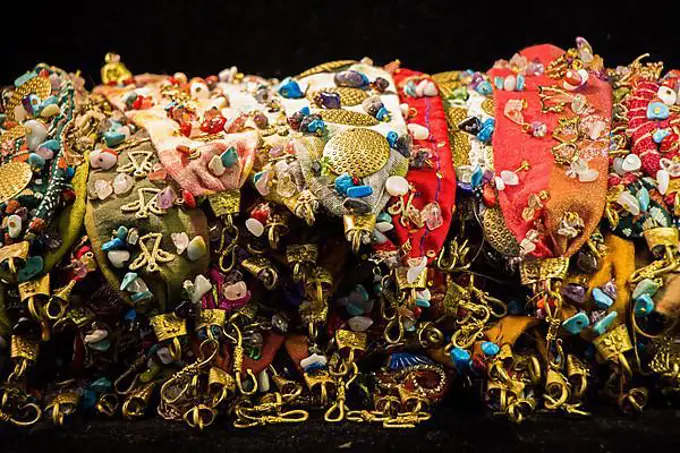
A collection of unique historical items, including a rope sling, bamboo picks, and decorative tassels, showcasing various textures and materials.
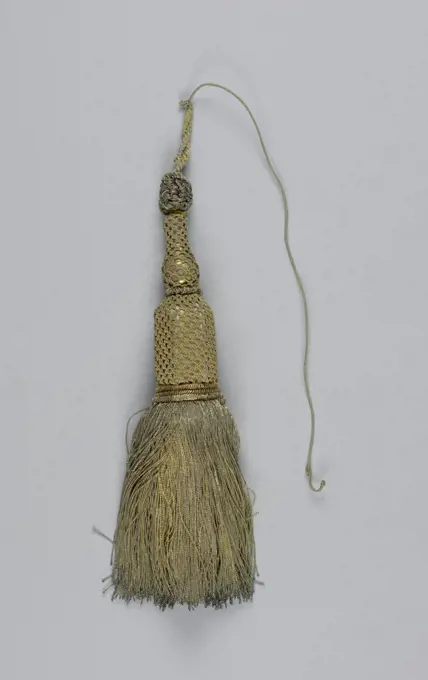
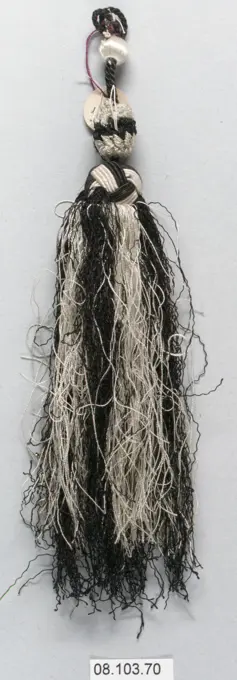
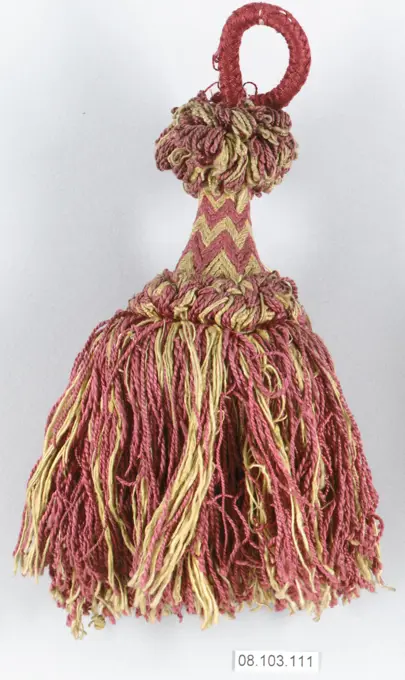
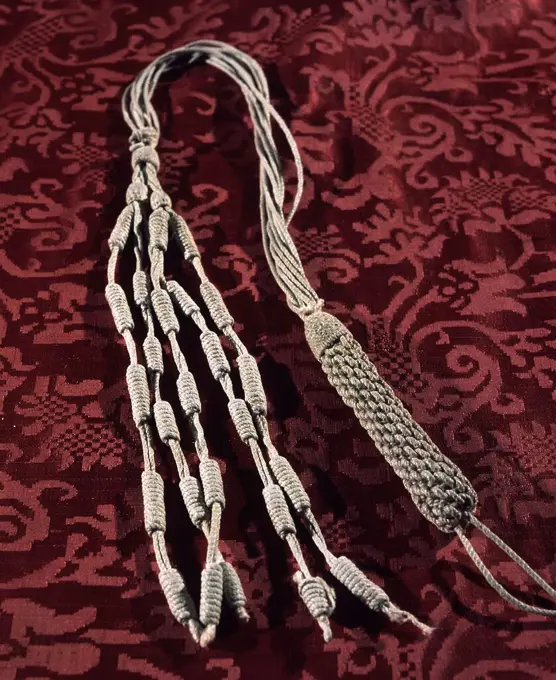
Tassel, Medium: metallic thread on wood core, Tassel with a skirt of metallic threads with collar at top. Head of wood painted gold (vase above hexagon) and covered with metallic threads in knotted design; knob at top and loop of cord bound with metallic threads., Spain, 18th century, trimmings, Tassel
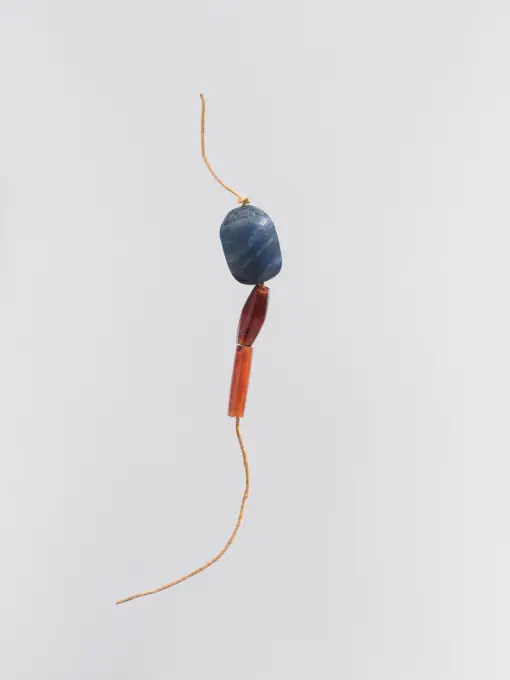
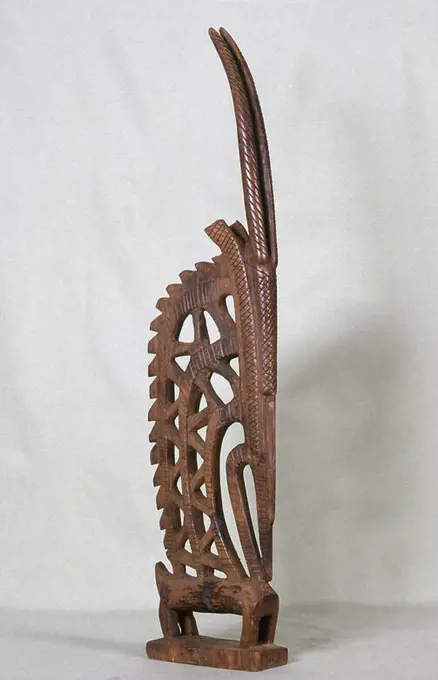
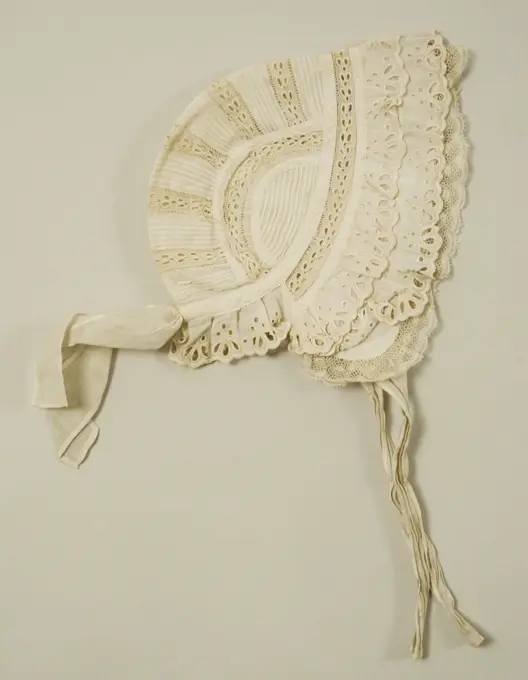
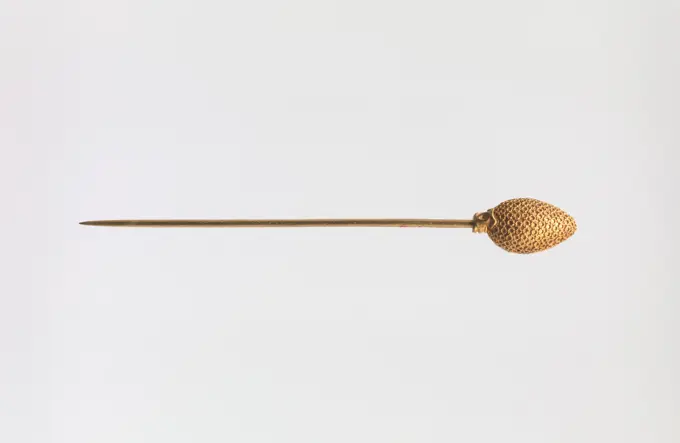
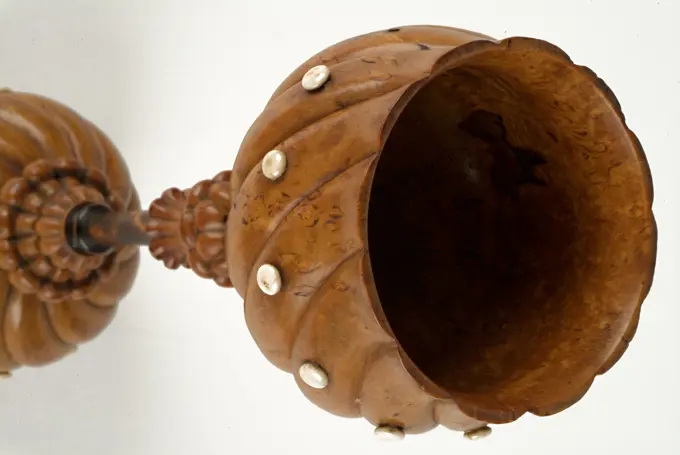
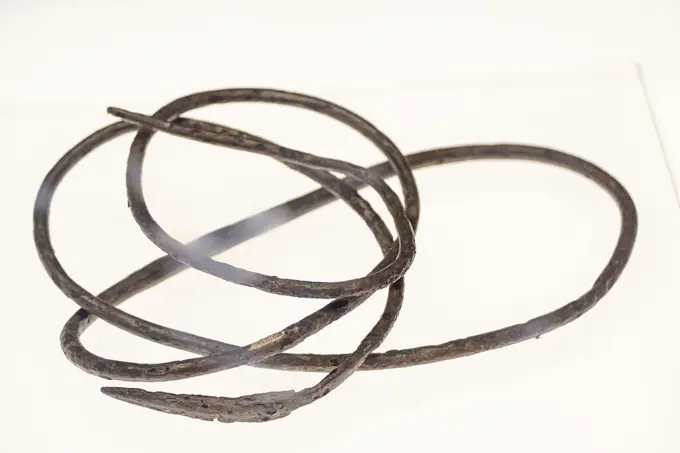
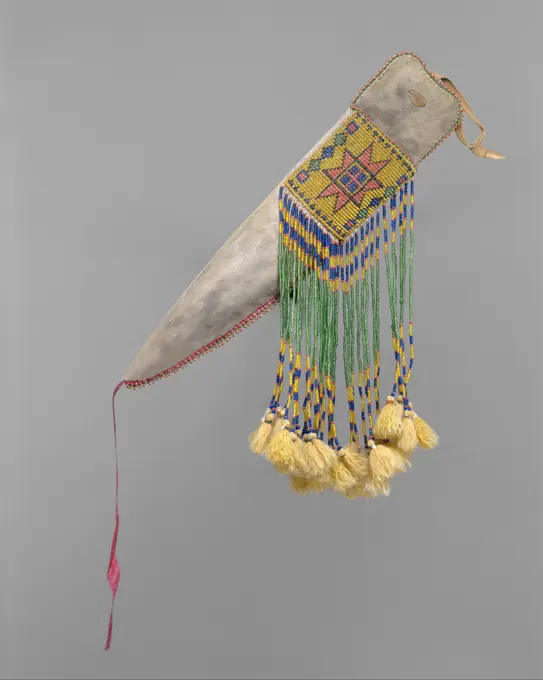
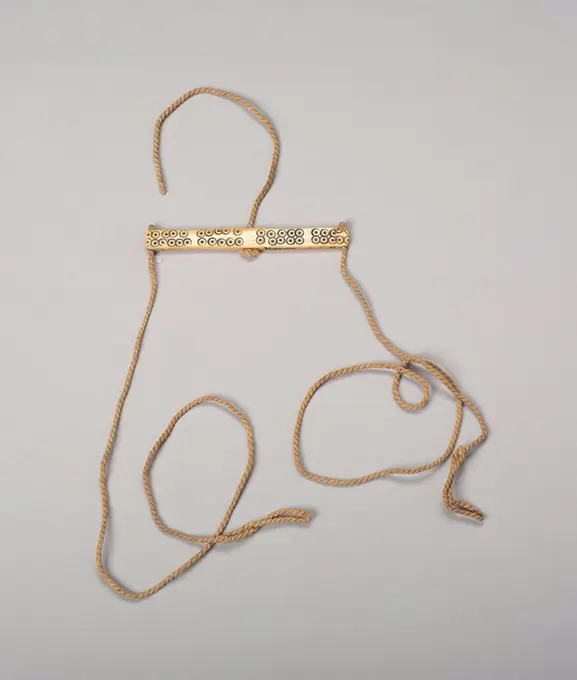
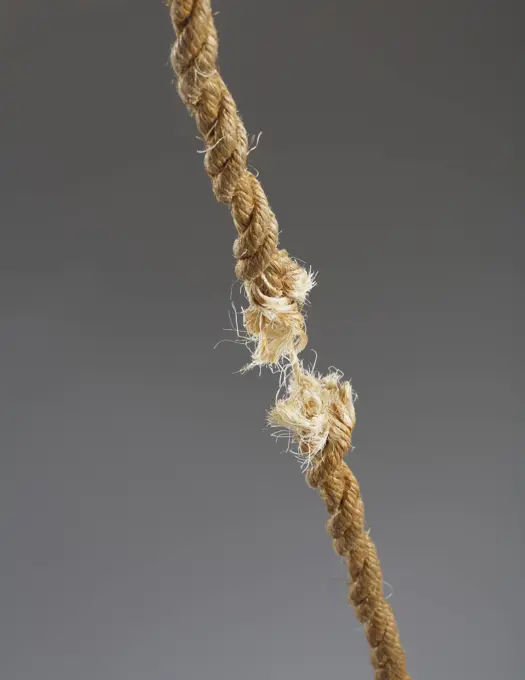
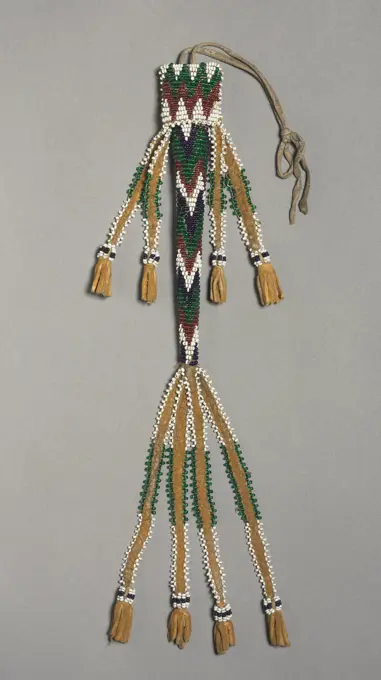
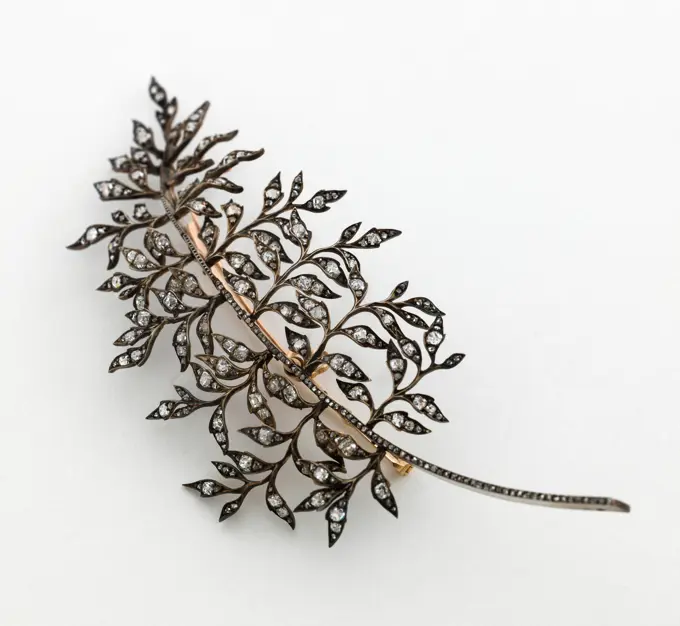
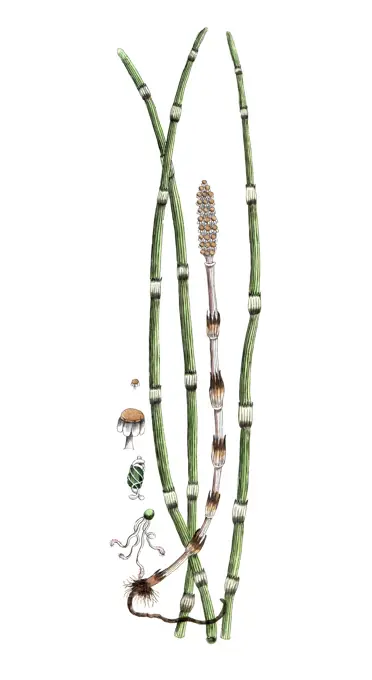
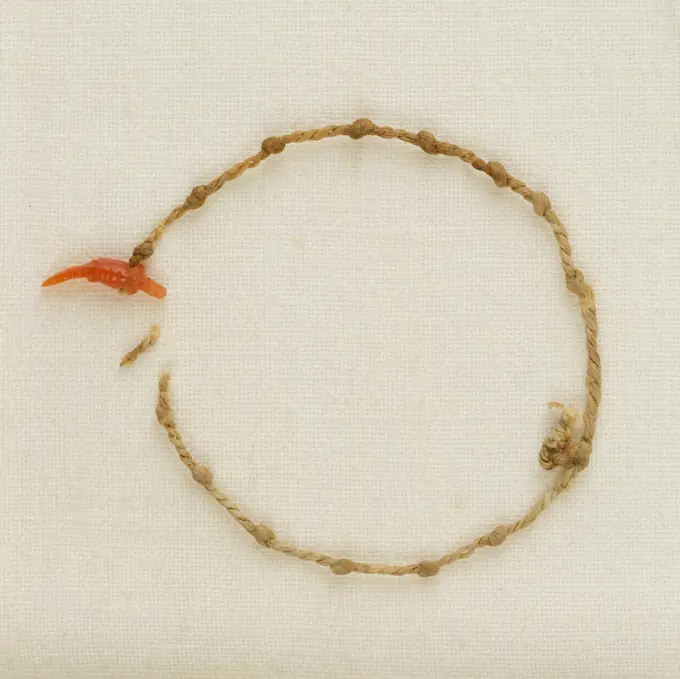
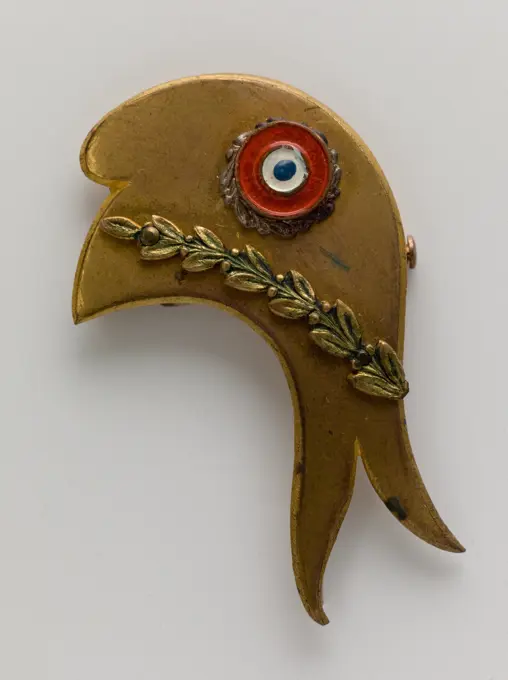
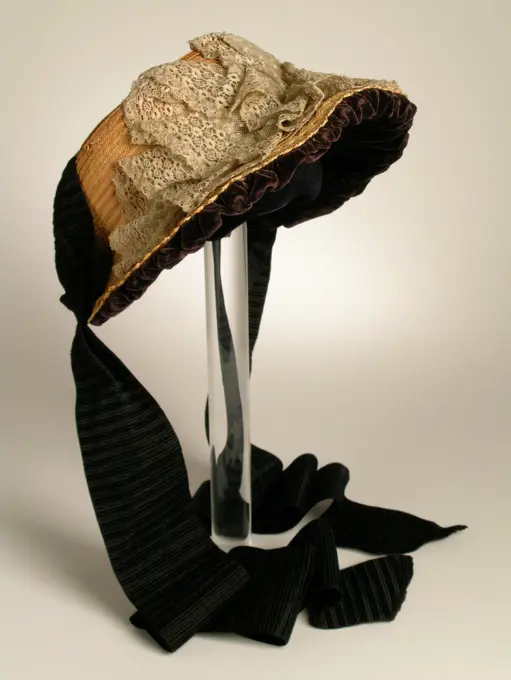
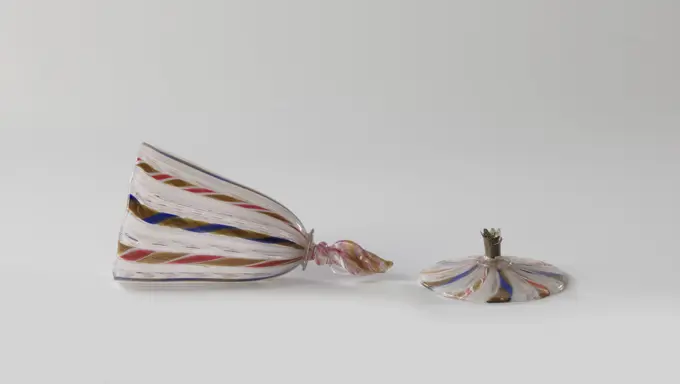
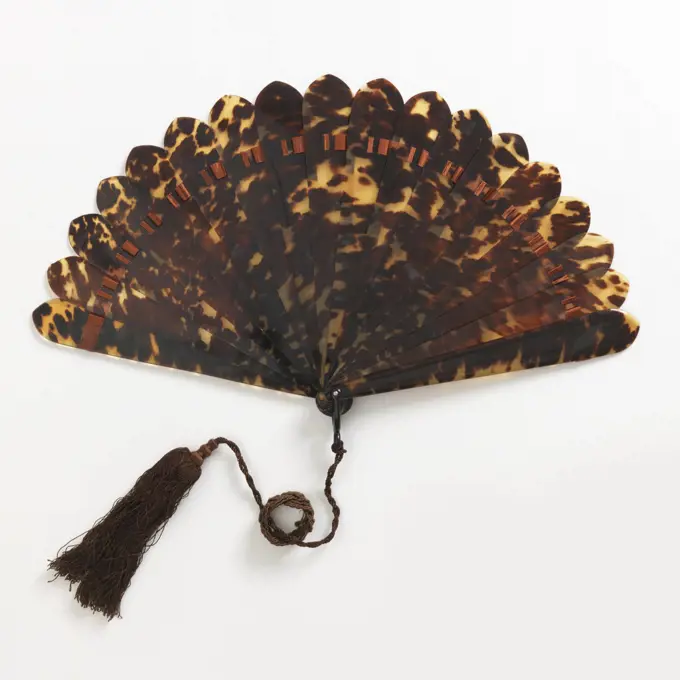
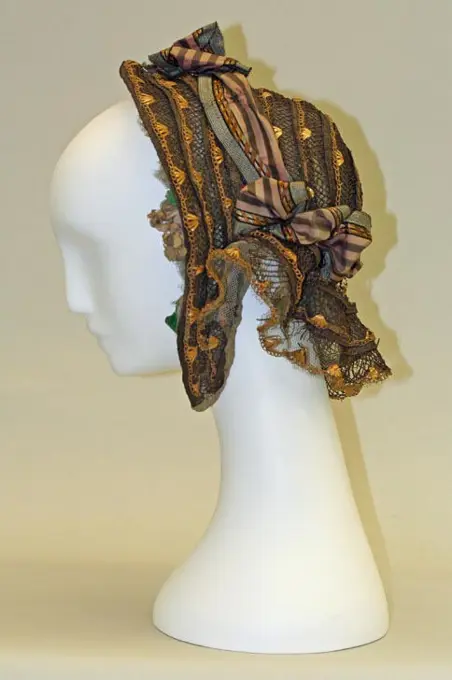
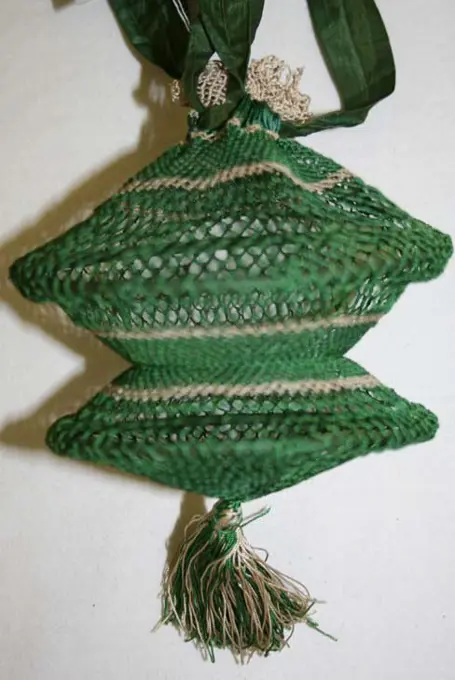
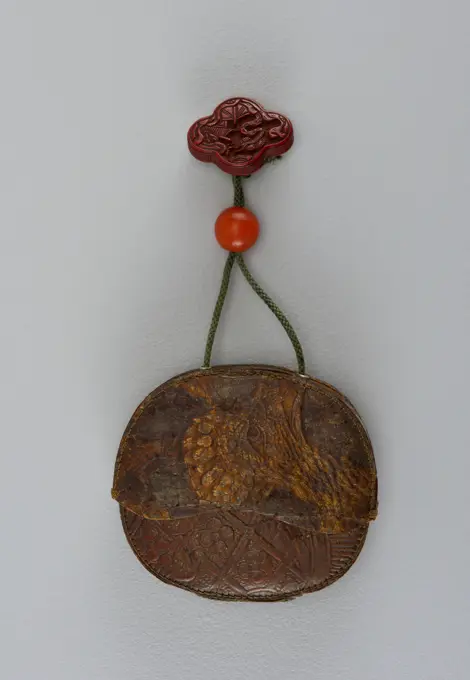
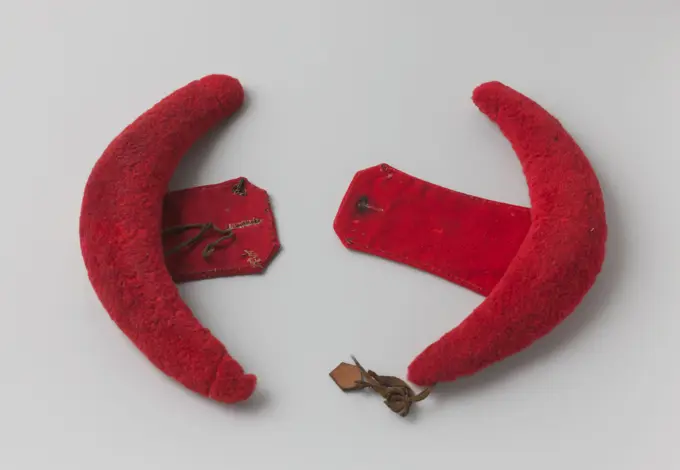
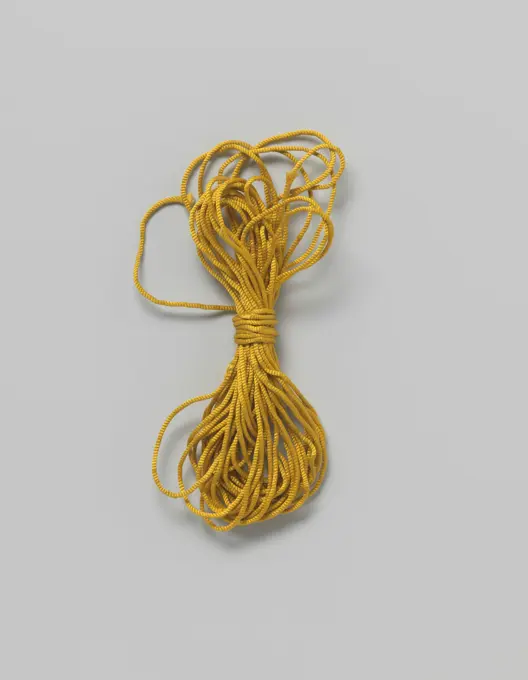
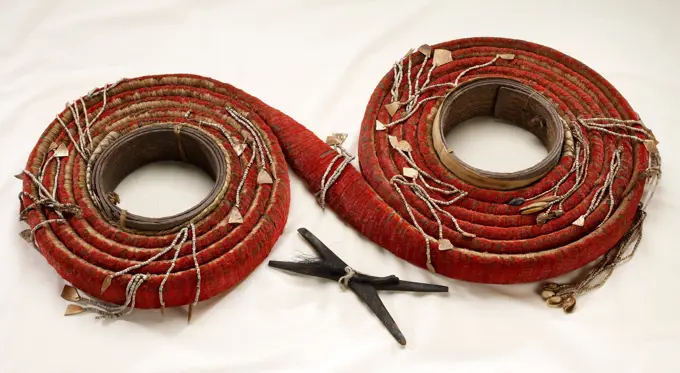
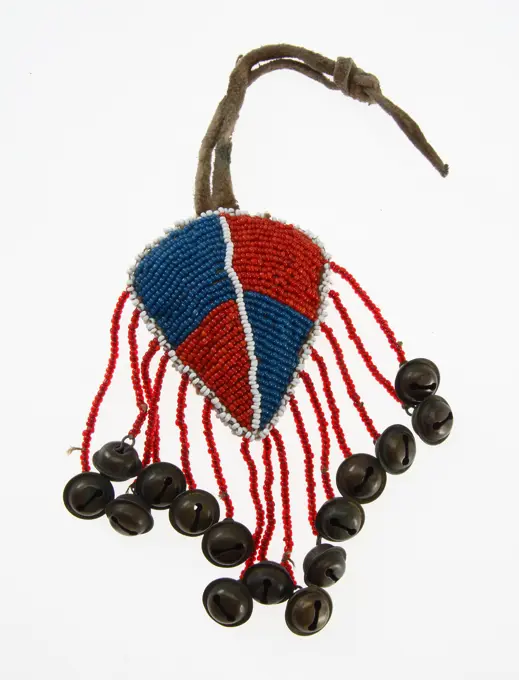
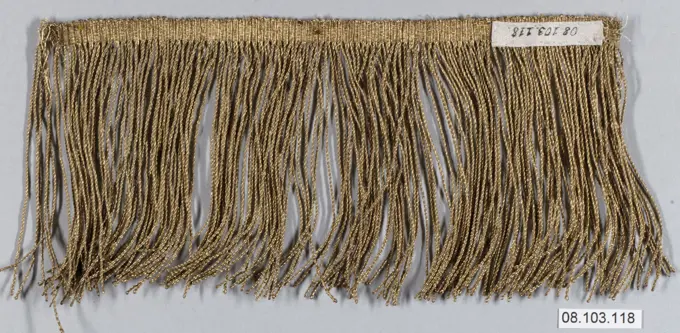
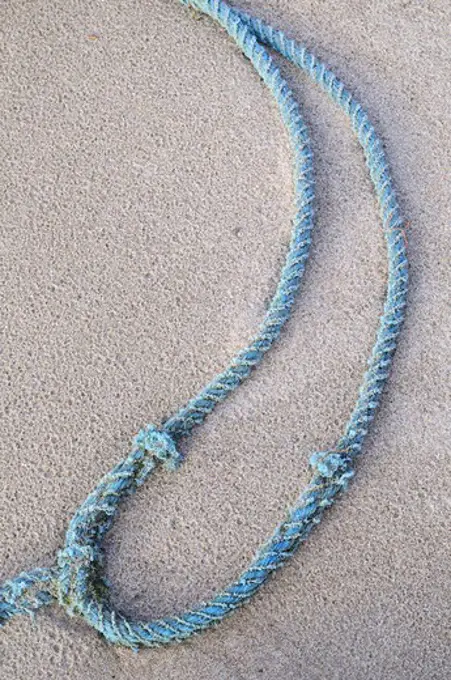
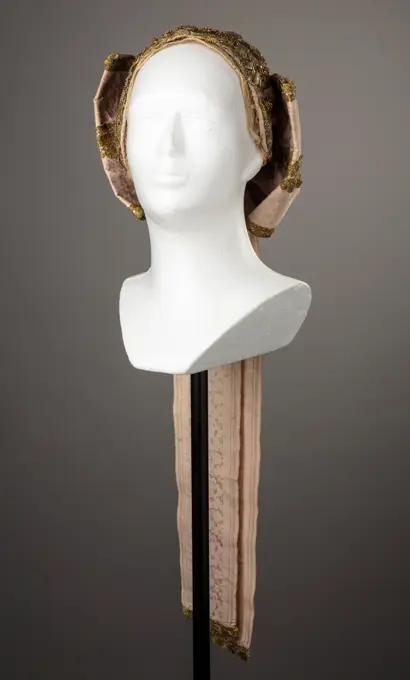
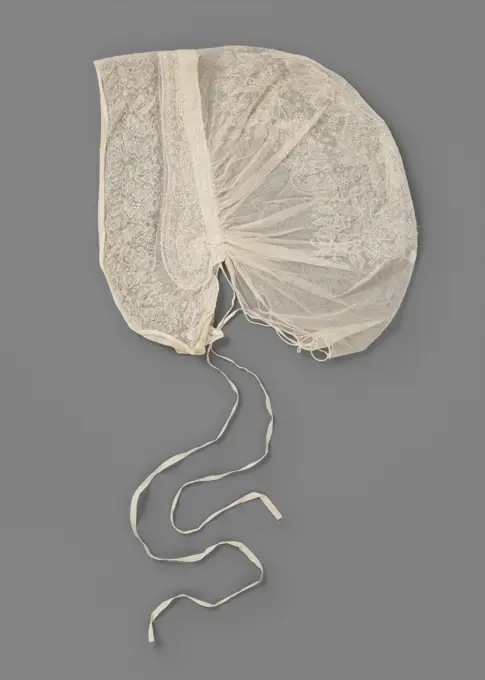
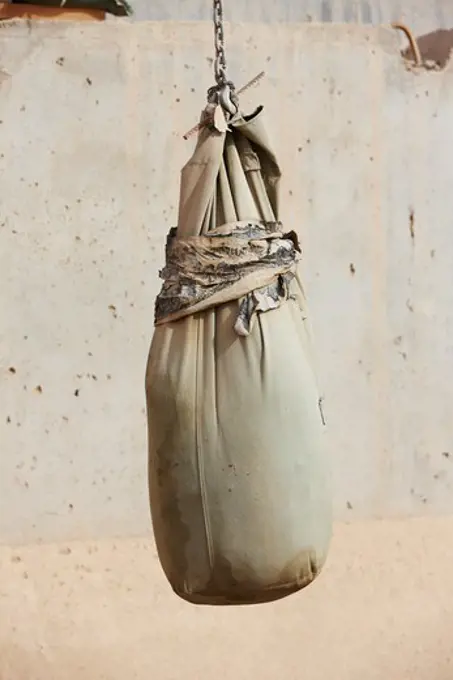
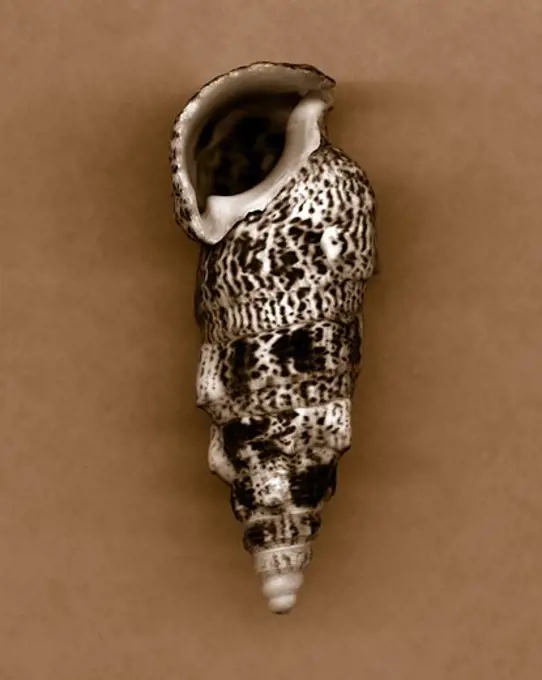
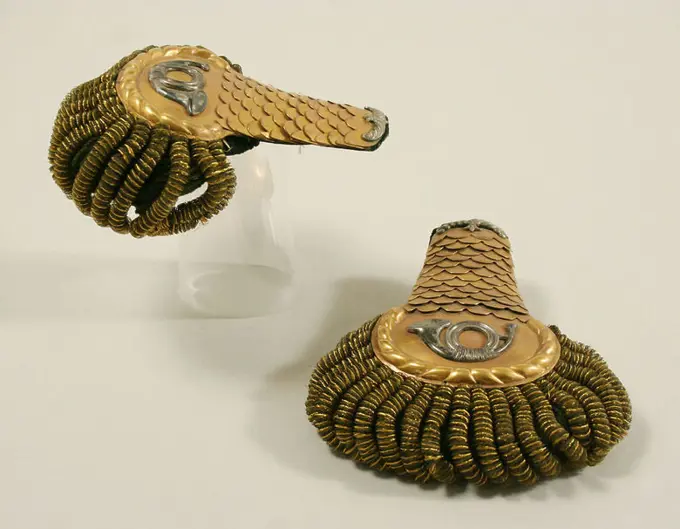
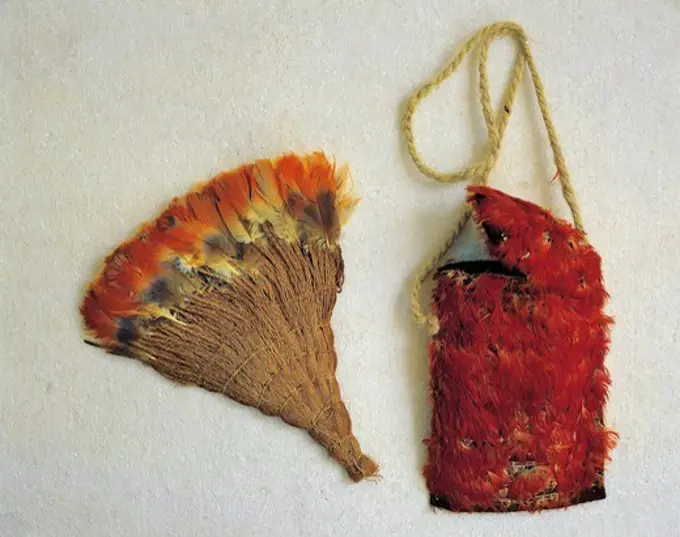
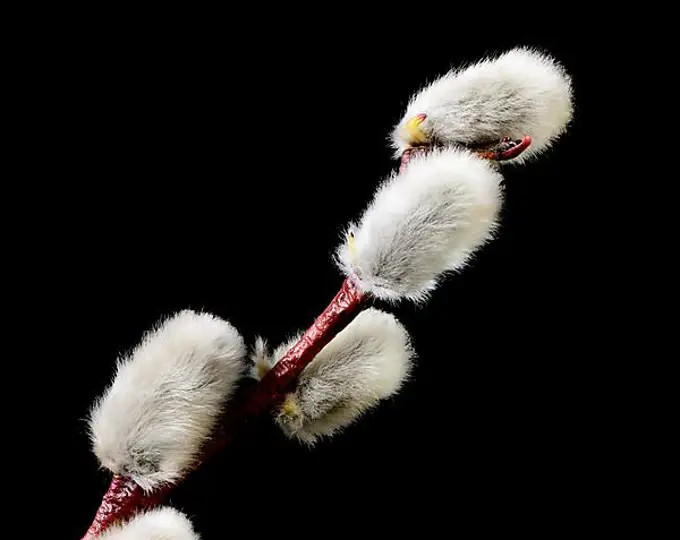
Rope Jar Sling ca. 2030-1640 B.C. Middle Kingdom. Rope Jar Sling 561815Bamboo cocktail pick isolated on a white background. Bamboo cocktail pickNew Zealand, North Island, Auckland, Auckland Art Gallery, NZ fern sculptureTassel (Spain); 1909-12-3Cap Ornament (France); goldScarab and Bead Bracelet ca. 1981-1975 B.C. Middle Kingdom Egypt was rich in natural resources and most of the stones used in jewelry making could be mined in the deserts east and west of the Nile, or on the Sinai Peninsula. One exception is lapis lazuli, which came from Afghanistan. The presence of a large lapis scarab in Wah's tomb is indication of his high status. In Wah's time, the scarab was a relatively new invention having been developed only about a century earlier, sometime in the middle of the First Intermediate Period (about. 2100-2030 B.C.). The amulet is shaped like a dung beetle, scarabaeus sacer, which is also the source of its modern name.The dung beetle was kheperer in ancient Egyptian. Having watched the small creatures push huge balls of dung, the ancient Egyptians imagined the sun being pushed into the sky at dawn by a beetle, and they referred to the rising sun as Kheperi. The word for "to become" or "come into being" was kheper, and the beetle hieroglyph was used Ceremonial Glaive 1600 Italy. Steel, wood (pine), velvet, brass, and gold .Necklace -Miser's purse, Medium: silk and metal threads Technique: crochet, Miser's purse crocheted in pink silk and silver metallic threads, with silk and silver rings and a three-ball tassel at one end., France, 1840-70, costume & accessories, Miser's purseTassel, Medium: metallic thread on wood core, Tassel with a skirt of metallic threads with collar at top. Head of wood painted gold (vase above hexagon) and covered with metallic threads in knotted design; knob at top and loop of cord bound with metallic threads., Spain, 18th century, trimmings, TasselPin, 899-400 BCE, 10 3/4 x 1 1/2 x 4in. (27.3 x 3.8 x 10.2cm), Bronze, Persia (Iran), 9th-4th century BCEARTE AFRICANO. REINOS NEGROAFRICANOS. BAMBARA. Pueblo de raza melanoafricana, perteneciente al grupo mandé. Habitan entre Guinea, Senegal, Mauritania y Costa de Marfil. CIMERA DE CASCO ZOOMORFO. Realizado en madera. (Pueblo bambara). AFRICA. Museu Etnològic. Barcelona. Cataluña.Tassel French 19th century View more. Tassel. French. 19th century. Silk. Textiles-TrimmingsCap ca. 1850 probably French. Cap 169783Miser's purse, Medium: silk, steel Technique: beaded crochet, Light brown crocheted silk ornamented with cut steel beads in simple pattern of connected rectangles. Very small cut steel rings control side opening; small bead tassels at either end., France, early 19th century, costume & accessories, Miser's purseKorean Traditional Tooltwisted golden silk decorative ribbon for packing gifts on a white background, close upCap British 19th centuryArcheological-revival cravat pin ca. 1880 Castellani This cravat pin is formed of a gold shaft ending in a gold finial shaped and decorated to resemble a pine cone, with filigree to suggest the pine cones surface. The Castellani firm was the leading producer of archaeological-revival jewelry in the second half of the nineteenth century, and this cravat pin illustrates the scope of Castellanis production.. Archeological-revival cravat pin. Italian, Rome. ca. 1880. Gold and steelNecklace -Double-Ended Cup, 1700-1800. Pinto Collection - Purchased from Edward H Pinto, 1965.. Made in Sweden. This birch burr fluted double cup is Swedish, dating from the 18th century. Burr wood was used for many luxury drinking vessels as not only is it both rare and beautiful, but it is capable of withstanding both dry and damp conditions. The diagonal flutes on this cup mirror the designs found on Swedish silver at this time.Ivory chain, anonymous, c. 1400 - c. 1950 Ivory chain, in fragments.  ivory Ivory chain, in fragments.  ivorySoliferreum, Necrópolis de Carratiermes, siglo IV-III a.C. museo del Yacimiento arqueológico de Tiermes, Soria, comunidad autónoma de Castilla y León, Spain, Europe.Sample of blue stained woodKnife Case ca. 1843 Ojibwa. Knife Case 319107Balance-Beam Scale with Incised Circles and Strings Attached. Possibly Nazca; South coast, Peru. Date: 500 AD-800 AD. Dimensions: 7.9 x 1 cm (3 1/8 x 3/8 in.) (scale only). Bone and string. Origin: Peru. Museum: The Chicago Art Institute, Chicago, USA.Headdress -Shoes 19th century Russian. Shoes 88764Seil brechen A Old rope breaking, focus in the breaking point Copyright: xZoonar.com/J.xSandvikx 1289990Trim, gold tassel, 18th-19th century, 4 1/2 in. (11.43 cm) (plus cord), Passementerie, 18th-19th centuryTassel, Medium: silk, metallic thread, Spain, 18th century, trimmings, TasselTassel; silk, metal thread, wooden core, linenPierced fragrance ball with silk tassel, anonymous, c. 1825 - c. 1874 Opened smell of porcelain with silk brush, painted on biscuit in red and turquoise and on the glaze blue, red, pink, green and black. The wall of the Bol with ajour work with three medallions; Here a playing boy on a terrace; The underside of the sphere with 'crackled ice' with prunus blossom. The brush is attached to a loose lid with a cord. Email sur biscuit with family rose colors. China porcelain. glaze. silk painting / vitrification Opened smell of porcelain with silk brush, painted on biscuit in red and turquoise and on the glaze blue, red, pink, green and black. The wall of the Bol with ajour work with three medallions; Here a playing boy on a terrace; The underside of the sphere with 'crackled ice' with prunus blossom. The brush is attached to a loose lid with a cord. Email sur biscuit with family rose colors. China porcelain. glaze. silk painting / vitrificationDried chili pepperTassel late 16th-early 17th century French. Tassel. French. late 16th-early 17th century. Silk. Textiles-TrimmingsAwl Case, c. 1890. America, Native North American, Plains, Gaigwu (Kiowa) people, Post-Contact. Native-tanned hide, glass beads, cotton thread; overall: 33.7 cm (13 1/4 in.).Fringe European 19th centuryA dream catcher isolated on a black backgroundFrédéric Boucheron (1830-1902). Fern spindle. Drawing by Octave Loeuillard. Platinum, gold, diamonds. Around 1880. Museum of Fine Arts of the City of Paris, Petit Palais. Fashion accessory, jewelryLATIGO DISCIPINA. Location: CONVENTO DE SAN CLEMENTE-MUSEO. Toledo. SPAIN.Purse; silk, glass beads, ivoryNorfolk Lantern, an English corn dolly.very old decrepit tree branch piece of untouched died of natural causes tree Copyright: xZoonar.com/MaximilianxBuzunx 7570344An old landing net with four hearts, outdoor decorEquisetum hyemale, winter box, digital reproduction of a historical template, between 1790 and 1810, botanica pharmaceutica by Andreas Friedrich HappeBracelet with a crocodile amulet ca. 1000-945 B.C. Third Intermediate Period Four bracelets of knotted two-ply linen cord were found around the left wrist of Henettawys mummy. Strung on this one is a crocodile of carnelian. One of the most dangerous creatures in the Egyptian landscape, the crocodile was used for amuletic purposes, as it was thought magically to ward off evil.. Bracelet with a crocodile amulet. ca. 1000-945 B.C.. Linen, carnelian. Third Intermediate Period. From Egypt, Upper Egypt, Thebes, Deir el-Bahri, Tomb of Henettawy F (MMA 59), MMA excavations, 1923-24. late Dynasty 21War 1939-1945. PHRYGIAN TIME CHAPARDE CHAVE BIND. Metal, painting. 1944-1945. General Leclerc Museum of Hauteclocque and the Liberation of Paris, Jean Moulin Museum. Pin, war 1939-1945, war 39-45, Second World WarWoman's Bonnet. United States, circa 1880. Costumes; Accessories. Plaited straw, silk velvetKokosnusspalmen gegen blauen Himmel, Stamm einer Kokospalme Coconut palm trees against blue sky, trunk of a palm tree of coconut on sunny summer day LicenseRF Copyright: xZoonar.com/IgorxZakirovx 23402024Necklace with g Besa;  XIX century, BES: 664-332 BC ; Half period (1801-00-00-1900-00-00);Rope knot isolated on a white backgroundMinimalist packaging with eucalyptus and twineGold Necklace with beech-nut pendants. From Kyme, Turkey. Dated 330 BCEmbroidered Fragment 10th-15th century Peru; north coast (). Embroidered Fragment. Peru; north coast (). 10th-15th century. Cotton, camelid hair. Peru. Textiles-WovenChalice of a chalice glass of filigree glass, Anonymous, Before 1896 Funnel -shaped chalice rounded at the bottom of filigal glass A Fili and A Retortoli. The foot has been demolished (BK-NM-10754-18-A). Venice glass glassblowing Funnel -shaped chalice rounded at the bottom of filigal glass A Fili and A Retortoli. The foot has been demolished (BK-NM-10754-18-A). Venice glass glassblowingBrisé fan, Carved tortoise shell sticks, silk ribbon and tassel, Brisé fan with tortoise shell sticks. Brown silk tassel, metal pin, possibly France, 19th century, costume & accessories, Brisé fanBonnet 1854-55 American or European. Bonnet 113104Fringe (Italy); gilt foil on silk core, linenReticule 1800-1825 British. Reticule 84629Kin-chaku (purse) With Netsuke And Ojime On Chord; tooled and gilded leather (purse); lacquer (netsuke), simulated agate (ojime)Beads, 9. Beads, 9. Glass. GlassWhite knitting scholarship. Gal1957.16.27Wings, hemisphere of red wool lined with dark blue sheet, for Skirt Grenadiers and Flanseurs der Grenadiers, c. 1830  Semi -round red woolen shoulder cover, lined with dark blue sheet. The epaulette has gaps in Laeken, which puts the filling out. To this shoulder covering remains of a lace with a leather label. With a separate epaulette, open on one side, lining of white sheet. Netherlands wool. cloth. metal   NetherlandsMetrage of Geel Zijdekoord, Anonymous, c. 1800 - c. 1825 Metrage of Geel Zijdekoord, together with three metrages light blue silk cord with button pins put on handmade paper. This cord was put on the standing roaches of skirt fronts. Netherlands silk Metrage of Geel Zijdekoord, together with three metrages light blue silk cord with button pins put on handmade paper. This cord was put on the standing roaches of skirt fronts. Netherlands silkFeather Currency (tevau), 19th century, 344 1/2 x 2 1/4 x 3/4 in. (875.03 x 5.72 x 1.91 cm), Vegetable fiber, feathers, bark, shell, seed pods, wood, pig tail, Solomon Islands, 19th century, Feather currency was made exclusively on Santa Cruz Island and traded from there to other islands in Melanesia. This kind of currency was manufactured by three skilled craftsmen, esteemed for their ability to communicate with the spirits. Each roll required feathers from about three hundred birds, and it was the job of the first specialist to collect red ones from scarlet honeyeaters. The second craftsmen glued the red feathers to gray ones taken from pacific pigeons, and then attached these to a long coil of twined fibers. The third artist wound the resulting belt in towards the middle, and provided finishing details, such as bark fibers, shells, seeds, and pieces of turtle shell.Cuirass of a Haramaki 15th century Japanese. Cuirass of a Haramaki. Japanese. 15th century. Iron, lacquer, leather, silk, gilt copper. Armor PartsFringe (France); silk. Point hat of green bounces, with black lining.Amulet -Fringe early 19th century probably European. Fringe 213614Colourful lollipop isolated on the white backgroundRoses belonging to the wreath for victims of Japanese performance during the Second World War. Nine dried red roses and three twigs with leaf associated with the wreath for victims of Japanese performance during the Second World War. Laid by the Japanese imperial couple on 23 May 2000 at the National Monument on Dam Square.Closeup of a colorful zipper with metal teethKnotted rope on a white background.Material sample -Symbol of superstition on red background, India, Asia Copyright: xJagdishxAgarwal/DinodiaxPhotoxCinnamon sticks tied with twine, star aniseTassel (Italy); linenwooden blade of a canoe paddle against rustic barn woodPeace lily Spathiphyllum dried up bloom isolated on white backgroundcollage. fir cones on white isolated background.Turksih traditional woman scarf with floral embroideryA blue rope on the beach.Bliżej Kultury unknownornamental pine cone, has red seeds inside and is in front of a white background.Hat of embroidered tulle, anonymous, c. 1850 - c. 1880 Hat of embroidered tulle. The model of the hat is wrinkled from a so -called Frisian side (Tulle Doorstop). The hat has a smooth intermediate sling with a long cheek piece, a looped lane and cord loops with a nice band at the bottom. The pattern is rich and has a bouquet and sand flowers in the middle. Netherlands (possibly) . Hat of embroidered tulle. The model of the hat is wrinkled from a so -called Frisian side (Tulle Doorstop). The hat has a smooth intermediate sling with a long cheek piece, a looped lane and cord loops with a nice band at the bottom. The pattern is rich and has a bouquet and sand flowers in the middle. Netherlands (possibly) .Punching bag at a large United States Military forward operating base in AfghanistanAleix Clapés / Vitrina, siglo XIX. Casa Museu Gaudí.Shell by John Kuss, photographyEpaulets. Culture: Italian. Date: early 19th century. Museum: Metropolitan Museum of Art, New York, USA.Pre-Inca civilization, Peru, Paracas culture, fan made from natural feathers, Paracas necropolis period, from ParacasMacro of an isolated pussy willow twigHat, 19th century, 7 × 11 1/4 × 6 in. (17.78 × 28.58 × 15.24 cm) (approx., without tassels), Silk, gilt copper, metallic threads, plastic, China, 19th centuryHat with Veer, Anonymous, 1870 - 1880 Hat with spring. Belonging to Pop BK-15444. Hat with spring. Belonging to Pop BK-15444.three coils of rope on a deck of sailing ship next to winch used rise sailsDETALLE DE LA DISCIPLINA DE MARIANA DE JESUS - SIGLO XVI. Location: CONVENTO DE SAN JOSE. Toledo. SPANIEN.Basket, 20th century, 1/2 x 1/2 x 1/2 in. (1.3 x 1.3 x 1.3 cm), Natural plant fibers, United States, 20th century, In the early 1900s, many Euro-American women traveling through the Southwest region of the United States became infatuated with miniature Native American baskets, and some became avid collectors. Native women basket makers responded to this demand by creating ever-smaller baskets, utilizing the same harvesting, processing, and coiling techniques as those for personal use. Creating tightly woven, tiny baskets in an expanding range of designs and styles for their new clientele required the same levels of expertise and knowledgebut perhaps even more dexterity and skill.Ears of wheat (Triticum spp.)Belt, Second quarter of the 20th century, 220 x 2 1/4 in. (558.8 x 5.72 cm), Wool, Turkey, 20th centuryGiftefeu Giftefeu Blatt Querschnitt 100x Copyright: xZoonar.com/Dr.xNorbertxLangex 13769890