My Boards
View Pictures
  • My Boards
← Artworks

Ancient Textile Fragments

Historical textile pieces displaying intricate patterns and designs, featuring motifs inspired by cultural and religious themes from ancient civilizations.

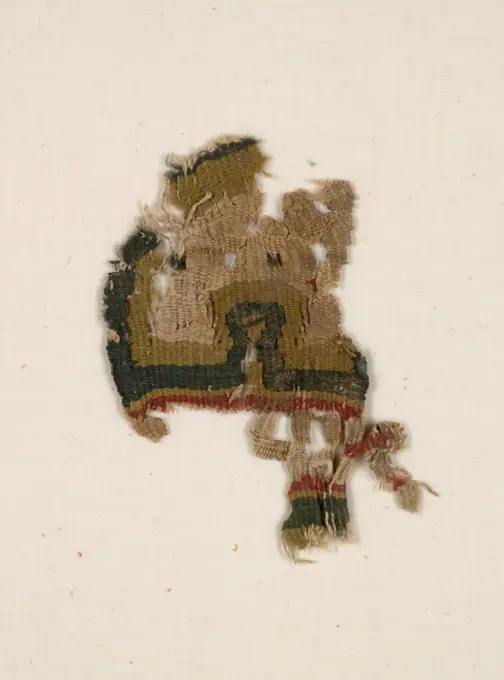
Tiraz fragment, Medium: linen, silk Technique: plain weave, slit tapestry with eccentric weft, doublefaced, Tiraz fragment of linen with two multicolored bands of confronted birds in a cartouche., Egypt, 10th-12th century, woven textiles, Tiraz fragment
177 assets in this story
4409-63010360
Men's house painting. Painting on bark of palm. Murik lakes region, Papua New Guinea. 20th Century. Painting.
4409-40240
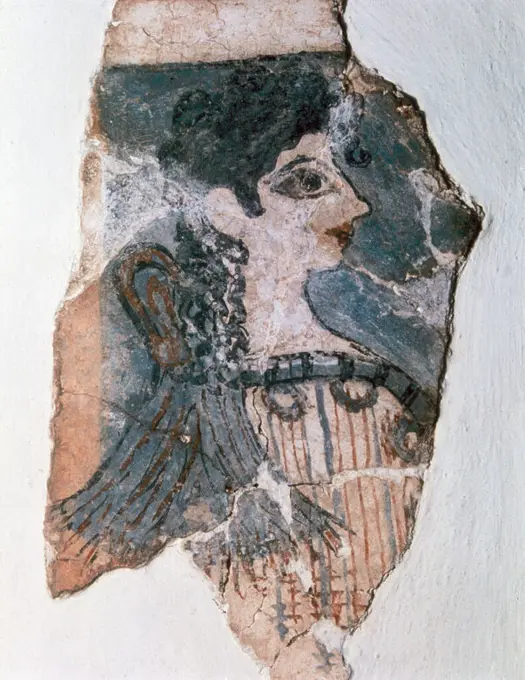
Minoan Art. La Parisienne or the Minoan Lady with the sacral knot at the back of the neck that seems to indicate that she is a priestess or even a goddess. The fresco uses the black colour for emphasizing the form of the eyes and red for the lips. It dates from the Neopalatial period, ca. 1400 B.C. The Herakleion Archaeological Museum. Crete.
1899-18789544
Charlemagne (c. 742 January 28, 814), also known as Charles the Great (Latin: Carolus Magnus or Karolus Magnus) or Charles I, was the founder of the Carolingian Empire, reigning from 768 until his death. He expanded the Frankish kingdom, adding Italy, subduing the Saxons and Bavarians, and pushed his frontier into Spain. The oldest son of Pepin the Short and Bertrada of Laon, Charlemagne was the first Emperor in Western Europe since the fall of the Roman Empire four centuries earlier. Tyrian purple (Latin: purpura), also known as royal purple, imperial purple or imperial dye, is a purple-red natural dye, which is a secretion produced by certain species of predatory sea snails in the family Muricidae, a type of rock snail by the name Murex. This dye was probably first used by the ancient Phoenicians. The dye was greatly prized in antiquity because the color did not easily fade, but instead became brighter with weathering and sunlight. Tyrian purple was expensive: the 4th-century-BC hist
4409-17436701
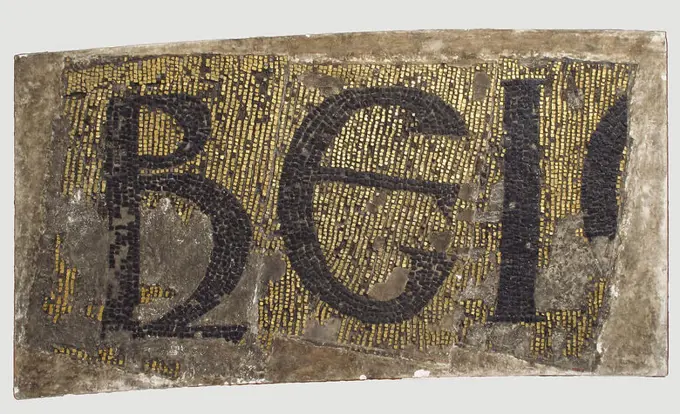
Letters from an Inscription. Culture: Byzantine. Dimensions: Overall (attached with 43.48.3, .4, .5): 25 1/4 x 47 1/2 x 2 in. (64.1 x 120.7 x 5.1 cm). Date: early 20th century (original dated 9th century). Museum: Metropolitan Museum of Art, New York, USA.
4409-17556030
Cover. Italy. Date: 1601-1700. Dimensions: 64.2 x 77.6 cm (25 1/4 x 30 1/2 in.). Linen and silk. Origin: Italy. Museum: The Chicago Art Institute, Chicago, USA.
6145-30187923
Fragment Made 1701-1900 Japan. Single plain compound cloth, silk & silvered paper; 3 strips to m.m. .
6145-29764442
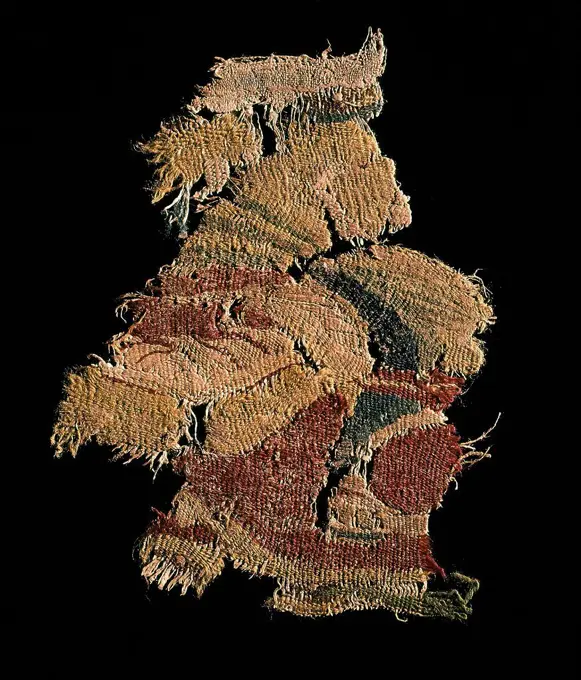
Textile Fragment 4th century. Textile Fragment 443635
1899-78378
Aboriginal rock art depicting European ships, Bathurst Head, Queensland, Australia
4443-19547456
Textile, Medium: silk Technique: block printed with pigment on plain weave, Very indistinct pattern of birds and flowers., Germany, possibly 14th century, printed, dyed & painted textiles, Textile
6145-29060681
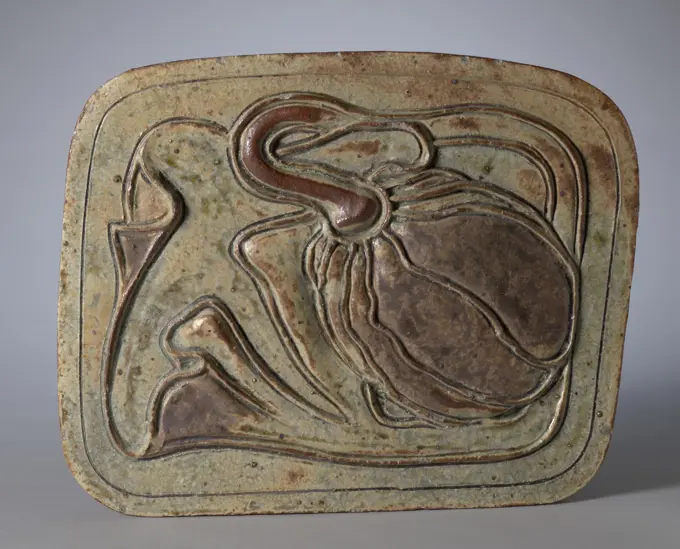
Tile, c. 1900. Alexandre Bigot (French, 1862-1927), Henri Sauvage (French, 1873-1932). Earthenware; overall: 37.8 x 30.8 x 4.9 cm (14 7/8 x 12 1/8 x 1 15/16 in.).
6145-48828699
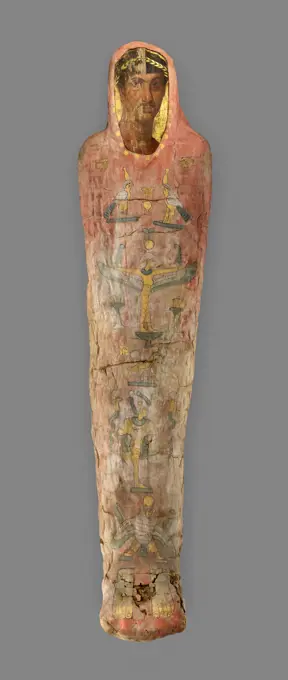
Mummy of Herakleides. Unknown
6145-29770610
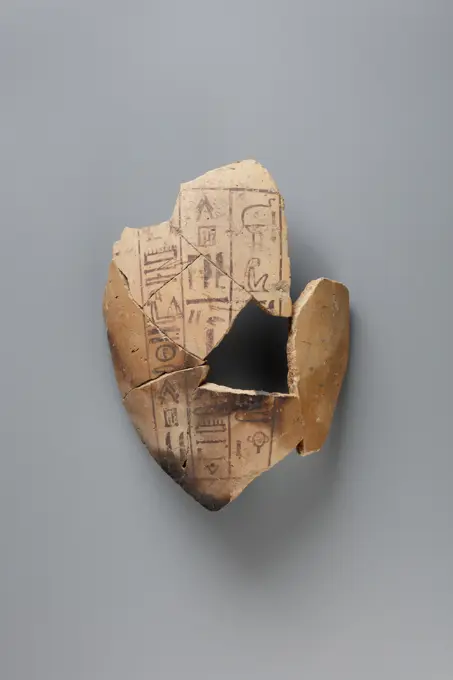
Fragments of a Canopic Jar Inscribed for Senimen ca. 1479-1458 B.C. New Kingdom Fragments of several canopic jars, including a fragmentary human-headed lid, were uncovered during the Museum's excavations in the vicinity of Theban tomb (TT) no. 252, the tomb of a man named Senimen. A high official during the reign of Thutmose II and the joint reign of Hatshepsut and Thutmose III, Senimen was the steward and tutor of Princess Neferure, Thutmose II and Hatshepsuts daughter.The purpose of canopic jars in ancient Egypt was to hold and protect the viscera removed from the deceaseds body during the mummification process. They traditionally came in sets of four, with the liver, lungs, stomach and intestines each embalmed and stored individually. The four containers were usually put inside a chest and placed in the tomb chamber.These seven joined fragments comprise the front of a jar bearing an inscription naming Senimen and invoking the goddess Nephthys and the deity Hapy, one of the four So
6145-54583061
Two Fragments with Indistinguishable Design, before 1968. Egypt  Linen and wool: tapestry; overall: 12.5 x 8.5 cm (4 15/16 x 3 3/8 in.).
6145-46486800
Fragment of a dalmatics, with embroidery of flax side and gold thread .. Fragment of a dalmatics, with embroidery. The embroidery has an image of two angels that stop a shield. The fragment belongs to Invnr. BK-NM-9403-E-A and both fragments belong to six fragments with INVRS. BK-NM-9403-A T / M BK-NM-9403-E-B.
6145-29823577
Piece 10th century Japan. Piece 71000
7016-69901566
Israel, Caesarea (Herod's town), mosaic of the public bath house
6145-59498160
Patriottenlintje, , c. 1795 ribbon (material) Ribbon with serrated ends, on which the Dutch Virgin with staff and hat for a column on which two oval shields hang: one with the Dutch Lion in Geel Veld, the other blue with the lilies of France. Below that the inscription: Alliance / with / Vrankrijk. Netherlands silk printing
4409-20923287
AZULEJO GRANADINO DE CUERDA SECA - HACIA 1500. Location: MUSEO ARQUEOLOGICO-CERAMICA HISPANOMUSULMANA. GRANADA. SPAIN.
6145-29069613
Cross, 300s - 400s. Byzantium, North Syria, 4th - 5th centuries. Marble tesserae; overall: 94.7 x 93.4 cm (37 5/16 x 36 3/4 in.).
4409-17385102
Element from a Stalactite Squinch (Muqarnas). Dimensions: H. 13 9/16 in. (34.4 cm)W. 11 1/4 in. (28.6 cm)D: 5 3/4 in. (14.6cm)Wt. 5 lbs. (2.3 kg) wb. Date: 10th century.Probably originally part of a muqarnas, or stalactite squinch, this and other muqarnas elements would have been stacked, in descending size, in the upper corner of a room in order to make the transition to a dome. This, together with objects 38.40.249-38.40.251 are among the earliest known examples of muqarnas, a feature that became quite popular in Islamic architecture in subsequent centuries. The painting on these elements is intriguing, with disembodied eyes that peer out from the vegetal decoration. Museum: Metropolitan Museum of Art, New York, USA.
866-13096
Two Figures in a Landscape; Deux Figures dans un Paysage. Jean Dubuffet (1901-1985). Oil on hessian. Dated 1949. 89 x 116cm.
4409-66124486
plaque of a portable oratory, 15th century, Muñatones castle, Muskiz, Arkeologi Museoa, museum aqueologico, Bilbao, Bizkaia, Basque Country, Spain.
4409-17272048
TEJIDO DE LINO EGIPCIO S VIII. Location: ALHAMBRA-MUSEO TEXTIL. GRANADA. SPANIEN.
6145-59117831
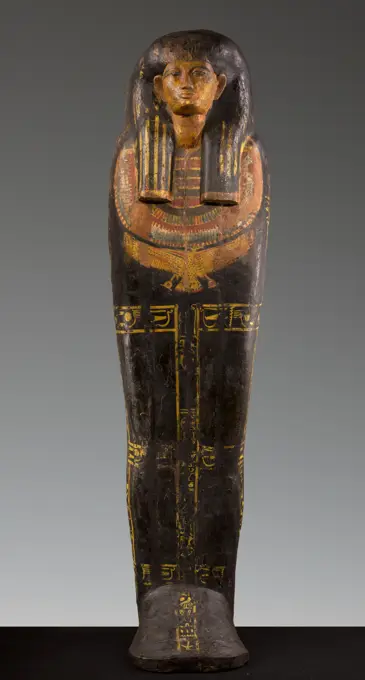
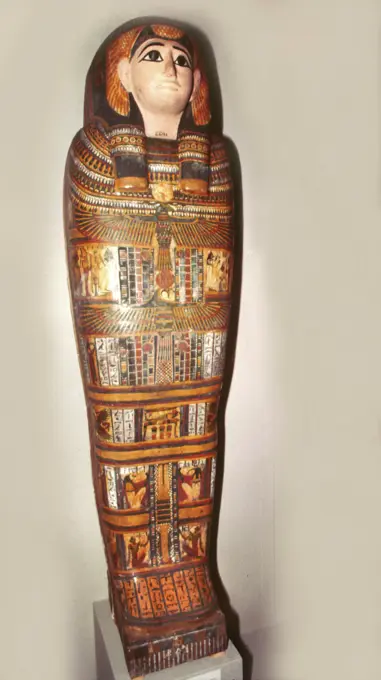
The lid of the anthropoid sarcophagus of a woman;  around 1400-1295; New PAM, later at 18 dynasty (-1400-00-00--1295-00-00);Deposit of the University of Warsaw from 1937-1939, sacrificial formulas, hieroglyphs, necklace (iconogr.), Wigs, vulture (iconogr.), Type "black", French excavations in Deir El-Medina (Egypt)
4443-21905515
Hearthstone, from Antwerp Belgium, with narrow frame, with Dutch lion in Dutch garden, fire stone fireplace component ceramics brick, baked Hearthstone of the Antwerp type with narrow frame depicting the Dutch lion with raised sword and shield standing in the Dutch garden with above the year 1608 two standing lions on either side. date 1608 building history heating history Holland
6145-29138841
Votive Bed ca. 945-715 B.C. Third Intermediate Period Three votive beds (31.3.108, 31.3.109 and a third in Cairo) and a small stela (31.3.110) were excavated in MMA tomb 825 at Deir el-Bahri. These are very well-preserved examples of a type of object that appeared only in Thebes between the 22nd and 26th Dynasties. Recent studies of the type and of MMA 31.3.108 in particular have revealed much about their significance and about their many interesting implications for understanding non-temple religious practices and artistic provision for the same.. Votive Bed 550811
6145-29155095
Drawing 664-610 B.C. Late Period, Saite see 23.3.468. Drawing. 664-610 B.C.. Limestone, varnish. Late Period, Saite. From Egypt, Upper Egypt, Thebes, Deir el-Bahri, Tomb of Nespekashuty (TT 312, MMA 509), 1st chamber W. wall; 2nd register, MMA excavations, 1922-23. Dynasty 26
6145-29093191
Fragment of a Band (), 700s. Egypt, Umayyad period (661-750). Tabby ground, inwoven tapestry ornament; wool; overall: 12.2 x 16 cm (4 13/16 x 6 5/16 in.).
4443-73201206
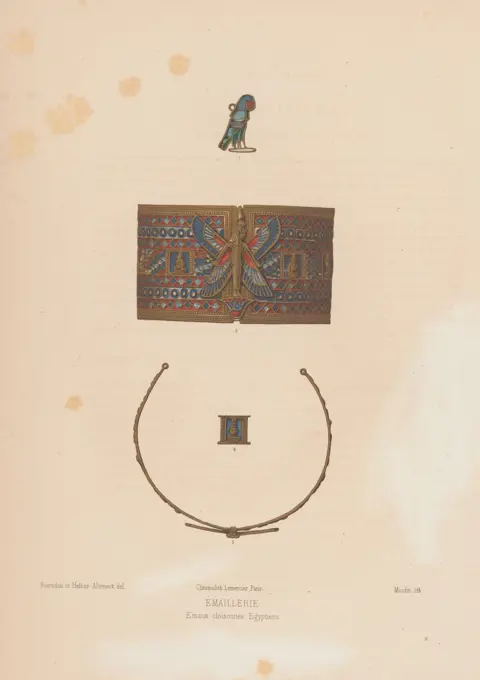
Paris, Lemercier, Joseph-Rosé, Bosredon et Hefner-Alteneck, Moulin, Egyptian cloisonnés, Reproduction of a design with four jewels from Egypt, recto - printed, print, engraving, page, reproduction, photographs, photographically illustrated books, Bosredon et Hefner-Alteneck del., Moulin lith., height 177 mm, width 207 mm, print maker, printmaker, 1859 - 1864, paper, papier, chromolithografie, intermediary draughtsman, after a drawing by, Frans, 1803-06-29 - 1887-01-01, printer, drukker
6145-59158698
Lazio Roma Ponzano Romano Parish church7. Hutzel, Max 1960-1990 Exterior view of flank and facade and detail of 16th century campanile. Interior views of nave and ceiling; remaining views of paintings, some from S. Andrea in Flumine, and of reliquaries, crucifixes, statues. German-born photographer and scholar Max Hutzel (1911-1988) photographed in Italy from the early 1960s until his death. The result of this project, referred to by Hutzel as Foto Arte Minore, is thorough documentation of art historical development in Italy up to the 18th century, including objects of the Etruscans and the Romans, as well as early Medieval, Romanesque, Gothic, Renaissance and Baroque monuments. Images are organized by geographic region in Italy, then by province, city, site complex and monument.
4409-17218100
Roman mosaics, 1st century BC, in the Roman Villa of Torre Llauder or Can Llauder, Mataró, Barcelona, Catalonia, Spain.
6145-29232193
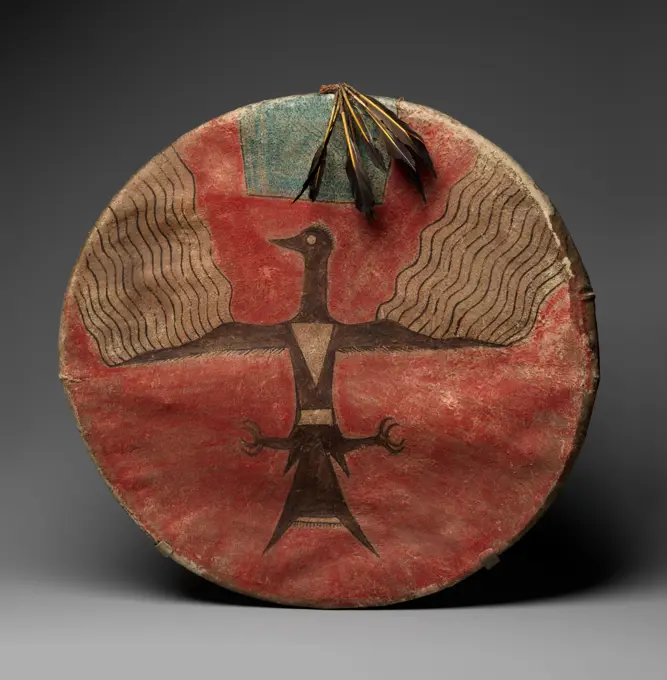
Shield ca. 1885 He Nupa Wanica/ Joseph No Two Horns After buffalo were hunted to near extinction in the late nineteenth century as part of the United States expansion tactics, Great Plains men transitioned from celebrating their feats of bravery with pictorial compositions on buffalo skins to using commercially available fabric and paper. The courageous warrior No Two Horns notably fought in the 1876 Battle of the Little Bighorn. Here, he portrays a bird with lightning or power emanating from its wings to protect the warrior. He also painted these powerful lines on his face and his horses body in self-portraits. Though he made later versions of this shield on muslin, this hide is a rare original.. Shield. He Nupa Wanica/ Joseph No Two Horns (Hunkpapa Lakota/ Teton Sioux, 1852-1942). Hunkpapa Lakota/ Teton Sioux, Native American. ca. 1885. Tanned leather, pigment, wood, and feathers. Made in Standing Rock Reservation, North Dakota, United States
4409-20921480
FRAGMENTO DE UNA PINTURA MURAL DE LA CASA DE LA CALLE SUAREZ SOMONTE DE MERIDA - SIGLO IV. Location: MUSEO NACIONAL DE ARTE ROMANO. MERIDA. Badajoz. SPAIN.
6145-29779993
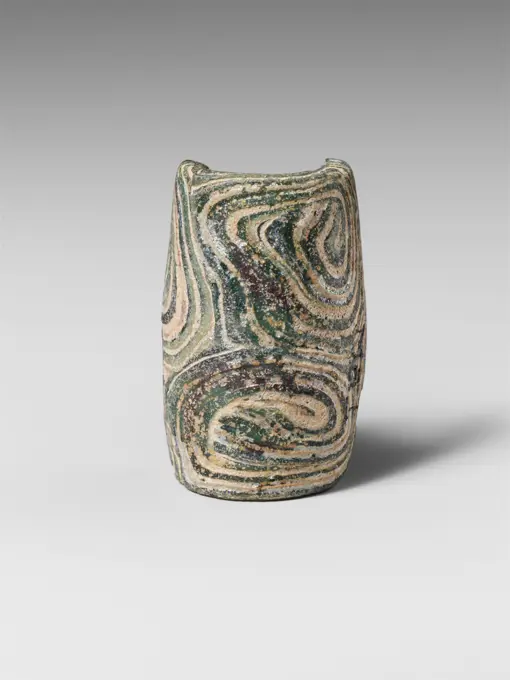
Mosaic bead ca. 3rd-7th century A.D. Sasanian Glass beads were popular during the Sasanian period: various types were manufactured in different styles from Rome to Egypt. This particular style, with a dark color, is likely local to Mesopotamia in this period. At Ctesiphon there is evidence for local manufacture of glass objects from the Italian excavations at the site of Choche. This cylindrical bead has a wavy mosaic pattern of green, black, buff, and some red.The city of Ctesiphon was located on the east bank of the Tigris River, 20 miles (32 km) south of modern Baghdad in Iraq. It flourished for more than 800 years as the capital of the Parthians and the Sasanians, the last two dynasties to rule the ancient Near East before the Islamic conquest in the seventh century. Systematic excavations in the Ctesiphon area were undertaken by an expedition in 1928-29 sponsored by the German Oriental Society (Deutsche Orient-Gesellschaft). The Metropolitan Museum of Art and the Staatliche Museen
6145-29139676
Scarab Inscribed for the God's Wife Hatshepsut, Living ca. 1479-1458 B.C. New Kingdom This scarab was found in one of the foundation deposits located along the front wall of the lower court of Hatshepsut's funerary temple at Deir el-Bahri. The inscription reads: The Living God's Wife, Hatshepsut. In the late Seventeenth early Eighteenth Dynasties, the title God's Wife was held by the principal queen or the queen mother. Hatshepsut inherited the title while she served as principal queen of her half-brother, Thutmose II. Later, shortly after she took on the titles of king, Hatshepsut passed the title on to her daughter, Neferure (see scarab 27.3.325).Unlike most of the scarabs and amulets found in the foundation deposits, the carving and placement of the hieroglyphs (especially the ankh) on this example are rather clumsy.. Scarab Inscribed for the God's Wife Hatshepsut, Living. ca. 1479-1458 B.C.. Steatite (glazed). New Kingdom. From Egypt, Upper Egypt, Thebes, Deir el-Bahri, Temple of H
1788-10645
Egypt, Thebes, Luxor, Valley of the Kings, Tomb of Ramses VI, mural paintings of corridor three from 20th dynasty
6145-48857759
Fresco Fragment. Unknown
6145-48857770
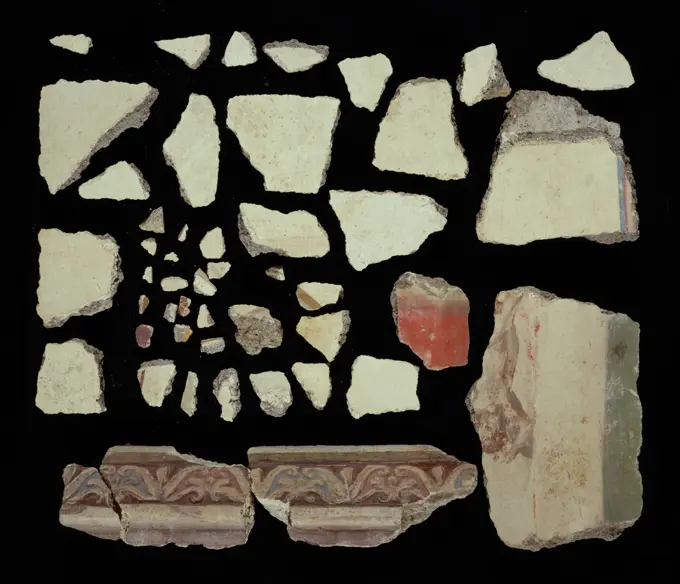
Fresco Fragments (3). Unknown
6145-48857775
White Fresco Fragment. Unknown
6145-48857789
White Fresco Fragment. Unknown
6145-48857800
White Fresco Fragment. Unknown
6145-52373431
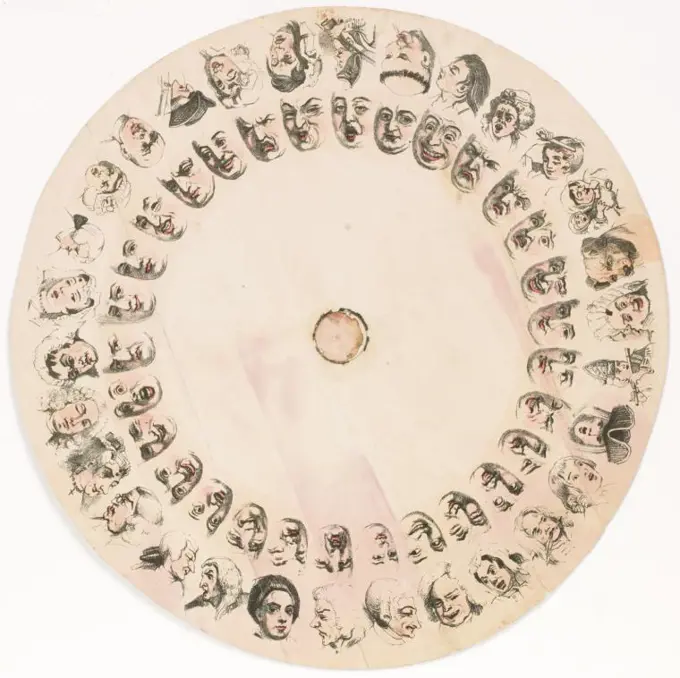
Garrick's faces: thirty different likenesses. Rotating disc.. Hogarth, William, 1697-1764. 1730 - 1900. Stead, Hiram. Billy Rose Theatre Division. Garrick, David, 1717-1779
1788-27183
Goldsmith's art, Italy, 16th century. Pace Grimani, liturgical object called Pace (Peace) or osculum pacis, from the Treasure of the Cividale Cathedral.
6145-51832779
Poncho or Tunic Nasca. Poncho or Tunic, 100-200 C.E. Camelid fiber, 74 7/16 x 27 9/16 in. (189.1 x 70 cm).  This large panel is the most elaborate example of the discontinuous warp and weft technique in the Museums collection. With this technique, the warps and wefts on the textile change with every color and weaving session, rather than being continuous along the length and width of the fabric (see diagram). The bold designs on the red background include three large, colorful supernatural beings connected to several smaller figures. The largest figure wears a green and yellow feline pelt and is associated with two mythological animals devouring humans: an anthropomorphic bird and a shark depicted with a human arm. These composite beings combine animals of the natural world with Nasca supernatural deities who keep the world in order. The panel was converted into a poncho in antiquity, when a head opening was made at the center and long tassels were added at the shoulders. ___________
6145-29740873
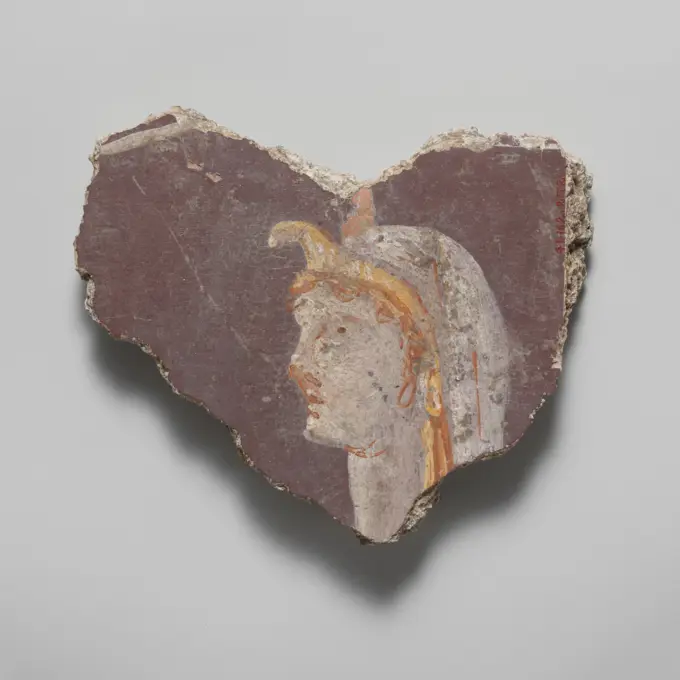
Wall painting fragment 1st century A.D. Roman This fresco fragment preserves the head of a woman wearing an Egyptian headdress. The Romans had an enduring fascination with the ancient cults and arts of Egypt, as attested by depictions on wall paintings, mosaics, and other media.. Wall painting fragment. Roman. 1st century A.D.. Fresco. Early Imperial. Miscellaneous-Paintings
6145-30176861
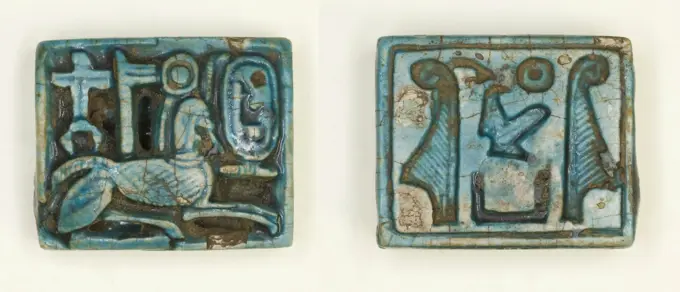
Plaque Sphinx with Cartouche/Maatkare Flanked by Feathers 1473 BCE-1458 BCE Egypt. Glazed steatite . Ancient Egyptian
6145-29196202
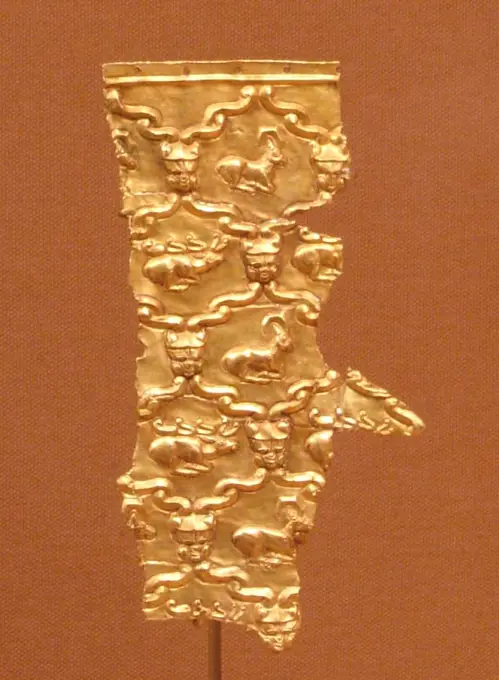
Fragmentary plaque ca. 7th century B.C. Iran. Fragmentary plaque 325144
4443-19548164
Fragment, Medium: cotton, wool Technique: plain weave with discontinuous supplementary weft patterning (brocade), Fragment of a funerary mantle in light brown cotton plain cloth ground (doubled warps) with figure of a man brocaded in yellow, red, brown, orange and tan., Peru, 1000-1450, woven textiles, Fragment
4409-4697
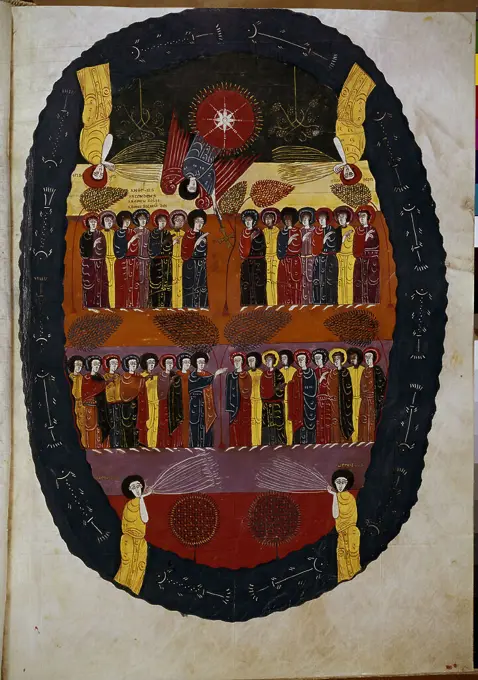
Folio representing the Four Winds, from the Commentary on the Apocalypse.. Folio 145. Madrid, National library. Author: BEATO DE LIEBANA. Location: BIBLIOTECA NACIONAL-COLECCION. MADRID. SPAIN.
1899-75462
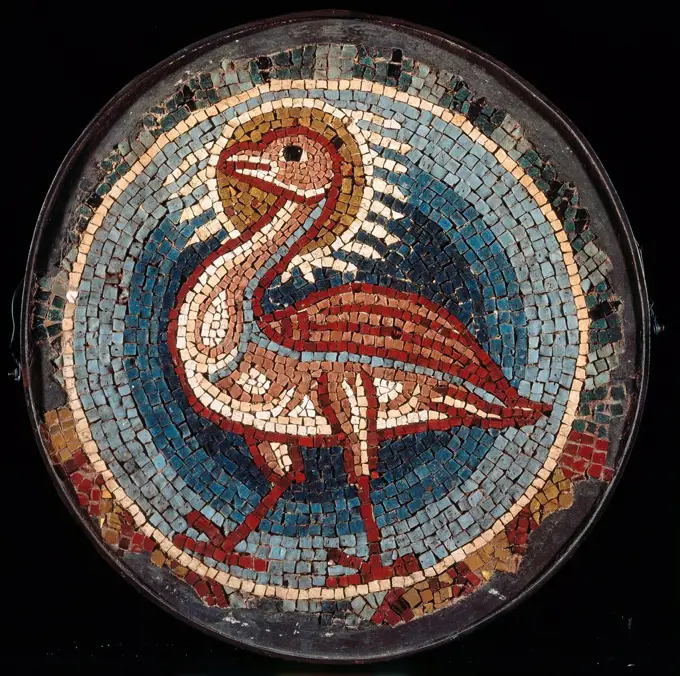
Phoenix (Fenice), 13th Century, polychrome mosaic
1788-21937301
Wood carving of animals from the archaeological site in Ebla, Syria. Eblaite Civilisation, 3rd-2nd millennium BC.
6145-29062714
Jade Plaque, 475-221 BC. China, Henan province, Eastern Zhou dynasty (771-256 BC), Warring States period (475-221 BC). Nephrite; overall: 20.8 x 8.7 cm (8 3/16 x 3 7/16 in.).
6145-29834355
Embroidered Border Fragment 4th-3rd century B.C. Paracas. Embroidered Border Fragment 308050
4443-19587077
Baptistery wall painting:Door, ca. A.D.232, Paint on plaster, 48.26 × 137.16 cm (19 × 54in.), Yale-French Excavations atDura-Europos, Excavated in Dura-Europos, Syria, Syrian,Dura-Europos, Roman (3rd century A.D.), Paintings
1848-53505007
South Hall, from the 4th century, Basilica of Aquileia from the 11th century, largest floor mosaic of the Western Roman Empire, UNESCO World Heritage Site, important city in the Roman Empire, Friuli, Italy, Aquileia, Friuli, Italy, Europe
7155-70374116
Egyptian Mummy. Isetemkheb. 25 26th Dyn. 7th cent. BC.
4409-66438800
Goddess Isis winged, late period of Egypt, 26th dynasty, 664-525 BC. C. Greenwood loam, Calouste Gulbenkian Foundation, ("Fundação Calouste Gulbenkian"), Lisbon, Portugal.
6145-29817549
Mantle Fragment 3rd-2nd century B.C. Paracas. Mantle Fragment 308099
4409-20177
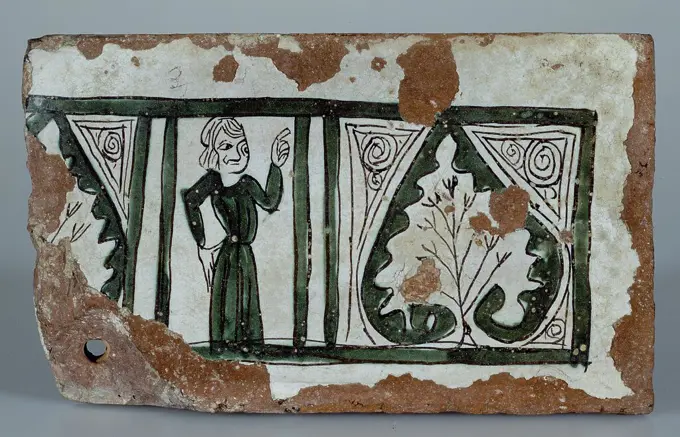
AZULEJO TUROLENSE DECORADO CON UNA FIGURA FEMENINA SIMILAR A LA DE LAS LOZAS DE PATERNA - SIGLO XIV. Location: INSTITUTO VALENCIA DE DON JUAN-COLECCION. MADRID. SPAIN.
1746-29955302
18th dynasty, Egyptian wooden chest depicting a hunting scene on one side and King Tutankhamen crushing enemies on the other side. 1323 BC
1558-28591266
Maritime wall mural with steering wheel and geometric pattern
4409-17415029
Gloves. Culture: Spanish. Date: 1800-1810.Fashioned from fine Spanish kid, these gloves embody high fashion with a double historical twist. The lattice pattern expresses the geometry of the newly-resurrected design vocbulary of the classical period, while the figures at the top are taken from a series of etchings by Jacques Callot (1592-1635) entitled Varie Figure Gobbi (Various Hunchbacked Figures) ca. 1622., which William Konig (active ca. 1721) interpreted in prints. Callot was an ancestor of the famed Parisian couturieres, The Callot Sisters. Museum: Metropolitan Museum of Art, New York, USA.
6145-29074704
Fragment with headless eagle, 700s. Iran, Iraq, or Syria. Samite: wool and cotton; overall: 15.5 x 21 cm (6 1/8 x 8 1/4 in.).
4409-17417200
Fragment of a Shoulder Band. Dimensions: 6 1/8 in. high 1 9/16 in. wide (15.5 cm high 4 cm wide). Date: 5th century. Museum: Metropolitan Museum of Art, New York, USA.
6188-64653383
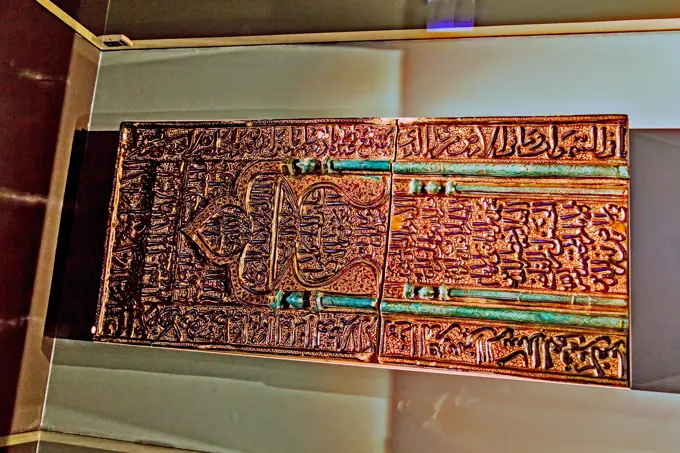
Antique Mihrab tile from Kashan Mosque in Iran, CSMVS Museum, Mumbai, Maharashtra, India, Asia India Copyright: xDuttagupta/DinodiaxPhotox -
4409-20271610
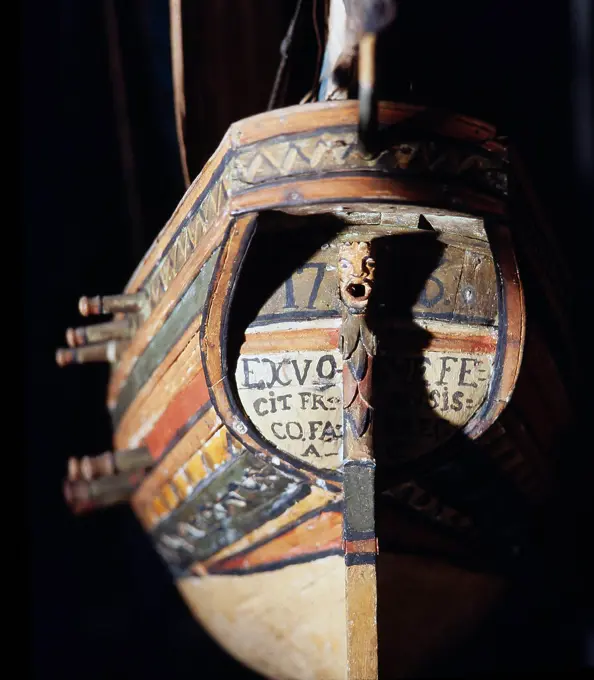
Francisco Fabregas / Modelo exvoto de Jabeque, 1785. Museu Marítim de Barcelona.
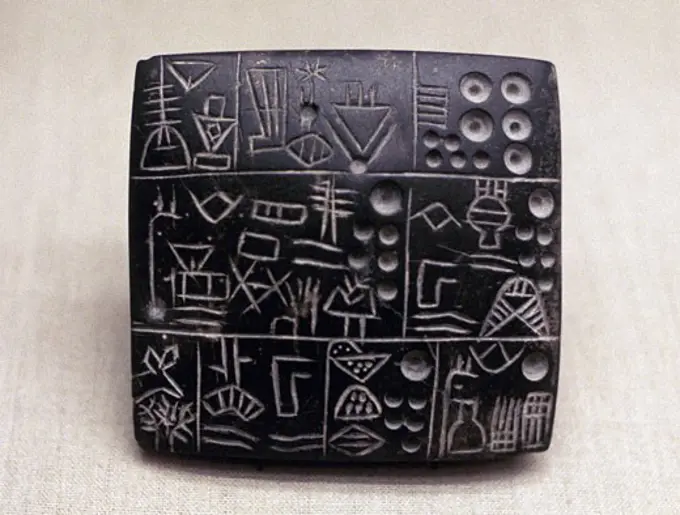
1746-1569
Administrative tablet of clay: Mesopotamian/Sumerian 3100-2900 BC. Los Angeles County Museum of Art
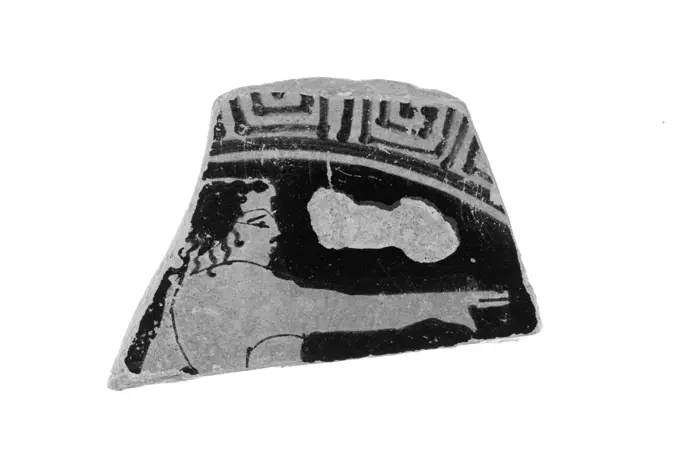
6145-44278208
Attic Red-Figure Kylix Fragment. Unknown
6145-58997934
Plateau. General Leclerc Museum of Hauteclocque and the Liberation of Paris, Jean Moulin Museum.
1788-10660
Egypt, Thebes, Luxor, Valley of the Kings, Tomb of Ramses VI, painted ceiling illustrating Book of Day and Book of Night cosmology in Burial chamber from twentieth dynasty
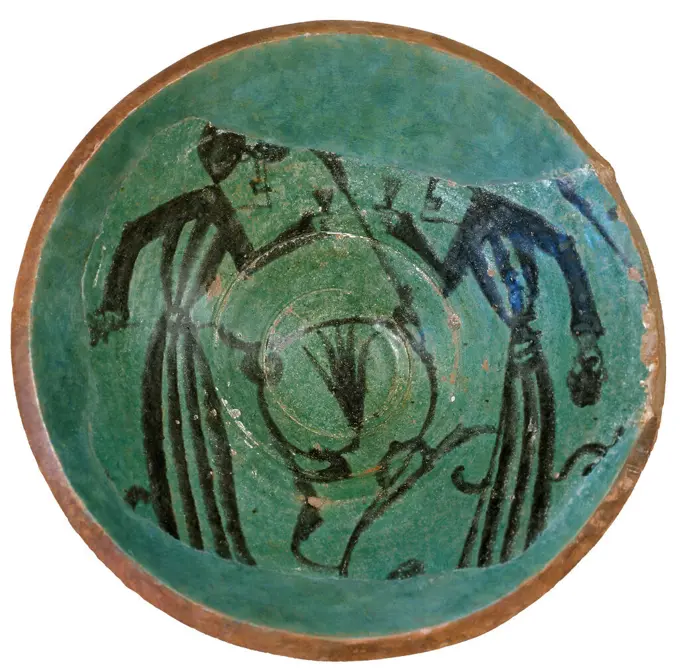
4409-13811
PLATO DE CRAMICA VERDE. Location: ALHAMBRA-MUSEO-CERAMICA. GRANADA. SPAIN.
6145-59016521
Stomach piece. Beige linen canvas. Silk gauze. Silk passenger. Cream paper. 1750-1760. Galliera, fashion museum of the city of Paris. 101510-23 Costume, 18th 18th 18th 18th 18th 18th century
6145-46858151
Figure from aMantle?.  Artist: Unknown
6145-29792959
Medallion of St. John Chrysostom 10th-11th century Byzantine. Medallion of St. John Chrysostom. Byzantine. 10th-11th century. Cloisonné enamel, gold. Enamels-Cloisonné
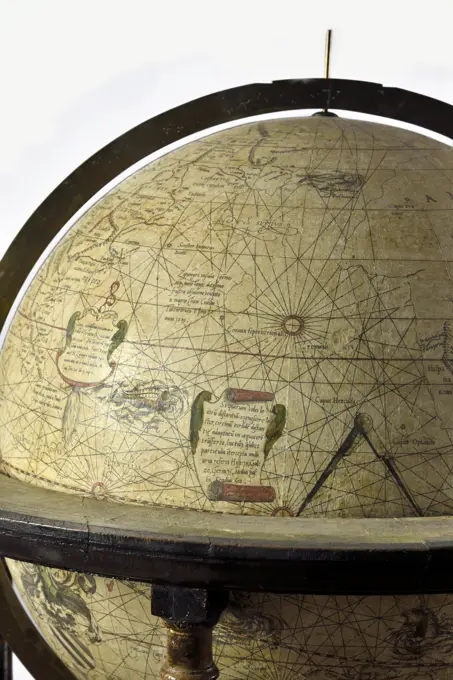
1899-49940723
Urbania (Marche - PU), Palazzo Ducale, Sala dei Globbi. Gerardo Mercatore, Sphere Terrestrial, 1541 (etching on paper with watercolor interventions, glued on support)
6176-67064697
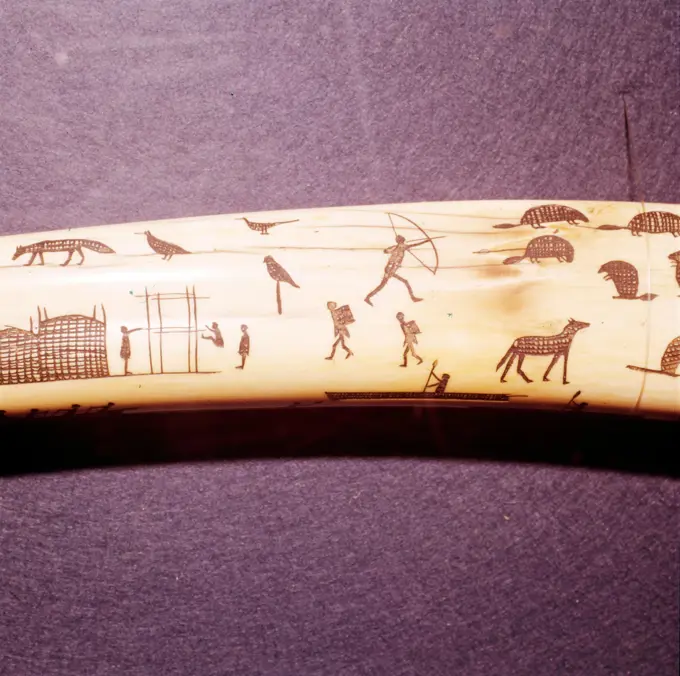
Eskimo Scene Detail of engraved walrus tusk, Western Eskimo. 19th Century.  Artist: Unknown.
4409-17423966
Plaque, female face. Dimensions: H. 3.1 × W. 2.6 cm (1 1/4 × 1 in.). Date: 100 BC-100 AD.A mosaic glass technique allowed multiples of an image to be created: a figural or design composition was made by bundling colored glass canes, which were then drawn out into a long bar. The bar was then sectioned at right angles, probably by striking the bar with appropriate tools, to produce small inlay tiles. The tile would then be smoothed and polished on the face intended to appear outwards.Such elements could also be used side by side to create repeating patterns. Or if the rod presented one half of an element that was symmetrical, such as a face, a tile and a reversed tile from the same rod could be put together to form a complete whole, as here. Museum: Metropolitan Museum of Art, New York, USA.
PREVIOUS
of 2
NEXT
2401 S. Ervay, Suite 206
Dallas, Texas 75215
United States
Get Started
Free ResearchMy BoardsMy Cart
For Creators
How To License Your ContentContributor PortalFrame of Mind
Resources
API accessPricing
Contact
+1 866 236 0087help@viewpictures.co.uk Contact form
©2026 View Pictures. All Rights Reserved. -A
This site is protected by reCAPTCHA and Google Privacy Policy and Terms of Service apply.