Animal Figurines and Netsuke

Artistic representations of animals, including bronze and wood carvings from various cultures. Intricate designs highlight the unique features of each creature.
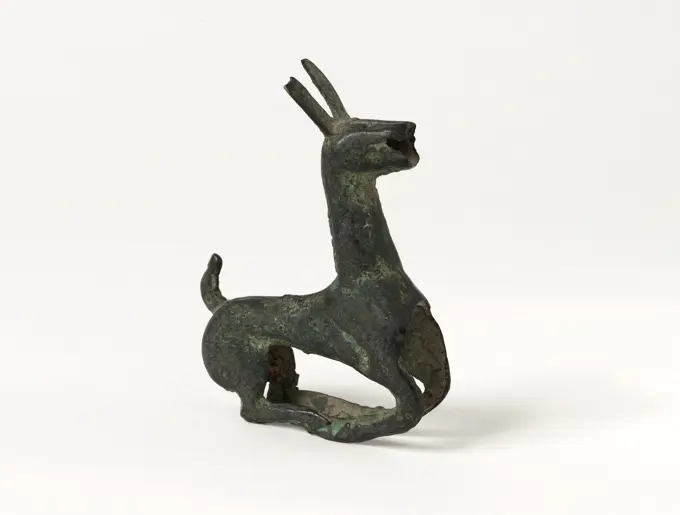
Banicies Art des do tense. IIie MILLENEARY AV. J.C. Paris, Museum Causori. 35173-8 Art of steppes, doe, animal
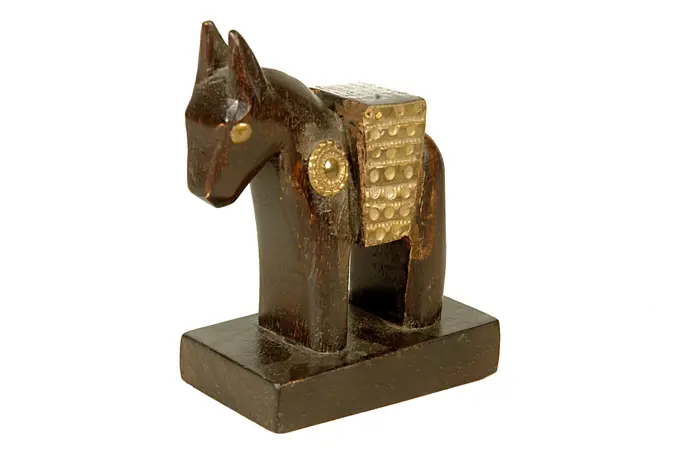
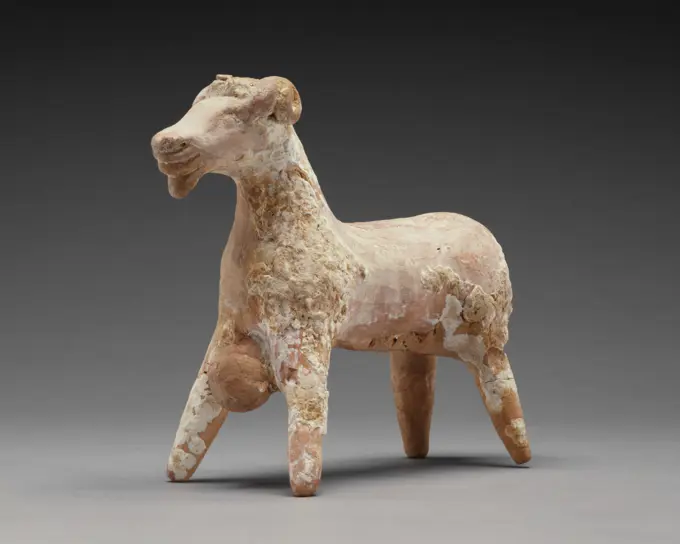
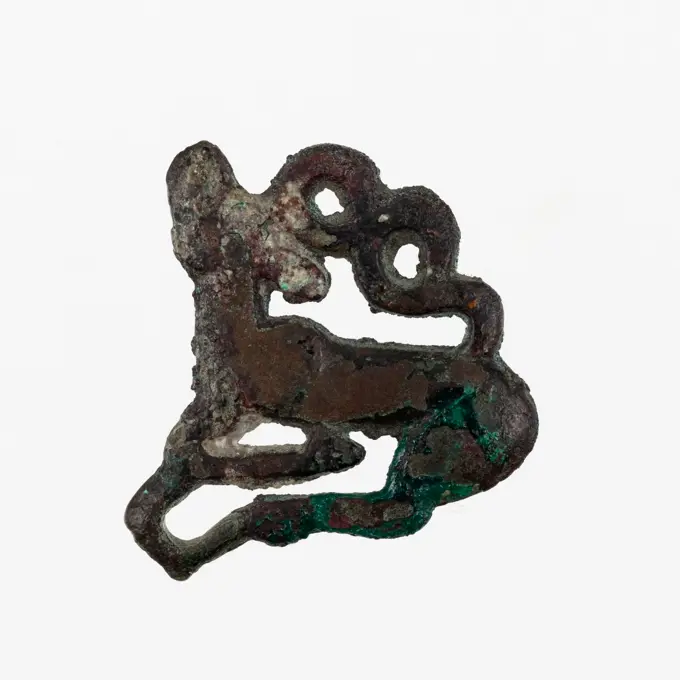
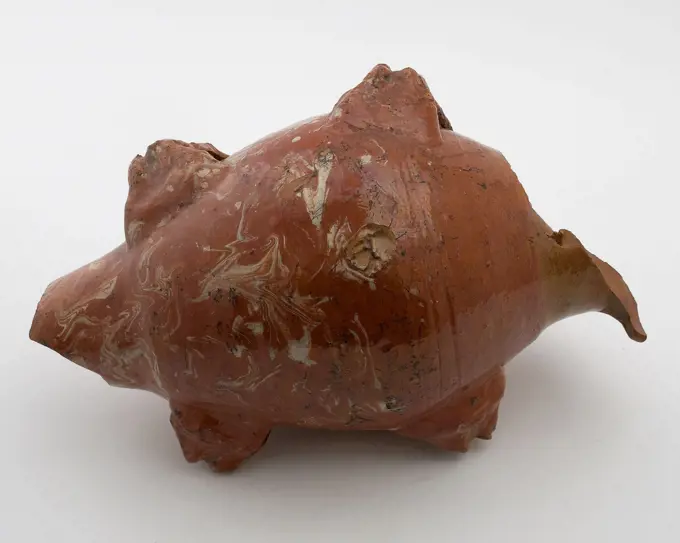
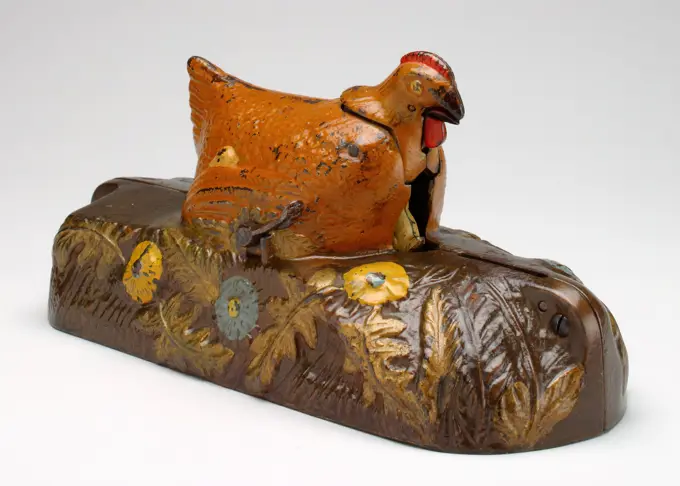
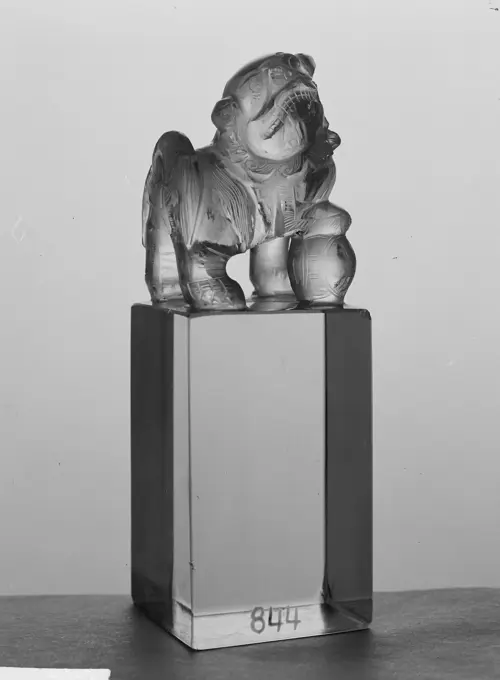
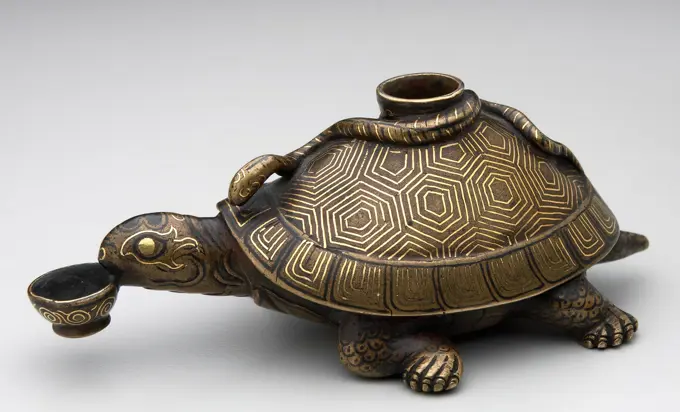
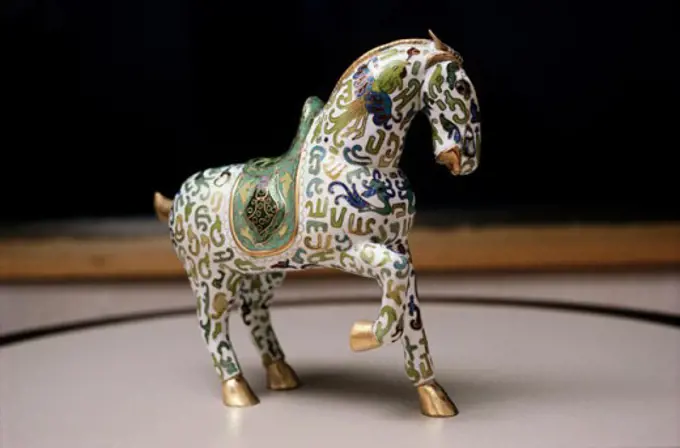
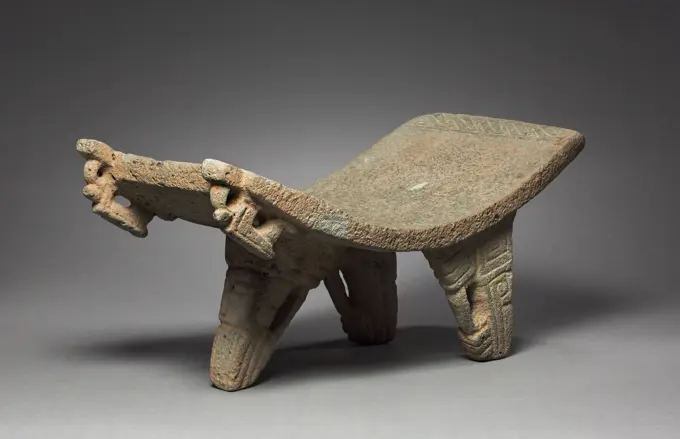
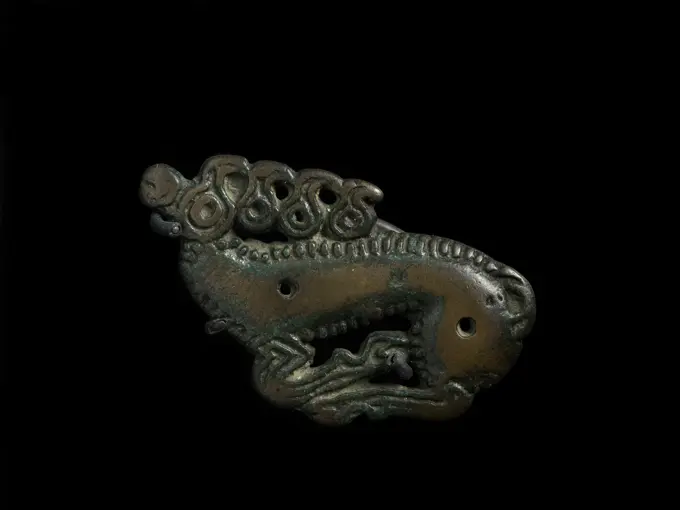
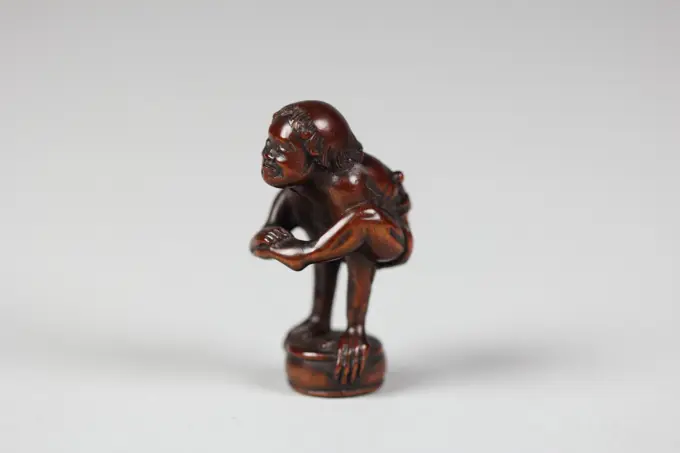
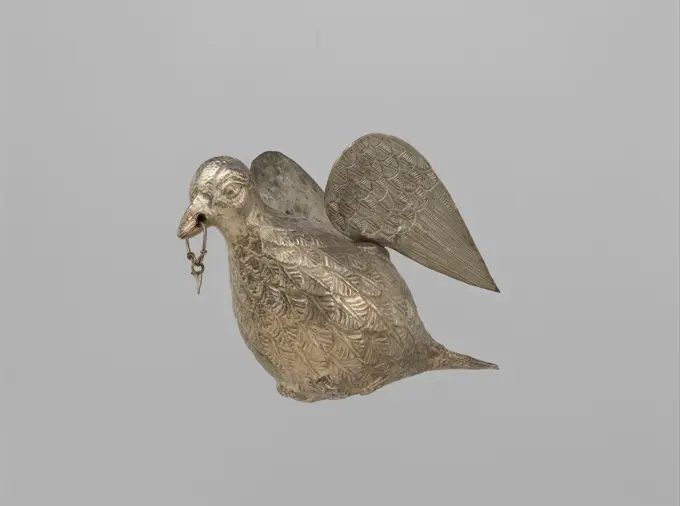
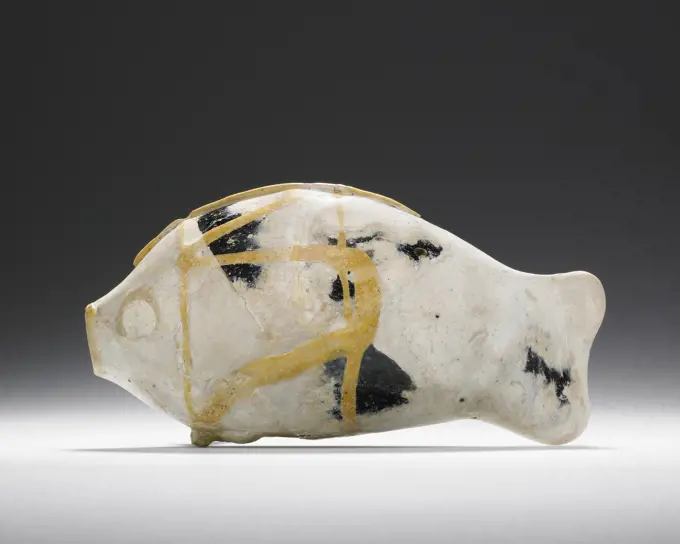
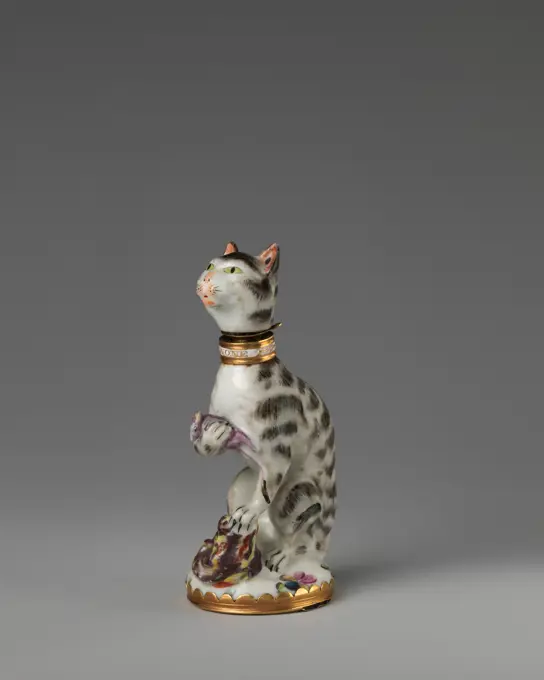
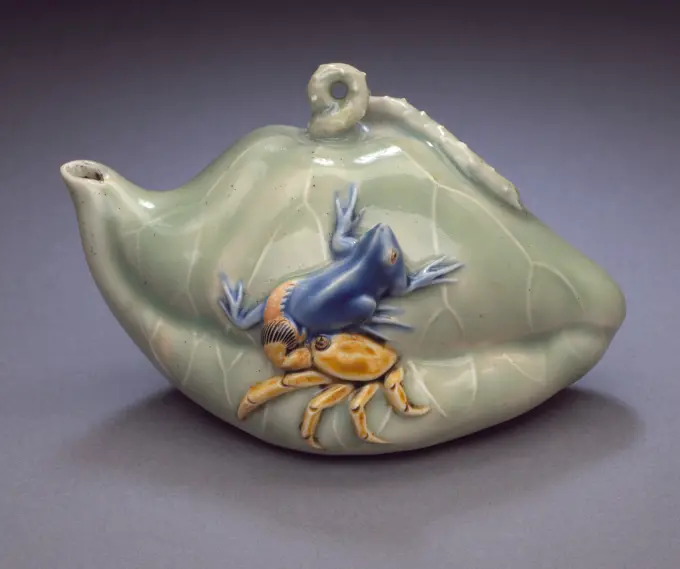
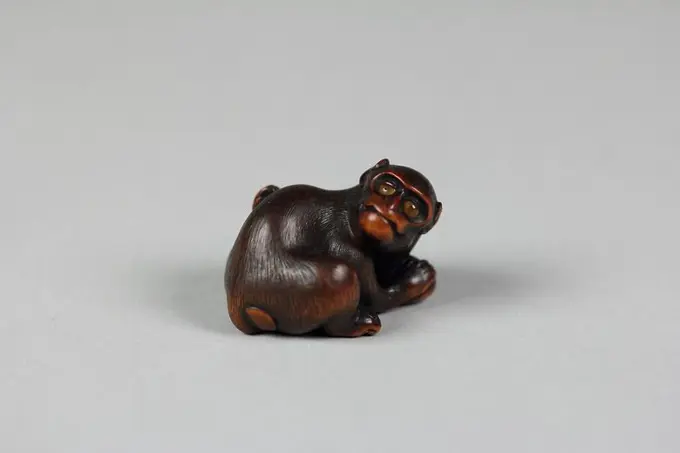
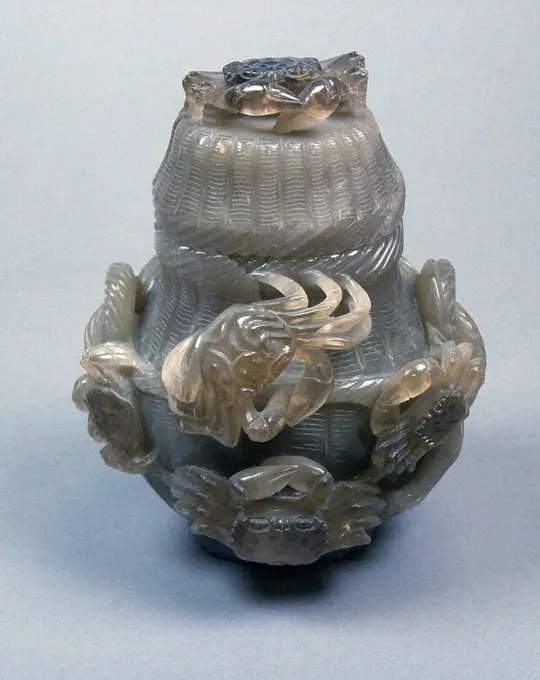
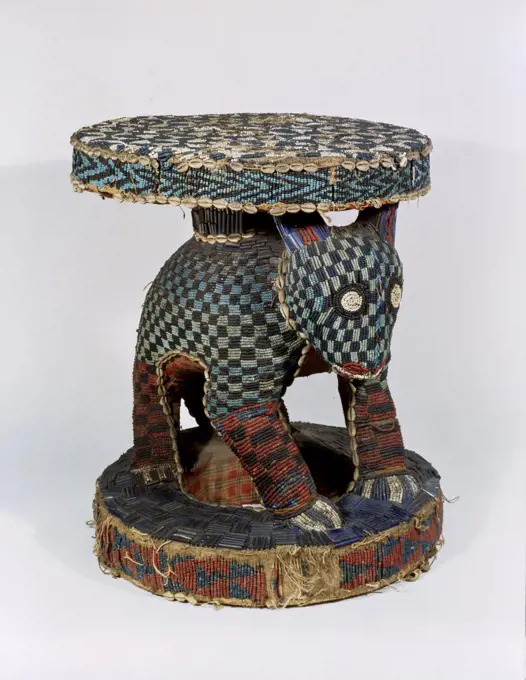
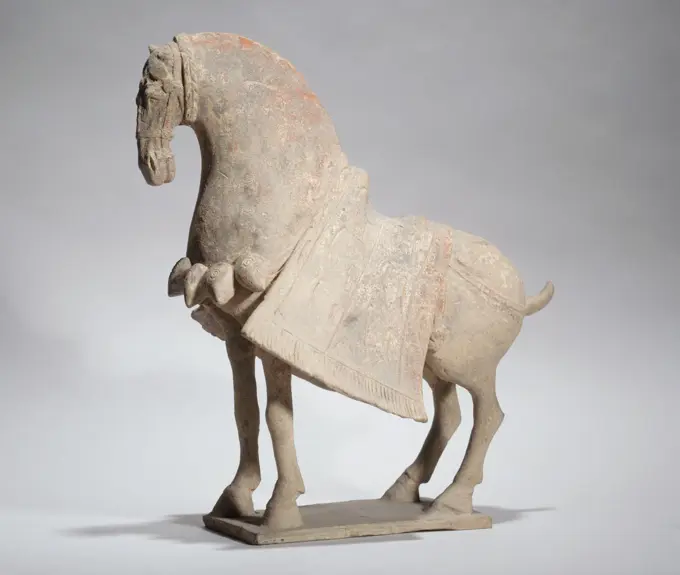
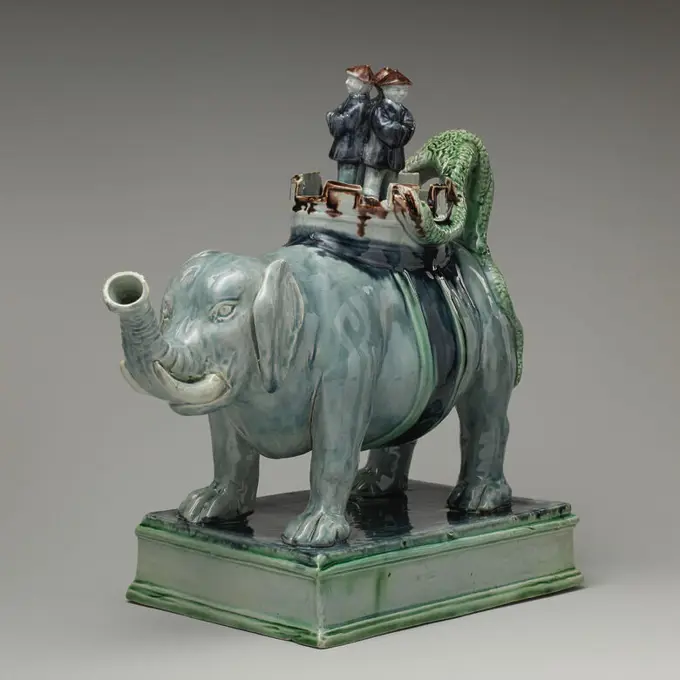
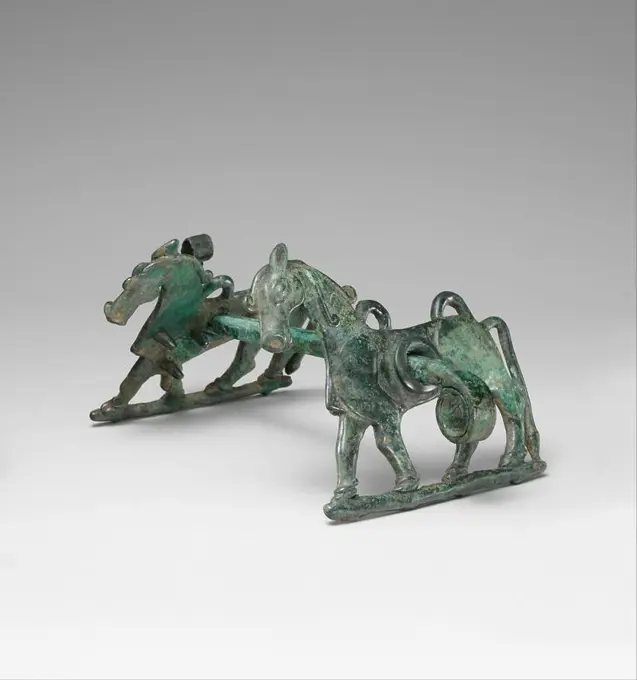
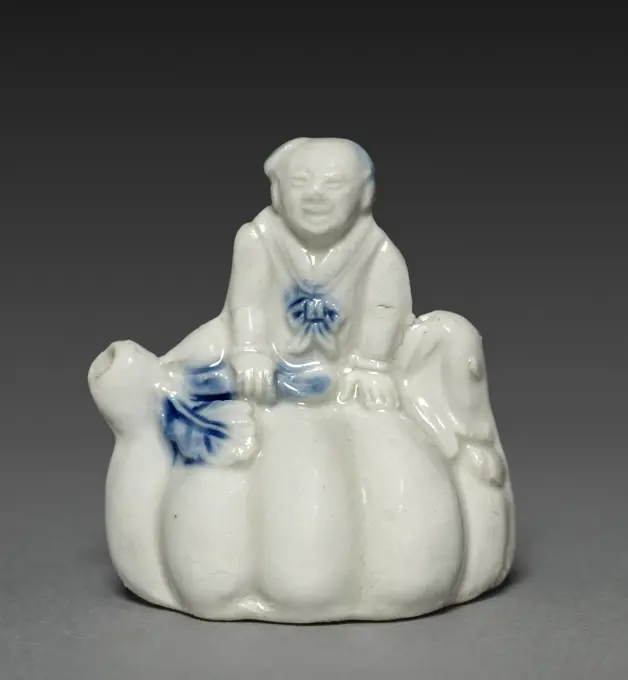
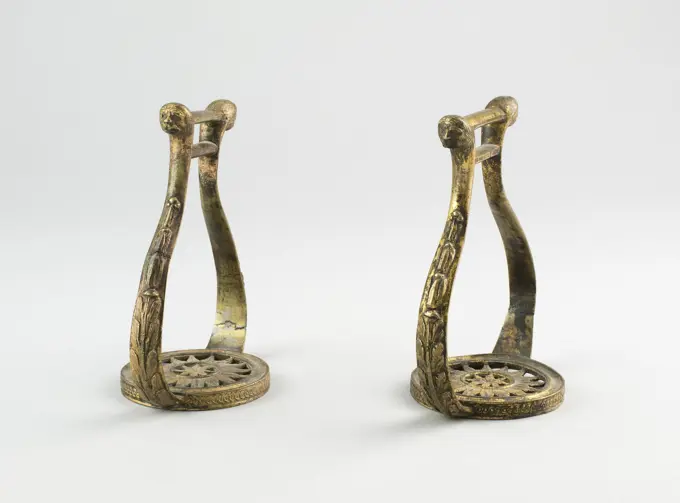
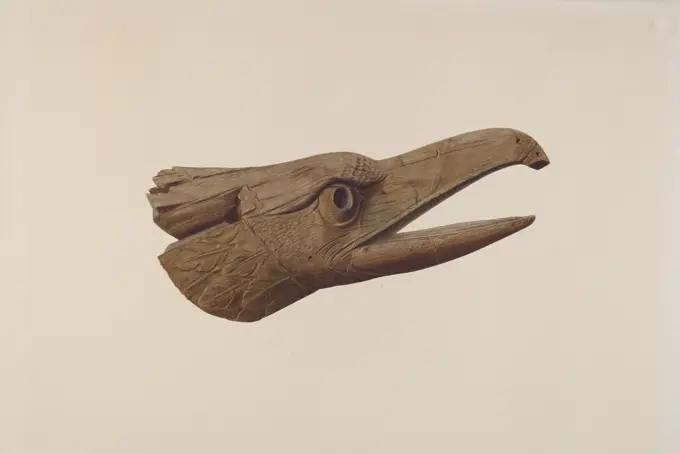
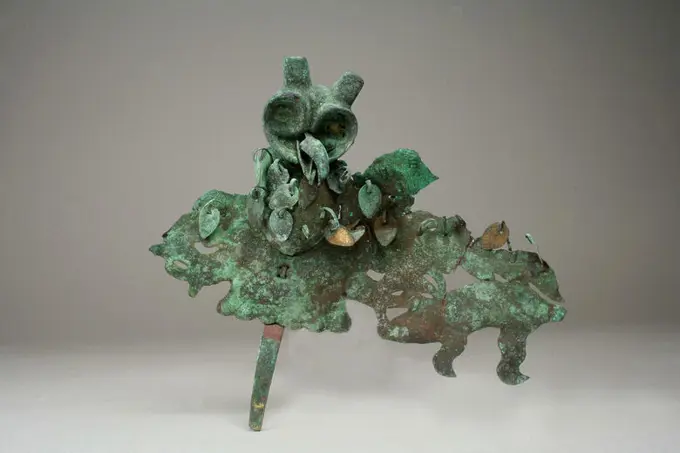
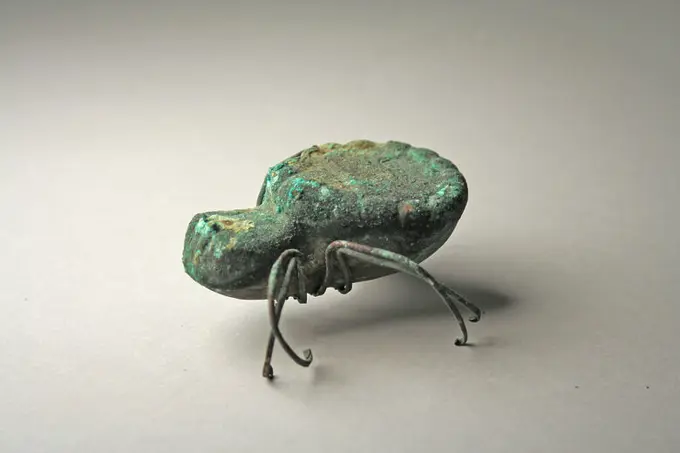
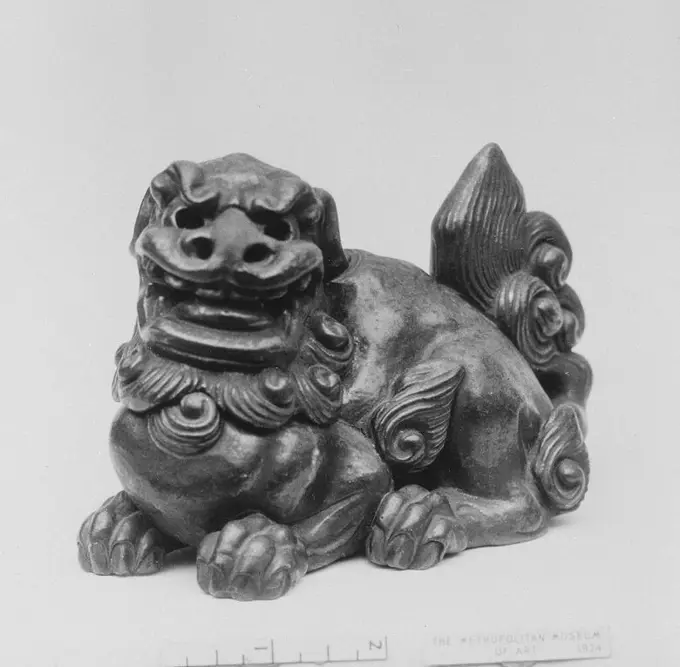
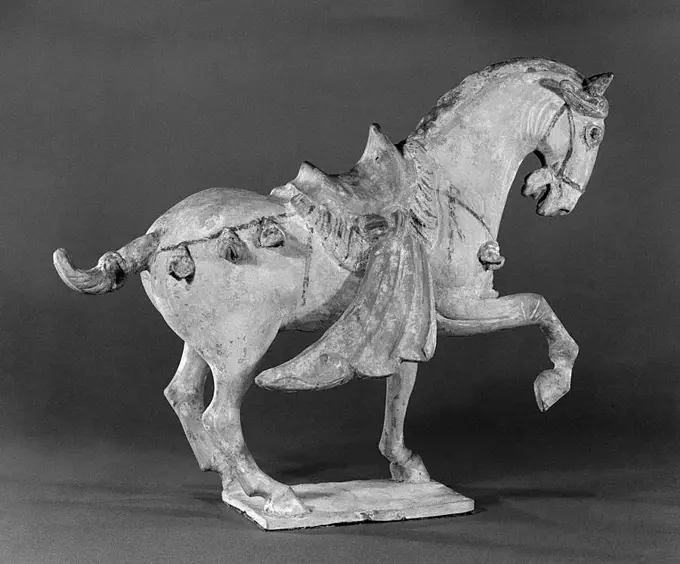
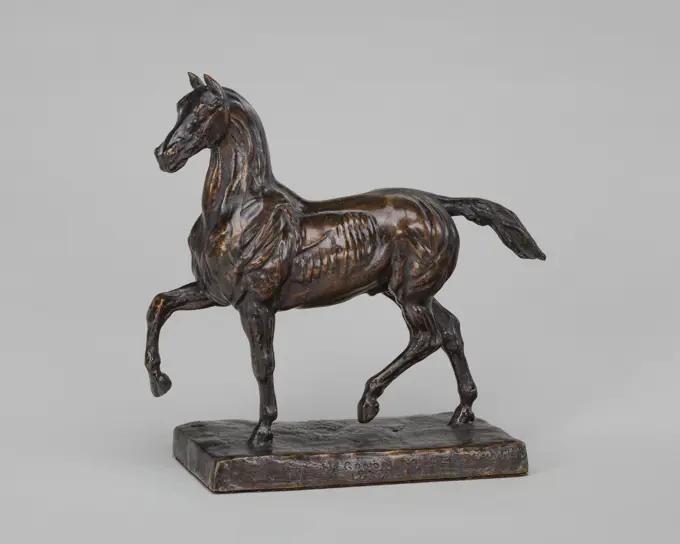
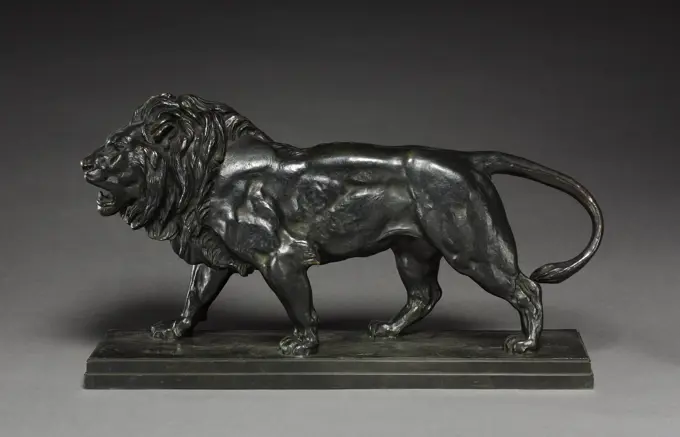
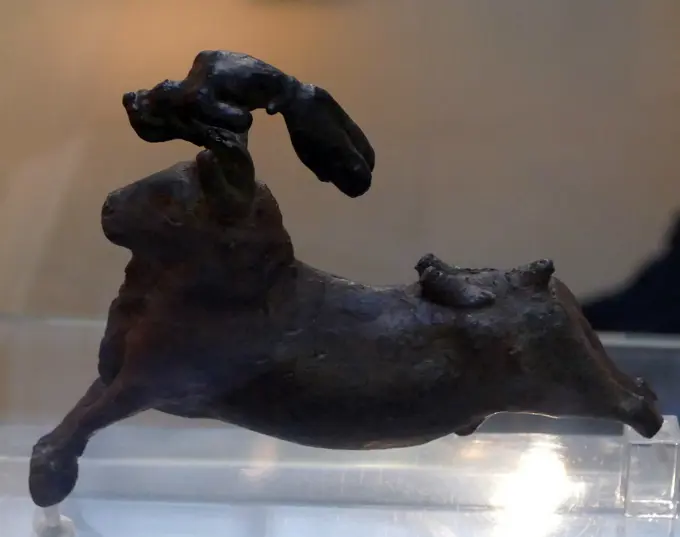
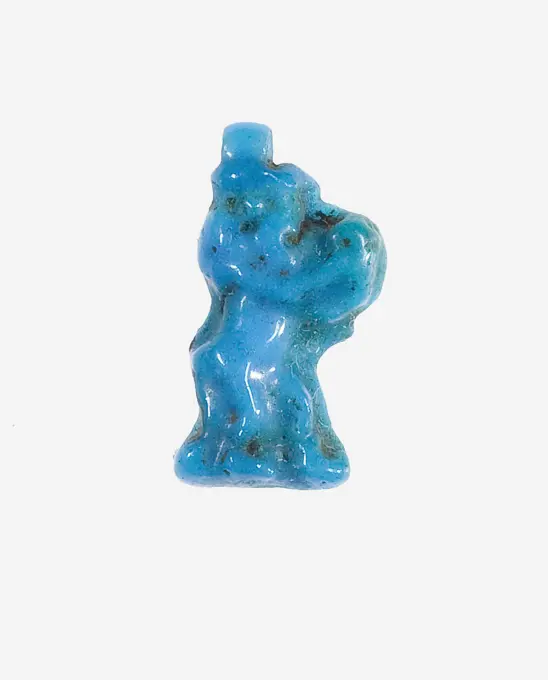
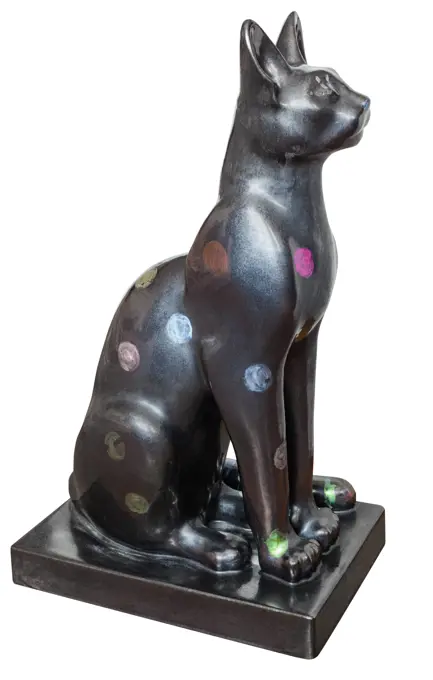
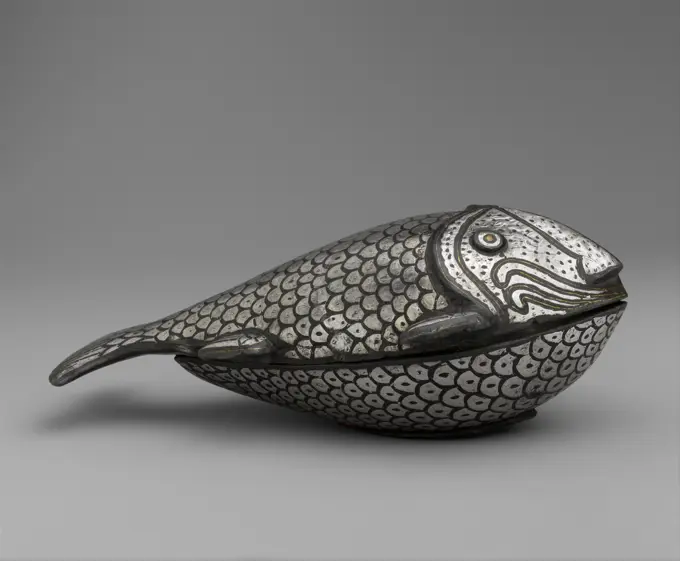
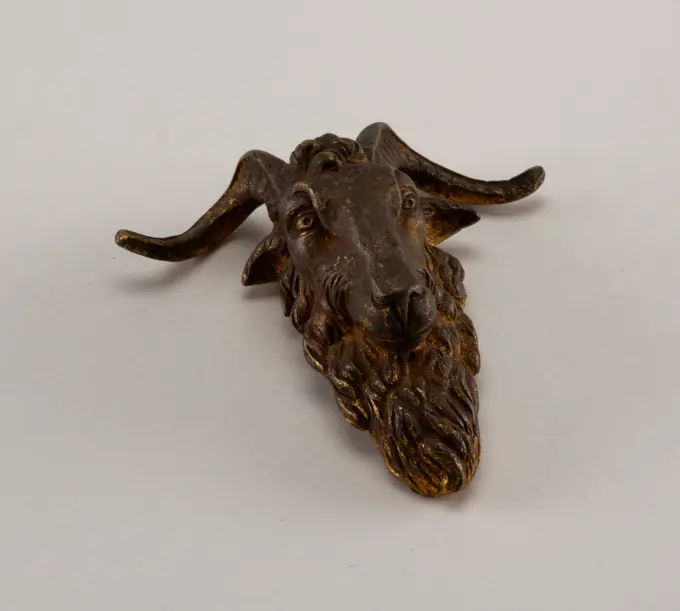
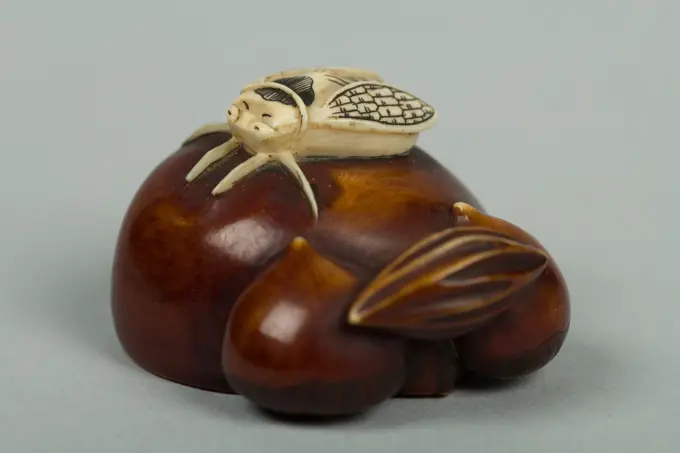
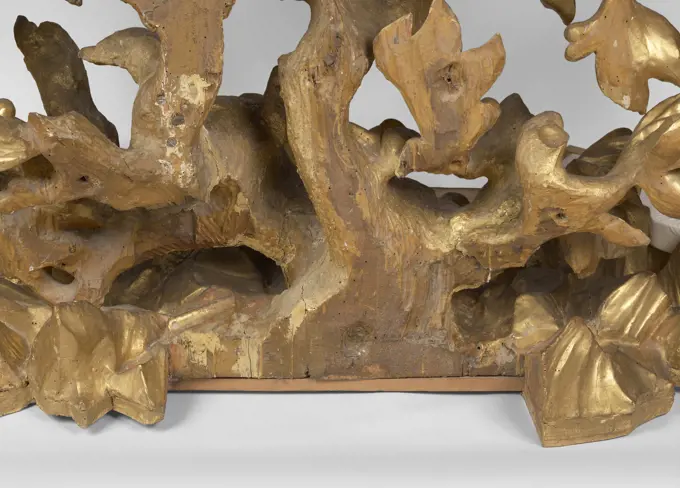
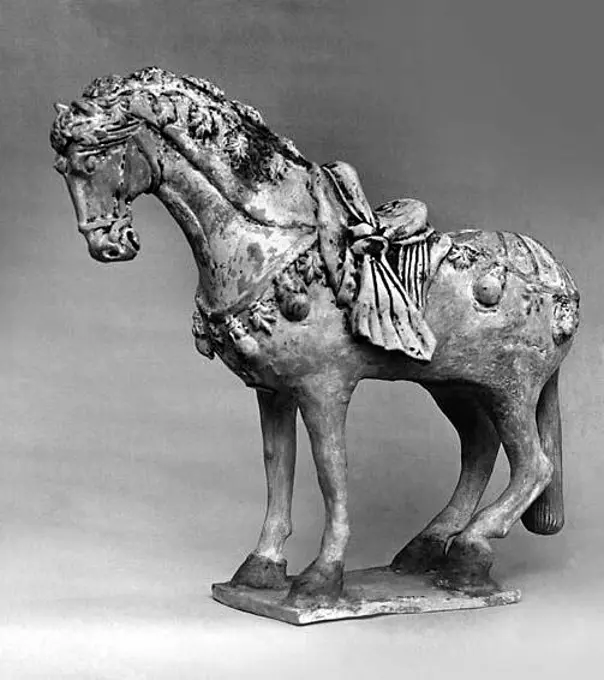
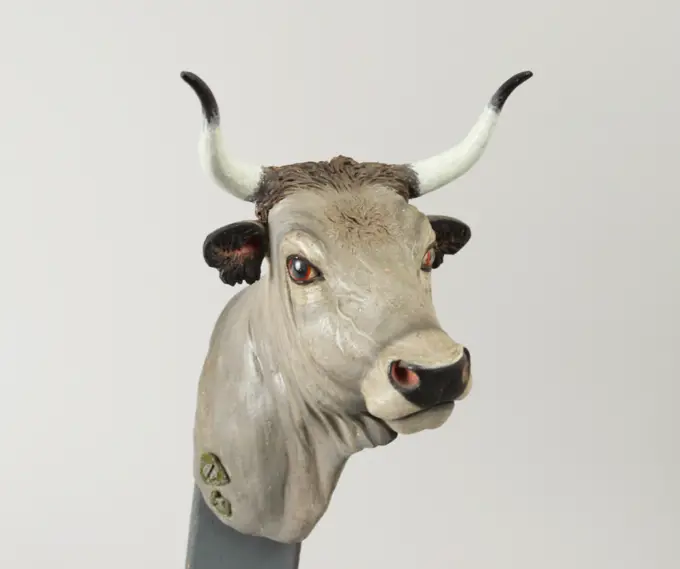
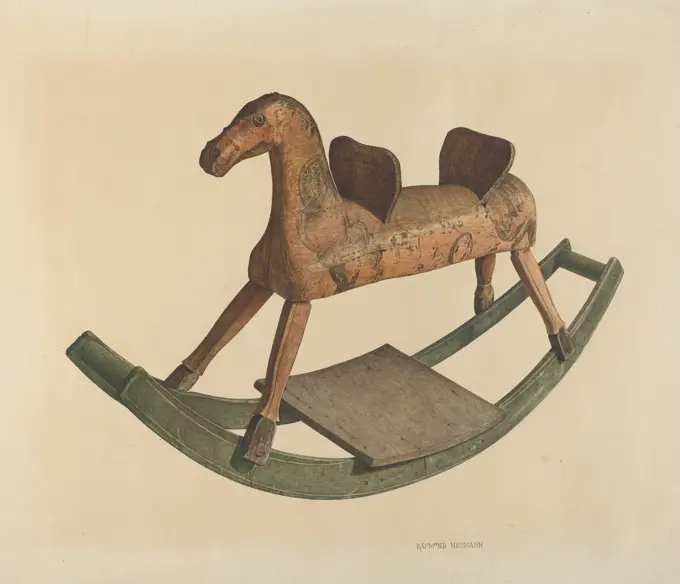
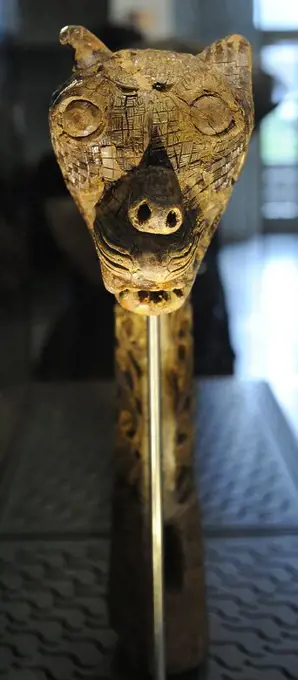
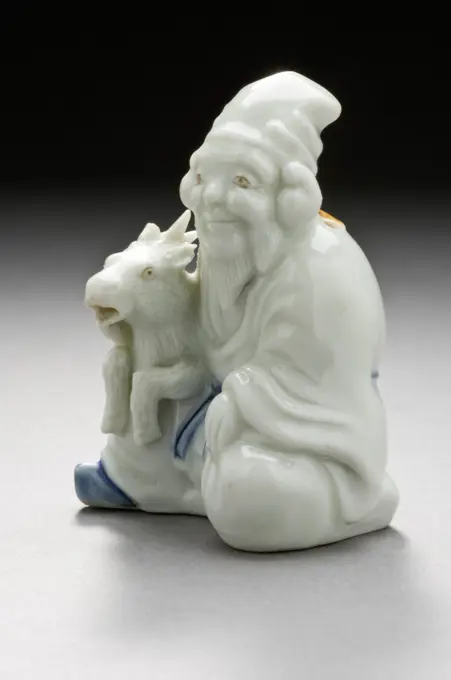
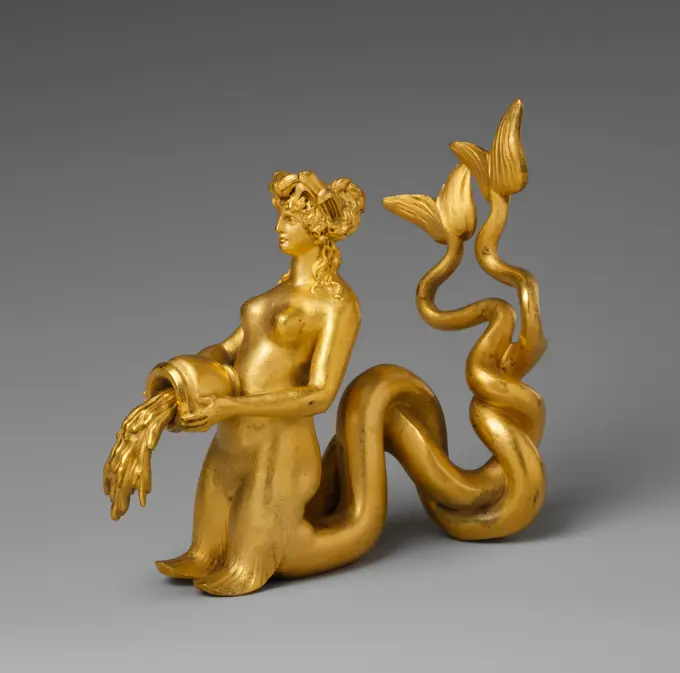
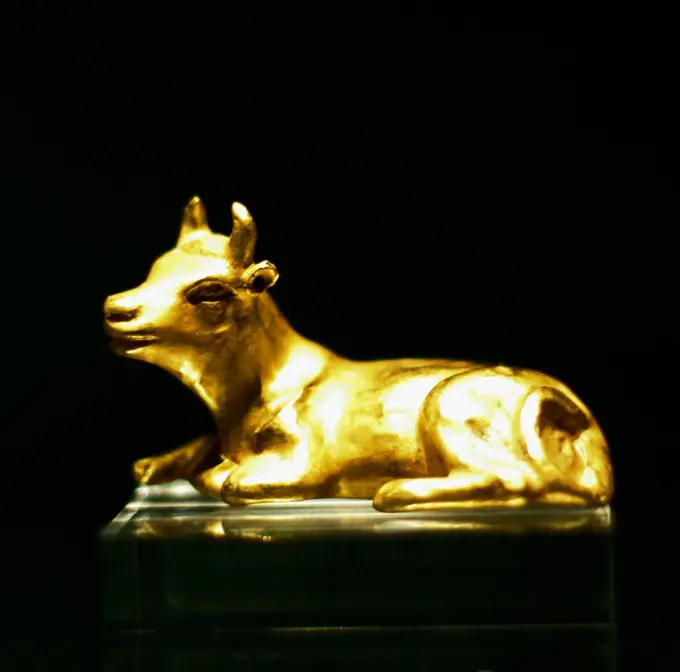
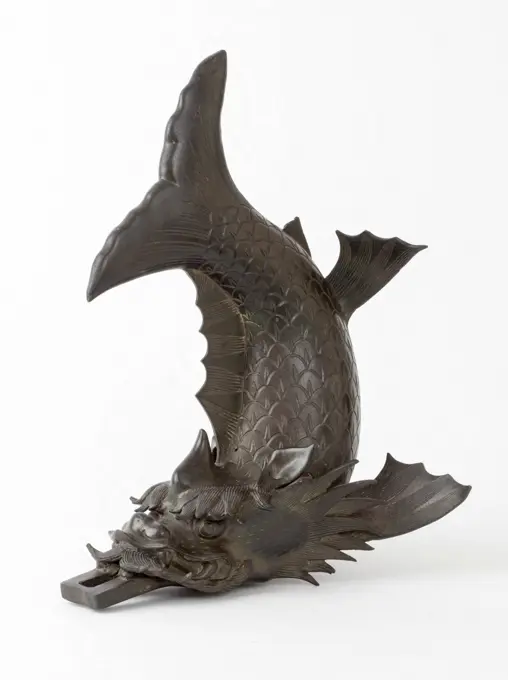
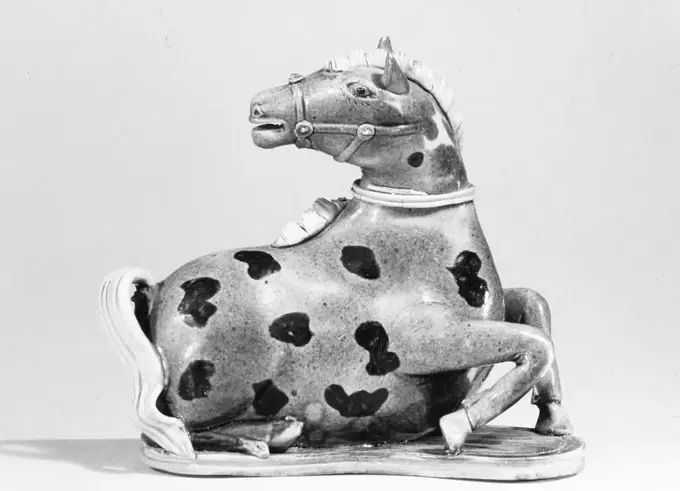
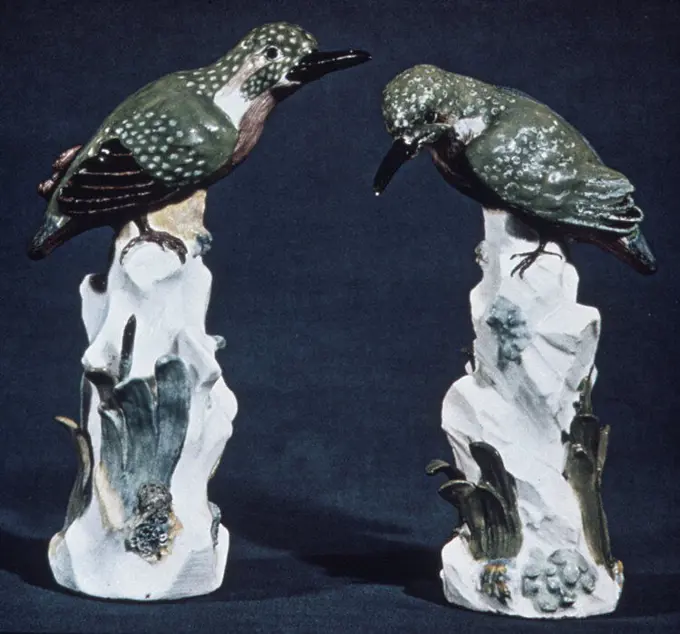
Bird Whistle. England, circa 1800-1820. Tools and Equipment; musical instruments. EarthenwareBrass design fitting on antique wooden horse, Jodhpur, Rajasthan, India Copyright: xSafatxAli/DinodiaxPhotoxStatuette of Odysseus under a Ram. UnknownPlate. Bronze. Northeast of China and Inner Mongolia, 6th century BC Paris, Cernuschi museum. 59697-11 Animal art, bronze, interior Mongolia, northeast China, plateEarthenware field bottle, thick red shard, silt marbled, four ears, flask holder soil find ceramic earthenware glaze lead glaze, hand turned glazed fired lime cord Pottery flask thick red shard outside with silt marbled and covered with lead glaze two pairs of contrasted ears in the shape of (lions) mask stand foot unglazed archeology Rotterdam City Triangle Cool Coolsingel underground pit import pottery drink travel Soil discovery Coolsingel Rotterdam during metro work.Hen and Chick' mechanical bank, c. 1901, Charles A. Bailey; Manufacturer: J. & E. Stevens Company, Cromwell, Connecticut, 1843-1950s, American (Middletown, CT), American, 1848-1926, 4 1/2 x 9 7/8 x 3 7/8 in. (11.43 x 25.08 x 9.84 cm), Iron, pigment, 19th-20th centuryTortoise figurine ca. late 3rd millennium B.C.. Tortoise figurine 326067Pedestal for flowers - an elephant figure;  19th century (1801-00-00-1900-00-00);Dog. Culture: American. Dimensions: 6 3/4 in. H. (17.15 cm). Maker: Attributed to Wilhelm Schimmel (probably 1817-1890). Date: 1865-90. Museum: Metropolitan Museum of Art, New York, USA.Tiger. Tiger modeled in loam on a wooden base.Mask with Headdress 6th-7th century Moche (Loma Negra). Mask with Headdress 315109Seal 18th century China. Seal. China. 18th century. Rock crystal. HardstoneElephant and Mahout. Style of Tsuji (Japan, 18th century). Japan, 18th century. Costumes; Accessories. BoxwoodAntoine Louis Barye, Doe Reclining, model 1840, cast by 1874 Doe RecliningPendant amulet in the form of a bird. Culture: Sumerian. Dimensions: 0.1 x 1.1 x 0.87 in. (0.25 x 2.79 x 2.21 cm). Date: ca. 2900-2350 B.C.. Museum: Metropolitan Museum of Art, New York, USA.Tortoise Form Water Dropper, 17th century, 1 15/16 x 5 1/16 x 2 5/8 in. (4.9 x 12.9 x 6.7 cm), Bronze with gold and silver inlay, China, 17th century, Cast after an ancient Han or Six Dynasties (25-618) prototype, this scholar's water dropper is in the form of a tortoise holding a small cup in its mouth. The creature is surmounted by a snake inlaid with gold and silver strips. In combination, the snake and tortoise represent the north, or the 'dark warrior.' In spite of the patterned inlay, the animals are realistically cast. The tortoise is even correctly detailed with scales and plastron on the underside.Cloisonne HorseXianShaanxi ProvinceChinaMetate, 1200-1500. Costa Rica, Guanacaste, northwest coast, 13th-15th century. Gray volcanic stone; overall: 26.7 x 54.6 x 26.7 cm (10 1/2 x 21 1/2 x 10 1/2 in.).Figure of stag wood and fur 5th century BC from Altai. Museum: HERMITAGE, SAN PETERSBURGO, RUSSIA.Brochure. Ordos. Han dynasty. Paris, Cernuschi museum. 35252-1 Dynasty of Han, hetao, Mongolia Meridional, Ordos, Paleolithic, Plate, Prehistory, Prehistoric, AnimalNetsuke of Acrobat 19th century Japan. Netsuke of Acrobat 60419The Attarouthi Treasure - Silver Dove 500-650 Byzantine The dove, with wings spread and feet tucked up as if in flight, represents the Holy Spirit that appeared over the head of Christ as he was baptized by Saint John the Forerunner (John 1:32). Early authors mention the presence of doves over altars in churches from Constantinople to Tours in France. This is the earliest known example of the type. Originally a small cross hung from the loop in its beak.. The Attarouthi Treasure - Silver Dove. Byzantine. 500-650. Silver. Made in Attarouthi, Syria. Metalwork-SilverFish-Shaped Container; Egypt; about 1403 - 1347 B.C; Glass; 6 x 12.5 cm (2 3,8 x 4 15,16 in.)Cat ca. 1755 Saint James's Factory Listen to experts illuminate this artwork's story Listen Play or pause #413. Retail Value. High and Low Supported by Bloomberg Philanthropies We're sorry, the transcript for this audio track is not available at this time. We are working to make it available as soon as possible.. Cat. British, London. ca. 1755. Soft-paste porcelain. Ceramics-PorcelainRam figurine Koriak folk products19th Century bronze Japanese incense burner.Water Dropper for Calligraphy in the Form of a Folded Lotus Leaf with Crab and Frog. Japan, 19th century. Ceramics. Hirado Mikawachi ware; porcelain with celadon glaze, blue and iron glazesPie Pot. A bronze oval pot to bake pie, standing on 4 legs. The lid, at the same height as the pot, exhibits from above the form of the pie.Rooster of the Warsaw Riflemen's Association. Erler, Mikołaj (fl. ca 1550), goldsmithNetsuke of Monkey Scratching His Back. Culture: Japan. Dimensions: H. 1 in. (2.5 cm); W. 1 5/8 in. (4.1 cm); D. 1 1/8 in. (2.9 cm). Date: 19th century. Museum: Metropolitan Museum of Art, New York, USA.Gold alligator from Panama Artist: UnknownBasket with crabs. Culture: China. Dimensions: H. 7 3/4 in. (19.7 cm); W. 6 in. (15.2 cm); D. 5 3/4 in. (14.6 cm). Museum: Metropolitan Museum of Art, New York, USA.Fibula de caballito, numancia, Garray, siglo III, II a.C, museo Numantino de Soria, Soria, Comunidad Autonoma de Castilla, Spain, EuropeRing ca. 1295-1185 B.C. New Kingdom, Ramesside. Ring. ca. 1295-1185 B.C.. Faience. New Kingdom, Ramesside. From Egypt. Dynasty 19Cameroon Beaded Stool Primitive Art Christie's, London Terracotta horse (Mingqi) ". China, era of the Northern Wei (386-534). Paris, Cernuschi museum. 24593-10 Horse, Northern Wei dynasty, Mingqi, Funeral statuette, terracottaTeapot. Culture: British, Staffordshire. Dimensions: Overall: 9 × 4 3/4 × 11 1/2 in. (22.9 × 12.1 × 29.2 cm). Maker: Style of Whieldon type. Date: second half 18th century. Museum: Metropolitan Museum of Art, New York, USA.Fox 1775-1785 Staffordshire. Lead-glazed earthenware (creamware) .Canada, First Nations Canadian art. Typical Inuit soapstone sculpture. (Editorial Usage Only)Salt and pepper barrels "Triton". Acquired by the artist at the World's Fair 1900 in ParisWeather. Weerhaan belonging to iron croice.Dove. Limoges, c. 1225-1250, gilded copper, enamel, Communion hosts were kept in this dove, which was suspended on a chain above an altar as a symbol of the Holy Ghost.Manufacture of Meissen, teapot and its rooster -shaped cover (attributed title). Hard porcelain, polychrome enamels. Petit Palais, Museum of Fine Arts of the City of Paris.Horse bit with cheekpieces in form of a horse. Culture: Iran. Dimensions: 5.12 in. (13 cm). Date: ca. 8th-7th century B.C.. Museum: Metropolitan Museum of Art, New York, USA.Waterdropper in Shape of Chinese Boy Seated on a Gourd, 1700s to mid-1800s. Japan, Edo period (1615-1868). Porcelain, molded and carved, with underglaze blue; overall: 6.2 x 5.1 cm (2 7/16 x 2 in.).Pair of Stirrups 1790-1810 France. Gilded bronze .Lucille Chabot, Carved Eagle Head, c 1937 Carved Eagle HeadOwl Ornament. Culture: Moche (Loma Negra). Dimensions: H. 5 1/8 x W. 6 1/16 x D. 2 in. (13.1 x 15.4 x 5.1 cm). Date: 390-450. Museum: Metropolitan Museum of Art, New York, USA.Malta, door knocker (Neptune), EuropeDecoy -Spider. Culture: Moche (Loma Negra). Dimensions: Length 2-3/4 in. (7 cm). Date: 390-450. Museum: Metropolitan Museum of Art, New York, USA.Bronze dove from a sculptural group, from Torre del Greco, Villa SoraSnake. Hōkkyō Sessai (Japan, 1820-1879). Japan, mid-19th century. Costumes; Accessories. Wood with inlaysItaly - Campania - Naples - erotic Cabinet(Office) of the archaeological museum - bronze phallusBronze Fibula. Villanovan, 8th century B.C.. Jewelry and Adornments; pins. BronzeAlbert Ryder, Hitching Post, c 1938 Hitching PostCenser with cover. Culture: Japan. Dimensions: H. 4 in. (10.2 cm); W. 6 1/2 in. (16.5 cm); D. 3 1/2 in. (8.9 cm). Date: 1750. Museum: Metropolitan Museum of Art, New York, USA.Horse 7th-8th century China. Horse 46111Théodore Gericault, Flayed Horse II, model c 1820 1824, cast c 1832 Flayed Horse IIWalking Lion, after 1836. Antoine-Louis Barye (French, 1796-1875). Bronze; overall: 22.3 x 40.6 cm (8 3/4 x 16 in.); base: 10.4 cm (4 1/8 in.).Figure in the form of a swan, c. 1700 - c. 1900 Figure in the form of a swan. China (possibly) ivory Figure in the form of a swan. China (possibly) ivoryBronze statuette of a bull and an acrobat. Minoan, Greek; Minoan, 1550-1450 BCAmulet of Bes with tambourine ca. 1390-1353 B.C. New Kingdom. Amulet of Bes with tambourine. ca. 1390-1353 B.C.. Faience. New Kingdom. From Egypt, Upper Egypt, Thebes, Malqata, South Village, MMA excavations, 1911-12. Dynasty 18side view of cat statue from Ancient Egypt side view of modern hand made ceramic replica of cat statue from Ancient Egypt isolated on white background ,property released Copyright: xZoonar.com/ValeryxVoennyyx 8547717 ,model released, Symbolfoto ,property releasedIncense burner with cover China. Incense burner with cover 43976Fish-Shaped Box 19th century Although the technique of inlaying metal known as bidri was invented in the Deccan in the seventeenth century, and Hyderabad remained a center for this type of metalwork into the 1800s, Lucknow, in northeastern India, also became an important center for production of bidri ware in the eighteenth and nineteenth centuries.. Fish-Shaped Box. 19th century. Zinc alloy; cast, engraved, inlaid with silver and brass (bidri ware). Probably made in India, Lucknow or Hyderabad. Metal'Figurine of a Bull'. France, 18th century. Dimensions: 38x46 cm. Museum: State Hermitage, St. Petersburg. Author: French sculptor. 18th century.MountNetsuke of Chestnuts and a Fly 19th century Japan. Netsuke of Chestnuts and a Fly. Japan. 19th century. Ivory stained brown. Edo (1615-1868) or Meiji period (1868-1912). NetsukeElephant' mechanical bank, c. 1900, 4 7/8 x 2 5/8 x 7 1/4 in. (12.38 x 6.67 x 18.42 cm), Aluminum, pigment, 19th-20th centuryTrinket Box 1830-70 American. Trinket Box. American. 1830-70. Parian porcelain. Probably made in Bennington, Vermont, United StatesZuni tribe water vessel in the form of an owl. Artist: UnknownSide Table; Design attributed to Johann Paul Schor (called Giovanni Paolo Tedesco) (Austrian, 1615 - 1674); Rome, Lazio, Italy; about 1670; Gessoed and gilt poplar; 170 x 224.8 x 84.9 cm (66 15,16 x 88 1,2 x 33 7,16 in.)Horse 8th-9th century China. Horse 48836Joseph Rothenberg, Weather Vane, c 1938 Weather VaneRed jasper in form of hippopotamus, chalcedony, healing stone, healing stones, semi-precious stones, indoor, studio, esoteric, esotericism, free plate, objectDog in red porcelain (attributed title). Painted porcelain. House of Victor Hugo - Hauteville House.Cow's head second half 18th century Italian, Naples In 1964, Loretta Hines Howard generously presented to the Museum over 140 Neapolitan crèche figures, dating from the second half of the eighteenth century. The varied assortment includes figures from the three traditional scenes of a complete Neapolitan presepio: the Nativity, with angels, shepherds, and sheep; the procession of the three Magi, with their colorful retinue of attendants; and the varied and gay crowd of country and town people thronging the tavern, or inn, of Bethlehem  the diversorium mentioned by St. Luke, where on the Holy Night there was no place for Mary and Joseph. Averaging between twelve and fifteen inches in height, according to the position they were to take in perspective in the stage set, the figures are pliable and can be given poses at will, according to their facial expressions. Their bodies are made of tow and wire, their arms and legs are finely carved of wood, and their heads and shoulders are modeledWoman Washing Her Left Leg. Dated: c. 1890s. Dimensions: overall without base: 20.5 x 16.4 x 25 cm (8 1/16 x 6 7/16 x 9 13/16 in.) height (of figure): 17.3 cm (6 13/16 in.). Medium: yellow, red, and olive-green wax, green ceramic pot. Museum: National Gallery of Art, Washington DC. Author: EDGAR DEGAS.Bread in basket. White isolatedRaymond Neumann, Rocking Horse, 1935 1942 Rocking HorseRelic of the Stone which Supported the Cross, c. 1045. Germany, Lower Saxony, Romanesque period, 11th century. Limestone, felted fiber; This relic is housed inside of the portable altar commissioned by Countess Gertrude of Brunswick, one of the Guelph Treasure’s earliest and most sumptuous objects.Clasped Hands of Robert Browning and Elizabeth Barrett Browning. Dated: model 1853. Dimensions: overall: 8.3 x 21 x 10.8 cm (3 1/4 x 8 1/4 x 4 1/4 in.). Medium: bronze. Museum: National Gallery of Art, Washington DC. Author: Harriet Goodhue Hosmer.Animal-head post carved in wood. Found in the Tomb of the Boat of Oseberg, Norway. 9th century. Viking Ship Museum. Oslo. Norway.Water Dropper in the Form of Fukurokuju with His Deer. Japan, 19th century. Ceramics. Hirado ware; porcelain with white and blue glazesPair of finials early 19th century French Presumably intended to represent a river nymph, the mermaid holds a vase with streaming water.. Pair of finials. French. early 19th century. Gilt bronze. Metalwork-Gilt BronzeElephant' still bank, late 19th-early 20th century, Ives Blakeslee Company, Bridgeport, Connecticut, 1868-1930, 2 1/2 x 1 1/16 x 3 5/16 in. (6.35 x 2.7 x 8.41 cm), Iron, pigment, 19th-20th centuryNetsuke of Two Cats. Culture: Japan. Dimensions: H. 2 in. (5.1 cm); W. 1 5/8 in. (4.1 cm). Date: 19th century. Museum: Metropolitan Museum of Art, New York, USA.Gold bull, Bactria or Gandhara, 100-1 BC.Dragon fish. Bronze. China. Paris, Cernuschi museum. Chinese art, bronze, dragon fish, animalMetate ormortar. Artist: UnknownFigure of Horse. Culture: China. Dimensions: H. 4 5/8 in. (11.7cm); W. 5 1/4 in. (13.3 cm); D. 2 5/8 in. (6.7 cm). Date: late 17th-early 18th century. Museum: Metropolitan Museum of Art, New York, USA.Kingfisher (one of a pair) 1739 Meissen Manufactory German Porcelain birds have their origins in the princely tradition of maintaining collections of living animals and birds in menageries and aviaries, which were viewed as microcosms of the universe, and emblems of royal power and enlightenment. These collections often included exotic birds such as parrots, admired for their rarity, as well as more familiar native species.In 1731 the Meissen manufactory began a new genre in European porcelain, producing several hundred life-size and near-life-size porcelain birds and animals, many destined for the Japanese Palace of Augustus the Strong, Elector of Saxony (1670-1733). To create them, factory modelers found inspiration in nature, looking both to living and stuffed specimens, as well as zoological illustrations and Asian porcelain precedents. The great Meissen modeler Johann Joachim Kändler is known to have copied from life the birds kept at the royal aviary at Schloss Moritzburg.Surviviwooden eagle isolated on white backgroundBOTIJO DE GALLO - BARRO ROJO CON DECORACION INCISA - SIN VIDRIAR. Location: ALFARERIA. SPAIN.Silver Snoopy PinMarian Page, Rooster Woodcarving, c 1940 Rooster WoodcarvingPhilip Johnson, Cow Weather Vane, c 1939 Cow Weather VaneSleeve Button ca. 1876 Union Porcelain Works. Sleeve Button. American. ca. 1876. Porcelain. Made in Brooklyn, New York, United StatesPeacock 1741 Meissen Manufactory German. Peacock. German, Meissen. 1741. Hard-paste porcelain. Ceramics-Porcelain