Animal Figurines and Netsuke

Artistic representations of animals, including bronze and wood carvings from various cultures. Intricate designs highlight the unique features of each creature.
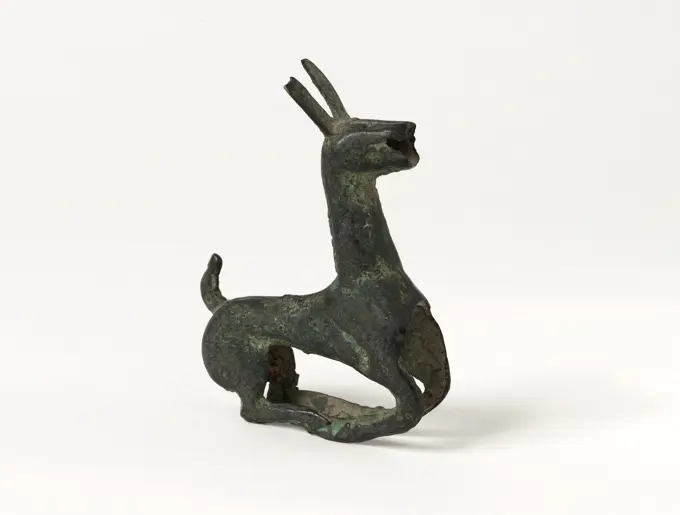
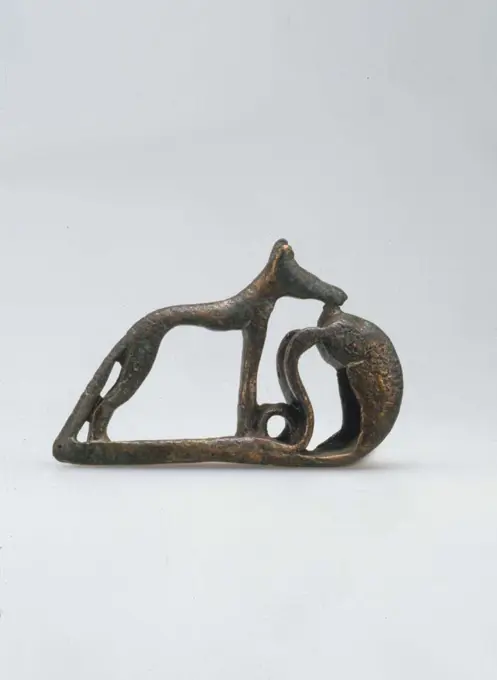
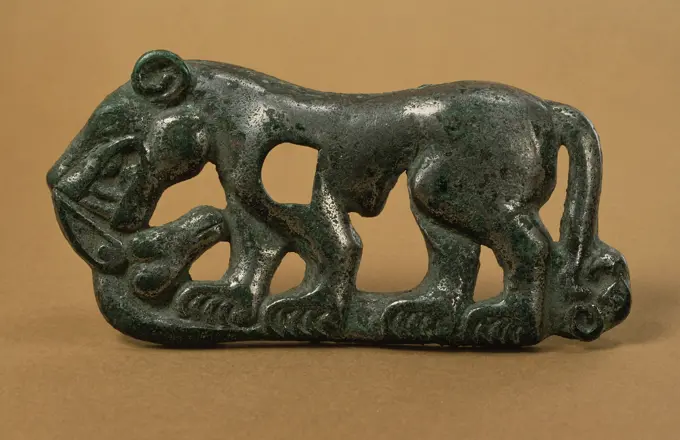
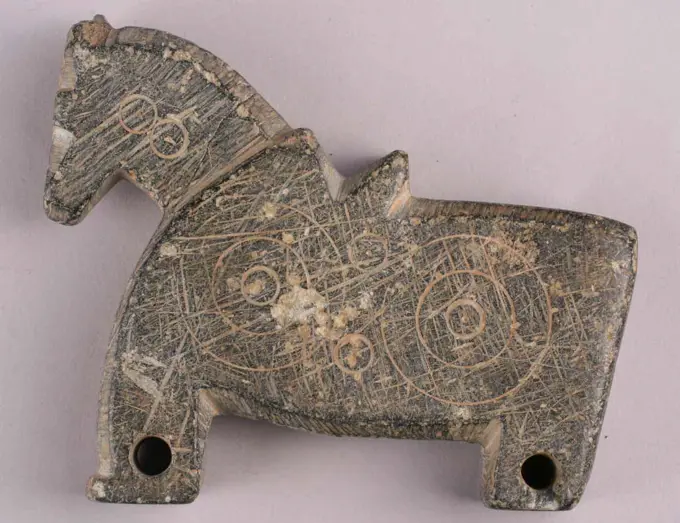
Banicies Art des do tense. IIie MILLENEARY AV. J.C. Paris, Museum Causori. 35173-8 Art of steppes, doe, animal
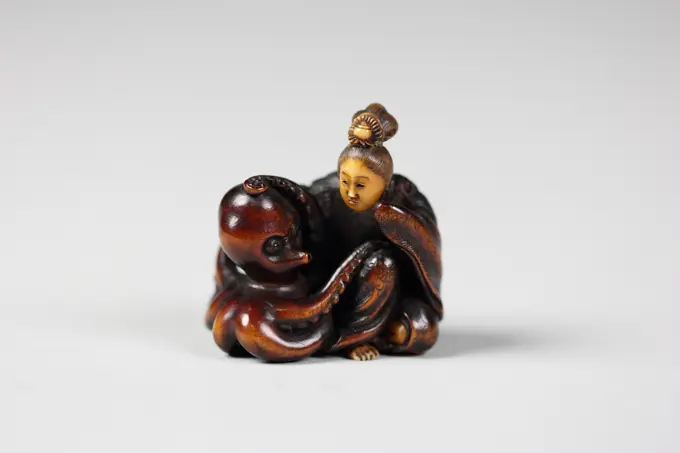
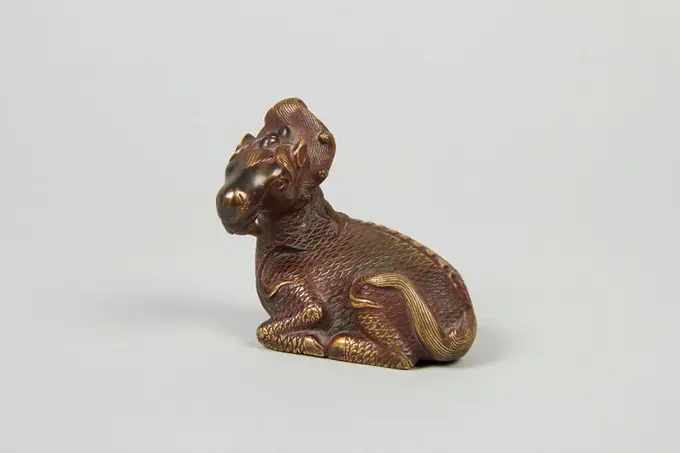
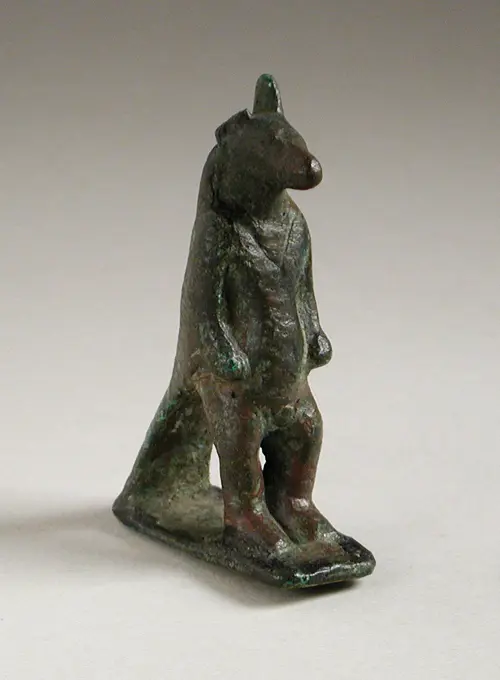
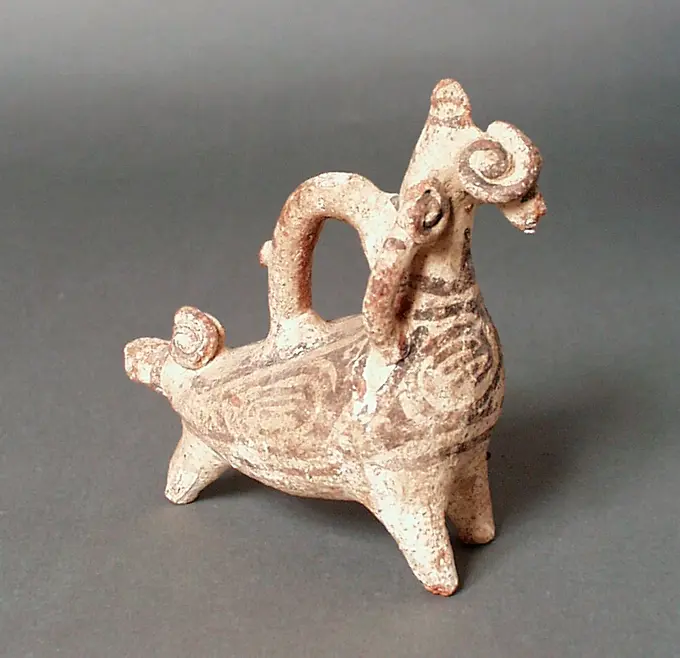
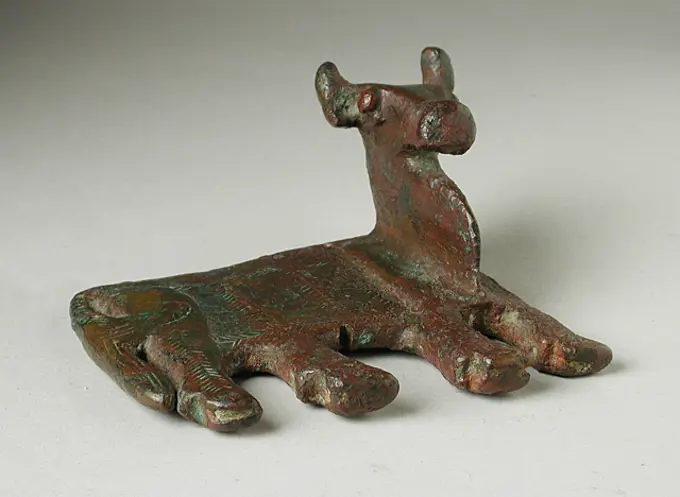
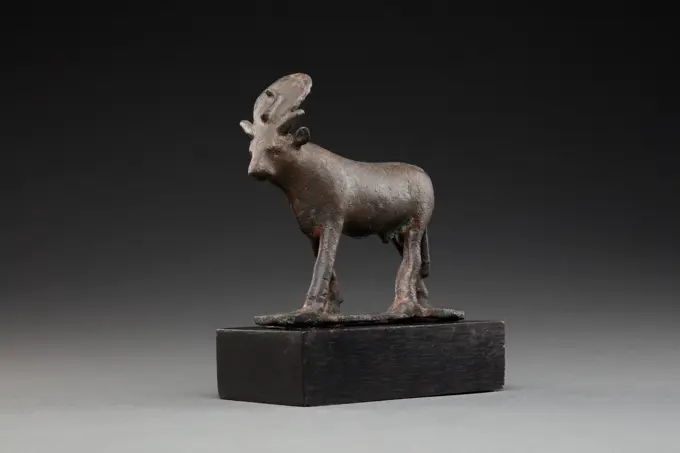
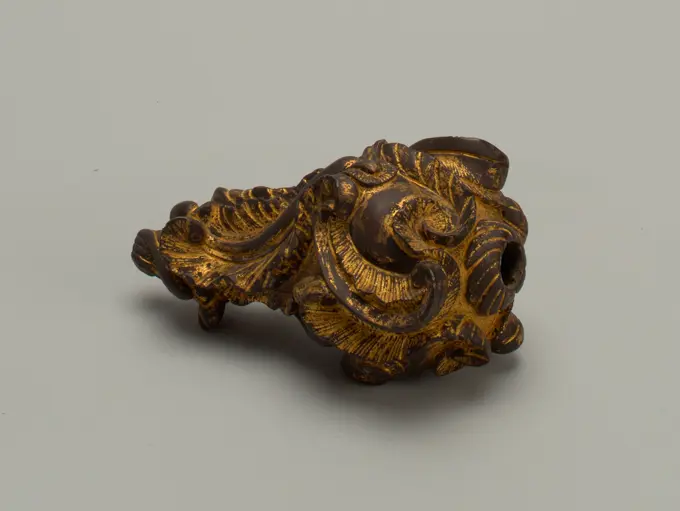
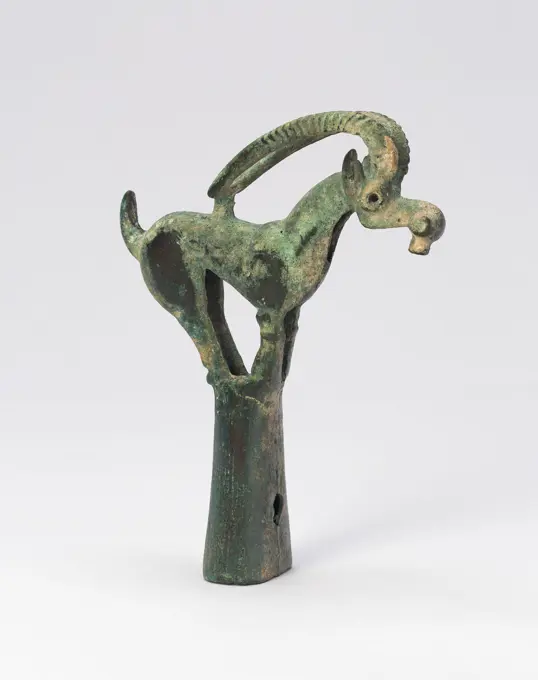
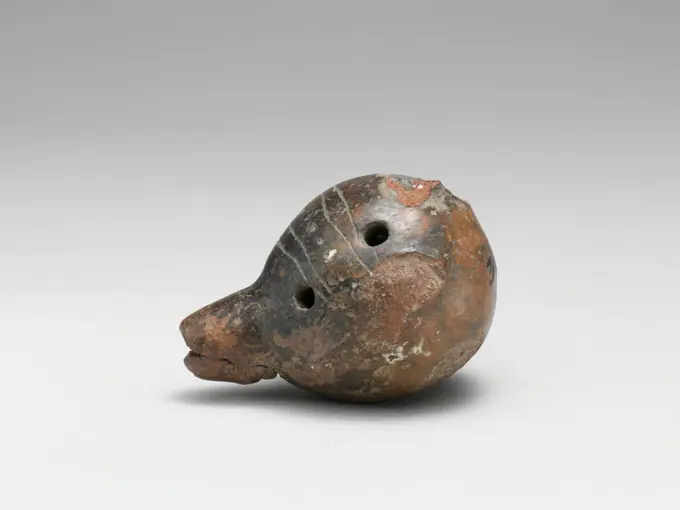
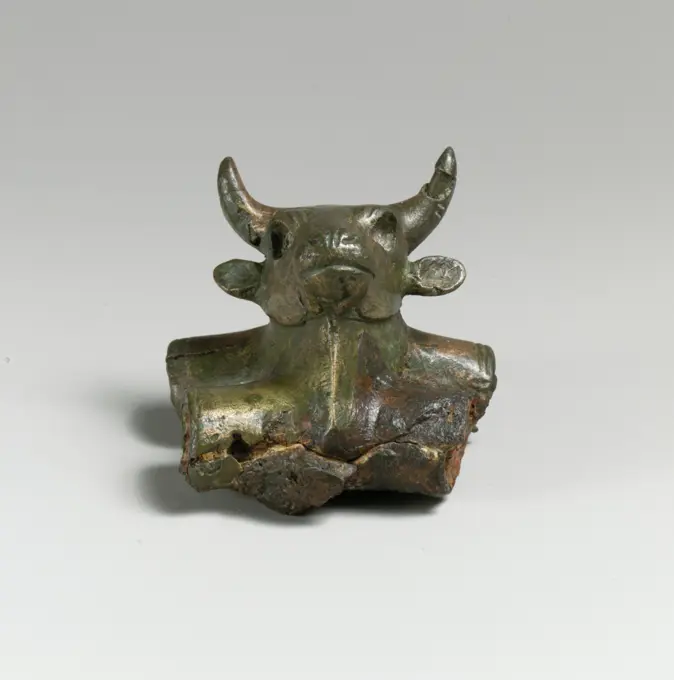
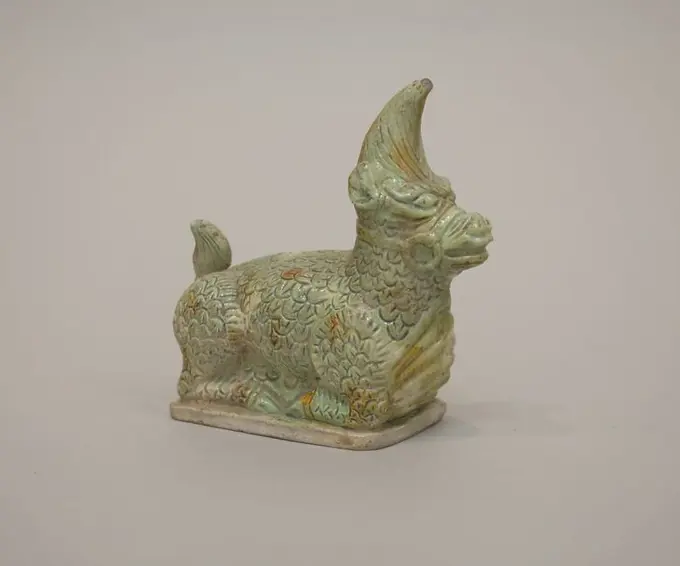
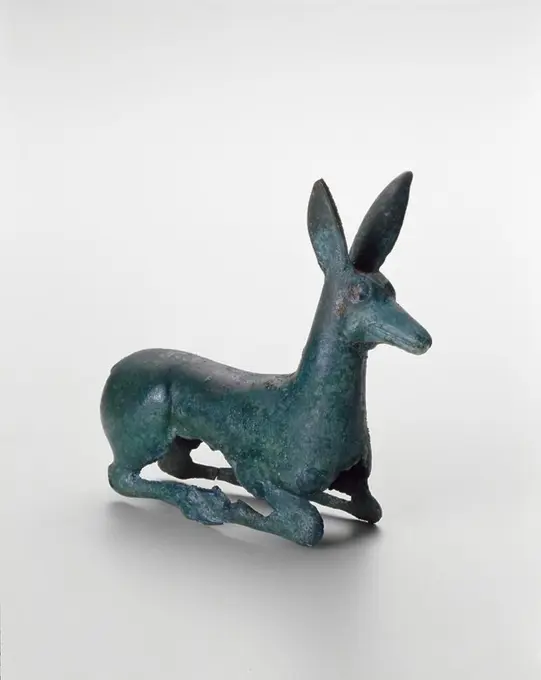
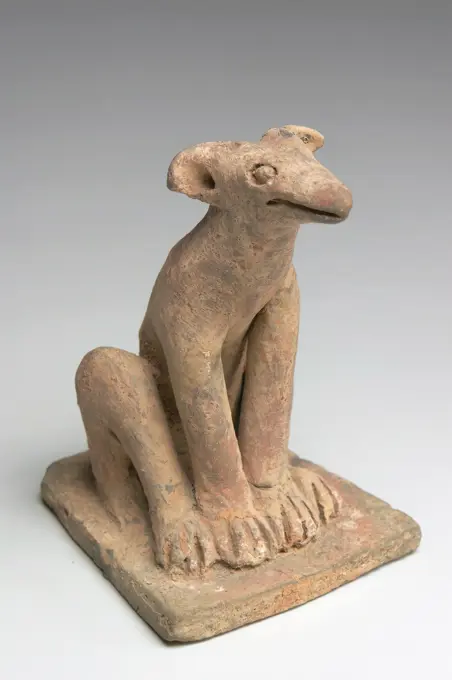
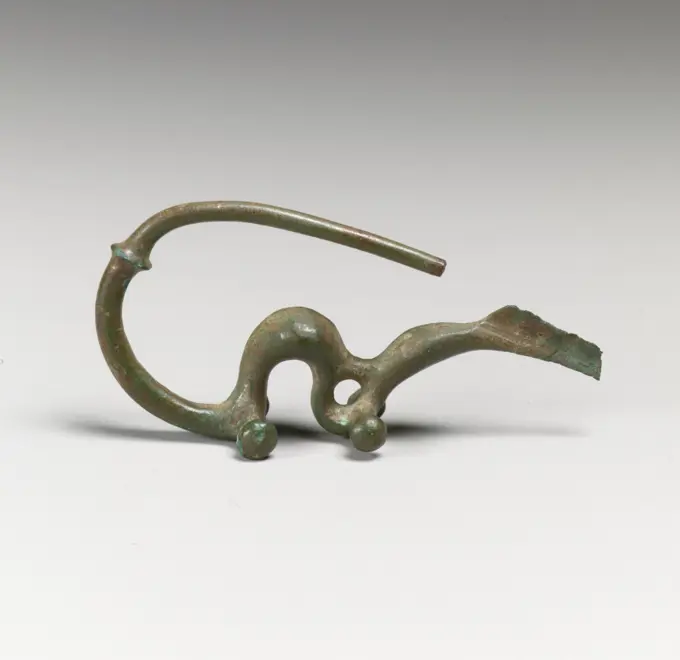
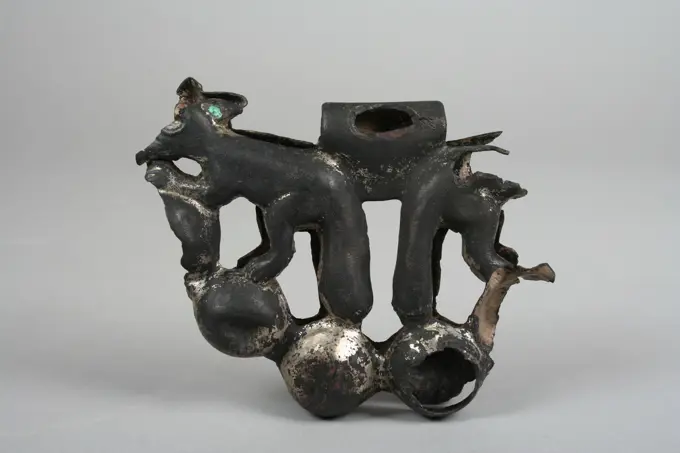
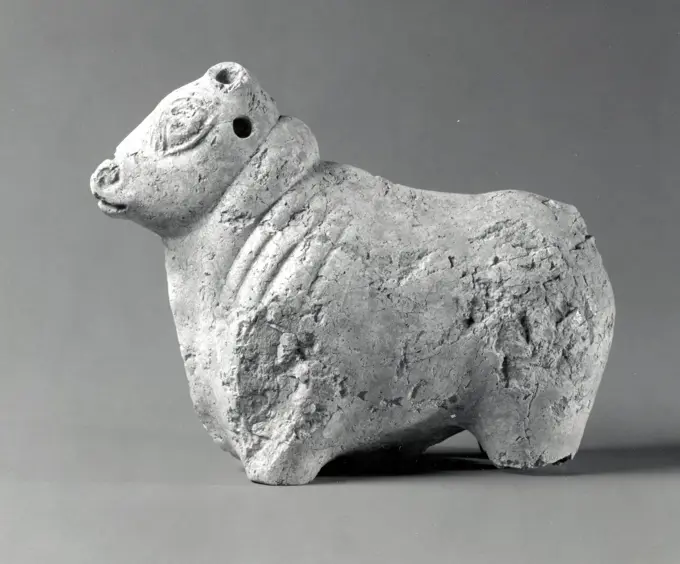
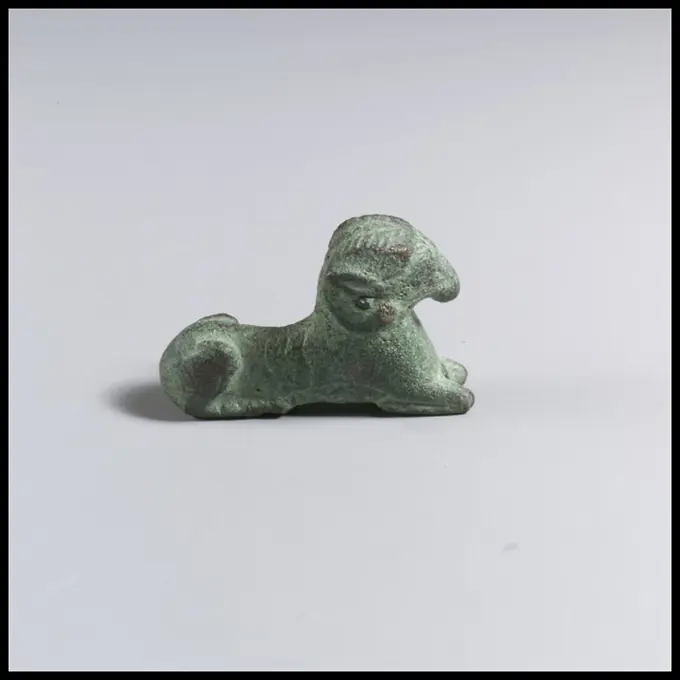
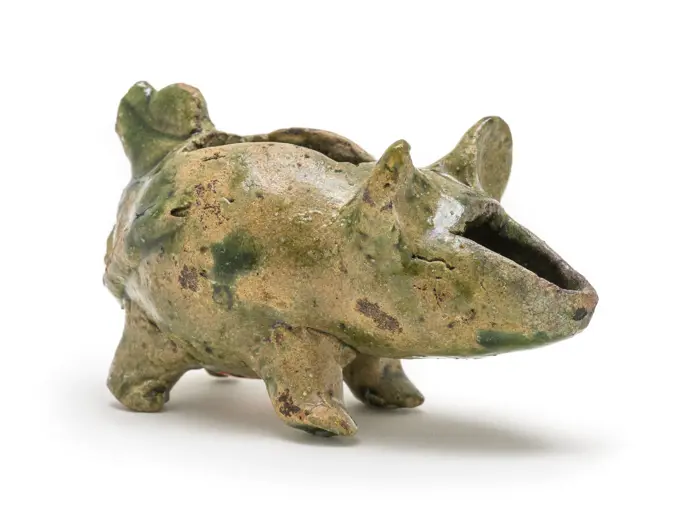
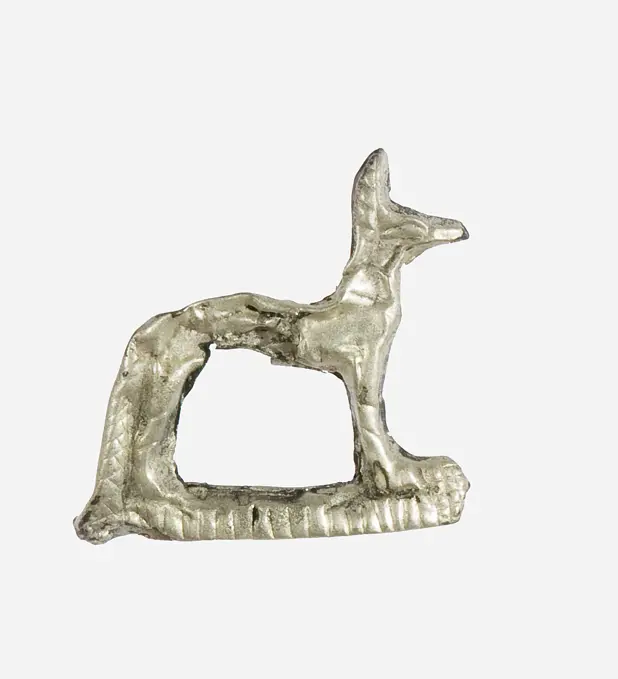
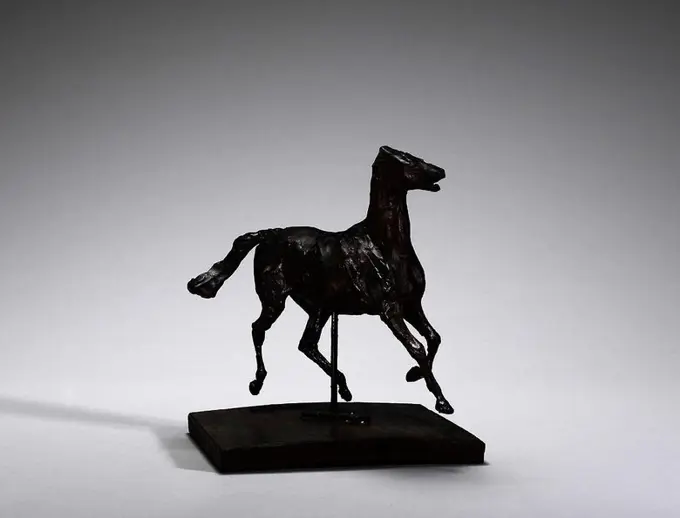
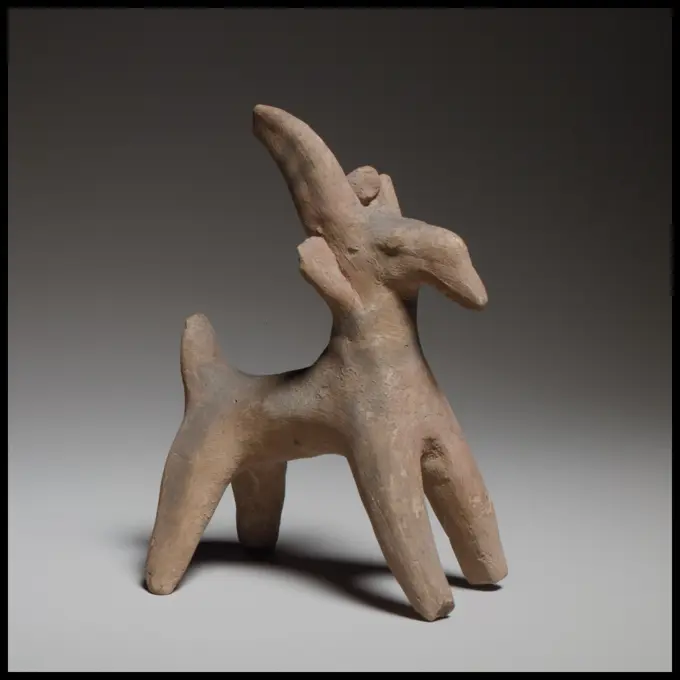
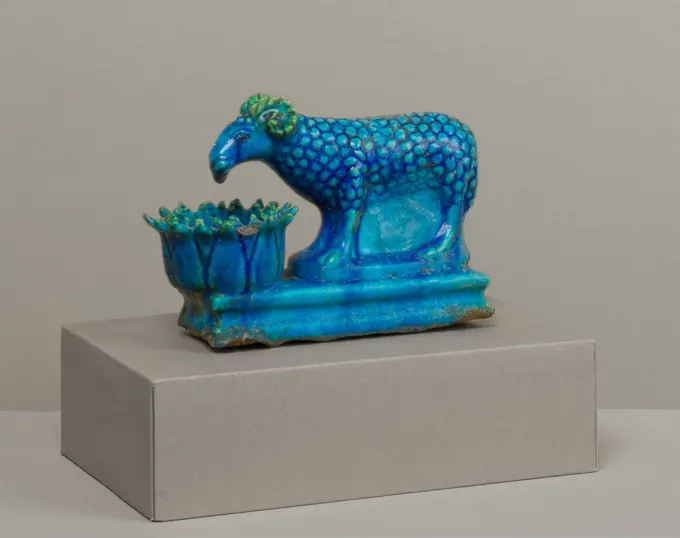
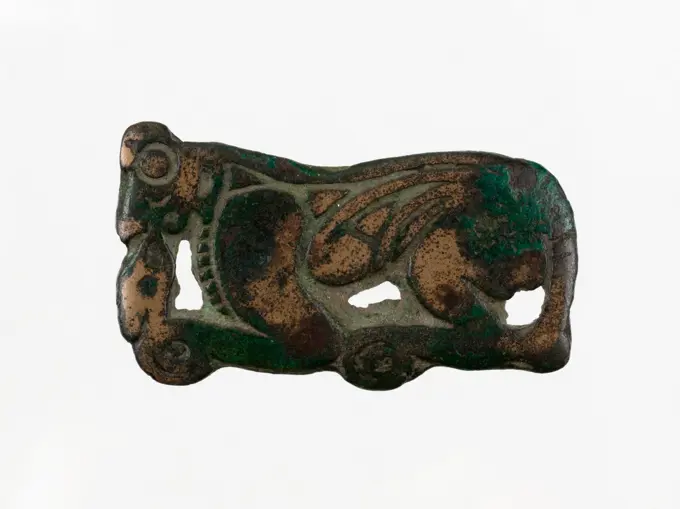
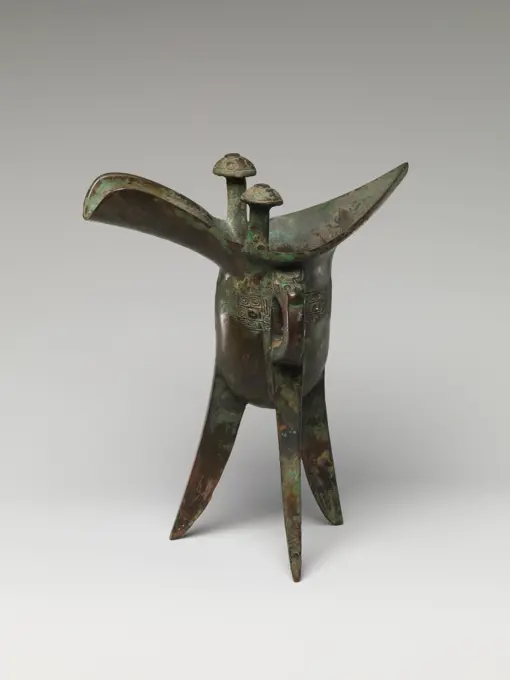
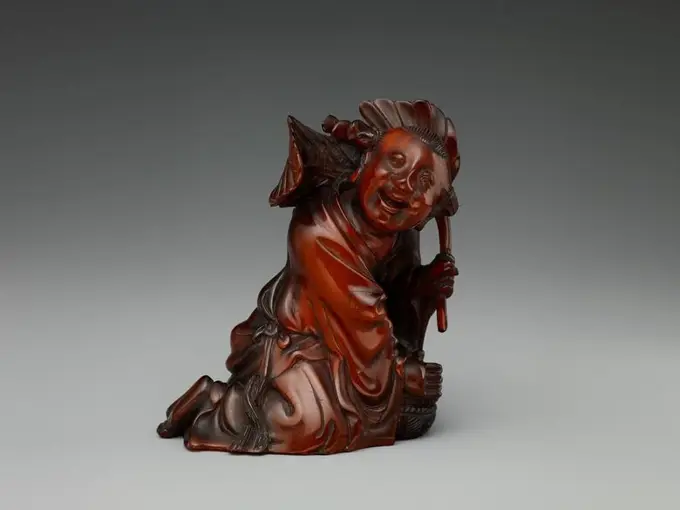
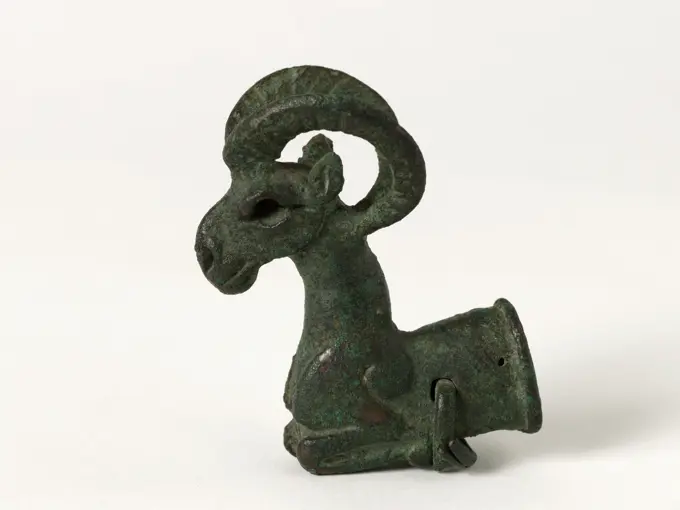
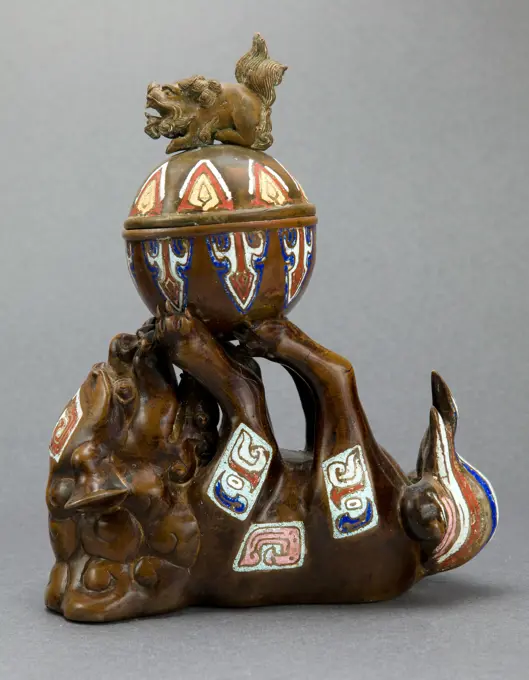
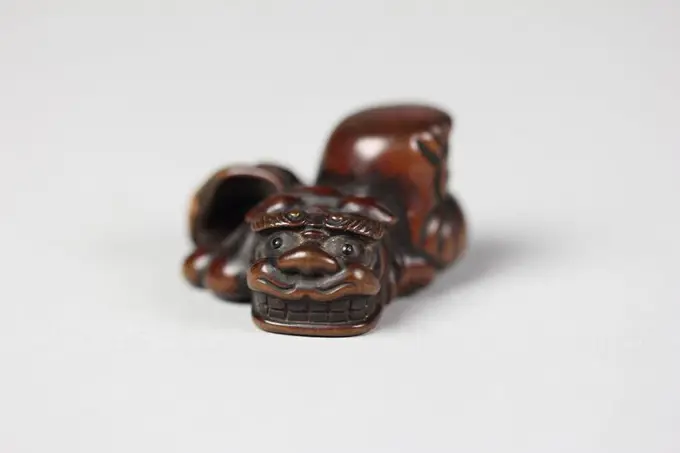
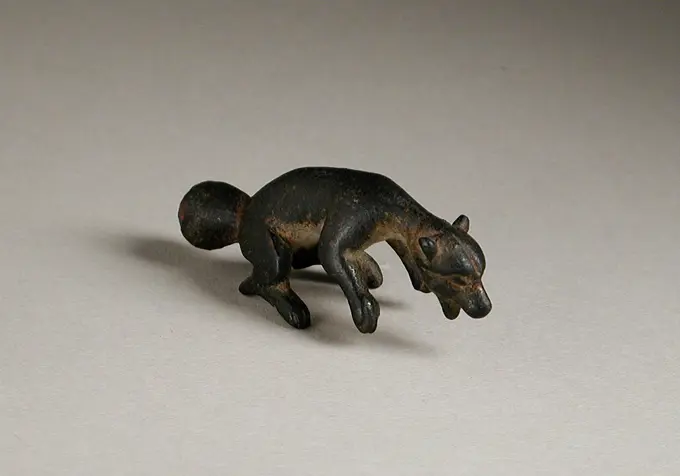
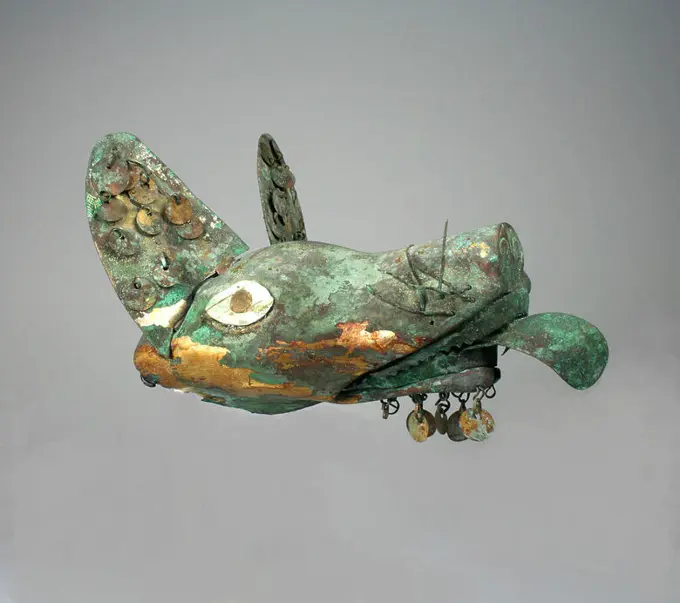
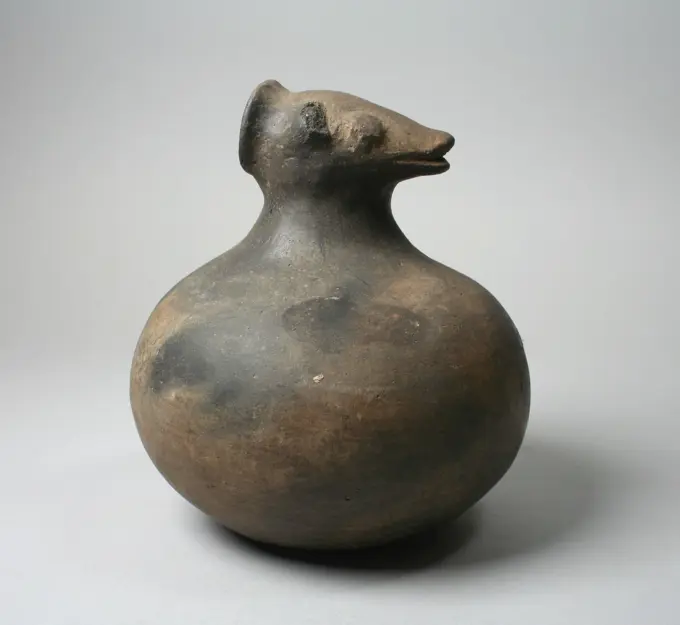
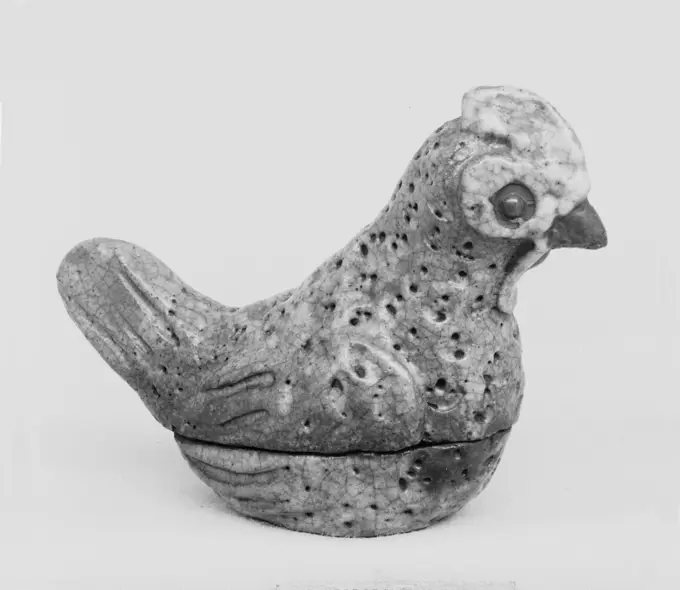
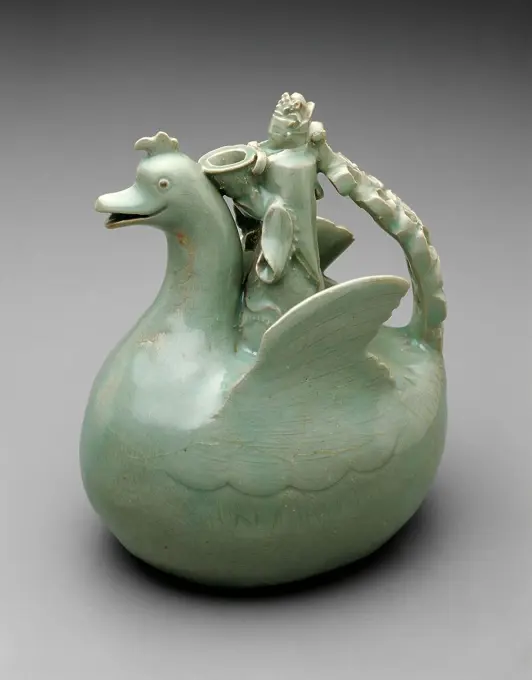
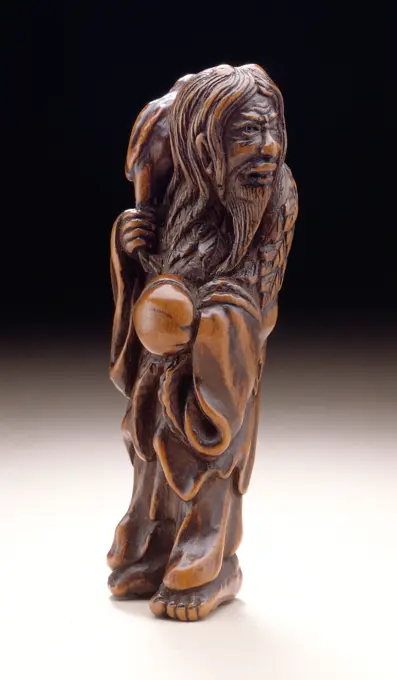
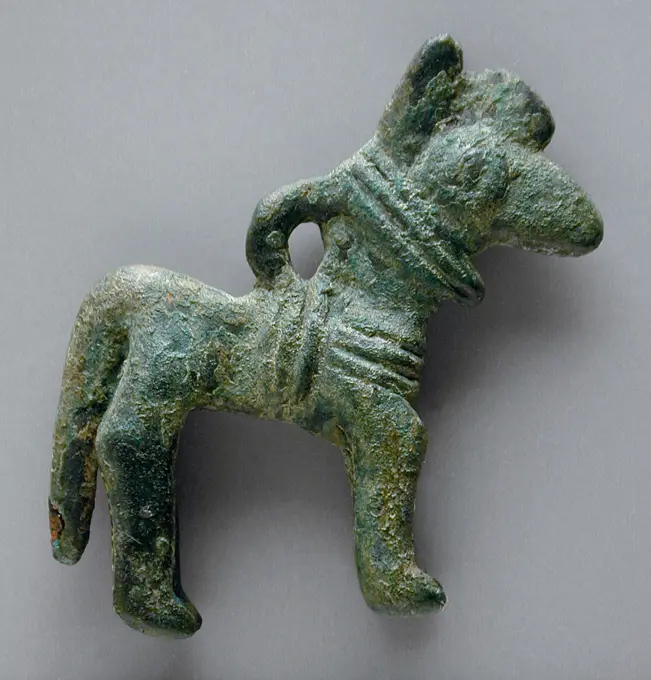
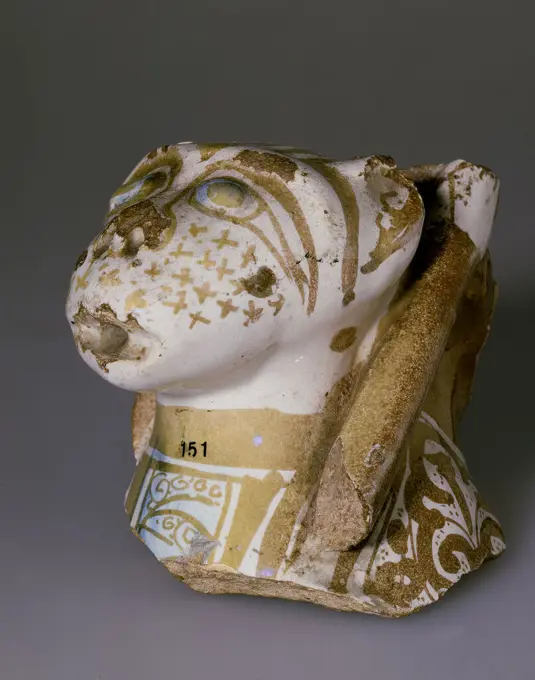
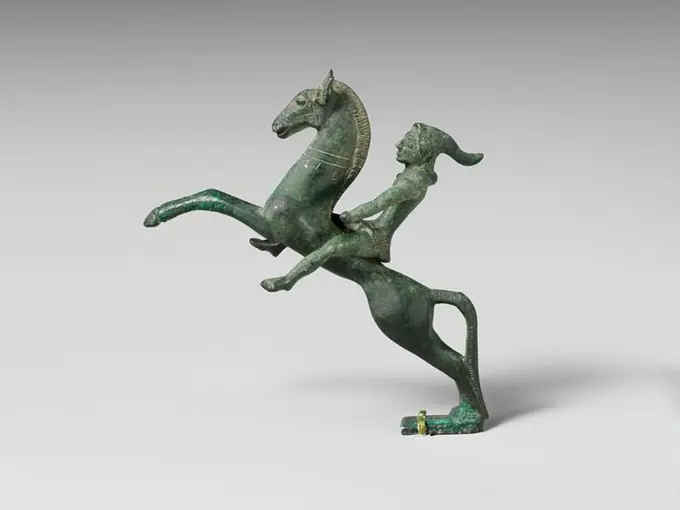
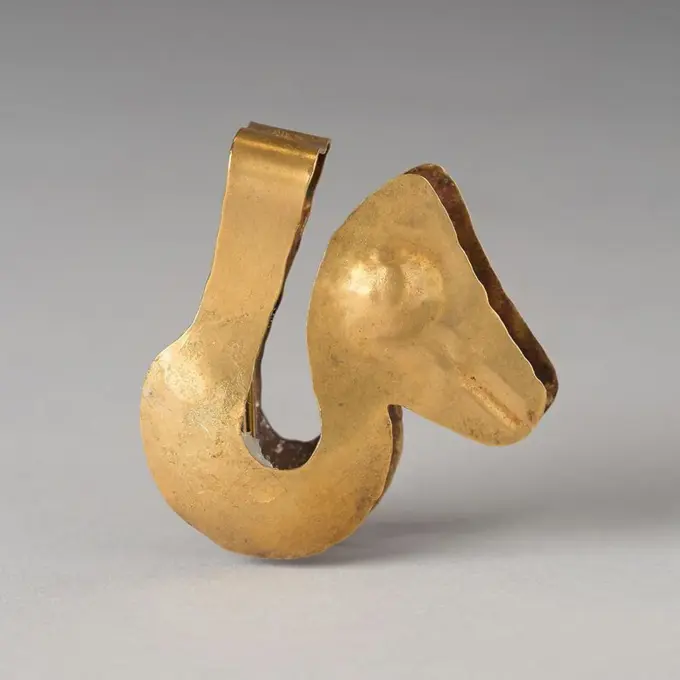
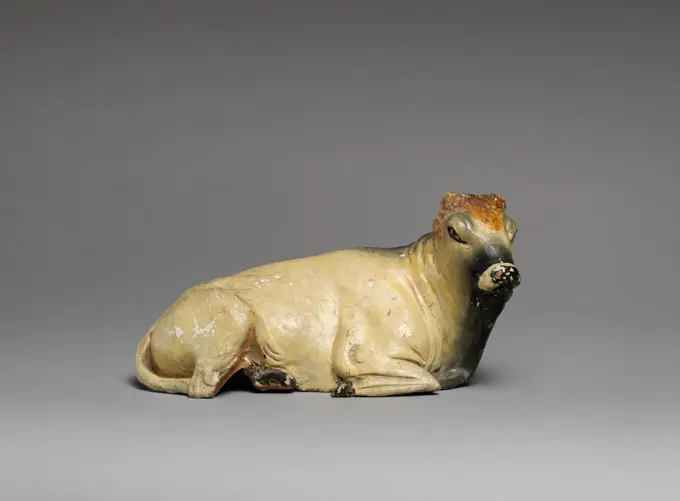
Banicies Art des do tense. IIie MILLENEARY AV. J.C. Paris, Museum Causori. 35173-8 Art of steppes, doe, animalCow lying down second half 18th-mid-19th century Italian The practice of using crèche figures to restage religious events reached the height of its complexity and artistic excellence in eighteenth-century Naples, and the Metropolitan Museum of Arts group of Neapolitan crèche is one of the finest and most complete survivals of the art form. The ensemble consists of characters traditional to eighteenth-century Italian Christmas holiday customs. The Nativity, featuring the holy family, shepherds and their flocks, and a host of angels and cherubs is joined by the procession of the three Magi and colorful peasants, townspeople, and animals. The figures have articulated bodies of tow and wire with polychromed terracotta heads, and are all in partially distressed condition.These vibrant characters are further brought to life by a wide-ranging set of cloth, embroidery, leather, wicker, wax, and silver accessories. Many of these, such as the figures luxurious costumes, baskets of fruit, and gNetsuke in the form of a wolf with a turtle, Tomotada, c. 1800 - c. 1850 Wolf, the front leg of which rests on a turtle. Signed "Tomotada". Japan wood (plant material) Wolf, the front leg of which rests on a turtle. Signed "Tomotada". Japan wood (plant material)Pendant. Northwestern Iran, circa 1350-800 B.C.. Jewelry and Adornments; pendants. Bronze, castNetsuke of Octopus and Woman 19th century Japan. Netsuke of Octopus and Woman. Japan. 19th century. Wood. Edo (1615-1868) or Meiji period (1868-1912). NetsukePaperweight in the form of a Qilin. Culture: China. Dimensions: W. 2 1/2 in. (6.4 cm); W. 2 1/2 in. (6.4 cm); D. 1 3/4 in. (4.4 cm). Date: 15th century.The Qilin is a mythical creature thought to appear when a sage ruler comes to the throne. This exquisitely cast bronze example served as an auspicious ornament or paperweight on a Chinese scholar's desk. The creature looks back to its proper left and reclines with all four feet tucked under its body. Its head features a beard, a central horn, and a flame like flowing mane--characteristics shared by early Ming dynasty depictions of dragons. The animal's dense scales and ribbon like flames emanating from its upper legs are also attributes of Ming images of mythical animals. The surface of the bronze bears traces of red pigment, probably cinnabar, which was believed to have the magic property of warding off evils. Museum: Metropolitan Museum of Art, New York, USA.Syncretic Dog-Dwarf-Bird Figurine. Egypt, probably Ptolemaic Period (332 - 30 BCE). Sculpture. BronzeMythical CreatureButton - heavenly ko;  19th century (1801-00-00-1900-00-00);Nikon 990 Digital CaptureIncense Burner in the Shape of a Lion's Head 12th-early 13th century. Incense Burner in the Shape of a Lion's Head. 12th-early 13th century. Bronze; cast, engraved, and pierced. Attributed to Iran. MetalIbis, 664-30 BC. Egypt, Late Period, Dynasty 26 or later. Bronze, solid cast, with gold-rich inlays; overall: 5.8 x 3.4 cm (2 5/16 x 1 5/16 in.).Figure of a Sacred (likely Apis) Bull 664-30 B.C. Late Period (Saite)-Ptolemaic Period Although uninscribed, the sun disk and horns identify this figure as the image of a sacred bull, most likely the Apis. Such figures come in a variety of sizes and qualities, and can be decorated with trappings such as engraved blankets or amulets. Inscribed examples show that they were often dedicated to the god by specific people wishing to share in the cult. This example might represent an offering from a less wealthy patron. The worship of the Apis, considered the earthly incarnation of the god Ptah and also seen as a deity in its own right, is attested as early as Dynasty 1. The single living representative, chosen according to specific markings such as a white triangle on the forehead and black patches resembling winged birds or scarabs on the body, was stabled near the temple of Ptah at Memphis, and, starting at least in the reign of Amenhotep III (ca. 1350 B.C.) buried in a vast catacomb knownFinial; bronze (gilt)Pole Cap with Antelope 599 BCE-400 BCE Eurasia. Bronze sculptures of real and imaginary animals are generally known as ìOrdosî after the Ordos Desert in which they were first discovered in the early twentieth century. This northern and northwestern frontier of Chinaówhich also includes the forests and grasslands of present-day Inner Mongolia, Outer Mongolia, southern Siberia, and parts of Central Asia was occupied by hunting and herding tribes during the first millennium B.C. The precise ethnic identities of most of these tribes are unknown; ancient Chinese texts refer to many of these tribes by ancient regional names rather than by the names by which the tribes called themselves.The vigorous lifestyle of these nomadic horsemen is reflected in their bronzes, which originally embellished chariots, harness equipment, and personal accessories. Pole caps or finials like this were probably attached to such chariots or their canopies.. Bronze .Figure of a Deer, Possibly Finial of a Pin 1000-1470 North Coast. Bronze . ChimúWall support for Paintings Tang, 1885 - 1899  Wall support for painting tongs. Casted in two halves in the form of an open lion's pussy, ending in oak leaves on a profiled plinth, with supported supports of uneven length. Traces of gilding are still present on the object.  cast iron castingRam-shaped Vessel, 3rd-7th century BCE, 5 1/8 x 5 1/4 x 3in. (13 x 13.3 x 7.6cm), Yue ware Porcelaneous stoneware with celadon glaze, China, 3rd-7th century BCE, Celadon glazed ram-shaped vessels are known from as early as the eastern Wu dynasty (222-280). This vessel was made by joining together sections pulled on the potter's wheel and finished with carving and appliqué. Most ram-shaped vessels from this era have small holes in the top of their head suggesting they might have been used as lamps. Their actual purpose however has still not been fully determined.Pottery Whistle 800-1500 Costa Rican. Pottery Whistle. Costa Rican. 800-1500. Clay. Late Period (). Costa Rica. Aerophone-Whistle Flute-whistleBronze bull's head early 7th century B.C. Possibly Cypriot Bull's head attachment from a tripod with horizontal tubular socket. Painstaking scholarship over twenty years has discovered that these pieces and others now in Berlin originally belonged to one bronze and iron rod tripod. Luigi Palma di Cesnola and his brother Alessandro divided their finds made in Kourion in 1873-74 and sold them to New York and Berlin, respectively. Bronze tripods represent one of the most prestigious and costly creations of the Archaic period. While they originated in the Near East, by the eighth century B.C. they were exported westward to the Greeks and Etruscans as well as copied locally. Thanks to its copper mines, Cyprus was probably an important production center; numerous examples have come to light on the island.The tripod originally had six bulls' heads at the top and three bovine hooves forming the feet. The missing heads and feet are in Berlin.. Bronze bull's head 244497Lamp in the Shape of the MythicalTianlu, 1st century B.C.E.-1st century C.E., Bronze, 2 7/8 × 5 1/8 × 2 3/4 in. (7.3 × 13.02 × 6.99cm), Identified by its single horn, the tianlu is one of two chimeralike beasts that were believed to be protective and auspicious and became popular in Chinese art and literature during the Han dynasty. A small cover on the back of this vessel opens, suggesting that this charming bronze may have been used as an oillamp. , China, Chinese, Western Han dynasty (206 B.C.E.-8 C.E.), Containers -MetalsFigure of a Recumbent Qilin. Culture: China. Dimensions: H. 5 1/8 in. (13 cm); W. 2 1/4 (5.7 cm); L. 5 1/4 in. (13.3 cm). Museum: Metropolitan Museum of Art, New York, USA.Candle Stand in the Shape of a Fantastic Animal China. Candle Stand in the Shape of a Fantastic Animal 42335Ornament with Recumbent Deer. Northwestern Inner Mongolia or Northwestern China (Ningxia and Gansu provinces). Date: 599 BC-400 BC. Dimensions: 11.5 × 13 cm (4.5 × 5.1 in.). Bronze. Origin: China. Museum: The Chicago Art Institute, Chicago, USA.Seated Dog, 386-535, Di.4-1/4 in., Earthenware, China, 4th-6th centuryHorse of Gilded Bronze, Anonymous, -500 - 0 Horse in Ordos style of gilded bronze. Ordos area bronze (metal). gilding (material) gilding Horse in Ordos style of gilded bronze. Ordos area bronze (metal). gilding (material) gildingFibula, serpentine type 7th-6th century B.C. Italic The bow has two loops with one crosspiece and two pairs of bosses.. Fibula, serpentine type 246354Animal figurine ca. 1981-1640 B.C. Middle Kingdom. Animal figurine. ca. 1981-1640 B.C.. Clay. Middle Kingdom. From Egypt, Memphite Region, Lisht North, Cemetery, MMA excavations, 1906-07. Dynasty 12-13Long-Tailed Sea Turtles on Craggy Rock. Shūgetsu III (Japan, active until circa 1880, born 1828). Japan, late 19th century. Costumes; Accessories. WoodCopper Belt Fragment 1st-5th century Moche. Copper Belt Fragment 308725Figure of a bull ca. 2600-1900 B.C. Indus. Figure of a bull 327234Piggy Bank, 1300s-1400s. Java, Majapahit Dynasty. Terracotta; overall: 24.2 cm (9 1/2 in.).Bronze statuette of a ram. Culture: Roman. Dimensions: H. 1 in. (2.57 cm)Length 2 9/16 in. (3.98 cm). Date: 1st-2nd century A.D..Represented lying down, with head raised and fore feet bent inward. Museum: Metropolitan Museum of Art, New York, USA.Oil Lamp. Egypt, 11th-13th century. Ceramics. Earthenware, applied decoration, cut and glazedBronze statuette of a ram. Culture: Etruscan. Dimensions: H. 31/32 in. (2.45 cm)Length 1 13/32 in. (3.55 cm). Date: 6th century B.C..Recumbent ram. Museum: Metropolitan Museum of Art, New York, USA.Amulet in the Form of Wepwawet ca. 1850-1775 B.C. Middle Kingdom This amulet is part of a group of objects found in tomb V21 at Abydos with two bodies. The group includes 04.18.1-04.18.49.. Amulet in the Form of Wepwawet. ca. 1850-1775 B.C.. Electrum. Middle Kingdom. From Egypt, Northern Upper Egypt, Abydos, Cemetery V, Tomb V21, Egypt Exploration Fund excavations, 1904. Dynasty 12, late-early 13Changsha (ceramic production center) pork (usual name), 100. sandstone, traces of green glaze. Cernuschi Museum, Asia Museum of Asia in the city of Paris. In this room, carrier of very large, the evantail, the Asian black pork has an appearance of wild boar.Horse Trotting, the Feet Not Touching the Ground. Dated: 1870s. Dimensions: overall without base: 24.5 x 12.7 x 27.5 cm (9 5/8 x 5 x 10 13/16 in.) height without base (of horse): 23.2 cm (9 1/8 in.). Medium: pigmented beeswax, plastiline, metal armature, cork, on wooden base. Museum: National Gallery of Art, Washington DC. Author: EDGAR DEGAS.Equestrian Equipment (Saddle, Stirrups, Bit, Harness, Saddle Seat, Saddle Pads, Saddle Flaps, and Dipper) ca. 1700 Japanese. Equestrian Equipment (Saddle, Stirrups, Bit, Harness, Saddle Seat, Saddle Pads, Saddle Flaps, and Dipper). Japanese. ca. 1700. Wood, lacquer, gold, leather, iron, textile, silk. Equestrian Equipment-SaddlesFunerary Sculpture of a GoatGoat figurine ca. 600-480 B.C. Cypriot The figurine is handmade and solid. It has a cylindrical body, a flat upright tail, long horns that curve backward, pellet ears, a protuberant nose, a pointed muzzle, and bulging eyes.. Goat figurine 241319Boli (Komo Society Altar). Africa, Republic of Mali, Bamana peoples, 20th century. Sculpture. Wood, bark, clay, blood conglomerateRam with lotus-shaped manger A.D. 2nd century Roman Period This charming ram, with its almost prehensile muzzle, feeds from a lotus-form trough. The traditional Egyptian gods Amun or Khnum were identified with curly-horned rams, but by this time several other divinities were as well. In terracotta statuettes and on coins Harpokrates can be seen riding a ram or sitting upon a lotus flower, the latter symbolic of rebirth. Perhaps this faience composition alludes to Harpokrates, who was an immensely popular god of fecundity and rebirth during the Roman era. With the masks 26.7.1020-.1021, the ram is said to have been part of a find of numerous faience objects at Arsinoe, capital of the Fayum region.. Ram with lotus-shaped manger. A.D. 2nd century. Faience. Roman Period. From Egypt; Said to be from Fayum, Medinet el-Fayum (Krokodilopolis-Arsinoe)Reclining Water Buffalo, 1736-95. China, Qing Dynasty (1644-1911), Qianlong reign (1736-95). Jade ; overall: 6.2 x 7.7 cm (2 7/16 x 3 1/16 in.).Brooch in the Form of a Peacock 2nd-3rd century Roman Small brooches, often in whimsical animal forms, were worn both by Roman soldiers stationed in the provinces and by the native population. Though brooches in these forms appear throughout the Roman world, the distribution of finds and the archaeological remains of workshops suggest that the major centers of production were Britain and Gaul.. Brooch in the Form of a Peacock 468362Incense Burner. Culture: Japan. Dimensions: H. 4 5/8 in. (11.7 cm). Date: 19th century. Museum: Metropolitan Museum of Art, New York, USA.Water Dropper in the Form of a Lion. Korea, Korean, Joseon dynasty (1392-1910), 19th century. Tools and Equipment; water droppers. Molded porcelain with blue painted decoration under clear glazePlate. Bronze. Southern center of interior Mongolia, 5th century BC Paris, Cernuschi museum. 59696-5 Animal art, bronze, plateLibation Cup (Jue) China. Libation Cup (Jue) 61034Jackal 664-30 B.C. Late Period-Ptolemaic Period The canine god Wepwawet, associated with Abydos, is depicted here on the bar of a standard. Raised on a pole the standard of Wepwawet was one of the enigmatic symbols carried in front of the king in certain processions throughout Egyptian history. From the Middle Kingdom such standards became associated with Osiris processions. In front of the god is a balloon-like shape whose meaning is not secure, and behind that are two curvilinear forms representing two rearing uraeus cobras.that reinforced the age-old power of the symbolic standard.This small example may have been intended as an accoutrement for a small processional bark.. Jackal. 664-30 B.C.. Cupreous metal. Late Period-Ptolemaic Period. From EgyptChess Piece, Bishop late 17th-early 18th century. Chess Piece, Bishop 446988Llama Bottle. Culture: Moche. Dimensions: H. 8 1/2 x W. 4 3/8 in. (21.6 x 11.1 cm). Date: 4th-7th century. Museum: Metropolitan Museum of Art, New York, USA.Pinhead. Iran, Luristan, Iron Age I-II, about 1350-800 B.C.. Jewelry and Adornments; pins. Bronze, castLion Amulet, Perforated Lengthwise, Inscribed with the Name of Senwosret I and the Epithet "Beloved by the Souls Ancient Rulers or Gods of Heliopolis" ca. 1961-1917 B.C. Middle Kingdom. Lion Amulet, Perforated Lengthwise, Inscribed with the Name of Senwosret I and the Epithet "Beloved by the Souls Ancient Rulers or Gods of Heliopolis" 552209Standing Bull. Central Europe, Hallstatt period, circa 700-500 B.C. Sculpture. Bronze, castCheekpiece from a Horse Bit. Iran, Luristan, Luristan bronzes, circa 1000-650 B.C.. Tools and Equipment; horse trappings. Bronze, castBelt Plaque. Southern Siberia, 5th-3rd century B.C.. Jewelry and Adornments; plaques. Silvered bronze, castRunning Dog. Caucasus or Black Sea Region, Roman, A.D. 1st-3rd century. Sculpture. Bronze, castBoy with leaves and box. Culture: China. Dimensions: H. inc. base 3 1/2 in. (8.9 cm); W. 2 3/4 in. (7 cm); D. 1 1/2 in. (3.8 cm). Date: 19th century.Two boys holding a lotus or leaf and a box are popular New Year's images symbolic of harmony and union. Known as the hehe twins, in reference to the characters for these virtues both of which are read he, this pair is also thought to have been inspired by the legendary Tang dynasty (618-907) Buddhist monks Hanshan and Shide. Museum: Metropolitan Museum of Art, New York, USA.Roaring Buddhistic Lion, anonymous, 618 - 907 The lion is on a low circular base, its head up and with a flower -shaped () Bell around its neck. China earthenware. putty (sealing compound) vitrification The lion is on a low circular base, its head up and with a flower -shaped () Bell around its neck. China earthenware. putty (sealing compound) vitrificationPESA ZOOMORFA DE BRONCE. ROMANO. AJUAR.(DEPOSITO: MUSEO ARQUEOLOGICO PROVINCIAL DE CORDOBA).Manage. Luristan. Irène milliary av. J.-c. Paris, Museum Causori. 35407-12 Bronze, some, animalA Fo lion with a small puppy unknownNetsuke of Three Masks. Culture: Japan. Dimensions: H. 7/8 in. (2.2 cm); W. 1 3/8 in. (3.5 cm). Date: 19th century. Museum: Metropolitan Museum of Art, New York, USA.Horse. Iberia, 3rd-2nd century B.C.. Sculpture. Bronze, castBronze statuette of a bull 7th century B.C. Greek Statuette of a bull with horns facing forward.. Bronze statuette of a bull. Greek. 7th century B.C.. Bronze. Archaic. BronzesFigurka jeźdźca na koniu. unknown, authorResting bovine figurine 664-380 B.C. Late Period. Resting bovine figurine. 664-380 B.C.. Gold. Late Period. From Egypt. Dynasty 26-29Pig with Bow' still bank, 1899, Shimer Toy Company, Bethlehem, Pennsylvania, c. 1899-1915, 2 15/16 x 5 1/4 x 2 3/8 in. (7.46 x 13.34 x 6.03 cm), Iron, pigment, 19th centuryDog. Roman, A.D. 1st-2nd century. Sculpture. Bronze, castRest for a Spit 9th-10th century. Rest for a Spit 449580Hunting Dog. Culture: European. Dimensions: Overall: 6 7/8 x 1 9/16 x 1 in. (17.5 x 4 x 2.5 cm)with mount: 8 1/16 x 10 1/16 x 2 7/16 in. (20.5 x 25.6 x 6.2 cm). Date: 15th-16th century or later. Museum: Metropolitan Museum of Art, New York, USA.. Image (okimono) of porcelain, covered with a beige glaze with gold. The image is in the form of a lying buffalo with open mouth and two large horns. The horns have been demolished.Anonymous, funeral jar cover (common name), 618. sandstone, turned ceramic, molding, covered Qingbai. Cernuschi Museum, Asia Museum of Asia in the city of Paris. Representing a bird, duck genre.Terracotta vase in the form of a bull. Culture: Cypriot. Dimensions: Overall: 4 7/8 x 6 11/16 in. (12.4 x 16.99 cm). Date: ca. 1450-1200 B.C..The quality of Base Ring Ware deteriorated in the Late Cypriot II period but new shapes were introduced, especially vessels in the form of animals, of which the bull was most common. Museum: Metropolitan Museum of Art, New York, USA.Animal Ornament. Culture: Moche (Loma Negra). Dimensions: Width 4 5/16 x Length 5 1/2in. (11 x 14cm). Date: 390-450. Museum: Metropolitan Museum of Art, New York, USA.Netsuke of Group of Animals 18th century Japan. Netsuke of Group of Animals. Japan. 18th century. Ivory. Edo period (1615-1868). NetsukeLimestone head of a snake 310-30 B.C. Cypriot The head of a bearded snake held something in its open and furrowed mouth.. Limestone head of a snake 242129Bottle, Animal Head on Neck 11th-14th century Mississippian. Bottle, Animal Head on Neck 318595Figure 18th century China. Figure. China. 18th century. Jade. Qing dynasty (1644-1911), Qianlong period (1736-95). JadeDriebroethan. So-called trials of stoneware. Consisting of three merchandise cans. Each jug has an egg-shaped belly and a funnel-shaped neck. On every jug a free hand kneaded and reduction mans face.Incense Box 18th century Japan. Incense Box. Japan. 18th century. Clay with glaze, the paste showing through (Awata ware). Edo period (1615-1868). CeramicsBoy on rocking horse, W. Freen, c. 1856 - c. 1858 Boy with stab on a rocking horse. In his left hand he holds the reins and a long whip in his right hand. The image is marked with a masters and a sword. Dordrecht silver (metal) Boy with stab on a rocking horse. In his left hand he holds the reins and a long whip in his right hand. The image is marked with a masters and a sword. Dordrecht silver (metal)Bird Shaped Ewer with Crowned Rider Holding a Bowl. Korea. Date: 1100-1199. Dimensions: 21.4 × 17.7 × 13.2 cm (8 1/2 × 7 × 5 1/2 in.). Stoneware with celadon glaze and underglaze incised decoration. Origin: Korea. Museum: The Chicago Art Institute, USA.Cast Gold Animal Pendant 11th-16th century Chiriqui (). Cast Gold Animal Pendant. Chiriqui (). 11th-16th century. Gold. Costa Rica or Panama. Metal-OrnamentsGoldweight Antelope, 19th-20th century, 1 3/16 x 1/4 x 1 1/4 in. (3.02 x 0.64 x 3.18 cm), Brass, Ghana, 19th-20th centurySculpture 1928  Séraphin Soudbinine French. Sculpture. 1928 . Stoneware. Ceramics-PotteryGama, the Immortal with Toad. Japan, 18th century. Costumes; Accessories. WoodNetsuke of Daikoku and Mallet on Coin 19th century Japan. Netsuke of Daikoku and Mallet on Coin 60094CERAMICA POPULAR ARGENTINA - 1970 - COMUNIDAD INDIGENA TOBA - PROCEDENTE DE LA PROVINCIA DE CHACO (ARGENTINA). Location: MUSEO DE AMERICA-COLECCION. MADRID. SPAIN.Horse balanced on a hoof on the base, bronze statue found during the Gansu Wuwei excavations, 1969 , China. Chinese Civilisation, Eastern Han Dynasty, 2nd century.Toy Bank: Elephant. Dated: c. 1939. Dimensions: overall: 30 x 22.3 cm (11 13/16 x 8 3/4 in.) Original IAD Object: 4 1/2" high. Medium: watercolor, gouache, and graphite on paper. Museum: National Gallery of Art, Washington DC. Author: Walter Hochstrasser.Bull. Western Iran, 1350-800 B.C.. Sculpture. CeramicPendant. Iran, Luristan, circa 1000-650 B.C.. Jewelry and Adornments; pendants. Bronze, castVERTEDOR ZOOMORFO DE UN AGUAMANIL NAZARI-S XIV/XV-PROCEDENTE DE MALAGA. Location: INSTITUTO VALENCIA DE DON JUAN-COLECCION. MADRID. SPAIN.Crossbow Support, 300-200 BC. China, Late Warring States period (475-221 BC). Bronze inlaid with silver; overall: 21.8 cm (8 9/16 in.).Bronze statuette of a Scythian mounted archer. Culture: Etruscan, Campanian. Dimensions: H.: 4 15/16 in. (12.6 cm). Date: early 5th century B.C..This statuette, consisting of a separately made archer and his horse, undoubtedly belongs to the lid ornament of a Campanian bronze cinerary urn. The archer wears the distinctive Phrygian cap and fitted jacket of a Scythian. A complete cinerary urn with four similar archers on the lid (40.11.3) is on view in this case. Museum: Metropolitan Museum of Art, New York, USA.Bronze statuette of a satyr reclining on a lion's skin early 5th century B.C. Etruscan The lion's skin, which is usually associated with Herakles, introduces a light touch, suggesting that the satyr is resting after his arduous labors. The figure probably was one of several ornamenting the shoulder of a cauldron.. Bronze statuette of a satyr reclining on a lion's skin 251422 Etruscan, Bronze statuette of a satyr reclining on a lion's skin, early 5th century B.C., Bronze, Other: 2 1/8 in. (5.4 cm). The Metropolitan Museum of Art, New York. Rogers Fund, 1923 (23.160.89)Aquamanile in the Form of a Horse first half 15th century German. Aquamanile in the Form of a Horse. German. first half 15th century. Copper alloy. Made in Nuremberg. Metalwork-Copper alloyTweezers in the Shape of a Bird. Probably Chimú; North coast, Peru. Date: 1000-1400. Dimensions: L. 3.2 cm (1 1/4 in.). Gold. Origin: Peru. Museum: The Chicago Art Institute, Chicago, USA.