Animal Sculptures

A collection of animal figurines made from bronze and ivory, depicting various creatures like lions and dogs, with detailed craftsmanship from ancient to mid-century Japan.

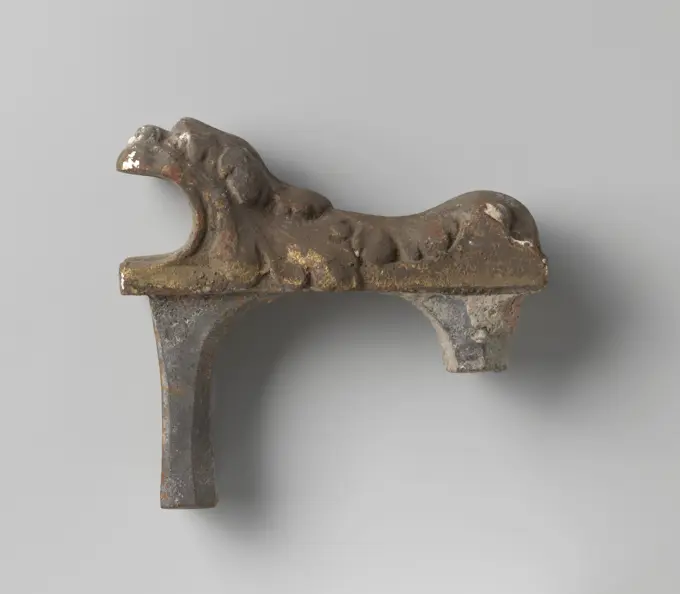
Anonymous. "Cauldron cover handle: lion". Metal, bronze, hairs and mane engraved with chisel. -700 BC .. Museum of Fine Arts of the City of Paris, Petit Palais. 99933-22 Antiquity, bronze, metal, VIIIEM VIIIE VIII 8th 8th 8 CENTURY BEFORE AV. JC, ancient
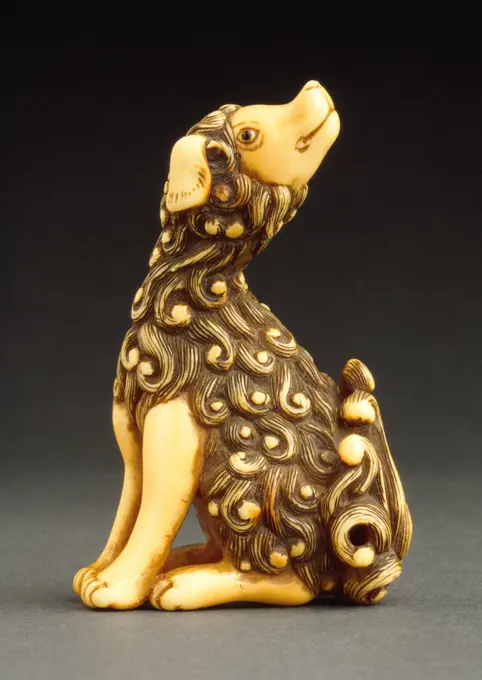
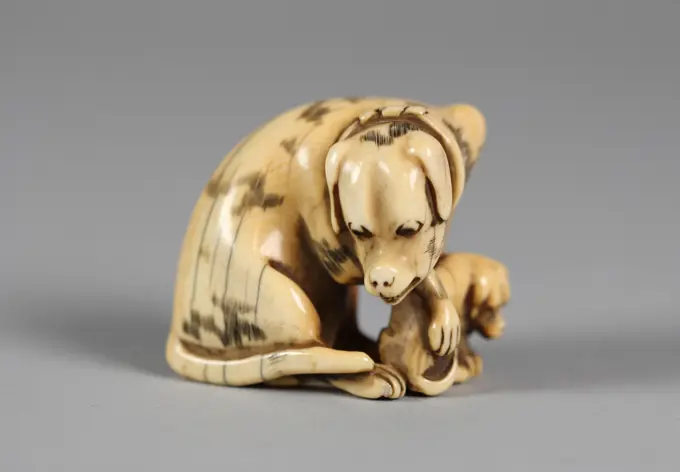
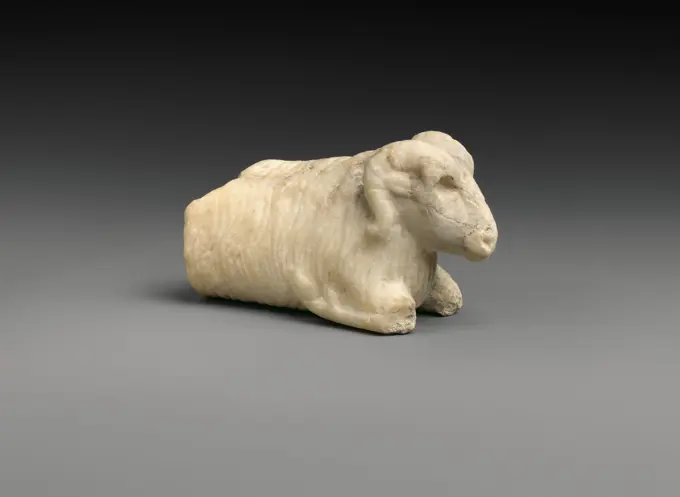
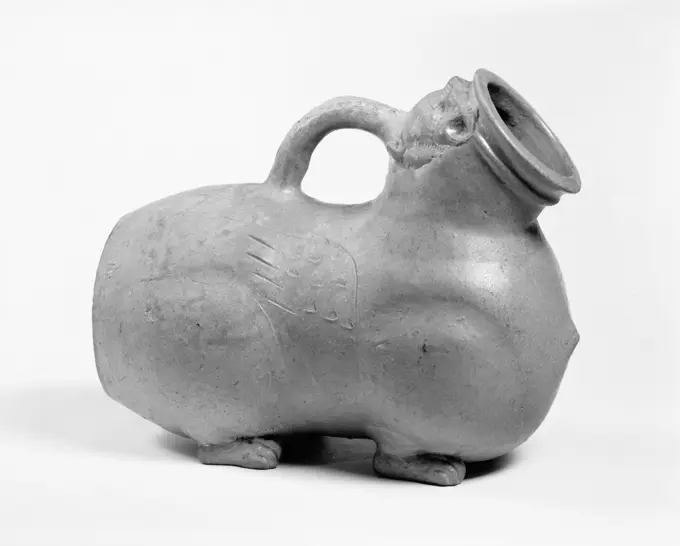
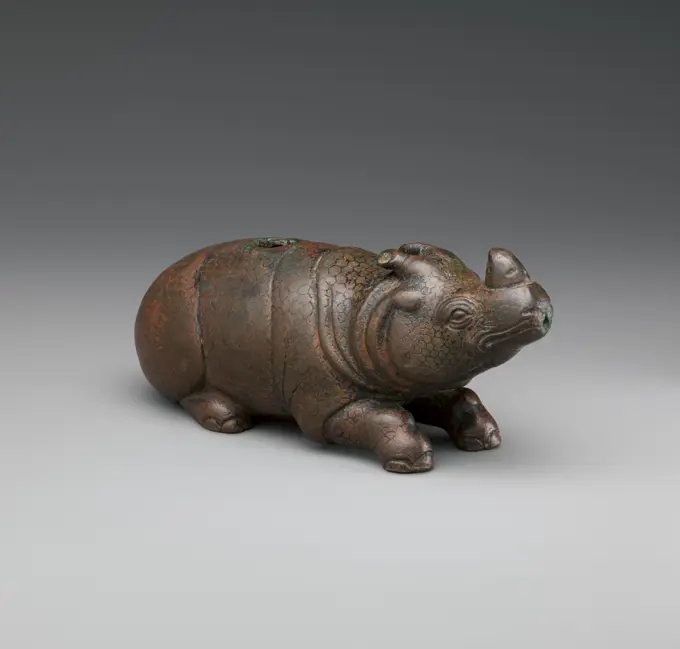
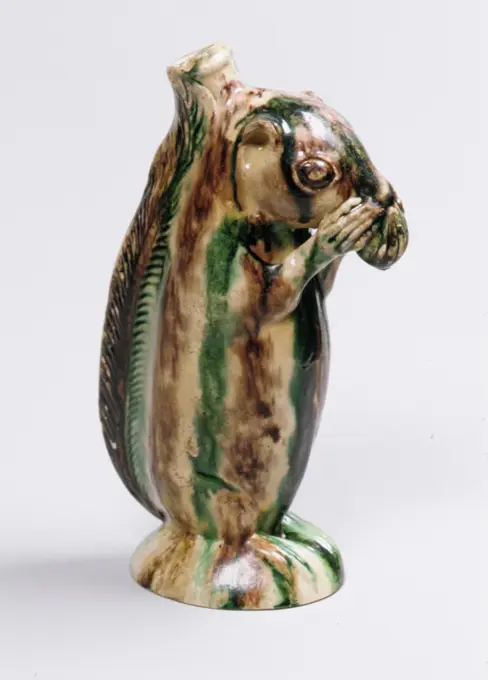
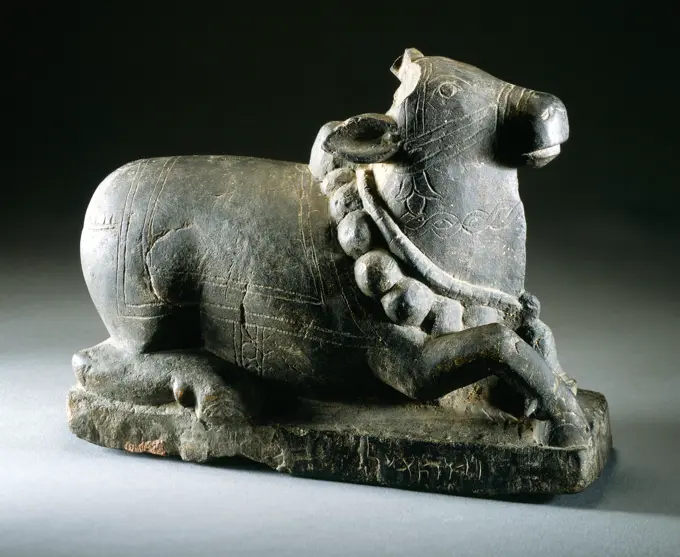
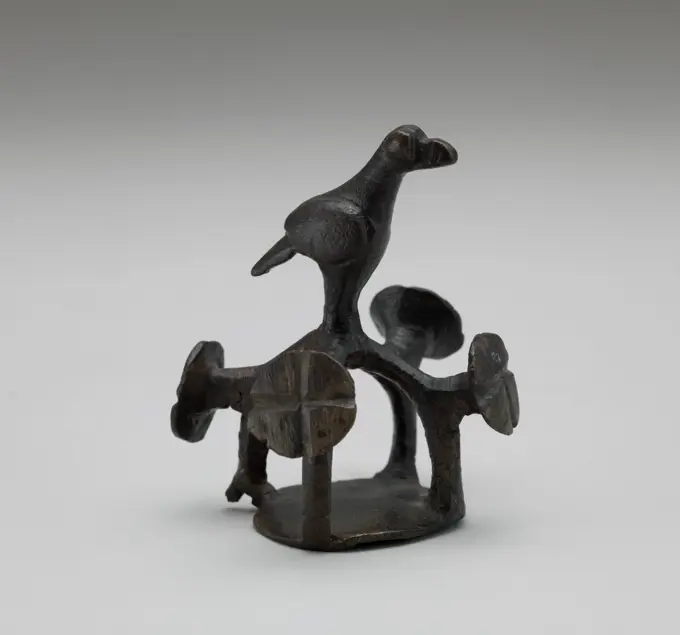
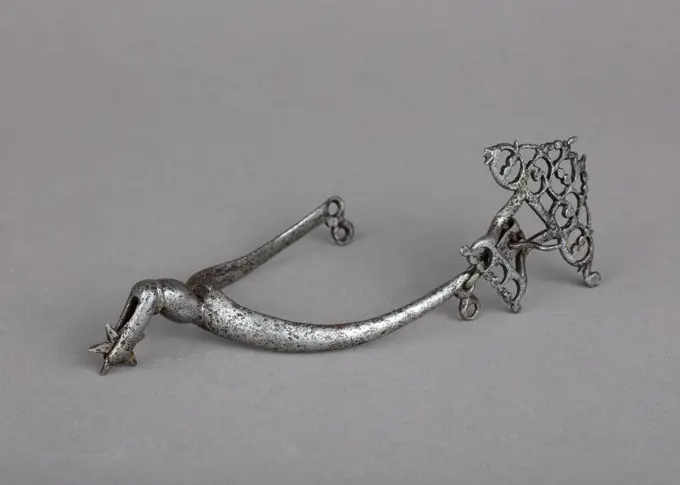
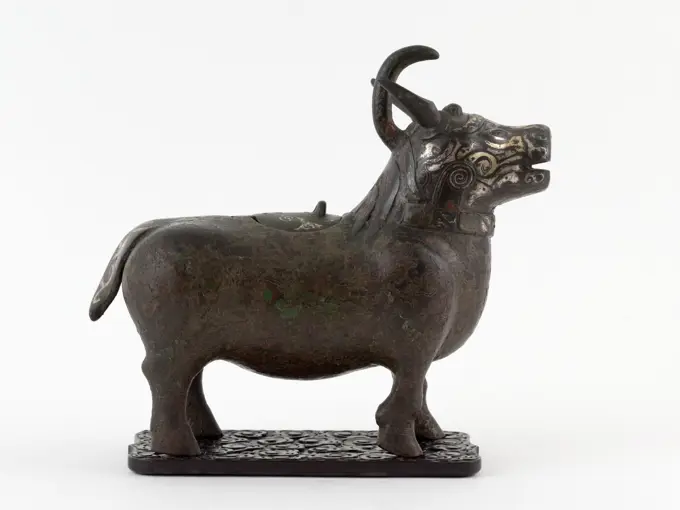
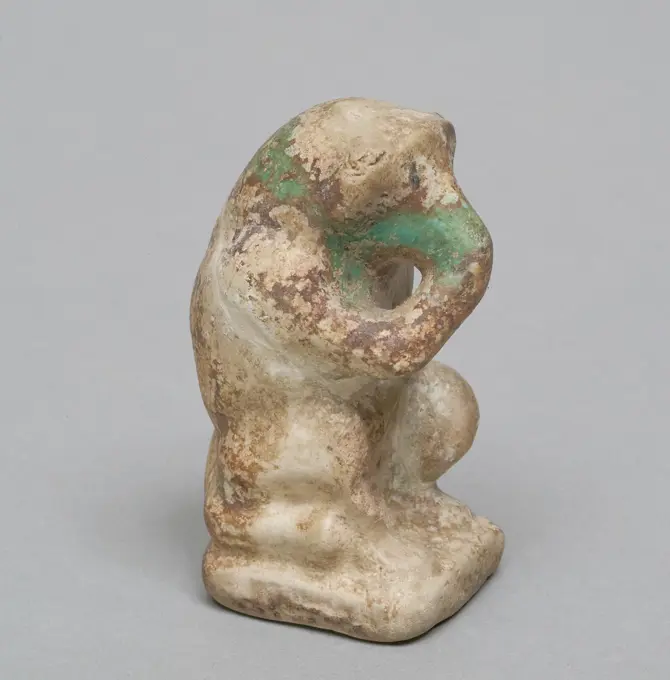
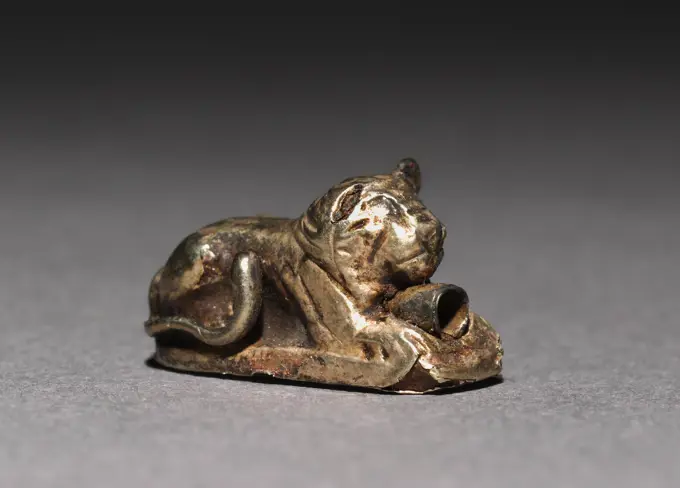
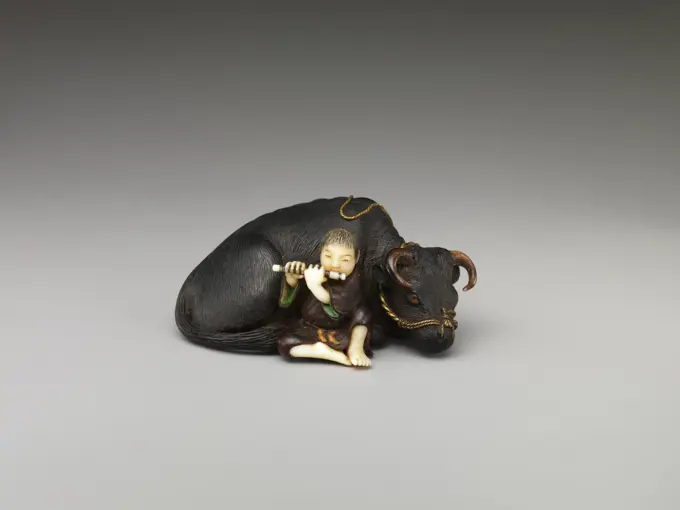
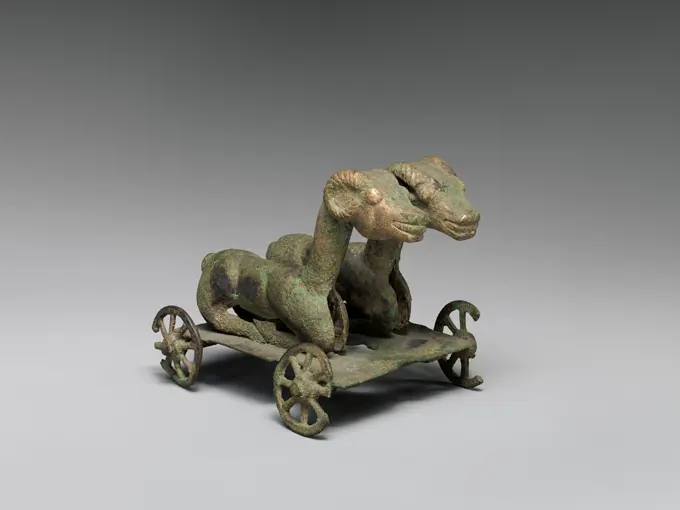
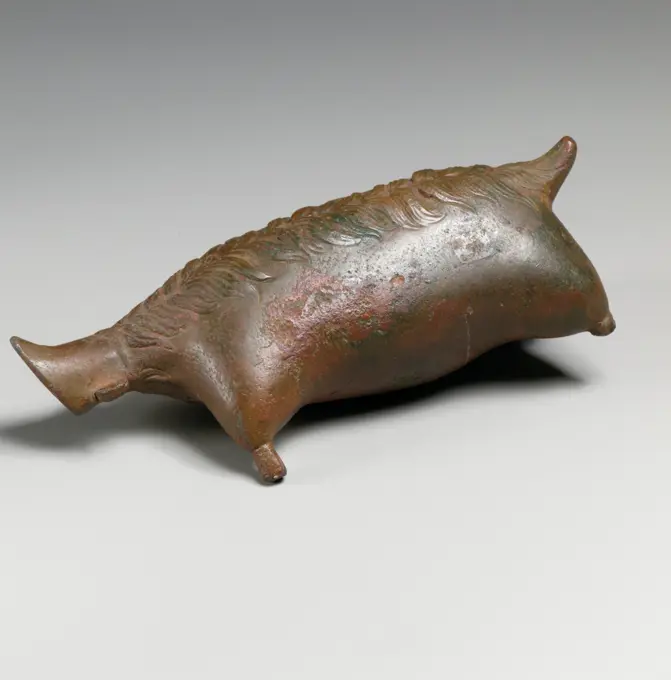
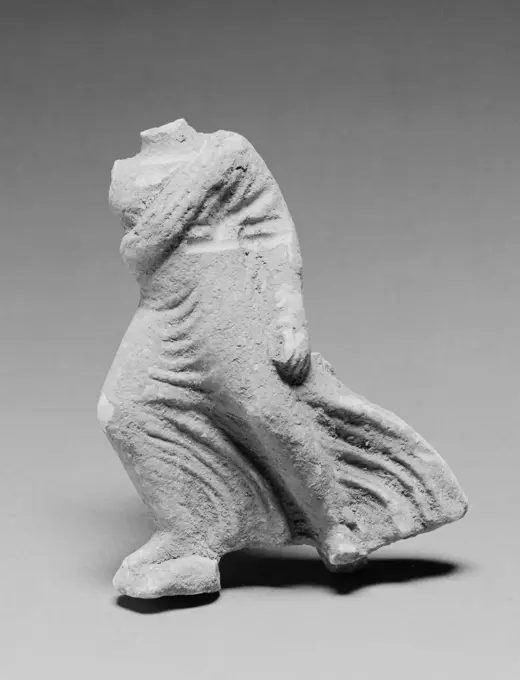
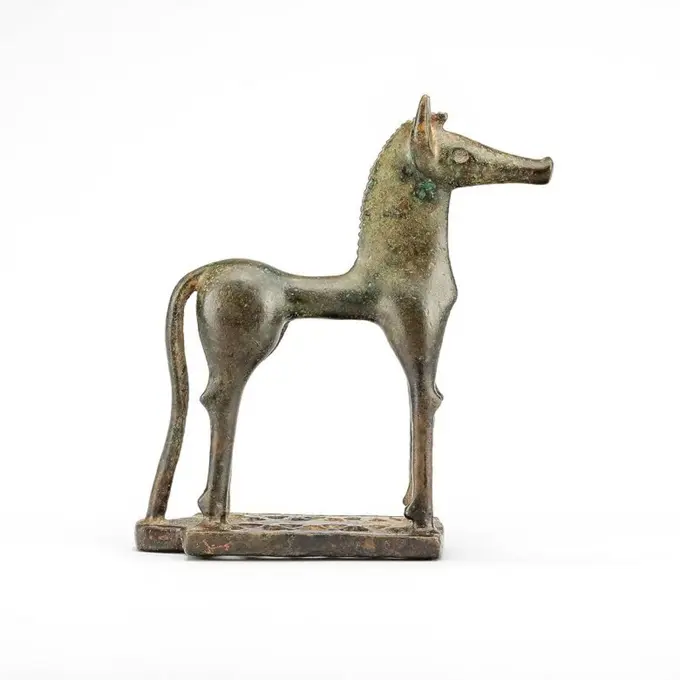
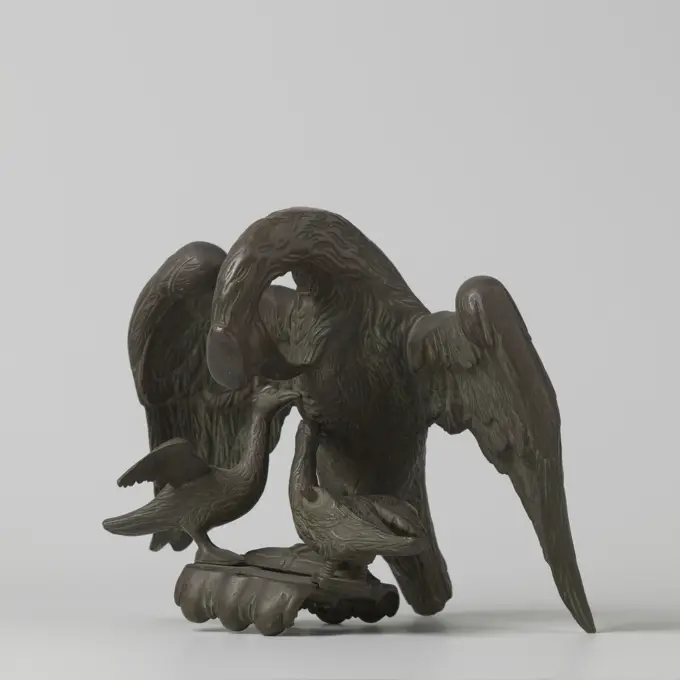
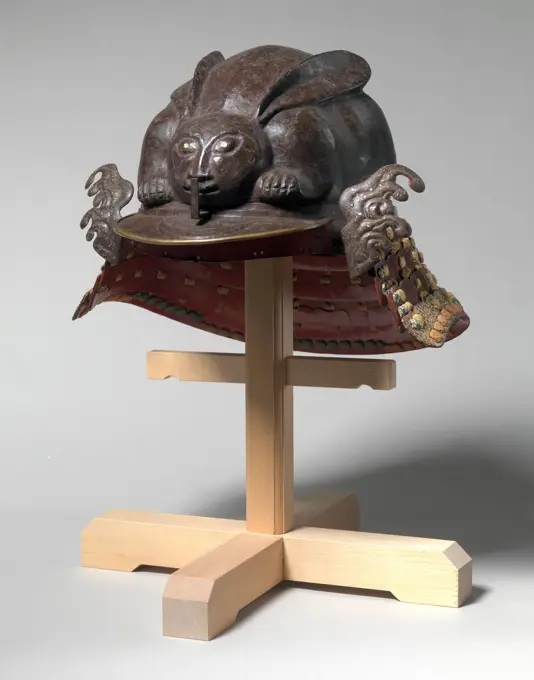
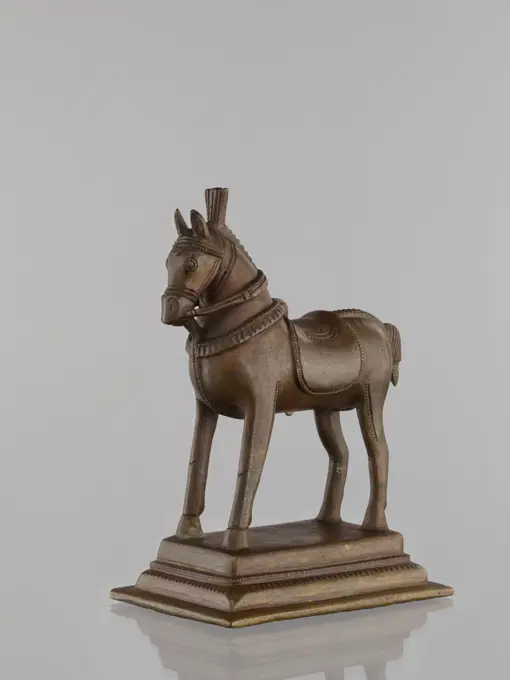
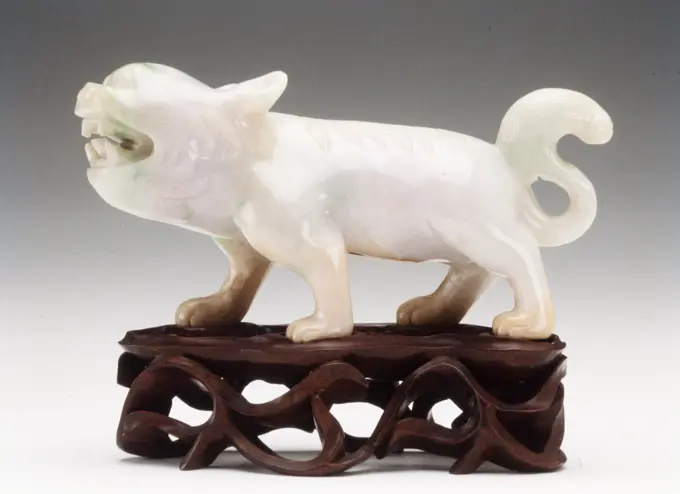
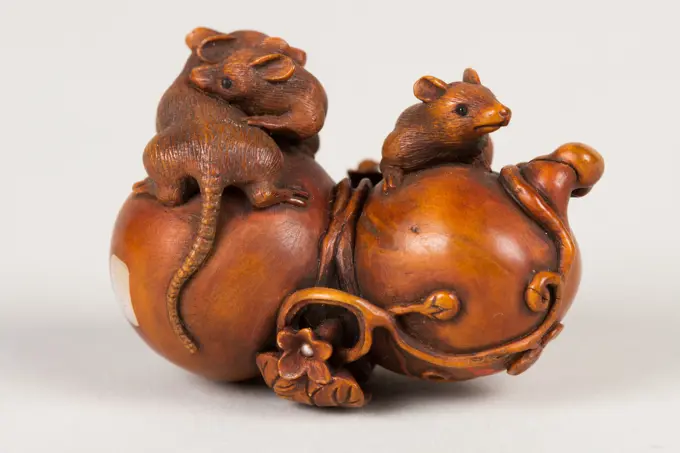
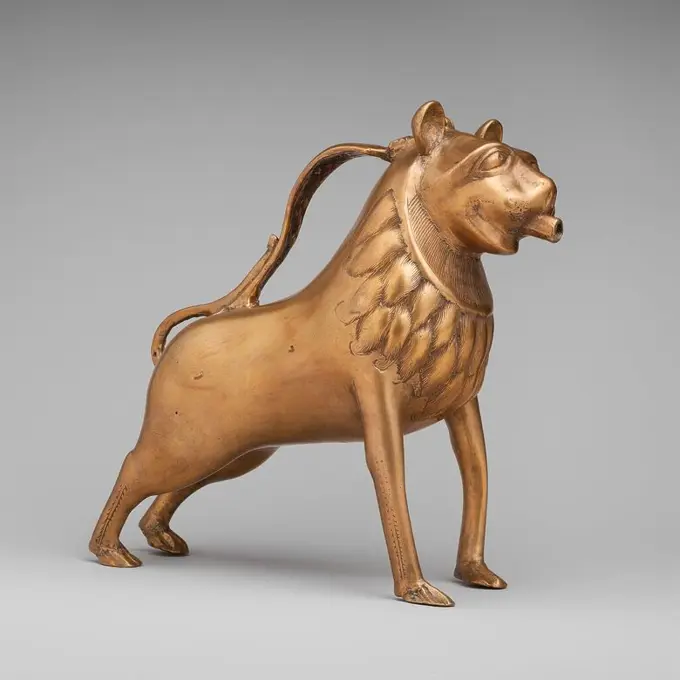
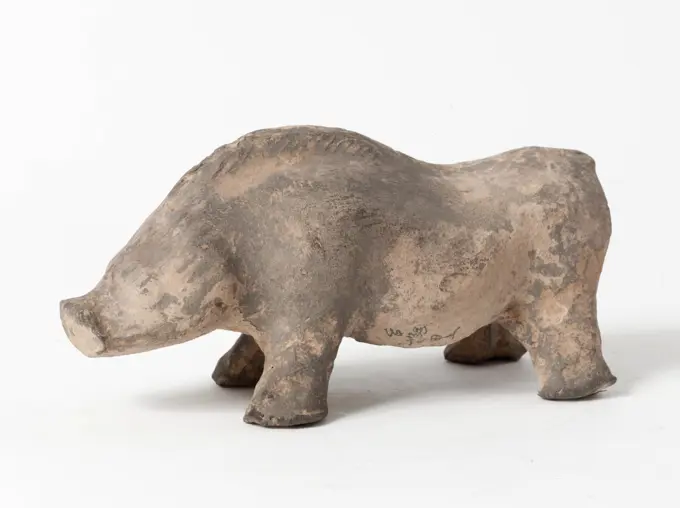
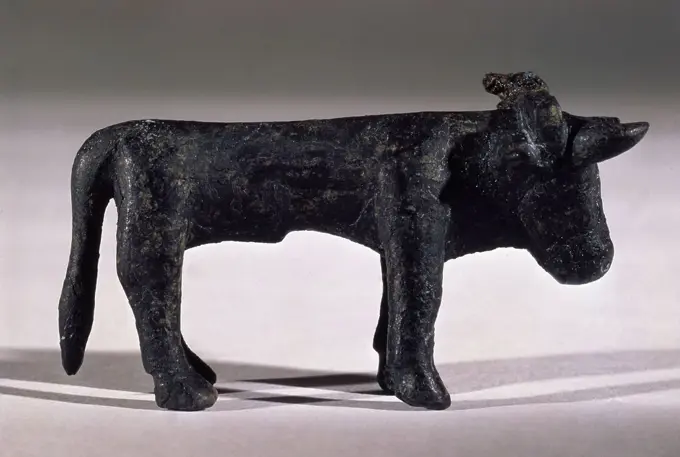
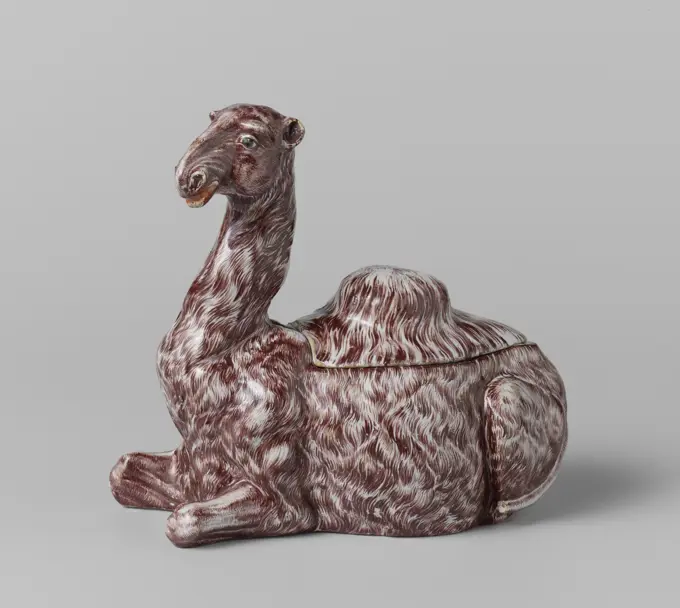
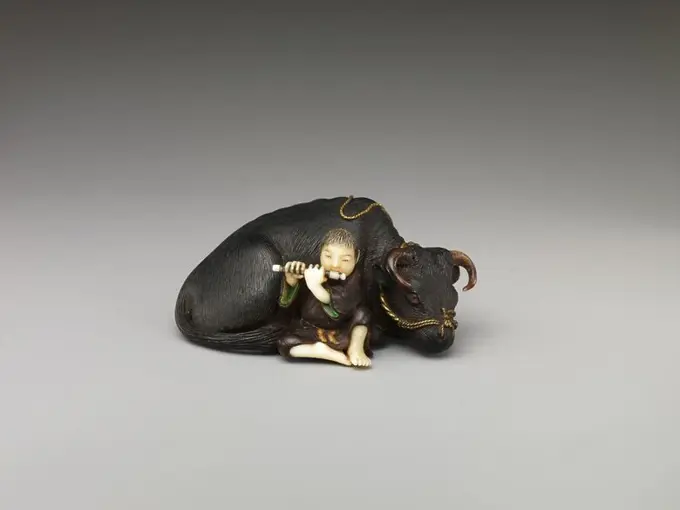
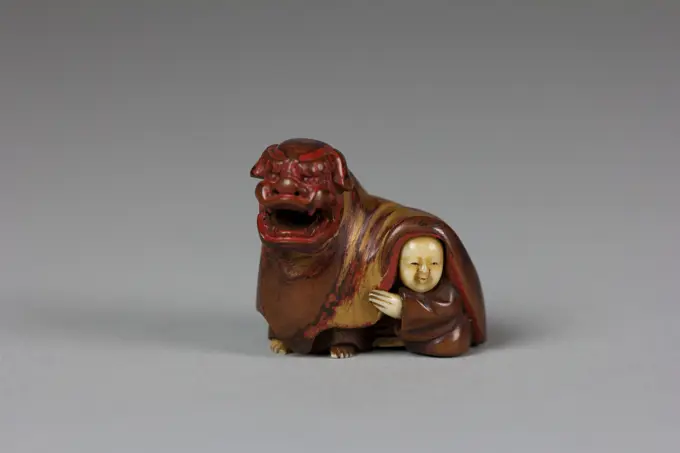
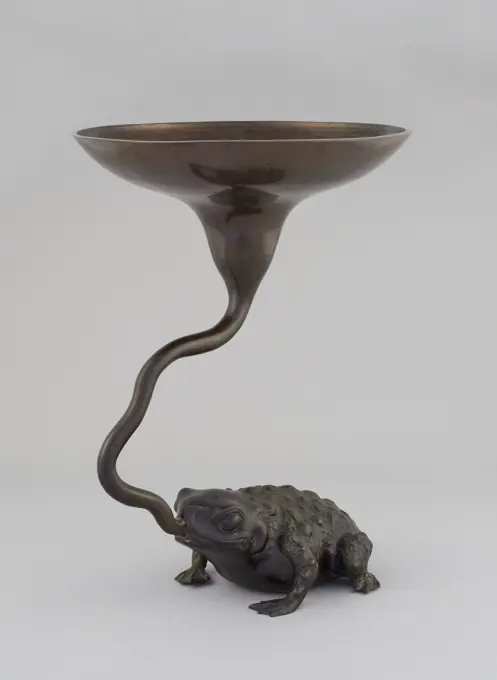
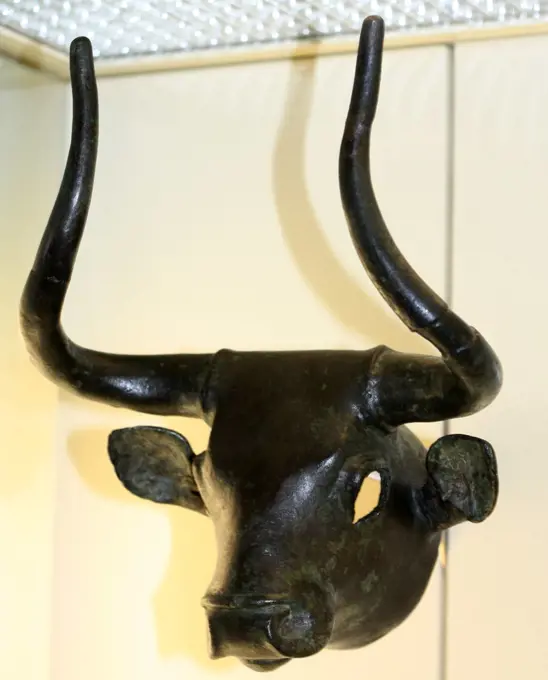
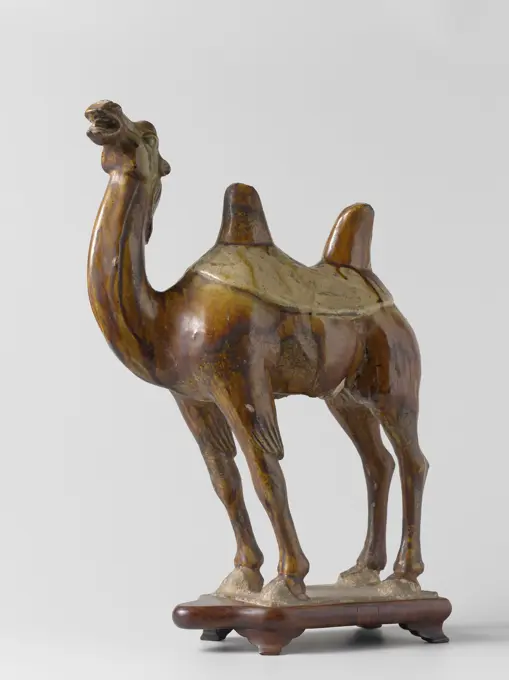
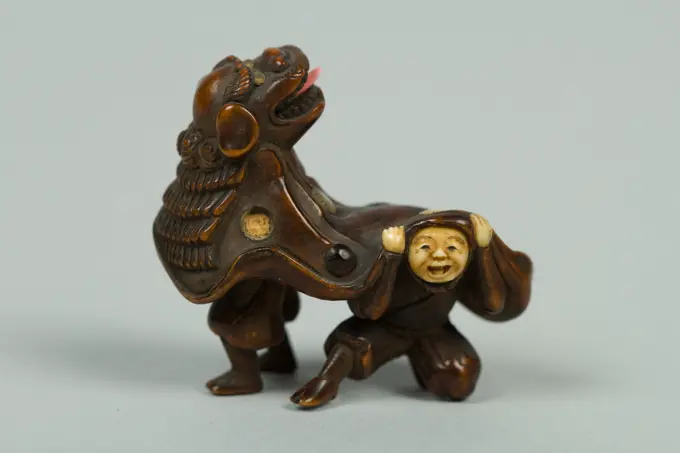
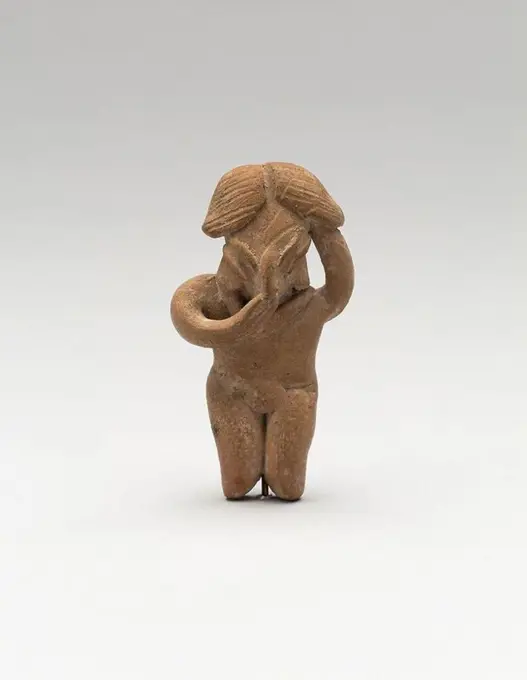
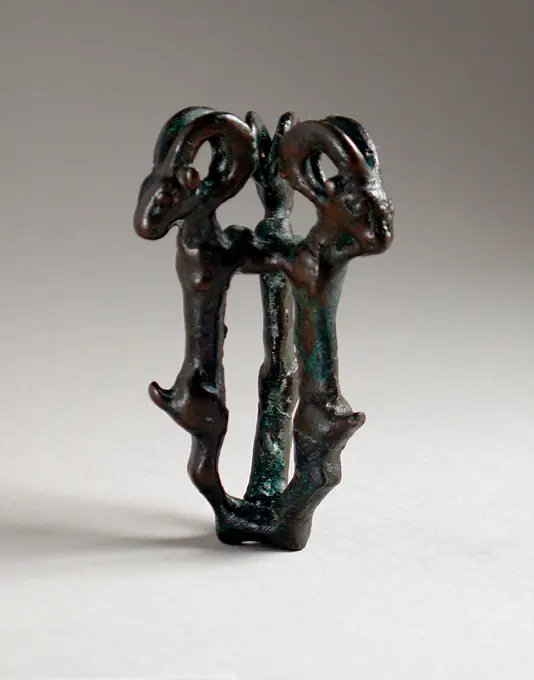
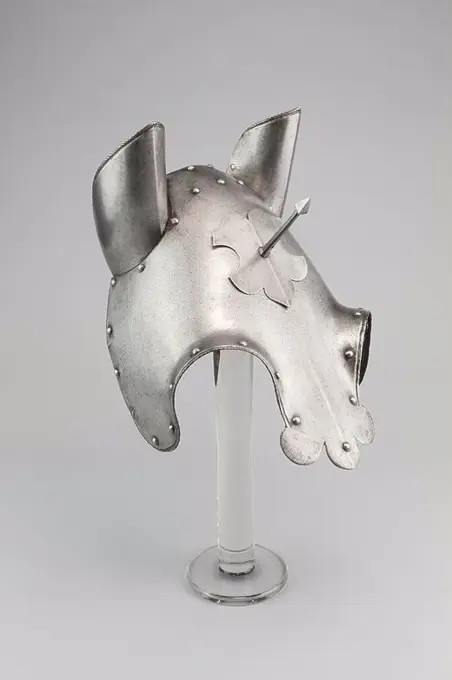
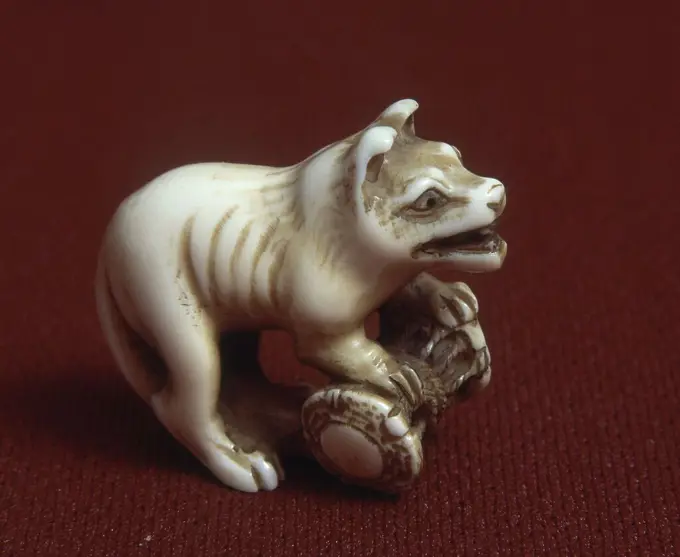
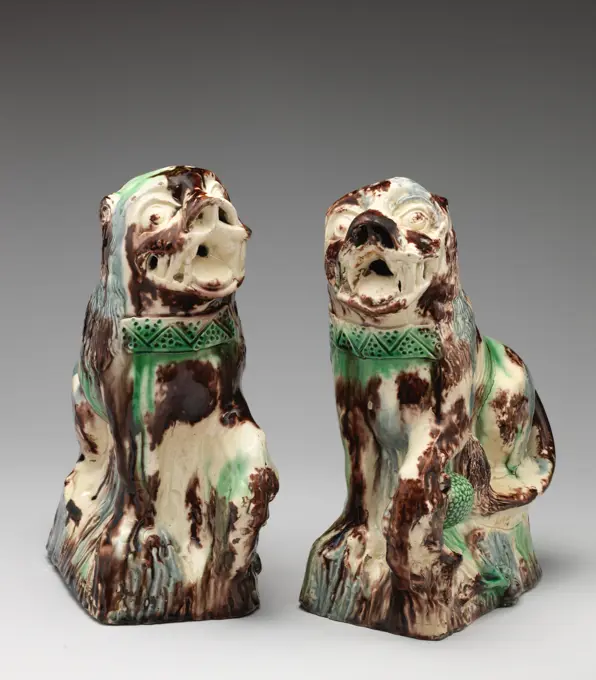
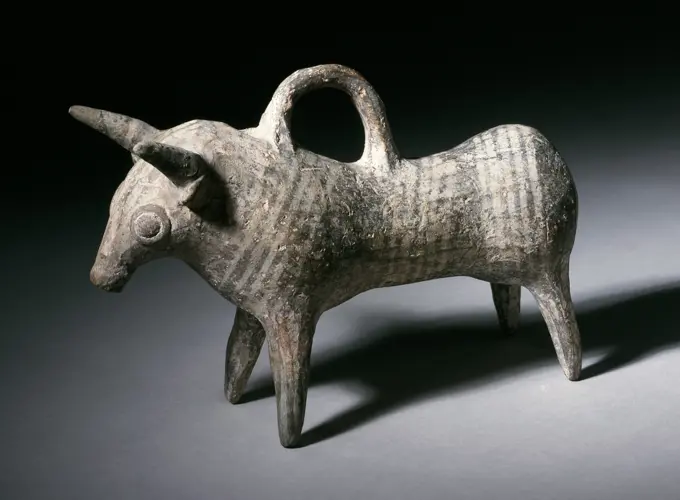
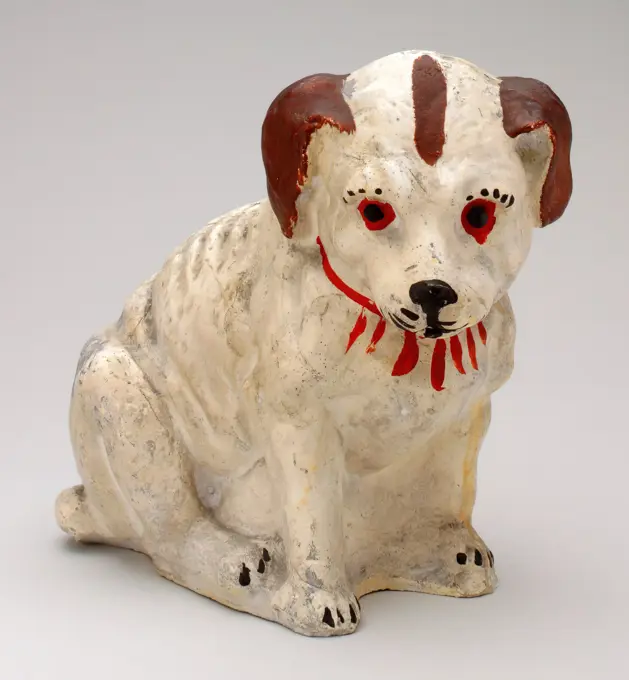
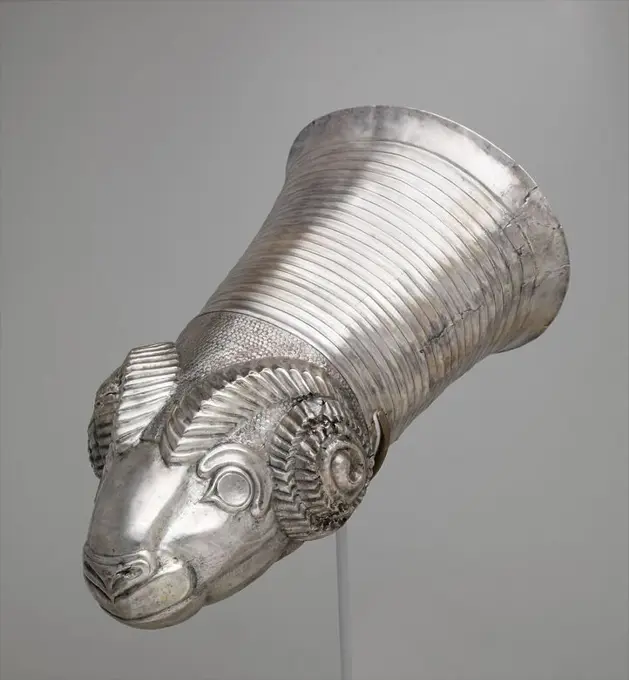
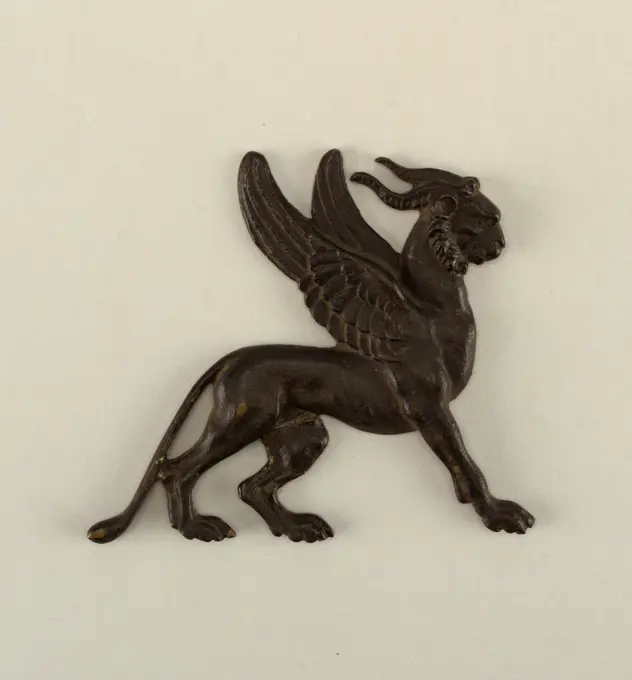
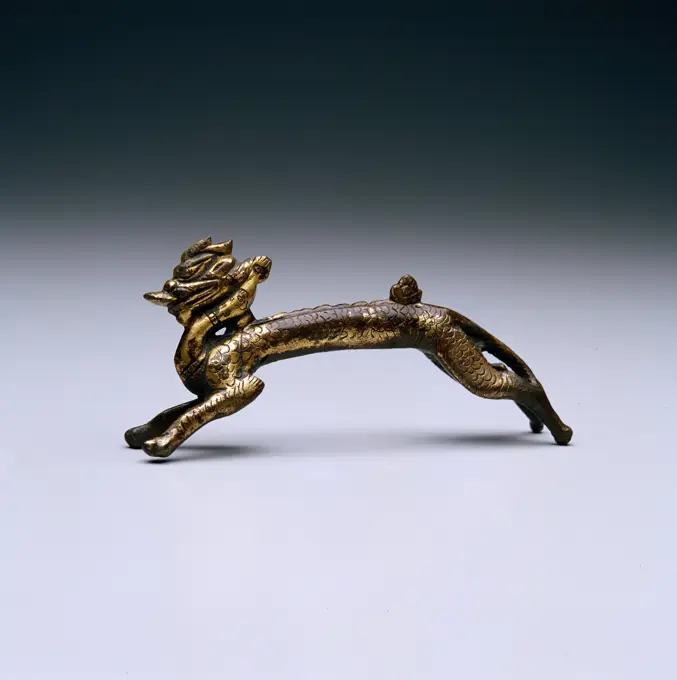
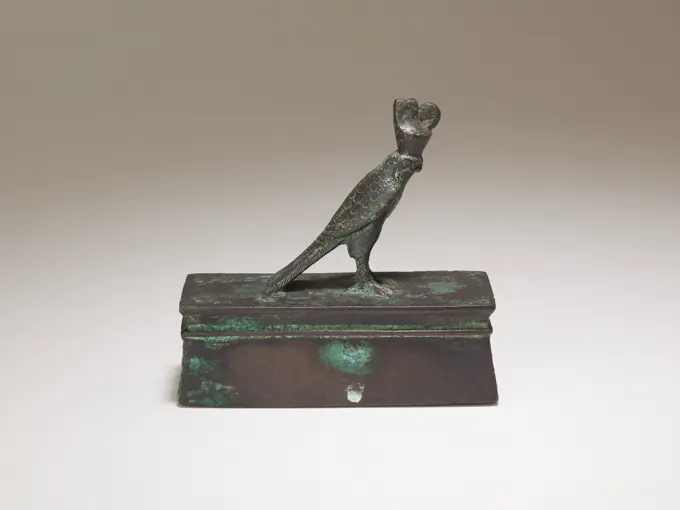
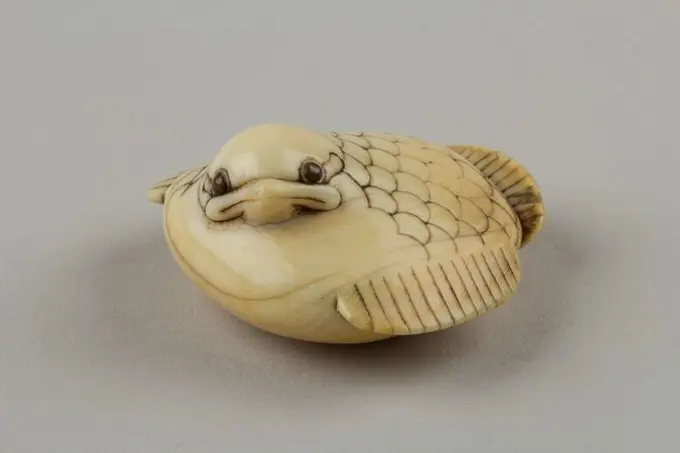
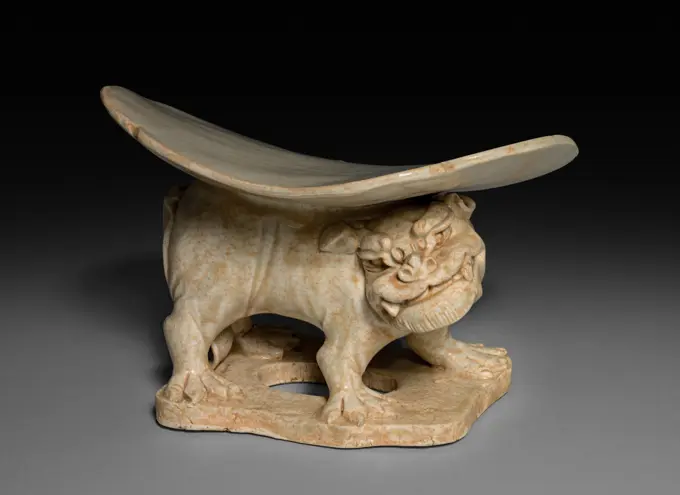
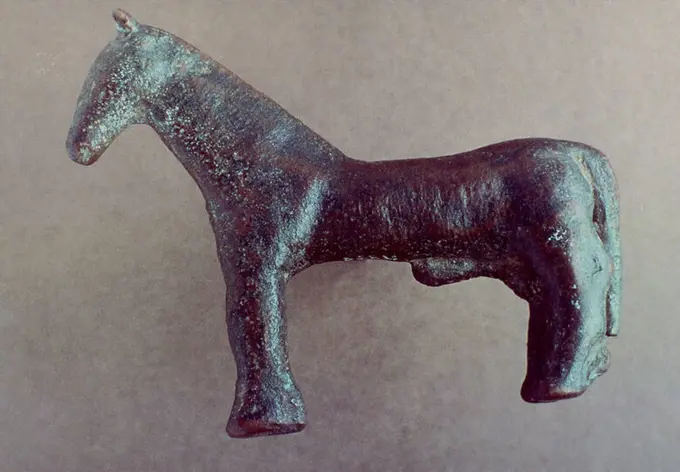
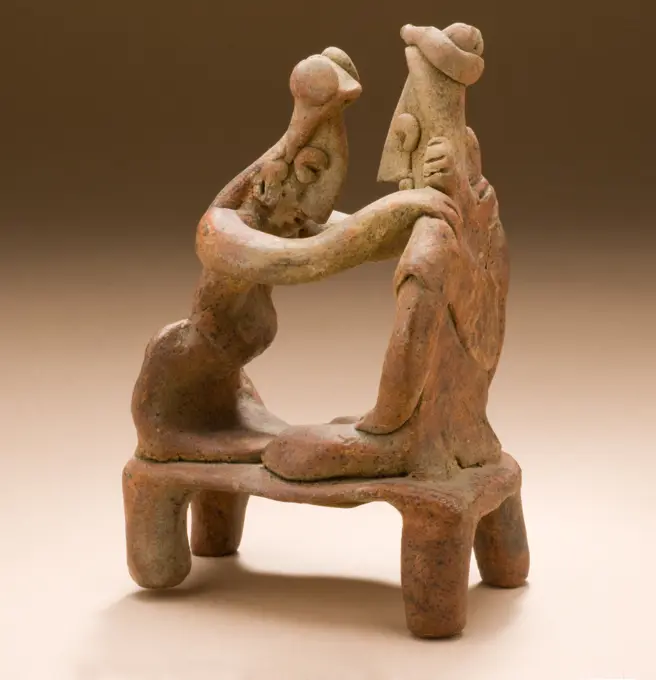
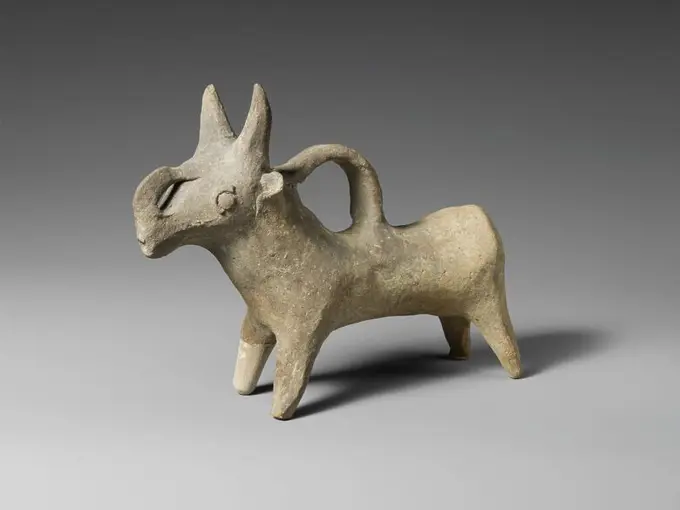
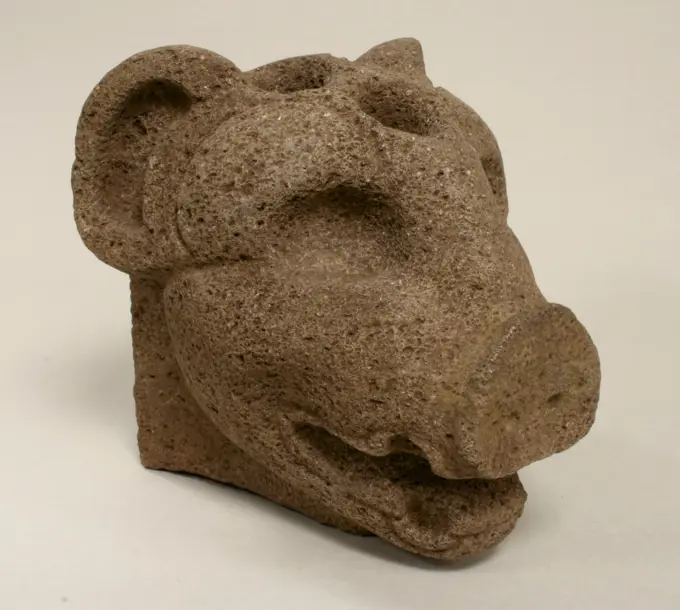
Anonymous. "Cauldron cover handle: lion". Metal, bronze, hairs and mane engraved with chisel. -700 BC .. Museum of Fine Arts of the City of Paris, Petit Palais. 99933-22 Antiquity, bronze, metal, VIIIEM VIIIE VIII 8th 8th 8 CENTURY BEFORE AV. JC, ancientTiger. Unshō Hakuryū (Japan, active 1854-1859). Japan, mid-19th century. Costumes; Accessories. Ivory with staining, sumi, inlaysDog. Attributed to Gechū (Japan, active 18th century). Japan, 18th century. Costumes; Accessories. Ivory with staining, sumi, inlaysMirror decoration;  1. PO. 5th century BC (-500-00-00--451-00-00);Horned Lion (Vyala) ca. 8th century India (Tamil Nadu). Horned Lion (Vyala). India (Tamil Nadu). ca. 8th century. Bronze. Pallava period. SculptureNetsuke of Dog and Puppy 19th century Japan. Netsuke of Dog and Puppy. Japan. 19th century. Ivory. Edo (1615-1868) or Meiji period (1868-1912). NetsukeFurniture element: ram with bitumen-lined socket ca. 2600-2500 B.C. Sumerian. Furniture element: ram with bitumen-lined socket. Sumerian. ca. 2600-2500 B.C.. Gypsum alabaster, bitumen. Early Dynastic IIIa. Mesopotamia, NippurFantastic Animal, 1700s-1800s. China, Qing dynasty (1644-1911). Jade; overall: 12.2 cm (4 13/16 in.).Vessel in the Shape of a Tiger (Huzi) ca. 4th century China In southern China, especially in the coastal provinces of the southeast, pottery with a lime glaze was fired at the high temperature (above 1000 degrees centigrade). The yellowish green color is due to the presence of iron.. Vessel in the Shape of a Tiger (Huzi) 49534Pair of Three-Clawed Animals. Tōmin (Japan, active late 18th-early 19th century). Japan, early 19th century. Costumes; Accessories. Wood with inlaysWater dropper in the form of a rhinoceros 15th century China This bronze figure of a single-horned rhinoceros sits on four flexed legs with its head slightly raised. Its body is clad in thick hide with heavy folds and decorated with fine honey-comb patterns. Designed as a water dropper, the animal has a compact and hollow body, with a circular opening on its back to add water and a small aperture in its mouth to dispense it, a few drops at a time. The entire piece is covered with a naturally formed brownish patina that bears no trace of being buried underground.. Water dropper in the form of a rhinoceros. China. 15th century. Bronze. Ming dynasty (1368-1644). MetalworkBottle ca. 1790-1805 American Figural bottles such as this one are relatively rare in Salem pottery. In its subject and mottled green and brown glazes, it is reminiscent of late-eighteenth-century products of the English manufacturers Whieldon and Wedgwood. It is among the earliest and finest of the known American squirrel bottles.. Bottle 14209Nandi, the Bull Mount of Shiva. India, Jammu and Kashmir, Kashmir region, circa 3rd century. Sculpture. StoneRooster figurine early 5th century B.C. Cypriot The figurine is mold-made in two molds and is hollow. The feet are handmade.. Rooster figurine 244797Two Bird Finials and a Bird Pin 10th-11th century This object was excavated at Nishapur.Nishapur was a vital city in the early and middle Islamic periods, located along one of the main trajectories that connected Iran and West Asia Islamic lands with Central Asia and China. These itineraries are often referred to by the term Silk routes’ but were in fact crucial to the movement of constellations of materials and objects, as well as people and ideas. The diverse population of Nishapur and its surroundings, from the better-researched elite groups of merchants, land-owning aristocracy, and literates, to the less-known artisans, farmers, miners, and servants, were instrumental in adapting global cultural trends to create their own distinctive visual languages. This is seen in the material remains of everyday life in medieval Nishapur - from pots and pans to lighting devices, inkwells, textiles and trimmings, jewelry, games and toys, talismanic devices, weapons, coins, and architectural frRowel Spur (Right) mid-17th century German Despite its simple shape this spur features a large buckle skillfully pierced with delicate scrolls. Necks like this, bent at an angle, were popular in Europe between 1630 and 1660, but the original larger rowel has been removed and replaced with a smaller one for reuse in the 18th century.. Rowel Spur (Right). German. mid-17th century. Iron alloy. Equestrian Equipment-SpursPipe bowl capBeef. Bronze. China. Paris, Cernuschi museum. 70625-40 Chinese art, beef, horn, lid, standing, decorative motif, profile, head, animalAx with Dog Head. Mexico, Nayarit, Nayarit, 500 BCE-900 CE. Stone. StoneZebu 1st millennium B.C. Iran. Zebu 325658Baboon ca. 1850-1700 B.C. Middle Kingdom. Baboon. ca. 1850-1700 B.C.. Faience. Middle Kingdom. From Egypt, Memphite Region, Lisht North, Tomb of Senwosret (758), inside, Pit 805, MMA excavations, 1907-08. Dynasty 12, late-13 to 1700 B.C.Recumbent Lion Bead, 1980-1801 BC. Egypt, Middle Kingdom, Dynasty 12. Electrum over a clay-bulked resin core; overall: 1 x 0.5 x 1.7 cm (3/8 x 3/16 x 11/16 in.).Fantastic Animal, 1700s-1800s. China, Qing dynasty (1644-1911). Jade; overall: 12.2 cm (4 13/16 in.).Animal Flask. Dimensions: H. 4 3/8 in. (11.1 cm)Gr. L. 3 1/4 in. (8.3 cm)Gr. Diam. 1 7/8 in. (4.7 cm). Date: late 7th-8th century.During Roman and early Islamic times, animal-shaped vessels were made using an intricate decorated double or quadruple glass tube. Decorated with trailed glass threads, the tubes are carried on the backs of domestic animals and the trailed threads appear to imitate protective cages. Such vessels were probably used as containers for kohl or perfume. Museum: Metropolitan Museum of Art, New York, USA.Netsuke of Ox with Bokudo 19th century Japan Carvers often select rare and expensive woods for their creations or juxtapose various materials in novel compositions. Embedding one material into another requires the utmost precision, particularly when joining materials of differing physical properties, such as wood and ivory.In this example, a young boy playing a flute, carved of ivory, serenades a recumbent ox, made of wood. Fine lines incised on the surface of the ox delineate individual hairs on its hide. The red seal on the ox's underside reads "Tokoku.". Netsuke of Ox with Bokudo 60152Gold Weight: Janus Bird 18th-19th century Akan peoples. Gold Weight: Janus Bird. Akan peoples. 18th-19th century. Brass. Ghana. Metal-ImplementsNeckRestTwo Rams on Wheeled Cart China. Two Rams on Wheeled Cart. China. Silver. Han dynasty (206 B.C.-A.D. 220) or later. MetalworkHintha duck weight, 20 Tical. unknown, craftsmanBronze askos (flask) in the form of a goatskin 3rd-1st century B.C. Ptolemaic Period. Bronze askos (flask) in the form of a goatskin 571598Stirrup Spout Bottle with Bird and Snake. Culture: Moche. Dimensions: Overall: 9 x 5 1/8 in. (22.86 x 13 cm)Other: 5 1/8 in. (13 cm). Date: 5th-7th century. Museum: Metropolitan Museum of Art, New York, USA.Draped Dancer. UnknownPoisson. Bronze. Par musée musée malée. Asian antique, Japanese antiquity, metalShishi 1830 Japan. Shishi. Japan. 1830. Pottery covered with enamels (Kairakuen ware). Edo period (1615-1868). CeramicsStatuette of a Horse. Greek. Date: 750 BC-730 BC. Dimensions: 9.2 × 8.2 × 2.6 cm (3.6 × 3.2 × 1 in.). Bronze. Origin: . Museum: The Chicago Art Institute, Chicago, USA. Author: ANCIENT GREEK.Chinese Lion with Ball, early 1900s. Japan, Meiji period (1868-1912). Ivory; overall: 4.5 cm (1 3/4 in.).Fox mask with moveable jaw, 19th century, Tenka Kazutomo, Japanese, active early 19th century, 1 7/16 x 1 3/8 x 1 1/2in. (3.7 x 3.5 x 3.8cm), Wood, Japan, 19th centuryWooden elephant figurine from Thailand isolated on white backgroundPelikanenjong, anonymous, c. 1750 Image of a pelican boy. Concerns a group of pelikaan with two youngsters, see also BK-NM-9443-A and b. The group symbolizes the Christian faith. Netherlands brass (alloy) Image of a pelican boy. Concerns a group of pelikaan with two youngsters, see also BK-NM-9443-A and b. The group symbolizes the Christian faith. Netherlands brass (alloy)Helmet in the Shape of a Crouching Rabbit 17th century Japanese The sixteenth century marked a period in Japanese history that was disrupted by political upheavel, warlordism, and near constant military conflicts, bringing significant changes in the way battles were fought. One such change was the employment of armies that were larger than ever before, a fact which also increased the number of participating units. Thus, the use of standards, banners, and any form of identifier became essential. Higher ranking samurai also wanted to stand out so that their military achievements would be noticed on the battlefield. This trend gave rise, i.a., to the highly individualized helmet form of the kawari-kabuto.The entire cranial portion of this kawari-kabuto is made from one piece of iron and shaped to represent a crouching rabbit, a technique referred to as ichimai-uchidashi. The unlacquered iron is beautifully contrasted with a neckguard (shikoro) of four rows, three of which are lacquered reNetsuke of Demon 19th century Japan. Netsuke of Demon 59122Figurine in the shape of a horse;  XVIII/19th century (1791-00-00-1810-00-00);Bear Stealing Pig' still bank, 20th century, 5 5/16 x 2 9/16 x 2 1/8 in. (13.49 x 6.51 x 5.4 cm), Brass, pigment, United States, 20th centuryFish Figurine Wearing a Horned Sun Disk. Egypt, Late Period - Ptolemaic Period (664 - 30 BCE). Sculpture. BronzeTiger, 1644-1912, 3 x 6 1/4 in. (7.6 x 15.88 cm), Green gray jade, wood stand, China, 17th-20th centuryBronze horse bit 8th-7th century B.C. Villanovan Horse bit with open work cheek pieces depicting stylized horses with rings for the guide reins.. Bronze horse bit 255363Netsuke of Gourd and Mice 19th century Japan. Netsuke of Gourd and Mice 59172Aquamanile in the Form of a Lion. Culture: German. Dimensions: Overall: 10 1/4 x 10 11/16 x 4 1/4 in. (26.1 x 27.1 x 10.8 cm), 5.602lb. (2541g)Thickness PD: 3/50-1/10 in (0.15-0.25 cm). Date: late 13th century-early 14th century. Museum: Metropolitan Museum of Art, New York, USA.Mingqi: Porc ". Terre Cuite. Dynasty Han (206 AV. J.-C. - 220 AP. J.-C.). Paris Crice Causer. Chinese art, Han dynasty, Han time, mingqi, pork, funeral substitute, terracotta, animalTORO IBERICO EN BRONCE. Location: MUSEO DE PREHISTORIA Y ARQUEOLOGIA. Valencia. SPAIN.Pair of tureens in the form of dromedaries, Arie Blankers (possibly), c. 1758 - c. 1764 Terrine van Faience, in the form of a dromedary. Multicolored painted. Amsterdam . Terrine van Faience, in the form of a dromedary. Multicolored painted. Amsterdam .Stag pendant with bell feet ca. early 1st millennium B.C.. Stag pendant with bell feet. ca. early 1st millennium B.C.. Bronze. Iron Age. Transcaucasia or IranNetsuke of Ox with Bokudo. Culture: Japan. Dimensions: H. 13/16 in. (2 cm); W. 1 3/4 in. (4.5 cm); D. 1 1/8 in. (2.9 cm). Date: 19th century.Carvers often select rare and expensive woods for their creations or juxtapose various materials in novel compositions. Embedding one material into another requires the utmost precision, particularly when joining materials of differing physical properties, such as wood and ivory.In this example, a young boy playing a flute, carved of ivory, serenades a recumbent ox, made of wood. Fine lines incised on the surface of the ox delineate individual hairs on its hide. The red seal on the ox's underside reads "Tokoku.". Museum: Metropolitan Museum of Art, New York, USA.Netsuke 19th century Japan. Netsuke 59068Wall support for Paintings Tang, 1885 - 1899  Wall support for painting tongs. Casted in two halves in the form of an open lion's pussy, ending in oak leaves on a profiled plinth, with supported supports of uneven length. Traces of gilding are still present on the object.  cast iron castingEurope, Bulgaria. Steer. Clay vessel. Late Neolithic. Karanovo VI culture. 6 / 5 mill. BC.Sei-un, vase and toad (usual name), 1700. Cernuschi museum, Asia Museum of Asia in the city of Paris.Statuette of Wepwawet ca. 700-332 B.C. Third Intermediate Period-Late Period. Statuette of Wepwawet 544913LUCERNA ROMANA DE BRONCE. Location: MUSEO DE CADIZ-ARQUEOLOGIA. Cadiz. SPAIN.bull's Head bronze Origin unknown Second Half of the 3rd Millennium BCFunerary figure in the shape of a camel, anonymous, c. 618 - c. 907 Grafiguur of earthenware, covered with a brown and cream -colored glaze. A standing camel. The figure is placed on a wooden pedestal. Tang. China Earthenware. Glaze. Pedimate: Wood (Plant Material) vitrification Grafiguur of earthenware, covered with a brown and cream -colored glaze. A standing camel. The figure is placed on a wooden pedestal. Tang. China Earthenware. Glaze. Pedimate: Wood (Plant Material) vitrificationNetsuke 19th century Japan. Netsuke. Japan. 19th century. Wood inlaid with ivory. Edo (1615-1868) or Meiji period (1868-1912). NetsukeStanding Female Figurine. Chupícuaro; Guanajuato or Michoacán, Mexico. Date: 500 BC-100 BC. Dimensions: H. 5.4 cm (2 1/8 in.). Ceramic and pigment. Origin: Chupícuaro. Museum: The Chicago Art Institute, Chicago, USA.CABALLITO CON RUEDAS EN BRONCE INDIO-JUGUETE. Location: PRIVATE COLLECTION. MADRID. SPAIN.JARRA DE PLATA-CABEZA DE CONEJO. Location: PALACIO REAL-OBJETOS, MADRID, SPAIN.Furniture Support of Pegasus with Dolphin. UnknownStandard Finial. Iran, Luristan, Luristan bronzes, circa 1350-800 B.C.. Architecture; Architectural Elements. Bronze, castHalf-Shaffron. European. Date: 1545-1575. Dimensions: . Steel. Origin: Europe. Museum: The Chicago Art Institute, Chicago, USA.NETSUKE EN MARFIL. Location: PRIVATE COLLECTION. MADRID. SPAIN.Pair of Chinese dogs of Foo ca. 1755 Style of Whieldon type. Pair of Chinese dogs of Foo. Style of Whieldon type. British, Staffordshire. ca. 1755. Lead-glazed earthenware. Ceramics-PotteryBase - Ring Ware Figure of a Bull. Cyprus, Late Bronze Age (circa 1400-1230 B.C.). Furnishings; Accessories. CeramicSeated dog still bank, 20th century, 6 x 6 15/16 x 3 7/8 in. (15.24 x 17.62 x 9.84 cm), Ceramic, pigment, 20th centuryCosmetic Spoon in the Shape of Swimming Woman Holding a Dish ca. 1390-1352 B.C. New Kingdom This cosmetic spoon depicts a swimming woman holding a container shaped like an antelope in front of her. The top of the container was originally attached with a peg that allowed it to swing open. The compartment inside would have held some sort of cosmetic.. Cosmetic Spoon in the Shape of Swimming Woman Holding a Dish 548584Vessel terminating in the head of a ram. Culture: Iran. Dimensions: 14.5 x 8.44 in. (36.83 x 21.44 cm). Date: ca. 7th-6th century B.C..In the ancient world the horns of animals were used as drinking vessels and provided a prototype for clay and metal containers. The bottom of this silver vessel consists of a carefully modelled ram's head with stylized curled horns. Its impressive size, combined with the commanding power imbued in the ram, seems designed to convey the authority of those who were privileged to drink from it. Comparison with excavated material indicates that it was most likely produced in northwestern Iran, in the late seventh century B.C.Expertise in silversmithing and a great sensitivity to the animal form characterize the metalwork of ancient Iran. This vessel began as a thick sheet or roughly shaped blank that gradually was hammered into the desired shape. Surface details such as the line around the ram's nostrils and the hair pattern on the top of the animal's headMountBronze statue of nursing catCeramics - England - 19th century. Staffordshire figure. White puddle dog, height cm 33. Earthenware, 1880Figure 11th-12th century. Figure 452786Ram figurine ca. 600-480 B.C. Cypriot The figurine is handmade and solid. It has a short body, a short tail, slightly twisted horns, and pellet ears.. Ram figurine 241317Carl Strehlau, Pa German Ceramic Horse, c 1938 Pa. German Ceramic HorseDragon, 9th century, 1 7/8 x 4 1/16 x 15/16 in. (4.76 x 10.32 x 2.38 cm), Gilt bronze, China, 9th century, The Emperor Xuanzong (713-56) was a fervent enthusiast of the Daoist belief system, which holds specific mountains and natural sites to be sacred. Every year the emperor dispatched envoys of ranking officials and eminent Daoists to the sacred mountains and rivers to perform a rite called tou longjian (tossing dragons and tallies). In order to communicate with gods there, they tossed cast-metal dragons, accompanied by tablets inscribed with prayers for the dynastys welfare and the immortality of the emperor, into these holy sites. This gilt-bronze dragon was likely cast for such a purpose. The practice continued until the 900s.Figurine of a dog () ca. 2nd century B.C.-3rd century A.D. Parthian. Figurine of a dog () 321615Fitting in the Shape of a Phoenix. Culture: China. Dimensions: L. 3 in. (7.6 cm). Date: 8th century. Museum: Metropolitan Museum of Art, New York, USA.Falcon in double crown surmounting a shrine form box for an animal mummy 664-30 B.C. Late Period-Ptolemaic Period The falcon god Horus stands with his wings swept back. He wears the double crown of Egypt, a royal crown that symbolizes the union of Lower and Upper Egypt, and highlights Horus role as the legitimate ruler of the entire land. The falcon wears the double crown because Horus and the concept of kingship were closely tied, as early as the Predynastic Period. Though small, the piece is very detailed: the distinctive falcon facial markings are clear; the feathers are numerous, varied, and tightly overlapped; an amulet hangs on the birds chest and the legs are scaled in a realistic manner. The falcon stands on a small, shrine-shaped box that would have held an animal mummy. Such falcon mummy boxes, or sarcophagi, would have been offered for deposition in animal necropoleis, not just in relation to the cult of Horus, but also more broadly in association with solar cult.. Falcon Netsuke of a Plum Sparrow. Culture: Japan. Dimensions: H. 7/8 in. (2.2 cm); W. 1 3/4 in. (4.4 cm). Date: late 18th century. Museum: Metropolitan Museum of Art, New York, USA.Seal amulet in the form of a reclining cow ca. 3300-2900 B.C.. Seal amulet in the form of a reclining cow. ca. 3300-2900 B.C.. Alabaster. Late Uruk-Jemdet Nasr. Southern MesopotamiaPair of Lions, 1900s. France, 20th century (). Terracotta glazed in mottled purple tin glaze; overall: 28.8 cm (11 5/16 in.).Anonymous, with black cat (II). Brand of silkworks or Mercier, then a confectioner. Angle of the Saint-Denis and La Reynie streets, 32. rue Saint-Denis, 1st arrondissement, Paris (dummy title), 1790. Pierre; black paint (cat); glass. Carnavalet museum, history of Paris. A black cat is seated on a cushion. The whole is sculpted on a stone plate whose outline follows the Aninal's Sihouette.Goat and Bee Cream Jug. Coalport and Coalbrookdale Porcelain Factory; English, founded 1796. Date: 1825-1835. Dimensions: 10.2 cm (4 in.). Porcelain. Origin: Coalport. Museum: The Chicago Art Institute, Chicago, USA.Bosporan Kingdom. Statuette: Bull. Clay. From Pantikapaion (Kerch, Crimea, Black Sea). 1st-2nd century AD. The State Hermitage Museum. Saint Petersburg. Russia.Rattle, 1700s. Italy, Sicily, 18th century. Silver; overall: 12.1 cm (4 3/4 in.); average: 6.1 x 10.2 cm (2 3/8 x 4 in.).Pillow with Lion Base, 1000s. China, Northern Song dynasty (960-1127). Glazed stoneware, qingbai ("blue-white") ware; overall: 12.5 x 15 cm (4 15/16 x 5 7/8 in.).CABALLO - PROCEDENCIA DESCONOCIDA - ESCULTURA IBERICA.CandlestickSauceboat 1742 Charles Frederich Kandler. Sauceboat 205681Piglet figurine ca. 1700 B.C. Late Middle Kingdom. Piglet figurine. ca. 1700 B.C.. Wood, paint. Late Middle Kingdom. From Egypt, Upper Egypt, Thebes, Deir el-Bahri, Tomb of Iuy (MMA 61), On surface near tomb, MMA excavations, 1923-24. Dynasty 11-13Couple on Bench. Mexico, Jalisco, 200 BCE-500 CE. Ceramics. Slip-painted ceramicDutch whale; a metal construction that balances on a point so that, when rocked, the whale opens and closes its mouth.Terracotta vase in the form of a bull. Culture: Cypriot. Dimensions: H. 4 3/4 in. (12.1 cm); length 6 1/4 in. (15.9 cm). Date: 1600-1050 B.C..Ring-handle over bull's nose and white binding-pattern. Museum: Metropolitan Museum of Art, New York, USA.Peccary Head Hacha 10th-12th century Veracruz. Peccary Head Hacha 317647