Antique Accessories

Intricate designs of historical accessories such as chatelaine and badges, showcasing gold and brass materials, and artistic craftsmanship.
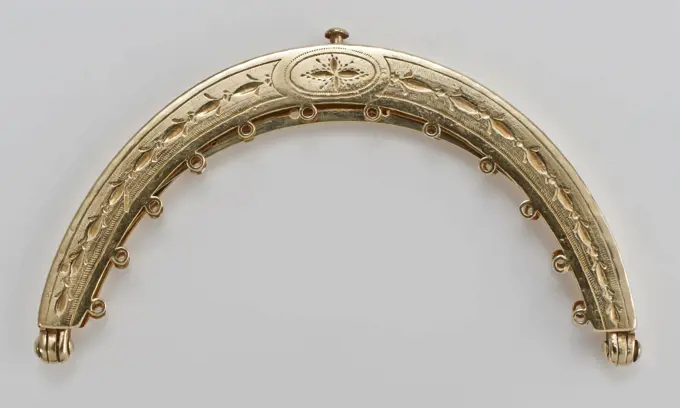
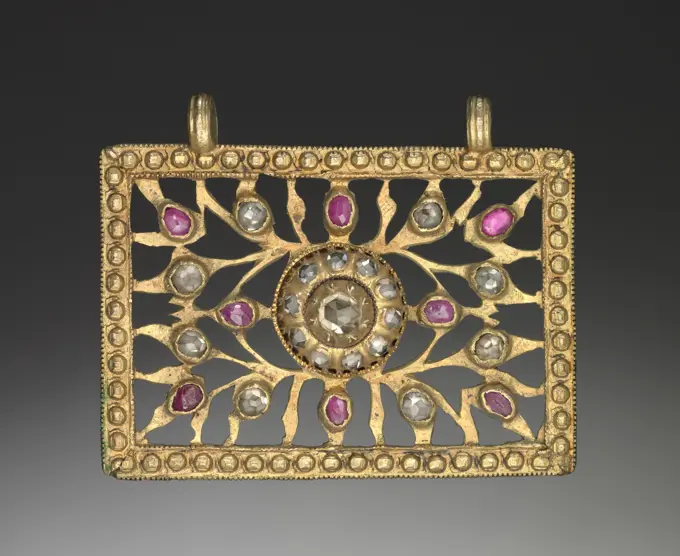
Gold purse with lily pattern, purse clip braces clothing accessory clothing gold, engraved stitched semi-circular bag bracket inner brace closing button on top of hanging eyes inside outer bracket bracket bag purse store
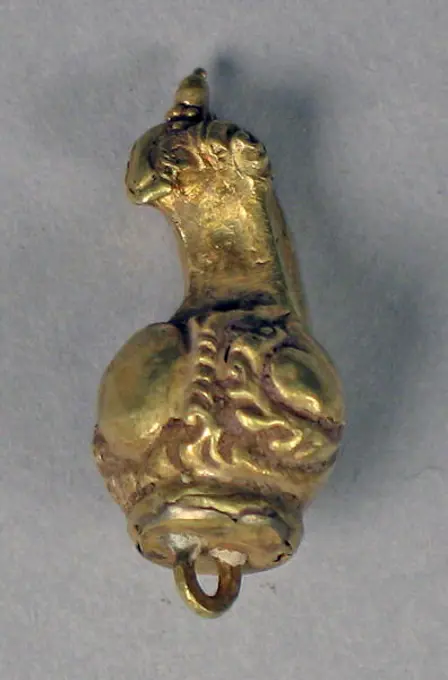
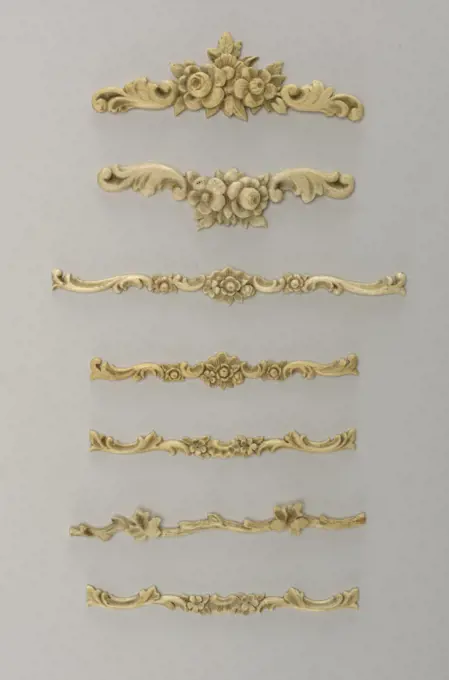
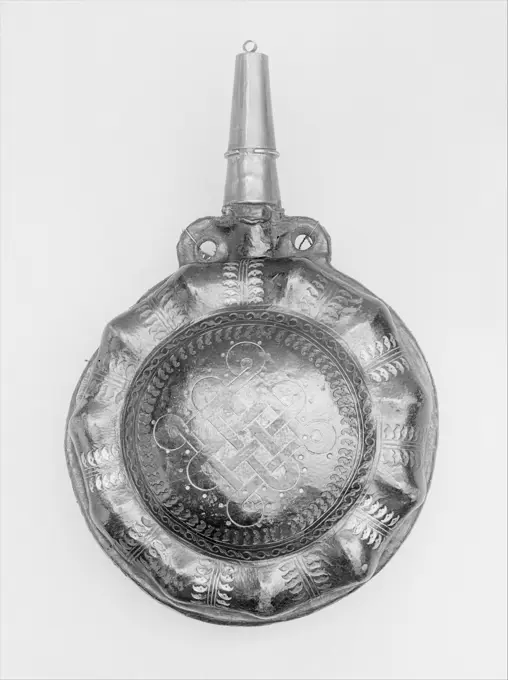
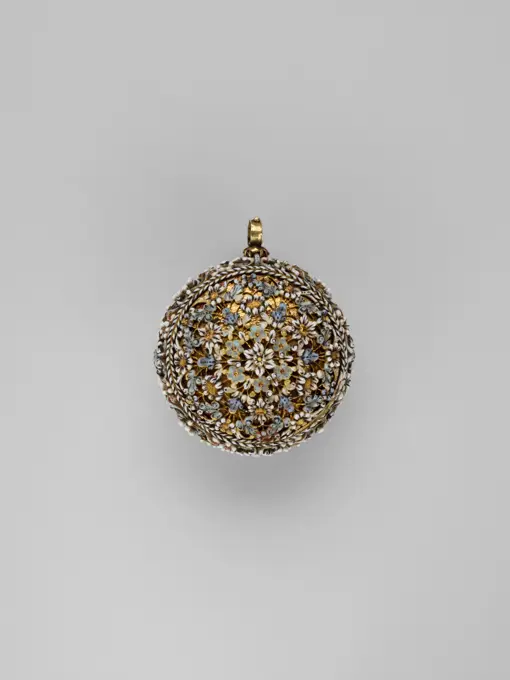
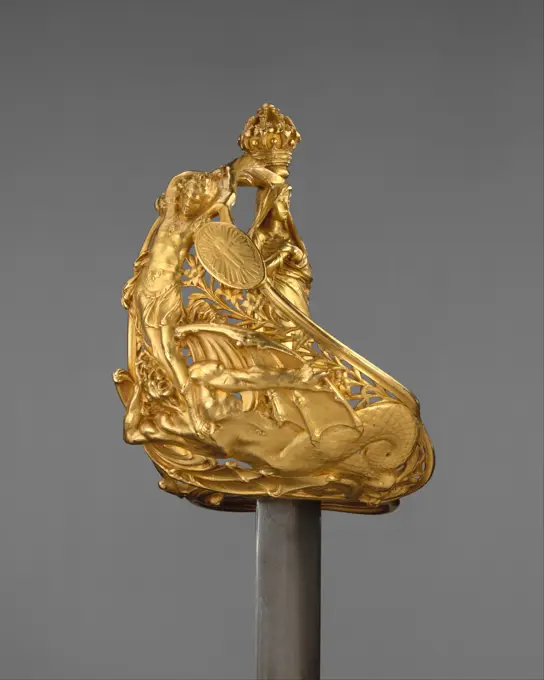
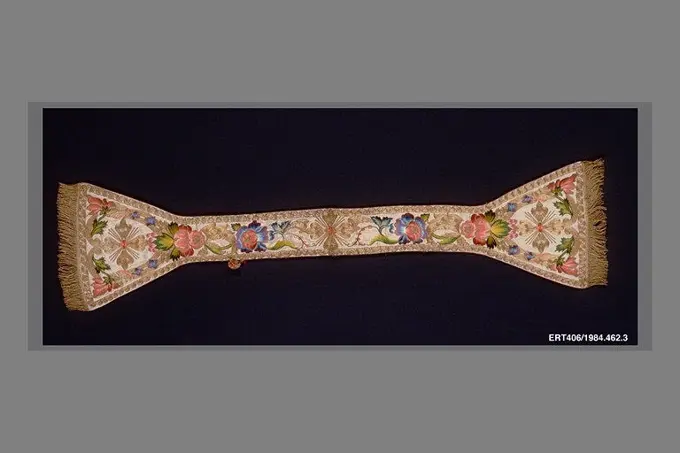
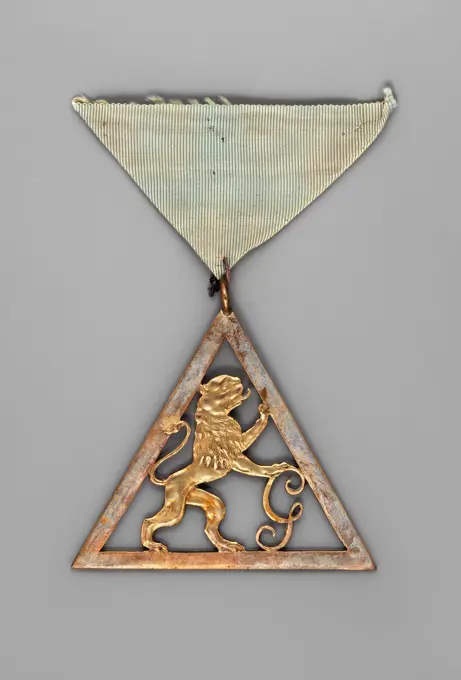
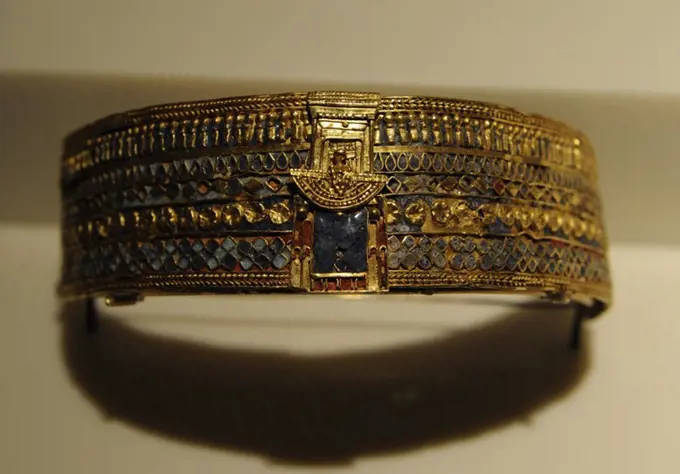
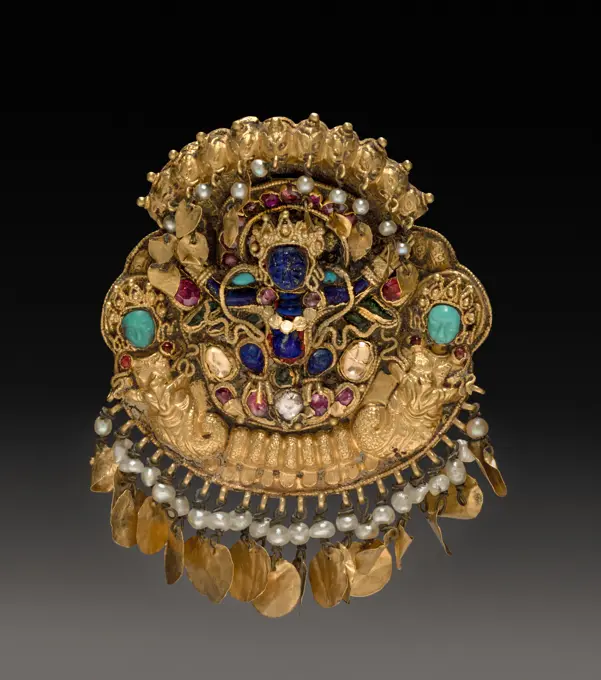
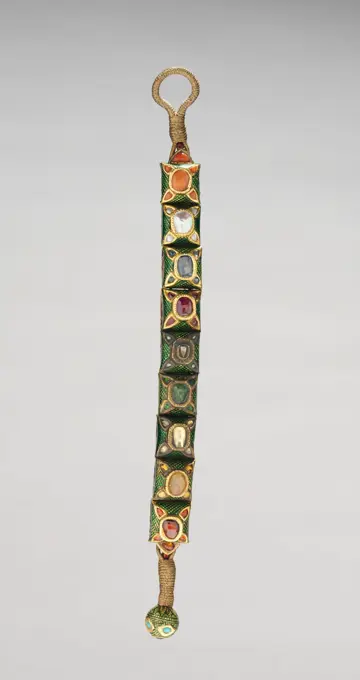
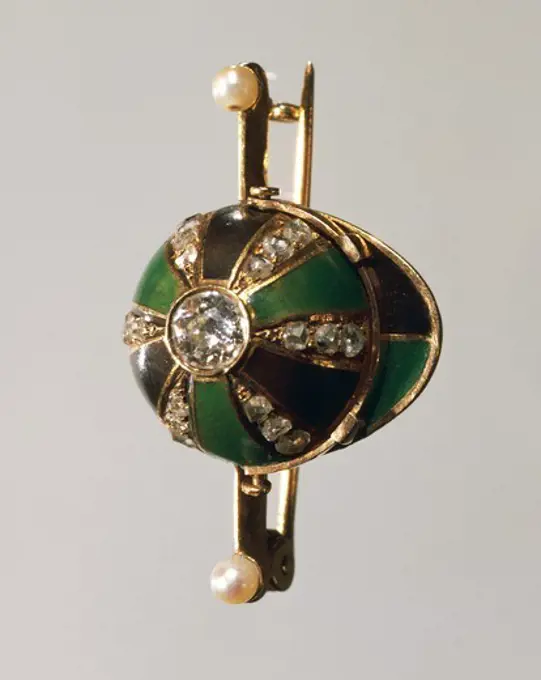
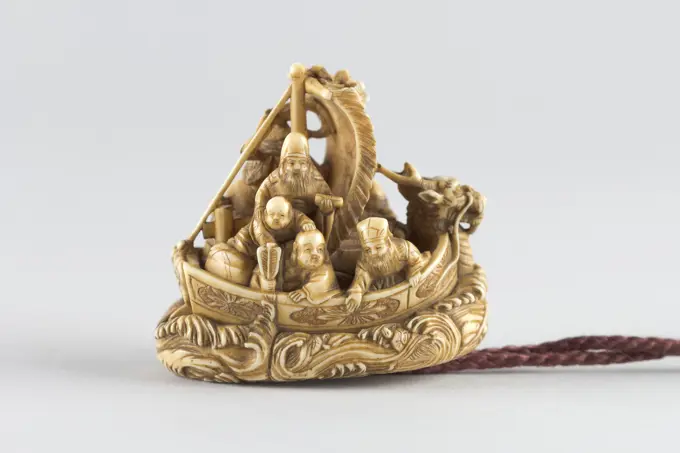
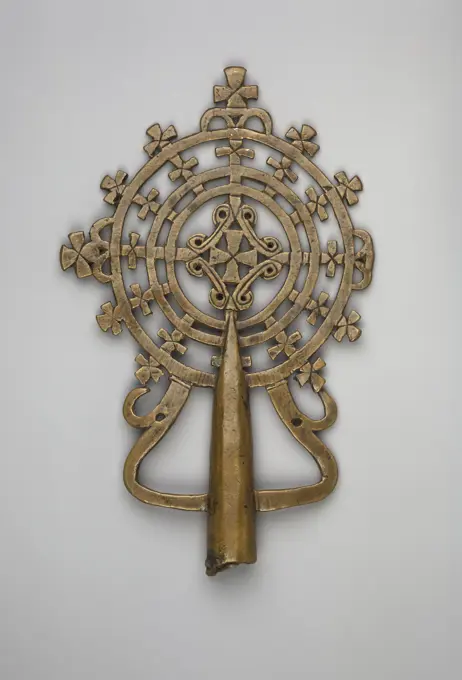
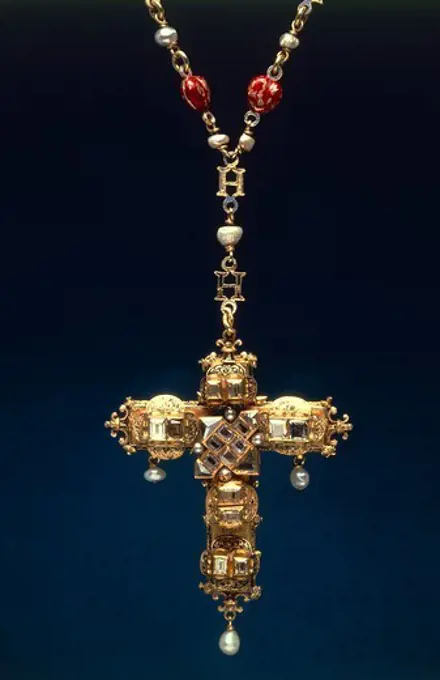
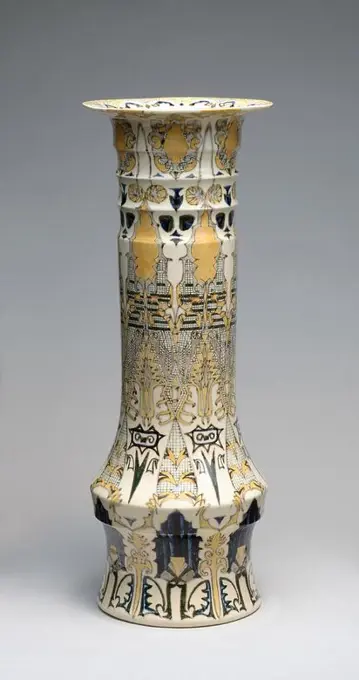
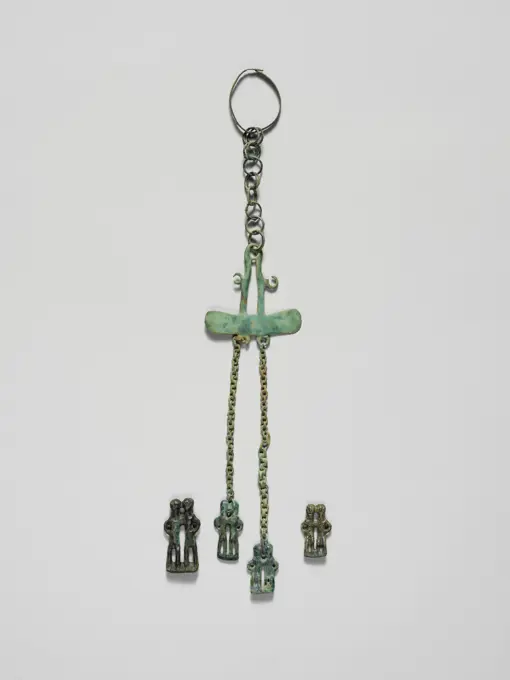
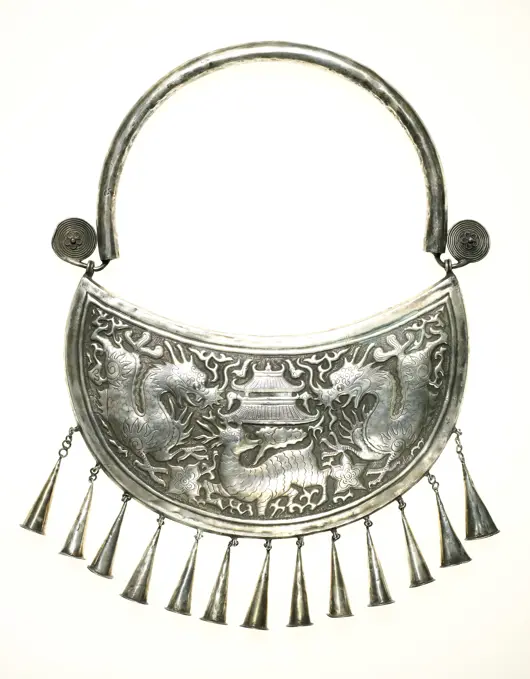
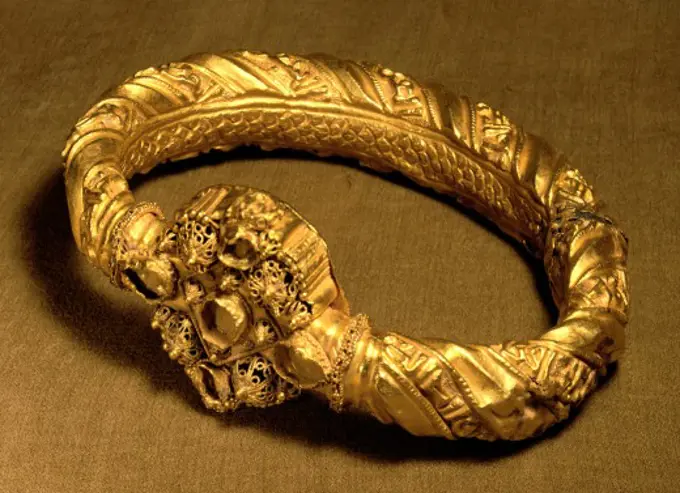
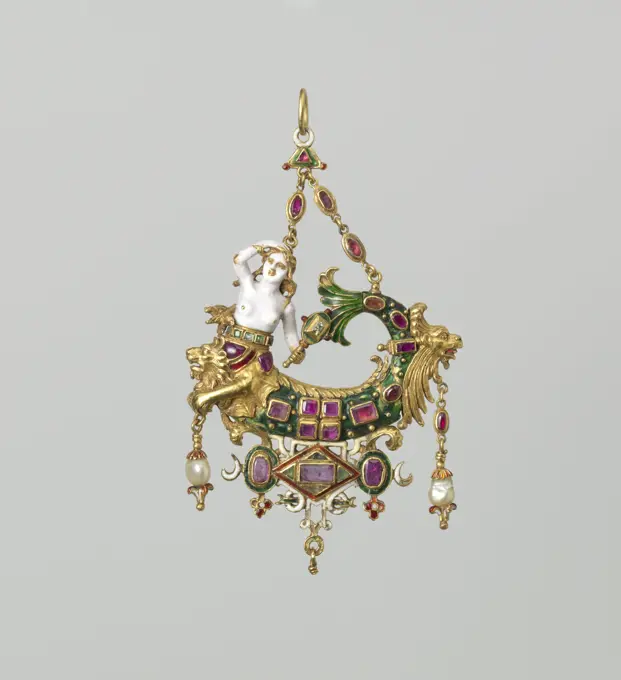
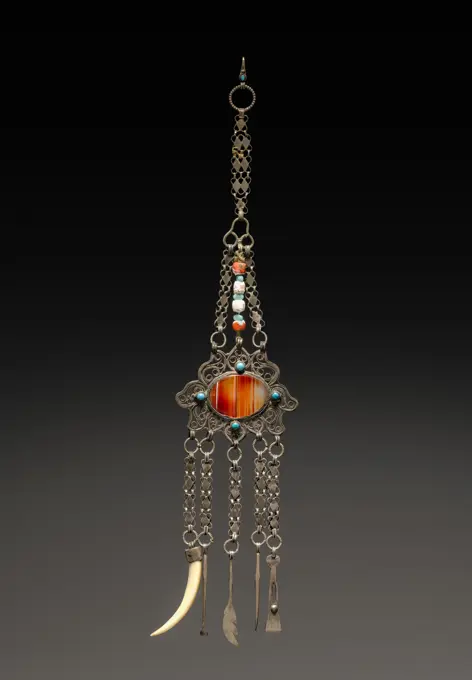
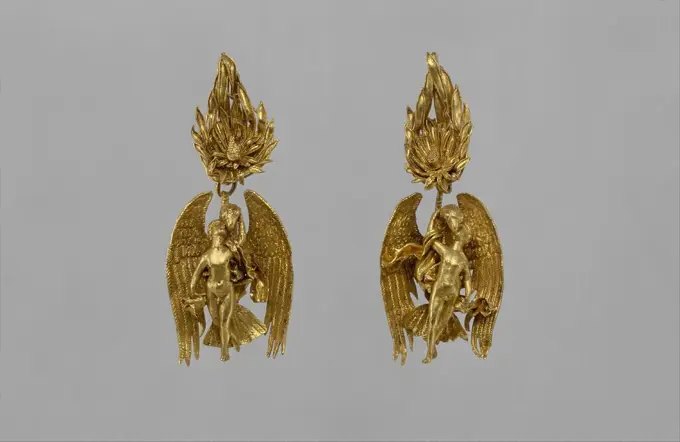
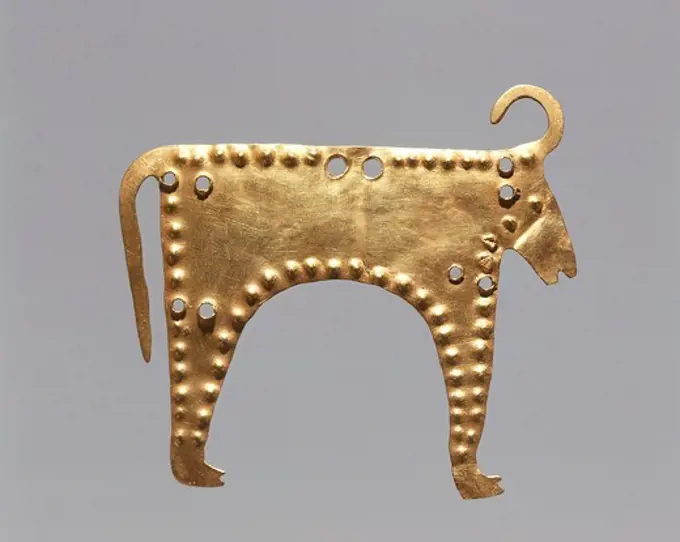
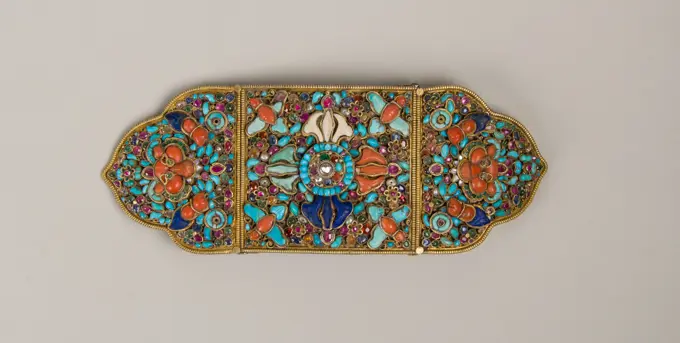
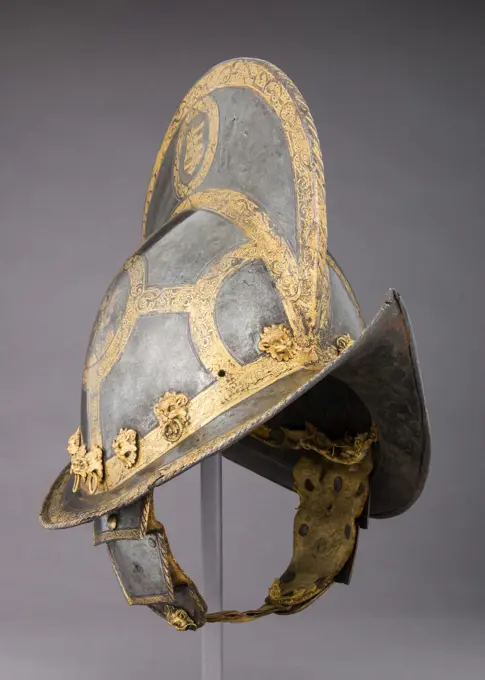
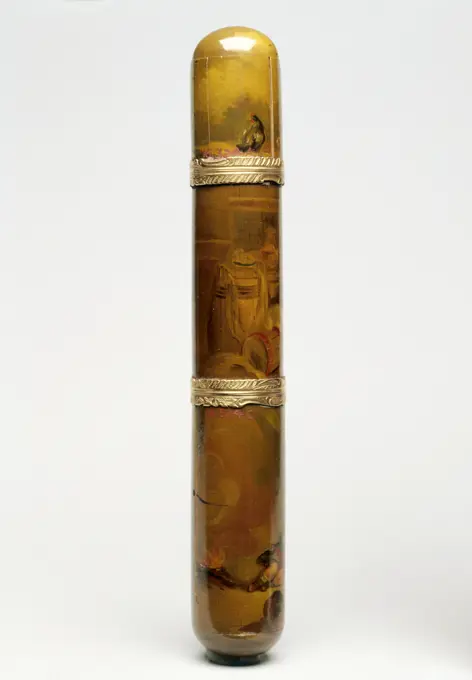
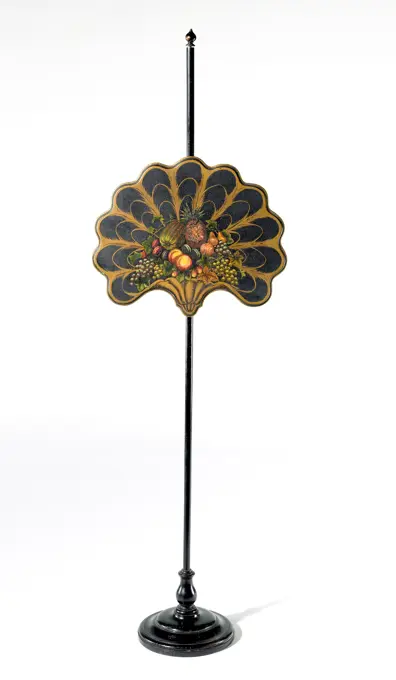
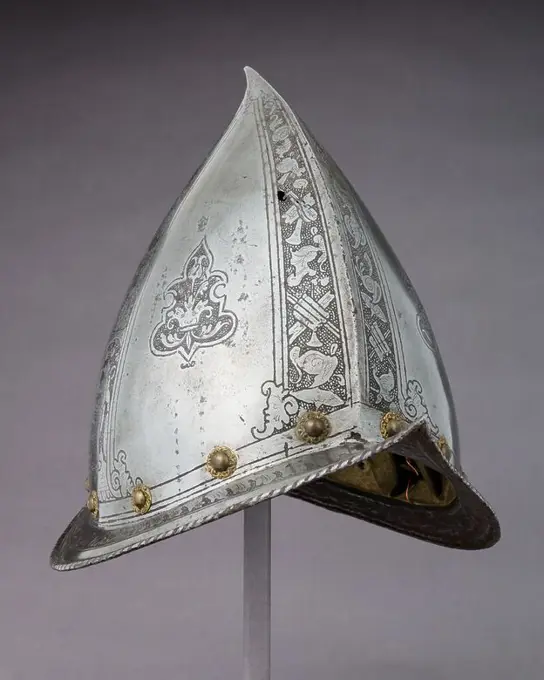
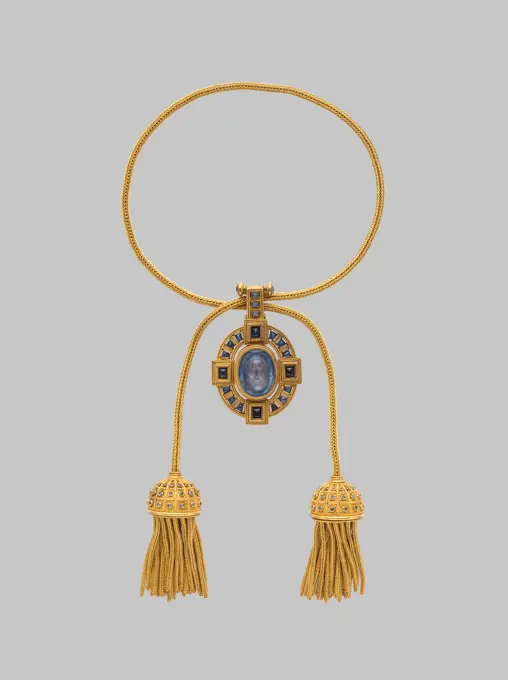
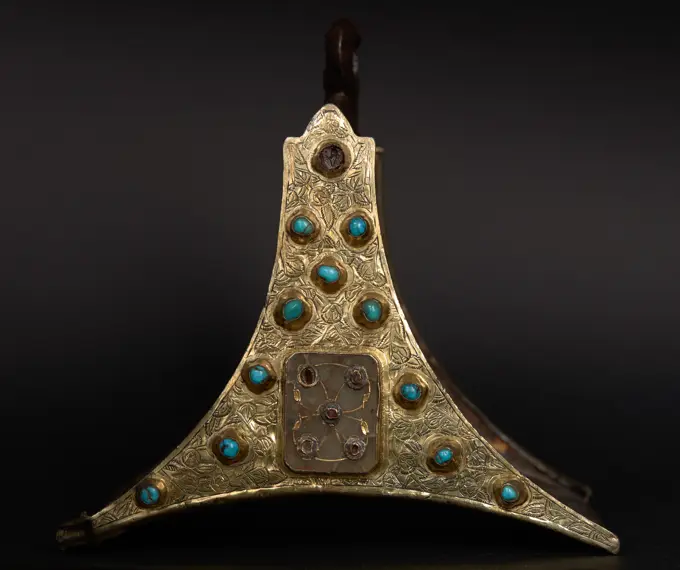
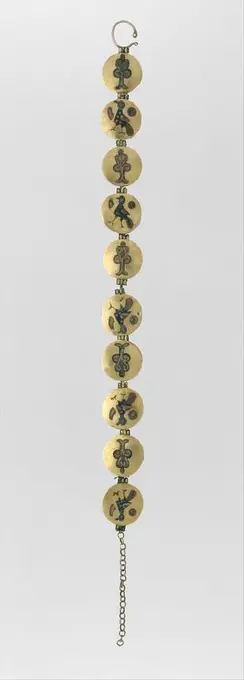
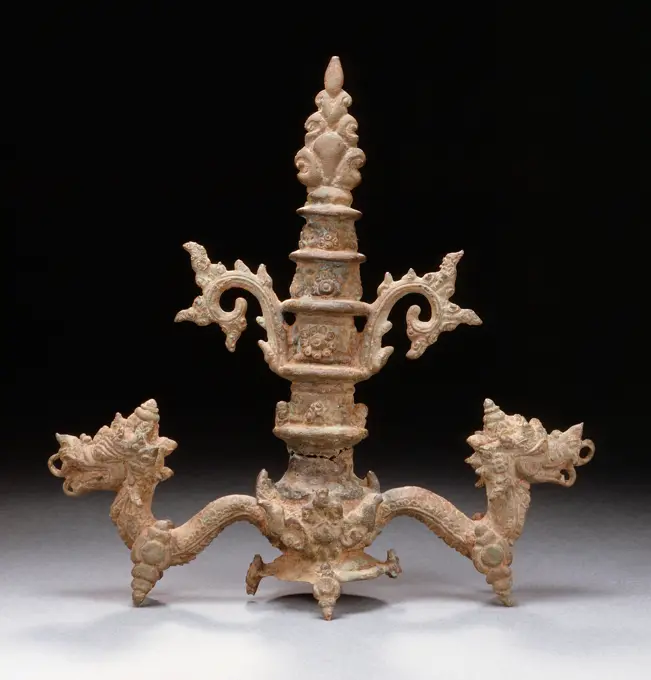
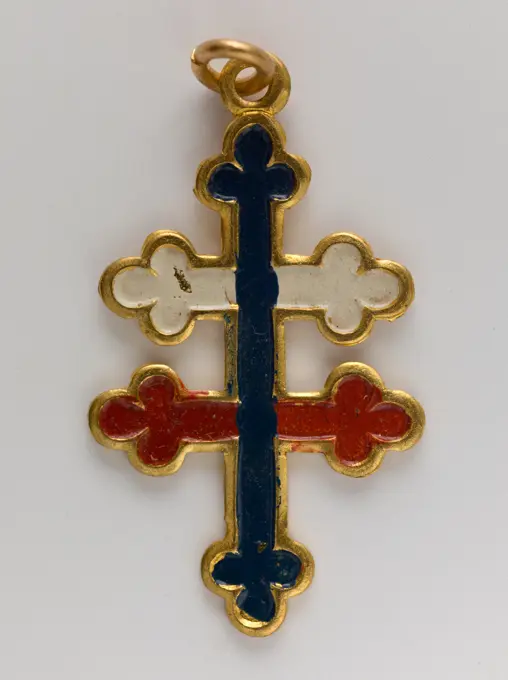
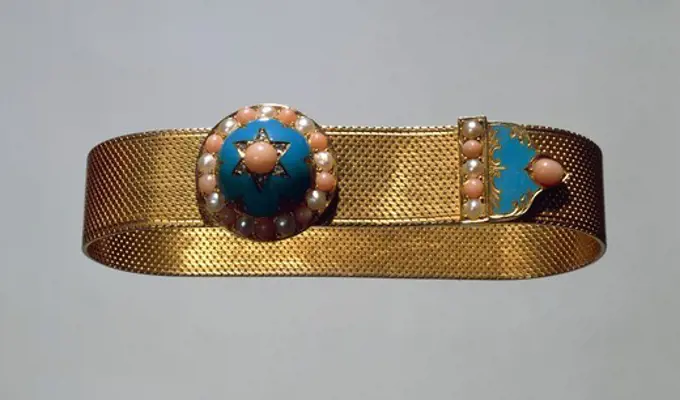
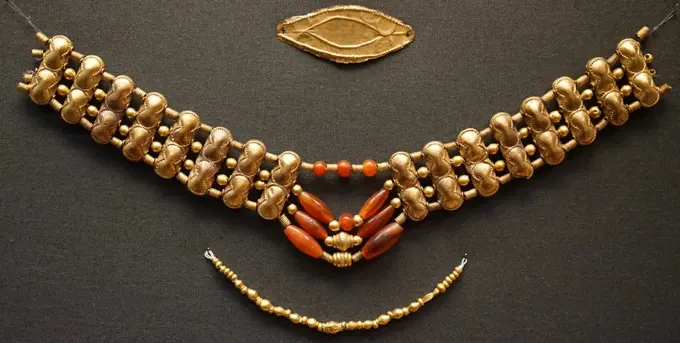
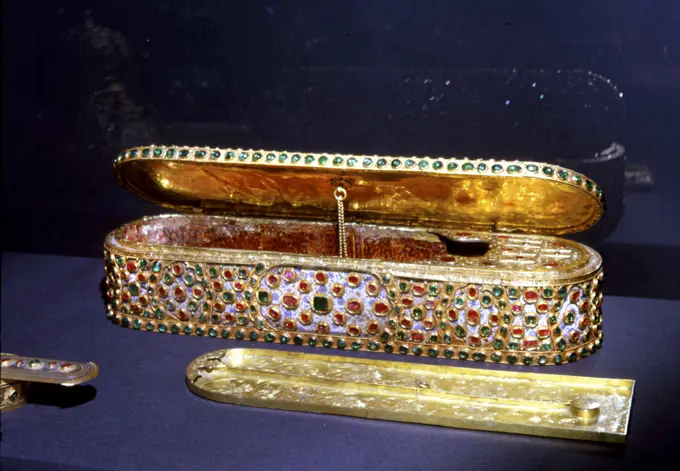
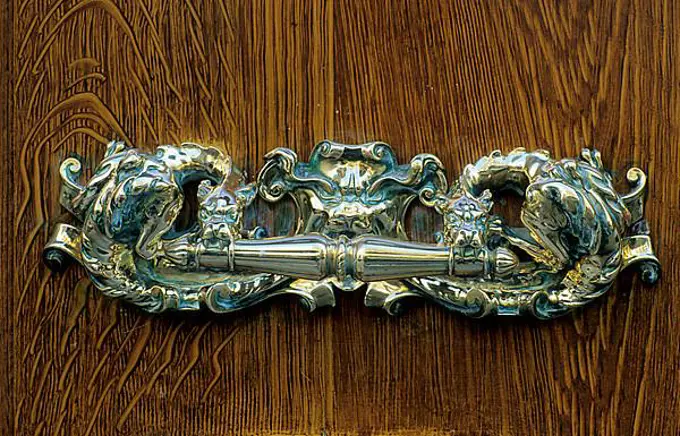
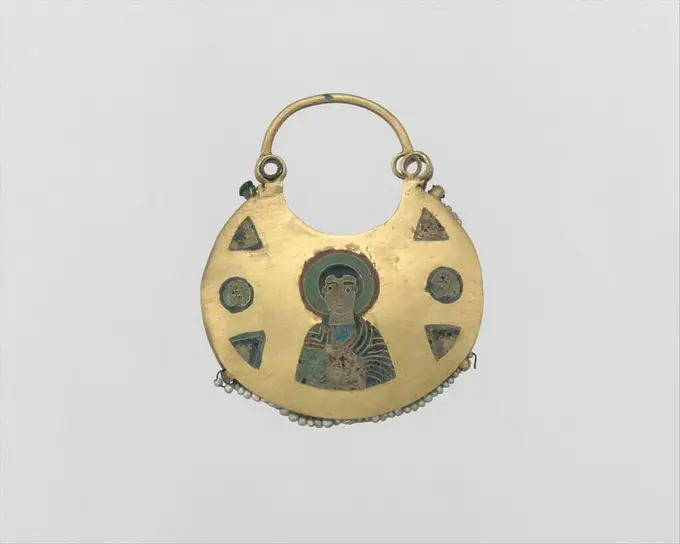
Greek pendant, made from electrum, Rhodes, around 630620 BC.Repoussé Conch Pendant 8th-12th century Indonesia (Central Java). Repoussé Conch Pendant 64281Silversmith's model, ivory, USA, mid-19th century, models and prototypes, Decorative Arts, Silversmith's modelGueridon decorated with marqueterie. Shaft with putto who supports a pillow with a kiss, Anonymous, 1700 with their hands A gueridone decorated with marquetery of rosewood, satin, olijvehout and other types of wood, partially gilded and painted black. The trunk consists of a Herm -shaped shaft decorated with stabbed leaves, above which a putto that supports a pillow carried on the head. Rest on the pillow, on a pear -shaped intermediate piece, an octagonal leaf with stabbed leaf edge and with butterfly and flowers decorated. The octagonal pedestal has flower decoration in Marqueterie. Pendant: BK-16076-B. Northern Netherlands (possibly)Netherlands (possibly) wood (plant material). rosewood (wood). satinwood (wood). olive (wood). gilding (material) gilding A gueridone decorated with marquetery of rosewood, satin, olijvehout and other types of wood, partially gilded and painted black. The trunk consists of a Herm -shaped shaft decorated with stabbed leaves, above which a putto that suppoPowder Flask 16th century Italian, possibly Venice. Powder Flask. Italian, possibly Venice. 16th century. Wood, leather, thread, brass, gold, black pigment. Venice. Firearms Accessories-Flasks & PrimersBird-Shaped Brooch 500-600 Frankish. Bird-Shaped Brooch 464863Watch 16th century Watchmaker: Nicolas Bernard A very few watchcases survive with this variety of openwork design of tour-de-force raised-and-dotted enamel. The dial, too, with black numerals on a pure white enamel chapter ring and a deep red basse-taille enamel center, is the product of a highly skilled artisan, who was almost certainly working in Paris about the middle of the seventeenth century. The pre-balance spring movement of the watch is signed Nicolas Bernard AParis. While there are several clockmakers named Bernard, or Benard, known to have been working in Paris in the late sixteenth and early seventeenth centuries, there is no record of a Nicolas Bernard before 1636, when a man by that name was made a master clockmaker there. By the time of his death in 1670, he had become a merchant clockmaker and a burgher of Paris.. Watch. French, Paris. 16th century. Gold, enamel. HorologySword Hilt 1881-82 Designed and modeled by Albert-Ernest Carrier-Belleuse French The grip of this superb late-nineteenth-century sword hilt is a miniature sculpture in the round of the Virgin Mary. Revered as the Mother of God, Mary is the object of the greatest devotion in the Christian tradition after Jesus. The basket guard surrounding the grip is a splendidly executed low-relief sculpture that depicts the archangel Michael vanquishing Satan.The hilt was modeled by the sculptor Albert-Ernest Carrier-Belleuse (1824-1887) and was carried out in gilt bronze by the goldsmith Lucien Falize (1842-1897) in Paris about 1882. It was commissioned by Gaston, Prince of Béarn and Chalais, whose coat of arms and motto, DEI GRATIA SVM QVOD SVM (By the grace of God I am what I am), appear on the hilt at the feet of the Virgin. Mary's status as the Queen of Heaven is conveyed by the sword pommel, made in the shape of a crown of lilies placed above her head. Lilies, which symbolize purity and the VirStirrup. Culture: Mexican. Dimensions: H. 18 in. (45.7 cm); W. 11 1/4 in. (28.6 cm); D. 4 1/4 in. (10.8 cm); Wt.107 oz. (3033.4 g). Date: 18th century.This heavy iron cross-form stirrup is decorated in low relief with vegetal scrolls inhabited by lions, dogs and birds, motifs possibly inspired by imported Chinese textiles and ivories. The silver nails on the corners of the side arms would have attached silver ornaments (now lost). The two elongated flaps are connected with a flat piece of iron pierced as a house facade motif showing a balcony, windows with vases, and vegetal scrolls inhabited by animals.Estribos de cruz, as they are called in Spanish, were particularly popular in Mexico during the 18th century, including in the cavalry. Oversized and very heavy, many of them feature extravagant decoration, sometimes enriched with silver elements. Horses were already at this time a mark of a certain social status in Mexican society, and the display of rich, beautiful and shinyPendant, 15 x 7 1/4 x 1/4 in. (38.1 x 18.42 x 0.64 cm), Silver, ChinaTorc with a double spiral pendant, Friuli-Venezia Giulia, Italy. Paleoveneti Civilization, 5th Century BC.Loop .Maniple. unknown, authorSilver head ornaments from India. Dated 19th CenturyLluís Masriera / Esclava, c. 1909-1915, Oro calado, diamantes y esmalte «plique-à-jour». Museu Nacional d'Art de Catalunya (MNAC). Author: LLUÍS MASRIERA I ROSÉS.Maniple (one of a set of five vestments) 18th century Italian, probably Sicily. Maniple (one of a set of five vestments) 229861Rattle of gold with flute and on top An oval polished piece of rock crystal .. Rattle of gold with flute and at the top An oval polished piece of rock crystal.Günther Zum Stehenden Löwen badge, Rudolstadt;  around 1800 (1900-00-00-1900-00-00);Lew (iconography), letter G (Masonic symbol), Freemasonry lodges, Freemasonry, triangle (Masonic emblem), FreemasonryGold bracelet of Queen Amanishakheto, Kandake of Nubia. 1st century BC. From Meroe, Egypt. Neues Museum. Berlin. Germany.Pendant with Two-Armed Blue Deity on a Lotus with Nagas (serpent divinities), 1600s or 1700s. Nepal, Kathmandu Valley. Gold with lapis lazuli and turquoise; overall: 6.1 x 4.9 cm (2 3/8 x 1 15/16 in.).Rubber stampDagger (Bichuwa) 17th century Indian, Thanjavur This intricately crafted dagger is among the best examples of ornamental steel chiseling from southeastern India, an area renowned for this kind of metalwork. It may belong to a group of ornately decorated weapons that was preserved in the palace armory of Tanjore (present-day Thanjavur, Tamil Nadu) until the 1850s. The dagger is particularly noteworthy for the fineness of its workmanship, including complete figures in the round, and for retaining areas of original gilding, which is entirely missing on most surviving pieces of this type.. Dagger (Bichuwa) 647416Armlet of bazuband, 1700s-1800s. India, Punjab, 18th-19th Century. Gold, encrusted enamel and gems; overall: 19.1 cm (7 1/2 in.).Fork (Germany); silver, enamel, stone (); L x W: 11.7 x 1 cm (4 5/8 x 3/8 in.); The Robert L. Metzenberg Collection, gift of Eleanor L. Metzenberg; 1985-103-69Goldsmith's art, 19th century. Jockey cap bar brooch with polychrome enamels and diamondsNetsuke of Boat with the Seven Gods of Good Fortune late 18th century Masahiro Japanese. Netsuke of Boat with the Seven Gods of Good Fortune. Masahiro. Japan. late 18th century. Carved ivory. Edo period (1615-1868). NetsukeKrzyż procesyjny. unknown, authorPurse frame late 17th century Austrian. Purse frame 202005Cup-Hilted Rapier Italian ca. 1650 The rapier was the principal civilian sidearm throughout the sixteenth and seventeenth centuries. Designed for cut-and-thrust fencing of progressively complex techniques, the rapier is characterized by a double-edged blade with an acute point and an elaborate guard for the hand. The guards, usually of iron or steel, were subject to a variety of embellishment. They were engraved, chiseled, gilded, damascened, and encrusted in gold and silver in keeping with fashionable styles. Unless otherwise noted, the materials, attributions, and dating given here refer to the hilts. Rapier blades, invariably of steel, bear a variety of makers marks denoting their origin in the two principal centers of blademaking, Toledo in Spain and Solingen in Germany. View more. Cup-Hilted Rapier. Italian. ca. 1650. Steel, wood. SwordsGoldsmith's art, Germany, 16th century. Pendant reliquary cross, front side with diamonds, pearls and enamel.BumpKnife Handle (Kozuka) ca. 1615-1868 Japanese A kozuka is a handle of a by-knife that is part of a sword mounting. It is kept in a slot on the reverse of a katana scabbard, often with a matching kōgai (hairdressing tool).. Knife Handle (Kozuka) 34605Vase. Culture: Dutch. Designer: T.A.C. Colenbrander (Dutch, Doesburg 1841-1930 Lagg-Keppel). Dimensions: Height: 16 5/8; Width at rim: 6 1/16; Width at shoulder: 5 7/8 in. (42.2 x 15.4 x 14.9 cm). Manufacturer: Rozenburg Plateelfabriek. Date: 1888.A.C. Colenbrander, the first artistic director of the Rozenburg factory, designed both the form and decoration of this vase. Colenbrander's designs for ceramics departedcompletely with traditional forms and types of decoration. While he remained at Rozenburg for only four years, his innovative work brought the factory great acclaim. Museum: Metropolitan Museum of Art, New York, USA.Veil weight, mid 20th century, 13 1/2 × 3 7/8 × 1 5/8 in. (34.29 × 9.84 × 4.13 cm), Copper, brass, iron, Niger, 20th centurySpoon, from a dessert service, c. 1775, Meissen Porcelain Factory, Meissen, Germany, est. 1710, Hard paste porcelain, gilt metal, Germany, 18th centuryFire-Making Tool (LotingSantik)Bronze pendant in the form of a paired couple 8th century B.C. Villanovan Solid-cast bronze figure of a nude couple. They may represent a human couple or perhaps a divine pair such as Tinia and Uni, the later Etruscan versions of the Greek gods Zeus and Hera, who are often depicted as immortal lovers.. Bronze pendant in the form of a paired couple 256042Torque, 18 x 13 1/2 x 1/2 in. (45.72 x 34.29 x 1.27 cm), Silver, Chinafine arts, Islamic Art, sculpture, bracelet, gold sheet, Euphrates area, Syria, 11th century, Damascus National Museum,Pendant in the form of a mermaid, Anonymous, 1800 - 1900 Pendant in the form of a mermaid, of gold, email, rubies, emeralds and pearls. Italy gold (metal). pearl. ruby (mineral). emerald (mineral) Pendant in the form of a mermaid, of gold, email, rubies, emeralds and pearls. Italy gold (metal). pearl. ruby (mineral). emerald (mineral)Pendant, 20th Century. India. Silver gilt with rubies and diamonds; overall: 1.5 x 1.5 cm (9/16 x 9/16 in.).ein mit Edelsteinen verziertes Autorad a car wheel decorated with precious stones LicenseRF Copyright: xZoonar.com/OpreanuxRobertoxSorinx 23191107Bliżej Kultury unknownByzantine Gold treasure from Assiut or Antinoe, Egypt, 600. Artist: Unknown.Knife Handle (Kozuka) ca. 1615-1868 Japanese A kozuka is a handle of a by-knife that is part of a sword mounting. It is kept in a slot on the reverse of a katana scabbard, often with a matching kōgai (hairdressing tool).. Knife Handle (Kozuka) 34636Sac. 1880. Gal1977.57.2Lluís Masriera / Gemelos para camisa, 1906. Colección privada. Author: LLUÍS MASRIERA I ROSÉS.Necklace and Decorative Chain with Terminals, anonymous, c. 900 - c. 1000 Each part of the chain has the shape a tiger claw. Indonesia gold (metal) rejected Each part of the chain has the shape a tiger claw. Indonesia gold (metal) rejectedPipe bowl Liver law, Wilhelm SchulzChatelaine with Toilet Articles, 1800s. Tibet. Silver with cornelian and blue stones with blue and coral beads; overall: 34.4 cm (13 9/16 in.).Belt 1830s American or European. Belt 86958This may be a collar with hinged terminals from Tibet, 18th century AD, but this is unclear.Earring, One of a Pair 12th century Ornaments of this double-conical shape are known from the region of eastern Saudi Arabia and Oman, where they were worn by Bedouin women. The cluster of gold granules on the bottom of the jewel are often understood as references to the mulberry fruit - a symbol of fertility, which has been used since antiquity to ornament jewelry in this region. Adornments such as these may have been worn as earrings (through the ear) or attached to a necklace or a headdress.. Earring, One of a Pair 451069Pair of gold earrings with Ganymede and the eagle. Culture: Greek. Dimensions: total H. 2 3/8 in. (6 cm); H. of rosette 1 in. (2.5 cm); H. of Ganymede group 1 3/16 in. (3 cm). Date: ca. 330-300 B.C..These superb earrings consist of a large honeysuckle palmette below which hangs a finely worked three-dimensional figure of the Trojan prince Ganymede in the clutches of Zeus, who has assumed the guise of an eagle. Coveted by Zeus for his beauty, Ganymede was carried off to Mount Olympos to be a cup-bearer for the gods. The pendants are sculptural masterpieces in miniature, which no doubt reflect in their basic conception a famous large-scale bronze group of the same subject, made by Leochares in the first half of the fourth century B.C. The airborne theme is ingeniously adapted here to an object that hangs freely in space. Museum: Metropolitan Museum of Art, New York, USA.Gold of Troy, Priams Treasure by anonymous artist, gold, 2400-2300 BC, Russia, Moscow, State A. Pushkin Museum of Fine ArtsFire screen of gilded beech wood, anonymous, c. 1900 Fire screen made of gilded beech wood. The screen rests on low slavery feet and is surrounded by a border with a bay leaf. At the time of the acquisition, the fire screen was covered with an 18th-century tapisserie. France beech (wood) gilding Fire screen made of gilded beech wood. The screen rests on low slavery feet and is surrounded by a border with a bay leaf. At the time of the acquisition, the fire screen was covered with an 18th-century tapisserie. France beech (wood) gildingBulgaria, Sofia, Natsionalen Istoritcheski Muzej, Gold leaf with animal figures from VarnaPair of Ear Ornaments in TwopartsBliżej Kultury unknown labelSword Belt. Culture: Moroccan. Dimensions: L. 58 3/4 in. (149.2 cm). Date: 18th-19th century. Museum: Metropolitan Museum of Art, New York, USA.Armlet for an Image with Crossed Vajras 17th-19th century Nepal At the center, crossed vajras indicate the cardinal directions and the universes axis—a place of ultimate stability where the Buddha reached enlightenment—which is marked here with a diamond. The gems, semiprecious stones, and coral convey ideas of purity and together form a mosaic that evokes the crystalline nature of the heavens. On either side of the armlet are reddish-coral kirtimukha faces that symbolize the relentless passage of time.. Armlet for an Image with Crossed Vajras. Nepal. 17th-19th century. Mercury, gilt silver, diamonds, rubies, emeralds, sapphires, pearls, lapis lazuli, coral, shell, and turquoise. JewelryMorion for the Bodyguard of the Prince-Elector of Saxony ca. 1600 German, probably Nuremberg The electors of Saxony appear to have been the only German princes in the sixteenth century to outfit their bodyguards with matching equipment. The guards' helmets are etched and gilt on one side with the coat of arms of the dukedom of Saxony and on the other side with the crossed swords that signify the duke's office as archmarshal of the Holy Roman Empire. The gilt decoration was originally contrasted with black painted surfaces (some now polished bright). The black and gold derived from the Saxon coat of arms and were also the colors of the guards' livery. This helmet was made by armorers in Nuremberg. Another example (1989.288) in the Metropolitan Museum's collection is dated 1568. The only dated morion of this series known, it establishes the creation and use of the guard morions in the reign of August I (1553-86), twenty to thirty years earlier than previously thought.. Morion for the BodLoop Row of large square stones bordered on the outside of a row of small stones in circle.Belt, 20th century, 79 x 6 1/4 in. (200.7 x 15.9 cm) (excluding fringe), Rayon brocade, Morocco, 20th centuryPerfume Case (Etui flaconnier), c. 1780. France, 18th century. Painted wood with gilt metal mounts, tortoiseshell; overall: 12.6 x 2.6 cm (4 15/16 x 1 in.).Fitting for leather decorationsBinding to the bouquet - Porte -Bouquet;  1850-60 (1850-00-00-1860-00-00);Firescreen, mid 19th century, Larpent, H.51-1/2 x W.15-3/4 x D.9-1/2 in. (overall), Wood, pigment, metal, felt, papier maché, England, 19th centurySpring lid of an antique silver pocket watch from 1907, decorated with ornaments, International Watch Co., Schaffhausen, IWCMorion-Cabasset. Culture: Italian. Dimensions: H. 10 3/8 in. (26.4 cm); W. 9 1/8 in. (23.2 cm); D. 14 1/4 in. (36.2 cm); Wt. 2 lb. 14 oz. (1299 g). Date: 16th century. Museum: Metropolitan Museum of Art, New York, USA.Necklace with cameo of Veronica's Veil ca. 1870 Firm of Castellani This object and the group to which it belongs (see also 2014.713.1-.10) reflect the keen interest in historical styles in nineteenth-century Europe. Artists and designers looked to various artistic periods for forms and motifs. There was also an interest in reproducing works of art from earlier epochs with historical accuracyan approach that is particularly evident in the taste for so-called archaeological jewelry (jewelry based on excavated examples from antiquity), which reached its zenith in the middle of the century.The jewelry made during this period encompassed Etruscan, ancient Roman, early Christian, Byzantine, and medieval styles. The firm of Castellani in Rome both pioneered and dominated the production of archaeological jewelry. Founded by Fortunato Pio Castellani in 1814, the company was run by three generations of the family before closing in 1927. Castellani jewelry achieved enormous popularity in the higPilgrim's Badge 15th century French. Pilgrim's Badge. French. 15th century. Lead. Metalwork-LeadCommemorative key;  1833 (1833-00-00-1833-00-00);Pair of chutes 18th century French. Pair of chutes 190161 French, Pair of chutes, 18th century, Gilt bronze, Overall (.421a confirmed): 16  4 1/4  2 1/8 in., 5.3 lb. (40.6  10.8  5.4 cm, 2.4 kg); Overall (.421b confirmed): 16  4 1/8  1 7/8 in., 4.9 lb. (40.6  10.5  4.8 cm, 2.2 kg). The Metropolitan Museum of Art, New York. Gift of J. Pierpont Morgan, 1906 (07.225.510.421a, b)Przeszo Przyszoci unknownChain with Birds and Trees of Life. Culture: Kievan Rus'. Dimensions: Overall: 12 7/16 x 13/16 x 1/8 in. (31.6 x 2.1 x 0.3 cm)Overall (without chain and ring): 9 11/16 x 13/16 x 1/8 in. (24.6 x 2.1 x 0.3 cm). Date: 1000-1200.Chains, called riazni, were created from small cloisonné enamel medallions. The chains may have joined layers of dress, been worn as necklaces or bracelets, or used to suspend circular or crescent-shaped pendants known as temple pendants or kolti. Rus' women wore temple pendants in pairs, suspended beside the face, at the temple, as part of their elaborate headdress. Museum: Metropolitan Museum of Art, New York, USA.Man's Cap Made 1575-1600 England. Nightcaps for men and their counterparts, coifs for women, were long-lived fashion, from about 1580 until 1650. With their heavy encrustations of decoration they were obviously not intended to be worn while sleeping. For the night wear a plain, warm, knitted woolen ìbigginî was used. Like the womanís cap, the manís nightcap was meant for indoor wear during social hours at home. Persons of rank or professional men sat for their portraits in them.. Linen, plain weave; embroidered with silk, gilt-strip-wrapped silk, and metal paillettes in ladder and stem stitches; couching and buttonholed couching; edged with bobbin lace .Finial with Serpents. Indonesia, Eastern Java, circa 14th century. Architecture; Architectural Elements. Copper alloyWar 1939-1945. Pendant in the shape of a tricolor tripic Lorraine cross. Metal. 1944-1945. General Leclerc Museum of Hauteclocque and the Liberation of Paris, Jean Moulin Museum. War 1939-1945, War 39-45, pendant, Second World WarLoop 2 rows of stones on a single strip.Arch of saddle decorated with rams´heads, felt, wood and gold, from Altai. Museum: HERMITAGE, SAN PETERSBURGO, RUSSIA.Picture frame -Incense burner 16th century to 17th century, origin uncertain, TibetVintage Photograph. Coins laid out in the shape of a horseshoe symbolizing good luck in money.Berber diadem from Djebel Siroua, Morocco,"Corral del Carbón" , "al-fundaq al-yadida", 14th century, Granada, Andalusia, Spain.Engraved Scarab; Greece; third quarter of 6th century B.C; Carnelian; 0.7 × 1.5 × 1.1 cm (1,4 × 9,16 × 7,16 in.)Scarab. UnknownPlenty of geniune Turkish gold coins are in the viewSilversmith's art, 20th century. Silver and pearls clip, 1950s.Goldsmith's art, 19th century. Gold garter bracelet with enamel coral and pearls medal and buckle, around 1860.Comb, Tortoiseshell, gold, Ornamental tortoiseshell comb with chignon netting of gold arranged as scallops with ball and star motifs., France, Germany, 19th century, jewelry, Decorative Arts, CombEarrings 18th century-19th century European, Eastern. Earrings 102413Gold and Cornelian necklace, with globular beads linking some of the cornelian beads.Gold penbox set with emeralds and rubies. 16th cent. Suleyman the Magnificent Ottoman Treasure from the Topkapi palace, Istanbul. TURKEY.. A parure is a set of matching jewellery. The Dutch writer Potgieter commissioned this set as a gift for a relative. Potgieter was among the first to devote attention to women of the Golden Age in his books. The seven historic figures illustrated here demonstrate the virtuousness of Dutch women. The medallion contains a photograph of Potgieter and a lock of his hair.Door knockerPendant with Agnus Dei (Lamb of God) 1585-1625 Spain. Gold, enamel, emeralds, rubies, and pearls .PendantClock cover. Prószków Śląski (fabryka fajansu ;1763-1853), factoryOne of a Pair of Temple Pendants, with Busts of Male Saints Holding Martyr's Cross (front) and Leaf and Rosette Motifs (back). Culture: Kievan Rus'. Dimensions: Overall: 2 1/8 x 1 7/8 x 9/16 in. (5.4 x 4.8 x 1.5 cm). Date: 11th-12th century.When Kievan Rus, a powerful new state to the north of the Byzantine Empire, accepted Christianity as its official religion in 988, the aristocracy also adopted the manners and dress of the Byzantine court. Local artists soon produced their own versions of Constatinopolitan fashions. This temple pendant of precious metals worked in cloisonné enamel or niello are local variants of the more intricately detailed works made for the Byzantine court.As in Byzantium, temple pendants may have been worn next to the face by both the men and the women of Rus. The works shown here were perhaps buried by their owners when the Mongol armies under Batu Khan sacked Kiev in 1240. Museum: Metropolitan Museum of Art, New York, USA.