Antique Accessories

Intricate designs of historical accessories such as chatelaine and badges, showcasing gold and brass materials, and artistic craftsmanship.
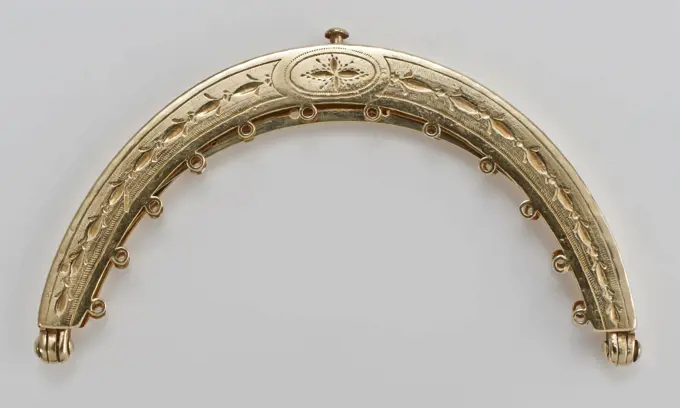
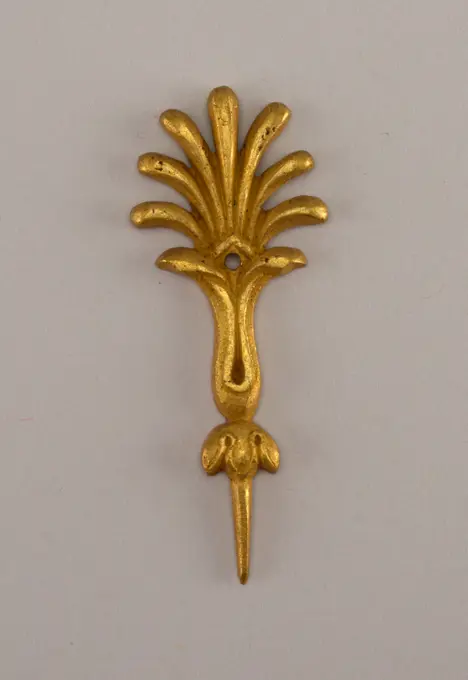
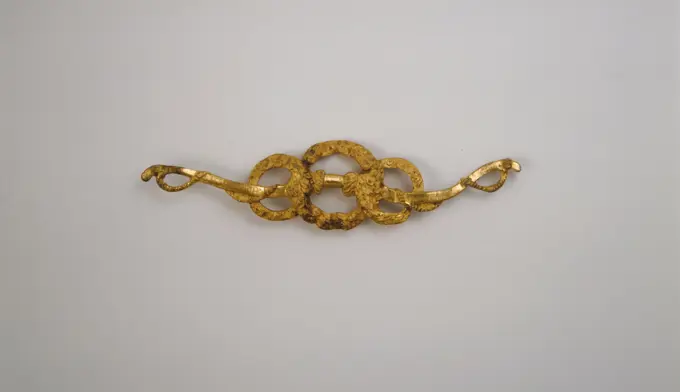
Gold purse with lily pattern, purse clip braces clothing accessory clothing gold, engraved stitched semi-circular bag bracket inner brace closing button on top of hanging eyes inside outer bracket bracket bag purse store
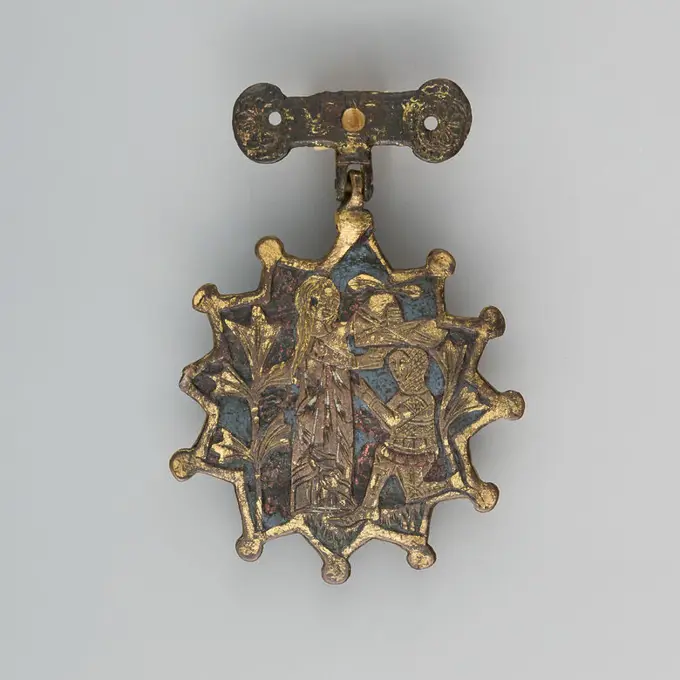
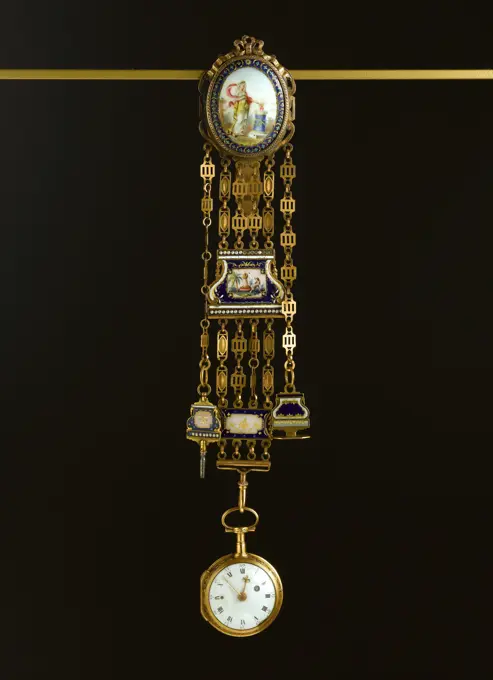
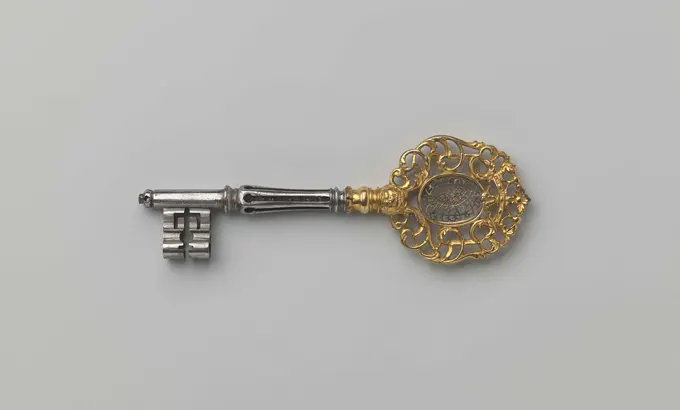
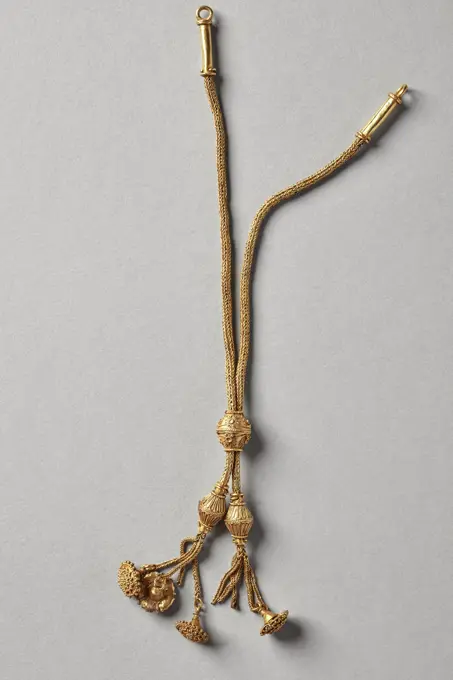
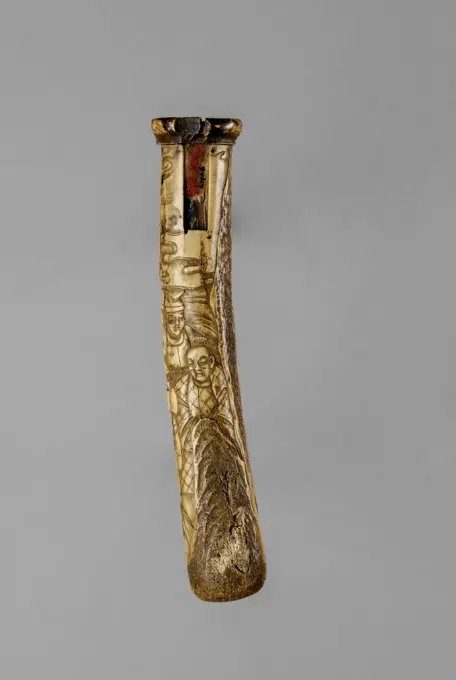
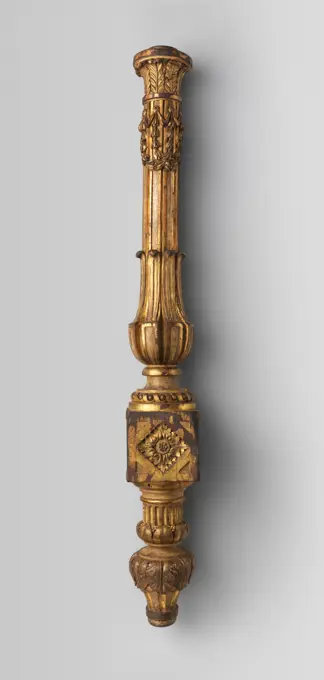
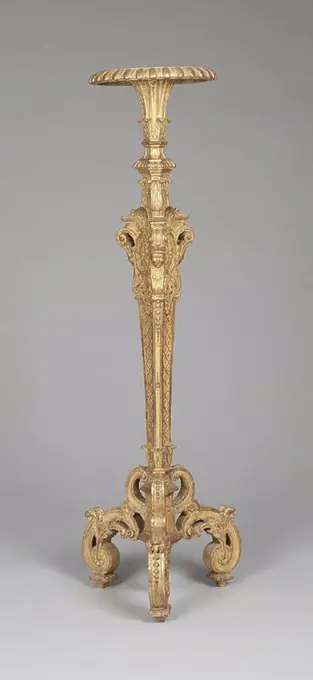
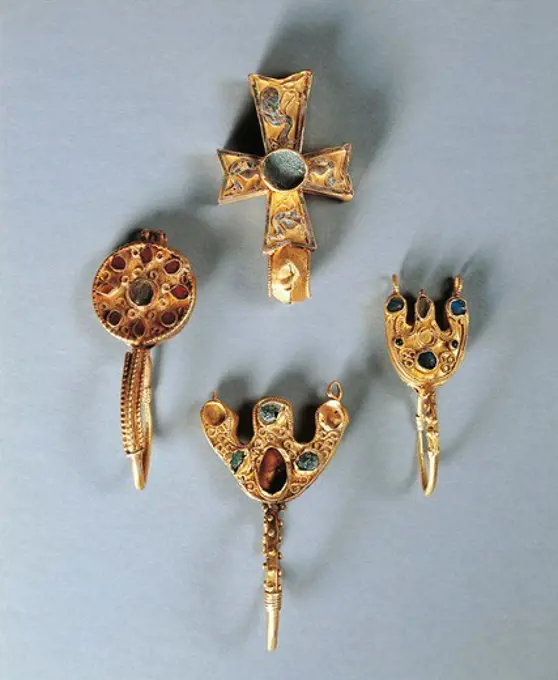
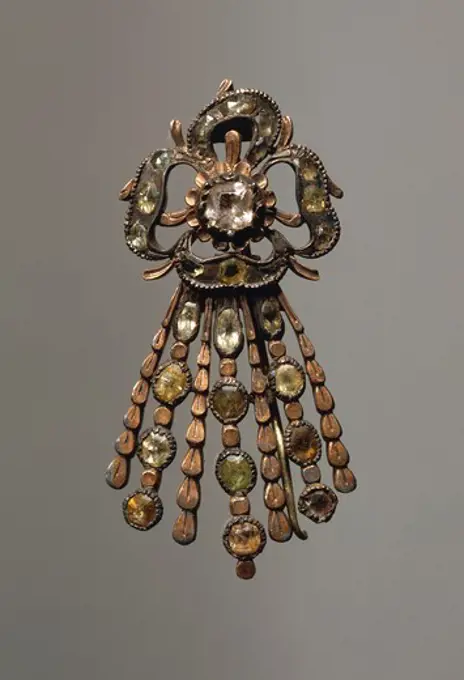
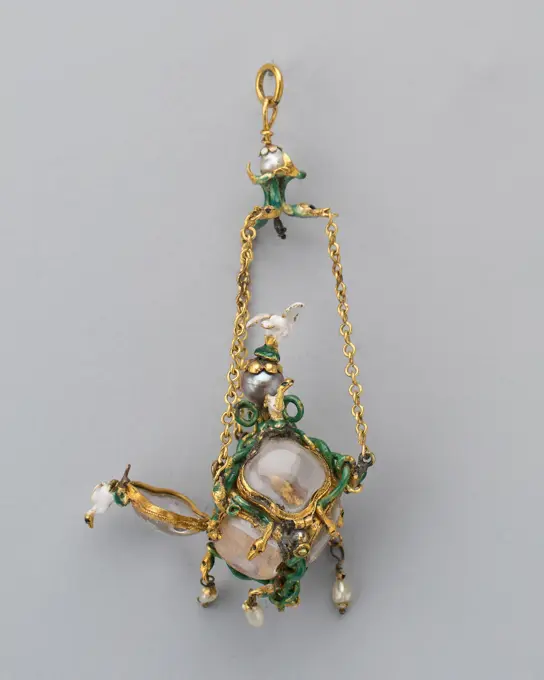
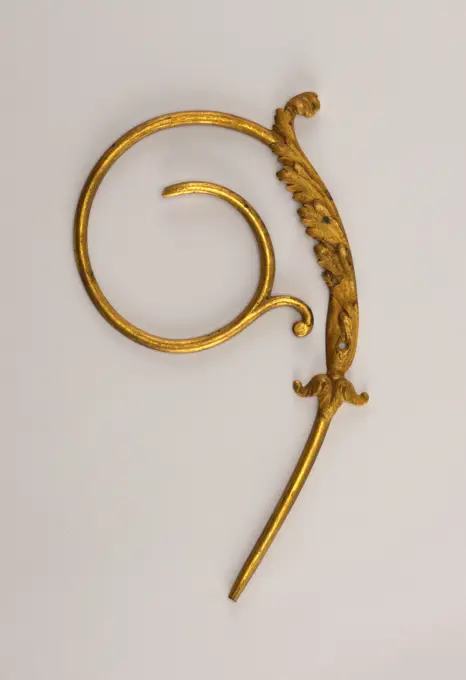
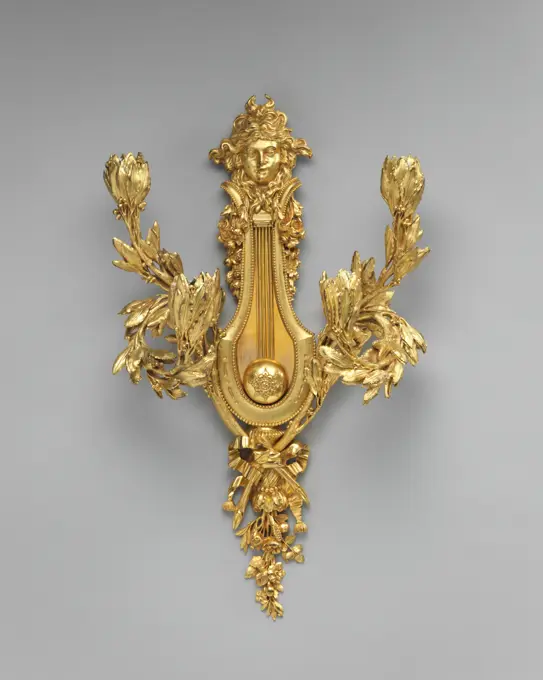
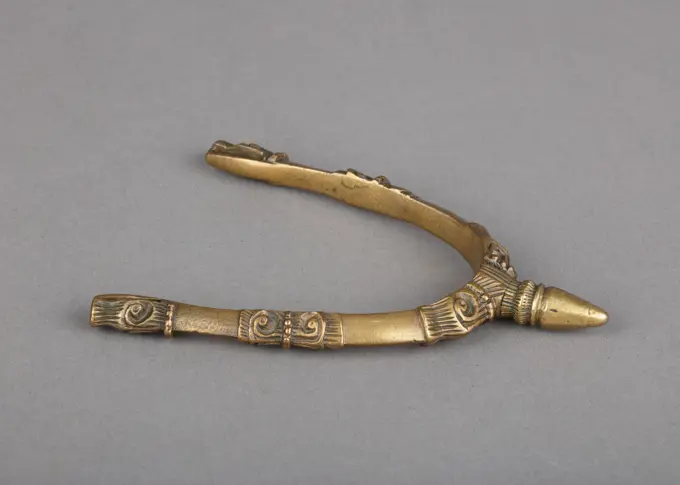
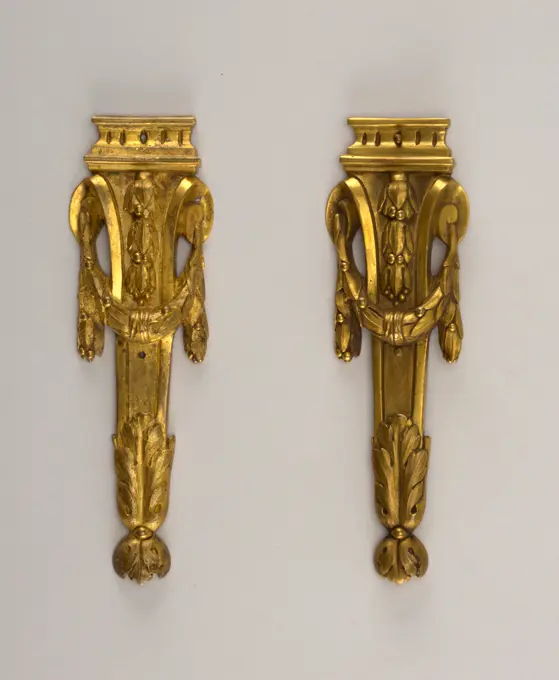
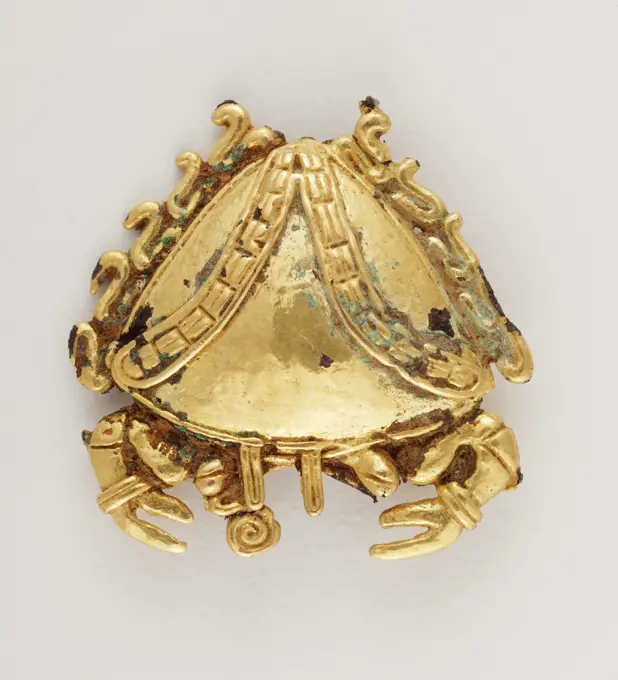
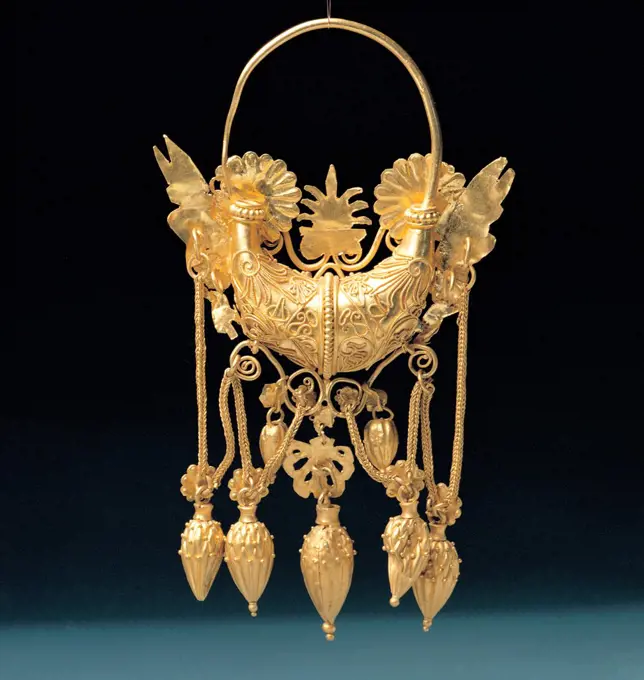
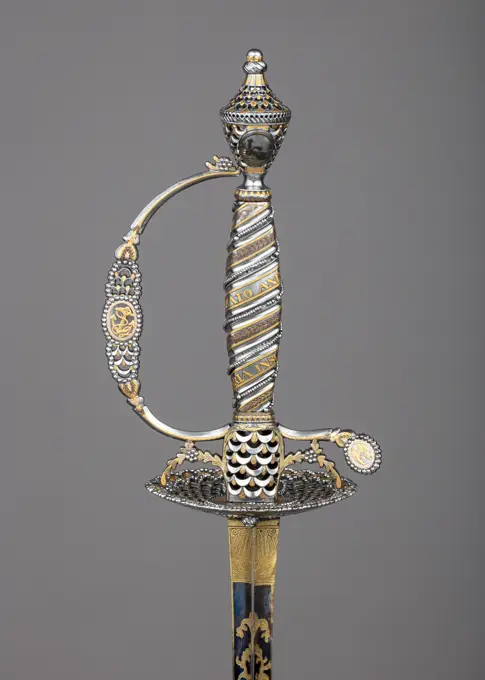
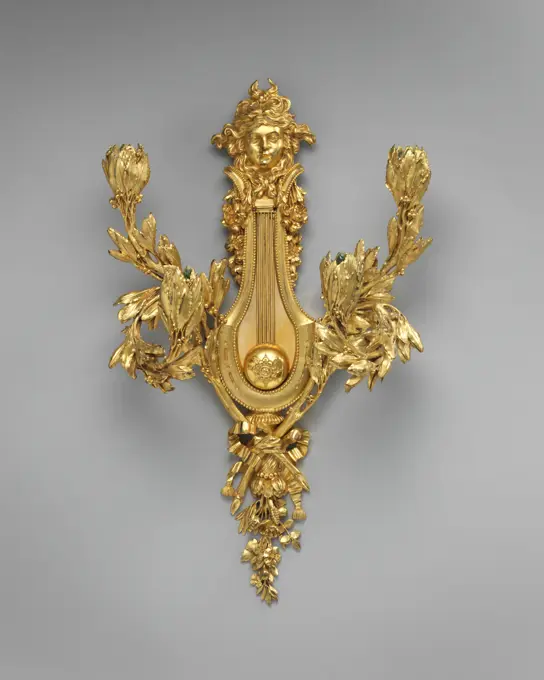
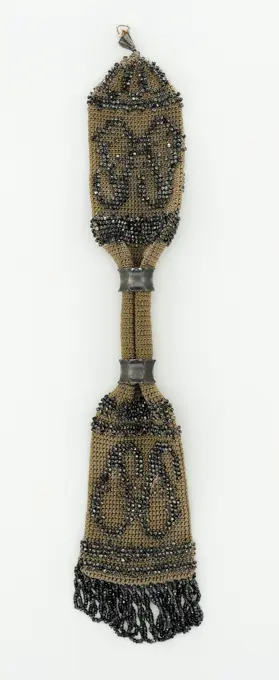
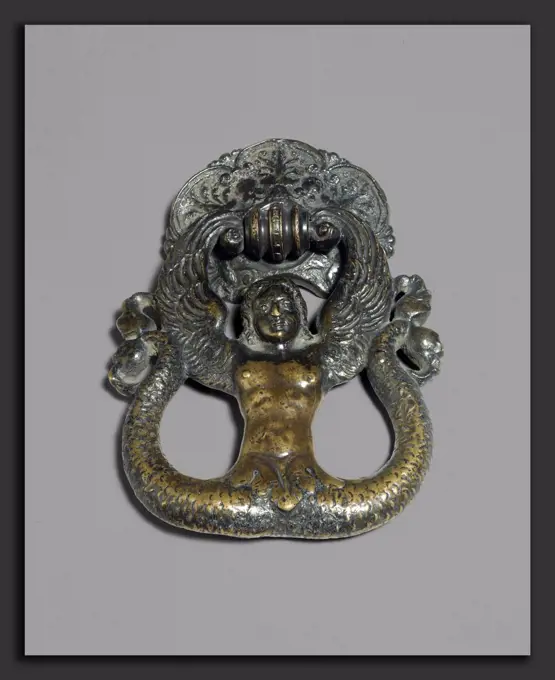
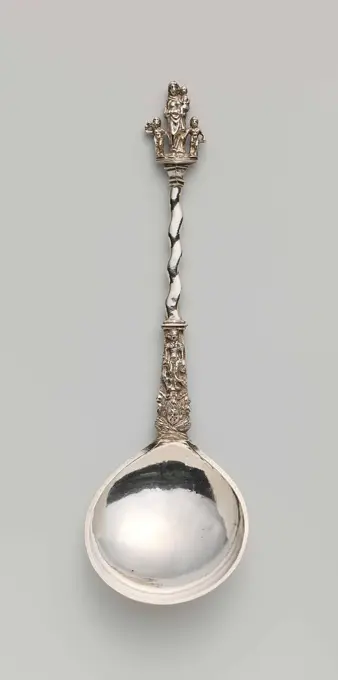
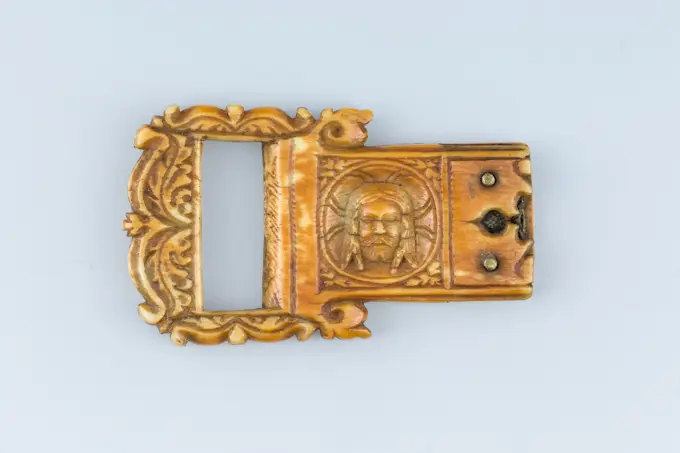
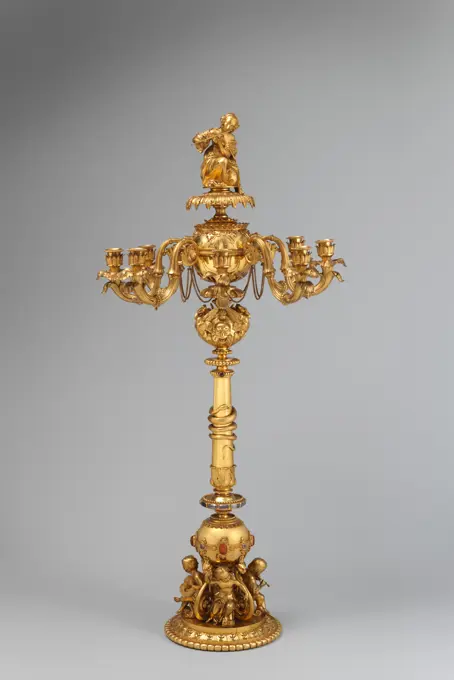
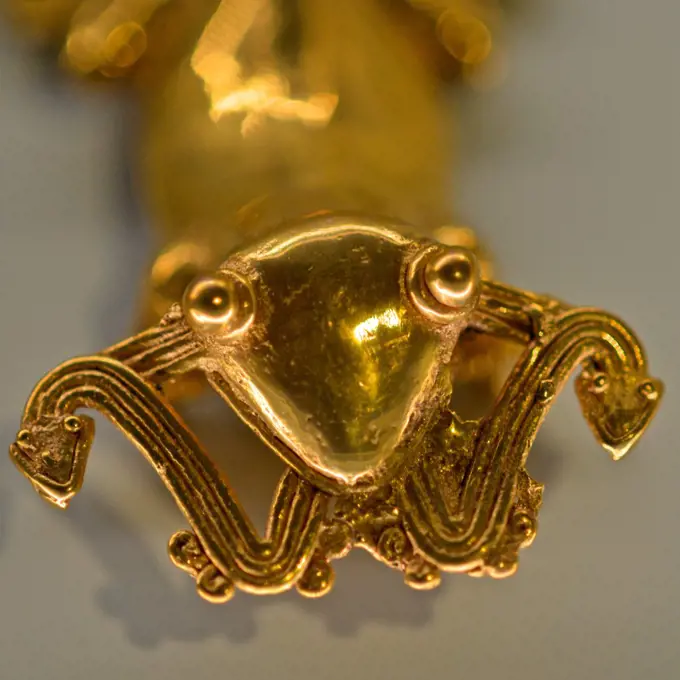
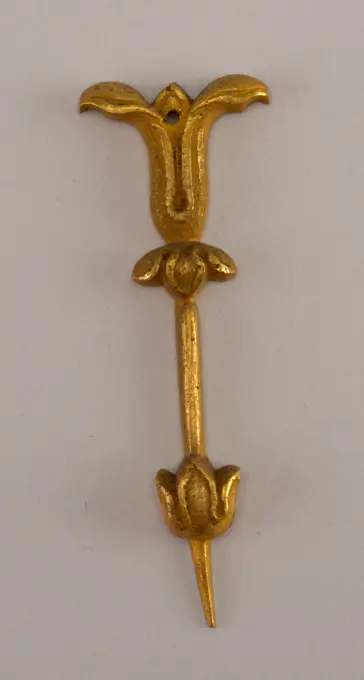
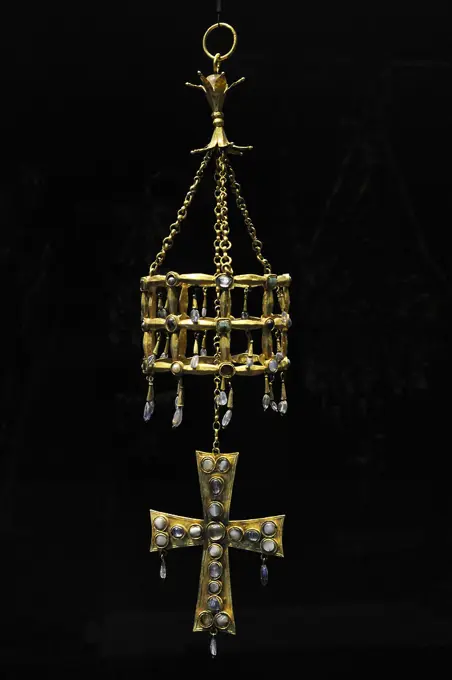
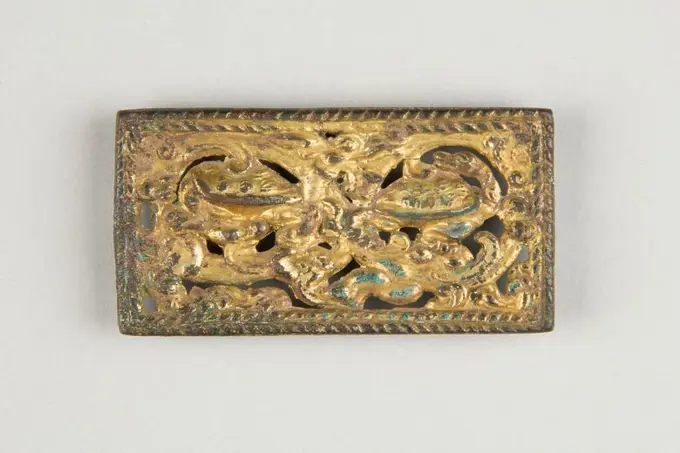
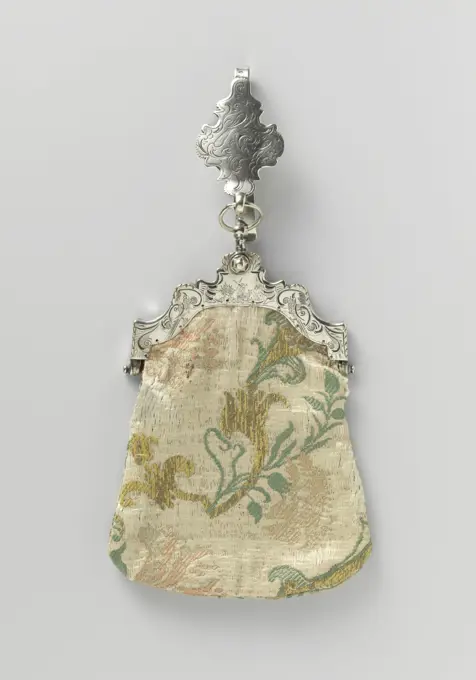
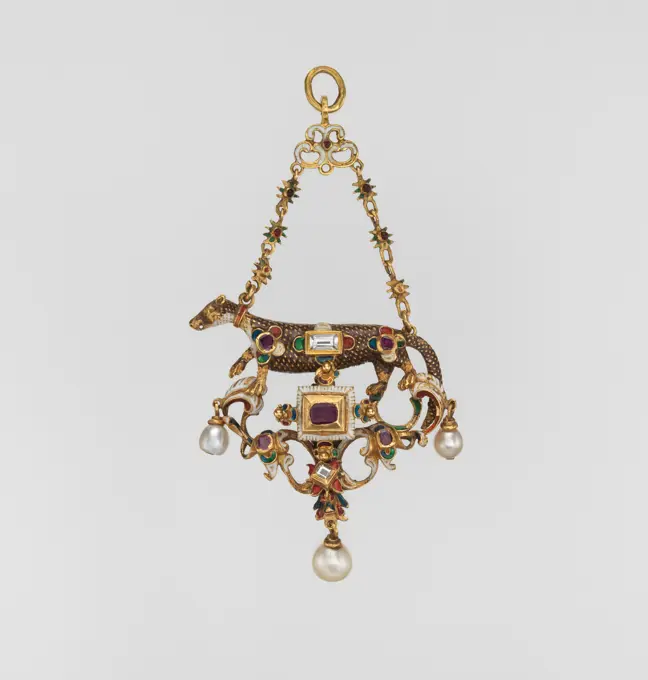
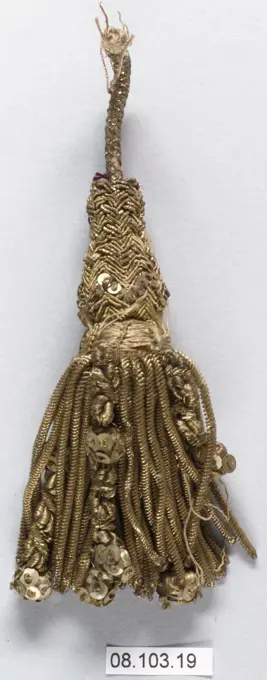
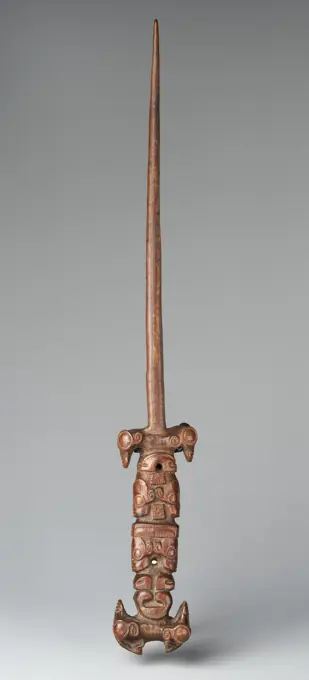
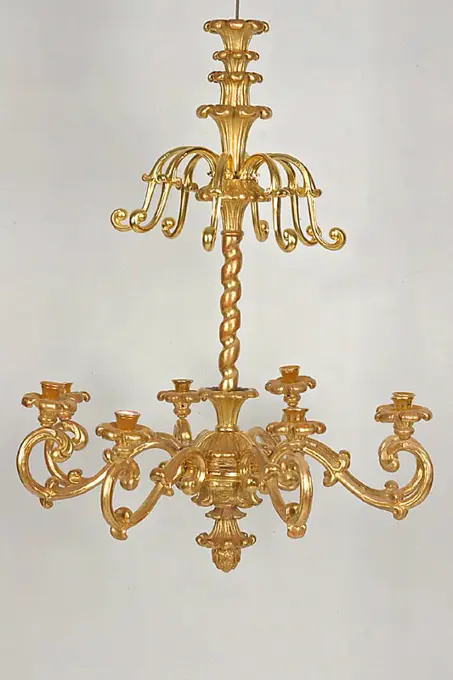
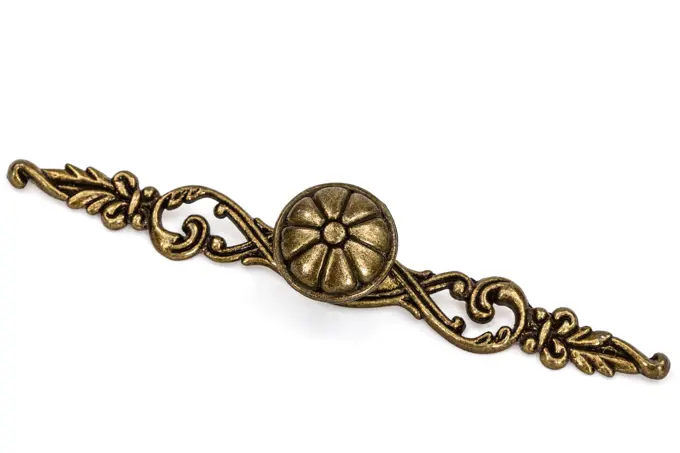
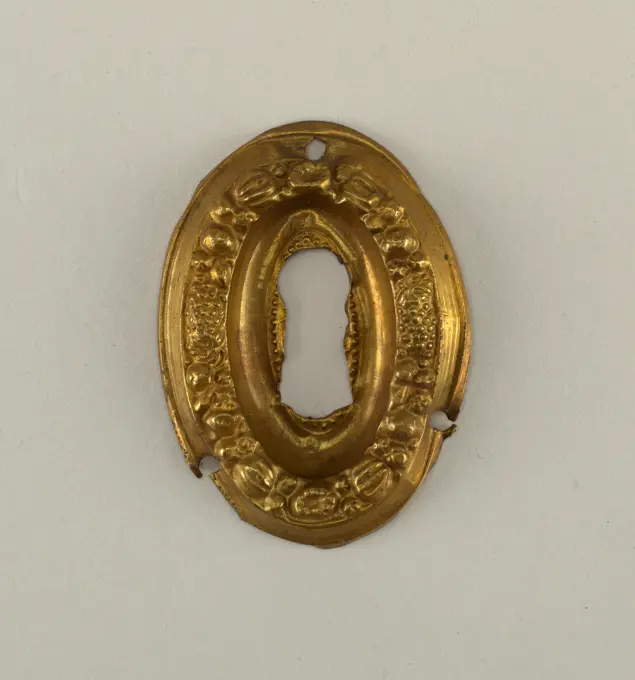
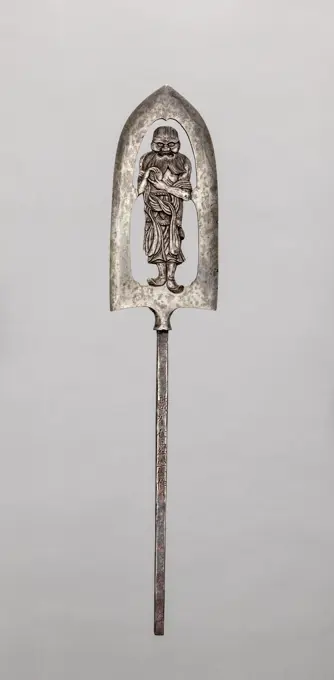
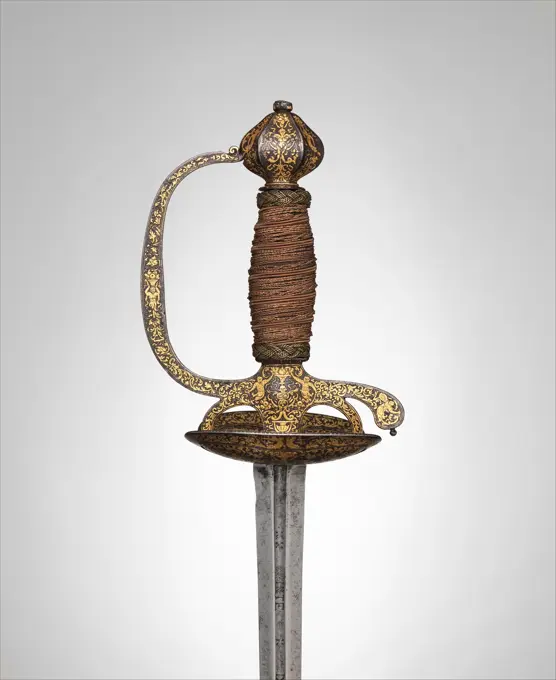
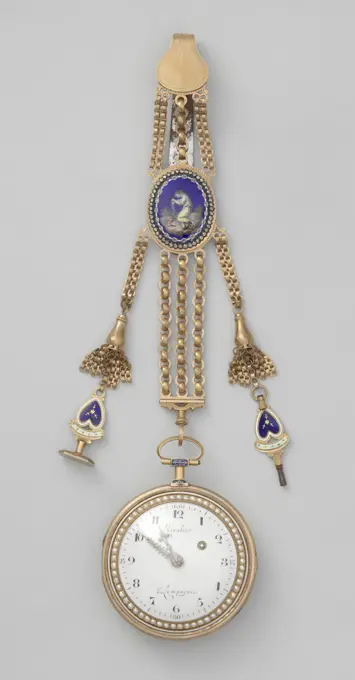
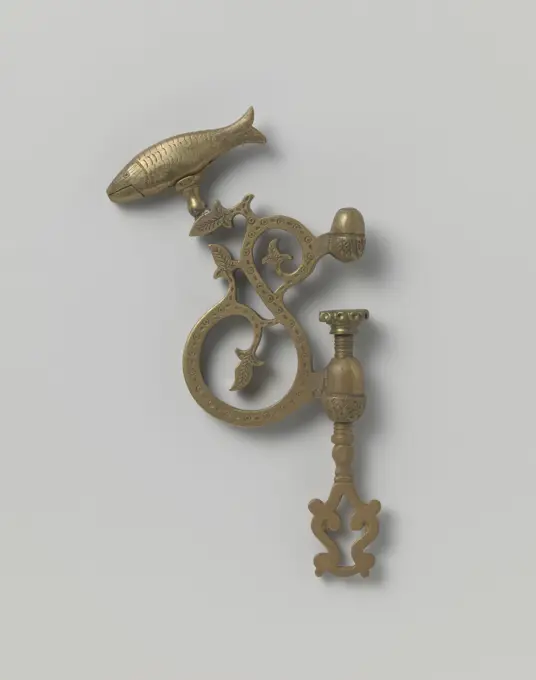
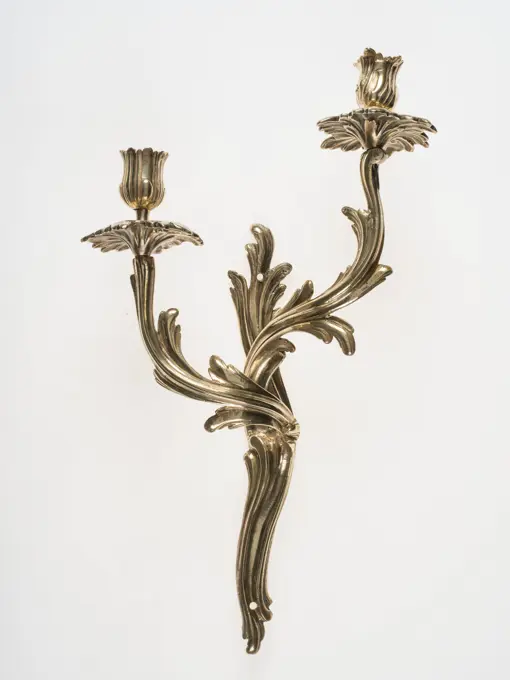
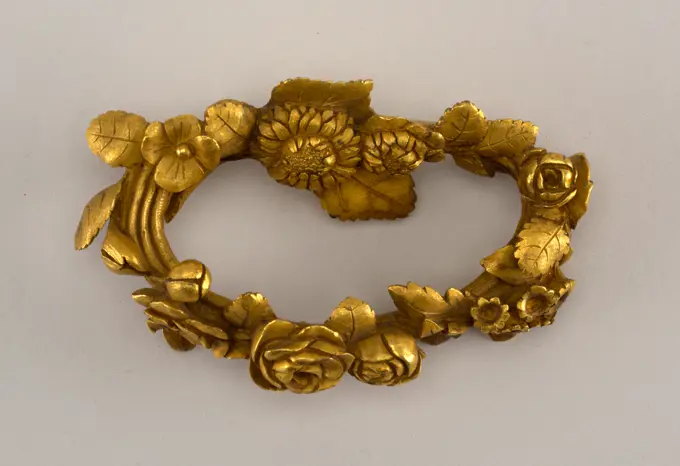
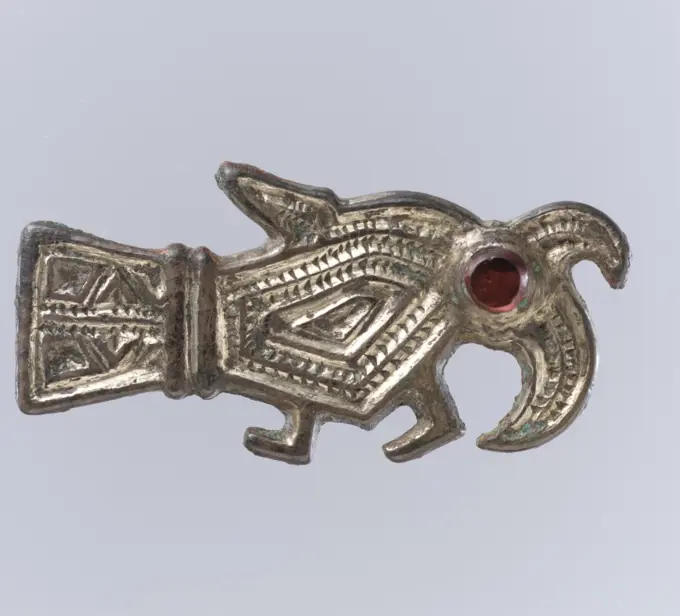
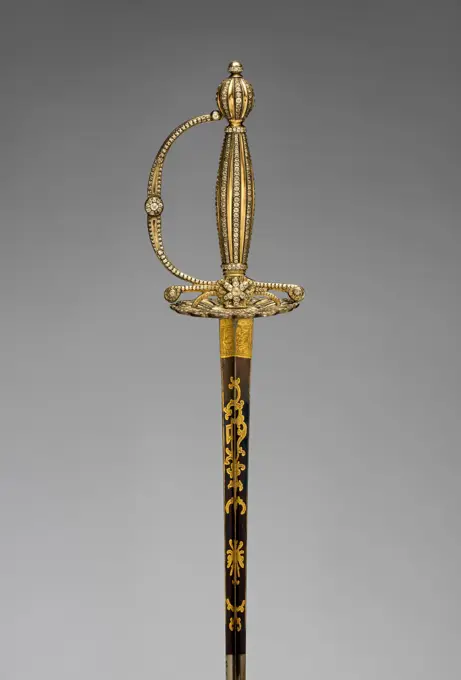
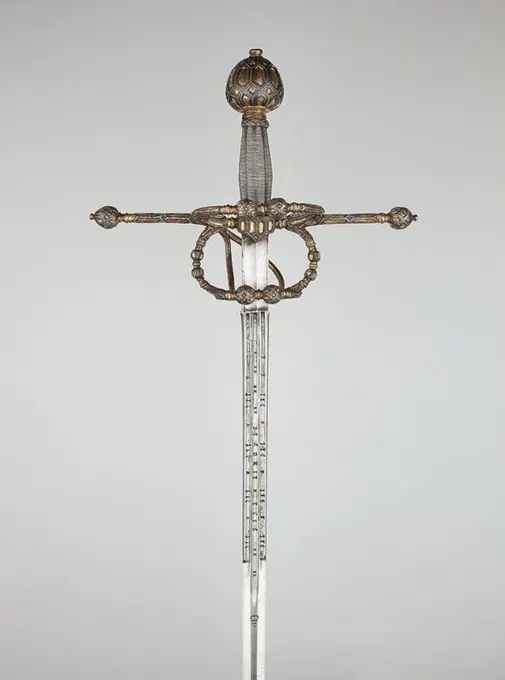
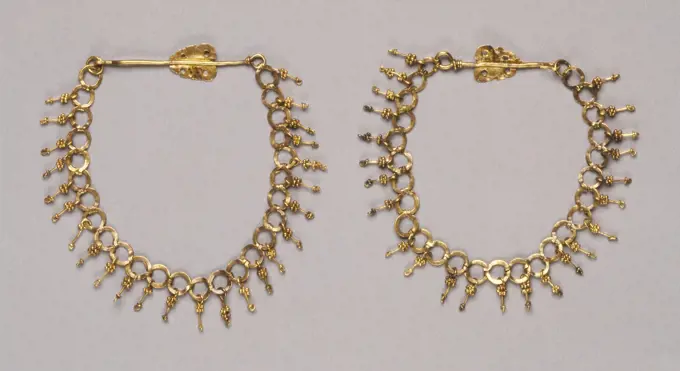
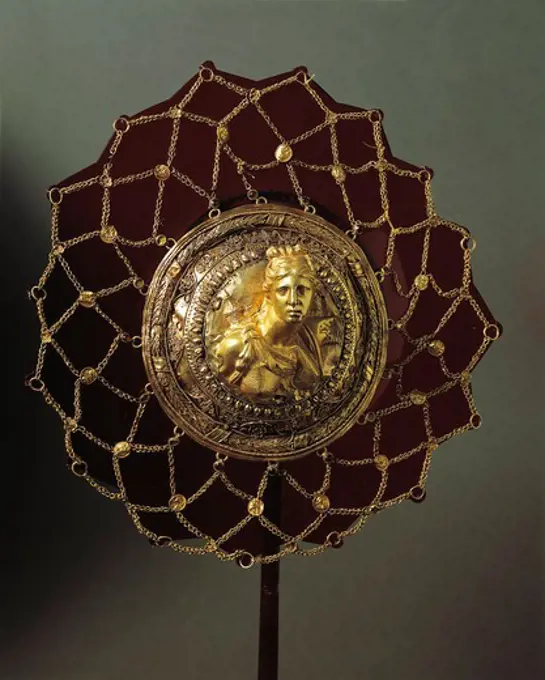
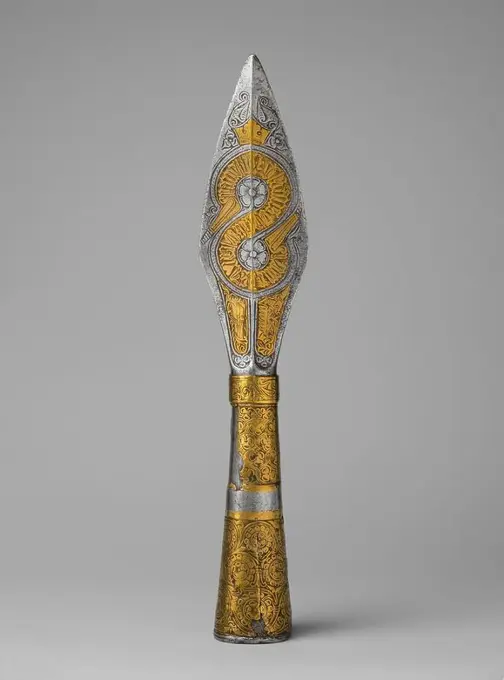
Chatelaine consisting of a hook with four chains, to which a bulb and a watch key. Chatelaine of brass, consisting of a hook with four chains, to which a bulb and a watch key.Badge. Culture: Spanish. Dimensions: H. 4 in. (10.2 cm); W. 2 3/4 in. (7 cm); Wt. 1.5 oz. (42.5 g). Date: 14th century. Museum: Metropolitan Museum of Art, New York, USA.MountGold purse with lily pattern, purse clip braces clothing accessory clothing gold, engraved stitched semi-circular bag bracket inner brace closing button on top of hanging eyes inside outer bracket bracket bag purse storeDagger (Katar) Model. Culture: Indian. Dimensions: H. 7 7/8 in. (20 cm); W. 2 11/16 in. (6.8 cm); Wt. 4.7 oz. (133.2 g). Date: late 18th-19th century. Museum: Metropolitan Museum of Art, New York, USA.Châtelaine in golden silver with painted enamels representing allegories of love. André Hessen (1745-1805, master in Paris in 1775). End of the 18th century. Paris, Cognacq-Jay museum. 39251-15 Allegory, love, gilded silver, chatelaine, painted email, small golden chain, representation, support supportPrehistory, Serbia, 4th century b.C. Silver Celtic-Illyrian fibula. From Curug.MountSeal, Gold, citrine, The handle with hole for chain, the mount decorated with dogs and quail in foliage, the citrine seal armorials below the crest in supporters 'Festina Lente' above 'Pour Nous' below., England, 1830-50, jewelry, Decorative Arts, SealManicure Set (India); gilt and filigreed silver, turquoiseSleutel met gekroond monogram.Beautifully edited key of iron, the top piece completely plated. With crown-covered initials, caught between ornaments.Pair of Wall Lights. Attributed to André-Charles Boulle (French, 1642 - 1732, master before 1666)Mordant 17th century German, Saxony. Mordant. German, Saxony. 17th century. Brass. Miscellaneous-Buckles & OrnamentAnonymous, double pendant of fibula (main title), -0330. Yellow gold. Petit Palais, Museum of Fine Arts of the City of Paris.Belt Hook 3rd century China. Belt Hook 49494Case for a Knife, late 1700s- early 1800s. Japan, Edo period (1615-1868). Ivory, steel or iron; overall: 29.4 cm (11 9/16 in.).MountBedstead leg 18th century French. Bedstead leg. French. 18th century. Wood, gilt. WoodworkStand for Candelabrum (Torchère). France, Paris. Date: 1685-1690. Dimensions: 81.9 × 55.2 × 41.9 cm (71 5/8 × 21 7/8 × 16 1/21 in.). Carved, gessoed, and gilded oak. Origin: France. Museum: The Chicago Art Institute, Chicago, USA.Italy, Florence, Gold and enamel earringsGoldsmith's art, 19th century. Gold, silver and diamond aigrette, hair jewel.Goldsmith's art, 18th century. Enamelled gold bracelet.Pomander 1600-1799 Europe. Enameled gold, rock crystal, and pearls .Mount; gilt bronze; L x W (c): 45 x 21.5 cm (17 11/16 x 8 7/16 in.) L x W (d): 26.3 x 14 cm (10 3/8 x 5 1/2 in.)Key, so-called champion key of gold-plated bronze, with weapon and monogram Fggs from Franz Georg grave von Schönborn, Keurvorst and Archbishop of Trier.key, So-Called Package Key of Gold-Plated Bronze, With a Weapon and Monogram Fggs from Franz Georg Graf von Schönborn, Keurvorst and Archbishop or Trier (1729-1756).ARRACADA DE ORO DE MADRIGALEJO. REVERSO. PERIODO TARTESICO. JOYERIA.. (DEPOSITO: MUSEO ARQUEOLOGICO NACIONAL).Four-branched wall light in form of Lyre (one of a set of four) 1780s French The celebrated bronze worker Pierre Gouthière supplied a pair of wall lights in the form of a lyre with the head of Apollo and olive-leaf branches for the salon of the Duchess of Mazarin. Sold at auction in 1781, the pair was acquired by the Duchess of Mazarins daughter, Louise-Félicité-Victoire dAumont, Duchess of Valentinois. The model was very successful and was frequently reproduced but with some changes such as this set which is based on Gouthières design but is smaller in size.. Four-branched wall light in form of Lyre (one of a set of four). French. 1780s. Gilt bronze. Metalwork-Gilt BronzePair of wall lights. The airy, elegant style of these wall lights is characteristic of the 1780s. The rams heads, the thyrsus (staff wound with laurel branches) and the bunches of grapes refer to Bacchus, the god of wine. Wall lights of this particular model were ordered by various members of the French royal family.Prick Spur in the Style of the 8th Century 19th century German This spur, made in the 19th century, reproduces an 8th-century Carolingian spur. Its aspect and the style of the decoration betray the forgery.. Prick Spur in the Style of the 8th Century. German. 19th century. Copper alloy. Equestrian Equipment-SpursMountMountPair of wall lights, anonymous, c. 1780 - c. 1785 Gilt bronze wall arm. The staff -shaped trunk is wounded by leaf vines and carries a pomegranate and standing acanthus leaf at the bottom; A women's head in the middle. The trunk is crowned by leaf ornaments and a pomegranate. The two C-shaped scanned and twisted arms wear a ram head at the top and end in a vase-shaped candle holder, contained in acanthus leaves with grape vines. A second volute on the inside of the arms comprises a bird, with a hanging chain in the mouth. Paris bronze (metal). gilding (material) gilding Gilt bronze wall arm. The staff -shaped trunk is wounded by leaf vines and carries a pomegranate and standing acanthus leaf at the bottom; A women's head in the middle. The trunk is crowned by leaf ornaments and a pomegranate. The two C-shaped scanned and twisted arms wear a ram head at the top and end in a vase-shaped candle holder, contained in acanthus leaves with grape vines. A second volute on the inside of the armCeremonies' crown with Maria on the globe, anonymous, c. 1600 - c. 1699 The rich-decorated object, composite richly decorated by many parts, consists of an ajour edited pedestal, in which labonament motifs can be recognized and four of the ornaments that originated from ornament, which the ajour processed in part in laborament carried out. The object has been radically restored. The figure Maria on the globe with the snake, which is placed in the middle, is an addition from a later time. Southern Netherlands brass (alloy) casting The rich-decorated object, composite richly decorated by many parts, consists of an ajour edited pedestal, in which labonament motifs can be recognized and four of the ornaments that originated from ornament, which the ajour processed in part in laborament carried out. The object has been radically restored. The figure Maria on the globe with the snake, which is placed in the middle, is an addition from a later time. Southern Netherlands brass (alloy) castingPendant in the Form of a Crab. Panama, 700-1000 CE. Metal. TumbagaA boat ear-ring with acorn pendants, by Unknown artist, 4th Century, . Italy: Puglia: Taranto: Taranto: National Archaeological Museum. Whole artwork. Front boat body hammered chased floral applique Nike attachment ring body chains pendilia oval hammered chiseled granulation filigreePresentation Smallsword with Scabbard of Admiral Marriot Arbuthnot (1711-1794) dated 1780 British Admiral Marriot Arbuthnot (1711-1794) was presented with this sword by the residents of the English island of Jersey (Channel Islands) for having saved them from attack by the French fleet in 1779. A band wound around the grip bears a Latin inscription that reads in translation: "The Island of Jersey, delivered, presents this in gratitude, 1780." The urn-shaped pommel is an early example of what later became a characteristic feature of English Neoclassical hilts.. Presentation Smallsword with Scabbard of Admiral Marriot Arbuthnot (1711-1794). British. dated 1780. Gold, steel, wood, fish skin. London. SwordsMount (France); gilt bronzePaper cutter with the arms of the Medici family 16th century Italian. Paper cutter with the arms of the Medici family. Italian. 16th century. Ivory and silver gilt. Natural Substances-IvoryFour-branched wall light in form of Lyre (one of a set of four) 1780s French The celebrated bronze worker Pierre Gouthière supplied a pair of wall lights in the form of a lyre with the head of Apollo and olive-leaf branches for the salon of the Duchess of Mazarin. Sold at auction in 1781, the pair was acquired by the Duchess of Mazarins daughter, Louise-Félicité-Victoire dAumont, Duchess of Valentinois. The model was very successful and was frequently reproduced but with some changes such as this set which is based on Gouthières design but is smaller in size.. Four-branched wall light in form of Lyre (one of a set of four). French. 1780s. Gilt bronze. Metalwork-Gilt BronzePurse (Miser). United States or England, mid-19th century. Costumes; Accessories. Steel beads and metalMountHead of a Crozier with the Annunciation ca. 1225-50 French. Head of a Crozier with the Annunciation 464685end of the hinge to the chest;  1st half XVII century (1600-00-00-1650-00-00);Pendant in the Form of an Abstract Bird with Outstretched Wings and Tail. Veraguas; Panama. Date: 1000-1550. Dimensions: 7.6 × 7.9 × 2.5 cm (3 × 3 1/8 × 1 in.). Gold. Origin: Panama. Museum: The Chicago Art Institute, Chicago, USA.Furniture Hardware 1820-30 Henry Kellam Hancock. Furniture Hardware. 1820-30. Gilt brass. Possibly made in France; Possibly made in EnglandMolding MoldingItalian 16th Century, Door-Knocker, 16th century, bronze; Medium brown patinaGedachtenislepel.Silver silence spoon, with a round shovel and a pointed praise. On top of the handle a charitas show. At the rear the engraved initials D.B. Brands: Enkhuizen, (1706), Small lion and the annual letter T.Buckle early 16th century French. Buckle. French. early 16th century. Ivory. Miscellaneous-Buckles & OrnamentCandelabrum with woman playing flute (one of a pair) 1834-39 Aimé Chenavard These tall and impressive candelabra were part of an important centerpiece commissioned by Ferdinand-Philippe, duc dOrléans, in 1834. Delivered to the Palais des Tuileries, the royal residence in Paris, on April 20, 1839, they would have decorated the dining table together with other gilded bronze and stone-mounted pieces. The main element of this centerpiece, or surtout de table,were naturalistic animal combat and hunting groups created in bronze by the sculptor Antoine-Louis Barye. The entire table decoration was sold after Ferdinand Philippes untimely death in 1842 and widely dispersed.. Candelabrum with woman playing flute (one of a pair). Figures by Jean-Jacques Feuchère (French, Paris 1807-1852 Paris). French, Paris. 1834-39. Gilt bronze; rock crystal, carnelian. Metalwork-Gilt BronzeCosta Rica, San Jose, Pre-Columbian Gold Museum, Gold metalworking with shape of frogs and toadsSilver bracelet with casts of dimes, c. 1940 - c. 1950 Silver bracelet with twenty -two casts of dime with the sculptor of Wilhelmina with a laurel wreath at the rear, together with a baking closure made from a dime and a safety chain. Not approved. Netherlands silver (metal) Silver bracelet with twenty -two casts of dime with the sculptor of Wilhelmina with a laurel wreath at the rear, together with a baking closure made from a dime and a safety chain. Not approved. Netherlands silver (metal)MountKey, Gilded bronze, The bow consisting of Royal Bavarian coat-of-arms shown on both sides., Germany, ca. 1810, metalwork, Decorative Arts, KeyEarringMountGuarrazar Hoard. Votive crown and cross. Visigothic goldsmithing. Dated between 621 and 672 AD. From Guarrazar (Guadamur, province of Toledo, Spain). National Archaeological Museum. Madrid. Spain.Belt Plaque with Dragon and Tortoises. Culture: Northwest China. Dimensions: H. 1 3/4 in. (4.4 cm); W. 3 1/2 in. (8.9 cm). Date: 2nd-1st century B.C.. Museum: Metropolitan Museum of Art, New York, USA.Silver and Silk Brokaat, Anonymous, c. 1725 - c. 1765 Silver and silk brokaat bracket. Highly blasted symmetrically scalloped bracket with coarse engraving of a landscape with mill and parrots. Heavy skirt hook with a flat, scalloped cartouche with parrots. Silver brands: Dolphin (= tax stamp 1859-1893), G (annual letter 1789) Wapen (Rotterdam) and i.v.i. (= unintended masters). Side brocade bag in pocket model, with loose flower branches in gray, gold, rose and eggplant on a cream and silver stock. Rotterdam tas: brocade (textile). beugel: silver (metal) forging Silver and silk brokaat bracket. Highly blasted symmetrically scalloped bracket with coarse engraving of a landscape with mill and parrots. Heavy skirt hook with a flat, scalloped cartouche with parrots. Silver brands: Dolphin (= tax stamp 1859-1893), G (annual letter 1789) Wapen (Rotterdam) and i.v.i. (= unintended masters). Side brocade bag in pocket model, with loose flower branches in gray, gold, rose and eggplant on a creEarring, 1700s - 1800s. Hungary. Silver gilt; overall: 4.5 cm (1 3/4 in.).Cylinder;  19th/20th century (1891-00-00-1910-00-00);Pendant in the form of a ferret 16th century Northern European The size of this jewel and related ones (see also 17.190.892; 17.190.893; 32.100.298; and 32.100.306) is such that only the closest viewer could appreciate their full beauty and dexterous execution; they represent the finest craftsmanship for the wealthiest patrons. Each combines gold with natural treasures, such as pearls and gemstones. Bulbous baroque pearls cleverly suggest the fluffy down of a swans underbelly or a cloudy mass supporting the Crucifixion. Tiny figures are enameled in the round. Melding the secular and the sacred, these jewels were made to be worn: pinned to garments or hanging close to their owners skin. The animals might be heraldic devices; the swan, for example, could symbolize the Society of the Virgin Mary, called the Order of the Swan, which was founded in mid-fifteenth-century Brandenburg in Germany.[Elizabeth Cleland, 2017. Pendant in the form of a ferret. Northern European. 16th century. GoldPair of Wall Lights; French; Paris, France; 1745 - 1749; Gilt bronze;Tassel early 19th century French. Tassel. French. early 19th century. Metal thread. Textiles-TrimmingsGold hinge lorgnet, engraved with flowers and leaves, anonymous, c. 1845 - c. 1865 Gold hinge lorgnet, with square glasses. The holder is decorated with engraved flowers and leaves. Netherlands frame: Gold (Metal). Glasses: Glass forging / grinding Gold hinge lorgnet, with square glasses. The holder is decorated with engraved flowers and leaves. Netherlands frame: Gold (Metal). Glasses: Glass forging / grindingGold diadem composed of twelve plaques 5th-4th century B.C. Etruscan On each plaque: Bird on flower, hares feeding on plants. Gold diadem composed of twelve plaques. Etruscan. 5th-4th century B.C.. Gold. Gold and SilverPilgrim's Badge 14th-16th century French. Pilgrim's Badge. French. 14th-16th century. Lead. Metalwork-LeadFan Handle (Ke'e) 1820-50 Marquesan (Enata) people Fans in the Marquesas were carried by prominent individuals of both sexesas marks of social status. Displayed at feasts and other events, their visualimpact was enhanced by the elegant manner in which they were carried,especially by women. Made from narrow strips of plant fiber, the blades werewoven around dagger-like wood handles (ke'e), sometimes sheathed in asleeve of bone. The earliest fan handles were apparently unadorned, but bythe early 1800s, artists began to decorate them with numerous small tiki(human images). Typically arranged in pairs, shown back-to-back and stackedone atop the other, these tiki, like human images elsewhere in Marquesanart, likely portray deified ancestors.. Fan Handle (Ke'e). Marquesan (Enata) people. 1820-50. Wood. Marquesas Islands. Wood-ImplementsEVENTAIL. "Monday meeting in the countryside" (characters seated in front of chocolate cups). Gouache on silk and glitter, openwork ivory frame, around 1780. Paris, Carnavalet museum. 100131-12 Fashion accessory, EventailGoldsmith's art, Flanders, 16th century. Enamelled gold set with pearls and rubies pendant depicting Pegasus attacked by Chimera, 1570-1580, mm. 65x28Chandelier. unknown, creatorGold objects from Colombia, South America, 1100-1500ADChain - Chatelaine, 1810 .Furniture accessories: Stylish bronze handles, isolated on a white background Furniture accessories: Stylish bronze handles, isolated on a white background Copyright: xZoonar.com/OleksandrxKostiuchenkox 9780876EscutcheonDress Pin. UnknownCeremonial Arrowhead, 1668. Japan, Edo period (1615-1868). Steel; overall: 33.7 cm (13 1/4 in.); head: 13.1 cm (5 3/16 in.).Goldsmith's art, Flanders, 16th century. Enamelled gold pendant set with pearls, diamonds and rubies, depicting a rooster holding a caduceus, 1580, mm. 70x54PullNautilus shell cup with cover 19th century, after 16th century original British, after German, Nuremberg original This electrotype is after a sixteenth-century original in the Chéréméteff collection, St. Petersburg at the time of reproduction.. Nautilus shell cup with cover. British, after German, Nuremberg original. 19th century, after 16th century original. Silver on base metal, nautilus shell. Metalwork-ElectrotypeSmallsword ca. 1650-60 French, probably Paris While it was typical in Europe from at least the Middle Ages for a nobleman to wear a sword on a daily basis, not until the sixteenth century was there a pronounced difference between the swords worn with armor during times of war and those worn with civilian dress or in peacetime. During the Renaissance noblemen regularly wore long, lethal, and frequently ornate swords known as rapiers, both for self-defense and as a necessary costume accessory. In the early seventeenth century rapiers became smaller, lighter, and more refined, developing into what are known as smallswords, which continued to be worn by gentlemen until the late eighteenth century.This early smallsword is a rare and beautiful example of the form, design, and ornamentation that distinguishes the best French swords of the early Louis XIV period. Its intricately damascened gold decoration is derived from contemporary print sources. Of the few comparable smallswords that exist,Pendant. Culture: French. Dimensions: Overall: 2 13/16 x 2 3/8 x 1/4 in. (7.2 x 6 x 0.7 cm). Date: 14th century. Museum: Metropolitan Museum of Art, New York, USA.Watch with a chatelaine, firma knight and company, c. 1838 - C. 1846 Gold watch with chatelaine. The hands are occupied with glasses. The front and back is decorated with translucid email on an engraved surface. The chatelaine consists of 3 chains in which an enamelled medallion. clockmaker: Genèvejeweler: Switzerland (possibly) silver (metal). diamond (mineral). Gold watch with chatelaine. The hands are occupied with glasses. The front and back is decorated with translucid email on an engraved surface. The chatelaine consists of 3 chains in which an enamelled medallion. clockmaker: Genèvejeweler: Switzerland (possibly) silver (metal). diamond (mineral).Sewing thesis, decorated with a glans and a fish, anonymous, c. 1700 - c. 1800 The object has been cast and citized and then partially punched and engraved. It consists of four parts: the screw with the handle and the button, the table clamp, the baluster, the fish. The handle and the button of the screw are decorated. The table clamp consists of two acorns, which are connected to each other with an S-shape and four leaves. The baluster is soldered on the upper leaf, which forms one whole with the beakdment of the fish. A spring is installed in this animal so that the mouth is closed. There is a hole in the upper glans of the table clamp, with a thread on the inside. Northern Netherlands brass (alloy) casting / engraving The object has been cast and citized and then partially punched and engraved. It consists of four parts: the screw with the handle and the button, the table clamp, the baluster, the fish. The handle and the button of the screw are decorated. The table clamp consists ofApplication;  18th century (1701-00-00-1800-00-00);HandleIncised horse frontlet carved into the shape of a flowering, volute palmette tree ca. 9th-8th century B.C. Assyrian This ivory plaque is carved into the form of a flowering, voluted palmette emerging from a wide stalk. The crowning floral ornamentation includes volutes, leaves, and a central, oval bud, all outlined with incision. The stalk is ornamented with two blank bands just below the floral capital, with an additional, fringed band bordering the lower edge. The six holes drilled into the lower edge of this piece and suggest that it was fastened to another material, perhaps a textile or leather backing that has not survived. Originally, this piece was probably used as a frontlet, an equestrian bridle-harness ornament which adorned a horses forehead. Over two hundred ivory and gypsum alabaster equestrian bridle-harness ornaments have been found at Nimrud. The majority, including this frontlet, were found in a large storeroom (Room SW 37) at Fort Shalmaneser, a royal building at NimBird-Shaped Brooch second half 6th century Frankish The dress of Frankish women generally consisted of a tunic, cinched by a belt from which hung an array of pendants. A wrap or cloak went over the tunic. Shoes and hosiery, fastened with buckles, covered the legs. Earrings, necklaces, and hairpins completed the ensemble.Aspects of this dress changed from the 300s to the 600s, and brooches in particular convey changes in taste. From the 300s to the 500s, pairs of small brooches, in an array of inventive shapes, held the wrap in place. By the 600s, a single large disc brooch, usually elaborately decorated, served the same function. No other piece of jewelry is more characteristic of Frankish dress than the brooch, and no other better demonstrates the virtuosity of Frankish metalworkers.. Bird-Shaped Brooch 465239Smallsword 1778 French By the early seventeenth century, the rapier, a long slender thrusting sword, began to dominate as the gentlemans weapon of choice. During the course of the century, however, as civilian fencing techniques became more specialized and refined, the rapier developed into a lighter, trimmed-down weapon known by about 1700 as the smallsword. Smallswords, often richly decorated, remained an integral part of a gentlemans wardrobe until the wearing of swords in civilian settings went out of fashion at the end of the eighteenth century, at which time pistols were replacing swords as arms most frequently used in personal duels. The majority of smallsword hilts are made of silver or steel, but many also employ a wide variety of luxurious materials, such as gold, porcelain, and enamel. At their best, smallswords combine the crafts of swordsmith, cutler, and jeweler to create an elegant weapon that was also a wearable work of art.. Smallsword. French. 1778. Steel, gold, silRapier. Hilt: Italian; Blade: Spanish. Date: 1560-1580. Dimensions: Overall L. 114.5 cm (45 in.)Blade L. 101 cm (39 3/4 in.)Wt. 3 lb. 4 oz. Steel, iron with gilding, silver, and wood. Origin: Italy. Museum: The Chicago Art Institute, Chicago, USA.Pendant in the shape of a cannon on afuit, anonymous, c. 1580 - c. 1600 Gold and email pendant in the form of a cannon on afuit. The wheels are set with rubies and a diamond. There are three pearls at the bottom. Germany gold (metal). diamond (mineral). ruby (mineral) Gold and email pendant in the form of a cannon on afuit. The wheels are set with rubies and a diamond. There are three pearls at the bottom. Germany gold (metal). diamond (mineral). ruby (mineral)Small-long brooch types identified by Leeds, dating from around AD 450-550.Watch Pin. Culture: American. Dimensions: Diam. 1 in. (2.5 cm). Maker: Riker Brothers (active 1892-1926). Date: ca. 1900. Museum: Metropolitan Museum of Art, New York, USA.Watch from rock crystal in the shape of a cross. Watch from rock crystal in the shape of a cross. An advantage of Christ has been engraved on the silver dial. On the arms of the cross, lies an engraved, copper plate.Chain; Roman Empire; 250 - 400; Gold; 23 cm (9 1,16 in.)Greek civilization, goldsmith art. Embossed gold medallion. From ThessalyRing. UnknownWillem Frederik, Prince of Oranje-Nassau, Souverein Vorst, Anonymous, 1813  One -sided silver open -up carrier, with pearl edge to surrogate eye. Front: breastpiece man. Reverse: Blanco Netherlands silver (metal) striking (metalworking)Ceremonial Arrowhead. Culture: Bohemian, probably Prague. Dimensions: L. 12 9/16 in. (31.9 cm); W. 2 7/16 in. (6.2 cm); Wt. 28.1 oz. (797 g). Date: 1437-39.Originally mounted on a wooden shaft, this extremely large arrowhead probably served as a symbol of rank or a baton of command. It is decorated with royal Bohemian monograms and badges in addition to religious invocations in medieval Czech. It bears the monogram AR for Albert, king of Bohemia and Hungary (reigned 1437-39). Museum: Metropolitan Museum of Art, New York, USA.Household stoup in a leather case. Klimaszewski, Kazimierz (fl. ca 1840-ca 1850), goldsmith