Antique and Ancient Bowls

A collection of unique bowls from different cultures, including Roman glass and Asian ceramics, showcasing diverse colors and craftsmanship.

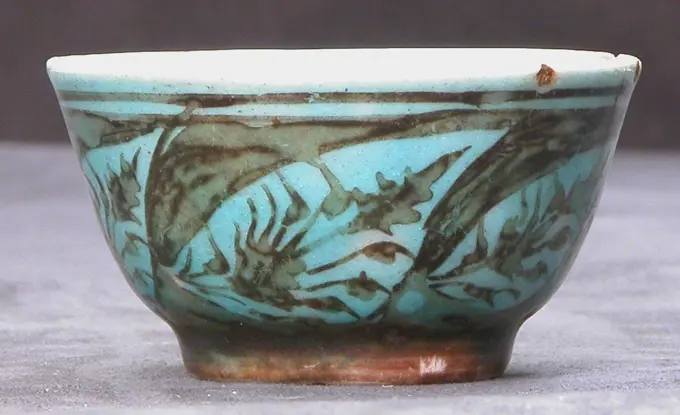
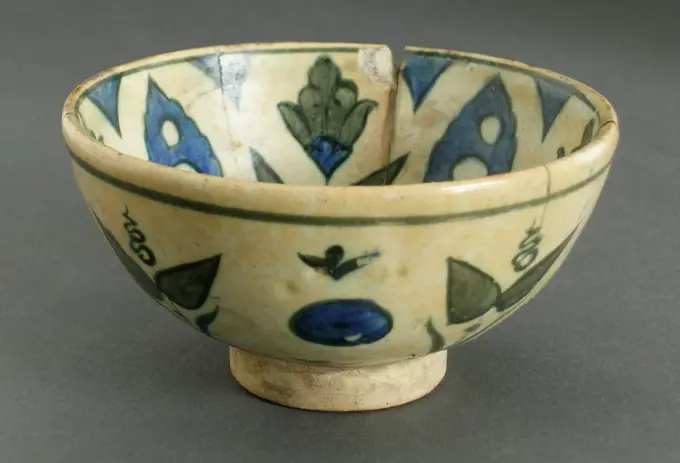
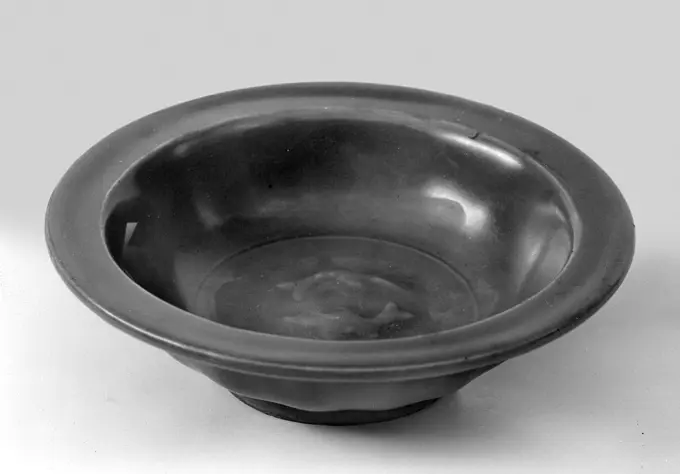
Bowl with floral scrolls, anonymous, c. 1275 - c. 1324 Come from quartz fritry, decorated with flower vines in sludge relief with turquoise and black under a transparent alarm laze. Kashan (possibly) earthenware. glaze painting / vitrification Come from quartz fritry, decorated with flower vines in sludge relief with turquoise and black under a transparent alarm laze. Kashan (possibly) earthenware. glaze painting / vitrification
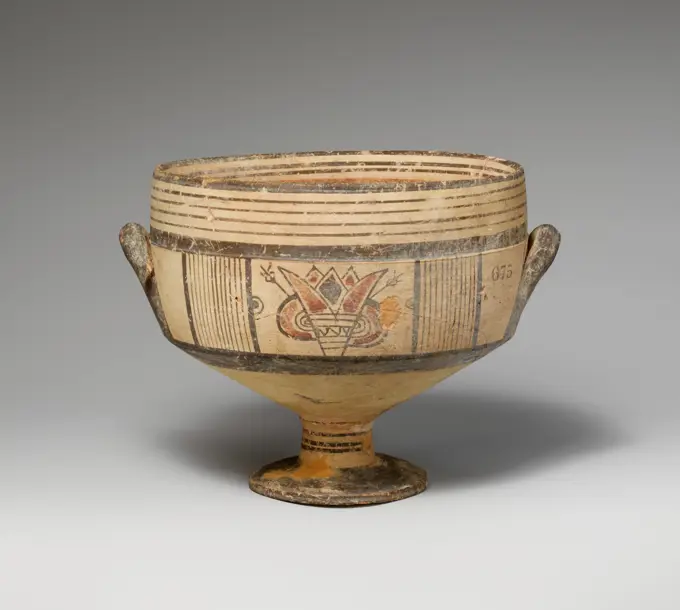
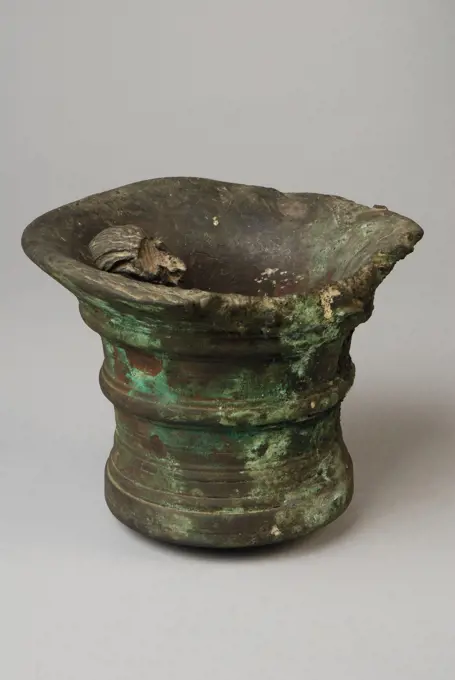
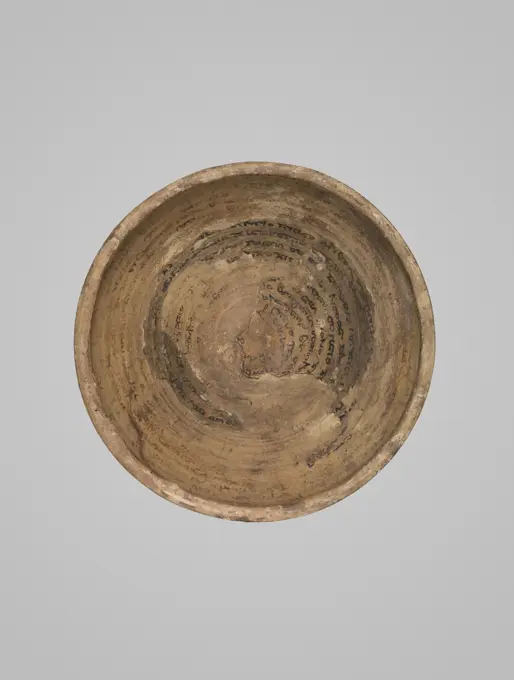
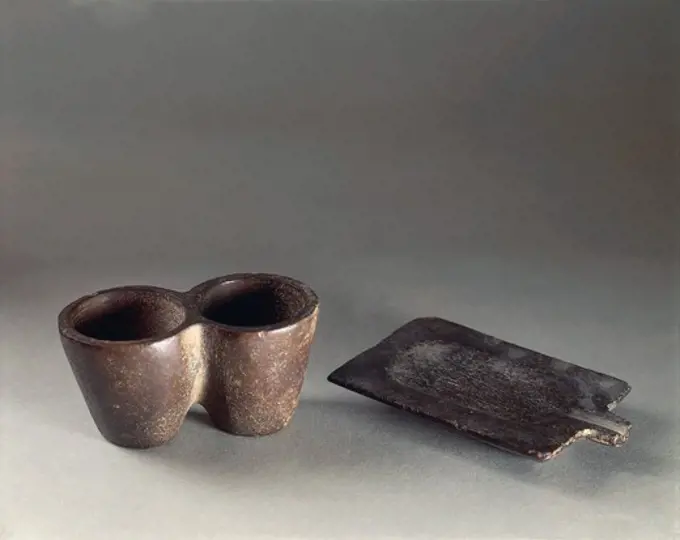
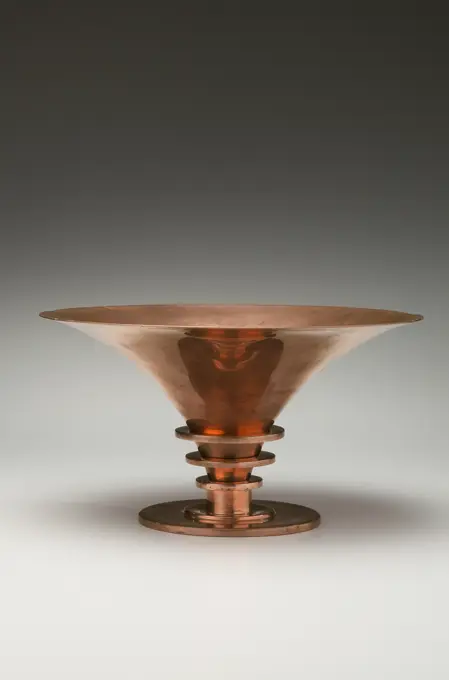
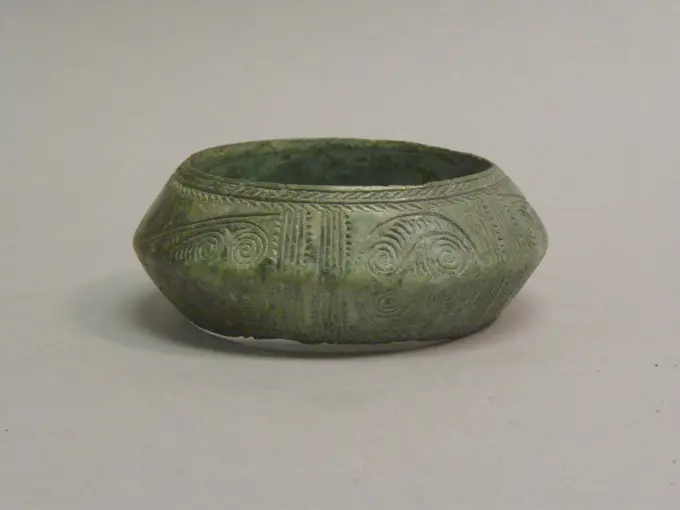
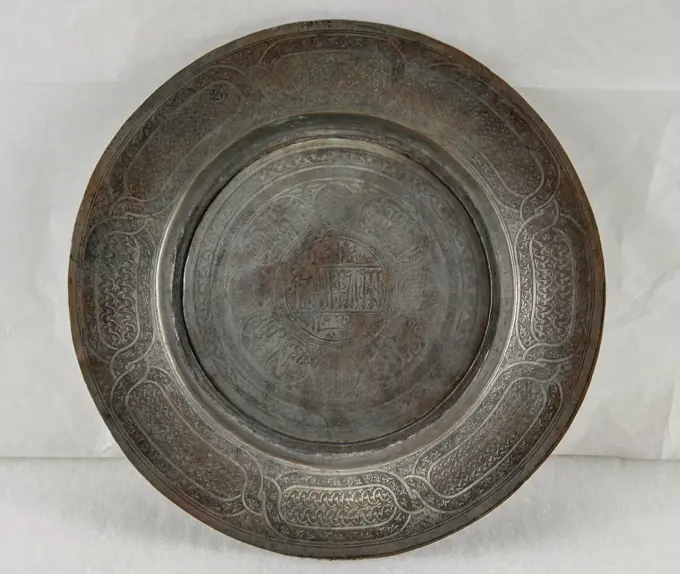
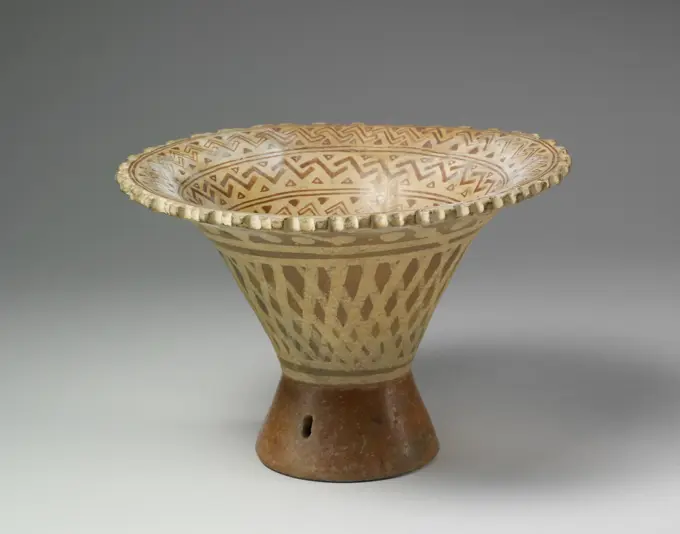
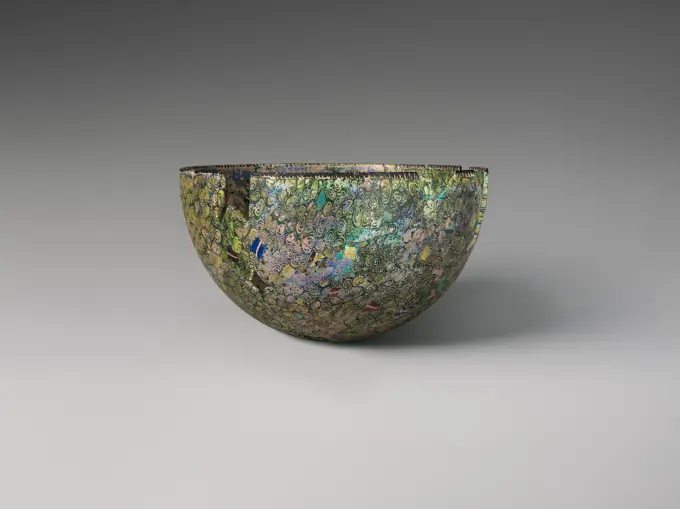
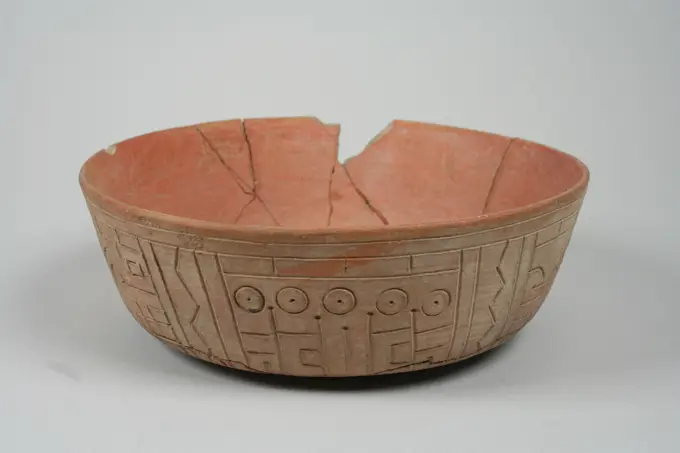
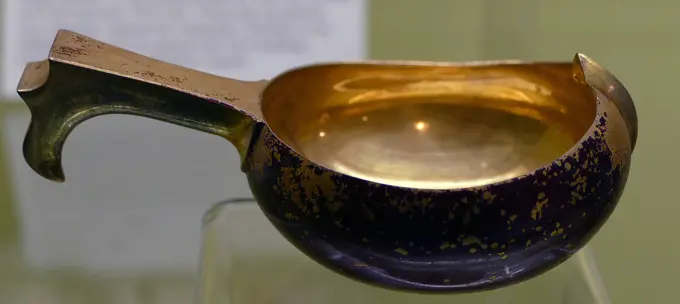
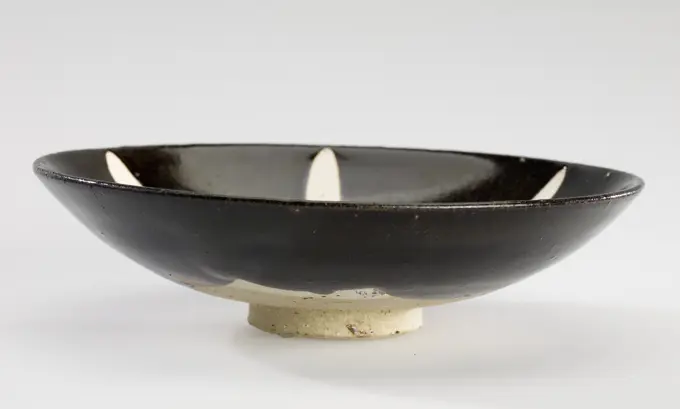
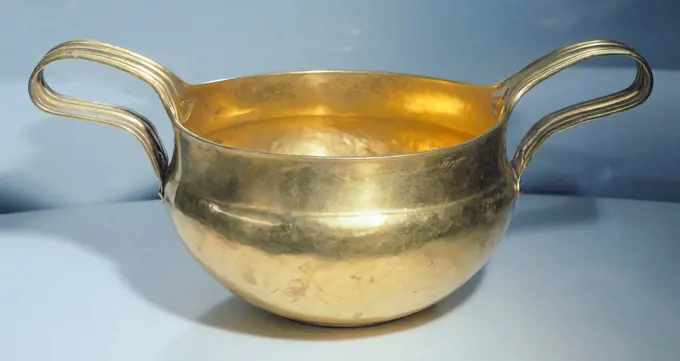
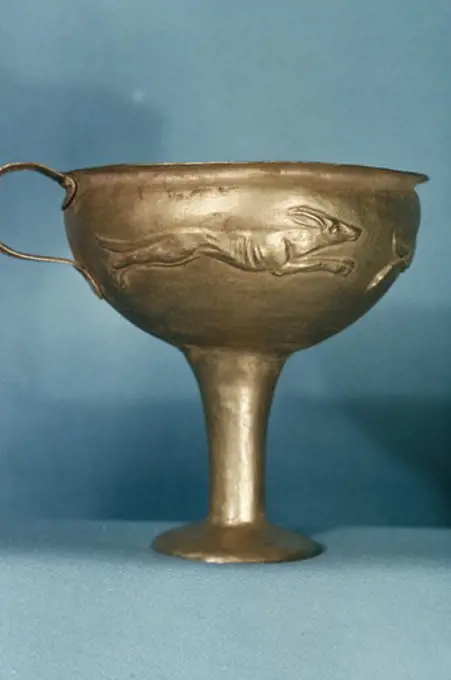
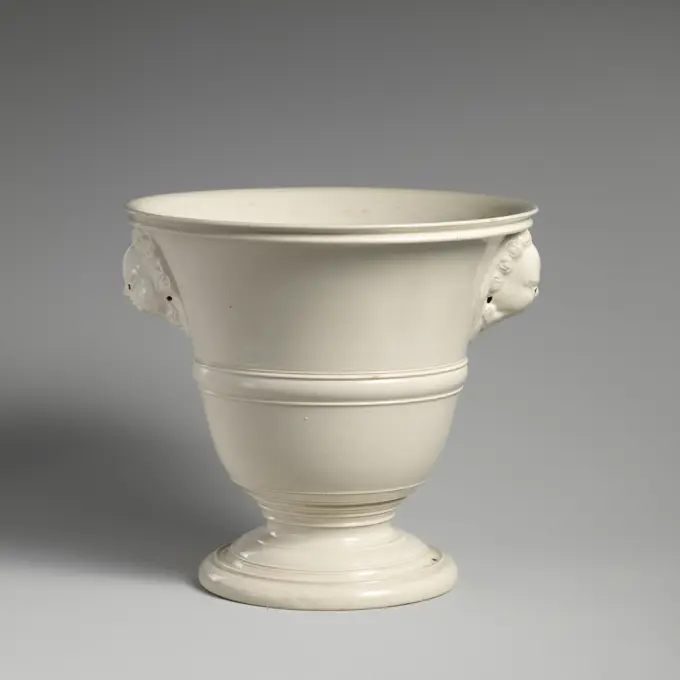
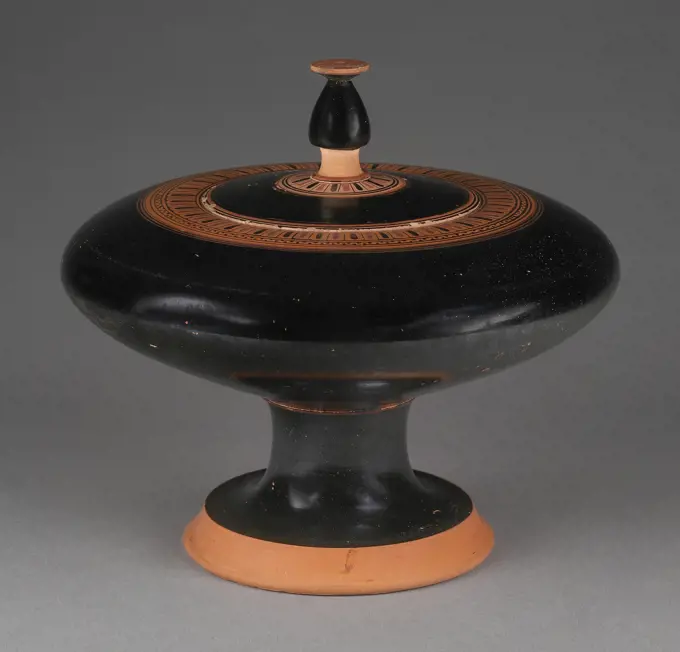
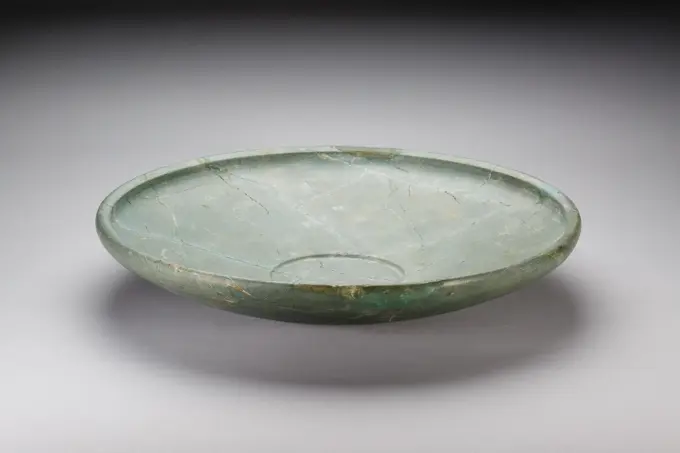
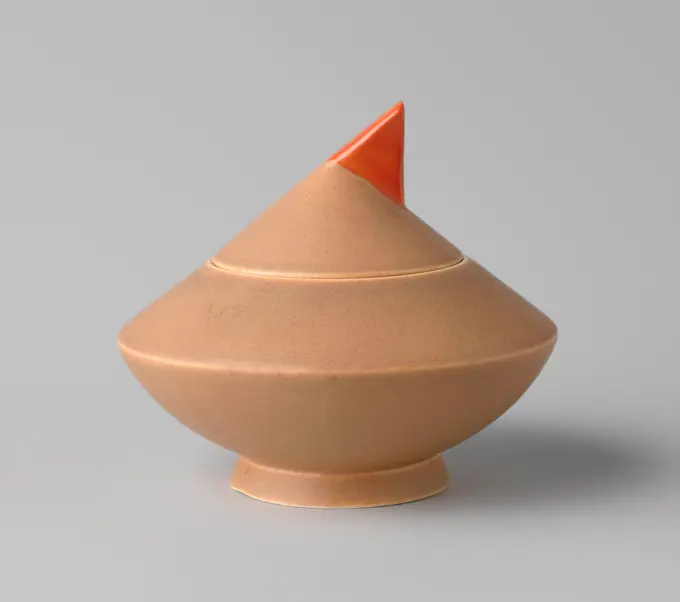
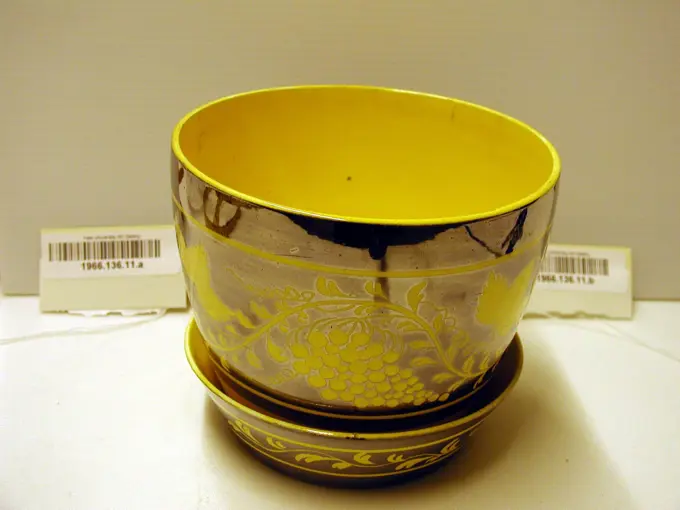
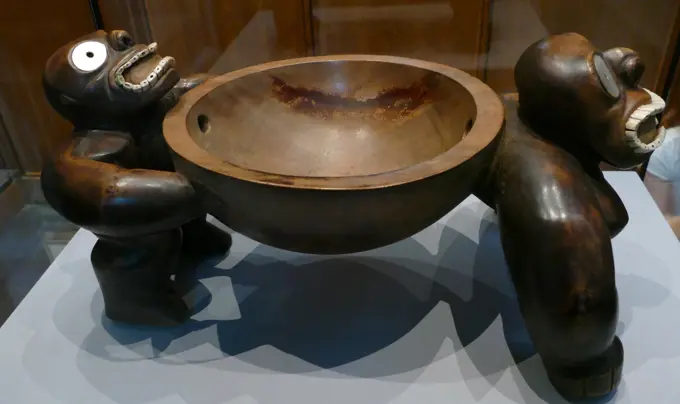
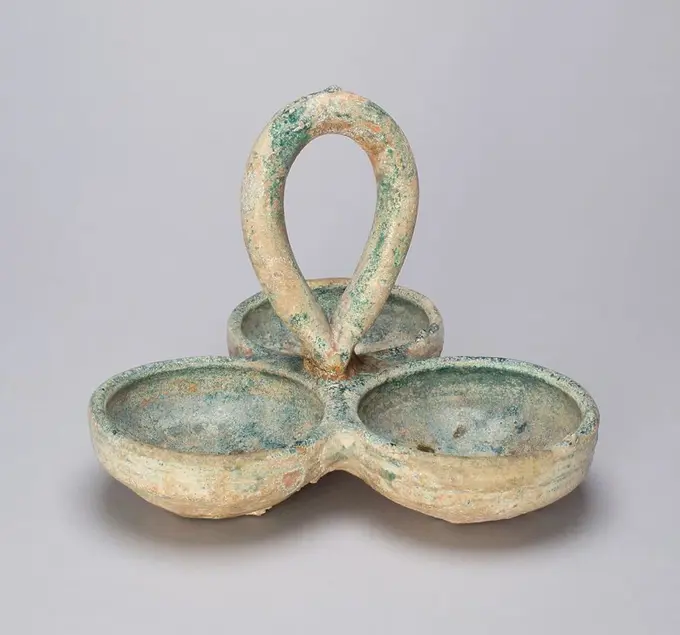
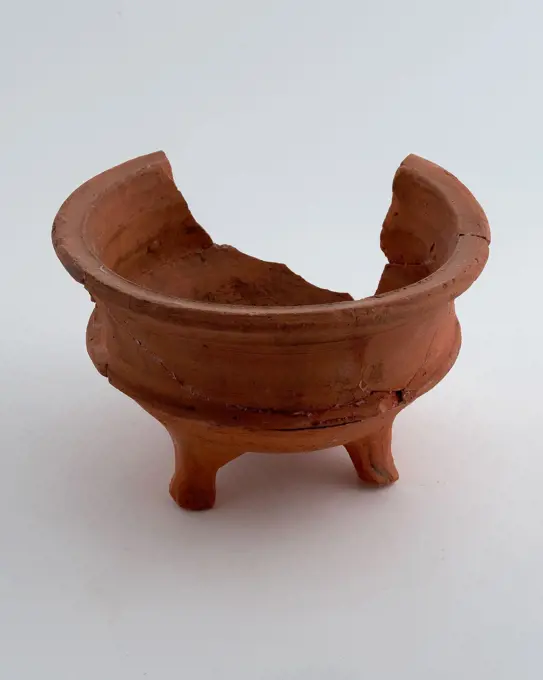
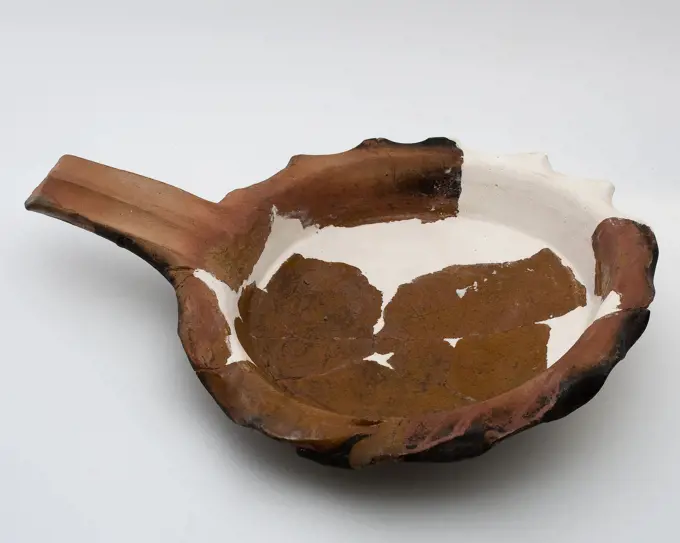
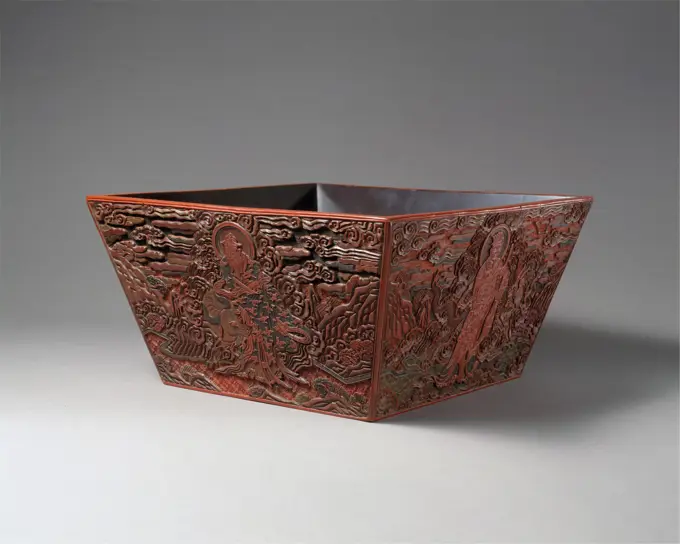
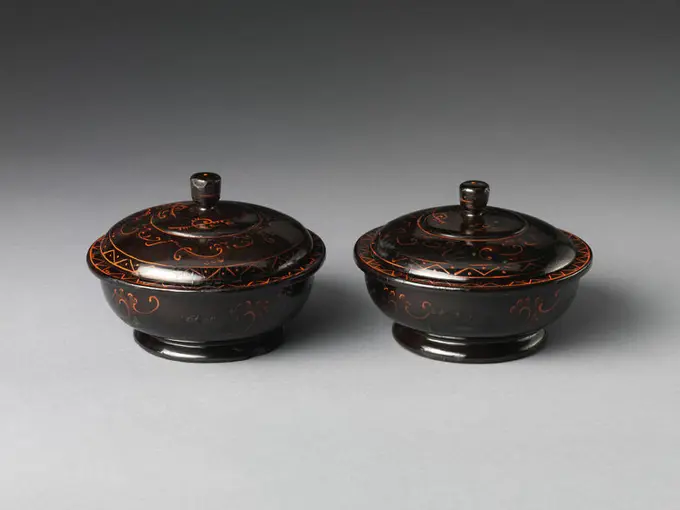
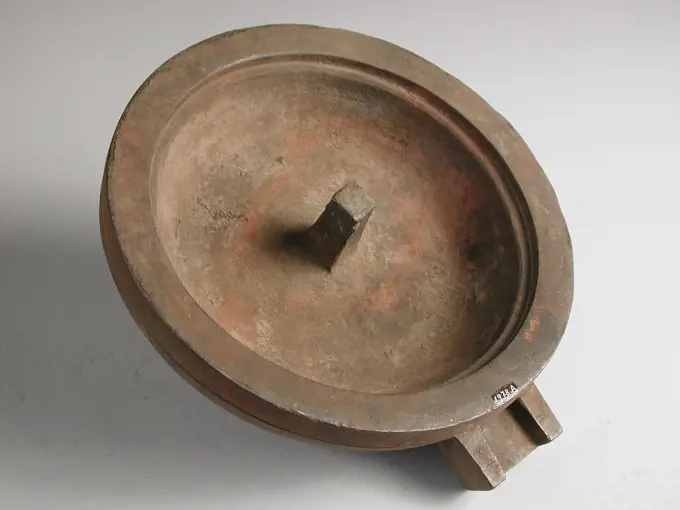
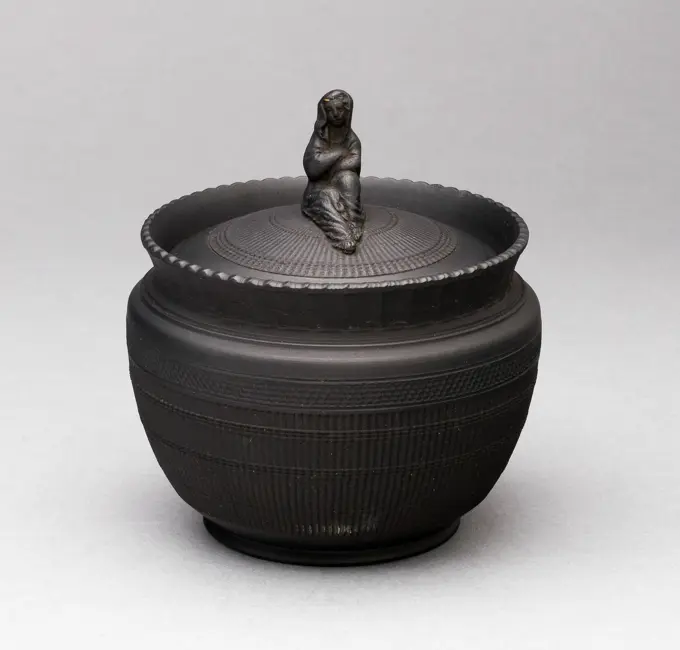
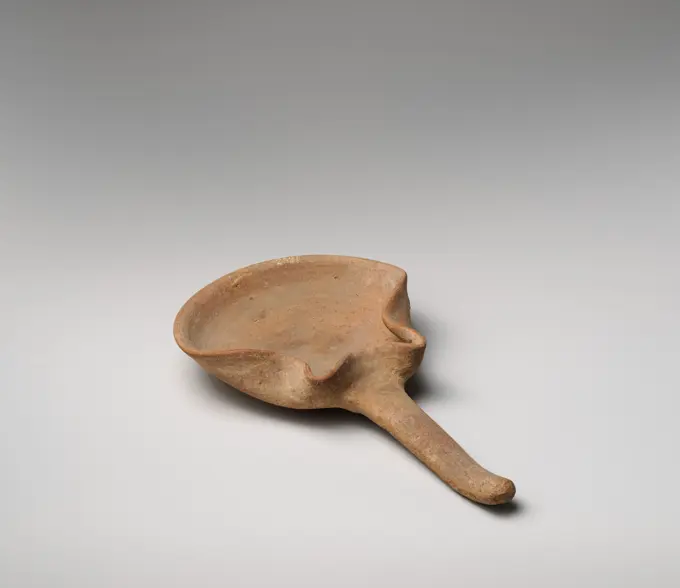
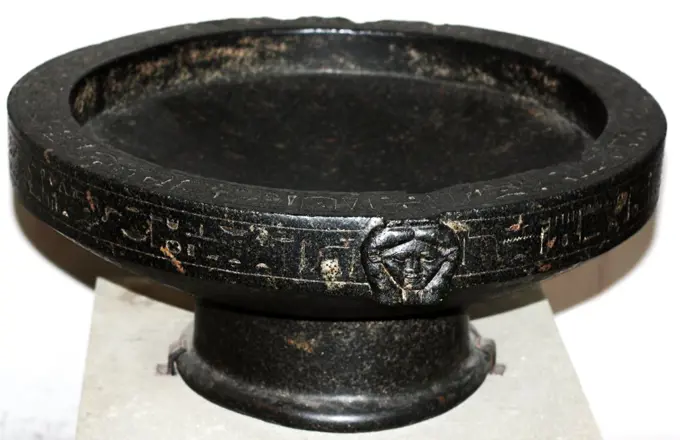
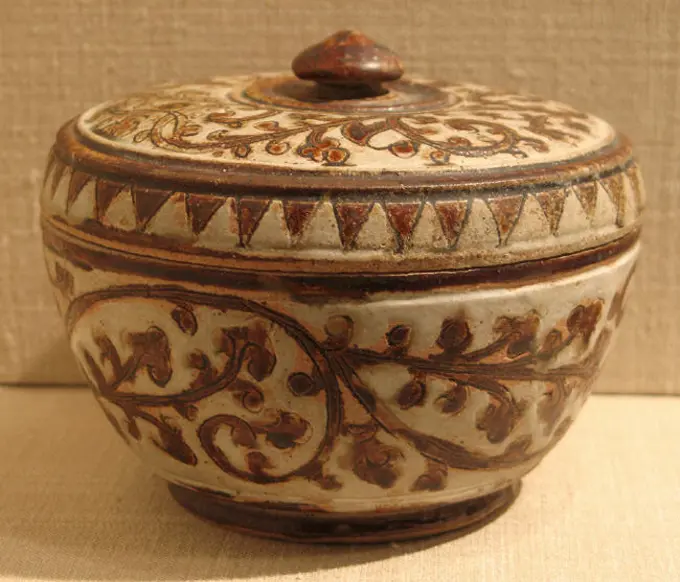
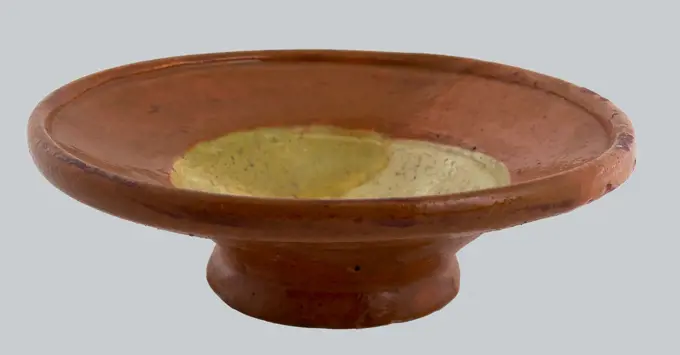
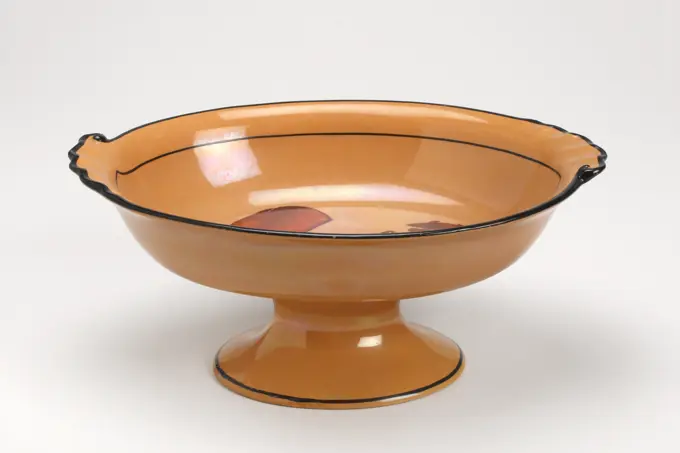
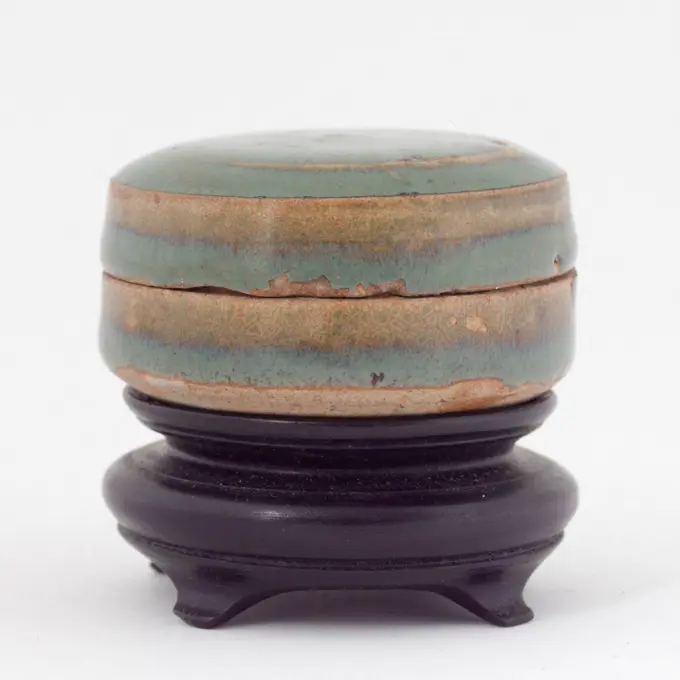
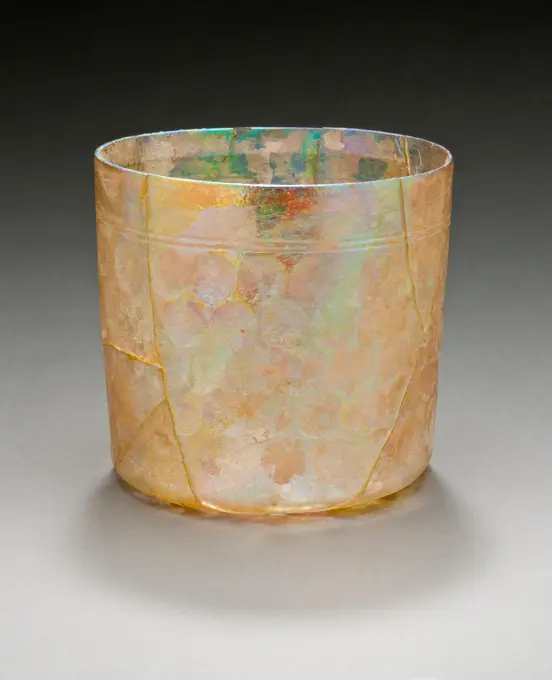
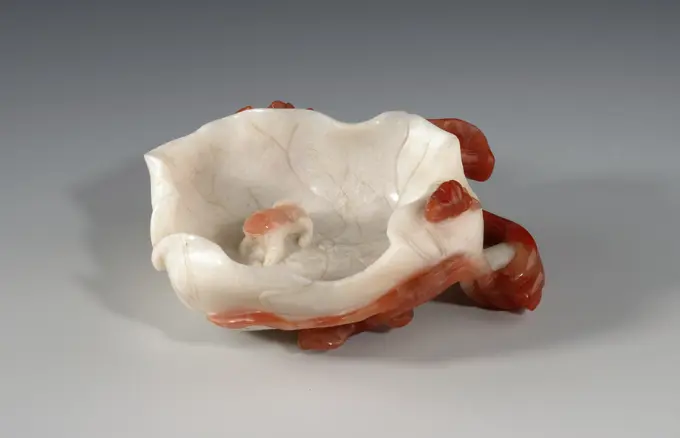
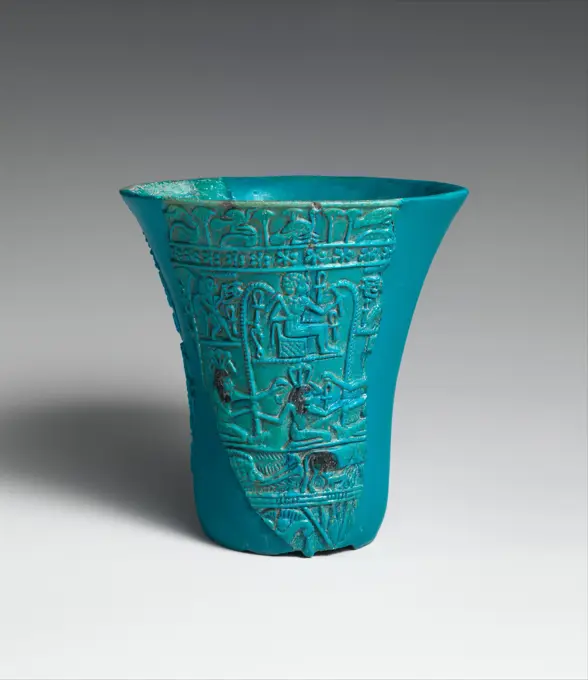
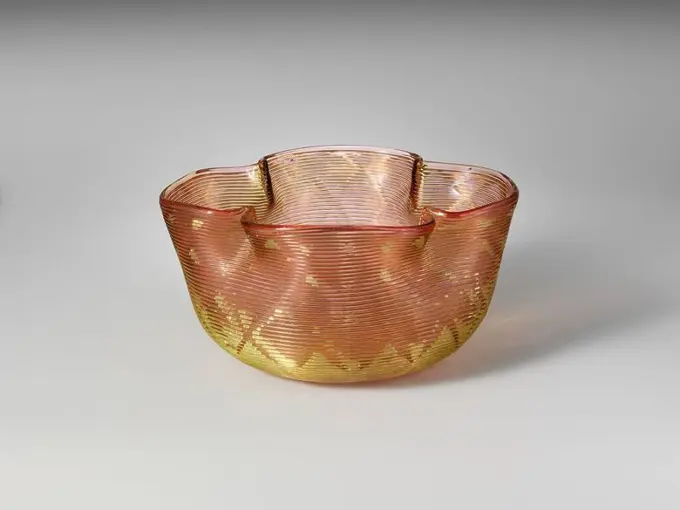
Finger Bowl. Culture: American. Dimensions: H. 2 1/2 in. (6.4 cm); Diam. 5 1/8 in. (13 cm). Maker: Possibly Boston & Sandwich Glass Company (American, 1825-1888, Sandwich, Massachusetts). Date: 1880-88. Museum: Metropolitan Museum of Art, New York, USA.Terracotta footed bowl 750-600 B.C. Cypriot Angular form with bands and lotus flower.. Terracotta footed bowl 240054Cup or Bowl. Culture: Roman. Dimensions: Overall: 1 15/16 x 3 11/16 in. (5 x 9.3 cm). Date: second half 2nd century. Museum: Metropolitan Museum of Art, New York, USA.Czarka. nieznany warsztat północno mezopotamski, workshopDirck Messchaert II, Two-piece mold for plate with initials, mold casting tool tools equipment base metal bronze, and year 1737 Rotterdam tin foundry tin stainer tin Meeuws Druy craft Shapes are from the originally 18th century Rotterdam tinnegieter J Druy. The large molds that were not signed or dated were the property of the tinker guild and were rented to the small tin caster.Bronze Bowl 1260 B.C. EgyptContainer ". Terracotta with green lead glaze. Han dynasty (206 BC-220 AD). Paris, Cernuschi museum. Chinese art, Han dynasty, Han time, container, terracottaBowl within Sagger China. Bowl within Sagger 52678Pre-Columbian art. Pre-Incan. Cuasmal Culture (500-1500 AD). From Ecuador. Ceramic vessel. 10x 18,5 cm (diameter).  Private collection.Dropper ca. 7th-8th century A.D. Sasanian or Islamic. Dropper. Sasanian or Islamic. ca. 7th-8th century A.D.. Bronze. Sasanian-early Islamic. Mesopotamia, CtesiphonCovered bowl with prunus spray and spout, anonymous, c. 1800 - c. 1825 Lid of lid bowl of stoneware, painted on the glaze in black and a white sludge. A prunus branch on the lid. Japan stoneware. glaze. engraving / painting / vitrification Lid of lid bowl of stoneware, painted on the glaze in black and a white sludge. A prunus branch on the lid. Japan stoneware. glaze. engraving / painting / vitrificationTerracotta stemmed dish 6th century B.C. Lydian Shallow bowl on high foot, decorated with groups of concentric circles in black.. Terracotta stemmed dish 248834Bronze mortar and pestle, with serious fire damage by bombardment 1940, mortar pestle equipment bronze mortar, cast Cylindrical upwardly widening body made of round base with ascending profile edges smooth wall with ribbed edge protruding in the middle. Garter on transition middle part and cantilever. On foot wall and canting around parallel lines. Pestle: stalk with end pear-shaped widening (distorted on the other side) bombardment war World War II grinding health care pharmacy municipal pharmacy urban pharmacy GGD GG and GD Rotterdam City Center Stadsdriehoek Hoogstraat Baan Schiedamsedijk Building for Public Health The municipality pharmacy in Rotterdam (1603-1993) was part of the GG and GD from 1938 until privatization (later GGD) of the municipality of Rotterdam. In 1940 the building of the municipality pharmacy on the Hoogstraat was destroyed during the bombing. Only several jacks have been saved from the rubble according to the sources. In 1941 new pharmacy was involved in the BSmall BowlTumbler orGobletIncantation bowl with Mandaic inscription ca. 5th-6th century A.D. Sasanian This bowl made of a reddish buff ware has a Mandaic inscription painted in black in concentric circles in its inside. It was excavated in the Bath of the Palace of the Taq-i Kisra in the Ctesiphon area. The city of Ctesiphon was located on the east bank of the Tigris River, 20 miles (32 km) south of modern Baghdad in Iraq. It flourished for more than 800 years as the capital of the Parthians and the Sasanians, the last two dynasties to rule the ancient Near East before the Islamic conquest in the seventh century. Systematic excavations in the Ctesiphon area were undertaken by an expedition in 1928-29 sponsored by the German Oriental Society (Deutsche Orient-Gesellschaft). The Metropolitan Museum of Art and the Staatliche Museen, Berlin, undertook a joint expedition for one season in 1931-32. Several excavations were conducted, including at the main palace (Taq-i Kisra), in a small fortified area south of the paScribe tools, double inkwell and mortar, Egyptian civilizationVase. Designer Walter Von Nessen, American, born Germany, 1889-1943 Manufacturer: Chase Brass and Copper Company, American, founded 1876Saucer-dish with incised floral scrolls, anonymous, c. 960 - c. 1279 Scale of stoneware with six times lobed edge, covered with a translucent, slightly gray glaze. The front with entered flower vines from the flat on the wall. The outside wall is divided into six courses. In the foot ring an Ingrift Cross with a circle. Some chips in the edge. Thing. China stoneware. glaze engraving / vitrification Scale of stoneware with six times lobed edge, covered with a translucent, slightly gray glaze. The front with entered flower vines from the flat on the wall. The outside wall is divided into six courses. In the foot ring an Ingrift Cross with a circle. Some chips in the edge. Thing. China stoneware. glaze engraving / vitrificationBracelet with Flared Profile 300 B.C.-A.D. 400 Thailand. Bracelet with Flared Profile 53268Three Nesting Bowls (Mitsuwan) 1573-1615 Japan. Three Nesting Bowls (Mitsuwan). Japan. 1573-1615. Red and black lacquer on wood; applied decoration with gold and silver foil. Momoyama period (1573-1615). LacquerBowl. Celadon coverage sandstone. Cernuschi Museum, Asia Museum of Asia in the city of Paris.Cup 17th century. Cup 448390Cup. Turkey, Iznik, mid-16th century. Ceramics. Fritware, underglaze-paintedLobed omphalos bowl ca. 6th-5th century B.C. Achaemenid This bronze bowl has a carinated, or ridged, shoulder and a turned-out rim. In the center of the bowl is a raised boss, usually referred to by the Greek term omphalos, surrounded by eleven lobes. The vessel was made by raising and sinking a single sheet of metal, and then adding chased details, a method that was employed for most Achaemenid metalware.The form is this bowl is known as the Achaemenid bowl’ because it is depicted in the reliefs on the Apadana at Persepolis, the capital of the Achaemenid Persian Empire. In those reliefs the bowl is carried by delegations from across the empire. This has led scholars to suggest that the Achaemenid bowl was a marker of imperial unity, rather than being associated with any one region of the empire. Indeed, Achaemenid bowls have been found across the empire - in Persian itself, Lydia, Syria, Palestine, Egypt and even in Gandhara in the east - made of a variety of materials, including golside view of open ceramic pot isolated on white side view of open ceramic pot from black unglazed clay isolated on white background Copyright: xZoonar.com/ValeryxVoennyyx 8879801Plemochoe 5th century B.C. Attributed to Kothons Type B Round the edge of the lip, a band of tongues separated by relief lines; outside this, three red rings.. Plemochoe. Greek, Attic. 5th century B.C.. Terracotta; black-glaze. Classical. VasesPolychrome Bowl Depicting Eight Abstract Motifs on Exterior. Probably Cholula, Mixteca-Puebla style; Puebla, central Mexican highlands, Mexico. Date: 1200-1521. Dimensions: 9.2 x 19.7 cm (3 5/8 x 7 3/4 in.). Ceramic and pigment. Origin: Puebla state. Museum: The Chicago Art Institute, Chicago, USA.Chunkey Stone Made 1200-1400 Illinois. Kaolin . MississippianMamluk Plate ca. 1412-21 This dish is among the rare examples of tinned copper ware that can be dated securely to the early 15th century, and that was made for a ruler, here named in the epigraphic blazon in the center: Sultan al-Muayyad Shaikh (r. 1412-1421). Besides its historical importance, this plate stands out for its fine engraving with which the artist, who signed his work "the humble Tatar," executed the decorative repertoire, including epigraphic and vegetal cartouches and bands filled with scrolling and interlacing split-palmettes.. Mamluk Plate. ca. 1412-21. Tinned copper; raised, hammered, and engraved. Made in Egypt. MetalBottle (Florero) 1st-5th century Teotihuacan The clean lines of this ceramic vessel are representative of the refined and abstract aesthetic that dominated the art style at Teotihuacan. This vessel type, called florero, is notable for its elegant long neck and widely flared rim. Although the design may have originated elsewhere, the people of Teotihuacan produced floreros from the first century A.D. until the city collapsed around 750 A.D. The smooth, glossy surface of this bottle is the result of a ceramic technique called burnishing. To burnish a ceramic vessel, a hard stone is rubbed along the unfired clay surface in order to align the tiny particles that form the "skin" of the clay body. When these particles line up, the result is the shiny surface apparent here.. Bottle (Florero) 312161Bowl (Wan) with Stripes. China, Hebei Province, Ci County,Guantai kilns, Yuan dynasty, 1279-1368. Furnishings; Serviceware. Cizhou ware, wheel-thrown stoneware with black glaze and orange painted decorationBowl with Three Scalloped Feet 16th century Japan. Bowl with Three Scalloped Feet. Japan. 16th century. Negoro ware; red lacquer over black lacquer. Muromachi period (1392-1573). LacquerBowl early 19th century Haida or Tlingit. Bowl 319093Glass cup. Culture: Roman. Dimensions: 2 1/2 in. (6.4 cm)Diameter: 3 1/4 × 3 1/16 in. (8.3 × 7.8 cm). Date: 1st century A.D..Translucent blue.Knocked off, horizontal rim, with slight bulge below; uneven, convex side to body; rounded bottom, with small concave center.Faint wheel-abraded horizontal lines, one 0.4 cm below rim, two more on body at point of greatest diameter.Broken and repaired; few bubbles; dulling and whitish, iridescent weathering covering much of surfaces.Stands aslant on bottom. Museum: Metropolitan Museum of Art, New York, USA.Jar, 1100s-1200s. Northern China, Northern Song (960-1127) or Jin dynasty (1115-1234). Glazed stoneware with roulette decoration, Cizhou ware; diameter of mouth: 6.7 cm (2 5/8 in.); overall: 8.9 cm (3 1/2 in.).Vase China. Vase 51217Bowl - Inconnu / UnknownBowl 12th-13th century China The tradition of copper-red glazes, used in endless variations in world ceramic history, ultimately derives from Chinese pieces such as this one, in which copper was used to create a dramatic purple splash on a blue glaze.. Bowl. China. 12th-13th century. Porcelain with glaze and copper-red splash (Jun ware). Jin dynasty (1115-1234). CeramicsFragment majolica bowl or salt shaker, blue on white, circle hatched in the middle, reverse side light green glaze, salt bowl salt barrel tableware container earth discovery ceramics pottery glaze, archeology Rotterdam archaeological find in the soil Rotterdam 1941.Pedestal Bowl 6th-8th century Moche This flared bowl, called florero, has an empty pedestal base filled with small ceramic pellets that rattle when the vessel is shaken. Moche flared bowls were produced from the fourth century A.D. They became taller over time, with smaller bases and wider, more everted rims. Complex decoration is almost invariably painted inside the rim, while the exterior of the vessel shows simpler designs. This flared bowl is decorated with a net motif on the exterior and with interlocking zigzag lines with triangles on the interior. The geometric decoration, as well as the notched rim with step patterns, indicate that it was produced during the Late Moche period (600-800). Similar vessels were found at the site of Galindo, on the north coast of Peru, occupied by Moche people from the sixth century A.D.. Pedestal Bowl 308407Ribbed mosaic glass bowl. Culture: Roman, probably Italian. Dimensions: 4 1/16in. (10.3cm)Other: 7 3/8in. (18.7cm). Date: late 1st century B.C.-early 1st century A.D..Translucent cobalt blue and purple, and opaque white.Outsplayed horizontal rim, with thick, uneven, rounded edge; convex curving side, tapering downwards.Composite mosaic pattern formed from polygonal sections of three canes: one in a blue ground with a white irregular square surrounding a central white dot; another in a blue ground with with white dots around a purple circle outlined in white with a central white dot; and one in a purple ground with an irregular pattern of white dots; on exterior, fourteen obliquely curving ribs extending from below rim to undercurve of side.Broken and repaired, with holes in rim and side, most of bottom, and all of base ring missing; dulling, pitting, and slight iridescent weathering.The bowl orginally would have had a base ring similar to 17.194.262. Museum: Metropolitan Museum oBowl, c. 1940, 4 5/8 x 6 13/16 in. (11.7 x 17.3 cm), Earthenware, Liberia, 20th centuryMosaic gold-glass hemispherical bowl early 2nd century B.C. Greek Translucent turquoise blue, translucent cobalt blue, translucent purple, opaque white, opaque yellow, and colorless sandwich gold glass.Vertical rim with rounded edge; convex side, tapering downward; convex bottom.Composite mosaic pattern formed from small polygonal sections of a single cane in a turquoise blue ground with a yellow spiral, appearing green, interspersed with square segments of four different canes; the first in cobalt blue with a central white stripe; the second in purple witrh a central white stripe; the third in solid semi-opaque turquoise blue, and the fourth in colorless glass enclosing gold foil; a purple cane wound spirally with a fine double thread in white is attached as a rim.Broken and repaired, with several large losses, and two small weathered holes in side below rim; pitting, dulling, and iridescent weathering.It was not until the late third century B.C. that mosaic glass vessels began to be Terracotta pot sangam age 3rd B. c, Kodumanal, Tamil Nadu, South India, India, AsiaCome from hard-baked earthenware (New Castle). Half-ball-shaped bowl of hard-baked pottery. The bowl is on a concave cylindrical strain and has a round foot. The bowl is covered with Goudluster, in which a blue border with three red roses is relieved.Incised bowl with fox motif 7th-5th century B.C. Paracas. Incised bowl with fox motif 308316Kovsch or drinking cup; Russian 1898.Bowl, 10th century, 1 9/16 x 6 1/8 x 6 1/8 in. (3.97 x 15.56 x 15.56 cm), Yaozhou ware Stoneware with white slip and brown glaze, China, 10th century, White slip covers the interior and part of the exterior of this small bowl disguising the slightly coarse buff- grey body typical of the Yaozhou kilns in Shaanxi province. A deep brown glaze with six petal lobes is applied over the slip creating a striking flower pattern. This design, made by dipping rather than with a brush, is relatively rare.Glass hemispherical mosaic bowl. Culture: Greek. Dimensions: 2 15/16 x 5 3/8 in. (7.5 x 13.7 cm). Date: 2nd-1st century B.C..Translucent purple, translucent light blue, opaque white, and opaque yellow.Slightly uneven vertical rim; convex side, tapering downward; slightly concave bottom.Composite mosaic pattern formed from polygonal sections of three canes: the first in a purple ground with a white spiral and central blue circle; the second in a blue ground with a white spiral and central purple circle, and the third in a blue ground with a yellow spiral, appearing green and central purple circle; a purple cane wound spirally with two fine threads in white and yellow is attached as a rim.Broken and repaired, with one patch of fill; some pitting and dulling, iridescence, and weathering, especially on rim.Rotary grinding marks on interior.The red, blue, and green mosaic glass of this exquisite bowl was fused, placed over a mold, ground, and then polished. Hemispherical bowls were anGold and silver, two-handled cup from the treasure of Valcitran, Pleven Region, Bulgaria. Goldsmith art. Thracian Civilization, 8th Century BC.Round bowl of stained glaze work, anonymous, 1651 Round container of lead glaze pottery, with three ears. On the inside of the container, two joined hands, flowers and other emblems have been applied to love and faith in relief. The container is dated: anno 1651. Grabbelbak. Bergen op Zoom earthenware. lead glaze Round container of lead glaze pottery, with three ears. On the inside of the container, two joined hands, flowers and other emblems have been applied to love and faith in relief. The container is dated: anno 1651. Grabbelbak. Bergen op Zoom earthenware. lead glazeRound base bowl, 3rd-7th century, 3 3/4 x 3 3/4 in. (9.5 x 9.5 cm), Polychromed earthenware, Mexico, 3rd-7th centuryCovered Box with Lotus-Shaped Compartments. China. Date: 960 AD-1279. Dimensions: H. 5.8 cm (2 1/4 in.); diam. 10.8 cm (4 1/4 in.). Qingbai ware; stoneware with underglaze molded and incised decoration. Origin: China. Museum: The Chicago Art Institute, Chicago, USA.Mycenaean Gold Cup Greek ArtCauldron -Cachepot ca. 1740 British, Staffordshire. Cachepot. British, Staffordshire. ca. 1740. Salt-glazed stoneware. Ceramics-PotteryWasher with twin fish 13th century China. Washer with twin fish. China. 13th century. Stoneware with celadon glaze (Longquan ware). Southern Song dynasty (1127-1279). CeramicsTerracotta saucer-shaped lamp. Culture: Cypriot. Dimensions: Overall: 1 7/8 x 4 1/4 in. (4.8 x 10.8 cm). Date: 4th century B.C.. Museum: Metropolitan Museum of Art, New York, USA.Container for Scented Oil; Athens, Greece; about 500 B.C; Terracotta;Dish ca. 2750-2649 B.C. Early Dynastic Period. Dish. ca. 2750-2649 B.C.. Greywacke. Early Dynastic Period. From Egypt, Memphite Region, Saqqara, Tomb 2322, Egyptian Antiquities Service/Quibell excavations, 1910-11. Dynasty 2, second halfCover of sugar bowl, part of a tea set, Petrus Regout & Co., 1934 Cover of earthenware lid, part of a tea set. Brown distance on the outside, with red buttons, spouts, ears and edges. Marked with sphinx stamp; Petrus Regout & Co Maastricht in a lying rectangle; Made in Holland. Maastricht earthenware Cover of earthenware lid, part of a tea set. Brown distance on the outside, with red buttons, spouts, ears and edges. Marked with sphinx stamp; Petrus Regout & Co Maastricht in a lying rectangle; Made in Holland. Maastricht earthenwareJarJardiniere andStandBowl from the Hawaiian Islands, 1700. Used to serve 'awa, an intoxicating drink. The bowl is decorated with pearl shell, and sections of boars' tusk. A Hawaiian chief presented it to Captain Charles Clerke, during James Cook's third Pacific Voyage.Three-Cupped Dish with Loop Handle. China. Date: 25 AD-99 AD. Dimensions: 18.5 × 19.8 × 19.8 cm (7 1/4 × 7 13/16 × 7 13/16 in.). Earthenware with lead green glaze. Origin: China. Museum: The Chicago Art Institute, Chicago, USA.Fragment of pottery fire test, red shard, completely unglazed, on three legs, fire test test earth discovery ceramics pottery, hand-turned baked Fragment pottery fire test red shard completely unglazed on three legs archeology Rotterdam City center Stadsdriehoek Oudehaven indigenous pottery food preparation cooking food kitchen heating room Soil discovery: Oude Haven Rotterdam.Giovanni Battista Metellino (Workshop of) / 'Boat-shaped tazza with a filigree foot'. 1650 - 1689. Polychrome jasper, Silver-gilt. Museum: Museo del Prado, Madrid, España.Bowl 7th-4th century B.C. Paracas. Bowl 308433Scoop ca. 9th century B.C. Iran. Scoop 325215Earthenware baking pan on curved bottom with lobed edge and handle as handle, casserole tableware holder kitchen utensils earthenware ceramics earthenware glaze lead glaze, hand-turned glazed fried Flat baking pan of red earthenware. Red shard sparingly glazed on the inside. Lightly curved bottom and top edge with large regular lobes. Slantingly upwardly directed wide handle as handle. Double groove in the length of the stem at the top. Grit marks at the bottom. Restoration is white-left archeology Poortugaal Albrandswaard indigenous pottery cooking frying baking food preparation nutrition kitchen Soil discovery Poortugaal Hofterrein.Rice measure with four constellation deities 16th century China This vessels shape and pattern identify it as a rare example of a rice measure used in Daoist rituals. On each side is a figure in a Daoist robe with one of four animals (dragon, ox, dog, and goat). These animals represent constellation deities from the set of twenty-eight mansions in Chinese astronomy, which reflect the movement of the moon in a sidereal month. Listen to experts illuminate this artwork's story Listen Play or pause #7372. Rice Measure with Daoist Figures Supported by Bloomberg Philanthropies We're sorry, the transcript for this audio track is not available at this time. We are working to make it available as soon as possible.. Rice measure with four constellation deities 39618Two Bowls. Culture: China. Dimensions: a, b: H. 3 3/4 in. (9.5 cm); Diam. 5 1/8 in. (13 cm)c, d: H. 3 3/8 in. (8.6 cm); Diam. 5 1/8 in. (13 cm). Date: 2nd-3rd century. Museum: Metropolitan Museum of Art, New York, USA.Bowl 9th century. Bowl 445302Mirror Greek, Cypriot. Mirror 244291Two-piece bronze mold for bottom of chamber pot, mold casting tool tools equipment base metal bronze, cast twisted Two-piece bronze mold for casting the bottom of chamber pot Rotterdam tin foundry tin inlaid tableware sanitary tin Meeuws Druy craft Forms come from the original 18th century Rotterdam tinnegieter J Druy. The large molds that were not signed or dated were the property of the tinker guild and were rented to the small tin caster.Sugar Bowl 1810-1820 Hanley. Stoneware (basaltware) .Cans oil lamp or snot nose, oil lamp spout lamp illuminator soil find iron brass tin metal total, cut punched soldered Snick nose nose consisting of cylinder with long spout underneath in similarly shaped drip tray is placed with long collection gutter Next to the spout is hook archeology Rotterdam Heliport site lighting lighting evening night Soil discovery: Heliport site Rotterdam June 1978.Graves south of the Basilica of St. Mary. Biskupija-Crkvina, Croatia. Museum of Croatian Archaeological Monuments, Split, Croatia.Terracotta handled saucer-shaped oil lamp 4th century B.C. Cypriot Wheel-made with edge folded in to form two wick rests; thick, flaring rim, with beveled lip; shallow, sloping, open body; between nozzles, a solid handle, tapering slightly and upturned at rounded end; undefined, convex base.Intact.. Terracotta handled saucer-shaped oil lamp. Cypriot. 4th century B.C.. Terracotta. Cypro-Classical. TerracottasBasin of Montuemhat. Granodiorite, 25th or 26th Dynasty, about 670-650BC possibly from Thebes. The part facing you shows the head of the goddess Hathor. The opposite side is damaged but would have shown Montuemhat presenting the bowl to a deity, perhaps Hathor or Mut.Covered Box 14th-ca. mid-16th century Thailand (Si Satchanalai). Covered Box. Thailand (Si Satchanalai). 14th-ca. mid-16th century. Earthenware with cream white glaze and iron-brown underglaze decoration. CeramicsEarthenware salt bowl, red shard, with yellow inside, salt-dish dishware holder earthenware ceramic earthenware glaze, hand-turned glazed baked earthenware salt dish. Red shard entirely glazed. Bowl shaped mirror with angled flag Deep section yellow glazed. Standring. Restauration is repainted archeology Rotterdam City Triangle Oostplein underground pit indigenous earthenware salt table serving food condiment Soil discovery Rotterdam underground pit Oostplein from large rubbish pit 1976.Compote - Davenport DavenportCup ". Porcelain. China, Dynasty of Song. Paris, Cernuschi Museum. 74781-5 Cup, Song Dynasty, PorcelainCircular box ". Bluish cover sandstone. China, Hunan, Changsha. Paris, Cernuschi museum. Asian art, Chinese art, box, Chinese Ceramic, container, lid, gres, container, base, terracottaDish, completely plated, belonging to the cup with portrait in the biscuit of the Duc de Berry. Dish of porcelain, completely gilt and belonging to the head (a) with portrait in biscuit of the duc de berry with peripheral and with arm engraved in gold, fries and putti. Signature in gold: Denuelle Rue de Crussol a Paris and in brown: (Manuf) Re de s.a.r. () De Berry. Inrummation: the letter P and an illegible sign.Chalcolithic period vessels Teleilat el-Ghassul; Jericho; Palestine circa 3000 BCEOval bowl Wooden kitchenware accessory isolated with clipping path included Copyright: xZoonar.com/Baloncicix 7279539A conceptual studio photo of three bowls being dropped.Pila bautismo. S.XII. Mazariegos, Burgos.Cylindrical Bowl. Iran, Sasanian period or later (7th century A.D.). Furnishings; Serviceware. Opaque yellow-green glass, blown and cutBottle (Florero). Culture: Teotihuacan. Dimensions: H. 5 1/8 x Diam. 4 in. (13.1 x 10.2 cm). Date: 1st-2nd century. Museum: Metropolitan Museum of Art, New York, USA.Dish. Syria, 8th-9th century. Glass. Free-blown and tooledPottery Tripod Bowl 1500 B.C. Serving Vessel. Serving dish, 17th century, Howard William, English, 18 1/2 in. (46.99 cm), Pewter, England, 17th centuryCleaning dish;  19th century (1801-00-00-1900-00-00);calligraphies, stones, lotus, dishes, brushes, sculpting, Chinese art, purchase (provenance), frogsBronze basket with dog head decorations on handles, from House of the Lararium of Hercules, PompeiReconstructed lotiform chalice ca. 1070-664 B.C. Third Intermediate Period or later Made of faience glazed a rich turquoise, this goblet takes the shape of the fragrant blue lotus. Reconstructed from eight fragments, it would originally have stood on a slender column imitating the flower's stalk. (For a complete example, see 13.182.53.) This type of chalice, which is seen first in the New Kingdom, appears to have been used primarily as a cult vessel.Both the shape and the imagery of this chalice are closely linked with the themes of creation and rejuvenation. As the lotus blossom closes at night and opens at dawn to greet the rising sun, it became associated with the daily cycle of death and rebirth. The relief decoration is set in the marshes where the lotus bloomed, echoing the watery landscape of creation. The principal scene, repeated three times around the cup's circumference, shows a youthful king in the blue crown and festal collar seated on a throne, evoking myths of the king rPorringer, 18th century, 7 3/4 x 5 1/2 x 2 in. (19.69 x 13.97 x 5.08 cm), Pewter, United States, 18th century