Antique and Ancient Bowls

A collection of unique bowls from different cultures, including Roman glass and Asian ceramics, showcasing diverse colors and craftsmanship.

Bowl with floral scrolls, anonymous, c. 1275 - c. 1324 Come from quartz fritry, decorated with flower vines in sludge relief with turquoise and black under a transparent alarm laze. Kashan (possibly) earthenware. glaze painting / vitrification Come from quartz fritry, decorated with flower vines in sludge relief with turquoise and black under a transparent alarm laze. Kashan (possibly) earthenware. glaze painting / vitrification
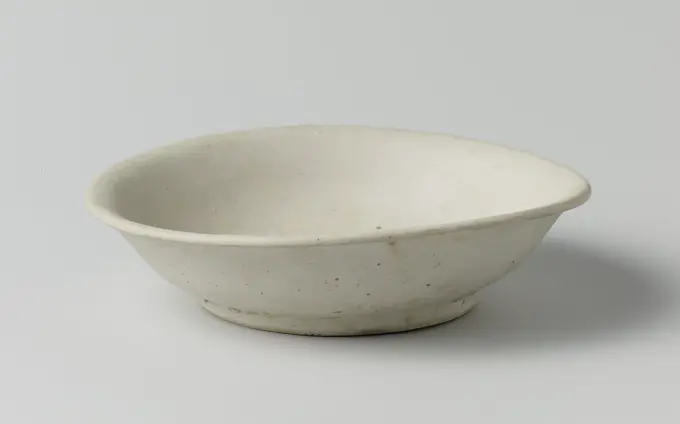
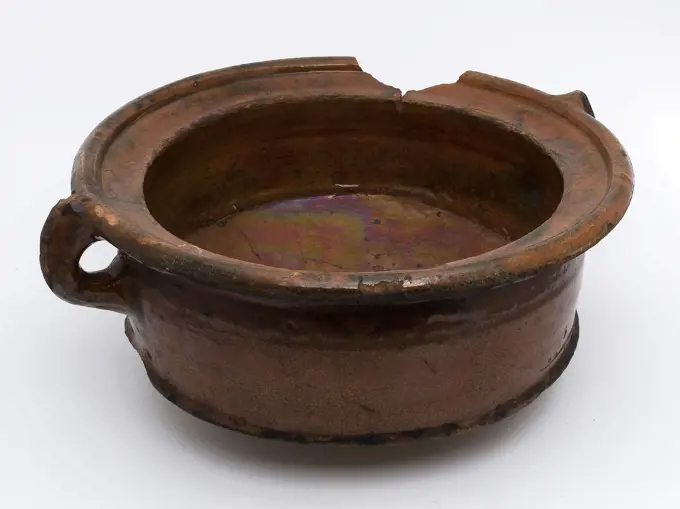
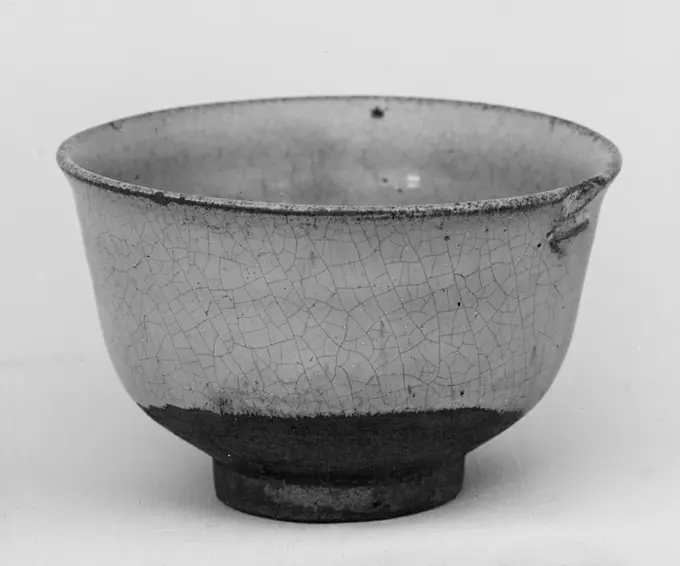
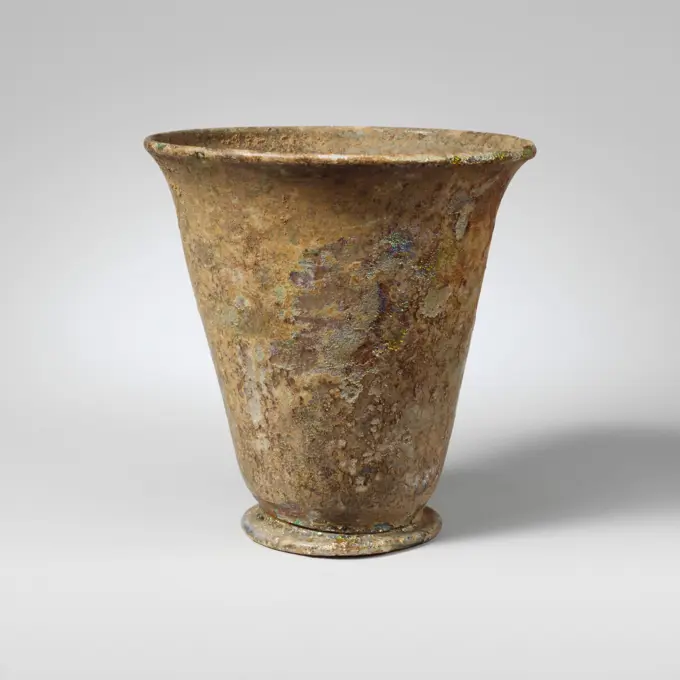
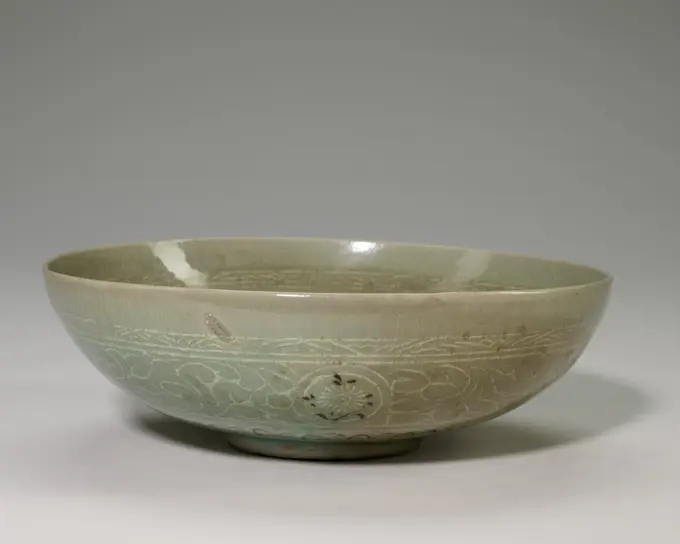
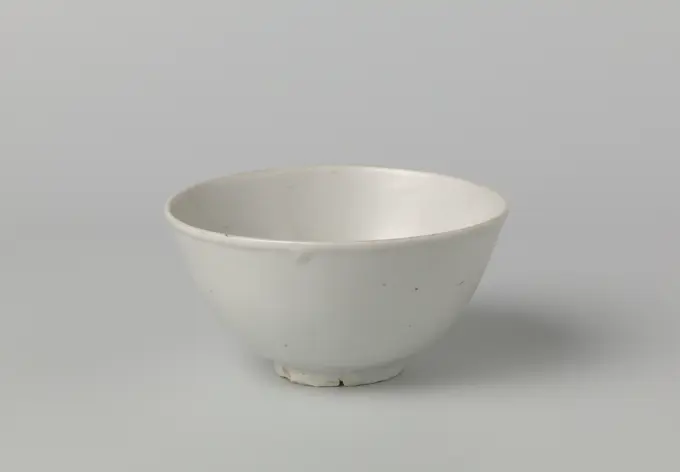
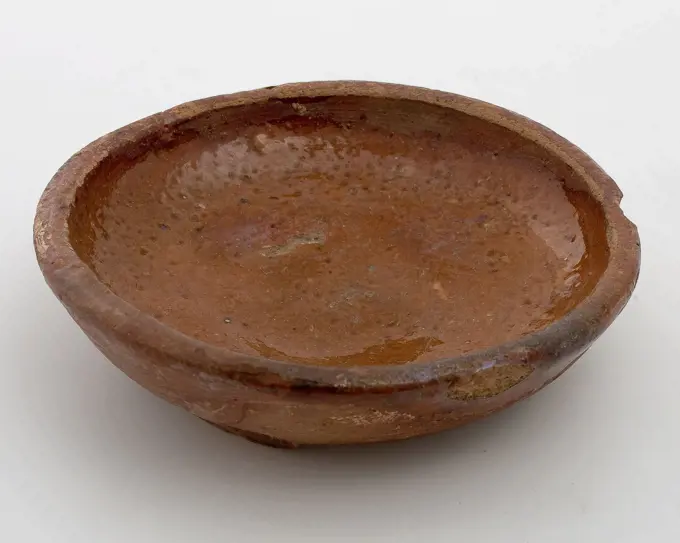
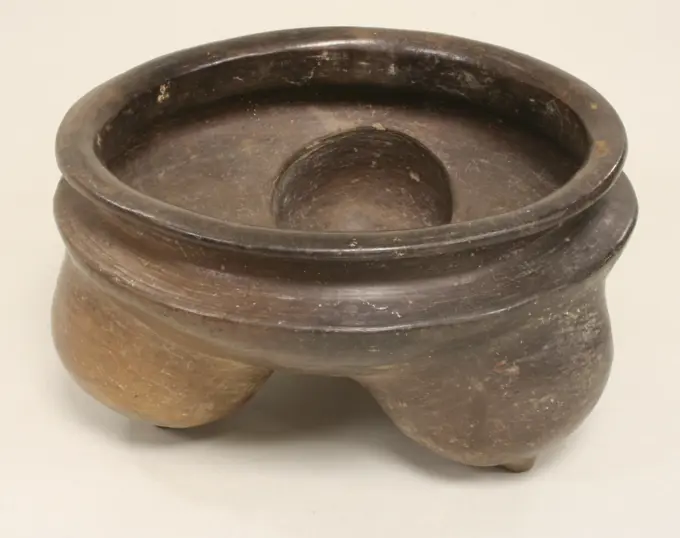
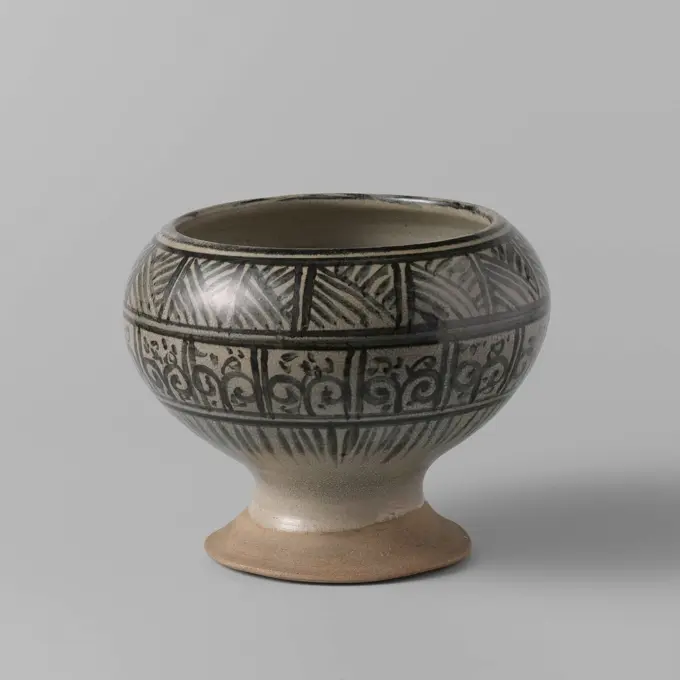
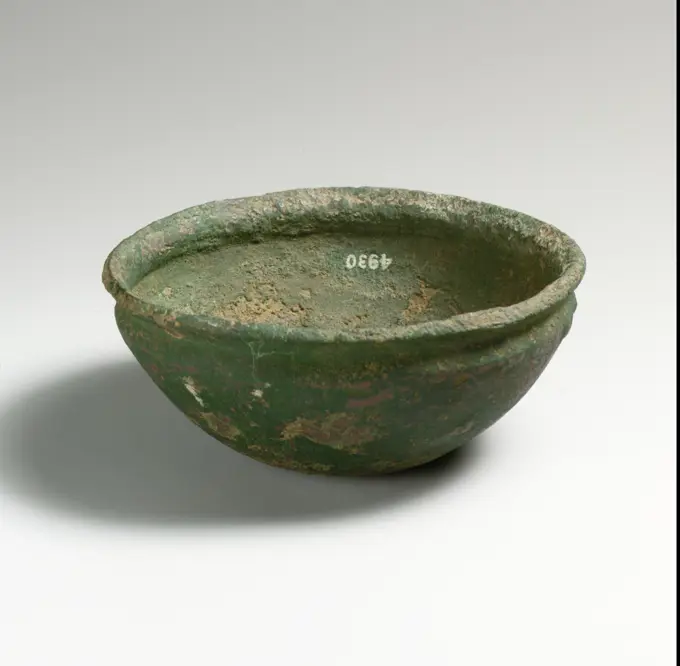
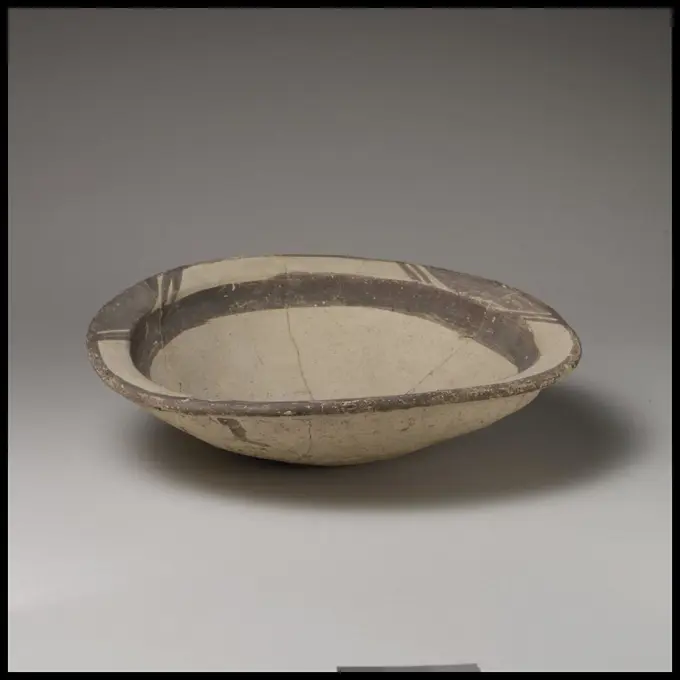
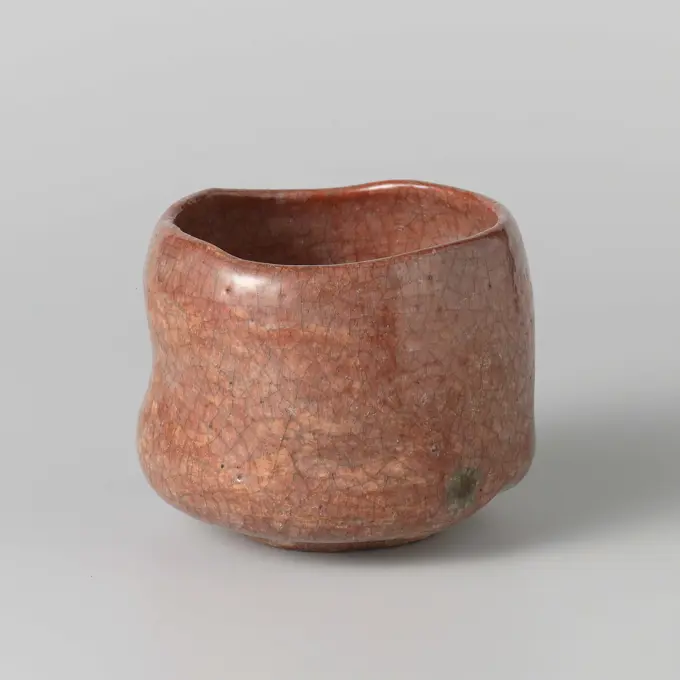
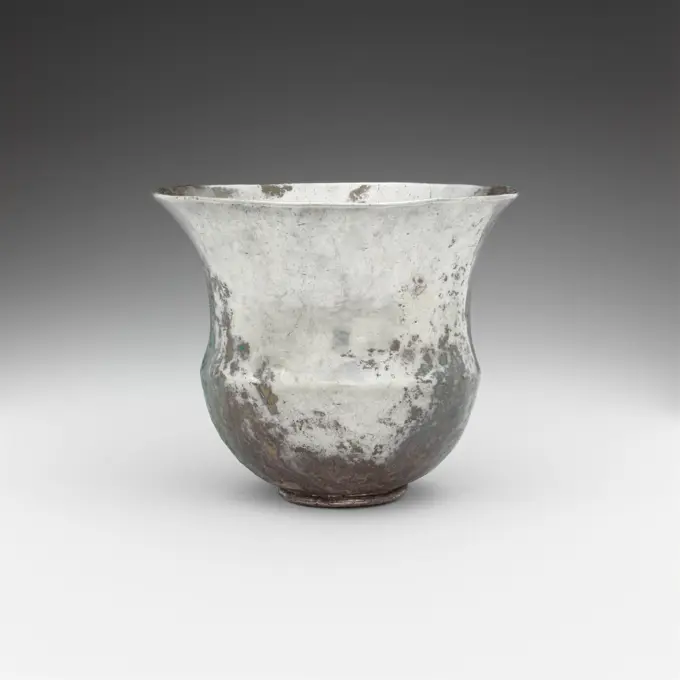
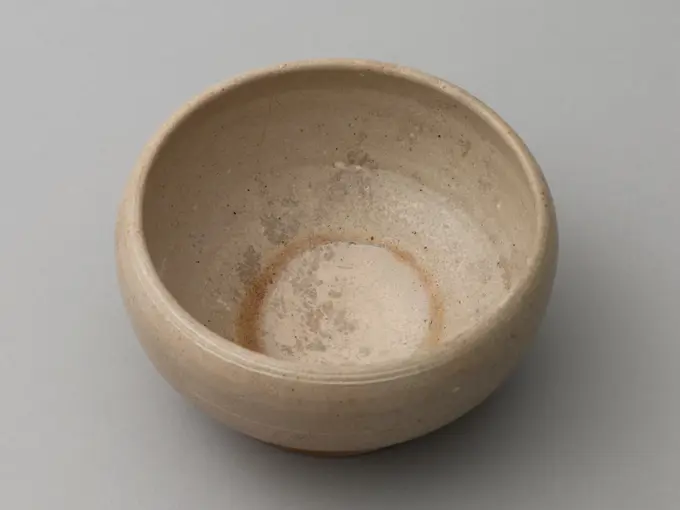
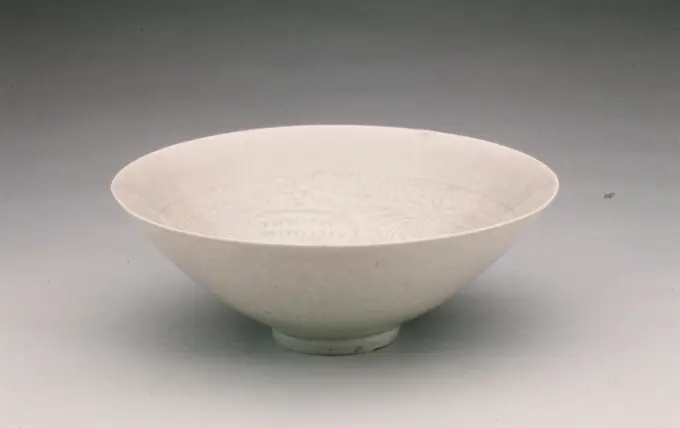
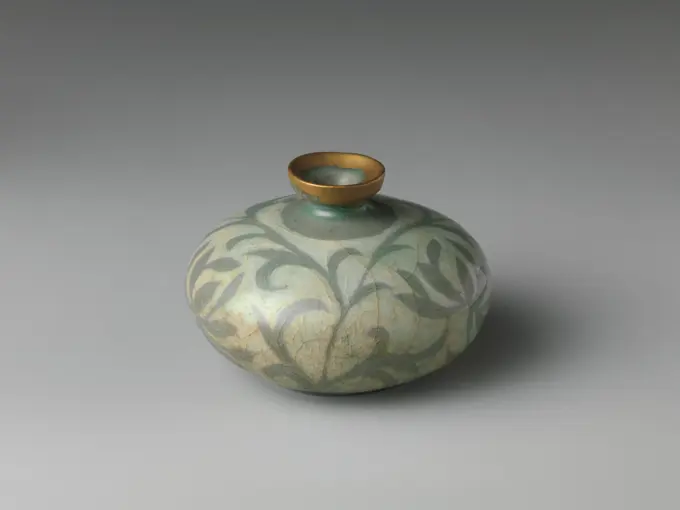
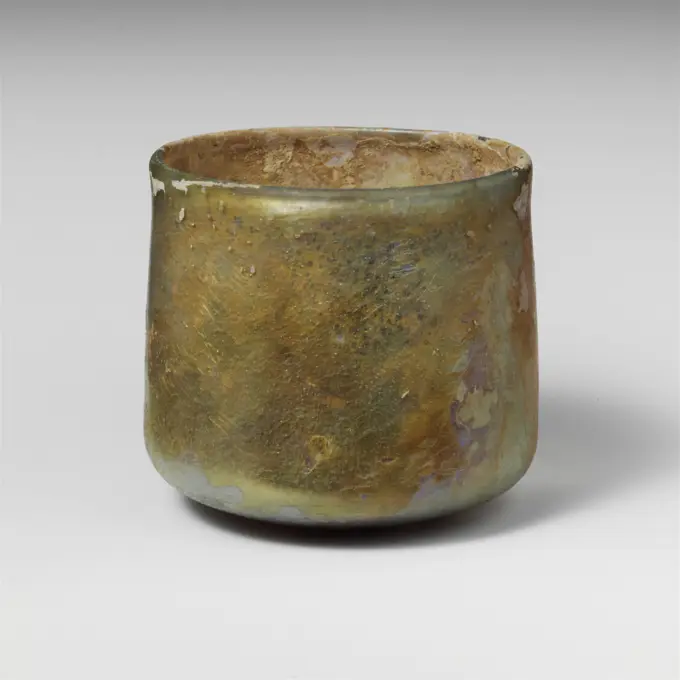
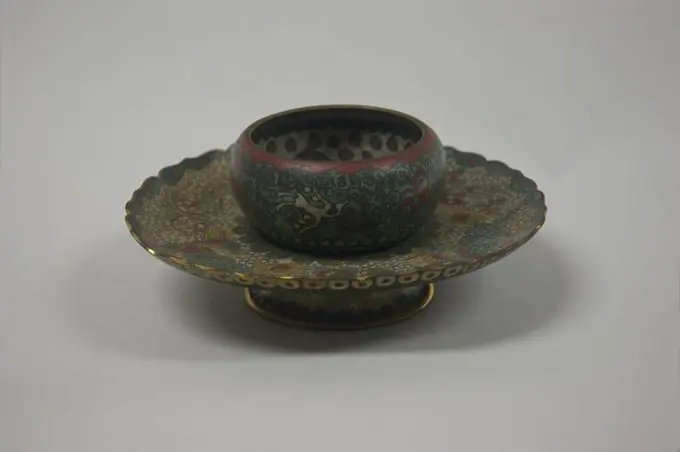
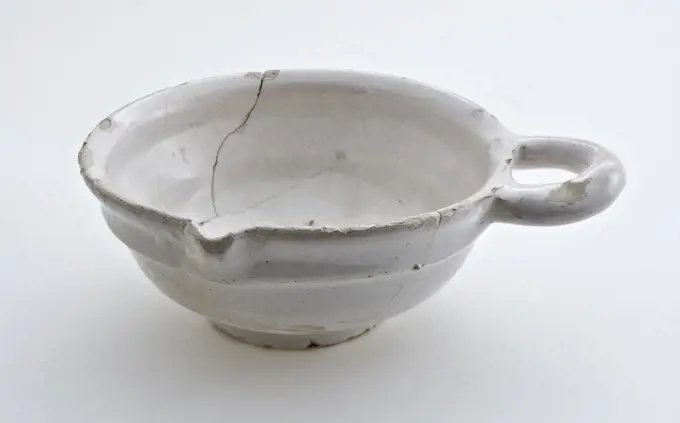
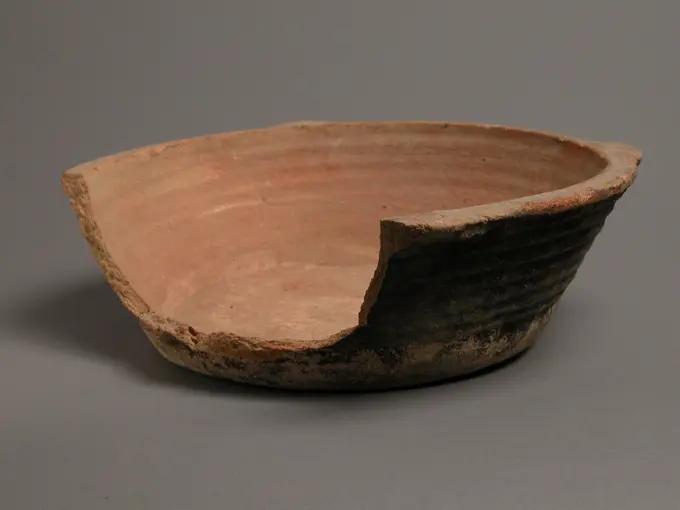
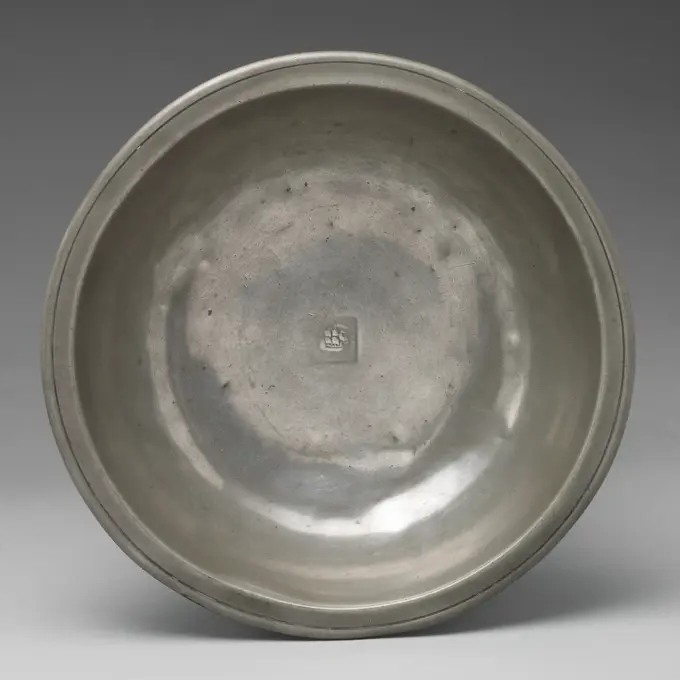
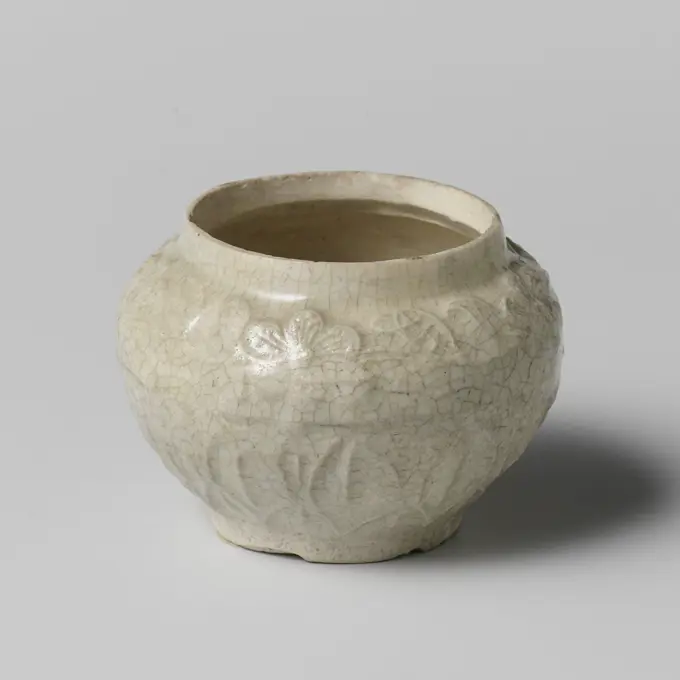
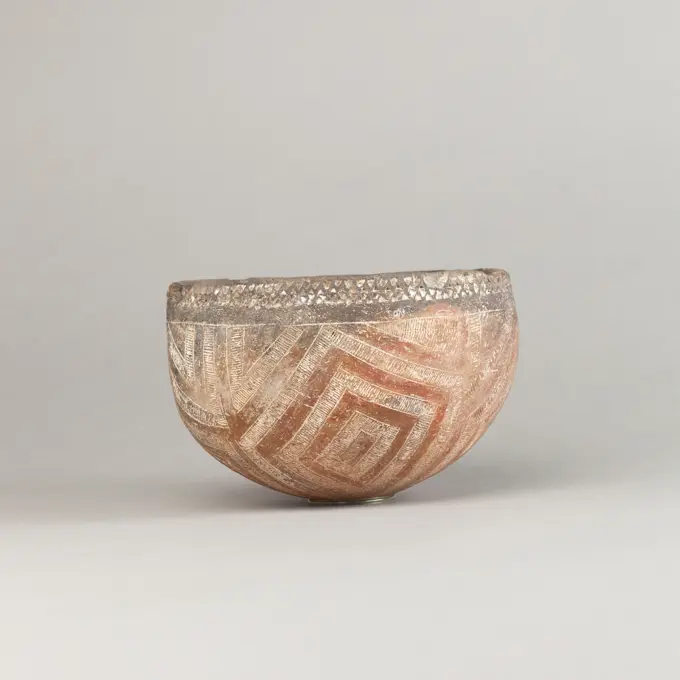
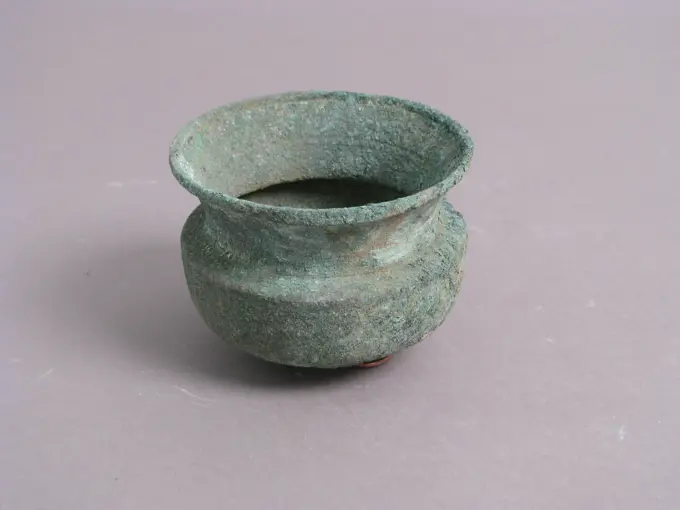
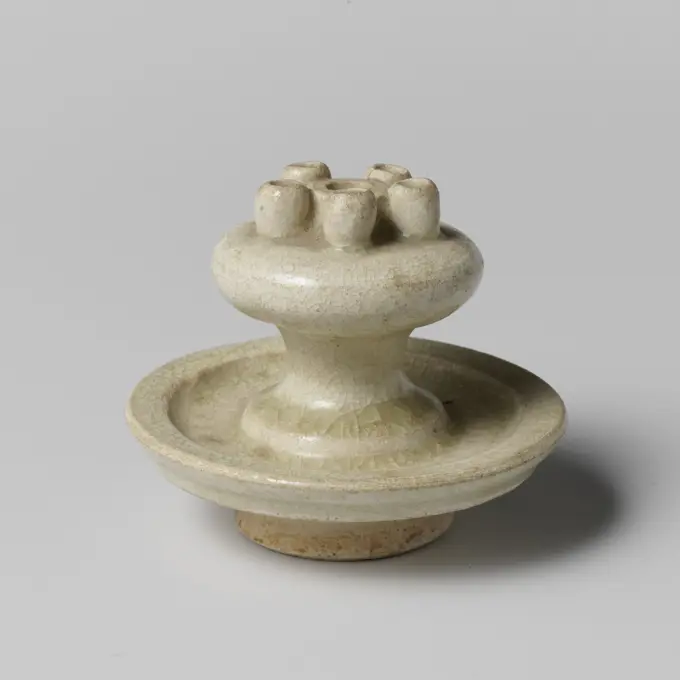
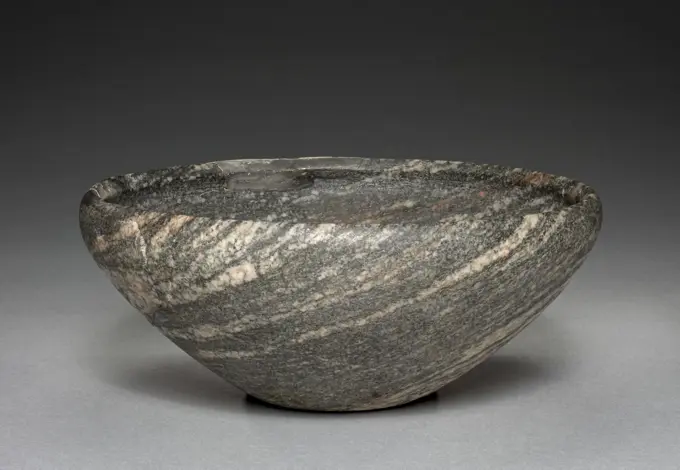
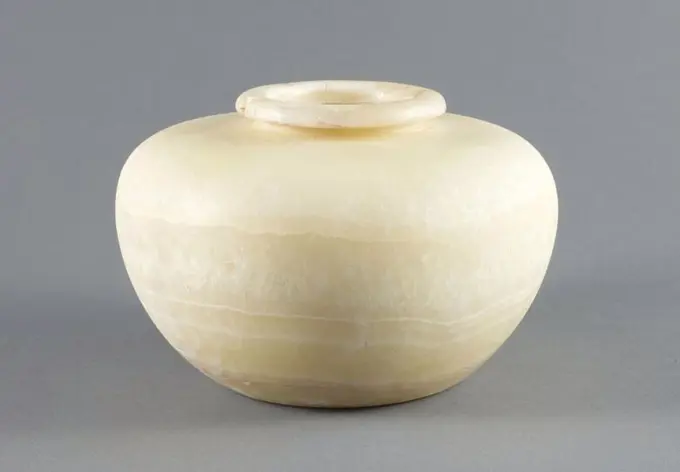
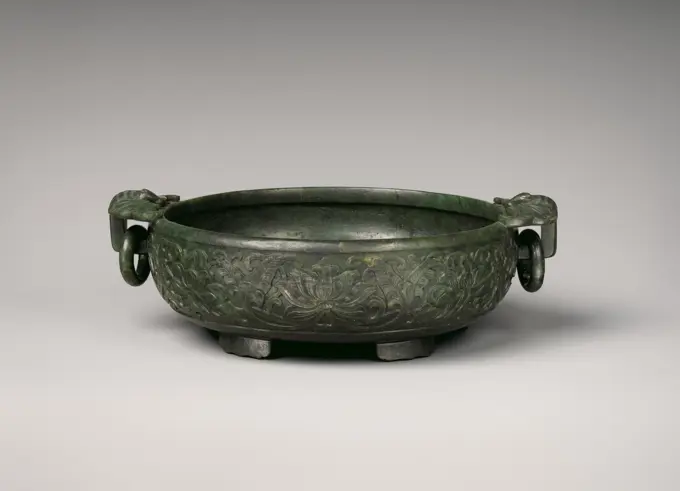
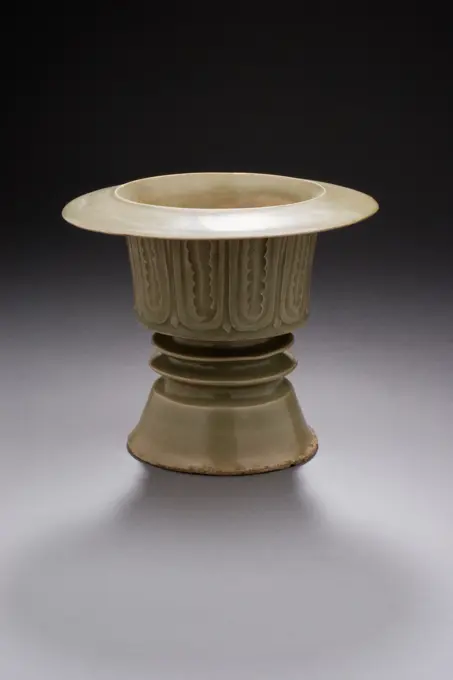
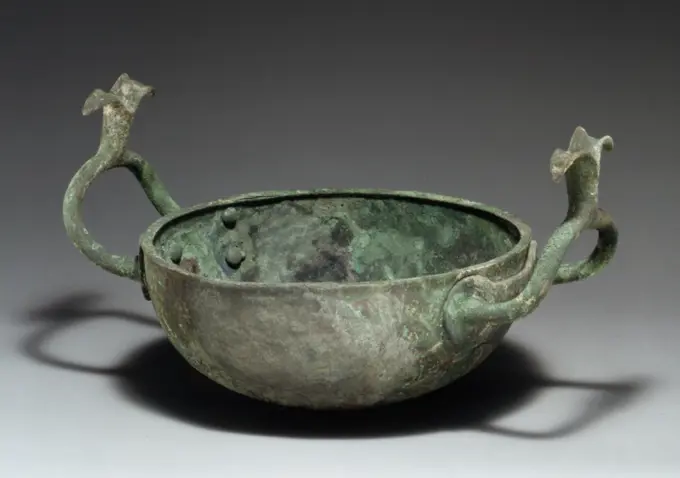
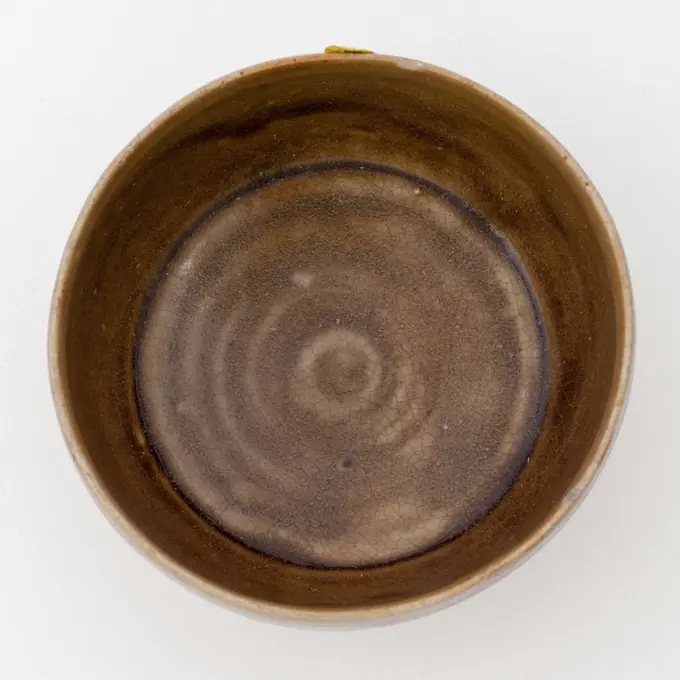
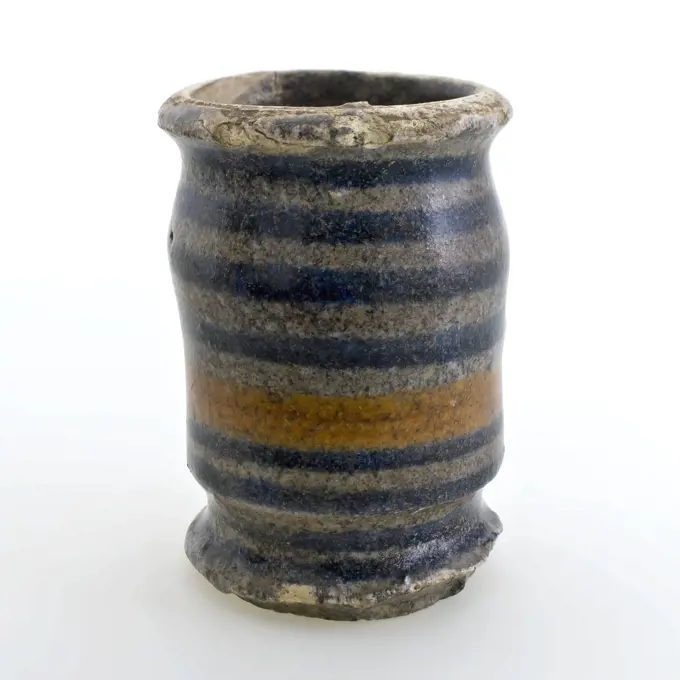
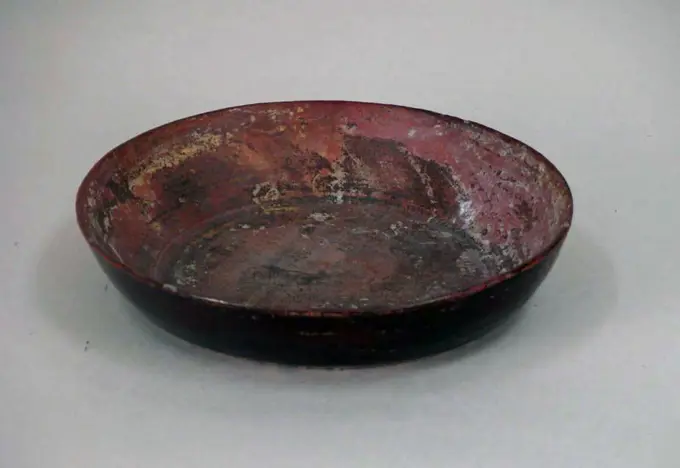
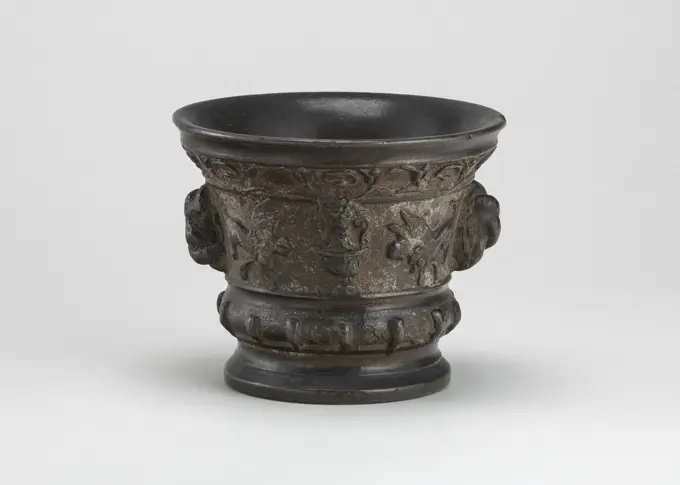
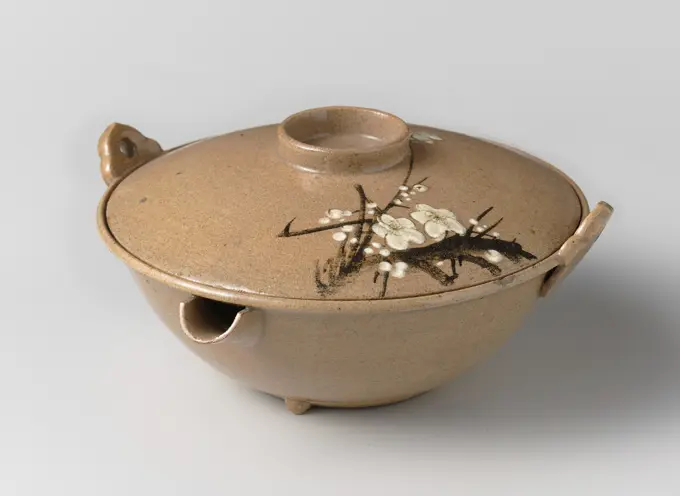
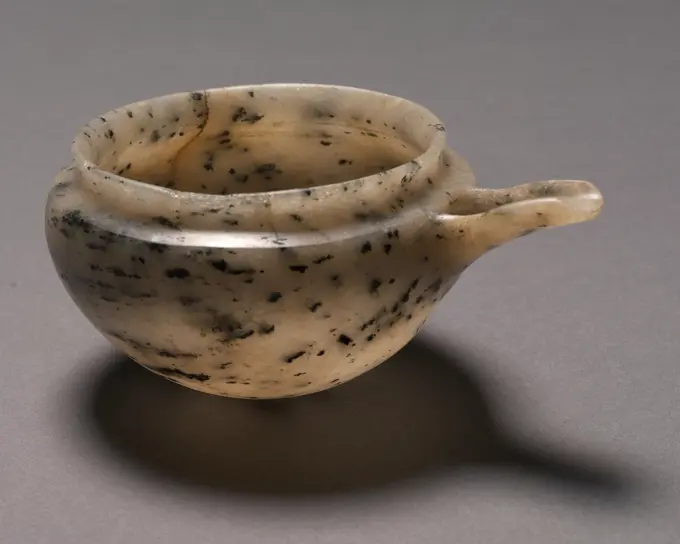
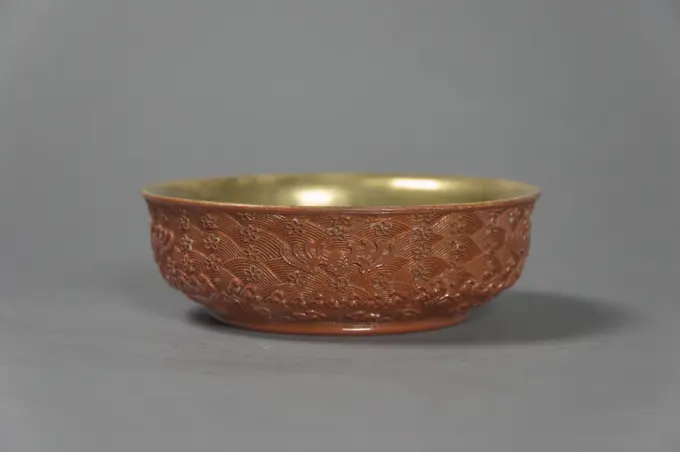
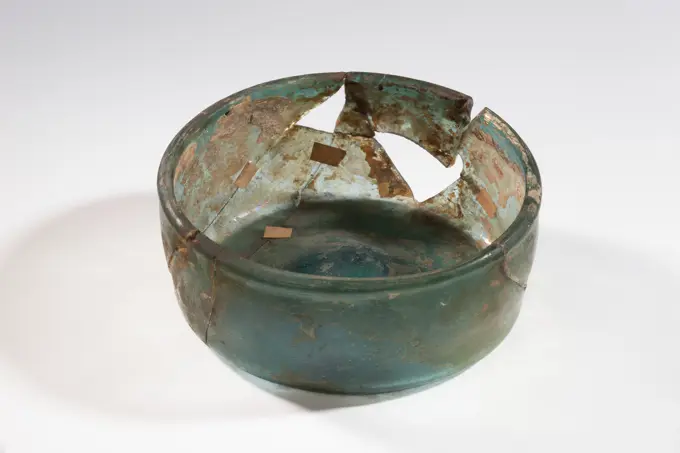
Czarka;  10th century (901-00-00-1000-00-00);Semerau-Siemianowski, Władysław (1849-1938), Semerau-Siemianowski, Władysław (1849-1938)-collection, gift (provenance), Islam (culture), Persian (culture), Islamic artBowl with sacred lily second half 18th century China. Bowl with sacred lily. China. second half 18th century. Jade (nephrite). Qing dynasty (1644-1911). JadeSaucer-dish, anonymous, c. 1600 - c. 1699 Scale of porcelain, covered with a corroded glaze. On the bottom an unidentified seal brand. China porcelain. glaze vitrification Scale of porcelain, covered with a corroded glaze. On the bottom an unidentified seal brand. China porcelain. glaze vitrificationEar cut ". Terracotta with green lead glaze. Han dynasty (206 BC-220 AD). Paris, Cernuschi museum. Chinese art, ears cut, Han dynasty, Han time, Chinese object, terracottaPottery cooking pot on three legs, with straight side wall, lid edge, two standing ears, cooking pot crockery holder kitchenware earth discovery ceramics earthenware glaze lead glaze, hand turned glazed baked Large pottery cooking pot pan model red shard both inside and outside covered with lead glaze except the bottom of the bottom Cylindrical shape with straight side wall and outstanding top edge with lid slot Two vertical applied bandors three legs archeology indigenous pottery food preparation cooking kitchenBowl 1700-1780 Japan. Bowl. Japan. 1700-1780. Pottery covered with a crackled glaze (Banko ware (). Edo period (1615-1868). CeramicsBlack Glazed Tea Bowl, 1100s-1200s. China, Fujian province, Southern Song dynasty (1127-1279). Stoneware with opaque dark brown glaze, Jian ware; overall: 5.3 x 14 cm (2 1/16 x 5 1/2 in.).Miniature incense burner, Jun ware. Artist: Chinese , Jin/Yuan Dynasty. Culture: Chinese. Dimensions: H. 4.7 cm.. Date: 13th-14th century. Museum: Metropolitan Museum of Art, New York, USA.Come of pottery, gymnast type Black basalt .. Bowl of English pottery, with reliefs on beige background of a reading, sitting, growing and kneeling woman in classical style. The reading woman is sitting under a tree, the sitting woman is playing with an amortje, the mourning woman is sitting under a tree with a dog and kneeling woman in front of an altar on which a vase. Between these performances also embossed: a plant and a butterfly, a vase and a dragonfly and a flower pot and a bird. At the bottom of the bowl a cranner edge and upright unmedged edge as a foot. Signature: Turner.Earthenware ointment jar, low model, wide top edge, two constrictions, light blue glazed, ointment jar pot holder soil find ceramic earthenware glaze icing, hand-turned baked 2x glazed earthenware ointment jar low model with outstanding funnel-shaped upper edge Two necking. Diameter of top edge is larger than diameter of sidewall bottom has smallest diameter. Stand with soul untidy finish Light blue glazed Delft pottery archeology health care indigenous pottery packing pharmacy store sell medicine medicament craftCup and Stand with FoliatedLipDish from Dishes with Ivy, c. 1893-1914. Seifū Yohei III (Japanese, 1851-1914). One from a set of five dishes; porcelain with green glaze and molded designs; overall: 3.5 x 11 cm (1 3/8 x 4 5/16 in.).Beaker with embossed plants. Culture: Chimú. Dimensions: Overall: 1 15/16 x 2 1/2 in. (4.92 x 6.35 cm)Other: 2 1/2 in. (6.35 cm). Date: 12th-15th century. Museum: Metropolitan Museum of Art, New York, USA.Glass footed beaker 2nd-3rd century A.D. Roman Translucent pale blue green.Rounded, slightly flaring rim; straight sides, tapering downward and tooled in around base; integral base ring; deep concave bottom.Complete, except for small hole in side and large crack around base; pinprick bubbles; deep pitting and weathering, with brilliant iridescence; soil encrustation on interior.. Glass footed beaker 239805Bowl, 12th-13th century, Unknown Korean, 2 1/2 x 7 1/2 x 7 1/2 in. (6.35 x 19.05 x 19.05 cm), Porcelaneous stoneware, celadon with inlaid designs, Korea, 12th-13th centuryBowl with a white glaze. Bowl of porcelain, covered with a white glaze. White porcelain, monochromes.Stepped Beaker. Possibly Inca; Possibly south coast, Peru. Date: 1000-1532. Dimensions: 11.8 x 10.3 cm (4 5/8 x 4 1/16 in.). Copper alloy. Origin: Peru. Museum: The Chicago Art Institute, Chicago, USA.Small earthenware dish, red shard, partly glazed, on three pinched toes, dobbelier dish crockery holder soil find ceramic earthenware glaze lead glaze, hand-turned glazed fried Saucer with raised edge red shard on three pinched toes Inside completely glazed outside only few drops of archeology servingCeramic Tripod Vessel 3rd century B.C.-A.D. 4th century Chupicuaro. Ceramic Tripod Vessel. Chupicuaro. 3rd century B.C.-A.D. 4th century. Ceramic. Mexico, Mesoamerica, Michoacan. Ceramics-Containers. Bagic-shaped vase of stoneware, covered with a crackled, gray glaze and painted in underglaze blue. On the bowl Three decorative tires: one with horizontal stripes, one with flower drinks in square boxes and a with arrearing in square boxes. The foot and the bottom are unglazed. Kyoyaki.Bronze phiale (libation bowl) ca. 600 B.C. Cypriot This type of phiale, with a hemispherical bowl, prominent omphalos (navel), and articulated lip, is extremely rare.. Bronze phiale (libation bowl) 244476Straight-Sided Bowl with Modeled Figures in Interior and Climbing Sides. Possibly Colonial-period Inca; Central coast, Peru. Date: 1470-1600. Dimensions: 8.9 x 16.2 cm (3 1/2 x 6 3/8 in.). Ceramic and pigment. Origin: Peru. Museum: The Chicago Art Institute, Chicago, USA.Incised Painted Bowl with Birds 5th-2nd century B.C. Paracas. Incised Painted Bowl with Birds 308605ancient metal bowl on dark background. antique bronze tableware. ancient metal utensilsEmpty wooden bowl . Empty wooden bowl on a white background.Gui bowl;  19th century (1801-00-00-1900-00-00);Bowl. Culture: Ubaid. Dimensions: 2.75 in. (6.99 cm). Date: mid 6th-5th millennium B.C..The usual pottery found in Ubaid graves at the southern Mesopotamian site of Eridu consisted of an upright jar, a dish or a plate like this one, and a cup lying inside the dish. They were placed in the corner of mud-brick coffins near the right foot of an outstretched body. Although the paint designs on Ubaid pottery do vary, this plate conforms to a general type consisting of two concentric rings close to or at the rim. Three equally spaced blocks of solid paint between the rings further accentuate the circumference of the plate. Each block has diagonal parallel lines on either side. This plate was excavated in the Ubaid Cemetery at Eridu (Grave 142). Museum: Metropolitan Museum of Art, New York, USA.. Tea cup from stoneware, covered with a crackled red glaze. Raku (red).Silver beaker ca. 2300-2000 B.C. Anatolian This vase, along with 1989.281.46-.48 are said to have been found together, are best paralleled by pieces found by Heinrich Schliemann at Troy in a stratigraphic level know as Troy II. The wealth of jewelry and objects from the latest phase, Troy IIg, led Schliemann to believe that he had found the city described by Homer. In reality, this material is datable to about a thousand years before the Trojan War.. Silver beaker 255925Bowl with retracted opening. White sandstone with covered. Janse, Lach Truong, burial 11. Epoque de Giao Chi (1st century BC - 4th century AP.J.C.). Paris, Cernuschi museum. 59237-2 Vietnamese art, bowl, covered, Lach Truong culture, Giao Chi, excavation Janse, white gres, interior, opening, retracks, Sepulture 11, view aboveCzarnofirnated bowl;  4th century BC (-400-00-00--301-00-00);FlatBottleCarved Yingqing Bowl, 960-1280, 2 15/16 x 8 1/8 x 8 1/8 in. (7.46 x 20.64 x 20.64 cm), Qingbai ware, Hutian kilns Porcelain with carved motif of boys and flowers under a light blue glaze, China, 10th-13th century, The interior of this thinly potted conical bowl has a finely incised design of two boys clambering amidst stylized peony blooms and feathery sprays of foliage encircled by a plain rim border. Children, especially sons, and peonies were auspicious emblems to the Chinese and they are common motifs in Song dynasty (960-1279) decorative art. This finely executed bowl has a low straight foot and a translucent white body covered with a blue glaze typical of late Northern Song ware from Jingdezhen kilns like those at Hutian. Some suggest that this type of conical bowl was used for tea drinking but, given its large size, it is more accurate to see its function as that of a standard food bowl.Oil bottle decorated with peony leaves late 12th century Korea These small celadon containers, intended for scented oils and cosmetics, are decorated using the inlay technique sanggam. Developed by Goryeo-period potters, this method of inlay could be used to create motifs, as with the bottle featuring the white peony (left), or to delineate patterns in reverse, as in the bottle with peony leaves (right). Iron-enriched slip, which turns black during firing, could also be added, as in the bottle and box with chrysanthemums. The potter of the bottle at center also produced splashes of deep crimson between the floral motifs by successfully controlling a volatile copper-red pigment during the firing.. Oil bottle decorated with peony leaves 42282Glass beaker 2nd-3rd century A.D. Roman Colorless with pale blue green tinge.Thickened, rounded, vertical rim with slight inner lip; straight sides expanding slightly downwards, then turned in at sharp angle to bottom with uneven, concave center.Intact; pinprick bubbles and blowing striations; dulling, pitting, and some iridescent weathering on exterior; soil encrustation and creamy weathering on interior.. Glass beaker 244613Incised bowl with fox motif 7th-5th century B.C. Paracas. Incised bowl with fox motif. Paracas. 7th-5th century B.C.. Ceramic, pigment. Peru. Ceramics-ContainersVessel. Culture: Coptic. Dimensions: Overall: 2 1/2 x 3 3/8 in. (6.3 x 8.6 cm). Date: 4th-7th century. Museum: Metropolitan Museum of Art, New York, USA.Cup Stand. Culture: China. Dimensions: H. 2 3/4 in. (7 cm); Diam. 6 3/4 in. (17.1 cm). Museum: Metropolitan Museum of Art, New York, USA.Bowl with a white glaze. Bell-shaped bowl of porcelain, covered with a white glaze. The inner edge is unglazed. White porcelain.Tea bowl with design of Chinese landscape, 18th century, Unknown Japanese, 3 x 5 1/4 in. (7.6 x 13.34 cm), Gorohachi ware; glazed stoneware, Japan, 18th centuryWhite faience porridge bowl with lying ear and shank, pop bowl bowl crockery holder soil find ceramic pottery glaze tin glaze, hand turned baked glazed baked Faience porridge bowl yellow shard white glaze pouring spout one ear stand ring thickened edge. Cooked archeology Valckensteyn Poortugaal Albrandswaard native earthenware crockery serving utensils tableware serving food Soil discovery: castle Valckensteyn in Poortugaal now Albrandswaard.Cup 10th-11th century. Cup 446677Bowl -Bowl 4th-7th century Coptic. Bowl 477740Tea Bowl with Hare’s-Fur” Decoration 11th-12th century China Famed throughout China, Jian wares were also exported to Japan, often by Buddhist monks who had visited monasteries in the nearby center at Mount Tianmu. As a result, ceramics with this type of decoration are known in Japan as tenmoku, after the Japanese reading of the name of the mountain. Tenmoku glazes continue to play an important role in Western pottery today.. Tea Bowl with Hare’s-Fur” Decoration 42457Mortero de Olot, siglo XIX. Museu Català de les Arts i Tradicions Populars.Glass beaker. Culture: Roman. Dimensions: Height: 3 3/4in. (9.5 cm)Diameter: 3in. (7.6 cm). Date: 1st century A.D..Colorless with faint greenish tinge.Knocked-off rim; slightly bulging collar below rim; convex sides tapering downward; concave bottom.One fine horizontal wheel-cut line below collar (7.5 mm below rim), two broader grooves (5 mm apart) further down body (25 and 30 mm below rim), and another single line below just above turn (52.5 mm below rim).Intact, except for very small chip in rim; a few pinprick and larger bubbles; dulling, some pitting, iridescence, and creamy weathering. Museum: Metropolitan Museum of Art, New York, USA.Vessel 4th-5th century Korea. Vessel. Korea. 4th-5th century. Earthenware, unglazed. Silla Kingdom (57 B.C.-A.D. 676). CeramicsBowl 4th-7th century Coptic. Bowl 477347Bowl China. Bowl. China. Jadeite, greenish yellow. Qing dynasty (1644-1911), Kangxi period (1662-1722). JadeGlobular pot ". Terracotta. Vietnam-Xe-Xive s. Paris, Cernuschi museum. 72185-50 Vietnamese object, globular pot, terracottaBasin 18th century Stephen Maxwell This basin was used as a baptismal font by Sir H. Wellwood Moncrieff, 10th bart., minister to East Kilbride 1837-1852, in church previous to his ministry.. Basin. Scottish. 18th century. Pewter. Metalwork-PewterVase Roman Black vase with stamp repeated twenty-six times.. Vase 250239 Roman, Vase, Terracotta, H. 7.80 cm.. The Metropolitan Museum of Art, New York. Gift of J. Pierpont Morgan, 1917 (17.194.1820)Cauldron 12th-13th century. Cauldron 451396Ovoid jar with flower sprays in relief, anonymous, c. 1279 - c. 1368 Egg -shaped pot of stoneware, covered with a gray -green crawl glaze. The belly with two rows of leaf motifs in relief and on the shoulder a band with flower branches in relief. Celadon. China stoneware. glaze vitrification Egg -shaped pot of stoneware, covered with a gray -green crawl glaze. The belly with two rows of leaf motifs in relief and on the shoulder a band with flower branches in relief. Celadon. China stoneware. glaze vitrificationHemispherical Bowl. Unknown 5th century B.C.Drinking Cup ca. 1900-1550 B.C. C-Group. Drinking Cup. ca. 1900-1550 B.C.. Polished black ware with decoration filled with white pigment. C-Group. From Nubia (Sudan), Lower Nubia, Faras, Cemetery 2, R, University of Oxford Excavations in Nubia 1911-1912Greyware Bowl with Incised Designs. Culture: Paracas. Dimensions: Overall: 3 1/4 in. (8.26 cm)Other: 6 in. (15.24 cm). Date: 3rd century B.C.. Museum: Metropolitan Museum of Art, New York, USA.Changsha (ceramic production center), pair of cuts (usual name), 0900. Cernuschi museum, Asia Museum of the city of Paris.Vessel 4th-7th century Coptic. Vessel 479303Bowl;  around 1550 1069 BC ; New PAIncense holder, anonymous, c. 618 - c. 907 A standard of stoneware with six holders for incense, partly covered with a gray -green glaze. Above the foot a bowl shape with a leg in the center with a flat, ring -shaped thickening at the top. On the thickening an edge with an opening; Five holders around this edge. Underside unglazed. On the bottom a label with Chinese characters. Celdadon (YUE), Tang. China stoneware. glaze vitrification A standard of stoneware with six holders for incense, partly covered with a gray -green glaze. Above the foot a bowl shape with a leg in the center with a flat, ring -shaped thickening at the top. On the thickening an edge with an opening; Five holders around this edge. Underside unglazed. On the bottom a label with Chinese characters. Celdadon (YUE), Tang. China stoneware. glaze vitrificationThese saucers shaped like maple leaves show Seif Yohei III’s “heavenly blue glaze.” Saucer from Maple Leaf-Shaped Saucers, 1893-1914. Seifū Yohei III (Japanese, 1851-1914). One of five dishes from a set of ten; porcelain with blue glaze and molded design; overall: 2.5 x 9 cm (1 x 3 9/16 in.).Beaker or Lamp. UnknownBowl, 2770-2647 BC. Egypt, Early Dynastic Period, Dynasty 2, reign of Nynetjer or later. Anorthosite gneiss; diameter: 20 cm (7 7/8 in.); overall: 8.2 cm (3 1/4 in.).Bowl with Bird Design 7th-10th century Nopiloa. Bowl with Bird Design 316303Five-Spout VesselJar. Egyptian. Date: 3000 BC-2160 BC. Dimensions: 11.4 × 17.5 × 17.5 cm (4 1/2 × 6 7/8 × 6 7/8 in.). Calcite. Origin: Egypt. Museum: The Chicago Art Institute, Chicago, USA. Author: Ancient Egyptian.TAZON O CUENCO VIDRIADO. Location: ALFARERIA. VALL DE UXO. Castellón. SPAIN.Bowl China. Bowl. China. Nephrite, spinach-green lightly flecked with black. Qing dynasty (1644-1911), Qianlong period (1736-95). JadeCup 8th century B.C. Etruscan Reddish-brown one-handled cup, narrow incised band on shoulder and handle, and a boss inside.. Cup. Etruscan. 8th century B.C.. Terracotta; impasto. Villanovian. VasesIncense Burner (Lu) with Flower PetalsTerracotta skyphos (deep drinking cup). Culture: Greek, Attic. Dimensions: H. 3 1/8 in. (8 cm)diameter 5 9/16 in. (14.1 cm). Date: 2nd quarter of the 5th century B.C..Ringbase; the handles are those of a kylix. Museum: Metropolitan Museum of Art, New York, USA.Kylix (Drinking Cup) 560 BCE-550 BCE Corinth. This handle area of this drinking cup is decorated, on both sides, with a bird with its head turned back (red dots on the neck), which is flanked by griffin-birds with raised wings (red necks). There is no decoration below the animal frieze. There is no decoration inside.. terracotta, decorated in the black-figure technique . Ancient GreekBowl. Byzantine, 11th-12th century. Furnishings; Serviceware. CeramicStoneware stopper of jug, stop closure part soil find ceramic stoneware glaze salt glaze h 5,7, hand-turned glazed baked Gray glazed tapered stopper. Bottom of conical hole in the middle of the top. Stoneware cone on disk. Stop Small hole in the cone at the top to accelerate the drying of the object archeology Rotterdam rail tunnel close close packing transport Soil discovery: rail tunnel Rotterdam.Bronze bowl with handles terminating in lotuses ca. 850-750 B.C. Cypriot Although the lotus motif came from the East, bronze bowls or basins with lotiform handles seem to have been a Cypriot invention that flourished from the Geometric into the Archaic period. Such large examples are rare. Smaller bowls are more common and exist also in terracotta. Moreover, they were exported to the Levant, the Aegean region, and Italy.. Bronze bowl with handles terminating in lotuses. Cypriot. ca. 850-750 B.C.. Bronze. Cypro-Geometric III. BronzesOintment jar and lid naming Thutmose III ca. 1479-1425 B.C. New Kingdom In Theban tomb paintings dating to Dynasty 18, servants are sometimes shown anointing guests with perfumed oils and ointments stored in small stone jars. A set of similar cosmetic jars highlighted with gold foil (26.8.29a, b-26.8.39) are associated with the grave goods of three foreign wives of Hatshepsut's nephew, Thutmose III. Most of these vessels are inscribed with the king's cartouche, marking them as royal gifts.The inscription on this jar reads: "the Good God, Menkheperre (Thutmose III), given life."For a jar of similar shape from the same tomb group, see 26.8.1a, b.. Ointment jar and lid naming Thutmose III 547633Incised bowl with geometric pattern. Culture: Paracas. Dimensions: Overall: 1 15/16 in. (4.92 cm)Other: 5 1/2 in. (13.97 cm). Date: 5th-3rd century B.C.. Museum: Metropolitan Museum of Art, New York, USA.Soba cup mid-18th-18th century Japan. Soba cup 63752Bowl ca. 1755 probably British, Staffordshire. Bowl. probably British, Staffordshire. ca. 1755. Lead-glazed earthenware. Ceramics-PotteryRing-Handled Cup 618 CE-906 CE China. Slip-coated earthenware with cobalt blue and lead yellow streaks .Dish, Yellow Gainfd. Dish of wood, yellow gifle. Was originally red.Bol on a small annular base ". GRS covered brown. Paris, Muse Cernuschi. Bowl on a small annular base Asian art, extreme-East art, Vietnamese art, bowl, ceramic, gres, dishesBowl 15th century. Bowl 444549Pail-Shaped Freshwater Jar (Onioke mizusashi) ca. 16th century Japan During the sixteenth century, when the foundations of the Japanese-style tea ceremony (wabi-cha) were formed, tea master Takeno Jōō (1502-1555) began using Shigaraki ware in the tea room. One of the vessels he adopted as a freshwater container was a Shigaraki jar known as an onioke (devils bucket). The form is simple, with straight sides and a rim that is slightly wider than the base. The onioke vessel is thought to have been used in the Omi area to process hemp or ramie stalks into thread; they needed to be split and knotted end-to-end and coiled in a container to keep from tangling. Omi jofu was a famous product of the region.. Pail-Shaped Freshwater Jar (Onioke mizusashi) 670994Terracotta bowl 550-500 B.C. Etruscan Small bowl without decoration.. Terracotta bowl. Etruscan. 550-500 B.C.. Terracotta; bucchero. Archaic. VasesPottery polychrome decorated ointment jar, albarello, high model, ointment jar pot holder soil find ceramic pottery glaze tin glaze, hand turned baked 2x glazed painted majolica High straight shape with constrictions below edge and above bottom Cream colored shard Circumferential circles mainly in blue and one wide in orange on gray surface . Stand surface coarse finished archeology health care indigenous pottery packing pharmacy store sell medicine drug craftCup 12th-13th century. Cup 448187Deep Dish ca. 1200 China. Deep Dish. China. ca. 1200. Black lacquer. LacquerPhiale. UnknownItalian 16th Century, Mortar with Sphinxes, Vases, and Rope work Handles, early 16th century Mortar with Sphinxes, Vases, and Rope-work Handles. Cover bowl of stoneware with a semicircular spout under the edge, three small feet and two applicated ears, painted on the glaze in black and a white sludge. The ears with ingrangled tendrils. Three preen on the bottom.Bowl 1810-65 Isaac N. Youngs. Bowl. American, Shaker. 1810-65. Wood; Poplar. Made in New Lebanon, New York, United StatesSpouted Bowl, c. 3573-2454 BC. Egypt, Old Kingdom, Dynasty 4, 2573-2454 BC. Anorthosite gneiss; diameter: 10.8 cm (4 1/4 in.); diameter of mouth: 9.1 cm (3 9/16 in.); overall: 6.4 cm (2 1/2 in.).Miniature BowlBowl imitating carved lacquer 18th century China The decoration depicting bats flying over waves on this porcelain bowl was molded to imitate carved lacquer, and it exhibits the same depth and richness as other lacquers from the eighteenth century. The closest parallels to the bowls shape can be found in small wooden dishes with metal rims from Tibet and Mongolia, which were sometimes placed on altars to hold flowers or other offerings. It is possible that this dish was also intended to serve a ceremonial function, or as a gift for a foreign dignitary.. Bowl imitating carved lacquer 76119Stemmed dish 6th century B.C. Lydian Shallow bowl on high foot, gray ware without decoration.. Stemmed dish 249079Glass bowl. Culture: Roman. Dimensions: Overall: 2 3/8 x 4 1/4in. (6 x 10.8cm). Date: late 1st century B.C.-early 1st century A.D..Colorless with pale greenish tinge, and one purple streak on one side.Rounded vertical rim; sides tapering downward, then curved in to flat bottom.Two broad, horizontal wheel-cut grooves on interior below rim.Intact; many pinprick bubbles and striations; dulling and pitting on exterior, patches of thick creamy brown weathering on interior.Blue glass bowl with cut lines. Museum: Metropolitan Museum of Art, New York, USA.Small Bowl with an Abstract Insect or Animal Painted in Interior. Mogollon; Southeastern Arizona or southwest New Mexico, United States. Date: 950 AD-1150. Dimensions: Diam. 15.2 cm (6 in.). Ceramic and pigment. Origin: Arizona. Museum: The Chicago Art Institute, Chicago, USA. Author: Mimbres.