Antique and Decorative Jugs

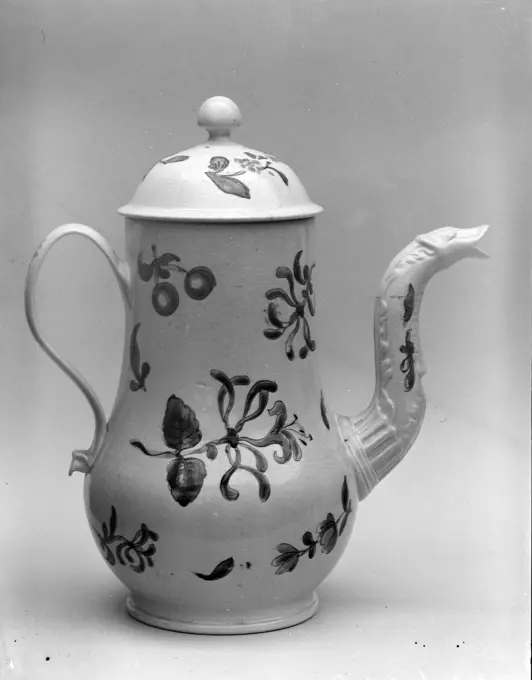
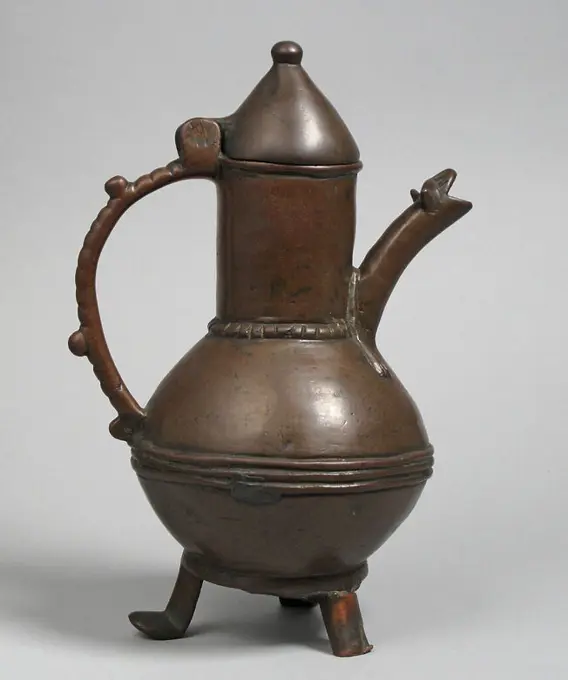
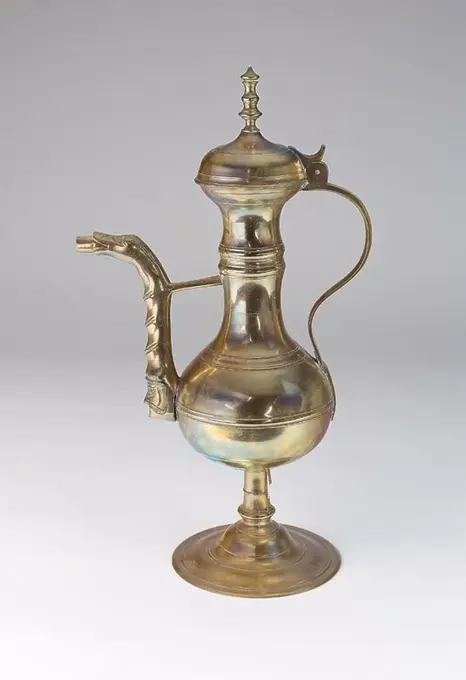
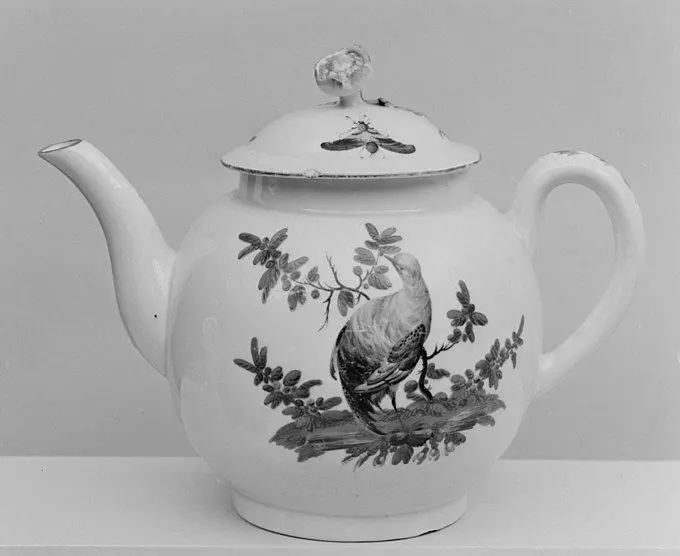
A selection of antique jugs and pots crafted from porcelain and metal, showcasing intricate designs and historical significance across various eras.

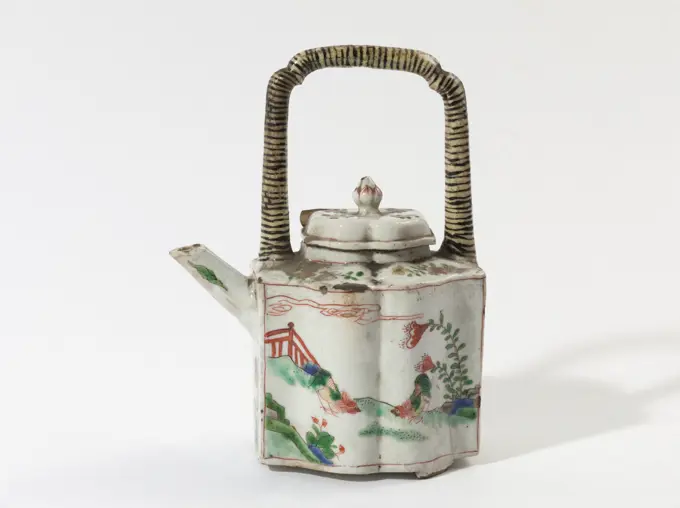
Teapot of stoneware with salt glaze; Staffordshire., Anonymous, c. 1740 - c. 1760 Teapot of stoneware with salt glaze. The teapot is octagonal and has relief decorations on the eight sides, consisting of trees, figures, animals and a weapon. The spout has a flower branch on both sides. England stoneware. salt glaze Teapot of stoneware with salt glaze. The teapot is octagonal and has relief decorations on the eight sides, consisting of trees, figures, animals and a weapon. The spout has a flower branch on both sides. England stoneware. salt glaze
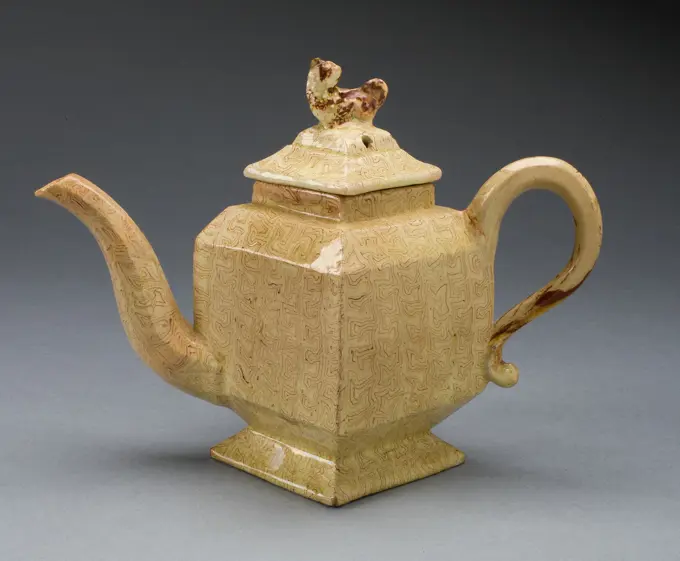
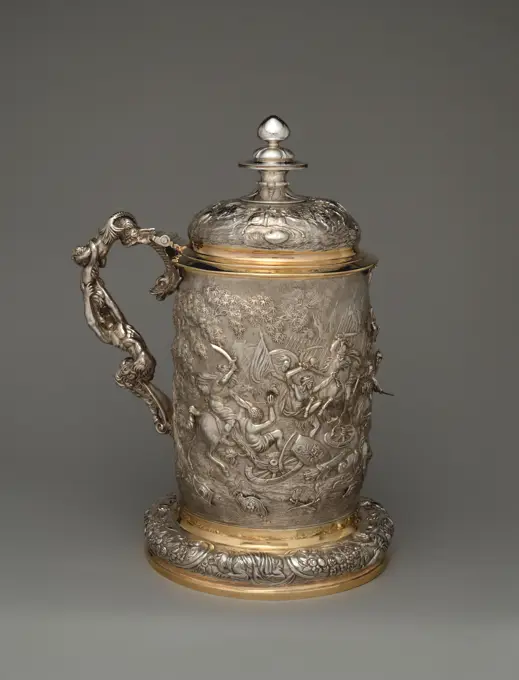
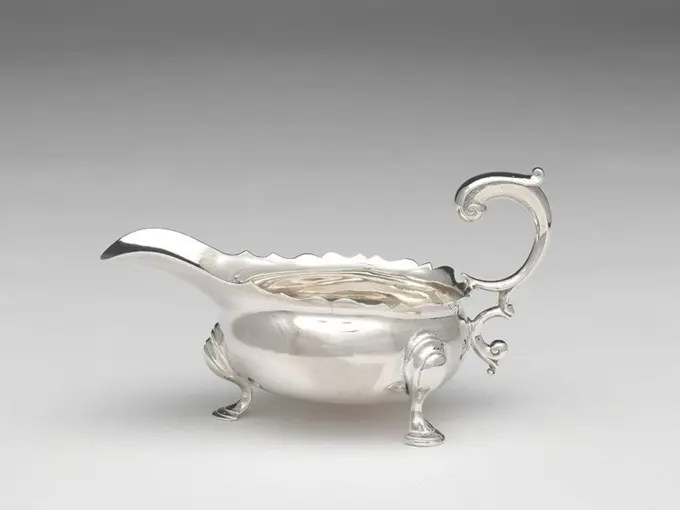
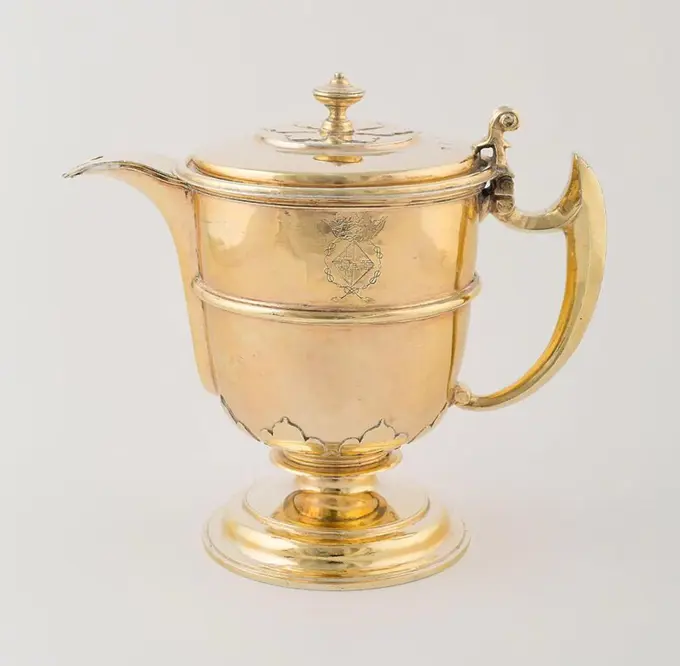
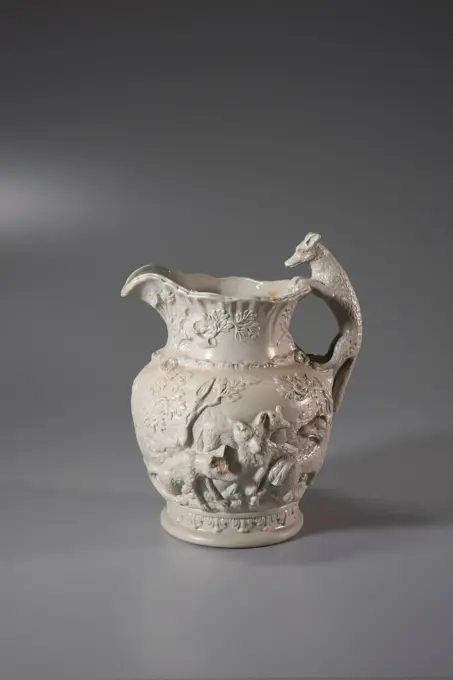
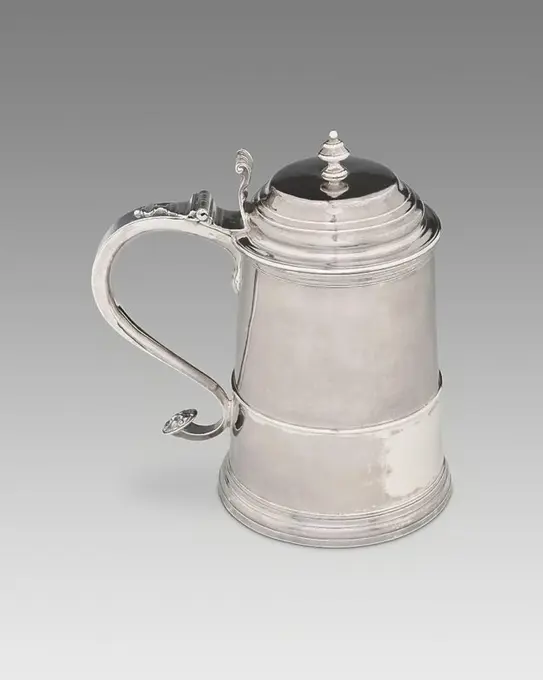
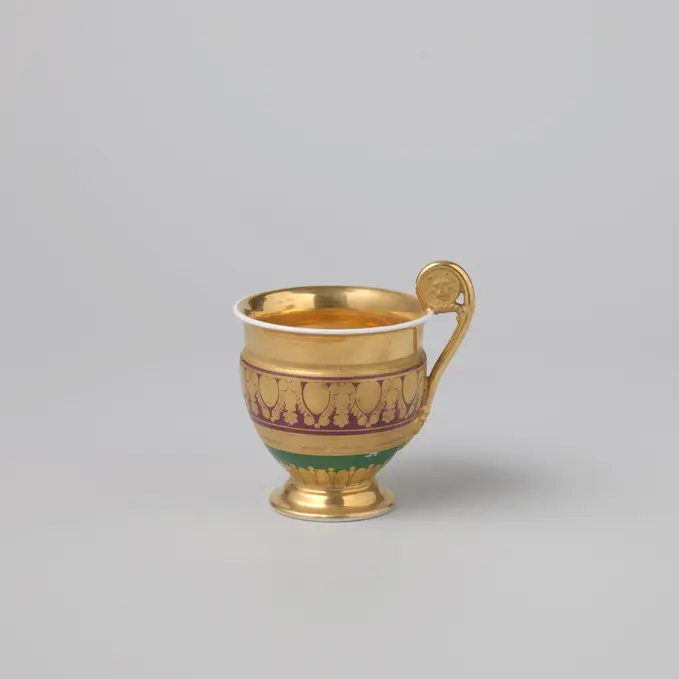
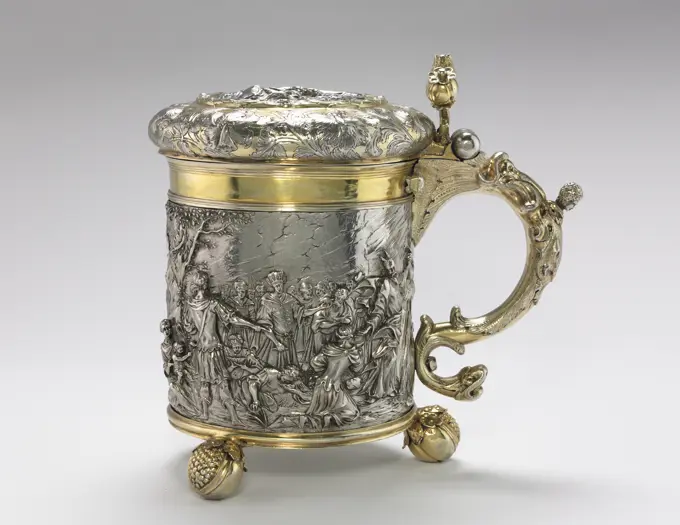
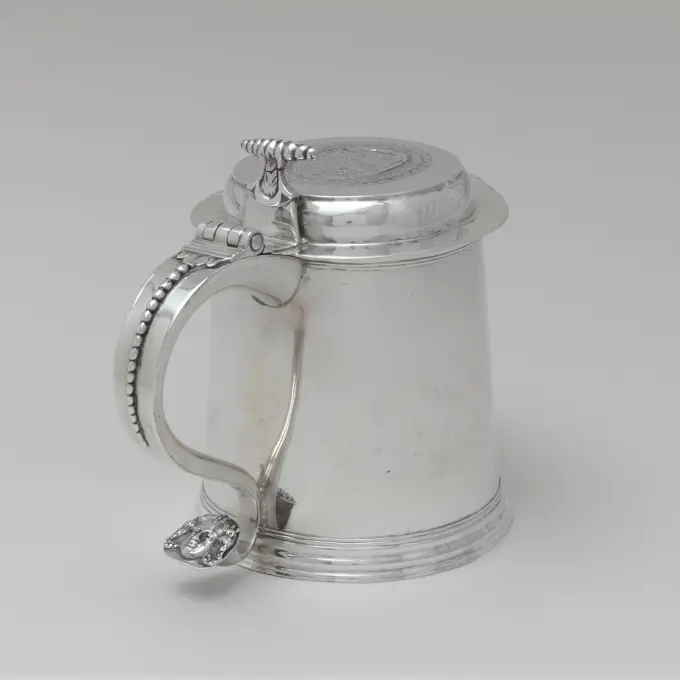
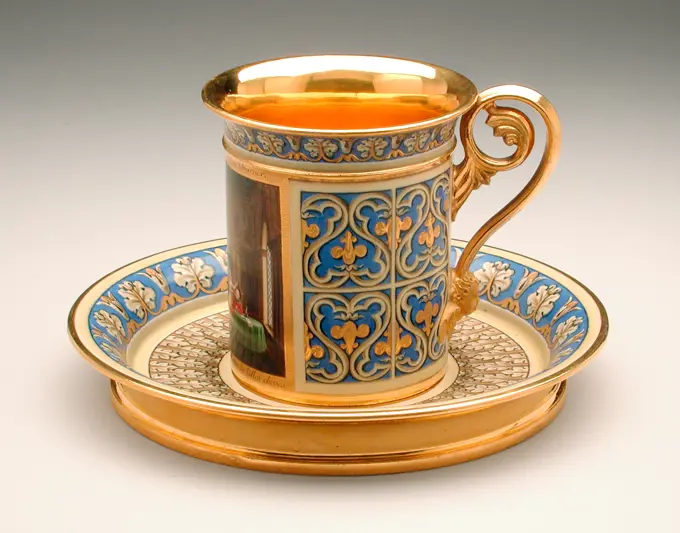
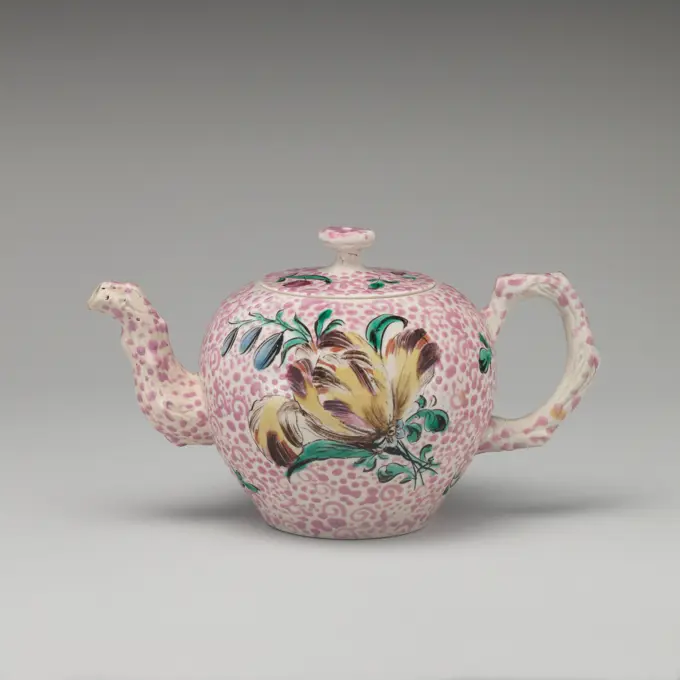
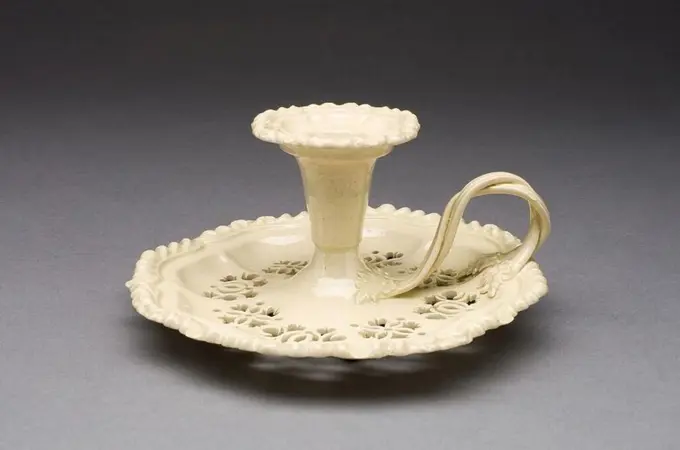
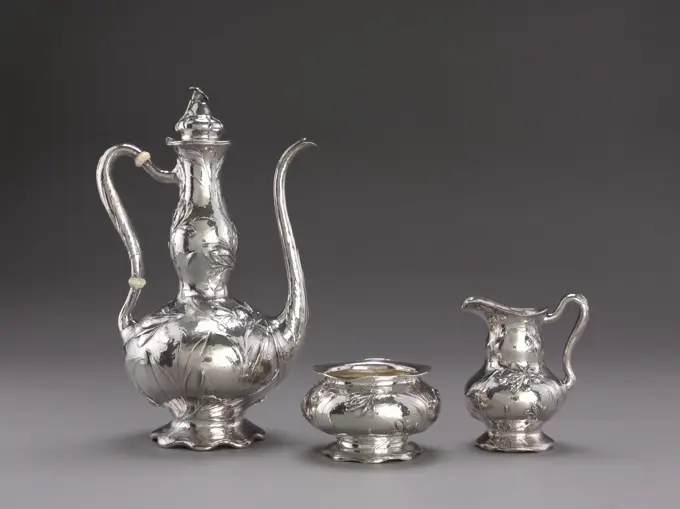
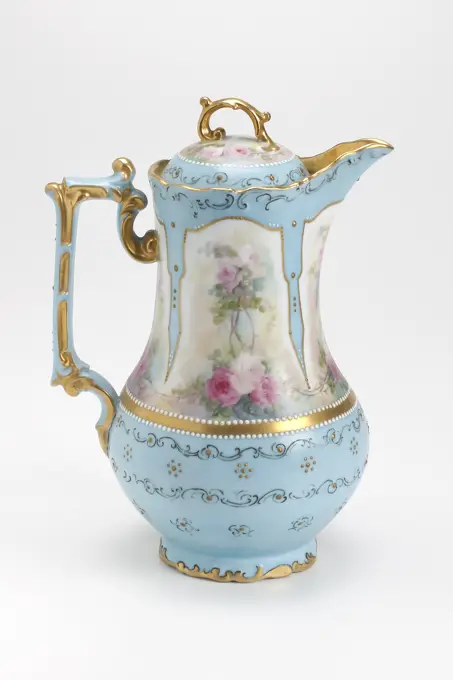
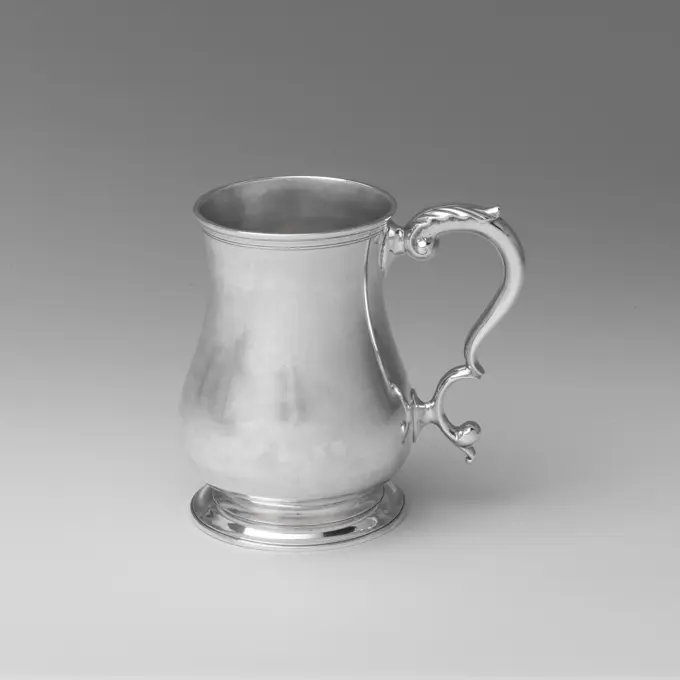
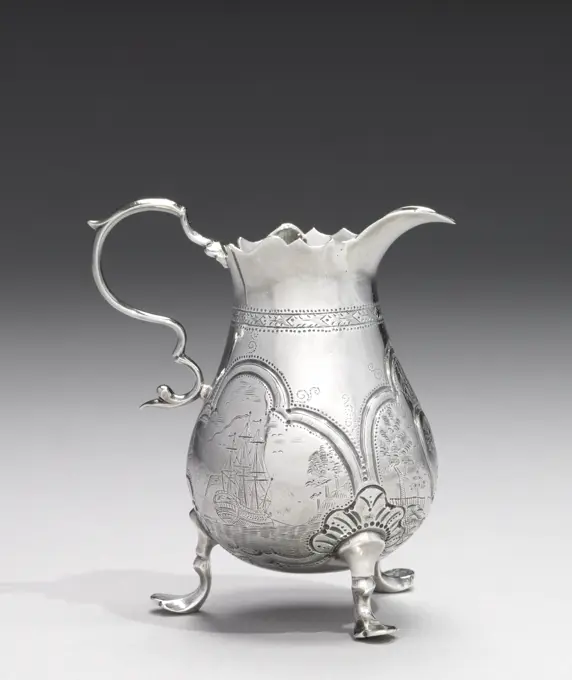
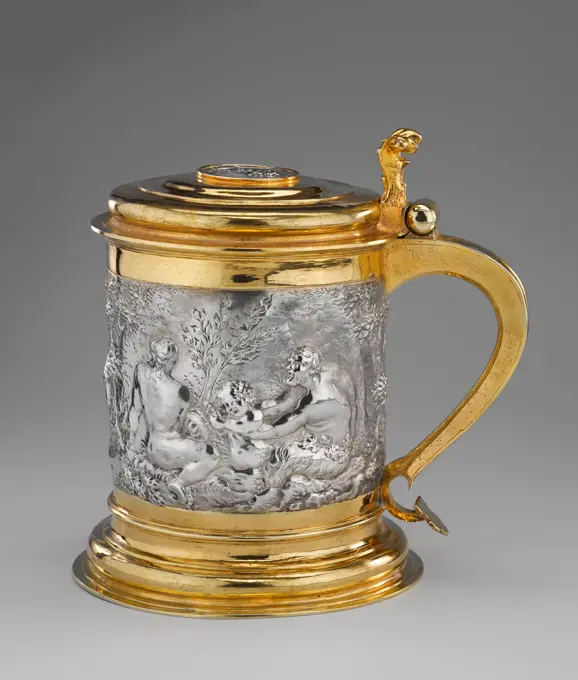
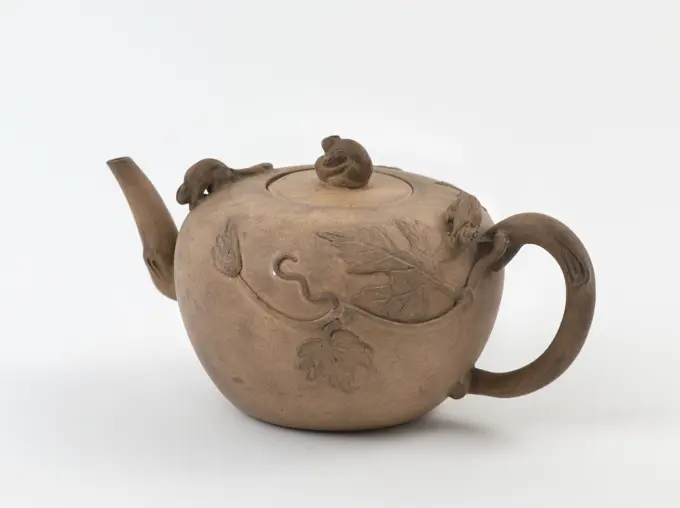
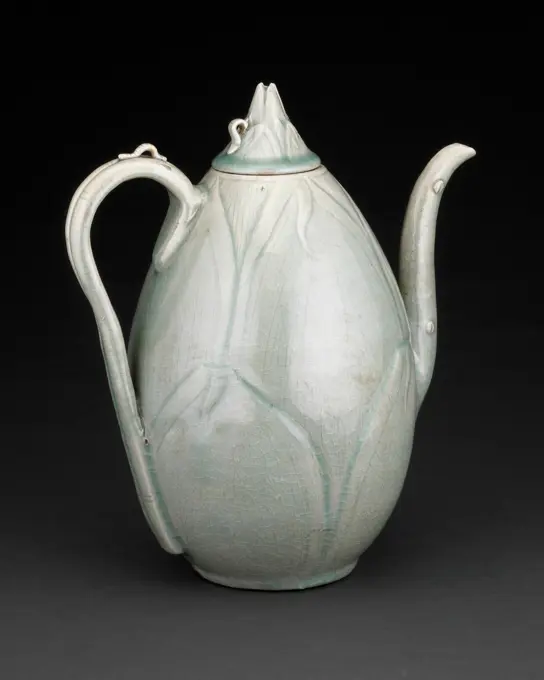
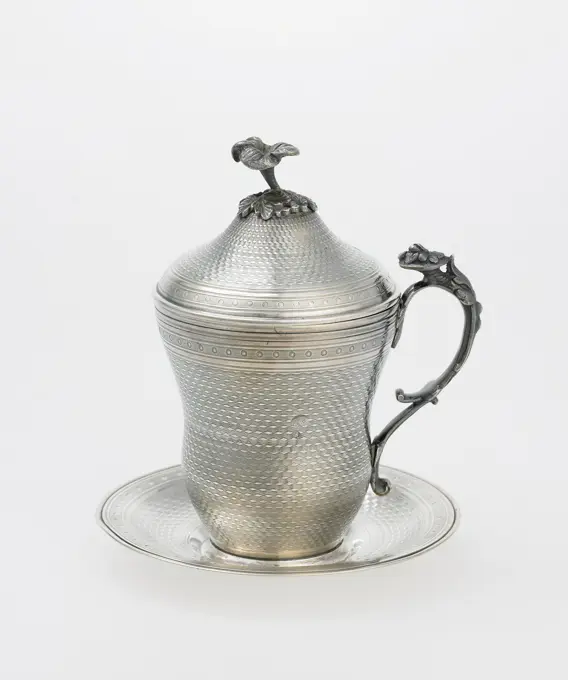
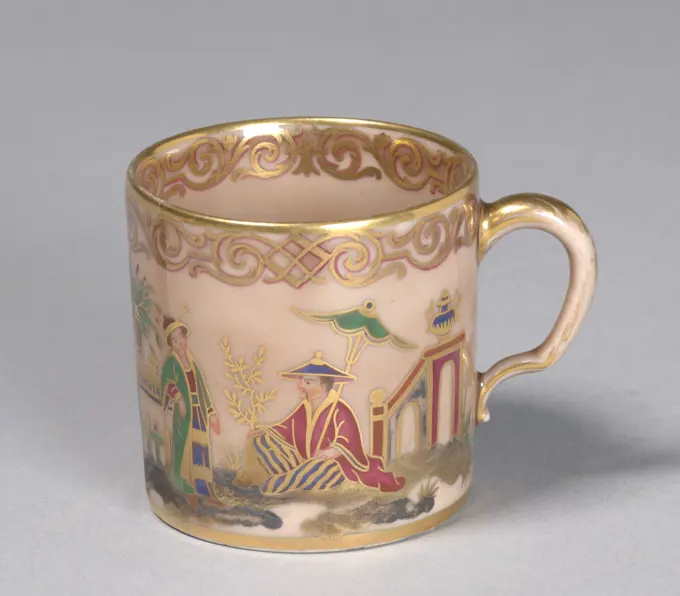
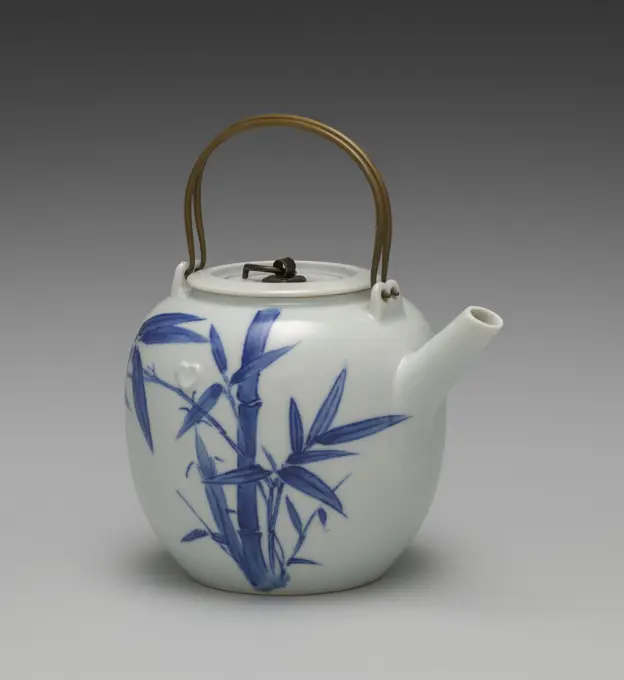
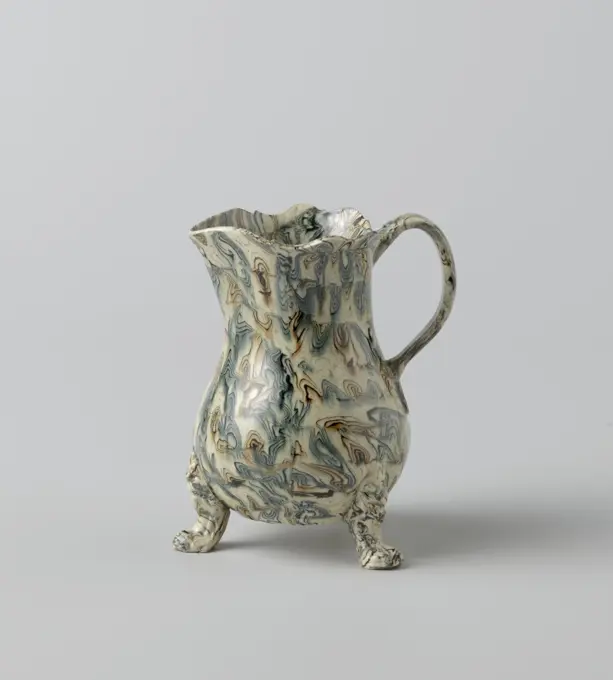
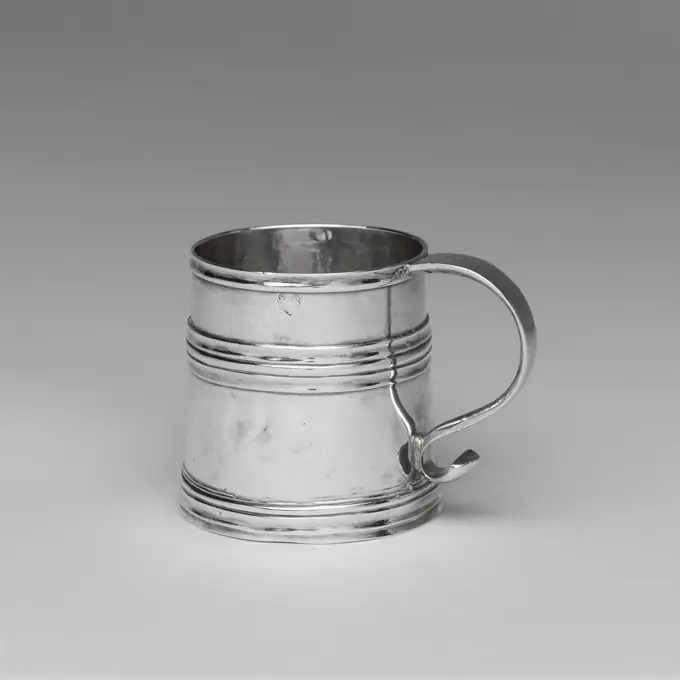
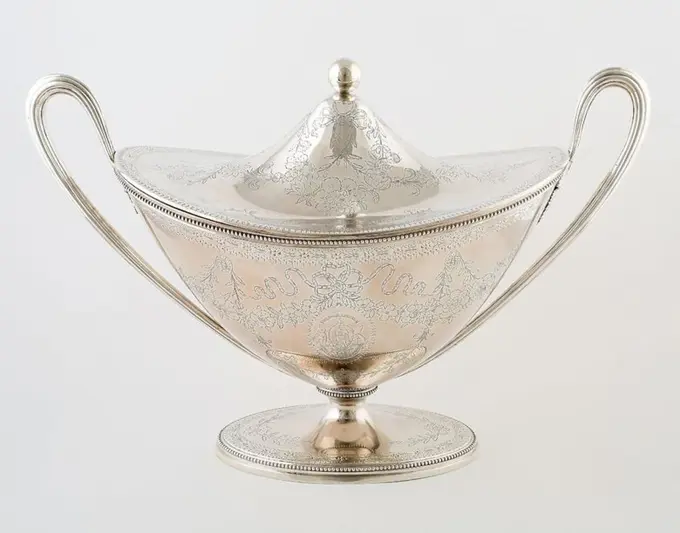
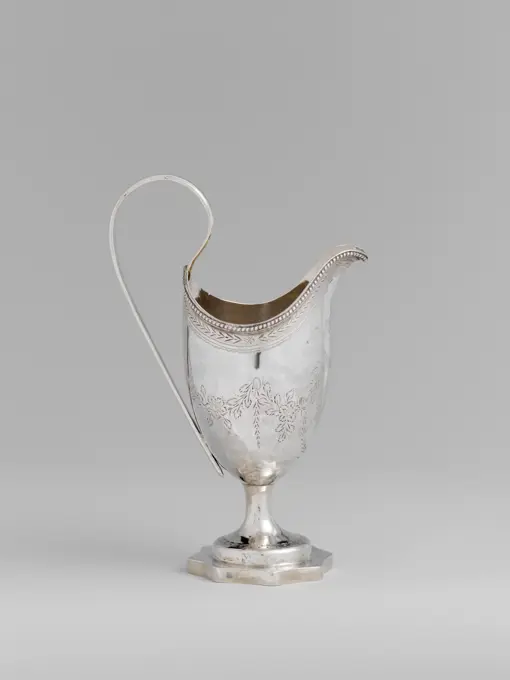
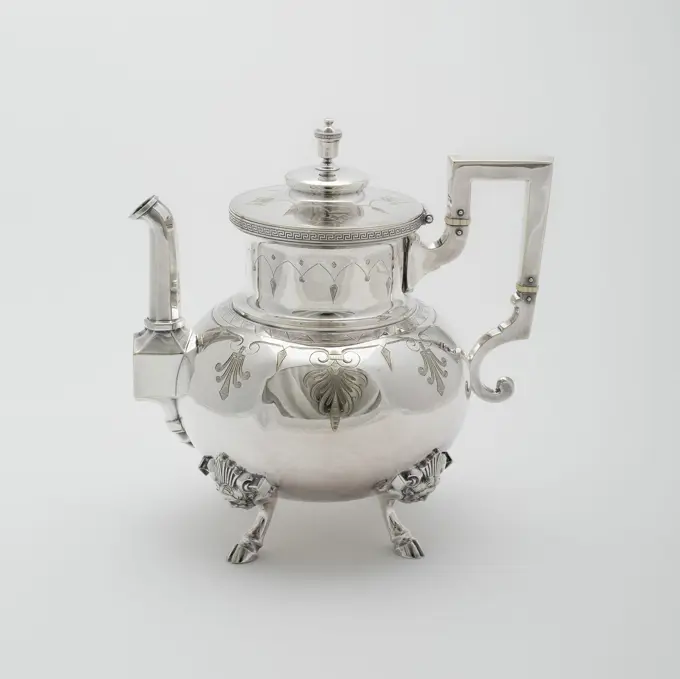
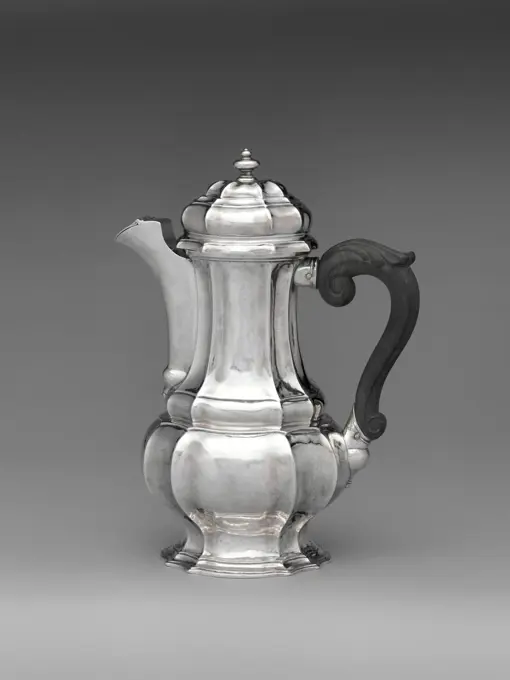
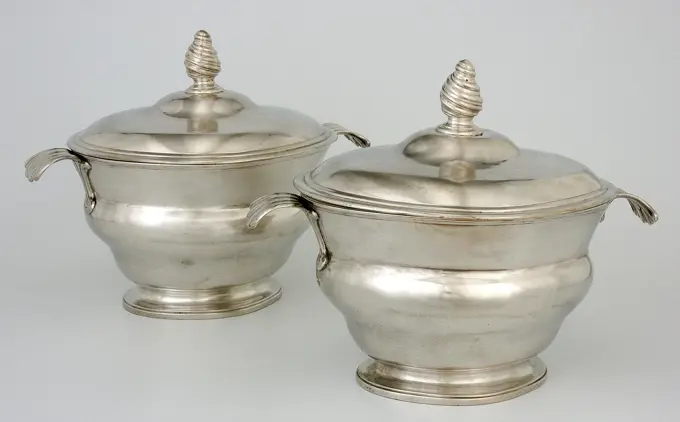
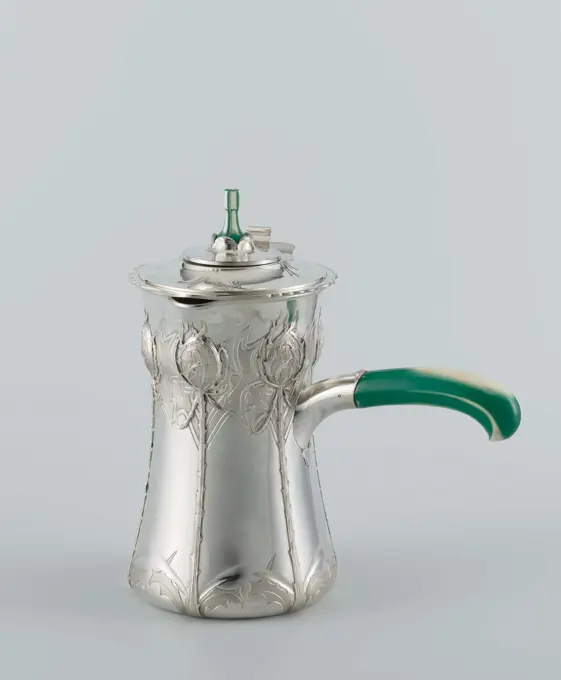
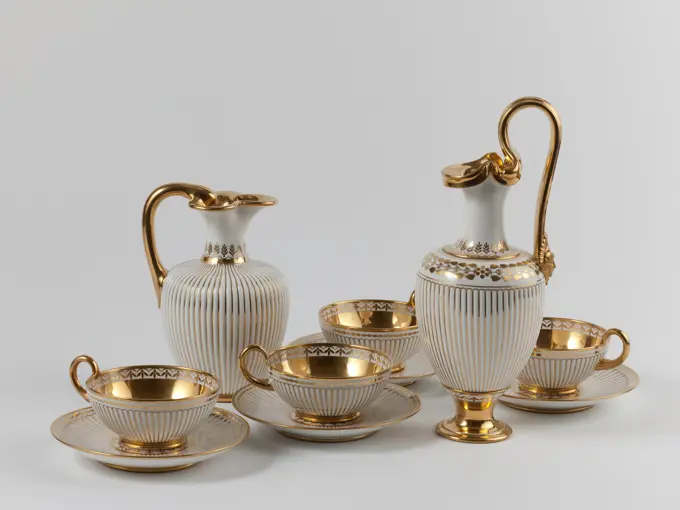
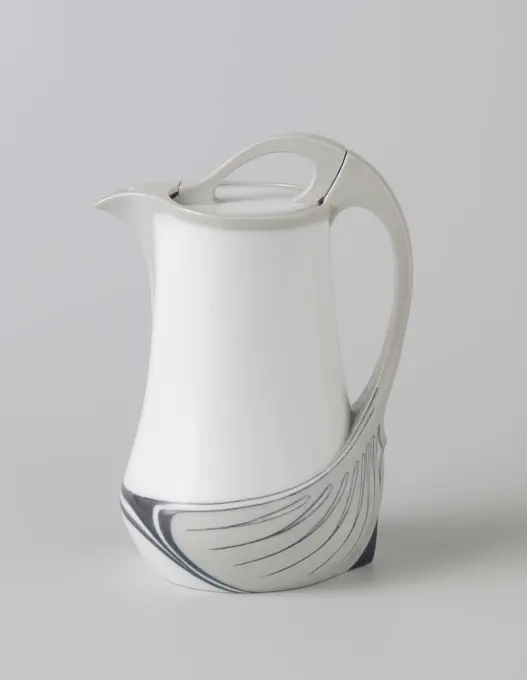
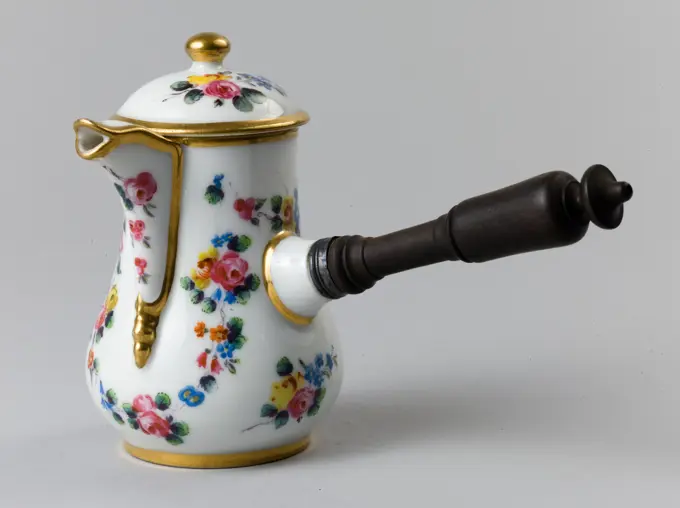
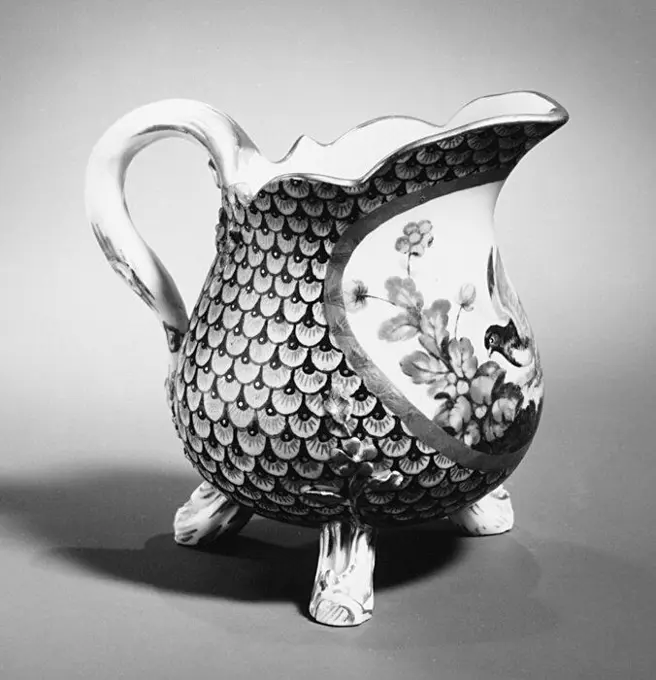
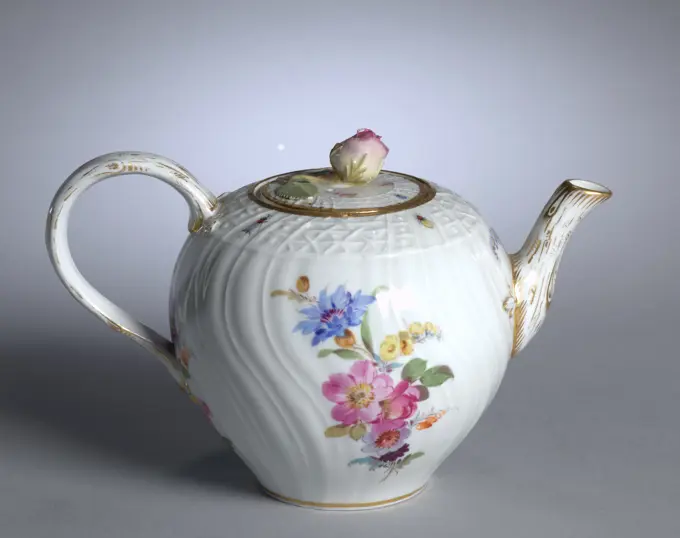
Teapot, c. 1750-70. Meissen Porcelain Factory (German). Porcelain; overall: 14.8 x 46.8 x 20.1 cm (5 13/16 x 18 7/16 x 7 15/16 in.).Teapot 1750-1759 Staffordshire. Lead-glazed earthenware (agateware) .Tankard (one of a pair) 1824-25 Edward Farrell This pair of tankards if an outstanding example of the daring, eclectic historicism that was a specialty of the London silversmith Edward Farrell who collaborated with Kensington Lewis, a retailer. Farrell's work is characterized by boldly chased and cast decoration inspired by Renaissance, Baroque and Rococo designs. Lewis supplied silver to many patrons in the circle of the Prince Regent, but it was famously Prince Frederick Augustus, Duke of York who was his most voracious client.. Tankard (one of a pair). British, London. 1824-25. Silver, gilded silver. Metalwork-SilverSauce Boat. Jacob Hurd; American, 1702/03-1758; Boston, Masssachusetts. Date: 1740-1750. Dimensions: 11.1 × 20.3 × 11.1 cm (4 3/8 × 8 × 4 3/8 in.); 397.5 grams. Silver. Origin: Boston. Museum: The Chicago Art Institute, Chicago, USA.Pitcher 1849-58 Probably United States Pottery Company. Pitcher 5858Creamer (part of a service) 1750-70 Chinese, for Continental European market. Creamer (part of a service) 201231Ewer With figures in a Landscape and Floral scrolls. Porcelain porcelain porcelain, spreading neck, C-shaped ear and straight spout that bends slightly at the top and is attached to the neck. Painted in underglazuus blue. On the belly two landscapes with a sitting and standing person in the other two standing people. Around the foot and on the shoulder a bond with a leaf rank, on the shoulder on this tire pointed leaf motifs. The neck with lotus drinks. The spout and the ear with flower drinks. Arita, blue-white.Milk jug with a wooden ear. Malcz, Karol (1797-1867), goldsmithMaker: Elias Pelletreau, 1726-1810, Creampot, ca.1770-80, Silver, 5 3/8 in. (13.7 cm), Made in Southampton, New York, American, 18thcentury, Containers -MetalsMosterdpot, Anonymous, 1908 - 1909 Oval mustard pot of silver, in Louis XVI style. With corrugated top edge and a vaulted lid. Along the top and bottom an openwork edge. London silver (metal). binnenpot: glass Oval mustard pot of silver, in Louis XVI style. With corrugated top edge and a vaulted lid. Along the top and bottom an openwork edge. London silver (metal). binnenpot: glassShaving jug 1736 John Williamson Small oval-section jugs were characteristically made for shaving sets.. Shaving jug 204990Teapot ca. 1690 Dutch. Teapot 205511Ewer. Richard Morrell; English, active 1703; London, England. Date: 1671. Dimensions: H. 19.1 cm (7 1/2 in.). Silver gilt. Origin: London. Museum: The Chicago Art Institute, Chicago, USA.Jug, Foxes and Hounds” pattern.   Maker:  Minton and Company, British, founded 1793Tankard. John Burt; American, 1692/93-1745/46; Made in Boston, Massachusetts. Date: 1724-1734. Dimensions: 20.32 × 12.7 × 20.32 cm (8 7/8 × 5 1/4 × 8 1/4 in.). Silver. Origin: United States. Museum: The Chicago Art Institute, Chicago, USA.Cup with ornamental borders, anonymous, c. 1800 - c. 1820 Porcelain head with a high, curled ear, painted on the glaze in red, green and gold. The head is almost completely covered with gold. The outer wall is decorated with different tires: above the foot an egg list on a green background, a leaf shelf into gold, flower vines and shell motifs on a red background and zigzag lines in gold. The base of the ear is in the form of a palmet and the curl contains a lion mask. Marked on the bottom with a B. Europe porcelain. glaze. gold (metal) painting / gilding / vitrification Porcelain head with a high, curled ear, painted on the glaze in red, green and gold. The head is almost completely covered with gold. The outer wall is decorated with different tires: above the foot an egg list on a green background, a leaf shelf into gold, flower vines and shell motifs on a red background and zigzag lines in gold. The base of the ear is in the form of a palmet and the curl contains a lion mask. MarkedTankard, c. 1680. Andreas Brachfeldt (Russian, born Latvia, active 1661-1697). Cut and seamed silver sheet, repoussé and chased ornament, cast handle and feet, partially gilded; diameter: 17.5 cm (6 7/8 in.); overall: 26.5 x 26.4 cm (10 7/16 x 10 3/8 in.).Teapot. Culture: American. Dimensions: Overall: 9 3/8 x 11 5/16 x 5 3/8 in. (23.8 x 28.7 x 13.7 cm); 23 oz. 19 dwt. (745.5 g)Foot: 4 13/16 x 4 3/16 in. (12.2 x 10.6 cm). Maker: Garrett Eoff (1779-1845). Date: ca. 1825. Museum: Metropolitan Museum of Art, New York, USA.Tea set of stoneware with salt glaze, Joseph Mendes da Costa (1863-1939), 1901 Tea set of stoneware with salt glaze, consisting of a teapot, bowl, bin, milk jug and sugar bowl Amsterdam stoneware vitrification Tea set of stoneware with salt glaze, consisting of a teapot, bowl, bin, milk jug and sugar bowl Amsterdam stoneware vitrificationJug, Glass, Ovoid body, long angled spout, large loop handle, cut pattern of small diamonds bottom of sides, above a row of tick pillar flutes, neck with 3 faceted prismatic rings; spout notched at edges, triangular thumbs piece cut at top of handle; that bottom cut with narrow radiating flutes., Ireland, early 19th century, glasswares, Decorative Arts, JugTankard 1700-1730 Bartholomew Schaats American. Tankard 8223Chocolate Cup and Saucer (Tasse gothique). Royal Porcelain Manufactory (France, Sèvres, 1738-present)Jean-Claude Rumeau (France, active 1806-1822). France, 1817. Furnishings; Serviceware. Porcelain with enamel and gildingPitcher 1835-65 Possibly Redwood Glass Company The applied red threading on the neck of this pitcher is rare.. Pitcher 5683Communion flagon. Culture: British, Exeter. Dimensions: Overall: 11 × 8 3/8 in. (27.9 × 21.3 cm). Maker: John Webber. Date: 1737-38. Museum: Metropolitan Museum of Art, New York, USA.Teapot 1760-65 British (American market). Teapot. British (American market). 1760-65. Stoneware. Made in Staffordshire, EnglandGranada -shaped teapot. Blue cobalt porcelain under cover. Cernuschi Museum, Asia Museum of Asia in the city of Paris.Teapot with sprays in relief, a garland and flowering plants, anonymous, c. 1675 - c. 1724 Porcelain teapot covered with a translucent white glaze and painted on the glaze in blue, red, pink, green, yellow, eggplant, black and gold. The lid in the shape of a leaf. The button has been broken down. Decorated in Europe. China porcelain. glaze. gold (metal) painting / gilding / vitrification Porcelain teapot covered with a translucent white glaze and painted on the glaze in blue, red, pink, green, yellow, eggplant, black and gold. The lid in the shape of a leaf. The button has been broken down. Decorated in Europe. China porcelain. glaze. gold (metal) painting / gilding / vitrificationCandlestick. Leeds Pottery; English, founded 1756. Date: 1780-1800. Dimensions: 14.9 x 7 cm (5 7/8 x 2 3/4 in.). Lead-glazed earthenware (creamware). Origin: Yorkshire. Museum: The Chicago Art Institute, Chicago, USA.Milk jug, blue, with leaves and flowers in relief, Peter Regout, c. 1801 - c. 1879 Milkkan van Blauwsteen, with leaves and flowers in relief over the entire surface. The upper edge of the KAN is sculpted. Maastricht earthenware Milkkan van Blauwsteen, with leaves and flowers in relief over the entire surface. The upper edge of the KAN is sculpted. Maastricht earthenwareConfectioner; Hutton & Sons Ltd (Shefield, Birmingham, London; company Z Otnicz and Platernicza; Fl. 1800-1930); 1895/96 (1895-00-00-1896-00-00);Martelé Coffee Service, c.1900-1910. Gorham Manufacturing Company (American, founded 1831). Silver, ivory; overall: 30.5 cm (12 in.).Art Nouveau milk jug. Orivit AG (Kolonia ; wytwórnia złotnicza ; 1894-1905 ; 1906-1914), authorCoffeepot - Ethel King Tressemann & Vogt, 1880's-1907 Tressemann & Vogt, 1880's-1907Sugarbowl; silver; Overall: 8 x 16.8 x 10.5 cm (3 1/8 x 6 5/8 x 4 1/8 in.)Pitcher. Culture: American. Dimensions: 10 x 11 1/2 x 7 1/2 in. (25.4 x 29.2 x 19.1 cm). Maker: United States Pottery Company (1852-58). Date: 1852-58. Museum: Metropolitan Museum of Art, New York, USA.Drinking jar of tin with lid and a calvary mountain on the bottom. Drinking jar of tin. On the stand ring is a very convex belly, which permits to a narrow neck. The lip edge is decorated with two profiled tires. The lid is slightly vaulted and has a raised circle in the middle. The thumbs of thumb is formed by two fucks and runs through a one-case hinge into the handle, which bends slightly down at the bottom. On the inside a medallion with the Calvarieberg can be seen on the bottom.Creamer. Boston and Sandwich Glass Company; American, 1825-1888; Boston, Massachusetts. Date: 1825-1830. Dimensions: 11.1 × 6.4 cm (4 3/8 × 2 1/2 in. (diam. base). Glass. Origin: . Museum: The Chicago Art Institute, Chicago, USA.Teapot with cover (part of a tea service) 1834 Imperial Porcelain Manufactory, St. Petersburg Russian This group is part of a tea and coffee service of twenty-nine pieces (69.162.1-.29). The design of the service reflects the widespread fascination of the nineteenth century with a variety of pseudo-styles and their indigenous interpretation by the Imperial Porcelain Manufactory.. Teapot with cover (part of a tea service) 205126Teapot with Diffuser and Lid. Germany, Jena; Jenaer Glaswerk Schott & Gen (German, 20th century); Jena Glaswerken (German, 20th century); Designed by Wilhelm Wagenfeld (German, b. 1900). Date: 1932. Dimensions: 13.3 x 16.5 x 27.3 cm (5 1/4 x 6 1/2 x 10 3/4 in.). Glass. Origin: Germany. Museum: The Chicago Art Institute, Chicago, USA.Cann ca. 1765 Samuel Minott. Cann 5354Cream Jug, 1740-1750. Jacob Hurd (American, 1702-1758). Silver; with handle: 9.9 x 8.8 cm (3 7/8 x 3 7/16 in.).Cream Jug. United States, New England, 1830-1840. Furnishings; Serviceware. Pressed opalescent glassJug with medallions, anonymous, c. 1650 - c. 1724 Jug of stoneware on a high foot with a spherical body and a short, wide neck. The C-shaped ear is attached to the neck and shoulder. A few profiles on the neck and foot. Partly covered with cobalt blue and mangangan purple. On the belly in relief four rows of small printed and imposed medallions with a Fleur-de-Lis with purple-saved in a blue background. Blue lines on the foot and neck. Westerwald. Westerwald stoneware. glaze. cobalt (mineral). manganese oxide vitrification Jug of stoneware on a high foot with a spherical body and a short, wide neck. The C-shaped ear is attached to the neck and shoulder. A few profiles on the neck and foot. Partly covered with cobalt blue and mangangan purple. On the belly in relief four rows of small printed and imposed medallions with a Fleur-de-Lis with purple-saved in a blue background. Blue lines on the foot and neck. Westerwald. Westerwald stoneware. glaze. cobalt (mineral). manganese oxide vitrifA mug with a medal from 1673 in Crafting; Schönermarck, Peter (Fl. 1665-Ca 1703), Geelhaar, Caspar (fl. Ca 1667-1728); around 1680 (1675-00-00-1685-00-00);Fryderyk Wilhelm and Hohenzollern (1620-1688), Nymph (Mitol.), Satyr (Mitol.Teapot of red earthenware, anonymous, c. 1830 - c. 1880 pot Hexagonal teapot made of red earthenware. The pot has a hexagonal spout, a hexagonal lid and a fixed handle. The sides of the pot are decorated in relief with Chinese dragons. The lid has a button in the shape of a lion. The handle ends from above in two bumping animal heads. The origin of the spout is a fish head. The pot is marked. England (Possible) Czech Republic earthenwareTankard (schnelle) with a coat of arms, anonymous, c. 1550 - c. 1599 Jug (schnelle) of stoneware with cylindrical, tapered body and C-shaped ear. Profiles under the edge and above the foot. Covered with a brown Engobe. On the body in relief a printed and imposed medallion with a weapon and the edge of the pot et de voire de liege par dix fis deestene apvelen par ... '. Raeren. Rae stoneware. glaze. engobe vitrification Jug (schnelle) of stoneware with cylindrical, tapered body and C-shaped ear. Profiles under the edge and above the foot. Covered with a brown Engobe. On the body in relief a printed and imposed medallion with a weapon and the edge of the pot et de voire de liege par dix fis deestene apvelen par ... '. Raeren. Rae stoneware. glaze. engobe vitrificationPitcher, one of a pair, c. 1810-1820, 8 3/4in. (22.2cm), Porcelain, gilt, England, 19th centuryTea-pot. Sandstone, Qing dynasty (1644-1912). Provenance: China. Paris, Cernuschi museum. 78837-6 Asian art, Chinese art, living art, ceramic, Ching dynasty, Qing dynasty, Tsing, GRES dynasty, service to the, theiere, dishesEwer Formed as Sprouting Bamboo 1101-1200 Korea. Stoneware with celadon glaze and underglaze incised and carved decoration .Covered tasse and saucer, 19th century, 6 5/16 x 5 5/16 x 5 5/16 in. (16.03 x 13.49 x 13.49 cm), Silver, Ottoman Empire, 19th centuryTray (USA), ca. 1915; Manufactured by Sweetser Co., New York; silver, goldMiniature pipkin ca. 1720-30 David Clayton British Listen to experts illuminate this artwork's story Listen Play or pause #413. Retail Value. High and Low Supported by Bloomberg Philanthropies We're sorry, the transcript for this audio track is not available at this time. We are working to make it available as soon as possible.. Miniature pipkin. British, London. ca. 1720-30. Silver, ebony. Metalwork-Silver-MiniatureSauceboat ca. 1745 British, Staffordshire. Sauceboat. British, Staffordshire. ca. 1745. Salt-glazed stoneware. Ceramics-PotteryCup, 1778. Sèvres Porcelain Factory (French, est. 1756). Hard-paste porcelain; diameter: 12.9 cm (5 1/16 in.); overall: 6 cm (2 3/8 in.).Teapot with Bamboo, c. 1915-40. Seifū Yohei IV (Japanese, 1872-1951). Porcelain with underglaze blue, molded design and metal handles; with handle: 16 cm (6 5/16 in.); lid: 0.5 x 7 cm (3/16 x 2 3/4 in.); width with spout: 14.5 cm (5 11/16 in.).Candyer with lid; Manufacture Nationale de Porcelaine de Sevres (1756-), Sevres; 1804-1805 (1804-00-00-1805-00-00);plant decorations, bay leafTeapot 1810-30 Joseph Warner. Teapot. American. 1810-30. Silver. Made in Philadelphia, Pennsylvania, United StatesSugar tongs, 1883, Gorham Manufacturing Company, Providence, Rhode Island, 1865-1967, 5/8 x 5 1/4 x 2 1/4in. (1.6 x 13.3 x 5.7cm), Silver, United States, 19th centuryMilk jug of hard baked earthenware; Whieldon Ware, Agate Ware ("Kievit"), Whieldon, c. 1750 - c. 1765 Pear -shaped milk jug of hard baked pottery. The milk jug has a C-shaped ear, a triangular SNEB and a scalloped edge. The jug is on three legs bent out. The milk can have a marbled appearance. Fenton earthenware. lead glaze Pear -shaped milk jug of hard baked pottery. The milk jug has a C-shaped ear, a triangular SNEB and a scalloped edge. The jug is on three legs bent out. The milk can have a marbled appearance. Fenton earthenware. lead glazeSugar bowl with lid, belonging to a tea set of Chromolith Steengoed, decorated in blue and yellow -brown, Villeroy & Boch ceramic work K.G., c. 1911 - c. 1912 Sugar bowl with lid, belonging to a tea set by Chromolith Steengoed. Decoration in blue and yellow -brown. The lower half of the pot is hexagonal. Metling mastery stoneware Sugar bowl with lid, belonging to a tea set by Chromolith Steengoed. Decoration in blue and yellow -brown. The lower half of the pot is hexagonal. Metling mastery stonewareCover of Sugar Pot, N.V. Haagsche Plateel Factory Rozenburg, 1903 Cover of porcelain sugar bowl, multi -colored painted with poppies within an ornamental decor. Part of tea set. The Hague porcelain Cover of porcelain sugar bowl, multi -colored painted with poppies within an ornamental decor. Part of tea set. The Hague porcelainTeapot andcreamer.   Maker: John Vernon, American, active 1787-1816Mug 1700-1725 Benjamin Wynkoop. Mug 5378Saracenic Coffee Pot and Sugar Bowl 1895 New York City. This coffee pot, with its spherical base, narrow neck, and elongated spout, is based on Islamic vessels. Tiffany and Company first incorporated Islamic elements into their wares at the Paris Universal Exposition in 1867. Edward C. Moore, the chief silver designer, drew inspiration from his own collection of Middle Eastern art objects and design books, appropriating such elements as thin, sinuous forms and intricate, repeating patterns. The undersides of these objects are engraved Florence Pullman, a Chicagoan who was the daughter of George Pullman of the Pullman Car Company, which was famous for labor strikes by workers and the formation of the first African American labor union, the Brotherhood of Sleeping Car Porters.. Silver and silver gilt . Tiffany and CompanyCup with Handle 1845-1855 England. Glass; opaque red with relief decoration .Tureen with Cover. William Davie; Scottish, active after 1740; Edinburgh, Scotland. Date: 1783-1784. Dimensions: 32.8 × 47.7 cm (8 8/16 × 18 3/4 in.). Sterling silver. Origin: Edinburgh. Museum: The Chicago Art Institute, Chicago, USA.Creampot 1790-1800 William W. Gilbert In the years following the American Revolution silversmiths favored such classical shapes as the covered urn and the inverted helmet, here represented by this creampot and its matched sugar bowl (23.80.23a, b). Each of these objects is finely engraved below its beaded lip with bright­cut geometric borders and wrigglework and on its body with floral festoons and a bow­tied shield­shaped medallion engraved with an interlaced monogram. The bow­tied ribbons are particularly distinctive, their twists and turns carefully shaded and their ends precisely frayed. Although only the creampot is marked, the ornamental beading and identical bright­cut engraving confirm that they were intended as mates. The original owner of this creampot is not known.. Creampot 2674Two -mouth vase; Holland, Aldwinckle & Slater (London; company z Otnicz; Fl. CA 1838-Ca 1922), Aldwinckle, John & Slater, Thomas (Fl. 1880-1895); 1887/88 (1887-00-00-1888-00-00);. Porcelain factory on the Amsteloper-Amstel, c. 1784-1809Hard-Paste PorcelainMilk jug. Pear-shaped milk jug on three outs of curved legs. The S-shaped handle has been edited. A engraved line runs along the knurled top edge with a spout. The milk jug has been labeled: STK. = Amsterdam, JRL. = H (1742), Mt. = Arnoldus van Geffen, an ax and a letter N.Coffeepot ca. 1760 British (American market). Coffeepot. British (American market). ca. 1760. Stoneware. Made in Staffordshire, EnglandChocolate pot with a molinet, Ernest Cardeilhac, c. 1900 Chocolate poth made of silver with horizontal handle of ivory. Cylinders -shaped, with slightly bent wall. The wall is decorated with 6 stylized teasel plants in relief. A hole is a hole in the vaulted lid, so that the stirring stick can be stabbed. Paris silver (metal). ivory Chocolate poth made of silver with horizontal handle of ivory. Cylinders -shaped, with slightly bent wall. The wall is decorated with 6 stylized teasel plants in relief. A hole is a hole in the vaulted lid, so that the stirring stick can be stabbed. Paris silver (metal). ivoryTeapot of earthenware, Neale & Palmer (Hanley), c. 1790 - c. 1825 Spherical teapot of earthenware. The teapot has a raised edge with a wavy top edge, a C-shaped ear, a straight spout. The teapot is decorated with two ribbed tires between which a band with a silver -colored leaf vank. Hanley earthenware Spherical teapot of earthenware. The teapot has a raised edge with a wavy top edge, a C-shaped ear, a straight spout. The teapot is decorated with two ribbed tires between which a band with a silver -colored leaf vank. Hanley earthenwareTankard.   Maker: Underhill and Vernon, active ca. 1786 - 1787Ewer. Culture: European. Dimensions: Overall: 9 1/4 x 6 5/16 x 4 9/16 in. (23.5 x 16 x 11.6 cm). Date: 12th century. Museum: Metropolitan Museum of Art, New York, USA.Ewer. European. Date: 1401-1450. Dimensions: H: 35.6 cm (14 in.). Brass. Origin: Dinant. Museum: The Chicago Art Institute, Chicago, USA.Cream Pot (part of a set). Gorham Manufacturing Company; American, founded 1831; Providence, Rhode Island. Date: 1900. Dimensions: 13.3 × 12.7 × 9.5 cm (5 1/4 × 5 × 3 3/4 in.). Silver. Origin: Providence. Museum: The Chicago Art Institute, Chicago, USA.Teaspoon, from a children's tea service, c. 1875, James Tuff, 1 7/8 x 1/2 in. (4.76 x 1.27 cm), Silver plated pewter, United States, 19th centuryTeapot ca. 1770 Worcester factory. Teapot 198518Pitcher ca. 1736-71 Pierre-André Utin. Pitcher 207857Hot Water Kettle, part of Tea and Coffee Set 1878 Connecticut. Silver . Rogers and Smith Company (Maker)Peach-shaped wine pot or teapot (pair with 1975.1.1722). Artist: Chinese , Qing Dynasty. Culture: Chinese. Dimensions: Height: 14 cm.. Date: probably 18th century. Museum: Metropolitan Museum of Art, New York, USA.Coffeepot ca. 1740 Hungarian, Érsekújvár Coffee was first brought to Europe from Arabia. The Viennese claim that they looted sacks of coffee beans after the Ottomans withdrew following a failed siege in 1683. It was an Armenian merchant, possibly born in Istanbul, who founded Austrias first coffeehouse in 1685. Precious silverware was the perfect medium to serve this exotic beverage to fashionable and affluent patrons. The makers knowledge of contemporary Italianate Baroque architecture is clearly visible in the coffeepots shape: the body rests like a palace tower on an oval stand. The bold curved spout is closed with a hinged cover to keep the contents warm.LiteratureFine European Silver. Sale cat., Sothebys, London, July 6, 1981, p. 44, no. 166.Judit H. Kolba. Hungarian Silver: The Nicolas M. Salgo Collection. London, 1996, p. 102, no. 79.ReferencesElemér Kőszeghy. Magyarországi ötvösjegyek a középkortól 1867-ig / Merkzeichen der Goldschmiede Ungarns vom Mittelalter bis 1867. BudCoffee Pot with Walnut Handle,  c.1760Coffeeservice. Designer Albert Angell Southwick Manufacturer: Tiffany and Company, American, founded 1837Pair of soup vase;  2 after. 18th century (1740-00-00-1759-00-00);Library of the Krasiński Ordinance (Warsaw - 1844-1944) - collection, Museum of the Krasiński Ordinance (Warsaw - 1860-1944) - collection. The firm of Ernest Cardeilhac produced an accessible form of Art Nouveau silver. The designs are characterized by a combination of motifs based on nature in a repetitive pattern, in this case stylized thistles. The molinet (stirring rod) was used to stir and make the cocoa frothy.Jug British 19th century View more. Jug. British. 19th century. Lustreware. Ceramics-PotteryMilk; Fraget, Józef (Warsaw; Silver and Plated Products Factory; 1824-1945); 19th century (1860-00-00-1899-00-00);Tea-pot. Porcelain with "green family" enamels decor, Qing dynasty (1644-1912). Provenance: China. Paris, Cernuschi museum. 78838-31 Asian art, Chinese art, art of living, Ceramic Fine, Decor Emaille, Ching Dynasty, Qing dynasty, Tsing dynasty, porcelain, Emaillee porcelain, service to the, theiere, dishesTea service ". White Sèvres porcelain with gold nets. Paris, museum of romantic life. Art of the table, white, net, gold, porcelain of sevres, service a the, saucer, cup, carafeMokkakan with lid from the coffee and tea sets 'Saxonia'. MochaKan with porcelain lid, painted in blue and gray. The can have a sneb and a lid. The can be part of the Saxonia coffee and tea service. The can be noticed.Craft handmade ceramic teapot kettle for tea ceremony craft handmade ceramic teapot kettle for tea ceremony copyright: xzoonar.com/natashaxbreenx 22667351Teapot 1760-1775 Staffordshire .Manufacture of Sèvres. "Miniature chocolate maker with lid". Porcelain, wooden handle and metal. 1774-1774. Paris, Museum of Romantic Life. PORCELAINLazio Frosinone Casamari Museo Archeologico5. Hutzel, Max 1960-1990 Post-medieval: paintings on canvas, paintings on wood, wooden church furnishings Governing Body: Abbazia di Casamari General Notes: This record is for the pinacoteca which is part of the Museo Archeologico, housed within the Abbey of Casamari. Hutzel assigned it a separate numbering sequence. German-born photographer and scholar Max Hutzel (1911-1988) photographed in Italy from the early 1960s until his death. The result of this project, referred to by Hutzel as Foto Arte Minore, is thorough documentation of art historical development in Italy up to the 18th century, including objects of the Etruscans and the Romans, as well as early Medieval, Romanesque, Gothic, Renaissance and Baroque monuments. Images are organized by geographic region in Italy, then by province, city, site complex and monument.Dragon shaped traditional chinese teapot on a white backgroundWall Cistern with Spigot. Heinrich, II Hiller; Swiss, 1732-1797; Switzerland. Date: 1785-1795. Dimensions: 24.8 x 26.7 x 16.5 cm (9 3/4 x 10 1/2 x 6 1/2 in.). Pewter and brass. Origin: Sankt Gallen. Museum: The Chicago Art Institute, Chicago, USA.Milk jug (pot à lait à trois pieds) (part of a service) 1767 Sèvres Manufactory French Birds were depicted on Vincennes and then Sèvres porcelain from the earliest years of production at Vincennes, but they were painted as fanciful creations and employed as decorative elements with no concern for fidelity to actual birds. Most of these early painted creatures had little delineation and their coloring was entirely arbitrary. It was not until the late 1760s that the painters at Sèvres began depicting birds that were accurate representations of those found in nature, rendered with specificity and accurate coloration. The impetus for this change was the availability of hand-colored etchings of birds published in George Edwardss (British, 1694-1773) A Natural History of Birds (1743-51) and his Gleanings of Natural History, issued in a series of volumes between 1747 and 1764.[1 The first pieces of Sèvres porcelain decorated with birds copied from Edwardss prints were produced for Charles Teapot.   Maker: Henricus Boelen II, American, 1697-1755