Antique and Vintage Keys Collection

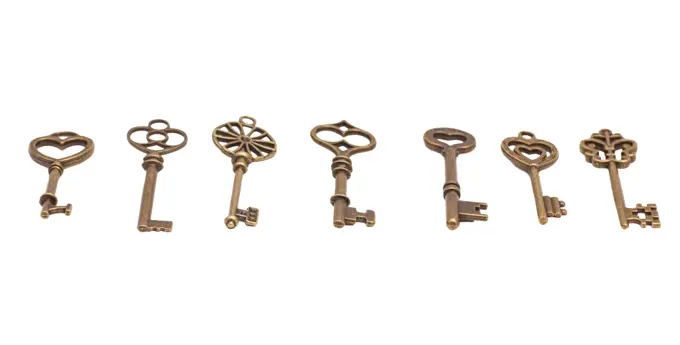
Variety of decorative keys, including antique and rustic designs. These symbolize unlocking and treasures, perfect for home or artistic displays.
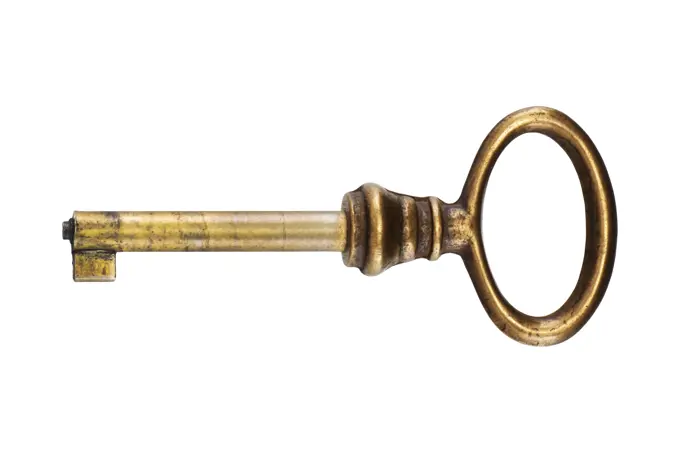
Ein alter Messing-Schlossschlüssel An old brass mortice lock key on white background with clipping path LicenseRF Copyright: xZoonar.com/NigelxStripex 21119825
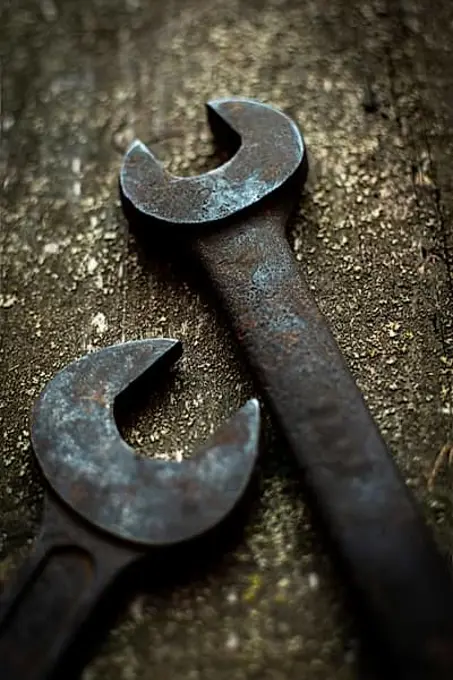
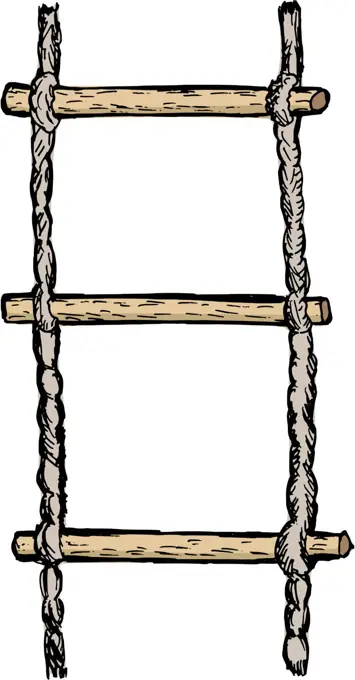
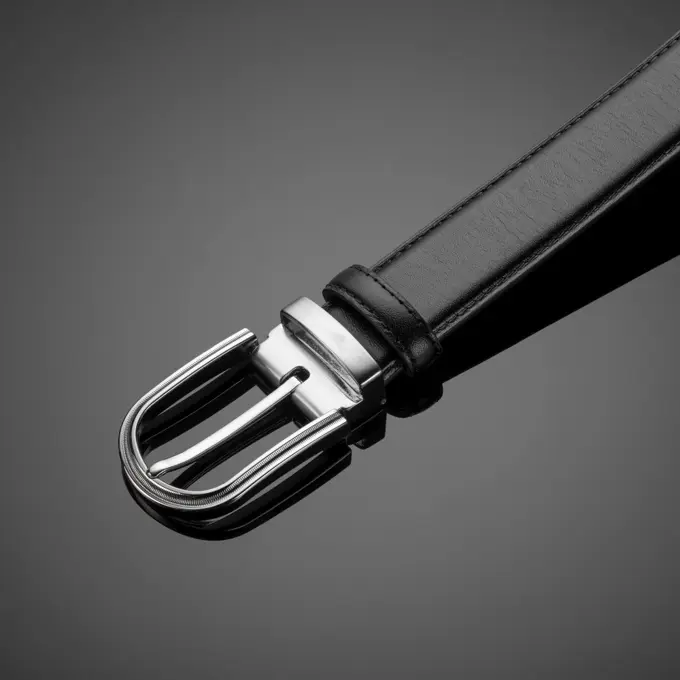
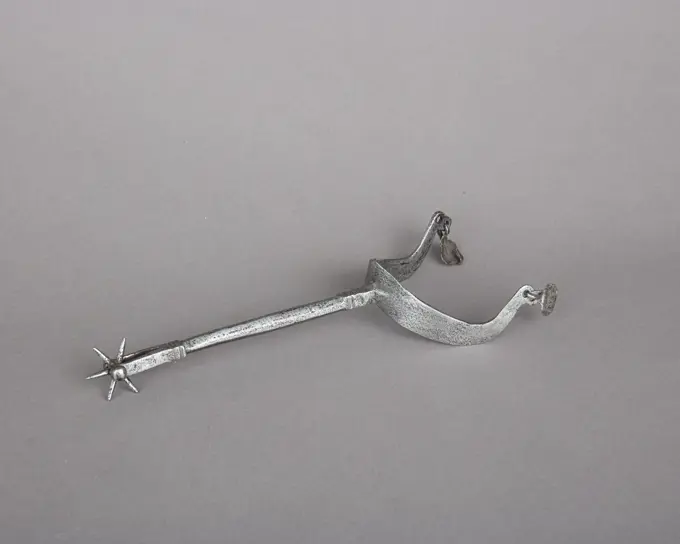
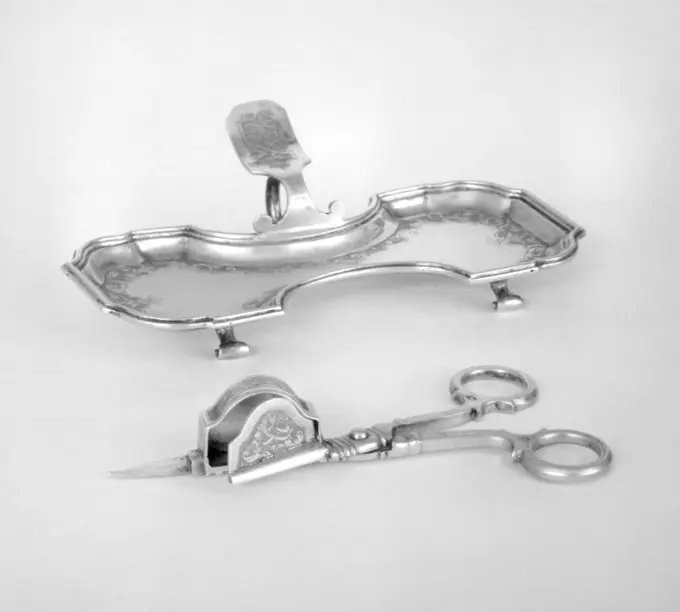
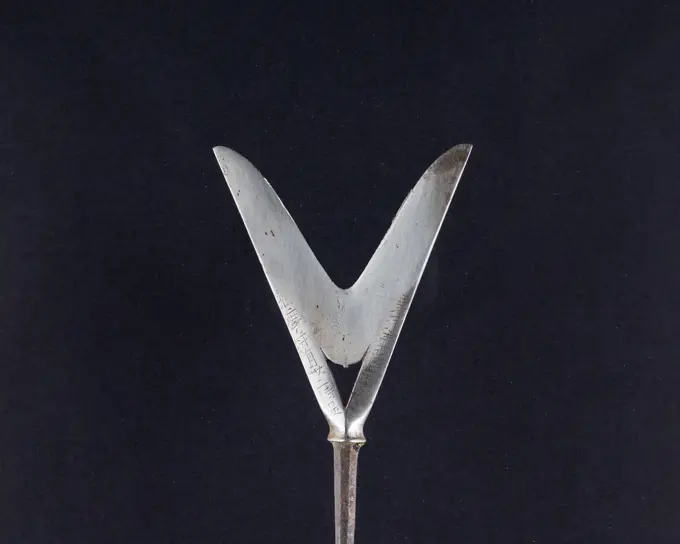
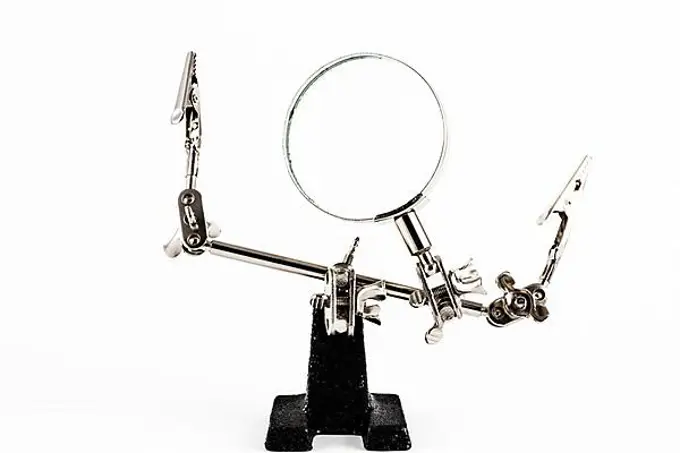
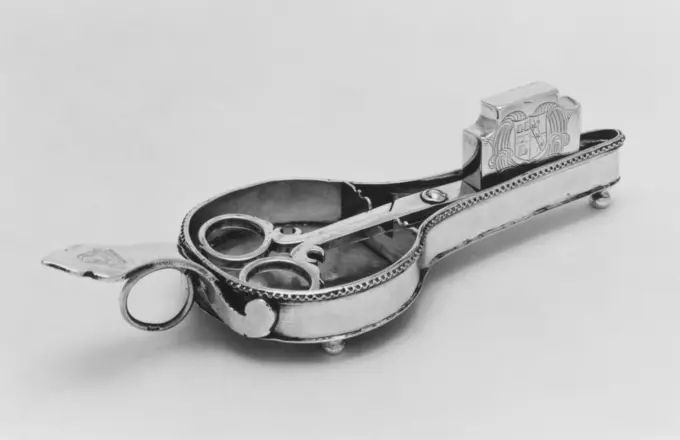
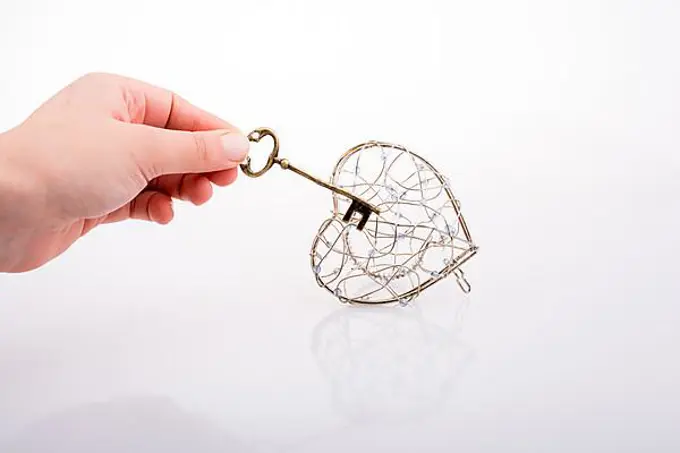
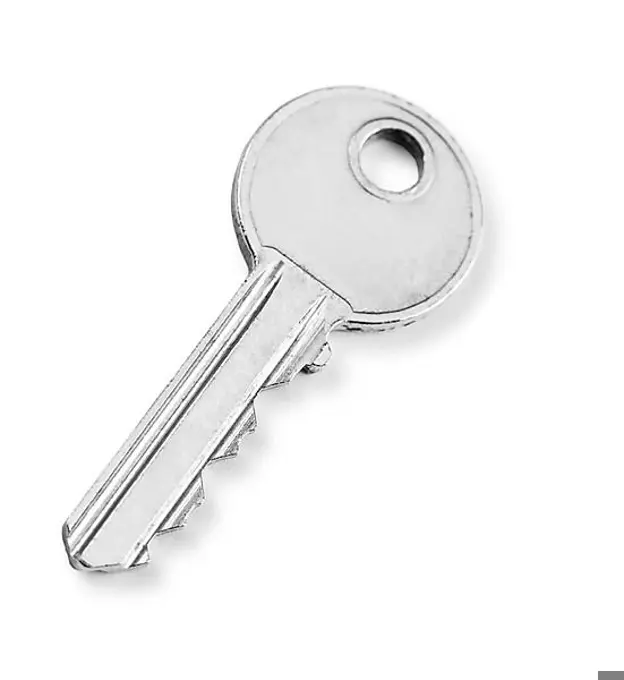
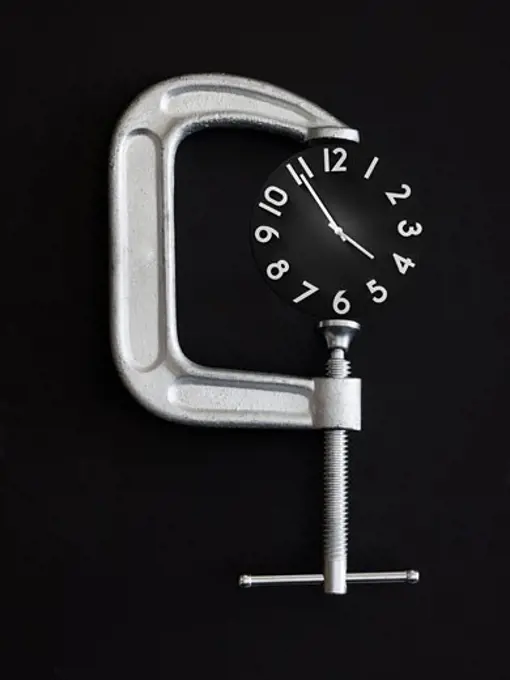
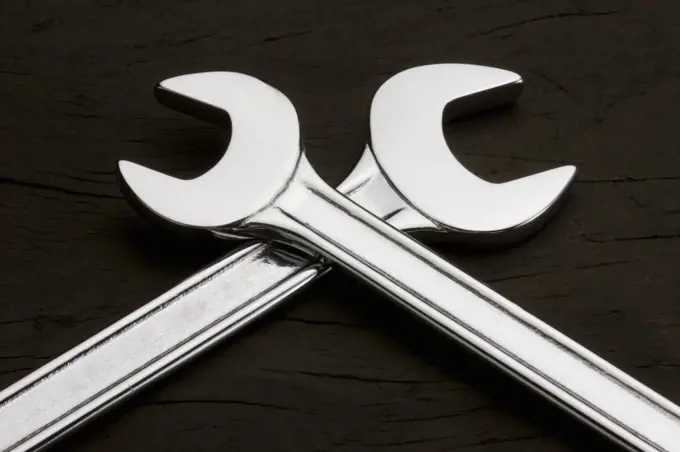
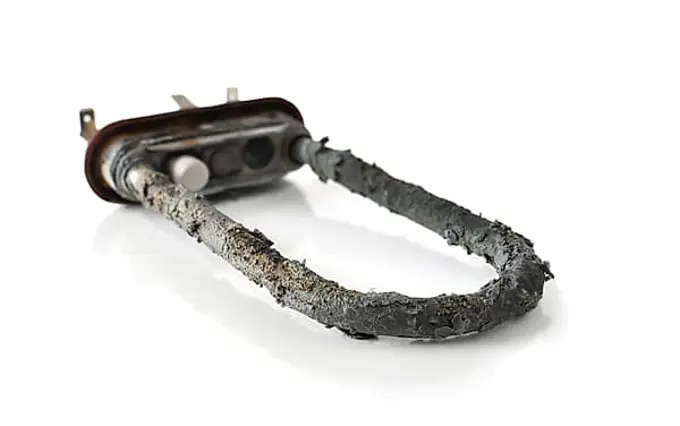
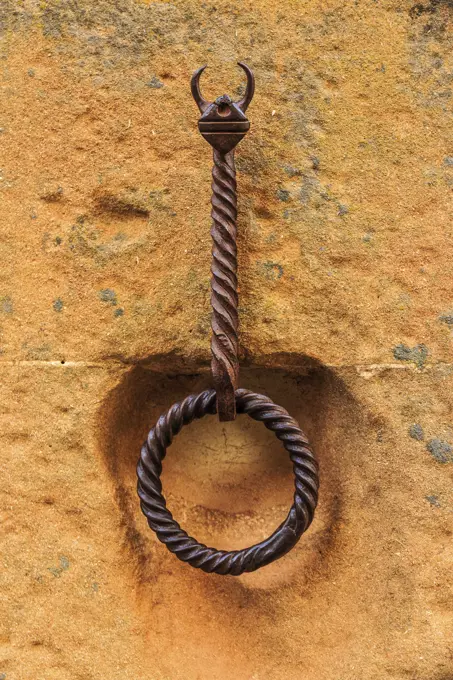
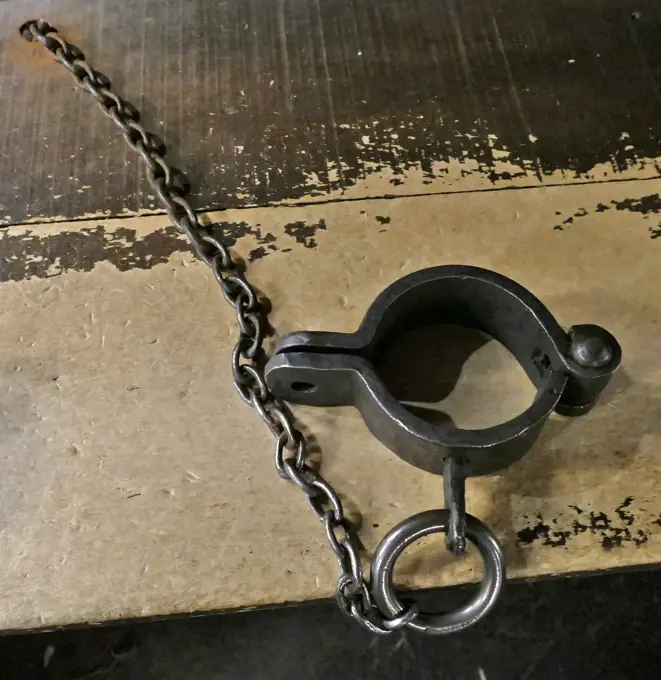
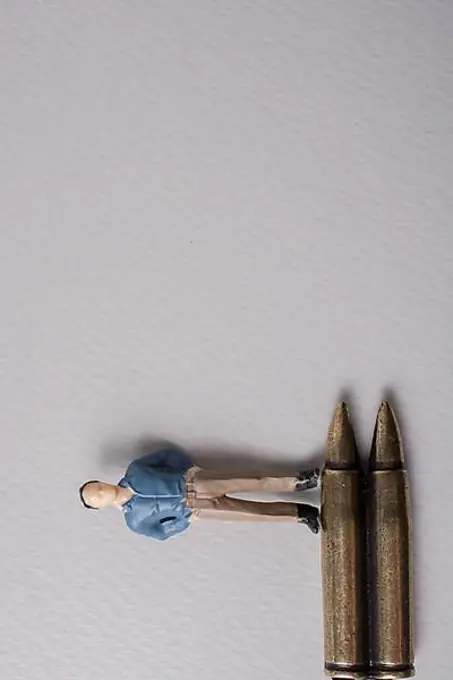
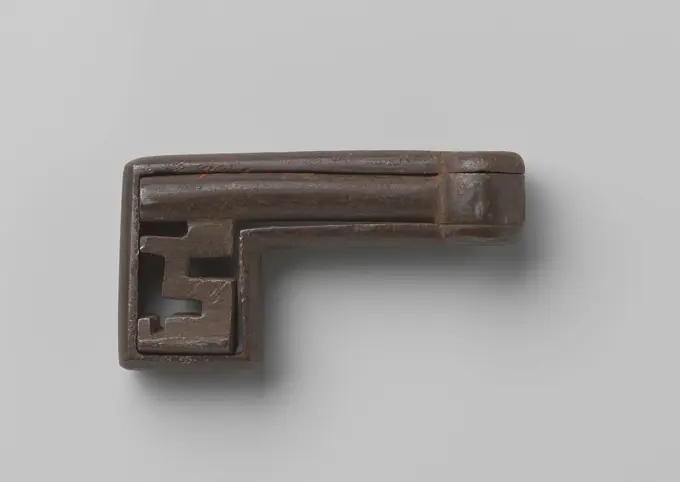
Folding key. Fold key whose wide handle over the beard and shaft can be folded.Adjustable spanner and metal screw nut on a metallic background Design conceptDetail of metal crescent wrench.Retro reusable glass syringe on a white. Retro syringeold brass ring door handle old brass ring door handle on urban door Copyright: xZoonar.com/VVxVoennyyx 5032992Hand holding a small wooden clothespin in handVintage Keys Old VW car keyMetal shackles isolated on the white backgroundRetro key on a spiral notebookleather strap with carabiner on a green backgroundTwo aged metal wrenches lie on a rugged wooden surface, illustrating their wear and the importance of tool upkeep in hands-on craftsmanship activitiesrope-ladderfashionable black leather men’s belt on black background. belt on black backgrounddifferent keys, white backgroundKey icon vector illustration design templateRowel Spur (Left) late 15th century German In the 15th century, rowel spurs with very long necks were of common use in Western Europe. At this period, the elevated war saddles and the very specific riding style, with long stirrup leathers and legs extended forward, had the consequence of taking away the riders feet from the horses flank. Thus, these long necks gave them easier access without having to disturb the riders position. As a knights status was closely related to his horse, spurs became one of the symbols of chivalry, and one of the tokens given to him during his knighting.. Rowel Spur (Left). German. late 15th century. Iron alloy. Equestrian Equipment-SpursSnuffers tray (part of a set) 1735 German, Augsburg. Snuffers tray (part of a set). German, Augsburg. 1735. Silver gilt. Metalwork-SilverRetro styled keys on a green color backgroundtattered book with chain and padlock isolated on white backgroundWrench, vector iconArrowhead (Yanone) 18th century Japanese Although today Japanese warriors are renowned most for their swordsmanship, archery, especially from horseback, has been an essential part of samurai warfare and culture for centuries. Arrows were fitted with heads of varying shape according to their intended use in war, the hunt, or target practice. Arrowheads made for use on the battlefield incorporated different designs intended for specialized purposes such as the piercing of armor or to cause maximum damage to horses and unarmored personnel.Large arrowheads, pierced and elaborately chiseled with landscapes, birds, flowers, dragons, and Buddhist divinities, were created to be admired for the beauty of their metalwork and design rather than for use in archery. Such highly elaborate examples may have been made for presentation or as a votive offerings to a shrine.. Arrowhead (Yanone). Japanese. 18th century. Steel. Archery Equipment-ArrowheadsGreen insect the bug on a white backgroundMagnifier with three handles used for watch repairszipper puller for metal hingesSnaffle Bit. Culture: German. Dimensions: H. 5 in. (12.7 cm); W. 5 1/4 in. (13.3 cm); Wt. 15.3 oz. (433.7 g). Date: ca. 1600.According to contemporary equestrian manuals, the mouthpiece of this strong snaffle bit was made for very bad mouths, very thick tongues and low bars (part of the horses' jaw without teeth). The central pendant, adorned with a pierced interlaced motif, with its small hanging beads, was meant to 'entertain' the horse, who, by playing with it with its tongue, would salivate and relax its jaw. Such strong mouthpieces are unusual on snaffles. This one may have been used on a sleigh horse.The snaffle bit is the simplest type of horse bit, and it has an effect on the bars and the corners of the lips. The rings on the sides would serve to hang the bit on the headstall and attach the reins, while the cheekpieces would help to hold the mouthpiece in place and would press the sides of the mouth when the reins are pulled. Museum: Metropolitan Museum of Art, New York, USSnuffers and tray tray 1670-71; snuffers ca. 1680 British, London. Snuffers and tray 204876Curb Bit 1600-1700 Germany. Iron .Old classic vintage lighter isolated on a white background. Old vintage lighter isolated on a white backgroundClose-up of a paper clipSet of the little model Eiffel TowersKey and a heart shaped metal cage on whiteSingle button isolatedBeauty fashion concept with earringsRetro styled golden color key with a mirrorAnchor, 10epsAn old switch turned onAcupuncture needle. Acupuncture needlesancient medieval weapon cartoon. ancient medieval weapon sign. isolated symbol vector illustration. ancient medieval weapon cartoon vector illustrationclock in a clampElectricity >>hand magnifier isolated on white backgroundhouse brass key and square keychain on ring one house brass key and square keychain on ring isolated on white background Copyright: xZoonar.com/ValeryxVoennyyx 5660430Germany, Hessen, Frankfurt, Screw wrench in factorymetal grey           morocco in    africa the old wood  facade home and rusty safe padlock retro key vintage cartoon. retro key vintage sign. isolated symbol vector illustration. retro key vintage cartoon vector illustrationWhistle and Bells with Coral. Thomas Edwards; American, 1701-1755; Boston, Massachusetts. Date: 1717-1722. Dimensions: 1.9 × 11.4 × 11.4 cm (3/4 × 4 1/2 × 4 1/2 in.); 51.2 grams. Silver and coral. Origin: Boston. Museum: The Chicago Art Institute, Chicago, USA.old watch repair on white backgroundAntique keys on rustic wooden background. Nostalgic still lifeRetro style metal keys in a wooden boxWrench, SpannerFigure-top spoon late 17th century Southern German. Figure-top spoon 188245 Southern German, Figure-top spoon, late 17th century, Silver, parcel-gilt, Length: 5 in. (12.7 cm). The Metropolitan Museum of Art, New York. Gift of Mrs. Samuel P. Avery, 1897 (97.2.222)Scale and deposits on the heating element of a washing machine on a white backgroundVintage tweed cable and chrome plugs used for connecting musical instruments to amplifiers isolated on white background.Old classic vintage lighter on a wooden background. Old vintage lighter on a wooden backgroundred pollished metal on wooden bachkround red pollished metal on wooden bachkround Copyright: xZoonar.com/OxanaxRishnyakx 6952804Treeft, anonymous, c. 1400 - c. 1950 Roast of iron.  iron (metal) Roast of iron.  iron (metal)Italy, Tuscany, Siena, Chiusure. Hill town. Hitching post ring.Keys with blank key ringEmpty black plastic clothes hangers hangingmanacles used for prisoners in English gaols circa 1800Sailor twisted ropes and knots decorative elements collection set isolated vector illustration. Knots Collection Setmetal padlock on. old metal padlock on white background.Gold anchor jewel on a black background.Tableau with jewelry; Hoofse baubles from India. Jewelry of gold with emerald, ruby, diamond and pearls for the Hindu woman.key case on a white backgroundHouse in chains on a white backgroundA keyLee Brown, Candle Snuffer, c 1939 Candle SnufferTiny figurine of man miniature and retro keyChain around a little model house in the viewLarge Brooch. Culture: European Bronze Age. Dimensions: Overall: 11 1/8 x 7 11/16 x 1 11/16 in. (28.2 x 19.5 x 4.3 cm). Date: 1100-1000 BC.This brooch is one of the largest, most complex objects of its type to survive from late Bronze Age Europe. The five dynamic spirals were composed of three long wires. Hanging from the horizontal section are six composite elements: at the top of each is a bird surmounting a horse bit, beneath which are rings and pairs of dagger blades. The numerous hoards containing such objects suggest that they functioned as ritual offerings deposited during burials.The brooch is one of a group of eleven objects (seven other brooches and two bracelets) given to the museum by Josef and Brigitte Hatzenbuehler. Museum: Metropolitan Museum of Art, New York, USA.Man figurine model and Bullet as Conceptual against war photographymetal chain on white backgroundMuseum of old arts and crafts, nodes, pizzighettone, ItalyClose-up of a ball and chainChristmas decoration on slate background7 seven metallic balloon on beige neutral background. Greeting card silver foil balloon number Happy birthday holiday concept. Copy space for text. Celebration party congratulation decorationClose-up of fish hook in waterCarnavalet museum, tokens collectionKey ring with the sign "Liebe", German for "love", symbolic image for "key to love"Calgary Real Estate Keys Show Property For Sale Or Rent In Alberta. Investment Agents Or Brokers Symbol 3d Illustrationmyth word in vintage letterpress wood type, sepia toningChatelaineSilver crucifix from Trondheim, 11th cent. Norway. VIKING.key Picture of a symbolic key with notice Copyright: xZoonar.com/rgbx 851327