Antique Animal Sculptures

Various historical sculptures depicting animals, including a ram's head, figures with dogs, and more. Showcases intricate craftsmanship from different cultures.
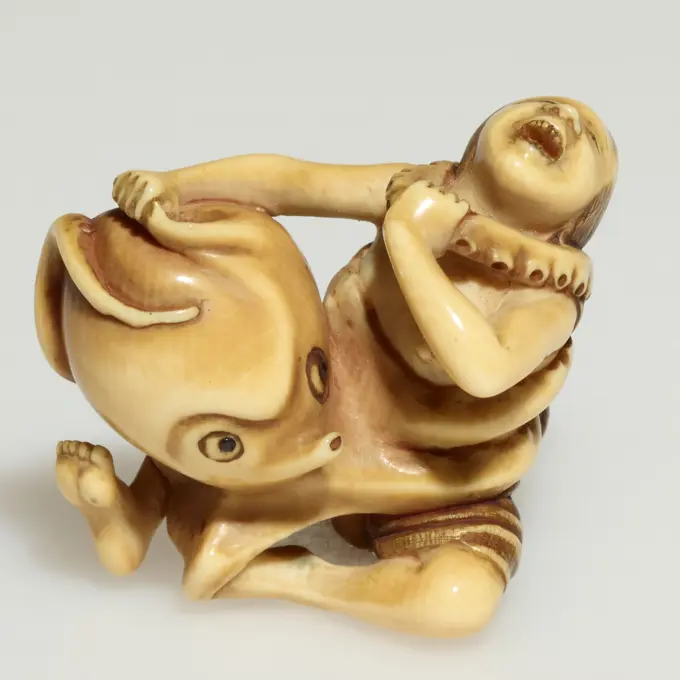
Abalone fishergirl wrestling with an octopus, 19th century, Ransai, Japanese, 1 9/16 x 1 5/8 x 1 5/8in. (4 x 4.1 x 4.1cm), Ivory, Japan, 19th century
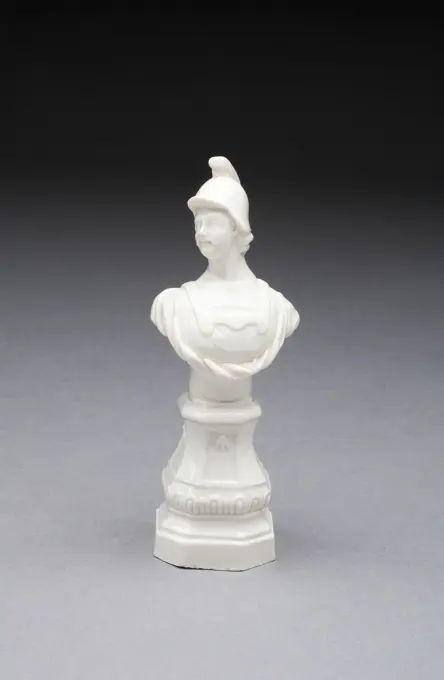
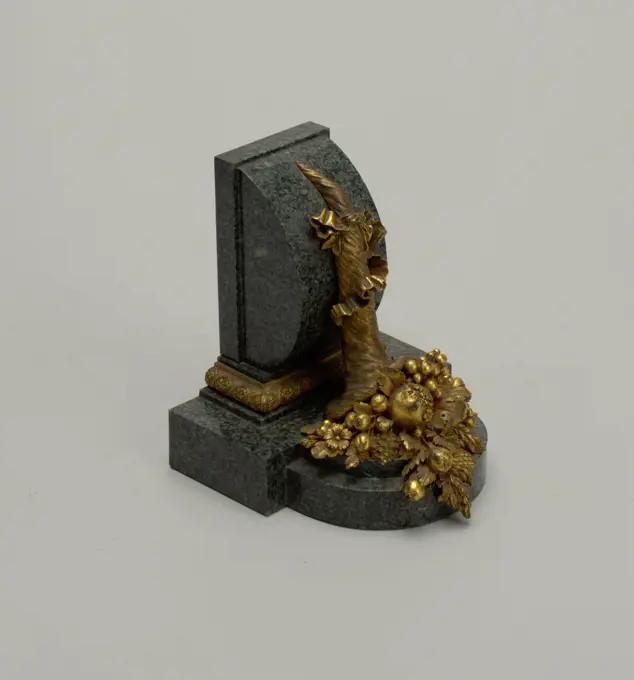
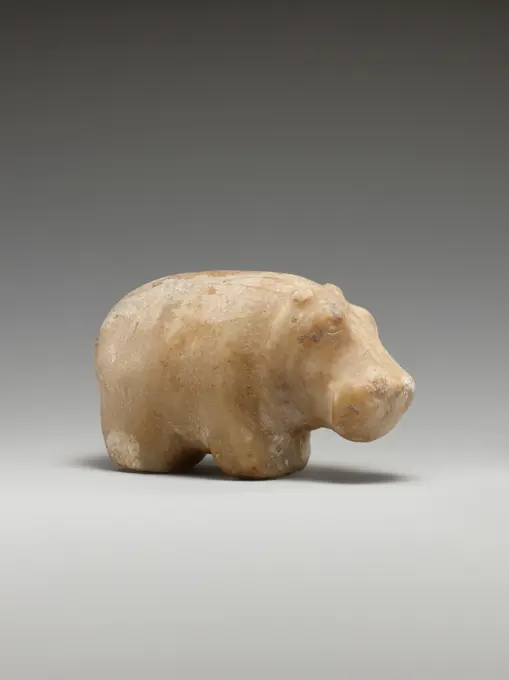
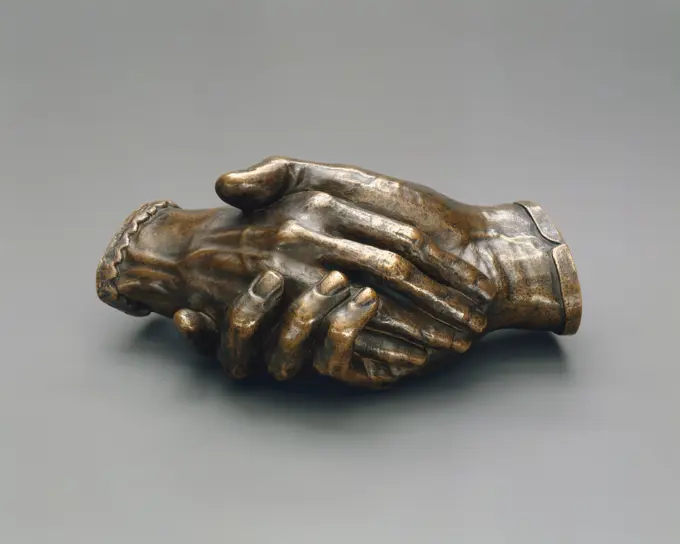
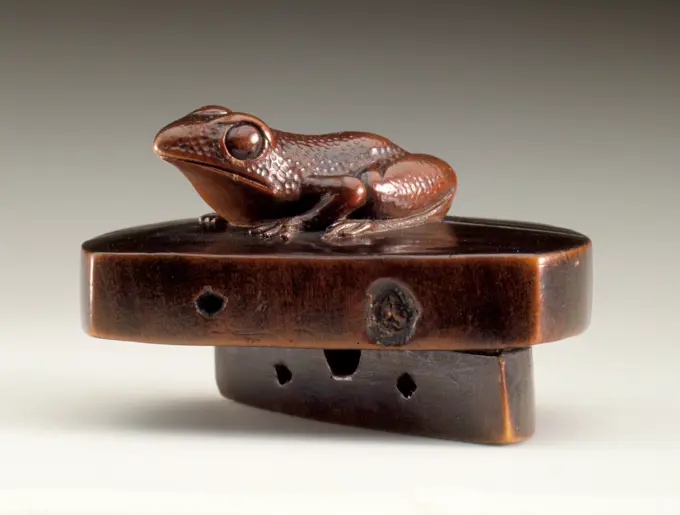
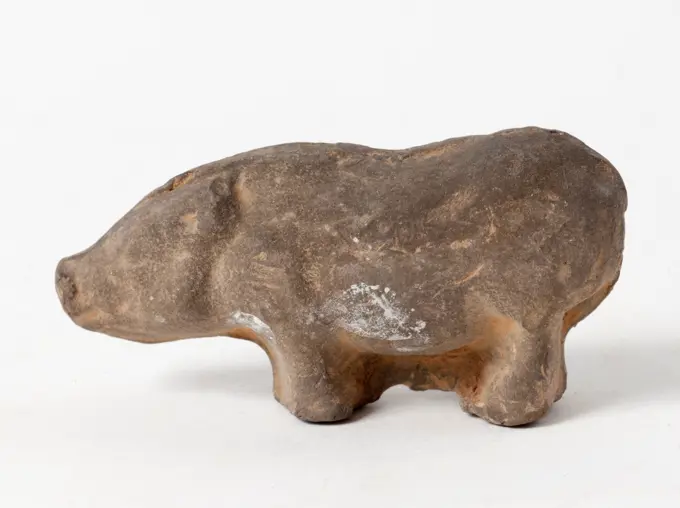
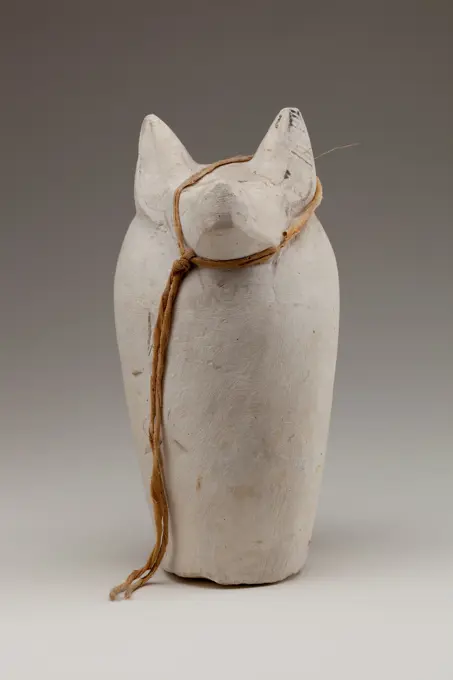
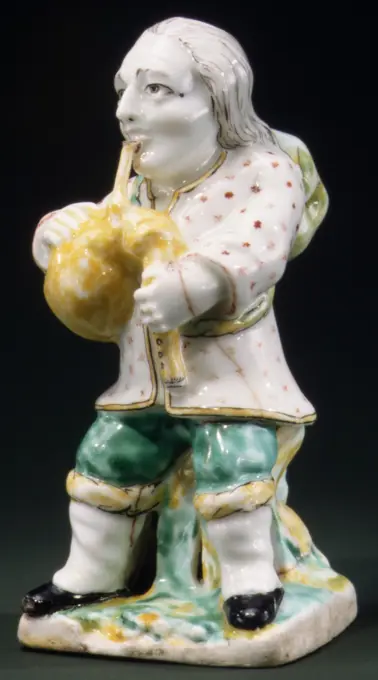
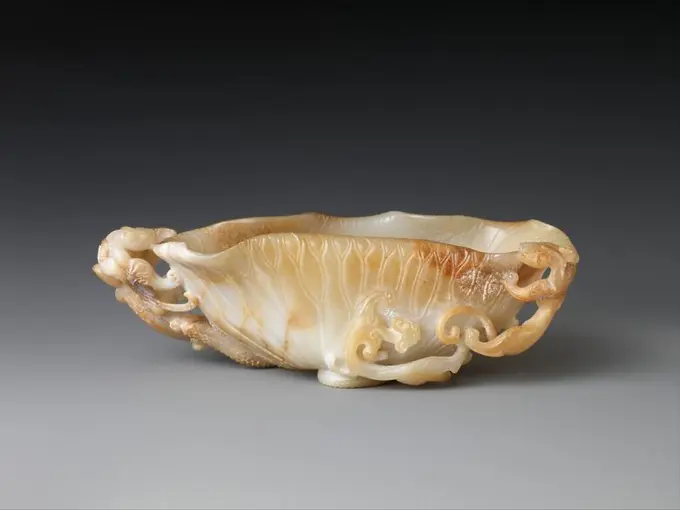
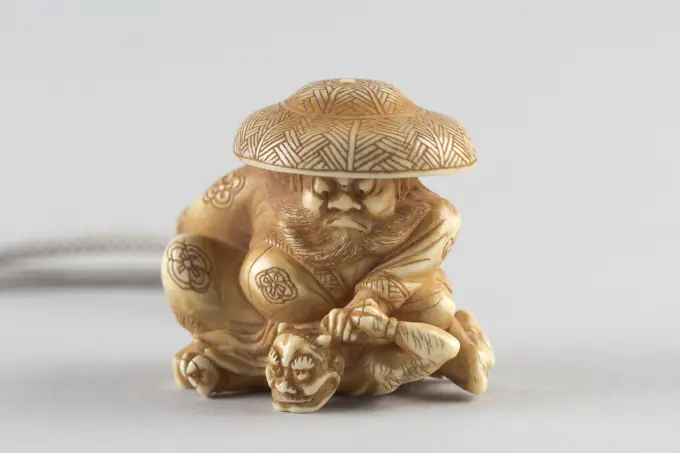
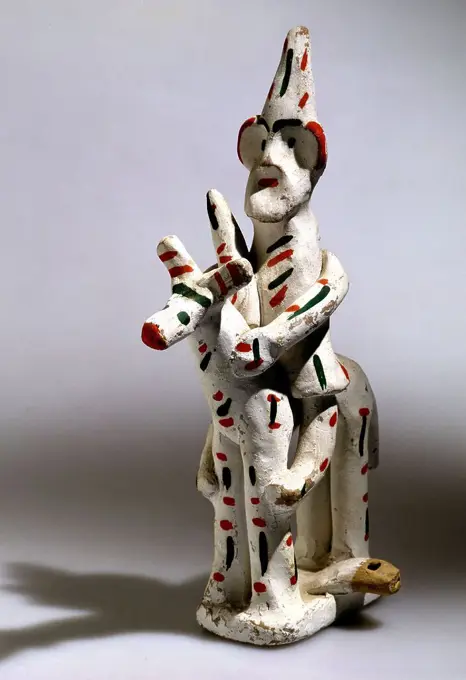
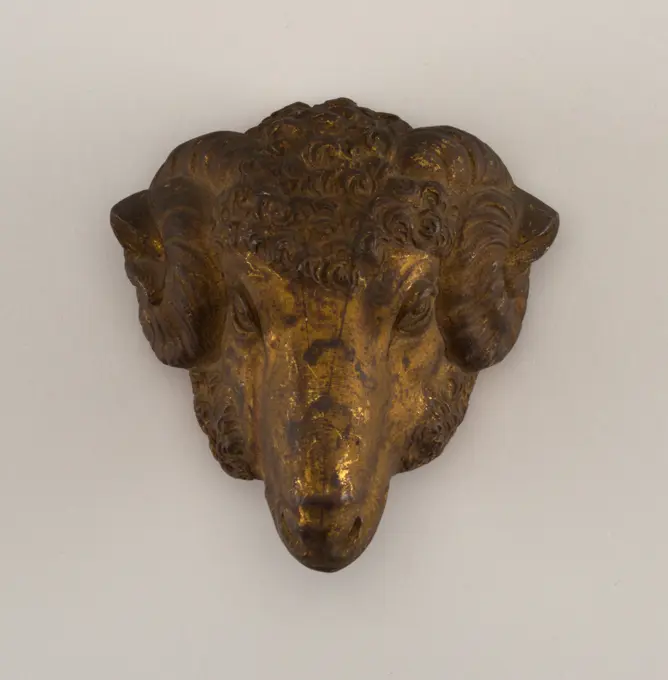
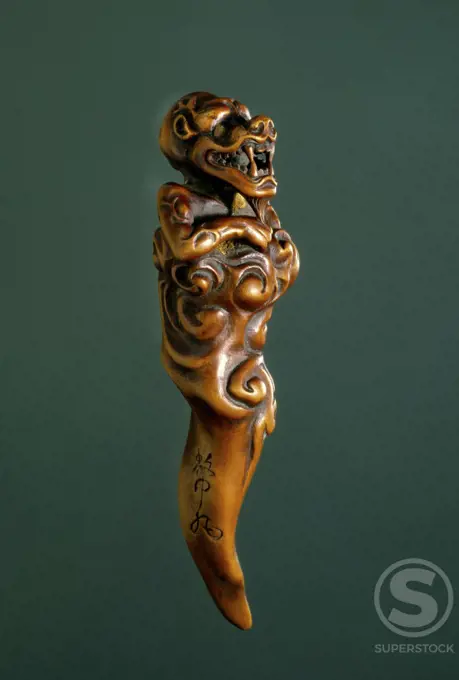
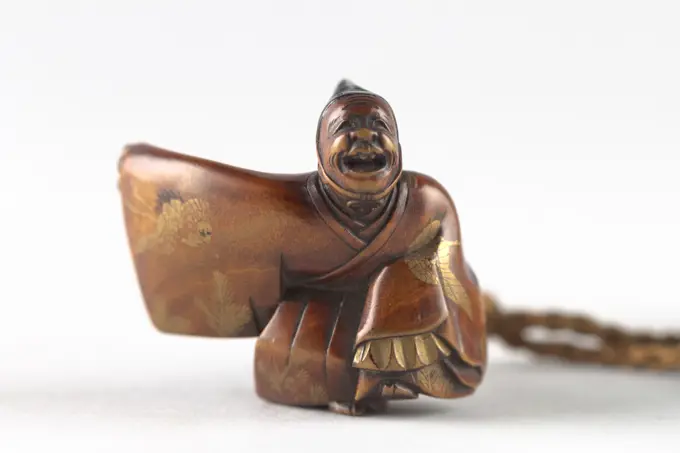
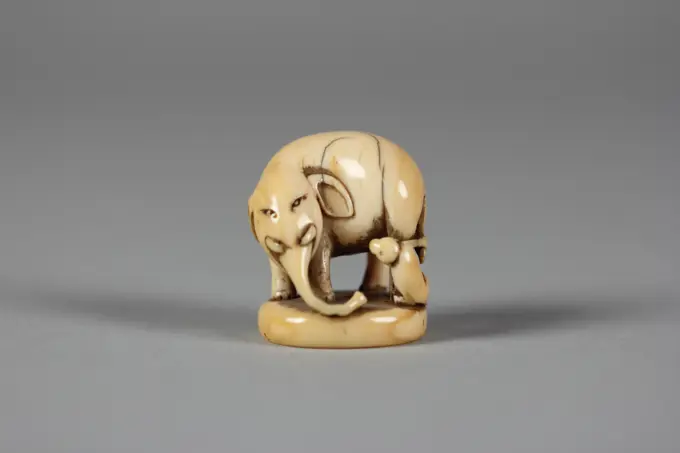
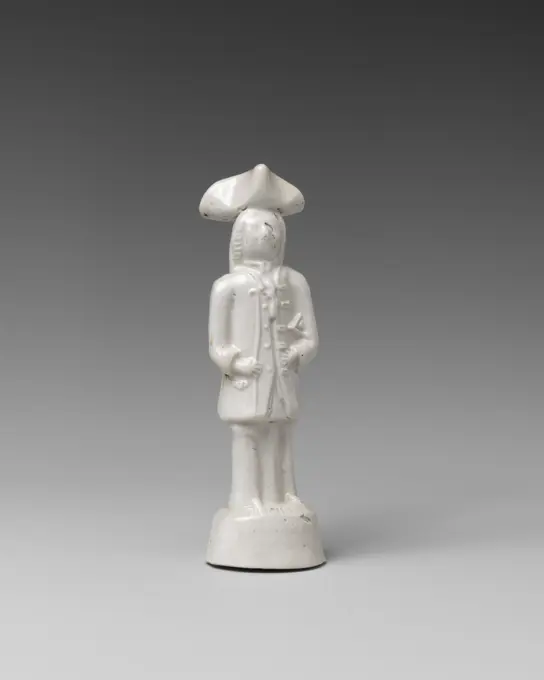
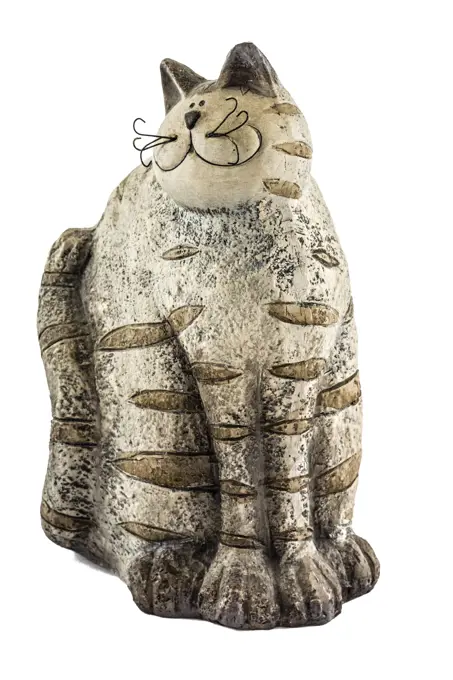
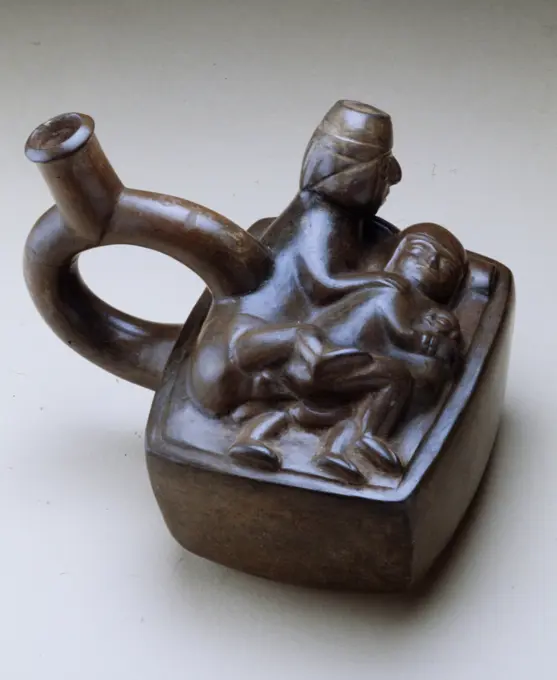
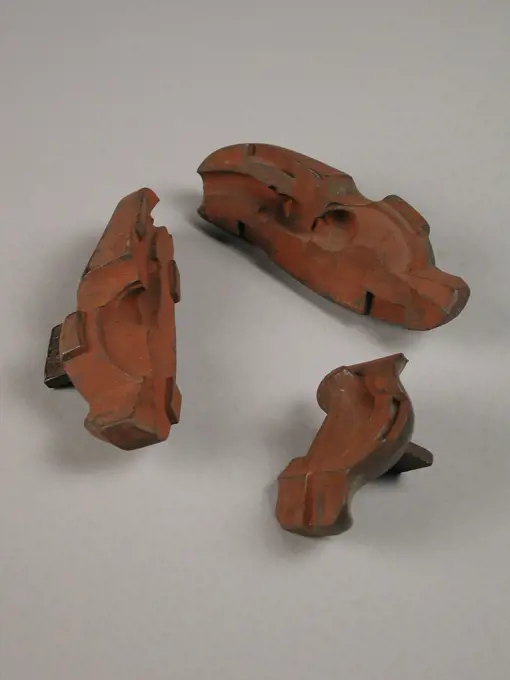
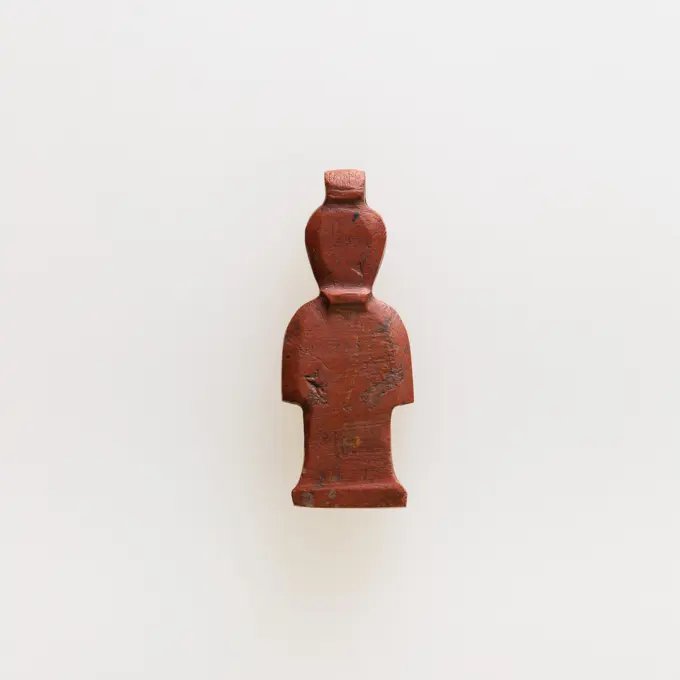
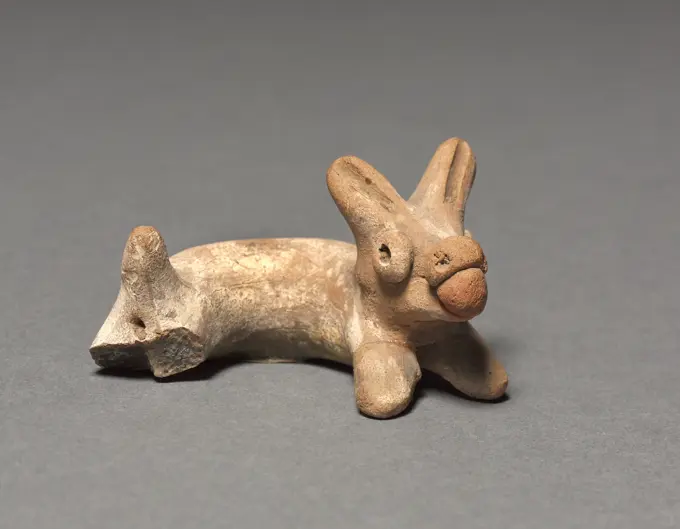
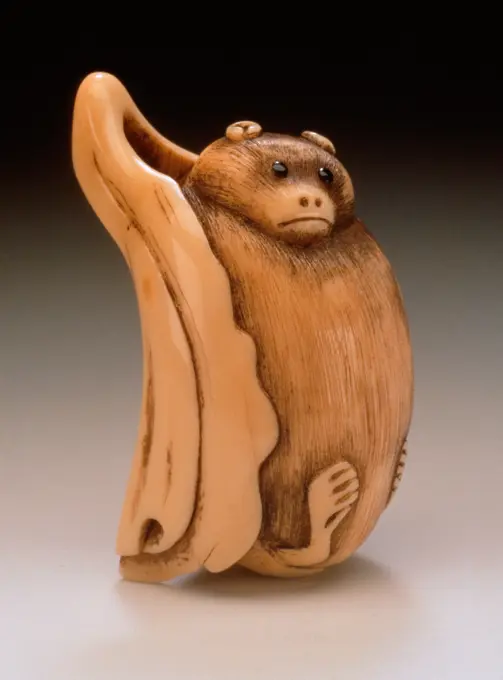
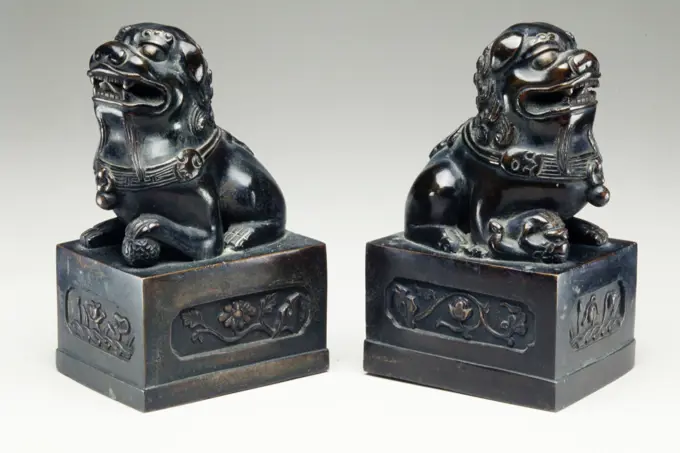
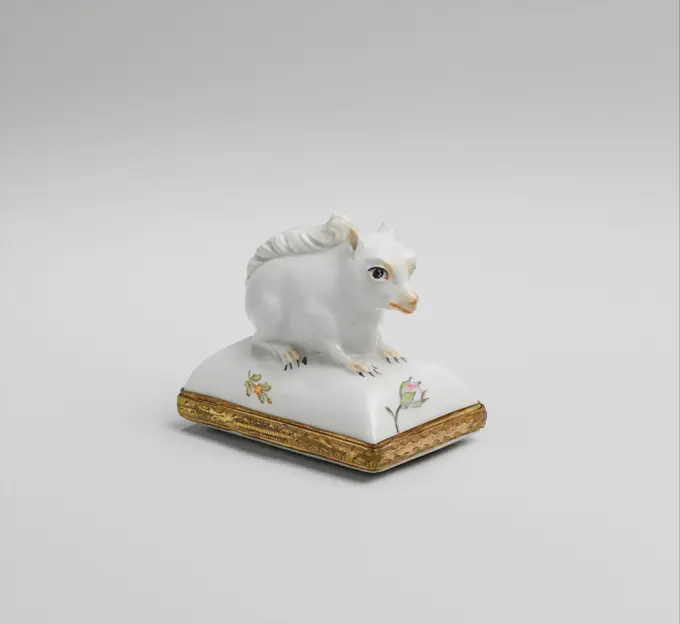
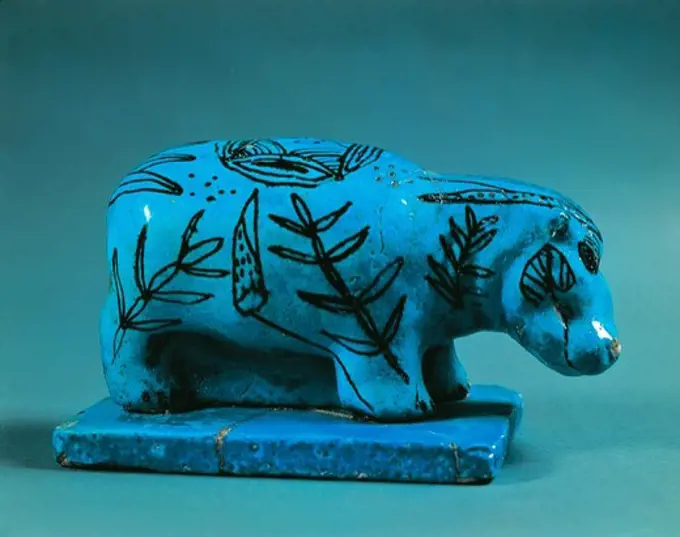
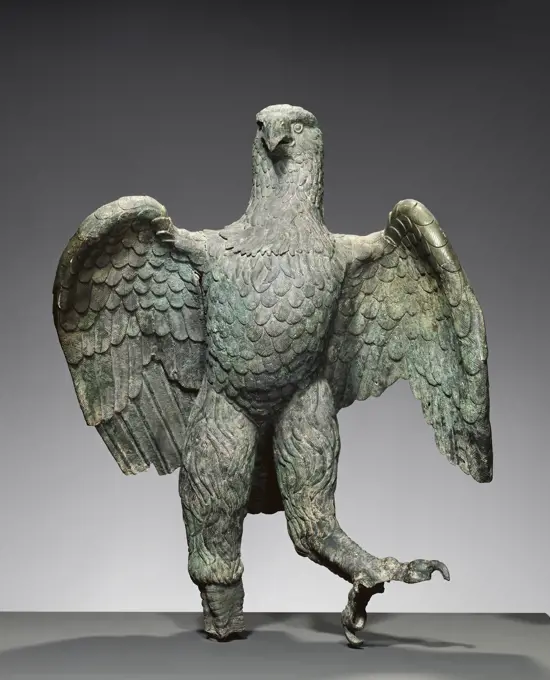
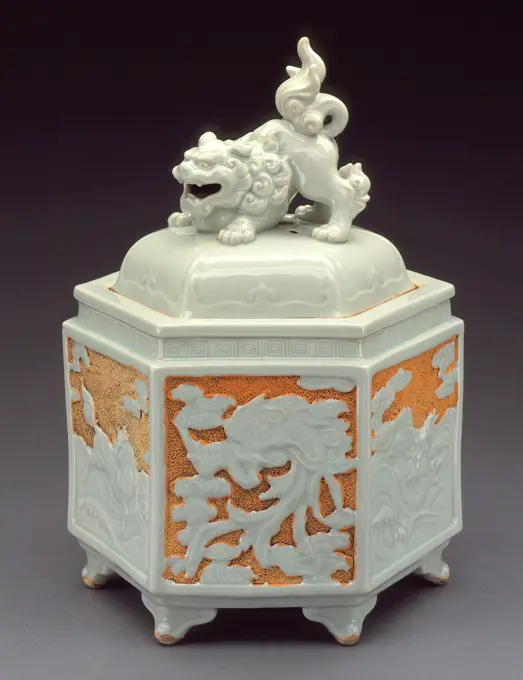
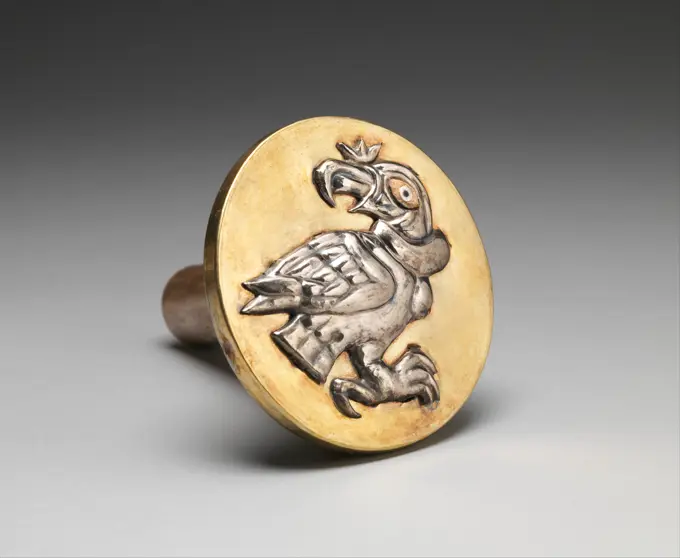
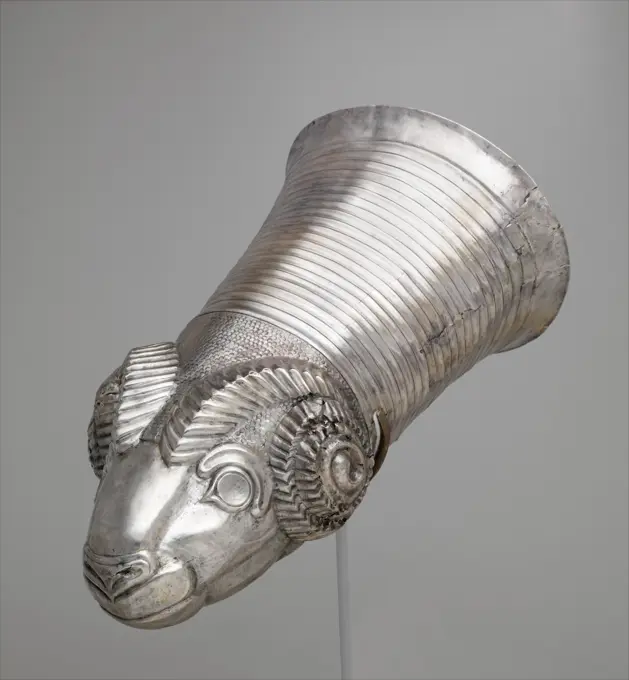
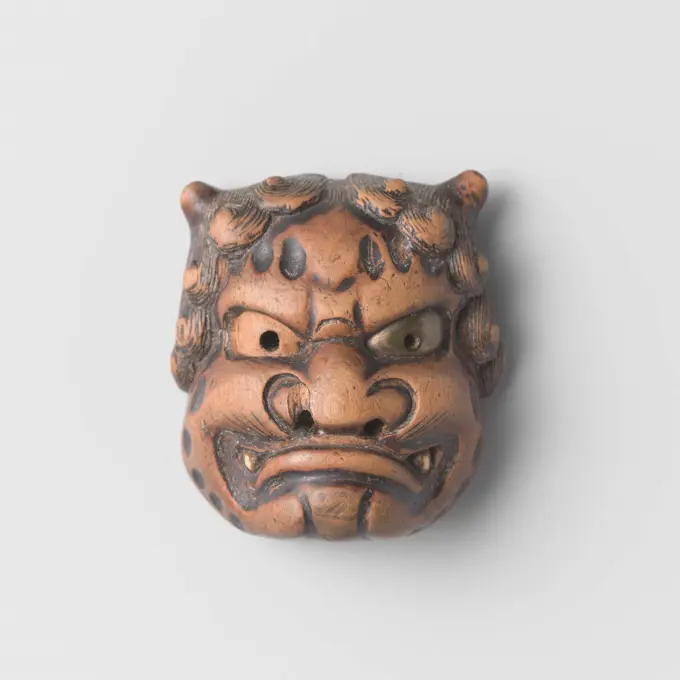
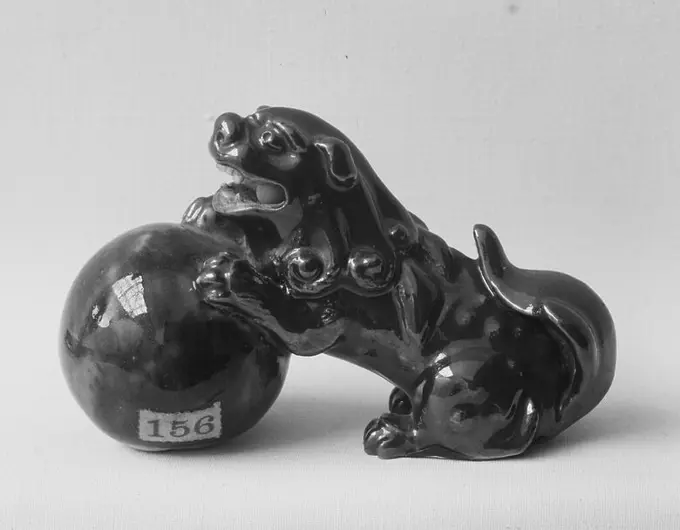
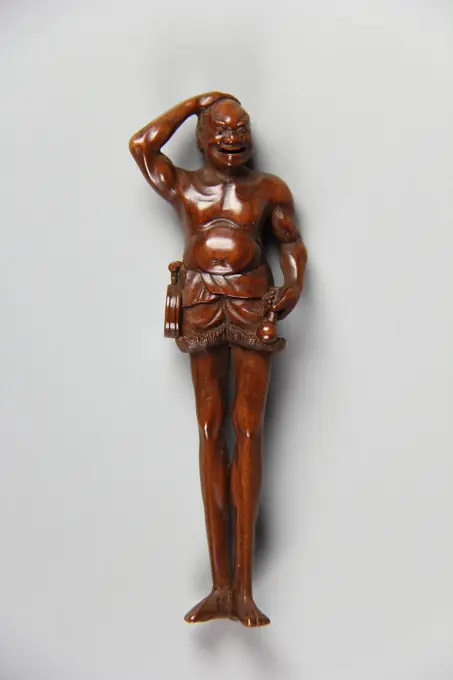
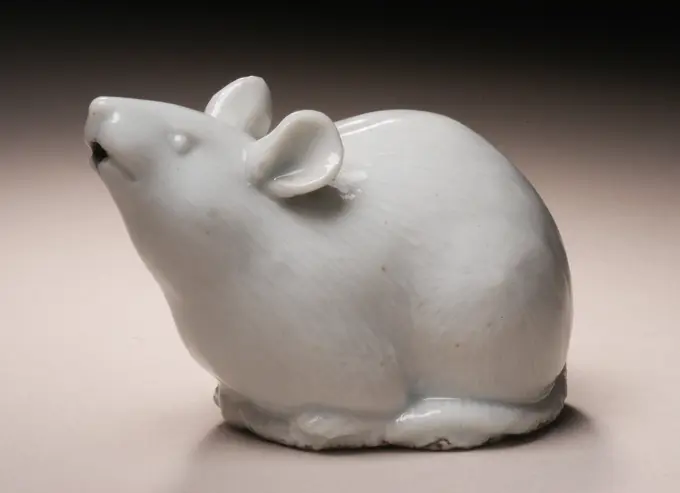
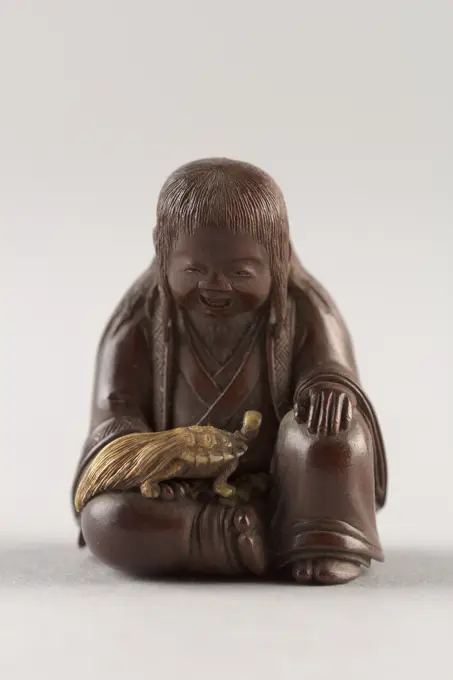
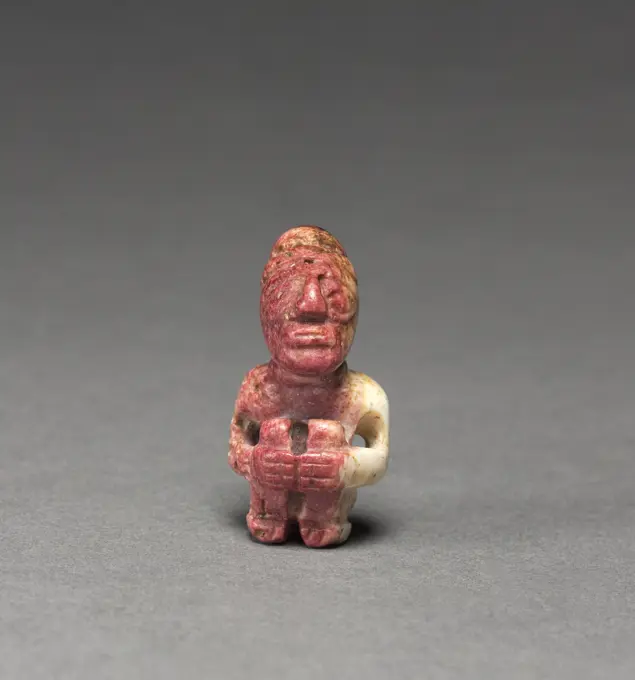
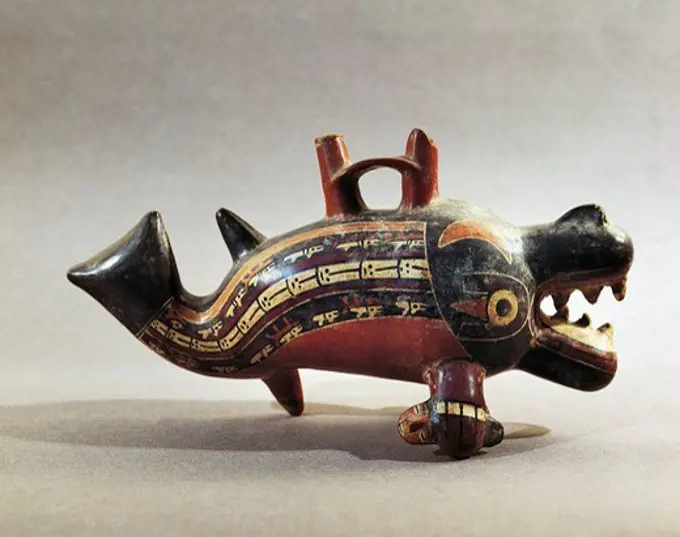
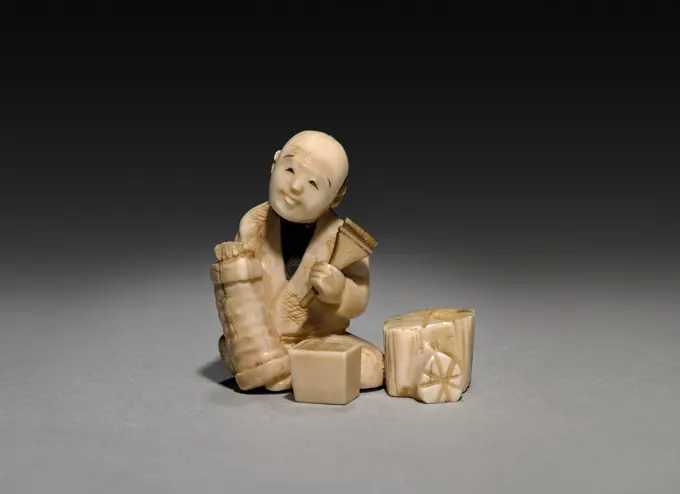
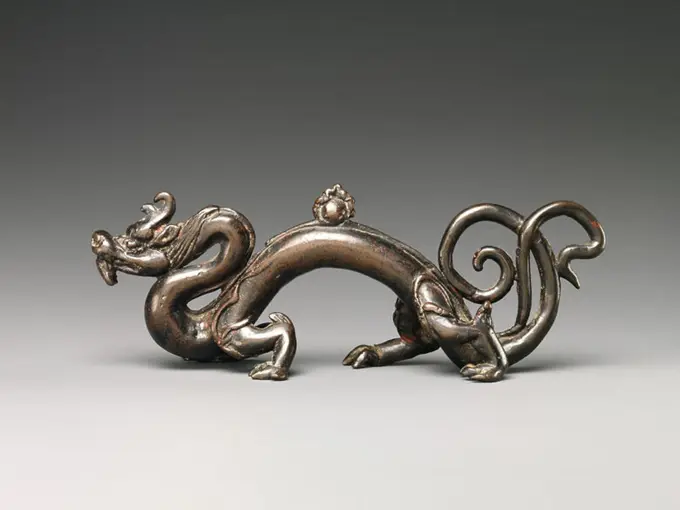
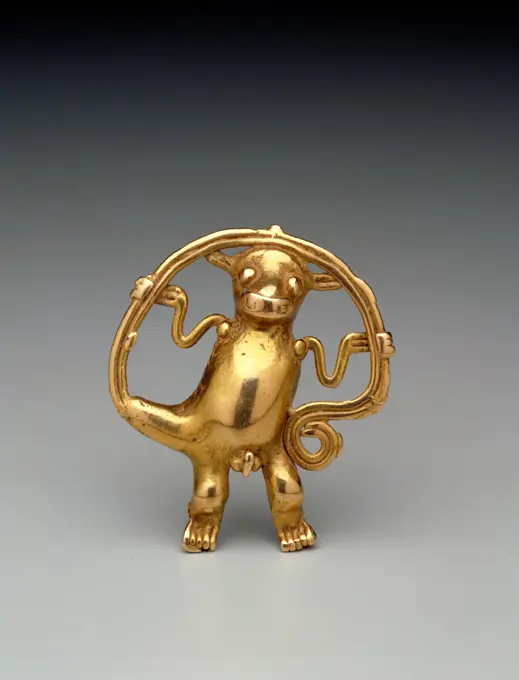
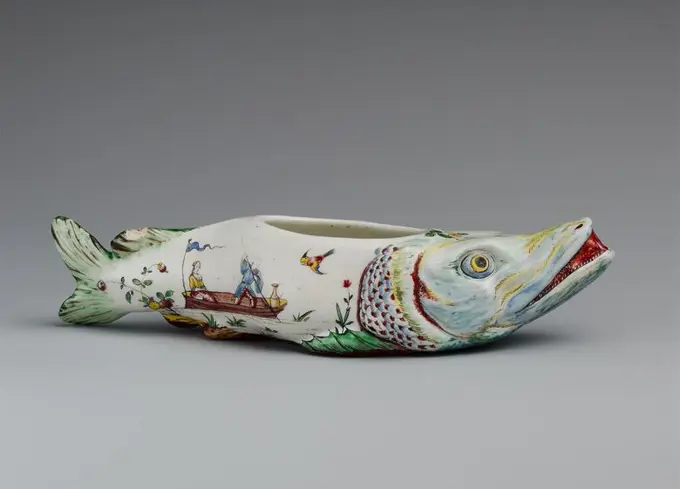
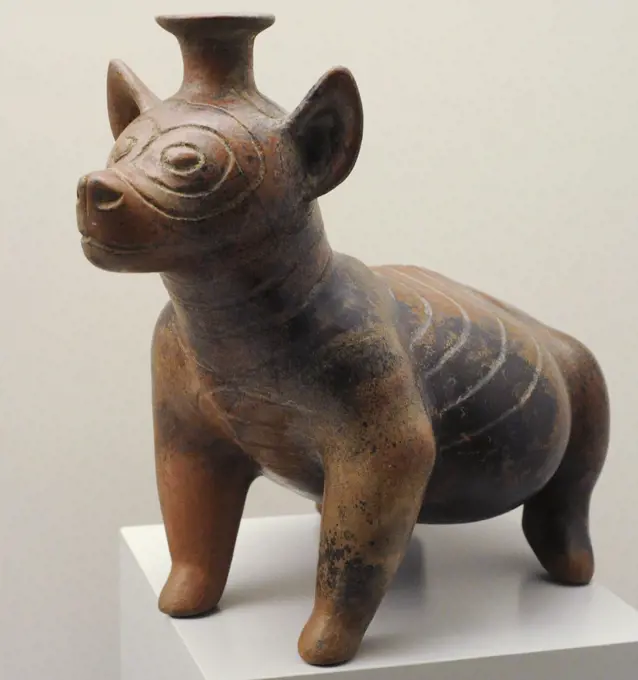
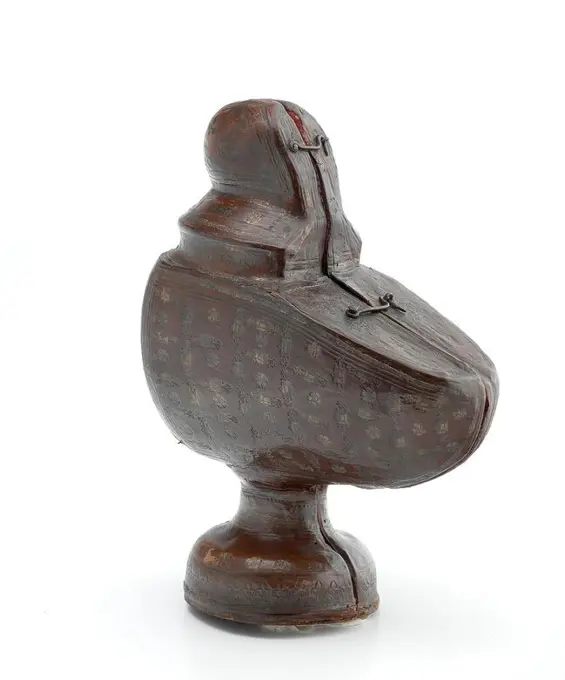
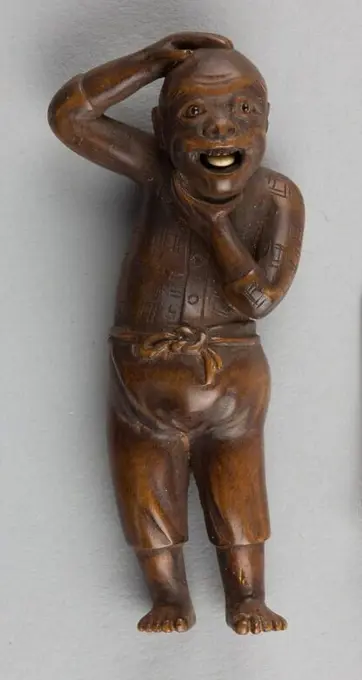
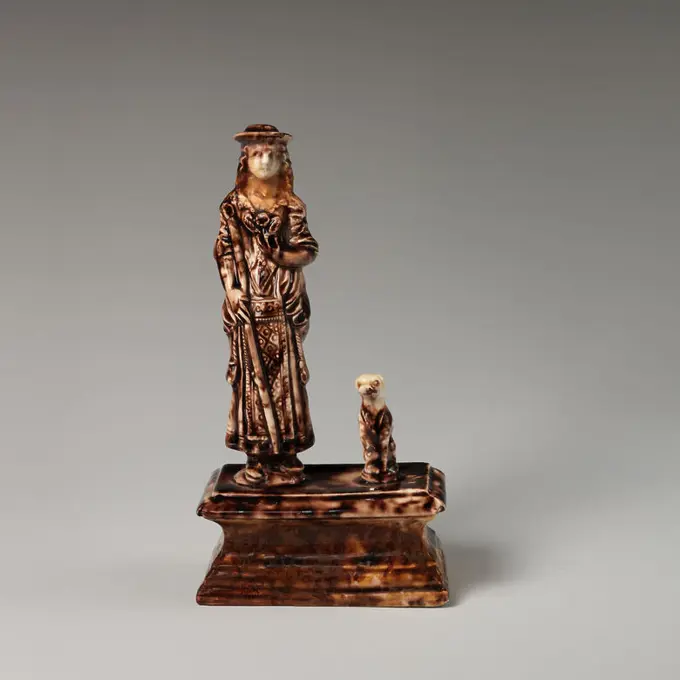
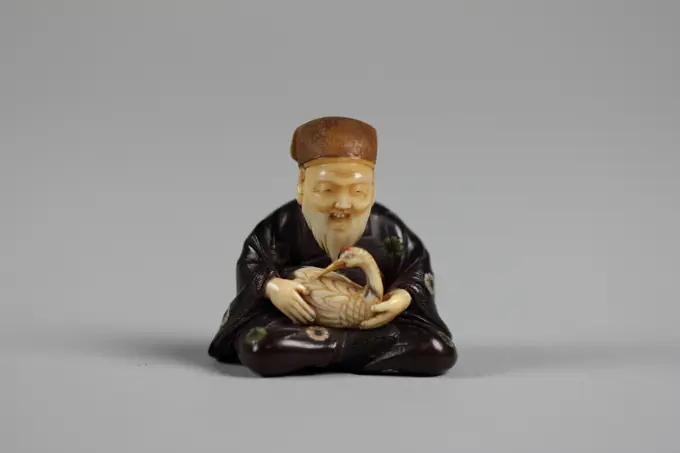
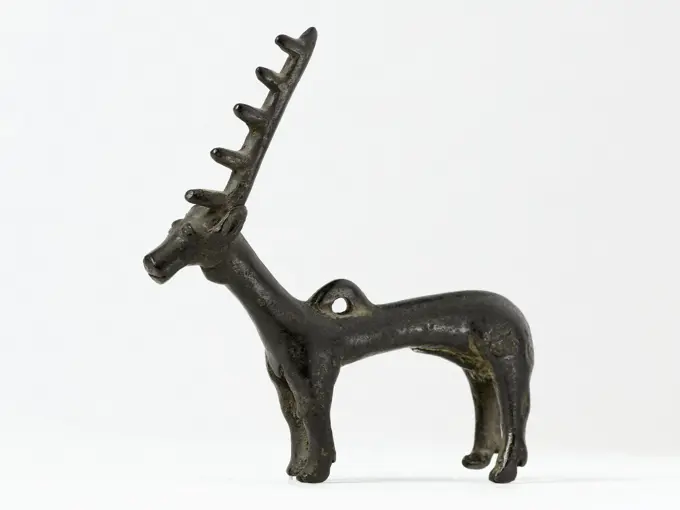
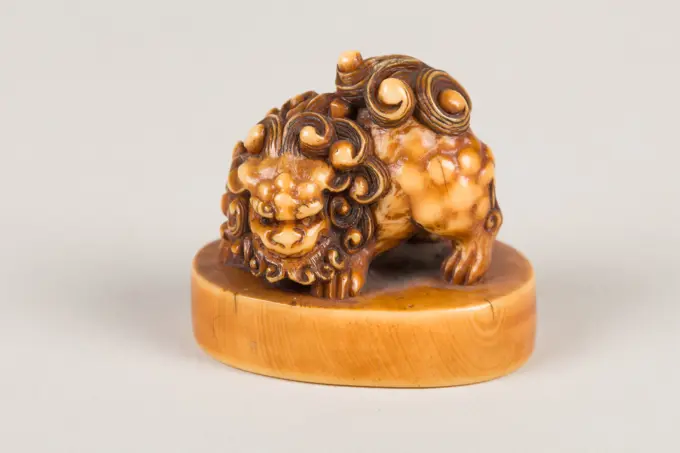
Netsuke of Qilin on a Pedestal 19th century Japan. Netsuke of Qilin on a Pedestal 59771Chess Piece Knight 1762-1796 Höchst. Hard-paste porcelain . Höchster Porzellanmanufaktur GmbHFinial. Western Inner Mongolia, 5th-4th century B.C.. Architecture; Architectural Elements. Bronze, castBookends, Gilt bronze, granite, Pair of bookends (a & b). Each architectonic, L-shaped, stepped and curved green/black granite base with applied gilt bronze cornucopia, be-ribboned and spilling forth fruit, foliage and flowers; three-sided, rectangular band of gilt bronze molding just below joint of vertical and horizontal granite elements., France, ca. 1780, metalwork, Decorative Arts, BookendsTurkey, Kanesh (Assyrian colony), Rhiton (container for liquids) in the shape of a crouched wild boarGrinning demon, wood, carved, Mask of grinning demon, horned; the mouth is open and pierced through. The pupils are black., Japan, 18th century, Decorative Arts, Miniature mask, Miniature maskSmall statuette of a hippopotamus ca. 3100-2649 B.C. Early Dynastic Period Excavated from a deposit near an early shrine, this figurine of a hippo was most likely a gift to Khentiamentiu, the funerary deity who preceded Osiris at the Abydos temple. The hippos form is skillfully modeled, employing only a few, well-placed details to convey succinctly the animals identity.Throughout the Predynastic Period (ca. 4400-3100 B.C.), representations of hippos were placed in tombs and other ritual contexts. This animal was feared and as a result became the subject of hunting scenes. Others, however, were depicted pregnant and so may have served as fertility symbols. In this example, neither function appears likely. Here the hippo may have symbolized the Nile River, a critical feature of the ancient Egyptians world.. Small statuette of a hippopotamus. ca. 3100-2649 B.C.. Calcite. Early Dynastic Period. From Egypt, Northern Upper Egypt, Abydos, Osiris Temple, Chamber M89, Egypt Exploration Fund Clasped Hands of Robert and Elizabeth Barrett Browning 1853, cast after 1853 Harriet Goodhue Hosmer American Harriet Hosmer, an expatriate artist living in Rome, was one of the first American women sculptors to achieve an international reputation. Shortly after meeting the English poets Robert (1812-1889) and Elizabeth Barrett (1806-1861) Browning in 1853, she suggested making a cast of the couples interlocked right hands. Elizabeth Browning consented, provided Hosmer complete the process herself rather than delegate it to studio assistants. The result is an intimate expression of the love between the Brownings, who had eloped to Italy seven years earlier, and of the warm friendship they shared with Hosmer. The identity of each clasped hand is discernible by the differences in size as well as by the treatment of the cuff at each wrist. Novelist Nathaniel Hawthorne characterized the sculpture, which was cast in both plaster and bronze, as "symbolizing the individuality and heroic unionFrog on Well Bucket Cover. Shigemasa (Japan, active 1801-1820). Japan, early 19th century. Costumes; Accessories. WoodMale Ci Wara Headdress 19th century Bamana peoples With menacing horns and a spectral bodily presence this at once powerful and elegant creation constitutes a tribute to the mythical Bamana culture hero, Ci Wara. In this historically agrarian society, mastery of the knowledge necessary to harness the forces of nature in order to produce sustenance is seasonally celebrated with performances of paired masquerades. The visual focal point of these tributes are the carved sculptural elements worn as crests. These bold abstract forms fuse together the features of creatures drawn from nature including the roan antelope, the anteater, and the pangolin. In these dances the choreography simulates the tilling of the soil, the cascading vegetable fiber costume evokes the rains, and the male headdress references the radiance of life-giving sun. Bamana sculptors have endlessly reinterpreted the formal design of the classic Ci Wara headdress. The author of this work has produced an utterly original lPork ". Terracotta. Han Dynasty (206 BC-220 AD). Paris, Cernuschi museum. Chinese art, Han dynasty, Han time, Chinese object, pork, terracotta, animalDummy Canopic Jar with the Head of Duamutef ca. 712-664 B.C. Third Intermediate Period Lying scattered beside Ankhshepenwepet's coffin were four dummy canopic jars made of solid limestone, with crudely-carved features. Their "tops" are indicated by rough black lines, and additional black paint has been used to enhance the faces of the deities.In earlier periods, the viscera (lungs, liver, stomach, and intestines) were removed from the body and separately mummified, then placed in high-shouldered jars now known as canopic jars. The earliest examples have simple tops, but by the Middle Kingdom, the stoppers were in the form of human heads. Later examples have the heads of the four "canopic" deities who protected these parts of the mummy: Hapy (baboon-headed, lungs); Duamutef (jackal-headed, stomach); Qebehsenuef (hawk-headed, intestines); and Imsety (human-headed, liver). By the 25th Dynasty, the organs were typically preserved, wrapped, and returned to the body, so there was no longer aCover with Handle, c. 600-221 BC. China, Zhou dynasty (c. 1046-256 BC). Bronze; overall: 9 cm (3 9/16 in.).Figure; Jagmin, Stanis AW (1875-1961); 20th century (1900-00-00-2000-00-00);Bagpiper ca. 1740-45 Villeroy. Bagpiper. After a print by Jacques Callot (French, Nancy 1592-1635 Nancy). French, Villeroy. ca. 1740-45. Soft-paste porcelain. Ceramics-PorcelainOcarina 9th-12th century Guanacaste-Nicoya. Ocarina 312256Brush washer in the shape of lotus leaf with feline dragons. Culture: China. Dimensions: H. 2 1/4 in. (5.7 cm); W. 6 3/4 in. (17.1 cm); D. 2 3/4 in. (7 cm). Date: 12th-14th century.Two dragons decorate the ends of this brush washer, which is carved from an opaque piece of white nephrite with brown and yellow inclusions that give the jade an aged appearance. Historical records indicate that variegated jade was highly valued from the twelfth to the fourteenth century. Museum: Metropolitan Museum of Art, New York, USA.Figure of a Buddhist Monk (Budai Hoshang). Netherlands, Delft. Date: 1695-1705. Dimensions: 11 × 10.8 × 9.2 cm (4 3/8 × 4 1/2 × 3 5/9 in.). Tin-glazed earthenware (Delftware). Origin: Delft. Museum: The Chicago Art Institute, Chicago, USA.Netsuke of Shoki, the Demon-Queller 19th century Japan. Netsuke of Shoki, the Demon-Queller. Japan. 19th century. Carved ivory. Edo (1615-1868) or Meiji period (1868-1912). NetsukeGroup of Three Upright Fishes 18th century China. Group of Three Upright Fishes 44251PITO O SIURELL BAÑADO EN CAL Y PINTADO - FIGURA DE HOMBRE A CABALLO. Location: ALFARERIA. SA CABANETA-MARRATXI. MALLORCA. SPAIN.Mount; bronze (gilt); L x W x D: 11.5 x 11.5 x 7.5 cm (4 1/2 x 4 1/2 x 2 15/16 in.)Demon Wood Sculpture  Japanese Art  Hermitage Museum, St. PetersburgDog figure n.d.a.. Dog figure. n.d.a.. Bronze. Mesopotamia, NippurNetsuke of Sambaso Dancer with Bells and Fan 19th century Japan. Netsuke of Sambaso Dancer with Bells and Fan. Japan. 19th century. Lacquered wood. Edo period (1615-1868). NetsukeNetsuke of Elephant and Monkey 19th century Japan. Netsuke of Elephant and Monkey 59773Figure of a man ca. 1750 British, Staffordshire. Figure of a man. British, Staffordshire. ca. 1750. Salt-glazed stoneware. Ceramics-PotteryCollection box, Anonymous, 1700 Oak cash box for the church service, on which a short stem of nuthout and a Blaker. On the standing plank behind the Blaker, a bust of Paul is sculpted in low relief. At the front is: "Don't get your caritate" in the front. Northern Netherlands (possibly)Netherlands (possibly) wood (plant material). oak (wood). walnut (hardwood) Oak cash box for the church service, on which a short stem of nuthout and a Blaker. On the standing plank behind the Blaker, a bust of Paul is sculpted in low relief. At the front is: "Don't get your caritate" in the front. Northern Netherlands (possibly)Netherlands (possibly) wood (plant material). oak (wood). walnut (hardwood)Ceramic figurine cat, isolated on white background Ceramic figurine cat, isolated on white background Copyright: xZoonar.com/OleksandrxKostiuchenkox 9786112Vessel, 2nd century BCE - 2nd century CE, 5 5/8 x 6 7/8 x 5 1/2 in. (14.3 x 17.5 x 14.0 cm), Earthenware, Peru, 2nd century BCE - 2nd century CEThree-piece bronze mold for leg of tap jug, cast molding tool tools base metal bronze, cast Three-piece bronze mold for casting an S-shaped paw with decoration for tap jug Rotterdam tingieterij tinnegieter tin drinking utensils drinking dinnerware Meeuws Druy craft Forms originate from the originally 18th century Rotterdam tinnegieter J Druy. The large molds that were not signed or dated were the property of the tinker guild and were rented to the small tin caster.Chimera. Bronze. Paris, Cernuschi museum. Asian antique, Japanese antiquity, metalTit (Isis knot) amulet 525-30 BC Late Period-Ptolemaic Period Some of the glass amulets from the later Late Period through the Ptolemaic Period can be specifically tied to spells of the Book of the Dead. For example, red is the preferred color for the tit knot: Book of the Dead chapter 156 prescribes a tit knot of red jasper at the throat of the deceased to provide him / her with the protection of Isis.This tit knot is blocky and not completely worked out. Presumably it meant to be wrapped between the bandages of the mummy where the presence of the amulet would do its job irrespective of its degree of finish.. Tit (Isis knot) amulet. 525-30 BC. Red Glass. Late Period-Ptolemaic Period. From EgyptAnimal, 200 BC-AD 300. Mexico, Western, Colima (). Terracotta; overall: 3.9 x 7 x 4.6 cm (1 9/16 x 2 3/4 x 1 13/16 in.).Heraldic Lion. Italian, Venice. Date: 1445-1455. Dimensions: 36.8 x 13.3 x 28.6 cm (14 1/2 x 5 1/4 x 11 1/4 in.). Bronze, black-brown patina. Origin: Italian. Museum: The Chicago Art Institute, Chicago, USA.Bronze statuette of a team of horses. Culture: Greek. Dimensions: H.: 2 7/16 in. (6.2 cm). Date: 8th century B.C..Statuette of a horse team with a perforated base. Museum: Metropolitan Museum of Art, New York, USA.Monkey Bottle 6th-7th century Nasca or Wari. Monkey Bottle 316176Bat. Mitsutoshi (Japan, active late 19th century). Japan, late 19th century. Costumes; Accessories. Ivory with staining, sumi, inlaysBook End (one of a pair), c. 1850, 7 x 3 3/4 x 4 1/2in. (17.8 x 9.5 x 11.4cm), Lacquered bronze, China, 19th centuryNetsuke, japanese miniature sculpture. Museum: COLECCION PRIVADA.Snuffbox in the form of a squirrel ca. 1761-70 Johann Andreas Bechdolff German. Snuffbox in the form of a squirrel 207225Sauceboat ca. 1765 Richard Morton. Sauceboat 204465Figurine  dog, piggy bankFinial with Standing Ibex 7th-6th century B.C. North China. Finial with Standing Ibex. North China. 7th-6th century B.C.. Bronze. MetalworkGold Animal Ornament 11th-16th century Veraguas (). Gold Animal Ornament 312495Blue majolica hippopotamus from Dra Abu el-Naga, Middle Kingdom, Egyptian civilizationEagle; Asia Minor; 100 - 300; Bronze; 104.2 × 78.7 × 76.2 cm (41 × 31 × 30 in.)JARRA DECORADA Y VIDRIADA AL MODO ARABE DEL S XV - ARTE POPULAR S XX. Location: ALFARERIA. TERUEL. SPAIN.Feline Figurine 250 CE-550 CE North Coast. Gold . MocheMount, Bronze, Sphinx, in profile facing right., France, 19th century, metalwork, Decorative Arts, MountHexagonal Censer with Kirin, Phoenixes, and Dragons; Chinese Lion Knop. Japan, 19th century. Ceramics. Hirado Mikawachi ware; porcelain with iron and glazesEarflare with condor 6th-7th century Moche (Loma Negra) Moche metalworkers were among the most inventive and talented in ancient Peru. They developed sophisticated mechanical and metallurgical techniques for joining the three basic metals they worked: gold, copper, and silver. On these technically complex earflares, the front plates are made of sheet gold to which repoussé silver birds are attached by small tabs. The back plates and shafts are of gilded copper and also join in this manner. The ornaments were worn in the distended lobes of the ears, the long tubular shafts counterbalancing the weight of the frontals.The birds with massive talons and strong, curved beaks adorning these earflares depict Andean condors, identified by the large caruncle (fleshy protuberance) at the base of their beaks and the wattle around their necks. Impressive birds with a wing span of up to ten feet, Andean condors inhabit the high Andes mountains above 9,000 feet. They are primarily carrion eaters, butStand for flower pot - figure of elephant. unknown, craftsmanNetsuke 19th century Japan. Netsuke. Japan. 19th century. Wood. Edo (1615-1868) or Meiji period (1868-1912). NetsukeVessel terminating in the head of a ram ca. 7th-6th century B.C. Iran In the ancient world the horns of animals were used as drinking vessels and provided a prototype for clay and metal containers. The bottom of this silver vessel consists of a carefully modelled rams head with stylized curled horns. Its impressive size, combined with the commanding power imbued in the ram, seems designed to convey the authority of those who were privileged to drink from it. Comparison with excavated material indicates that it was most likely produced in northwestern Iran, in the late seventh century B.C.Expertise in silversmithing and a great sensitivity to the animal form characterize the metalwork of ancient Iran. This vessel began as a thick sheet or roughly shaped blank that gradually was hammered into the desired shape. Surface details such as the line around the rams nostrils and the hair pattern on the top of the animals head were added by punching and chasing, using metal tools to lightly sNetsuke. Culture: Japan. Dimensions: H. 3 1/4 in. (8.3 cm); W. 1 1/2 in. (3.8 cm); D. 1 in. (2.5 cm). Date: 19th century. Museum: Metropolitan Museum of Art, New York, USA.Bronze baldric decorated with scene of battle between Romans and BarbariansKikko, Jihei (n.1784 - D.1861), alcohol poucher. Porcelain polychrome glazes. Cernuschi Museum, Asia Museum of Asia in the city of Paris.. Mask of an oni. Signed "nagasada".Frank Fumagalli, Dog Statuette, c 1940 Dog StatuetteNazi chess set. This chess set glorifies Nazi Germanys terratorial ambitions during World War II. The pieces are shaped like weapons. The text in the border lists the countries that Germany had attacked in 1939 and 1940. This set may have been presented in 1941 by SS Commander Heinrich Himmler to Anton Mussert, leader of the NationaalsocialistischeBeweging (NSB), the National Socialist Movement in the Netherlands.Creamer And Cover (USA); earthenwareChess Piece Pawn 1800-1899 Burslem. Stoneware (jasperware) . Wedgwood Manufactory (Manufacturer)Ornament. Culture: Japan. Dimensions: H. 2 5/16 in. (5.9 cm); W. 3 3/4 in. (9.5 cm). Date: 19th century. Museum: Metropolitan Museum of Art, New York, USA.Varahi, 800s. Java, 9th century. Bronze; overall: 10.5 x 11.2 cm (4 1/8 x 4 7/16 in.).. Incense box of pottery in the form of the Shinto goddess Uzume (goddess of cheerfulness and cheerfulness), partly covered with a white glaze and painted on the glaze in red, green, yellow, eggplant and black. Kyoyaki.Hippopotamus amulet. Dimensions: L: 7 x H: 5.1 x W: 2.3 cm (2 3/4 x 2 x 7/8 in.). Date: ca. 3850-2960 B.C.. Museum: Metropolitan Museum of Art, New York, USA.Netsuke 19th century Japan. Netsuke 59369. .Chinese Boy with Puppy. Japan, mid-19th century. Costumes; Accessories. WoodFragment of a handbell, anonymous, 930 - 1600 Toppiece of a handbell in the form of a sitting man with raised, crossed legs. Sitting on round bottom, of which edge decorated with four floralist motifs. Indonesia bronze (metal) Toppiece of a handbell in the form of a sitting man with raised, crossed legs. Sitting on round bottom, of which edge decorated with four floralist motifs. Indonesia bronze (metal)Water Dropper for Calligraphy in the Form of a Rat. Japan, second half of 19th century. Ceramics. Hirado Mikawachi ware; porcelain with clear glazeNative Indian wooden zoomorphic hair ornament made from wood and painted. decorated, Eskimo, (Inuit). Canada 1870Foot of a candlestick with sitting lion, anonymous, c. 1400 - c. 1500 Foot from a candlestick. The poured and accompanying object as a whole consists of a foot decorated with a sitting lion and a square part, in which the square pin can be sounded to attach to the candlestick. Northern Netherlands (possibly) brass (alloy) casting Foot from a candlestick. The poured and accompanying object as a whole consists of a foot decorated with a sitting lion and a square part, in which the square pin can be sounded to attach to the candlestick. Northern Netherlands (possibly) brass (alloy) castingNetsuke: probably Illustrating Legend of Urashima Taro. 19th century Tokoku Japanese. Netsuke: probably Illustrating Legend of Urashima Taro.. Tokoku. Japan. 19th century. Wood, ivory, jade. NetsukeSeated Figurine, c. 1400-1540. Peru, Inca, 15th-16th century. Stone; overall: 3.5 x 1.8 x 1.8 cm (1 3/8 x 11/16 x 11/16 in.).Scent bottle ca. 1755 Kelsterbach Pottery and Porcelain Manufactory. Scent bottle 205878Peru, Pre-Inca civilization, Nazca culture, Double spout and bridge zoomorphic polychrome terracotta vessel in shape of dolphinMan with Brush and Lantern, early 1900s. Japan, Meiji period (1868-1912). Ivory; overall: 4.5 x 4.1 cm (1 3/4 x 1 5/8 in.).Brush Rest in the Form of a Dragon. Culture: China. Dimensions: H. 2 1/8 in. (5.4 cm); W. 6 7/8 in. (17.5 cm); D. 1 1/2 in. (3.8 cm). Date: 15th century.A rare example of 15th century Ming bronze work, this brush rest was cast in the form of a sinuous dragon crouching on its four powerful paws with a "flaming pearl" on its arched back. It is further distinguished by two curved horns and a bifurcated tail that coils and unfurls. Its neck, body, and tail all provide places for resting writing brushes. More than a functional object, this brush rest is an imaginative and auspicious sculpture designed to ornament a scholar's table. Museum: Metropolitan Museum of Art, New York, USA.PaperweightPendant, 9th-15th century, 2 9/16 in. (6.51 cm), Gold, Panama, Pre-ColumbianBroth bowl. Culture: French, Villeroy. Dimensions: Overall (confirmed): 1 7/8 × 8 3/8 × 2 5/16 in. (4.8 × 21.3 × 5.9 cm). Factory: Villeroy. Date: ca. 1745. Museum: Metropolitan Museum of Art, New York, USA.Kissing Geese. Japan, 18th century. Costumes; Accessories. Ivory with staining, sumiPendant, 9th-12th century, 3 in. (7.62 cm), Gold, Panama, Pre-ColumbianHunter and Prey. Japan, late 18th century. Costumes; Accessories. Ivory with staining, sumi, inlaysDog shaped vessel. Ceramic. Colima. Early-Middle Classic Period (100-700 AD). Western Mexico. Museum of the America. Madrid, Spain. Anonymous / 'Case for the vase in the shape of a dragon or caquesseitío'. 1550 - 1600. Leather, Wood, Metal, Cloth. Museum: Museo del Prado, Madrid, España.Netsuke. Culture: Japan. Dimensions: H. 2 1/2 in. (6.4 cm); W. 1 1/8 in. (2.9 cm); D. 5/8 in. (1.6 cm). Date: 18th century. Museum: Metropolitan Museum of Art, New York, USA.Lady. Culture: British, Staffordshire. Dimensions: Height: 6 1/4 in. (15.9 cm). Maker: Thomas Whieldon factory, Stoke-on-Trent, Fenton Vivian, Staffordshire. Date: ca. 1750. Museum: Metropolitan Museum of Art, New York, USA.Netsuke of Jurjin 19th century Japan. Netsuke of Jurjin. Japan. 19th century. Wood and ivory. Edo (1615-1868) or Meiji period (1868-1912). NetsukeSnuff Bottle with Phoenix Standing by Peonies and a Vase 1850-1900 China. Coral with carved decoration .Brass and copper design fitting on antique wooden horse head, Jodhpur, Rajasthan, India Copyright: xSafatxAli/DinodiaxPhotoxRing, AD 1-100. Greece or Italy, Rome (), 1st Century. Gold; diameter: 2 cm (13/16 in.).Working Model for Reclining Figure. Henry Moore (1898-1986). Polished bronze. Conceived in 1945. 37.5cm long.Mirror with the TLV decoration. unknown, craftsmanCerf -shaped charm. Caucasus. Paris, Cernuschi museum. 35406-14 Charm, bronze, deer, animalBronze etruscan horse sculpture on white background. Horse miniatureOne of a Pair of Boxes in the Shape of Ducks 18th century China Ducks, particularly in pairs, function as symbols of marital bliss in Chinese art, and it seems likely that this charming pair was once either a wedding gift or part of a dowry.. One of a Pair of Boxes in the Shape of Ducks 42016Seal-form Netsuke two men, 19th century, Unknown Japanese, 1 1/4 x 1 3/8 x 1in. (3.2 x 3.5 x 2.5cm), Ivory, Japan, 19th century