Antique Animal Sculptures

Various historical sculptures depicting animals, including a ram's head, figures with dogs, and more. Showcases intricate craftsmanship from different cultures.
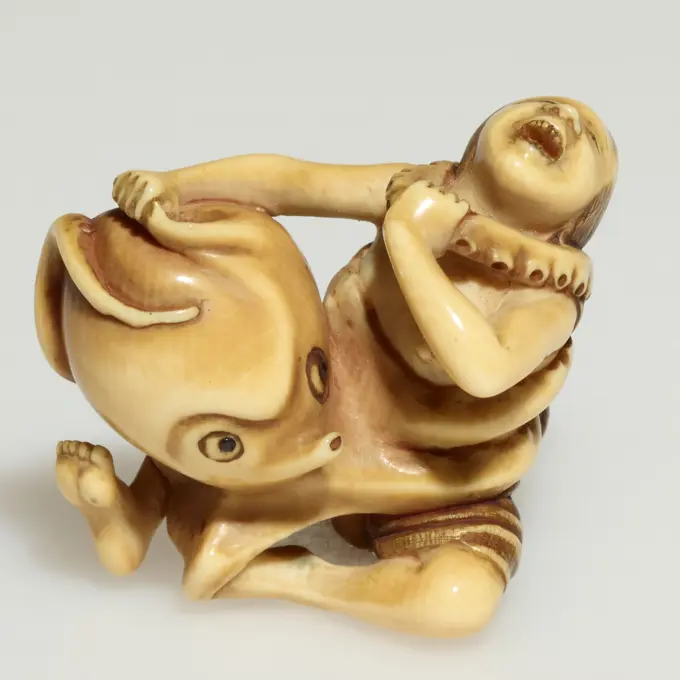
Abalone fishergirl wrestling with an octopus, 19th century, Ransai, Japanese, 1 9/16 x 1 5/8 x 1 5/8in. (4 x 4.1 x 4.1cm), Ivory, Japan, 19th century
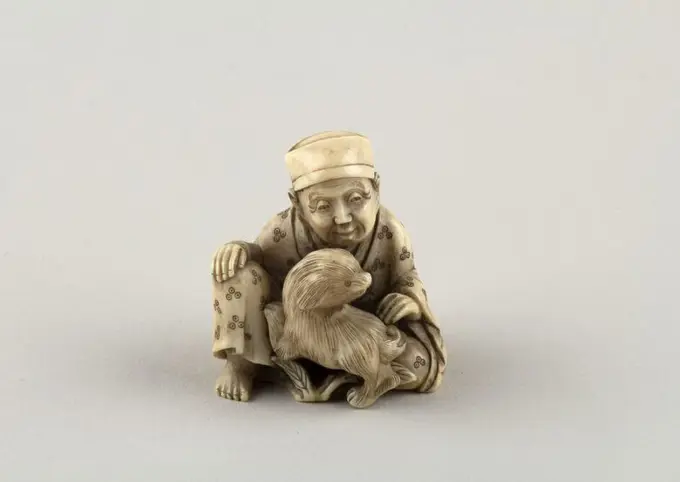
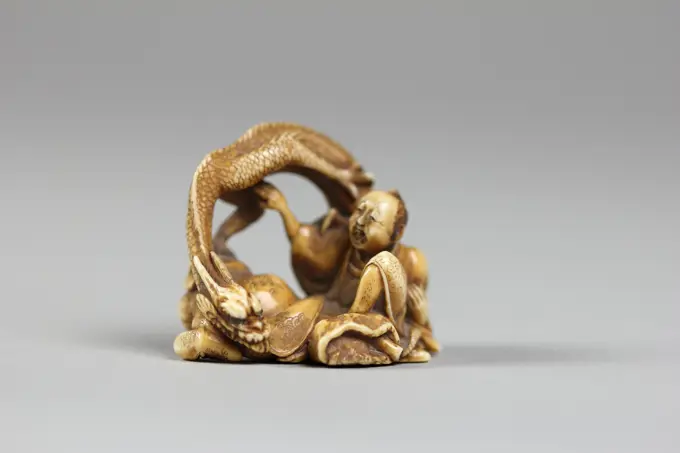
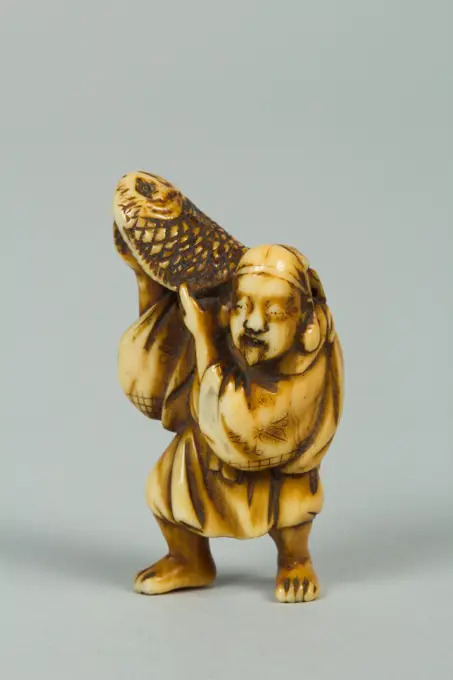
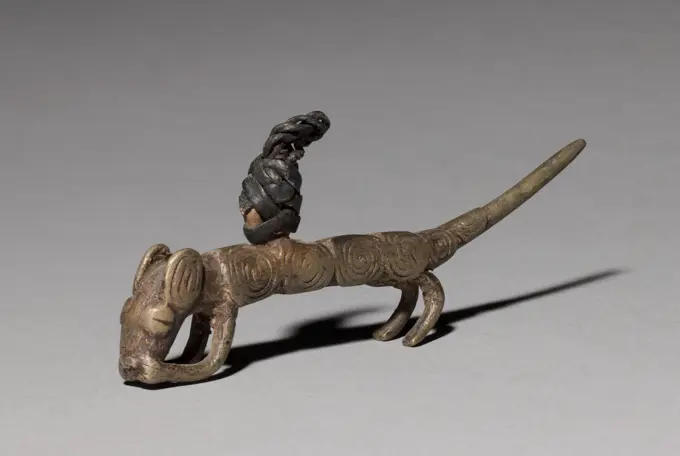
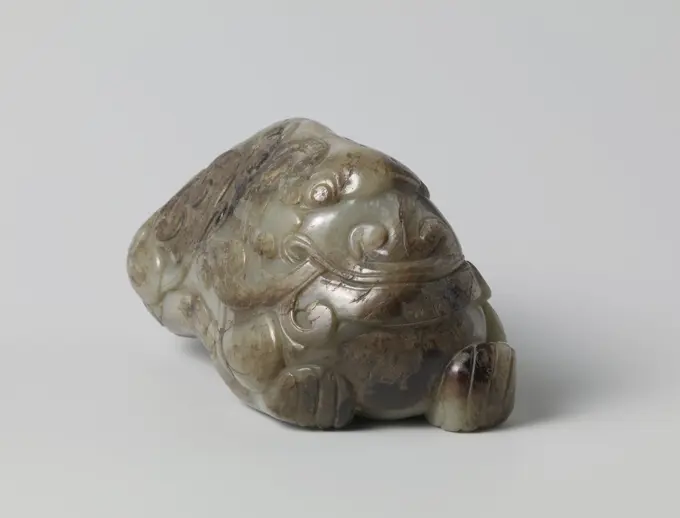
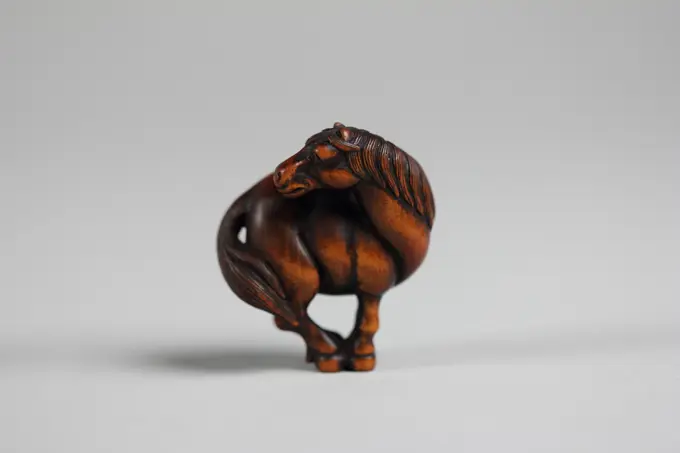
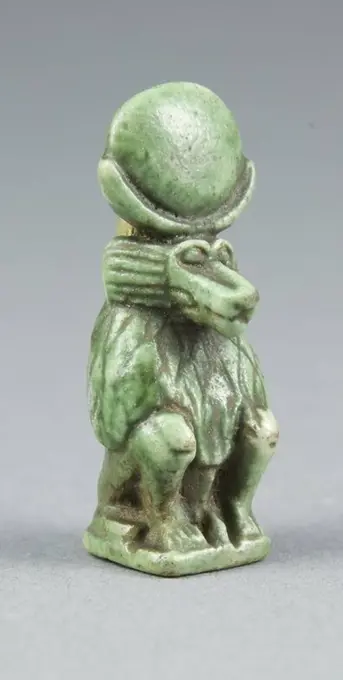
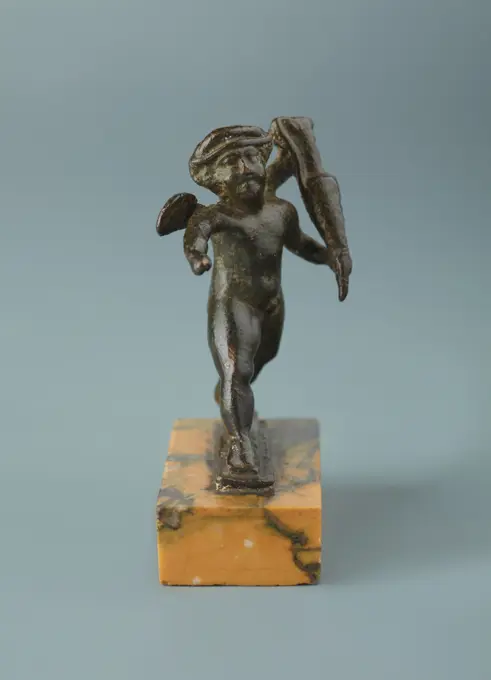
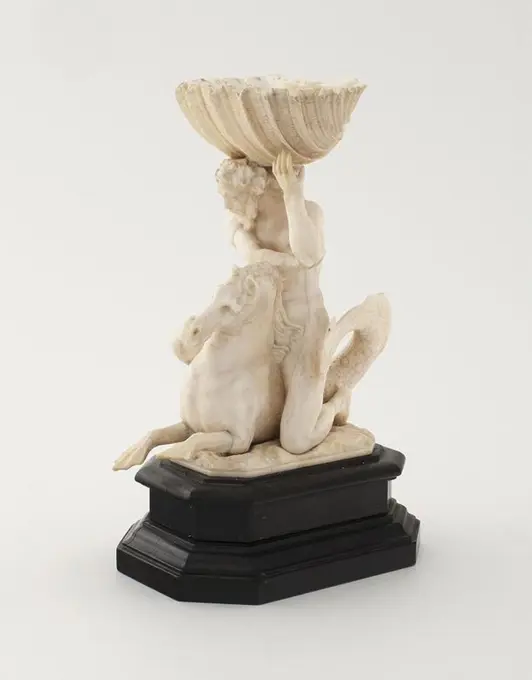
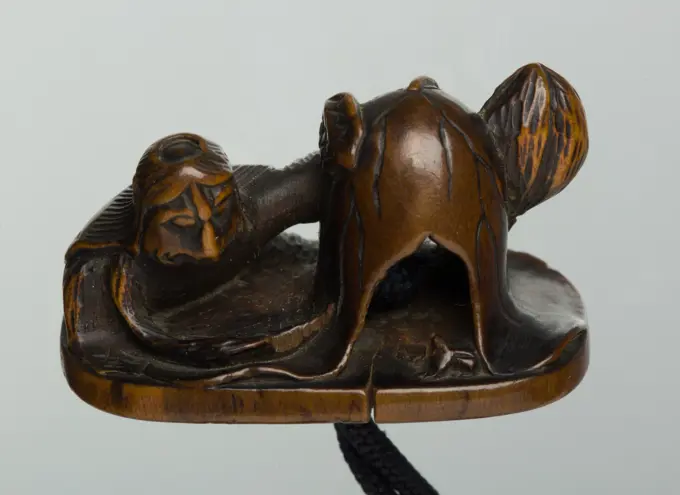
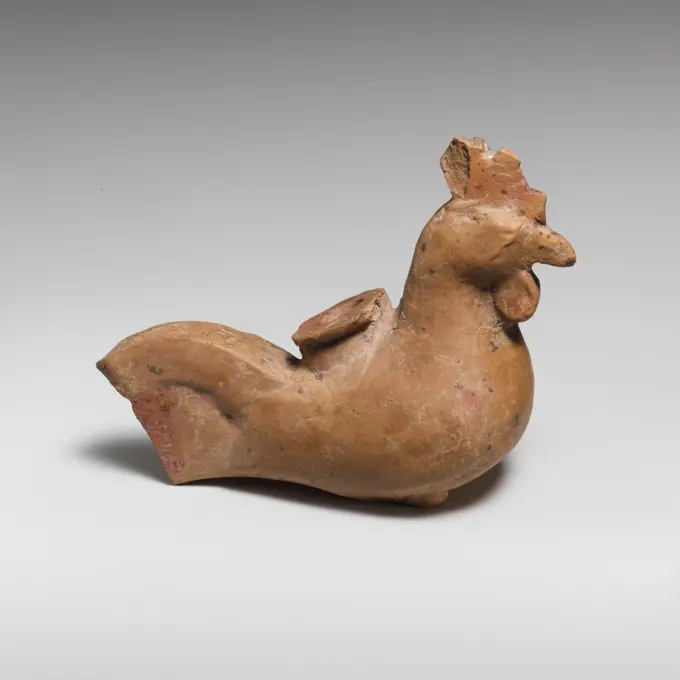
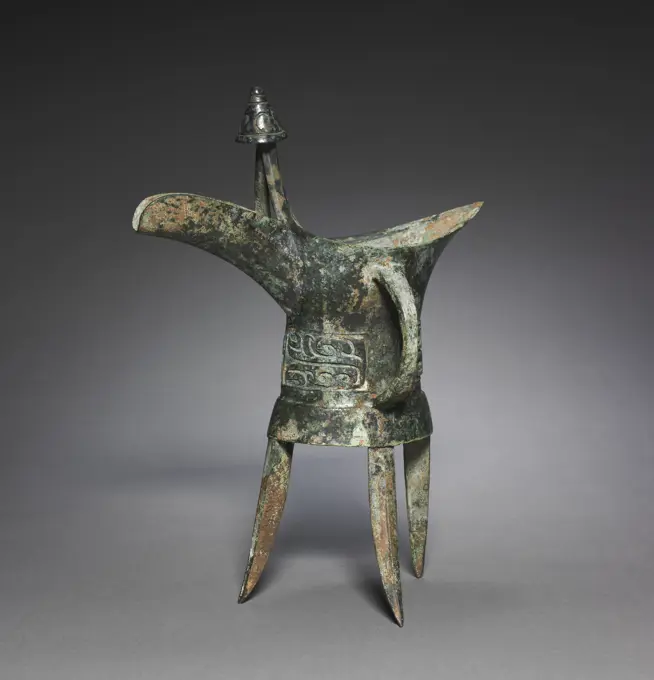
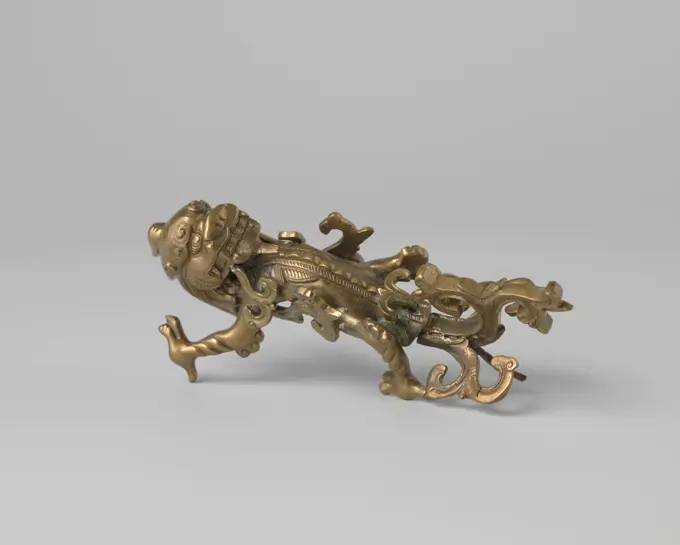
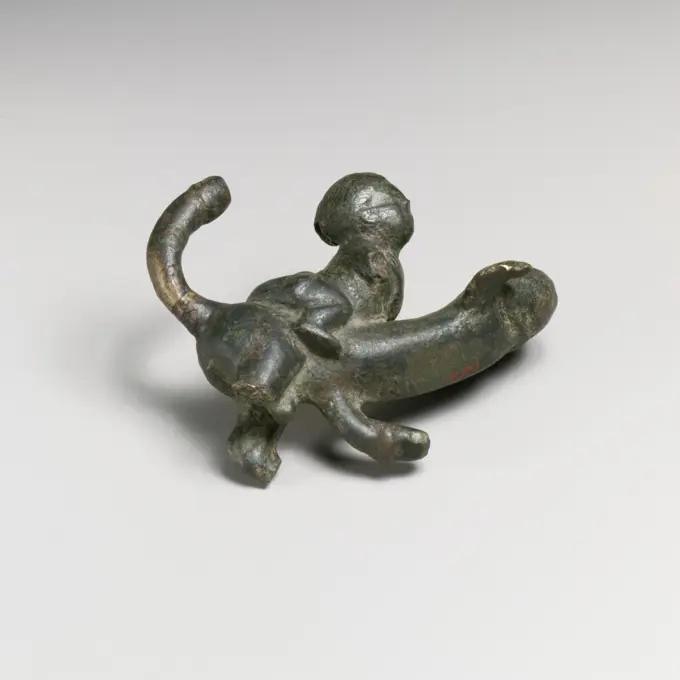
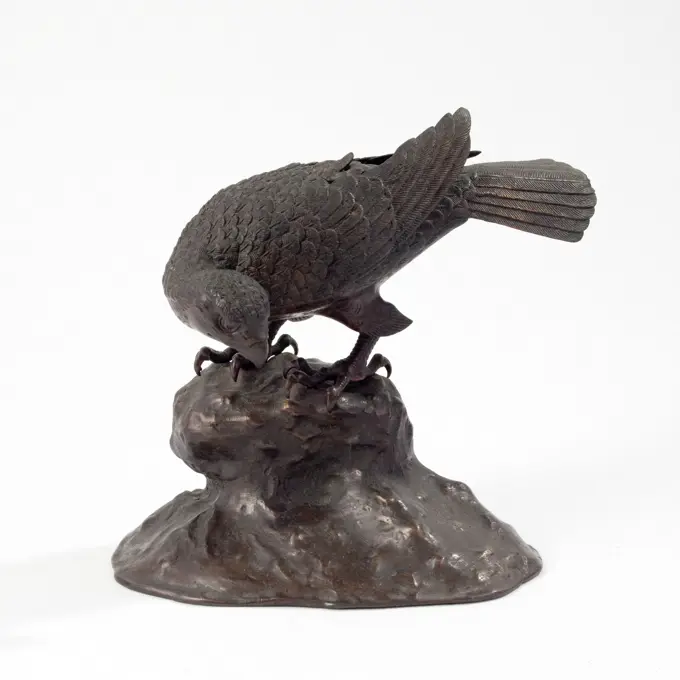
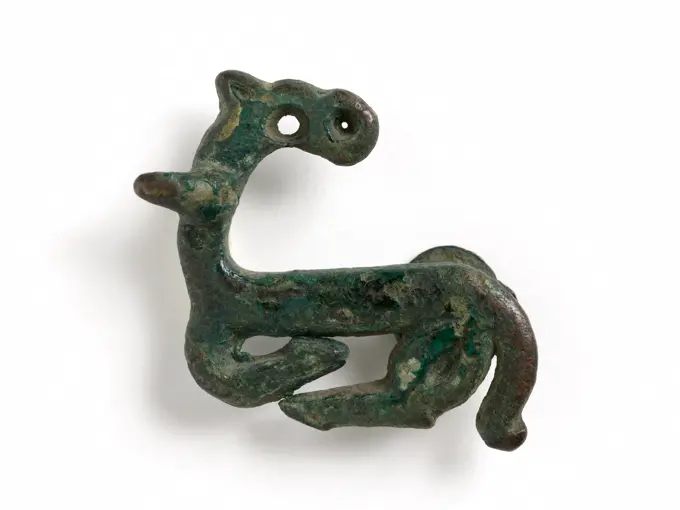
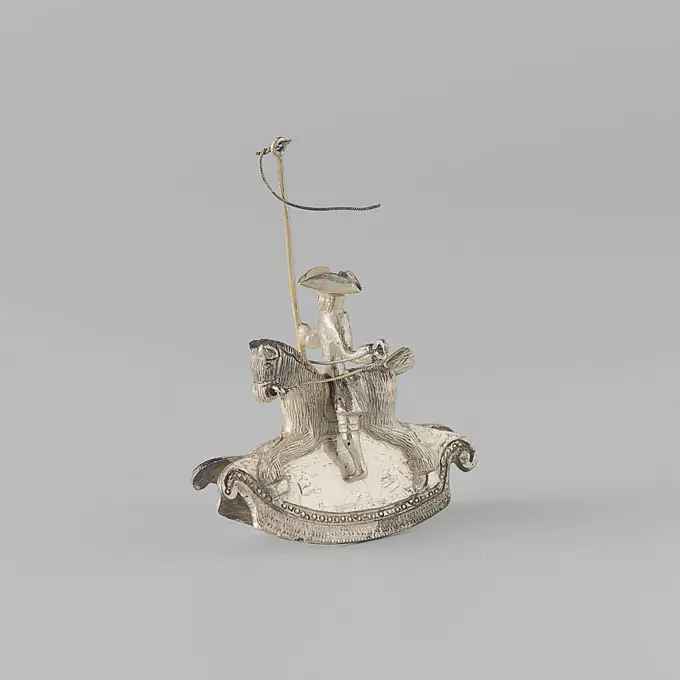
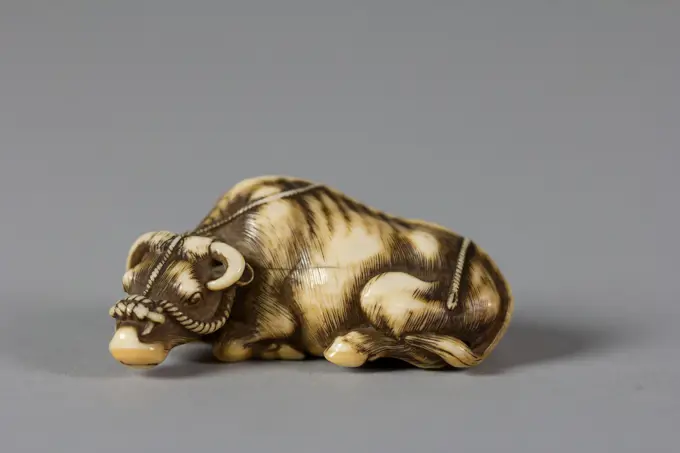
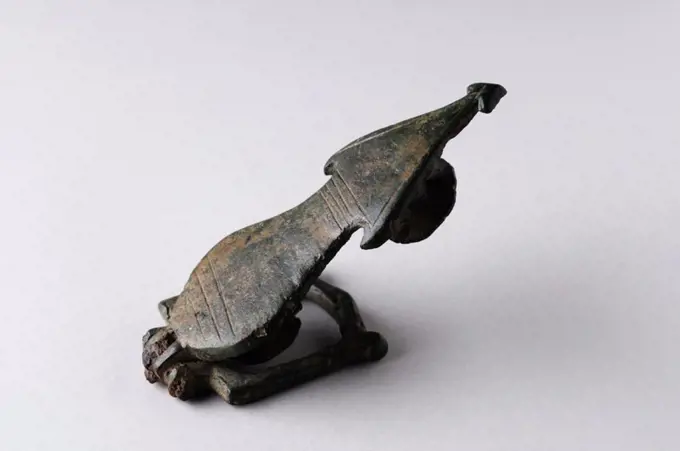
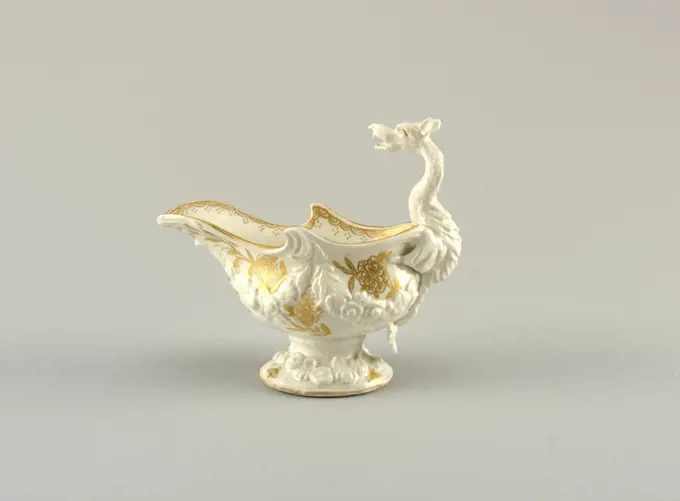
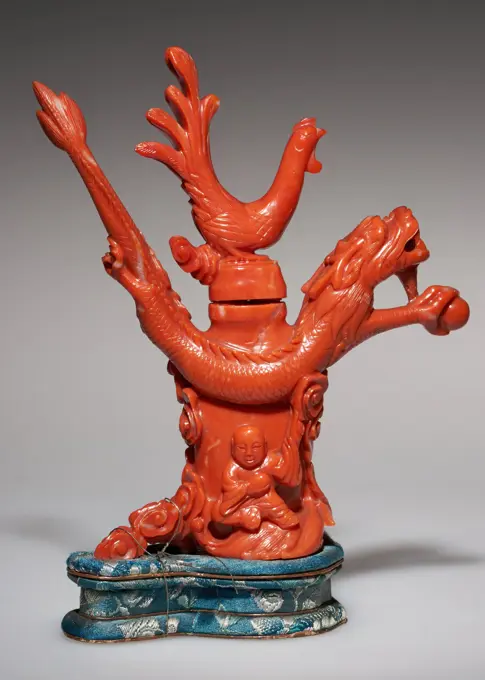
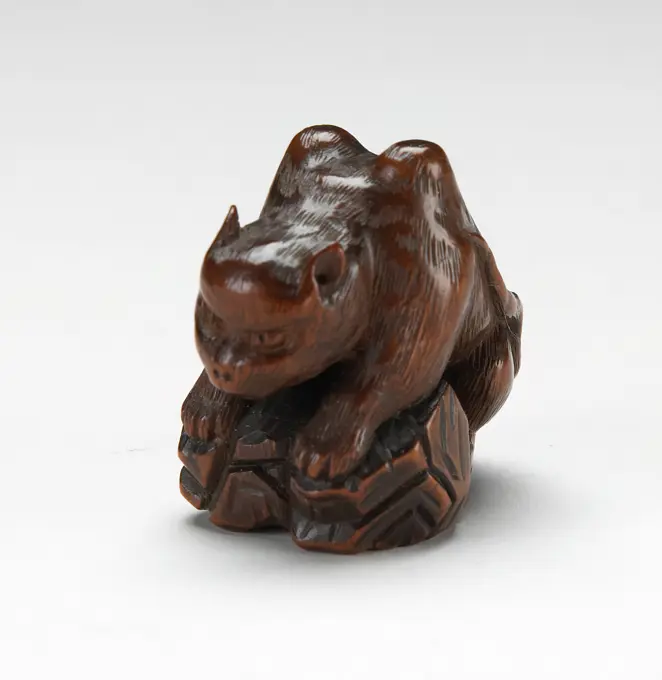
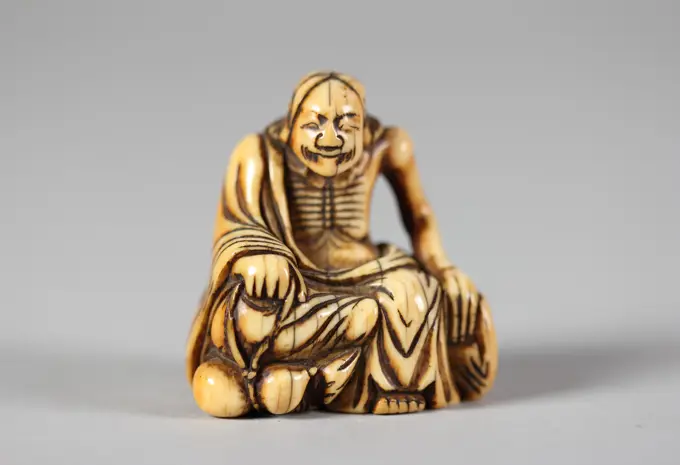
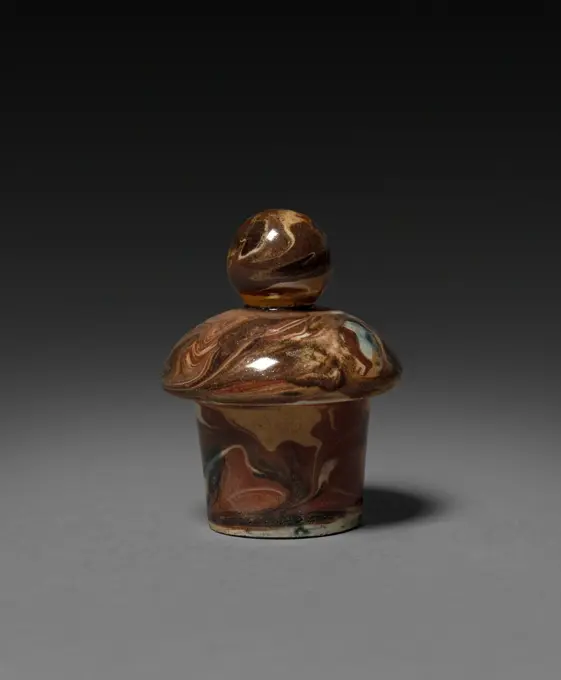
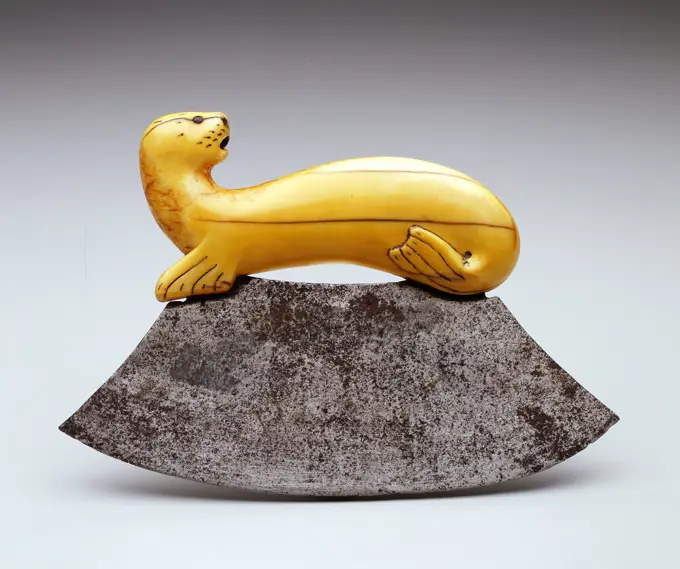
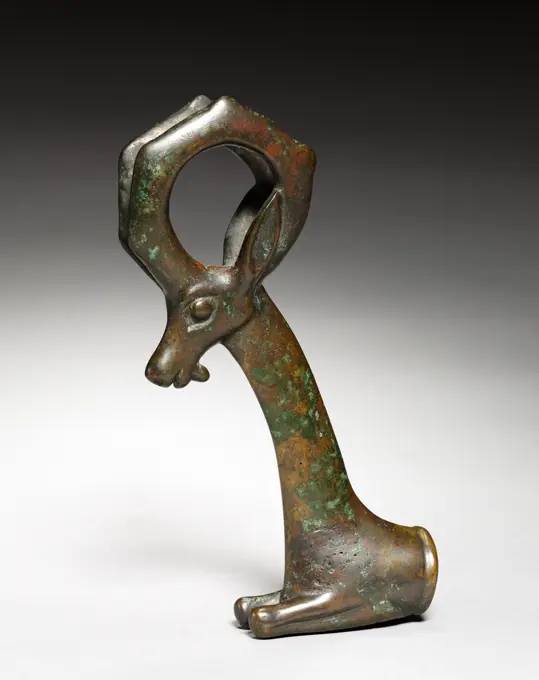
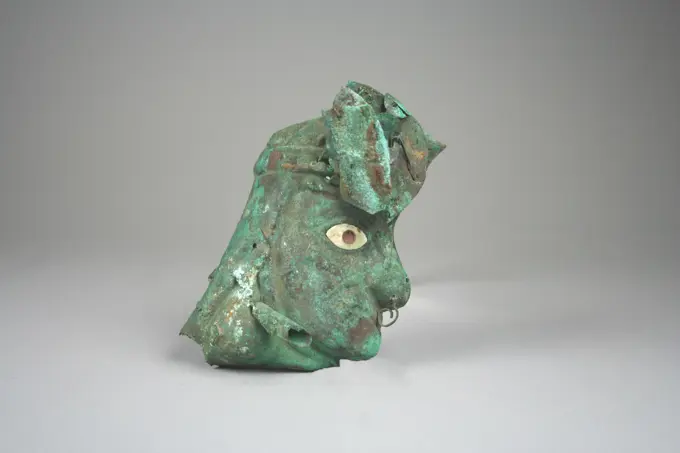
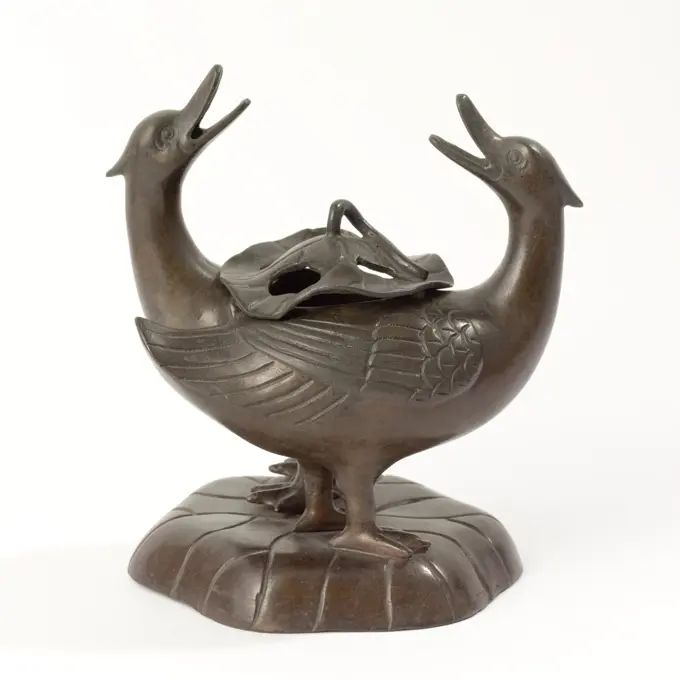
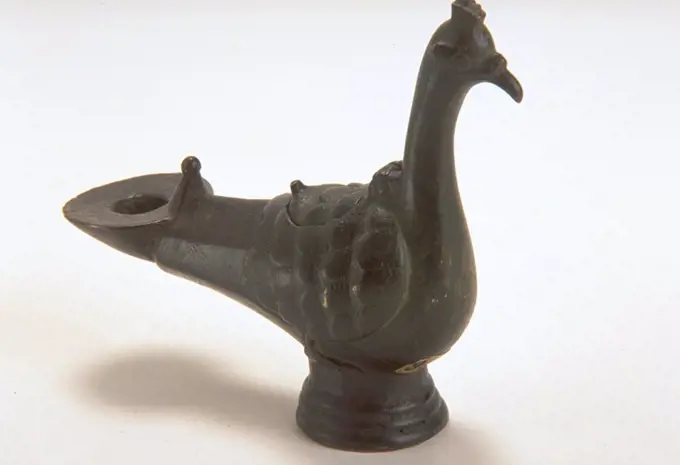
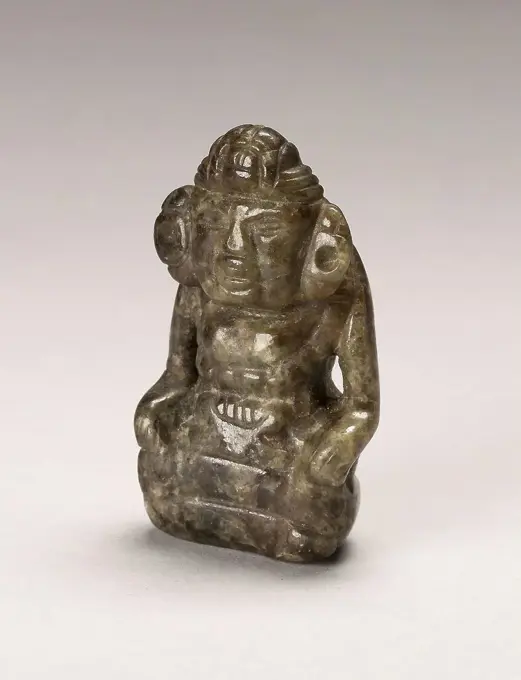
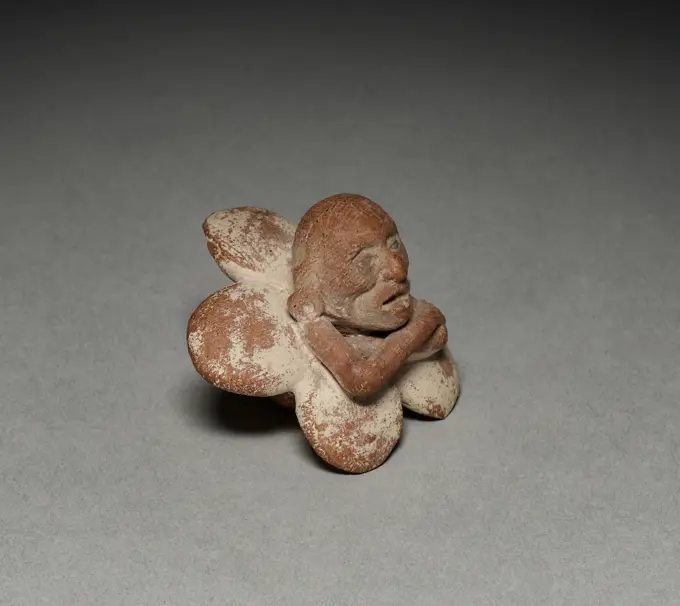
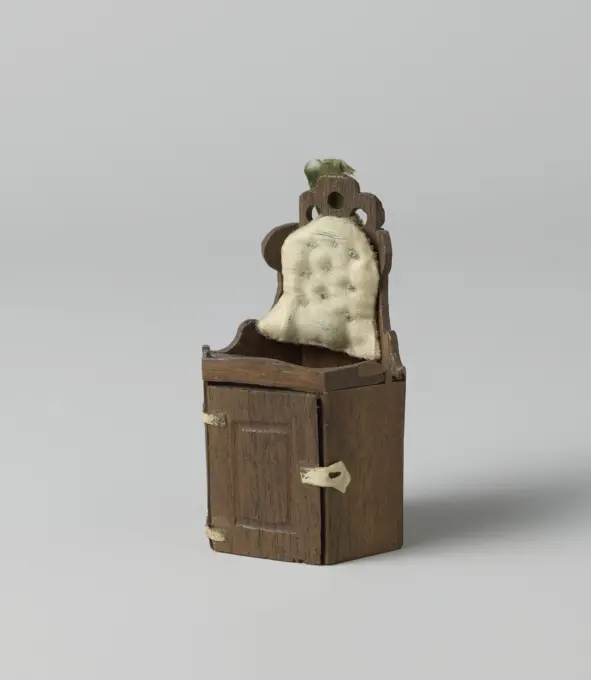
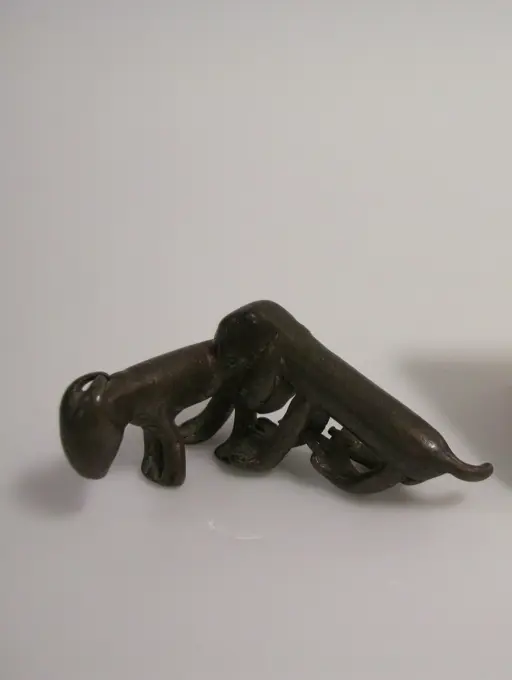
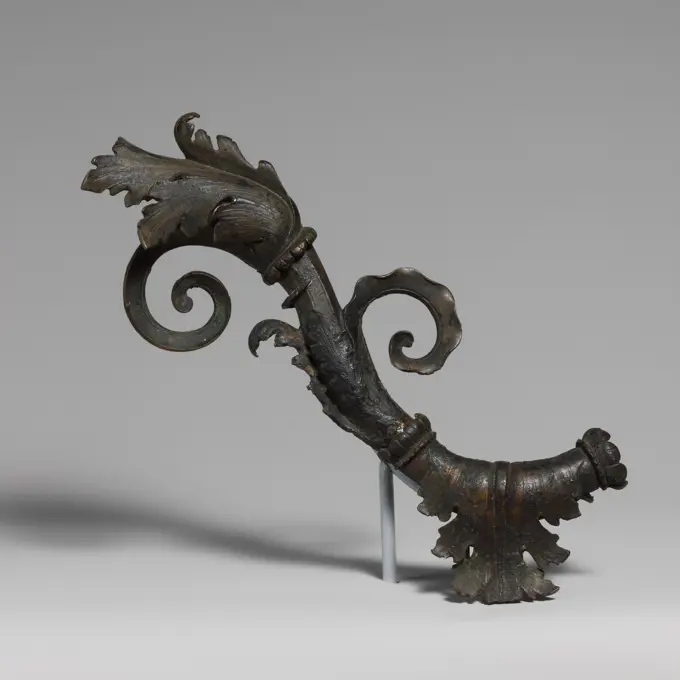
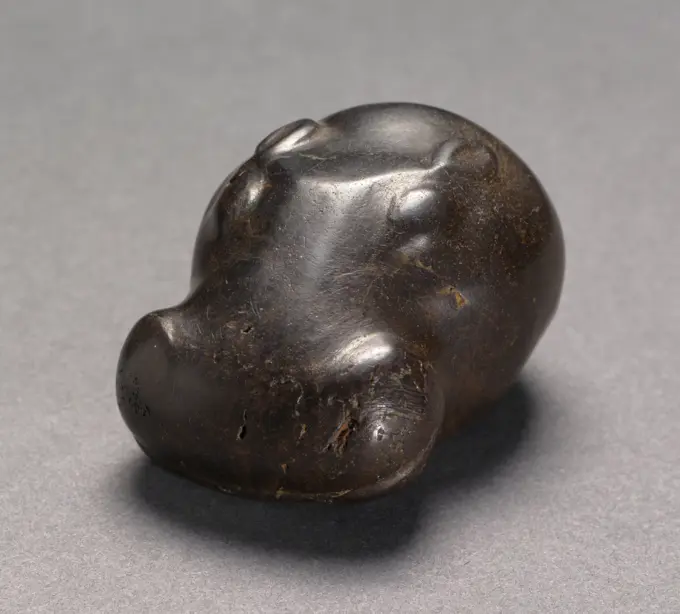
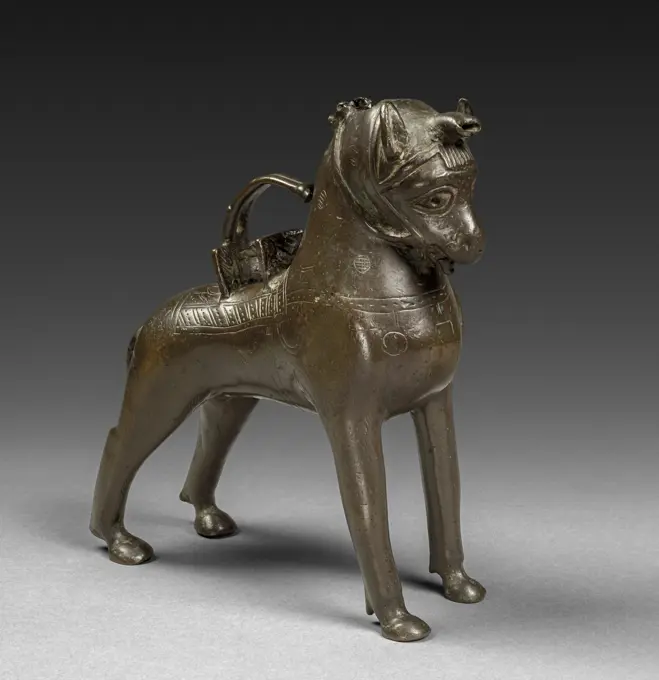
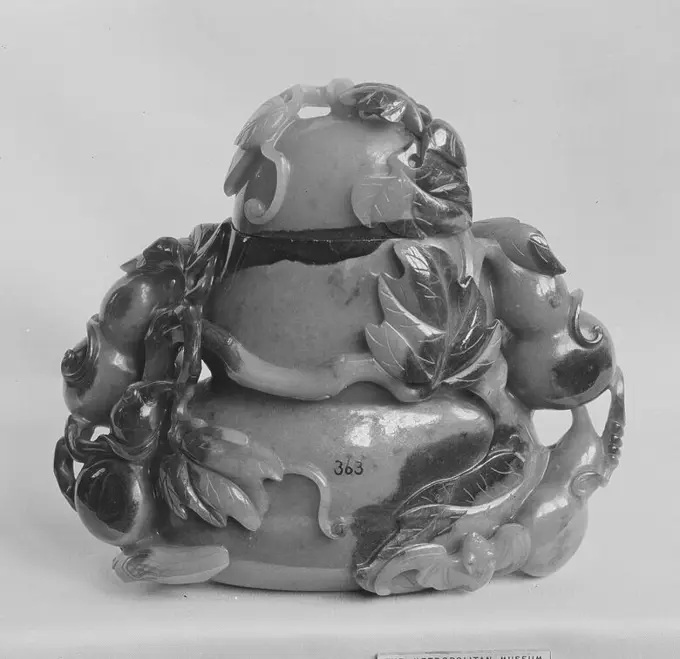
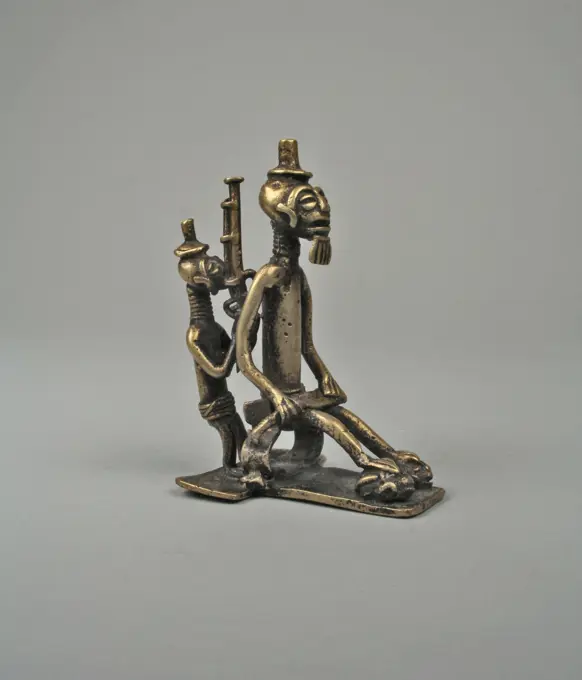
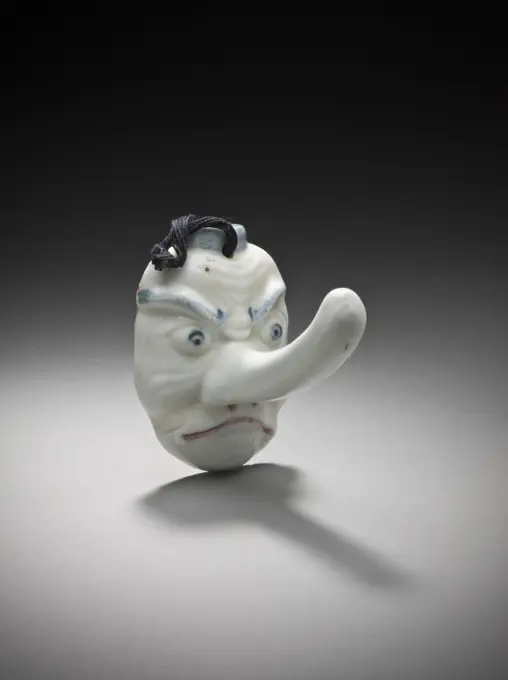
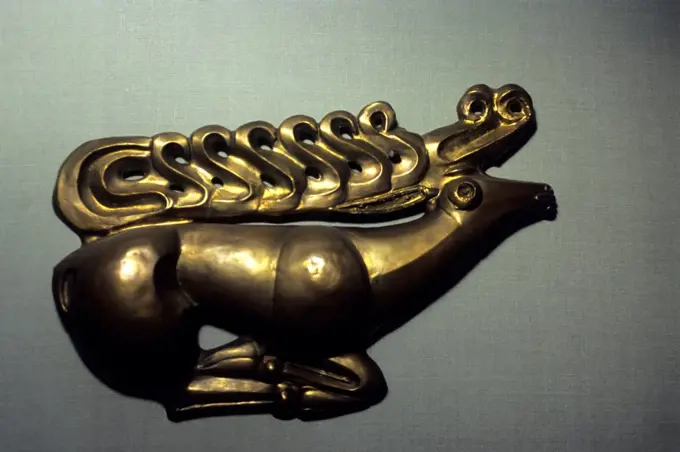
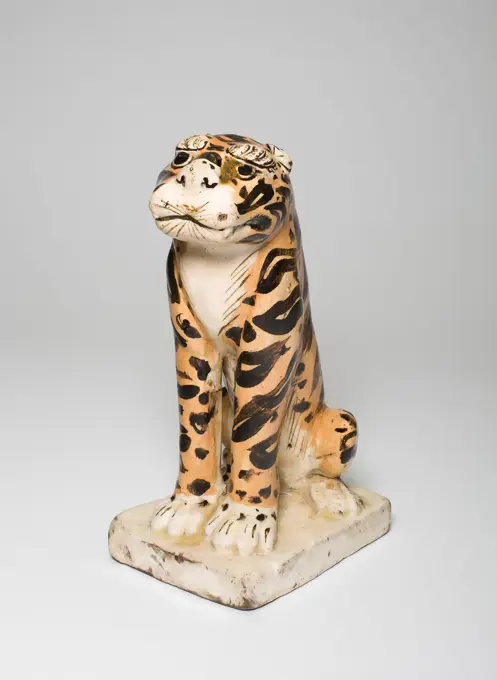
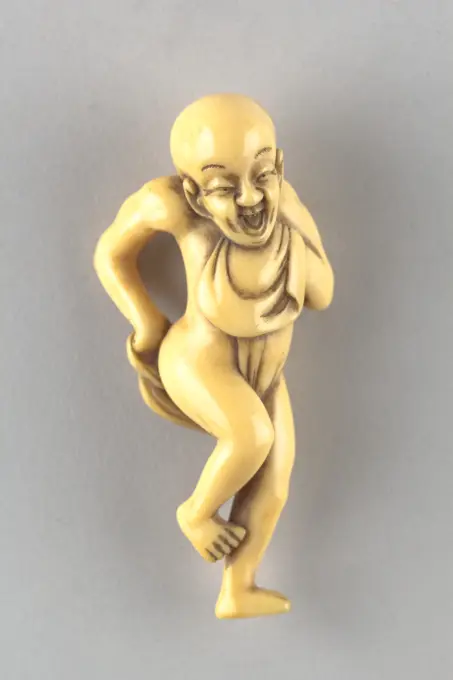
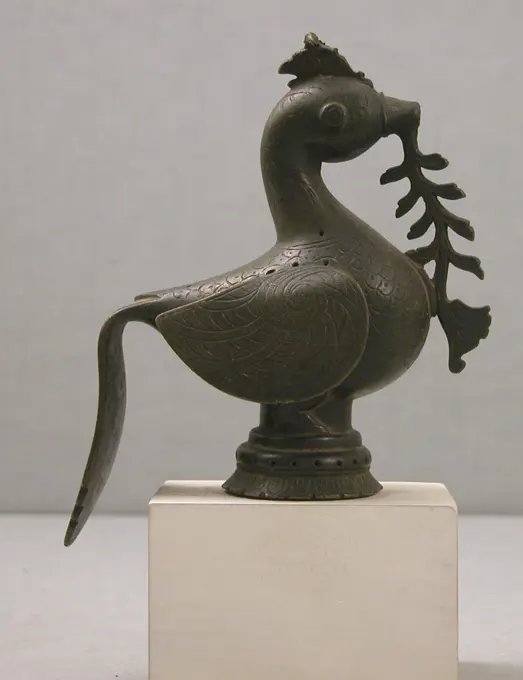
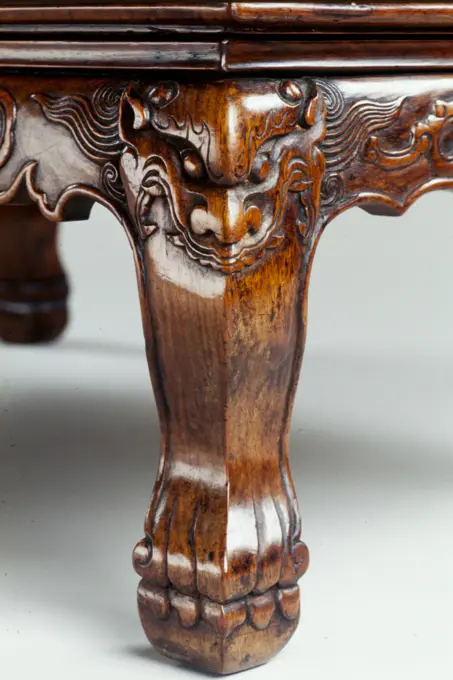
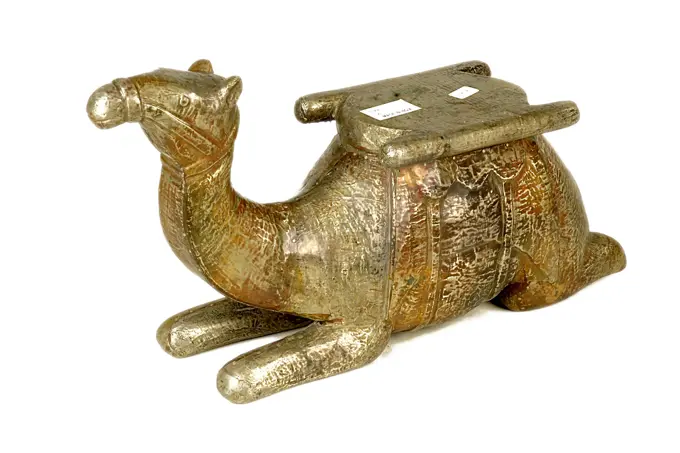
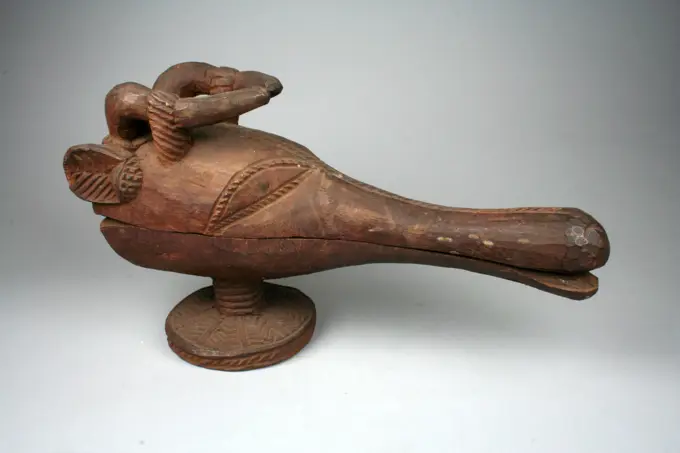
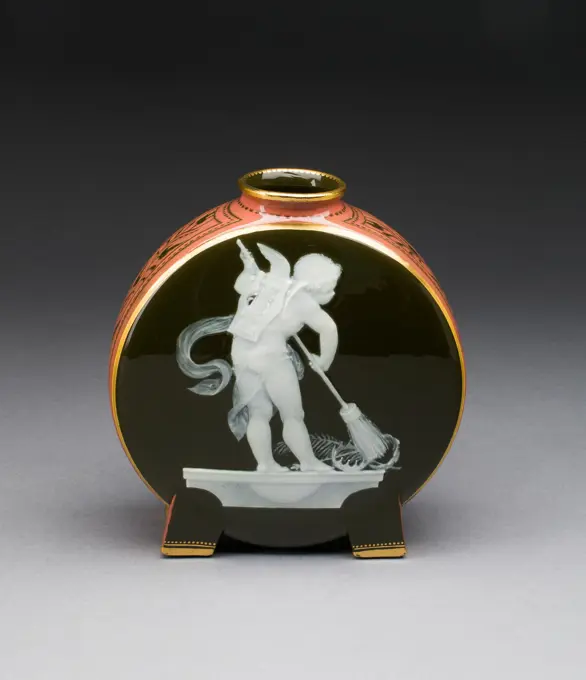
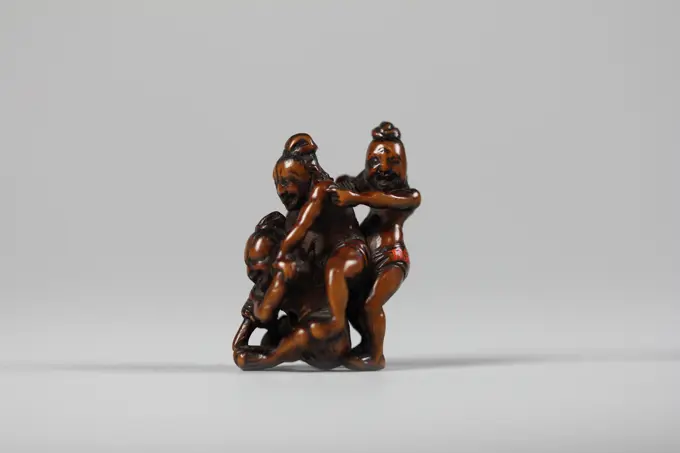
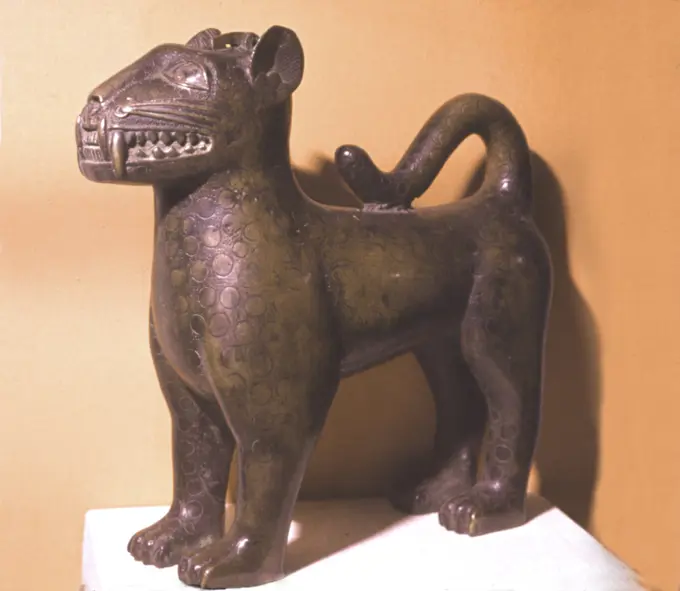
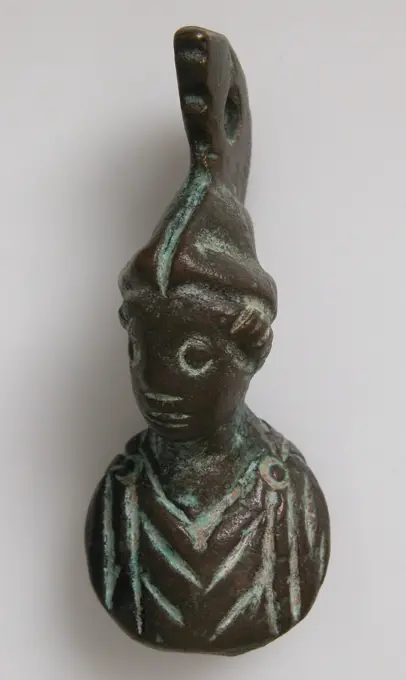
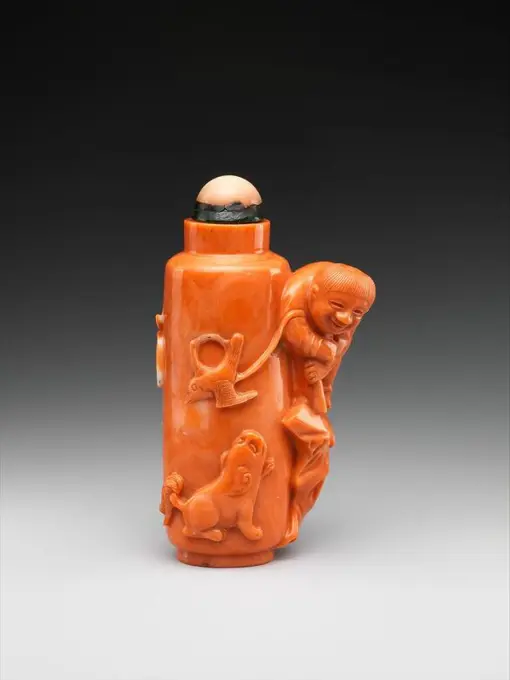
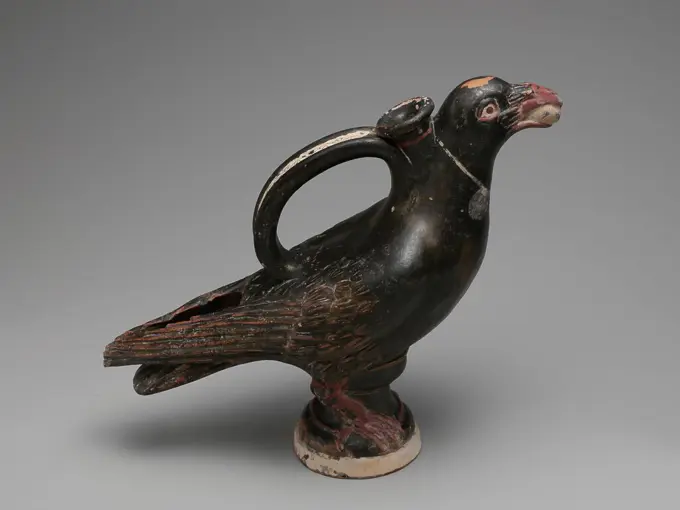
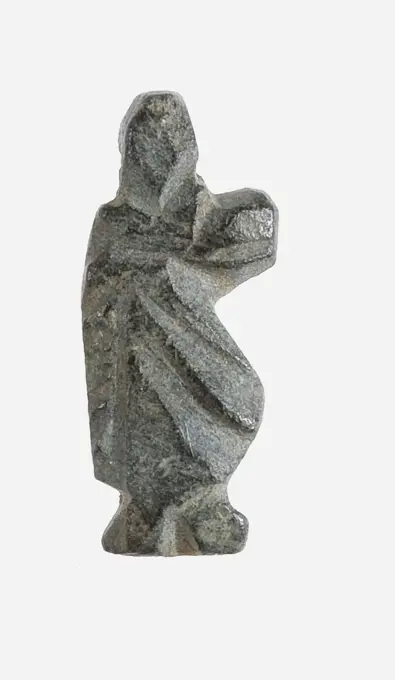
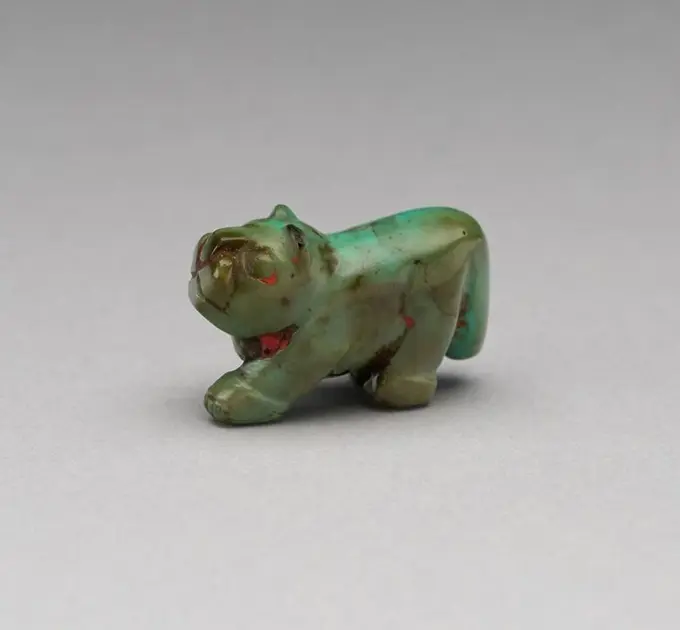
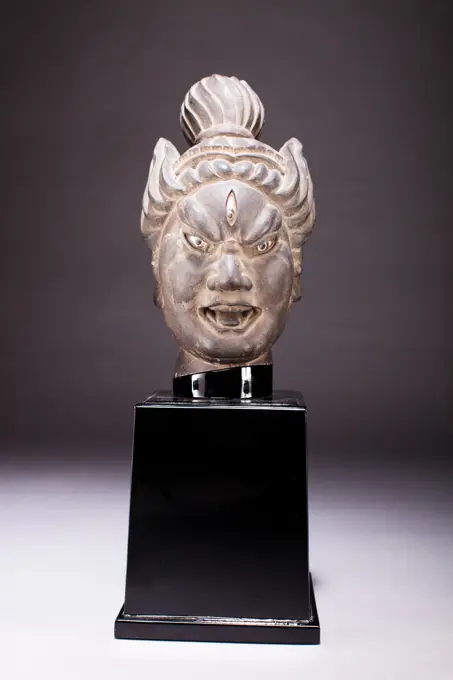
Paduan 16th Century, A Ram's Head, early 16th century A Ram's HeadNetsuke of Seated figure of a Man with Dog. Culture: Japan. Dimensions: H. 1 3/8 in. (3.5 cm); W. 1 3/16 in. (3 cm); D. 7/8 in. (2.2 cm). Date: 19th century. Museum: Metropolitan Museum of Art, New York, USA.Otter Supporting an Escutcheon, from the Top of a Balustrade or the Backrest of the Stadholders Chair in the Rolzaal in the Hof van Holland, The Hague, Joost Janszoon, Jan de Paep, 1511 Sculpture of animal or human with weapon board, sitting on a column. The statue is part of eleven images (BK-NM-144-1 to BK-NM-144-12).  wood (plant material). oak (wood). paint (coating) Sculpture of animal or human with weapon board, sitting on a column. The statue is part of eleven images (BK-NM-144-1 to BK-NM-144-12).  wood (plant material). oak (wood). paint (coating)Abalone fishergirl wrestling with an octopus, 19th century, Ransai, Japanese, 1 9/16 x 1 5/8 x 1 5/8in. (4 x 4.1 x 4.1cm), Ivory, Japan, 19th centuryVase c 1877-1879 Greenpoint. Porcelain . Union Porcelain Works (Manufacturer)Netsuke of Two Figures and a Dragon 19th century Japan. Netsuke of Two Figures and a Dragon 60274Netsuke 19th century Japan. Netsuke. Japan. 19th century. Ivory. Edo (1615-1868) or Meiji period (1868-1912). NetsukeAnimal Pendant, 1900s. Western Sudan, Burkina Faso, Tusyan people, 20th century. Copper alloy; overall: 12.1 cm (4 3/4 in.).Fabeldier, Anonymous, 1368 - 1644 Lying Fabeldier, decorated in haut and bass relief and arabesks. Light gray -green jade. On wooden base. China jade (rock) Lying Fabeldier, decorated in haut and bass relief and arabesks. Light gray -green jade. On wooden base. China jade (rock)animal Sculpture; inv2013 lNetsuke of Horse 19th century Japan. Netsuke of Horse. Japan. 19th century. Wood. Edo (1615-1868) or Meiji period (1868-1912). NetsukeAmulet of Thoth. Egyptian. Date: 332 BC-30 BC. Dimensions: 4 × 1.5 × 1.5 cm (1 5/8 × 9/16 × 9/16 in.). Glazed steatite. Origin: Egypt. Museum: The Chicago Art Institute, Chicago, USA. Author: Ancient Egyptian.Incense Burner 1650 Japan. Incense Burner. Japan. 1650. Clay with a thin glaze (Bizen ware). Edo period (1615-1868). CeramicsFigurine of AmorSalt Cellar. Belgium. Date: 1625-1675. Dimensions: 10.5 × 8.6 × 3.2 cm (4 1/8 × 3 3/8 × 1 1/4 in.). Ivory. Origin: Belgium. Museum: The Chicago Art Institute, Chicago, USA.CDK unknownNetsuke of Horse. Culture: Japan. Dimensions: H. 1 1/2 in. (3.8 cm); W. 1 3/4 in. (4.4 cm). Date: 18th century. Museum: Metropolitan Museum of Art, New York, USA.Terracotta vase in the form of a rooster late 6th century B.C. East Greek, Rhodian Aryballos in the form of a rooster.. Terracotta vase in the form of a rooster 254370 East Greek, Rhodian, Terracotta vase in the form of a rooster, late 6th century B.C., Terracotta, H. 3 3/8 in. (8.5 cm). The Metropolitan Museum of Art, New York. Rogers Fund, 1941 (41.162.199)Lamp 6th century Byzantine. Lamp 468205Netsuke of Man Sitting on a Recumbent Ox 19th century Japan. Netsuke of Man Sitting on a Recumbent Ox. Japan. 19th century. Ivory. Edo (1615-1868) or Meiji period (1868-1912). NetsukePeasant sitting on a barrel with a branch of soybean pods () on his arm; netsuke. Yukikazu (fl. ca 1870-1910), sculptorWine Cup (Jue), c. 1400 BC. China, Middle Shang dynasty (c.1600-c.1046 BC), Erligang phase (c. 1600-1400 BC). Bronze; overall: 32.4 x 24.2 cm (12 3/4 x 9 1/2 in.).Handen van Geel Copper from Pelgrimsvas, Anonymous, 1800 - 1825 Handen of yellow copper from Pelgrimsvas. China copper (metal) Handen of yellow copper from Pelgrimsvas. China copper (metal)Bronze phallic ornament 1st century A.D. Roman This ornament probably hung as a charm from a tintinnabulum, a wind chime adorned with bells and intended to ward off evil. These phallic tintinnabula were doubly apotropaic, the protective effect of the phallus strengthened by the ringing of the bells. The phallus on these objects could take many different forms, transforming into a wolf, dog, beast, lion, monster, or winged creature.. Bronze phallic ornament. Roman. 1st century A.D.. Bronze. Imperial. BronzesSeiōbō: Queen Mother of the West. Meikeisai Hōjitsu (Japan, died 1872). Japan, mid-19th century. Costumes; Accessories. Wood with inlaysEagle. Bronze. Japan. XVIII-XIXth century. Paris, Cernuschi museum. Eagle, animal, Japanese art, bronze, bird, raptor, volatile, 19th 19th 19th 19th 19th 19th 19th century, 18th 18th 18th 18th 18th 18th 18 CENTURClip. Ordos. 3rd millennium BC. Paris, Cernuschi museum. 35179-13 Staple, bronze, hetao, meridional Mongolia, ordos, prehistory, prehistoric, animalBoy on rocking horse. Boy with stab on a rocking horse. In his left hand, he holds the reins and a long whip in his right hand. The image is marked with a master's sign and a sword.Goldweight Antelope, 19th-20th century, 1 3/16 x 1 x 2 9/16 in. (3.02 x 2.54 x 6.51 cm), Brass, Ghana, 19th-20th centuryOx late 18th-early 19th century Tomotada Japanese. Ox. Tomotada (Japanese, active late 18th-early 19th century). Japan. late 18th-early 19th century. Ivory. Edo period (1615-1868). NetsukeTwo Monkeys Made 1750-1760 Bow. Soft-paste porcelain, polychrome enamels . Bow Porcelain FactoryRooster figurine. Culture: Cypriot. Dimensions: H. 8 9/16 in. (21.7 cm). Date: early 5th century B.C..The figurine is mold-made in two molds and is hollow. The feet are handmade. Museum: Metropolitan Museum of Art, New York, USA.Bronze belt buckle. 62 mm x 25 mm ( 5th CE ) - Roman period, from the archaeological site of Complutum in Alcala de Henares (Madrid). SPAIN.Peddler. Gessen (Japan, late 18th-early 19th century). Japan, late 18th-early 19th century. Costumes; Accessories. WoodSauceboat, Bow Porcelain Manufactory, English, active 18th century, soft paste porcelain, gold, Oval sauceboat supported on oval. Base domed, modeled in relief with floral garland. body of boat molded with relief garlands. Upper rim risesin wave motif at body sides, curving to elongated pouring lip. Exterior body gilded in floral patterns above and beneath molded garlands. Handle in form of serpent/dragon, head rising over sauceboat, with delicately molded scales, teeth, tongue, and ears. Interior of boat with gilded flo- ral spray at bottom, and gilded circle and dot band at inner edge of lip. Body paste creamy white, with minor black imperfections thoughout., England, ca. 1750, ceramics, Decorative Arts, sauceboat, sauceboatWaist clamp;  19th century (1801-00-00-1900-00-00);Snuff Bottle, 1850-1925, 4 5/8 x 3 3/8in. (11.7 x 8.6cm), Coral, ChinaModeled vulture, 3rd-7th century, 5 1/2 x 9 1/2 in. (14.0 x 24.1 cm), Earthenware, Mexico, 3rd-7th centuryTiger and rocks, late 19th century, Masano (of Ise), Chinese, 1 1/2 x 1 1/16 x 1 5/8 in. (3.81 x 2.7 x 4.13 cm), Wood, China, 19th centuryNetsuke of Old Man Seated on a Rock 19th century Japan. Netsuke of Old Man Seated on a Rock. Japan. 19th century. Ivory. Edo (1615-1868) or Meiji period (1868-1912). NetsukeLosing a Tooth while Pounding Rice. Jobun (Japan, active late 18th-early 19th century). Japan, late 18th-early 19th century. Costumes; Accessories. Boxwood with inlaysMean Standing Bear' still bank, 1906, 5 1/2 x 2 3/4 x 3 1/16 in. (13.97 x 6.99 x 7.78 cm), Iron, pigment, 20th centuryCovered for an Agateware Vase, c. 1770. Wedgwood and Bentley (British, Staffordshire, 1769-1780). Marbled earthenware (agateware) with gilt decoration; overall: 28 cm (11 in.).Statuette of a Dog. UnknownWoman's chopping knife (Ulu), c. 1920-1930, 5 x 7 1/2 in. (12.7 x 19.05 cm), Walrus ivory, metal, United States, 20th centuryKnight chess piece, computer illustration.Ibex Whetstone Handle, 1100-900 BC. Luristan, Iran, 1100-900 BC. Bronze, cast; overall: 22.3 cm (8 3/4 in.).Face Mask Ornament 6th-7th century Moche (Loma Negra). Face Mask Ornament 314711Nail cover in the Form of a Long-Tailed Turtle. Japan, 19th century. Ceramics. Hirado Mikawachi ware; porcelain with iron and blue glazesChinese Lion Chewing Its Paw. Tadatoshi (Japan, circa 1780-1844). Japan, first half of 19th century. Costumes; Accessories. WoodDoor knocker. Culture: Italian, Venice. Dimensions: Overall (confirmed): 13 × 10 5/8 × 3 1/8 in. (33 × 27 × 7.9 cm). Date: late 16th century. Museum: Metropolitan Museum of Art, New York, USA.Two ducks. Bronze. Japan. Paris, Cernuschi museum. Animal, Japanese art, bronze, duck, two, 19th 19th 19th 19th 19th 19th 19th century, 18th 18th 18th 18th 18th 18th century, animalSpoonInlaid Rams head, Bronze with inlay, 1 × 2 in. (2.54 × 5.08 cm), China, Chinese, Han Dynasty (206 B.C.E.-220 C.E.), SculptureLUCERNA DE BRONCE EN FORMA DE AVE. VISIGODO. (DEPOSITO: MUSEO ARQUEOLOGICO NACIONAL).Limestone statue fragment of a right hand with a bracelet, holding a flower 4th-3rd century B.C. Cypriot The right hand holds a flower with five petals; a bracelet circles the wrist. The nails are carefully articulated.. Limestone statue fragment of a right hand with a bracelet, holding a flower 244060Figure 17th century China. Figure. China. 17th century. Jade. Ming dynasty (1368-1644). JadeFigurine. Classic Maya; Mexico, Guatemala, or Honduras. Date: 250 AD-900 AD. Dimensions: H. 5.4 cm (2 1/8 in.). Jadeite. Origin: Central America. Museum: The Chicago Art Institute, USA.Figure in Flower Ornament, 500-900. Mexico, Yucatán, Jaina Island region, Campeche, Maya style (250-900). Earthenware with slip ; diameter: 3 cm (1 3/16 in.). Figures within flowers are one of the most enchanting themes of the Maya ceramic art of Jaina, an island off the western Yucatán coast. The figures, usually males who cross their arms over their bodies, are either radiantly youthful or aged (as here), suggesting a relationship to the life cycle.Children's socket, hexagonal, with green cushion, anonymous, c. 1700 - c. 1799 Children's socket of Notenhout. Sexible model with a high back, loose table top, seat with Pottegat and a light green held back cushion Amsterdam (possibly) walnut (hardwood). chamois (animal material). silk Children's socket of Notenhout. Sexible model with a high back, loose table top, seat with Pottegat and a light green held back cushion Amsterdam (possibly) walnut (hardwood). chamois (animal material). silkBronze floral element ca. 550-500 B.C. Etruscan Originally, this object probably formed the top of an elaborate incense burner.. Bronze floral element 255954Burnt-Parfum (common name). Sandstone, molding, celadon, gilding. Cernuschi Museum, Asia Museum of Asia in the city of Paris.Goldweight Two Quadrupeds - Dog and Goat, 19th-20th century, 7/8 x 2 3/8 x 1 1/2 in. (2.22 x 6.03 x 3.81 cm), Brass, Ghana, 19th-20th centuryBronze furniture attachment late 1st century B.C.-early 1st century A.D. Roman The naturalistic rendering of the acanthus rinceau matches the style of marble decoration found on public monuments, notably the Ara Pacis, erected in Rome between 14 and 9 B.C.. Bronze furniture attachment. Roman. late 1st century B.C.-early 1st century A.D.. Bronze. Early Imperial, Augustan. BronzesWeight in the Form of a Hippopotamus Head, c. 1540-1296 BC. Egypt, New Kingdom, Dynasty 18. Hematite; overall: 2.2 x 3 x 4.2 cm (7/8 x 1 3/16 x 1 5/8 in.).Aquamanile: Saddled Horse, c. 1300. North Germany, Lower Saxony (), 14th century. Bronze; overall: 23.1 x 22.4 cm (9 1/8 x 8 13/16 in.). Aquamanilia, from the Latin aqua meaning water and manus meaning hands, were hollow cast vessels used for hand washing. Although originally intended for liturgical use they became a common sight in the homes of the nobility in the 1200s and 1300s. Often filled with scented water, these vessels were used to wash hands just before and after eating a meal. An accompanying catch basin would have caught the water as it was being poured. Here we see a proud and alert dappled gray warhorse, highly prized in the medieval period. The saddled but riderless form is rare; other popular aquamanilia include lions, dragons, griffins, and human heads.Vase with cover. Culture: China. Dimensions: H. 5 3/16 in. (13.2 cm); W. 5 13/16 in. (14.7 cm); L. 2 7/16 in. (6.2 cm). Museum: Metropolitan Museum of Art, New York, USA.Close uphill of dried poppy seed pods on a white background close -up of dried poppy seeds on white backgroundGold Weight: Chief with Attendant 19th century Yoruba peoples. Gold Weight: Chief with Attendant. Yoruba peoples. 19th century. Brass. Nigeria. Metal-SculptureHat Hook in the Form of a Tengu Mask. Japan, mid-19th century. Ceramics. Hirado Mikawachi ware; porcelain with underglaze blue and pinkUKRAINE, ODESA, ARCHAEOLOGY MUSEUM, SCYTHIAN ART, DEERSeated Tiger 907 CE-1125 China. Slip-coated and glazed stoneware .Mortuary Horse, c. 525. China, Six Dynasties period (317-581), Northern Wei dynasty (386-534). Dark buff earthenware with polychrome; overall: 22.3 x 22.3 cm (8 3/4 x 8 3/4 in.).Netsuke 18th century Japan. Netsuke. Japan. 18th century. Ivory. Edo period (1615-1868). NetsukeFinial in the Form of a Peacock 17th-18th century. Finial in the Form of a Peacock 452205Kang Table, early 17th century, 11 7/8 x 33 1/8 x 23 7/8 in. (30.16 x 84.14 x 60.64 cm), Huang-hua-li hardwood, China, 17th centuryMetal design fitting on antique wooden camel, Jodhpur, Rajasthan, India Copyright: xSafatxAli/DinodiaxPhotoxVessel: Ram's Head 18th-19th century Edo peoples At its origins, the centralized city-state of Benin was founded by Edo-speaking peoples. The accounts by official court historians and descriptions provided by visitors evoke a vibrant cultural center continually redefined by its leadership through shifting internal and external power dynamics. According to oral tradition, circa 1300, Edo chiefs are reputed to have reached out to the leader of neighboring Ife, Oranmiyan, to establish a new divinely sanctioned royal dynasty. Since then, the investiture of Benins rulers to the title of obas has conferred upon them at once a role of chief priest officiating in important religious ceremonies and presiding over an elaborate structure of palace officials. During the fifteenth century reign of Oba Ewuare, Benins armies were formed and the fortification of its capital with a massive wall undertaken. In parallel, delegations of Portuguese traders assiduously sought to secure exclusive commerciaBronze statuette representing standard bearer, from Alba Fucens (Abruzzo region, Italy)Pilgrim Bottle Vase 1885-1895 Stoke-on-Trent. Soft-paste porcelain with pte sur pte decoration in white surrounded by olive ground and framed by terracotta ground accented with gilding . Mintons Ltd.Netsuke of Group of Figures 19th century Japan. Netsuke of Group of Figures. Japan. 19th century. Wood. Edo (1615-1868) or Meiji period (1868-1912). NetsukeNetsuke,, c. 1700 --c. 1850 The lucky god Hotei and a Chinese boy. Japan wood (plant material) The lucky god Hotei and a Chinese boy. Japan wood (plant material)Water jug in the form of a leopard. Benin Bronze, 16th cent. Nigeria.Steelyard Weight with the Bust of Athena 5th-7th century Byzantine Athena, the ancient Greek goddess of wisdom, could often be seen on steelyard weights even after Christianity was made the official religion of the Empire. The use of weights of various sizes provided greater accuracy.. Steelyard Weight with the Bust of Athena. Byzantine. 5th-7th century. Copper alloy. Metalwork-Copper alloySnuff bottle with boy flying a bird. Culture: China. Dimensions: H. 2 1/2 in. (6.4 cm); H. incl. stand 3 in. (7.6 cm); W. 1 1/2 in. (3.8 cm); D. 1 in. (2.5 cm). Museum: Metropolitan Museum of Art, New York, USA.Monkey ca. 1850-1640 B.C. Middle Kingdom. Monkey. ca. 1850-1640 B.C.. Faience, Paste. Middle Kingdom. From Egypt, Memphite Region, Lisht North, Tomb of Nakht (493), brick building east, Pit 475, MMA excavations, 1913-14. Dynasty 12, late-early 13Fox Head 6th-7th century Moche (Loma Negra). Fox Head 313469Terracotta askos (flask) in the form of a jackdaw. Culture: Etruscan. Dimensions: H. 6 7/16 in. (16.4 cm)length 7 3/16 in. (18.3 cm). Date: 4th century B.C..Similar to a small crow, this askos in the form of a jackdaw is adorned with a protective bulla necklace usually worn by children. It holds a pebble or a seed in its beak. Museum: Metropolitan Museum of Art, New York, USA.Amulet: Taweret ca. 1390-1353 B.C. New Kingdom. Amulet: Taweret. ca. 1390-1353 B.C.. Schist. New Kingdom. From Egypt, Upper Egypt, Thebes, Malqata, Palace of Amenhotep III, MMA excavations, 1910-11. Dynasty 18Lower Mesopotamia, Iraq, Little sculpture representing a panther, from the Temple of the Goddess Inanna in Uruk, ivory with mounted lapis lazuliTerrine with a lid of pottery in the shape of a grape roos, with a solid. Terrine of pottery in the shape of a grape food on a leaf, the upper surface of which is green and painted blue. The bottom surface is white and equipped with three low legs. The loose lid of the aubergine-colored terrine has a branch of green leaves and a large grape as a button. Labeled under the terrine and in the lid in underglaze blue and under the dish.Fuente en bronce en forma de cierva. Madinat al-Zahra (Córdoba). s.X.Chinese sage ca. 1720-40 British, Staffordshire. Chinese sage. British, Staffordshire. ca. 1720-40. Soft-paste porcelain. Ceramics-PorcelainRam. Indonesia, Eastern Java, 12th century. Sculpture. Copper alloyFeline Figure. Chimú; North coast, Peru. Date: 1100-1470. Dimensions: 1.5 x 2.3 cm (9/16 x 7/8 in.). Turquoise with cinnabar. Origin: North Coast. Museum: The Chicago Art Institute, Chicago, USA.Mother and son with tengu mask, 19th century, Chounsai, Japanese, 1 7/16 x 1 9/16 x 1in. (3.7 x 4 x 2.5cm), Ivory, Japan, 19th centuryFigure, Glazed earthenware, Lion with ball on low base., England, 18th century, ceramics, Decorative Arts, FigureKaguhana head from a Dandatō staff, early 14th century, 10 1/4 × 4 × 7 in. (26.04 × 10.16 × 17.78 cm), Wood, lacquer, rock crystal, 14th century, The fierce head shown here likely would have been part of a pair, male and female, mounted on a staff held by one of the 10 kings of hell. The 10 kings judged deceased souls, deciding which realm of rebirth they should be born into. A contemporaneous wood sculpture from the collection of the Tōdaiji Temple in Nara shows Taizan Fukun, one of the kings of hell, holding a similar double-headed staff, indicating the popularity of this convention during the Kamakura period.Bird Standard, early to mid-1900s. Africa, West Africa, Côte d'Ivoire, Senufo-style carver. Wood and upholstery studs; overall: 42 cm (16 9/16 in.).Lion fo;  XVII century () (1601-00-00-1700-00-00);