Antique Artifacts and Seals

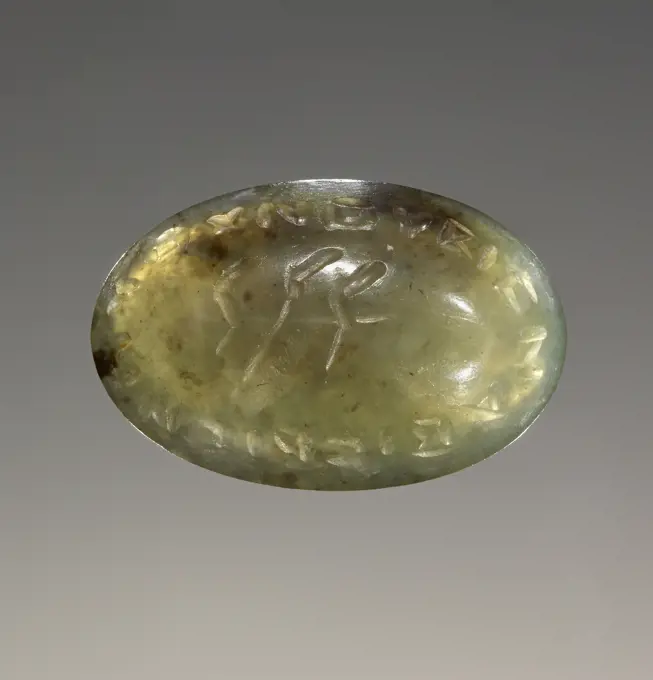
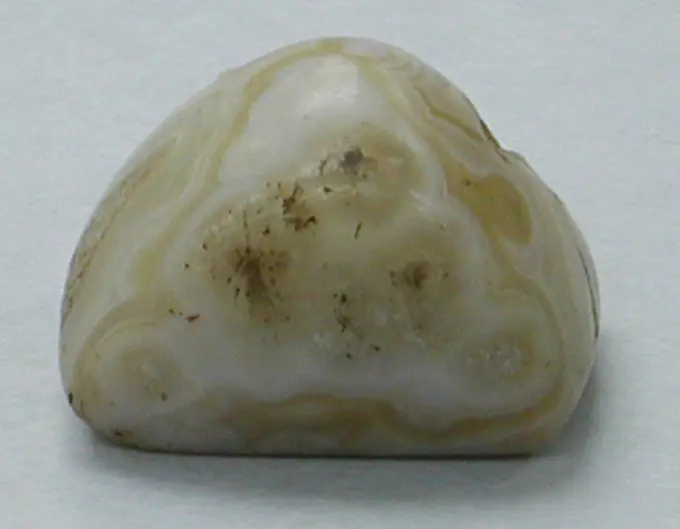
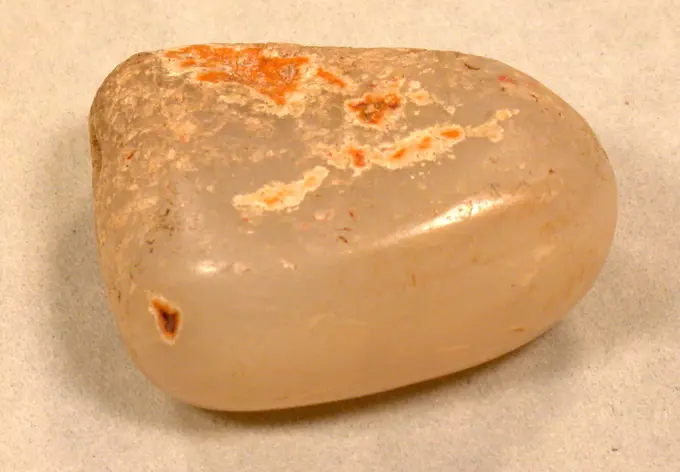
Collection of historical artifacts including a stone plate, chalcedony seal, jade pendant, and amber seal, showcasing intricate designs and cultural significance.
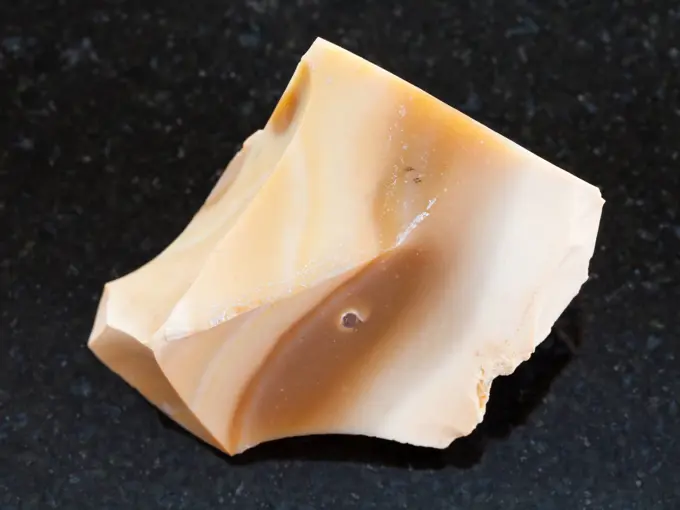
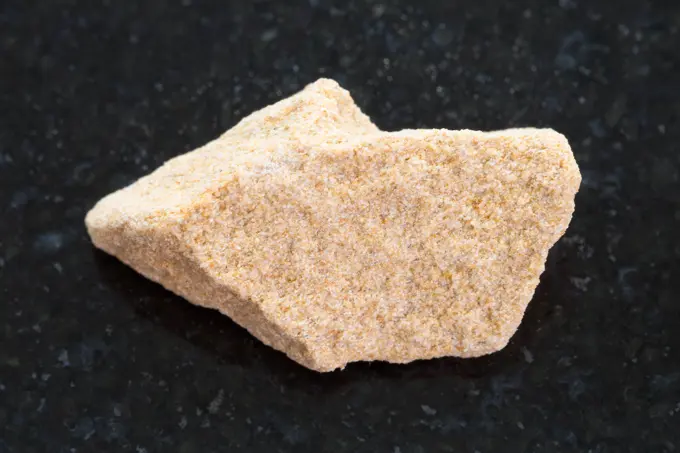
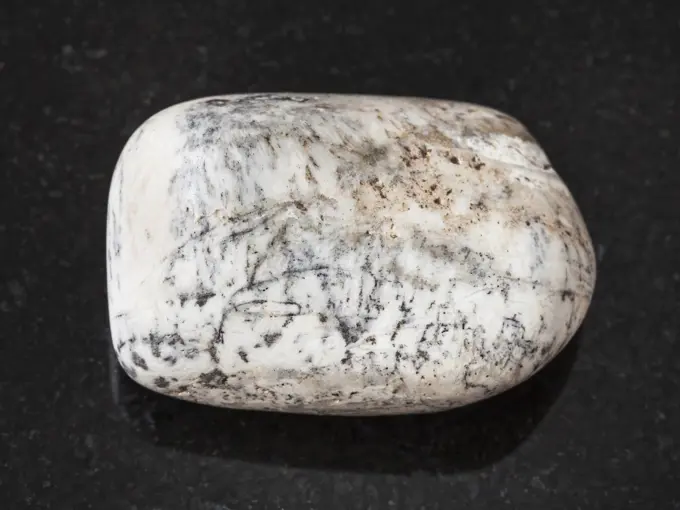
rough brown Flint stone on dark background macro shooting of natural mineral rock specimen - rough brown Flint stone on dark granite background from Tver Region of Russia Copyright: xZoonar.com/ValeryxVoennyyx 11380639
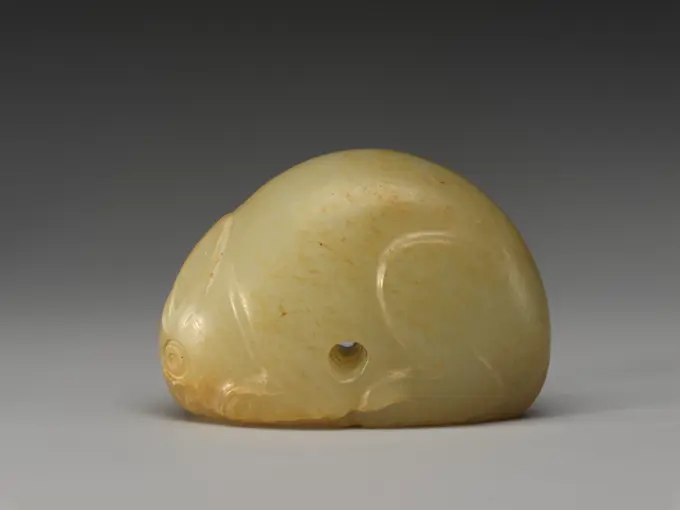
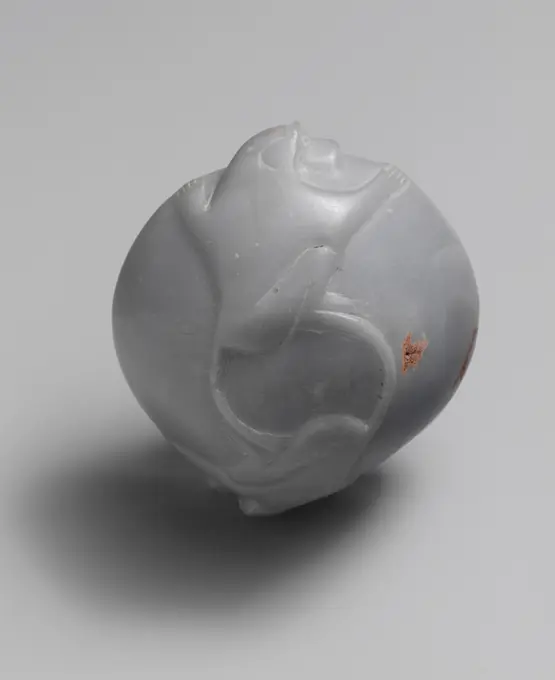
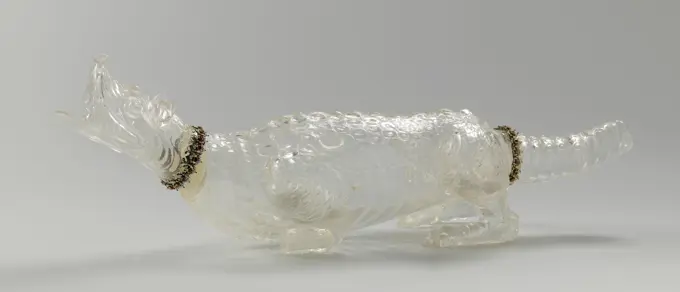
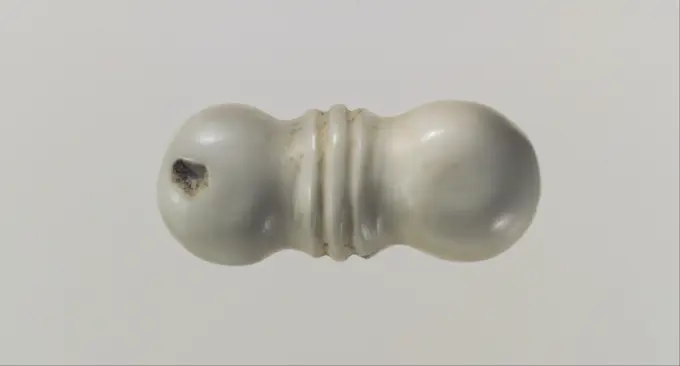
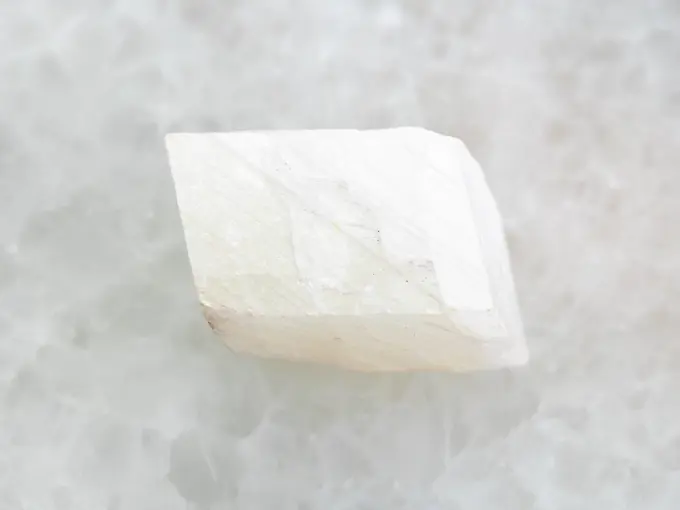
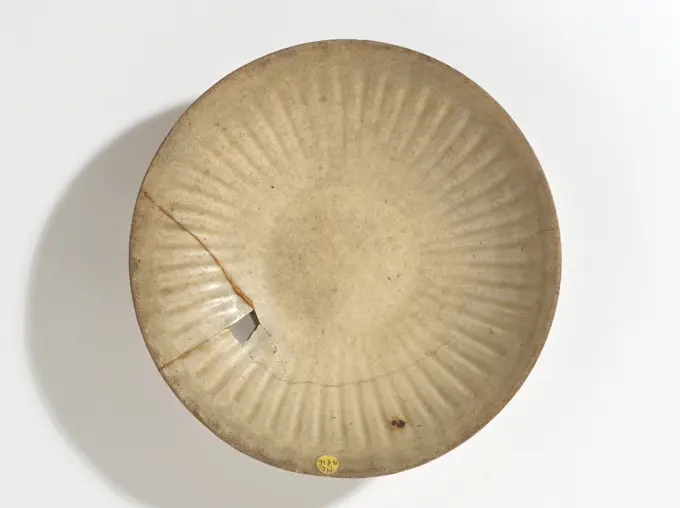
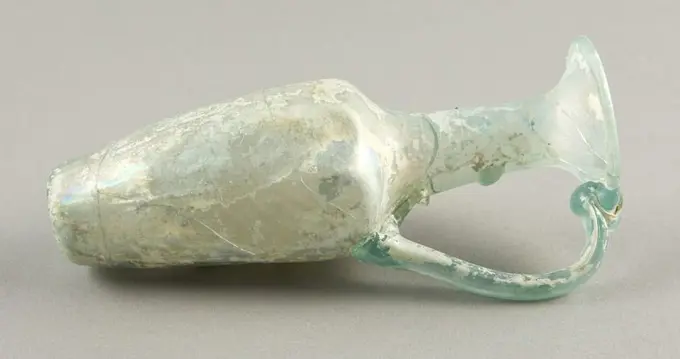
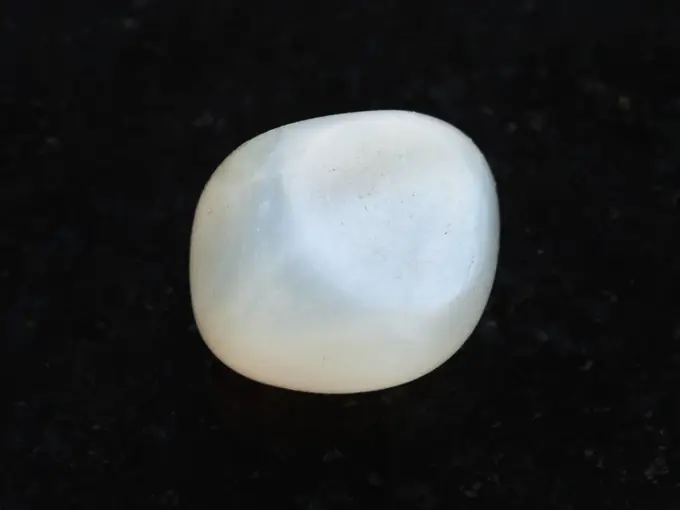
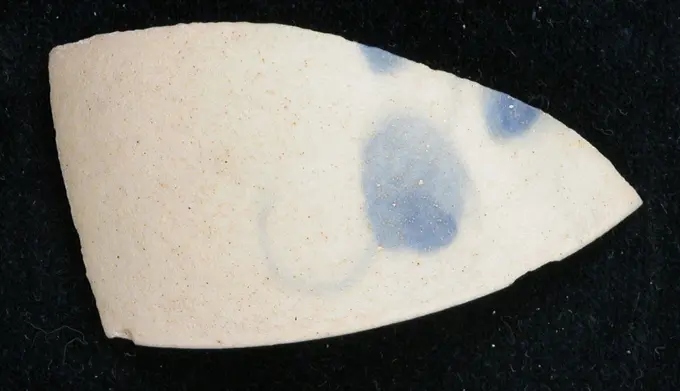
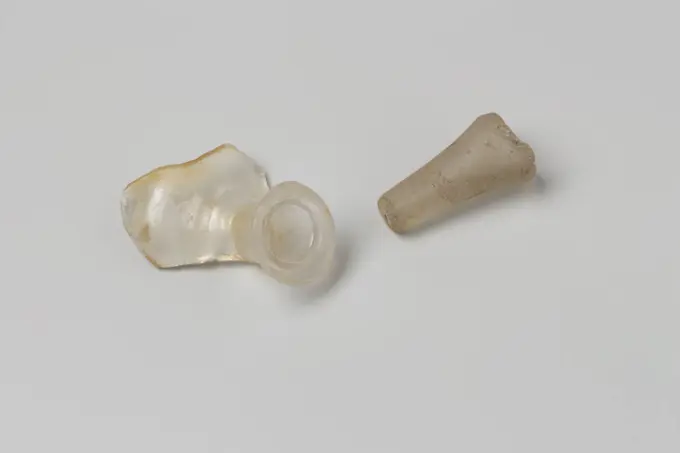
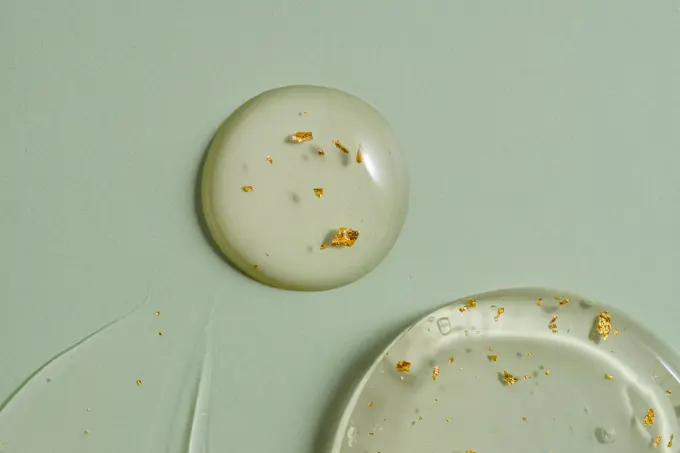
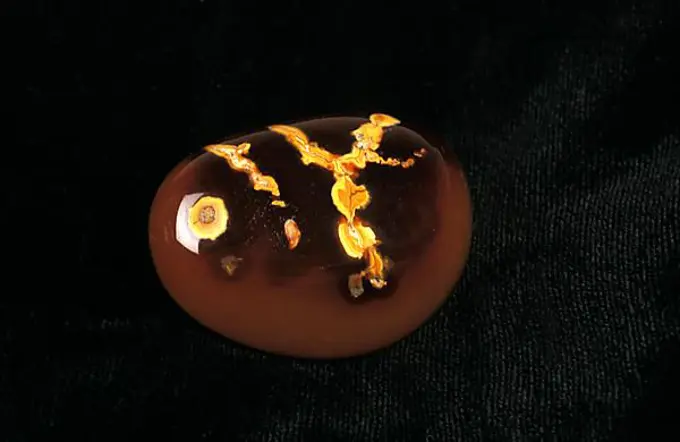
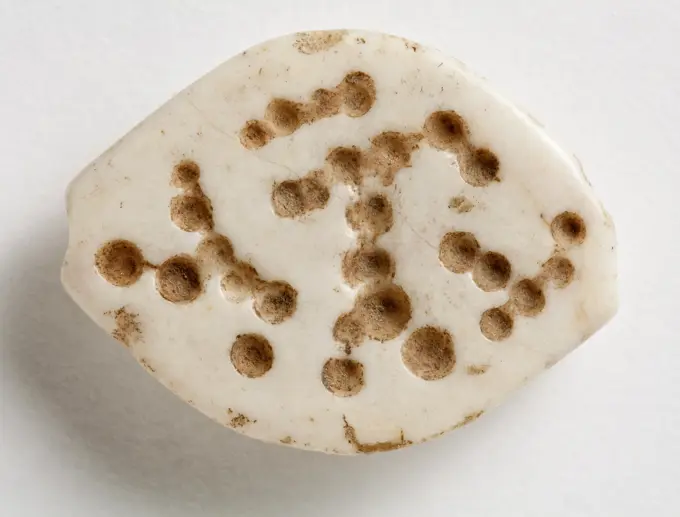
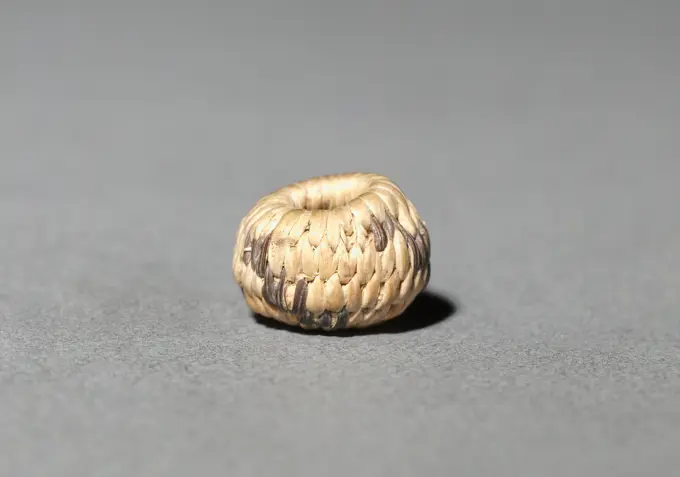
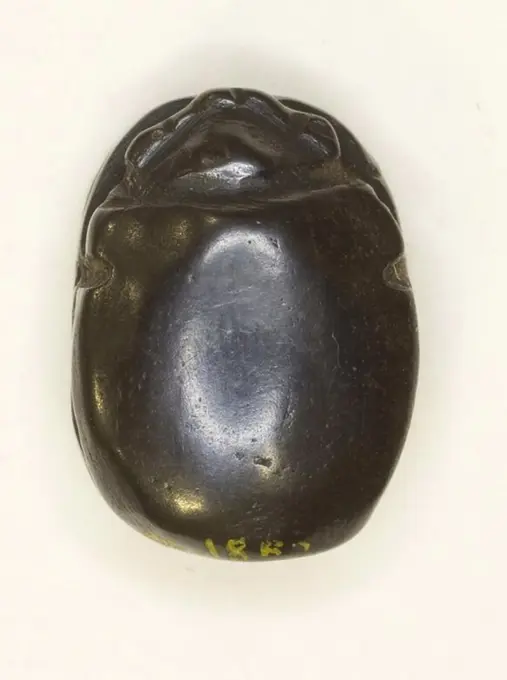
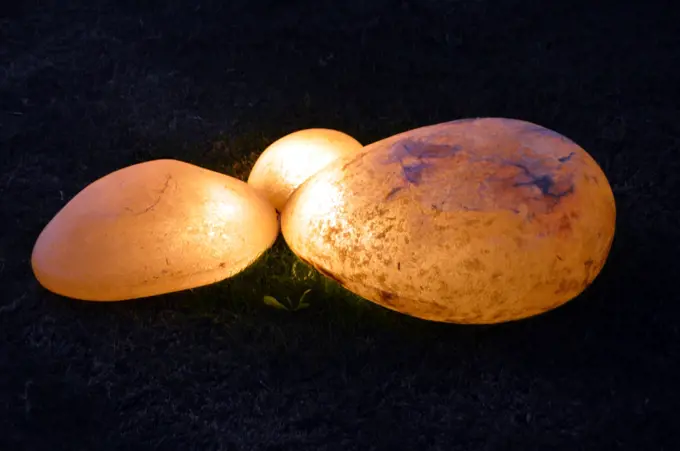
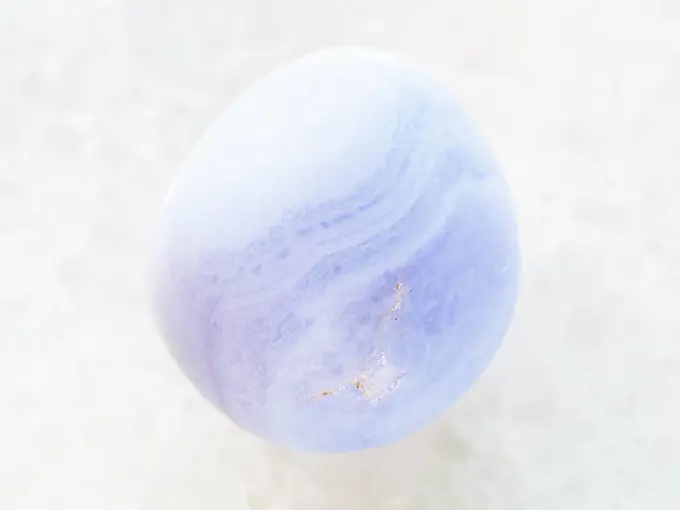
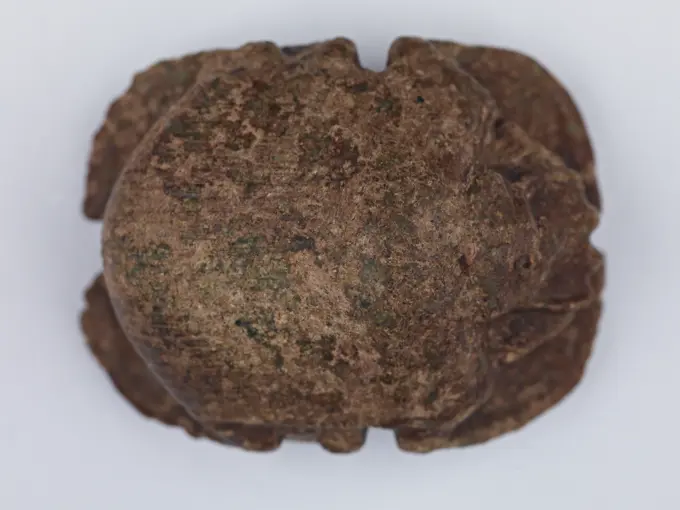
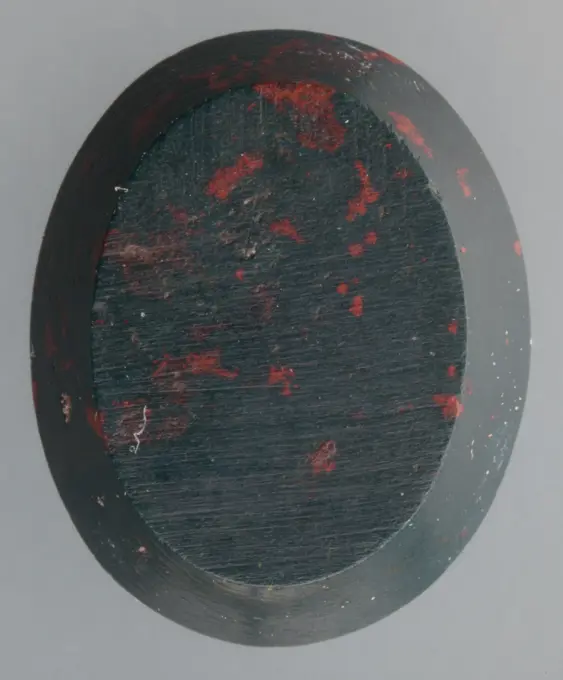
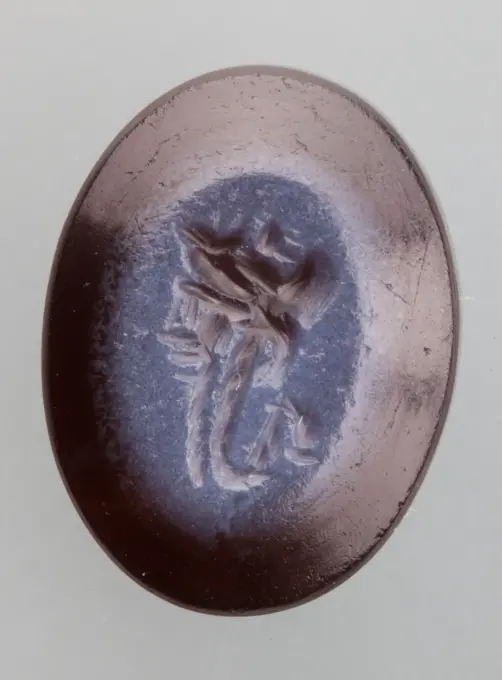
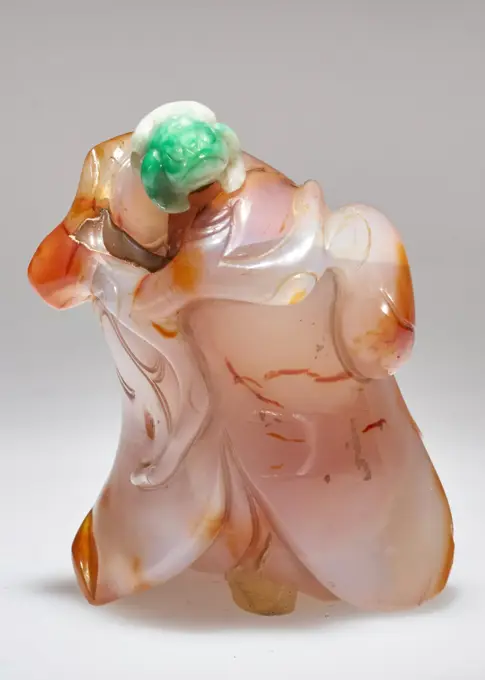
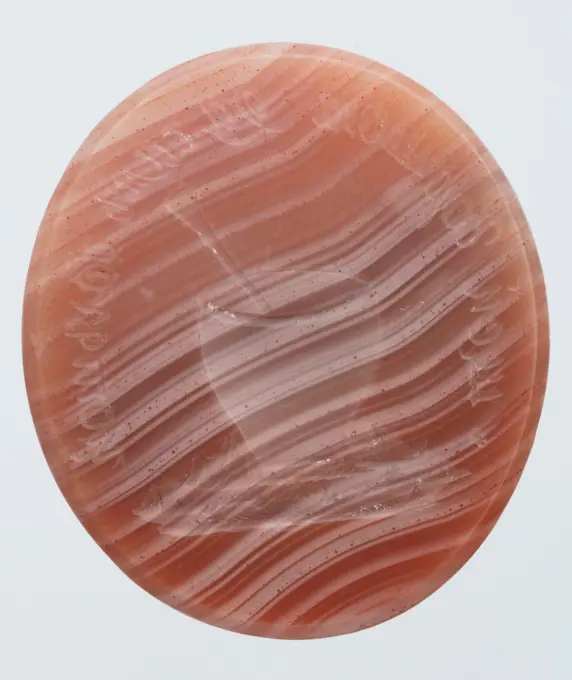
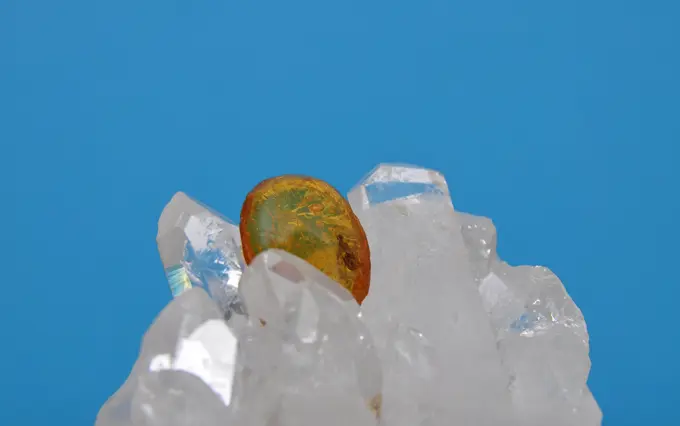
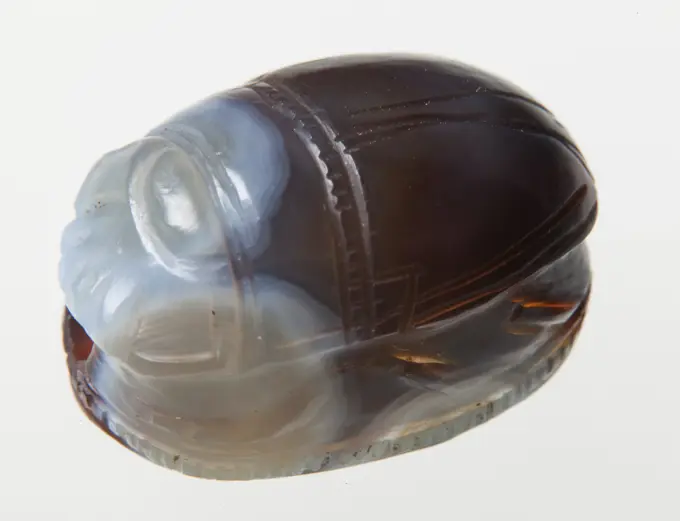
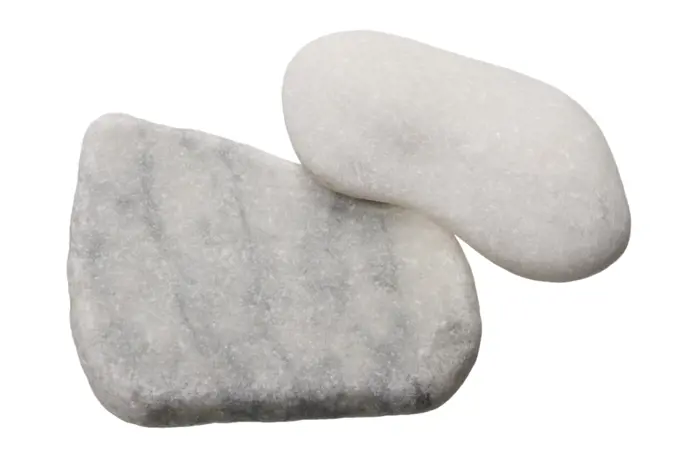
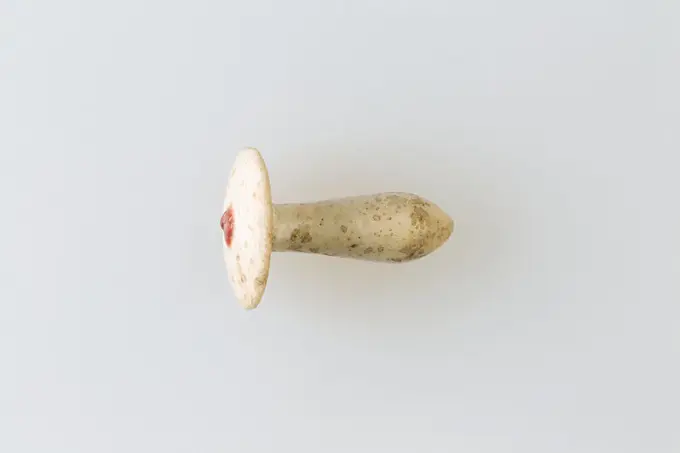
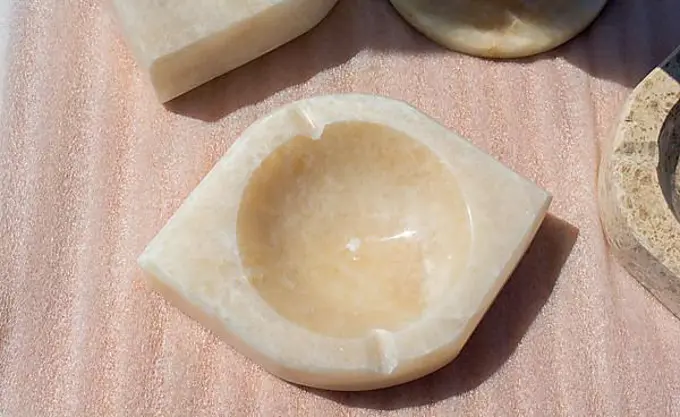
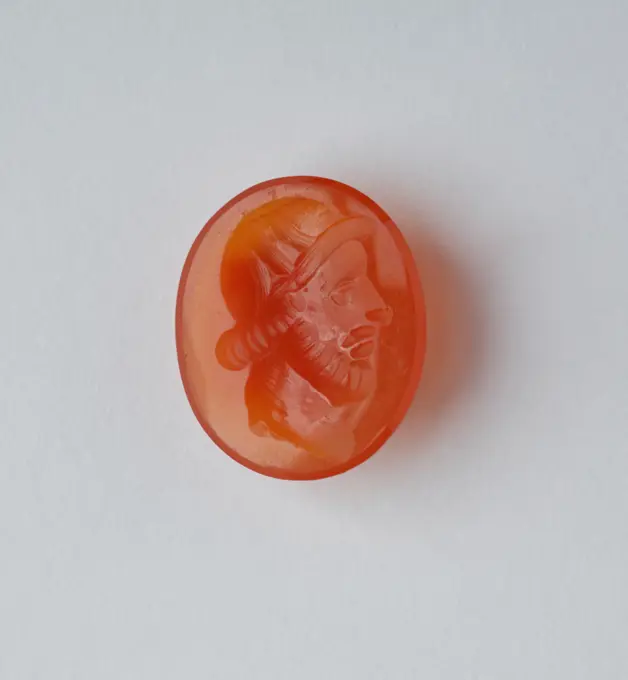
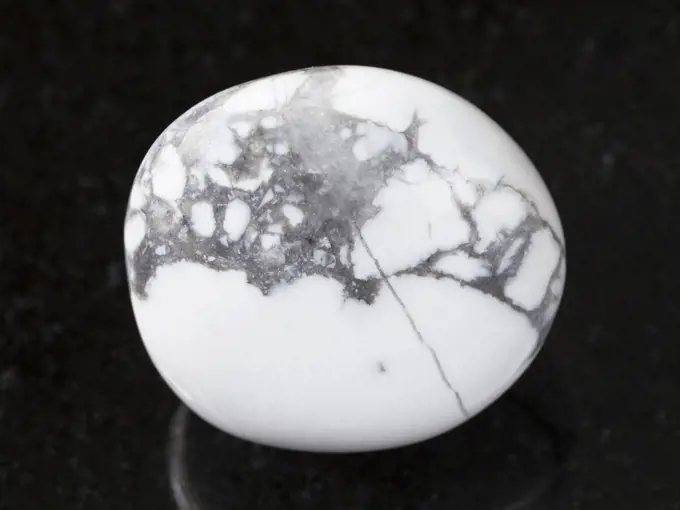
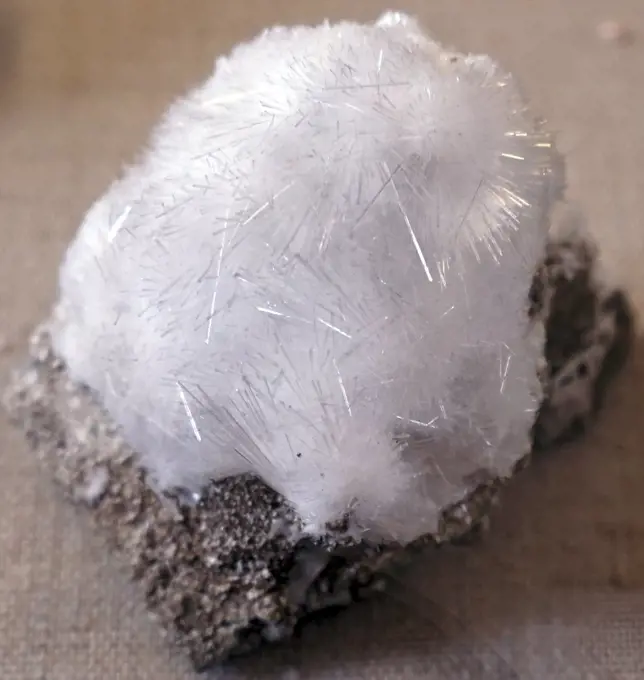
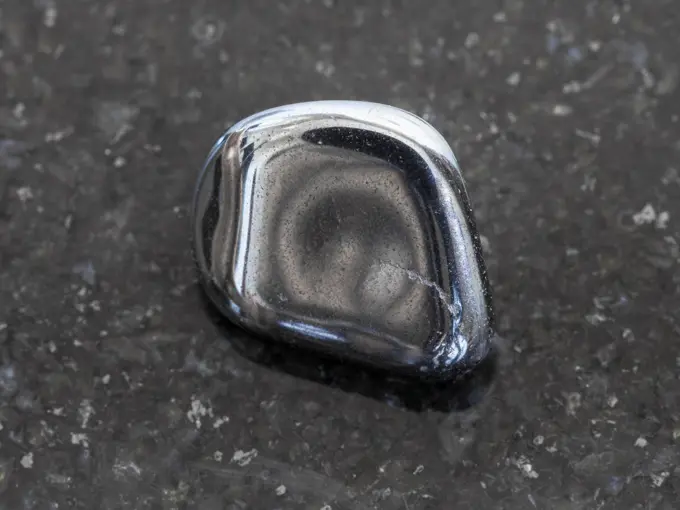
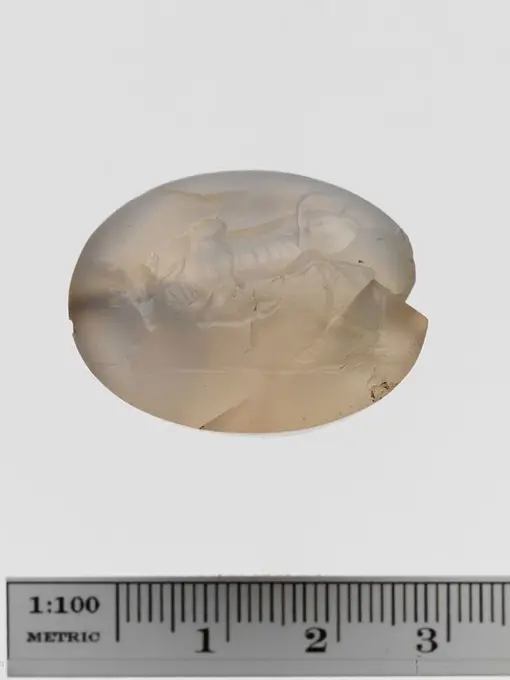
Chalcedony scaraboid seal. Culture: Greek. Dimensions: Length: 1 1/4 in. (3.2 cm). Date: ca. 5th-4th century B.C..Zebu bull preparing to lie down. Museum: Metropolitan Museum of Art, New York, USA.Zapinka do pasa. unknown, craftsmanPlate - St. Johns Stone Chinaware Company (founded 1873) St. Johns Stone Chinaware Company (founded 1873)Plaque - lid;  19th century (1801-00-00-1900-00-00);Pendant China 18th century View more. Pendant. China. 18th century. Jade. JadeWaist clamp;  XVIII-XIXW. (1701-00-00-1900-00-00);Bliżej KulturyWaist clamp;  19th century (1801-00-00-1900-00-00);Bliżej KulturyFragment straight steel of glass from the wreck of the East Indians Hollandia, Anonymous, 1700 - in Or Before 1743 drinking glass Glass, stem glass, stems, plain; fragm, id. NG 1980-27H798. Netherlands glass   SecondBliżej KulturyZapinka do pasa. unknown, craftsmanrough brown Flint stone on dark background macro shooting of natural mineral rock specimen - rough brown Flint stone on dark granite background from Tver Region of Russia Copyright: xZoonar.com/ValeryxVoennyyx 11380639Ointment Bowl with Two Monkeys in Relief ca. 1800-1550 B.C. Middle Kingdom-early New Kingdom Monkeys were kept as pets in ancient Egypt; their exotic origin from farther south in Africa made them suitable adornments of cosmetic vases, but wall paintings in tombs also suggest that there was an erotic symbolism connected with the animals.. Ointment Bowl with Two Monkeys in Relief. ca. 1800-1550 B.C.. Anhydrite. Middle Kingdom-early New Kingdom. From Egypt. Dynasty 13-17Vessel in the form of a dragon, anonymous, c. 1625 - c. 1650 Image of rock crystal with a frame of gold with email and rubies, representing a dragon. The animal is on its four legs with open mouth. The wings are missing. Italy gold (metal).. ruby (mineral) Image of rock crystal with a frame of gold with email and rubies, representing a dragon. The animal is on its four legs with open mouth. The wings are missing. Italy gold (metal).. ruby (mineral)Orange Calcite, healing stone, semiprecious stones, semi-precious stones, indoor, studio, esotericism, esotericism, free plate, objectOrnament or button for harness ca. 9th-7th century B.C. Assyrian This small shell piece was found in a well in the Northwest Palace of Ashurnasirpal II at Nimrud, together with other similar shell ornaments, several of which are also in the Metropolitan Museums collection (54.117.16-.19). They were probably thrown into the well when the palace was sacked, in 614 B.C. and then again two years later. They can be identified as horse trappings, and were probably part of a leather harness which disintegrated in the well sludge. Horses in the reliefs of the palace of Sargon II at Dur Sharrukin (modern Khorsabad) are represented with double-fan shaped ornaments on their bridles, as in a relief in the Metropolitan Museum (33.16.1) showing a groom with two horses. Because of the close parallel with the reliefs from the palace at Dur Sharrukin, the equestrian harness elements from this well probably date to the time of Sargon in the late eighth century B.C. At this time, the Northwest Palace waMei Ping, 1662-1722, H.6-1/2 in., Porcelain, China, 17th-18th centuryEngraved Scarab; Greece; fourth quarter of 6th century B.C; Carnelian; 0.8 × 1.3 × 1 cm (5,16 × 1,2 × 3,8 in.)Waist clamp;  XVII-XVIII century (1601-00-00-1800-00-00);Ring with Ankh (Symbol for Life) 1991 BCE-1784 BCE Egypt. Carnelian . Ancient EgyptianStone Pulidor before 16th century Mexican. Stone Pulidor 317093rough white calcite stone on white marble macro shooting of natural mineral rock specimen - rough white calcite stone on white marble background Copyright: xZoonar.com/ValeryxVoennyyx 11947573Fragment Baluster-shaped handle from a flute glass from the wreck of the East India Hollandia. Glass, voice glass, stem, baluster-shaped; Fragment or button, Flattened, Below Base or Bowl, Both Ends Broken off.Stamp Seal. Assyria or Southern Mesopotamia, Neo-Assyrian or neo-Babylonian (style), late 7th-6th century B.C.. Tools and Equipment; seals. Bluish chalcedony, modern gold pinMarble, Inscribed. Egypt, 1st Dynasty (circa 3050 - 2850 BCE) (inscription likely modern). Tools and Equipment; marbles. MarbleOnyx Tetrapod Bowl before 16th century Mexican. Onyx Tetrapod Bowl 317571Cut. Very pale green covered sandstone. Provenance: Vietnam. Paris, Cernuschi museum. 78820-2 Cut, archeological object, dishesFlask. Roman; Levant or Syria. Date: 301 AD-400 AD. Dimensions: 16.2 × 8.6 × 8.6 cm (6 3/8 × 3 3/8 × 3 3/8 in.). Glass, blown technique. Origin: Syria. Museum: The Chicago Art Institute, Chicago, USA. Author: ANCIENT ROMAN.Pinhead Roman Pale amethyst pinhead with yellow and white flower and cut pattern around edge.. Pinhead. Roman. Glass. GlassA mistletoe tabletEngraved Gem, Roman Empire; 2nd - 4th century; 1.4 x 0.9 cm (9,16 x 3,8 in.)Ointment jar ca. 1850-1640 B.C. Late Middle Kingdom or early second Intermediate Period This vase was found in a group with a string of beads and a Tell el-Yahudiya juglet (now in Cairo JE 60 263) with three zones of decoration. Such juglets have been excavated in Tell el-Dab'a strata F and E3, dated generally to ca. 1710-1650 B. C.. According to the shape, the vase could, however, also be earlier (heirloom).. Ointment jar. ca. 1850-1640 B.C.. Travertine (Egyptian alabaster). Late Middle Kingdom or early second Intermediate Period. From Egypt, Memphite Region, Lisht South, tomb of Senwosretankh, Surface burial 34-37, MMA excavations, 1932-33. Dynasty 12, late-13Stone Pulidor before 16th century Mexican. Stone Pulidor 317080polished translucent moonstone gemstone on dark macro shooting of natural mineral rock specimen - polished translucent moonstone gemstone on dark granite background Copyright: xZoonar.com/ValeryxVoennyyx 11380726Brok from V.O.C. ship De 'Witte Leeuw', Before 1613  Brok from V.O.C. ship the 'Witte Leeuw', Lead White, Raw material for paint.  lead white   Sint-HelenaHazelnutFragment of a flute glass from the wreck of the East Indiesman Hollandia. Glass, voice Glass, Bowl; Fragment of Base, Circular, With Everted Side, about Angular Button, Voice Broken Off.Fragment 13th-16th century. Fragment. 13th-16th century. Stonepaste; slip painted and glazed. Found Saudi Arabia, Dhahran. CeramicsBacchus bustKnucklebone; Roman Empire; 1st century B.C. - 1st century A.D; Glass; 1.8 cm (11,16 in.)Fragments Medicine or perfume bottle from the wreck of the East Indians Hollandia, Anonymous, 1700- in Or Before 1743  Medicine bottle or perfume bottle; fragm, neck, circular, everted mouth, r-string rim, with fragm of shoulder, oblique. Netherlands glass   Secondklares 24k-Gold-Gel oder -Serum auf grünem Hintergrund. Transparente kosmetische Hautpflegecreme. clear 24k gold gel or serum smears on green background. Transparent cosmetic skincare cream swatch Copyright: xZoonar.com/IrinaxKvyatkovskayax 22736295Cornalin Stone against Black Backgroundraw sandstone stone on dark background macro shooting of natural mineral rock specimen - raw sandstone stone on dark granite background Copyright: xZoonar.com/ValeryxVoennyyx 11380350Stone Pulidor before 16th century Mexican. Stone Pulidor 317198Engraved Scarab. UnknownPulidor (polishing stone) before 16th century Mexican. Pulidor (polishing stone) 317595A pale patty-pan squash on a white surfaceFish Server c 1815 Philadelphia. Silver and ivory . Jean-Simon Chaudrontumbled Ulexite TV rock stone on white marble closeup of sample of natural mineral from geological collection - tumbled Ulexite TV rock stone on white marble background from California, USA Copyright: xZoonar.com/ValeryxVoennyyx 16070157Box in the shape of an egg, Worked tortoiseshell inlaid with gold, Egg-shaped box with hinged lid; tortoiseshell with all-over decoration of scrolls, flower sprays, birds, and butterflies piqué, point, and posé in gold., France, early 18th century, containers, Decorative Arts, Box in the shape of an eggStamp Seal, with Lozenge-Shaped Base. Iran or Mesopotamia, about 3000 B.C.. Tools and Equipment; seals. White marbleMiniature Basket, before 1923. America, Native North American, Southwest, Arizona, Akimel O'odham (Pima), Unassigned. overall: 0.6 x 0.7 cm (1/4 x 1/4 in.).Shell pendant or bead ca. 3850-2960 B.C. Predynastic Period. Shell pendant or bead 571020ball from red Coral gemstone on dark background macro shooting of natural mineral rock specimen - ball from red Coral gemstone on dark granite background Copyright: xZoonar.com/ValeryxVoennyyx 11380587Scarab: Uninscribed. Egyptian. Date: 1985 BC-525 BC. Dimensions: 0.6 × 1.3 × 1 cm (1/4 × 1/2 × 3/8 in.). Stone. Origin: Egypt. Museum: The Chicago Art Institute, Chicago, USA. Author: Ancient Egyptian.polished labradorite gem stone on dark background macro shooting of natural mineral rock specimen - polished labradorite gem stone on dark granite background from Finland Copyright: xZoonar.com/ValeryxVoennyyx 11383599polished Albite gemstone on dark background macro shooting of natural mineral rock specimen - polished Albite gemstone on dark granite background from Lovozero Massif, Karelia, Russia Copyright: xZoonar.com/ValeryxVoennyyx 11392158Polishing Stone (pulidor) before 16th century Mexican. Polishing Stone (pulidor) 317010Outside lighting has base of false pebbles makes of fiberglass.Cap ca. 1830 American. Cap 98086Green onyx sphere on a black background, close uppolished blue chalcedony gemstone on white marble macro shooting of natural mineral rock specimen - polished blue chalcedony gemstone on white marble background Copyright: xZoonar.com/ValeryxVoennyyx 11947729ScarabTychebig gray smooth stone on sandHeads of two syleony and elephantCovered Jug (lid), c. 1780. Niderviller Factory (French). Porcelain; overall: 12.9 x 9.7 x 8.2 cm (5 1/16 x 3 13/16 x 3 1/4 in.).Sake Cup Shaped like a Buddhist Gong. Japan, 19th century. Costumes; Accessories. BambooPendant in the shape of a bird China. Pendant in the shape of a bird 75245Stone Pulidor before 16th century Mexican. Stone Pulidor 317091Horn of plentyCheesePistonScarab. UnknownRound box with powder blue and a dragon, anonymous, c. 1700 - c. 1724 Lid of round box of porcelain, painted with underly glaze blue. The box is covered with bleu poudré (powder blue) with a four -clawy dragon that is chased on the lid that is after a pearl. Marked on the underside with an artimisia leaf. Bleu Poudré. China porcelain. glaze. cobalt (mineral) painting / vitrification Lid of round box of porcelain, painted with underly glaze blue. The box is covered with bleu poudré (powder blue) with a four -clawy dragon that is chased on the lid that is after a pearl. Marked on the underside with an artimisia leaf. Bleu Poudré. China porcelain. glaze. cobalt (mineral) painting / vitrificationSnuff bottle, 1875-1935, 2 3/4 x 2in. (7 x 5.1cm), Carnelian, jadeite, ChinaBliżej KulturyBernstein auf Bergkristall - Amber on rock crystal Bernstein auf Bergkristall - Amber on rock crystal Copyright: xZoonar.com/lantapixx 7479074Tooth of an ancient beast in museum.Crackel egg close up view of a cracked turkey egg Copyright: xZoonar.com/YannxPoirierx 2290176Skarabeuszsea cone mollusk shell isolated on white sea cone mollusk shell isolated on white background Copyright: xZoonar.com/ValeryxVoennyyx 8548465Screen on the base;  XVIII-XIX century (1701-00-00-1900-00-00);Gray marble pieces, isolated on white backgroundone eggEar Stud. Dimensions: Overall: L. 2.8 cm (1 1/8 in.); greatest diam. 1.9 cm (3/4 in.)Shaft: L. 2.4 cm (15/16 in.); diam. 0.6-0.8 cm (1/4-5/16 in.). Dynasty: Dynasty 19-20. Date: ca. 1295-1070 B.C.. Museum: Metropolitan Museum of Art, New York, USA.Set of marble stone ashtrays for sale in viewPortrait of a warriormacro shooting of natural mineral rock specimen - polished howlite gemstone on dark granite backgroundGlass striped mosaic bowl fragment late 1st century B.C.-early 1st century A.D. Roman Body fragment.Translucent turquoise blue mainly layered with yellow appearing green, purple appearing opaque brick red, and opaque yellow.Sharply convex curving side. Decorated with broad bands forming a pattern: yellow, green, red, turquoise blue, and green.Exterior polished, with pitting of surface bubbles and weathering of surface crack; dulling and creamy iridescent weathering on interior and edges.. Glass striped mosaic bowl fragment 257249A sample of delicate needle natrolite crystals. Dated 21st CenturyEgg of Nile Crocodiletumbled hematite gem on dark granite background macro shooting of natural mineral rock specimen - tumbled hematite gem on dark granite background from Brazil Copyright: xZoonar.com/ValeryxVoennyyx 11380720Roll of bathroom tissue. Toilet paper on a toilet bowl.Mirror reflection of white nautilus shellClose-up of a hairbrushWhite milk splash isolated on black backgroundStamp Seal. Assyria or Mesopotamia, Neo-Assyrian or neo-Babylonian (style), late 7th-6th century B.C.. Tools and Equipment; seals. Red carnelian